
Joined June 2009
- Tweets 463
- Following 646
- Followers 850
- Likes 5,358
20 Photos and videos

Mostafa Beshkar retweeted

Last day to submit a paper to the inaugural Silk Road Empirical Trade Conference in Astana, Kazakhstan, August 28-29, 2026: freit.org/SRET/sret.html
1
1
66
Mostafa Beshkar retweeted

کنگره آزادی ایران نقدها و مطالبات همراهان خود را بخشی از سرمایه اجتماعی این مسیر میداند. ما میدانیم که اعتماد عمومی در فضای سیاسی ایران آسان به دست نمیآید. زخمها، حساسیتها و پرسشها واقعیاند و نمیتوان از کنار آنها ساده گذشت.
ما در حال ساختن مسیری پویا و پاسخگو هستیم؛ مسیری که فقط با نقد جدی، مطالبهگری مسئولانه و گفتوگوی مداوم میتواند بالغتر شود. از همه کسانی که با دقت، حساسیت و امید نقد میکنند سپاسگزاریم. صدای شما را میشنویم.
82
44
249
16,335
Mostafa Beshkar retweeted

May 23
این یادداشت را به عنوان یک عضو مجمع کنگره آزادی ایران و یکی از اعضای هیات رییسه این کنگره، در پاسخ به نقدهایی که جسته و گریخته منتشر میشود، مینویسم؛ نه با فرو رفتن در دریای واژهها و برچسبها بلکه با سادهترین زبان در مقابل سادهترین ابهامات:
شکل دادن یک کنگره برای آزادی ایران نه تنها حق طبیعی اعضا و ناظران، بلکه لازمه هر تلاش دموکراتیک است که این بار گروهی متکثر بانی آن شدهاند. هیچ ساختار سیاسی تازهتأسیسی، بهویژه در شرایط پراکندگی اپوزیسیون ایران، از خطا و نارسایی مصون نیست و اتفاقا تفاوت یک روند دموکراتیک با ساختارهای بسته در همین امکان نقد، اصلاح و بازنگری است.
با این حال، بخشی از نقدهای مطرحشده، بدون توجه کافی به ماهیت مرحله گذار و موقت کنگره مطرح میشود. کنگره آزادی ایران نه محصول یک حزب یکپارچه و دارای سلسلهمراتب تثبیتشده، بلکه نتیجه تلاش برای گردهمآوردن طیفهای متنوع، متکثر و گاه متعارض سیاسی، مدنی و قومی است؛ روندی که طبیعتا در مرحله نخست نمیتوانست با الگوی یک انتخابات سراسری، کامل و از پیش نهادینهشده پیش برود.
مجمع اولیه و ساختار سهماهه، از ابتدا بهعنوان یک سازوکار موقت برای آغاز فرآیند تعریف شد، نه یک ساختار تثبیتشده و دائمی. هدف این بود که امکان آغاز همکاری و شکلگیری حداقلی از انسجام فراهم شود تا در ادامه، زمینه برای تدوین سازوکارهای شفافتر و انتخاباتی گستردهتر ایجاد شود. تبدیل این مرحله انتقالی به نشانهای از «مهندسی قدرت» یا نفی کامل مشروعیت کنگره، نادیده گرفتن واقعیتهای عملی تشکیل چنین ائتلاف گستردهای است.
در عین حال، روشن است که کنگره باید درباره معیارهای عضویت، نحوه معرفی افراد، جایگاه احزاب، نقش مستقلها و سازوکار اصلاحات آینده شفافتر عمل کند. این مطالبهای مشروع است و بسیاری از اعضای کنگره نیز بر ضرورت آن تأکید دارند. اما تفاوت مهمی میان نقد برای اصلاح و القای بیاعتباری کلی یک پروژه سیاسی وجود دارد.
درباره احزاب نیز باید توجه داشت که کنگره از ابتدا صرفا بر پایه سهمیهبندی حزبی شکل نگرفت. هدف، ایجاد ترکیبی از نیروهای حزبی، شخصیتهای مستقل، فعالان مدنی، زنان، جوانان و نمایندگان گرایشهای مختلف بوده است. در چنین ساختاری، طبیعی است که همه افراد حاضر الزاما «نماینده رسمی» یک حزب نباشند. بسیاری از کنشگران سیاسی در سالهای اخیر، خارج از قالبهای سنتی حزبی فعالیت کردهاند و حذف آنان به بهانه نداشتن معرفینامه رسمی، خود میتواند بازتولید انحصار سیاسی باشد.
همچنین مساله ملیتها و حقوق جمعی نیز موضوعی اساسی و نیازمند گفتوگوی جدی است. اما تقلیل مشارکت نیروهای کرد، بلوچ یا دیگر گروهها صرفا به این پرسش که کدام حزب چه سهمی دارد، میتواند دوباره جامعه متکثر ایران را تنها از دریچه ساختارهای سنتی سیاسی تعریف کند. کنگره هنوز در آغاز راه است و اتفاقا این مباحث باید در فضایی باز، شفاف و بدون حذف متقابل ادامه پیدا کند.
اگر قرار باشد هر تلاش اولیه برای همگرایی، پیش از تثبیت ساختارها، با ادبیاتی مواجه شود که عملا کل پروژه را فاقد مشروعیت معرفی میکند، نتیجه نه دموکراسی بیشتر، بلکه بازتولید همان پراکندگی تاریخی اپوزیسیون خواهد بود؛ پراکندگیای که جمهوری اسلامی همواره از آن سود برده است.
#کنگره_آزادی_ایران نیازمند اصلاح، شفافیت و پاسخگویی بیشتر است، اما همزمان نیازمند فرصتی برای تکامل تدریجی نیز هست.

80
42
231
15,259
Mostafa Beshkar retweeted

May 12
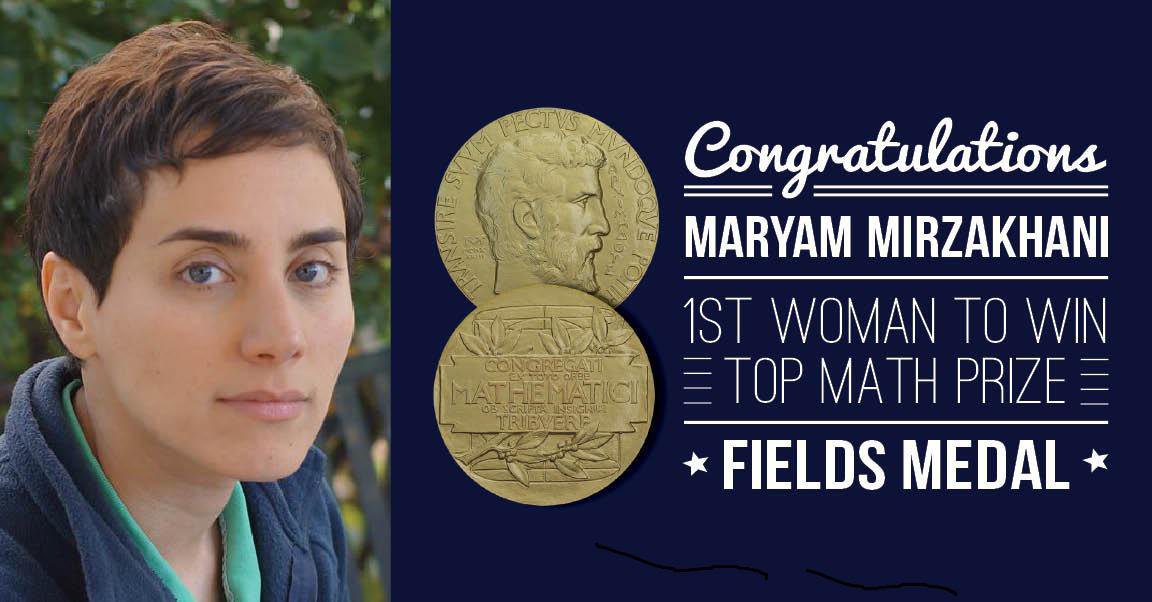
Today, May 12, we celebrate the birthday of Maryam Mirzakhani (1977–2017) - the first woman and first Iranian to win the Fields Medal.
Her groundbreaking work on Riemann surfaces and moduli spaces continues to inspire mathematicians worldwide.
May 12 is now International Women in Mathematics Day.
59
2,025
6,663
288,623
Mostafa Beshkar retweeted

May 3
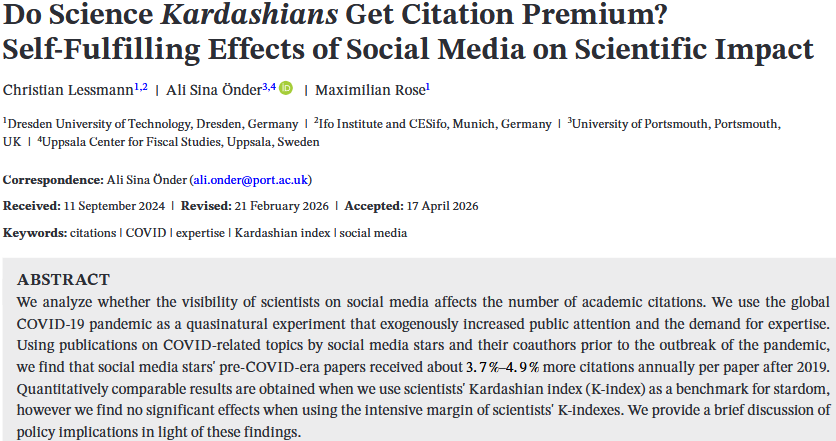
Does your social media visibility affect your citations? Yes because social media visibility enhances your "expert" status. Here is the brand new paper with @econ_lessmann and Max Rose: onlinelibrary.wiley.com/doi/… @davidstadelmann @MishaTeplitskiy @csugimoto @voxeu @AntonioFatas
1
15
59
4,583
Mostafa Beshkar retweeted

Apr 27
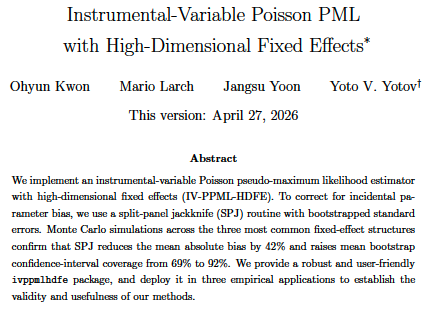
IV-PPML-HDFE. We are happy to introduce an instrumental-variable Poisson pseudo-maximum likelihood estimator with high-dimensional fixed effects. We also provide a robust and user-friendly ‘ivppmlhdfe’ package for Stata and Julia.
More details here 👇
ideas.repec.org/p/drx/wpaper…
7
51
231
15,294

Apr 17
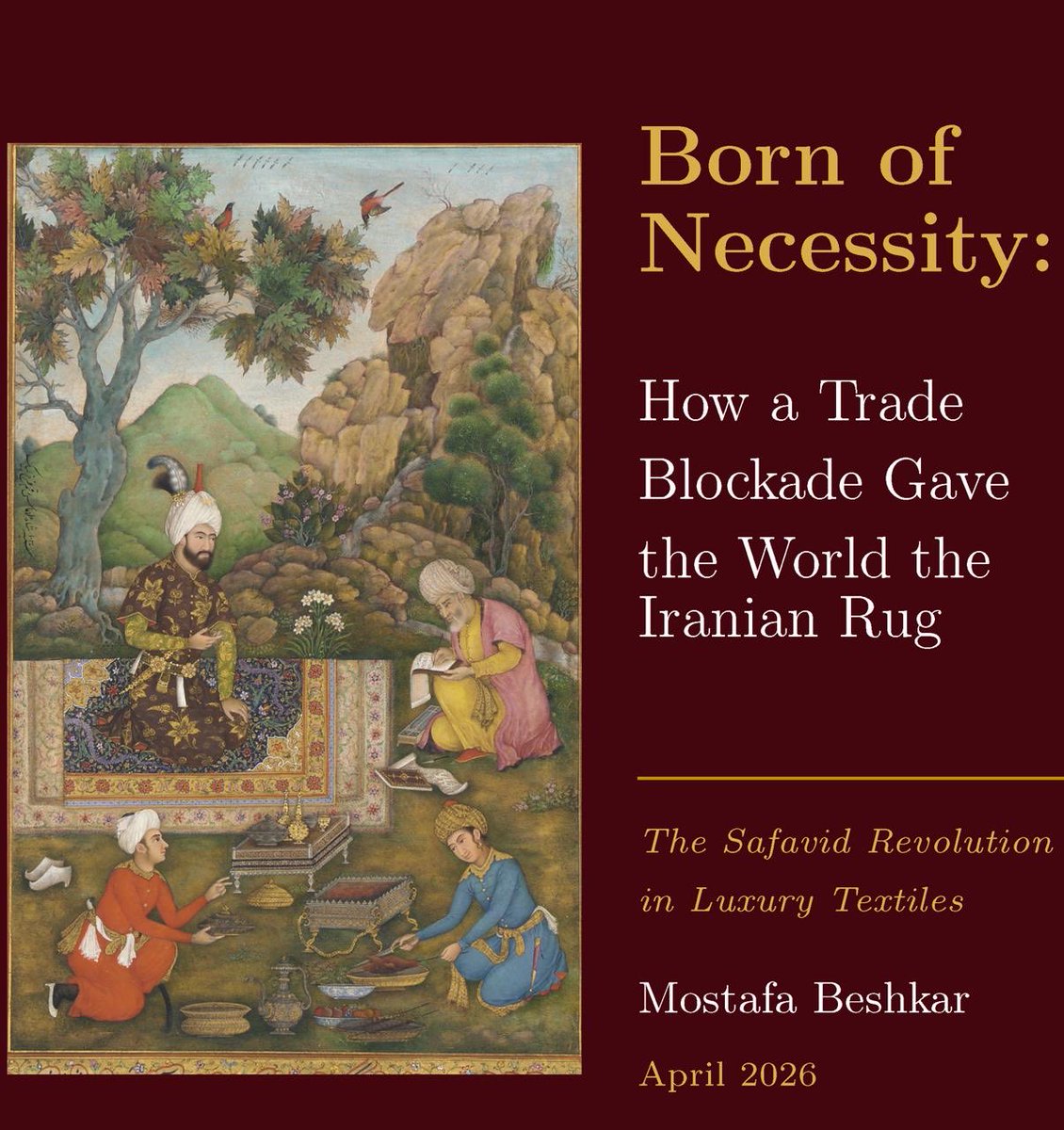
Today, I had the pleasure to talk about Shah Tahmasp’s industrial policy (nudged by an Ottoman trade blockade) that gave us the Iranian rug. Thanks to the Persian program at @IndianaUniv for the opportunity.
1
1
11
395
Mostafa Beshkar retweeted

Congratulations to Ludwig Straub (@ludwigstraub) of @Harvard, winner of the 2026 John Bates Clark Medal! aeaweb.org/about-aea/honors-…
14
69
356
186,571
Mostafa Beshkar retweeted

Apr 7
Open Letter from Economists to @realDonaldTrump On Iran forms.gle/FhHPRpbWAvURStgY7
To my economist friends, please sign.
1
2
144
Mostafa Beshkar retweeted
Apr 7
4 Nobel laureates and 100 economists urge Trump: don't bomb Iran's infrastructure.
It won't reopen Hormuz. It will spike oil prices and strengthen the IRGC.
forms.gle/wxZ92Gmpi4Drmchs8
2
3
333
Mostafa Beshkar retweeted
Apr 7
4 Nobel laureates and 100 economists urge Trump: don't bomb Iran's infrastructure.
It won't reopen Hormuz. It will spike oil prices and strengthen the IRGC.
@nytimes
@WSJ
@washingtonpost
@CNN
@FoxNews
@USATODAY
Apr 7

Open Letter from Economists to @realDonaldTrump On Iran forms.gle/FhHPRpbWAvURStgY7
Dear President Trump,
While we share the Administration's concerns about the Islamic Revolutionary Guard Corps’ (IRGC) nuclear program and destabilizing activities, strikes on Iranian civilian infrastructure, including power plants, industries, bridges, and universities, some of which have already begun, are strategically counterproductive, escalating costs to Americans while reducing our ability to achieve America’s objectives.
Iran's ability to disrupt the Strait of Hormuz through mines, fast-attack boats, coastal missiles, and drones does not depend on power plants or refineries. Destroying civilian infrastructure removes Iran's incentive to reopen the Strait; it does not remove its capability to close it.
Striking infrastructure devastates the livelihood of 92 million civilians, the very people this war was partly started to liberate. Aside from its resulting humanitarian crisis, it will further widen the scope of the war and allow the IRGC to position themselves as defenders of the nation, and rebuild their badly damaged internal support. Infrastructure strikes and a prolonged war also let them blame economic misery on foreign aggression rather than their own mismanagement.
Consistent opinion polls over recent years show that Iranians hold the United States in remarkably high regard. A military strategy that disregards their well-being risks squandering one of America's most valuable — and underutilized — assets in the Middle East: the goodwill of the Iranian people.
Beyond Iran, the cost to the United States is immense. Extended closure of the Strait, sustained high oil prices, and extensive damage to production facilities in the region would hurt American consumers directly. Moreover, with lost leverage for achieving peace and a more entrenched IRGC, the risk of this intervention becoming a years-long war in the Middle East goes up dramatically.
Your earlier approach to limit the war to targeting IRGC military assets and top leadership, combined with conditional sanctions relief as leverage for behavioral change and termination of the nuclear threat, is still our best hope for getting to a sustainable peace, an open Strait, and avoiding economic damage at home. Once the war ends, the IRGC must answer to their own population, and your policies have already weakened them and changed their calculus. You may well have opened the path to a more moderate Iran in the coming months and years if we can close the deal now, but that option vanishes as soon as infrastructure attacks expand.
---
See signatories here: forms.gle/FhHPRpbWAvURStgY7
1
234
Apr 7
“Consistent opinion polls over recent years show that Iranians hold the United States in remarkably high regard. A military strategy that disregards their well-being risks squandering one of America's most valuable — and underutilized — assets in the Middle East: the goodwill of the Iranian people.”
Apr 7
Open Letter from Economists to @realDonaldTrump On Iran forms.gle/FhHPRpbWAvURStgY7
Dear President Trump,
While we share the Administration's concerns about the Islamic Revolutionary Guard Corps’ (IRGC) nuclear program and destabilizing activities, strikes on Iranian civilian infrastructure, including power plants, industries, bridges, and universities, some of which have already begun, are strategically counterproductive, escalating costs to Americans while reducing our ability to achieve America’s objectives.
Iran's ability to disrupt the Strait of Hormuz through mines, fast-attack boats, coastal missiles, and drones does not depend on power plants or refineries. Destroying civilian infrastructure removes Iran's incentive to reopen the Strait; it does not remove its capability to close it.
Striking infrastructure devastates the livelihood of 92 million civilians, the very people this war was partly started to liberate. Aside from its resulting humanitarian crisis, it will further widen the scope of the war and allow the IRGC to position themselves as defenders of the nation, and rebuild their badly damaged internal support. Infrastructure strikes and a prolonged war also let them blame economic misery on foreign aggression rather than their own mismanagement.
Consistent opinion polls over recent years show that Iranians hold the United States in remarkably high regard. A military strategy that disregards their well-being risks squandering one of America's most valuable — and underutilized — assets in the Middle East: the goodwill of the Iranian people.
Beyond Iran, the cost to the United States is immense. Extended closure of the Strait, sustained high oil prices, and extensive damage to production facilities in the region would hurt American consumers directly. Moreover, with lost leverage for achieving peace and a more entrenched IRGC, the risk of this intervention becoming a years-long war in the Middle East goes up dramatically.
Your earlier approach to limit the war to targeting IRGC military assets and top leadership, combined with conditional sanctions relief as leverage for behavioral change and termination of the nuclear threat, is still our best hope for getting to a sustainable peace, an open Strait, and avoiding economic damage at home. Once the war ends, the IRGC must answer to their own population, and your policies have already weakened them and changed their calculus. You may well have opened the path to a more moderate Iran in the coming months and years if we can close the deal now, but that option vanishes as soon as infrastructure attacks expand.
---
See signatories here: forms.gle/FhHPRpbWAvURStgY7
1
5
821
Apr 7
Fellow economists, please consider signing this letter to President Trump on Iran. #EconTwitter #Economics
Apr 7
Open Letter from Economists to @realDonaldTrump On Iran forms.gle/FhHPRpbWAvURStgY7
Dear President Trump,
While we share the Administration's concerns about the Islamic Revolutionary Guard Corps’ (IRGC) nuclear program and destabilizing activities, strikes on Iranian civilian infrastructure, including power plants, industries, bridges, and universities, some of which have already begun, are strategically counterproductive, escalating costs to Americans while reducing our ability to achieve America’s objectives.
Iran's ability to disrupt the Strait of Hormuz through mines, fast-attack boats, coastal missiles, and drones does not depend on power plants or refineries. Destroying civilian infrastructure removes Iran's incentive to reopen the Strait; it does not remove its capability to close it.
Striking infrastructure devastates the livelihood of 92 million civilians, the very people this war was partly started to liberate. Aside from its resulting humanitarian crisis, it will further widen the scope of the war and allow the IRGC to position themselves as defenders of the nation, and rebuild their badly damaged internal support. Infrastructure strikes and a prolonged war also let them blame economic misery on foreign aggression rather than their own mismanagement.
Consistent opinion polls over recent years show that Iranians hold the United States in remarkably high regard. A military strategy that disregards their well-being risks squandering one of America's most valuable — and underutilized — assets in the Middle East: the goodwill of the Iranian people.
Beyond Iran, the cost to the United States is immense. Extended closure of the Strait, sustained high oil prices, and extensive damage to production facilities in the region would hurt American consumers directly. Moreover, with lost leverage for achieving peace and a more entrenched IRGC, the risk of this intervention becoming a years-long war in the Middle East goes up dramatically.
Your earlier approach to limit the war to targeting IRGC military assets and top leadership, combined with conditional sanctions relief as leverage for behavioral change and termination of the nuclear threat, is still our best hope for getting to a sustainable peace, an open Strait, and avoiding economic damage at home. Once the war ends, the IRGC must answer to their own population, and your policies have already weakened them and changed their calculus. You may well have opened the path to a more moderate Iran in the coming months and years if we can close the deal now, but that option vanishes as soon as infrastructure attacks expand.
---
See signatories here: forms.gle/FhHPRpbWAvURStgY7
3
262
Apr 7
Open Letter from Economists to @realDonaldTrump On Iran forms.gle/FhHPRpbWAvURStgY7
Dear President Trump,
While we share the Administration's concerns about the Islamic Revolutionary Guard Corps’ (IRGC) nuclear program and destabilizing activities, strikes on Iranian civilian infrastructure, including power plants, industries, bridges, and universities, some of which have already begun, are strategically counterproductive, escalating costs to Americans while reducing our ability to achieve America’s objectives.
Iran's ability to disrupt the Strait of Hormuz through mines, fast-attack boats, coastal missiles, and drones does not depend on power plants or refineries. Destroying civilian infrastructure removes Iran's incentive to reopen the Strait; it does not remove its capability to close it.
Striking infrastructure devastates the livelihood of 92 million civilians, the very people this war was partly started to liberate. Aside from its resulting humanitarian crisis, it will further widen the scope of the war and allow the IRGC to position themselves as defenders of the nation, and rebuild their badly damaged internal support. Infrastructure strikes and a prolonged war also let them blame economic misery on foreign aggression rather than their own mismanagement.
Consistent opinion polls over recent years show that Iranians hold the United States in remarkably high regard. A military strategy that disregards their well-being risks squandering one of America's most valuable — and underutilized — assets in the Middle East: the goodwill of the Iranian people.
Beyond Iran, the cost to the United States is immense. Extended closure of the Strait, sustained high oil prices, and extensive damage to production facilities in the region would hurt American consumers directly. Moreover, with lost leverage for achieving peace and a more entrenched IRGC, the risk of this intervention becoming a years-long war in the Middle East goes up dramatically.
Your earlier approach to limit the war to targeting IRGC military assets and top leadership, combined with conditional sanctions relief as leverage for behavioral change and termination of the nuclear threat, is still our best hope for getting to a sustainable peace, an open Strait, and avoiding economic damage at home. Once the war ends, the IRGC must answer to their own population, and your policies have already weakened them and changed their calculus. You may well have opened the path to a more moderate Iran in the coming months and years if we can close the deal now, but that option vanishes as soon as infrastructure attacks expand.
---
See signatories here: forms.gle/FhHPRpbWAvURStgY7
2
16
28
4,199
Mostafa Beshkar retweeted

I wish Trump would stop playing 4-dimensional chess because to those of us with lower IQs it looks like insanity mixed with incompetence.
3
41
337
15,603
Mostafa Beshkar retweeted

Apr 5
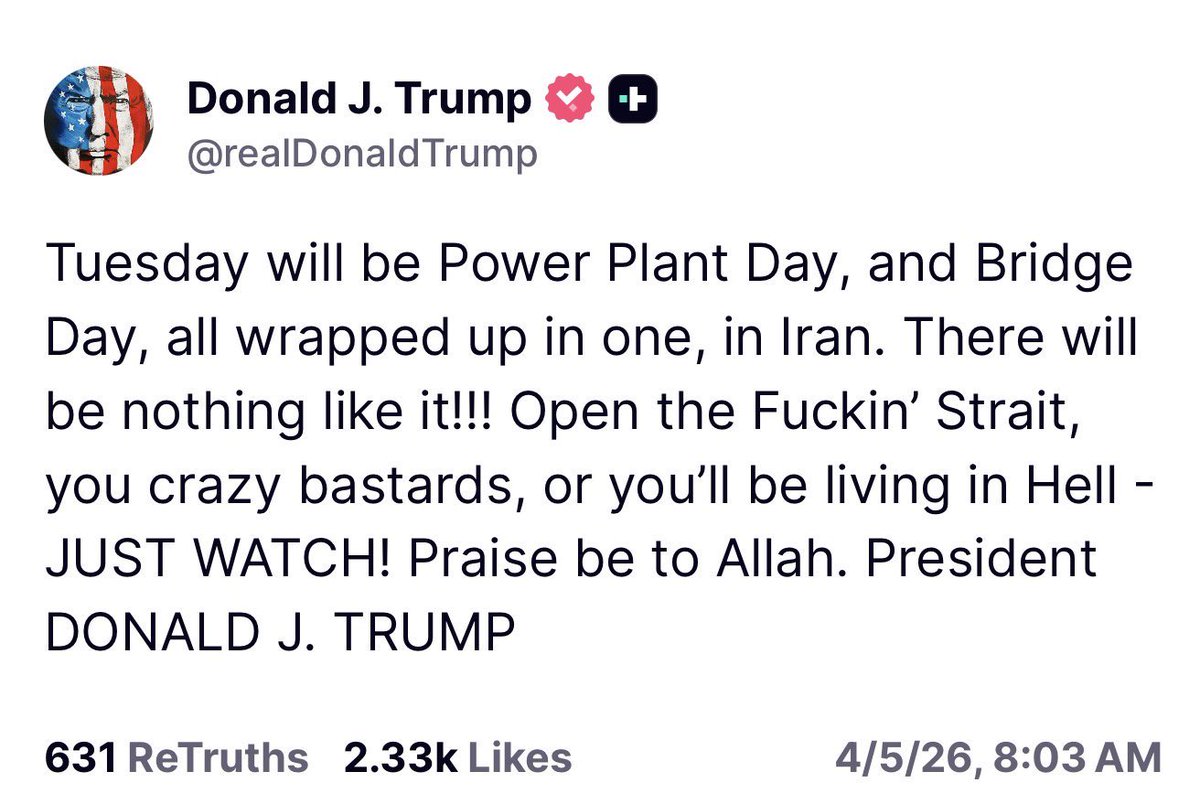
This is embarrassing, Delete it, President @realDonaldTrump - unless you want everyone to think you’ve lost your marbles.
34,707
18,211
130,265
10,066,486
Mostafa Beshkar retweeted

رضا پهلوی، به عنوان کسی که تلاش برای رهبری گذار دارد، باید این گستاخی ترامپ را محکوم کند. متاسفانه افرادی دور خودش جمع کرده که جز مجیزگویی ترامپ و نتانیاهو و فحاشی به اپوزیسیون، استراتژی دیگری ندارند.
Mar 31

Trump: "We'll hit bridges. We've hit some. I've got a couple of nice bridges in mind."
3
14
724
Mostafa Beshkar retweeted

I am not a philosopher, so take this for what it is worth.
What I find most interesting about Jürgen Habermas, from an economist’s perspective, is his idea of the public sphere as a space where private individuals come together to form shared understandings. When I read this, I immediately think of common knowledge in Robert Aumann's sense: not just that everyone knows something, but that everyone knows that everyone knows it, and so on.
Common knowledge is hard to generate, but powerful once it exists. It is what enables coordination in game theory and makes institutions work. Habermas saw, earlier and more clearly than most others, that the structure of public communication determines whether societies can form the shared beliefs they need to coordinate.
7
34
191
18,714