
|Clinical Education Coordinator at Temple University| |Indiana State University & Mercyhurst University Athletic Training Alum|She/Her/Hers|
Joined September 2011
- Tweets 6,922
- Following 1,617
- Followers 984
- Likes 10,929
299 Photos and videos





Beth Neil, PhD, LAT, ATC retweeted

17 Aug 2024
Cool first transport second
17 Aug 2024

National recommendations call for cooling heat stroke patients before transporting them to the hospital, but as @DavidSchechter found out, only 11 states require ambulance services to follow this life-saving protocol.
25
53
3,207
Beth Neil, PhD, LAT, ATC retweeted

Today's #TempleTuesday includes authors from @TempleCPH. Read Rehabilitative Health Care Professionals' Perceptions of Appearance-Based Professionalism at pubmed.ncbi.nlm.nih.gov/3878… (We are not sponsored by the author or journal.)

1
1
156
Beth Neil, PhD, LAT, ATC retweeted

24 Jun 2024
The single worst part of publishing is reviewing proofs. The process is extremely (needlessly!!) stressful due to unreasonable turnaround times and clunky software that crashes constantly.
5
3
109
11,389

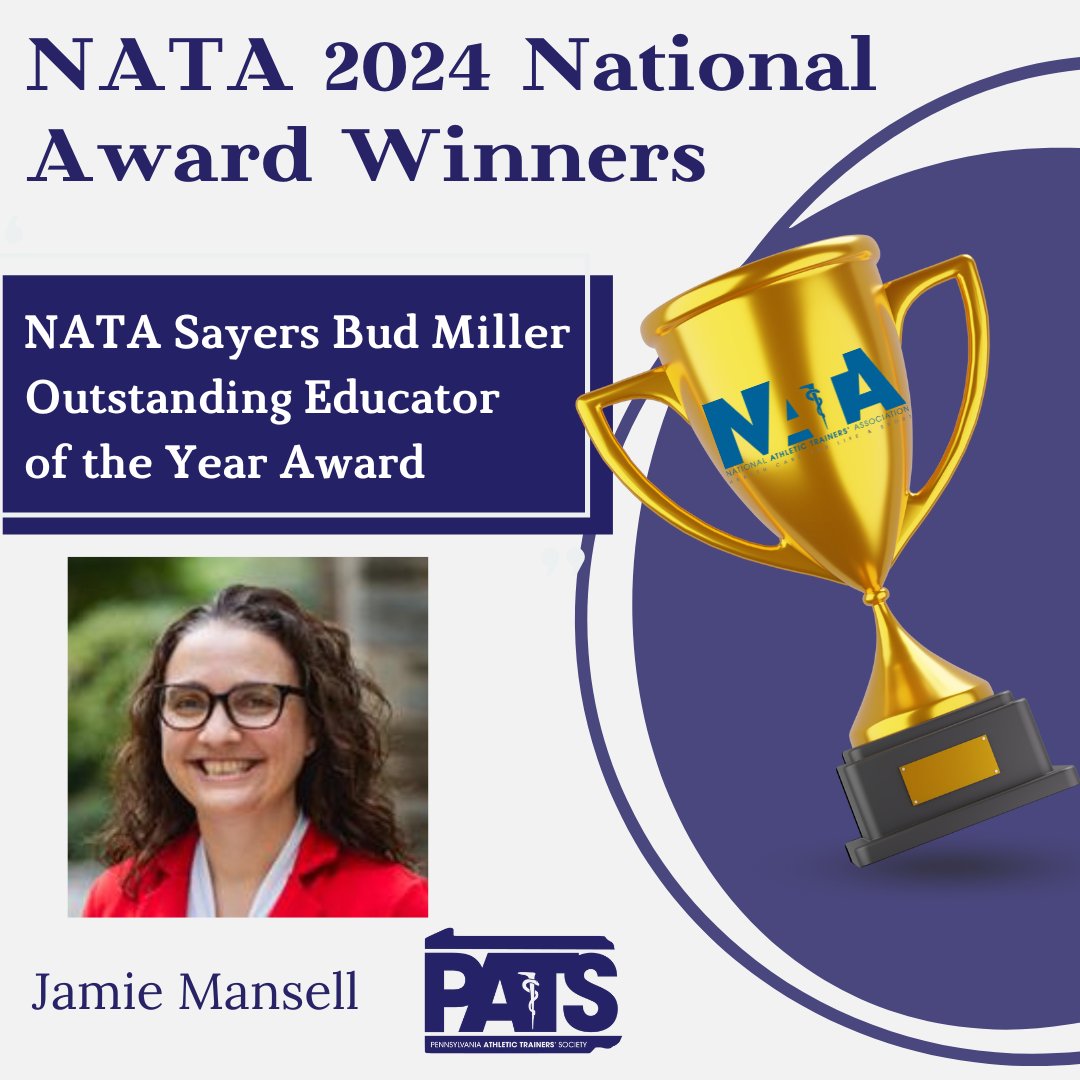
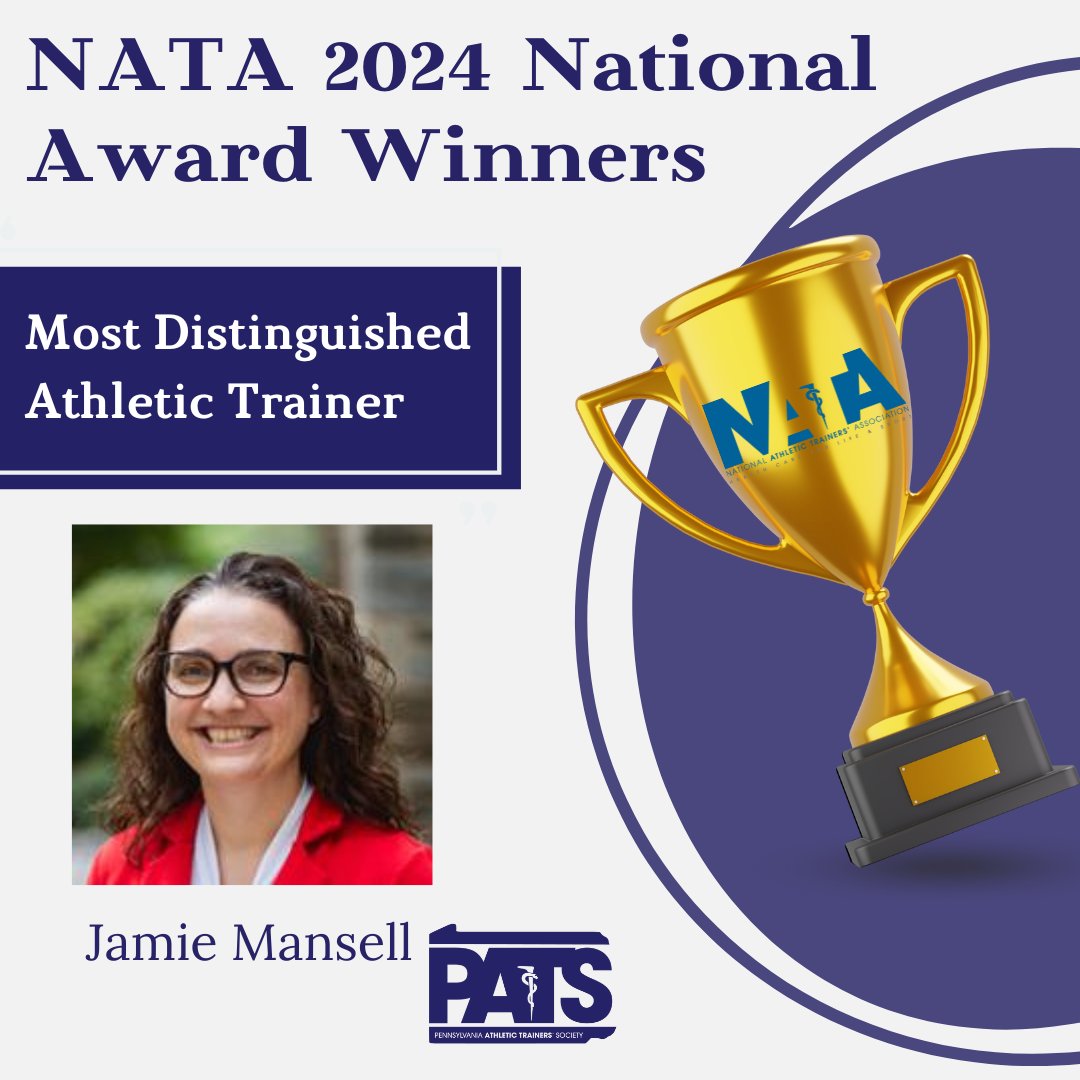
We got another! Congratulations to Jamie Mansell on winning 2 different NATA 2024 National Awards. Jamie Won both Sayers Bud Miller Outstanding Educator of the year Award and Most Distinguished Athletic Trainer Award. Jamie will be recognized June 25-28th at NATA in New Orleans.
4
7
32
1,011

Beth Neil, PhD, LAT, ATC retweeted

1 May 2024
Congratulations to new Owls who are choosing Temple and Philadelphia! Your college years will be a time of growth, learning and new experiences. Welcome to the Nest 🦉🍒
The extended deposit deadline is now May 15, there's still time to become Owl-ficial.
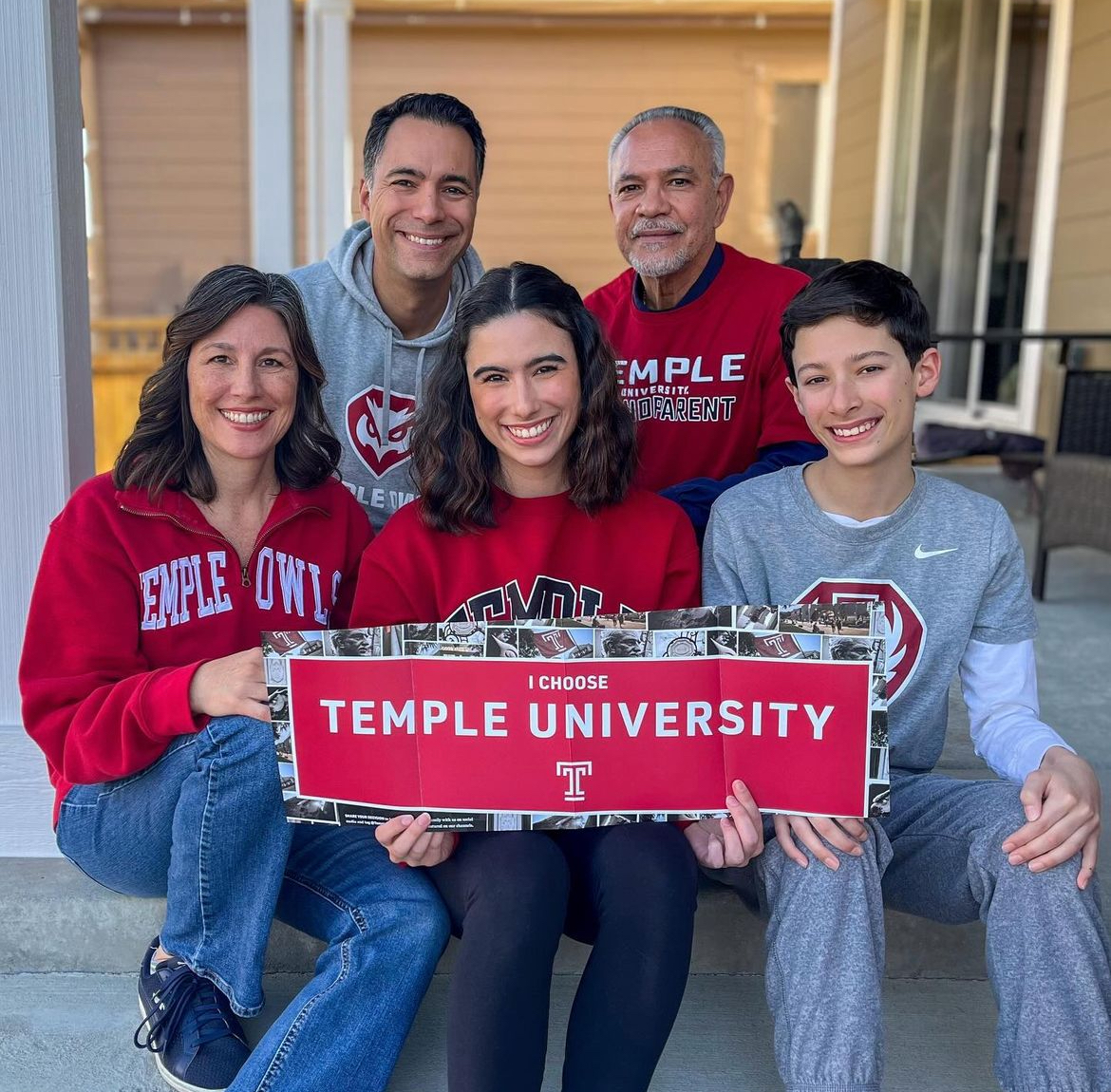
ALT Student holding 'I Choose Temple University' sign surrounded by family.
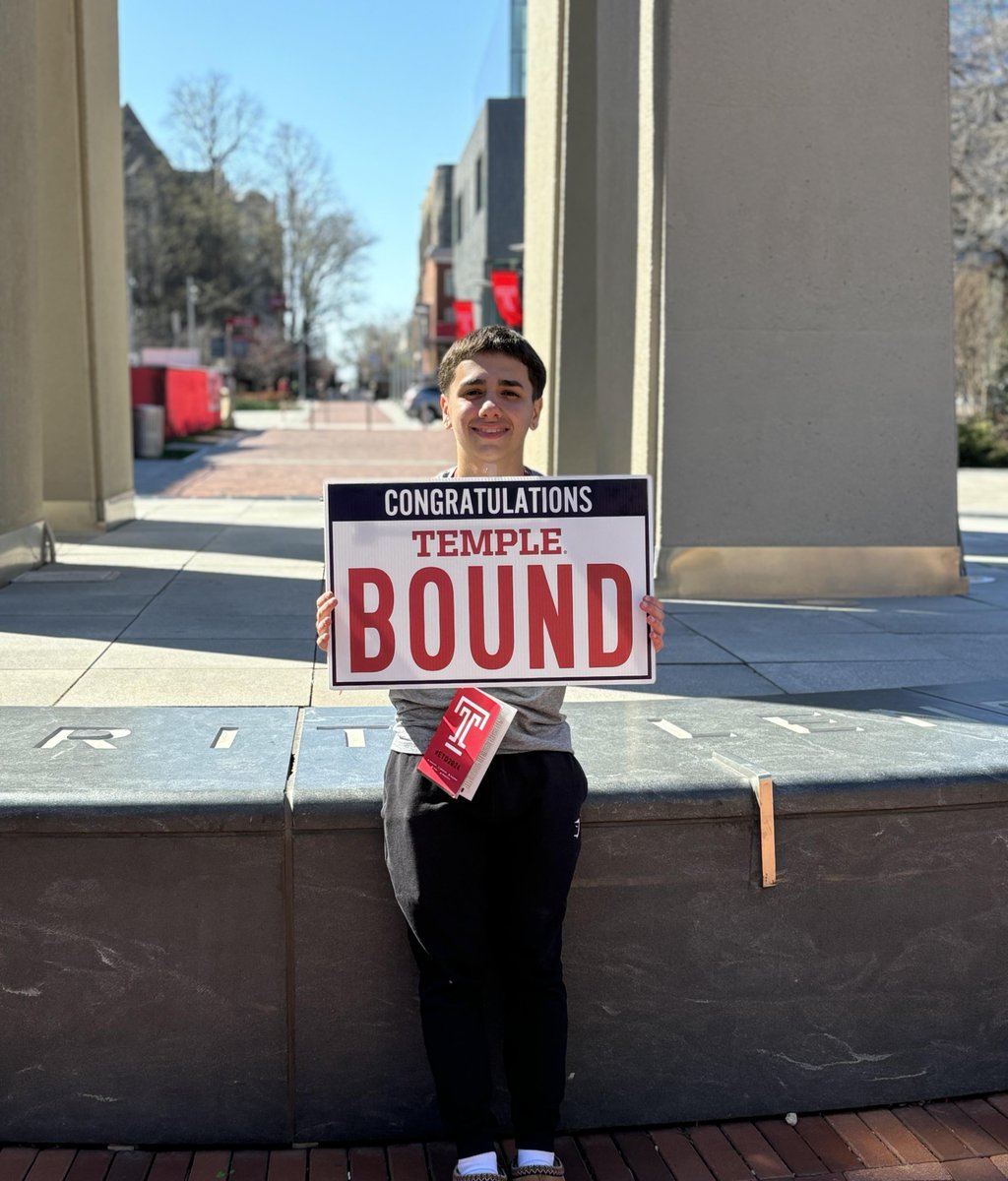
ALT Future Temple student holding a 'Congratulations Temple Bound' sign at the Bell Tower.
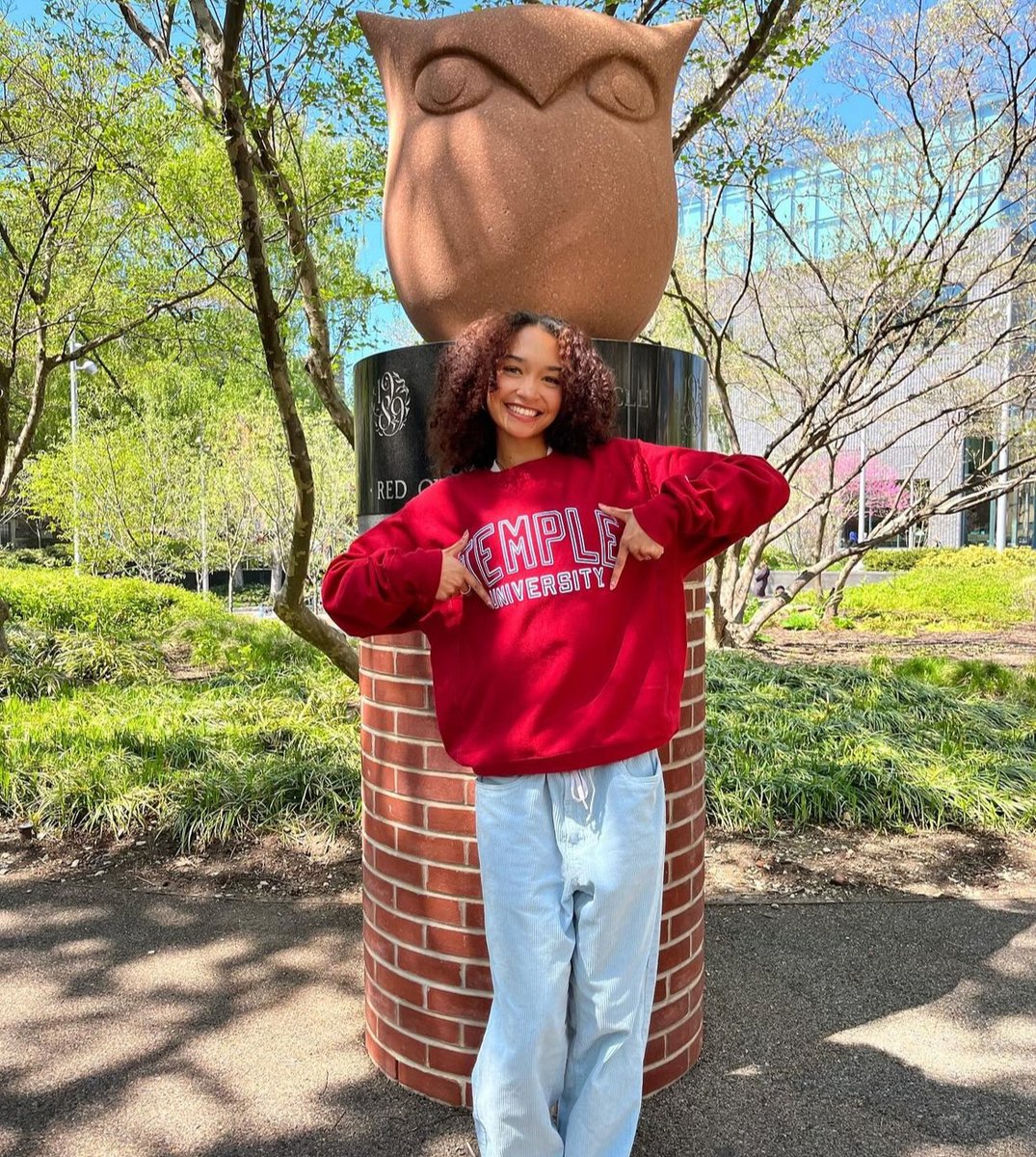
ALT Student wearing Temple crewneck sweatshirt at the alumni owl statue.
1
6
41
3,506

24 Apr 2024
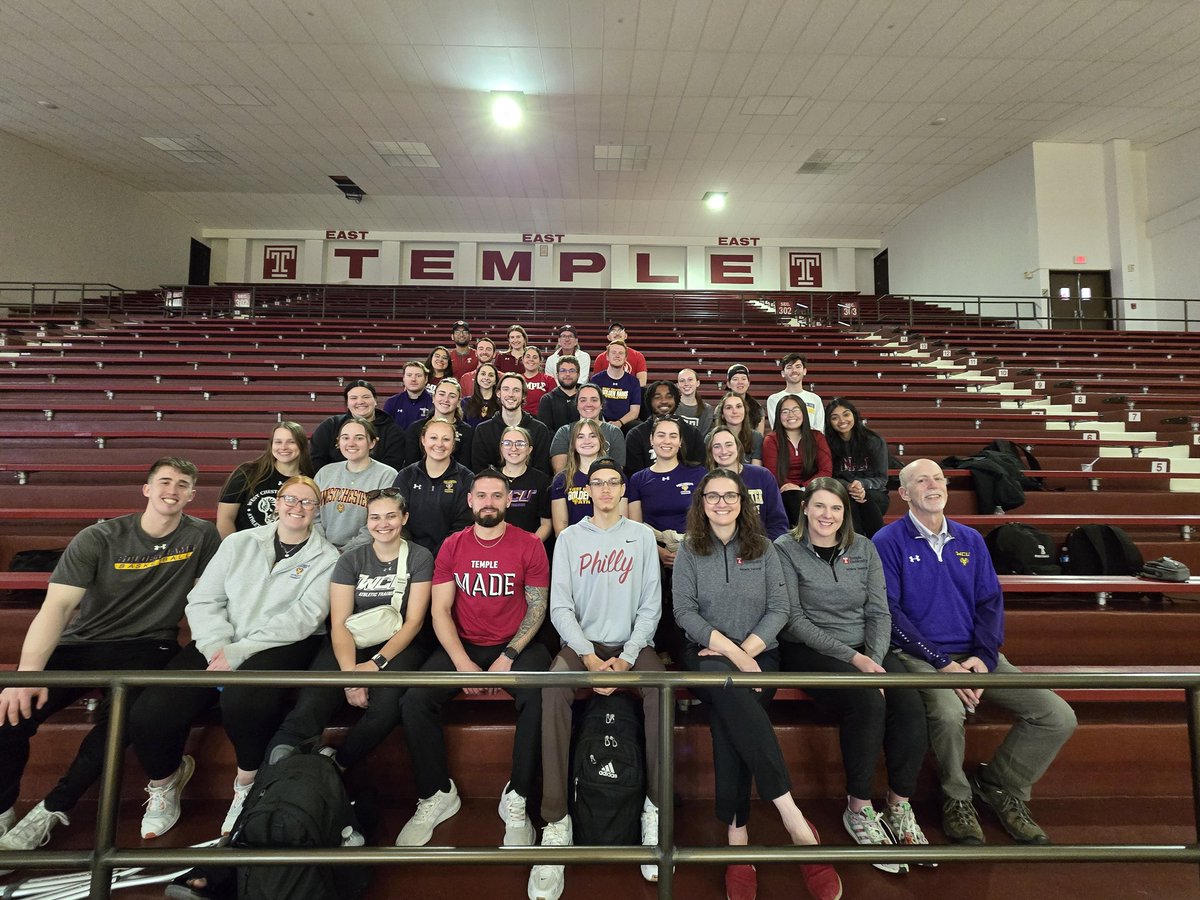
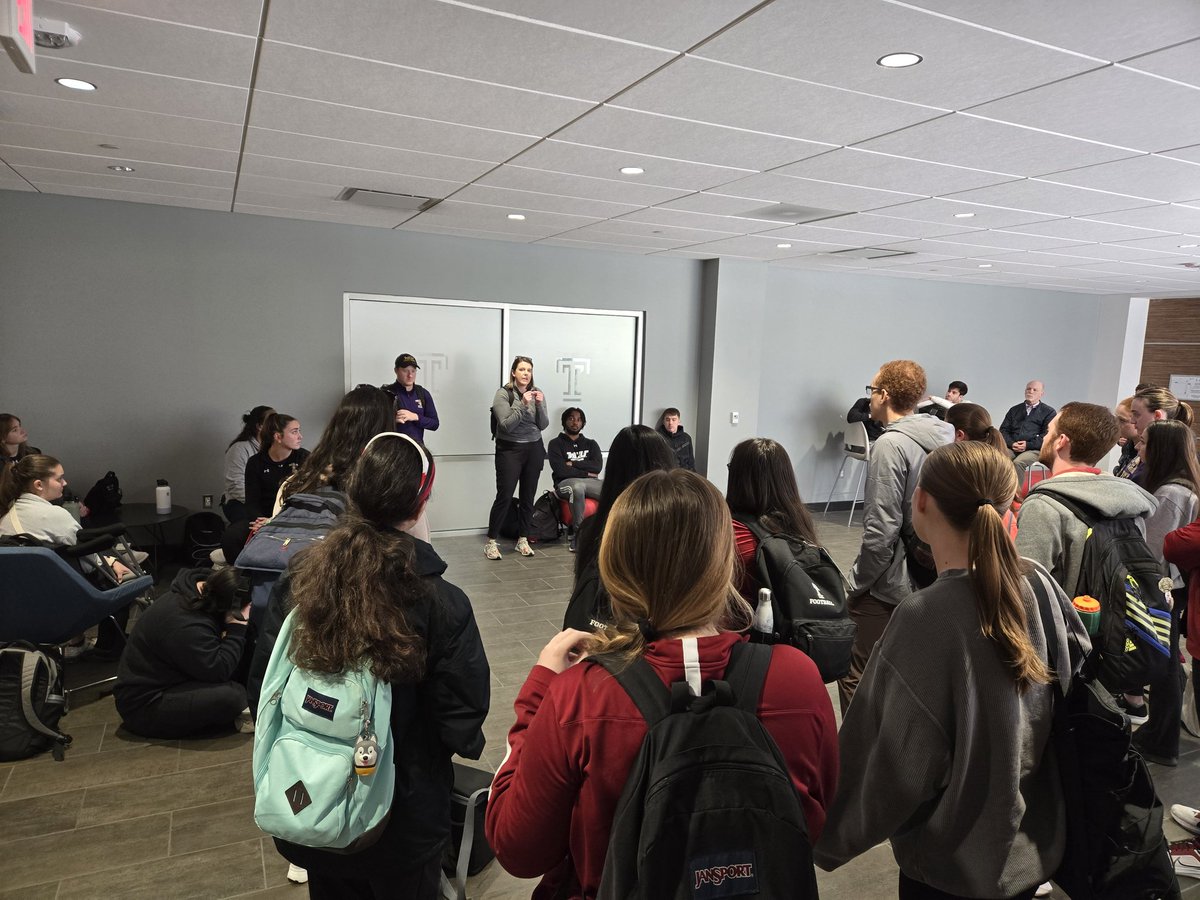
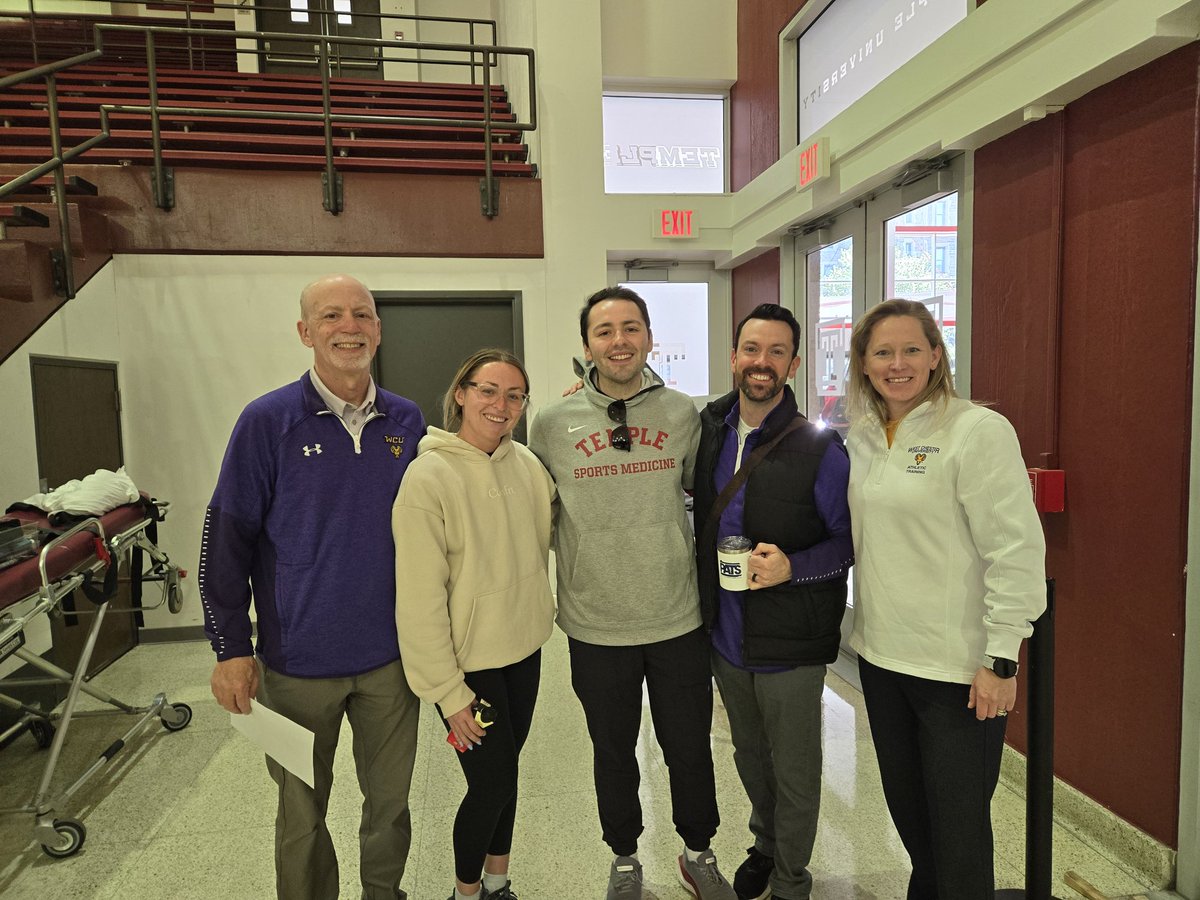
Our students got to collaborate together to ensure knowledge and proper procedures for licensure, legislative efforts, and working per diem as well as dealing with mass casualties! Thankful for those around who agreed and helped this event go so well to help with the TTP time!

Had a greAT day at Temple University with our first ever Transition to Practice Day. A collaborative event with @TempleATP @WCU_AT and @go4ellis . #FutureisBright
@neilcurtisatc @BethNeil13 @JamieMansellPhD @Russacr
10
522
10 Apr 2024
We would love to add YOU to our team! Reach out with any questions and share to anyone interested!
10 Apr 2024

We look forward to welcoming a new faculty member to our community—we’re hiring for an athletic training clinical education coordinator! ⬇️
temple.taleo.net/careersecti…

ALT We're hiring for an athletic training clinical education coordinator!
2
9
641
3 Apr 2024
I am beyond humbled and excited to begin this role. It would not be possible without the foundation that has been laid for me!
If you are interested in joining our team as the CEC, please reach out!
3 Apr 2024
Changes are on the horizon for @TempleATP! As of July 1, @BethNeil13 will take over the role of AT program director, transitioning from @JamieMansellPhD as she assumes her current associate dean for undergraduate studies role permanently. Congratulations to Drs. Neil and Mansell!
3
2
45
3,207
Beth Neil, PhD, LAT, ATC retweeted

8 Mar 2024
Why Athletic Trainers should be using the @go4ellis Sideline EMR for injury documentation at youth sporting events.
An often-overlooked aspect of this safety involves how medical information—specifically Electronic Medical Records (EMR)—is shared in the event of an injury or health concern during a game or tournament.
The traditional method involves documenting the incident and passing the report up the chain to a tournament director, camp director, clinic director, coach, athletic director.
At @go4ellis , after an evaluation is completed, the athletic trainer can share the EMR directly with the parent and/or participant in real time.
Our way is better. Here is why:
✅Privacy Comes First
The privacy of a child's health information is not just a preference—it's a legal requirement under the Health Insurance Portability and Accountability Act (HIPAA).
This act is designed to protect sensitive patient health information from being disclosed without the patient's consent or knowledge.
By communicating directly with parents, healthcare providers ensure they're adhering to these privacy rules.
This method minimizes risks like unauthorized access to sensitive data, which is more likely when information is relayed through third parties, such as tournament directors who aren't covered by HIPAA regulations.
✅Clear and Accurate Information
When healthcare providers communicate directly with parents, it guarantees that the information shared is both accurate and clear.
This direct line of communication eliminates the classic "telephone game" scenario, where information can get distorted as it's passed along.
Parents can ask questions on the spot and receive detailed explanations, ensuring they fully understand the situation and know how to proceed.
Most importantly, in a non-emergent situation, the parent's access to a real time evaluation can help them on the next step of care journey
✅Empowering Parents
Parents are the primary decision-makers for their children. Directly involving them in the sharing and evaluation of EMR respects this fundamental right.
It ensures that they are in the loop, fully informed, and able to make the best decisions for their child's health.
This approach not only respects parental authority but also supports legal and ethical standards for medical care for minors.
✅ Secure Storage and Compliance
Beyond the immediate sharing and communication of Electronic Medical Records (EMR), there's a critical component that deserves attention: the secure storage and handling of these records.
In the realm of healthcare, particularly when it comes to minors in sports, ensuring that EMR are stored securely and in compliance with legal requirements is non-negotiable.
This necessity stems from both the ethical obligation to protect patient privacy and the legal mandates outlined in the Health Insurance Portability and Accountability Act (HIPAA).
The @go4ellis Sideline EMR is the future.
It aligns with privacy laws, enables quick and informed decision-making, respects parental rights, and simplifies the care process.
Most importantly, it places the child's health and safety at the forefront, ensuring they receive the best possible care with the utmost privacy and respect. In the fast-paced world of youth sports, this approach is not just beneficial—it's essential.
#attwitter #NATM2024
1
5
9
1,961
Beth Neil, PhD, LAT, ATC retweeted

23 Feb 2024
@TempleCPH @TempleSSW - check this out. This is a great opportunity to see how Athletic Trainers view public health. @TIPHtweets #thisispublichealth
22 Feb 2024

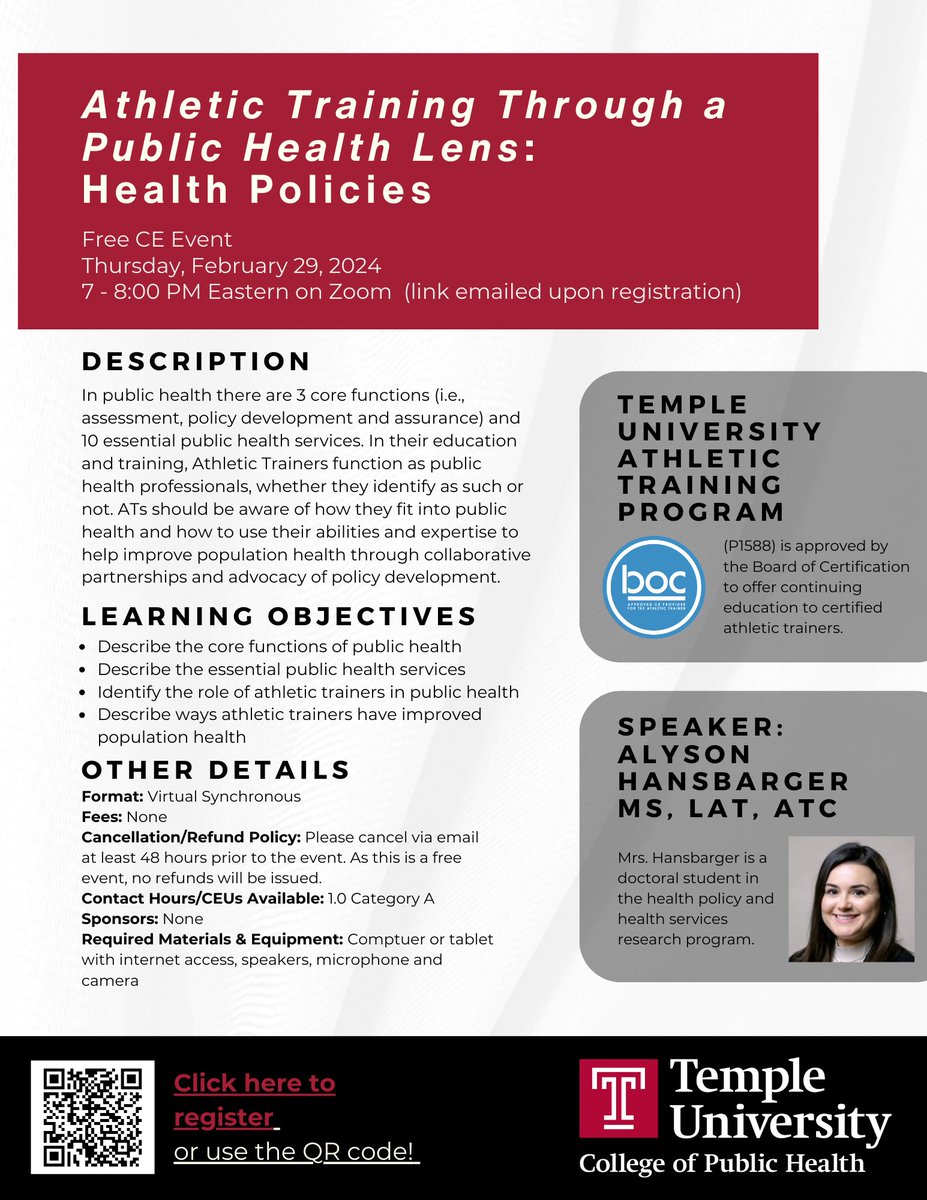
What should you do on Leap Day this year? Learn about public health, of course! Join us for this FREE CE event at 7PM on 2/29. Register at chpswtemple.co1.qualtrics.co…
2
4
454
Beth Neil, PhD, LAT, ATC retweeted

22 Feb 2024
What should you do on Leap Day this year? Learn about public health, of course! Join us for this FREE CE event at 7PM on 2/29. Register at chpswtemple.co1.qualtrics.co…
1
9
10
1,114

Yo PA! SB 559 560 are pending in the Senate & need your help to get them moved to the House. Bills will update the athletic training practice act to better reflect patient population, education, and training. Contact your Senator now! #attwitter
shorturl.at/detY7
7
5
1,064
Proposals for the 2024 PATS convention have been extended to JAN 5th!
This year's theme for the convention is "Fostering Collaboration and Mentorship: Learning Together" and will be held June 7-8 at the Harrisburg/Hershey Sheraton.
-
🔗 docs.google.com/forms/d/e/1F…
2
1
295
All November long, we're discussing food insecurity and the impact it has on your players and students.
Thank you to Dr. Beth Neil PhD, LAT, ATC and Dr. Jamie Mansell, PhD, LAT of @TempleATP. #attwitter #EverySidelineEverywhere
bit.ly/3sP17de
3
14
1,080
"As athletic trainers, we are often on the front lines in this public health issue and must be prepared to have conversations, provide resources, and advocate for others." #foodinsecure #attwitter #EverySidelineEverywhere
bit.ly/3sP17de
9
13
4,150
Beth Neil, PhD, LAT, ATC retweeted

18 Nov 2023
Thought this might be a good time to note that sometimes articles you see in journals take 2-3 years to get published. The article you see this week might have been initially submitted in 2021. Maybe even 2020. Research takes a long time to be published. Longer than most think.
1
32
1,848
Beth Neil, PhD, LAT, ATC retweeted
20 Oct 2023
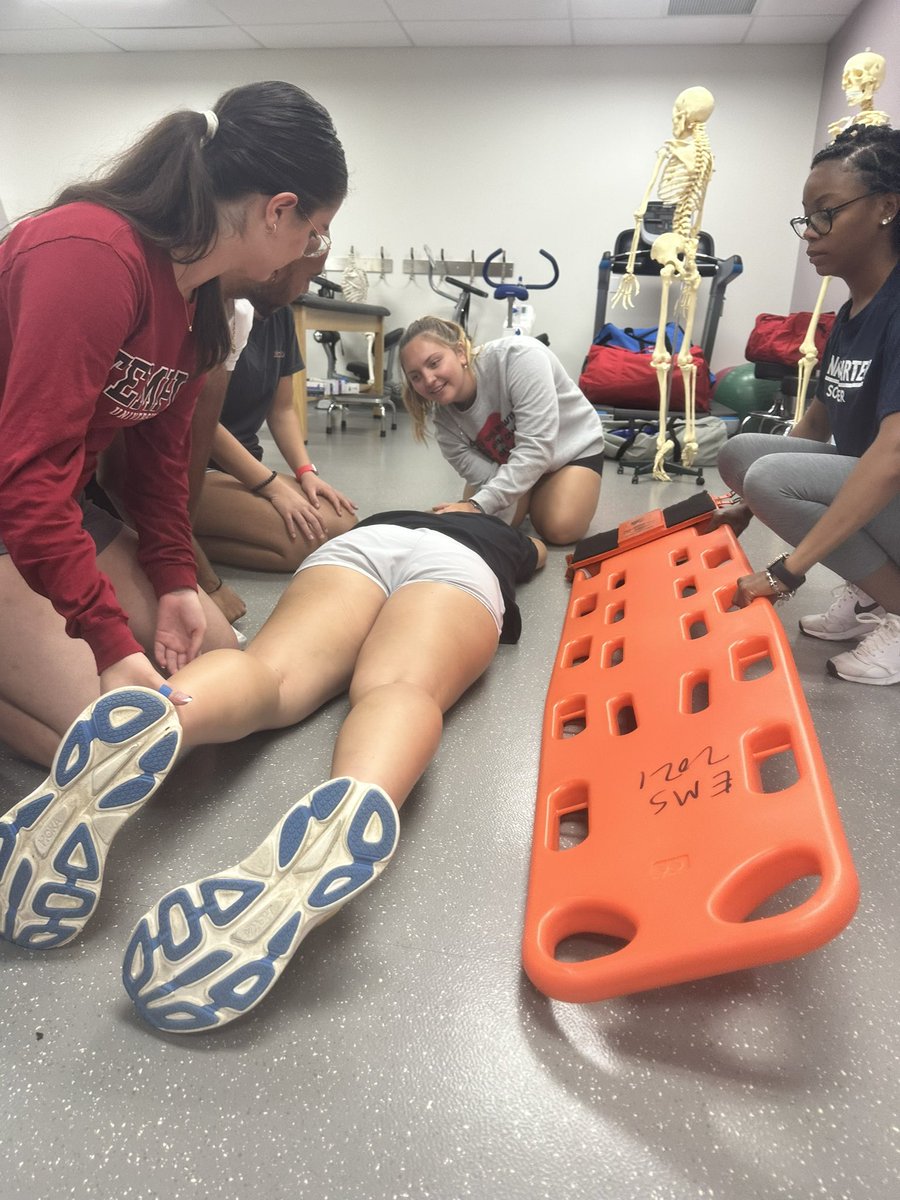
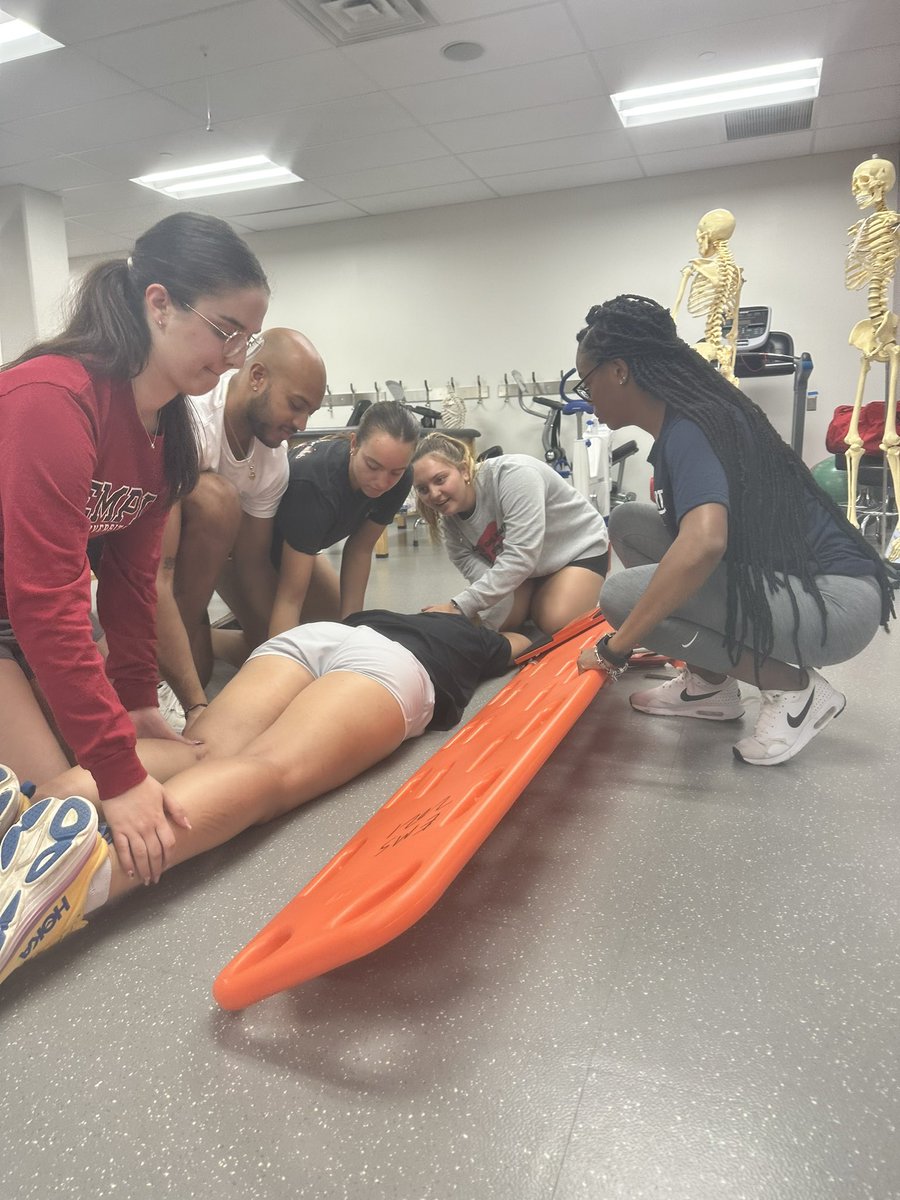
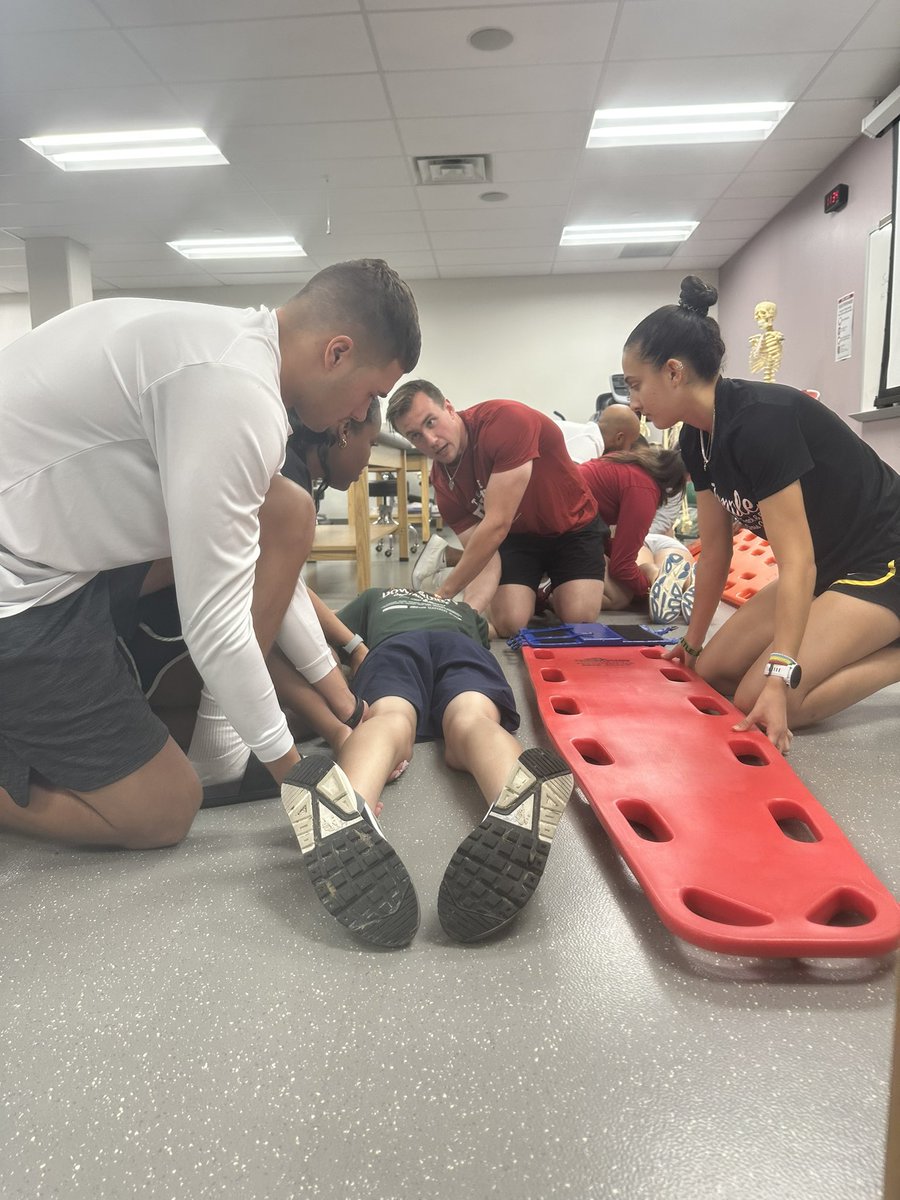
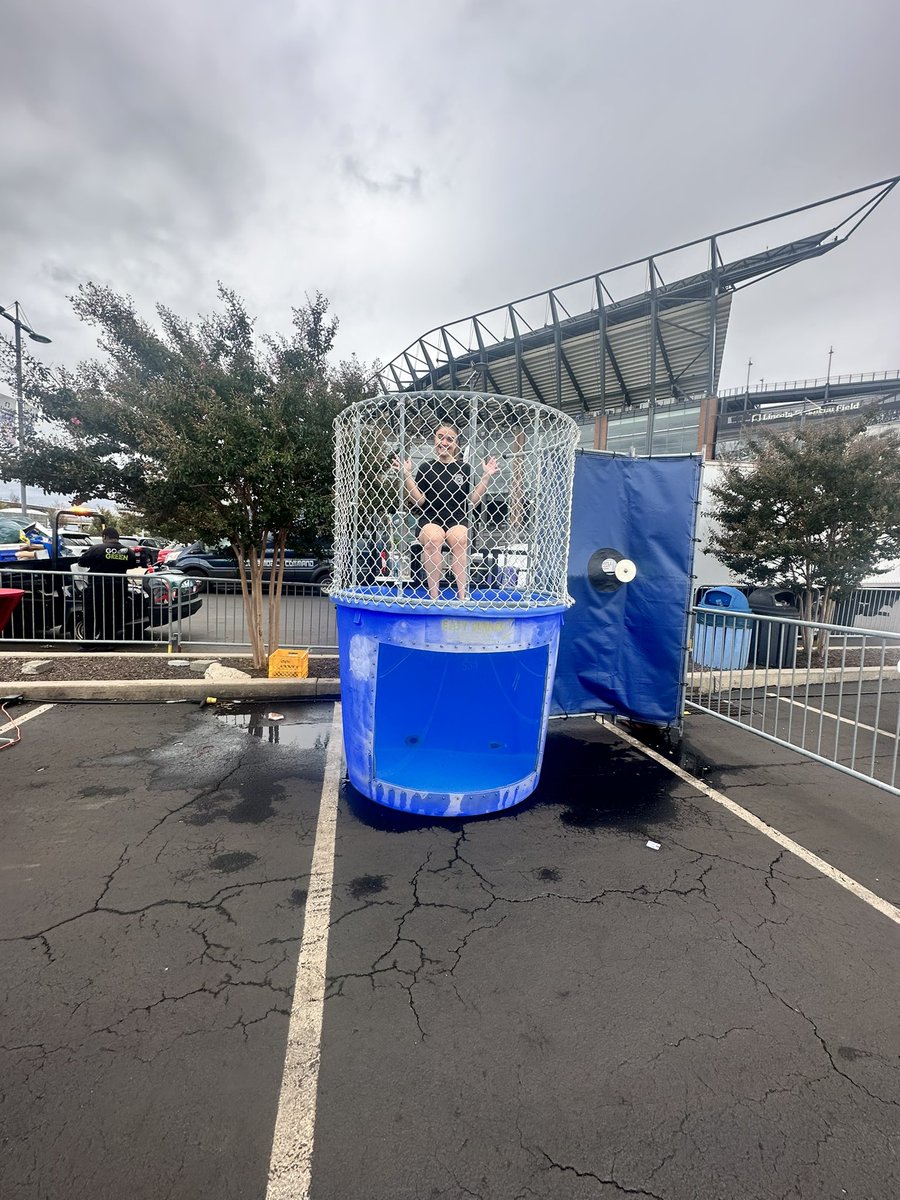
October is flying by! Here’s what our Owls have been up to this month!
1
3
8
757
Beth Neil, PhD, LAT, ATC retweeted
20 Sep 2023
Today, a vigil was held at the Bell Tower in loving memory of Temple University President JoAnne A. Epps. She was an extraordinary leader, teacher and friend to all.
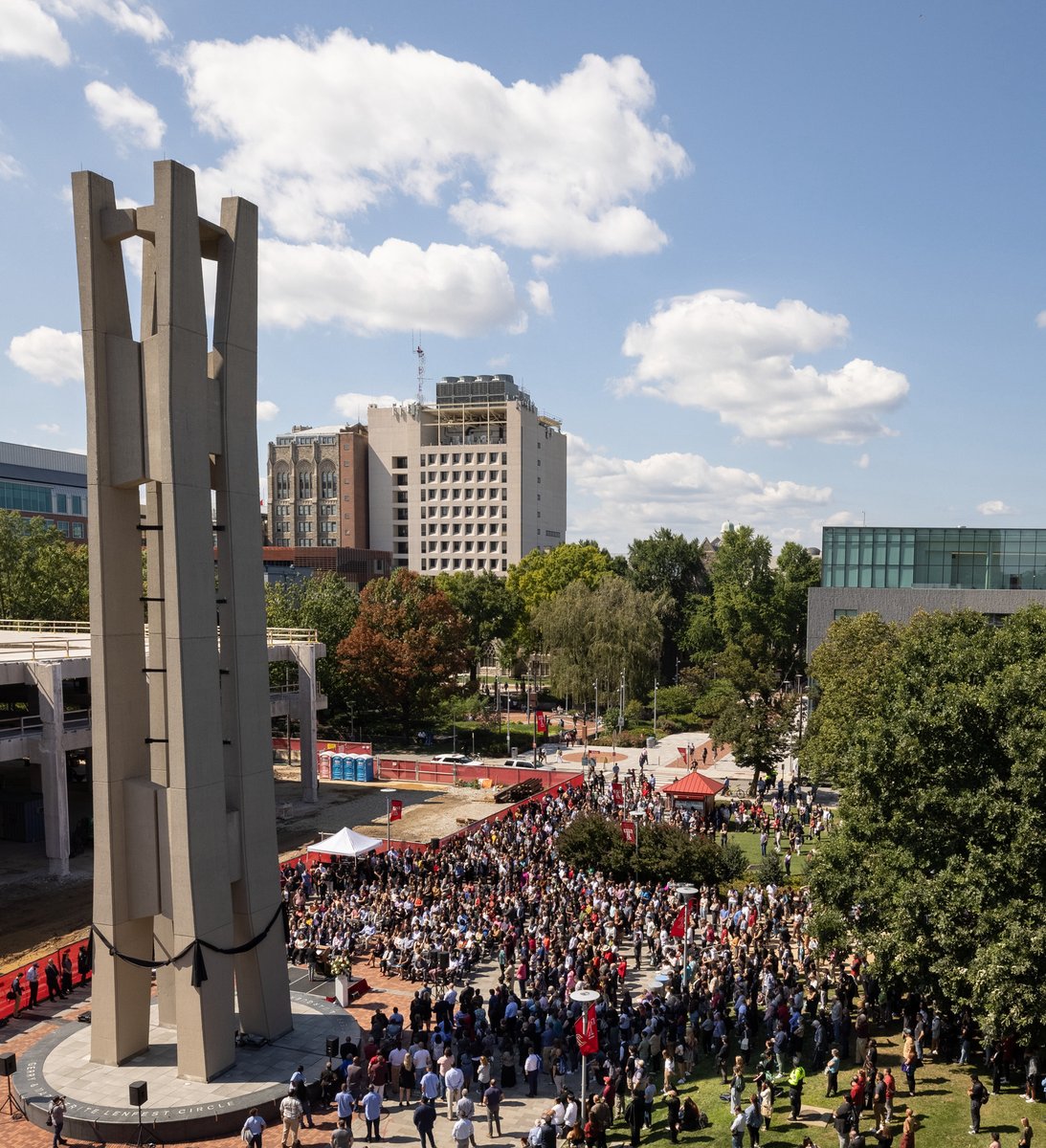
ALT an ariel of the bell tower showing crowds of people gathering
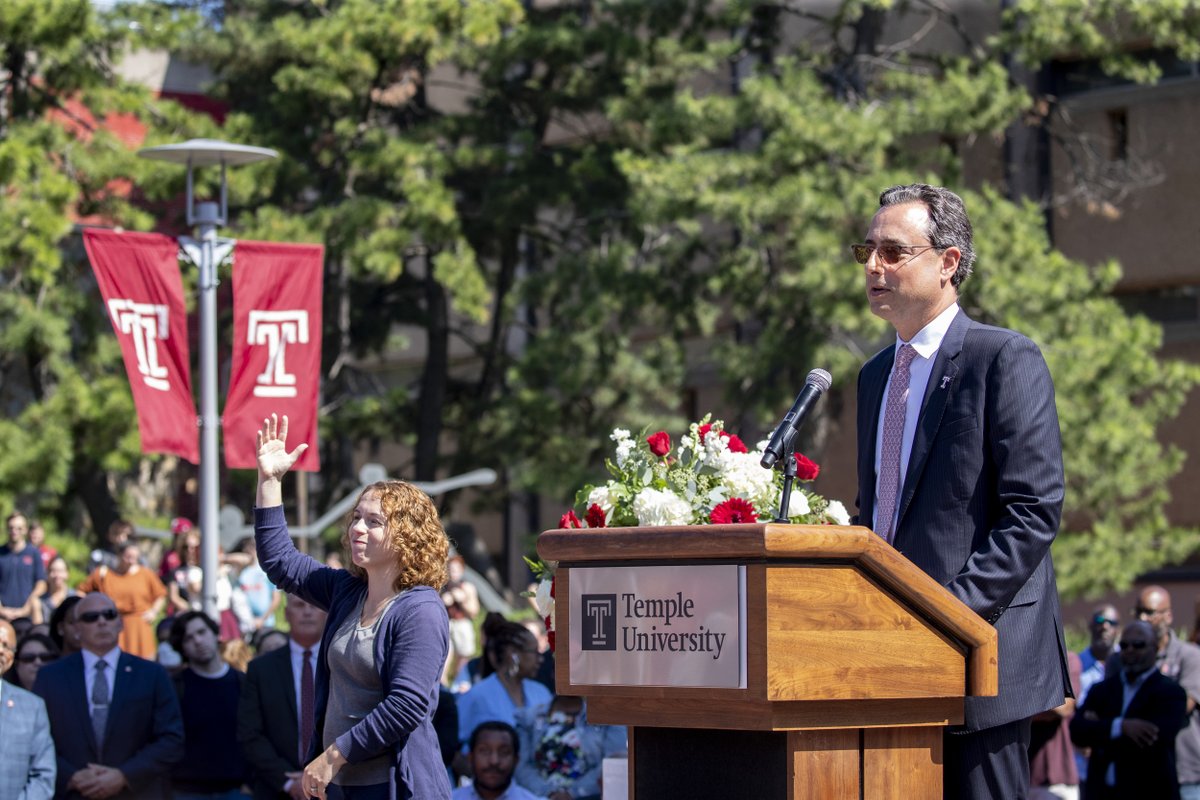
ALT Provost Mandel speaking at a podium
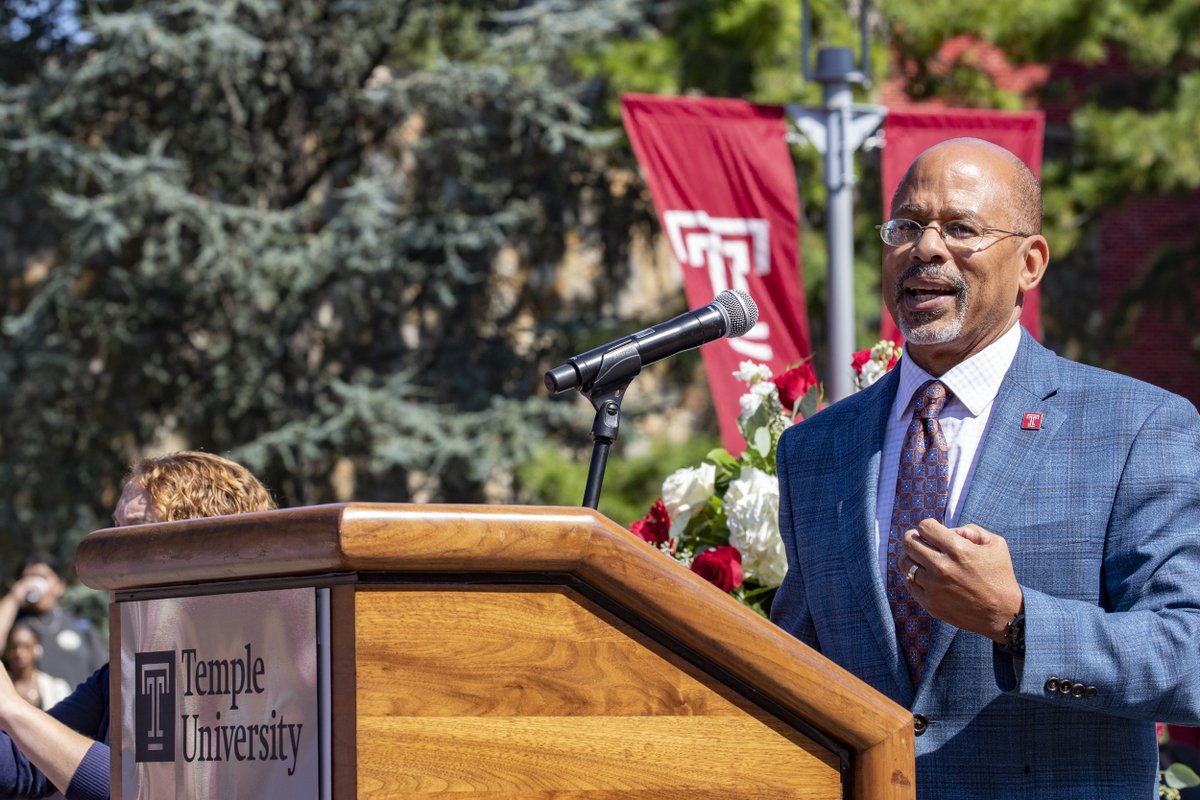
ALT David Brown speaking at a podium

ALT A crowd of students on Polett walk
8
47
378
21,767