THE TORONTO @BLUEJAYS ARE HEADING TO THEIR FIRST WORLD SERIES IN 32 YEARS 😤 #CLINCHED
ALT American League Champions: Toronto Blue Jays
Pictured: Cutouts of Vladimir Guerrero Jr., George Springer, Addison Barger, Daulton Varsho and Andrés Giménez in various action poses. They wear powder blue Blue Jays uniforms with blue and white lettering.
Clinches presented by Budweiser
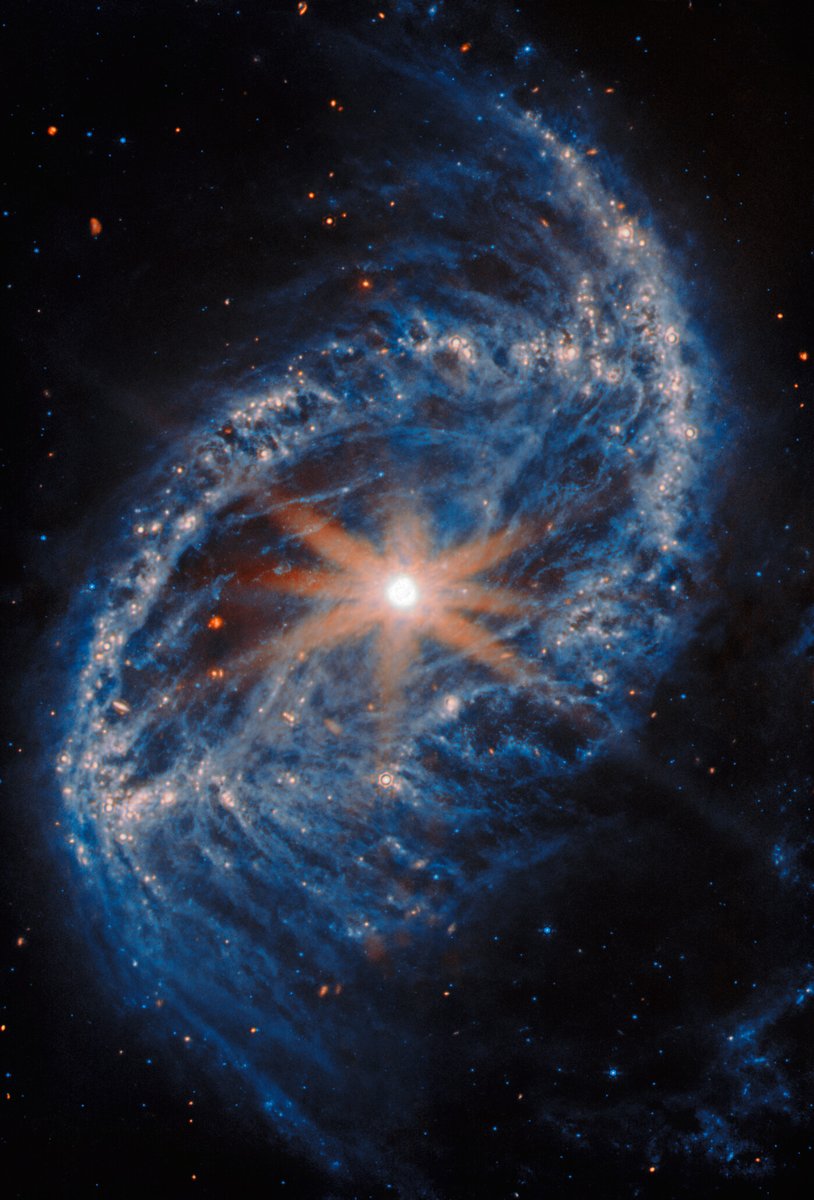
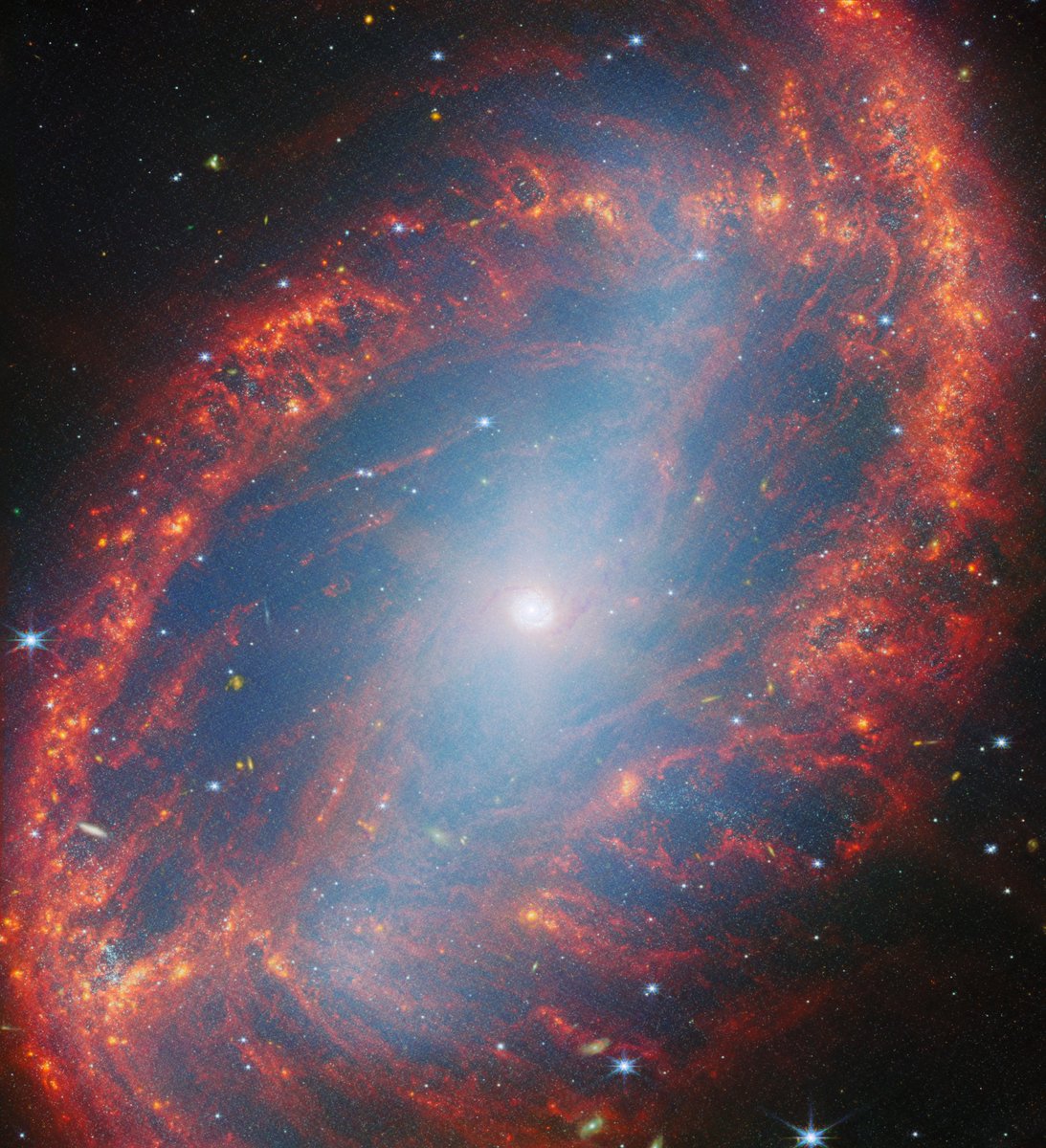
Today's we've published our last Picture of the Month from James Webb in 2024! NGC 2566 is a spiral galaxy located in the constellation Puppis, featuring well-defined spiral arms, long central bar and delicate tracery of gas, dust and stars. Details: esawebb.org/images/potm2412a…
⭐ It's here!⭐
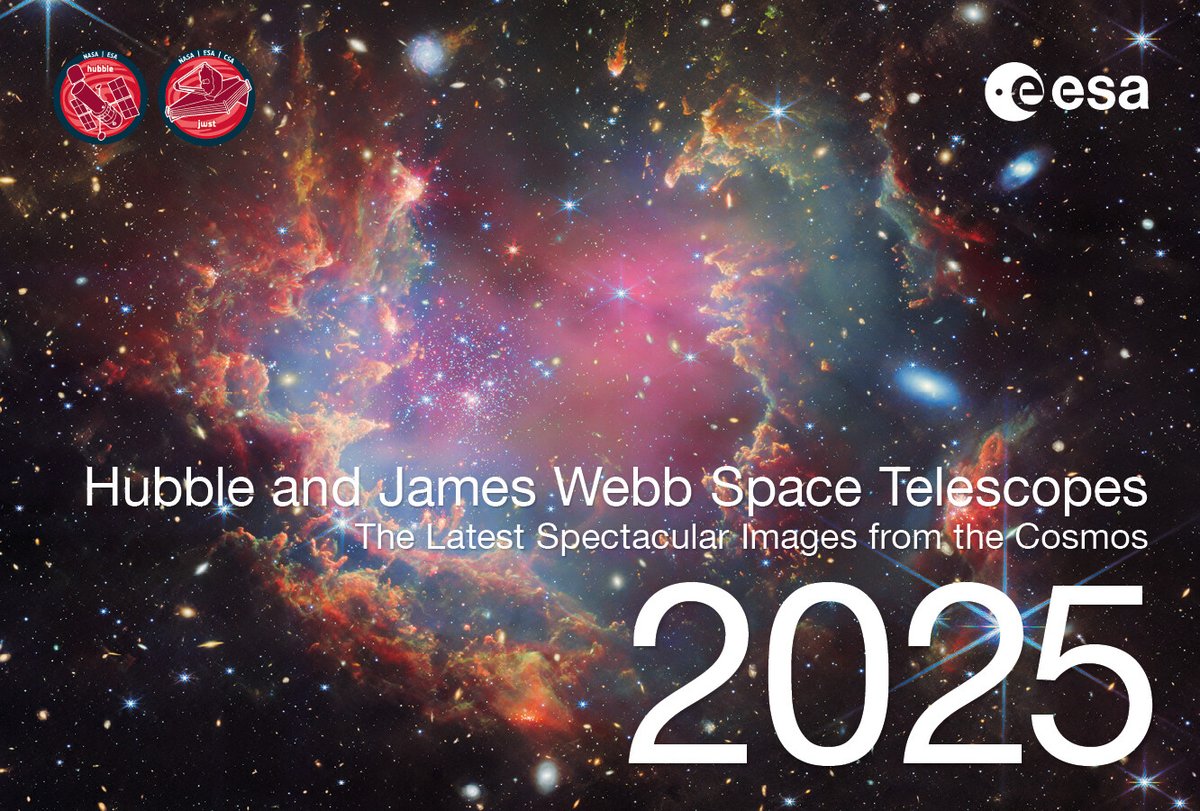
The 2025 Hubble/Webb calendar is now available FREE to the public for digital or print download options. We invite everyone to enjoy the twelve months of images of the cosmos from these beloved missions that were released throughout 2024: esahubble.org/announcements/…
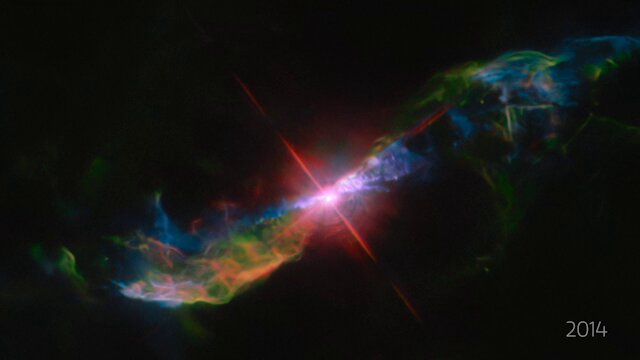
We've just released an amazing new time-lapse from Hubble spanning from 2014 to 2023 of one of the most rambunctious stars in our galaxy. R Aquarii is a symbiotic binary star that lies only roughly 1,000 light-years away.
Full release: esahubble.org/news/heic2413/#Hubble#scicomm
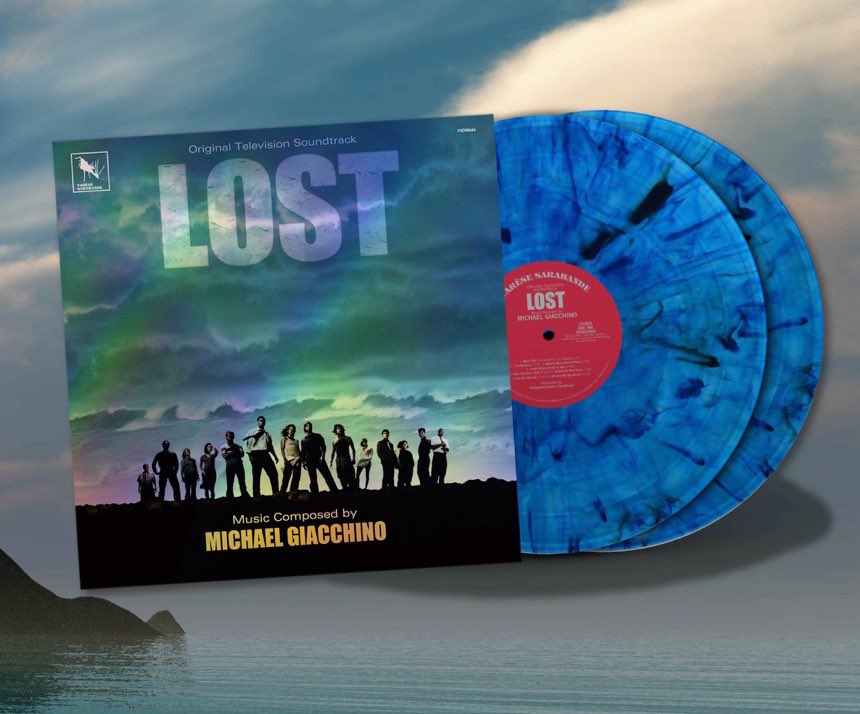
We’ve partnered with @VareseSarabande to do a giveaway of the sold-out Oceanic Blue Smoke vinyl edition of Michael Giacchino’s music for LOST: SEASON ONE.
To enter, follow @VareseSarabande and @TheLOSTworld_, and share this post! We’ll pick 3 winners on November 1st. Good luck!
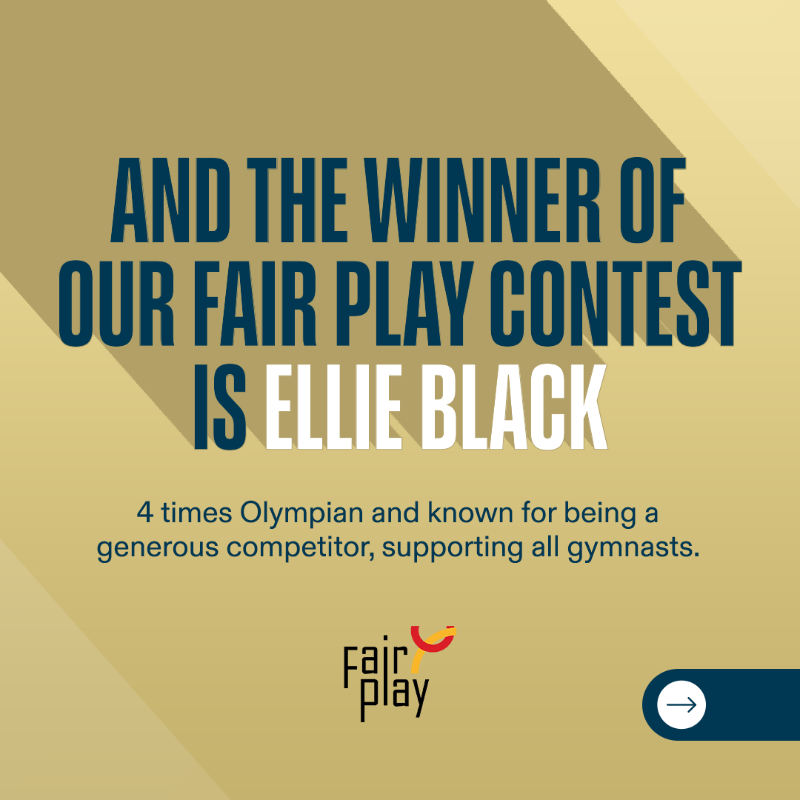
The results are in! 🥁 You voted for your favourite Paris 2024 moment that embodied the Olympic spirit. 🤩
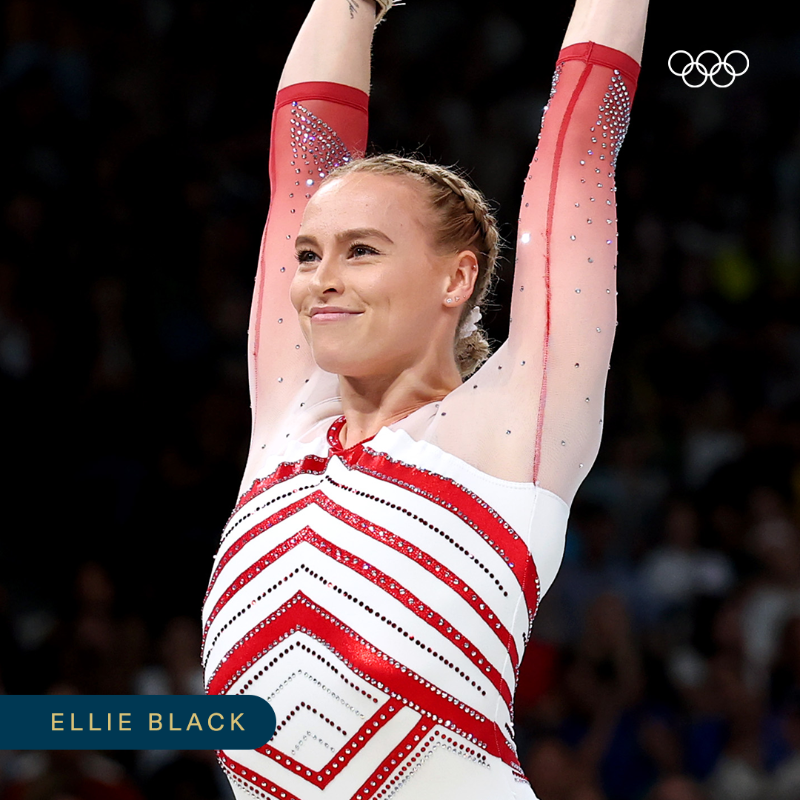
Canadian gymnast and four-time Olympian, Ellie Black won your vote for her support for other gymnasts. 🎉
#Olympics | @EllieBlack_ | @TeamCanada | @gymnastics
📣 Call for a science writer! 📣
The ESA/Hubble and ESA/Webb Outreach team is looking for a science writer ✍️ to help bring the images and science of Hubble and Webb to the public.
Find out more: esawebb.org/announcements/an…
The medals awarded at the #Olympics contain metals made by large stars that exploded billions of years ago. 🥇🥈🥉
But you don’t have to be a stellar athlete to be rewarded with star stuff — learn more about how and where familiar elements are made: tmblr.co/Zz_UqjaPr5GvSq00
ALT This animated sequence of the Cassiopeia A (Cas A) supernova remnant shows the locations of different chemical elements. First, we see Cas A in optical and X-ray light, a roughly circular multicolored cloud with irregular wisps and clumps of material in shades of blue, purple, orange, and green set against a black background. The next image shows the location of only the calcium in Cas A, in green, which is concentrated in three areas in the outskirts of the remnant. Iron then appears in purple, in a slightly different trio of regions. Silicon, in red, and iron, in yellow, are more widely distributed in Cas A. Looking at individual elements reveals a finger-like protrusion in the upper left of the object which is less apparent in the original image. The image is watermarked with “NASA/CXC/SAO” and the names of each element as the relevant image appears.
It’s been a rough couple of days for Canada.
Especially with the fires in Jasper.
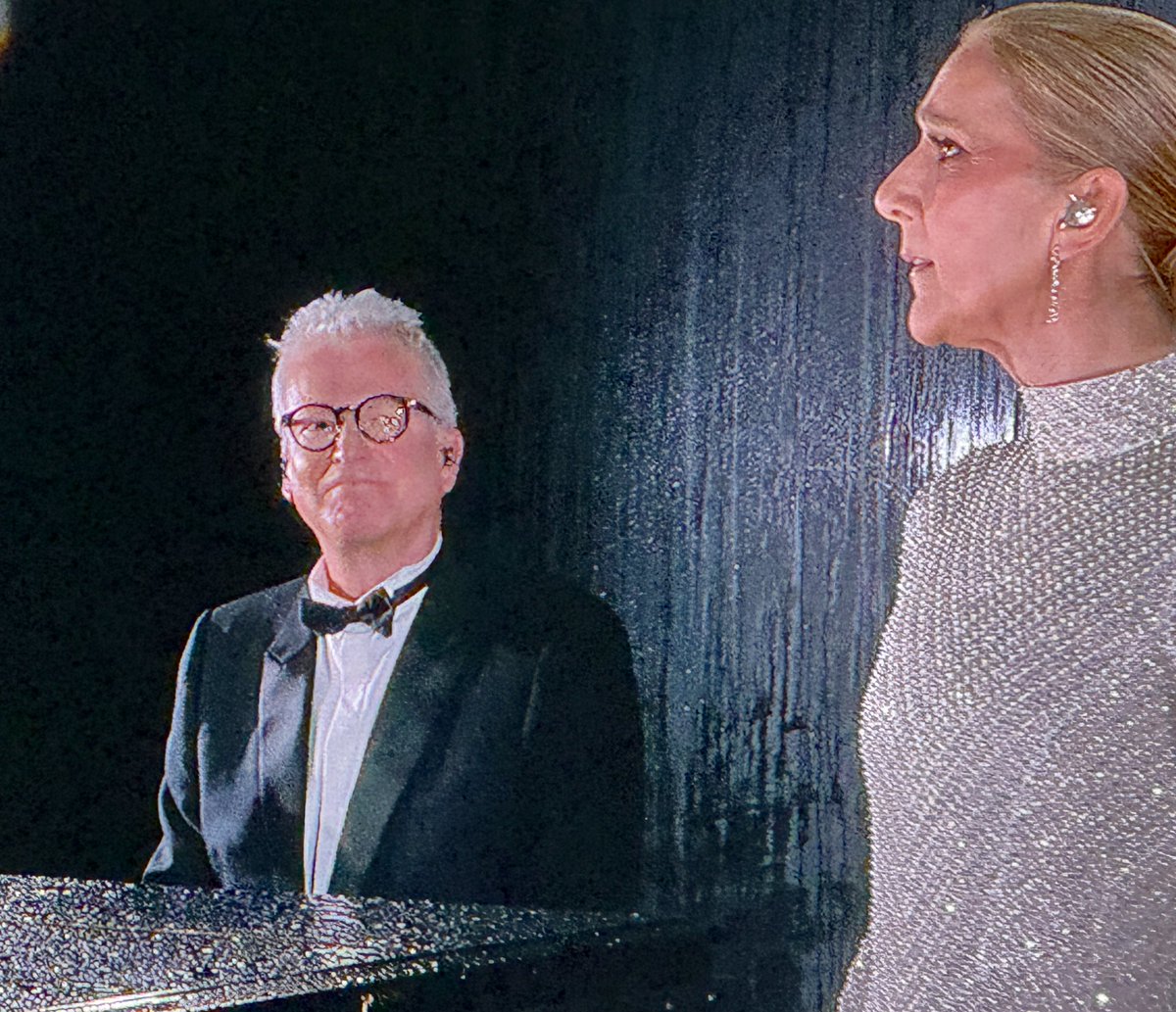
Tonight 🇨🇦 Céline Dion made us proud. And reminded us of resilience and bravery and so many values we hold as Canadians.
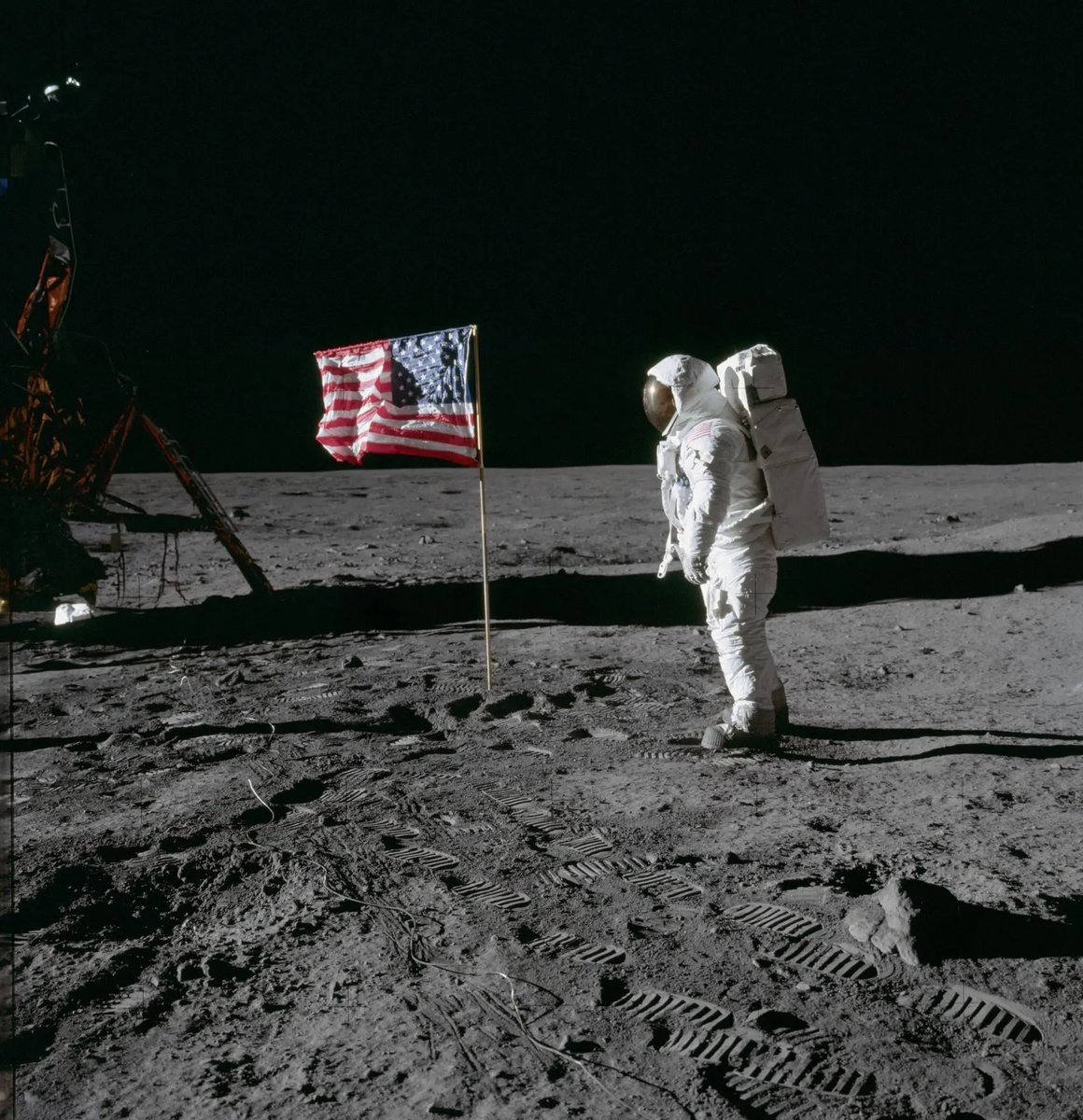
ALT Astronaut Edwin E. Aldrin Jr., lunar module pilot of the first lunar landing mission, poses for a photograph beside the deployed United States flag during an Apollo 11 extravehicular activity (EVA) on the lunar surface. The Lunar Module (LM) is on the left, and the footprints of the astronauts are clearly visible in the soil of the moon. Astronaut Neil A. Armstrong, commander, took this picture with a 70mm Hasselblad lunar surface camera. While astronauts Armstrong and Aldrin descended in the LM, the "Eagle", to explore the Sea of Tranquility region of the moon, astronaut Michael Collins, command module pilot, remained with the Command and Service Modules (CSM) "Columbia" in lunar orbit. Photo credit: NASA
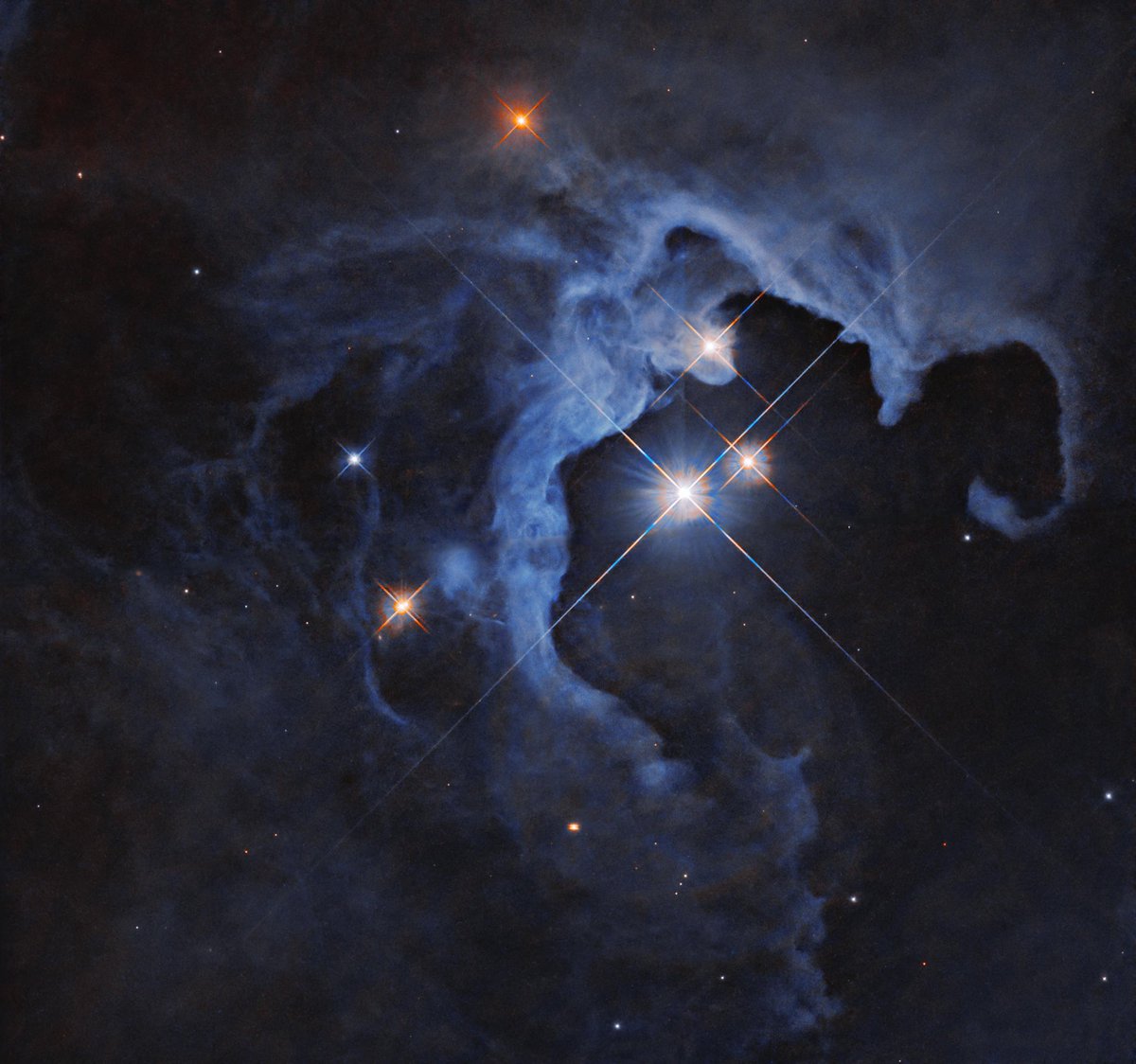
ALT Three bright stars with diffraction spikes shine near the center-right of the image, illuminating nearby clouds that glow in pale blue. The clouds darken at the edges of the image, and are dotted with smaller stars, some also with diffraction spikes.
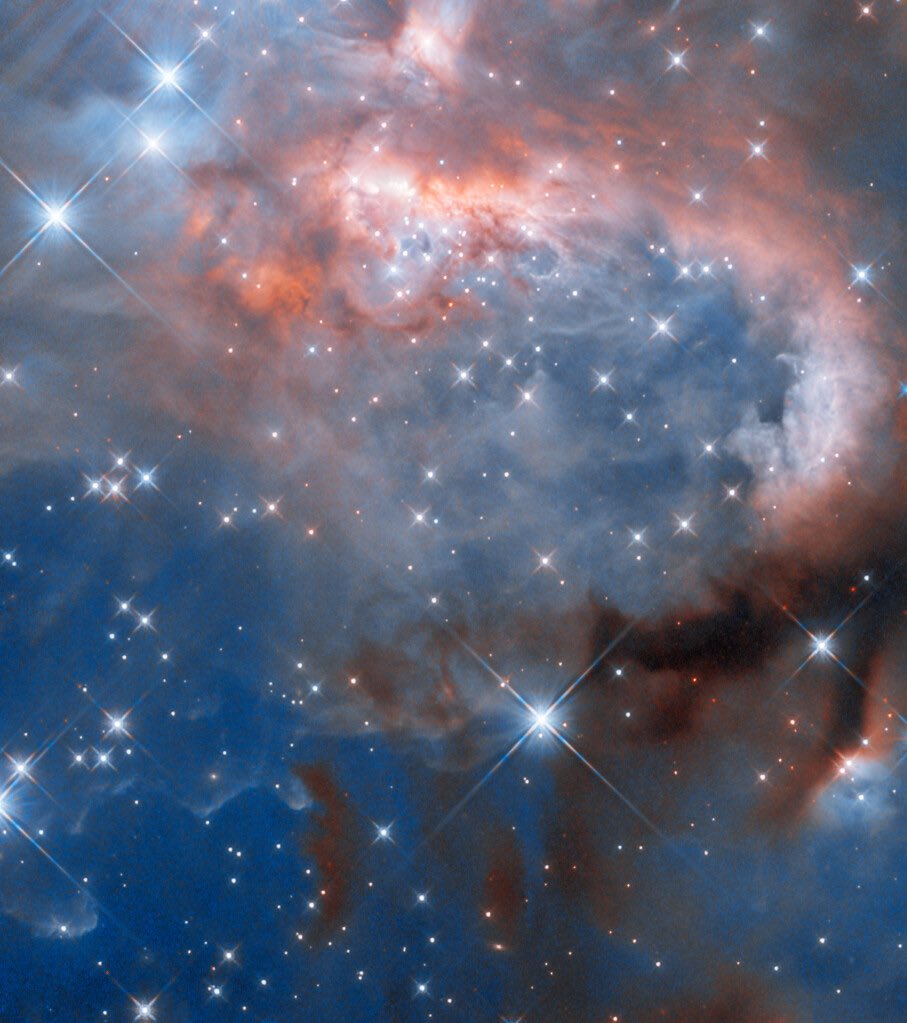
ALT Clouds of gas and dust with many stars. The clouds form a flat, blue background toward the bottom, and become thicker and smokier toward the top. Stars on one side light the nebula. A thick arc of gas and dust reaches around from the bottom-right corner of the image toward the top-left corner. It begins as a dark and obscuring cloud at bottom right and gradually becomes brightly lit by many stars at the upper left. Other large, foreground stars lie between the nebula and the viewer.
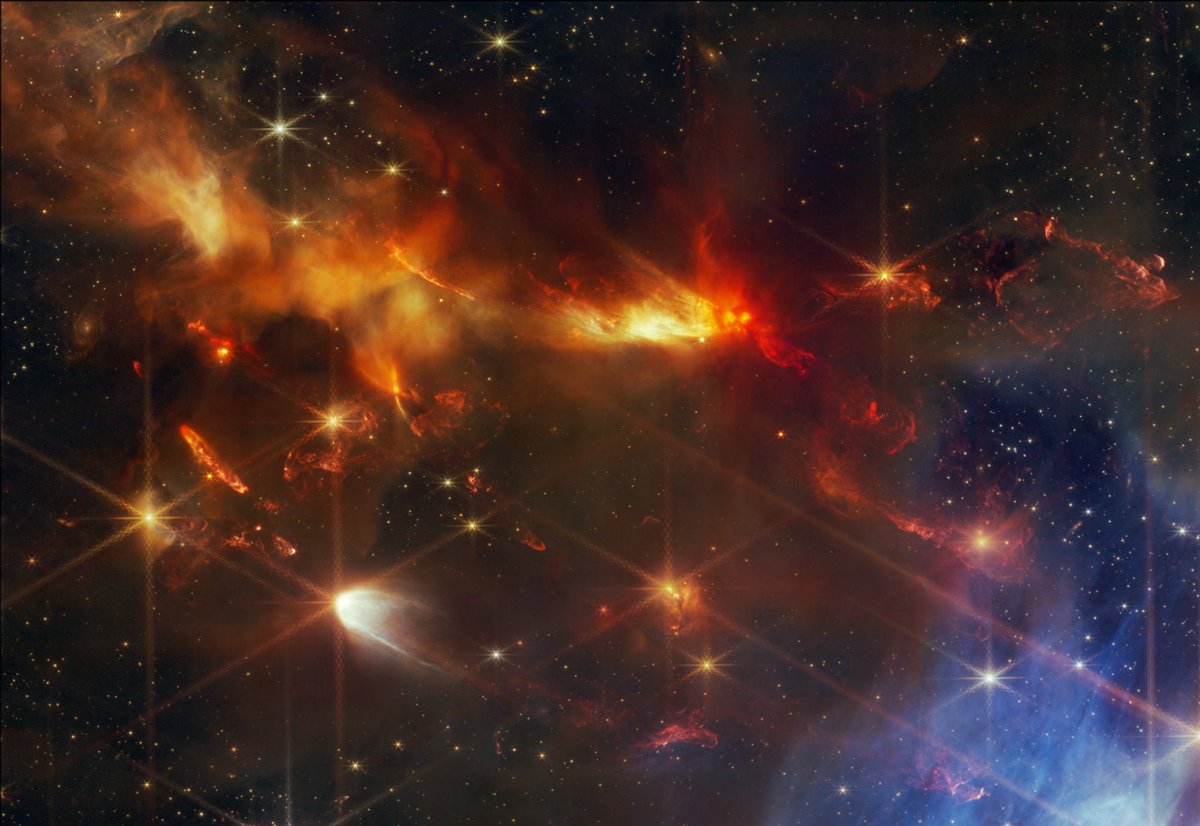
ALT A portion of the young star-forming region Serpens Nebula. It’s filled with wispy orange and red layers of gas and dust, and within that orange dust, there are several small red plumes of gas that extend from the top left to the bottom right, at the same angle. There are wispy blue filaments of glass in the bottom right corner of the image. Small points of light are sprinkled across the field, brightest sources in the field have extensive eight-pointed diffraction spikes that are characteristic of the Webb Telescope.
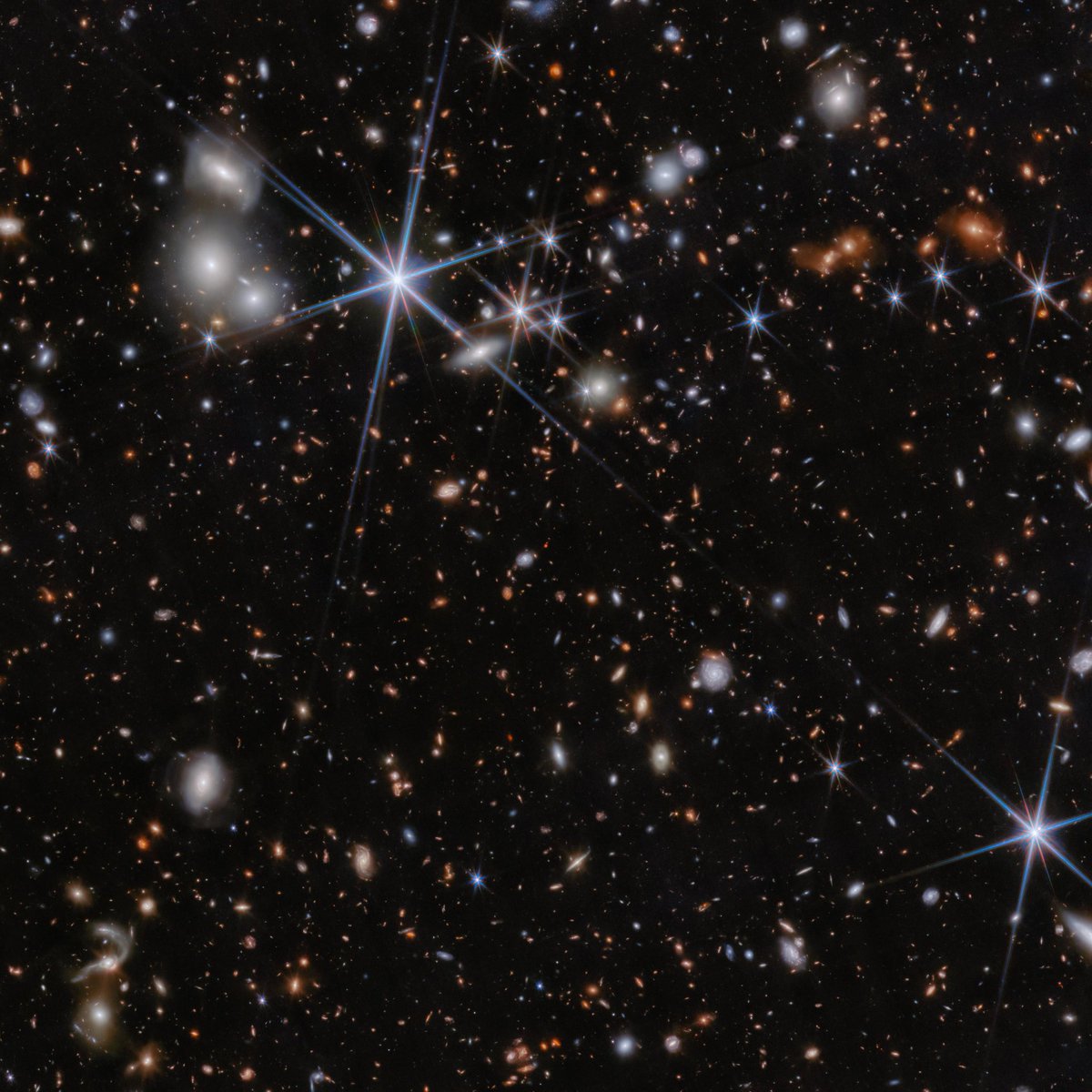
ALT Hundreds of stars and galaxies in varying shapes, sizes and colors on a black background. Two of the largest, most prominent stars can be found in the top left quadrant and near the bottom right edge, respectively. They are tinged with blue and have an eight-point diffraction spike pattern. Near the center of this image is the ZS7 system, made up of a merger between two galaxies and their black holes. The ZS7 system is not easily seen by the naked eye in this image, as it looks like very small red dots.
Happy Monday!🌟
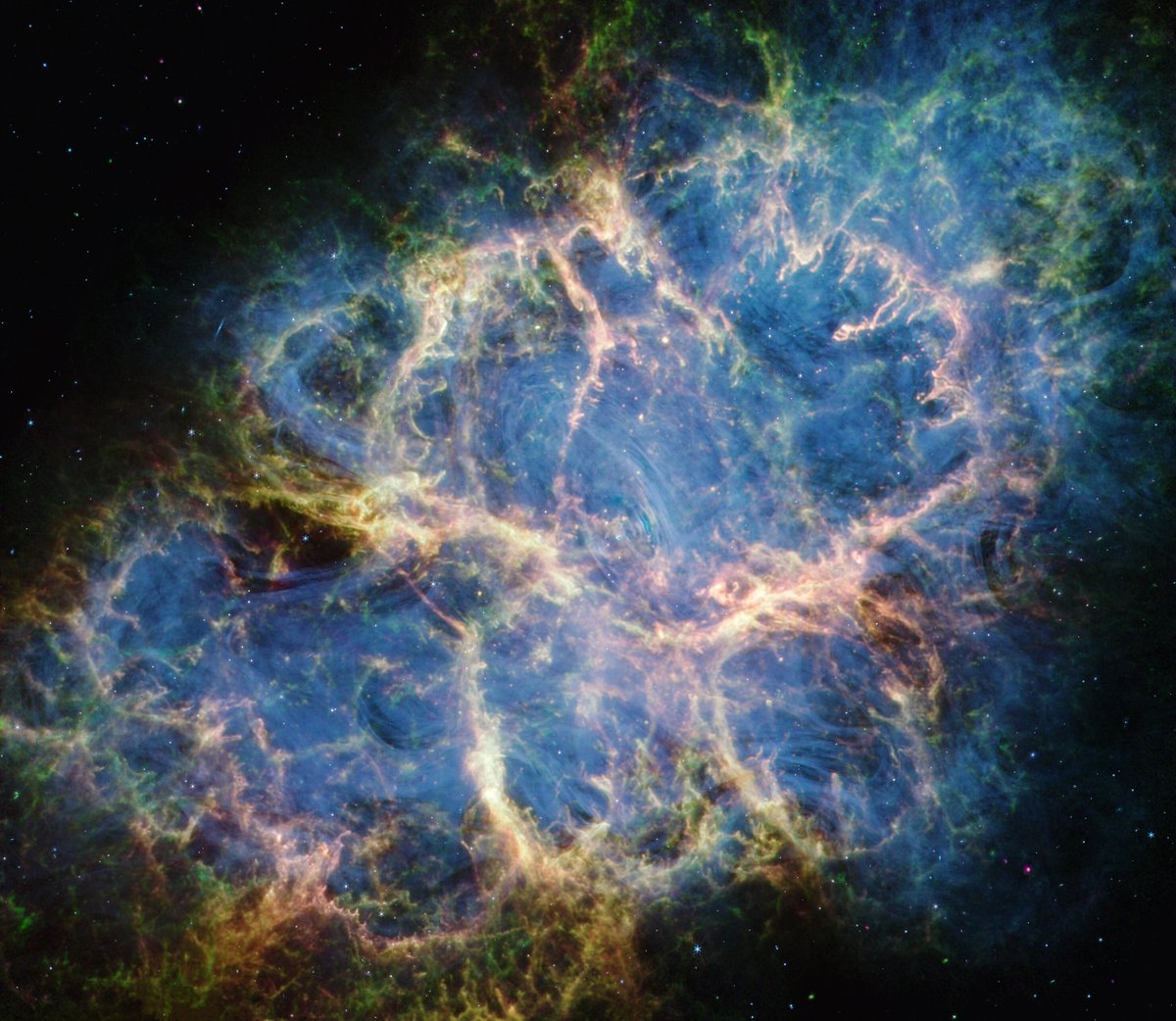
Today we shared two new beautiful images:
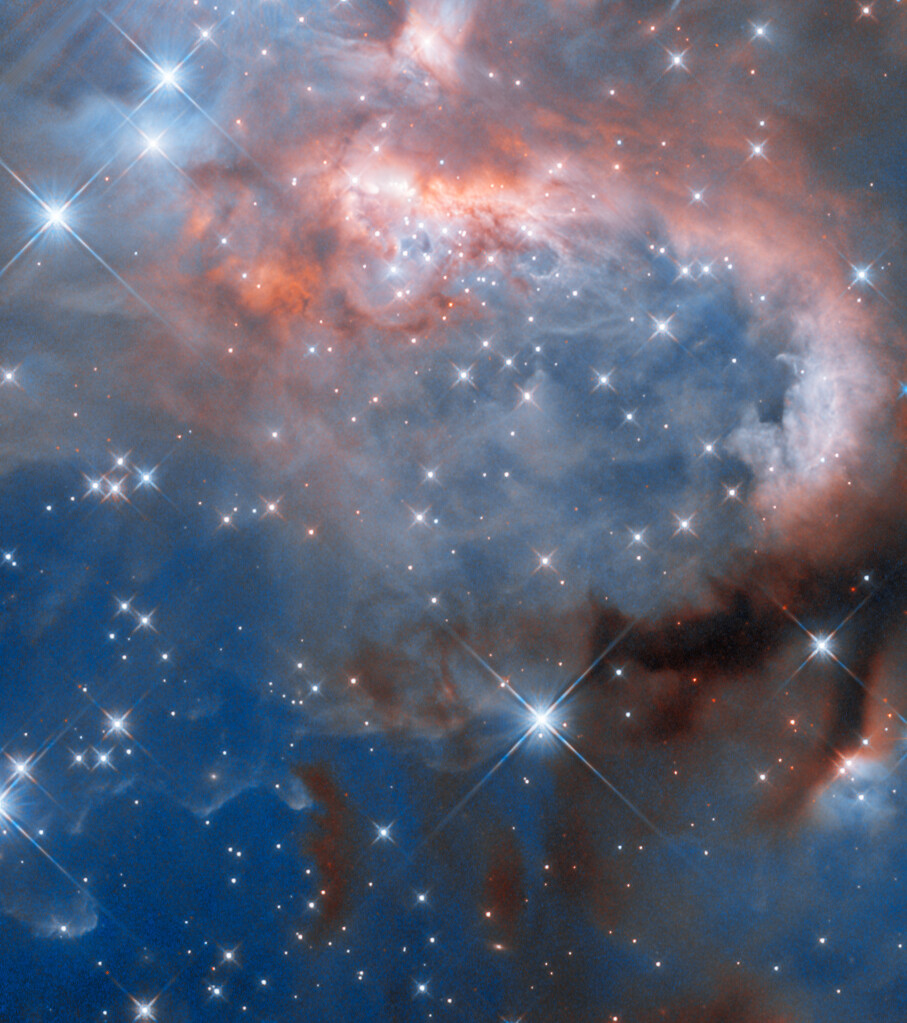
LEFT (#Hubble): The nebula RCW 7, which resides 5300 light-years away in the constellation Puppis.
RIGHT (#Webb): A new image of the Crab Nebula, a supernova remnant 6500 light-years away in the constellation Taurus.