
Assistant professor @ASU_SFIS. Director, Digital Health and Racial Justice Lab. Former fellow @umichmedicine Cardiology, @fordschool. PhD from @mccNYU
Joined January 2015
- Tweets 6,978
- Following 2,407
- Followers 721
- Likes 123,308
267 Photos and videos











May 7
RT @JReinerMD: Last year half of CDC’s Vessel Sanitation Program staff were fired. This is the group responsible for investigating cruise s…
3,631
Beza Merid retweeted

May 1
It’s so weird that every time SCOTUS declares racism to be no more than the Ghost of Voter Suppression Past, a bunch of states leap at the chance to do more racist voter suppression.
160
2,548
13,019
158,072
Beza Merid retweeted

Apr 17
All of this was fucking foreseeable 🔮
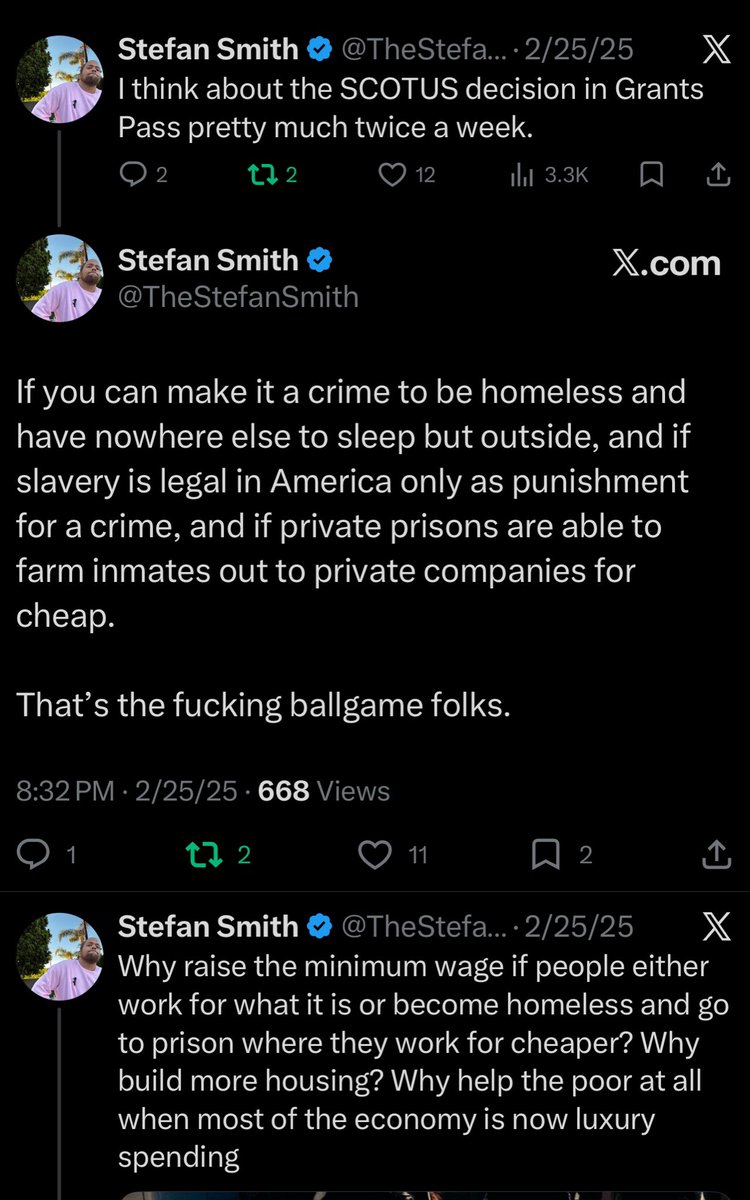

BREAKING: Louisiana has advanced one of the cruelest anti-homeless bills in the country. It would force homeless people to choose between jail and involuntary treatment, make them pay for it, and if they can't pay, force them to perform unpaid labor. housingnothandcuffs.org/2026…
50
4,272
11,873
355,413
Beza Merid retweeted

BREAKING: Louisiana has advanced one of the cruelest anti-homeless bills in the country. It would force homeless people to choose between jail and involuntary treatment, make them pay for it, and if they can't pay, force them to perform unpaid labor. housingnothandcuffs.org/2026…
1,177
4,052
11,155
5,737,000
Beza Merid retweeted

Apr 14
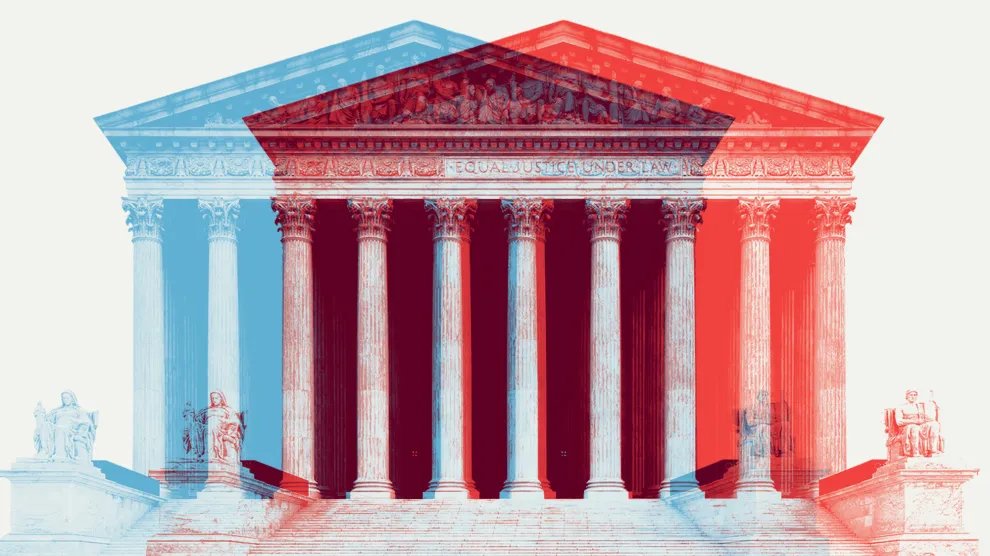
Justice Ketanji Brown Jackson didn't invoke Weimar Germany as a rhetorical flourish. She cited a specific scholar by name in a footnote: Ernst Fraenkel, a Jewish labor lawyer who observed the Nazi legal system from the inside, smuggled his manuscript out of Berlin in 1938, and published "The Dual State" at the University of Chicago in 1941.
Fraenkel's framework is precise. The Nazis didn't immediately collapse Germany's legal system. They left courts functioning - particularly in contracts and economic matters - while placing Jews and political enemies in a separate lawless zone where no legal protection applied. Most Germans lived in the law-bound "normative state." The targeted lived in the "prerogative state." The facade of normalcy was the mechanism of control.
Jackson invoked Fraenkel to name what the court's Republican majority is doing in real time. In 21 consecutive shadow docket cases, the six conservative justices have let Trump opt out of the law - often with no explanation given at all. They blessed ICE racial profiling without citing a single legal justification. They allowed Trump to ignore $4 billion in congressionally appropriated foreign aid. They stripped lower courts of the ability to issue universal relief, meaning only those with resources to file individual lawsuits get protection from illegal presidential action.
Constitutional law professor Evan Bernick put it plainly: "The court is adjusting the law to make place for arbitrary power."
Jackson's dissent is not hyperbole. A footnote citing a 1941 manuscript about Nazi legal architecture is a Supreme Court justice blowing the cover on what her colleagues are building.
Apr 11

The ‘dual state’ framework explains how a dictator can exercise power while life appears mostly ordinary. motherjones.com/politics/202…
113
3,786
7,776
335,608

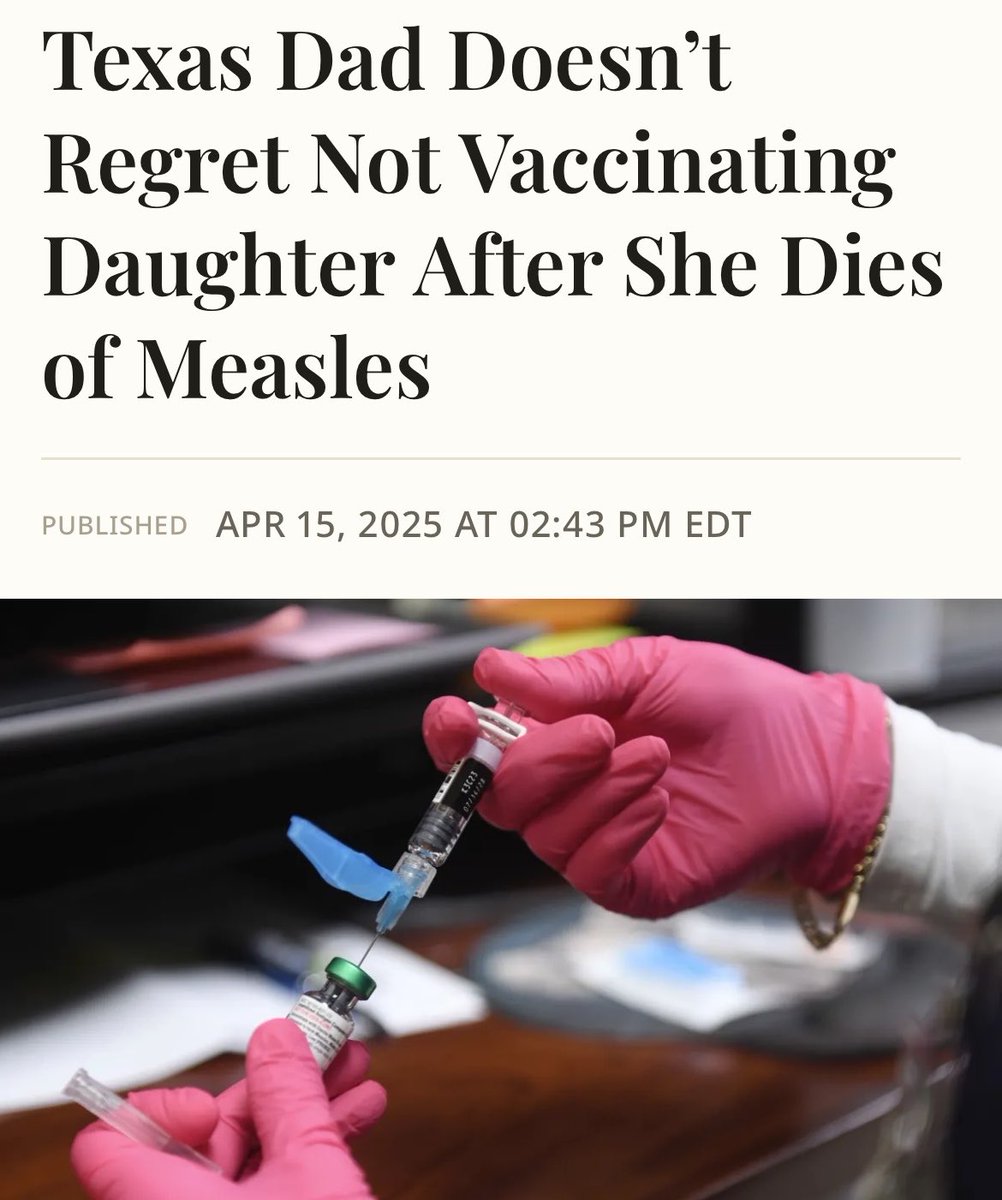
they'll put a woman in prison for a miscarriage but you can state your intent to let your kids die from a preventable disease and its fine
Apr 13

Father of Daisy, the second little girl to die of measles in Texas, tells Robert F. Kennedy Jr- founded anti-vaccine group, Children's Health Defense, that he doesn't regret not getting her vaccinated, and won't vaccinate any future children.
215
13,404
58,751
926,296
Beza Merid retweeted

Apr 10
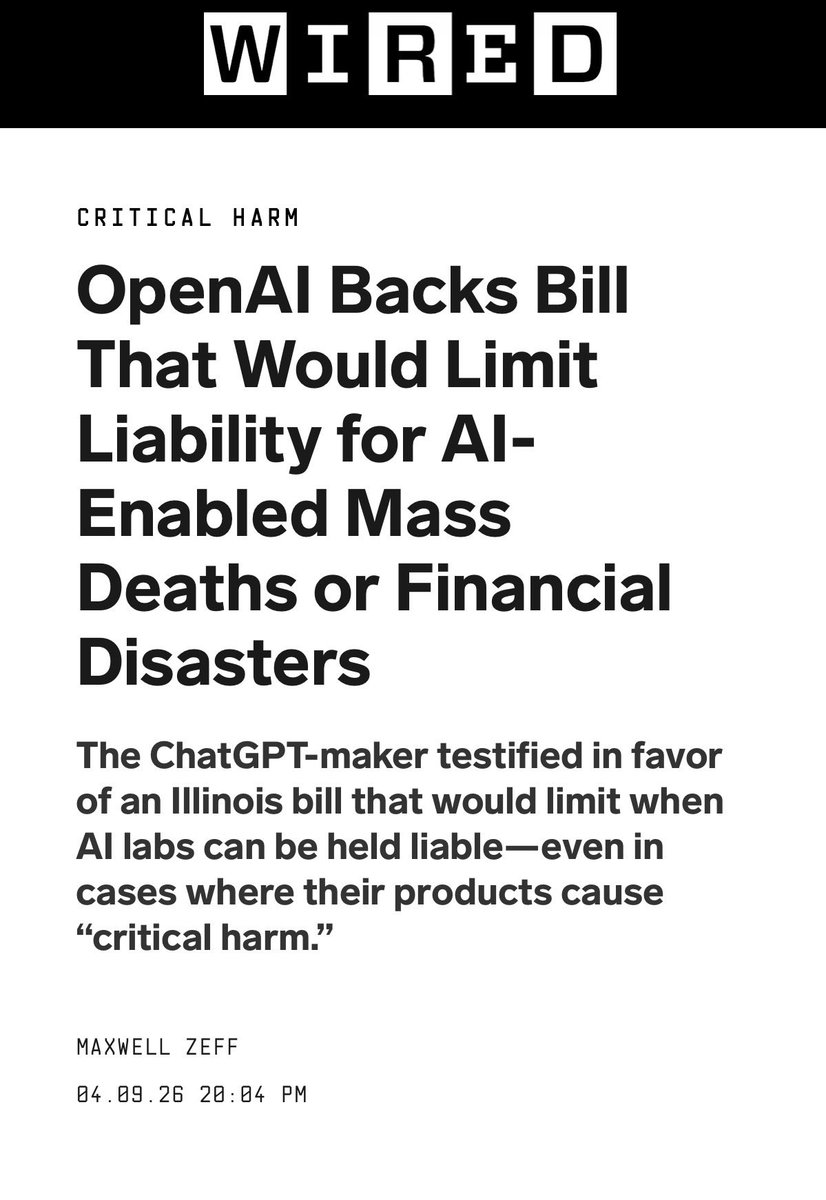
Everything you need to know about “Open”AI’s claims to be working on AI “for the benefit of humanity”.
25
480
1,075
165,970
Beza Merid retweeted

Apr 11
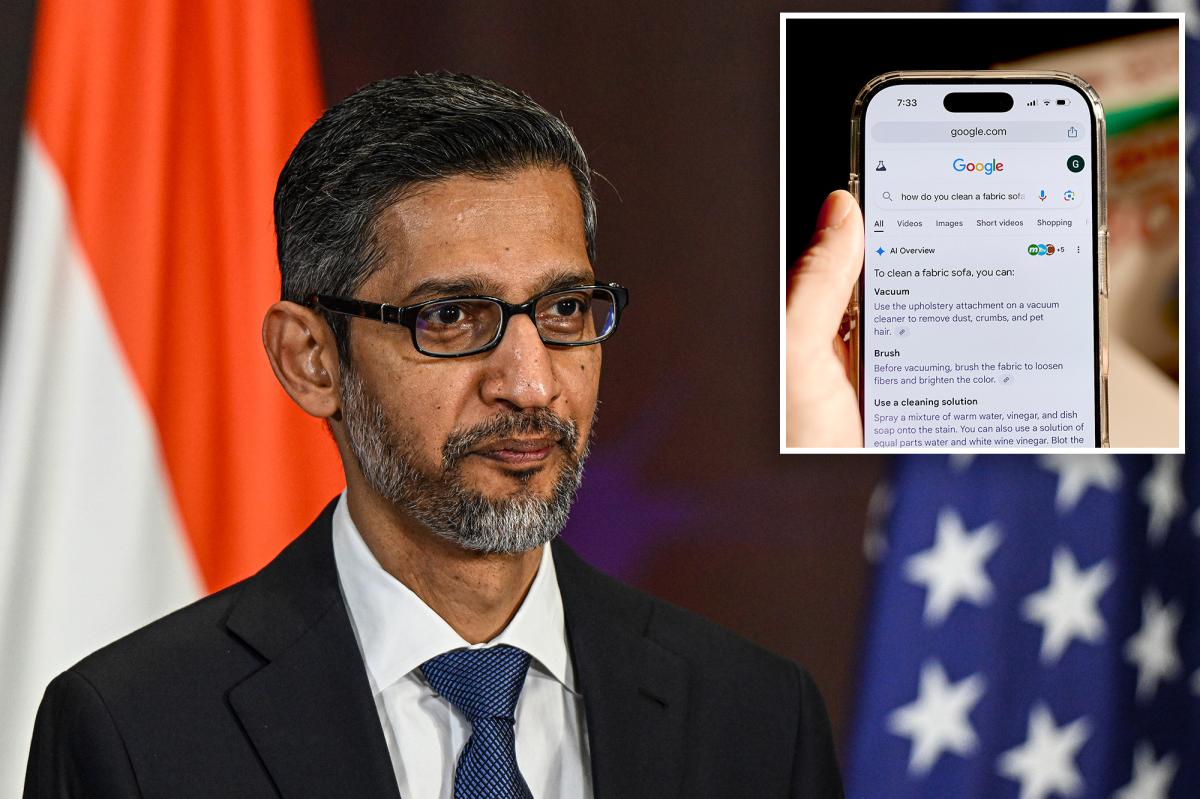
“Google AI Overviews have been a disaster for publishers who rely on clicks to fund the production of quality journalism, but they also let down users looking for accurate information,”
Apr 9

Google's AI Overviews spew out millions of false answers per hour, bombshell study reveals trib.al/1ao7qB1
1
51
244
17,711
Beza Merid retweeted
Apr 8
Harmeet Dhillon described her own agenda to the Federalist Society after her appointment: not slowing down civil rights enforcement but "turning the train around and driving in the opposite direction."
She has done exactly that. In one year as head of the Civil Rights Division she dropped federal oversight of police departments with documented discrimination histories. The office that once defended affirmative action is now investigating universities to eliminate it. Her staff is suing states to acquire voter databases - targeting the same minority voters whose ballot access the division once went to federal court to protect.
She terminated dozens of consent decrees for police departments and school districts with records of racial discrimination. Her explanation: removing "barriers to government acting efficiently." A former federal prosecutor who teaches at Loyola Law School offered a cleaner read: "We don't really have a traditional civil rights division anymore. Civil rights have been turned on their head."
The Civil Rights Division was created in 1957. It has around 300 attorneys. Its founding mandate was enforcing anti-discrimination law for racial, sexual, and religious minorities and protecting voting rights.
Dhillon calls this "zooming out." A Laurie Levenson calls it the darkest days in the division's history. Mark Rosenbaum, who spent decades at the ACLU in Los Angeles, put it plainly: "The civil rights division was an ally of the most vulnerable groups in America and, now, it's an enemy."
Pam Bondi is out. Dhillon posted Friday: "Stay tuned - great things ahead at the DOJ." The Civil Rights Division is the warm-up act.
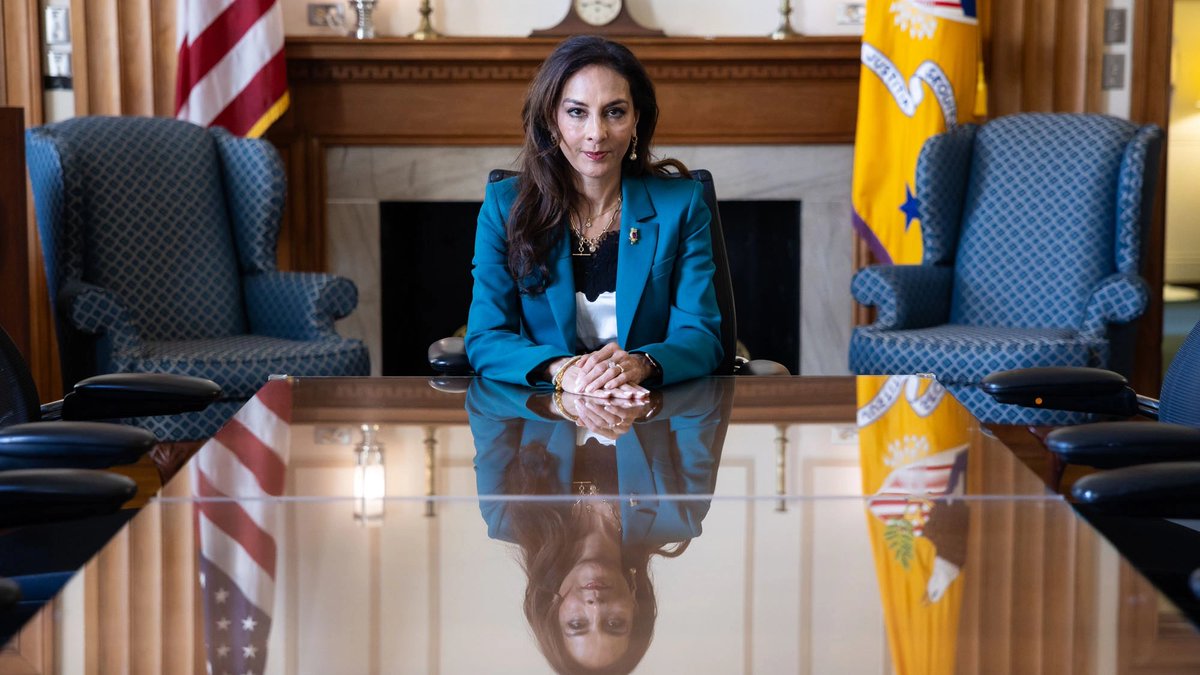

Meet the woman who thinks civil rights went too far.
Harmeet Dhillon has spent a year trying to turn the Justice Department in the opposite direction. Now the online right wants to see her as attorney general.
politico.com/news/2026/04/06…
63
542
800
47,383
Beza Merid retweeted

Apr 8
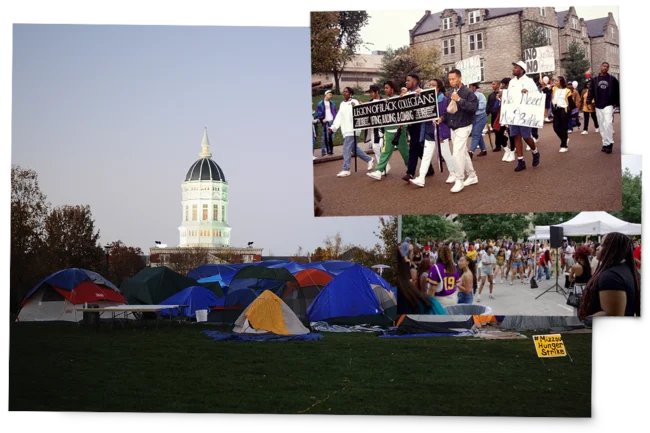
The University of Missouri has stripped its historic Black student governing body, as well as at least four other minority affinity groups, of all annual designated funding starting in July
"Mizzou has been the canary in the mine"
insidehighered.com/news/dive…
113
2,195
4,344
389,690
Beza Merid retweeted

A Black man disarmed a shooter but cops shot him on sight, assuming he was a threat.

A student athlete disarmed and restrained a school shooter only to be shot by a cop within seconds of him arriving on scene. After he was told he could face criminal charges by the students attorney he responded, "Think I give a fuck what you n*ggrs think? I’ll shoot you too!"
atlantablackstar.com/2025/12…
15
714
4,086
53,785
Beza Merid retweeted

This is why ethics needs to be a required class in computer science programs.

937
8,893
104,535
3,514,124
Apr 5
RT @LorraineEvanoff: Fucking outrageous. And highly illegal.
"Trump has grifted his entire life. Now he’s just taking it.
The State Depa…
15,845
Beza Merid retweeted

The clearer it becomes that there is widespread opposition to AI and AI related infrastructure, and the clearer it becomes that such opposition can result in tangible victories, the more desperately AI-boosters will howl that “AI is inevitable.”
Apr 2

Maine is poised to freeze large data-center construction, which would make it the first state to enact such a measure as communities across the U.S. grapple with fallout from the AI boom on.wsj.com/4tIF3Lt
6
150
1,076
13,828
Beza Merid retweeted

Mar 30
AI companies will say AI is inevitable and then be like “please please please please please please please please use us”
113
8,082
80,167
783,072
Beza Merid retweeted

Mar 20
"reporter-free newsroom" my brother in christ that's just called a room
Mar 20

Multiple sources said they were told regarding the redundancy wave that PinkNews was looking to shift to a reporter-free newsroom
12
562
5,289
174,526
Beza Merid retweeted

Mar 20
BREAKING: The White House is out with a new National Policy framework for AI.
The proposal says: "States should not be permitted to regulate AI development."
It also says that states shouldn't be able to penalize AI companies when people break the law with their models.
398
1,560
5,506
1,064,401
Beza Merid retweeted

It did poison poor communities and make electricity and water more expensive though.
Mar 19

"Massive investment in AI contributed basically zero to US economic growth last year," per Goldman Sachs
12
4,473
19,825
236,332
Beza Merid retweeted

Mar 16
I think it is deeply concerning that the group of people building the technology that is supposed to reshape humanity don't actually care about what it means to be human.
Mar 16

Billionaire Marc Andreessen says he has "zero" introspection, and that the idea itself is a modern invention.
164
2,229
14,904
215,824
