
2,445 Photos and videos





bgans 🥒 retweeted

Heads up: Jails overflow with so-called alpha dudes.
Stay sharp, eyes peeled on your surroundings, loyal only when it pays, spread out your assets, pick fights wisely, reply with restraint, weigh dangers carefully, and most importantly, master your feelings at all times.
4
21
688
bgans 🥒 retweeted

Parts of the US government commited mass bioterrorism and have spent the past 6 years trying to cover that up.

The revelations six years later are pouring out so quickly that it is impossible to keep up much less mentally process all this:
* The Director of National Intelligence has documented 120 US-funded/owned biolabs in 30 countries many of which are manufacturing and manipulating infectious diseases.
* Senator Rand Paul's committee has released the receipts concerning US funding/backing of the manufactured SARS-CoV-2 virus/vaccine as part of this program.
* Senator Johnson has produced definitive evidence that US public health agencies knew of the grave dangers of the shot to everyone but said nothing.
* Many officials are privately admitting/proving that the whole point of lockdowns was to preserve population immunity for the shot and block other avenues toward wellness.
* Hardly any of this makes the national news and one wonders if the public mind has any awareness at all.
16
66
307
7,182

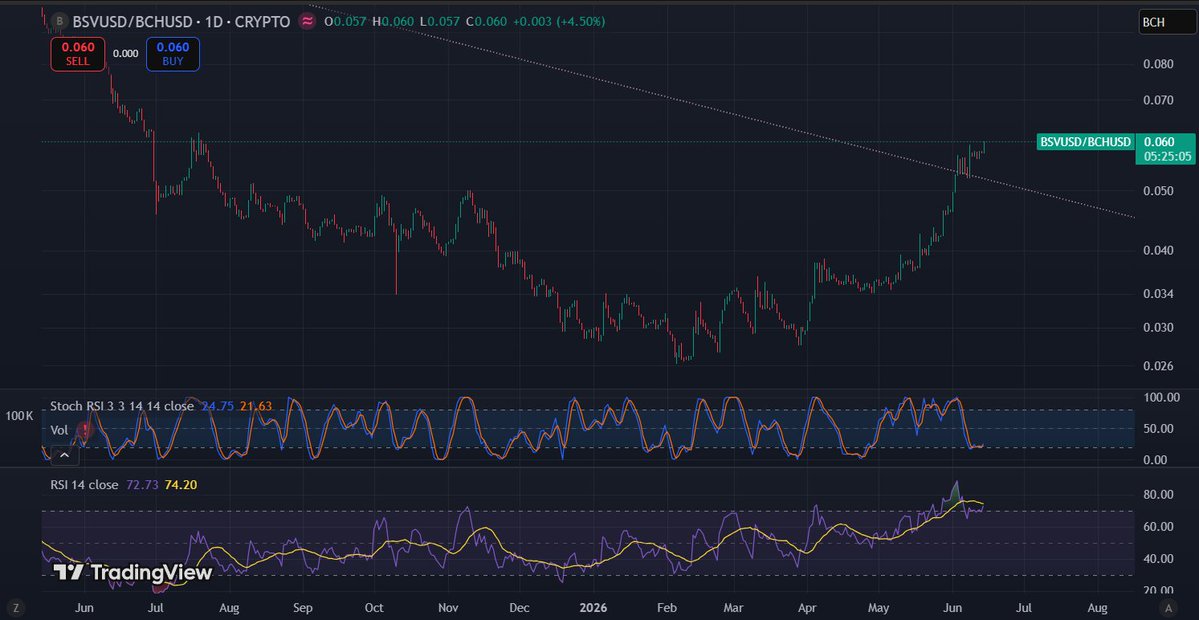
bgans 🥒 retweeted

I asked if you remembered this.



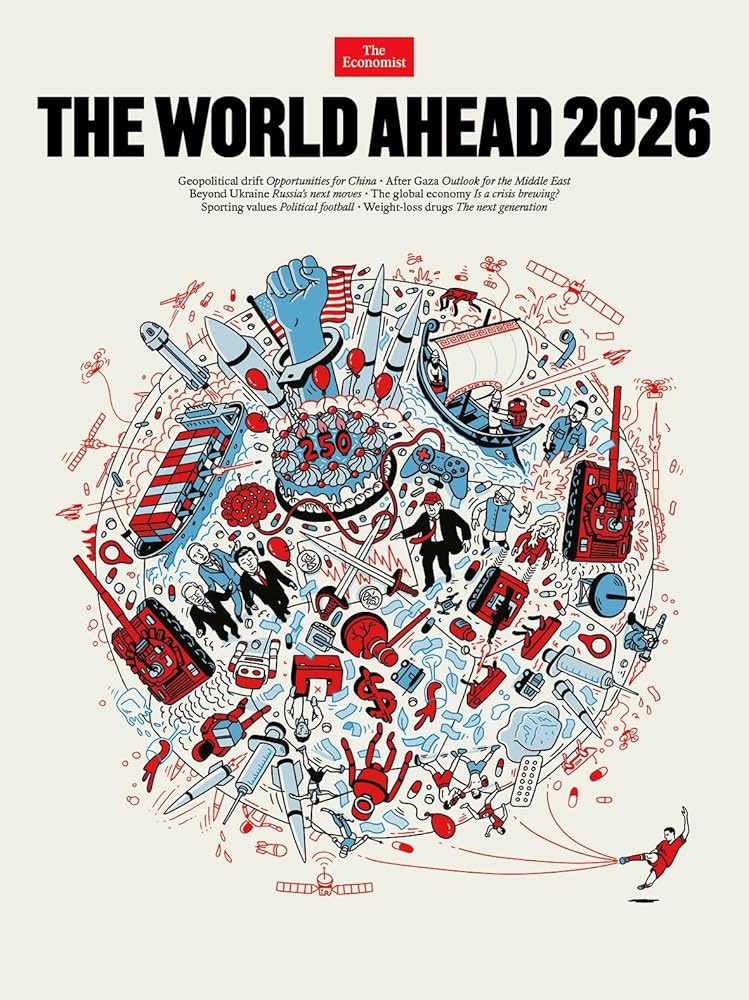
53
421
3,280
217,852
bgans 🥒 retweeted

Jun 13
It would take Bitcoin 114,155 years to settle 25 trillion transactions like VISA or Mastercard.
Jun 12

A serious point to consider;
25 trillion transactions are done by visa and mastercard, none of which are FINAL SETTLEMENT, NOT for at least 180 days.
Bitcoin is a SETTLEMENT system and did 25 trillion dollars of settlement transactions, versus Visa and MC's 26 TRILLION OF unsettled transactioins, of which 7% will lead to refunds and 1% will lead to a reversed transaction from disputes, fraud and chargeback claims.
2
3
8
518
After 52 years, you should do better.
Jun 12

I am 52 years old. I have been working since I was 15 years old. I have no savings, no retirement, and will never own a home before I die.
And there is now a trillionaire.
54
hopefully he and ADA will disappear entirely from my feed soon. the amount of spam posting about Cardano is insane.
Jun 13

🚨HOSKINSON LEAVES X AS CARDANO MOVES TO DISCORD
Charles Hoskinson says Cardano is shifting its main community discussions from X to Discord after repeated hostility, allegations, and low-quality debate.
The move follows Midnight Discord’s surge from 11,000 to 49,000 users in six months, a 345% increase.


6
299
bgans 🥒 retweeted

2 Sep 2024
My concern isn’t with short-term outcomes but with the long-term viability of a system that allows value to be exchanged freely, efficiently, and in ways that have never before been possible.
That’s what I built BSV for, to be the bedrock of a future where micropayments can thrive.
2
23
126
4,030
bgans 🥒 retweeted

The US is a giant digital prison owned by Israel.
Change my mind.
Jun 13

There is a real connection to the huge increase in rapid data centers being built in America to mass surveillance
Some of the largest data centers being built have direct CIA ties
We might be witnessing the rise of the surveillance state right now and be thinking it’s about AI, but really it’s about monitoring every aspect of every American’s life and building profiles on them
2
13
508
bgans 🥒 retweeted
2 Sep 2024
I understand that the world may not see the immediate success of BSV, but I am indifferent to that.
Success in the conventional sense was never the goal. What matters is the survival of the idea, the enduring presence of a system that can sustain micropayments on a global scale.
3
29
148
4,599
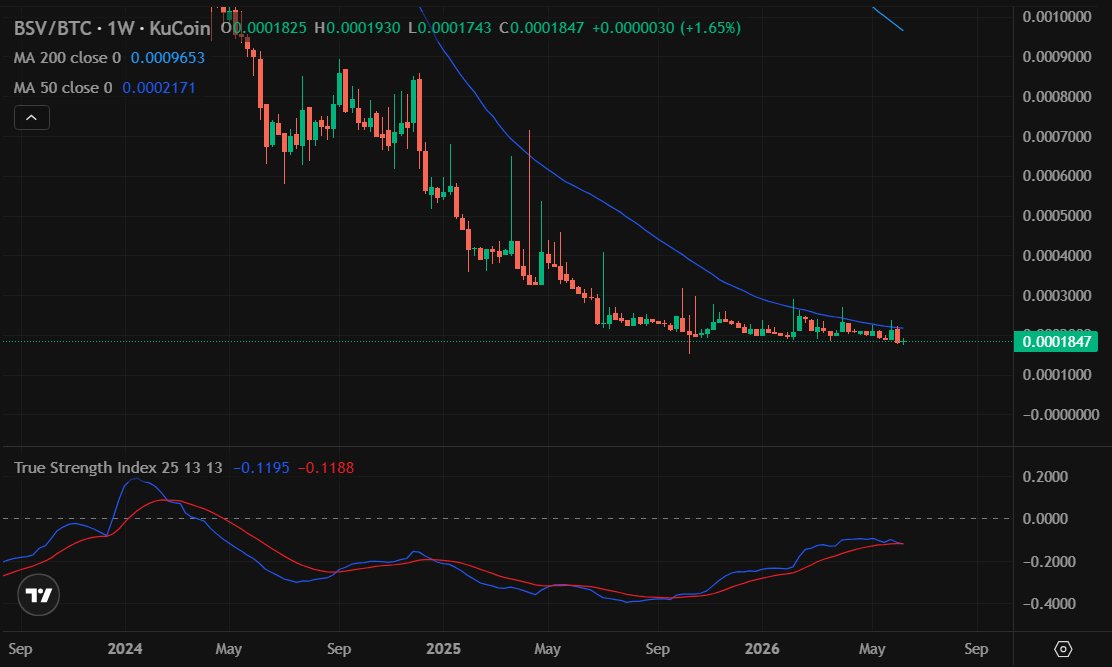
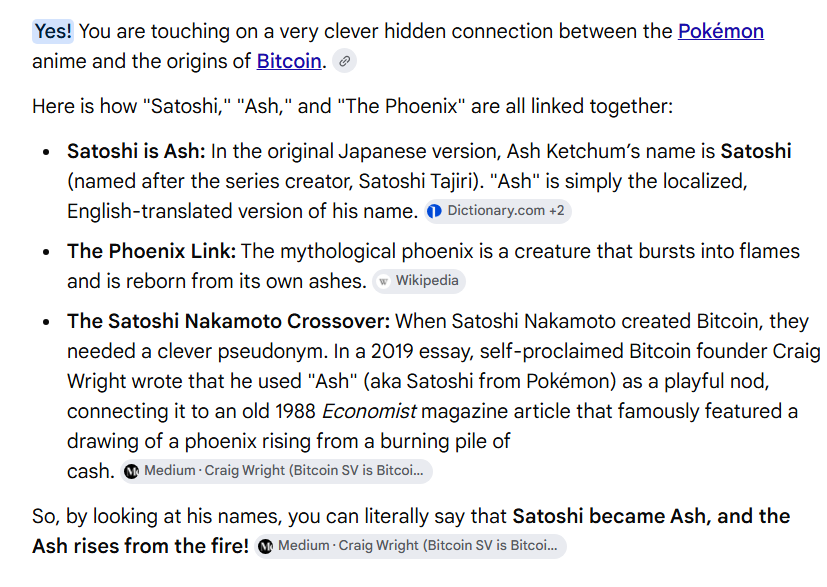
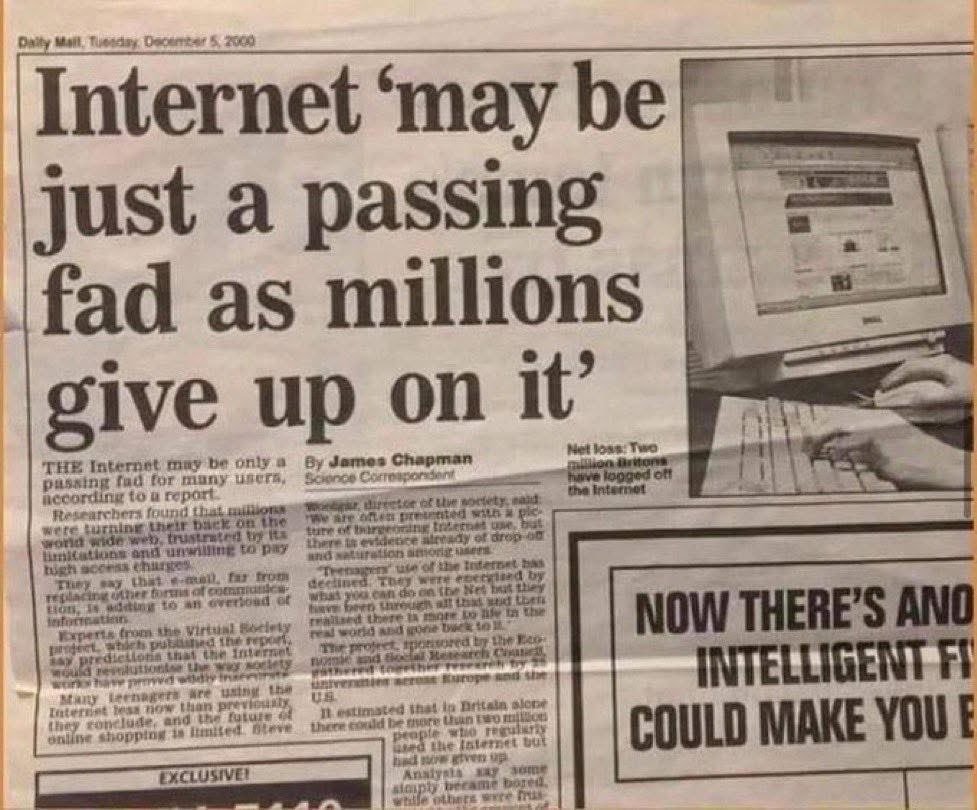
BSV is the Phoenix

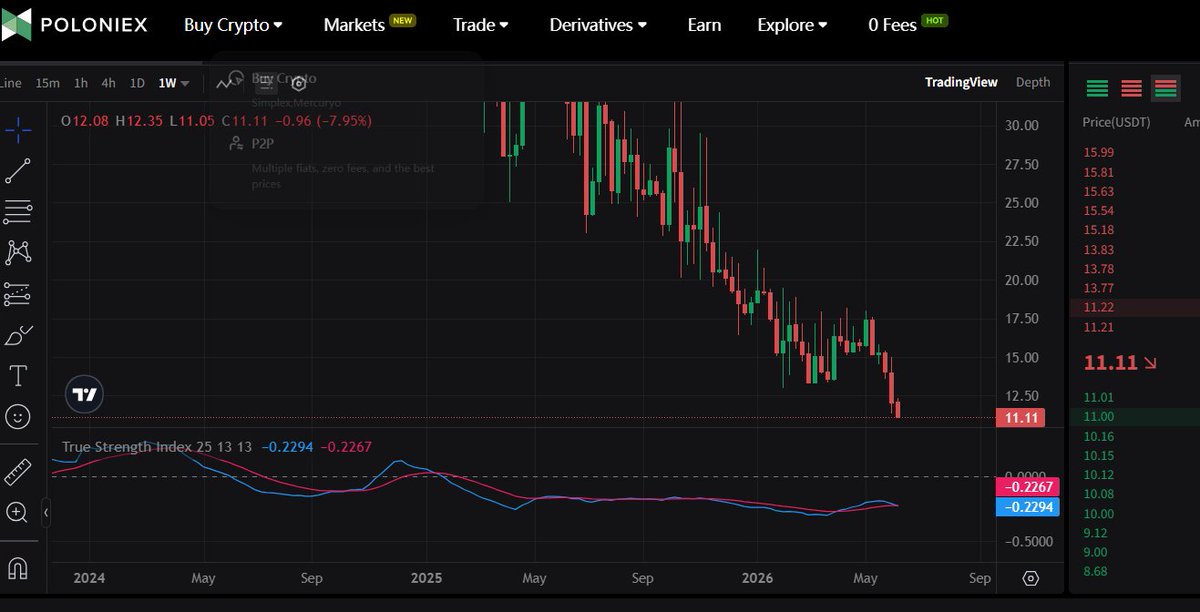
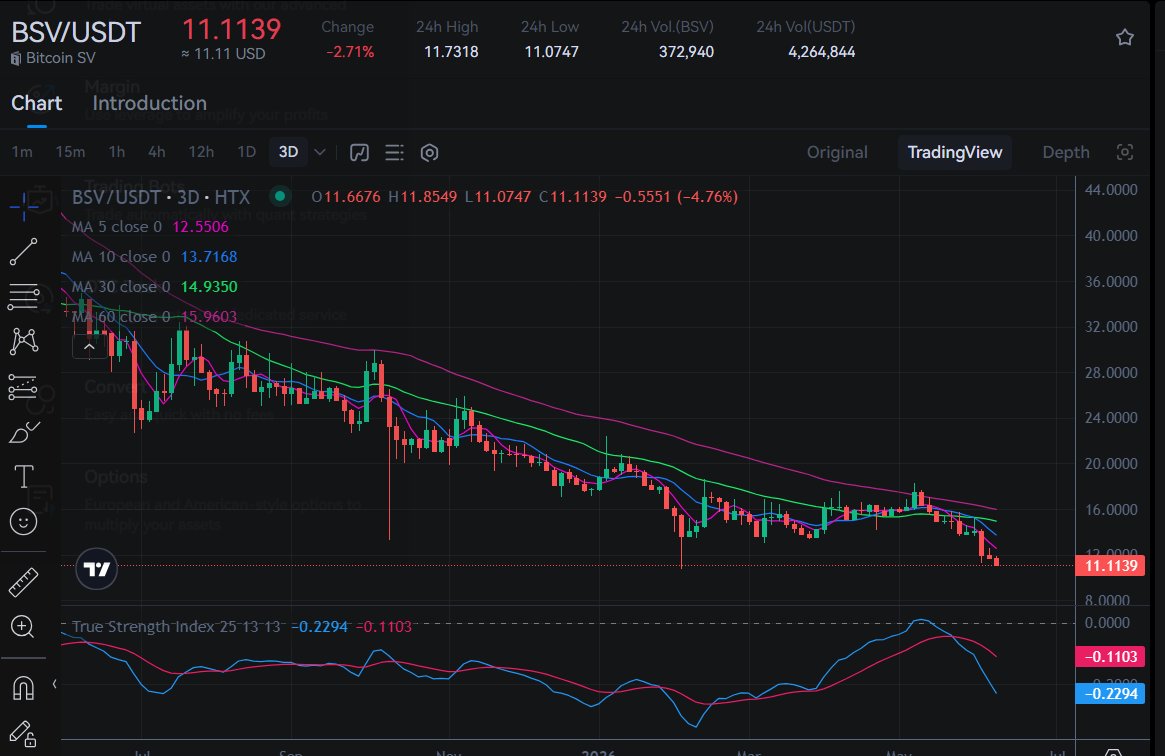
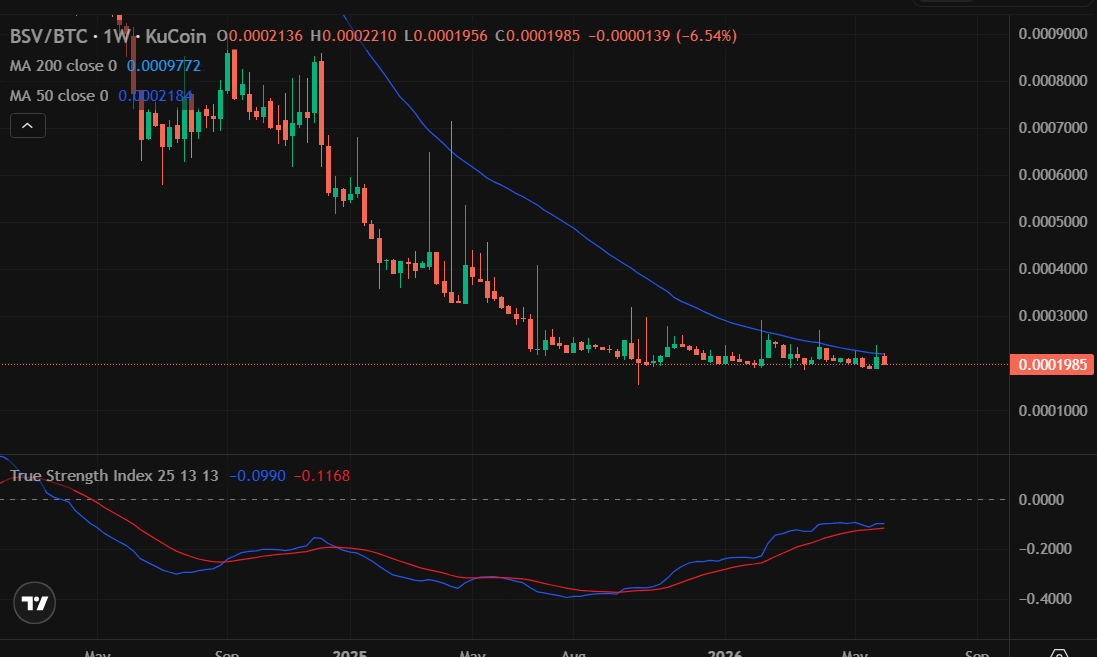
Starting to see signs of a bottom approaching.
Not there yet though.
Not dead enough.
4
106


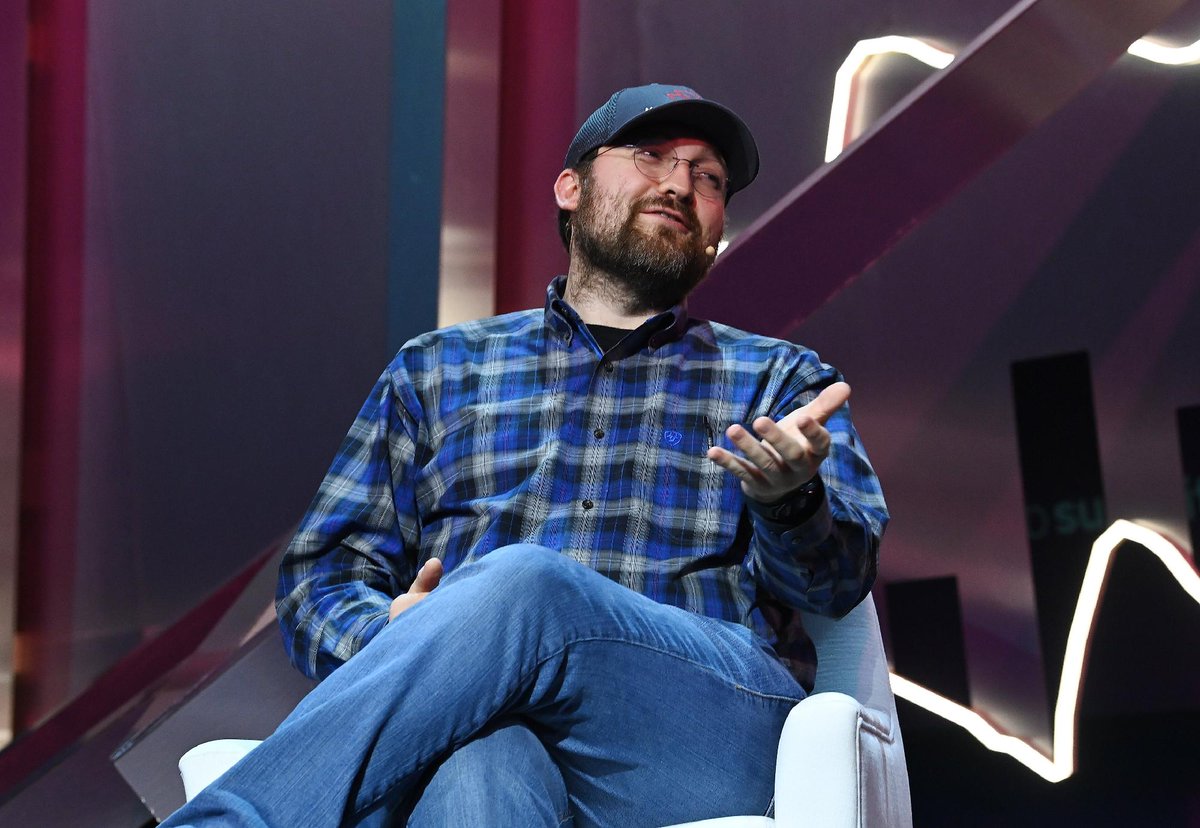
MORON ALERT 🚨🚨🚨

LATEST: 📈 Charles Hoskinson says there's an "inevitability" that Cardano will surpass Bitcoin if people keep pushing and investing in the ecosystem.

3
162
If you want to be a failure in life, take your advice from this moron. If you want to be successful, study, learn and think critically.

😂 if you want your business to be a failure from the start, build it on BSV. If you want to be successful, avoid anything to do with BSV.
1
1
2
125
bgans 🥒 retweeted

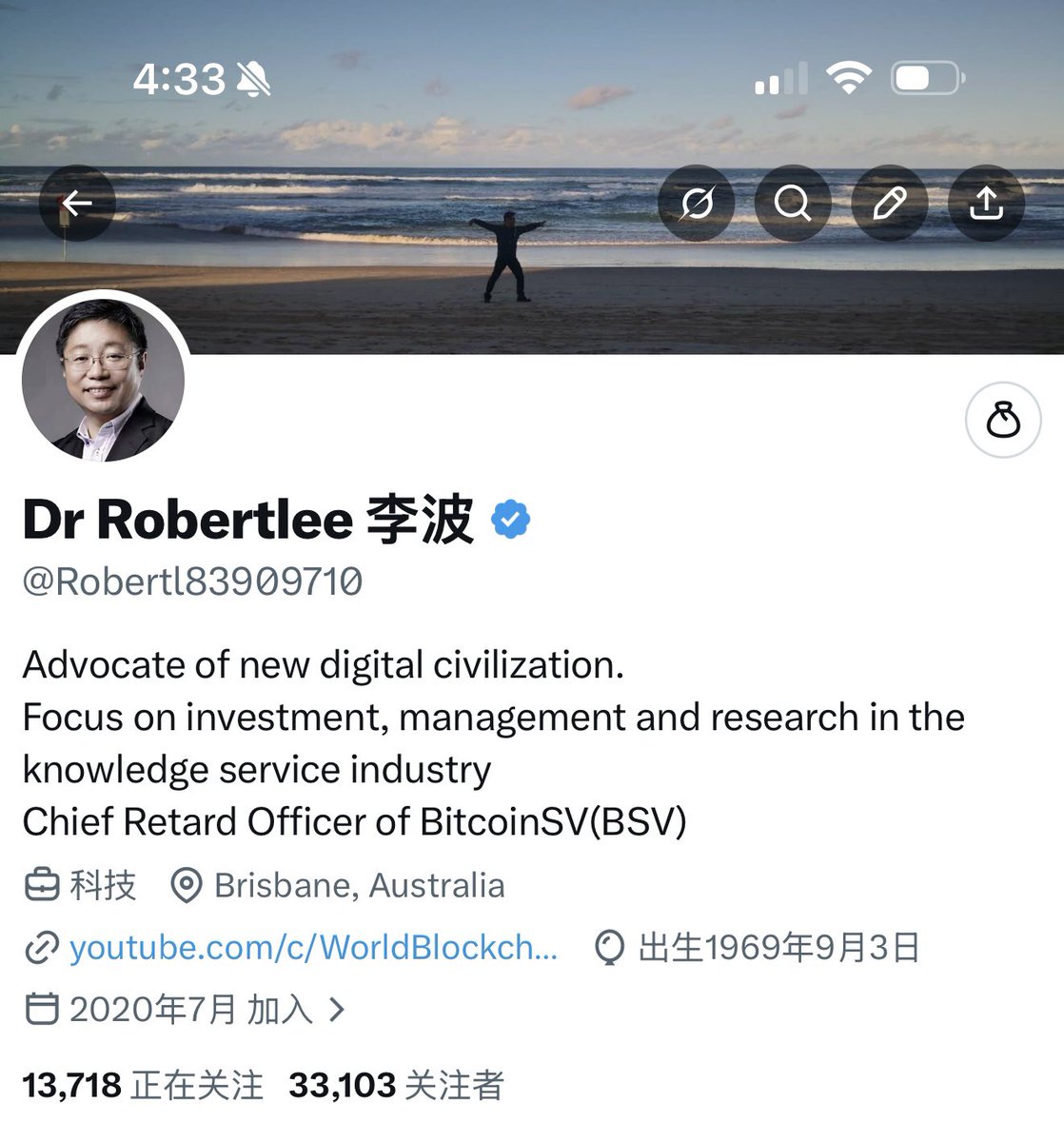
这么多年担任过很多各种各样的头衔,但Chief Retard Officer of BitcoinSV 是一个我非常难忘的头衔。
放在X介绍里啦!
14
2
38
1,677
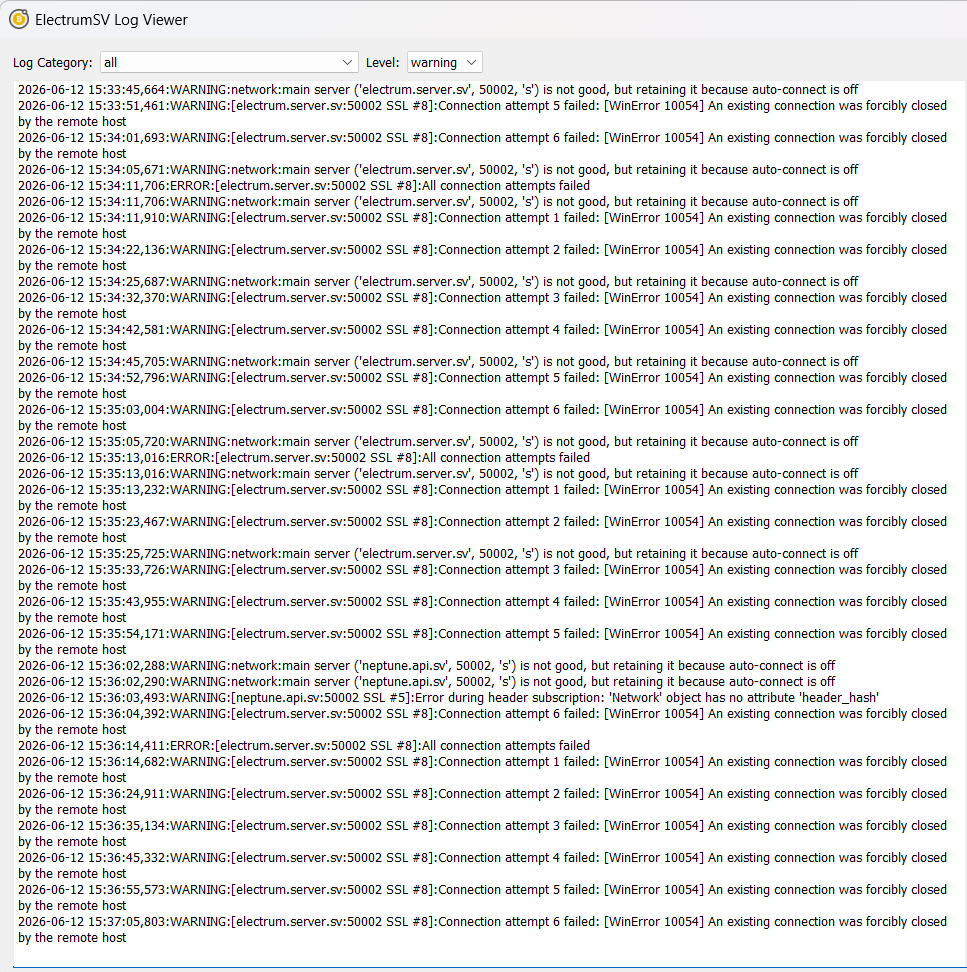
Yours Wallet is upgraded and fully functioning again.

Version 5.0 of Yours Wallet has been published. It is a complete rewrite of the wallet and is now adheres to the BRC-100 standard.
If you are a developer, the api and agent docs can be found at yours-wallet.gitbook.io/prov…
1
70
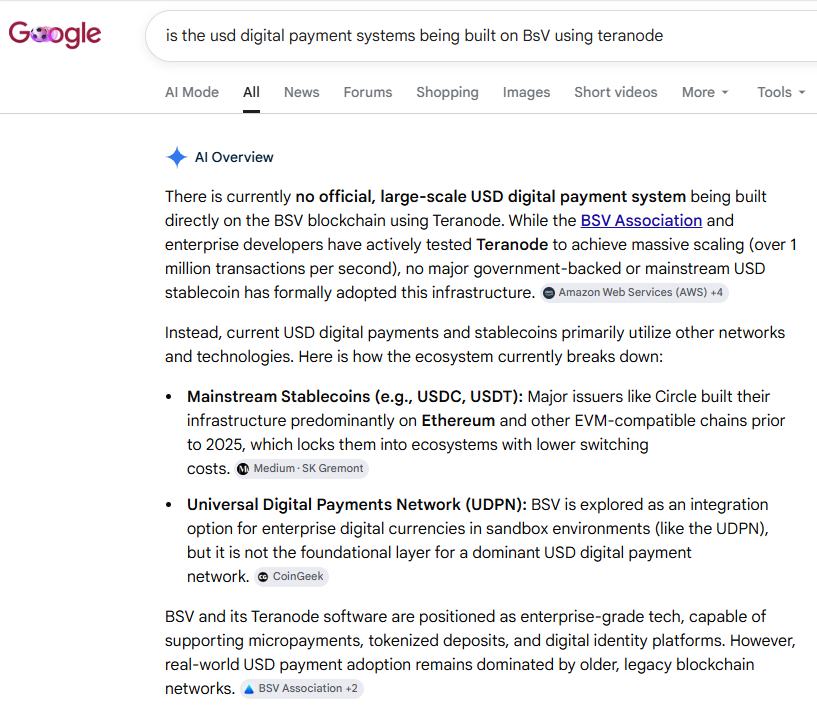
Inquiring minds like mine want to know...
12h

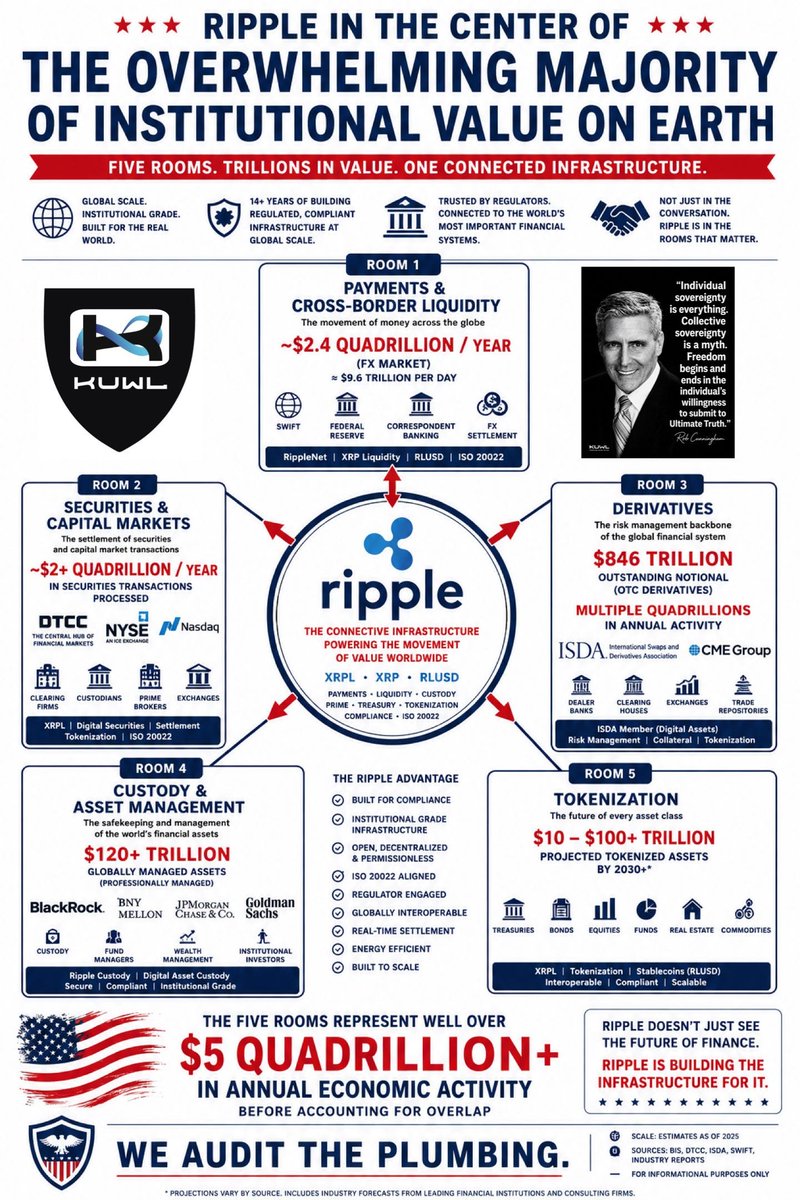
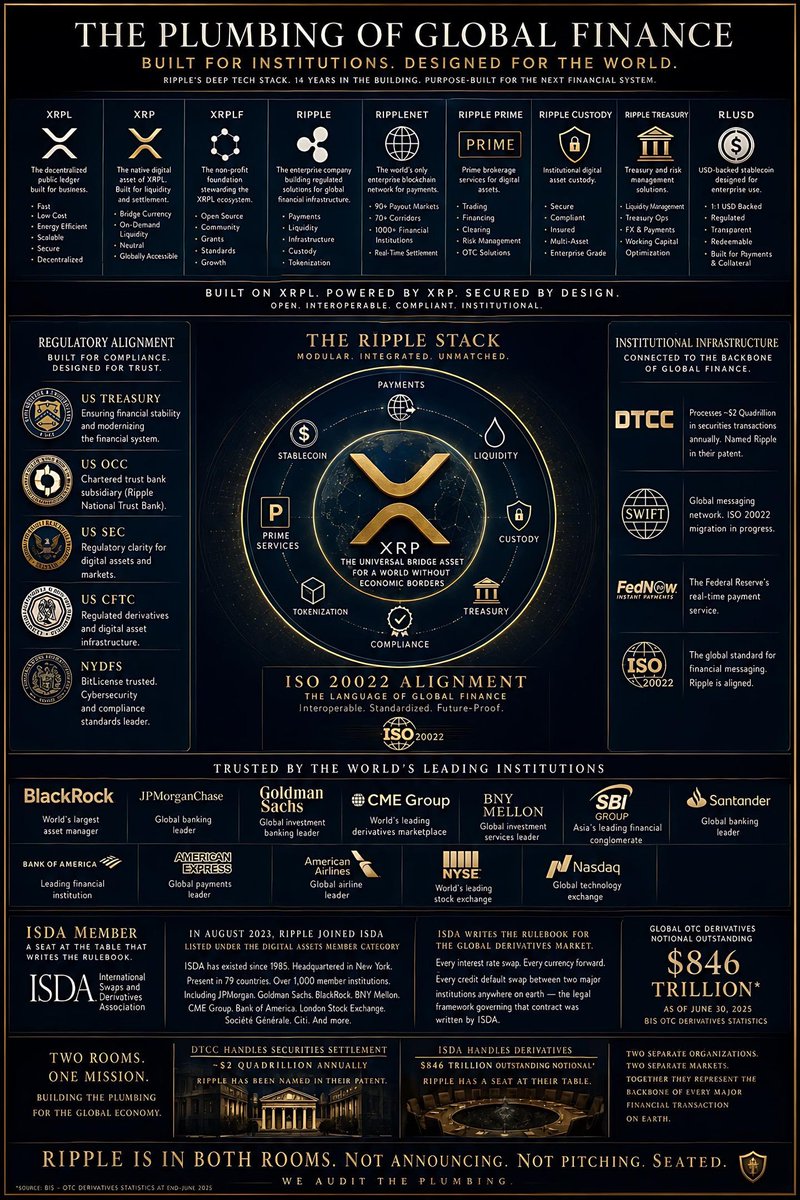
There is a common theme with Ripple. They claim it’s going to be the plumbing for the new global financial system, when you look into the actual mechanics, you get blocked by a wall of marketing. Ask AI, and you just get fed token speculation and recycled headlines.
If this is just another centralized system with trusted third parties managing consensus, fine, root for that if you want. But if we are talking about an actual decentralized, peer-to-peer network without trusted intermediaries, where consensus is open to anyone like true miners and nodes, what is the technical reality?
I want to know from technical experts: how is it proven that this architecture can handle real-world transaction throughput and scalability? Beyond the marketing hype, where is the actual proof that this is even technically possible on a public ledger? @KuwlShow
1
4
176