
مجھ سے ملنے کو آپ آئے ہیں؟ بیٹھیئے، میں بُلا کے لاتا ہوں
Joined March 2014
- Tweets 92,622
- Following 947
- Followers 5,522
- Likes 455,446
4,519 Photos and videos


A retweeted

Jun 13
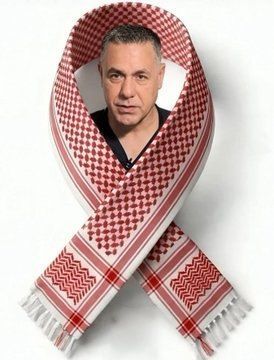
Please don’t forget Dr Hussam
232
5,219
14,299
84,460
A retweeted

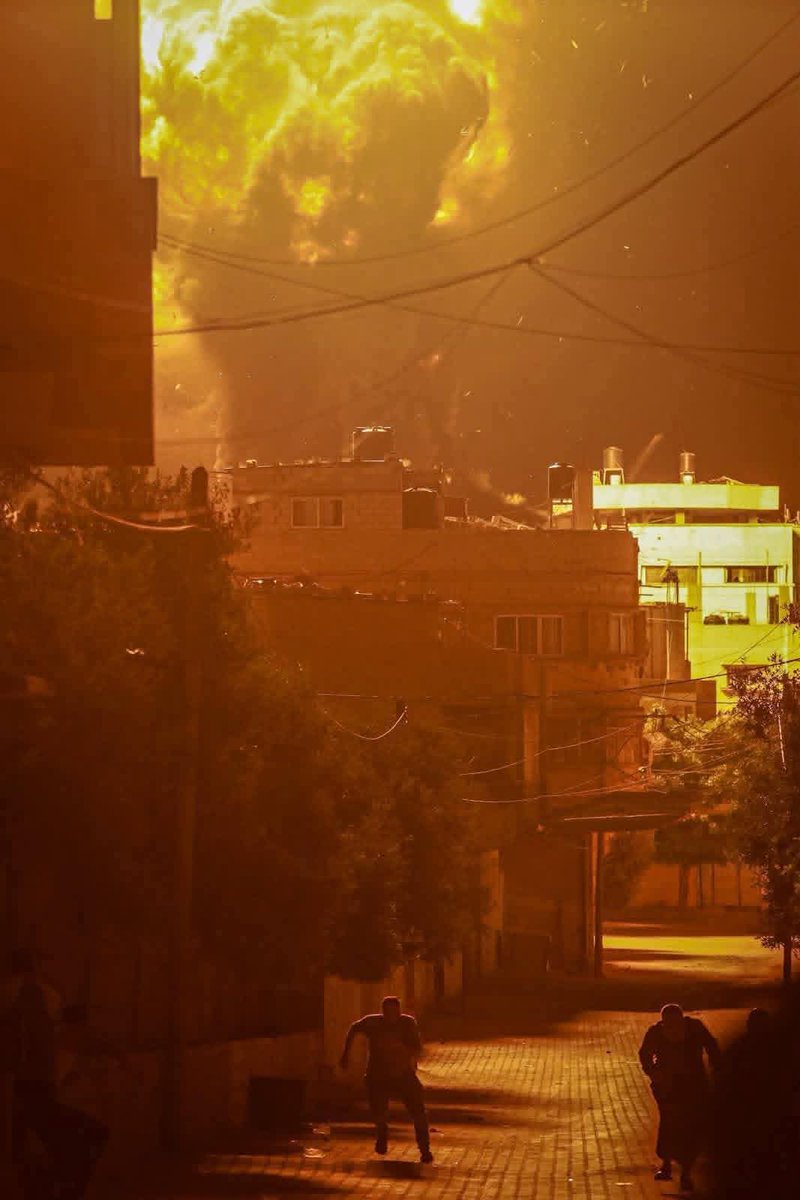
Pendant la Coupe du Monde, Gaza se fait toujours bombarder.

25
9,909
35,134
468,604

RT @NadeemfParacha: 14-year-old Zakaria (aka Afridi Jr). Already bowls close to 135 km, swings both ways, hits the deck hard. Classic actio…
218
A retweeted

I honestly think this should be seen by millions, please help share it everywhere.
Jun 10

WOW.
AlJazeera just dropped a ONE HOUR documentary about ISRAEL’s CRIMES against the PALESTINIANS.
This is very HARD TO WATCH.
48
9,337
15,839
231,407

My unpopular opinion is that everyone deserves food, clothes and basic healthcare even if they are "lazy" or "unproductive".
A minimum level of support should be provided to everyone.
Jun 12

How is BISP a burden but all the subsidies given to the elite aren't? PPP has a million issues but BISP helps people who need that money more than anyone else. Why do billionaire politicians, judges, and generals need free petrol and electricity units? Why not remove that burden?
2
2
186
A retweeted

Jun 13
After a certain age, your parents slowly become your children. They ask simple questions, repeat stories, and depend on your patience the way you once depended on theirs. Very few understand this role reversal. What looks like innocence or inconvenience is really time coming full circle. Don't correct them harshly. Don't rush them. Care for them the way they once protected you. This is not a burden. It is repayment.

170
6,424
26,479
868,429
A retweeted

18h
No one NEEDS a billion dollars either. You can live a very luxurious hassle free life in 60 million dollars or so, without having to ever work again and live your days travelling and relaxing. Imagine having 1 million dollars per year to spend.
Jun 12

There is nobody on this planet that needs 1 trillion dollars.
1
1
86
A retweeted

Archaeological evidence is among the most powerful forms of corroborative historical evidence from early Islam.
Due to the fact it was produced by people living close to the events it describes, it provides an external check on the historical record preserved in the Islamic tradition from the perspective of those who experienced these events firsthand.
Rather than supporting orientalist theories that Islamic history was invented centuries later, early Islamic inscriptions have consistently confirmed names, titles, beliefs, and events found in the Qurʾān, ḥadīth, and historical sources.
They often corroborate details that were already preserved through the Muslim scholarly tradition, further strengthening confidence in the reliability of the ḥadīth corpus.
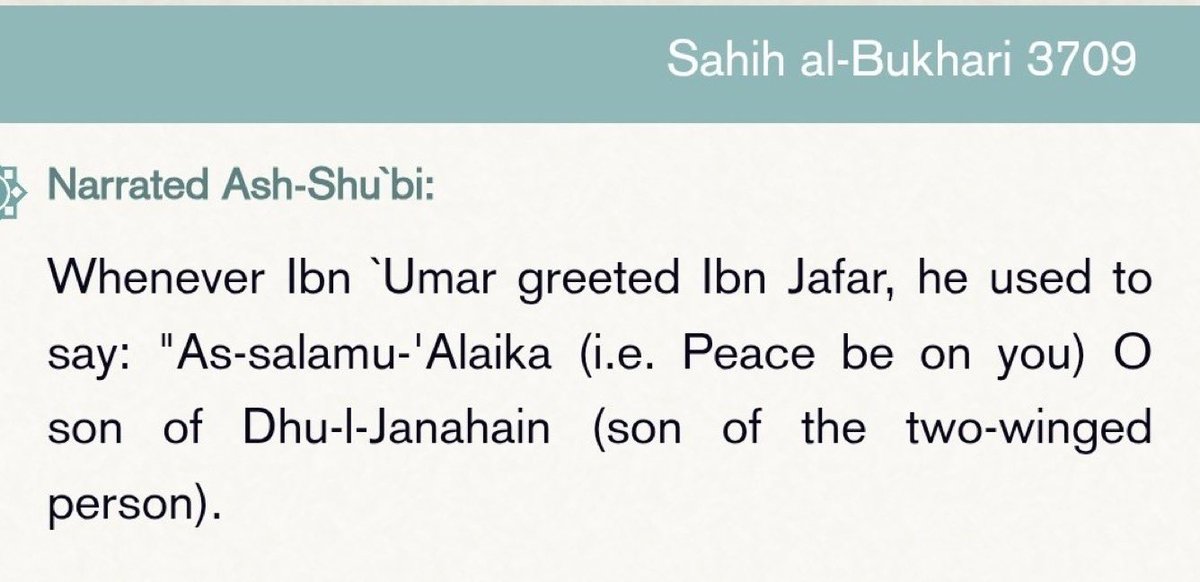
A beautiful example of this is found in Ṣaḥīḥ al-Bukhārī, where Ibn ʿUmar (may Allah be pleased with him) would greet ʿAbdullāh ibn Jaʿfar (may Allah be pleased with him) by saying:
“O son of Dhū al-Janāḥayn (the Two-Winged One).”
This was a reference to his father, Sayyidunā Jaʿfar ibn Abī Ṭālib (may Allah be pleased with him), whom the Prophet ﷺ informed had been granted two wings in Paradise.
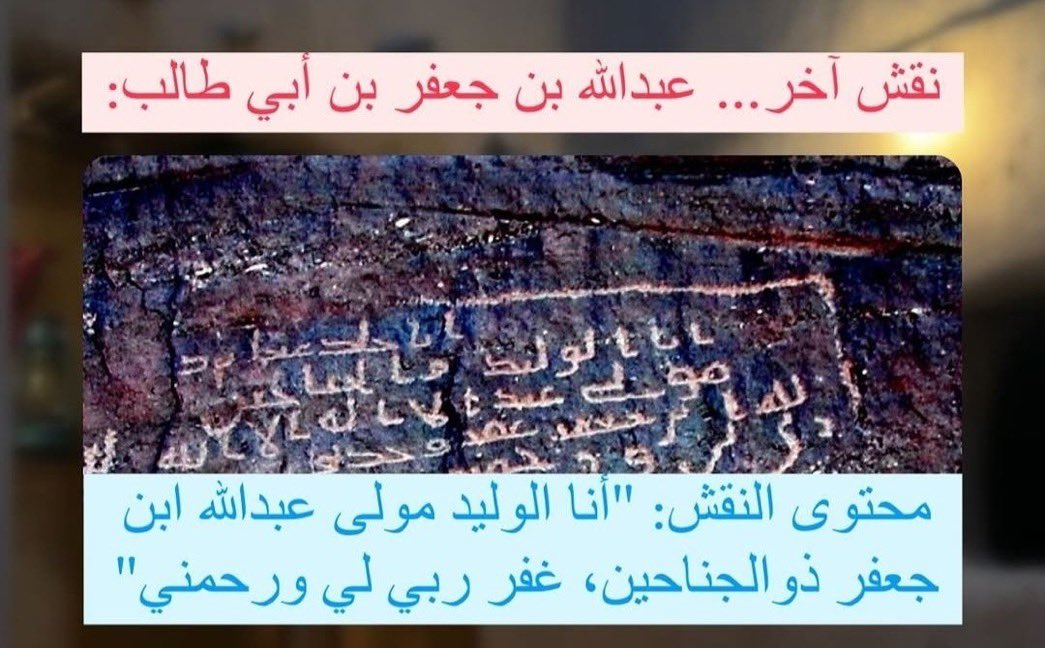
As for the inscription, it reads:
“I am al-Walīd, the freedman of ʿAbdullāh ibn Jaʿfar, Dhū al-Janāḥayn. My Lord, forgive me and have mercy on me.”
Significantly, the inscription independently preserves the same title, Dhū al-Janāḥayn, found in the authentic ḥadīth. It was not written to prove al-Bukhārī’s report, but reflects how Jaʿfar (may Allah be pleased with him) was actually known among the early Muslims.
Thus, this inscription serves as an external corroboration of the report in Ṣaḥīḥ al-Bukhārī, demonstrating that the title Dhū al-Janāḥayn was genuinely in use and recognized in early Islamic society.
7
37
176
6,095
A retweeted

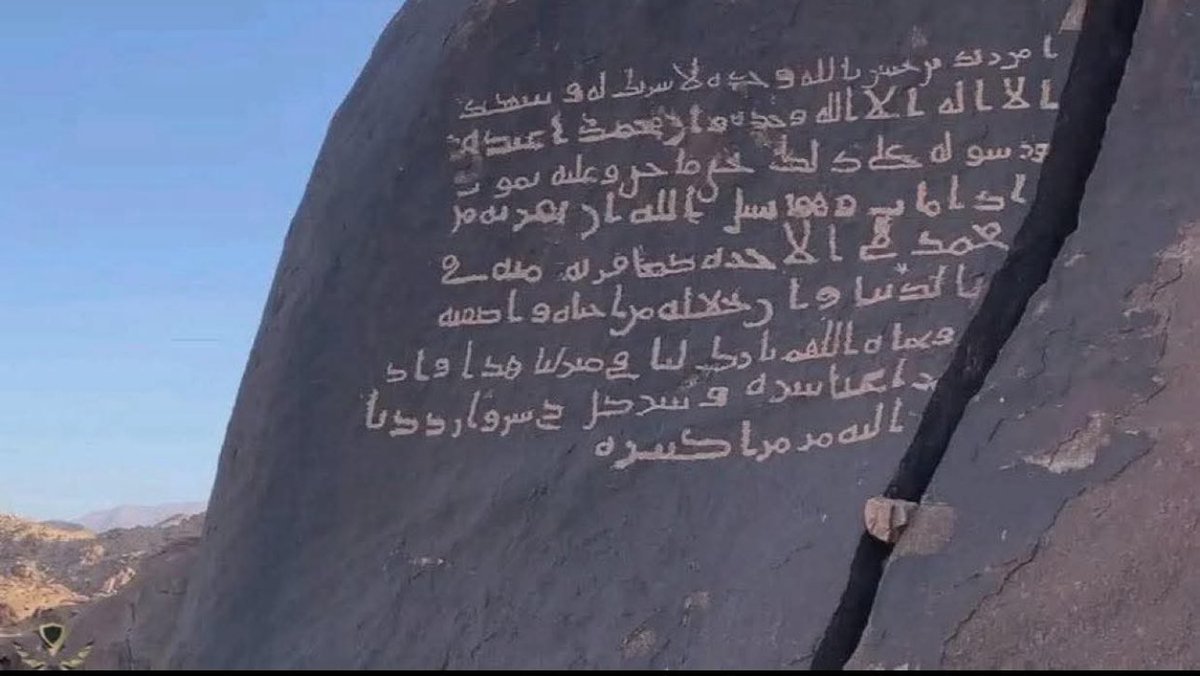
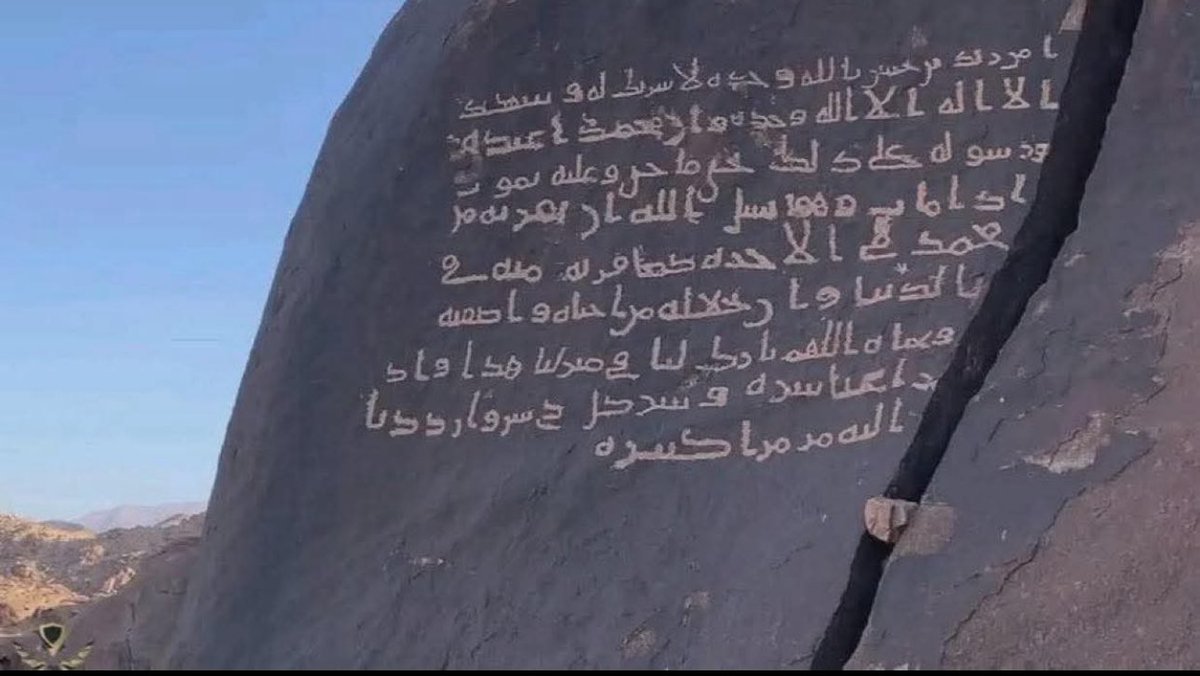
🚨 A recently discovered inscription attributed to Zayd ibn al-Hasan, the grandson of Prophet Muhammad, reads:
“I believe in God alone, without partner. I testify that there is no deity except God and that Muhammad is His servant and messenger. Upon this faith I live and upon it I shall die. I ask God to reunite me with Muhammad in the Hereafter just as He granted me closeness to him in this world, and to count me among his beloved and chosen companions. O God, bless our dwelling and protect us from all evil and evildoers.”
May Allah be pleased with him. ♥️🤲
7
111
537
10,056
A retweeted

And yes, I have severe issues with @KamalMQM in terms of his diatribe and digging at leadership often, and that is not good for the optics. But it is also true that there is no engagement, no connection, no apparent will of most of the leaders to connect with the people. So the presence of MK on the screen is a break.
It also seems that MQM is still living in a past era of press releases in the age of digital. Media & digital presence in top tier news shows is next to none. Multiple statements of DFS, like Tessori is a red line and should be reinstated as Governor was myopic and only gave negative reviews.
Jun 13

If not for @KamalMQM who appears on media and gets prime time program, no other MQM leader is visible for the last 2 years.
3
2
10
1,073
A retweeted

Jun 12
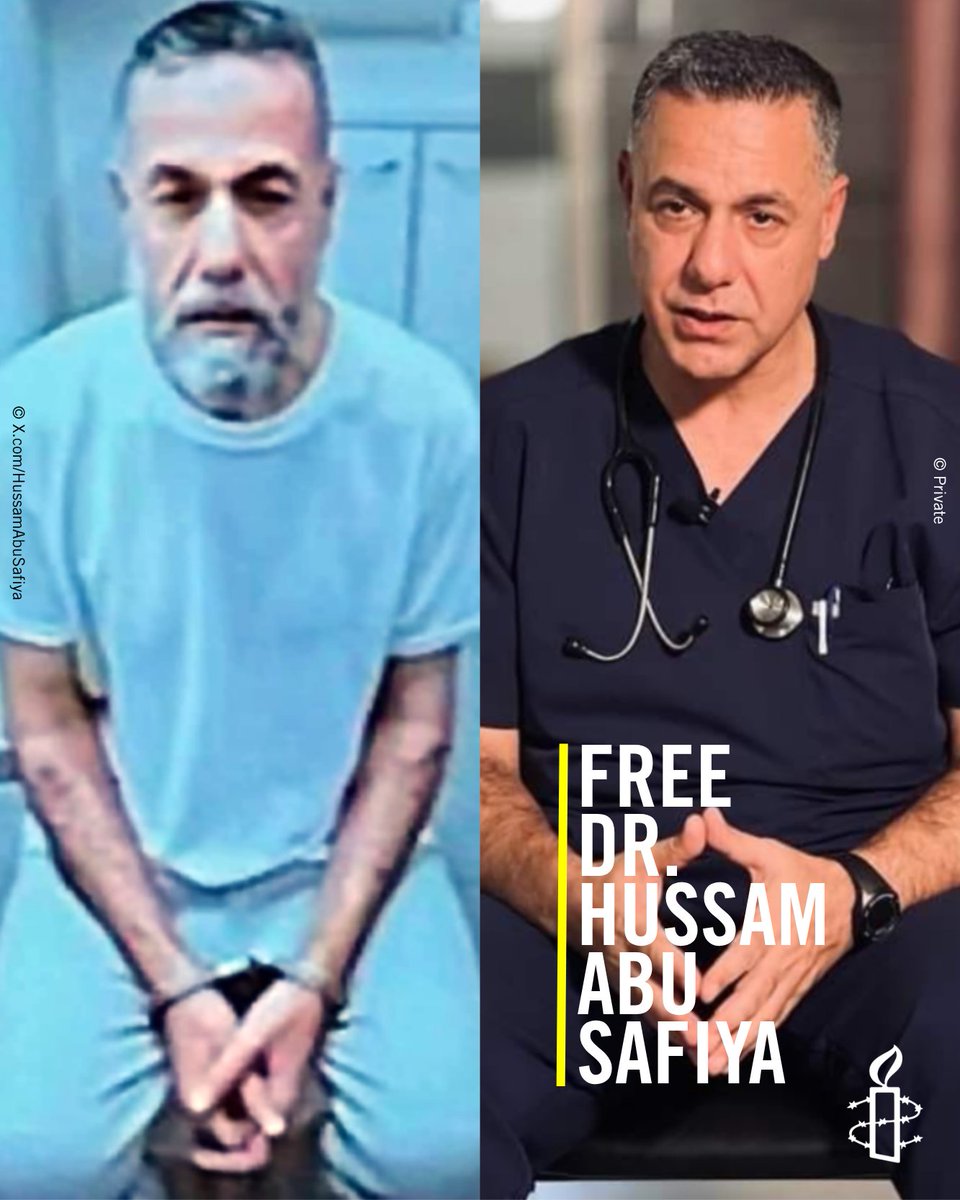
🚨The recent images of Dr. Hussam Abu Safyia are shocking evidence of Israel's abuse against Palestinian detainees.
Dr. Abu Safyia has been arbitrarily detained for one and a half years without charges, while being physically abused and denied healthcare.
His recent solitary confinement adds a further layer of concerns over his deteriorating health. Dr. Abu Safyia must be immediately and unconditionally released. Israel must release all Palestinians arbitrarily detained. States must pressure Israel to stop abusing Palestinian prisoners.
#FreeDrHussamAbuSafiya
353
6,937
10,309
147,197

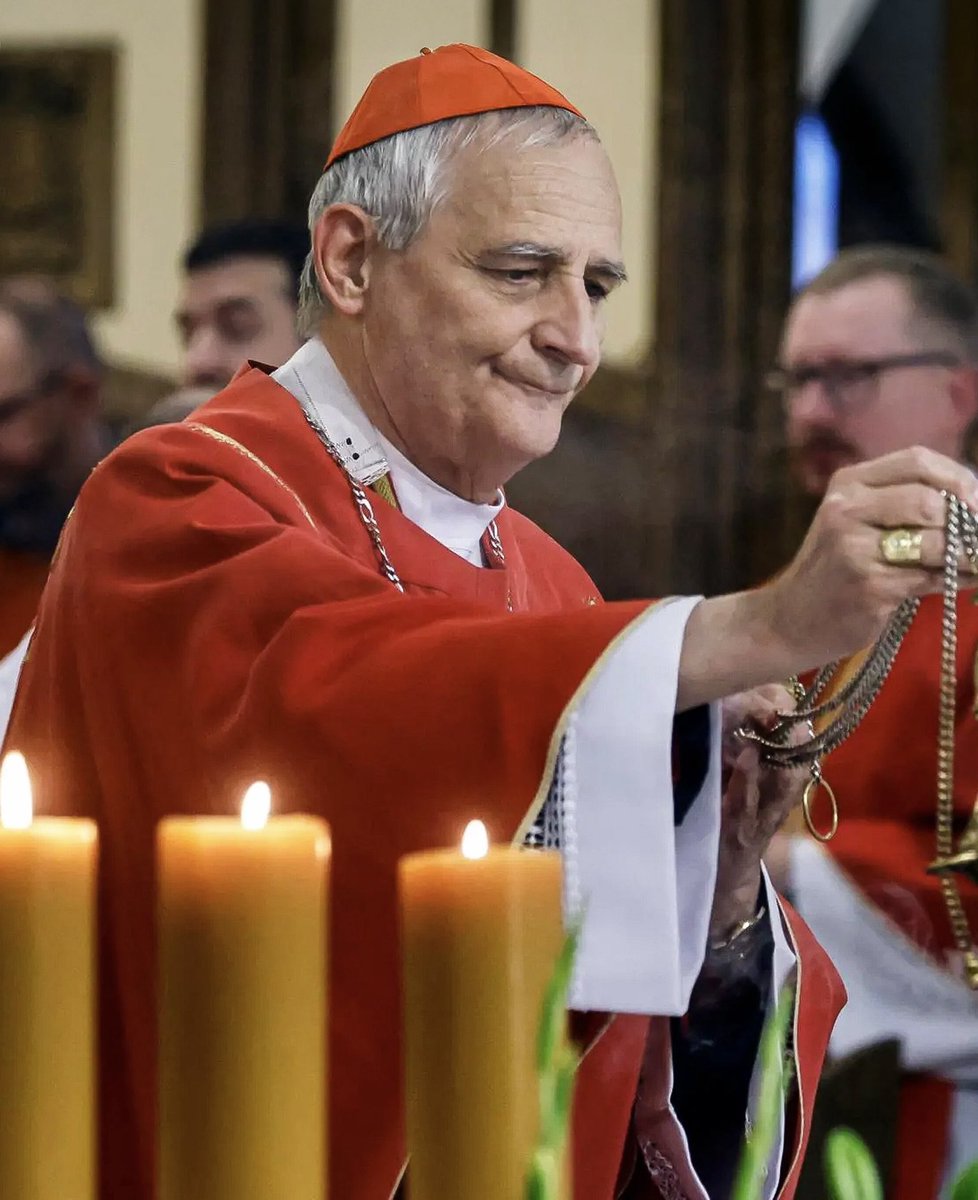
Seven hours. All children.
Jun 12

Cardinal Zuppi read the names of every child who passed away in Gaza. It took him 7 hours.
888
94,254
546,565
6,477,814
A retweeted

Jun 12
How is BISP a burden but all the subsidies given to the elite aren't? PPP has a million issues but BISP helps people who need that money more than anyone else. Why do billionaire politicians, judges, and generals need free petrol and electricity units? Why not remove that burden?
Jun 12

Shameless burden on over burdened salaried class and petroleum consumers…
11
26
81
4,486
A retweeted

Jun 12
Elon Musk Wealth
2012: $2 billion
2026: $1.1 trillion
Jeff Bezos Wealth
2012: $18.4 billion
2026: $262 billion
Mark Zuckerberg Wealth
2012: $17.5 billion
2026: $202 billion
Tipped Minimum Wage
1991: $2.13 an hour
2026: $2.13 an hour
5 words: Tax oligarchs out of existence.
1,790
6,174
27,044
464,366
A retweeted

Jun 12
🚨A Modern Epigraphic Discovery unveils an Inscription where Zayd Bin Hassan (The Grandson of the Prophet) Writes the following:
"I, Zaid bin Al-Hasan, believe in God alone with no partner, and I bear witness that there is no god but God alone, and that Muhammad is His servant and Messenger. Upon this I live as long as I live, and upon it I die when I die. And I ask God to bring me close to Muhammad in the Hereafter as He brought me close to him in this world, and to make me one of his beloved ones, his chosen ones, and his elite. O God, bless us in this abode of ours and ward off from us its evil and the evil of every evildoer."
49
1,009
6,833
1,157,129
A retweeted
Jun 12
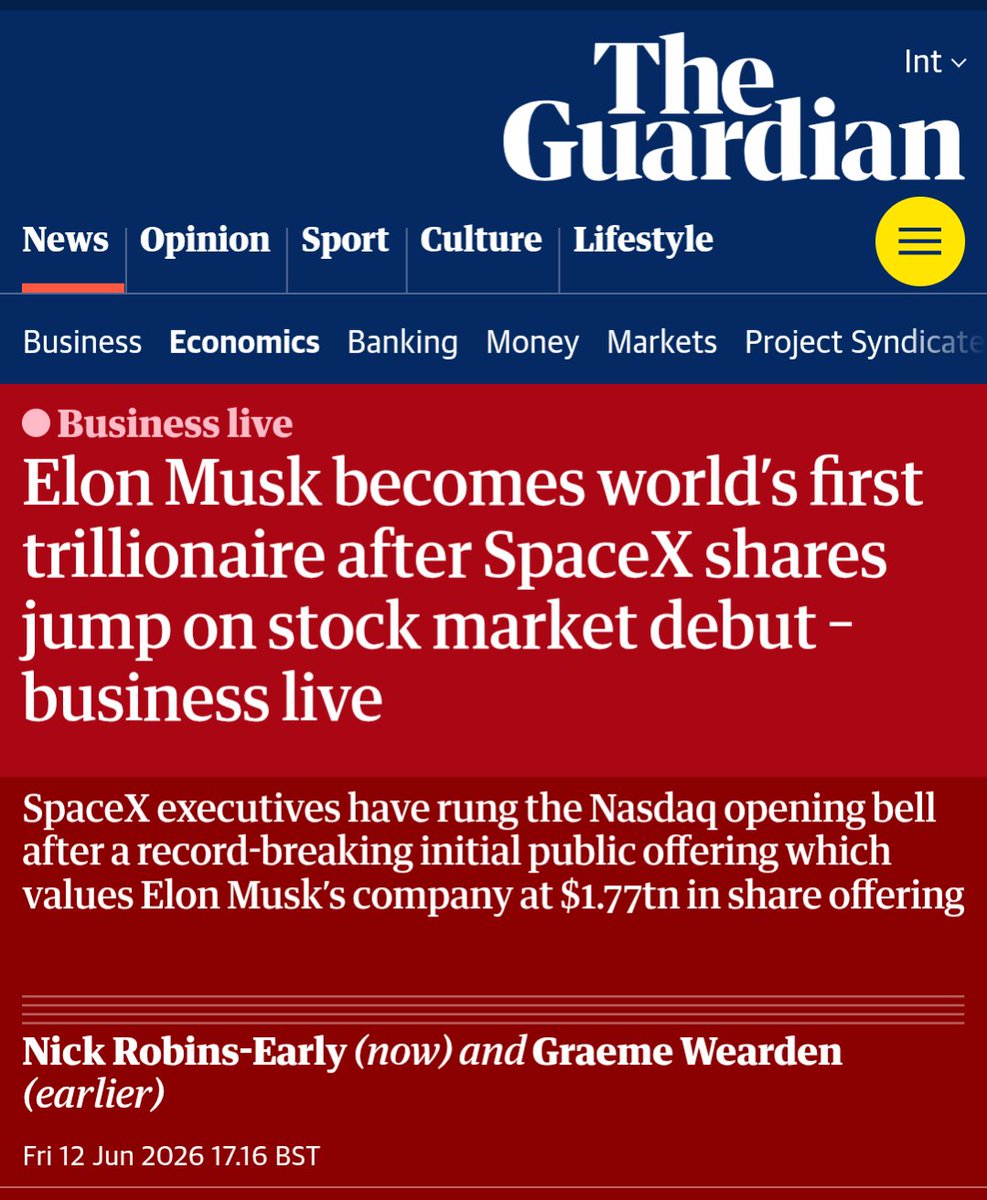
The biggest failure of our times is that we have a TRILLIONAIRE in a world where 1/10th of the population lives below poverty line. Wars, pandemics, economic recessions push more and more into poverty and a right-wing bigot gets a medal of beating the system and winning
1
6
24
1,806
A retweeted

Jun 12
“May Allah be the guardian of Umar ibn al-Khattab in this world and the Hereafter"
23
397
3,128
59,491
A retweeted

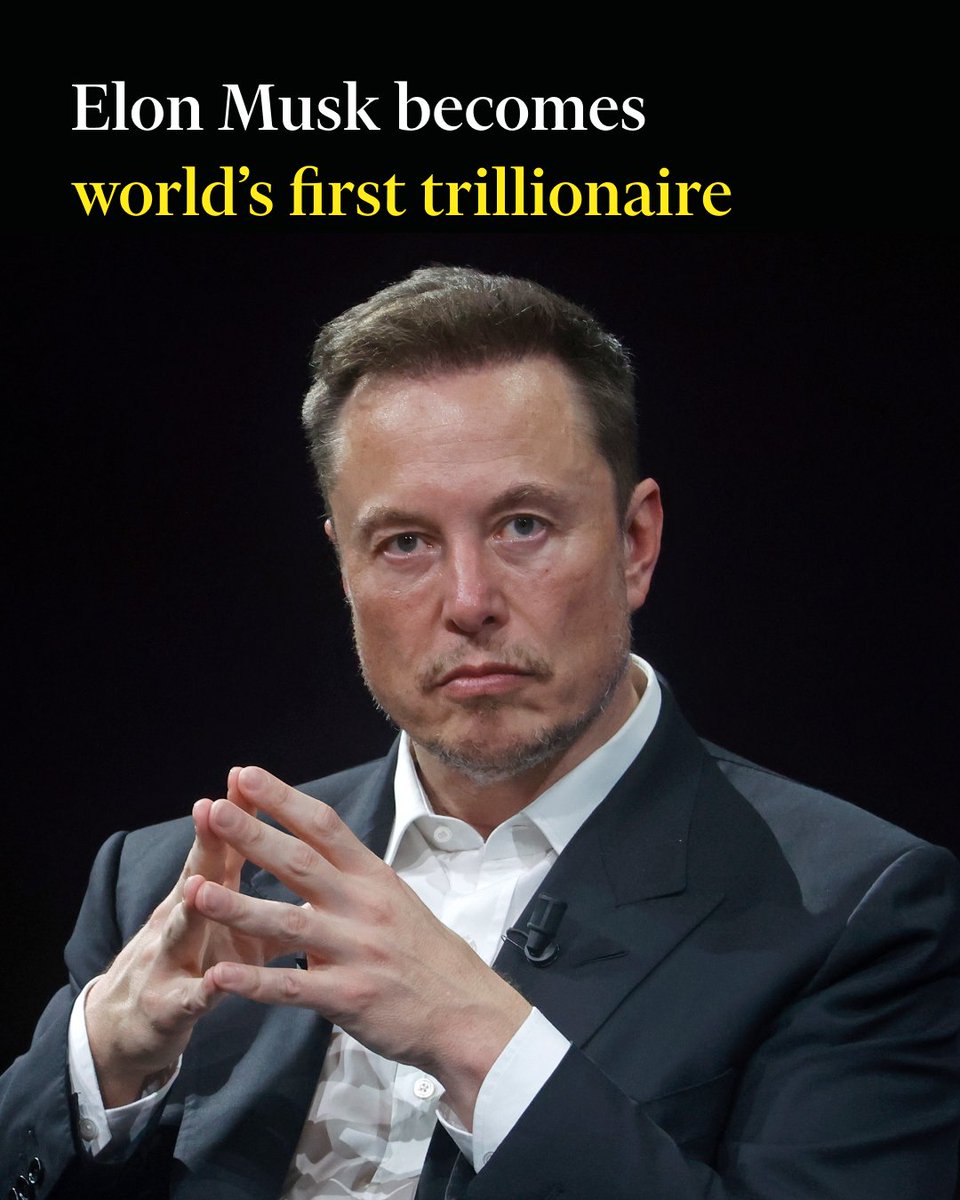
Reason #1,000,000,000,000 why we should tax the rich.
Jun 12

SpaceX's 11% share price boost has made Elon Musk the world's first trillionaire, controlling two of the world's largest companies. ft.trib.al/wHPQ9gw
26,341
53,238
412,714
13,184,695