Biodiversity of the Coastal Ocean: Monitoring with Earth Observation (BiCOME). Utilising remote sensing to monitor coastal biodiversity. Project funded by @ESA.
BiCOME is an @esa funded project which will help us better understand how the community structure and function of coastal ecosystems will respond to the anthropogenic and natural drivers in a changing climate.
Read more about the project on our website: bicome.info
ALT Image montage showing a centre image of seagrass with the words 'Coastal ecosystems' and 'BiCOME' underneath. With a small icon of some seagrass and a fish and a world map and beach overlay
We're at @esa#LPS25 next week!🎉
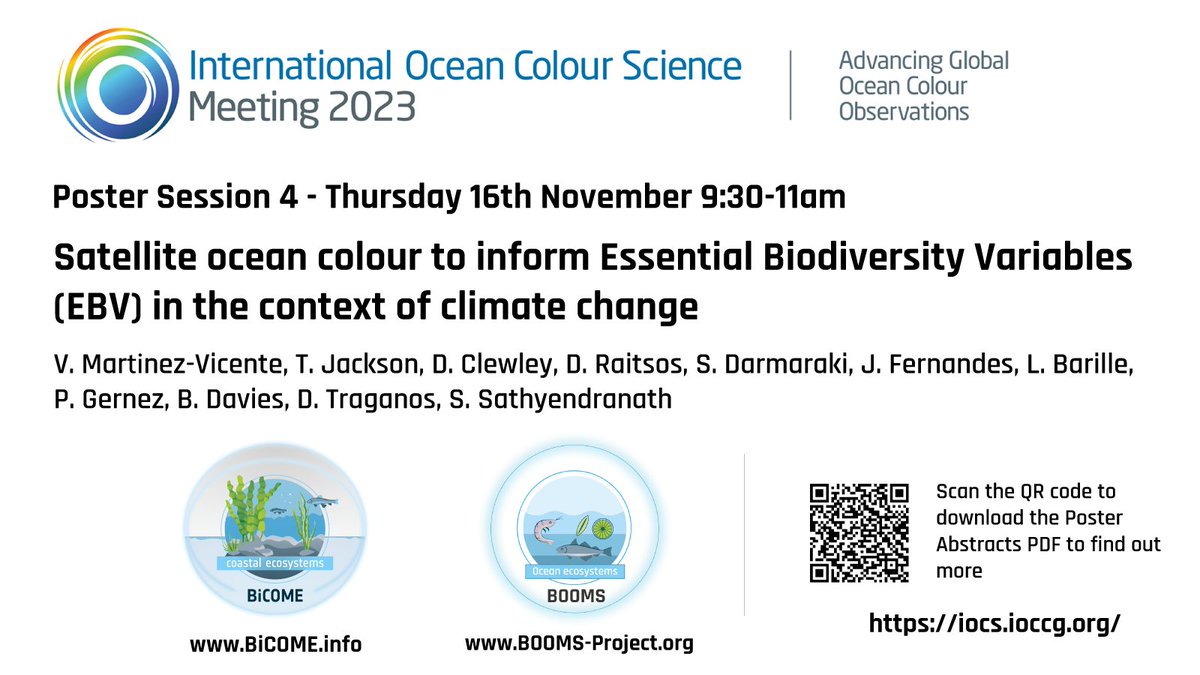
Several participants from BiCOME will be presenting in the networking session: 'Enhancing Cooperation between EC and ESA Ocean Science projects'. Sharing project plans, data & results
🗓️23.06 🕑14:00
More info:
lps25.esa.int/programme/prog…
ALT Living Planet Promotional Image showing the earth and various satellites and plants
Some of the BiCOME team be at the poster session: 'Ocean Health including marine and coastal biodiversity'
Presenting research on the impacts of extreme temperatures on #seagrass reflectance.
lps25.esa.int/programme/prog…
Come and say hi 👋
Happy International Day for Biological Diversity!
It's vital we better understand our 🌍
BiCOME, an @esa-funded project ued Earth Observation data 🛰️ to address gaps in coastal #biodiversity monitoring.
More info and publications ➡️ bicome.info/Results_Resource…#BiodiversityDay
ALT A combindation of coastal imagery with the words 'coastal ecosystems BICOME' and a photo of seagrass
BiCOME had a 'sister' @esa -funded project: BOOMS - Biodiversity in the Open Ocean: Mapping, Monitoring and Modelling. Studying open ocean biodiversity, with a focus on dynamic seascapes.
More info and publications ➡️
booms-project.org/Publicatio…
ALT Under ocean photo with a logo showing krill, fish, and plankton. with the text "Biodiversity in the Open Ocean:Mapping, Monitoring and Modelling (BOOMS)" BOOMS-Project.org and the ESA logo
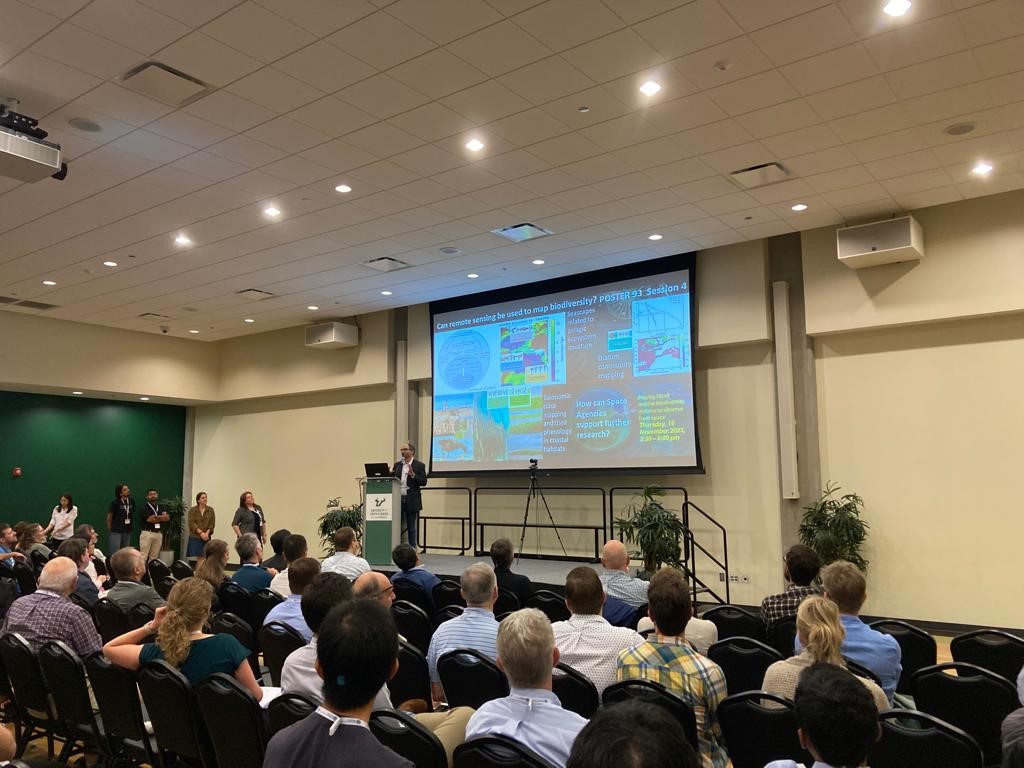
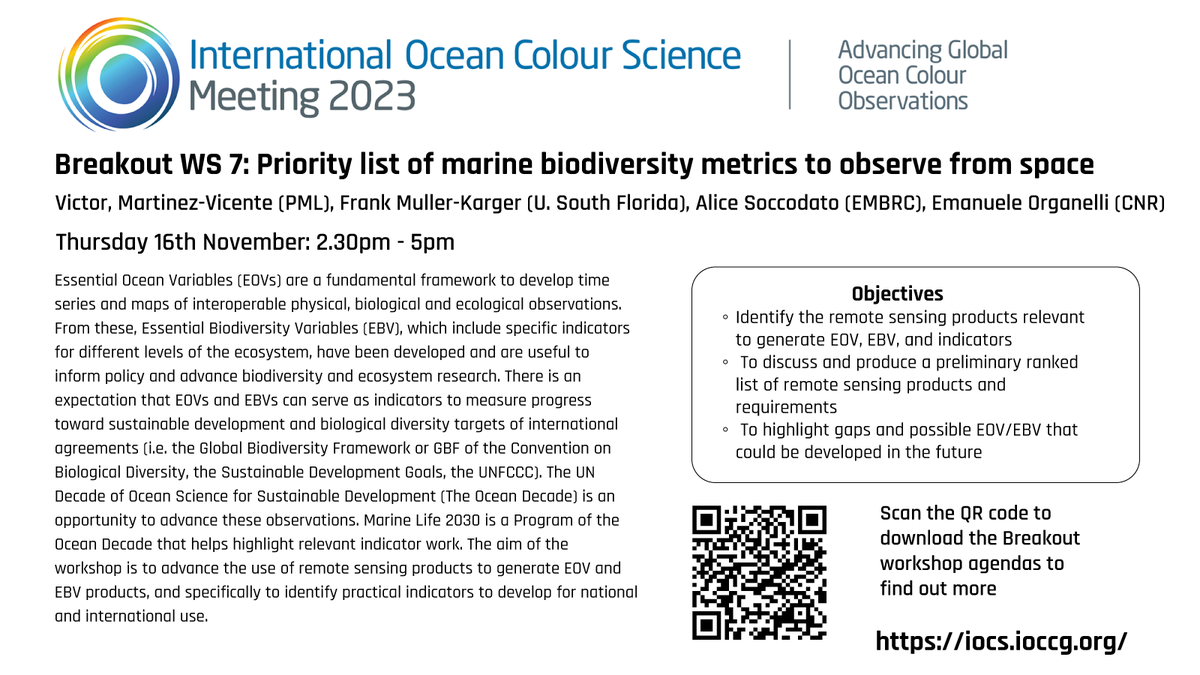
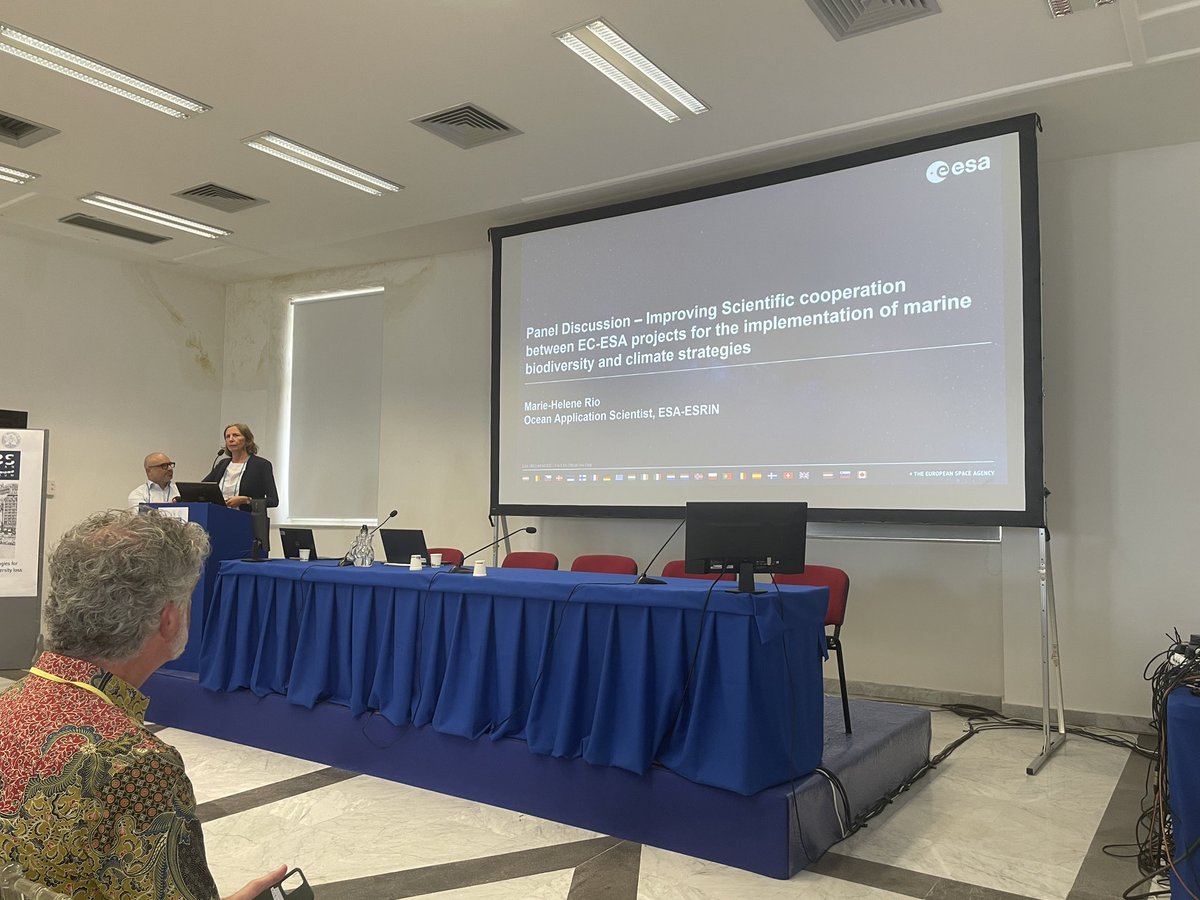
Now: First Panel Discussion Session on “Improving scientific cooperation between EC-ESA projects for the implementation of marine biodiversity and climate strategies” chaired by Marie-Helene Rio and Ivan Conesa Alcolea
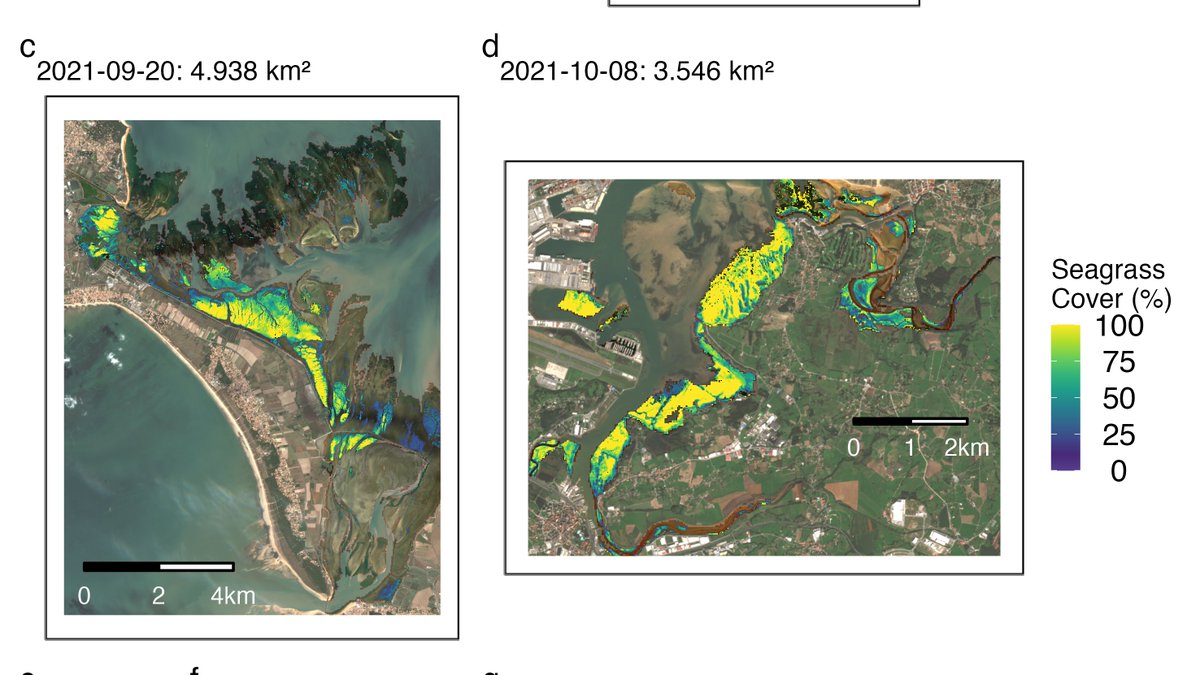
🚨 New Open Access Paper in Remote Sensing of Environment 🚨 This is the second use of the ICE CREAMS model (🍨see previous post) to map Intertidal Seagrass variation with Sentinel-2 🛰️ Here we assessed inter-annual trends rather than intra-annual ones! doi.org/10.1016/j.rse.2024.1…
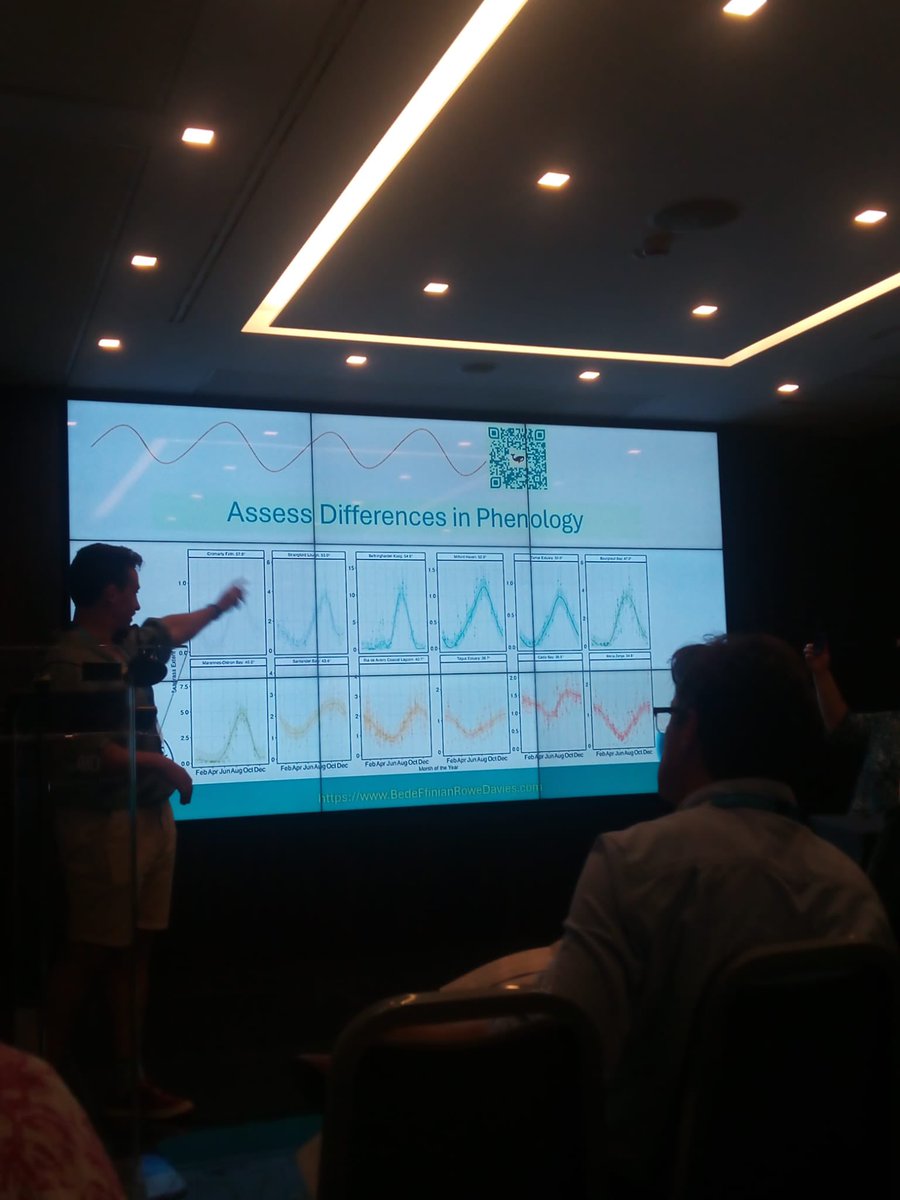
🚨 New Open Access Paper/Model/Data 🚨We are pleased to announce our new paper in @CommsEarth! Here we assessed the phenology of intertidal seagrass across the North Atlantic coast of Western Europe and North Africa using satellite imagery! 🧵 rdcu.be/dN0ae
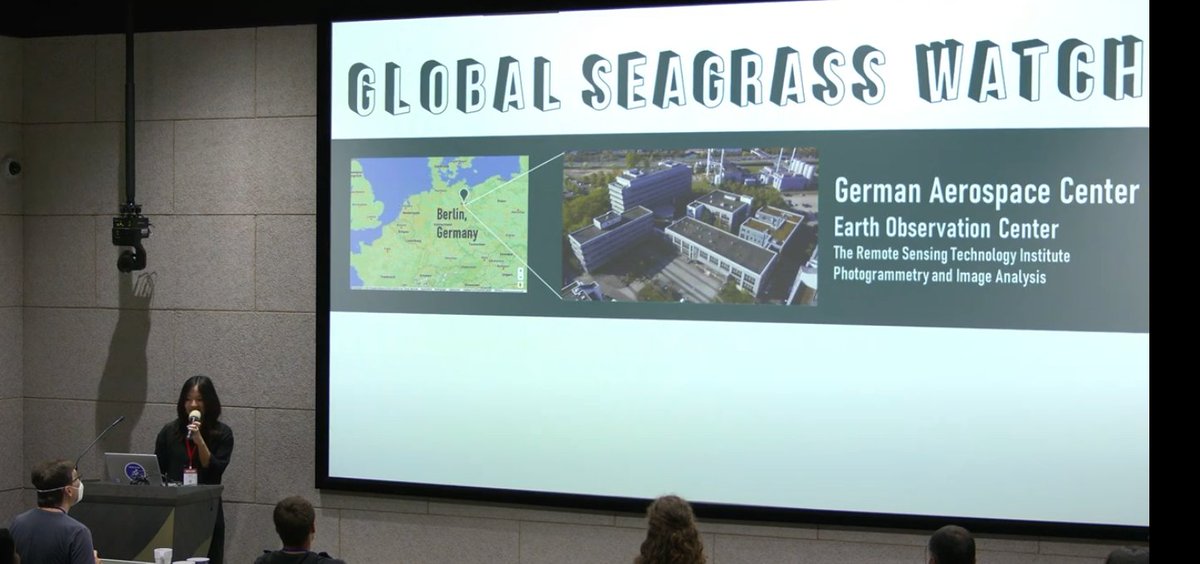
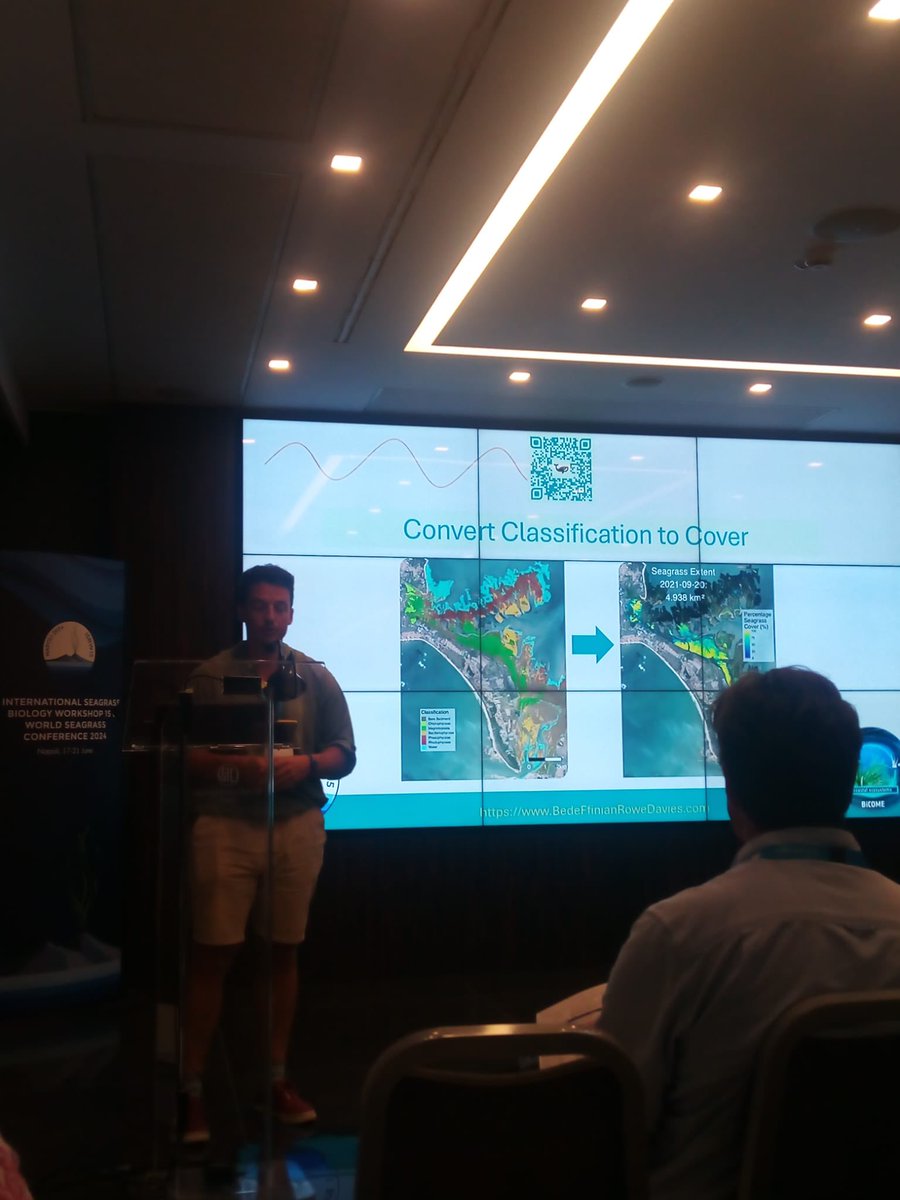
What can Satellite’s 🛰️ tell us about Intertidal seagrass? Answer: A LOT! These huge beds change yearly and differently across all of Europe! 👀 Keep your eyes peeled for the upcoming paper! Was a pleasure to present our work from @BicomeProject funded by @esa at @ISBW15_WSC24
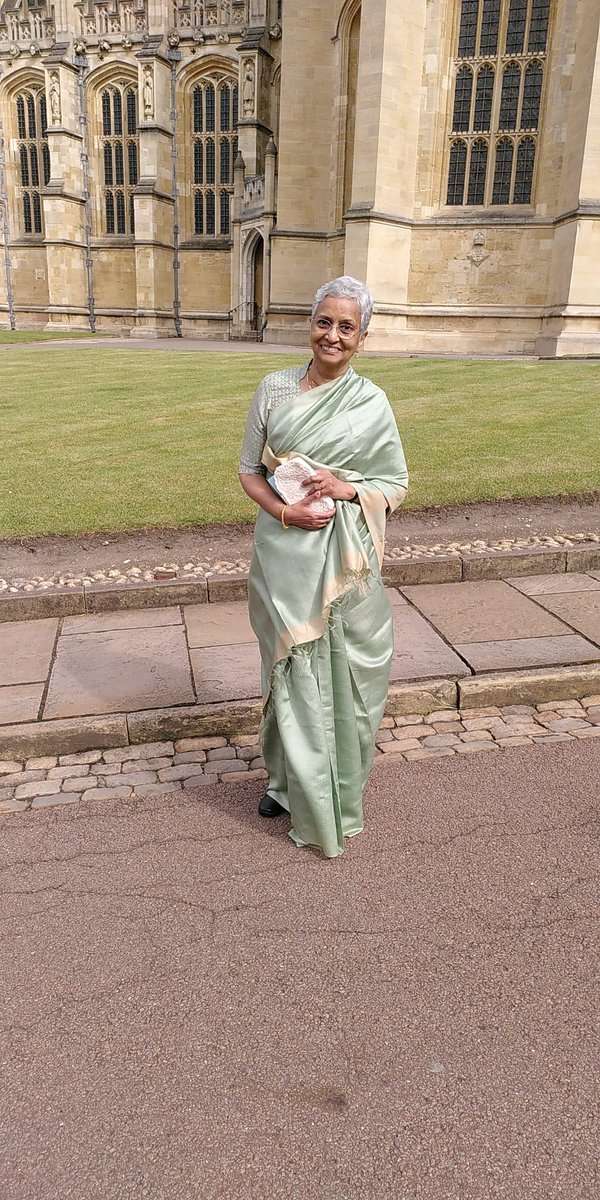
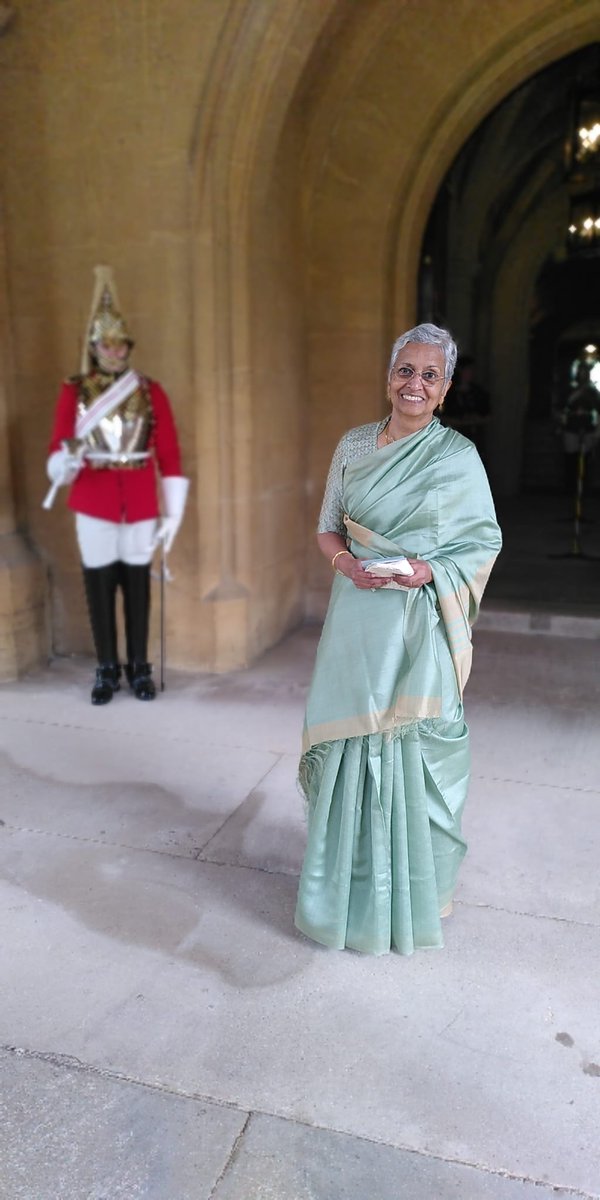
So proud to see our Dr Shubha Sathyendranath awarded an MBE at a ceremony in Buckingham Palace yesterday in recognition of her services to oceanography. The award serves as testament for her outstanding contribution to marine science.
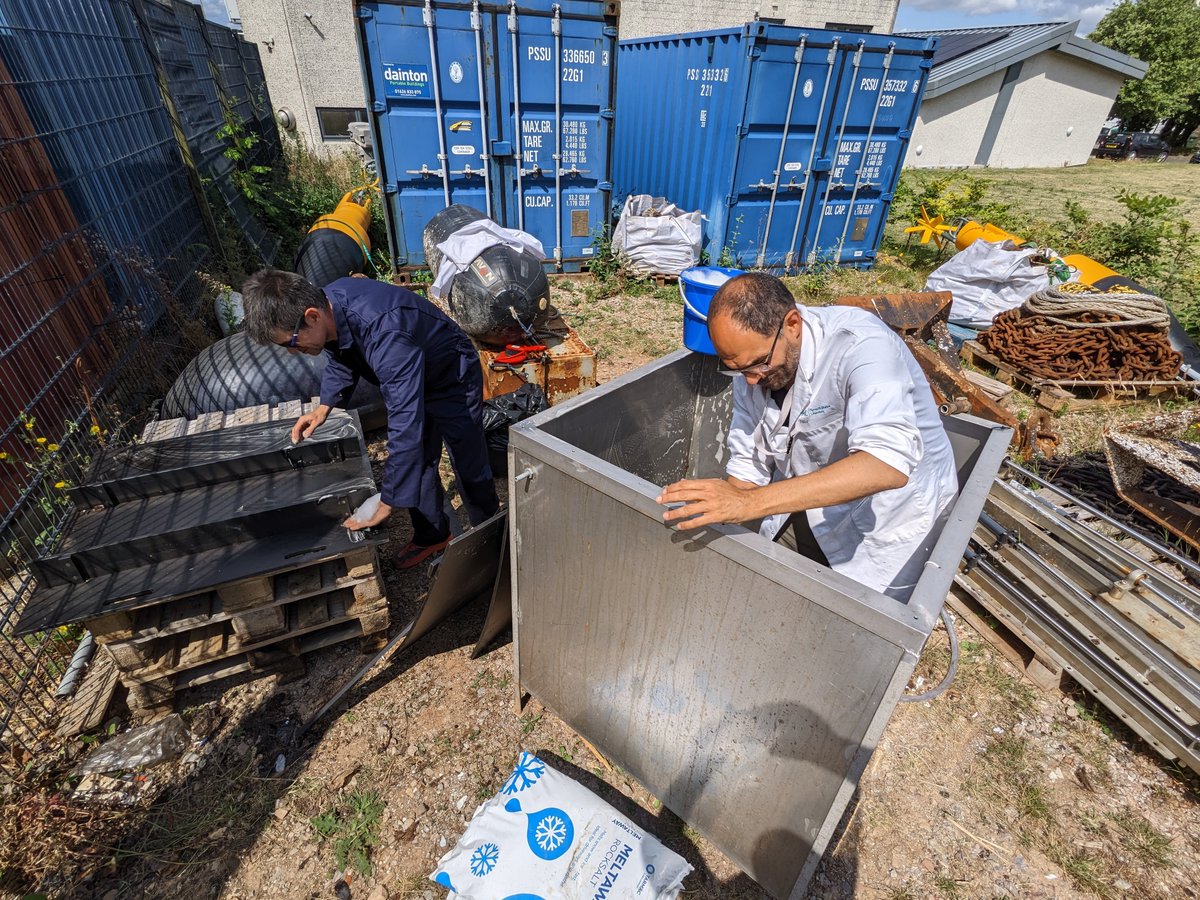
Nice alignment with the @BicomeProject hyperboost effort collecting radiometric and other optical and bio geochemical and #biodiversity data for satellite validation supported by @ESA_EO 💪@PlymouthMarine
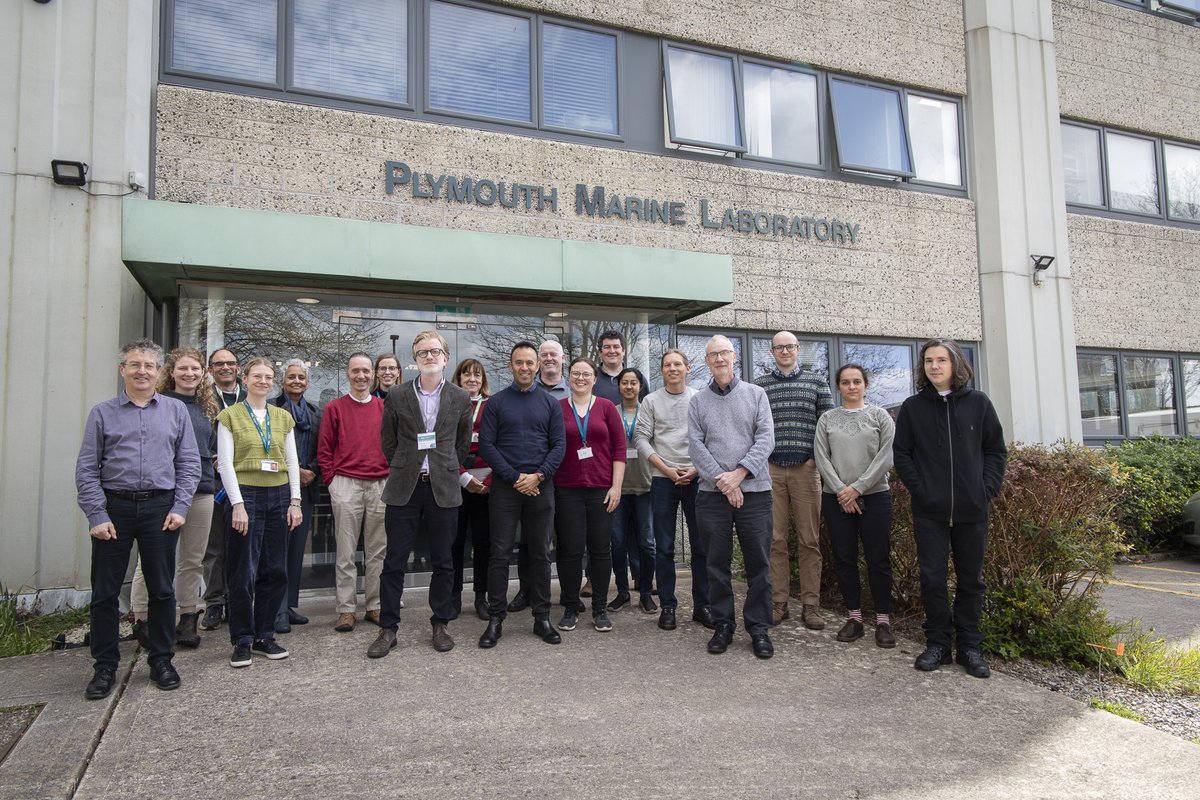
We were delighted to host Roberto Sabia and Javier Alonso Concha from the European Space Agency (@esa) here at the laboratory yesterday, where they joined four project progress meetings for ESA-funded projects led by PML.
Find project info in image ALT TEXT 👇
ALT The four projects include:
PRIMary-productivity in Upwelling Systems (PRIMUS) - https://www.primus-atlantic.org/
OceanColour-CCI (OCCCI) - https://www.oceancolour.org/
Satellite-based observations of Carbon in the Ocean: Pools, Fluxes and Exchanges (SCOPE)
Biodiversity in the Open Ocean: Mapping, Monitoring and Modelling (BOOMS) - https://booms-project.org/
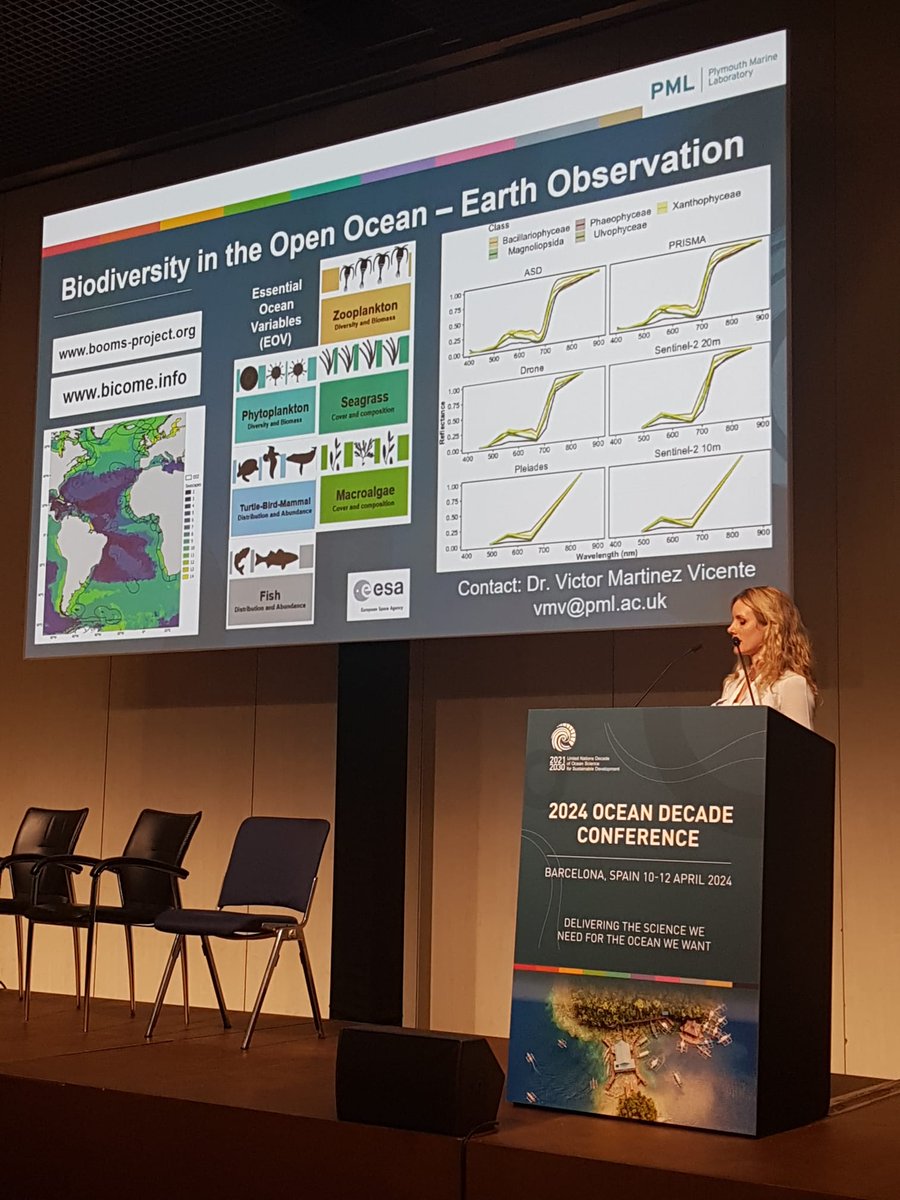
Thank you to the 4,500 ocean enthusiasts and change-makers who joined us in-person and online for making #OceanDecade24 a success!
👉Find the day-by-day highlights and overall summary of the 2024 #OceanDecade Conference, compiled by @IISD_ENB, here: ow.ly/xMO950Rg8z4
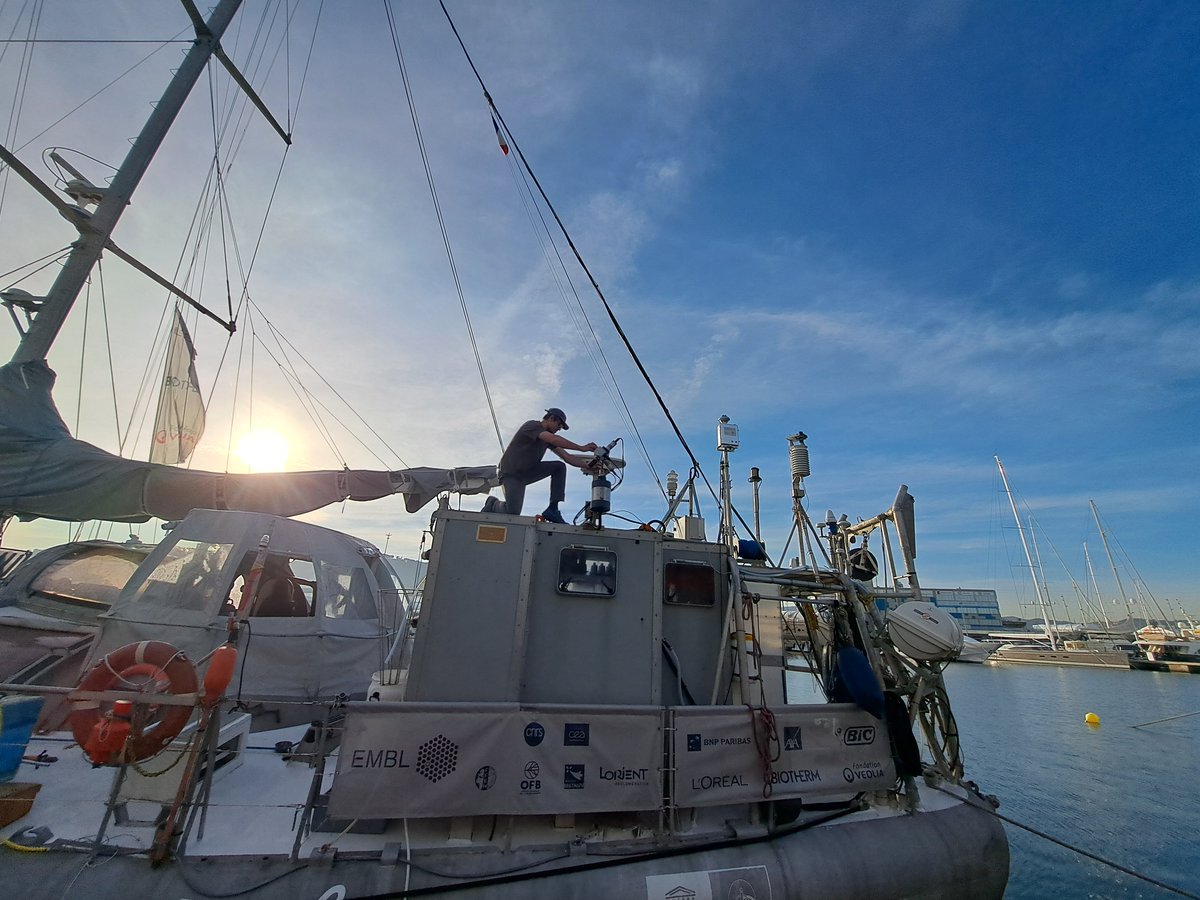
This week Tom Jordan from @PlymouthMarine visited the @TaraOcean_ Tara schooner as it moored in Barcelona to re-install a So-Rad (solar-tracking radiometry platform) for the 2024 field season. It'll capture in-situ data during the @EMBLtrec expedition for the HyperBOOST project.
ALT Tom Jordan on board the Tara installing equipment with the sun in the background
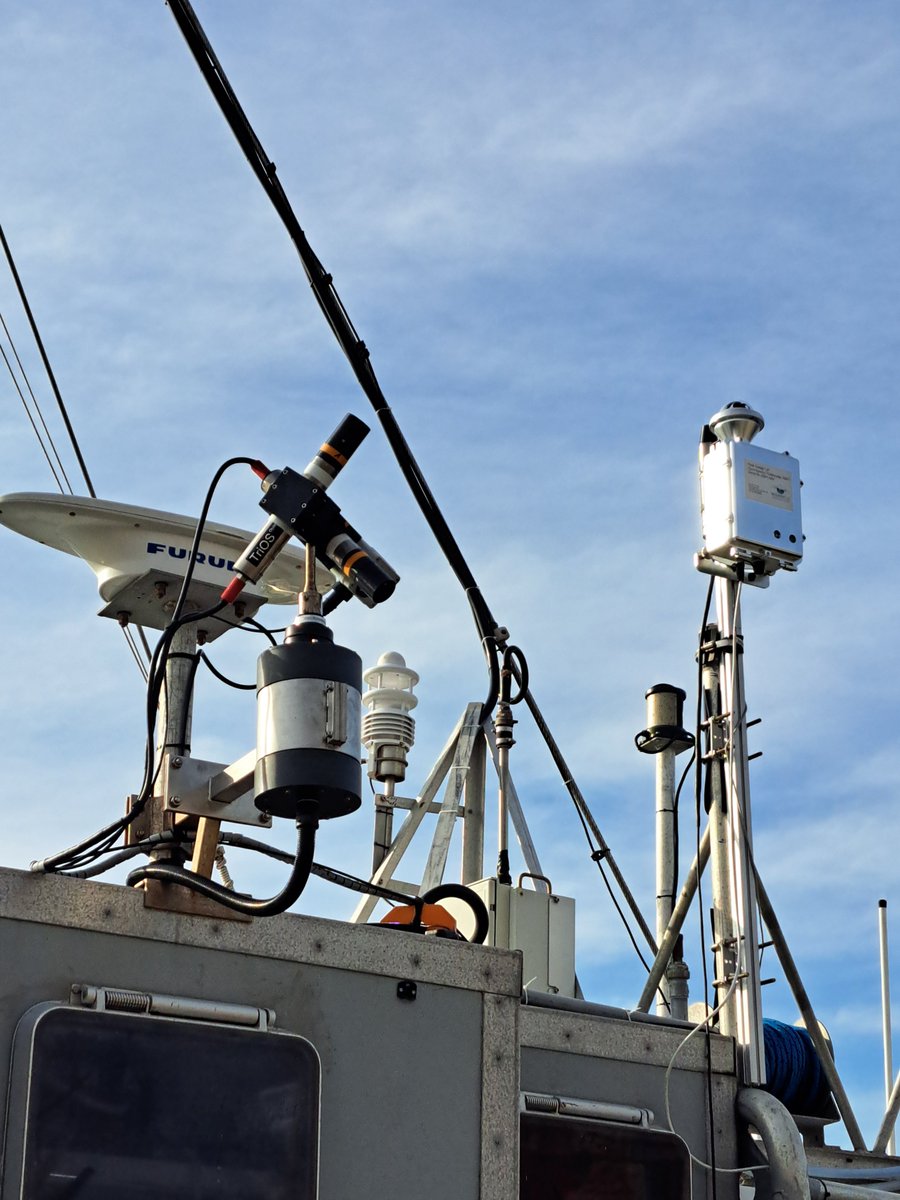
ALT The So-Rad Instrumentation close up.
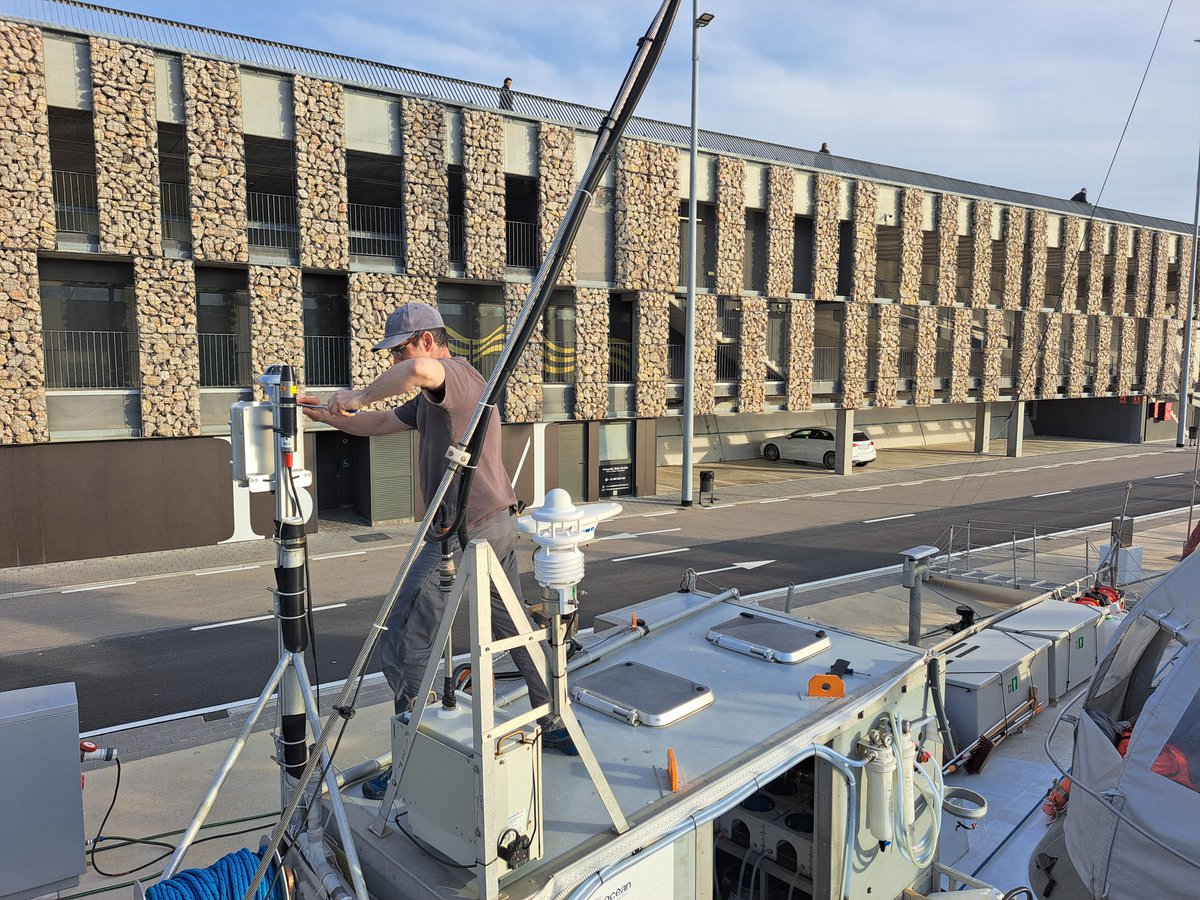
ALT Dr Tom Jorden installing the equipment on the Tara
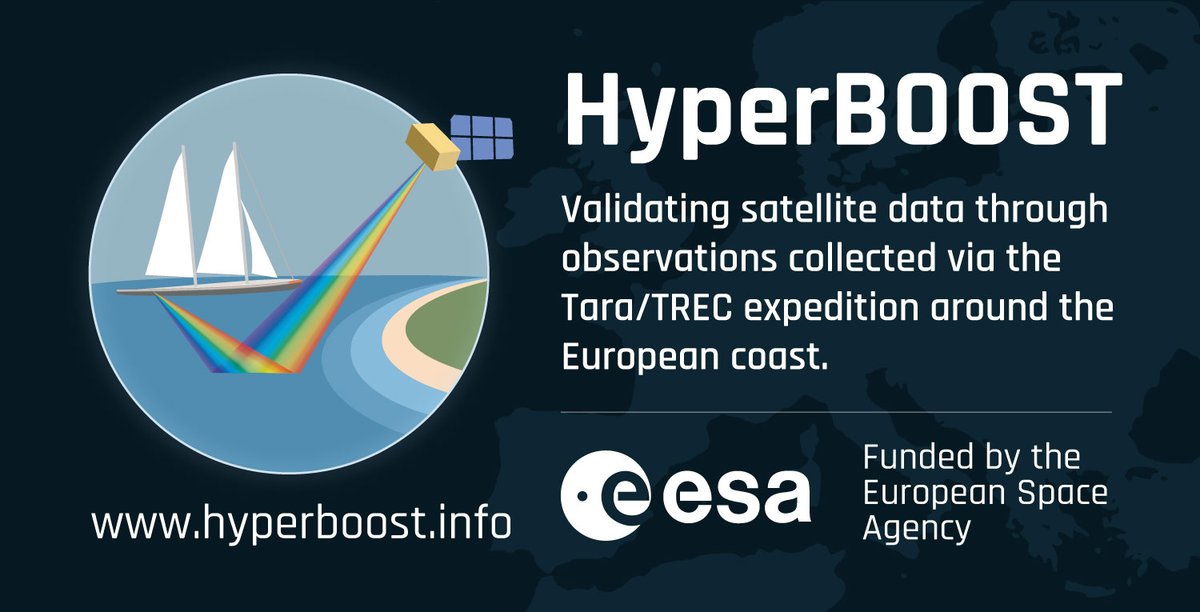
ALT Promo card that shows the Hyperboost logo of the tara schooner the web address of www.hyperboost.info. The title: HyperBOOST and the description: Validating satellite data through observations collected via the Tara/TREC expedition around the European coast. - Funded by the European Space Agency.
HyperBOOST follows on from the @BicomeProject. Collecting Hyperspectral Bio-Optical Observations along European coastlines to validate satellite data for @esa.
Find out more ➡️hyperboost.info ⬅️
More info about the So-Rad is available here: monocle-h2020.eu/Sensors_and…
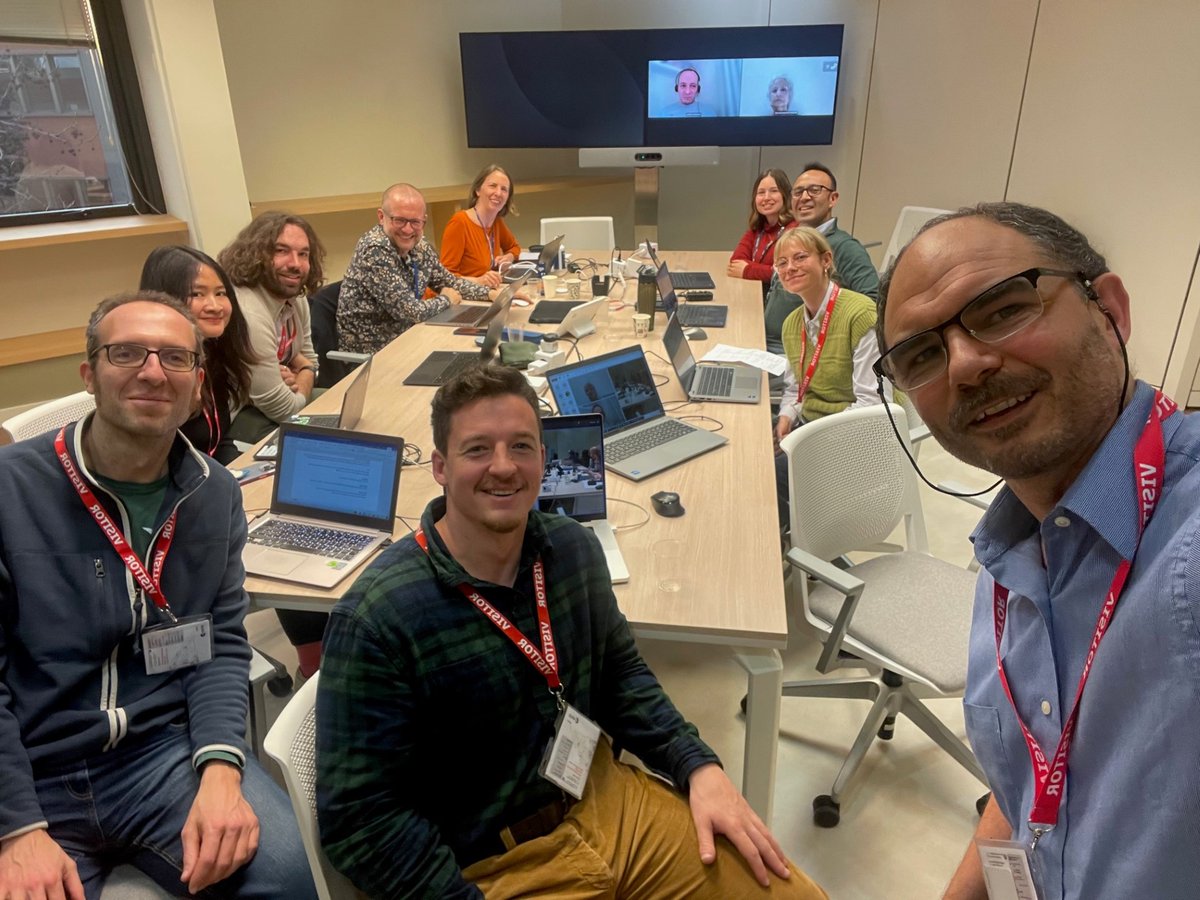
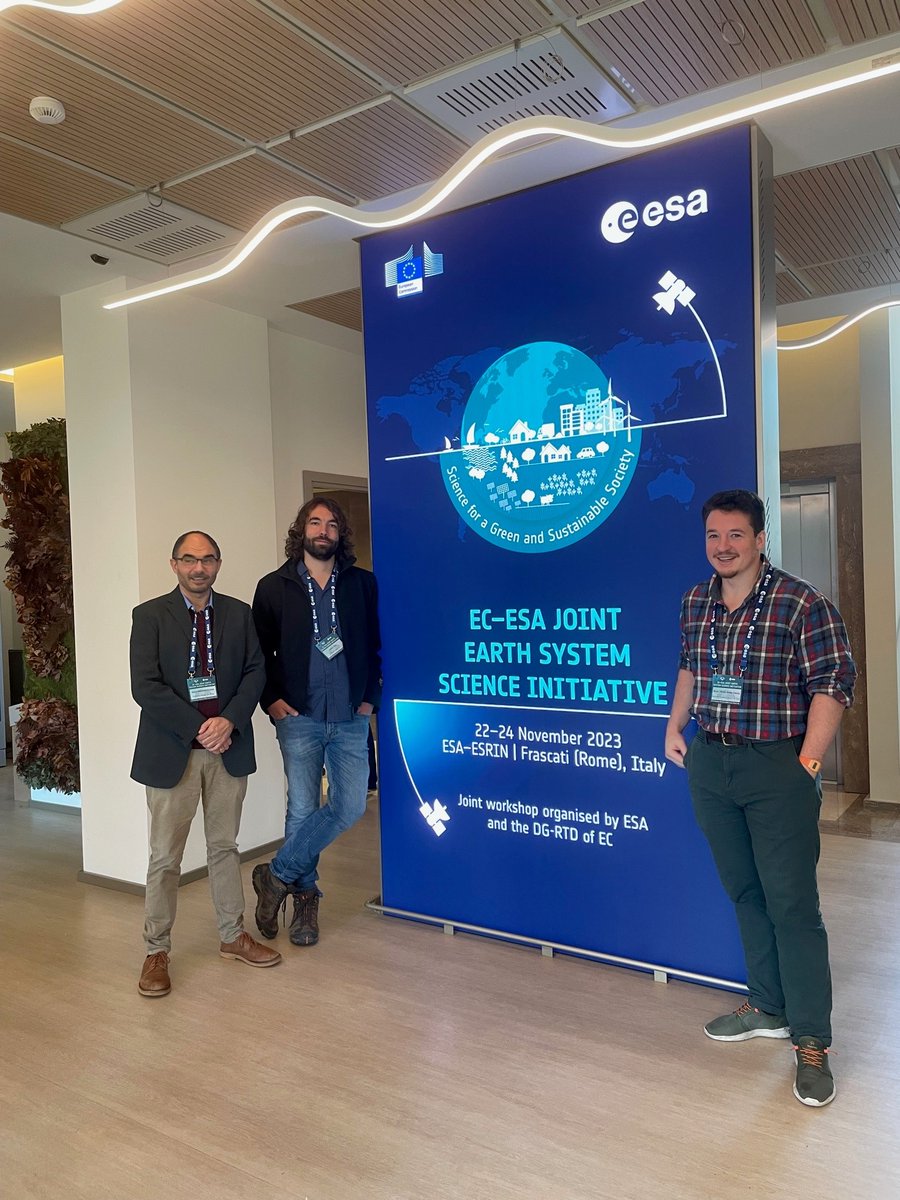
It was the final meeting for the BiCOME project yesterday. Great to see everyone to discuss project results. Thanks to @ESA for hosting us.
This is not the end! More publications and outputs will be coming from the project in the next few months, stay tuned!
ALT The BiCOME Team around the table at the ESA Headquarters in ESRIN
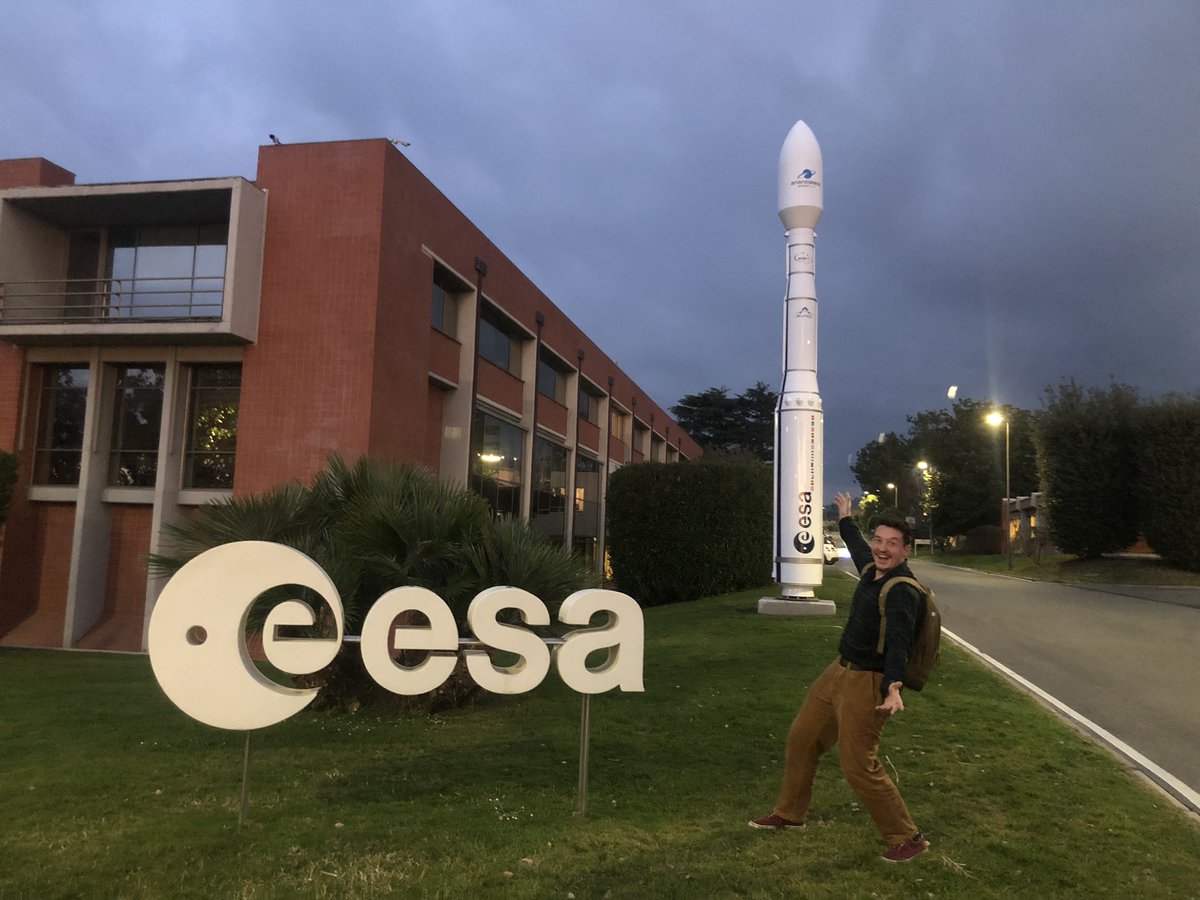
Long day of discussion at European Space Agency (@esa) for the summary meeting of @BicomeProject! Some very cool outputs (watch this space) still couldn’t help getting the obligatory Spaceship photo even if it was already dark! @RSBE2NantesUniv @NantesUniv
#Vision2030: How can ocean science help to protect marine ecosystems?
Through its Challenge 2️⃣, the #OceanDecade aims to enhance understanding of the effects of stressors on ocean ecosystems and develop conservation and restoration solutions.
Read more: ow.ly/HvKn50QvYv5