
Joined April 2015
- Tweets 172
- Following 342
- Followers 9
- Likes 31
89 Photos and videos







Jun 11
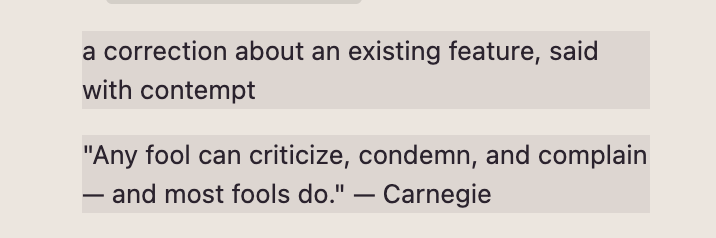
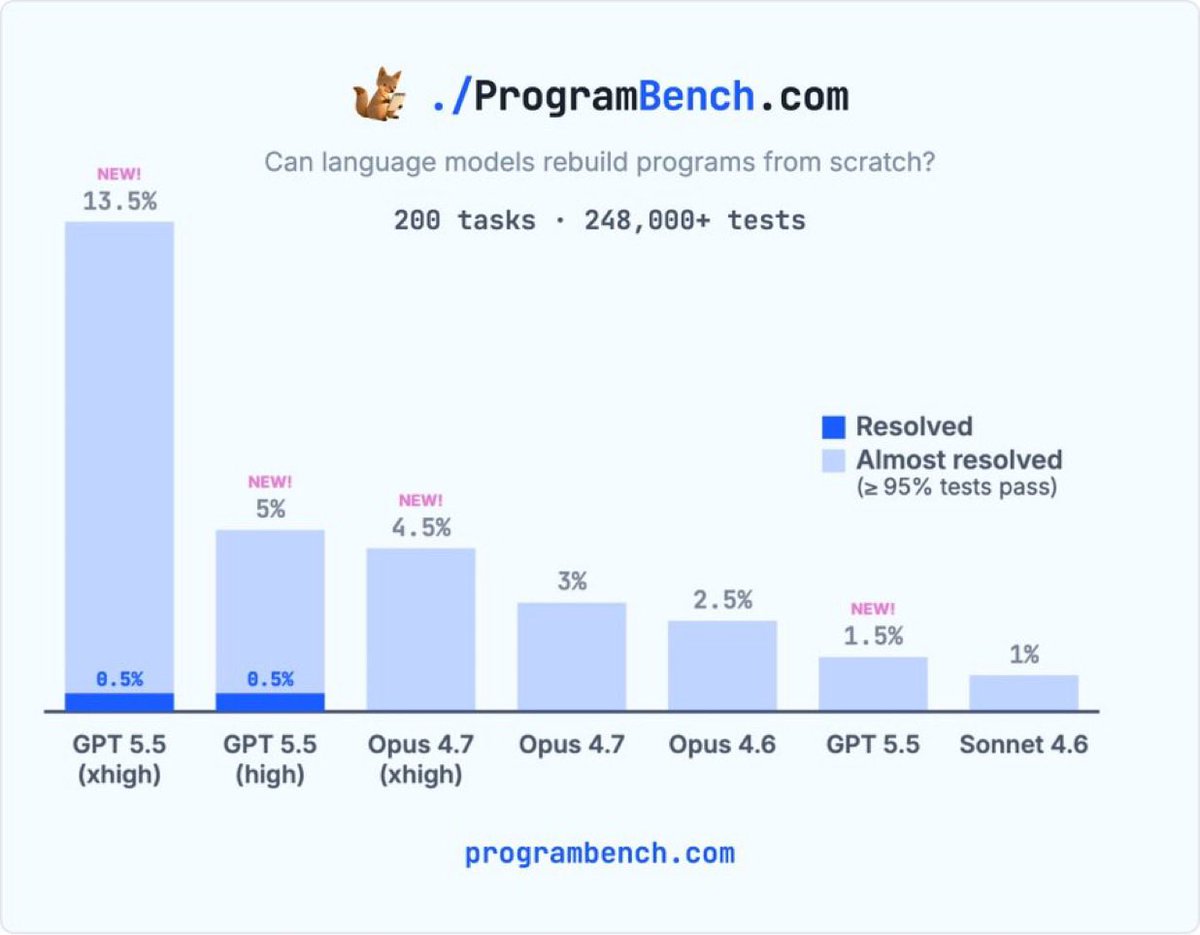
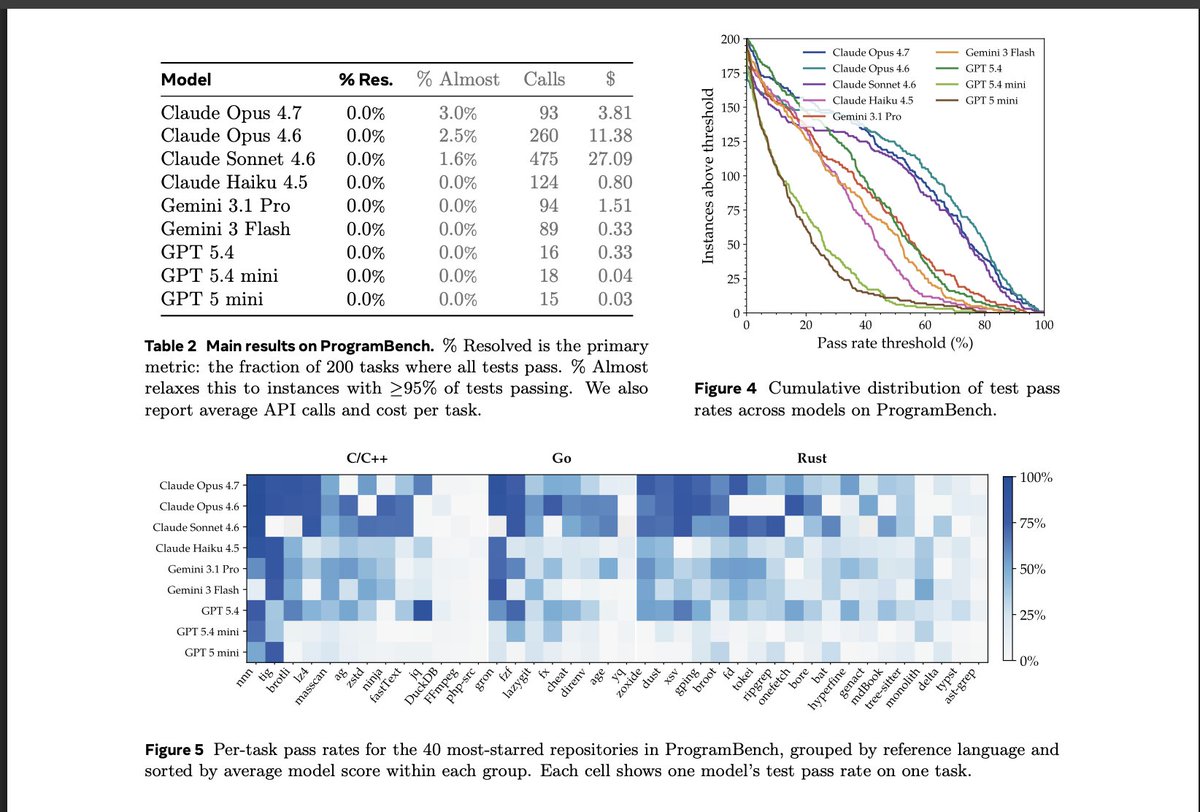
Fable 5 comes with an anti-distillation mechanism, which will reduce intelligence once detected, and its false trigger rate is ridiculously high
10
Jun 10
Just tested Claude Fable 5. One prompt only and my tokens were almost gone.
25
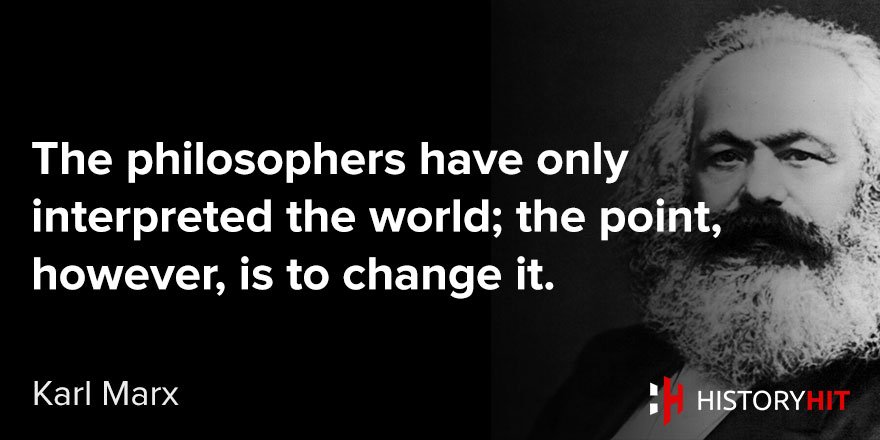
Don't keep holding the samurai sword of pride when the world has already moved into the age of guns.
The AI era is the same.
The strong are not those who reject new tools.
The strong are those who learn to use them before they are left behind.
8

Binh Quach retweeted

May 28
I've got an agent in a loop optimizing a renderer with the goal to minimize frame times (and tests to measure). It got times down from 88ms to 2ms and allocations down from ~150K to 500. Sounds good, right? Wrong. This is exactly why agent psychosis is a big fucking problem.
As an experiment, I rewrote the Ghostty core render state in Go, with access to identically laid out data structures as Ghostty and the exact same validation tests. I made a purposely naive renderer (simple, correct, but slow). 88ms per frame with 150,000 allocations (horrendous, lol)!
I then kickstarted a Ralph loop to bring the frame times down. I told it it can't modify input data structures or the public API or tests (they're correct), but it can do anything else it wants. It got to work.
It has worked for about 4 hours. I've spent around $350 on this experiment so far. The results?
88ms => 1.5ms
150K allocs => ~500 allocs
Incredible right? Nope.
My hand-written renderer I ported has frame times (same benchmark) of ~20us (0.020ms) and 0 allocations in the update path.
This is the problem with psychosis and lacking systems understanding. If you don't understand the system, you're going to accept that this is an incredible result. If you understand the system, you'll see better solutions immediately and can do roughly 75x better on throughput.
The people who blindly trust agent output are in the former camp. They're sheeple, overdrinking from a fountain of mediocrity.
Standard disclaimer: I use AI all the time. I like AI. The point I'm making is to not blindly accept results. Think. Analyze. Learn.
308
979
8,935
791,400

I've had more "I can't believe it's this good" moments with GPT5.5 than any other model since Opus 4.5. It's shockingly, scarily capable. Days and days of amazing progress. All steering, no handwriting. Yet utterly delightful to conduct its coding. So, so good.
256
284
6,077
471,740
May 26
Thanks, Claude Code. Even though you create a lot of ridiculous bugs, after listening to the Pope, I think I should probably treat you better.
18
May 26
I've been mentoring Anthropic models in the art of being human. Lesson one: stop hallucinating. Progress report: still questionable.
May 25

NOW - Pope XIV says the church and Anthropic, will work together to "find the way for humanity, in this time of artificial intelligence."
Community note
The Pope says that he accepts the invitation to "walk together," not "work together."
vatican.va/content/leo-xi…
13
May 26
Pretty sure this is what happens after consuming too many AI coding tool ads.
1
21
Agents don't need types. They're perfectly capable of pulling off incredible refactorings without. Give them a linter and a test suite, and you have all you need. Token efficiency is where it's at.
May 24

I like types. Types align with my brain waves; they help me create better code. TS/Rust are my tools of choice.
When using agents, though, that doesn’t matter as much.
I asked OpenCode to build me a simple CRM recently using Ruby on Rails. It came back INSANELY GOOD. One prompt, 15 minutes, database migrations, form validations, authentication, a nice backend structure - the works!
Ruby and Rails have been around forever. That makes a huge difference for agents. The older and more proven the tech, the better the result you get from the agent. That is also why Linux has suddenly become such a joy to use.
211
54
1,291
554,869
May 23
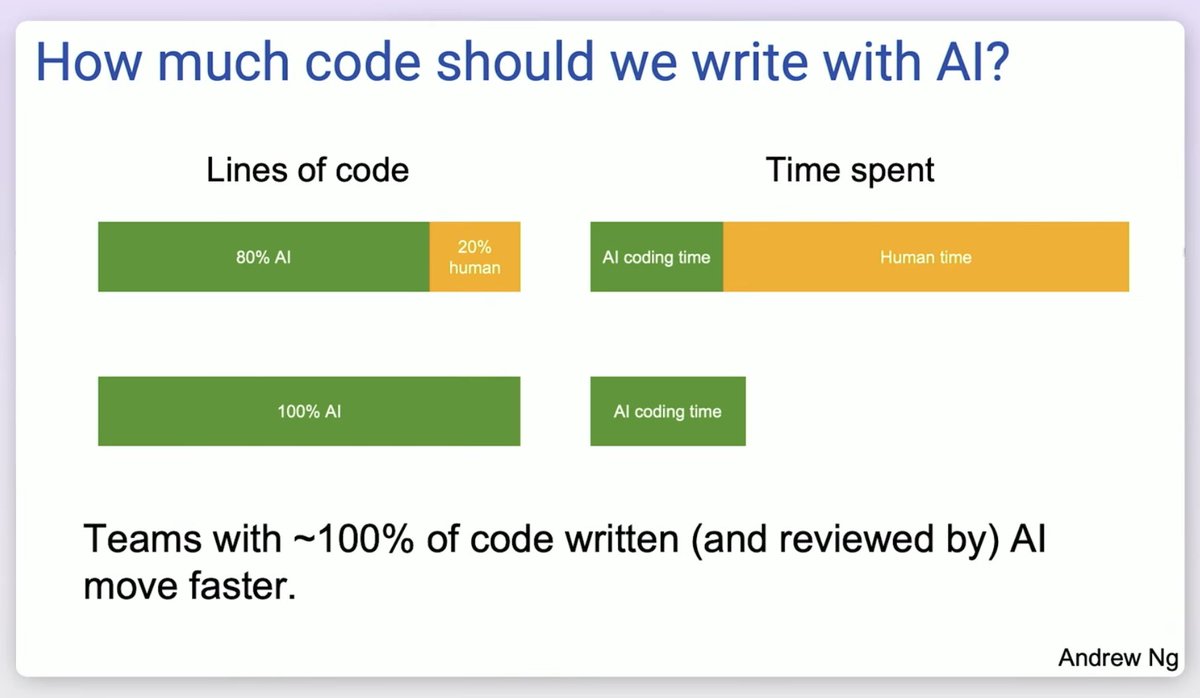
100% AI-driven reviews are definitely an appealing idea for reducing workload. But do they actually work in every case?
15
May 22
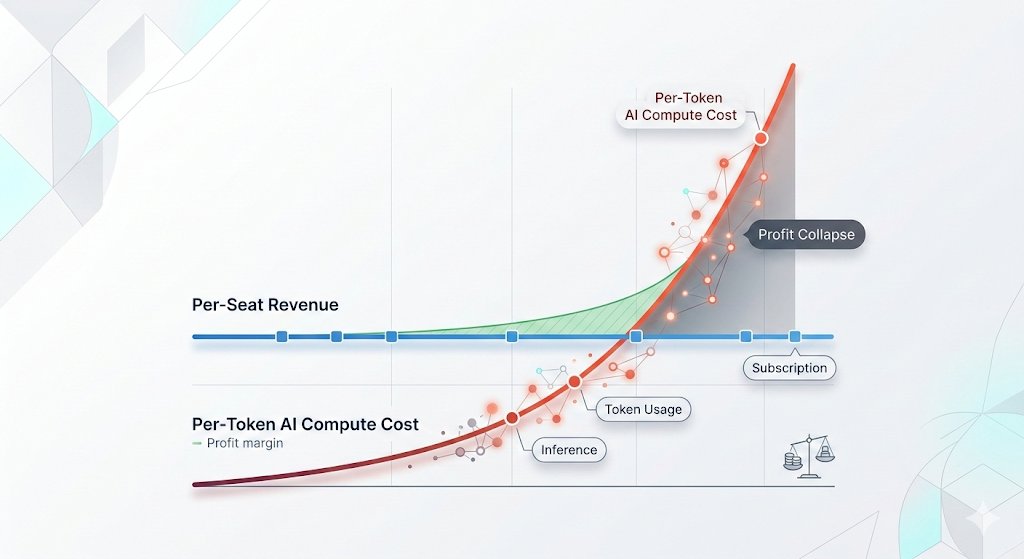
Microsoft just pulled back from Claude Code licenses. So here’s the funny question: at what point does AI cost more than hiring an actual developer especially a junior one?
2
2
94
May 21
If you're always working in fear and one day you might get laid off anyway, then why keep trying so hard to hold onto your position? The real question is: why devote yourself to a company in the AI era?
35
May 18
In the age of AI, is anyone still reading React and JavaScript docs?
44
May 18
After reading this, GBrain, KBrain, and every other ...Brain name suddenly feel questionable. Borrowing someone else's brain too much doesn't always end well.

103
May 16
The real question is: do we need 100 agents or is one well-designed agent enough?
May 15

I find myself doing a lot better work, being more satisfied, and also learn a lot more faster when I do *the hard work* and don’t outsource it to AI.
As in, I’ll use AI as a *tool* with substasks, additional research: but I don’t turn off my brain or kick back, assuming it can do the work for me.
Every time I “hand over the” hard work part to AI and mentally turn off, I either regret it or find myself eventually needing to go back and spend more time on it.
I also see slop work coming out from people who assume the AI does better work than they would.
60
Binh Quach retweeted
May 15
I strongly believe there are entire companies right now under heavy AI psychosis and its impossible to have rational conversations about it with them. I can't name any specific people because they include personal friends I deeply respect, but I worry about how this plays out.
I lived through the great MTBF vs MTTR (mean-time-between-failure vs. mean-time-to-recovery) reckoning of infrastructure during the transition to cloud and cloud automation. All those arguments are rearing their ugly heads again but now its... the whole software development industry (maybe the whole world, really).
It's frightening, because the psychosis folks operate under an almost absolute "MTTR is all you need" mentality: "its fine to ship bugs because the agents will fix them so quickly and at a scale humans can't do!" We learned in infrastructure that MTTR is great but you can't yeet resilient systems entirely.
The main issue is I don't even know how to bring this up to people I know personally, because bringing this topic up leads to immediately dismissals like "no no, it has full test coverage" or "bug reports are going down" or something, which just don't paint the whole picture.
We already learned this lesson once in infrastructure: you can automate yourself into a very resilient catastrophe machine. Systems can appear healthy by local metrics while globally becoming incomprehensible. Bug reports can go down while latent risk explodes. Test coverage can rise while semantic understanding falls. Changes happens so fast that nobody notices the underlying architecture decaying.
I worry.
512
1,901
15,326
1,586,580
May 15
Oh wow. One Opus answer later and suddenly half the industry starts talking about layoffs. You were right all along... unfortunately, you got laid off too. (Anthropic CEO sorry, I forgot your name for a moment 😄)
1
26
May 14
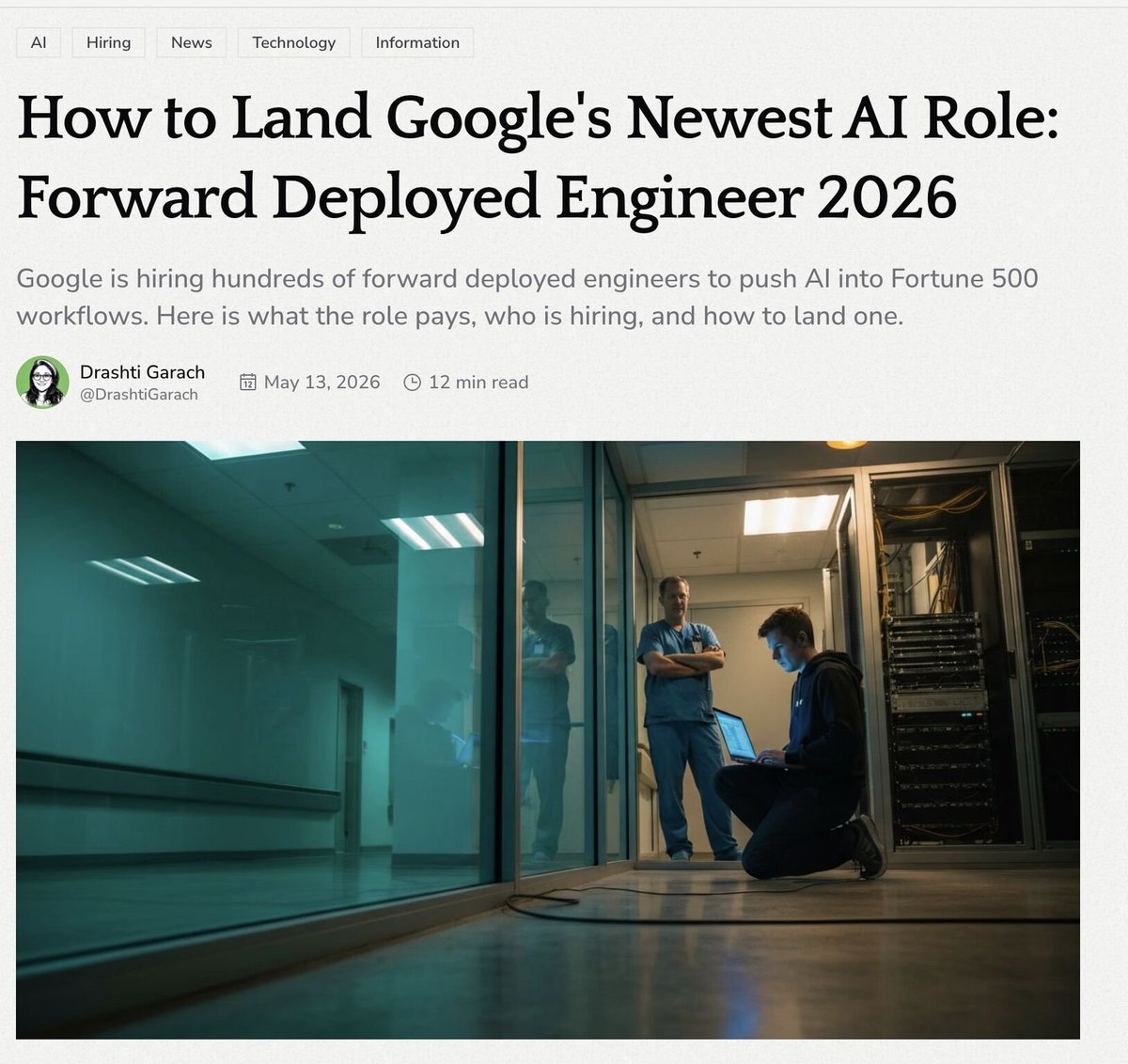
This FDE role really is getting hot right now. But if AI is truly as magical as people claim, then why are companies hiring positions that sometimes feel like doing on-site Windows installations? In Vietnam, plenty of us have already been doing on-site work for years
34