
Joined January 2016
- Tweets 352
- Following 212
- Followers 310
- Likes 378
104 Photos and videos


31 Aug 2024
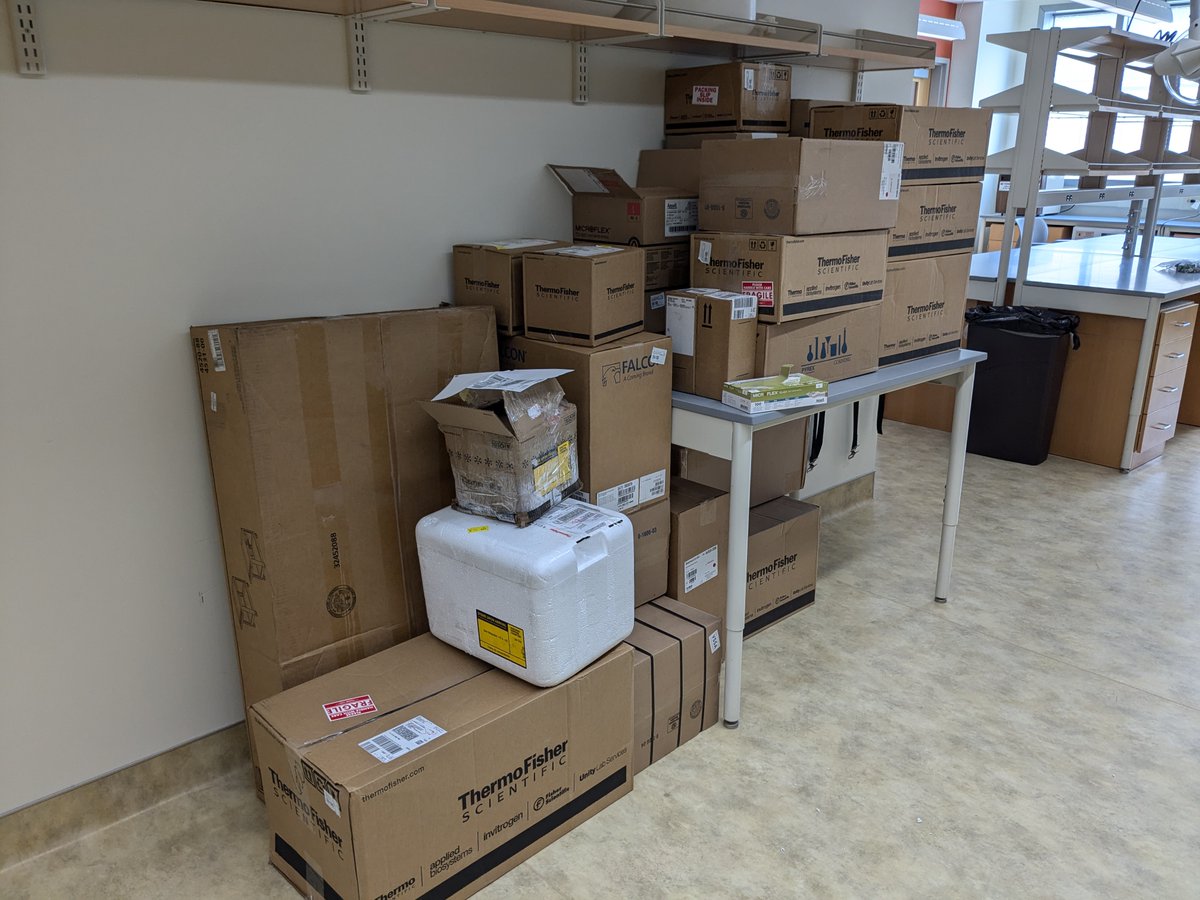
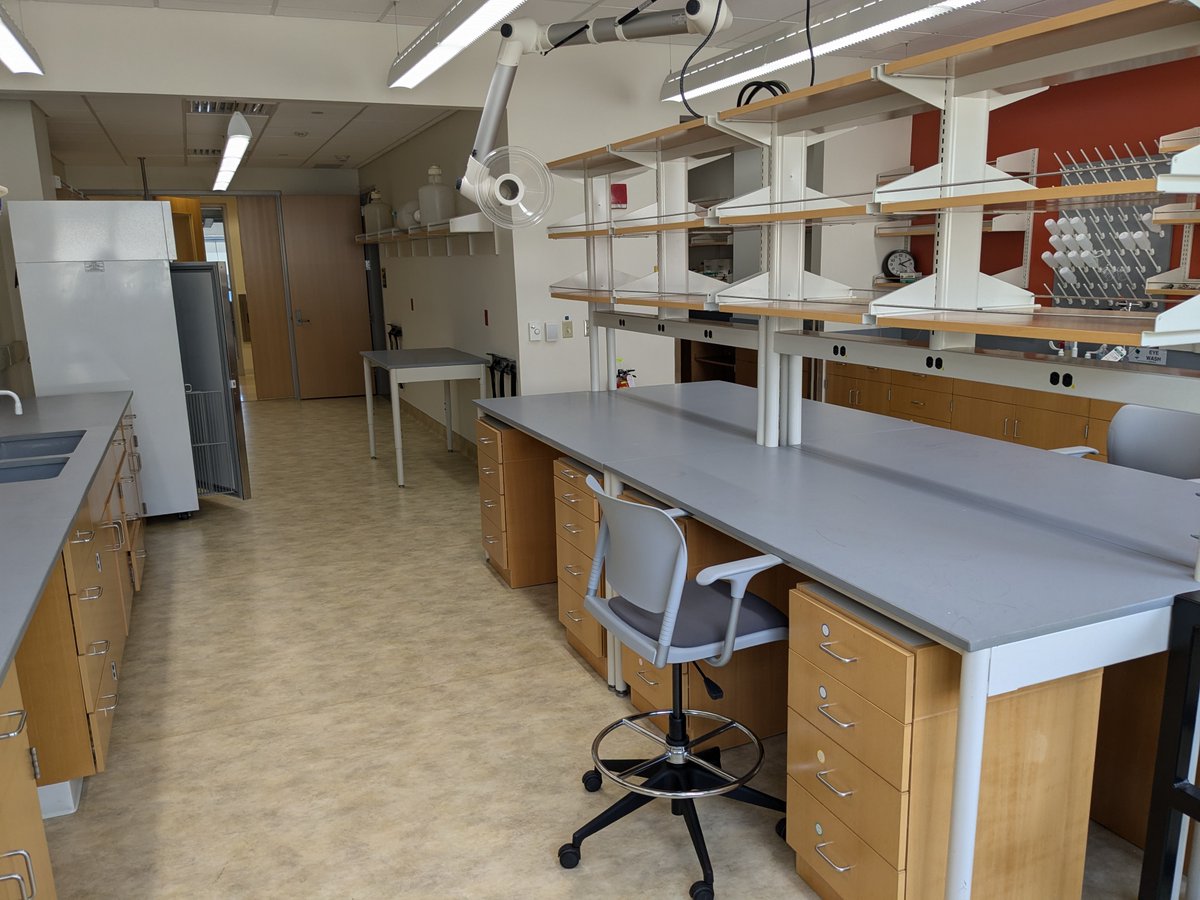
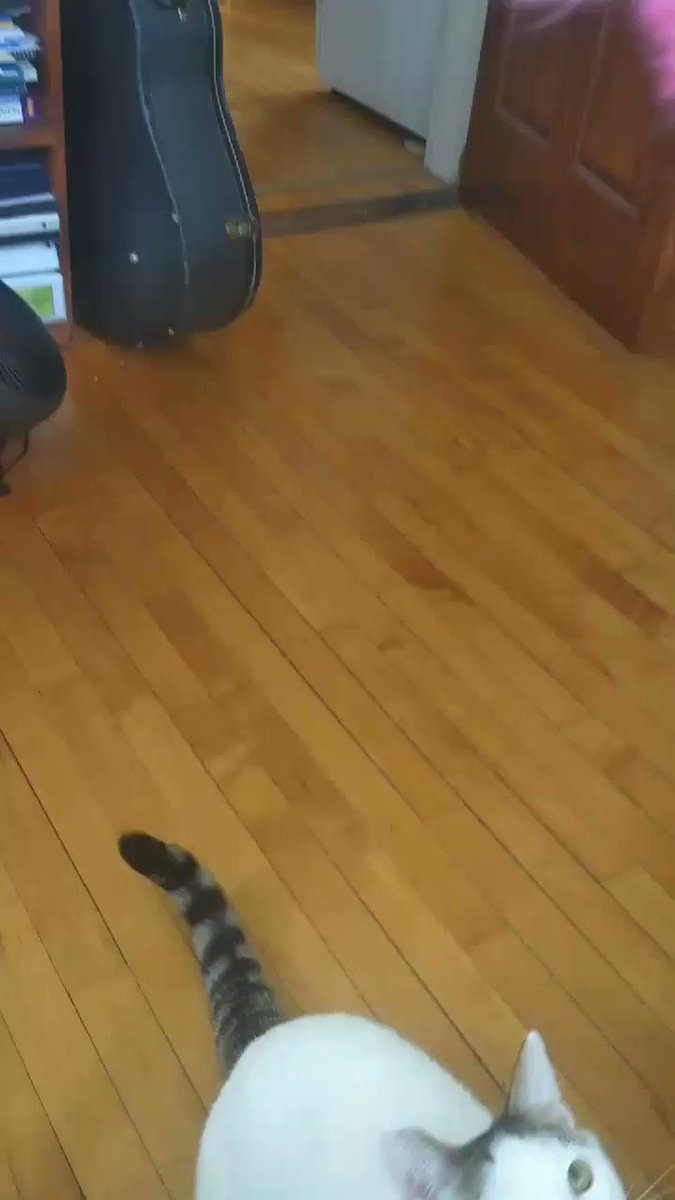
First shipment of supplies into the new lab! Can't wait to put these new toys to use.
6
223
20 Aug 2024
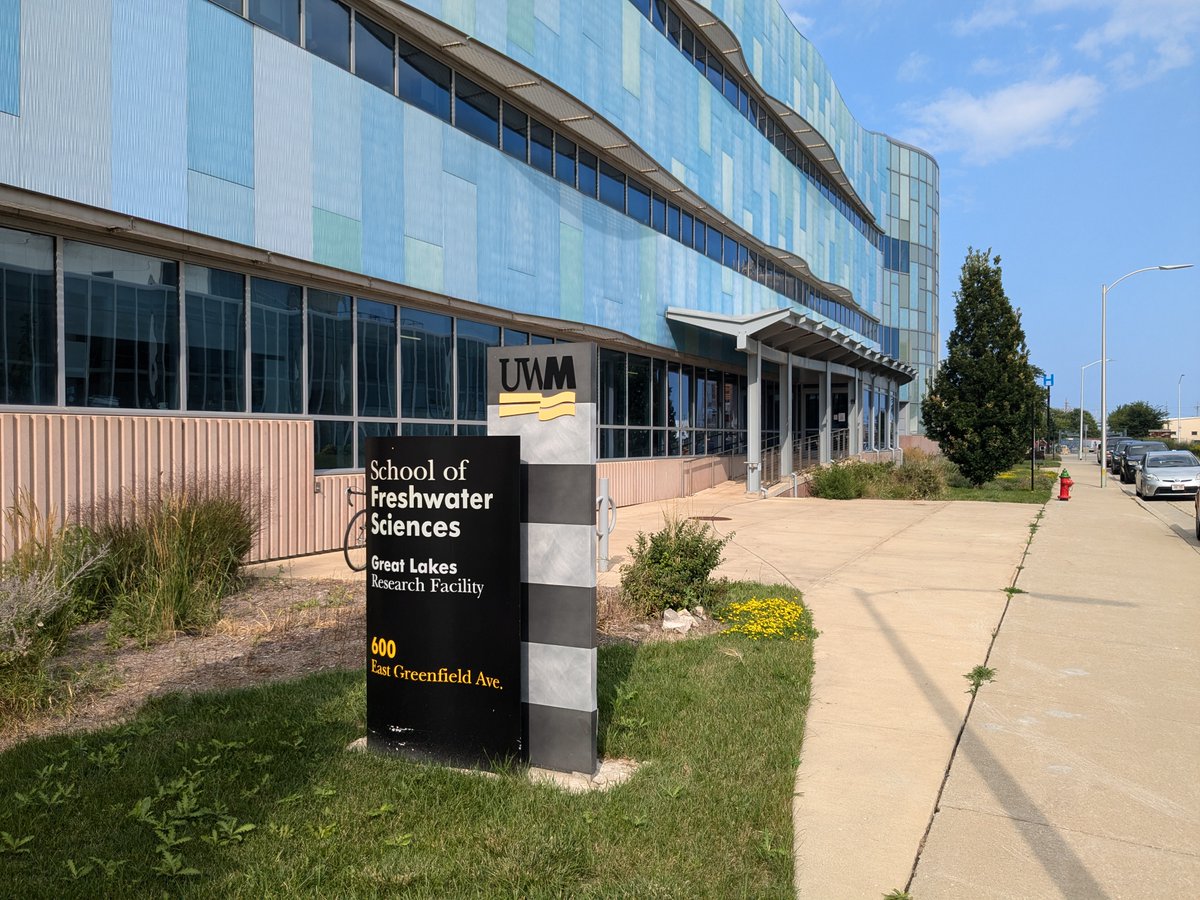
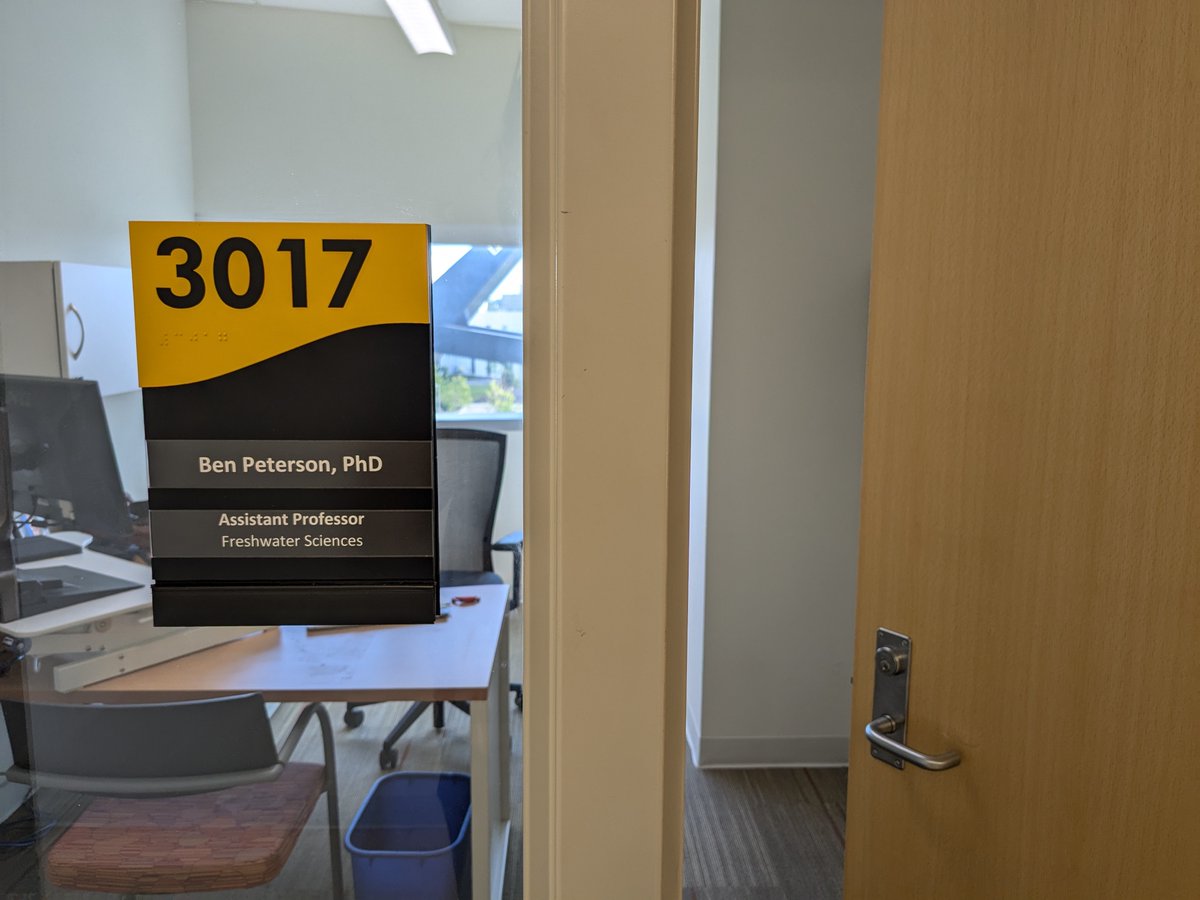
I'm excited to share that today was my first day as an Assistant Professor in the School of Freshwater Sciences (@waterscienceUWM) at UW - Milwaukee! I am very excited to join the great faculty at this one-of-a-kind program, especially in my home state and a city I love.
6
4
99
5,551
20 Aug 2024
My lab will focus on contaminant and microbial biogeochemistry, with a specific emphasis on mercury and the Great Lakes region. We will be highly collaborative and use an interdisciplinary approach, with research programs in both environmental and culture-based study systems.
1
1
5
501
20 Aug 2024
As projects develop, I will be looking to recruit graduate students, undergraduates, and postdocs starting in 2025. If you or someone you know is interested in any or all of these topics, stay tuned for these opportunities!
1
4
223
Benjamin Peterson retweeted

6 Sep 2023
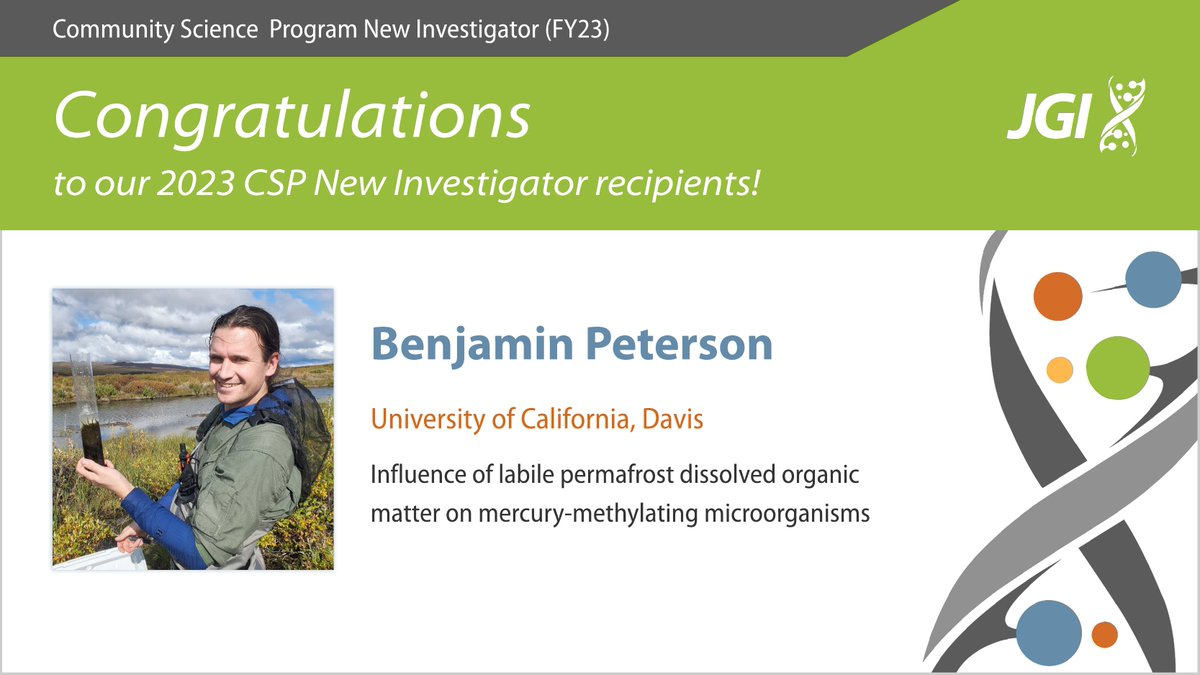
As permafrost thaws, its massive stores of mercury leach into the environment. @BigMicrobeBen of @UCDavis will use advanced microbial methods to understand the effect of permafrost-derived carbon on the microbial communities that produce toxic methylmercury.
1
2
4
491
31 Jul 2023
Another dissertation chapter in print! We joined a massive U.S. Geological Survey project, investigating mercury cycling in a hydroelectric reservoir along the Snake River, to identify the microbes methylating mercury under nitrate-reducing conditions.
nature.com/articles/s41396-0…
1
8
22
1,674
31 Jul 2023
For more info on the system and the USGS project:
USGS Fact Sheet: pubs.usgs.gov/fs/2016/3051/f…
MeHg loads to and export from the Hells Canyon Complex: pubs.acs.org/doi/full/10.102…
Impact of biogeochemistry on Hg fate: pubs.rsc.org/en/content/arti…
More studies in prep!
1
112
Benjamin Peterson retweeted

23 Feb 2022
Our first seminar is tomorrow 🙂 join us
8 Feb 2022

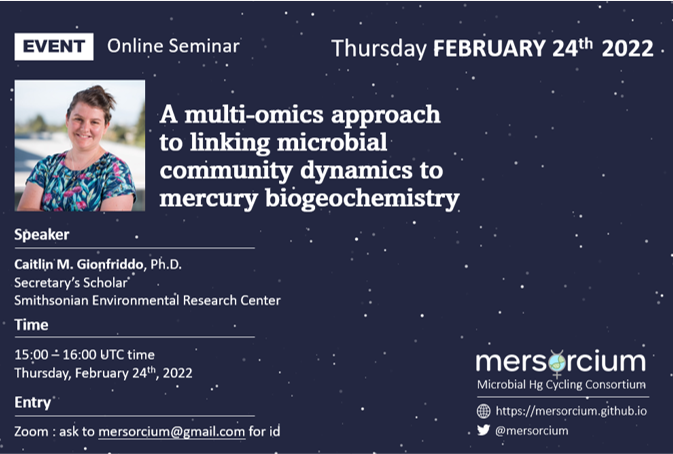
Join us for our first seminar on 24 Feb with @caitlin_gio as speaker. You can join us at mersorcium@gmail.com or here mersorcium.github.io/ for Zoom id. Looking forward to meet with all of you :)
2
6
Benjamin Peterson retweeted

17 Feb 2022
Submit an abstract to our special special "Meta-omic and geochemical approaches to linking microbial activity to biogeochemical mercury cycling" - Abstracts due Feb 28! #ICMGP2022
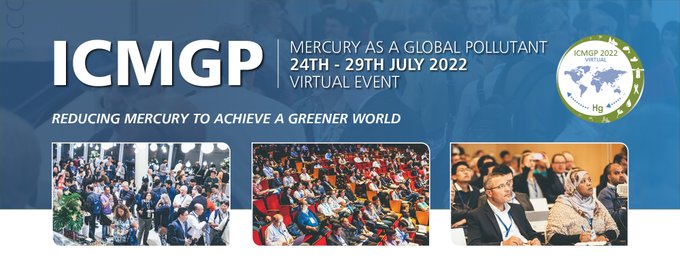
ALT Banner advertising ICMGP conference to be held virtually July 24 to July 29
5
11
Benjamin Peterson retweeted
8 Feb 2022
Join us for our first seminar on 24 Feb with @caitlin_gio as speaker. You can join us at mersorcium@gmail.com or here mersorcium.github.io/ for Zoom id. Looking forward to meet with all of you :)
7
13
28 Oct 2021
The world lost a great one yesterday. Gonna miss you Woodsie, I was lucky to have had the opportunity to call you "coach".
geneseoknights.com/general/2…
3
Benjamin Peterson retweeted

21 Jul 2021
Giannis Antetokounmpo. NBA Champion. Finals MVP.

499
19,590
125,969
Benjamin Peterson retweeted
21 Jul 2021
2021 NBA CHAMPIONS!!

134
3,563
20,274
Benjamin Peterson retweeted
4 Jul 2021
The Milwaukee Bucks are Eastern Conference Champions!!
157
2,177
7,112
27 May 2021
Hey #ScienceTwitter: Is there any reason to order chemicals as an anhydrous compound vs a hydrated compound? Is there any difference in shelf life and/or how hygroscopic they are? Or is it just a matter of having to convert masses?
1
1
27 May 2021
For context, we're order some ZnOAc to make a 1% ZnOAc solution for preserving sulfide samples in the field. So the question is particular to general lab solutions, but also interested in hearing about the difference in other situations.