Joined April 2023
- Tweets 94
- Following 199
- Followers 26
- Likes 121
17 Photos and videos
BioentistTH retweeted

19 Jun 2025
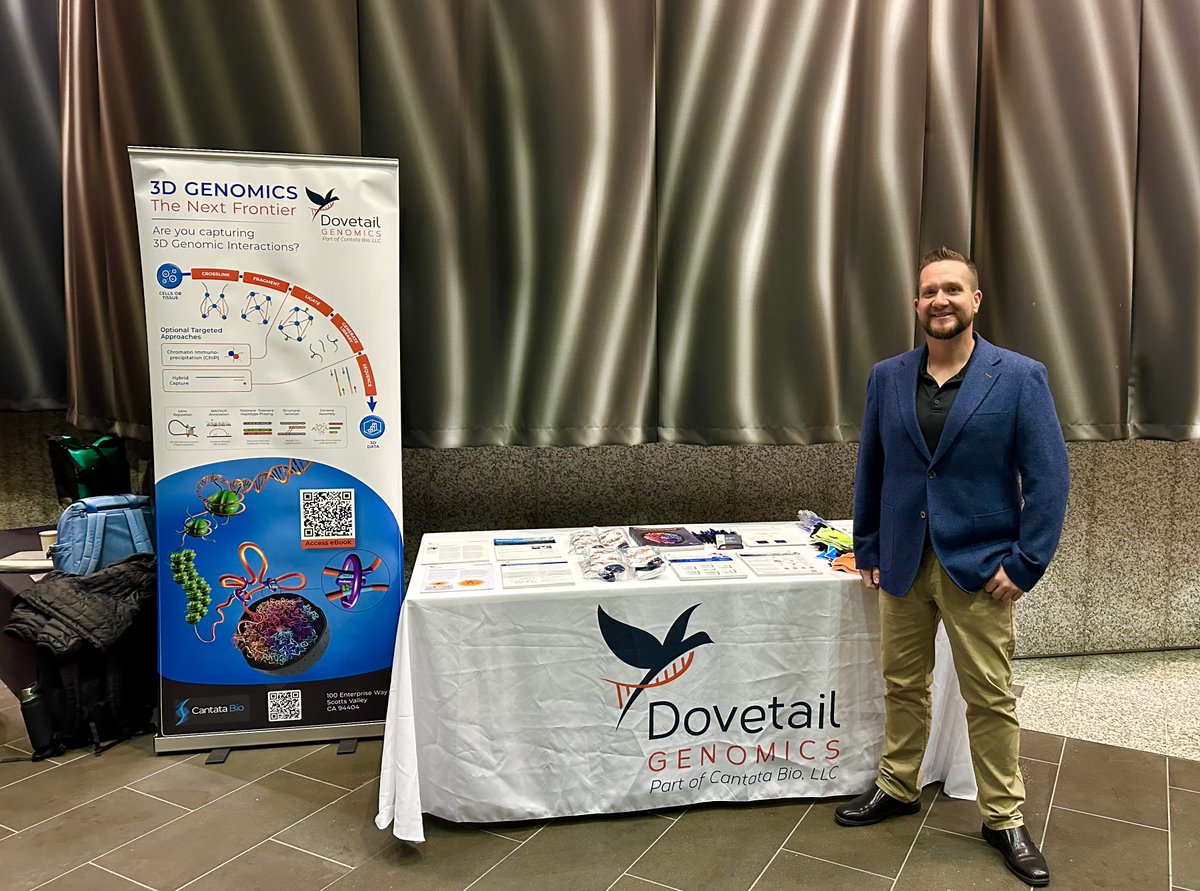
Great to connect with the epigenetics community at the 5th Meeting of the Melbourne Epigenetics Club! 🤝 Dr Brent Thomson shared how LinkPrep™ enables rapid, high-res 3D genome mapping. 🧬 Thanks to all who joined the conversation!
#3DGenomics #Epigenetics #MelbEpigenetics
1
1
135
BioentistTH retweeted

10 Apr 2025
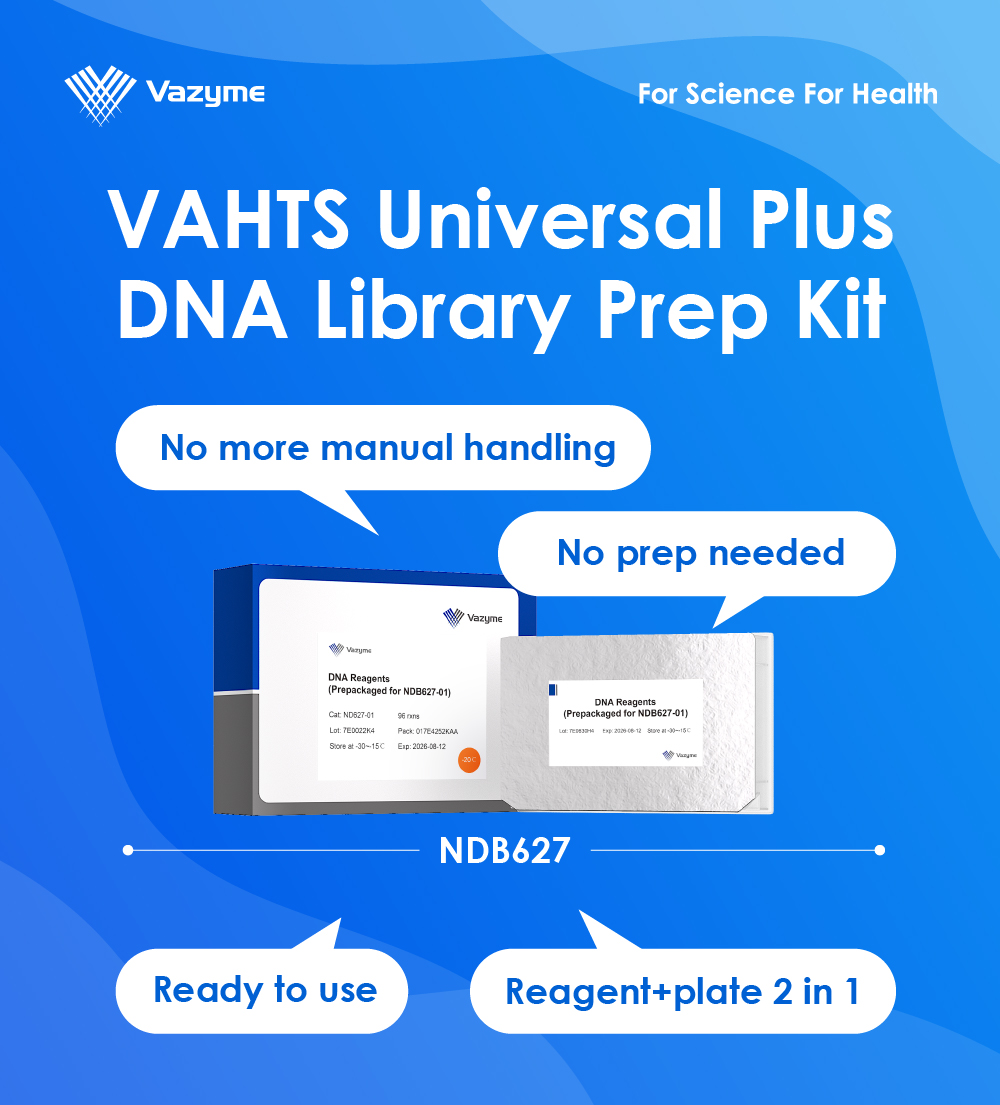
Maximize lab efficiency with our 𝗩𝗔𝗛𝗧𝗦 𝗨𝗻𝗶𝘃𝗲𝗿𝘀𝗮𝗹 𝗣𝗹𝘂𝘀 𝗗𝗡𝗔 𝗟𝗶𝗯𝗿𝗮𝗿𝘆 𝗣𝗿𝗲𝗽 𝗞𝗶𝘁, with pre-loaded reagents in plate to streamline your workflow. Fast, clean, and consistent across DNA inputs.Learn more >> bit.ly/4i6EQeA
#LifeSciences #Biotech
1
1
108
BioentistTH retweeted
13 Mar 2025
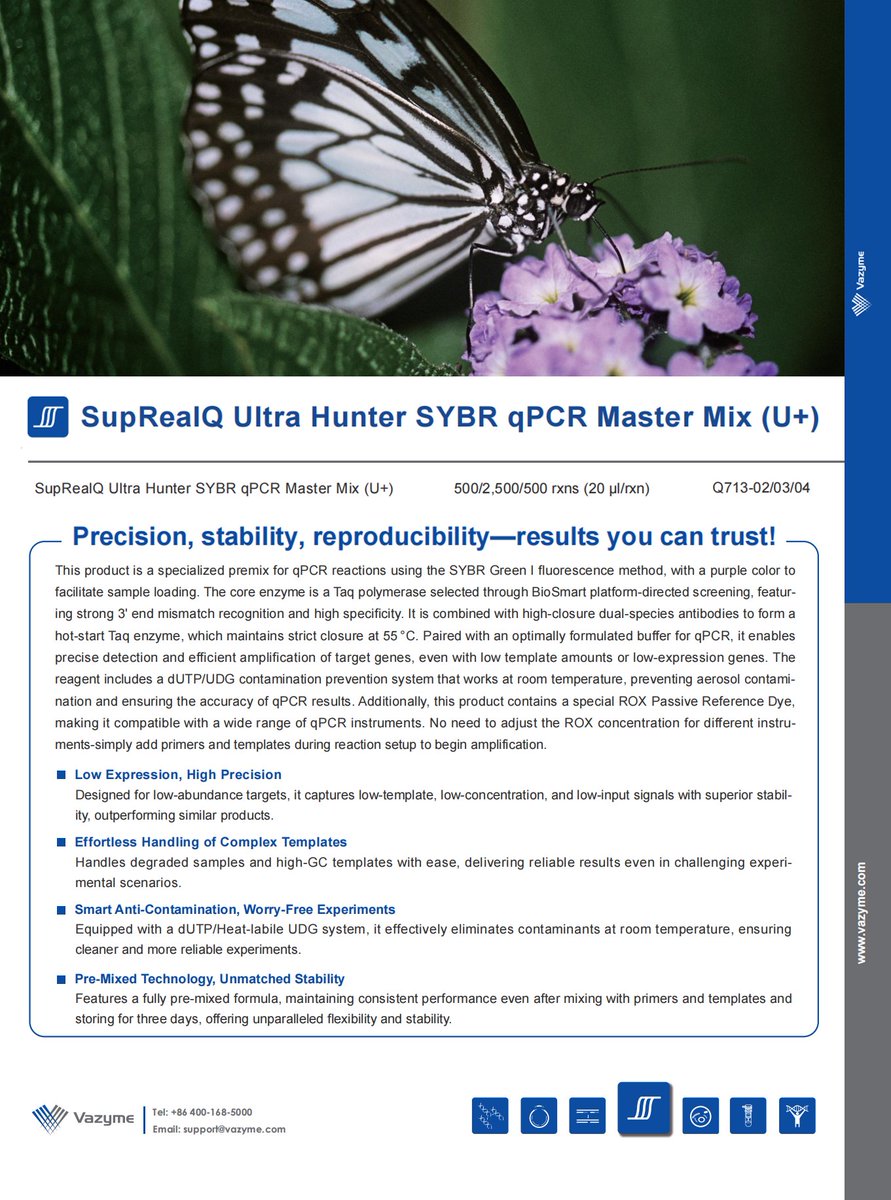
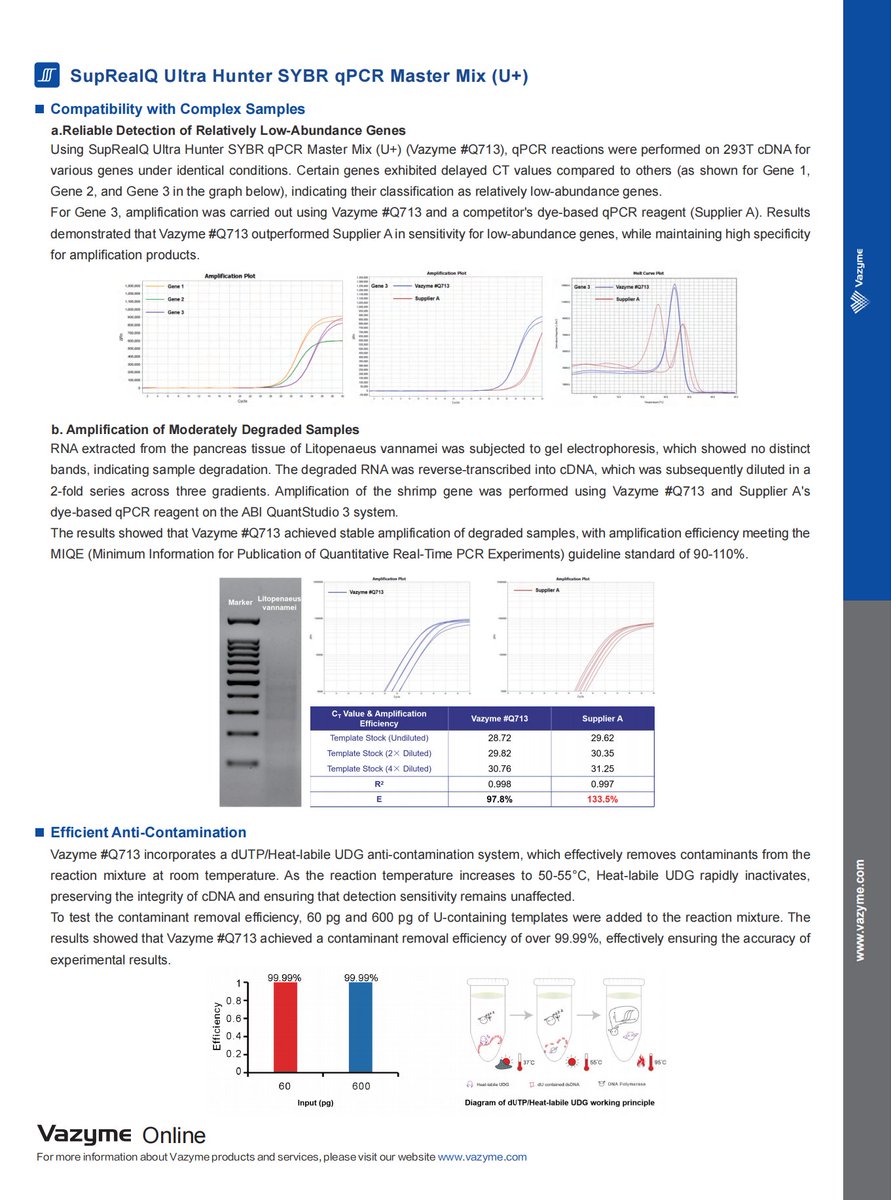
Next-Gen Genetic Detection at Your Fingertips 🔬
𝗦𝘂𝗽𝗥𝗲𝗮𝗹𝗤 𝗨𝗹𝘁𝗿𝗮 𝗛𝘂𝗻𝘁𝗲𝗿 𝗦𝗬𝗕𝗥 𝗾𝗣𝗖𝗥 𝗠𝗮𝘀𝘁𝗲𝗿 𝗠𝗶𝘅 (𝗨 ) is now available, redefining sensitivity and precision in qPCR.
🔍Check it out now >>bit.ly/41DaIRN
#LifeScience #Biotech #qPCR
1
2
110
BioentistTH retweeted

10 Dec 2024
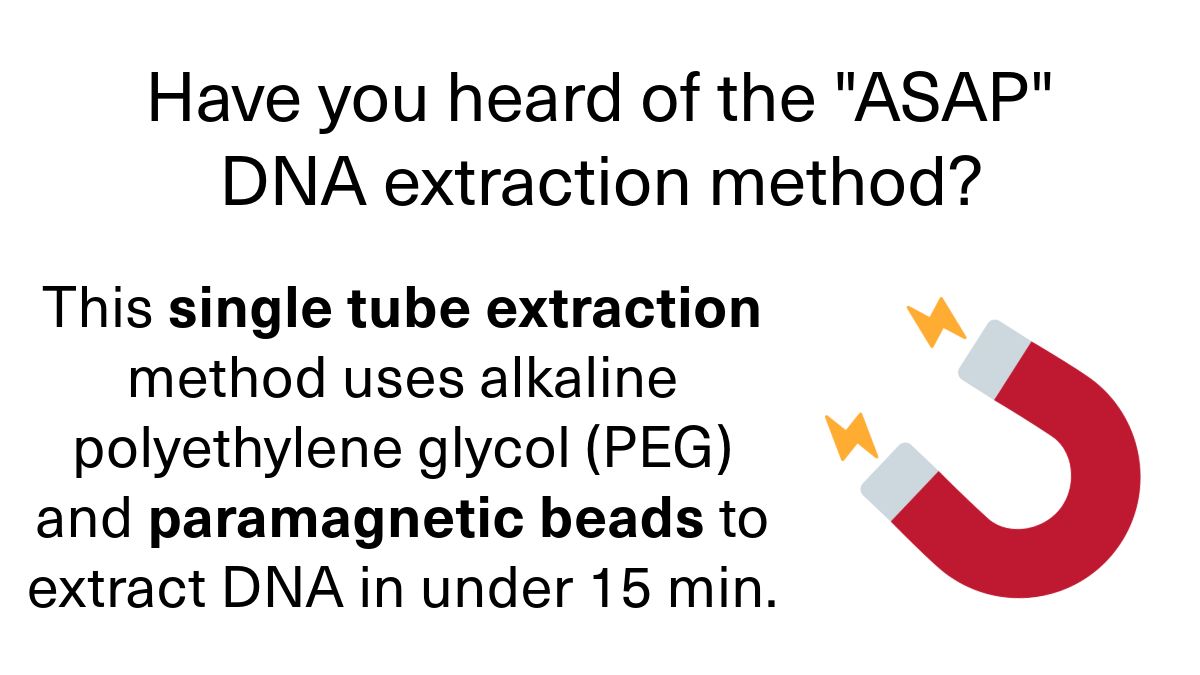
Here’s a great one-tube, four-step, 5–15 min DNA extraction method for on-bead PCR using alkaline polyethylene glycol (PEG) and paramagnetic beads. It could be very useful for point-of-need testing or other rapid field research.
The method, by Lee et al. (2024), is called ASAP (Abridged Solid-phase extraction with Alkaline Polyethylene glycol lysis). It was developed for the detection of bacteria in saliva, sweat, and urine, and it simultaneously lyses cells and binds DNA to magnetic beads.
Once the DNA is bound the reagent can be removed (leaving the magnetic beads) and a PCR mix can be added directly to the tube without washing. It’s reportedly capable of detecting single copies of E. coli DNA in 20 µL biological fluid when using qPCR.
ASAP works by exploiting the fact that PEG is the main component of the alkaline PEG DNA extraction method, while also being a major component of the binding buffer in magnetic bead cleanup suspensions.
PEG’s role in the alkaline PEG lysis method is to induce a molecular crowding effect that increases the pH (improving cell lysis), but it allows the pH to drop significantly when the reagent is diluted, making it suitable for direct PCR.
Similarly, PEG and NaCl are used together as a crowding agent that reversibly binds DNA to the coatings of paramagnetic beads.
By using the same PEG for both extraction and binding (15% PEG-8000), and by including an alkali (3.5 mM KOH) and paramagnetic beads in the same reagent, cells can be lysed and DNA bound during a single room-temperature incubation. Sensitivity can be increased by extending the incubation time from 5 to 15 minutes.
The authors found that no paramagnetic bead washing step was necessary due to the compatibility of the reagent with qPCR, simplifying the procedure, saving time, and reducing opportunities for DNA loss.
In their tests, the authors found ASAP to have 10x the sensitivity over commercial kits and 100x sensitivity over the original alkaline PEG extraction method, detecting as few as 15 colony-forming units in 50 uL of saliva, sweat, and urine.
The ASAP reagent consists of 15% PEG-8000, 0.5 M NaCl, and 3.5 mM KOH, with 1.5 µg paramagnetic beads per 20 µL PCR for optimised sensitivity. KOH is added separately to the reaction tubes to avoid storage issues. So it’s easy to source the reagents, and it’s easy to make.
Its ease of use, low cost, and quick extraction also compare favourably with other methods based on the World Health Organisation’s REASSURED criteria for point-of-need nucleic acid amplification testing.
5
77
299
24,204
BioentistTH retweeted

8 Dec 2024
BindingGYM: A Large-Scale Mutational Dataset Toward Deciphering Protein-Protein Interactions
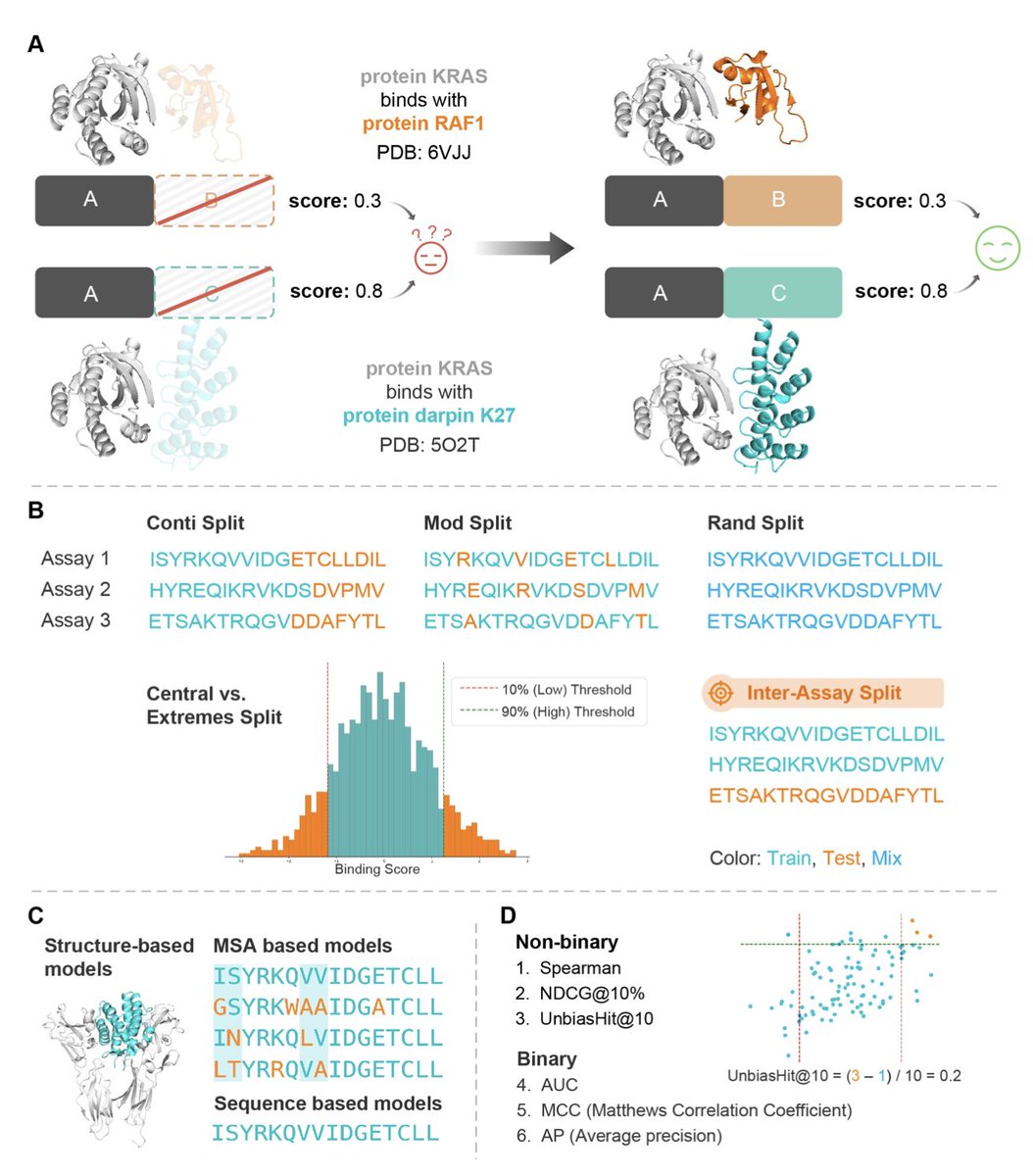
1. Introducing BindingGYM, the largest dataset of high-throughput mutational data for protein-protein interactions (PPIs), with over 10M raw data points distilled into 500K high-quality entries.
2. The dataset pairs binding energies with complete sequences and structural data of interacting proteins, bridging the gap between sequence-based and structure-based modeling.
3. BindingGYM introduces novel data-splitting strategies, like the “Central vs. Extremes Split” for predicting high-affinity mutations and the “Inter-Assay Split” to test generalization across unseen assays.
4. Unlike traditional datasets, BindingGYM focuses exclusively on PPIs and provides multi-chain data, enabling deeper insights into residue-level interactions.
5. Baseline evaluations include structure-based models (e.g., ProteinMPNN) and language models (e.g., ESM2), showcasing the dataset’s utility in advancing zero-shot and fine-tuned learning.
6. The curated dataset addresses limitations in data quality and coverage found in existing resources like SKEMPI and ProteinGYM, providing a robust benchmark for PPI research.
7. Future updates to BindingGYM aim to leverage advances in sequencing and DMS techniques, fostering a unified effort to decode PPIs for drug discovery and therapeutic design.
@Edgar_Zheng
💻Code: anonymous.4open.science/r/Bi…
📜Paper: biorxiv.org/content/10.1101/…
#ProteinDesign #Bioinformatics #MachineLearning #DrugDiscovery
22
123
8,530
BioentistTH retweeted

6 Dec 2024
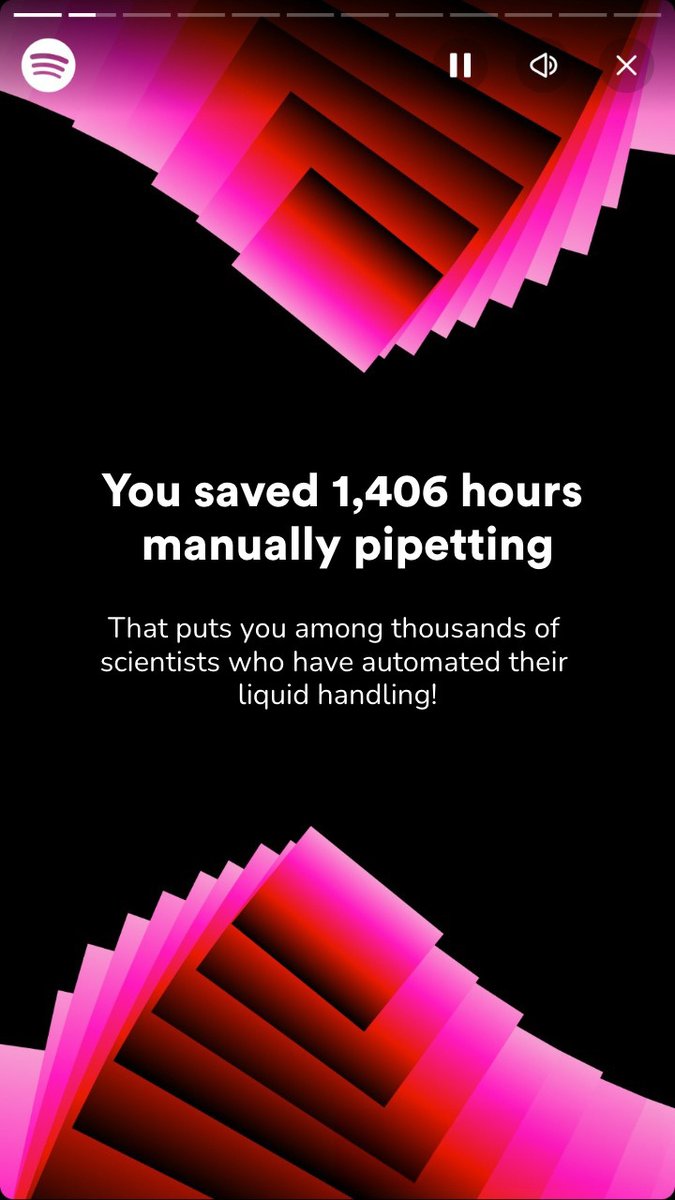
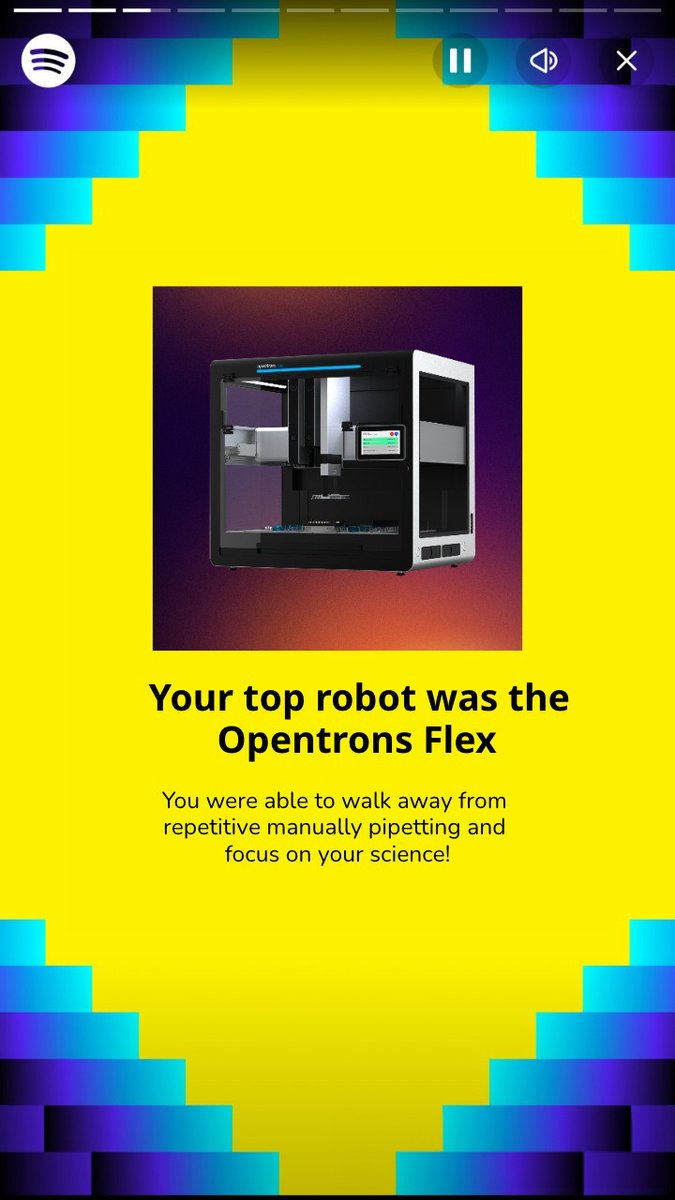
🎵 Wrapped, but make it a real Flex! 🎵
This year, our users saved an average of 1,406 hours of manual pipetting and automated 14 protocols with the Opentrons Flex. 🚀🔬
What’s the most automated protocol in your lab? Drop it in the comments below!
1
1
249
BioentistTH retweeted
5 Nov 2024
Here's a great article validating the quick and super-easy "Squash PCR" method for microalgae cultures, by Yuan et al. (2024).
This method could be useful to anyone working with pure cultures or samples of microorganisms that can be easily squashed by hand.
It might also be useful for anyone who needs to microscopically verify a small sample and then use the same sample for DNA extraction.
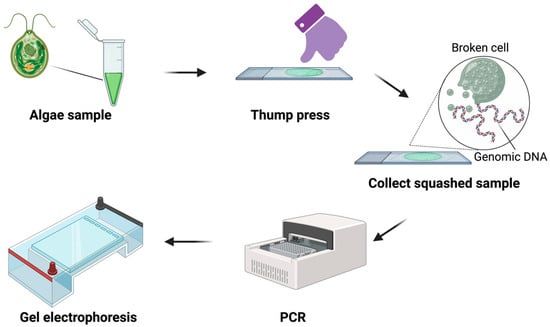
Squash PCR involves:
⭐Squashing a small amount of tissue on a glass microscope slide to break apart cells
⭐Adding a small amount of pure water or PBS-Tween-20 to the cells, and pipetting the liquid up
⭐Diluting the aspirated liquid with a small amount of the same liquid
⭐Using the diluted extract directly for PCR
Here's the article:
Yuan et al. (2024). Simple and Effective Squash-PCR for Rapid Genotyping of Industrial Microalgae. Life, 14(1), 115.
buff.ly/3NUjlRw
This method was also shown to work well for filamentous and yeast fungi last year:
Yuan et al. (2023). Rapid and robust squashed spore/colony PCR of industrially important fungi. Fungal Biology and Biotechnology, 10(1), 15.
buff.ly/40ABz23
And it's so simple that I'm sure it's had a MUCH longer history of use in some labs...
If you've ever successfully extracted DNA by just squashing your samples between microscopy slides before PCR, we'd love to hear what you used it for!
The figure below shows the Squash PCR method as illustrated by the authors of Yuan et al. (2024), CC BY buff.ly/2JfsT78.
11
57
2,884
BioentistTH retweeted
7 Oct 2024
📈 Early stage biotechnology companies are faced with a unique and challenging existence. Automation can become their biggest asset in that fight. 🤖 🥊
Download the eBook to learn:
1️⃣ The value of automation for startup biotechs
2️⃣ The key considerations of bringing automation into labs
3️⃣ Fellow startup professionals' experience with automation
To reach scale, find what fits - How automation helps early stage biotechs scale 🎉 🤖 📖 Get it here: bit.ly/3SlEJSu!
1
2
269
BioentistTH retweeted
26 Sep 2024
🚀 Exciting News: Opentrons 8.0 Software Release! 🚀
We’re thrilled to announce the launch of Opentrons 8.0, bringing a suite of powerful new features for both Flex and OT-2 users!
Key Features:
Flex only:
⏩ Quick Transfer
🚰 Liquid level detection
🚨 Error recovery
OT-2 and Flex:
⬆️ Partial tip pickup
📁 CSV file integration
Want to learn more? Watch our on-demand webinar for a live demo of Opentrons 8.0 features in action!
🔗 Access now: bit.ly/4cMiEUw
1
1
3
258
BioentistTH retweeted
26 Sep 2024
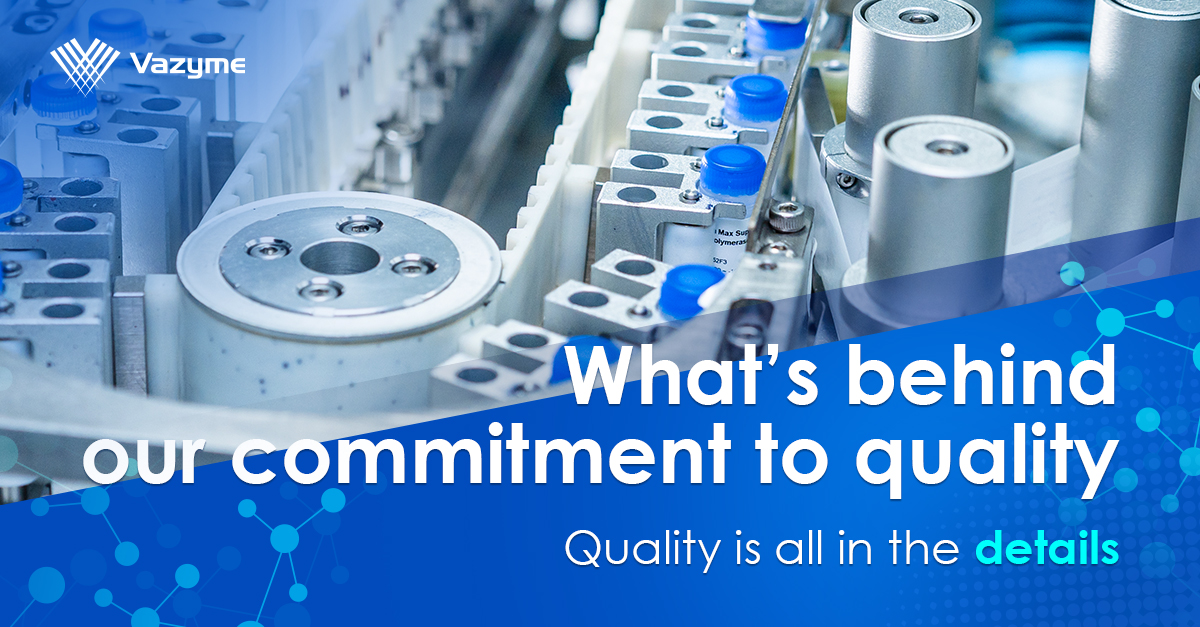
From intelligent manufacturing to a strong supply chain, every step in our process is meticulously managed to ensure the highest standards.
👉Read more about our commitment to quality and what we do to uphold it:bit.ly/47HIesQ
#GMP #Quality #LifeSciences #Biotech
1
2
116
BioentistTH retweeted
27 Sep 2024
For anyone interested in teaching or learning PCR and DNA barcoding, here’s some recommended reading: four articles written by DNA barcoding educators describing lesson plans, learning objectives, and experiences running their courses.
For teachers, these articles might be useful to build, structure, or improve a course.
For learners, they might provide interesting insights into what to learn and practice from a “teachers’ lesson plan” perspective, going way beyond what a basic protocol or practical might offer.
All of these studies had very similar aims but used different methodological approaches in terms of DNA extraction, software, and course length. So there are plenty of methodological options to look into and find out what suits you best.
⭐ The first article, by Erasmus (2021), describes DNA barcoding as a component of a third-year biochemistry course in British Columbia, Canada. The lesson plan involved a one-hour lecture and two three-hour laboratory sessions based on DNA barcoding stoneflies (Plecoptera).
The practicals used Chelex resin for DNA extraction; FinchTV for chromatogram inspection and editing; and the Barcode of Life Data Systems (BOLD) and NCBI’s GenBank for sequence identification:
Erasmus (2021). DNA barcoding: A different perspective to introducing undergraduate students to DNA sequence analysis. Biochemistry and Molecular Biology Education, 49(3), 416-421.
iubmb.onlinelibrary.wiley.co…
⭐ The second article, by Shevcenko et al. (2019) covers a course of 10 one-hour sessions framed around the DNA barcoding of caddis flies (Trichoptera) in New Jersey, USA.
Over this course the students learned about sample collecting; insect diversity; vouchering and photographing of collections; extracting DNA using the HotSHOT method; PCR of the COI barcode region; gel electrophoresis amplicon visualisation; Sanger sequencing; editing DNA sequences; uploading results to the Barcode of Life Data Systems (BOLD); and phylogenetic analysis.
Shevcenko et al. (2019). Undergraduate teaching of scientific concepts using DNA barcoding of Trichoptera. Zoosymposia, 14, 16-31.
biotaxa.org/Zoosymposia/arti…
⭐ A third article, by Casanova & Shumskaya (2021), covers the DNA barcoding of fungi over three laboratory classes. The practicals used a spin column kit DNA extraction (Powersoil from Qiagen), and DNA analysis via NCBI’s BLAST search tool and free MEGA phylogenetics software:
Casanova & Shumskaya (2021). Exploring DNA in biochemistry lab courses: DNA barcoding and phylogenetic analysis. Biochemistry and Molecular Biology Education, 49(5), 789-799.
iubmb.onlinelibrary.wiley.co…
⭐ And finally, for those short of time or for remote homework purposes, two simple exercises were described by Al-Deeb (2021) in basic BLAST searching and phylogeny construction using the online Phylogeny.fr tool, designed as a basic introduction and to break through barriers arising from the fear of bioinformatics:
Al-Deeb (2021). Using DNA Sequences and Phylogenetic Trees as Tools for Teaching Entomology to Undergraduate Students: A Simple Approach. Advances in Entomology, 9(4), 147-154.
scirp.org/journal/paperinfor…
If any of these are useful to you, please let us know. We’d also be very glad to know of any similar articles we can add to this list for future posts!
***
iubmb.onlinelibrary.wiley.co…
108
401
43,149
BioentistTH retweeted
27 Sep 2024
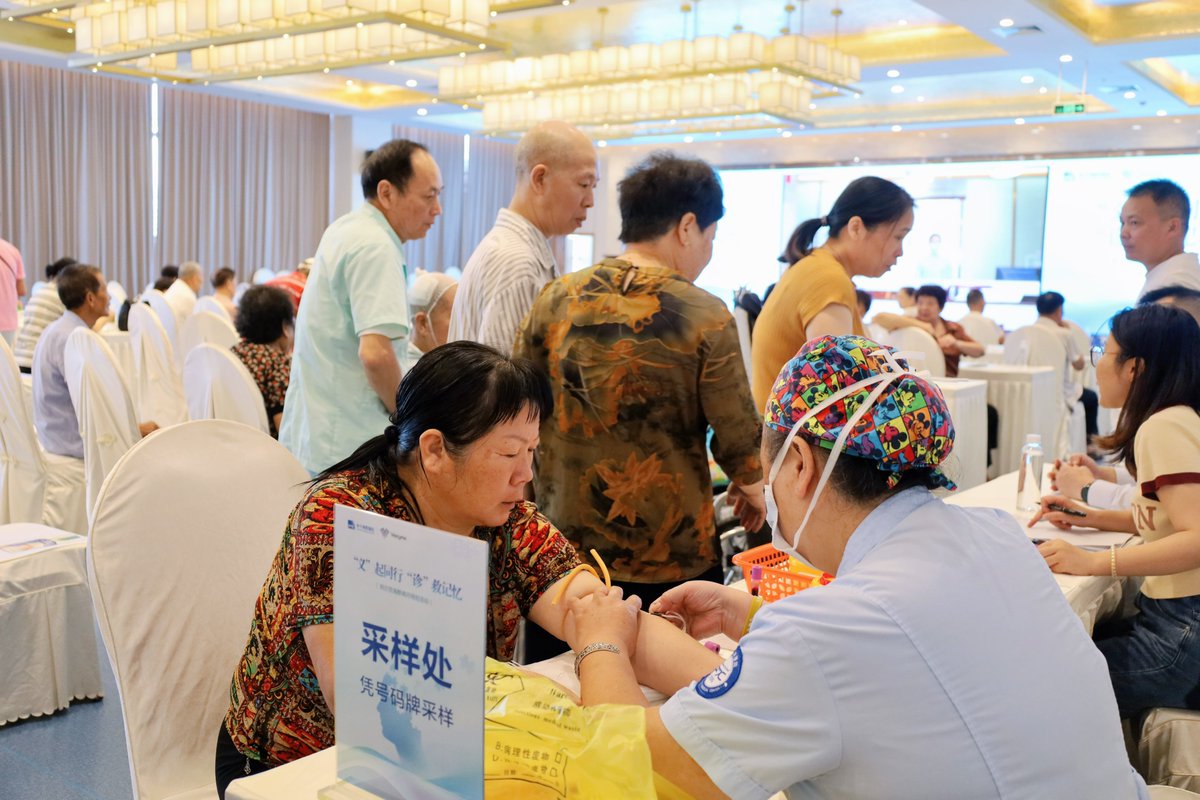
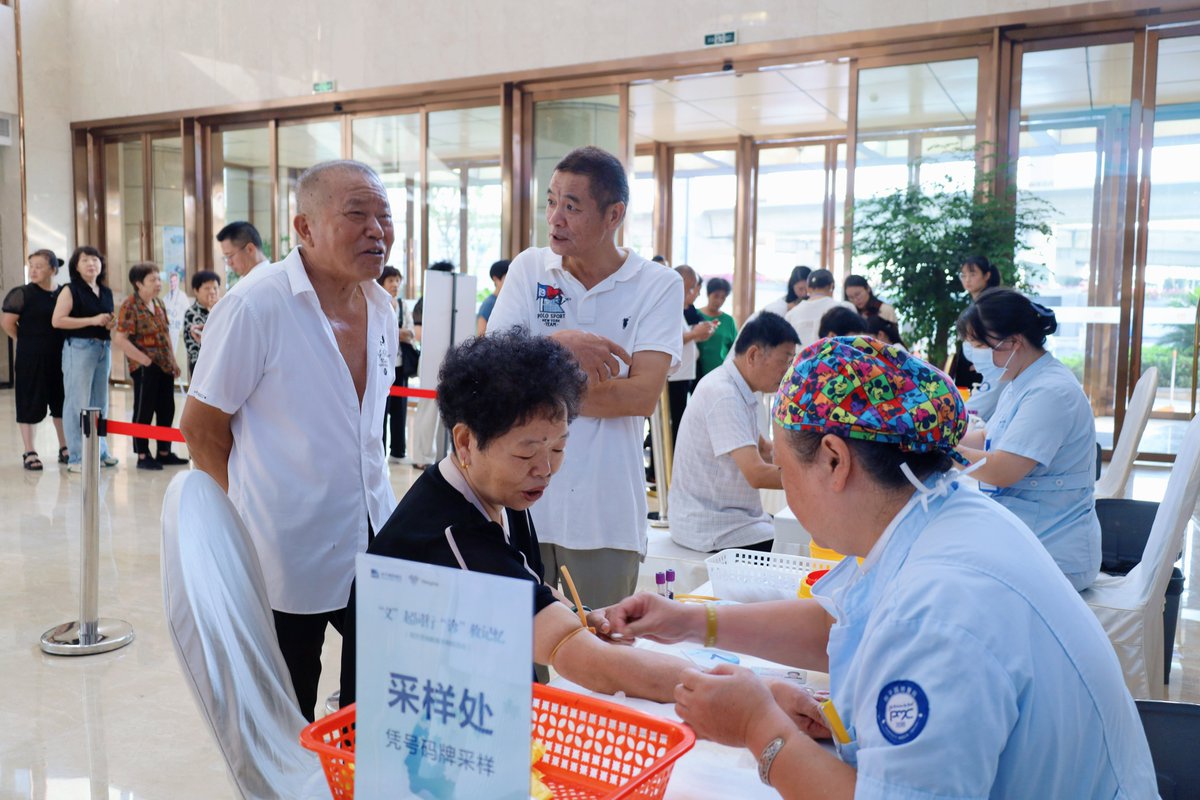
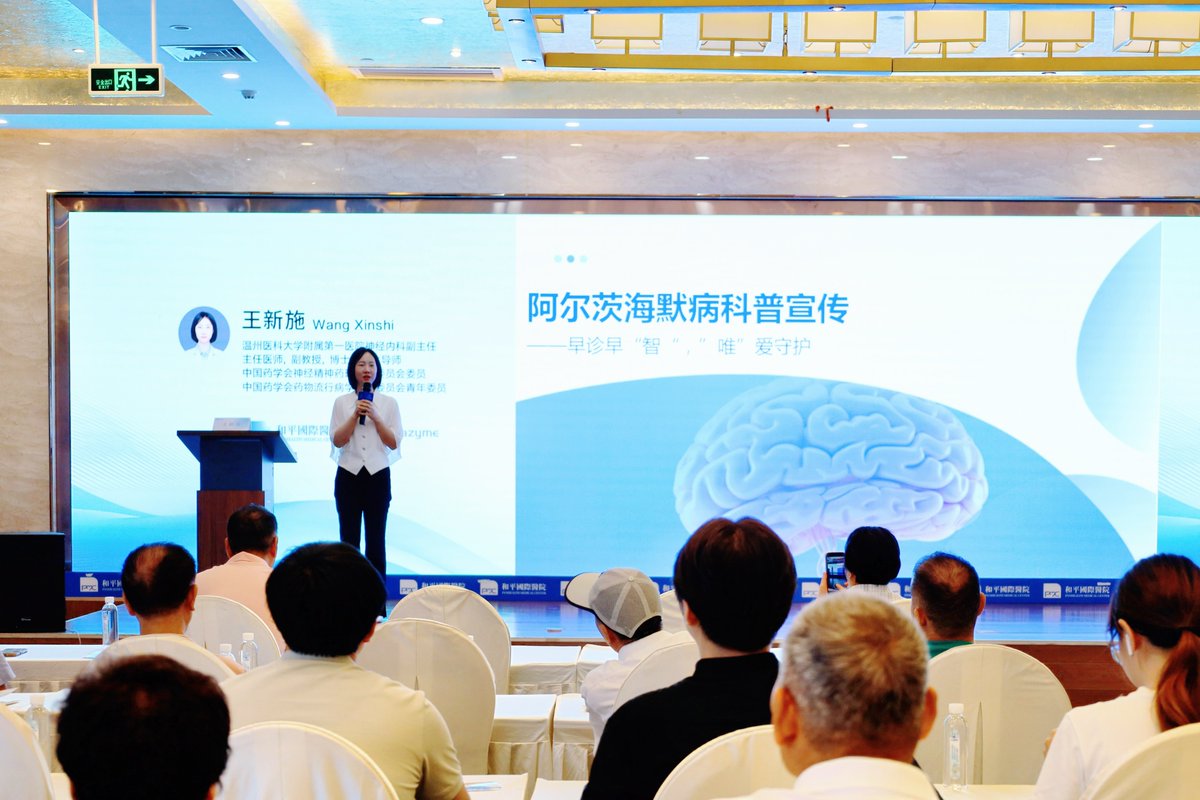
To support patients and their families, Vazyme has launched the “Save Memories” free diagnostic services using our blood test solutions for Alzheimer’s Disease in hospitals in Beijing, Binzhou, Weifang, and Wenzhou.
#AlzheimersAwareness #Vazyme #Savememories

1
2
124
BioentistTH retweeted
26 Sep 2024
Here’s a comprehensive (48-page) review of DNA extraction methods developed for point-of-need DNA-based testing that could be useful for DNA testing practitioners, students of PCR, fieldwork researchers, and anyone interested in DNA extraction chemistry. 👇
The authors, Lee et al. (2023), review methods suitable for use outside of conventional laboratories, ranging from quick and dirty extractions to affordable and easy-to-use extraction testing devices for mass distribution, such as lab-on-a-chip devices.
They also dive into the chemistry and processes behind each extraction option with referenced examples, comprehensive tables, and some great illustrations of the different methods. So this is a great learning/teaching/lookup reference even if all of your work is lab-based.
Importantly, the authors examine recent DNA extraction methods devices in the context of the World Health Organisation’s REASSURED criteria for point-of-need testing, and assess their usefulness for users within this framework.
You can read the article here:
Lee et al. (2023). Chemical Trends in Sample Preparation for Nucleic Acid Amplification Testing (NAAT): A Review. Biosensors, 13(11), 980.
mdpi.com/2079-6374/13/11/980
2
77
279
27,222
BioentistTH retweeted
27 Sep 2024
European Opentrons fans, this is your last chance to kickstart your research with a chance to win $750 in tips and labware! Don't miss out and be sure to complete our consumables survey by October 1st.
Fill out our survey: bit.ly/4cUwUuw
Promotion is open only to legal residents of Austria, Bulgaria, France, Germany, Netherlands, Romania, Spain, Switzerland, and the UK who are eighteen (18) years of age or older.
1
2
218
BioentistTH retweeted
23 Sep 2024
Here’s a super-useful article by @jess_rieder, @kalchhauser, and colleagues that aims to help ecologists, conservation managers & future eDNA researchers understand DNA extraction. We’ve posted about the preprint before but it’s now out as an even better peer-reviewed article!👇
Their article is written for readers who are not laboratory-trained molecular biologists, but who need to know enough to decide on appropriate methods to be used for their samples or surveys.
So it minimises the jargon, keeps things simple, and has some very handy tables and figures, making it great for the intended audience but also anyone interested in learning DNA extraction for PCR or other applications.
It can also be used as a handy reference guide to interpreting extraction protocols and methods, whether you’re new to DNA extraction or just want to double-check something in your own protocols.
The authors, Rieder et al. (2024) break the DNA extraction processes down into four main steps:
⭐1️⃣Cell disruption or lysis
⭐2️⃣Separation of DNA from other cell components
⭐3️⃣Removal of salts
⭐4️⃣Concentrating and collecting DNA
They also discuss:
🌟Optional PCR inhibitor removal steps
🌟Changes to the order of extraction steps depending on method
🌟What to do when extractions are poor
🌟DNA storage
For each step the authors describe the different options available, the chemicals and equipment involved, and their benefits and drawbacks.
The authors anticipate that their paper "will enable field ecologists to develop a deeper understanding of the mechanisms and chemistry underlying eDNA extractions, thus allowing them to make informed decisions regarding the best eDNA extraction method for their research goals."
And also “act as a useful resource to support knowledge transfer and teaching.”
So if you think it will be useful to an ecologist or student that you know, why not give it a share!
Here’s the article:
Rieder et al. (2024). A Guide to Environmental DNA Extractions for Non-Molecular Trained Biologists, Ecologists, and Conservation Scientists. Environmental DNA, 6:e70002
doi.org/10.1002/edn3.70002
6
27
3,013
BioentistTH retweeted
18 Sep 2024
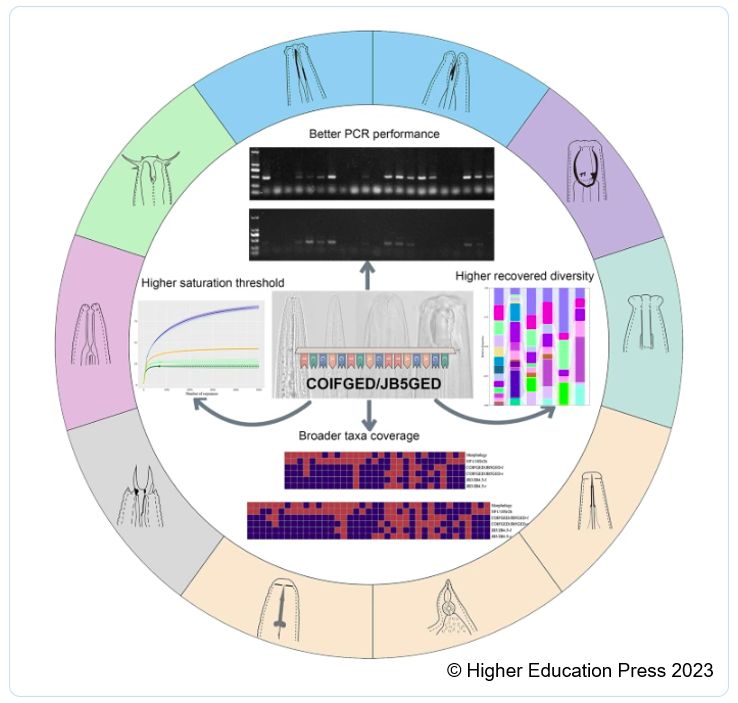
For anyone interested in DNA barcoding or metabarcoding nematodes, here’s a new forward degenerate primer for CO1/COX1 barcoding that has increased species recovery and superior amplification compared to three commonly used nematode CO1 primer sets, by Ren et al. (2024). 👇
Ren et al. (2024). A single degenerated primer significantly improves COX1 barcoding performance in soil nematode community profiling. Soil Ecology Letters, 6(2), 230204.
link.springer.com/article/10…
1
14
55
3,541
BioentistTH retweeted
12 Sep 2024
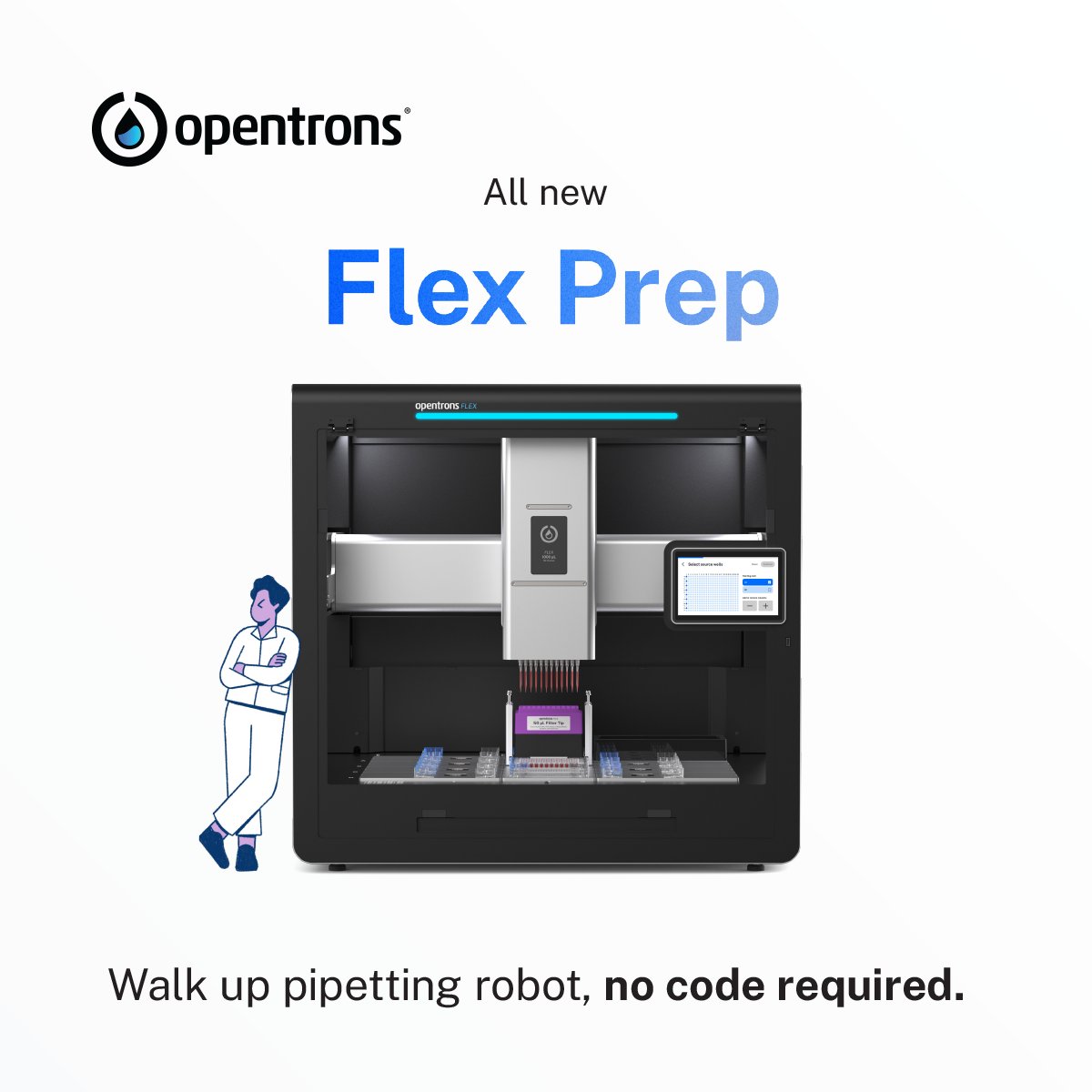
🤖🥳 Introducing our newest robotic platform, Flex Prep! 🥳🤖
We’re bringing the simplicity of a pipette with the versatility of a liquid handler. How will you Flex it?
You can develop, visualize & run pipetting tasks in as little as a minute, all on the touchscreen. It’s faster than a manual pipette & you can walk away to set up the next step in your experiment while Flex Prep does the pipetting.
Learn more and explore our new interactive demo here: bit.ly/3XCQB5C!
1
2
8
954
BioentistTH retweeted
27 Aug 2024
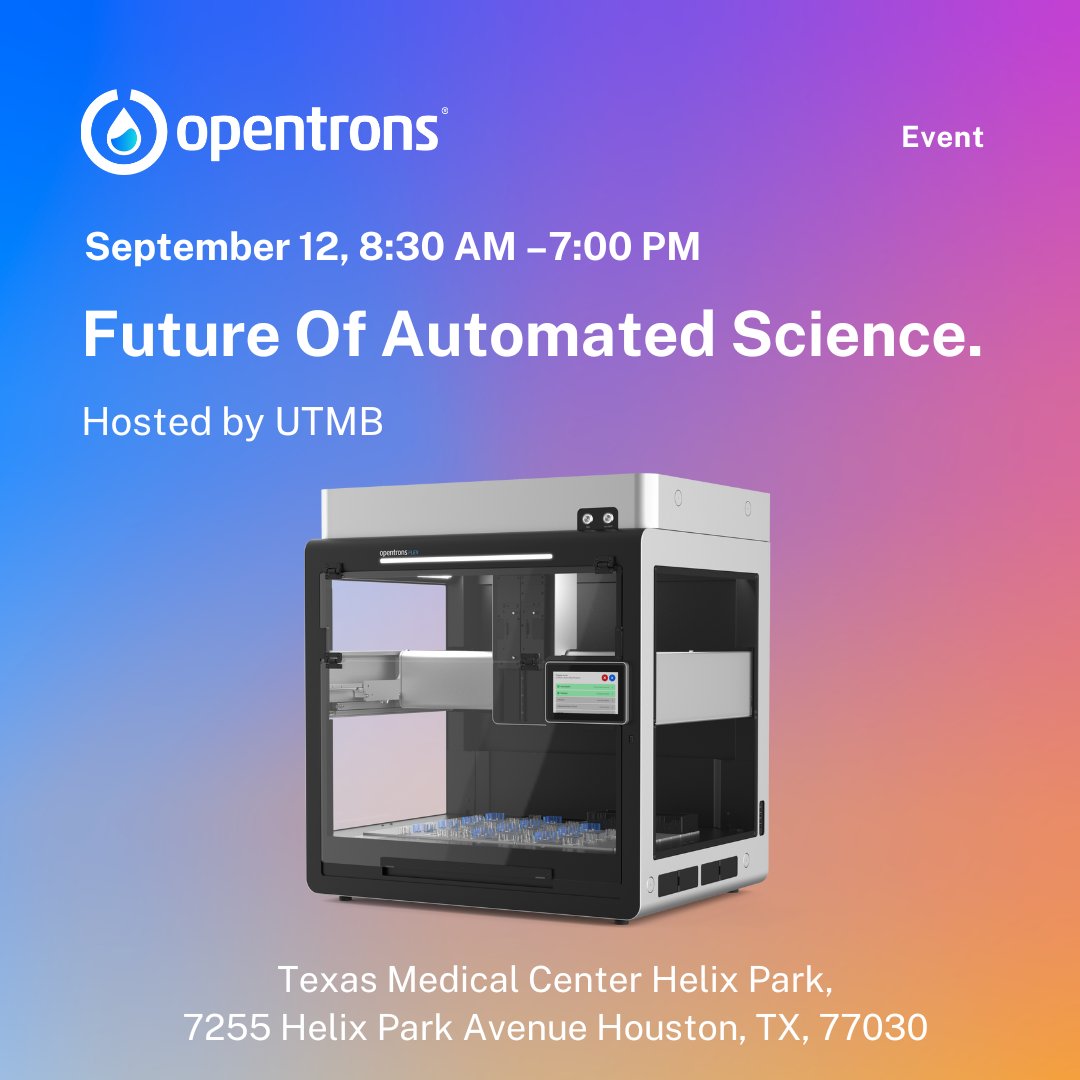
🎉 🏥 We are thrilled to join The University of Texas Medical Branch and Emerald Cloud Lab for The Future of Automated Science Symposium at Texas Medical Center Helix Park. 🏥 🎉
Mike Gaffney will be presenting a keynote speech on how Opentrons is pushing the future of automation. Rami Farawi and Alison Caserta will be giving attendees a live demo of the Flex and Opentrons software. If you are in the Texas area, don't miss out!
Register here: bit.ly/4e1hLs4
1
1
381
BioentistTH retweeted
12 Jul 2024
For anyone learning or teaching bioinformatics, or if you’re interested in getting started, you may like to check out some of many (>404!) detailed tutorials for the Galaxy bioinformatics platform, from microbiome analysis to chloroplast assembly, at training.galaxyproject.org/t… 👇
The Galaxy platform is a free, easy-to-join, easy-to-use bioinformatics workflow management system that enables scientists to share, analyse and visualise their own data, without needing powerful computers and programming expertise.
Galaxy was first started in 2005, and it has grown year-on-year into an amazingly useful resource for scientists worldwide, with a global community of developers and end-users. You can read about it here:
The Galaxy Community. (2022). The Galaxy platform for accessible, reproducible and collaborative biomedical analyses: 2022 update. Nucleic acids research, 50(W1).
academic.oup.com/nar/article…
To get started, you could first go through a few tutorials to find out how the platform works at the following link:
training.galaxyproject.org/t…
And you could take a look at some very cool tutorials, for example using Oxford @nanopore MinION data for:
⭐Analysing data to detect microbial pathogens such as Salmonella in food
training.galaxyproject.org/t…
⭐Characterising the microbiome of beer
training.galaxyproject.org/t…
⭐Diving into the bacterial biodiversity of soil
training.galaxyproject.org/t…
⭐Or assembling the chloroplast genomes of sweet potato and snow gum (Eucalyptus pauciflora) by combining Nanopore long read and Illumina short read data
training.galaxyproject.org/t…
It also has tutorials for learning core skills in data science, such as using Python, bash, R, and SQL:
training.galaxyproject.org/t…
Galaxy has a well-developed community, which you can find out more about here:
galaxyproject.org/community/
And, if you have a particular application in mind, you might find a Galaxy pipeline that’s already been created as part of a published study. For example, if you’d like to find antimicrobial resistance genes in Salmonella, this article and workflow may be for you:
Lamas et al. (2023). Whole genome sequencing in the palm of your hand: how to implement a MinION Galaxy-based workflow in a food safety laboratory for rapid Salmonella spp. serotyping, virulence, and antimicrobial resistance gene identification. Frontiers in Microbiology, 14.
ncbi.nlm.nih.gov/pmc/article…
Or if you’d like to find out how to produce a reference genome for a vertebrate as part of the Earth Genome project, this article explains how it can be:
Larivière et al. (2024). Scalable, accessible and reproducible reference genome assembly and evaluation in Galaxy. Nature Biotechnology, 1-4.
nature.com/articles/s41587-0…
All amazing resources for people already in the bioinformatics field, but possibly even more useful for teaching the bioinformaticians of the future!
This of course only covers a few aspects of the Galaxy “ecosystem”, so if it seems like it could be useful, be sure to have a look around and see what else there is out there for you.
And, if you are using Galaxy for teaching, we’d love to hear about how you’re using it, especially if you have any tips or online/published resources to share!
Disclaimer: Bento Lab has no affiliation with Galaxy - we just love cool tools and platforms that enable science!
6
160
533
72,798