
Joined February 2022
- Tweets 2,687
- Following 442
- Followers 160
- Likes 4,833
731 Photos and videos











₿itcoin Gringo retweeted

Jun 14
Whilst everybody is busy attacking Gina Rinehart the real power brokers, Blackrock, Vanguard and State St continue to operate in the shadows.
With Senator Malcom Roberts noting they work through powerful operators like Michael Photios in the NSW Liberal Party.
These massive funds pull the strings on policy, corporate landlords and infrastructure, whilst Aussies are crushed with higher rents, higher energy prices and less freedoms.
That’s why we desperately need One Nation to expose this corporate capture of democracy.
65
500
1,713
23,190
₿itcoin Gringo retweeted

May 28
This is one of the more important videos I’ve made.
Never forget this evil.
2,541
11,807
35,993
1,536,980
₿itcoin Gringo retweeted

May 16
I finally found this video after months of searching.
They've tried to keep this off of social media because it exposes all of the young people who died suddenly because of the jab.
436
13,411
23,294
551,296
₿itcoin Gringo retweeted

May 17
One of John McAfee's last messages to the world:
"Some of you may be living an existence of dissatisfaction... of emptiness... of longing."
"This sense of longing... is really your loss of freedom. And it is freedom for which you yearn."
"And you have none in this government. A government... which started out with the people being free and the government being our servants. It has become the government is free... and it's the people that are the servants."
"You have woken up to your reality. That is what you are feeling."
"Wake up a bit more and do something about it."
15
114
418
16,381
₿itcoin Gringo retweeted

May 16
Keir Starmer does NOT want the World to see how badly British Patriots want their country back
Would be a shame if it went viral on 𝕏
1,813
76,473
169,787
1,271,877
₿itcoin Gringo retweeted

May 17
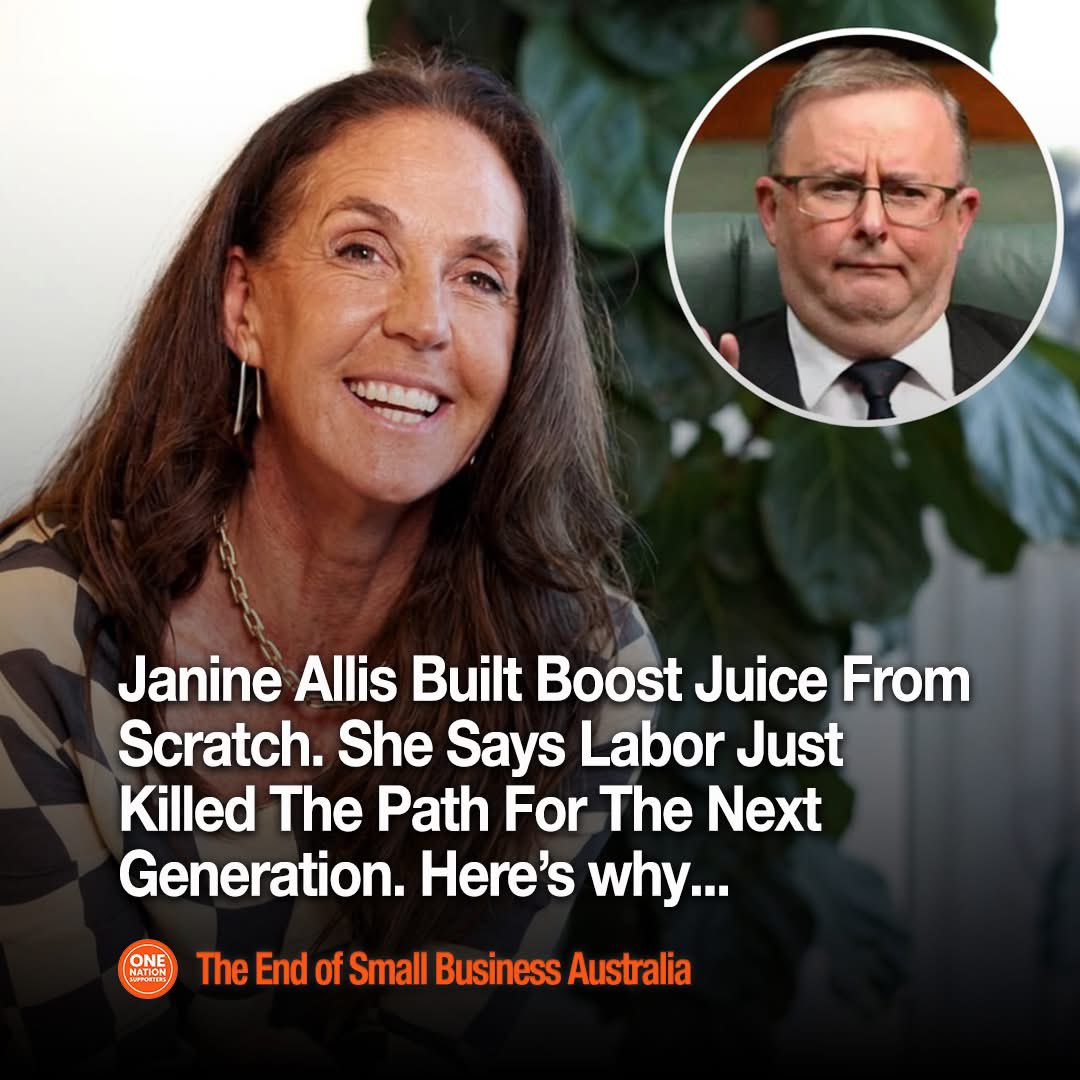
When successful Australian business owners like Janine who built companies from nothing start sounding the alarm, people need to listen. Australia used to reward risk, hard work, investment and entrepreneurship. That’s how families built security, businesses employed locals and communities prospered. Increasing taxes on investment, productivity and wealth creation does not magically create prosperity. It actually risks discouraging the very people who build businesses, employ Australians and take financial risks in the first place.
A healthy society should help people become independent and self-sufficient; not increasingly reliant on government redistribution just to maintain their standard of living. We cannot tax our way into prosperity while productivity falls, housing becomes unattainable, energy costs explode and government debt keeps climbing. Australia needs to rebuild a culture of aspiration, ownership and enterprise again. Vote @OneNationAus and let’s get back to work.
77
257
858
9,035

₿itcoin Gringo retweeted

May 15
Here’s an idea…
Rather than the government mandating digital ID on all of us, we should be mandating digital ID on the government to monitor exactly where they spend our tax money and the meetings they have with corporate lobbyists. We don’t serve them. They serve us.
690
10,595
34,685
267,861
₿itcoin Gringo retweeted

May 15
You have every right to know what your government is doing, and they have no right to know what you are doing.
That is why they are called public servants and we are called private citizens.
Instead, the relationship has been inverted. The state hides behind secrecy, classified files, and redactions while demanding total visibility into your finances, communications, movement, and behavior.
A society where the rulers live in privacy while the population lives under surveillance is the very definition of tyranny.
396
17,908
46,400
469,531
₿itcoin Gringo retweeted

May 15
The cover up was real.
The Government lied. People died.
This week a career CIA Operations Officer just testified under oath:
The COVID lab leak was a deliberate COVER-UP, and Dr. Fauci was in the middle of it.
“I am a career CIA Operations officer… The Intelligence Community’s actions resulted in a cover-up.”
- Intelligence leaders downplayed the lab leak on purpose.
- Fauci intentionally rigged the process by stacking the deck with his conflicted buddies, the same “Proximal Origin” clowns who pushed the natural origin lie.
- They knew it came from Wuhan. They hid it.
- That lie was used to ram through emergency use mandates on experimental shots while crushing anyone who told the truth.
Millions of lives destroyed. Trillions wasted. Small businesses gutted. Kids masked and isolated. All because the “experts” and the deep state didn’t want to admit they cooked this thing up and Fauci helped cover their rear end.
124
952
3,357
40,680
₿itcoin Gringo retweeted

If this is all about housing for young people then why are all our other assets being included such as shares , commercial property , industrial property what’s that got to do with housing ?
729
1,285
11,265
255,039

Picture Ireland in 1987: unemployment at 17%, debt-to-GDP ratio pushing 120%, and young Irish workers fleeing to London and Boston faster than you could say "economic basket case." Finance Minister Ray MacSharry slashed government spending by 3% of GDP while dropping corporate tax rates to 10% for manufacturing (later extending it across sectors). Brussels bureaucrats screamed about "unfair competition," but MacSharry kept cutting.
By 1994, something extraordinary happened. GDP growth hit 5.8% annually, then accelerated to over 10% by 1999 (try explaining that with Keynesian multipliers). Foreign direct investment poured in as companies like Intel, Microsoft, and Pfizer set up European headquarters in Dublin, creating actual productive jobs instead of government make-work programs. The Irish called it the Celtic Tiger, and suddenly emigration reversed into immigration.
The formula was blindingly simple: slash bureaucracy, cut taxes, get out of entrepreneurs' way. Estonia used the same playbook after leaving the Soviet Union. Hong Kong became an economic powerhouse when it was still a British colony using the same principles. Yet today's politicians act like Ireland's transformation was some mystical accident rather than predictable market forces unleashed by government restraint.
Of course, Ireland later screwed it up by joining the euro and letting banks leverage themselves into oblivion during the housing bubble (because politicians can never leave well enough alone). But for one glorious decade, they proved what happens when you stop trying to manage an economy and just let people create wealth.
57
314
1,463
88,966

₿itcoin Gringo retweeted

May 2
No wonder more parents are homeschooling. The propaganda machine in public schools is in full overdrive. 👇🏽😠
177
1,336
4,362
80,952

siding with inept governments and an industry that factors in the largest criminal fines in history into it's business models, over family and friends was the biggest eye opener to me, gobsmacked. and still they won't wake up. the propaganda is more like hypnosis these days industrial strength hypnosis...
4
3
38
691
₿itcoin Gringo retweeted

Holy cow.. this is incredible
72
1,044
4,071
41,712

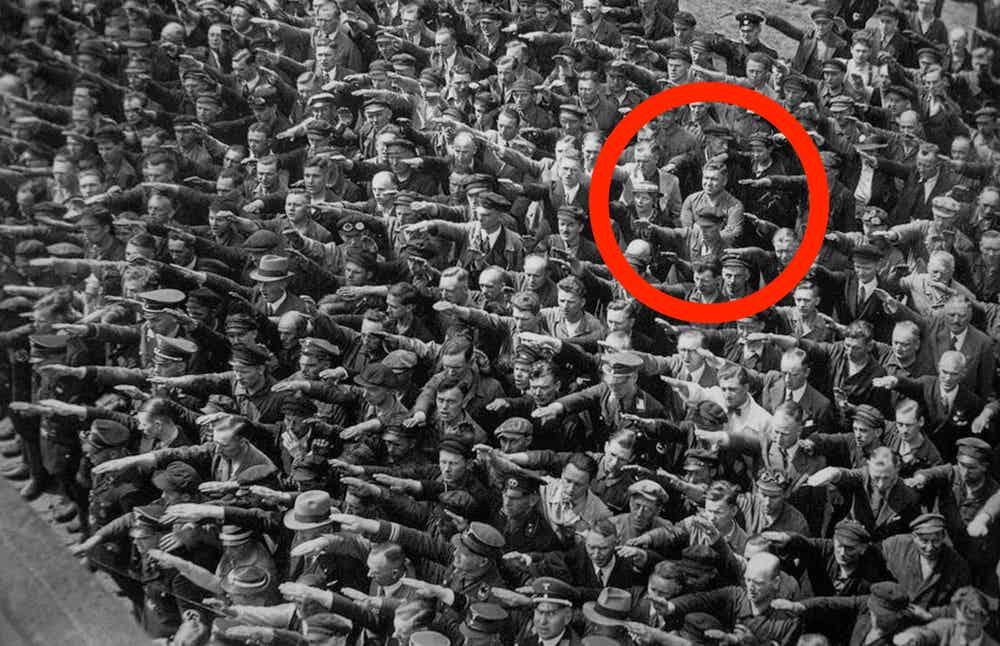
This guy was executed for his defiance, for his unwillingness to go along with the whole "We're in this together" BS.
For defying the state and "encouraging social unrest".
If passed, Australia's just another step closer to becoming an authoritarian state as well.
Apr 18

The PM once warned parliament these laws could be used to detain innocent Australians and suppress dissent by removing the Sunset clause to make it permanent.
He quoted Hermann Goering to make his point.
That was 2003.
In February 2026 his government passed them in two days. 🤯
7
₿itcoin Gringo retweeted

Apr 17
For a while now I have been writing in English on X - and I have recently started doing the same on my biggest platform Facebook.
Not because I have abandoned my Danish voice. But because what is happening in Europe is not a Danish problem. It is not a French problem. It is not a Swedish, German or British problem.
It is our problem. All of us. At the same time.
And you cannot fight a war that crosses every border by only speaking to the people on your own street.
This is not an “us” question. It is a “we” question.
The same forces are at work across the entire Western world.
The same ideology expanding into the same institutions. The same political establishment looking the other way. The same media calling those who speak up racists, extremists, hatemongers.
The same silencing. In every language.
And behind all of it - something that goes deeper than politics. Deeper than immigration statistics and election results and EU directives.
Because what we are really facing is a spiritual battle.
A civilization that has cut itself off from its own roots.
That removed God from the public square and replaced Him with the state, the screen and the self.
That dismantled the family, dissolved the distinction between man and woman, and told an entire generation that freedom means having no obligations to anything larger than yourself.
A civilization that weakened itself from within - and is now surprised to find itself vulnerable from without.
The forces moving against the West are not only political. They are spiritual. And they will not be defeated by politics alone.
That is why I write. In English. To whoever will listen.
Because the people who understand what is at stake need to find each other - across languages, across borders, across the noise.
We are more than we know. And we are needed.❤️🔥🪽✝️
1,029
5,011
19,823
279,946
₿itcoin Gringo retweeted
Apr 13
Jackson, the son of Shane Warne speaks out about the cricket legend’s untimely death.
He blames
The government and believes his death was connected to the Covid vaccine !!
Also confirming Shane had taken a booster prior to that fateful trip to Thailand.
Legacy media did their best to cover up this story but now finally the truth is breaking free.
Full interview : @2worldsPodcast
669
3,031
10,939
752,349
₿itcoin Gringo retweeted

Apr 13
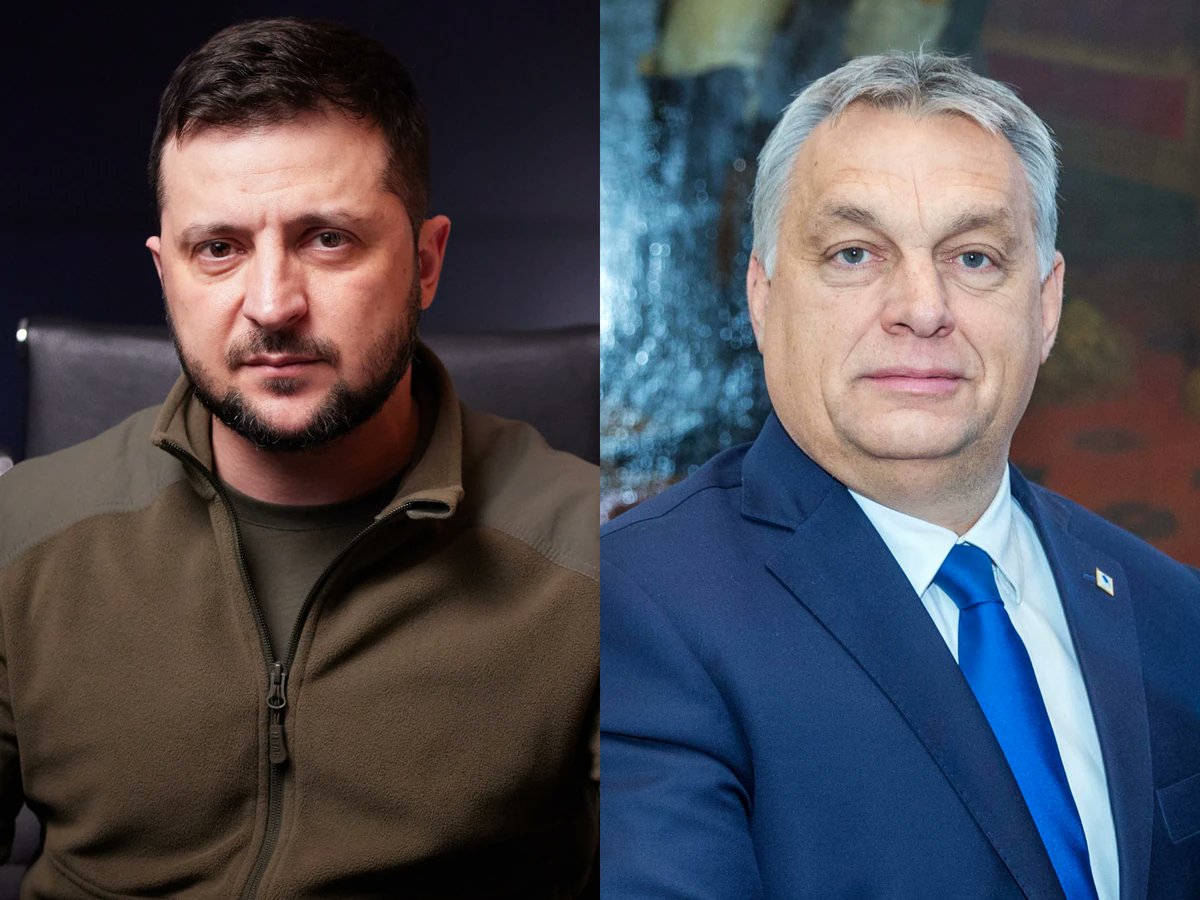
Let me get this straight: In Hungary, a "dictator" just lost democratic elections held without violations. This "dictator" immediately and placidly conceded defeat. Meanwhile in Ukraine, a "democratic" leader, who has imprisoned the opposition, continues to be president without elections.
Guess which one the European Union supports?
2,164
10,118
33,016
589,803