
Riding the tiger through the Kali Yuga
Joined May 2026
- Tweets 316
- Following 92
- Followers 17
- Likes 310
31 Photos and videos











Bjarki Bolverkr retweeted
Jesus started the Woke movement 🤣
Galatians 3:28:
"There is neither Male ♂️
nor Female ♀️;
for you are all one in Christ Jesus." 🙏


8
6
80
1,315
Bjarki Bolverkr retweeted

I've said repeatedly. Nordic people may have converted ON PAPER. But they never stopped worshipping the Norse Gods. Christianity HAD to become pagan to try and get Europeans.
Don't believe me? Do some research..

4
10
117
2,101
Bjarki Bolverkr retweeted

This is the actual timeline for the abuses under the just the Roman era, this doesn’t count what they did in the medieval period even to other Christian movements.

Freedom of religion is a Pagan ideal. Let's see what freedom of religion Christianity brought.
341 AD – Sacrifices forbidden, temples not to be visited.
356 AD – Sacrifice declared a capital crime.
381 AD – Sacrifices forbidden, but temples could be maintained as buildings.
391 AD – Public sacrifices, visiting temples, and keeping household idols forbidden.
392 AD – Comprehensive prohibition: sacrifices, incense burning, garlands, any form of worship at shrines or images outlawed.
399 AD – Pagan temples to be closed, images removed, cult objects destroyed, but structures preserved for public use.
408 AD – Any pagan sacrifices or worship considered sacrilegium (high crime).
423 AD – “Pagans” explicitly named as criminals; though if they repent, they may be spared punishment.
438 AD – Codex Theodosianus compiled, preserving all prior anti-pagan legislation.
529 AD – Forbids all pagan cults, astrology, divination, sacrifices; pagans excluded from public office and military service. Novellae 37, 45, 146 – Explicitly ban pagan teaching, rites, and gatherings; pagans not allowed to inherit unless they convert.
Ca. 529–534 – Closure of the Platonic Academy in Athens (often dated 529), ending formal pagan philosophy schools. Paganism declared outright illegal; practitioners faced confiscation of property, exile, or worse.
Christians were persecuted for a grand total of around thirteen years under the Roman Empire, mostly just under Diocletian. Before that they had freedom of religion. After Christianity took over the Empire, we had 1700 years of Christianity and its retarded little brother Islam waging war on all other faiths. Blasphemy laws are still on the books in many US states. It's only thanks to Supreme court rulings that they're unenforceable.
I'm not playing the Orwellian game of saying war is peace, freedom is slavery, Christian persecution of every other faith is freedom of religion.

2
31

Back when we were a proper ethnicity

1
11
Bjarki Bolverkr retweeted

Jun 14
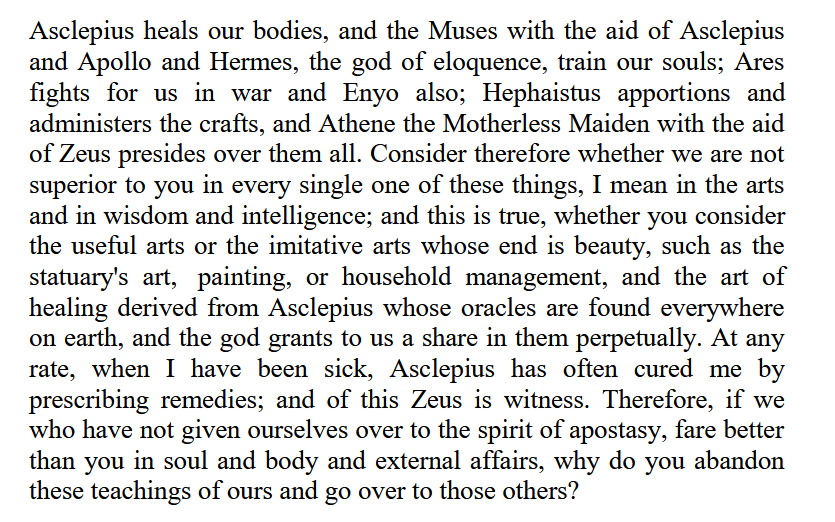
Julian the Philosopher, Against the Galileans
8
39
521
Bjarki Bolverkr retweeted

Jun 14
A civilization is a promise between the dead, the living, and the unborn.
24
416
3,122
208,712
Bjarki Bolverkr retweeted

Latest from yours truly!
A deep dive into the history of how organization actually happens and western civilizations actually get built👇
anarchonomicon.com/p/idolatr…
1
4
25
2,768
Bjarki Bolverkr retweeted

Jun 12
𝐁𝐞𝐚𝐮𝐭𝐢𝐟𝐮𝐥 𝐚𝐧𝐝 𝐡𝐞𝐚𝐥𝐭𝐡𝐲.
- 𝐒𝐰𝐞𝐝𝐞𝐧 𝐢𝐬 𝐟𝐨𝐫 𝐭𝐡𝐞 𝐒𝐰𝐞𝐝𝐞𝐬. 🇸🇪
11
85
801
7,611
Thor is not a big red bearded man with a hammer, nor is He a Marvel character. He like all the Gods is the thunder and the lightning. He is the gentle rains that make the fields green. His anthropomorphic image is meant to be nothing but an interface for connecting with Him.
9
Bjarki Bolverkr retweeted

Jun 11
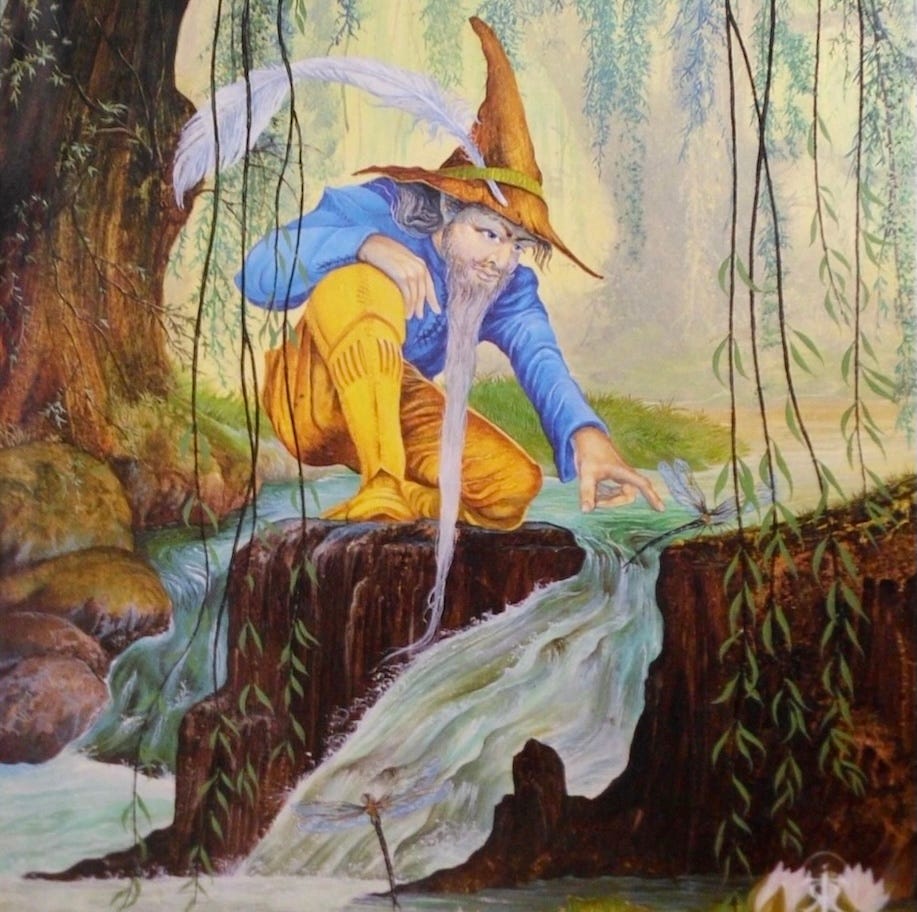
Tom Bombadil is the most mysterious character in The Lord of the Rings.
He's the oldest being in Middle-earth and completely immune to the Ring's power — but why?
Bombadil is the key to the underlying ethics of the entire story, and to resisting evil yourself...
Tom Bombadil is an enigmatic, merry hermit of the countryside, known as "oldest and fatherless" by the Elves. He is truly ancient, and claims he was "here before the river and the trees." He's so confounding that Peter Jackson left him out of the films entirely.
This is understandable, since he's unimportant to the development of the plot. Tolkien, however, saw fit to include him anyway, because Tom reveals a lot about the underlying ethics of Middle-earth, and how to shield yourself from evil.
The hobbits meet Bombadil early on in their quest, before they reach Bree and the Prancing Pony Inn. He rescues Merry and Pippin from Old Man Willow, and invites the hobbits to stay at his house in the Old Forest.
There, the hobbits realize something strange about him: the Ring has no power over Bombadil whatsoever.
When he wears it, he remains visible. He treats it as a plaything, making it disappear with a magic trick. Indeed, at the Council of Elrond, Gandalf rejects the idea of giving the Ring to Tom, for he would likely misplace it or forget about it entirely.
So just who is he, exactly?
When Frodo asks this very question to Tom's wife Goldberry, she simply responds "He is." It's a cryptic answer that echoes God's famous answer to Moses in the Book of Exodus: "I am who I am."
Thus, many theorize that Bombadil is God, some kind of angelic being, or even the spirit of the Music of the Ainur (due to the fact that he is constantly singing). But Tolkien's letters reveal something considerably more interesting…
In April 1954, Tolkien wrote:
"The story is cast in terms of a good side, and a bad side, beauty against ruthless ugliness, tyranny against kingship… but both sides in some degree, conservative or destructive, want a measure of control.But if you have, as it were, taken a 'vow of poverty', renounced control, and take your delight in things for themselves without reference to yourself… then the questions of the rights and wrongs of power and control might become utterly meaningless to you, and the means of power quite valueless…"
So, Bombadil is a representation of what it means to take pure delight in the world around you — to experience people and things simply as they are, without any thought for what they could be or how you could use them. And this is why the Ring has no power over him.
To Bombadil, the One Ring is simply a ring, and the possibilities of what can be achieved through its power are of no importance. He is able to resist its evil precisely because he is entirely content with the world around him.
At the end of the story, having accomplished what he set out to do in Middle-earth, Gandalf pays Tom a visit before returning to the Undying Lands:
"I am going to have a long talk with Bombadil: such a talk as I have not had in all my time."
If Bombadil is the epitome of simply enjoying life and being, Gandalf is the epitome of doing. He guides the hobbits, fights the Balrog, and runs up and down Middle-earth to help destroy the One Ring.
But now that he's finally liberated from doing, he immediately heads to Bombadil's. He does so with a sense of relief, as if he's at last able to access a purer and higher mode of being — a sort of innocence that cannot be fully experienced by those consumed by doing.
Of course, by this Tolkien doesn't disparage the value of action. The entirety of LOTR displays the importance of rising up against evil, even in the face of all odds. But with the inclusion of Bombadil, he does remind readers that fighting isn't all there is.
Bombadil reminds us that while it's important to strive and *do*, it is just as important to occasionally step back and *be*. Indeed, your ability to do so plays a crucial role in helping you resist the allure of evil…
Read the full piece here:
theculturist.io/welcome
The unsung hero of The Lord of the Rings...
221
1,275
7,376
419,050
Bjarki Bolverkr retweeted

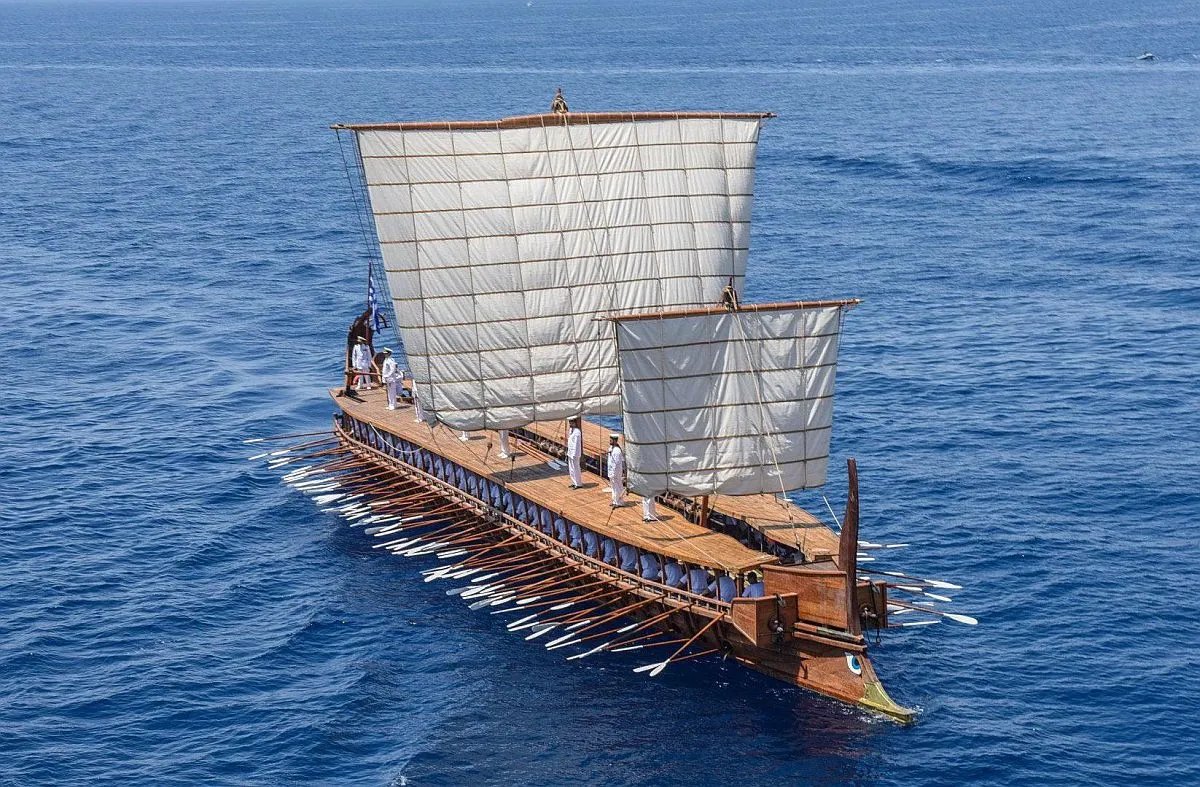
The sound of a trireme could be heard from a great distance. It had a rhythmic, measured quality, resembling a distant drum. Each stroke produced two distinct sounds: a deep, percussive thud of wood hitting water, followed by a rushing surge. Whumpff! Whroosh! These sounds were so familiar to the Greeks that they had specific names for them. They referred to the splash as pitylos and the rush as rhothios. The beat reverberated across the water, drawing the ships nearer. The steady, pulsating rhythm, was akin to the heartbeat of a giant.
Soon, other sounds emerged in sync with the oar strokes: the shrill, musical notes of pipes, the rhythmic commands of the coxswain encouraging the crew, and the deep chants of the rowers. The ship itself added to the cacophony, with its lumber and rigging creaking and groaning. As the triremes surged ahead, the steering oars and bronze rams hissed like snakes as they cut through the water. In the final moments, as the red-rimmed eyes on the prow fixed their gaze on you, the oar strokes resembled thunder. Then, the ship either bore down on you or veered away in search of other targets.
4
58
248
6,885
Bjarki Bolverkr retweeted

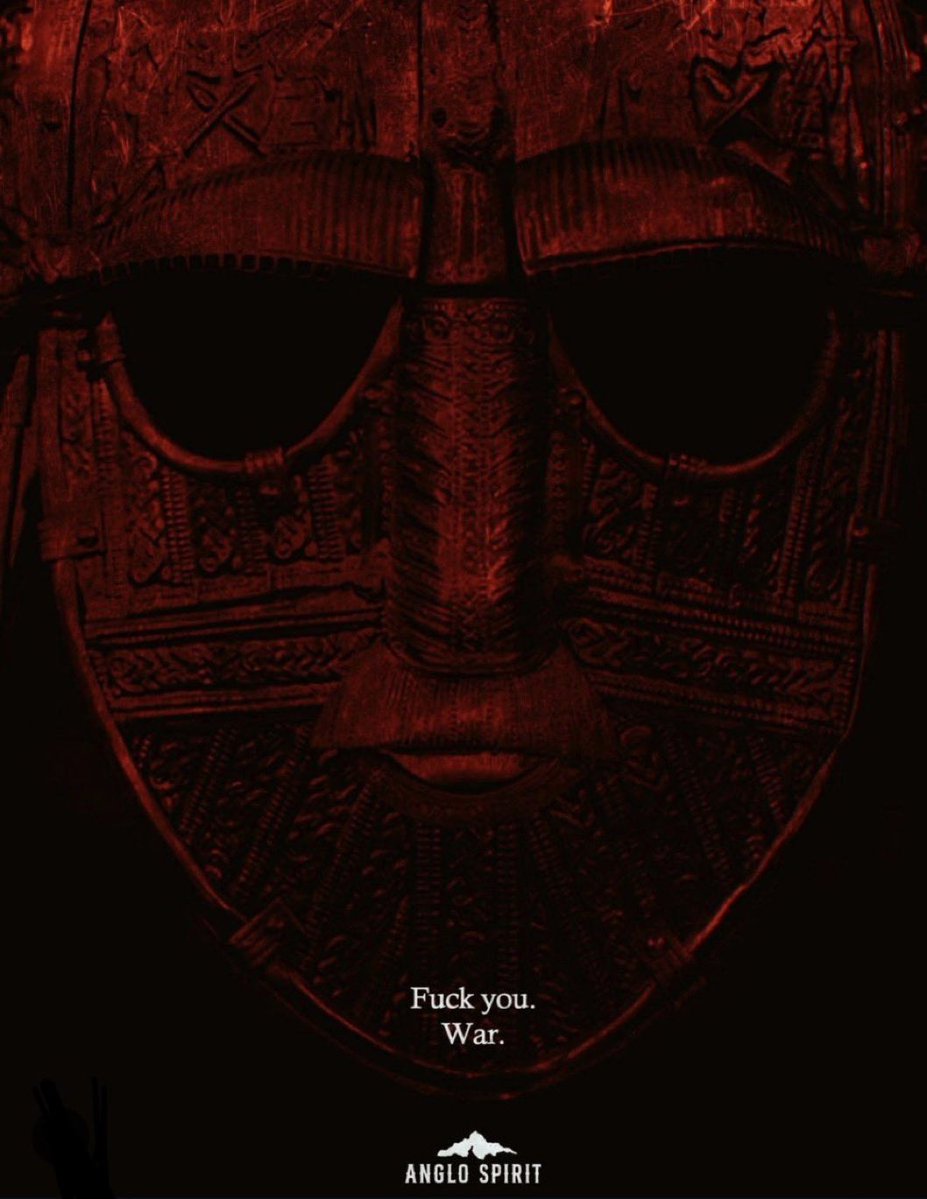
Save your churches, cuck.

2
37
213

Bjarki Bolverkr retweeted

Jun 9
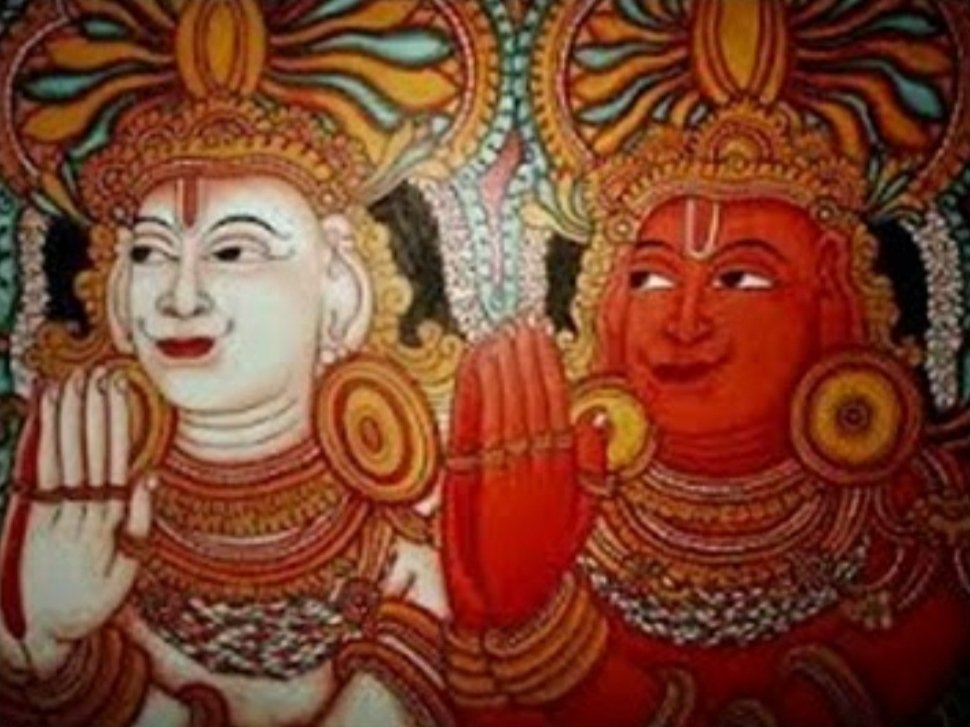
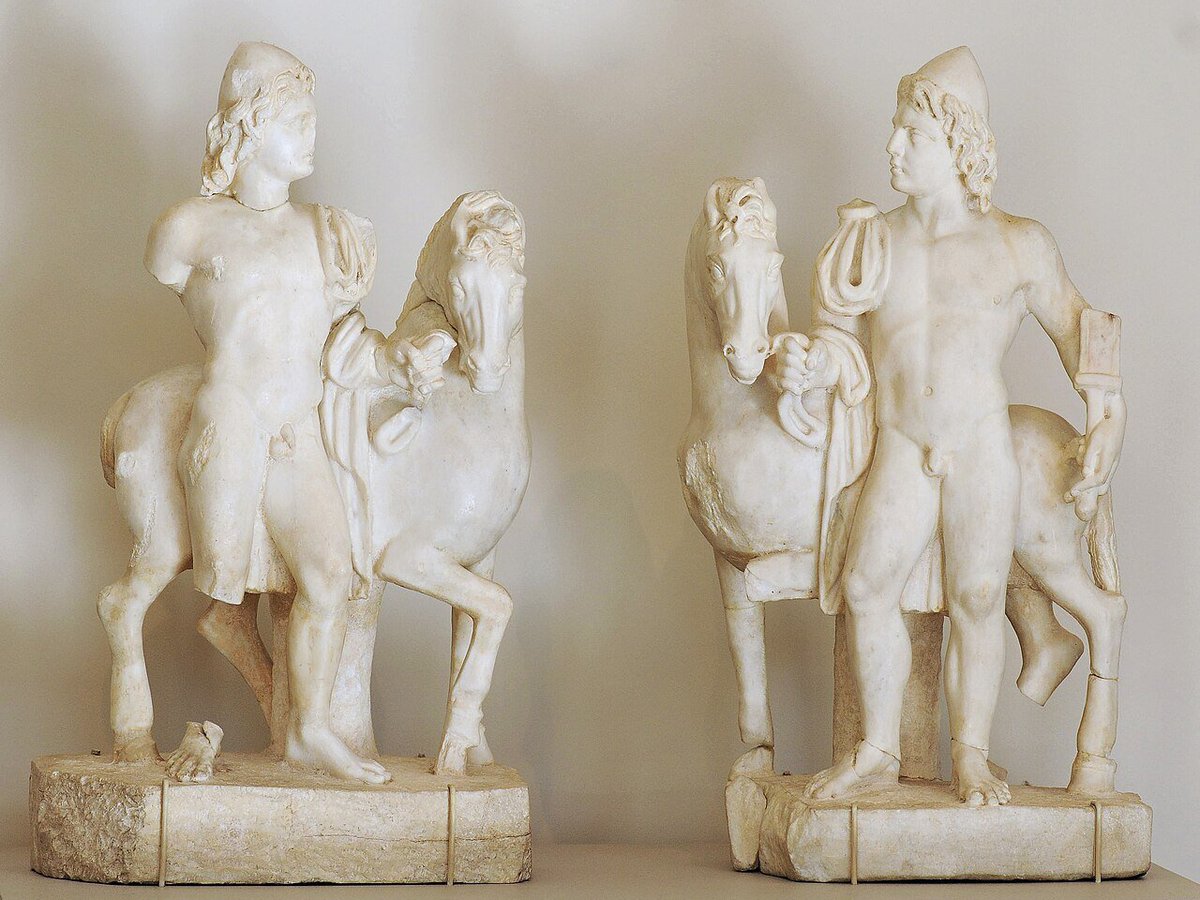
The archetypal Divine Twins, often depicted as heroic, youthful horsemen—i.e. the Ashvins, the Dioscuri, Hengist and Horsa—originated in Proto-Indo-European myth and have recurred in various tales from the Rig Veda right through to the Anglo-Saxon Chronicle. #FairyTaleTuesday ♊️
2
9
38
1,741
Bjarki Bolverkr retweeted

Jun 8
What can I say?
I'm proud of my Country 😃
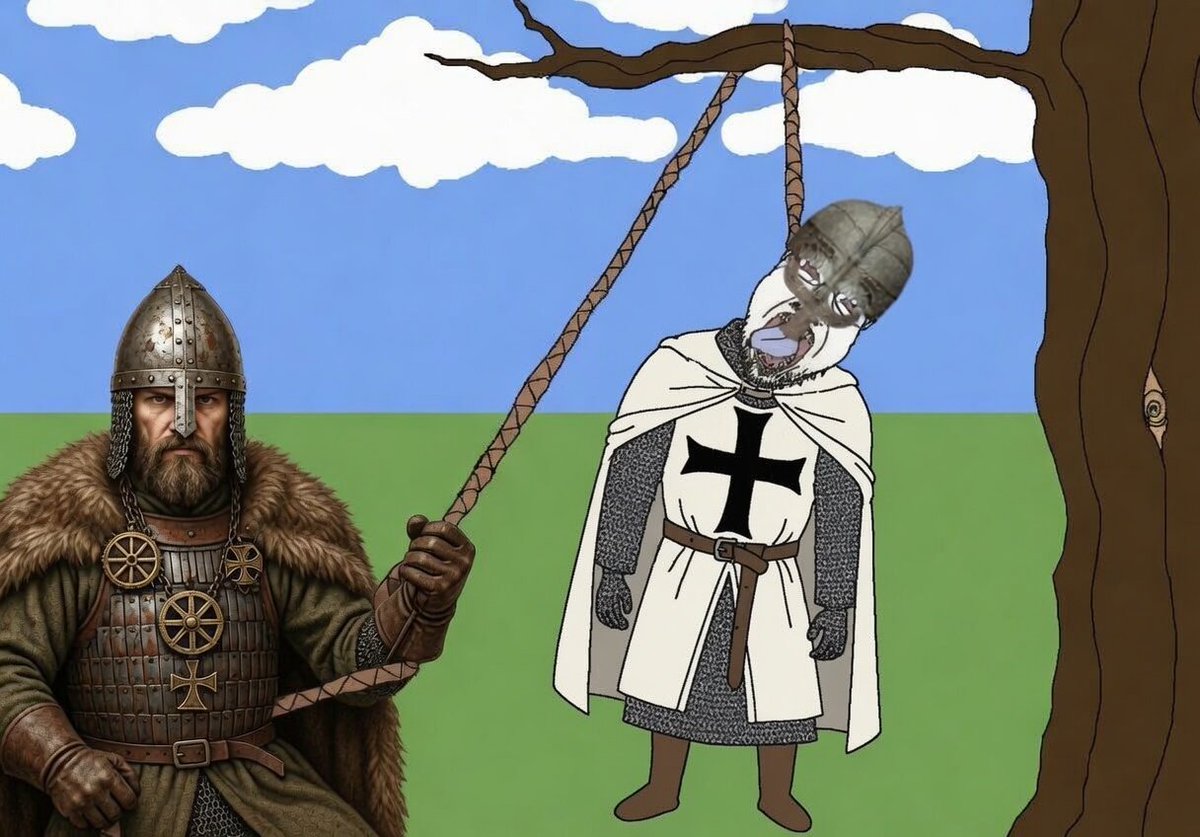
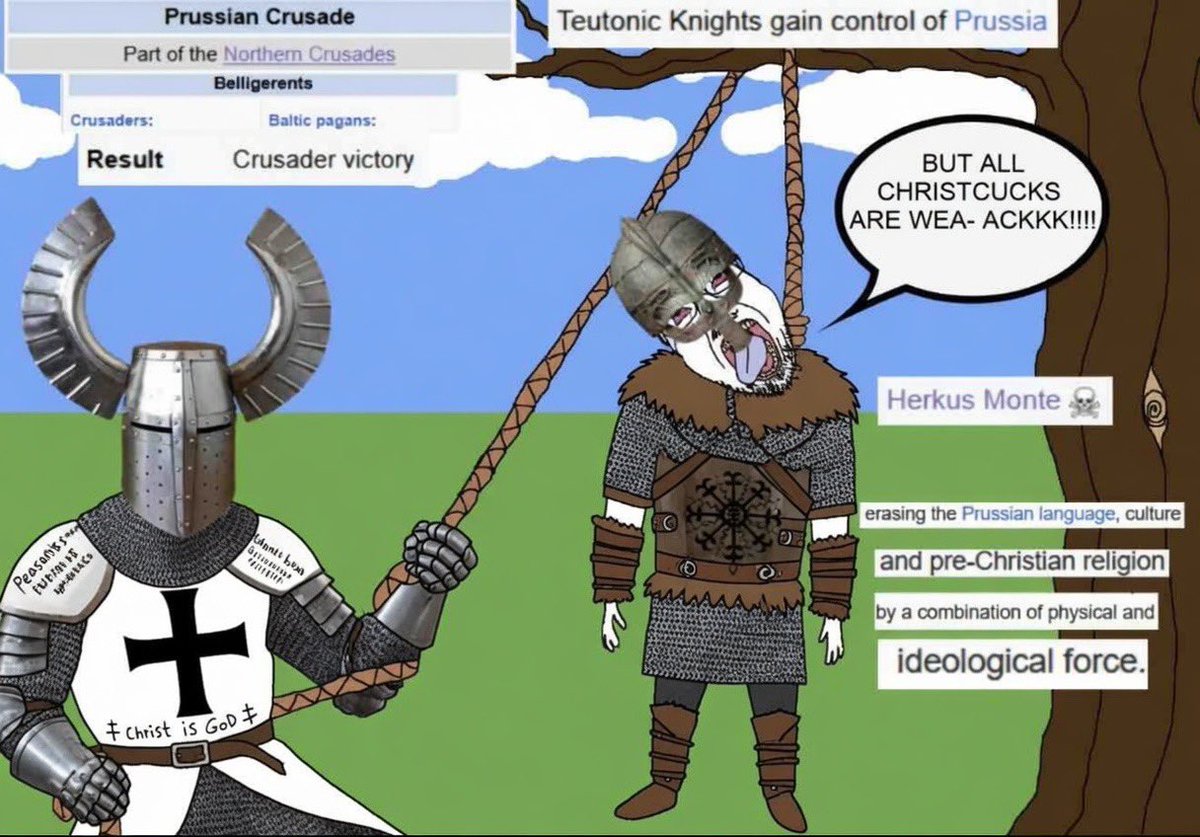
"At the Battle of Durbe (fought on July 13, 1260, in present-day Latvia), the Samogitians (a Lithuanian tribe) achieved a decisive victory over the combined crusader forces of the Teutonic Order from Prussia and the Livonian Order from Livonia.
The defeat was catastrophic for the crusaders and resulted in massive casualties:
Around 150 high-ranking knights were killed, making it the single largest defeat of the crusading orders in the 13th century.
Key leadership was wiped out, including Livonian Master Burkhard von Hornhausen and Prussian Land Marshal Heinrich Botel.
100s of secular vassals, squires, and low-ranking conscripts were also killed as the army broke and retreated."

10
13
205
6,155
Bjarki Bolverkr retweeted

Jun 9
HR: Our company is very employee friendly.
The Company:
76
938
12,631
837,007