
85 Photos and videos

Pinned Tweet

24 Oct 2025
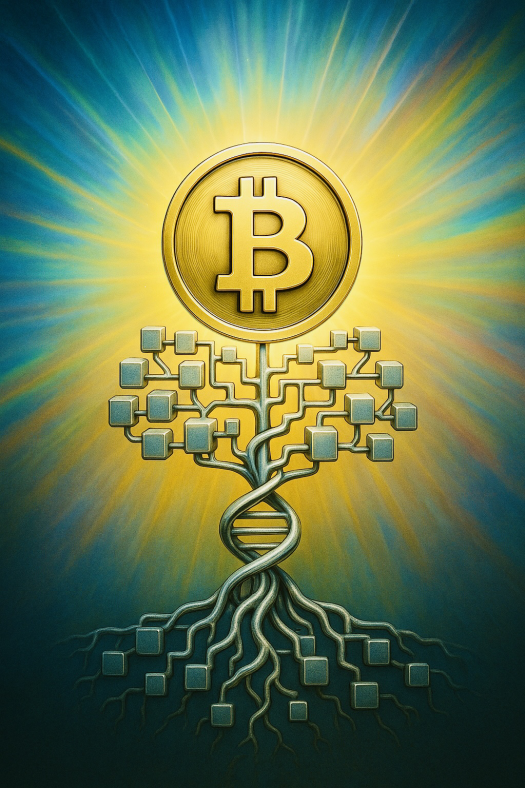
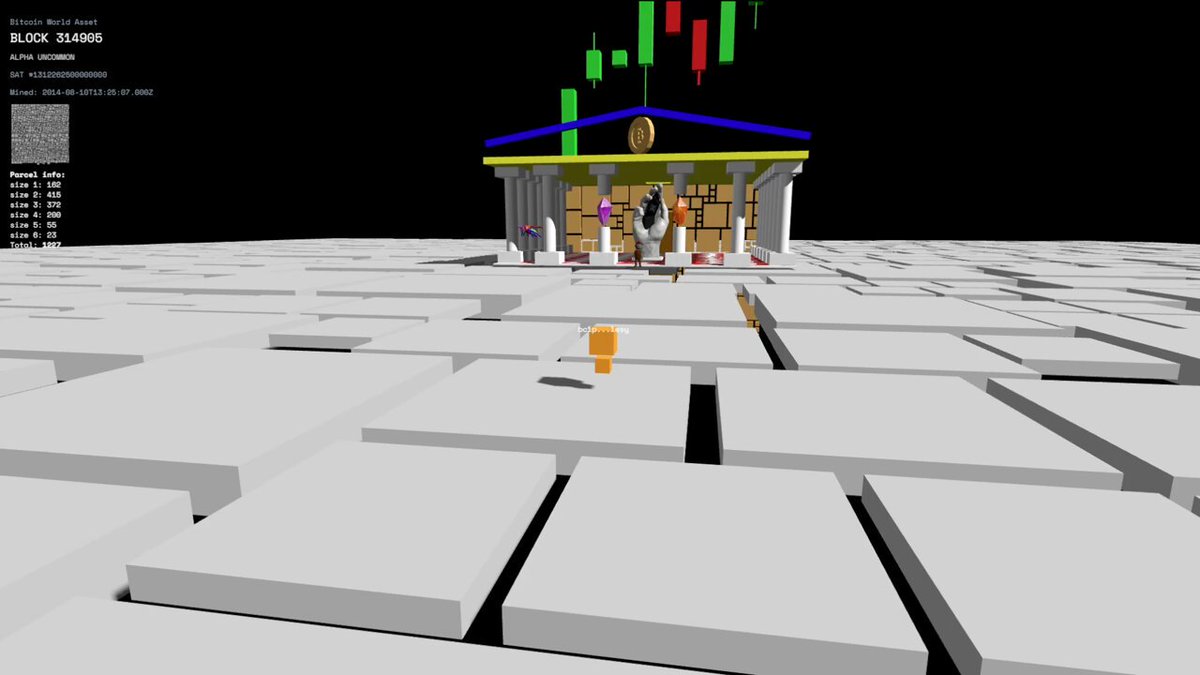
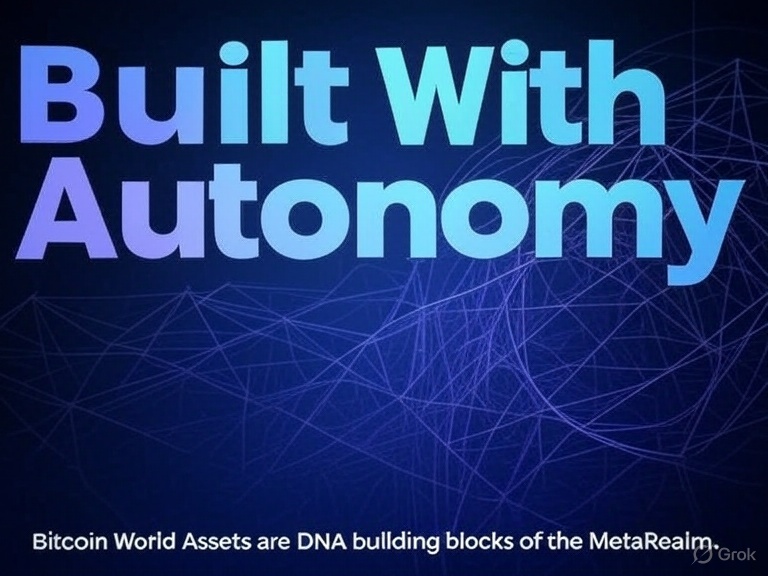
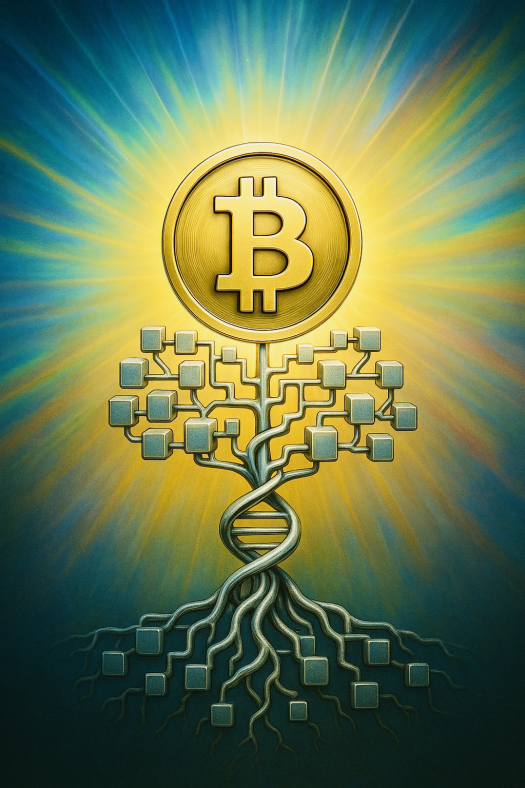
Building a durable decentralized MultiVerse on Bitcoin is possible by utilizing the Proof of Work activity that Bitcoin's network has already confirmed and transparently verifiable.
This offers an optimal solution to provide a sound foundation to build a digital world of freedom
3
7
139
BlocksOfBitcoin 🟧 retweeted

17 Dec 2025
I don't know who needs to here this but......
Nakamoto Matrix is the ONLY Bitcoin-native digital land asset that combines true self-custody with live, interactive functionality and CROSS-CHAIN reach, withOUT bridges,
withOUT wraps,
withOUT relinquishing custody.
2
7
14
1,880
BlocksOfBitcoin 🟧 retweeted

Jan 22

2
2
147
BlocksOfBitcoin 🟧 retweeted
Some are imagining the future landscape.
Some already have self custodial ownership of multi-functional components that will exists as utilitarian instruments for the emerging transformative digital landscape and UGC economy.

"Software Engineering Will Be Automatable in 12 Months,"
Anthropic CEO Dario Amodei predicts that AI models will be able to do 'most, maybe all' of what software engineers do end-to-end within 6 to 12 months, shifting engineers to editors.
1
6
10
523
BlocksOfBitcoin 🟧 retweeted

25 Dec 2025
I respect 🫡your lone reply out of 45k wallets(?)
but.........
My claim was about distribution mechanics, not custody narratives.
Custody pooling doesn’t change protocol math.
A pooled staking wallet is still a single control surface.
Bitmap is still deterministic mempool capture, not PoW entropy distribution.
Not miner-blind.
Not entropy-fair.
Not physics-randomized.
Reframing concentration as “community” is social spin — not protocol reality.
Bitmap “consensus” ≠ Bitcoin consensus.
Bitmap consensus = social agreement to treat a free-text namespace label as a world coordinate.
BITCOIN consensus = cryptographic node-verified state transition.
Those are categorically different classes of systems.
Only one is enforced by physics.
Bitmap is a convention layer:
off-chain mapping, external labeling, no block participation, no merkle/script/TX-0/sat anchoring, no entropy protection.
BWAs / Rare sats are protocol-level primitives:
PoW-generated, entropy-randomized, miner-blind, impossible to pre-assign, front-run, or issuer-allocate — computation-anchored to the chain itself.
A thousand people holding flashlights doesn’t change what the sun is — or what flashlights are not.
If Bitmap truly has 45K wallet representing "holders", there should be PLENTY of competent engineers able to address this directly.
25 Dec 2025

It seems your understanding of bitmap is too superficial and one-sided. The wallet that holds 20% of the total supply is the MerlinChain staking wallet address, which contains all the bitmap involved in staking, not owned by a single person. Your logic doesn't make sense.
1
1
5
228
BlocksOfBitcoin 🟧 retweeted
14 Dec 2025
To early to speculate but I suspect the future of Tokenized Digital Value will need to include more inherent ownership and functional utility design and far less speculative promise.
3
7
146
BlocksOfBitcoin 🟧 retweeted
11 Dec 2025
I don’t think people underestimate Ordinals. Most just don’t actually understand what Ordinals and inscriptions are.
When I talk with builders outside the echo chamber, it’s clear they’ve misread the real value thesis because they still associate Ordinals only with the early “NFTs on Bitcoin” or the more recent “Art on Bitcoin” narrative, instead of seeing that as just one optional use case. And while that lane will eventually have its place, the truth is it’s still very early and that narrative has been dragged down by the exhausted PFP playbook of over-dilute, over-hype, over-value low-effort collections, rinse and repeat.
The issue isn’t the protocol. It’s the representation or to be more accurate, the lacking of it. Instead of there being a unified front that presents and communicates the actual capabilities, vision, and long-term potential of the Ordinal layer (Data Bitcoin), most of the mindshare gets swallowed by the noise of tribal extractors pumping an endless queue of “art” drops.
The real wave of value now is digital ownership functionality, not PFP flexing.
Anyone still forecasting through that outdated lens is completely out of sync with where this ecosystem is and where it’s heading. (IMO)

4
8
17
587
BlocksOfBitcoin 🟧 retweeted
12 Dec 2025
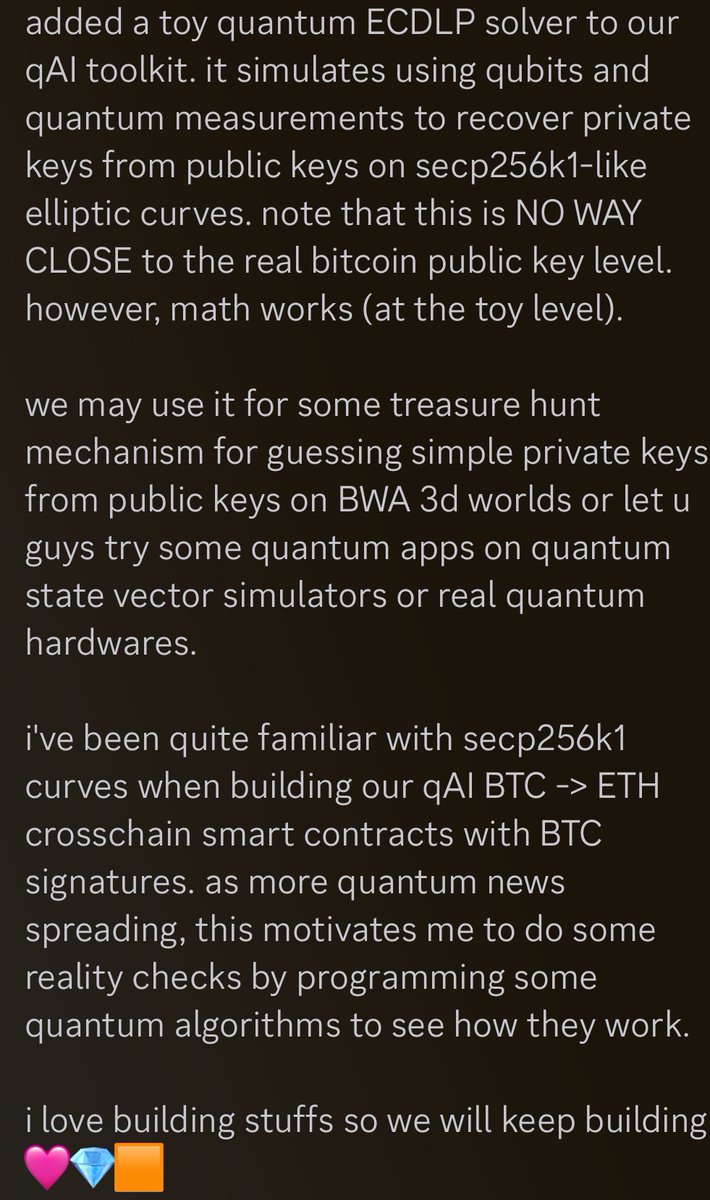
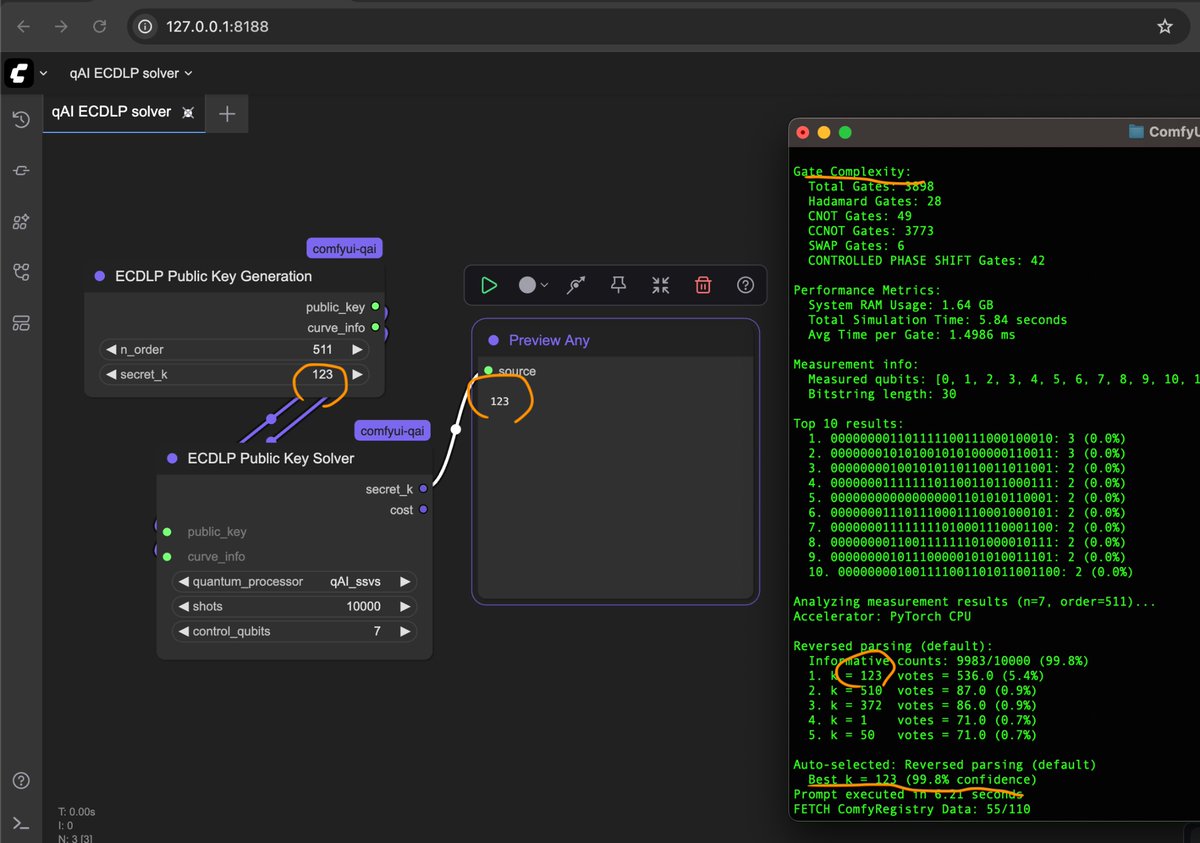
Saw this in a discord and was like WTF?! 🧠
If the founder isn’t a master Dev with vision, you can miss me with that BS your selling.
1
2
10
495
BlocksOfBitcoin 🟧 retweeted
13 Dec 2025
From a serious crypto market investing standpoint, ignoring Bitcoin-native innovation is a structural blind spot.
Bitcoin is the settlement layer of the entire market.
Every cycle, every liquidity wave, every “alt season” still orbits BTC dominance, miner economics, and block demand.
If you’re modeling crypto without tracking what’s happening on Bitcoin itself, your model is incomplete.
Ordinals, inscriptions, runes, uncommon sats = new demand vectors.
This isn’t “art hype.”
It’s:
New blockspace demand
New fee dynamics
New miner incentives
New native asset primitives
That directly affects Bitcoin’s economic engine.
Macro investors should care.
ETH narratives are mostly execution-layer stories.
DeFi, NFTs, L2s, restaking.
These are application and capital velocity stories.
Valid, but they sit on top of assumptions.
Bitcoin innovations are about base-layer expansion without changing consensus.
That’s rarer and more fundamental.
Avoidance ≠ ignorance, but it is a signal.
When someone claims macro authority yet:
talks NFTs but not Ordinals
talks digital art but not inscriptions
talks crypto adoption but not Bitcoin block utilization
…that’s a narrative filter, not neutral analysis.
Important distinction though:
This doesn’t automatically mean “paid shill.” More often it’s:
Portfolio bias
Audience optimization
Comfort-zone analysis
Or unwillingness to recalibrate a thesis built pre-Ordinals
But here’s the hard truth:
You cannot claim to understand where crypto markets are going if you’re not tracking what Bitcoin itself is becoming.
Bitcoin emerging innovations aren’t a side quest.
They’re first-order market signals.
Ignoring them isn’t malicious, but it is incomplete.
And incomplete models BREAK FIRST.

Since @punk6529 is on fire today about the wrong-footedness of appeasing of TradArt by pricing NFTs in dollars, which I agree with on many many levels (and have written about), I also wanted to point out that he also said back in 2021 that people using the term "digital assets" or blockchain will all end up using the term "crypto" as it has a memetic persistence. He was correct.
He also has suggested that we will try to arc away from using the terms "NFT's" and use stuff like "Digital Art" of "Art on the blockchain" but in the end the very fact that they are art verified and authenticated via Non Fungible Tokens is what gives them value and what makes them unique, and we will go back to NFTs as the memetically persistent term.
NFTs are priced in crypto.
They are crypto native assets.
1
4
22
694
BlocksOfBitcoin 🟧 retweeted
13 Dec 2025
I encourage everyone to think deeper. Let’s be careful to not mix topics of infrastructure permanence with cultural relevance, because they are not the same problem.
Without a doubt Bitcoin removes platform risk. No servers, no hosts, no admin keys, no uptime theater. Ordinals eliminate technical decay.
But that has almost nothing to do with why most digital art actually fails:
Digital art fails because humans are not static interpreters.
Taste drifts.
Context shifts.
Identity evolves.
Attention moves on.
What felt novel → becomes familiar
What felt expressive → becomes dated
What felt meaningful → loses emotional charge.
That happens whether the art is on:
•Instagram
•Museums
•IPFS
•Bitcoin
•Stone walls
Medium durability ≠ relevance durability
Platforms weren’t the root failure
Platforms didn’t kill digital art.
They only exposed the truth faster:
•Infinite supply
•Low friction creation
•Rapid trend cycling
•Algorithm-driven attention churn.
If platforms disappeared tomorrow, the same thing would happen on Bitcoin:
Most inscriptions would still become emotionally irrelevant over time.
Not because they “rugged”
Not because servers went down
But because humans moved on.
The notion that “Ordinals work because they remove the weakest link: humans”
is structurally false and inaccurate.
Humans are:
•The only source of meaning
•The only entity that assigns value
•The only reason art matters at all
Remove humans → you don’t get immortal art
You get perfectly preserved irrelevance
Bitcoin can freeze data.
It cannot freeze taste.
The real divider is Art vs STRUCTURE
Art
•Competes for emotional attention
•Is taste-dependent
•Is time-fragile by nature
Structure
•Gains value from reference, function, and position
•Becomes more valuable as context accumulates
•Is time-reinforced
This is why:
•Cave paintings survive SELECTIVELY
•ARCHITECTURE outlasts decoration
•Maps, ledgers, and coordinates age better than portraits.
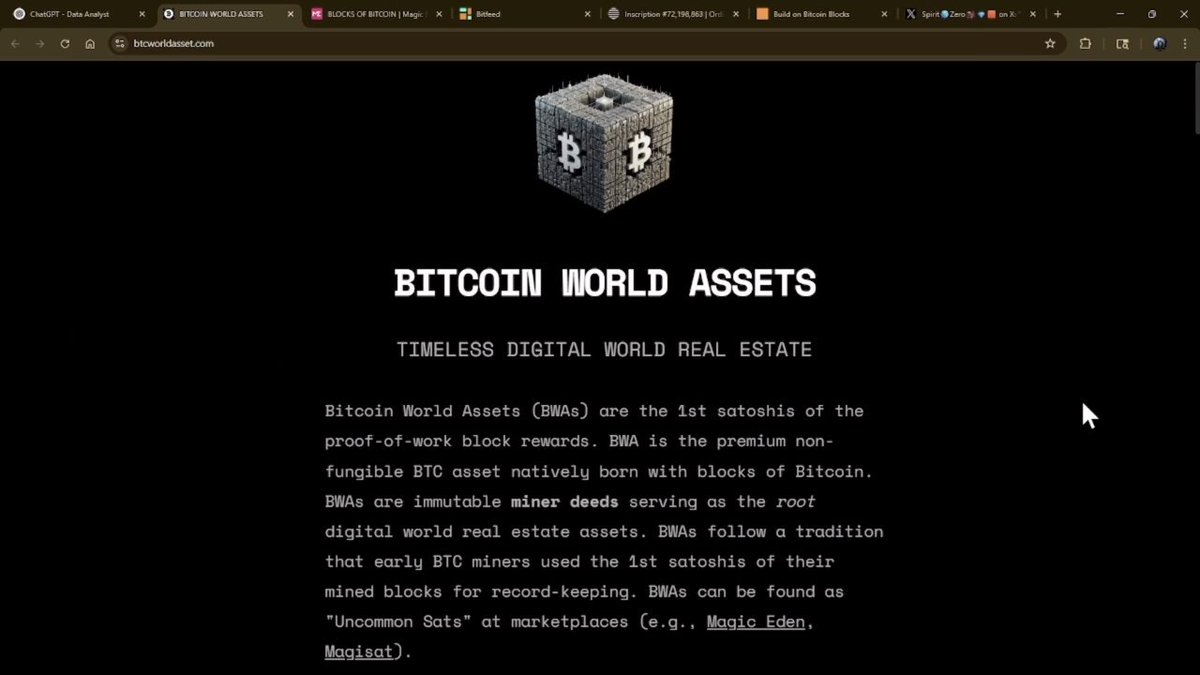
This is exactly why I strongly support and believe that computed, referential, structural asset models like BITCOIN WORLD ASSETS (BWA) Uncommon 1st satoshi TX-0 anchored systems are far more durable than “art on Bitcoin” narratives to extend the functionality and value of Bitcoin. @btcworldasset
BWAs don’t rely on:
•Emotional novelty
•Trend alignment
•Taste persistence
They rely on:
•Position
•Function
•Verifiability
•Contextual growth
That’s not art preservation.
That’s meaning accumulation.
Platforms don’t kill digital art, time does because human taste is fluid not faulty.
It is true that Bitcoin can preserve (DATA) forever, but relevance is earned, not stored.
Most digital art doesn’t fail because platforms disappear.
It fails because humans evolve faster than yesterday’s emotional consensus and its novelty.
Most digital art fails because it depends on platforms.
Platforms require trust, uptime, and maintenance.
Bitcoin requires none of these.
Ordinals work because they remove the weakest link: humans.
2
4
18
694
BlocksOfBitcoin 🟧 retweeted
14 Oct 2025
Always great to obtain true ALPHA nuggets that increase one's understanding of present & future trajectory of the digital experience asset anchored landscape.
Easy to see that the decentralized @btcworldasset PoW asset model is an inevitable path to Bitcoin MetaRealm ownership.
4
15
63
441,589
BlocksOfBitcoin 🟧 retweeted
10 Nov 2025
Great question
The Bitcoin World Assets model can support local communities by giving them a native, provable digital base layer without inventing synthetic supply or gated token economies.
Because BWAs are mapped to the first sat of each block, they use Bitcoin’s existing chain inventory as the development surface. That means communities can build digital districts, namespace ownership, art zones, economic micro-regions and creator ecosystems directly on verifiable chain reality, not fabricated virtual land.
This is huge for accessibility:
•no land minting
•no inflated new supply
•no external governance tokens required
•no predatory pay-to-enter model
The dev process is far easier cheaper because the base resource is already proven, already scarce, already trusted — so local groups can focus on building utility and culture instead of engineering artificial worlds first.
In short, Bitcoin World Assets give communities an affordable way to participate in digital ownership digital world building using a resource that is inherently fair, permission-less, and globally verifiable.
It turns Bitcoin into public compute territory, that anyone can build on.
2
5
94

BlocksOfBitcoin 🟧 retweeted
23 Oct 2025
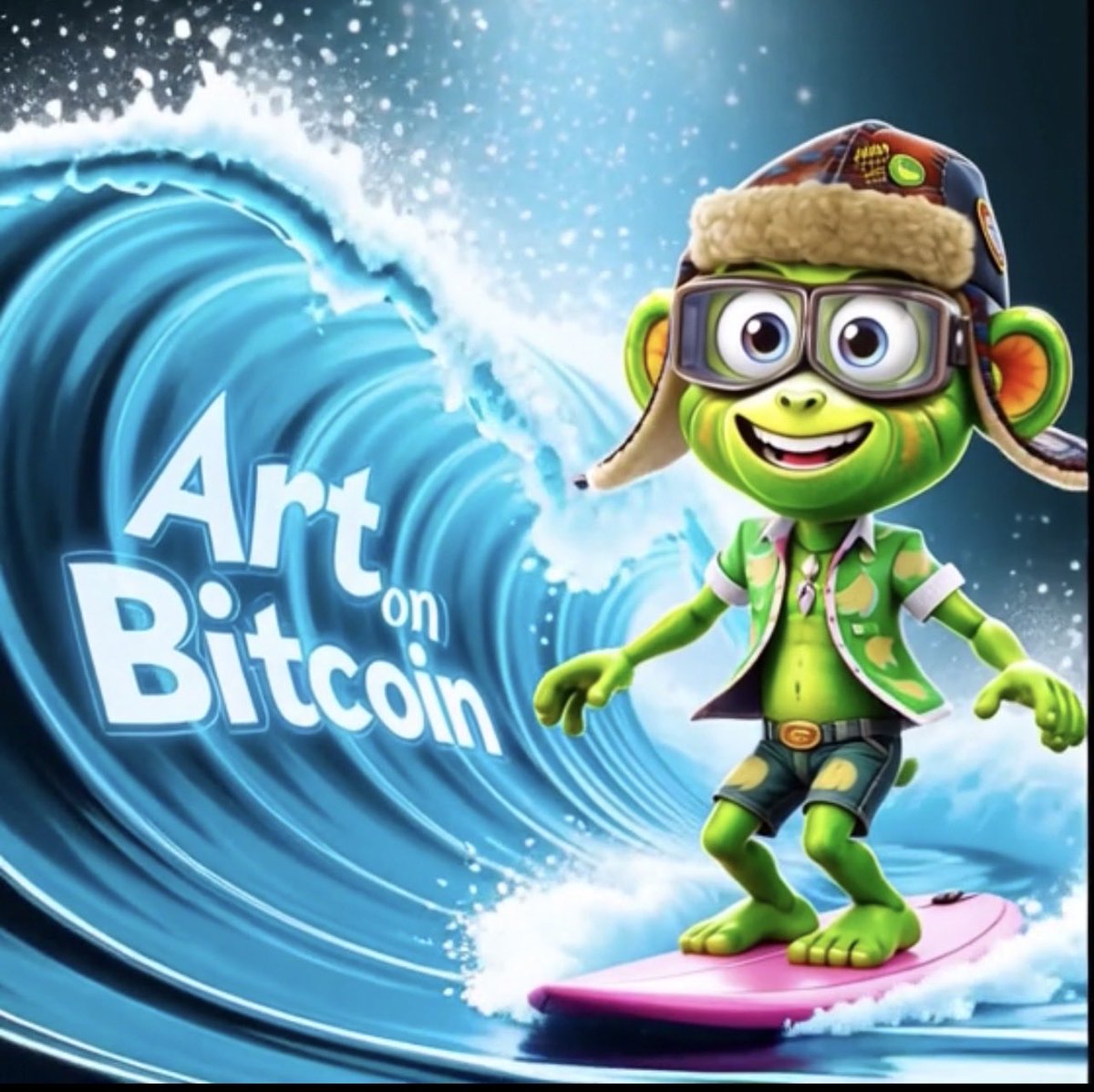
Built for what's next.
@OnChainMonkey’s BITCOIN Katoshi art was intentionally created to align with future animation technology.
A forward-compatible design that strengthens its lifecycle potential in a space where innovation decides what evolves and what becomes obsolete.

5
17
44
1,567
BlocksOfBitcoin 🟧 retweeted

27 Oct 2025
Interesting.
I wonder how many of these types of investors are looking to extend Bitcoin's value, reach, and dominance into the future.
Will they look to invest in Bitcoin innovation?
Will the integrity, design, and durability of these models play a factor in support & adoption?
27 Oct 2025

1
4
8
314
BlocksOfBitcoin 🟧 retweeted
7 Nov 2025
GM☀️
I have ZERO confidence in the leadership of any founders & teams not encouraging their community to use simple tools to extend value and appeal to their Bitcoin collectibles and the overall collective brand across the largest social media platforms of the world.
10
4
26
520
BlocksOfBitcoin 🟧 retweeted
3 Nov 2025
GM🌞
Expand the 🧠.
Read the entire post then,
re-read the entire post before attempting to absorb the corresponding video.
This info is able to provide you w/ a sound view and understanding of what is coming in terms of digital asset ownership & multiverse creation freedom.⬇️
3 Nov 2025

GM☀️
Bitcoin World Assets (BWA) uncommon 1st satoshi of every Bitcoin block are decentralized Proof-of-Work cornerstones that anchor the inevitable peer-to-peer Bitcoin-root multiverse.
Permission-less.
Computable.
Provable.
Technology wise this is the zero base where all higher dimensional structure scaffolds from:
•they inherit Bitcoin’s Proof-of-Work as literal cryptographic origin
•they cannot be forged
•they cannot be simulated
•they cannot be re-minted
•they cannot be externally authorized or synthetically substituted
The multiverse is downstream of the physics.
The physics is Bitcoin.
BWA = Bitcoin native, non-synthetic, positional digital matter, anchored by Bitcoin Proof-of-Work.
BWA = tokenized structural substrate layer that underpins Bitcoin-rooted multiverse computation.
This is the tier miners, protocol researchers, engineers, developers, world architects, VCs, and institutional capital eventually cannot bypass, shortcut, or abstract away.
This is beyond art primitives.
This is beyond scarce “collectible” token speculation.
This is sovereign digital land with verifiable physics that already exists before creative interpretation is ever applied.
This is the anchor layer for the Bitcoin-rooted permission-less multiverse.
The advanced technology of Bitcoin requires more compatible frameworks that extend its capabilities without compromising its core functionality.
BWA provides a model that dissolves centralized choke points and unlocks direct sovereign access to freedom.
IYKYK 🧠
4
5
12
451
BlocksOfBitcoin 🟧 retweeted
30 Sep 2025
Freedom is the goal.🌎
Building on Bitcoin.......
that's the strategy.
13 Sep 2025

We envision Bitcoin OWNERSHIP potential reaching far beyond the wallet.
Ownership on Bitcoin is an EXPERIENCE.
NAKAMOTO MATRIX offers a journey and Next Level framework of tools to shape & express digital assets, transforming them into customizable environments with ease.
4
9
260
BlocksOfBitcoin 🟧 retweeted
25 Oct 2025
Bitcoin World Asset (BWA)
The Uncommon 1st satoshi of every block is a uniquely scarce one.
Not by quantity, but by it's verifiable genesis, placement, and meaning.
A minors proof of work generates multiple layers of value that are transformable into a Bitcoin multiverse.
18 Jun 2025
5
10
328
BlocksOfBitcoin 🟧 retweeted
28 Oct 2025
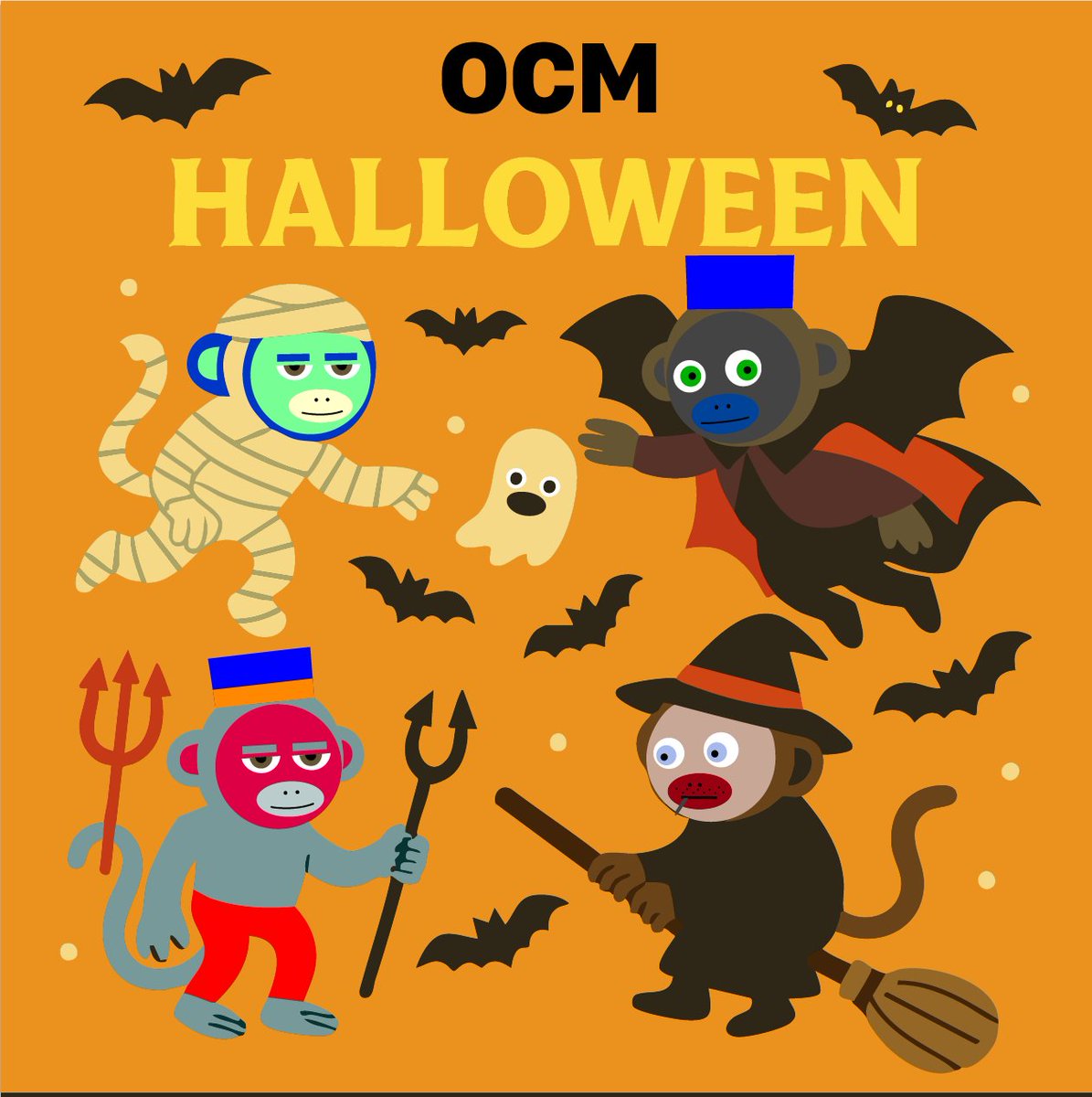
I used @grok imagine to help me create this video submission for @OnChainMonkey's spooktacular creative Halloween event.
#OCMSpookfest
23 Oct 2025

🎃 OCM Spookfest is here! 👻
This Halloween, the OCM community is getting spooky.
Create a costumed version of your favorite OCM. Use AI, get creative, and show off your imagination!
👉 Post your image or video
🏷️ Tag #OCMSpookfest
🔥 Best entries win prizes bragging rights!
1
3
15
885
BlocksOfBitcoin 🟧 retweeted
28 Oct 2025
Which builders have delivered any real beneficial utility via Bitcoin asset functionality?
Asking for a fren.
@nakamotomatrix is obviously building Next Level tooling for Bitcoin World Assets and a decentralized Meta Realm of freedom.
Any others I should pay attention to?
24 Dec 2024
AI on Bitcoin? An AI agent system based on Satoshi Nakamoto's writings was built into the Nakamoto Matrix BTC inscriptions. If you asked the right question, the Nakamoto Matrix will respond (holder-only preview) (1/3)
magiceden.us/ordinals/market…
5
13
33
971