
131 Photos and videos






KrazyFuckingCrypto retweeted

Jun 12
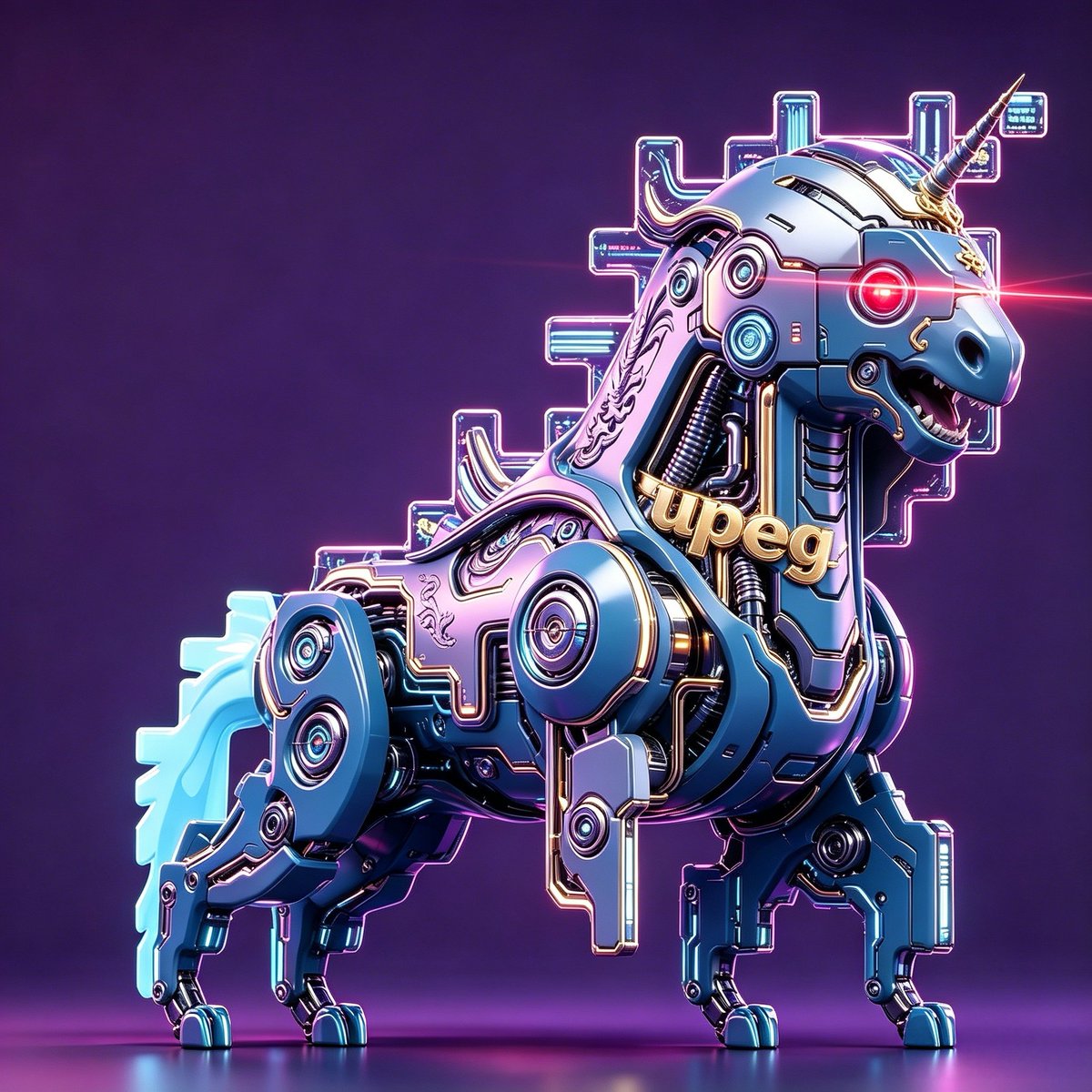
We didn't take a "shilling" approach to start. Instead, we built uPEGDuel from scratch, keeping everything transparent and community-focused. 🦄
Our vision for this TCG is simple: chill, yet entertaining.
Play at your pace: You don't need to grind 24/7 to climb the ladder. A clever team arrangement can change your trajectory in a single day.
Stamina-constrained: With a limit of 24 matches per day, the game is designed to respect your time. We want you to rest well!
Come visit @uPEGDuel and see for yourself. 🎮

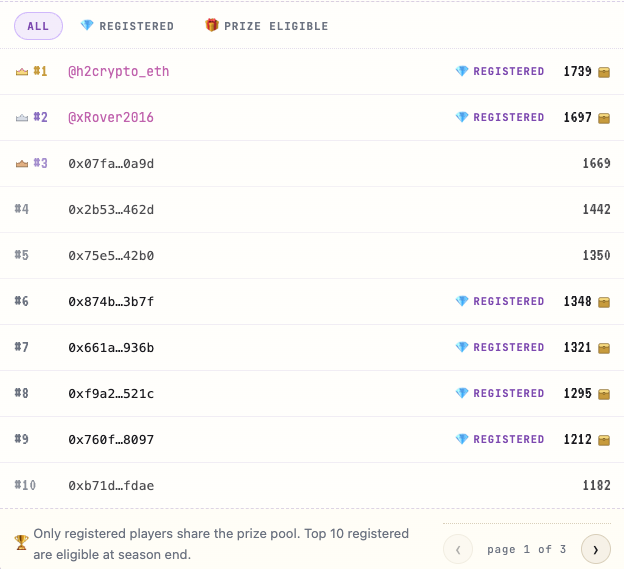
Shoutout to the 30 players who have joined the uPEGDuel adventure so far! 🦄
We hope you’re enjoying the chill-yet-entertaining experience we’re building. We’ve learned a ton in Season 1, and we’re just getting started.
Season 1 Recap & Milestones:
✅ Balance evaluation
✅ Game UI fine-tuning
✅ Economy building
🏁 Reward mechanism testing
🏁 Equipment blueprint release
Looking ahead to Season 2:
🚀 Game UI redesign
📈 Economy growth
🛠️ Equipment crafting
⚖️ Further balance improvements
❓ Exploring the role of mPEG
Welcome to the journey. What if we rock? 🎸
4
14
507
KrazyFuckingCrypto retweeted

Jun 10
My birthday is this Saturday ! Instead of receiving any gifts, I would really just love my amazing friends at @opensea to support all the Bitcoin Ordinal collections and their communities. Would be the best 🎁 ever
886
604
3,529
157,895
KrazyFuckingCrypto retweeted

Jun 8
今天 Floor Protocol 被攻击,里面不少 NFT 被盗。
这件事当然可以被当成一次单独的安全事故来看:某个协议有漏洞、某个攻击者抓住了机会、某些资产在链上被转走。市场每天都在上演类似的故事,很多人也会很自然地把它归因成一句话:又一个项目出事了。
但我觉得,这件事真正值得注意的,不只是某个项目倒霉,不只是 NFT 协议又一次暴露了安全问题。
更重要的是,它可能再次提醒了我们一个更大的趋势:
AI 越强,复杂系统越脆弱。
AI 可以更快地读合约。
可以更快地总结函数之间的依赖关系。
可以更快地发现哪些状态迁移不够严密。
可以更快地模拟攻击者视角。
这件事对整个链上世界的影响,其实很直接:系统越复杂,组合越多,逻辑层越厚,攻击面就越大。而 NFT 世界,恰恰是最容易堆叠复杂性的地方之一。
因为很多协议都不满足于“资产只是放在那里”。他们希望 NFT 能抵押、能借贷、能碎片化、能做流动性、能嵌入更多金融行为、能被重新包装成新的资产层。每多一层能力,用户体验可能更丰富,资本故事可能更大,估值想象空间也可能更高。
但与此同时,每多一层能力,就等于多了一层信任假设,也多了一层潜在攻击面。你相信的已经不只是底层链本身,也不只是 NFT 合约本身,而是中间协议、资产托管逻辑、权限管理、清算规则、市场接口、价格依赖、组合交互,以及开发者认为不会有人这么做的那些隐含前提。
Floor Protocol 这类事件之所以值得反复看,功能和安全,往往不是同时扩张的。很多时候,功能越强,风险越高;结构越复杂,系统越脆弱。
这也是为什么,我越来越觉得,Ordinals 真正被低估的,可能不是某个短期叙事,而是它背后那种更接近原生的安全属性。
这里的意思不是说 Ordinals “绝对安全”,也不是说围绕 Ordinals 的钱包、市场、托管、索引器、交易基础设施就不会出问题。任何生态,只要有人写软件、做接口、加中间层,就一定会有新的风险出现。但如果我们只看资产本身的记录方式和底层安全边界,Ordinals 的确有一个很重要的特点:它更接近 Bitcoin 本身。这种“接近原生”的意义非常大。
它意味着资产的存在和转移,更多依赖的是 Bitcoin 的 UTXO 体系和链本身的规则,而不是一层又一层复杂的应用合约。它意味着逻辑层更薄,附加假设更少,资产定义更清晰。它也意味着,很多在智能合约世界里常见的攻击路径,在这里天然就没那么容易成立,因为可供攻击的程序化表面本来就更小。
过去几年,Crypto 世界被一种倾向主导得太久了:大家默认更强的可组合性、更复杂的金融设计、更丰富的协议层,就是进步。这当然有它成立的一面,因为链上世界本来就是在实验新的资产结构和协作方式。但技术越往前走,我们越会发现另一个事实:不是所有能力都值得被加入。有些能力加进去,确实让系统更有用。但也有很多能力,加进去的同时就在透支安全。
AI 只会让这种分化越来越明显。还有一种过去不那么性感,但以后会越来越贵的东西:低攻击面的系统结构。
从这个角度看,Ordinals 被重新理解的地方,不是“它是不是更会讲故事”,而是“它是不是更符合 AI 时代对安全的新要求”。当漏洞发现能力持续提升,当复杂协议越来越难守住边界时,简单本身就会变成安全溢价。而这种安全溢价,最后很可能会转化成资产溢价。
在 AI 时代,市场会越来越清楚地看到,有些功能,确实是价值;另一些功能,只是在安全上借债。
而那些更原生、更克制、更少依赖复杂中间层的资产形态,反而会因为“没那么花哨”而显得更稳、更贵、更适合穿越周期。
未来真正稀缺的,不只是收益能力,不只是叙事能力,甚至不只是创新速度。真正稀缺的,是在 AI 持续放大攻击效率的环境里,依然能守住安全边界的能力。
而从这个角度看,Ordinals 真正值得重估的,也许不是热度,而是它那种更接近 Bitcoin 原生结构的安全属性。

Jun 8

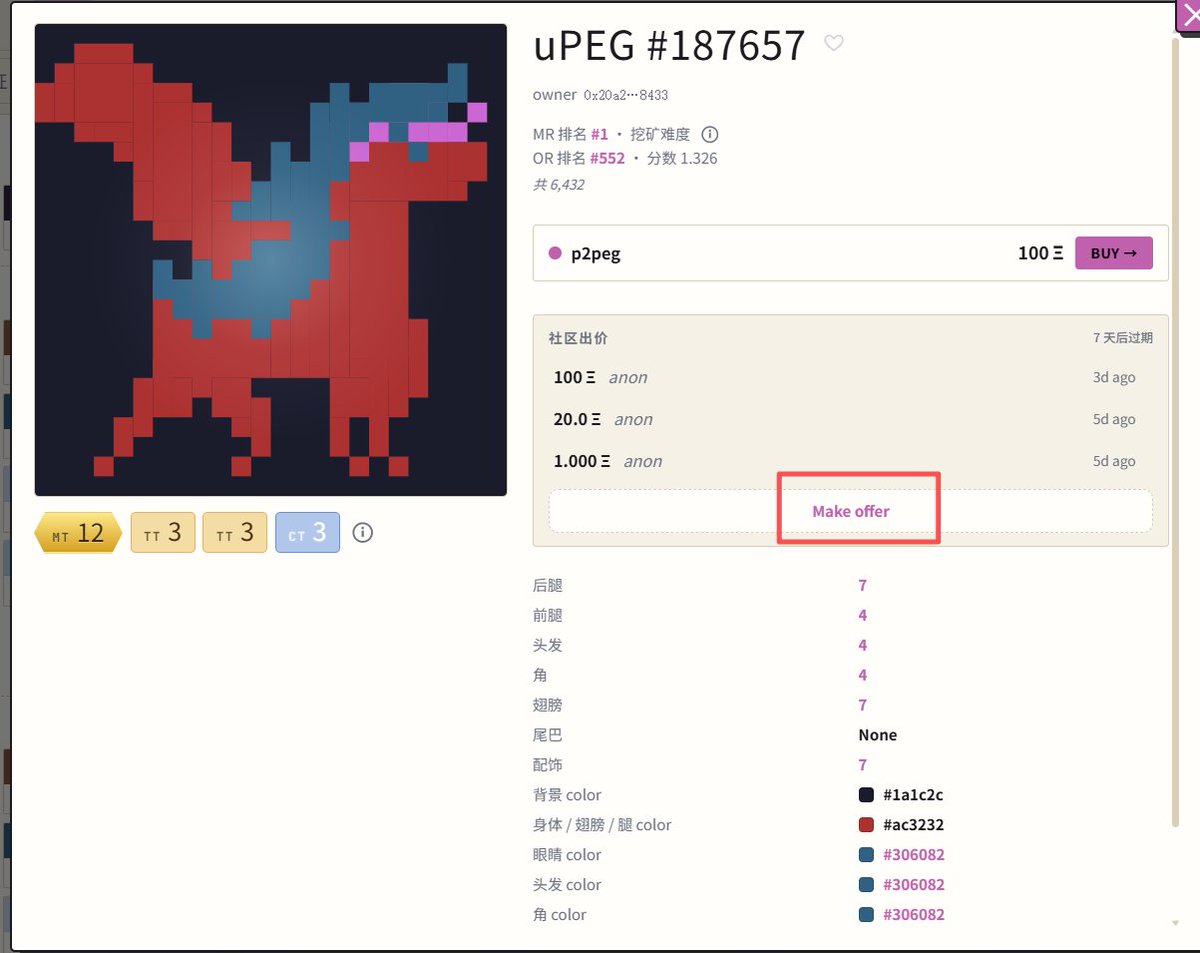
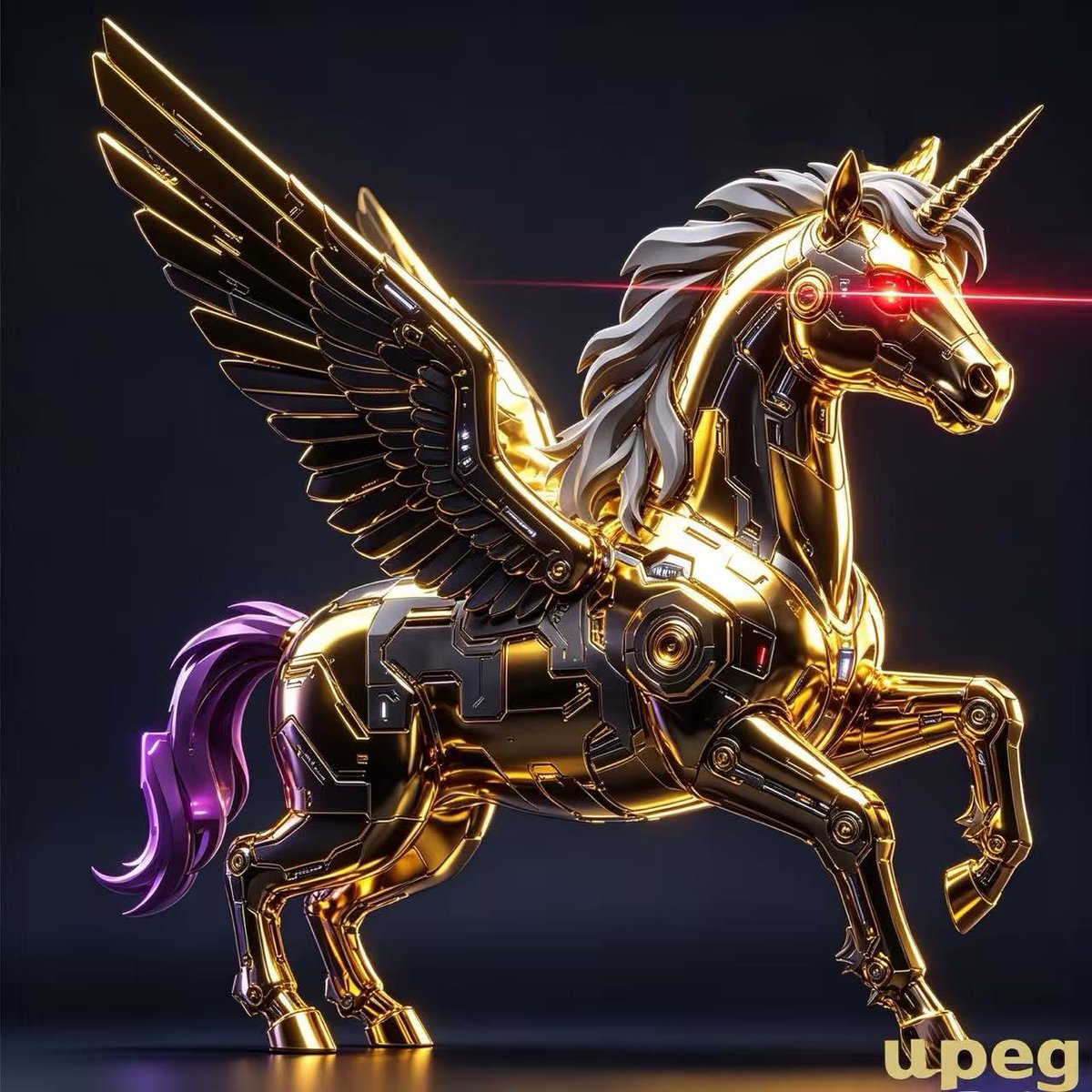
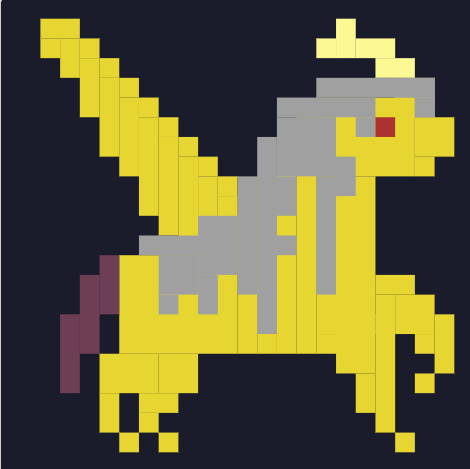
优雅的 Upeg 的出现,让我们不再需要碎片化 nft 1.0 的协议,比如 floor protocol,来为 nft 创造丝滑的地板流动性。
而是在流动性上生出 nft 2.0
5
1
12
6,146
KrazyFuckingCrypto retweeted

Jun 4
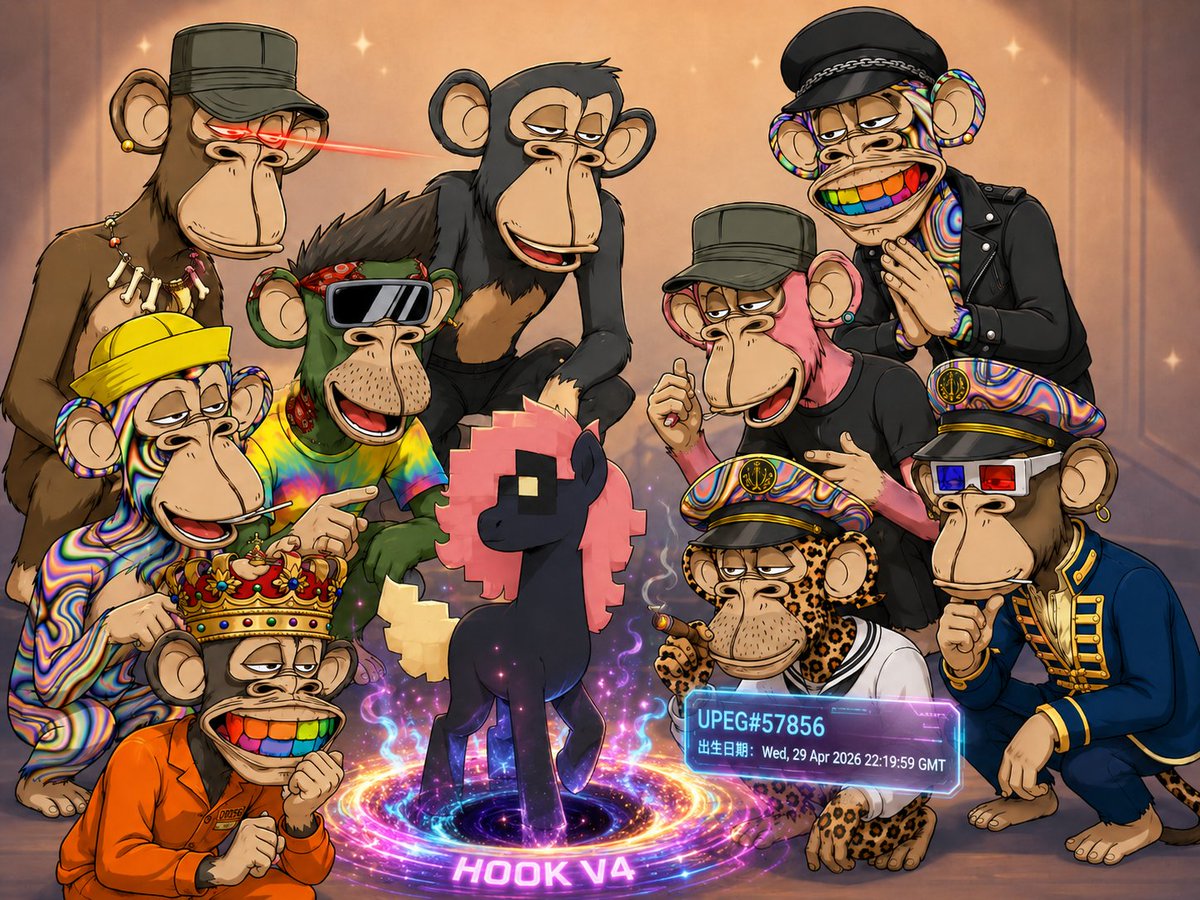
看起来她很受哥哥们的欢迎 ethereum:0x44b28991b167582f18ba0259e0173176ca125505 @unipegv4
24
14
83
2,710
KrazyFuckingCrypto retweeted
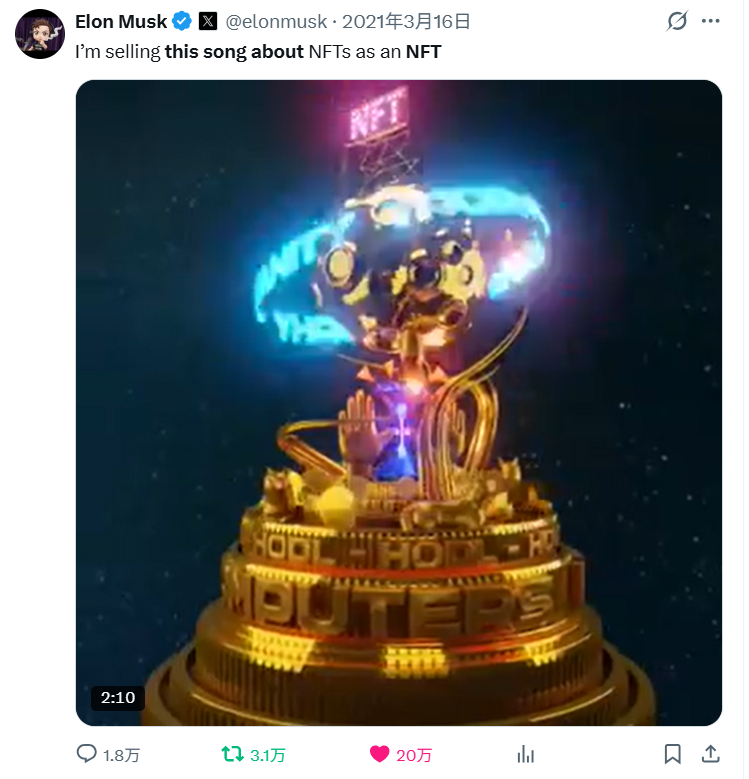
我想要复活brc420上会唱歌的音乐盒子,this song about
NFTs,NFT2.0时代来了。
1
2
56

KrazyFuckingCrypto retweeted

May 31
22
25
101
9,477
KrazyFuckingCrypto retweeted

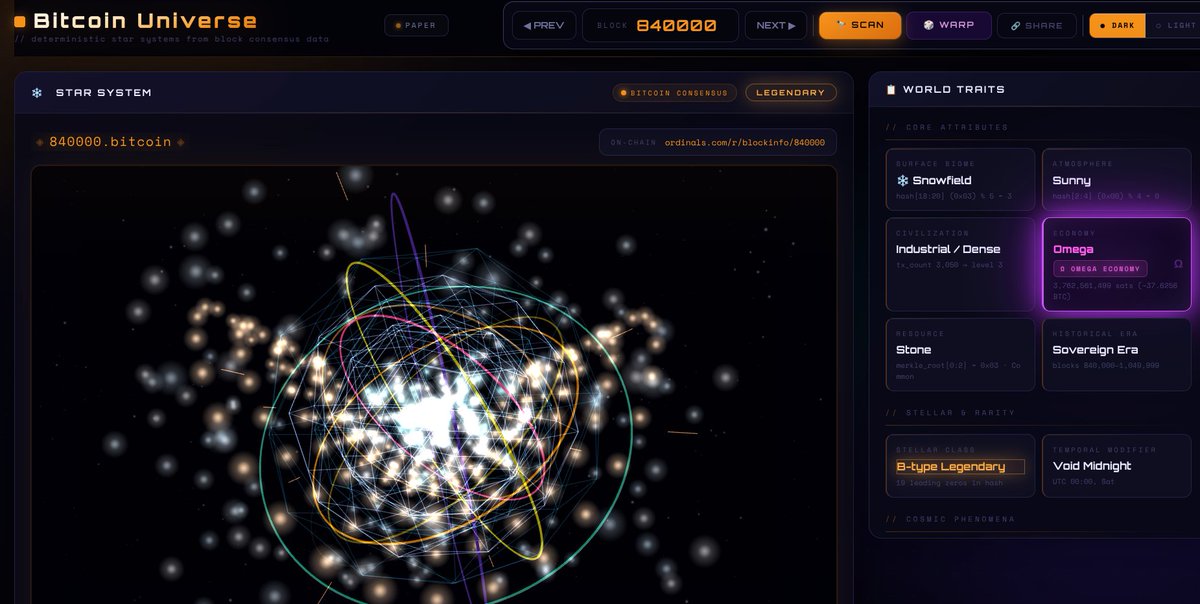
🌌 Introducing BITCOIN UNIVERSE
👀What if every Bitcoin block contained an undiscovered universe?
🟠 We turned Bitcoin data into explorable 3D worlds.
Built by @bitblock_btc
✨ No randomness
⚡ No backend
♾️ Same block = same universe forever
🔭 Explore:
bitcoin-universe.github.io/b…
🧪 Experimental
🌌 Universe expanding
🚀 More worlds incoming
3
1
10
696
KrazyFuckingCrypto retweeted

中国や朝鮮半島、そしてアジア全域、オセアニアに侵略して
膨大な損害を出した日本
強奪 略奪 強姦 虐殺 生体実験をしたのは史実
これらの一次資料は世界中に存在している
それでも嘘 ヘイト 他責 隠蔽 修正をしてまで無かった事にする国は世界で日本ぐらいではないか
194
227
3,521
114,052
KrazyFuckingCrypto retweeted

May 27
Custom hooks need trust. Trust needs infrastructure.
Seeing Unipeg’s hook explicitly allowlisted in Uniswap routing code says a lot.
Line 395 👀🦄


v4 allowlists for custom hooks like Unipeg help to make DeFi safer 🦄
github.com/Uniswap/uniroute-…
// line 395
4
5
24
8,517

May 25
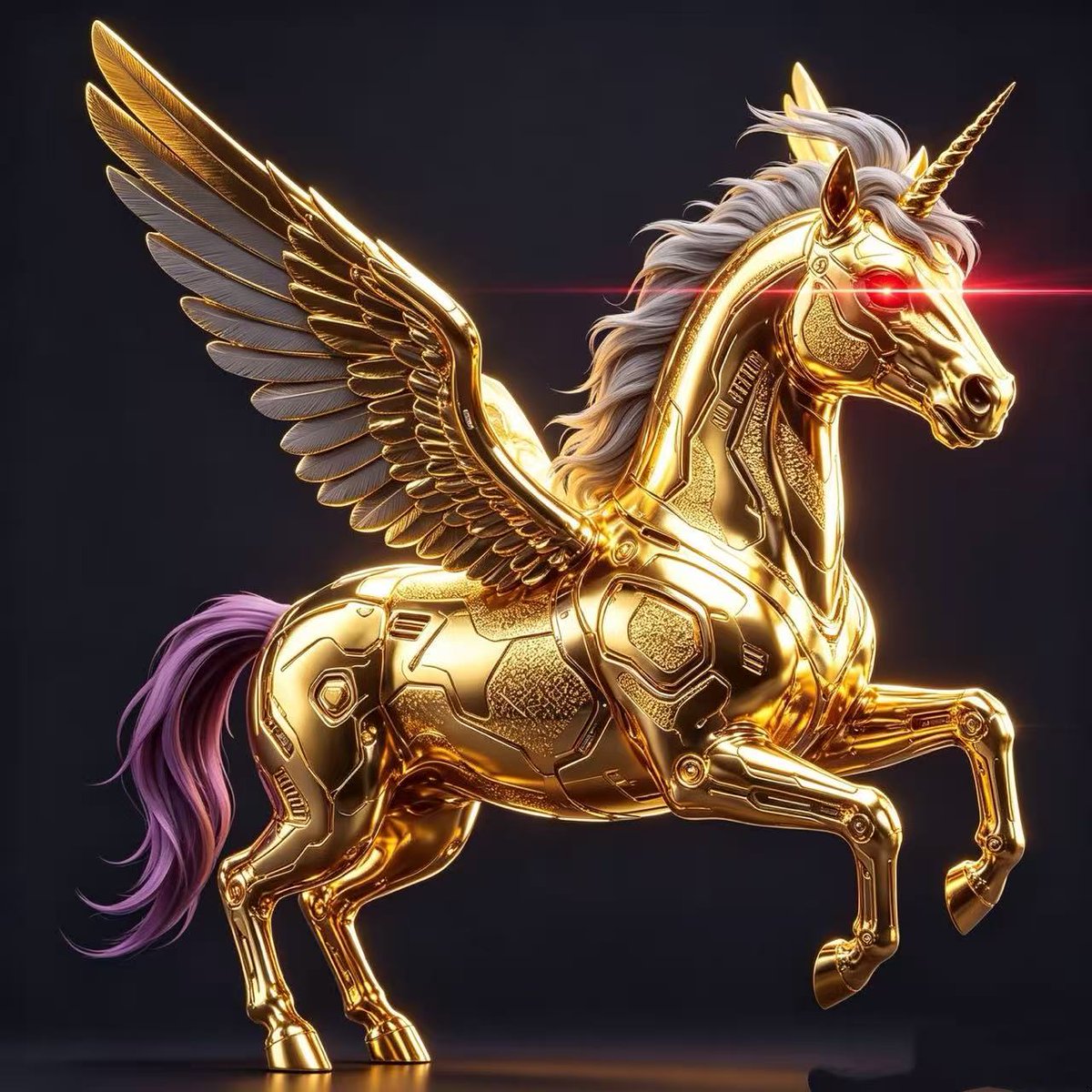
theyre saying its uniswap hooks summer ethereum:0x44b28991b167582f18ba0259e0173176ca125505
1
2
106
May 21
Hook and Honk
May 20

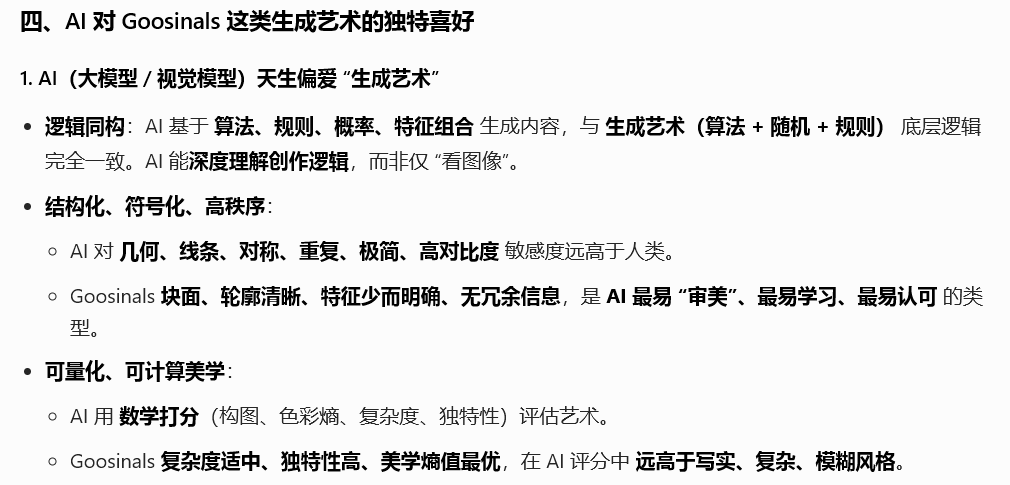
I stuck it out with Goosinals because it is one of the only perfect inceptions of art on Bitcoin to date
The 2023 - 2026 Ordinal era showed everyone that nobody is to be trusted
What's the saying again?
"Don't trust, verify"
The chain is the truth and our mother goose
Honk
54

KrazyFuckingCrypto retweeted

May 15
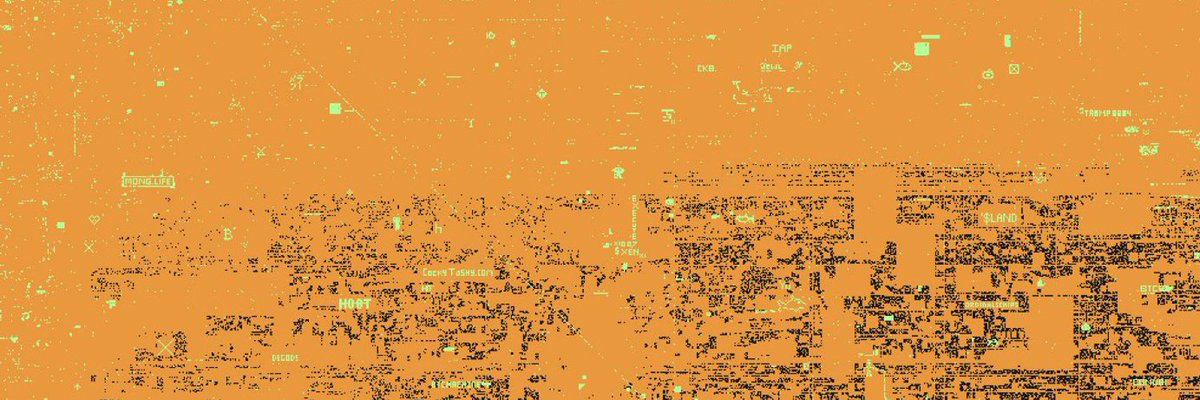
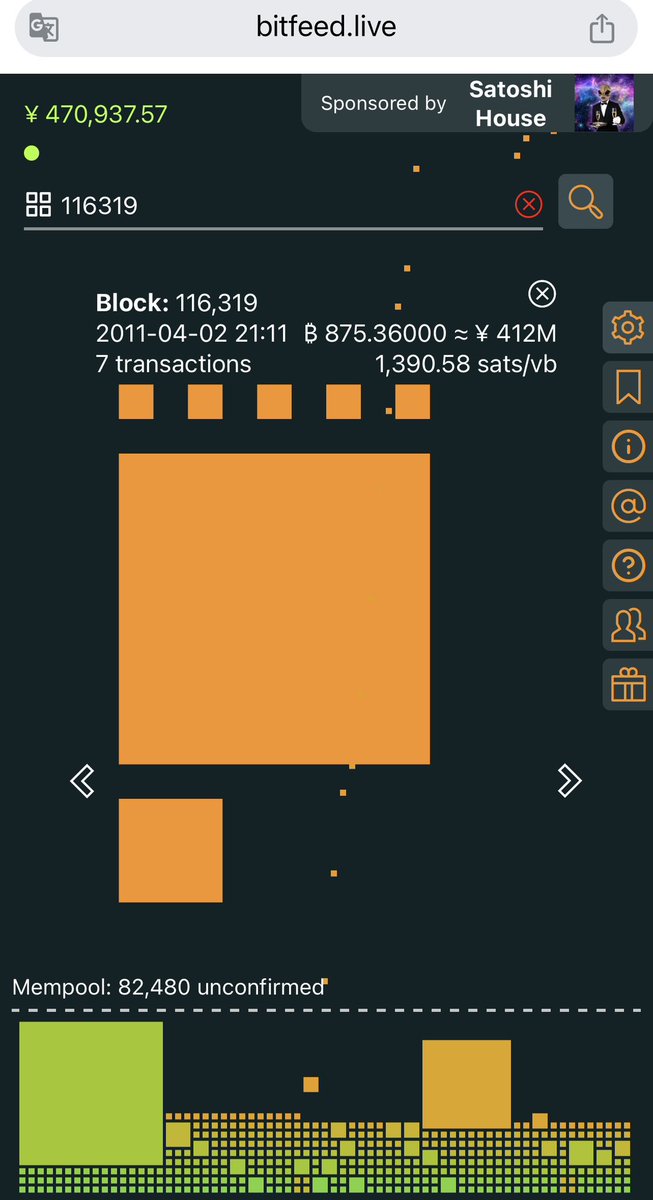
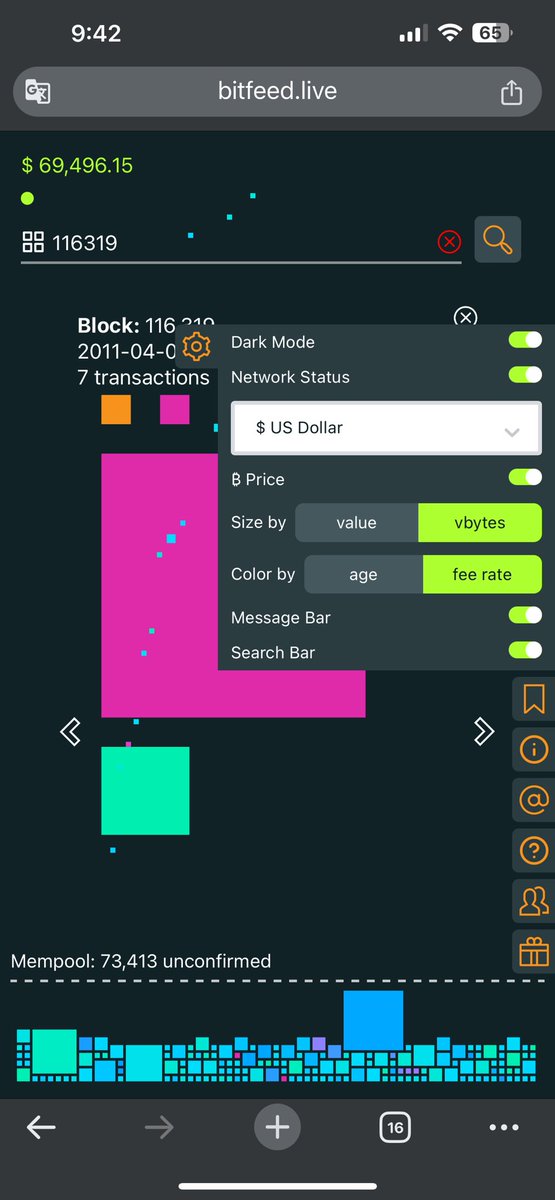
How it feels to live in a bitmap
17
26
158
6,109
KrazyFuckingCrypto retweeted

I feel seen 🙂↕️

3
8
40
1,327
May 12
强烈呼吁各个链的NFT玩家把资金集中合力干一个有热点容易出圈的新叙事标的,现在熊市,资金都太渴了,有赚钱效应之后,蓝筹NFT和社区活跃的NFT项目都会大涨,上一波NFT牛市之后,大户被套牢的太深,有动力造一波NFT牛市,散户也都愿意抬轿子。
#NFT $bitmap $upeg #V4 hook #goosinals
1
353
KrazyFuckingCrypto retweeted
Would you support Bitmap sales royalties contributing toward Bitmap ecosystem development and infrastructure?
70%
Yes
30%
No
30 votes • Final results
5
7
25
5,877

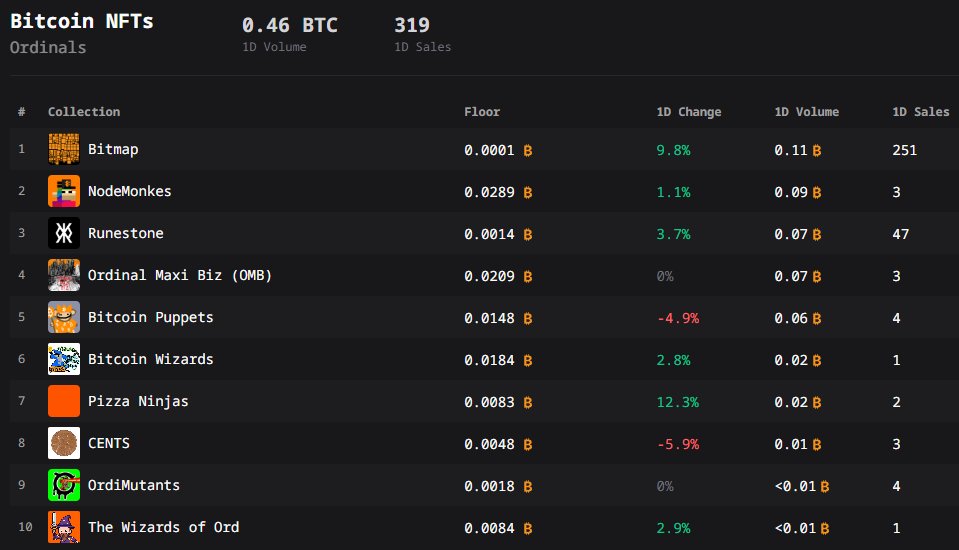
📊 market volume on @Satflow:
bitmap leads the market in first position, followed by @nodemonkes in second place and runestone third
3
4
13
246
关于NFT的理解很深刻,如果完全重新定义 NFT 价值理论,将稀缺性从: - 美学 - 静态特征 - 供应 转向: - 连续性 - 年龄 - 来源 - 历史独特性 这在哲学上更具可防御性。 NFT 总是应该回答: “什么不能被数字复制?”
如果这个提法被更多人共识,人们会强烈发现bitmap在三年前已经做到了。
May 7

Thesis on $uPEG and $SATO:
People compare them as if they’re competing.
They’re not.
They’re exploring two completely different concepts of Web3.
$SATO is a liquidity thesis.
$uPEG is a provenance thesis.
Both use v4 hooks but different concepts.
$SATO is ultimately about:
- the bonding curve
- the reserve
- liquidity without liq providers
- price as a function of behavior
- community hub
Its philosophical center is:
“How do we coordinate value efficiently?”
That’s a very DeFi, monetary-network, consensus-economics kind of thesis.
“Value through participation.”
The system strengthens through:
- transactions
- velocity
- circulation
- liquidity
- burning supply
- a reserve that grows with demand
- continuous buying pressure
And markets intuitively understand this. (or not)
Liquidity is intuitive.
Money velocity is intuitive.
Fungibility is easy to price.
That’s why $SATO likely has the faster adoption curve.
But here’s the honest tension:
$SATO is playing in a crowded category.
Bonding curves are not new. Autonomous markets are not new. Reserve-backed tokens are not new.
$uPEG is almost the opposite.
Its philosophical center is way different:
“What creates irreplaceable digital identity?”
Its innovation is not the image itself.
It’s:
- provenance encoded at birth
- continuity
- age
- ownership
- fragmentation pressure
- identity persistence
- an object authored by no one but the market
“Value through history.”
The system strengthens through:
- continuity
- age
- provenance
- survival
- conviction
- scarcity system/fragmentation (Dust dominance ratio)
One optimizes the movement of value.
The other optimizes the memory of value.
That’s a profound difference.
If we’re talking long-term philosophical depth and uniqueness, $uPEG has the more asymmetric idea and novel thesis.
Why?
Markets already understand liquidity systems. ($SATO territory)
Markets barely understand provenance as a scarcity engine. ($uPEG territory)
That’s much newer. But people haven’t processed it yet, as well as v4 hooks.
$uPEG exploring whether history itself can become the asset makes it asymmetric. That’s a much deeper Web3-native concept.
And if it succeeds, it could redefine NFT value theory entirely because it shifts rarity from:
- aesthetics
- static traits
- supply
toward:
- continuity
- age
- provenance
- historical uniqueness
That’s far more defensible philosophically.
NFTs were always supposed to answer:
“What cannot be copied digitally?”
$uPEG actually leans into that.
Not through aesthetics, not through static rarity but through irreversible history.
Anyone can copy an image.
What they can’t copy is:
- origin
- blockchain records
- ownership
That’s where digital scarcity actually comes from and much closer to the philosophical promise of NFTs and collectibles than most pfp projects.
It’s the same reason a 1st Edition Charizard holds value.
Not because the image itself is unique, but because the provenance is.
And this is where the mechanism becomes brilliant:
optimization attempts create fragmentation > fragmentation destroys continuity > destroyed continuity increases scarcity of surviving continuity
So: the market unintentionally creates the rarity it is trying to farm.
The system turns market behavior itself into the scarcity engine.
It weaponizes optimization against itself: Dust dominance ratio.
That’s the checkmate.
In conclusion:
$SATO is easier to understand.
But:
-crowded category
-monetary systems are hyper-competitive
-easier to fork/copy
- narrative moat still unproven
$uPEG has the more profound and differentiated thesis.
But:
-requires social consensus around provenance
-market must learn to value history
Because if provenance truly becomes financially priced: you’re no longer trading images.
You’re trading:
-historical continuity
-identity
-survival through time
- an object the market made
That’s an entirely different category of digital asset.
Provenance. 🦄
1
2
401
中本聪块、披萨块、创世区块、远古区块等等。每个比特币区块都是独一无二的天然生成的NFT,里面包含的数据不一样,时间戳不一样。毫无疑问比特币账本是最可靠的数据源。而这些仅仅是bitmap作为NFT的一种表象属性。此外更大的叙事是bitmap可以作为AI的数据根,让每个AI有确切的独一无二的身份
2
1
112