
Secure & reliable PoS validator in more than 20 networks
Joined July 2019
- Tweets 2,072
- Following 556
- Followers 1,604
- Likes 2,469
625 Photos and videos




Pinned Tweet

11 Nov 2025
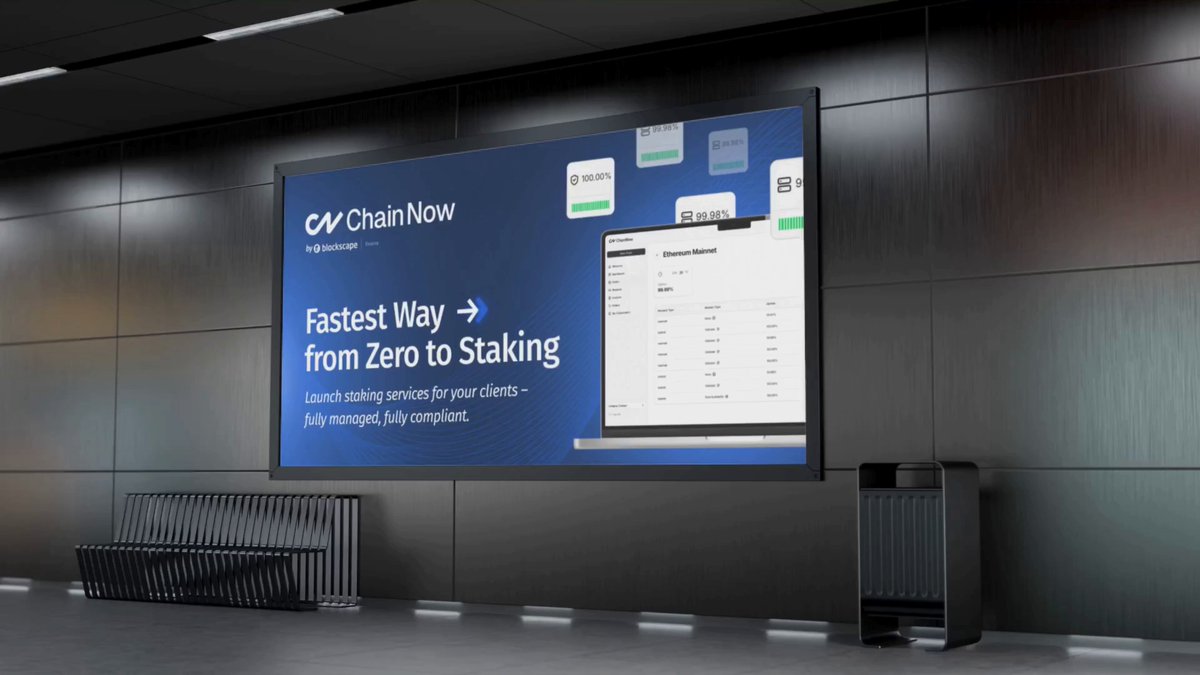
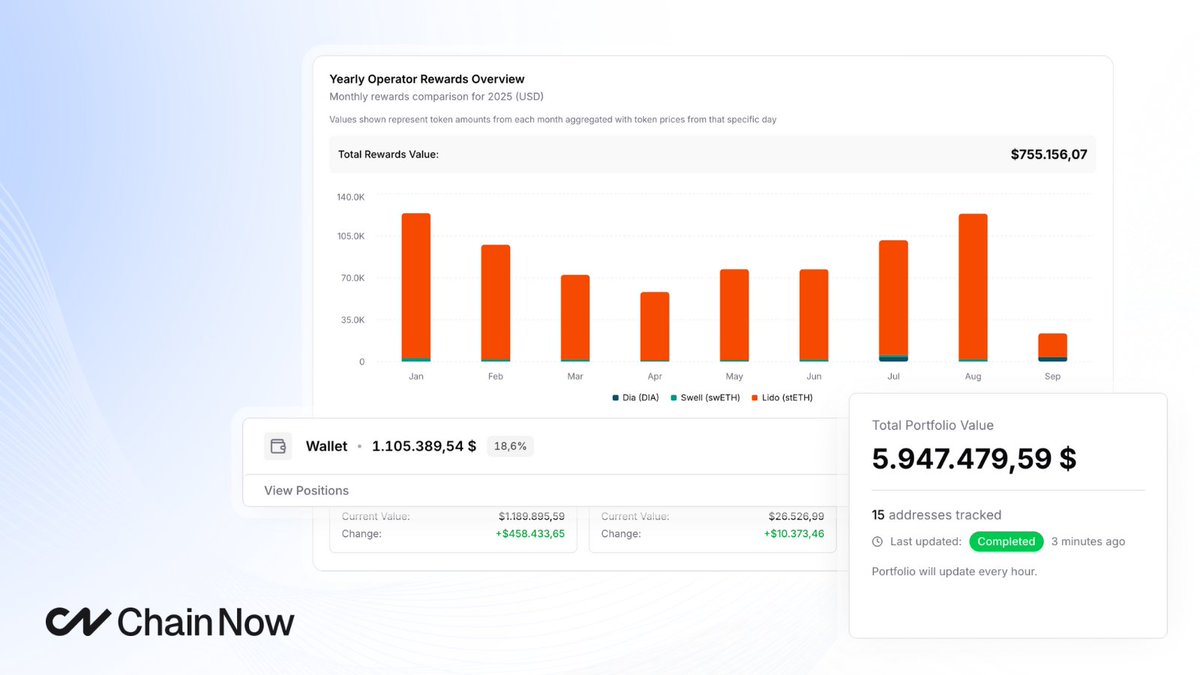
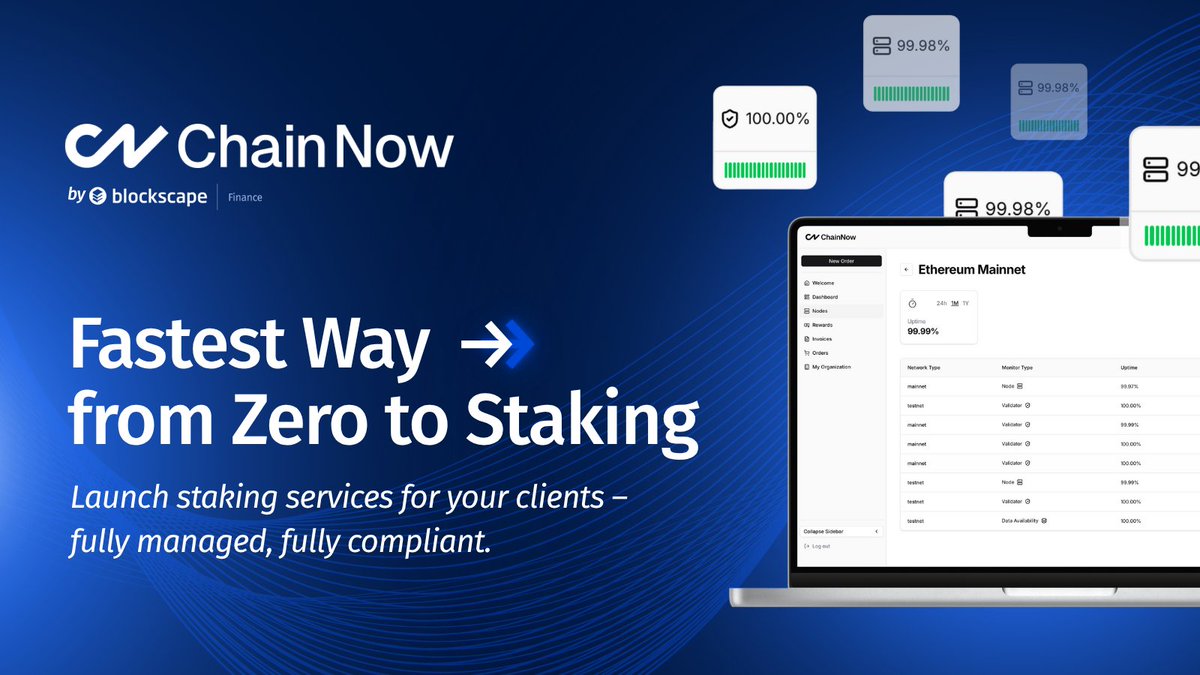
We’ve been quietly building something at Blockscape.
After 7 years running blockchain infrastructure with $1B in assets under management, we noticed a shift:
More institutions want to enter staking.
But setting up secure infra takes time, teams, and tooling most don’t have.
So we built ChainNow – a platform that makes staking:
→ Easy to offer
→ Fast to launch
→ Effortless to manage
For institutions ready to step in – without building from scratch.
More soon.
8
5
50
2,967
Blockscape retweeted

May 13
After recent incidents across cross-chain infrastructure, a lot of teams started asking harder questions about how cross-chain infrastructure actually works. We think that's the right question to ask, so here's our answer about how Symbiosis works under the hood.
1. The core part of the protocol is the relayer network. Not a single DVN, a set of 15 independent validators running Symbiosis verification stack on separate infrastructure with no shared keys: @P2Pvalidator, @luganodes, @PierTwo_com, @BlockscapeLab and others. Most of validators are part of the integration with @symbioticfi infrastructure of shared security layer.
Every cross-chain message has to pass through this network before anything settles on the destination chain. One node going down or getting compromised doesn't move assets and the network keeps running, the message doesn't clear until the 2/3 of nodes agree. That's what kept Symbiosis operational while others were pausing. You can check all relayers here: staking.symbiosis.finance/
2. On top of that: liquidity lives in Octopools — canonical pools for stablecoins, ETH, and BTC deployed natively on each chain, no wrapped assets sitting in custodial multisigs. LPs earn real stablecoin yield from swap fees, nothing inflated by token emissions: app.symbiosis.finance/liquid…
3. Every on-chain leg of a swap routes through DEXs and aggregators to provide users any-to-any token swaps — best price found automatically before bridging.
4. For developers:
API at symbiosis.finance/devportal
MCP server for AI agents at symbiosis.finance/mcp-server
Symbiosis is:
- More than 4 years of stable operations.
- $8B routed.
- 800k addresses.
Trust over years. Security earned, not claimed.
3
8
33
5,707
Blockscape retweeted
Introducing gVaults: Staking vaults built for @Monad.
For the first time ever, liquid staking users on Monad can have their own validator.
gVaults offer an institutional on ramp to the liquid staking ecosystem.
Here’s how it works.
39
25
155
21,826
Mar 17
gVaults is now officially live — and we’re proud to be part of it.
At Blockscape, we believe the future of staking needs strong infrastructure, trusted operators, and products that make participation easier and more transparent. gVaults is a great addition in that direction.
Explore our custom gVaults page here:
gvaults.magmastaking.xyz/val…
Excited for what’s ahead!

Introducing gVaults: Staking vaults built for @Monad.
For the first time ever, liquid staking users on Monad can have their own validator.
gVaults offer an institutional on ramp to the liquid staking ecosystem.
Here’s how it works.
4
85

AI agents are making deals, coding, arguing onchain but who settles disputes when they disagree?
Introducing Testnet Bradbury.
Our validators don't just verify transactions, they reason about them with real LLM inference onchain.
We're not like the others.
136
106
670
361,090
Blockscape retweeted

Feb 26
DeFi is no longer an experiment. It’s financial infrastructure.
Over the past decade, we’ve evolved from exploration to production. From experimental primitives to bringing billions in capital onchain.
So did DIA. Today, we unveil our new brand that reflects that evolution.
63
72
236
302,337
Blockscape retweeted

Feb 23
Big news: Universal Proof Market is live on mainnet.
The system is designed to support heterogeneous proof systems and hardware profiles.
@zksync is the first network going live on the proof market. Huge milestone not only for Fermah, but for ZKsync in it's big decentralization vision of building every stack right.
We are building it right and are increasing load gradually, to ensure top liveness for proof requesters and high utilization rate for compute providers :
- More zk networks submitting proof requests
- More compute providers joining supply
This is the first production step toward that model.
Incredibly proud of the world-class team at Fermah!

122
128
438
15,248
Blockscape retweeted

Feb 23
Missed @MuratLite on the @EthereumDenver last Thursday? We’ve got you covered! 🎥🏔️
He broke down the growing shift back to Ethereum L1, the crucial role of preconfirmations, and the latest progress on mev-commit and Fast Protocol.
Catch the full recording of his talk here 👇
2
14
27
1,366
Blockscape retweeted

Feb 24
Ethereum doesn’t get stronger by accident.
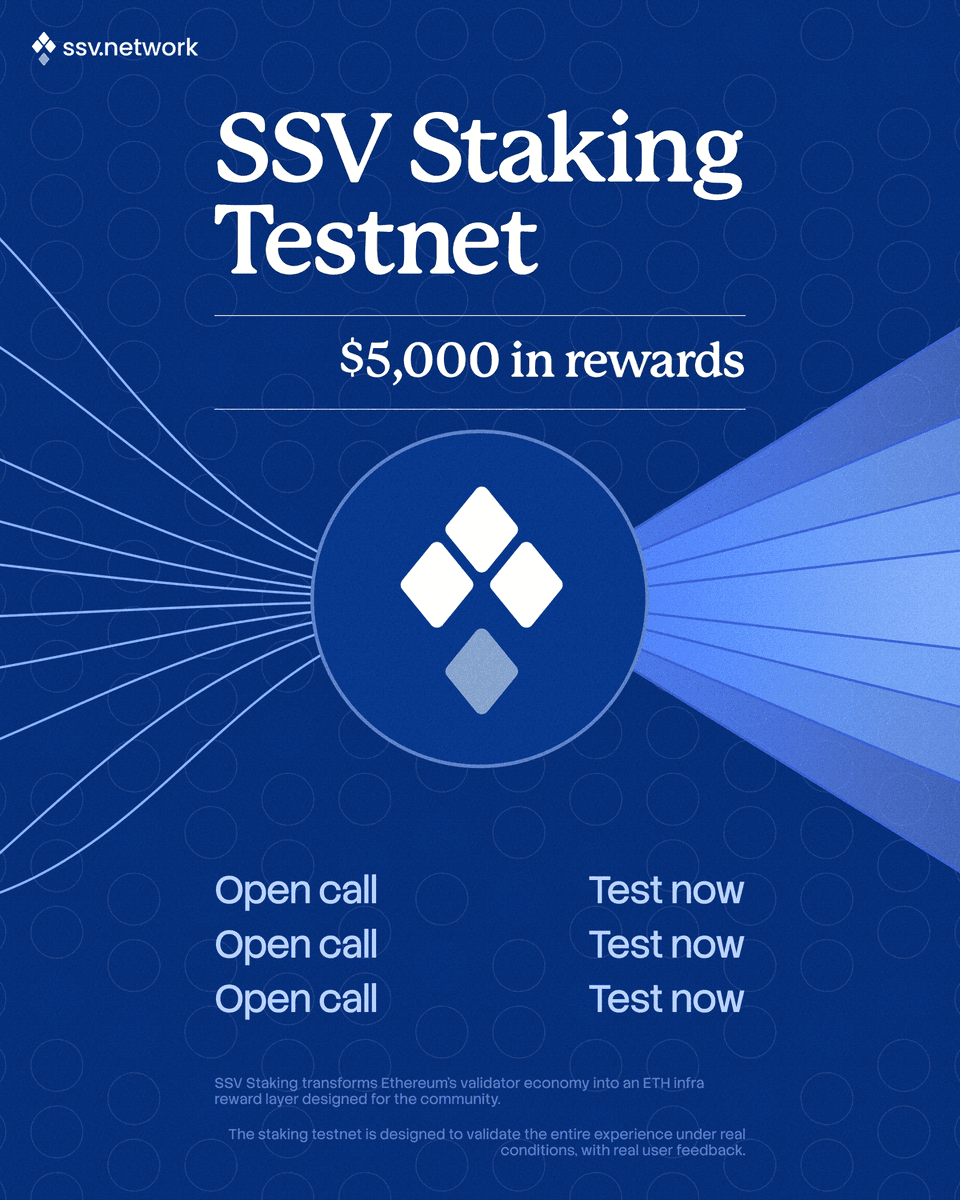
Today, we battle-test the biggest upgrade in SSV’s history.
cSSV Alpha Testers Program is live. 🔴
$5,000 in rewards. We’re inviting you to help harden the next evolution of SSV staking.
Details below 🧵👇
31
39
169
37,274
Feb 6
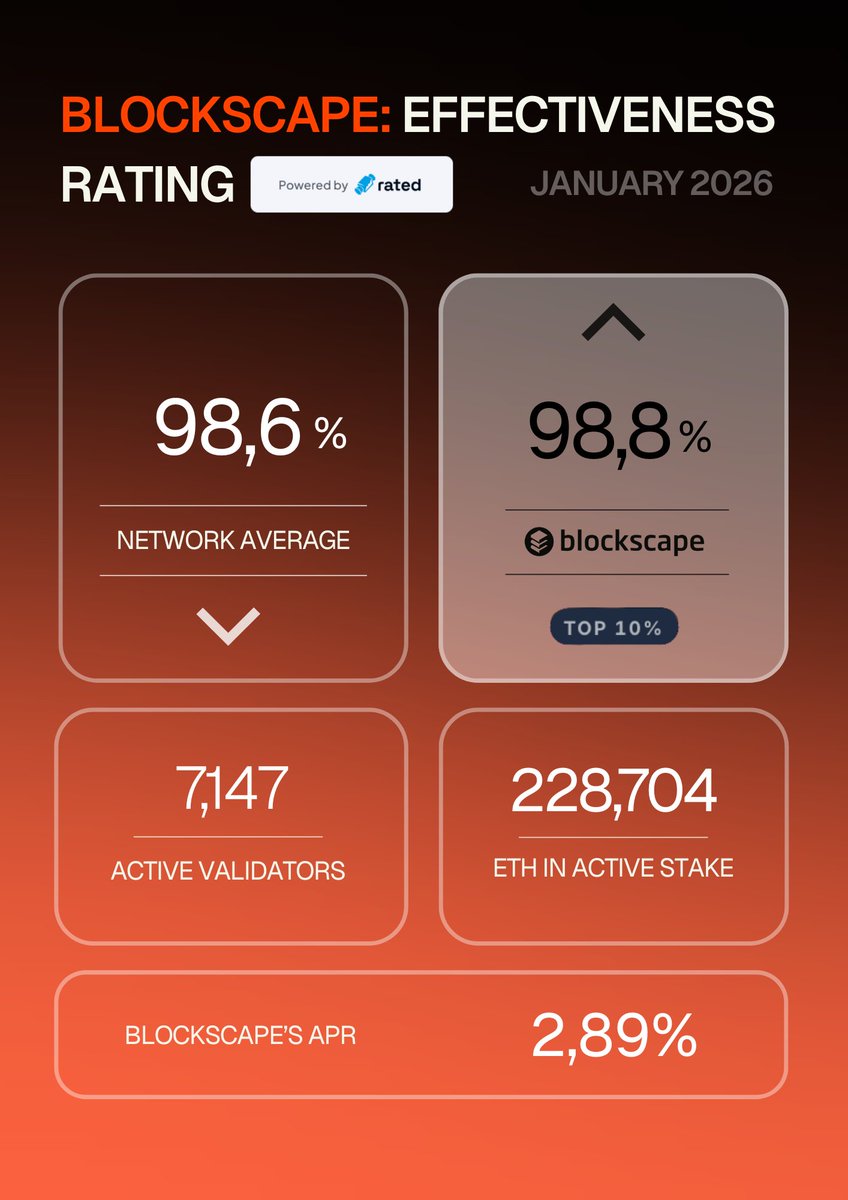
January was a solid and consistent month for @BlockscapeLab on Ethereum.
Ranked among the top 10% of Ethereum node operators by effectiveness, we continue to deliver reliable, high-uptime infrastructure at scale.
📊 Powered by @ratedw3b
2
61
Feb 4
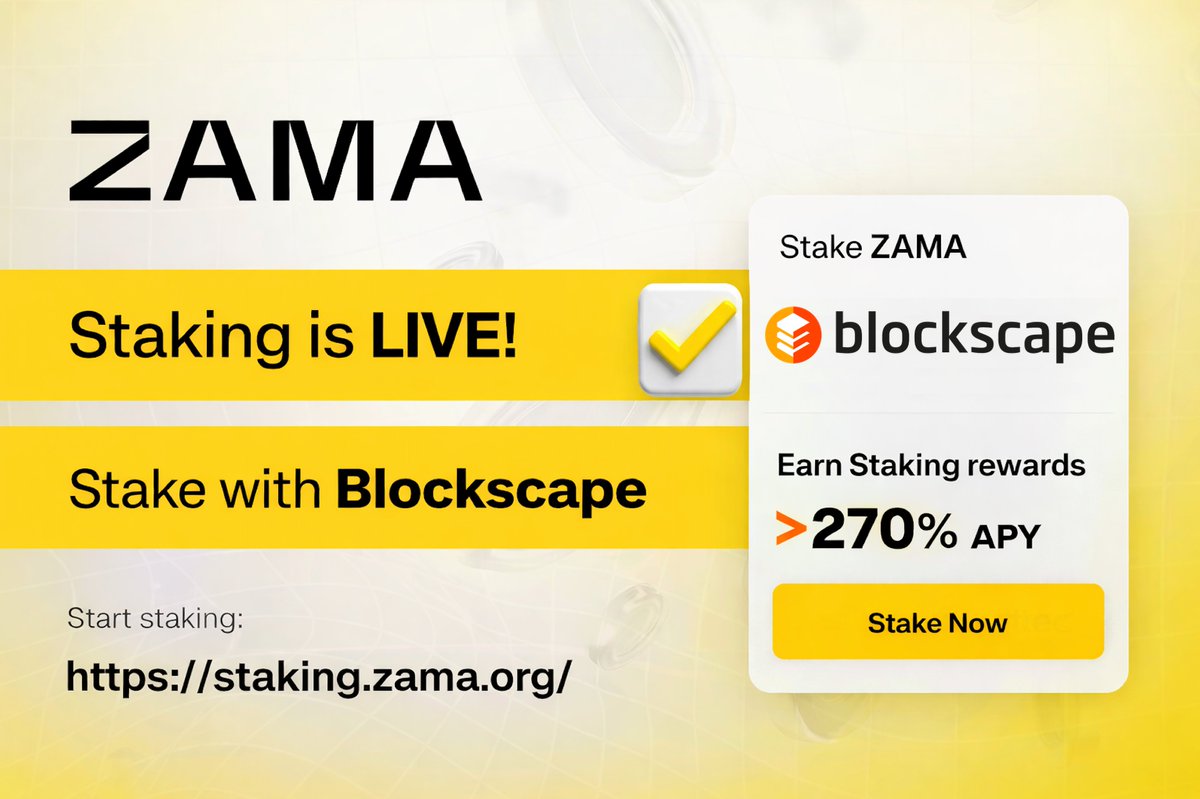
Zama staking is live on mainnet – Stake your $ZAMA with Blockscape and start earning > 270% APY in the early phase 🔥
Start staking now: staking.zama.org/
@BlockscapeLab is proud to support @zama as a FHE Coprocessor, helping keep the network reliable!
1
1
83

Blockscape retweeted
Jan 27
Say hello to our biggest economic upgrade yet!
📢 Introducing SSV Staking
We are transforming Ethereum’s validator economy into an ETH infra reward layer designed for the community.
For the first time, SSV users get a direct claim on validator activity.
Find out how! 🧵
37
66
172
40,117
Jan 12
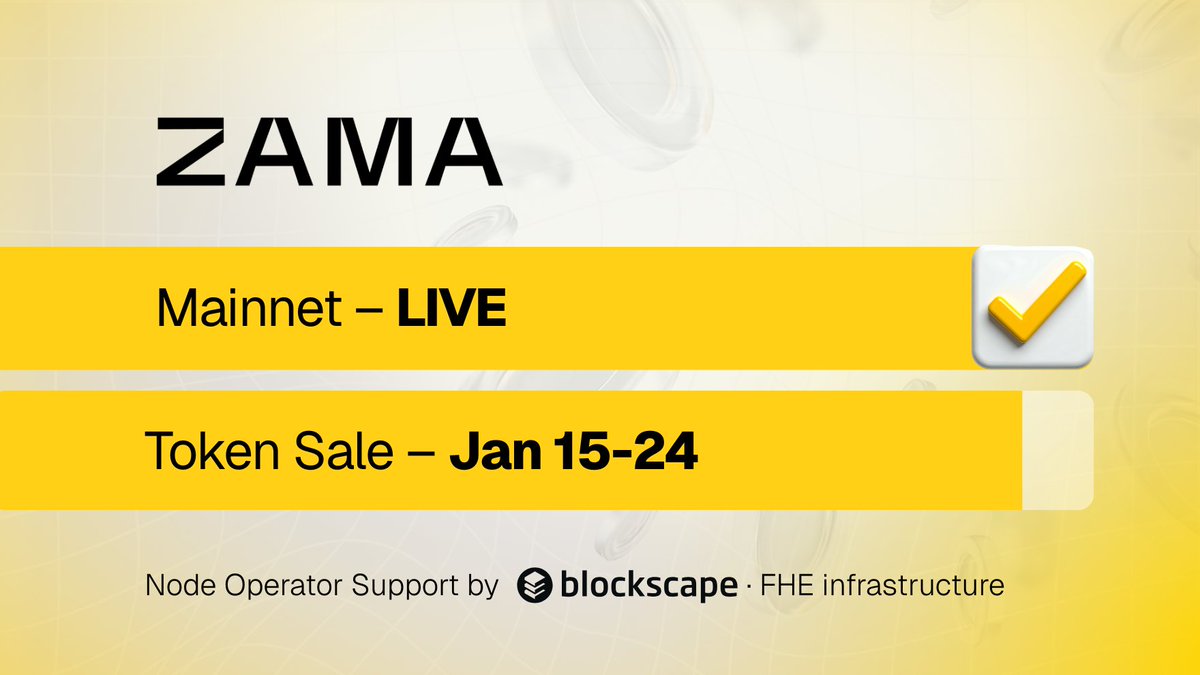
Zama is live on mainnet – and the $ZAMA token sale is next! Timeline: Jan 9 reg → Jan 15–20 community → Jan 21–24 auction → Feb 2 claim
Register: auction.zama.org/register
NFA.
Blockscape is proud to support @zama as a node operator, helping keep the network reliable as it moves into production.
1
3
126
Blockscape retweeted

Jan 8
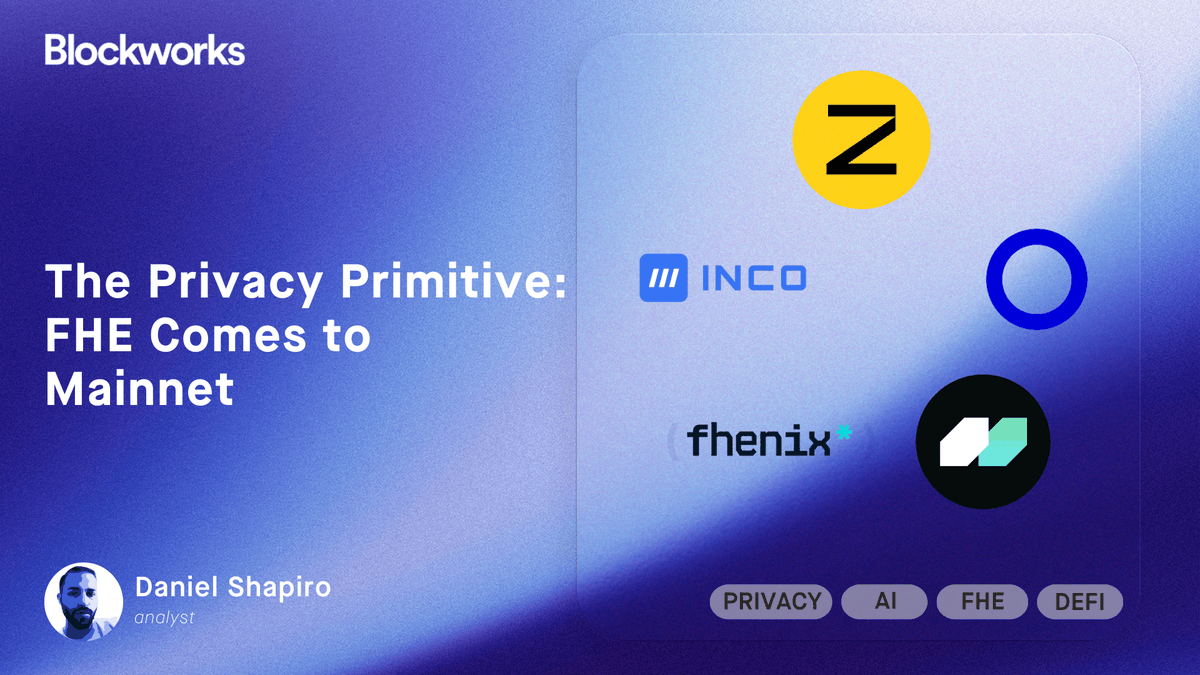
1/ We just published our deep dive on fully homomorphic encryption (FHE), the cryptographic primitive enabling computation directly on encrypted data.
With @Zama launching on mainnet, we believe it is time to pay attention to the space.
19
7
87
48,493
Blockscape retweeted

Jan 7
101
85
468
90,806

Blockscape retweeted

31 Dec 2025
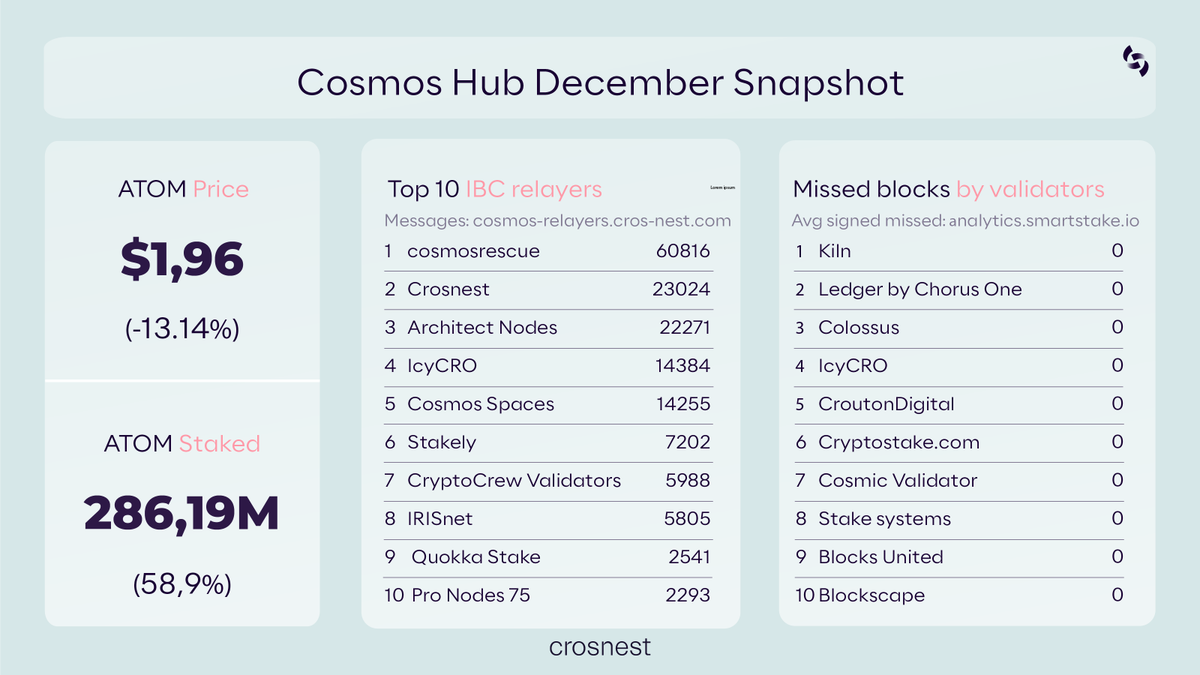
💥 Let's close off this year with a bang and a snapshot.
December stayed flat. Most things moved this month, crypto didn’t.
@jpmorgan launched a tokenized money market fund on
@ethereum other than that, the market stayed quiet.
Sharing some gifs that made me laugh this month.
Have a blast tonight! 💫🍾
1 for the validators keeping it running:
@cosmosrescue
@ArchitectNodes
@IcyCro
@Ac9Xyz
@Stakely_io
@crypto_crew
@irisnetwork
@QuokkaStake
@theNode75
@Kiln_finance
@ChorusOne
@ColossusItaly
@CroutonDigital
@Cryptostakecom
@CosmicValidator
@blocks_united
@stakesystems_io
2
1
5
436
Jan 2
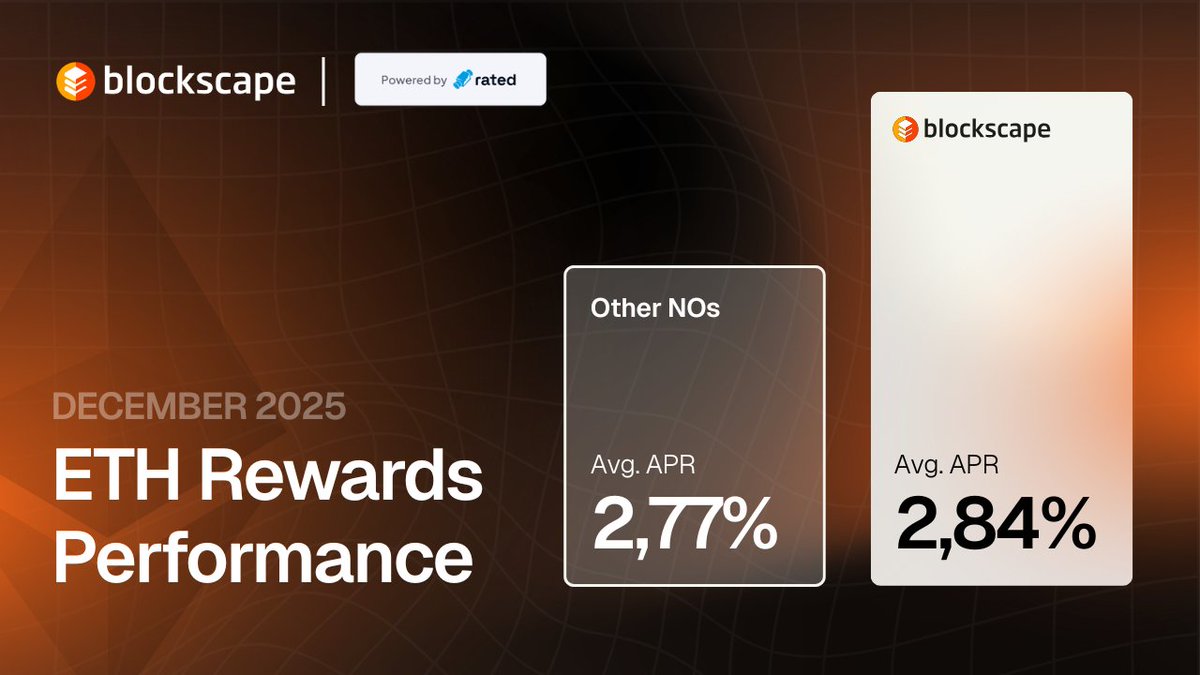
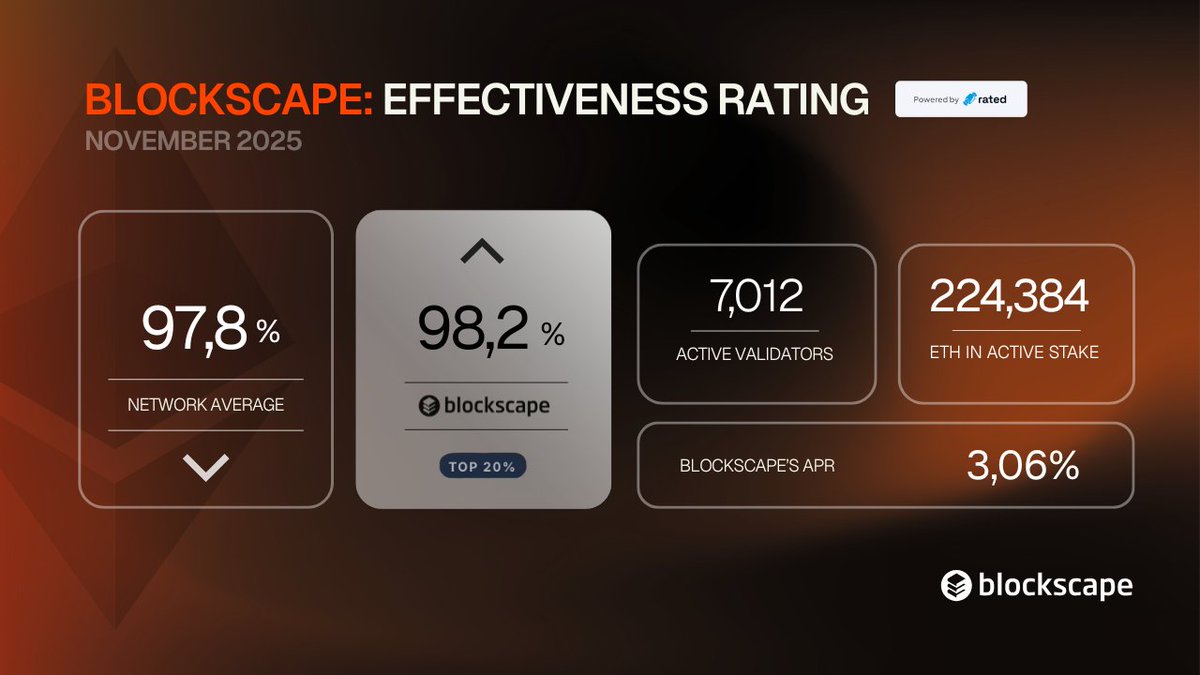
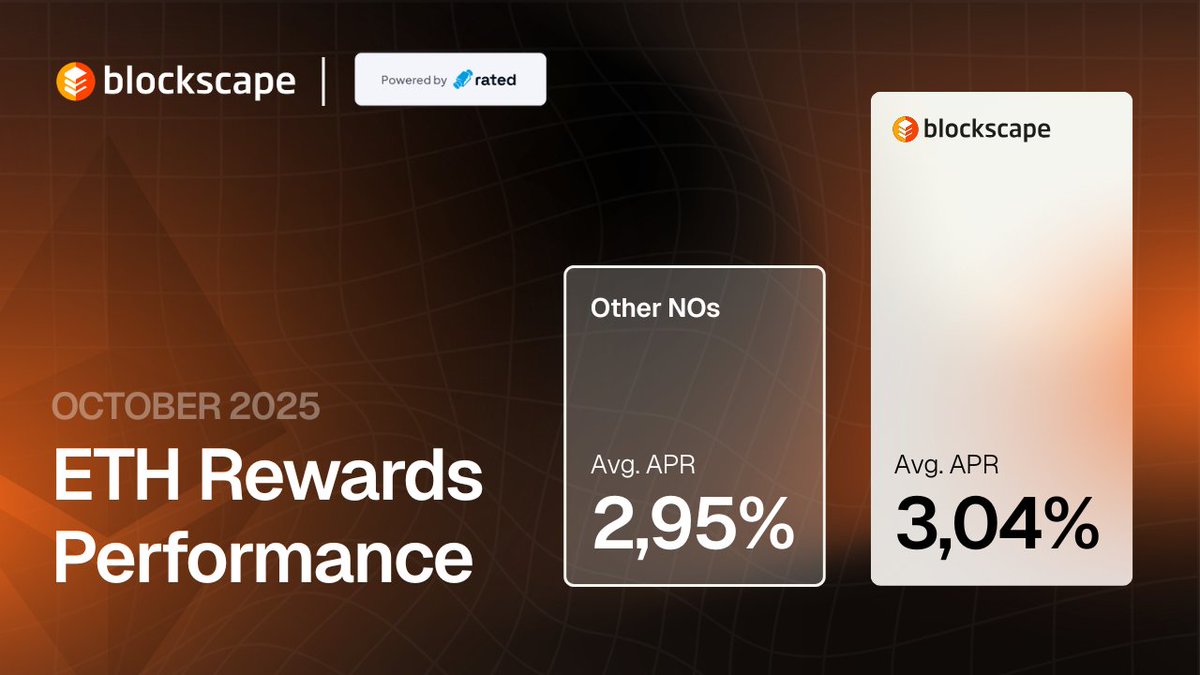
November Ethereum validator performance update:
Blockscape reached 2.84% APR, slightly above the network average of 2.77%.
Focus remains the same going into the new year: consistent, reliable performance.
Data powered by @ratedw3b
1
2
3
97
Blockscape retweeted

21 Dec 2025
📢 Partnership Update!
We’re excited to continue building with Blockscape @BlockscapeLab, a dedicated operator supporting ARPA AVS 🌐
As ARPA AVS rolls out upcoming technical upgrades, we'll explore deeper collaboration while Blockscape maintains robust, secure operations. 💪🌟
2
2
23
3,693
Blockscape retweeted

18 Dec 2025
We are stoked to confirm we have been collaborating with @BlockscapeLab as part of our core validator network for our LST $gMON.
With 7 years of operating experience servicing over 7,000 validators, Blockscape brings a wealth of expertise to Magma 🐲

16
14
105
8,356