
I’m a little bear
Joined October 2023
- Tweets 10,793
- Following 628
- Followers 1,790
- Likes 3,551
2,172 Photos and videos


Pinned Tweet

Apr 5
If you strike Doggy down, he will become hornier than you can possibly imagine.

14
3
104
37,969
Blue Bear retweeted

I hate to break it to you - but the United States is an absolute, incoherent shitshow.
The idea that we have ‘representative government’ is ridiculous. If that were true we would not have wasted billions killing Iranians for no reason at all. Some people wanted this - but the voters who elected this government did not.
Let’s go further. When Trump goes to China - he brings our ‘great billionaires’ with him. I can’t think of any more obvious symbol that we live in an oligarchy that does everything it can to manipulate outcomes - and that voting is a bit of a joke. It’s like he’s bringing with him ‘the ruling elite.’ Because that is what he did.
We have at least 40 million illegal aliens living here. Our business ‘leaders’ engineered this by bribing politicians to keep the border open - because they wanted to pay low wages and make mucho $$ for themselves. When people objected because their incomes were falling - the business leaders accused them of racism and funded Barack Obama to become POTUS.
The USA is $40 trillion in debt - and no one has a plan to solve that problem. Absolutely no one. This will blow up one day - and it will destroy normal people who save in dollars - because the unspoken plan is to destroy the currency and save the rich and destroy the rest. But people who own our homes - like Blackstone or Blackrock - won’t care because their assets will follow inflation. Everyone else will be reduced to paupers renting from them - their bank accounts gone.
The United States today is hopelessly dysfunctional. It lacks a coherent population that can even agree on anything. It is bankrupt - but the rest of the world is propping it up because they are also scared of what happens when the dollar collapses. It doesn’t have any smart leaders - and we have to watch insiders doing oil trades to make $$ on the Iran war - and the administration itself sells shit coins. Our foreign policy is a total joke - not strategic in any way at all. It is driven by special interests, and then not even followed through. And people are actuality making money on it - pump and dump coming straight from the White House.
This is a hell of a way to celebrate 250 Years! At least we can have a cage match on the White House lawn that degrades our entire history and underscores just how bad and ridiculous things are!
Thank you for your attention to this matter! Enjoy the circus! If you’re lucky you will be dead when the music stops!
207
260
1,785
49,966
Blue Bear retweeted
Is being used…
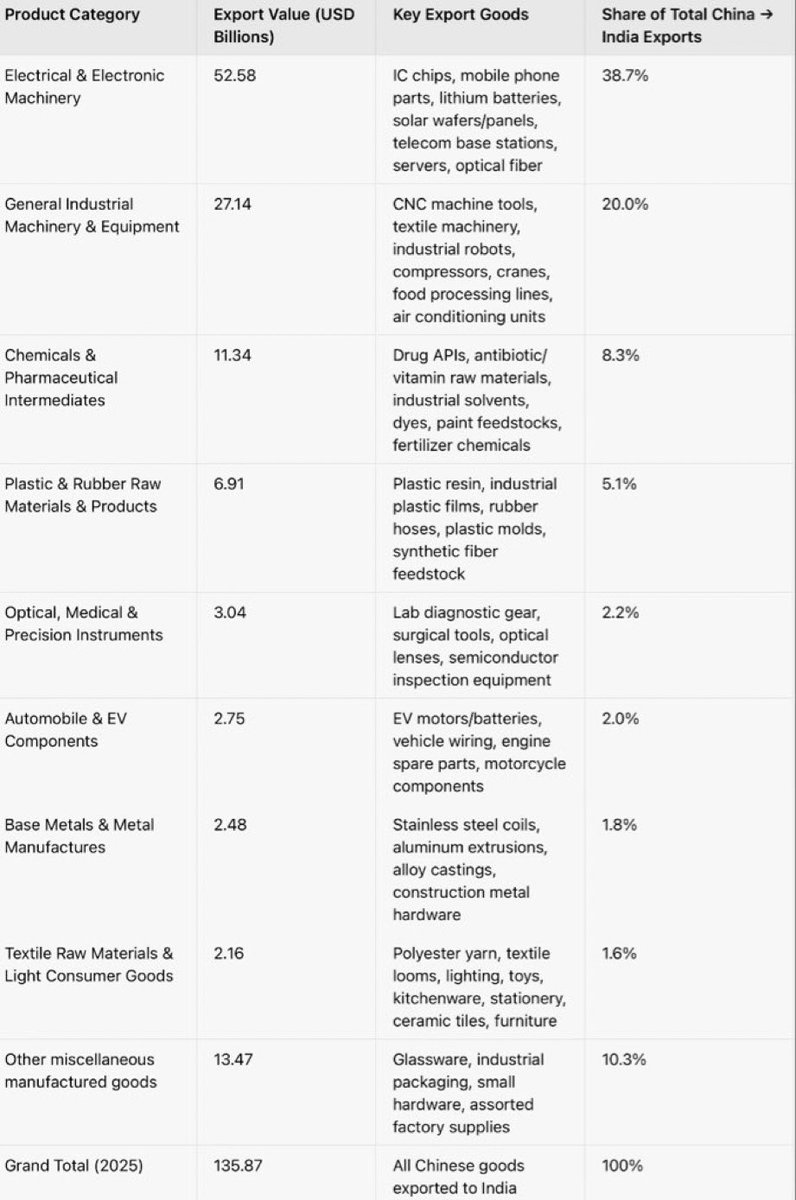
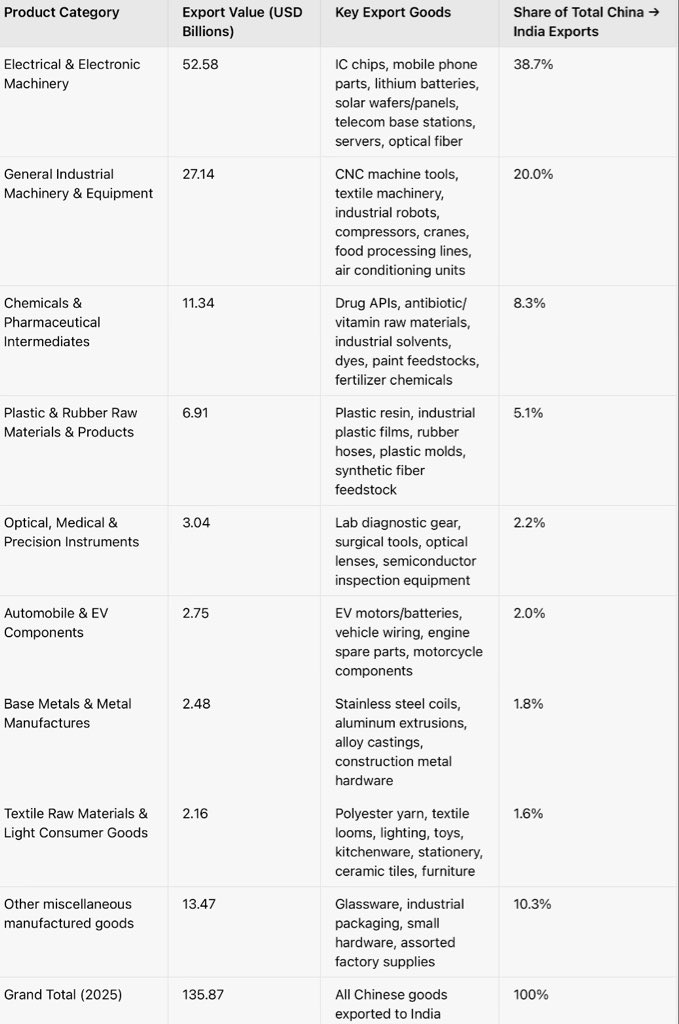
Looks like India is importing all the right things. Capital goods and intermediary parts.
2
2
10
357
It’s trade, bro. Everyone is winning!
India gets Chinese goods… more so than they get in a trade but China is happy to fund the difference with IOUs. It’s bidness. 🤷♂️
If you really want to get into who needs whom more… the not yet industrialised needs capital goods more.

Funny how surplus gets spun as China winning. Who needs who?
1
24
927
Feelzy lady logic… 🙄

“Having a long-term vision is not the same as having institutions capable of carrying it out.” Read @leng_ning on why China’s “political system distorts long-term national priorities in favor of short-term victories.”
foreignaffairs.com/china/chi…
1
1
19
819
Peak Westoid

6
1
32
756

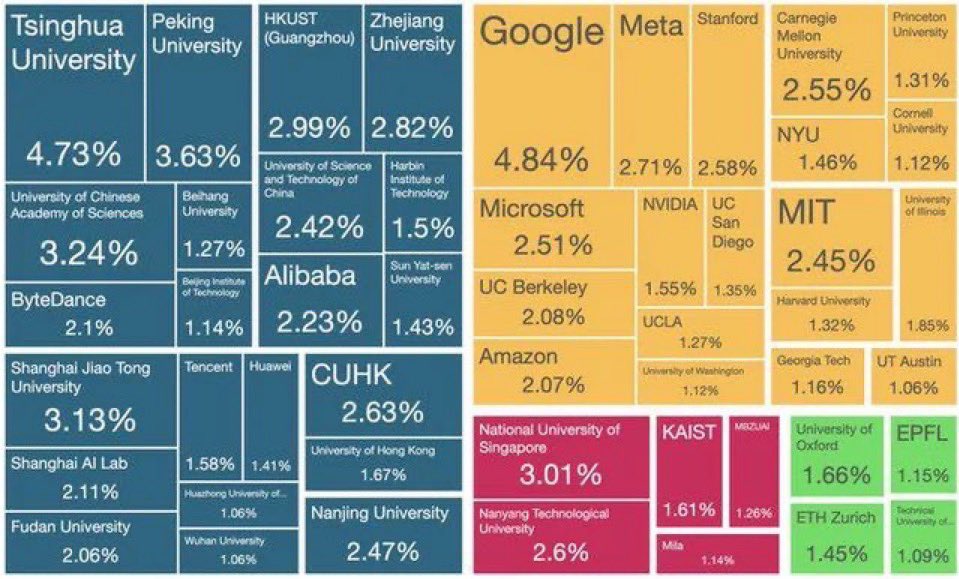
𝗧𝗵𝗲 𝗡𝗮𝘁𝘂𝗿𝗲 𝗜𝗻𝗱𝗲𝘅 (𝗡𝗜) — Part 1
NI serves a highly specific niche in the scientific research arena compared to consumer-facing university rankings like the Times Higher Education (THE) or Quacquarelli Symonds (QS).
𝟭. 𝗪𝗵𝗼 𝗣𝘂𝗯𝗹𝗶𝘀𝗵𝗲𝘀 𝘁𝗵𝗲 𝗡𝗮𝘁𝘂𝗿𝗲 𝗜𝗻𝗱𝗲𝘅?
The Nature Index is compiled and published by Springer Nature, one of the world's leading global academic publishing companies that also happens to publish the prestigious Nature family of scientific research journals.
They maintain a strict wall of separation for the Index to avoid a conflict of interest vis-a-vis competitor journals like Science, Cell, and The Lancet). The list of 177 high-impact journals tracked by the NI is selected and regularly updated by an independent panel of active, practicing scientists worldwide—not by the publisher's internal commercial staff.
𝟮. 𝗪𝗵𝗼 𝗶𝘀 𝘁𝗵𝗲 𝗧𝗮𝗿𝗴𝗲𝘁 𝗔𝘂𝗱𝗶𝗲𝗻𝗰𝗲?
While QS and THE are heavily marketed toward prospective students, anxious parents, and university marketing departments, the Nature Index is built for an entirely different crowd:
𝗦𝗰𝗶𝗲𝗻𝗰𝗲 𝗣𝗼𝗹𝗶𝗰𝘆𝗺𝗮𝗸𝗲𝗿𝘀 𝗮𝗻𝗱 𝗚𝗼𝘃𝗲𝗿𝗻𝗺𝗲𝗻𝘁 𝗙𝘂𝗻𝗱𝗲𝗿𝘀: Agencies like the National Science Foundation (US), the European Research Council, or ministries of science in Asia look at the NI to see if their massive taxpayer investments in research are actually yielding elite, cutting-edge breakthroughs or falling behind global competitors.
𝗨𝗻𝗶𝘃𝗲𝗿𝘀𝗶𝘁𝘆 𝗟𝗲𝗮𝗱𝗲𝗿𝘀𝗵𝗶𝗽: For university executives, this is a benchmarking tool. It helps them see which departments (e.g., Chemistry vs. Life Sciences) are genuinely competing at a world-class level and where they might need to recruit fresh talent.
𝗔𝗰𝘁𝗶𝘃𝗲 𝗥𝗲𝘀𝗲𝗮𝗿𝗰𝗵𝗲𝗿𝘀 𝗮𝗻𝗱 𝗔𝗰𝗮𝗱𝗲𝗺𝗶𝗰𝘀: Scientists use it to scout potential high-impact collaboration partners or to decide where to accept a post-doc or faculty position.
𝗢𝗽𝗲𝗻-𝗦𝗼𝘂𝗿𝗰𝗲 𝗜𝗻𝘁𝗲𝗹𝗹𝗶𝗴𝗲𝗻𝗰𝗲 (𝗢𝗦𝗜𝗡𝗧) 𝗮𝗻𝗱 𝗚𝗲𝗼𝗽𝗼𝗹𝗶𝘁𝗶𝗰𝗮𝗹 𝗔𝗻𝗮𝗹𝘆𝘀𝘁𝘀: Because advanced scientific capability directly correlates with future technological, military, and economic sovereignty, intelligence analysts use NI trends to track shifts in global structural power.
𝟯. 𝗪𝗵𝗮𝘁 𝗦𝗶𝗴𝗻𝗶𝗳𝗶𝗰𝗮𝗻𝗰𝗲 𝗗𝗼𝗲𝘀 𝗜𝘁 𝗧𝗲𝗹𝗹 𝗨𝘀?
Because it strips away all the "fluff" of public relations, marketing, and student satisfaction surveys, people extract deep, structural insights from the Nature Index:
𝗠𝗮𝗽𝗽𝗶𝗻𝗴 𝗚𝗲𝗼𝗽𝗼𝗹𝗶𝘁𝗶𝗰𝗮𝗹 𝗦𝗵𝗶𝗳𝘁𝘀 𝗶𝗻 𝗧𝗲𝗰𝗵 & 𝗦𝗰𝗶𝗲𝗻𝗰𝗲: The NI acts as a leading indicator for where the world's future technological breakthroughs will happen. For example, the 2026 Index highlights China’s continued dominance for the third consecutive year, driven by a massive surge in chemical and physical sciences, while many traditional Western nations face structural declines. Analysts look at this data to track the shifting center of gravity in global R&D.
𝗔 𝗠𝗲𝘁𝗿𝗶𝗰 𝗼𝗳 𝗖𝗼𝗻𝗰𝗲𝗻𝘁𝗿𝗮𝘁𝗲𝗱 𝗘𝘅𝗰𝗲𝗹𝗹𝗲𝗻𝗰𝗲: In a consumer-facing ranking like THE and QS, a massive university can score highly just by being huge. Because the NI uses fractional counting (Share) and limits its scope to a tiny, hyper-competitive pool of 177 elite scientific research journals, it reveals concentrated capability in the scientific research arena. A small, specialized institute (like the Weizmann Institute in Israel or the Max Planck Society in Germany) might look small on a QS ranking because they don't have undergraduate business schools, but the Nature Index reveals them as global research titans.
Because the Nature Index is a zero-sum game (only about 75,000 articles are published across these elite journals per year), if one country’s share goes up, another's must go down. Observing these annual fluctuations allows the scientific community to see exactly which national policies are successfully bearing fruit.
⬇️

1
1
3
217
When you run a trade surplus, it means your capital is running a deficit… simplistically, it means China is financing India’s purchases of Chinese goods… much of which is used to build Indian infrastructure.
You’re welcome.

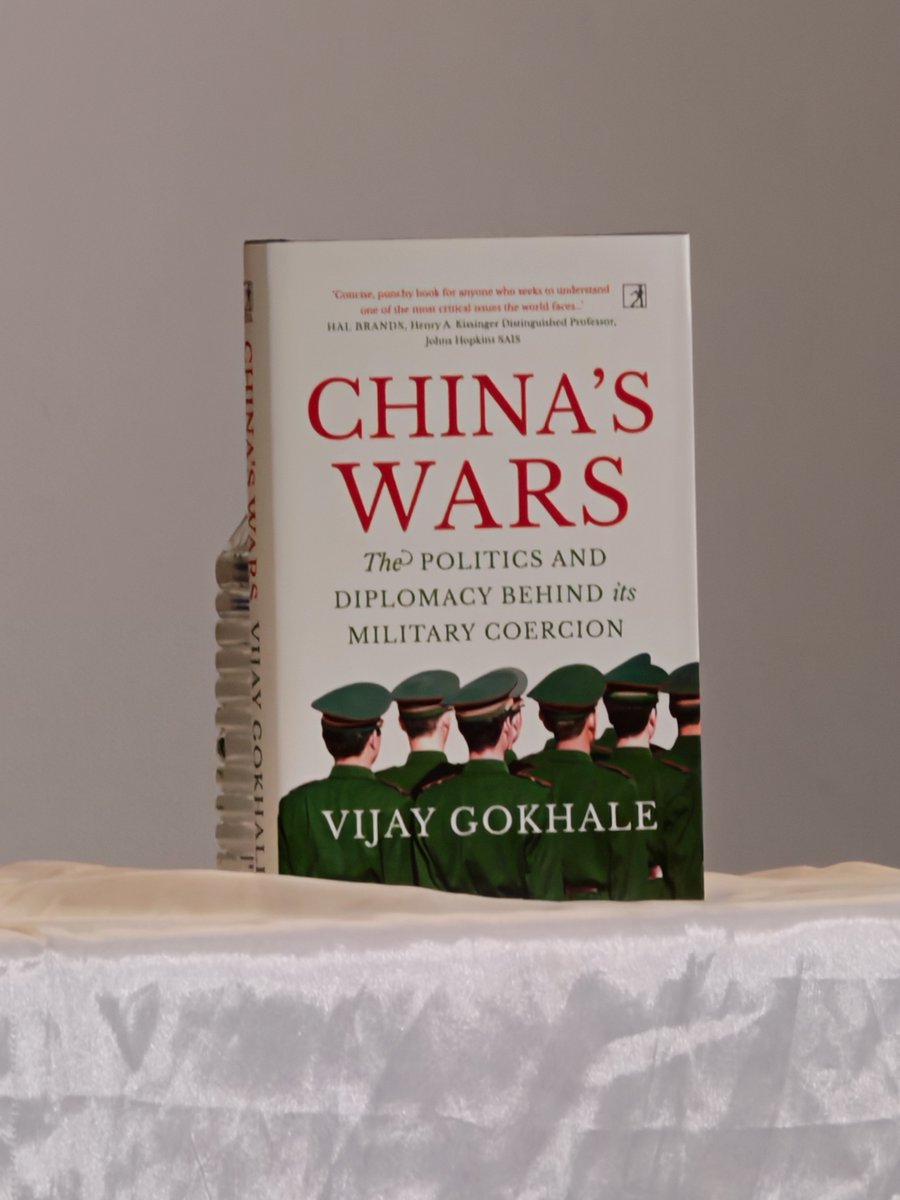
Indian trade contributes to 10% of China's trade surplus. Ironic that we indians are financing China's infra build out to turn against India! What a tragedy, says @VGokhale59 @CIC_Chennai
6
5
62
2,529
😐

There is a city in China 🇨🇳 whose slogan is "The left breast belongs to the husband, and the right belongs to the world"
China really is 30 years ahead of the world.
6
39
3,253
You don’t need to flatter us, bro. We weren’t offended.

I'm rereading this in a less-deranged state and I want to clarify that China possesses an almost uniquely cultured peasant/thug class. The degree of culture throughout that society cannot be overstated.
2
2
32
1,391
Westoid media NEVER floats this piece of truf, dude. Westoid propaganda is the Chinese are 1.4 billion peaceful liberals yearning for freedom and democracy but thwarted by the sinister SeeSeePee.
I’m Fujianese gangster stock. That will never change.
It sounds like vicious westoid propaganda but it's true: China is a country of peasants and latent thugs who are held in check by the State. As a swamp person / genetic criminal who loves the State, I personally find a great deal to admire there. The 104 IQ mean in a population of that sort also makes for something pretty interesting.
2
47
1,340
Blue Bear retweeted
Oh Teor is not Hajnali.
Hajnali’s are delusional creatures but able to bamboozle others because of “muh dik.”
Teor is the foremost scholar on Hajnali’s but still succumbed to “muh dik.”
Like Steven Kotkin couldn’t help but love Stalin.
1
1
14
403
Blue Bear retweeted
You haven’t done the mafs on this.
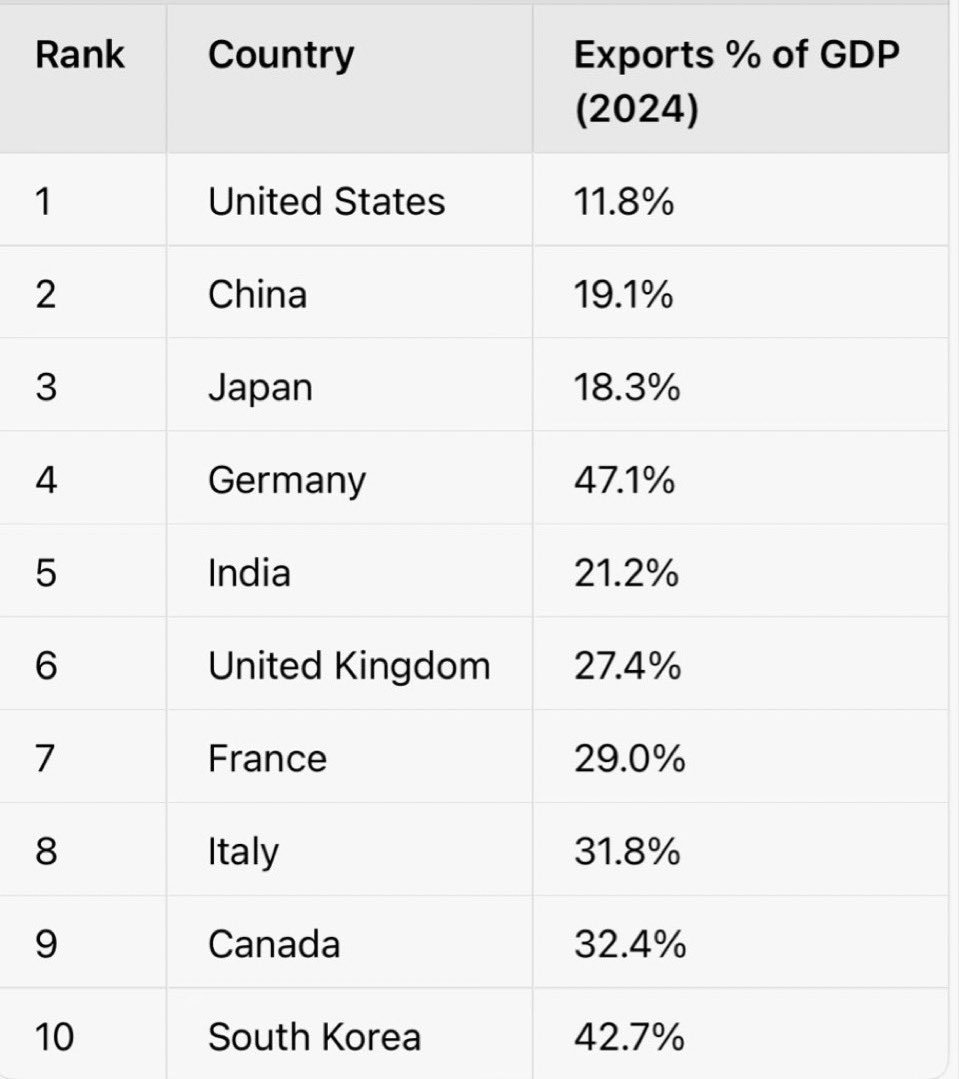
If you didn’t know, China is one of lowest export exposed economies in the world.
Whoever thinks deficit economies with deficient industrial bases have leverage needs their head examined.
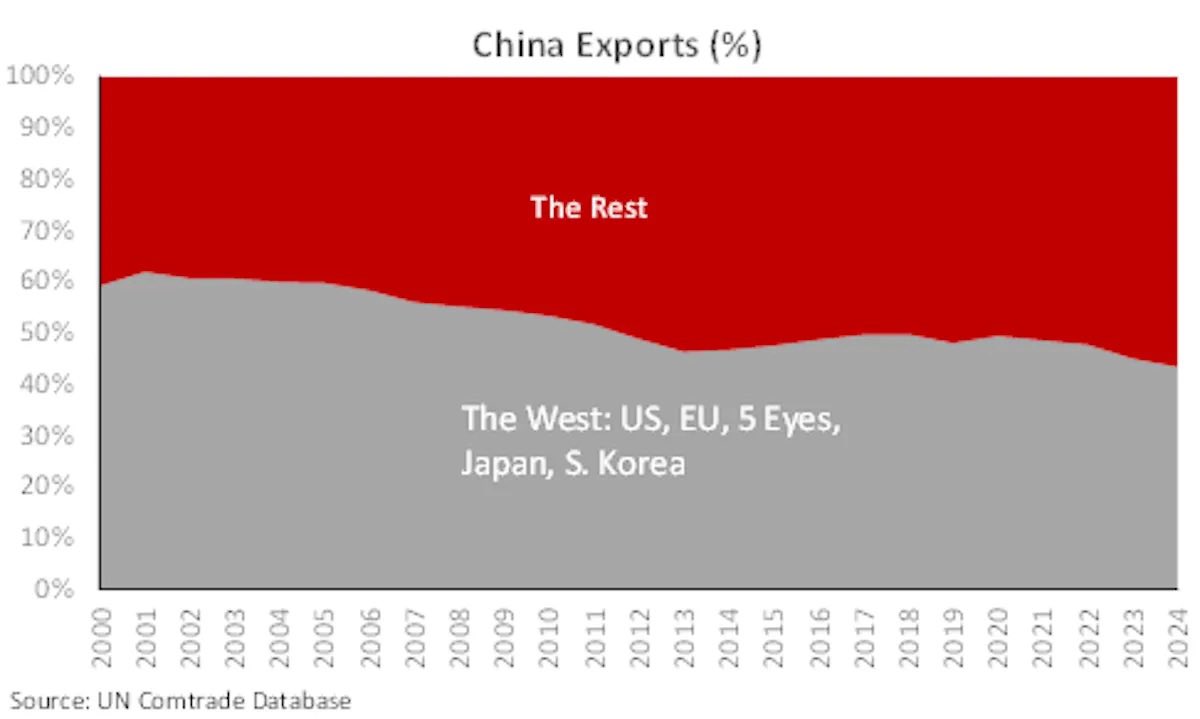
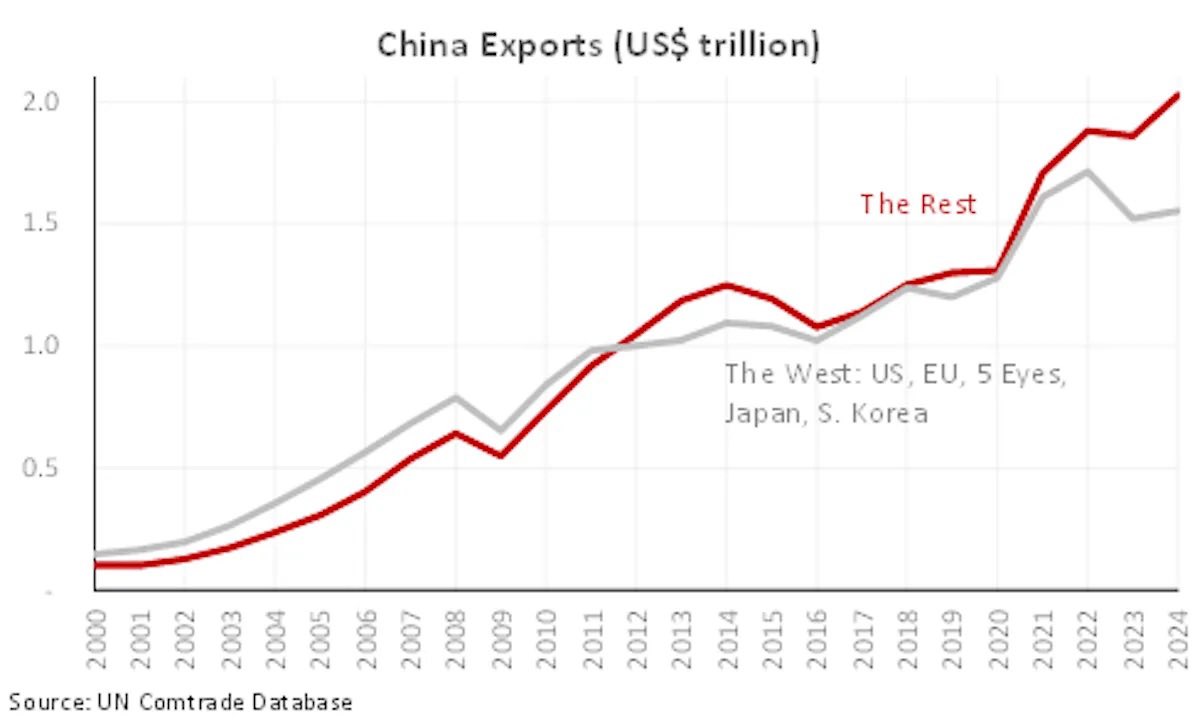
4
30
1,852
Blue Bear retweeted
Jun 13
The US and Russia could destroy China, each other and the whole world at any time of their choosing.
I know the US wants to. It doesn’t because China can make a mess too.
2
4
24
689
Blue Bear retweeted
Jun 13
Economics major from the University of Copacabana has not done the mafs.
Jess repeats butthurt wypipos like the sheeple that he is.
Jun 9

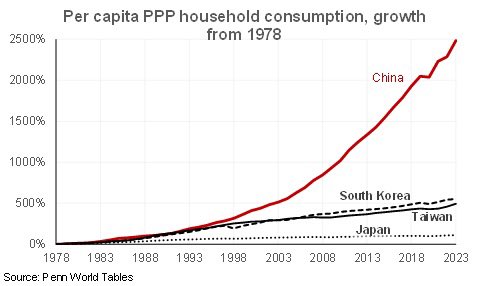
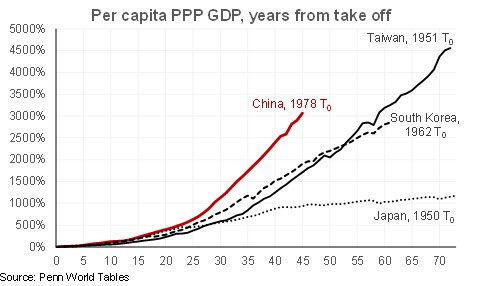
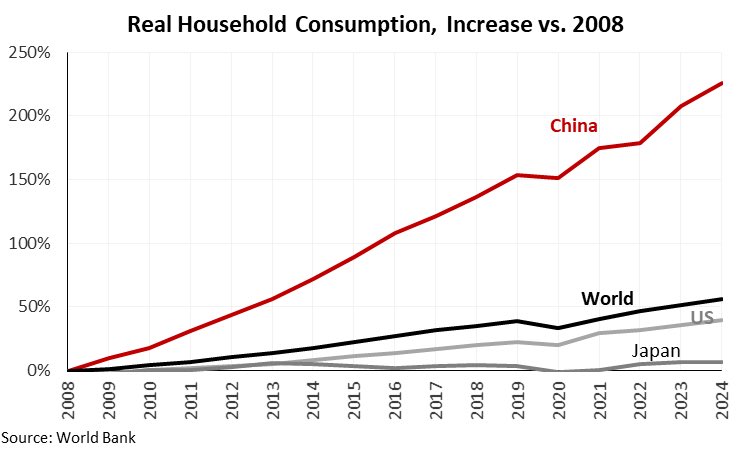
Maybe because it has worked?
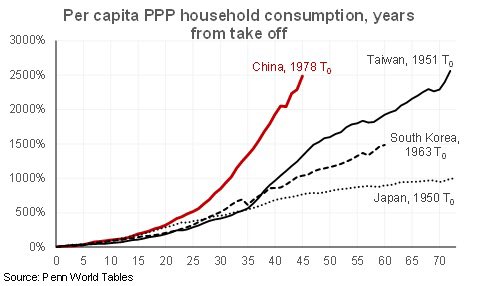
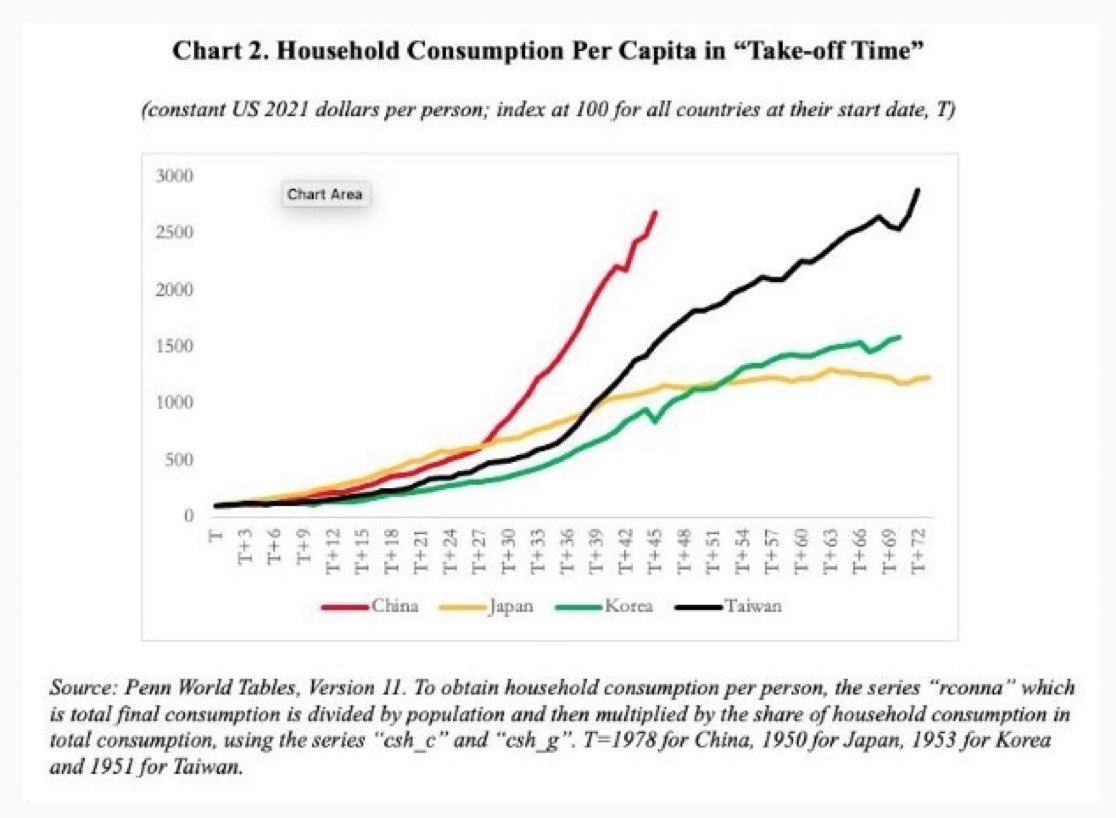
China’s household consumption has increased faster than every other economy. All 194 of them. Every. Single. one… leading by a country mile.
If you think your pet policies could have grown consumption even faster… well… wypipos 🙄
1
2
16
713
Blue Bear retweeted

Boomercide is the only solution
Jun 13
I’ve been to many rodeos.
LLMs are almost by definition hajnali circle jerking. The recursive self hypnotism is built in.
7
1
65
7,458
Jun 13
Big girls need loving too…


6
28
1,123
Jun 13
Any geopolitical piece that starts off with “We must build a coalition to…” do XYZ against China can be summarily dismissed.
China is the only coalition that matters. All others are jess play things… easily picked apart.
Jun 12
“The G-7 and its partners should offer China a clear choice,” argue @Brad_Setser and @Shahinvallee. “Beijing can elect to face coordinated tariffs against its exports, or it can allow a coordinated appreciation in its currency—to the benefit of all.”
foreignaffairs.com/china/rea…
6
3
84
2,597
Jun 13
That’s Detroit after:
Chicken tax
Chrysler bail out
“Voluntary” export restrictions on Japan
GM and Chrysler bail out (again)
EV credits
100% tariffs on Chinese cars
We’ve seen this movie before.
Jun 13

What if trade war but I don’t make anything competitive anymore 🫠
2
1
28
808
Blue Bear retweeted
Jun 13
Nobody in the history of the world has finished Infinite Jest.
The correct way of reading it is to have a basic knowledge of the plot and then read random chapters at your leisure.
They are all good.
2
8
484