
#Biotechnology project decoding the ocean's potential. This project has received funding from #HorizonEurope under grant agreement No 101081957
Joined December 2022
- Tweets 197
- Following 97
- Followers 149
- Likes 205
56 Photos and videos
Pinned Tweet

23 Apr 2024
📽 Our Project Video is here! 🎉
Discover how the Bluetools experts are unraveling the mysteries of #marinemicrobiomes by seeking sustainable solutions for harnessing nature's compounds.
Link to full video: brnw.ch/21wJ5rj
3
7
425
5 Mar 2025
Bluetools is saying goodbye to X, but you can still stay connected with us on LinkedIn and on Bluesky. See you there!
1
32
Bluetools retweeted

4 Nov 2024
In #Microbiome
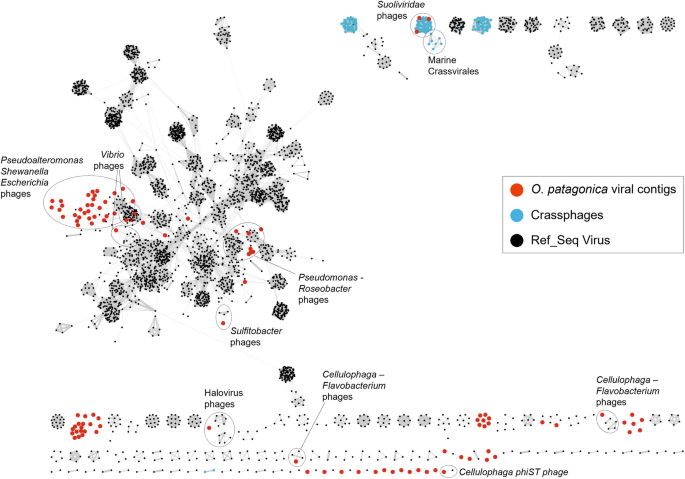
🔎Investigating changes in the microbiome of O. patagonica in response to 3 different types of stress🪸
📢The #coral #holobiont may be disrupted by stress conditions, leading to #disbyosis that may increase coral susceptibility to disease
doi.org/10.1186/s40168-024-0…
15
32
3,005
Bluetools retweeted

30 Oct 2024
Our new paper, with Dr. Takaramoto as the first author and in collaboration with Prof. Béjà's lab, has been published in J. Mol. Biol.!🥳🎉We investigated a new cation channel rhodopsin, HulaCCR, discovered from Lake Hula✨
sciencedirect.com/science/ar…
@JMolBiol #OpenAccess
3
5
16
1,199
Bluetools retweeted

4 Nov 2024
@Bluetools_EU funded
4 Nov 2024

In #Microbiome
🔎Investigating changes in the microbiome of O. patagonica in response to 3 different types of stress🪸
📢The #coral #holobiont may be disrupted by stress conditions, leading to #disbyosis that may increase coral susceptibility to disease
doi.org/10.1186/s40168-024-0…
1
4
75
31 Oct 2024
The Marine Microbiome Roadmap emphasizes best practices and standards.
Check out the Frontiers special issue, "Marine Microbiomes: Towards Best Practices," at 👇
frontiersin.org/journals/mic…
#MarineMicrobiomes #BestPractices
1
58
23 Oct 2024
A recent study led by Northwestern University discovered an unexpectedly high level of viralbiodiversity in household bathrooms. Read further here 👇
phys.org/news/2024-10-microb…
#biodiversity #bacteria #bacteriophages
39
17 Oct 2024
Scientists have discovered how a species of Pseudomonas bacteria, found in Antarctica, adapts to survive the extreme cold. The bacterium modifies its LPS by altering hydroxylation and phosphorylation patterns in the lipid A 👇
the-microbiologist.com/news/…
2
3
257
Bluetools retweeted

16 Oct 2024
📢Don't miss out on EPIMAR2025! Early bird registration and abstract submissions are now open. The Cure4Aqua Epigenetics Process Group will be there to share our latest research and connect with other experts in the field.
🔗Find out more on epimar2025.org/
2
2
118
19 Sep 2024
Researchers have found promising antibiotics in Arctic microbes! Using new methods, they identified compounds from actinobacteria in Arctic invertebrates that effectively combat E. coli, a cause of severe diarrhea. 💊 Read more here 👇frontiersin.org/news/2024/08…
2
3
238
17 Sep 2024
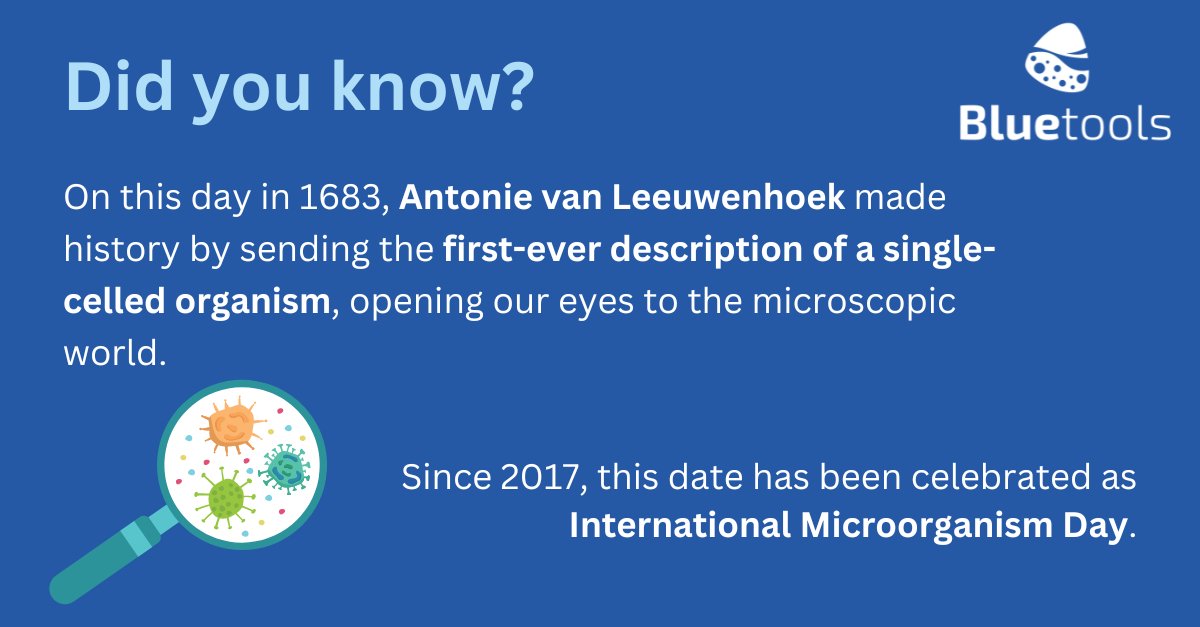
On this day in 1683, Antonie van Leeuwenhoek sent the first description of a single-celled organism to the Royal Society. His pioneering microscopy laid the foundation for microbiology. Celebrate #MicrobiologyDay! 🦠🔬🌍 #ScienceHistory #Innovation
2
5
87
12 Sep 2024
New research reveals how uncultured marine microbes break down hydrocarbons, vital for ocean health. Scientists studied Deepwater Horizon microbes and discovered efficient, adaptable species. 🌊 Read more 👇
journals.asm.org/doi/10.1128…
#MarineScience #Microbiology #OceanHealth
1
4
297
11 Sep 2024
Article in collaboration with @BlueRemediomics project. Go read it!
10 Sep 2024

📢Prof. Marcel Jaspars from @MBC_UoA was recently interviewed by @EarthOrg to provide insights on his #BlueRemediomics work related to identifying promising genes for #antibiotic properties from marine microbiome data!🧬In collab with @Bluetools_EU 👉earth.org/the-untapped-poten…
38
5 Sep 2024
🔬 Researchers found that a bacterial molecule, lipopolysaccharide, triggers marine tubeworm larvae settlement, key to biofouling on marine structures. 🌊 This study highlights the role of bacteria in shaping marine ecosystems. Read more here 👇the-microbiologist.com/news/…
1
2
94
4 Sep 2024
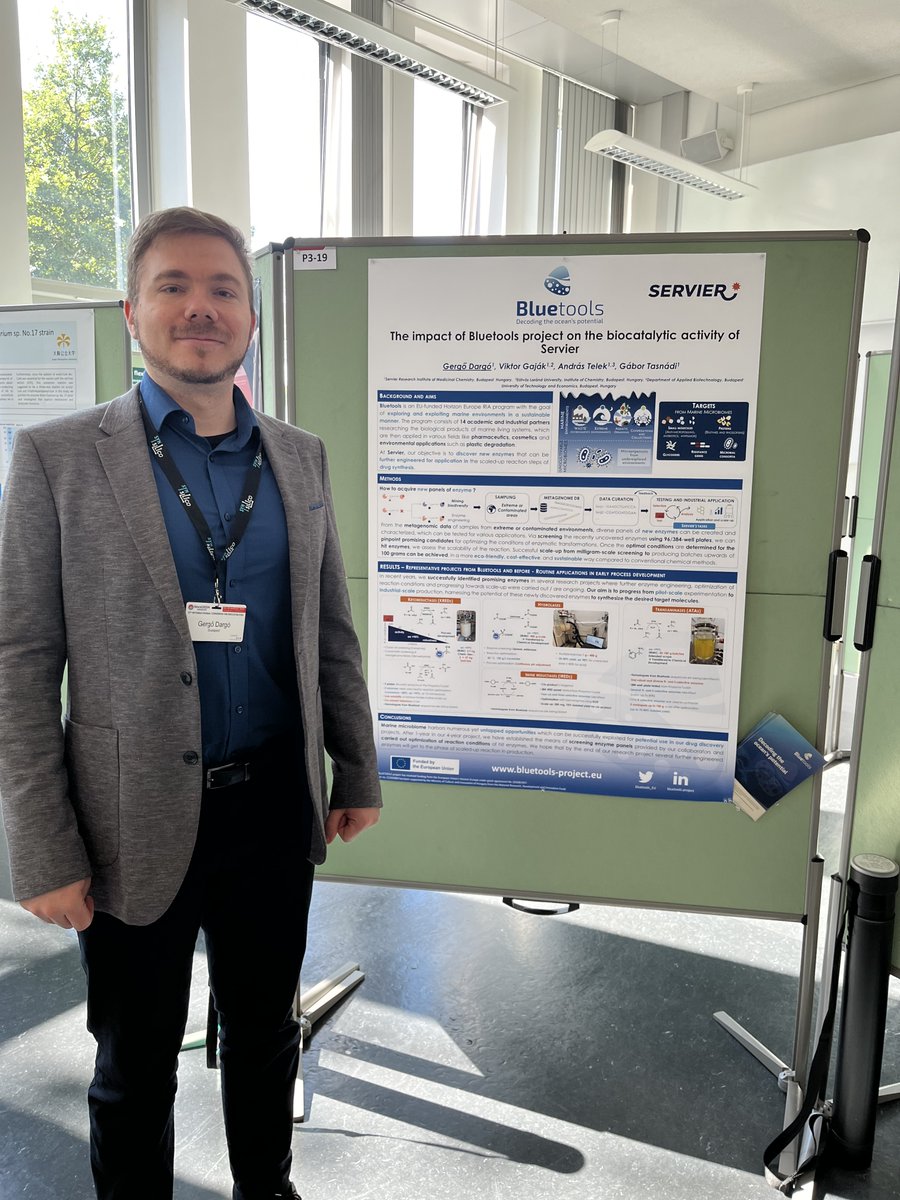
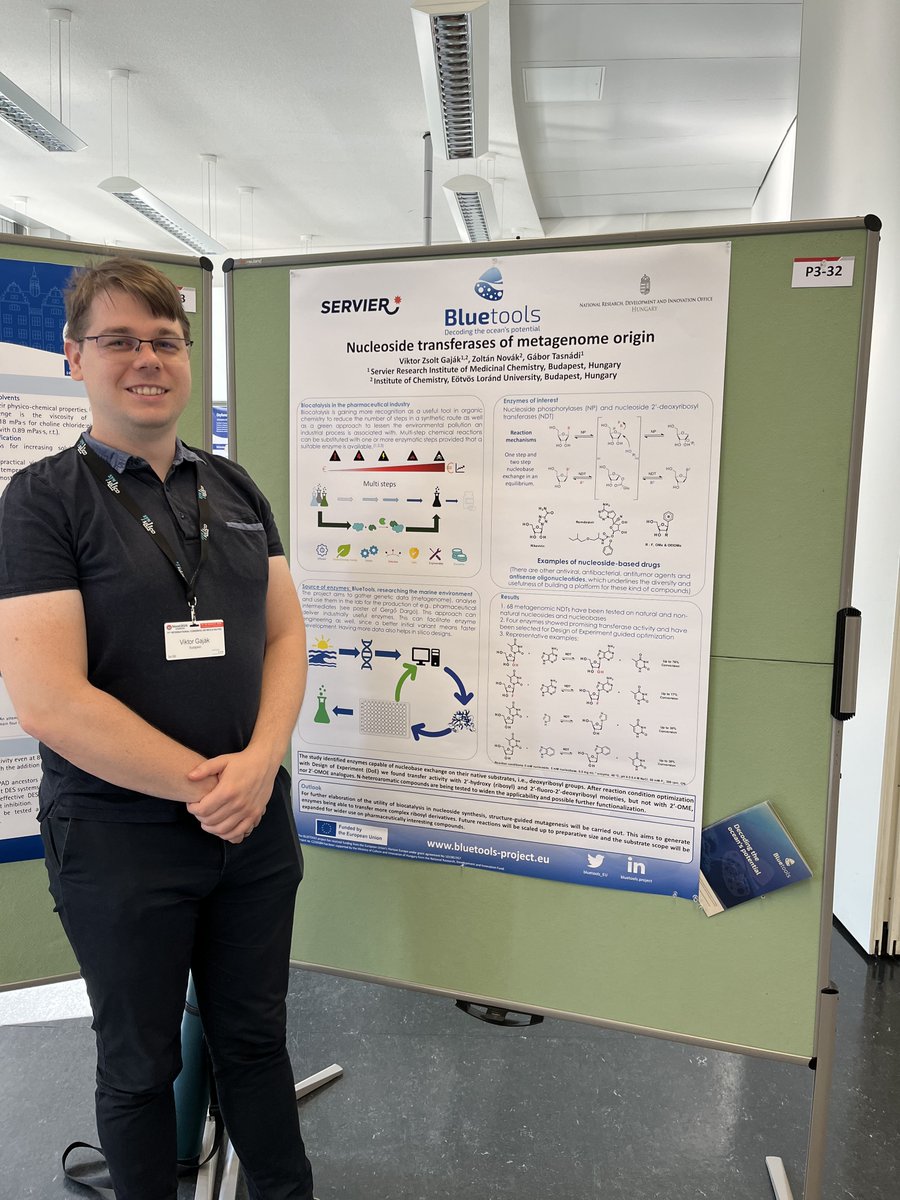
🎉 Our partner @Servier presented our project at the 11th International Congress on Biocatalysis in Hamburg 👏 Dr. Gergő Dargó and Viktor Gaják highlighted our work on Bluetools and metagenomic enzymes. 🔬
#Biocat2024 #InnovationInBiocatalysis #ScientificResearch #Metagenomics
2
232
31 Jul 2024
The "hologenome" concept studies the combined genome of a host and its microbiome.
A new, simple method for studying interactions between tiny organisms and marine animals like scallops and shrimp is now available. Read more👇
nature.com/articles/s42003-0…
1
2
46
25 Jul 2024
🌊Marine fish guts are packed with microbes producing unique bioactive molecules. These ribosomally-synthesized antimicrobial peptides, or bacteriocins, could be game-changers for health and aquaculture👇
mdpi.com/2076-2607/12/7/1346
1
48
17 Jul 2024
The EU Blue Economy Report 2024 shows significant growth in Europe’s ocean-related activities, with a 17% employment increase and a 21% rise in turnover since 2020, driven by sectors like ocean energy and blue biotechnology. Read further here👇
oceans-and-fisheries.ec.euro…
2
5
66
10 Jul 2024
🐠🔬 Are you a marine enthusiast, taxonomist, or citizen scientist? If the answer is yes, the Ocean Census Taxonomy Awards might be of interest to you. T 📅 Application Deadline: July 31, 2024.
Read further here 👇
oceancensus.org/taxonomy-and…
1
36
10 Jul 2024
Congratulations to our research @BejaLab for being chosen for @EMBO!
120 scientists from across Europe and beyond have been elected to the EMBO Membership, an honour that celebrates research excellence and outstanding achievements in the life sciences.
This tweet is unavailable
3
317
3 Jul 2024
🌊 Marine ecosystems face threats from environmental stressors. This study of mussels shows human activities change microbiomes, reveal pathogens, and affect immune functions. 🌍🧬 #MarineConservation #Biodiversity #EcoHealth
sciencedirect.com/science/ar…
40