
Joined January 2015
- Tweets 25,907
- Following 1,722
- Followers 726
- Likes 8,318
696 Photos and videos

Jun 5
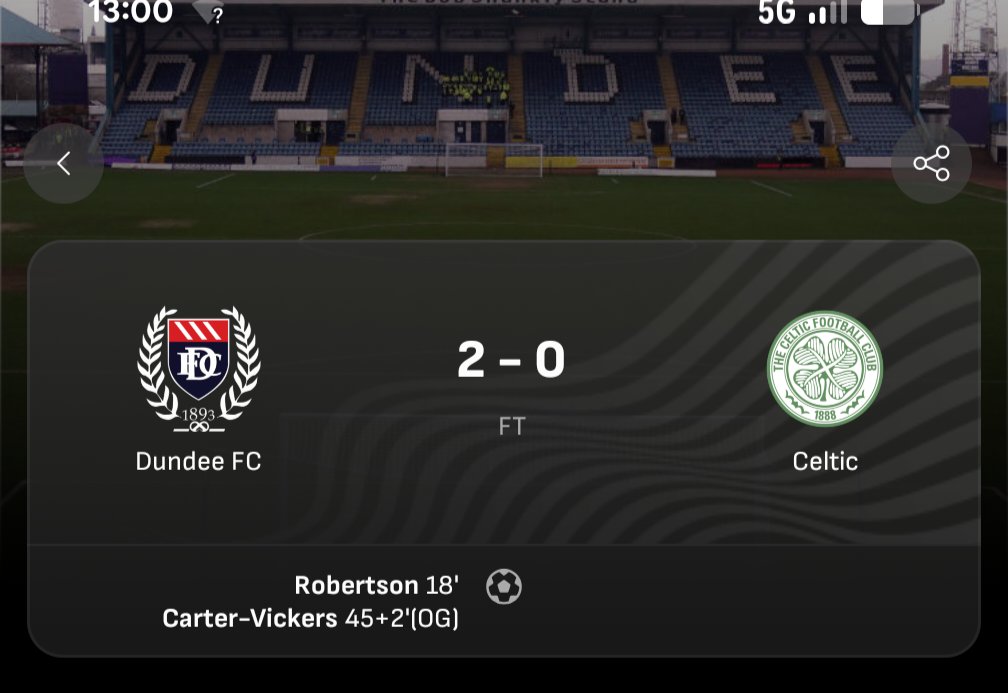
Rangers twitter every single time.
A strip launch...OMG...it's disgusting, the board is so out of touch ..moan moan etc etc
6 years later. Classic 2026 away top for sale. Scramble.....
1
114
May 20
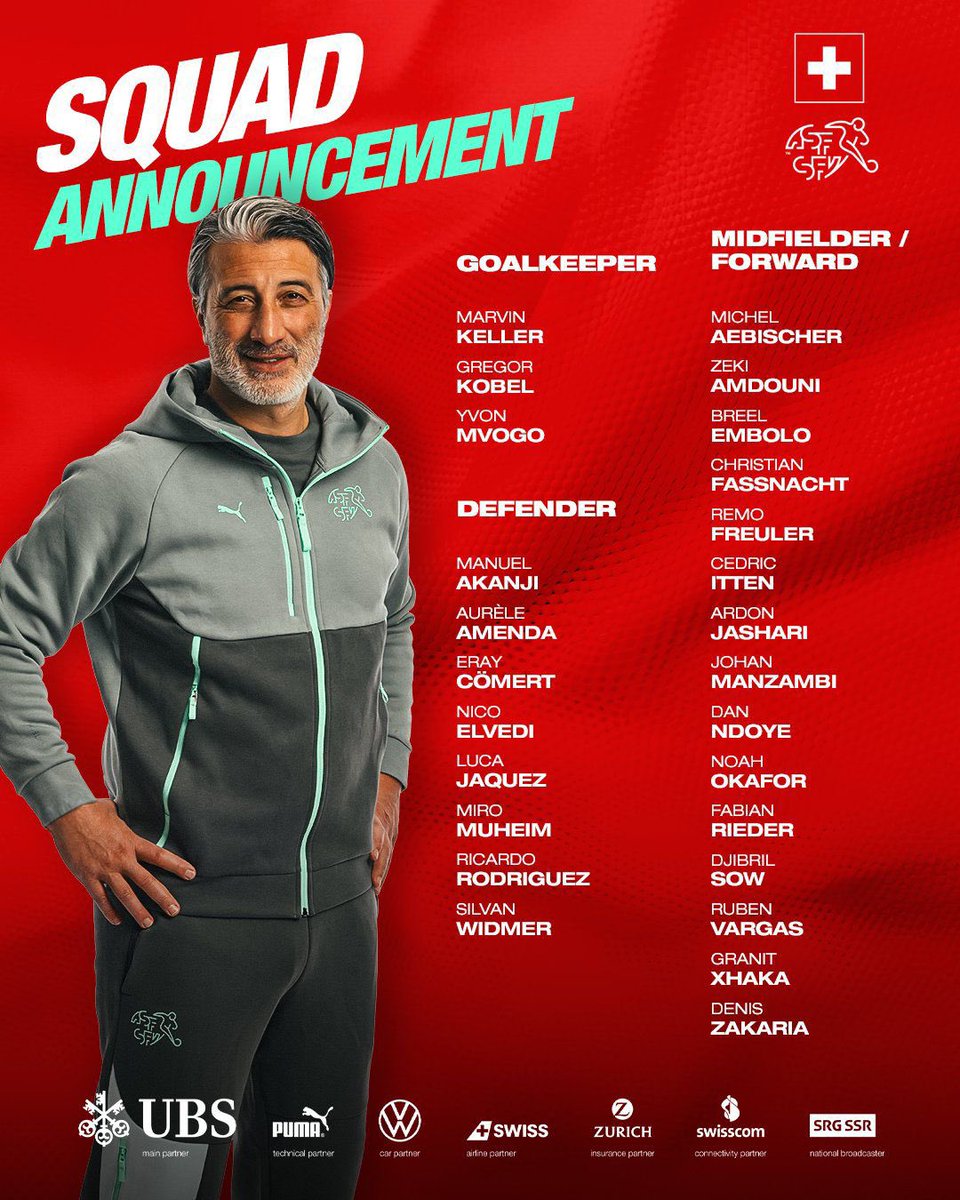
Ced the Ted going to the WC 🥳

68
May 14
Nail on head. Placemen in all positions by design. Not recent either.
Think back to 2012 and the rush to change rules, and dissolve the Premier League, in order to " nail Rangers to the floor".
Not a word about the greatest sporting scandal since Penn State either by SFA or media

See if they got a fair pen in 97 mins I'd have said shit happens and moved onto Saturday
We all know thats a disgusting decision to benefit one teal that has Celtic men at the helm of every position in the hierarchy of our game
Money used to hide it, fight back they use refs
1
71
May 14
No point in playing
Digga
Aarons
Meghoma
Cornelius
Skov Olsen
On Saturday as we're not building with them
Moore... hopefully here next season as well but not guaranteed
We welcome back
Curtis
McCausland
Davies
Danilo etc for pre season.
Not optimistic, but I'll still be there
86
Apr 17
👏 Calum Burnside
Apr 16

𝗩𝗼𝘁𝗲𝗱 𝗳𝗼𝗿 𝘁𝗵𝗲 𝗽𝗹𝗮𝘆𝗲𝗿𝘀, 𝗯𝘆 𝘁𝗵𝗲 𝗽𝗹𝗮𝘆𝗲𝗿𝘀.
Here is your PFA Scotland League 1 Team of the Year for 25/26, sponsored by MD Electrical Contractors.
Darren Jamieson (Stenhousemuir)
Charlie Dewar (Alloa Athletic)
Daniel Devine (Inverness Caledonian Thistle)
Gregor Buchanan (Stenhousemuir)
Remi Savage (Inverness Caledonian Thistle)
Reece Lyon (Queen of the South)
Alfie Stewart (Inverness Caledonian Thistle)
Callum Burnside (Alloa Athletic)
Kieran Shanks (Peterhead)
Oliver Shaw (Hamilton Academical)
Ross Taylor (Stenhousemuir)

59
Hugh Go Not retweeted

Apr 14
Leeds United investor buys stake in Spanish giants Atletico Madrid cityam.com/leeds-united-inve…
4
27
107
47,435
Hugh Go Not retweeted

Apr 13
Manchester Police are on the hunt for a drag queen who robbed a local store. They say he's a local man with a Wigan address.
97
287
4,086
339,454
Apr 13
At the time I thought look at the goalie, he follows the ball the whole time and doesn't claim it's out.
This proves it anyway.

91
Apr 12
For Rangers...so many east end experts but probably @ACSOMPOD

A question for my followers…
Who’s the most trusted Twitter account in relation to your club in terms of opinions and takes? It doesn’t matter which club you follow, I’m simply looking to put together a list of trusted commenters from every club I can.
Cheers.
131
Hugh Go Not retweeted

🟢🟡 Ryan Jack, gelişine şık bir vuruşla Esenler Erokspor'u 1-0 öne geçirdi!
#beINSPORTS #TrendyolBirinciLig
19
73
994
187,960
Hugh Go Not retweeted

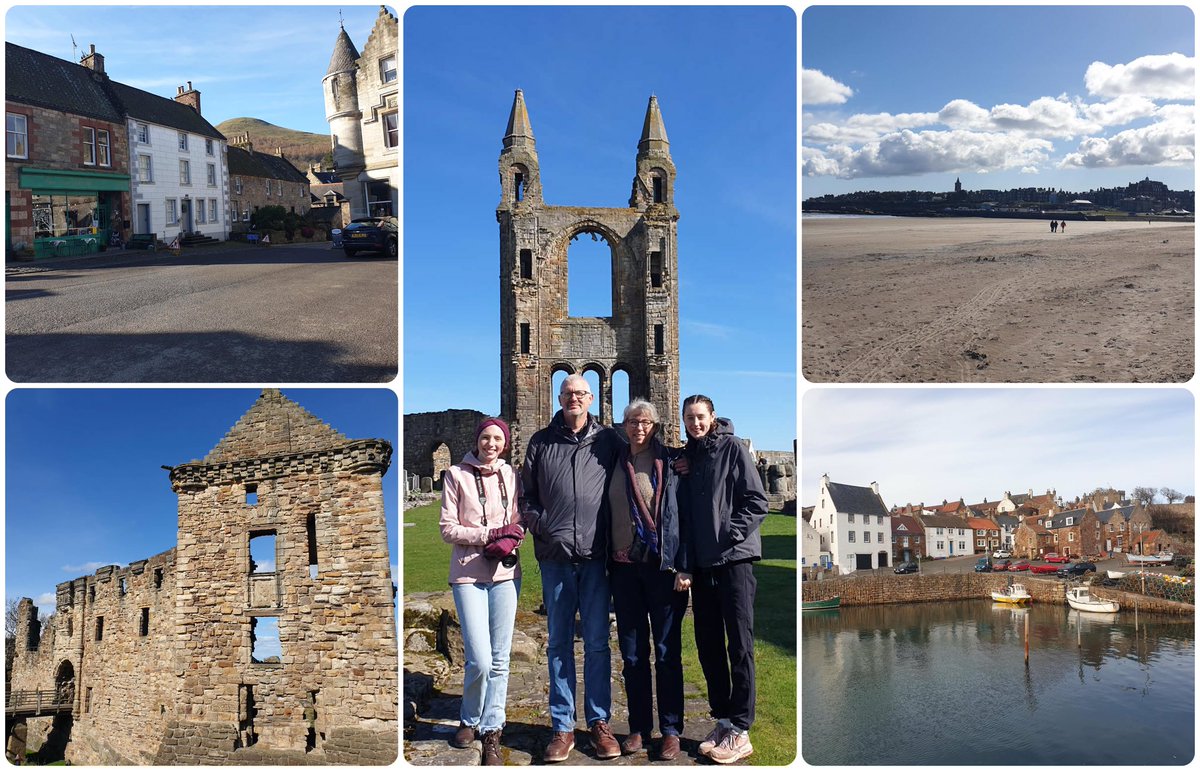
It was a beautiful day to be out touring today. We visited many Reformation and Covenanter sites in the St Andrews and Fife area on day 1 of a private family tour with the Spear family from Pittsburgh, U.S.A.
Why not arrange your own family tour? We have everything from half days to two weeks and can take you across all of Scotland and the rest of the U.K. We can also take care of your accommodation, transport once here, and all entry fees and meals.
Get in touch for more information at reformationtours.org
Scottish Reformation Tours.
Christ Centred, Christian Led, Custom Tours.
#Covenanters #Protestantism #Reformation #christianity #Scottish #history #scottishhistory
2
5
200
Hugh Go Not retweeted

Never forget that Italians laughed after seeing Bosnia and Herzegovina as their opponent
409
3,701
44,047
1,440,453

Hugh Go Not retweeted

Mar 31
I’ve never seen this before, it’s great.
39
234
1,052
81,083
Hugh Go Not retweeted
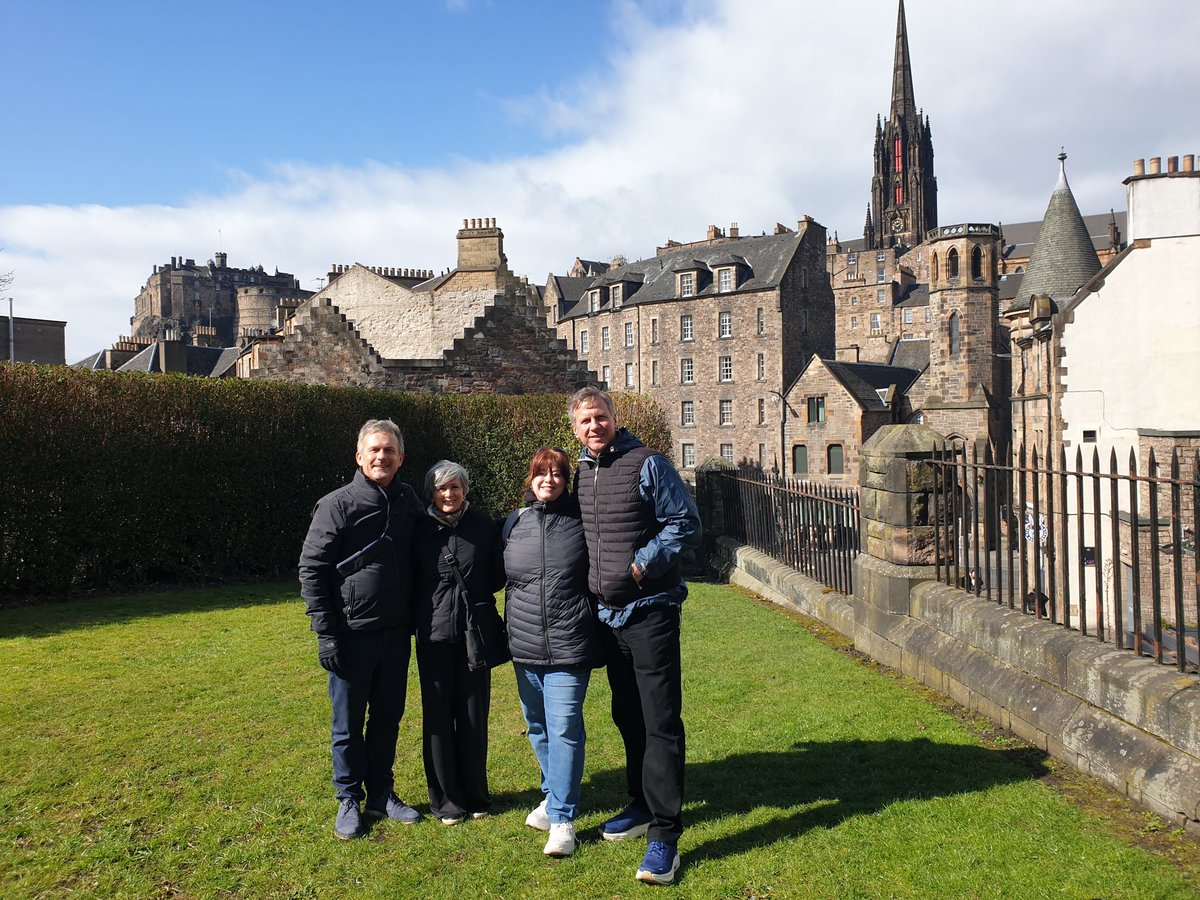
We were out and about in Edinburgh today with two lovely couples from Texas and Tennessee.
Some previous satisfied clients kindly recommended our services to them, something that happens a lot!
We visited many reformation locations around the city in the morning, before touring the castle after lunch.
Slots are booking up fast for our tours, so please get in touch with us as soon as you can if you plan on using us.
Scottish Reformation tours
Christ Centred ,Christian Led, Custom Tours.
reformationtours.org
4
14
679

Hugh Go Not retweeted

Mar 29
Woking Football Club is pleased to confirm the appointment of Jermain Defoe as the club’s new Manager. ♦️

506
1,458
19,349
3,156,813
Hugh Go Not retweeted
In March 1639 the Covenanters were busy securing castles for defence against the king. They blew open the gate of Edinburgh castle and stormed inside, but with Dumbarton Castle they had to adopt a different approach.
Perched on a volcanic rock overlooking the Firth of Clyde, Dumabarton Castle is a formidable fortress and one that the Covenanters knew they needed to capture to prevent the king landing reinforcements from Ireland.
But they were not going to take it by siege or bombardment, but by daring and design. They knew how defended it was and they were determined to take it without wasting lives in a bloody assault.
So, on the last Sunday of March 1639, the castle’s captain, Sir John Stewart, 1st Earl of Traquair, a devout and loyal servant of the king, went out to hear worship at a nearby church, suspecting no danger. But the Covenanters had laid their plan. They captured him swiftly, stripped him of his clothes, and dressed another man of similar build in them. Then, under threat of death, Stewart was forced to give the watchword that would gain them entry to the castle.
That night they approached the castle in silence, the disguised man at their head clothed in the captain’s garments. The sentries upon the walls saw forms returning through the dark and thought nothing of it, recognising the clothes and familiar shape of their own captain.
The disguised man cried out the watchword into the dark, and from within there came no challenge. The gates, trusting in what they thought they knew, were opened.
In an instant the Covenanters were through, pouring into the fortress before the garrison could grasp the trick. They had come in greater strength than the defenders could resist, and Dumbarton was theirs. Captured by cunning not cannon.
Now that wasn't the end of the story, the castle would be lost again before another capture by the Covenanters. Years later during the persecution of the Covenanters under Charles II, Dumbarton would be used as a prison for them.
2
5
12
727