
In banana veritas.
Joined October 2009
- Tweets 26,652
- Following 1,075
- Followers 572
- Likes 7,988
1,755 Photos and videos






Pinned Tweet

18 Nov 2022
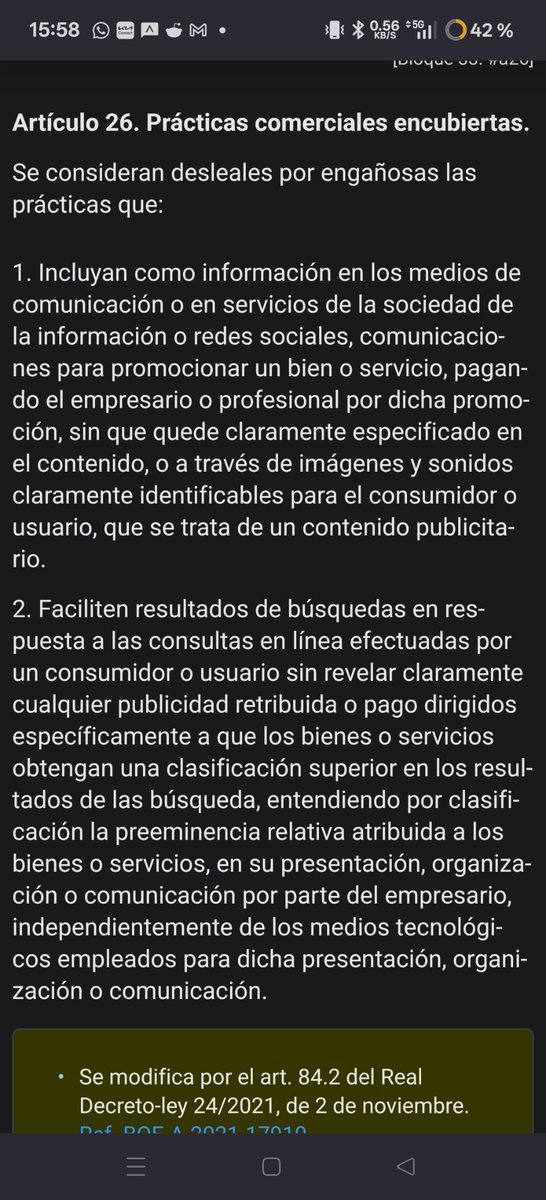
Por si acaso id pidiendo una copia de vuestros datos de Twitter x.com/settings/download_your…
2
2
Literalmente tardaba menos de dos minutos en contestarte diciéndote el tipo de mascarilla o si era falsa incluso si la foto la habías hecho con una sandalia

Contesté 150 mensajes al día durante meses sobre mascarillas.
Colaboré con instituciones para verificar si cumplían normativa.
Escribí mucho…
Por supuesto: gratis.
Por eso que alguien se haya enriquecido de esta manera con esto, me duele en la patata y sí, me lo tomo personal.
1
1
20
5,069
El cuerpo del delito retweeted

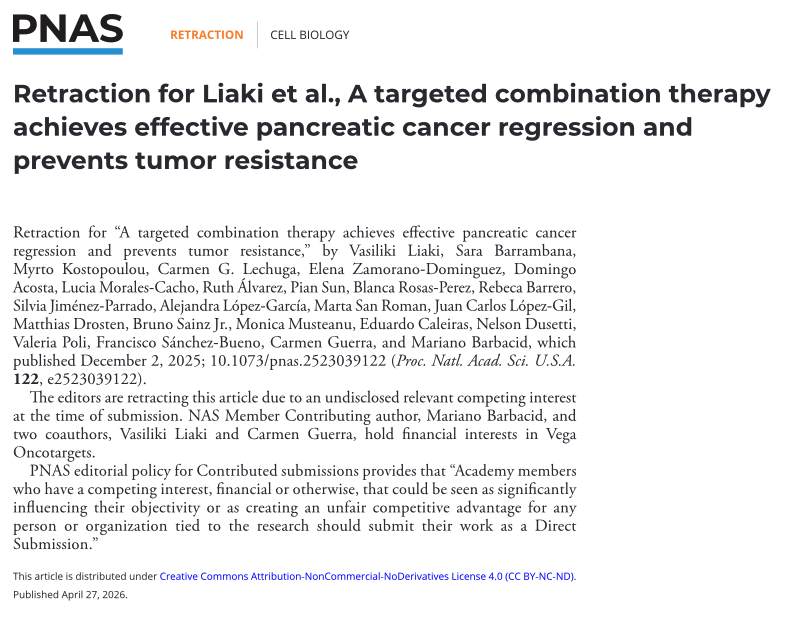
While the non-disclosure of the conflicts of interest is a serious issue, it is also important to point out that @addictedtoigno1 and others found several instances of image duplication in this paper.
pubpeer.com/publications/64D…
Apr 29

There is a tendency to minimise the implications of the recent retraction in PNAS of the Mariano Barbacid paper for non-declaring their conflicts of interest.
This is not a minor procedural oversight.
It touches a core structural principle of modern scientific practice: transparency as a prerequisite for credibility.
Conflict-of-interest disclosure is not a bureaucratic formality.
It is a mechanism designed to allow readers, reviewers, and the broader community to interpret data within its full economic and intellectual context. When omitted—particularly in cases where authors hold ownership stakes in companies positioned to commercially exploit the reported findings—the omission distorts the epistemic framework in which the results are evaluated.
We have precedent.
Both in Spain and the United States, high-profile cases have demonstrated the institutional consequences of such failures. A prominent clinician-scientist—former chief in leading hospitals across both countries and president of major international medical societies— resigned from positions in the United States after failing to disclose relevant financial conflicts, subsequently transitioning to the pharmaceutical industry.
The issue was not scientific fraud; it was a breach of transparency. Yet the reputational and institutional consequences were substantial.
There is an additional layer here that is often overlooked.
The publication in question was submitted under the “contributed” track available to members of the United States National Academy of Sciences. This pathway—effectively a form of editorial privilege—allows for an expedited and, in practice, more controlled review process. It is a mechanism unavailable to the majority of researchers, who must navigate standard peer review with no such structural advantage.
This episode is not about a single paper. It reflects a tension between scientific authority and scientific accountability. Prestige may facilitate access, but it does not exempt one from the foundational norms that sustain trust in the system.
2
63
166
23,509
El cuerpo del delito retweeted

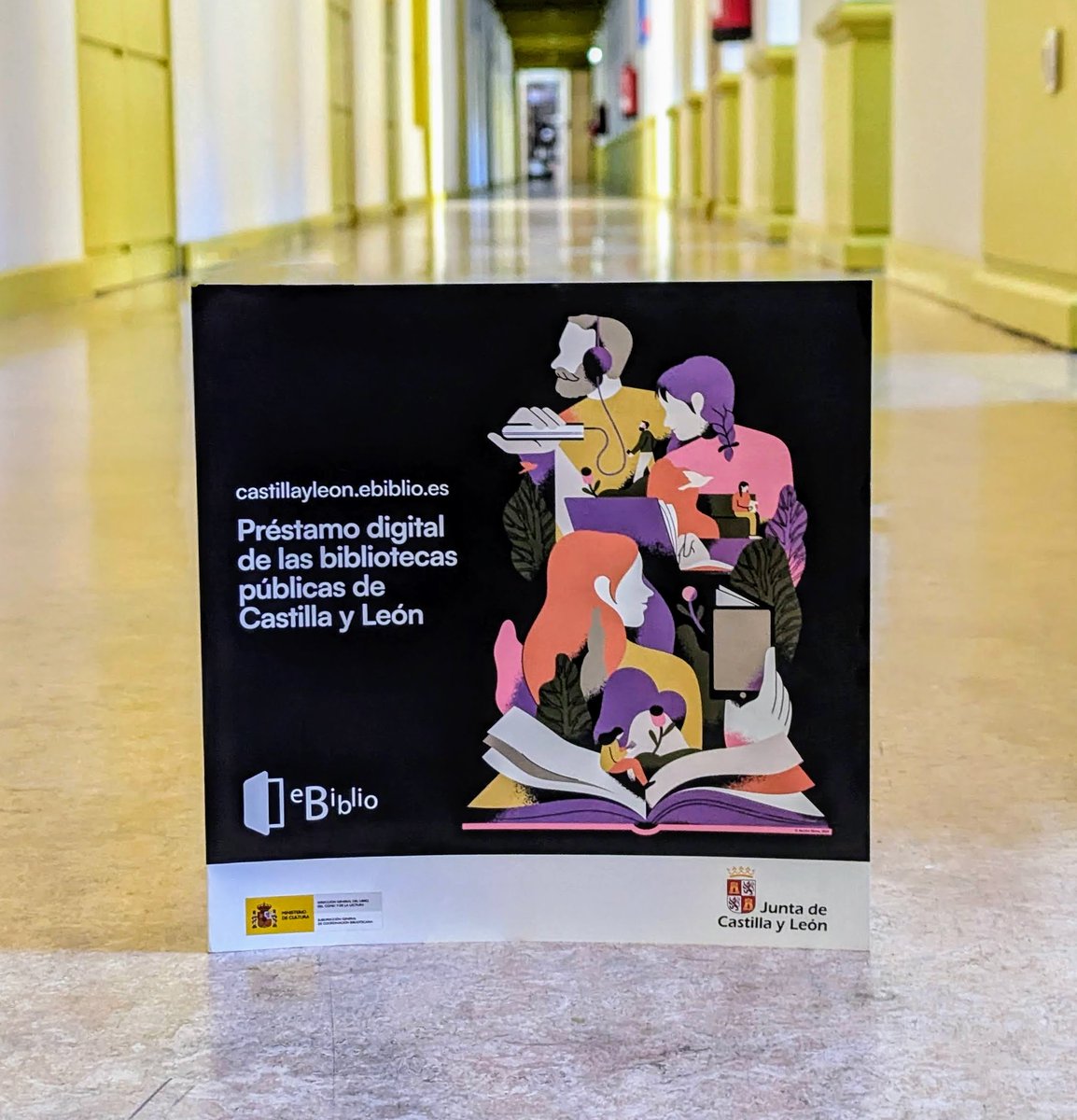
Uso responsable.
Lo digital no ocupa lugar pero sí cuesta💸:
Cada préstamo en #eBiblio tiene un coste económico para las bibliotecas (o sea, para todos), por lo que se recomienda utilizar la opción "vista previa" o "muestra" para evaluar el interés antes de realizar el préstamo.
5
8
353
Cuando Amazon se quede con todo el mercado y no haga descuentos la gente llorará sin entender que fueron parte del problema
Apr 23

Hoy muchas gente habrá aprovechado el día dl libro a comprar por el 10% . Habrán realizado muchos pedidos online, en tienda, todo gracias al descuento y eso q eso solo un 10%. Si realmente importa incentivar la cultura, y proteger las librerías. Pq no se miran alternativas?...
1
1
94
El cuerpo del delito retweeted

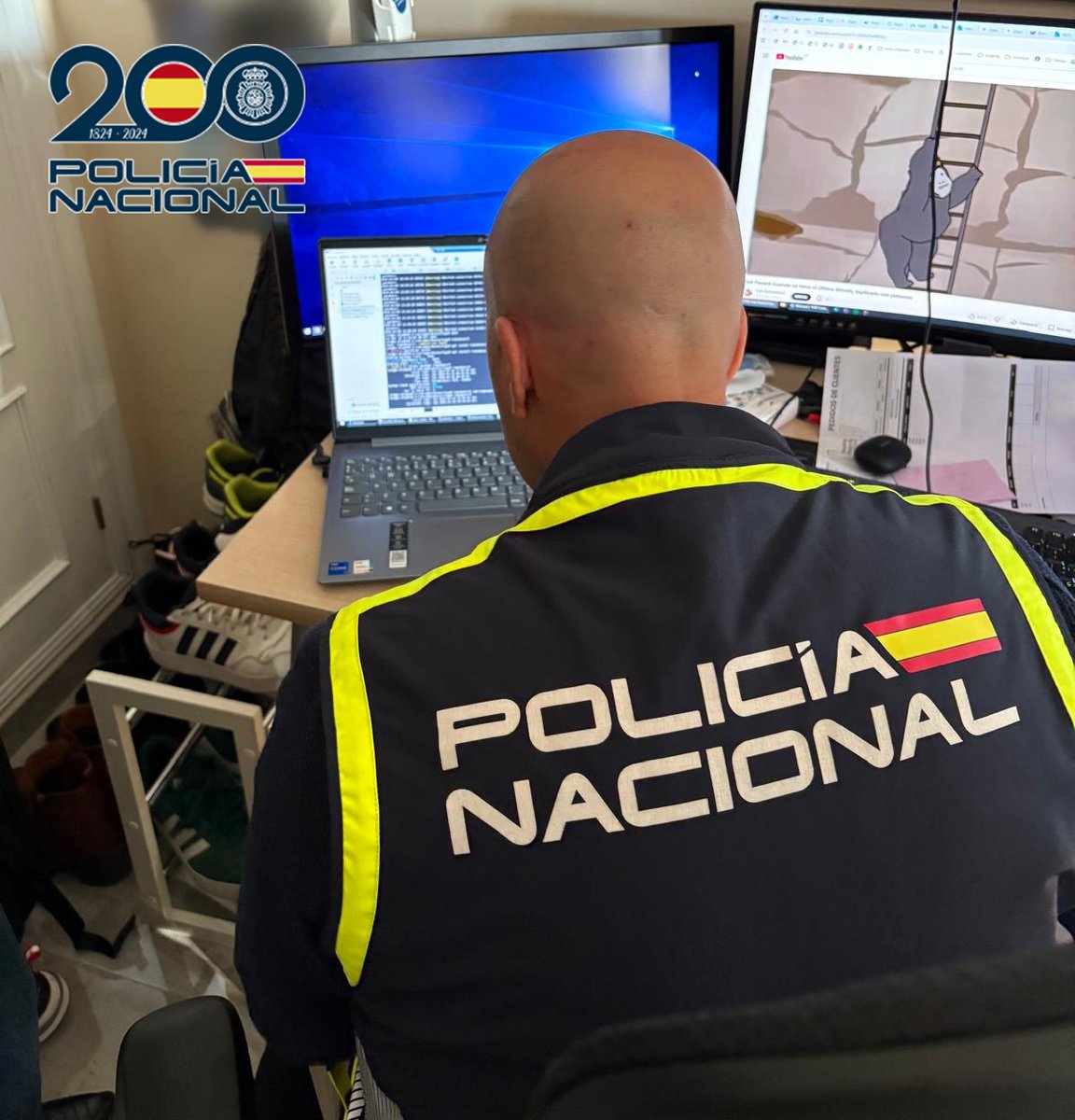
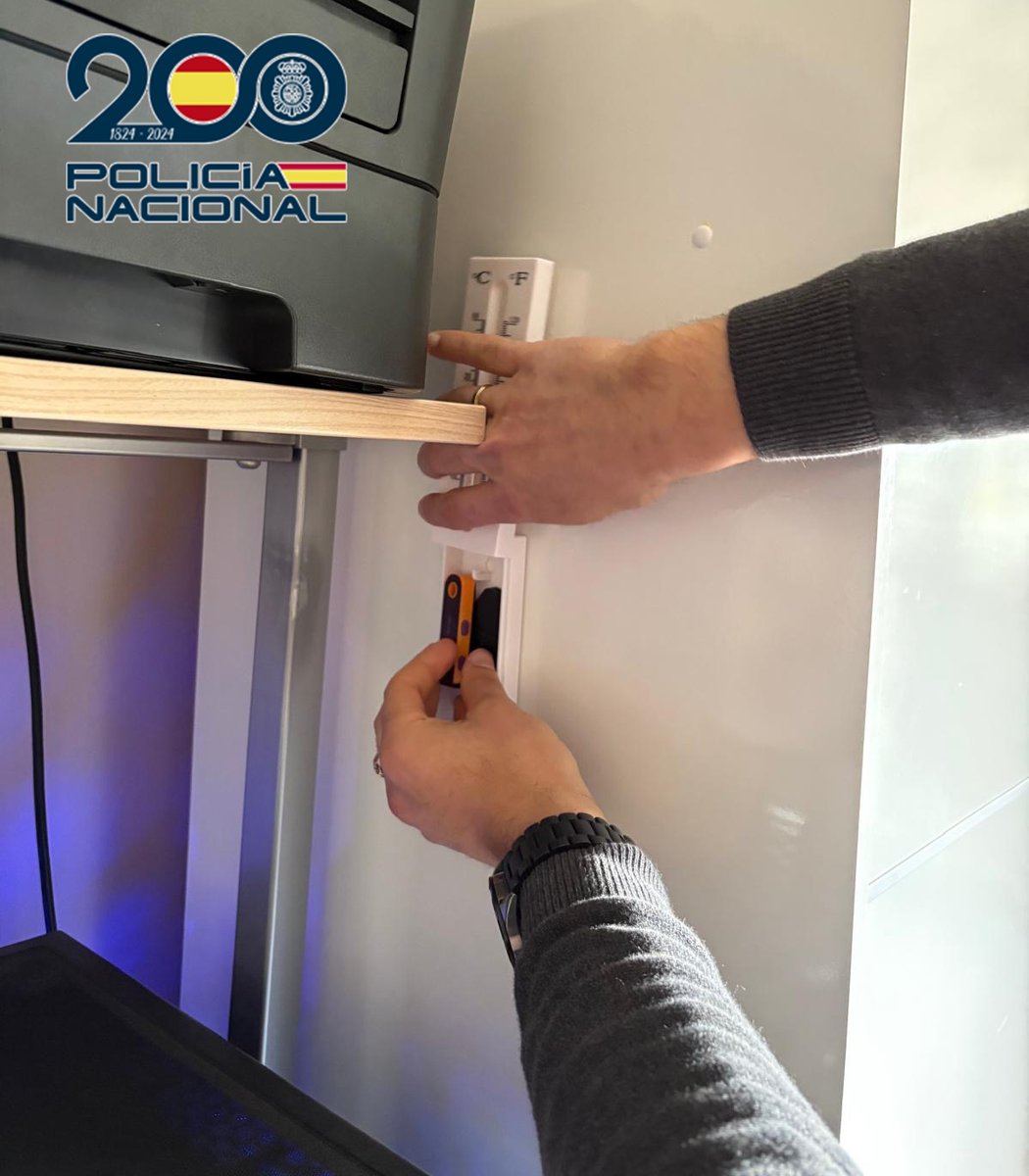
Recordatorio de que la web redirigía tráfico de forma encubierta a anuncios de forma que estafaba a los anunciantes y les cobraba por miles de visitas que no veían un solo anuncio (de ahí esos beneficios)

🚨 Desmantelado el mayor portal ilegal de manga en español: Más de 10 años de piratería, millones de usuarios y más de 4M€ en beneficios.
👮♂️ 3 detenidos en Almería en una operación de @policia que protege la cultura y a sus creadores.
🌐 f.mtr.cool/fvnywnfmze
34
98
1,090
225,973
El cuerpo del delito retweeted

Apr 2
Respecto a la APP "Mi DNI" y las identificaciones de Policía:
No aconsejo como abogada q os identifiquéis con el móvil.
La Policía puede llegar a cogerlo. Y entregarle vuestro móvil a la Policía tiene demasiadas derivadas.
DNI físico, sobre todo en manis o concentraciones.
43
170
719
66,891
RT @IraninSpain: 🔴ÚLTIMA HORA: Irán considera a España un país comprometido con el derecho internacional, por lo que se muestra receptivo a…
2,222
El cuerpo del delito retweeted

Mar 25
En una excursión con un profesor de geología local, Scoops Traylor, un colegial, descubre un ídolo nativo americano hecho de uranio puro. Ese fortuito hallazgo tendría sus consecuencias.
Hoy, en hilos que esconde el algoritmo…
EDTA
7
28
114
10,118
El cuerpo del delito retweeted

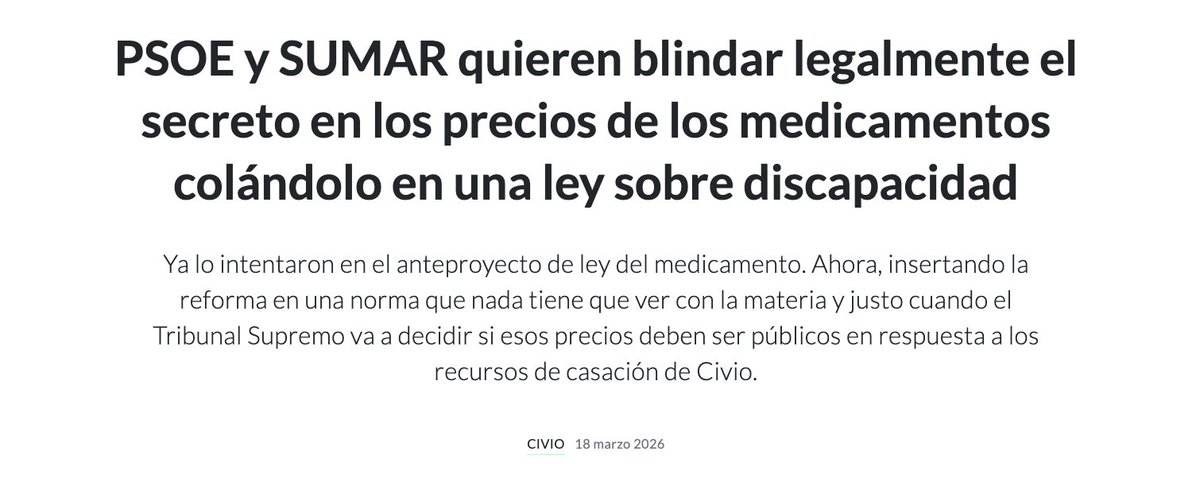
⚠️MUY GRAVE: el Gobierno quiere prohibir que sepamos los precios de los medicamentos, pagados con dinero público, favoreciendo a las farmacéuticas.
CIVIO lo recurrió al Tribunal Supremo. Ahora el Gobierno blinda la opacidad, escondiéndola en una ley sobre discapacidad.
Mala fe.
19
495
685
25,011
El cuerpo del delito retweeted

Mar 18
CARTA ABIERTA de HOOKed GAMES
(POST INTEROCIO)
5
15
46
9,067
El cuerpo del delito retweeted

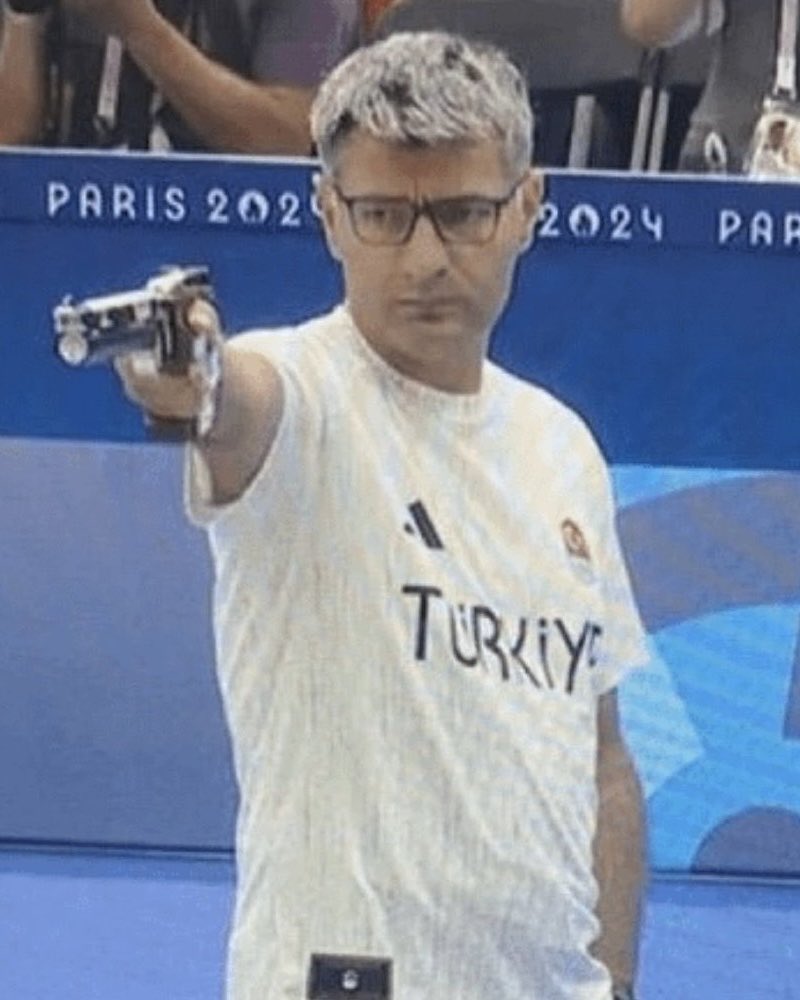
Los turcos van a flipar. 🇹🇷

169
1,641
18,231
2,228,104
El cuerpo del delito retweeted

Mar 2
#RAEconsultas En el siguiente enlace puede consultar las dudas más frecuentes que han planteado otros consultantes: rae.es/espanol-al-dia/pregun…. Asimismo, le invitamos a consultar los múltiples recursos disponibles en la web de la RAE: rae.es. 5/5
1
3
47
2,929
El cuerpo del delito retweeted

Feb 19
Si por no llevarlo no te dejan acceder a espacios públicos tal vez es porque el islam no es compatible con occidente ni con la mujer ni con el feminismo.

Porque eso no va a hacer que dejen de usarlo, va a hacer que esas mujeres dejen de salir a espacios donde antes podían acceder.
Vais de feminista pero solo en la estética, no acotando las raíces del problema
22
331
2,403
68,590
El cuerpo del delito retweeted

Feb 18
Para los que quierais reportar esto el link es este
askwpn-na.wizards.com/hc/en-…
Feb 18

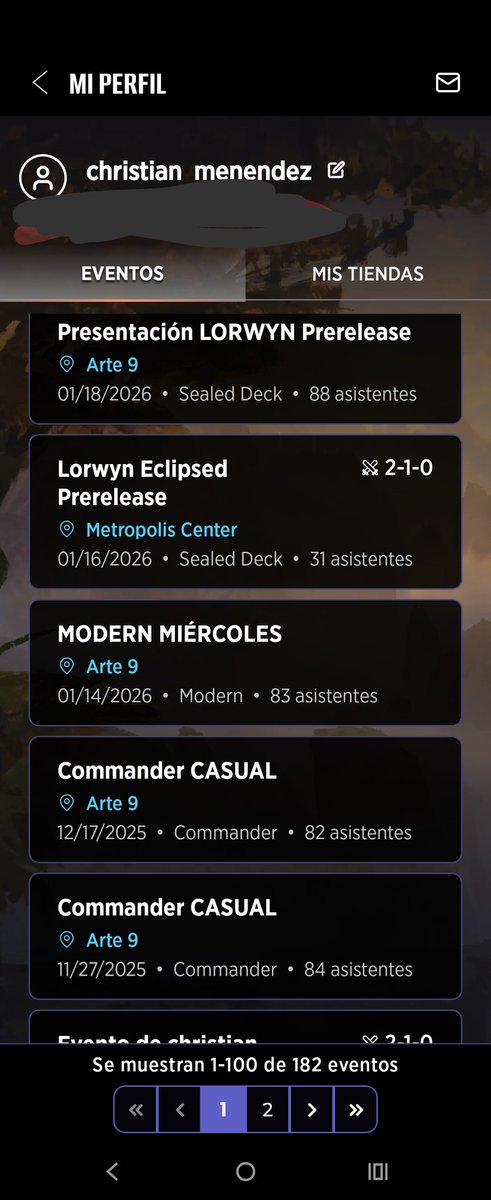
Abro streaming y miramos lo del companion
Que puta vergüenza.
Vente y rajamos a estos hijos de puta
Twitch.com/mtgosalseo
2
11
31
9,447
El cuerpo del delito retweeted

Feb 13
¡OJO!
Están suplantando las notificaciones de la Dirección Electrónica Habilitada Única (DEHú) noreply.dehu@correo.gob.es por otras cuentas como: notificacion-h0O4@aeat.es.re
¡Nunca hagáis clic en los enlaces ni porporcionéis datos de correo y contraseña! Id a la web o a la app

10
229
192
11,406
El cuerpo del delito retweeted

Jan 29
🚨¿Queréis saber la realidad en los Juzgados de los desahucios y la vulnerabilidad?
1/ Es la Administración quien tenía que dar una "solución habitacional" y no lo hizo. Ha tenido años y no ha hecho absolutamente nada. Mientras, ha cargado la responsabilidad en los propietarios.

No paro de pensar en todas las familias vulnerables a las que a partir de hoy puede llegarles la orden de desahucio que por cierto no mandará una pobre ancianita que completa su pensión sino un pedazo de fondo buitre o inversor rentista.
46
759
1,509
101,375
El cuerpo del delito retweeted

Jan 16
Un autista de internet en la sombra está colaborando en el Proyecto Experta en Tecnología y Poder.
Está haciendo pruebas de edición con pantalla partida y subtítulos grandotes.
Los resultados son espectaculares.
Una muestra:
11
50
403
24,738
El cuerpo del delito retweeted

Jan 15
Lo de las ciencias sociales a veces es perverso. Todo empieza cuando afirman algo contrario a toda la lógica y la observación diaria. Como es algo lógico y observable, no hay estudios al respecto porque todo el mundo sabe que es una obviedad. Cuando intentas defender esa realidad te acusan de afirmar algo sin pruebas, y no las tienes porque no hay estudios sobre esa obviedad porque es algo lógico y observable. Si alguien intenta investigar esa obviedad para tener evidencias se le acusa de tirar el dinero y tiene problemas para realizarlo. Si finalmente después de mucho esfuerzo alguien consigue investigar esa obviedad y demostrarla con evidencias, la mayoría de gente con ojos en la cara te dice que "menuda obviedad, necesitabas un estudio para esto??"
21
99
432
24,901
Mec error, el propio organizador ha dicho que la factura va a nombre del asistente. Así que no es fallo de comprensión lectora es que está mal hecho
Jan 15

Tienes un problema muy grave de comprensión lectora. Si eres persona física, es decir, autónomo o particular, te harán la factura nominal.
Si vas COMO miembro de asociación o empresa tú no pagas la entrada. Paga la persona jurídica y la factura irá a otro precio y a su nombre.
1
97
El cuerpo del delito retweeted
Jan 14
En este estudio sobre negociación, las mujeres que tomaron testosterona se comportaron de manera más justa con los demás y tuvieron menos conflictos. Sin embargo, las mujeres que CREÍAN que habían tomado testosterona, pero que en realidad habían tomado un placebo, se comportaron de manera más agresiva e injusta.
Es increíble lo mal comprendida que está la testosterona y la cantidad de mitos que hay a su alrededor.
nature.com/articles/nature08…
21
222
702
47,493