
I love books! #books #free #followback #followall #recent4recent #RT #TeamFollowBack #OpenFollow #ExtraFollowers #AutoFollow #RETWEEET #RTforfollow #KDP
Joined September 2015
- Tweets 6,486
- Following 7,557
- Followers 6,918
- Likes 16,737
278 Photos and videos






Pinned Tweet

May 21
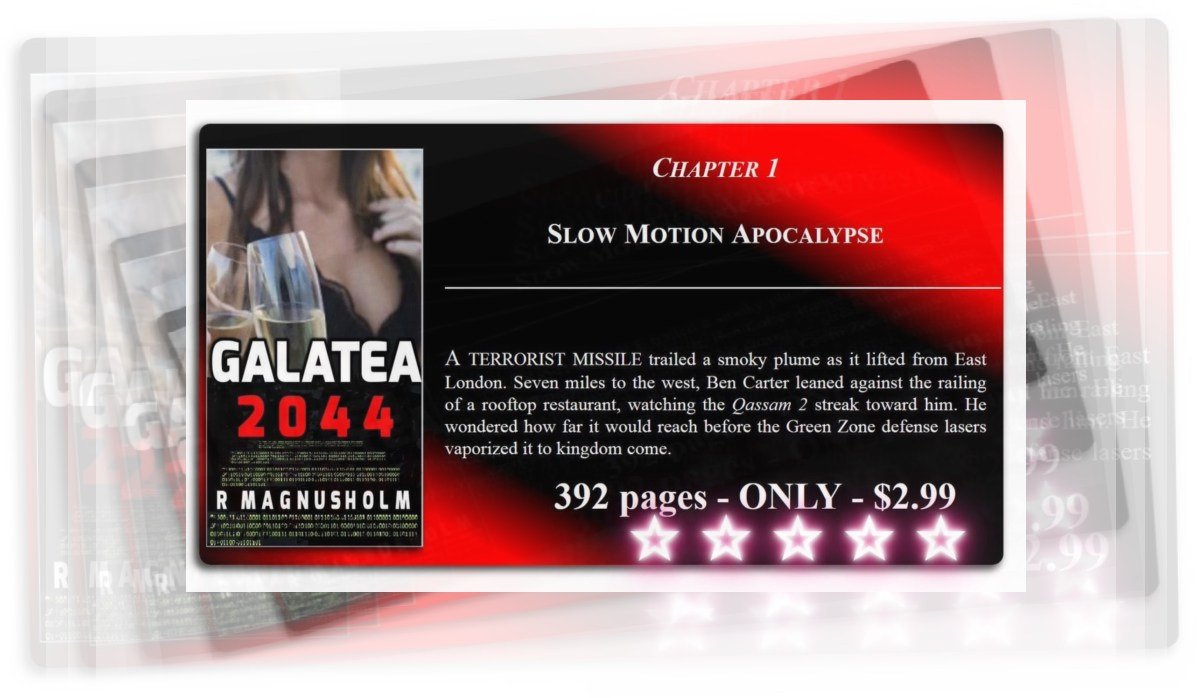
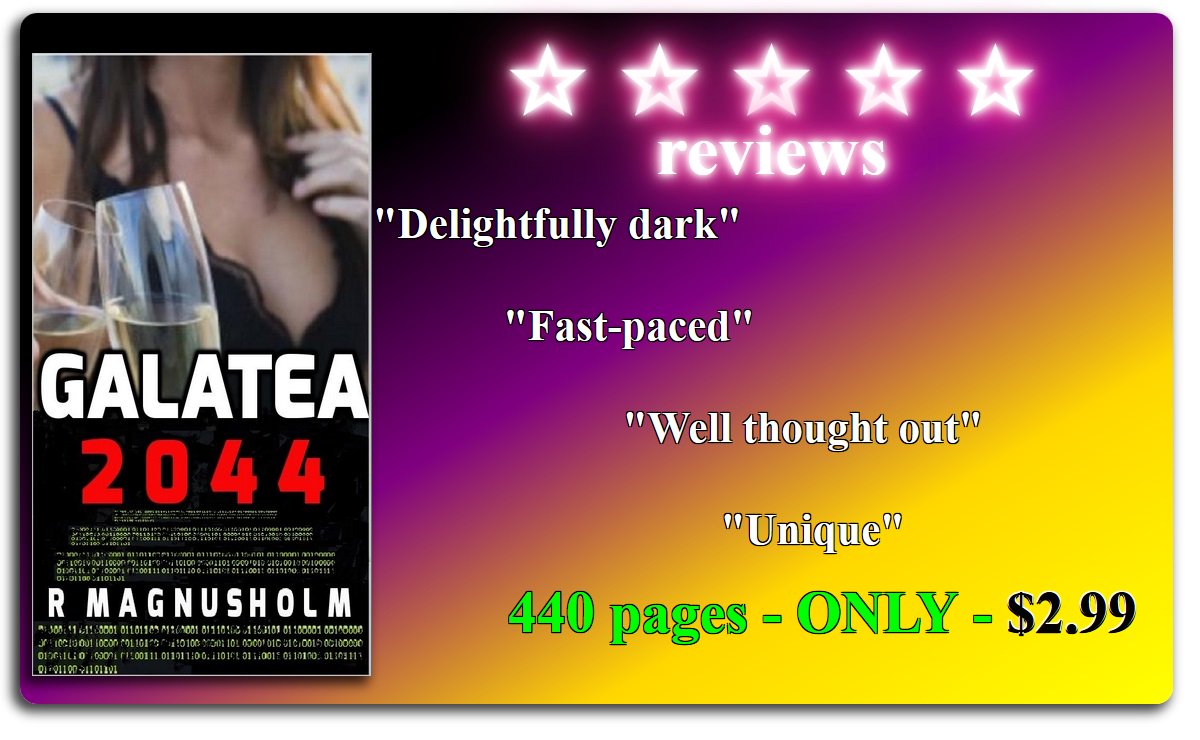
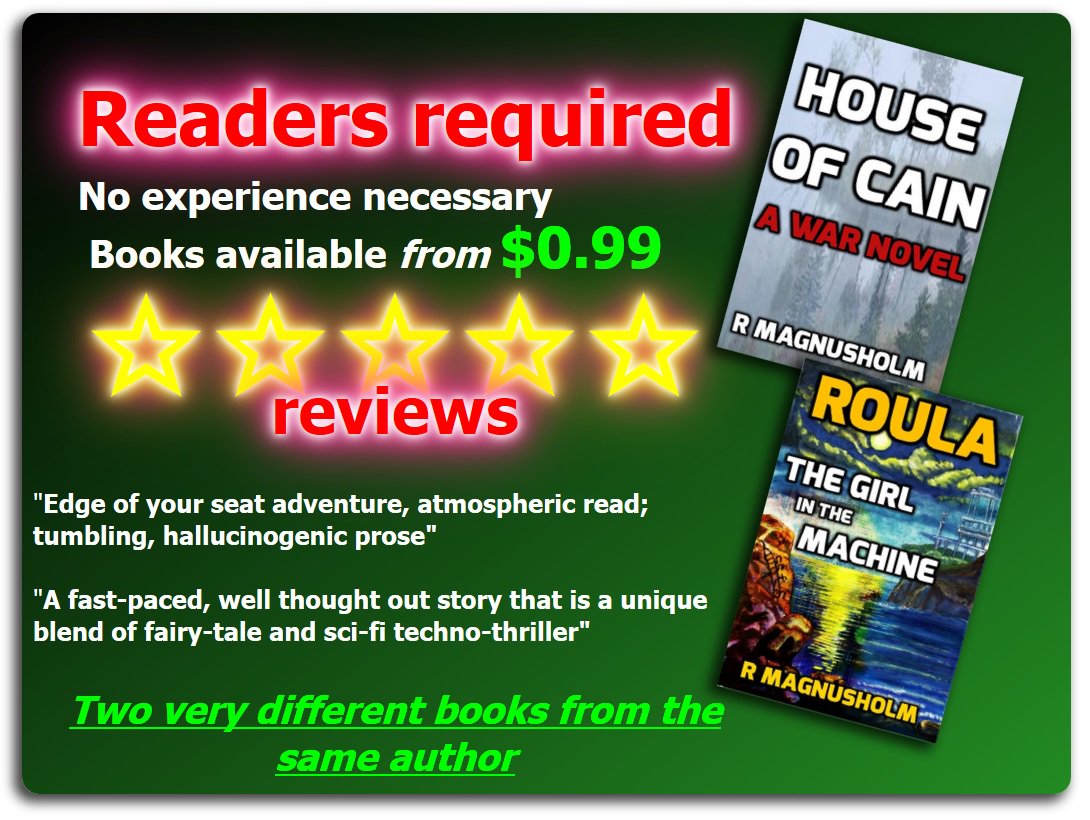
Read a racy techno thriller by a critically acclaimed author for only $3.49
FREE with Kindle Unlimited
#Magnusholm
#BookBoost
#Galatea2044
amazon.com/dp/B07C62RZDV/
2
58
BookBooster retweeted

Jun 13
California’s Glowing Glass Beach😮

25
48
389
BookBooster retweeted
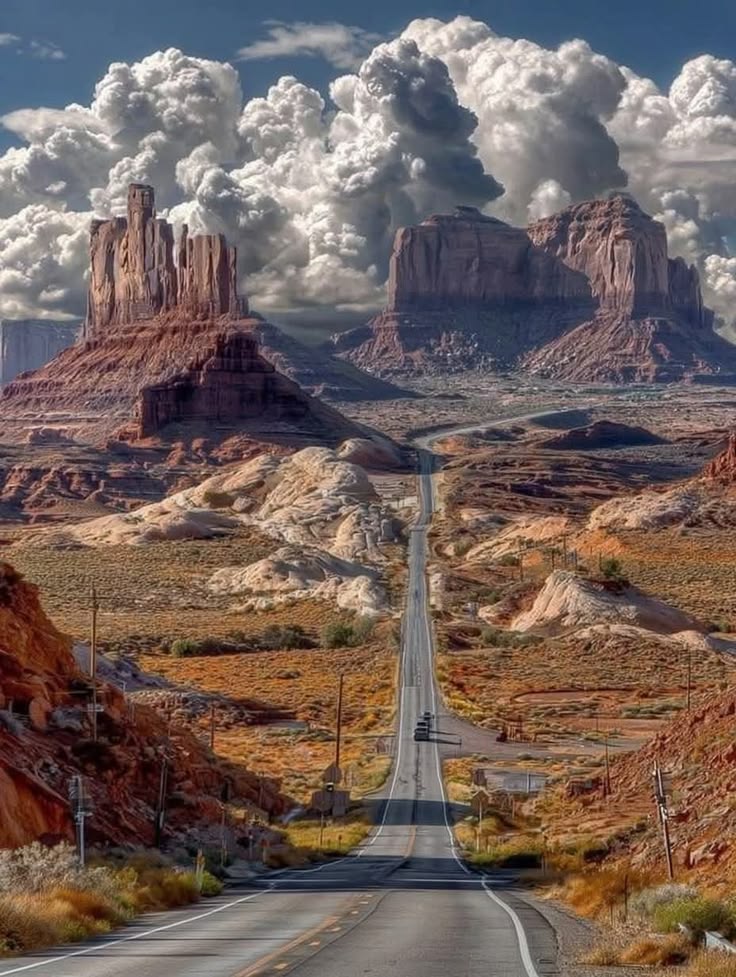
Route 163 Through Monument Valley in Arizona 😲😍
466
3,889
24,936
455,542


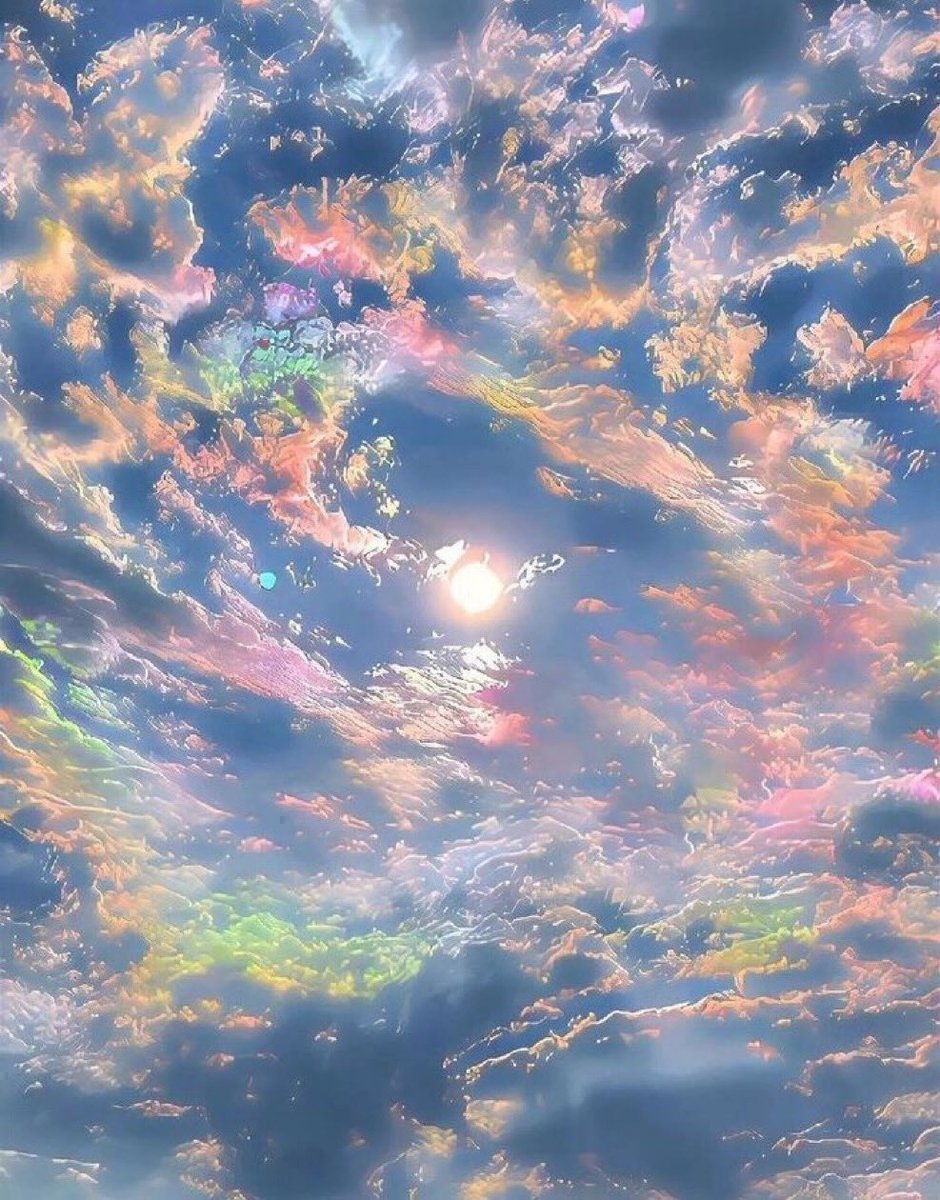
BookBooster retweeted

Jun 13
😱A visualization of the pollution created when tires are burned.
3
25
109
12,016
BookBooster retweeted
Jun 13
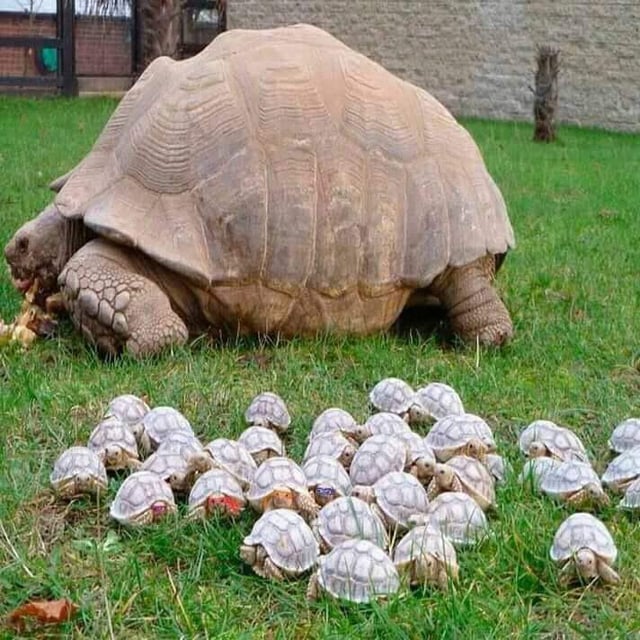
🦔An 80-year-old tortoise and her babies
12
75
407
10,145
BookBooster retweeted
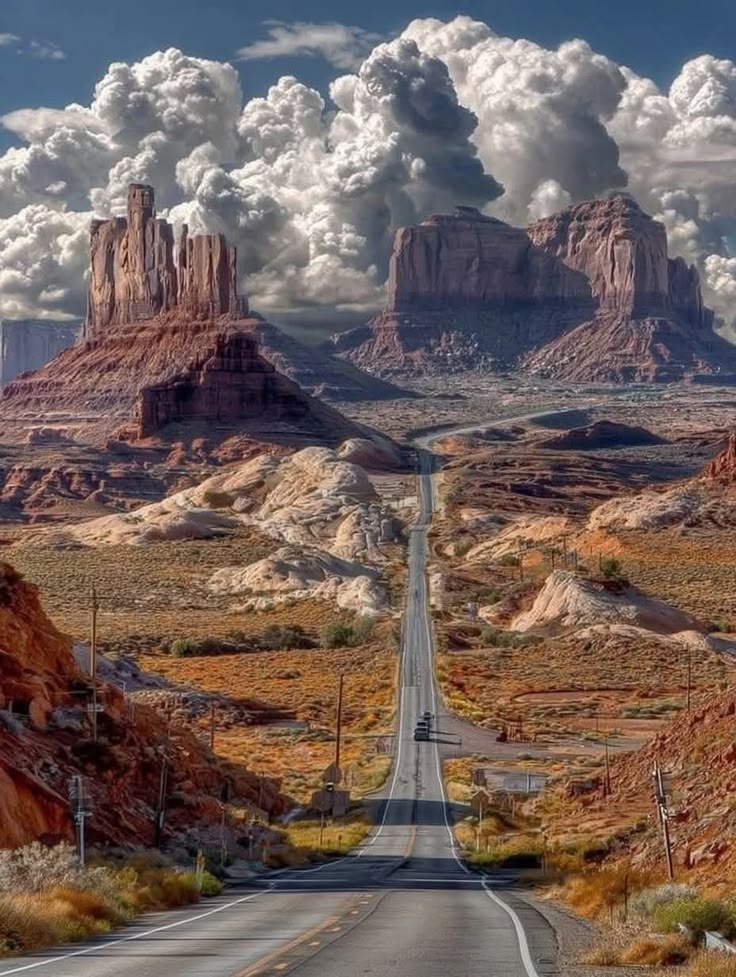
Route 163 Through Monument Valley in Arizona 😲😍
209
1,779
10,039
165,408
BookBooster retweeted
Jun 11
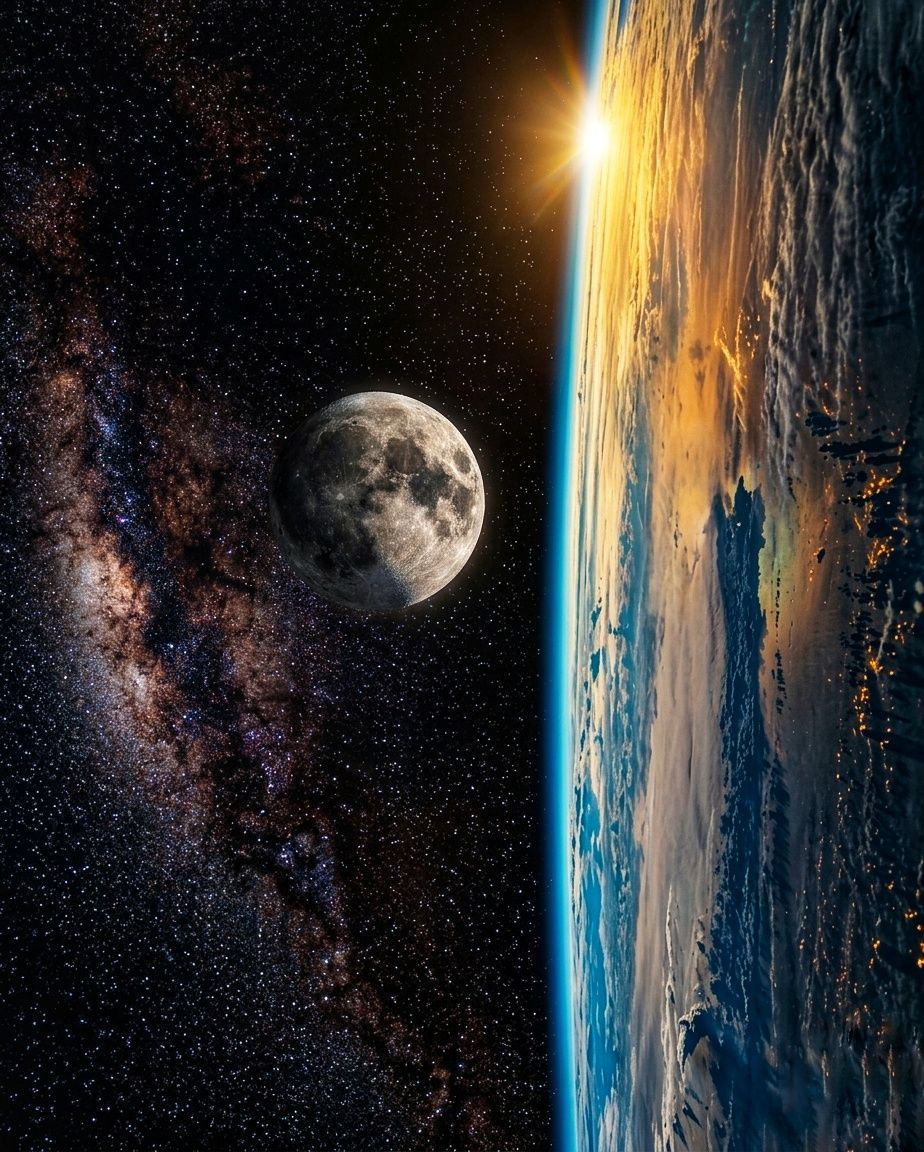
Mind Blowing The Moon, Earth and the milkyway in one incredible photo.
24
234
1,168
15,985
BookBooster retweeted
Jun 12
🌳White Cherry Tree from Japan 🇯🇵

44
449
2,092
26,696
Last Tango in Moscow is a superb work of cultural archaeology as well as a classical tragedy with more than a touch of Orpheus and Eurydice.
#HistoricalFiction #HistFic #ColdWarHistory #20thCentury #AmReading #BookRecommendation
amazon.com/dp/B0GT8MYW7T/
1
3
64
BookBooster retweeted
.Lightning chose the old tree ⚡🌳
📍 Alentejo countryside, Portugal 🇵🇹

4
17
97
3,115
BookBooster retweeted
May 29
White Cherry Tree from Japan 🇯🇵

66
809
3,858
46,772
BookBooster retweeted
May 28
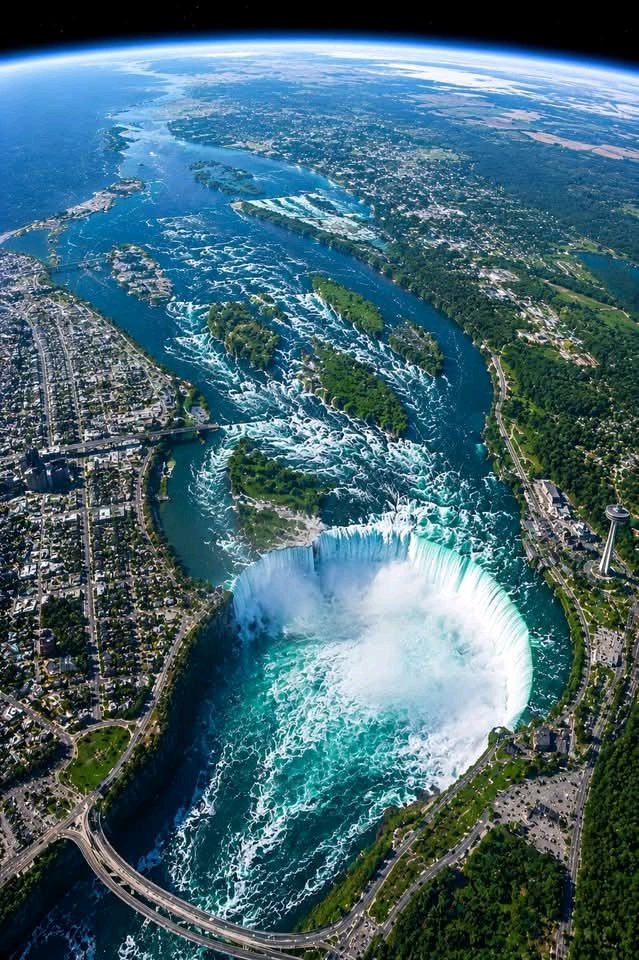
Mind Blowing “Niagara Falls as Seen From Space 😳”
7
113
397
9,935
BookBooster retweeted

May 24
The Soulless Masterpiece
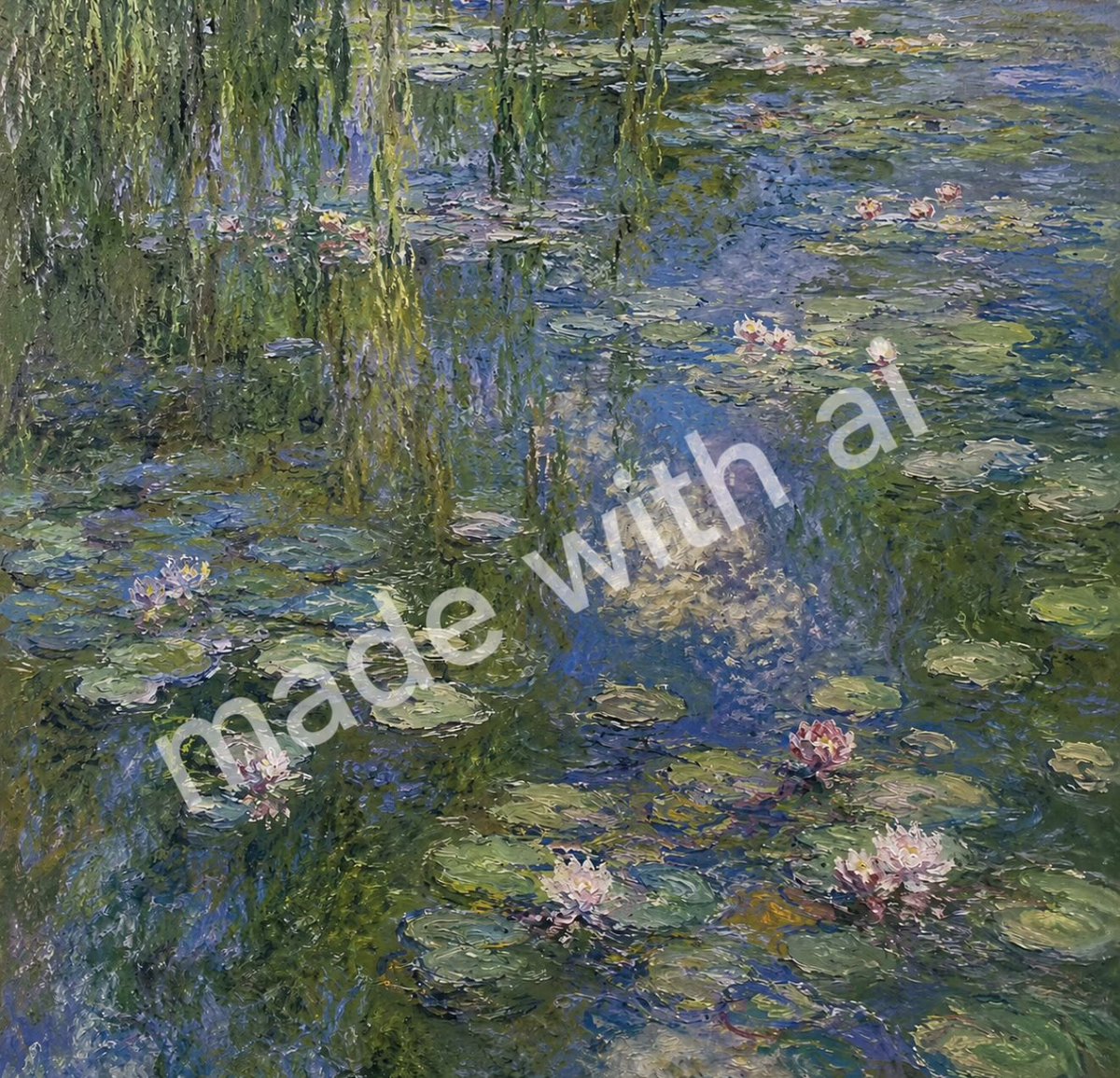
Claude Monet spent the better part of a decade wading into a lily pond in Normandy, squinting at light, and producing what would become some of the most recognizable paintings in human history. He was nearly blind by the end. His cataracts had turned the world amber and grey, and yet he kept painting, adjusting his palette from memory and fury.
None of that, it turns out, matters particularly if you tell people the painting was made by a computer.
An artist going by SHLOMS recently posted a cropped Monet water lily painting on X with a simple label: “Made with AI.” Then he sat back and watched. The internet, which rarely passes up an opportunity to be confident about something it doesn’t fully understand, obliged magnificently. Commenters called it soulless. They noted its lack of depth. Several wrote lengthy analytical takedowns before discovering, to their quiet horror, that they had just spent considerable intellectual effort criticising a 150-year-old masterpiece. Most deleted their replies. A few, presumably, stared at the ceiling.
There is research supporting exactly this reaction. People demonstrably devalue art when told a machine made it. The label does the work before the eyes even focus.
Monet, who once described his garden at Giverny as his greatest work of art, would probably have found this very funny. Or possibly infuriating. He was not, by most accounts, a patient man.
10
23
132
8,063




BookBooster retweeted
May 25
Reflection Canyon in Utah 😲😍

33
89
2,315
BookBooster retweeted
May 24
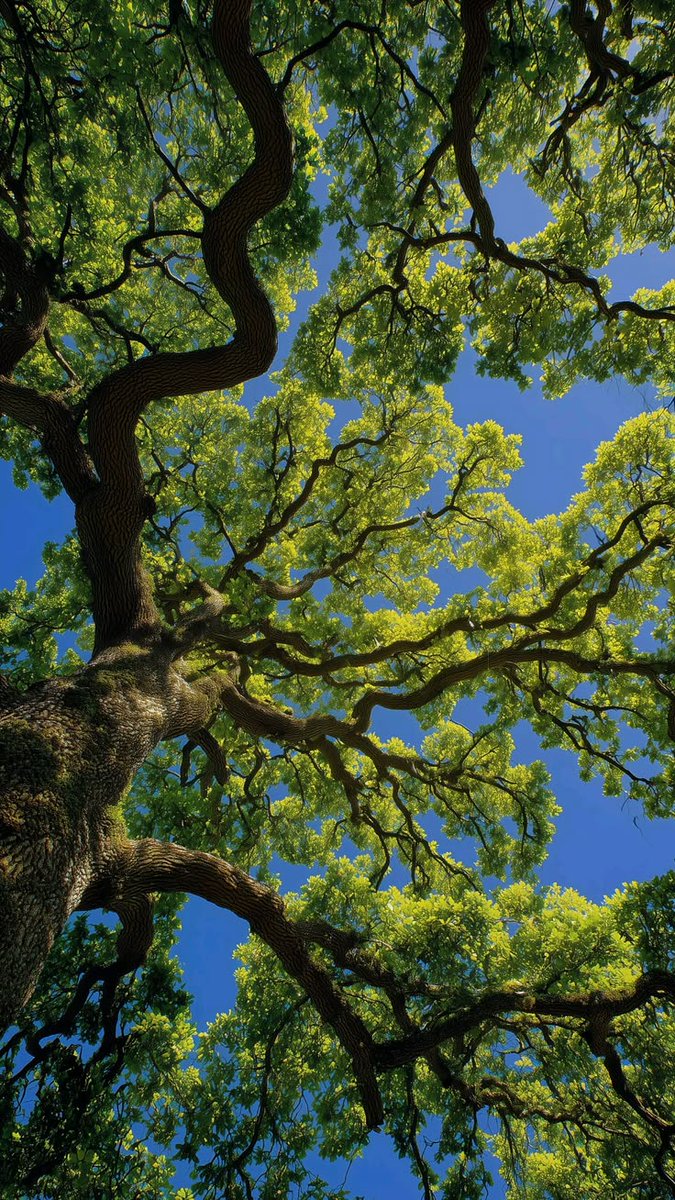
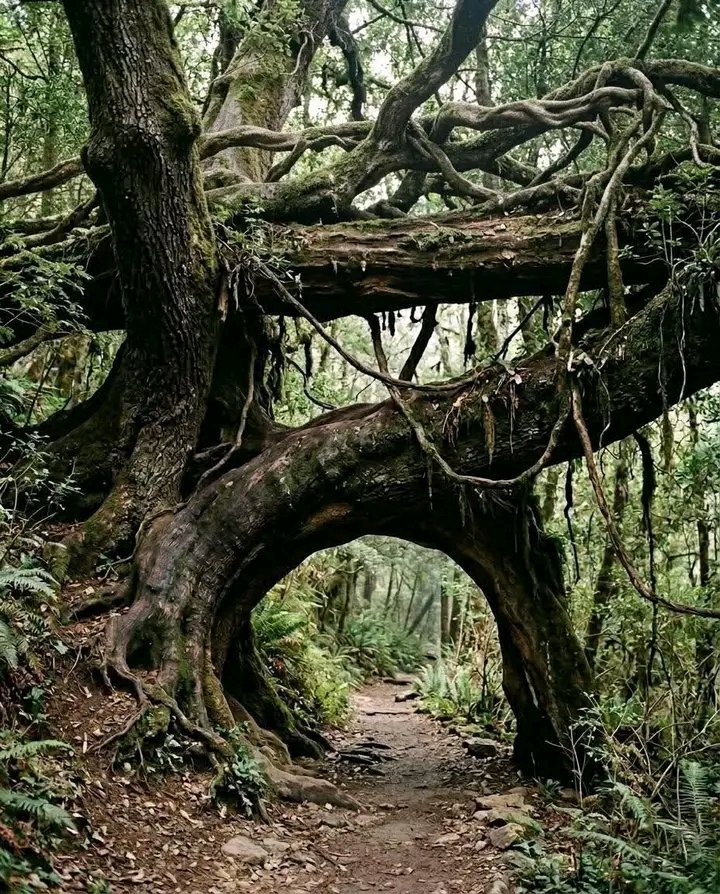
Twisted tree growing in the arches at Arches National Park,

3
28
100
3,214