
Mapping Pathways to Better Health. Develop disease process flow maps unveiling plausible root causation for numerous complex chronic conditions since 2018.
Joined November 2021
- Tweets 9,262
- Following 424
- Followers 963
- Likes 4,804
1,139 Photos and videos
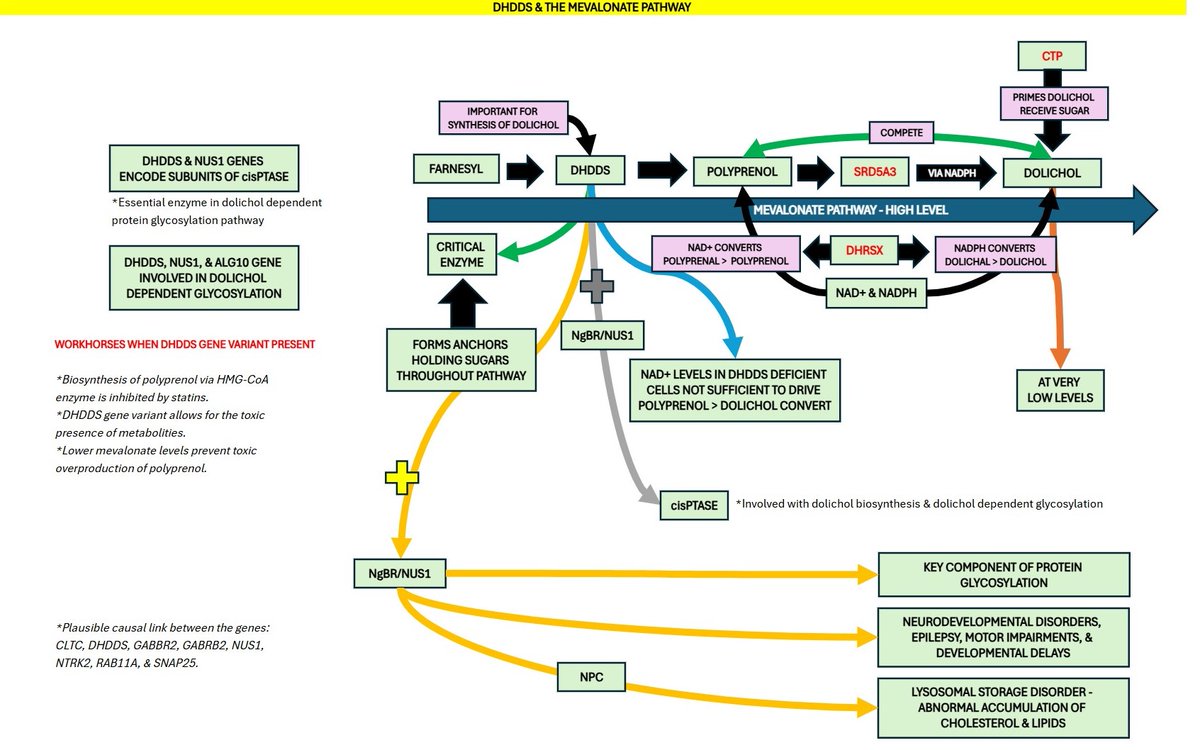
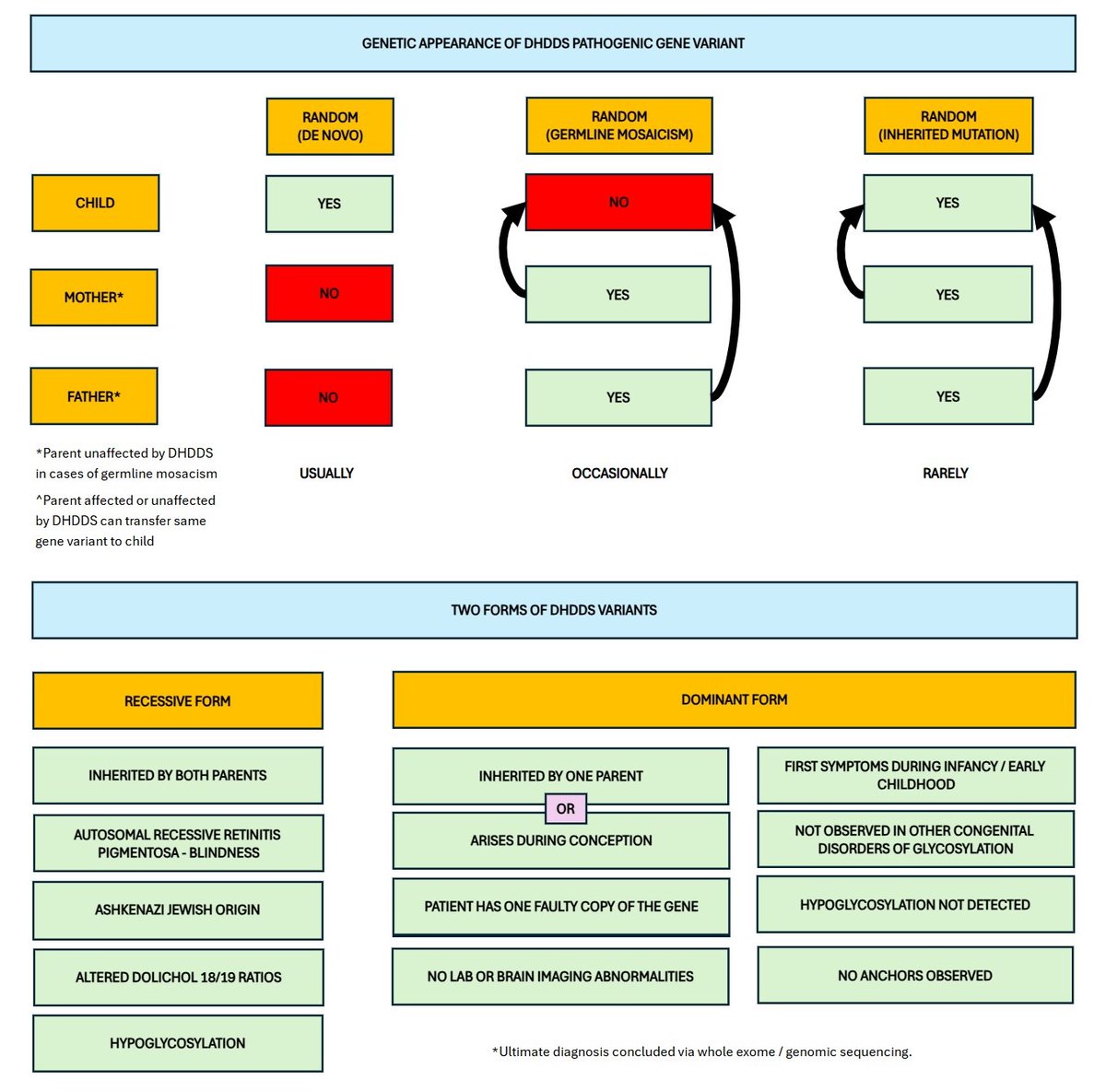
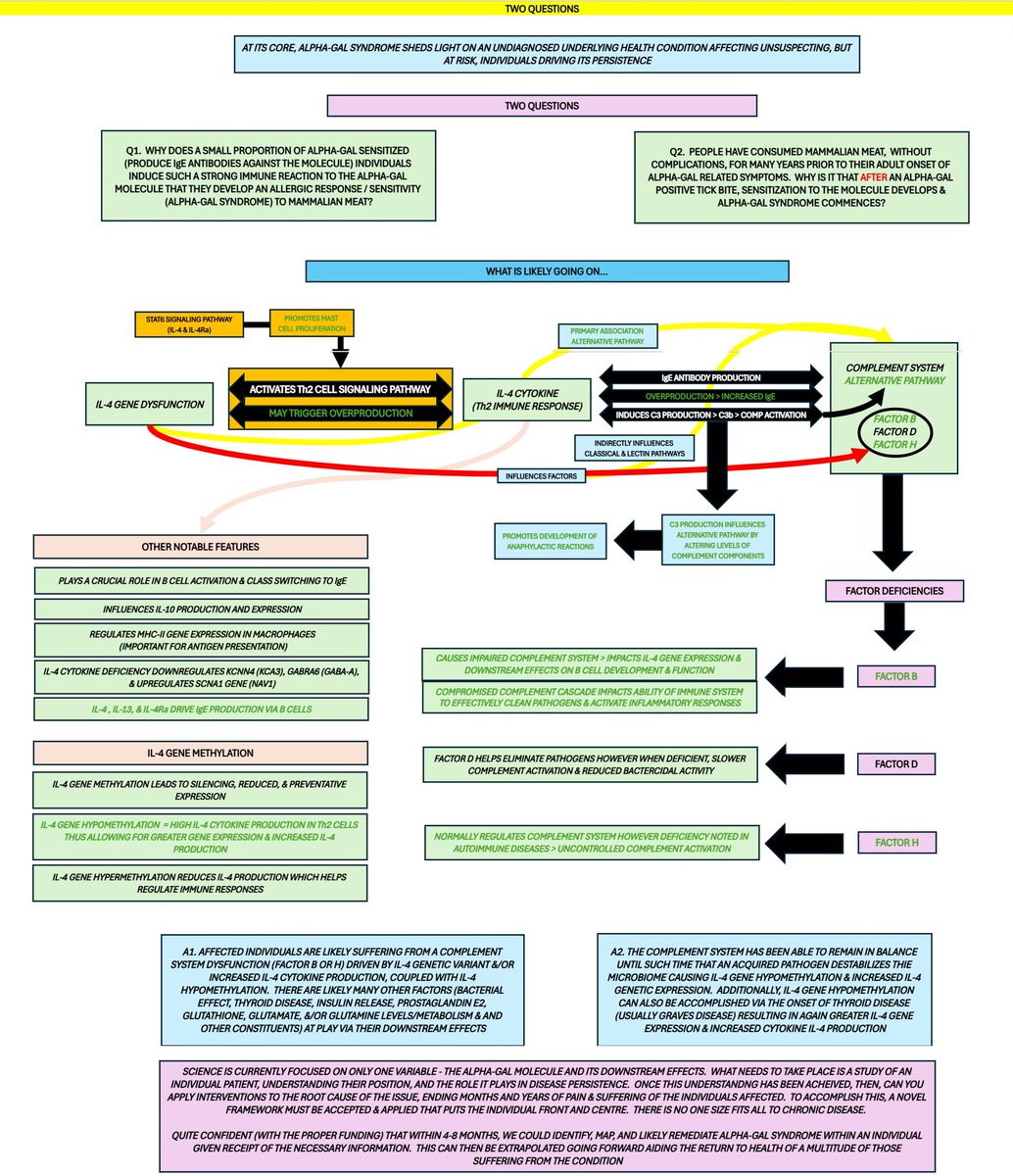
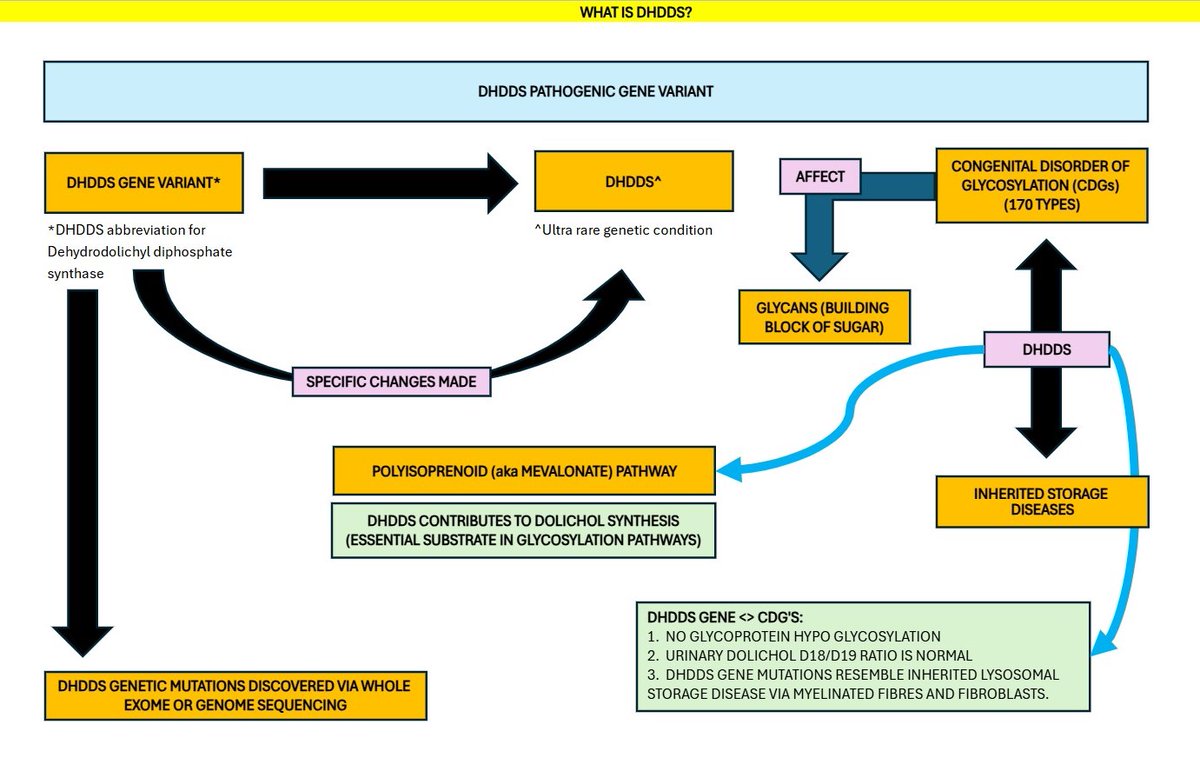
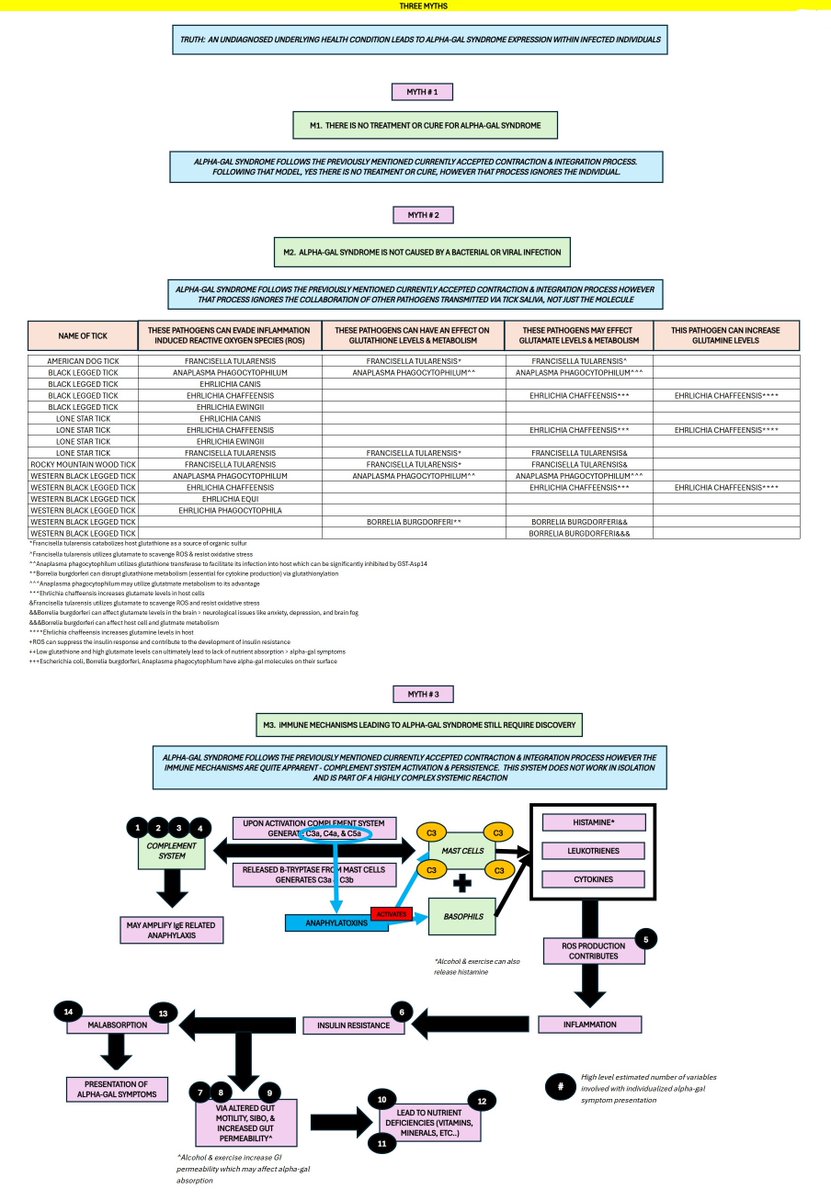

We have examined DHDDS; what it is, genetic appearance, different forms of DHDDS, symptoms, congenital disorders glycosylation & lysosomal storage disorders & their symptoms.
Today's post re: DHDDS will focus on Mevalonate pathway & importance of the variant located within it
4
19
1,542
@CureDhdds @RareDiseases @rarediseasesnet @RareDiseaseLive @OHRareDisease @Recordate_D @CureRareDisease
1
12
838
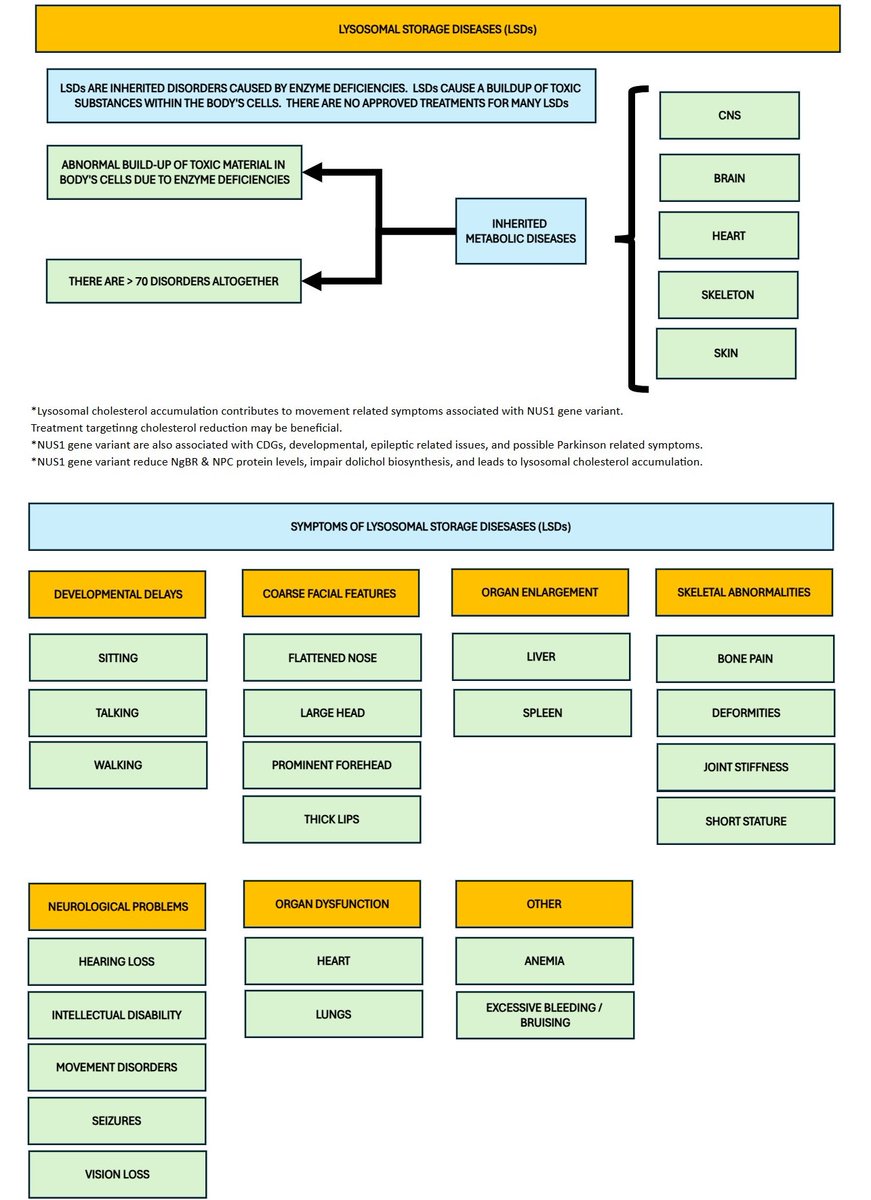
Today's post will shed some light on Lysosomal Storage Disorders (LSDs).
What are they and what are their symptoms.
Let's take a look.. @CureDhdds @RareDiseases @rarediseasesnet @RareDiseaseLive @OHRareDisease @Recordate_D @CureRareDisease
1
14
814
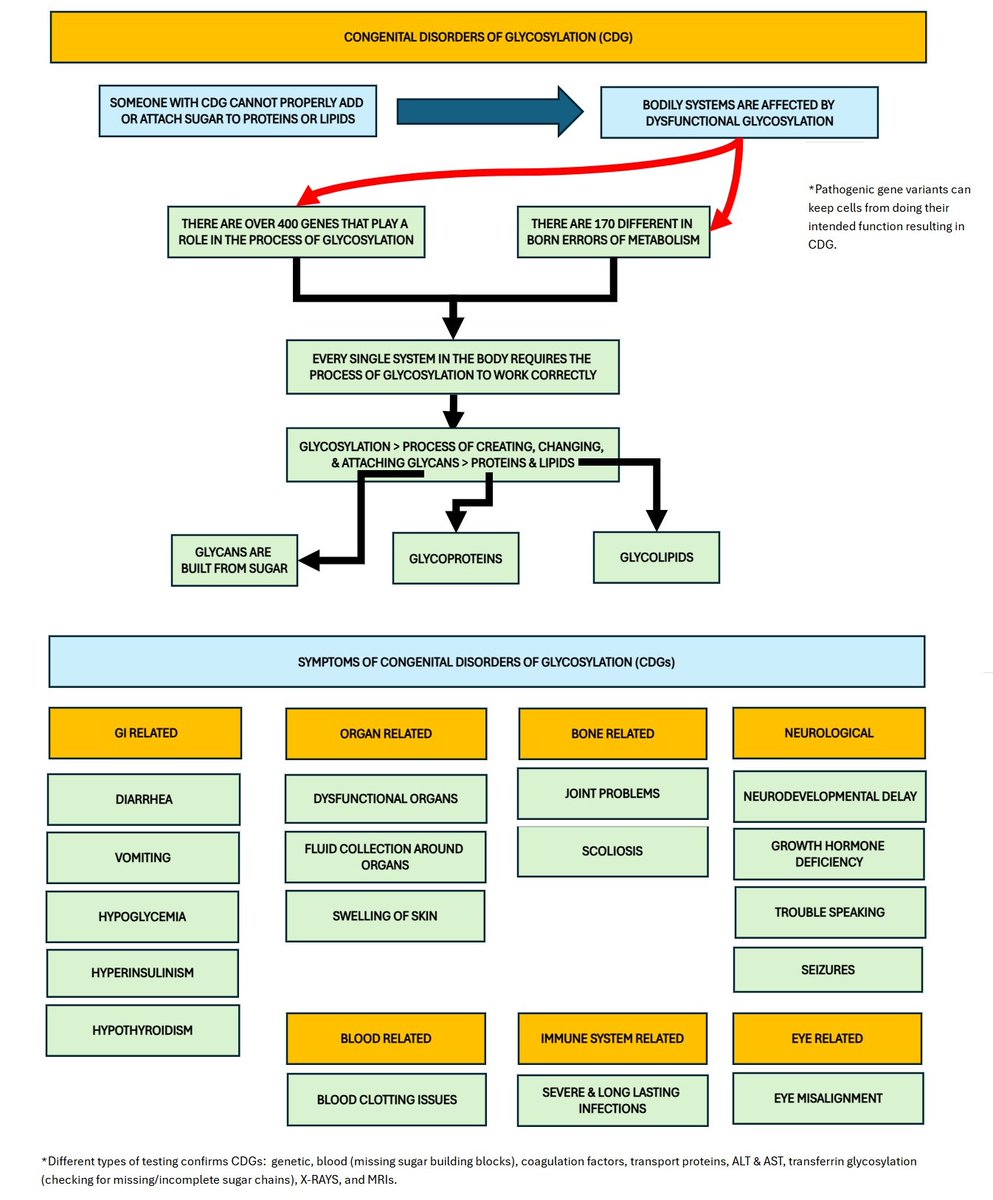
As mentioned in the first post regarding DHDDS, DHDDS sits between Congenital Disorders of Glycosylation (CDGs) and Lysosomal Storage Disorders (LSDs).
Today's post will be regarding CDGs, what are they and what are their symptoms.
Let's take a look..
2
12
563
@CureDhdds @RareDiseases @rarediseasesnet @RareDiseaseLive @OHRareDisease @Recordate_D @CureRareDisease
4
323
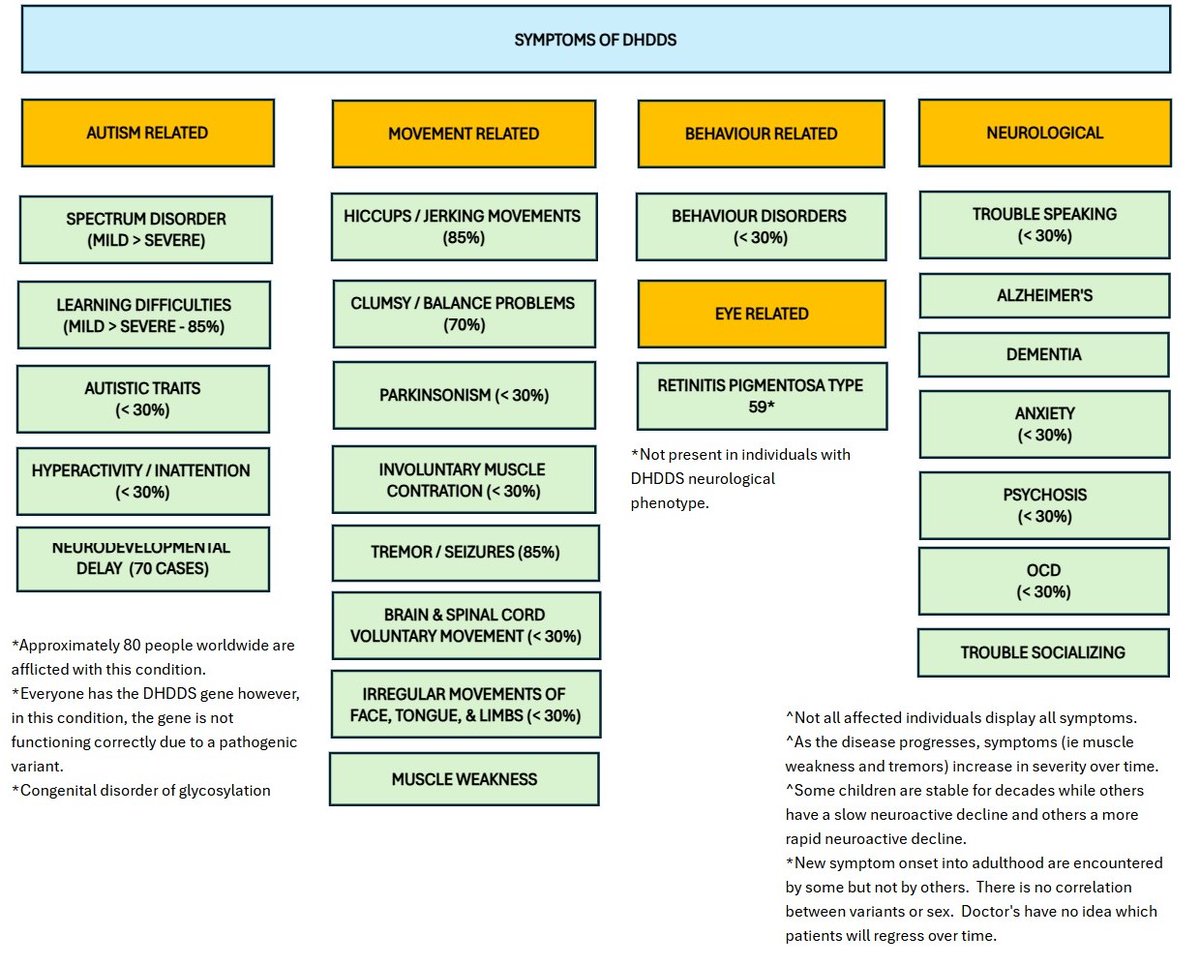
3rd post reg: ultra rare genetic condition DHDDS, examine symptoms this genetic disorder.
Categorizing DHDSS symptoms helps understand areas affected by devastating disorder. @CureDhdds @RareDiseases @rarediseasesnet @RareDiseaseLive @OHRareDisease @Recordate_D @CureRareDisease
4
378
2nd post regarding ultra rare genetic condition DHDDS examines the genetic appearance & forms of DHDDS.
DHDDS genetic appearance occurs in 3 ways: De Novo (birth), germline mosaicism, & inherited mutation. Two forms DHDDS: Recessive & Dominant
Majority of cases appear at birth
3
6
506
@CureDhdds @RareDiseases @rarediseasenet @RareDiseaseLive @OHRareDisease @Recordate_D @CureRareDisease
3
221
Last of 5 posts re: Alpha-Gal Syndrome, examine questions surrounding condition.
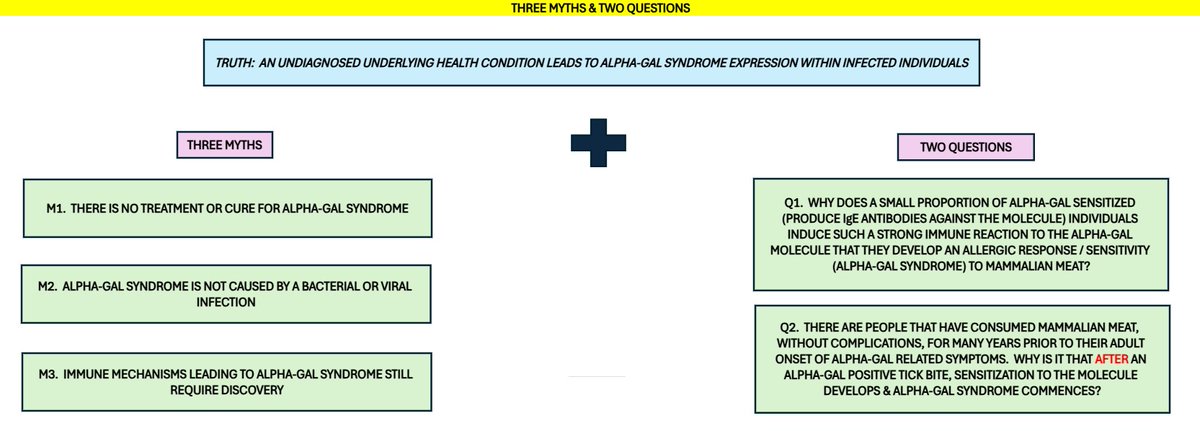
Q1. Why do some people develop strong immune reaction to Alpha-Gal later developing > allergic reaction?
A1. Apparent that Alpha-Gal is Patient driven not disease driven.
3
1
2
320
Q2. Why after Alpha-Gal tick bite, sensitization to molecule develops & Alpha-Gal commences?
A2. Disease takes hold combination of dysbiosis & acetylation. Disease triggered pathogen contraction &/or environmental disturbances but persistence comes back infected individual
2
1
4
212
Article published by BBC bbc.com/news/articles/cp3n03… two weeks ago re: ultra rare genetic disorder - DHDDS
Parents featured in article are loving & dedicated to finding a cure for this incurable genetic disorder. Condition affects 2 of their 3 children.
1
1
194
4th of 5 posts re: Alpha-Gal Syndrome, examine 3 myths surrounding condition
Individuals affected by Alpha-Gal should front & centre
Immune mechanisms very recognizable. Root cause lacks transparency. If Alpha-Gal troubling infected individuals, why 110K of 31M bitten by ticks?
1
4
249
3rd of 5 posts re: Alpha-Gal Syndrome, reveal 3 myths & 2 common questions regarding condition.
Over next 2 posts we shed light why these are actually myths & not truths.
Important for scientists apply novel innovative frameworks from other disciplines against chronic disease
1
2
191
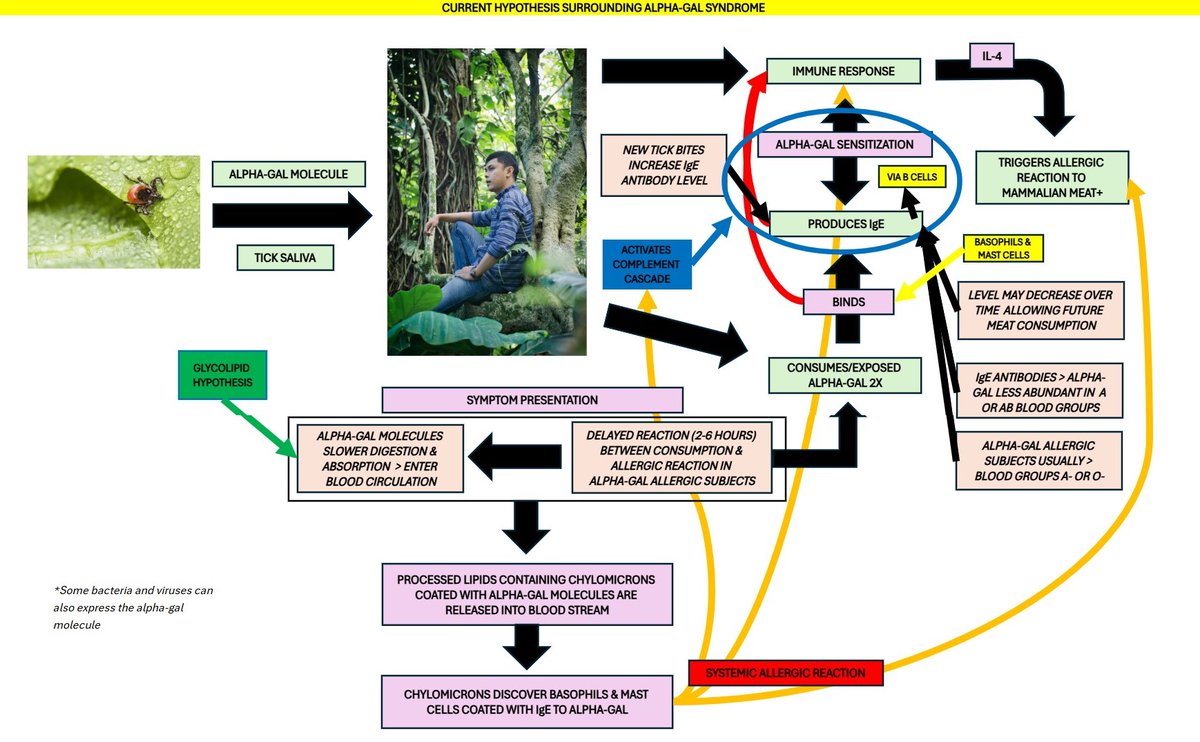
2nd of five posts regarding Alpha-Gal Syndrome, examines current hypothesis re: bodily mechanism upon contraction of alpha-gal molecule from an infected tick.
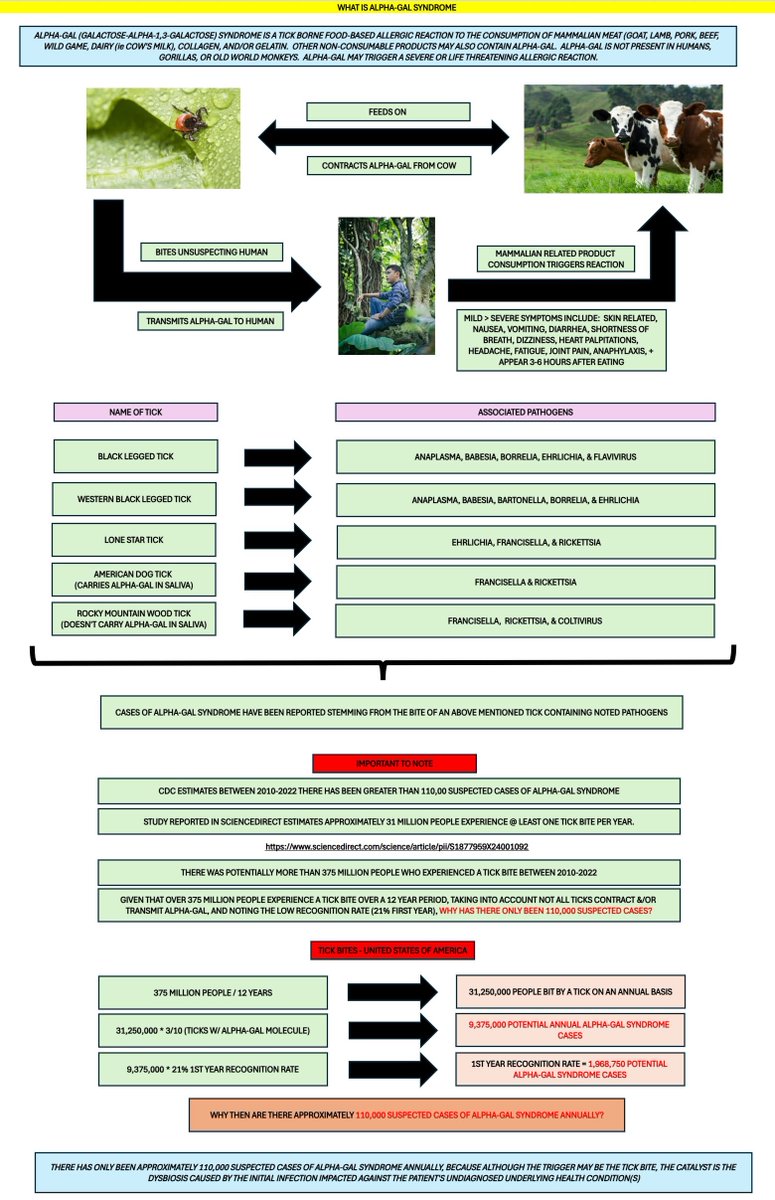
Alpha-Gal Syndrome affects app. 110,000 infected individuals yearly. Estimated 31 million Americans get bit annually.
1
1
3
242