
Bosence Building Conservation study and repair vernacular buildings: their materials; crafts; function and decay. see also: @localworkstudio
Joined February 2016
- Tweets 206
- Following 0
- Followers 176
- Likes 350
104 Photos and videos
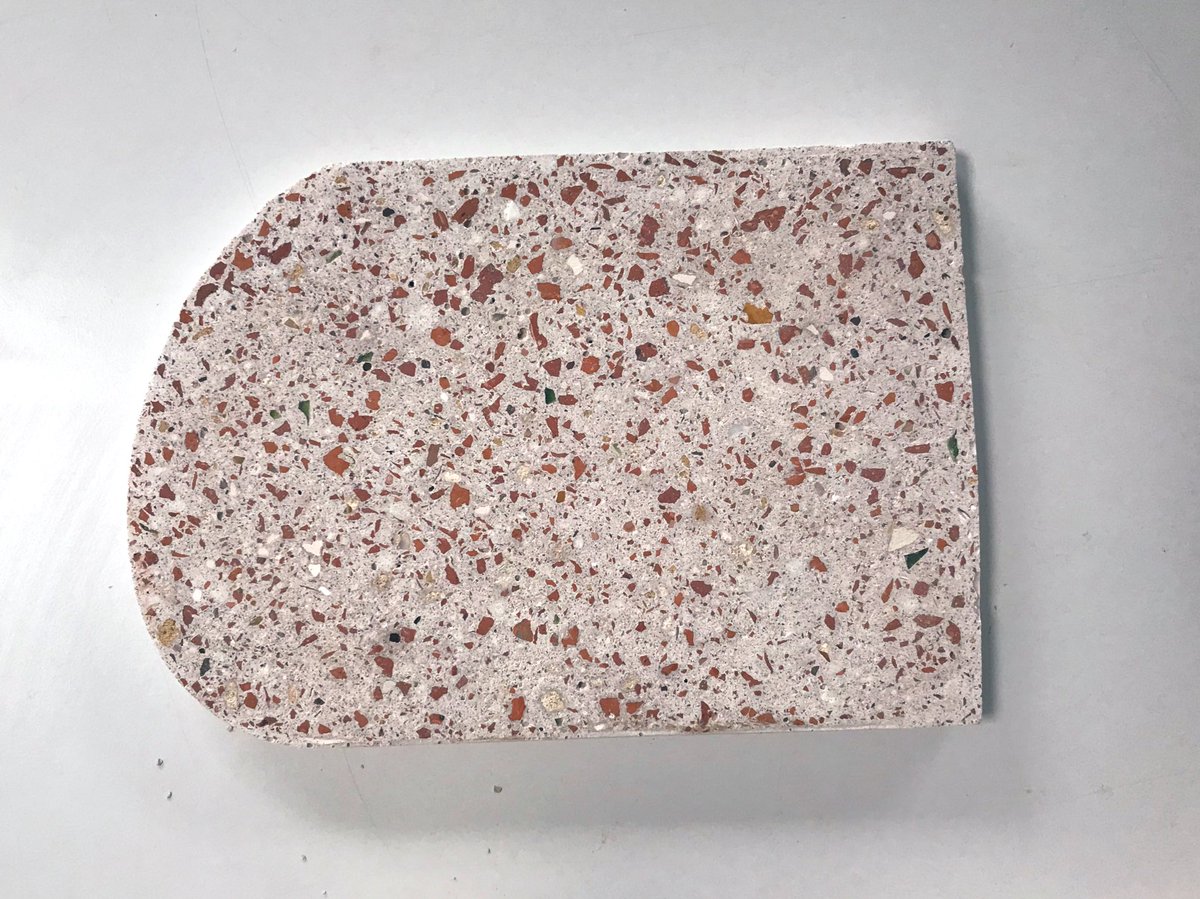
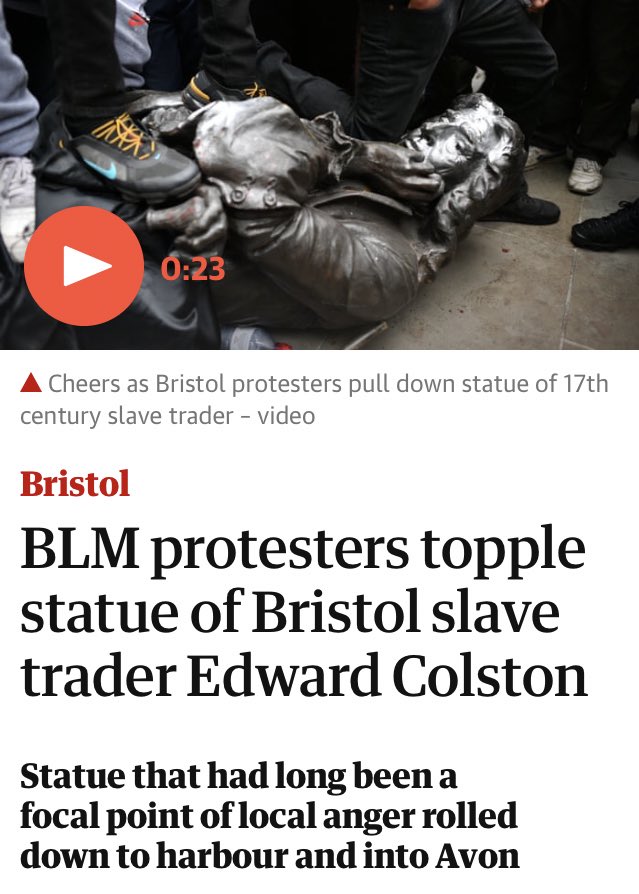
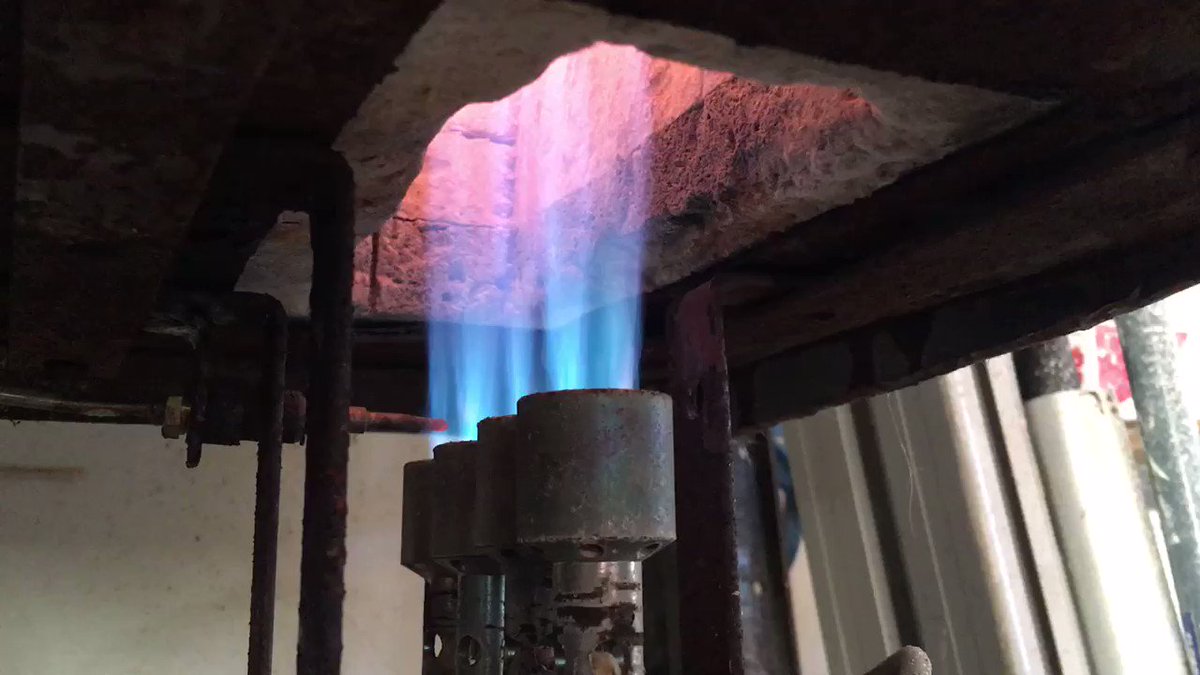
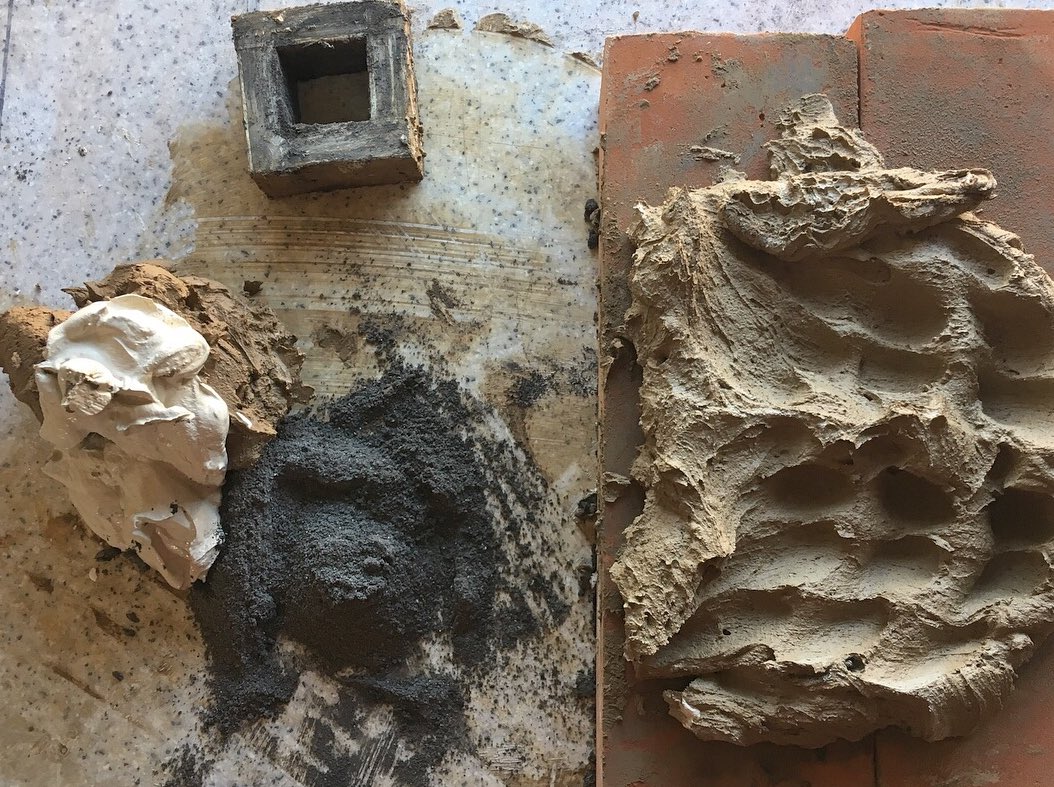
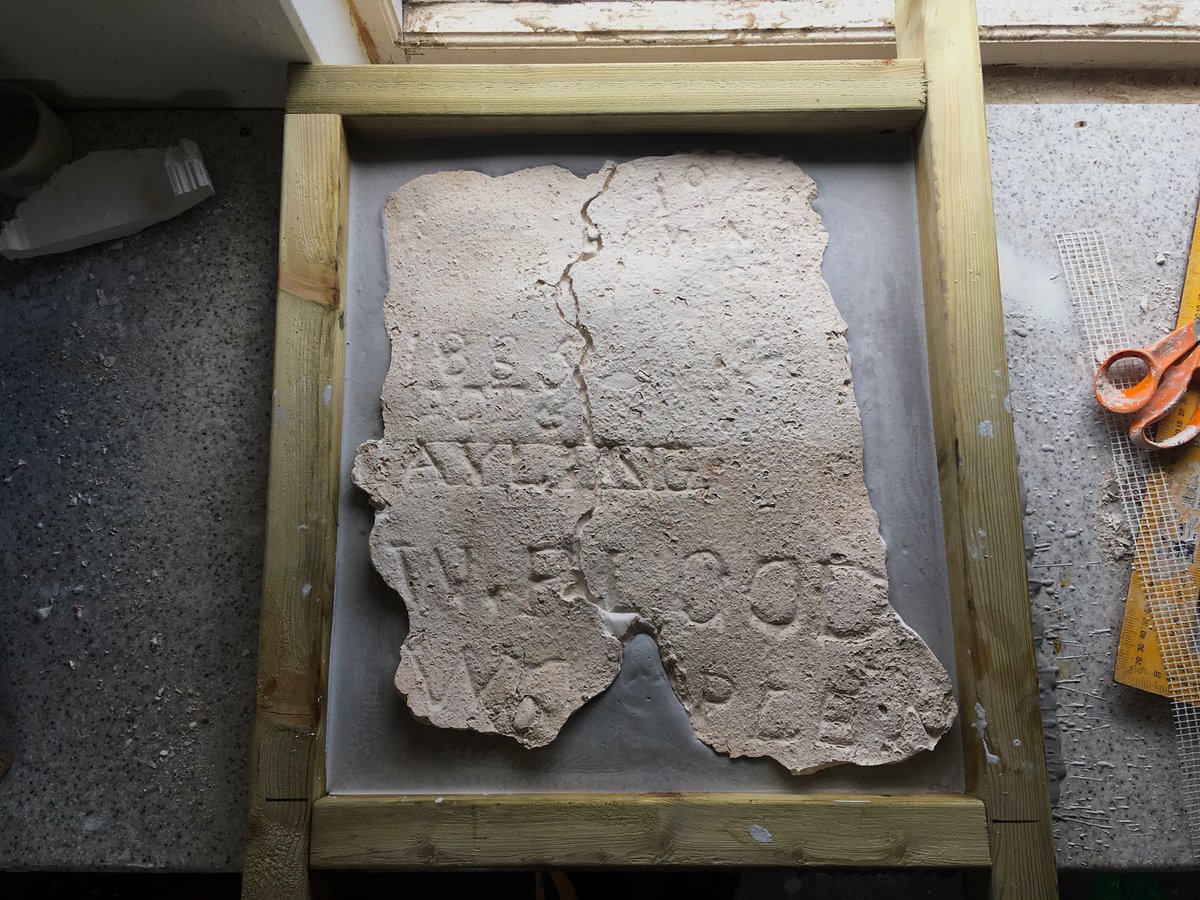
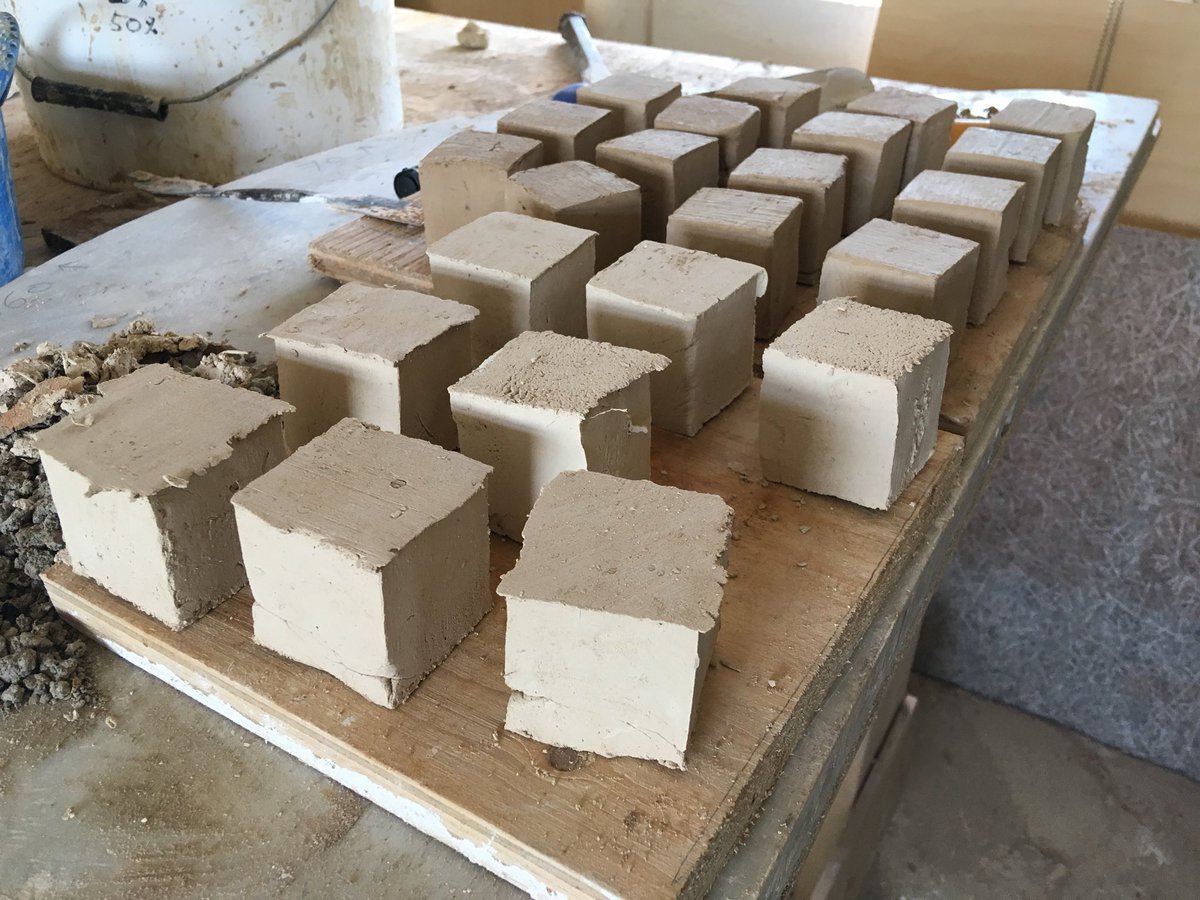
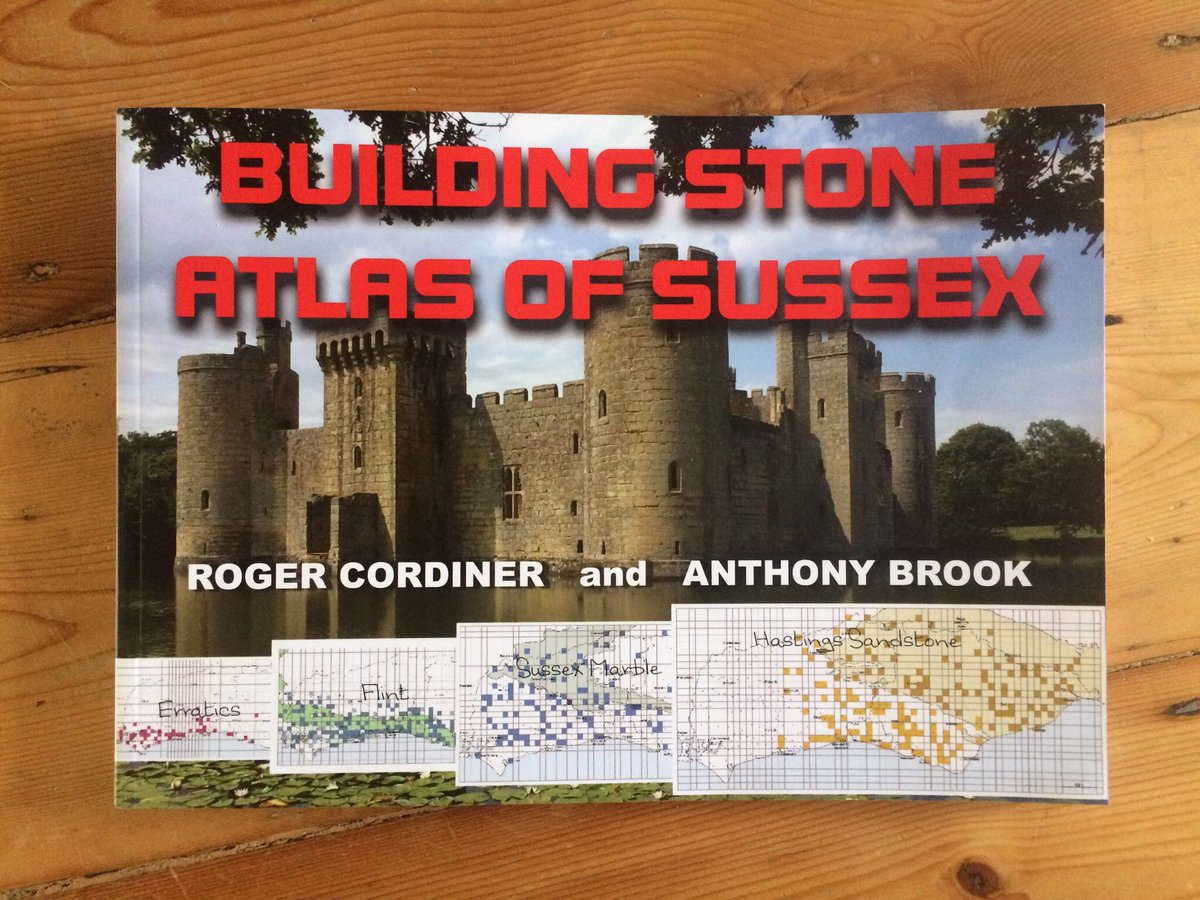
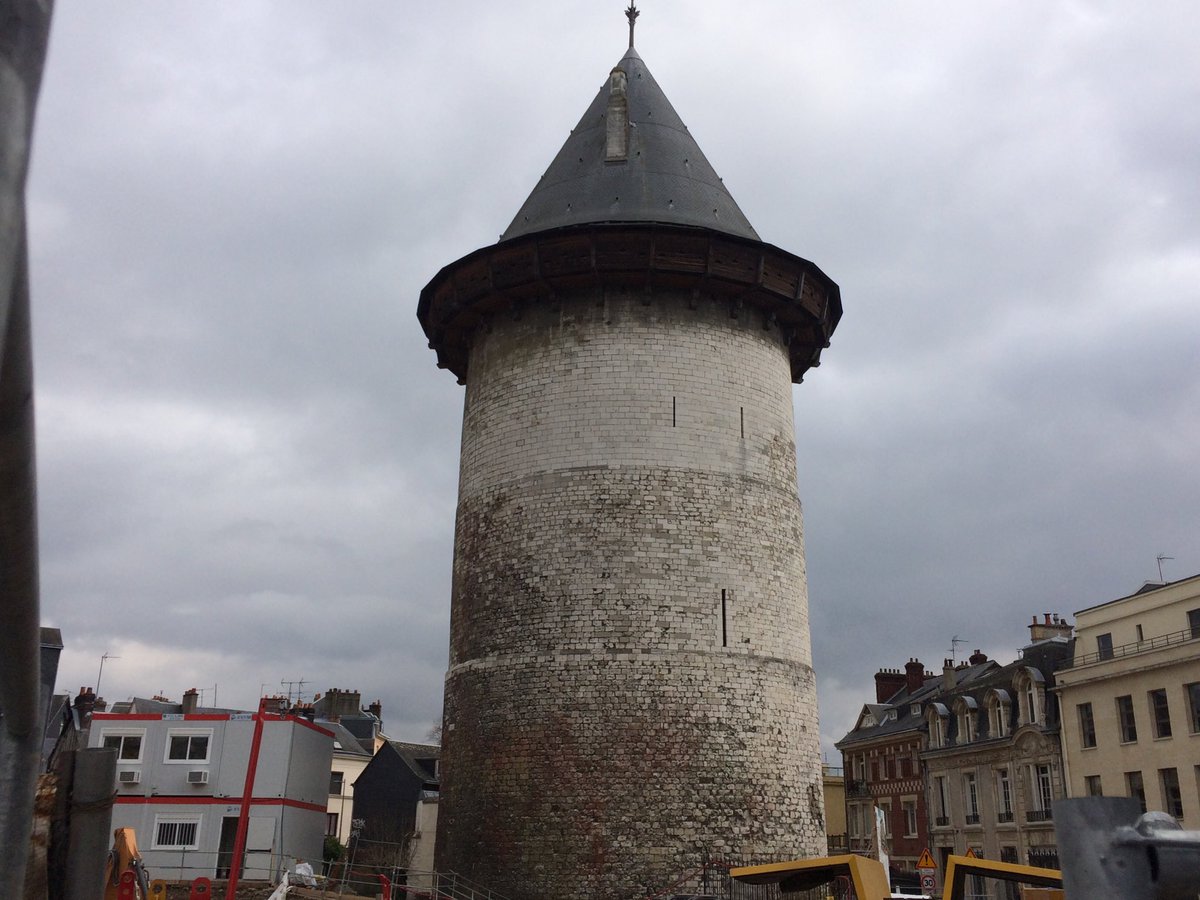


6 Mar 2021
I just signed a @eastbournefoe petition: Save Pete the Pond's ponds. Sign here: actionnetwork.org/petitions/…
Ben Bosence retweeted

13 Nov 2020
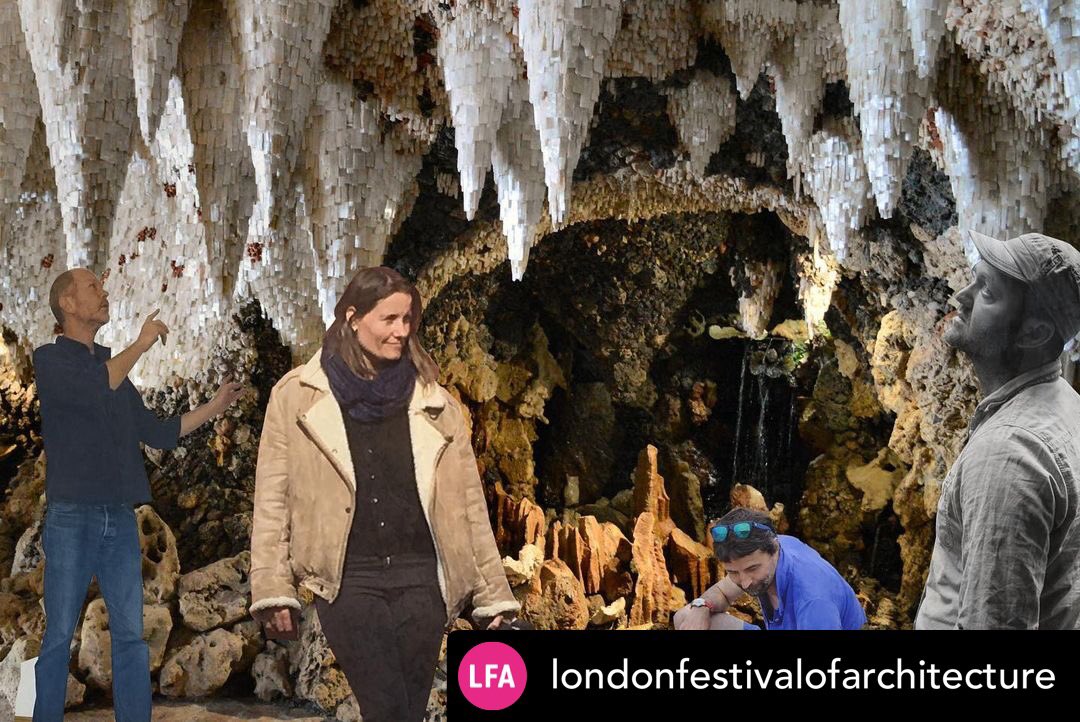
Really happy to have been shortlisted for @LFArchitecture #arch42 competition. Working with fflo.co.uk and alltenvironmental.com
2
5
Ben Bosence retweeted
8 Sep 2020
Really excited to share our new project. It will be the highest residential building in @sdnpa 🏔🏔🏔 and built using #CircularEconomy principles using site-based waste materials. Creative and experienced team led by @BBMarchitects with @ElliottWood_
4
6
Ben Bosence retweeted

25 Jun 2020
Our Chairman James Simpson speculates on new structural roles for stone and lime in a more environmentally benign system of post-modern construction in the latest edition of
@NatStoneSpec pg10.
Digital Natural Stone Specialist magazine - Stone Specialist stonespecialist.com/news/mar…
1
1
22 Jun 2020
I have an article published today in @BuildLimes journal. About the history and development of oyster shell lime for buildings. More info localworksstudio.com @localworkstudio Image shows our cast tile made from #oyster shell lime and demolition waste #waste #buildingcraft
2
7
Ben Bosence retweeted

22 Jun 2020
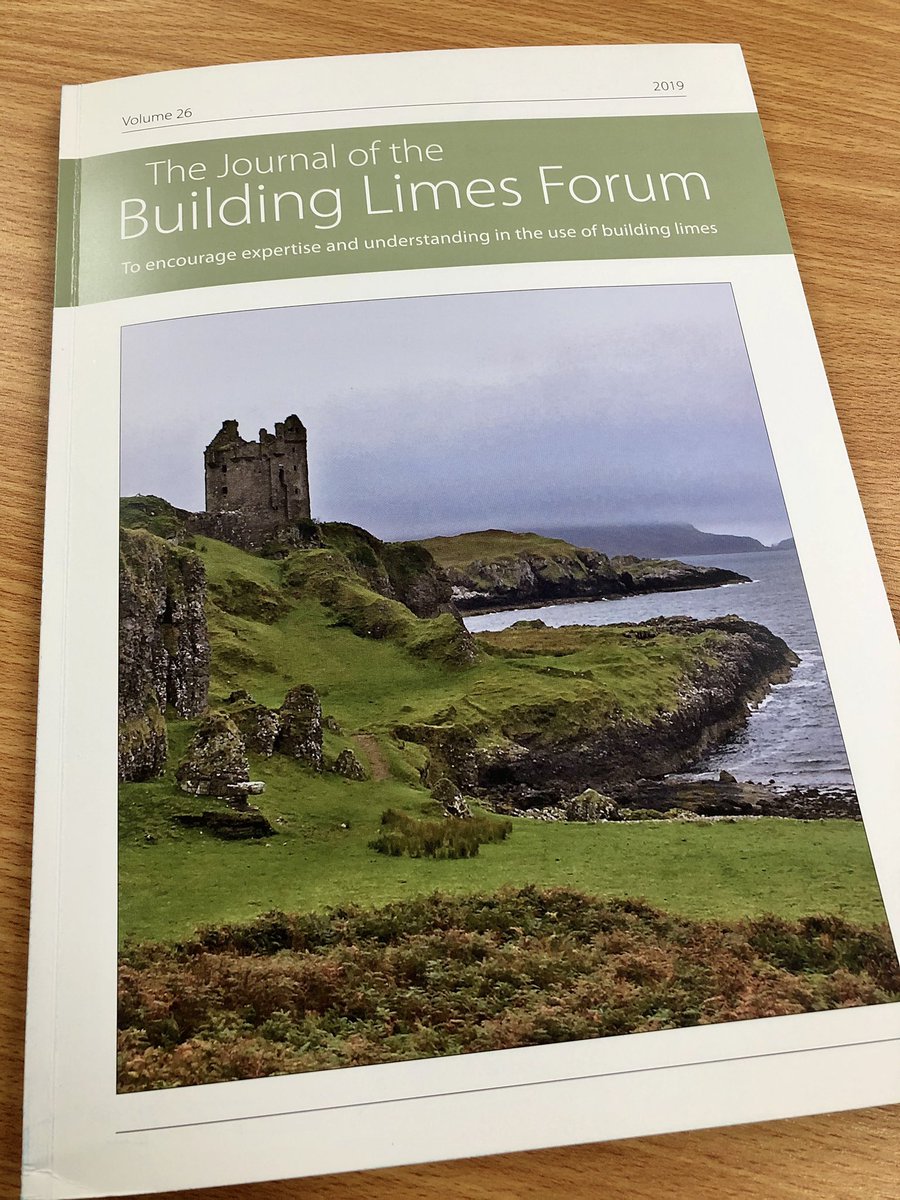
Very pleased to have this drop through my letterbox today @BuildLimes ...definitely worth the wait! Another superb Journal thanks to all contributors @TimMeek8 @GoldieScott0471 @plaster_craft @Bosence_Build & more, not forgetting Editor Alison Henry 👍🏻
2
8
Ben Bosence retweeted

9 Jun 2020
3. To remove a statue is not to "erase history". On the contrary, statues themselves can be acts of historical erasure. The Colston Statue, for example, did not mention his role in the slave trade. It constructed a history from which slavery was written out and cast it in bronze.
10
184
808
Ben Bosence retweeted
9 Jun 2020
2. Statues inhabit the present, not the past, and are subject to its jurisdiction. Our relationship with the past - and the things we choose to honour - can change over time. It is not an offence against history to reflect those changes in what we commemorate in our public spaces
7
53
387
Ben Bosence retweeted
9 Jun 2020
1. Public statues are not politically neutral. They are statements about who and what we honour as a society. The decision to erect (or maintain) them is an exercise of power over the public realm. As such, it carries into one age the values and power structures of another.
7
112
522
Ben Bosence retweeted

10 Jun 2020
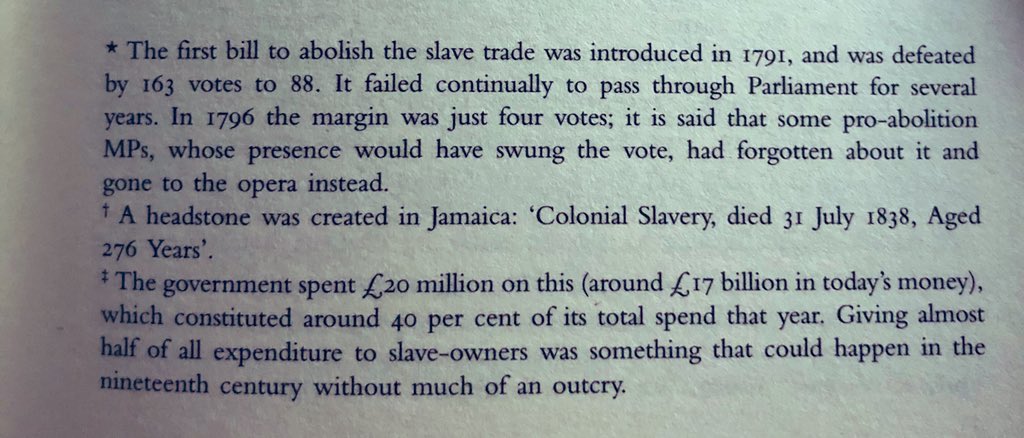
Gladstone played a significant part in this - he actually inherited a share of his father's plantation ..
9 Jun 2020

Some other facts on the abolition of slavery. The final point that the slave-owners not the enslaved were compensated is especially striking.
7
9
36
7 Jun 2020
Why was this statue still up in the first place? @HistoricEngland needs to rethink their listings pronto. Not acceptable to protect and keep displaying this kind of heritage. #edwardcolston #bristol #historicengland
1
4
Ben Bosence retweeted

1 Apr 2020
Thanks @eddwall @localworkstudio for a fascinating case study of implementing local material sourcing and the challenges this brings. I’d quite enjoy a trip to the woods to split some lath right now!

Excited to be hosting The Landscapists Seminars over the coming weeks. Thanks to friends and colleagues for joining these critical conversations about how we design and research. Full listings on: thelandscape.org/the-landsca… #landscapearchitecture #urbanism #urbandesign

1
3
4
Ben Bosence retweeted
17 Dec 2019
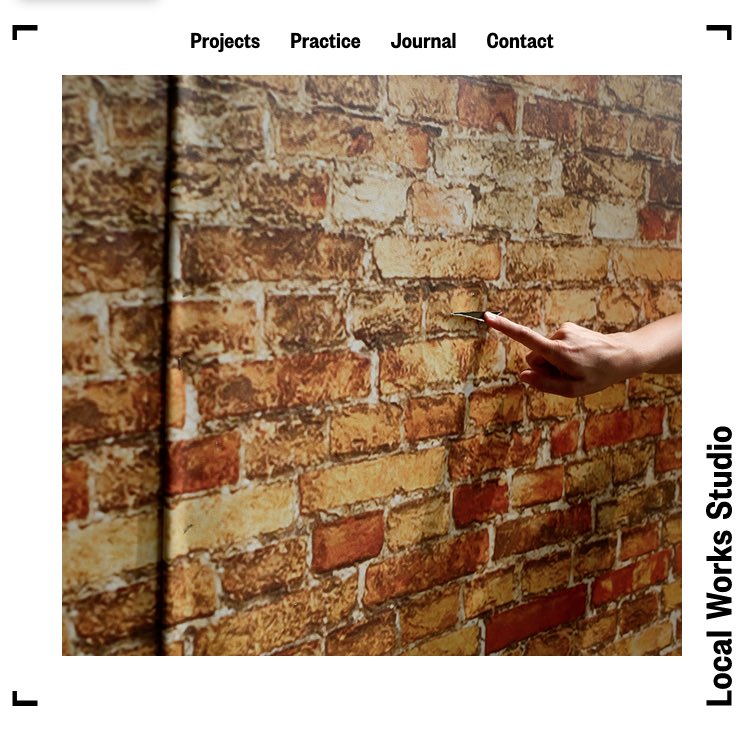
It’s HERE!!! Very excited to share our NEW website! 💥localworksstudio.com Thanks @design.by.two #localworksstudio #newwebsite #landscapearchitecture #circulareconomy #making #mapping #repair #maintenance #design #architecture #codesign
1
5
Ben Bosence retweeted
29 May 2019
2
3
19
Ben Bosence retweeted
18 Apr 2019
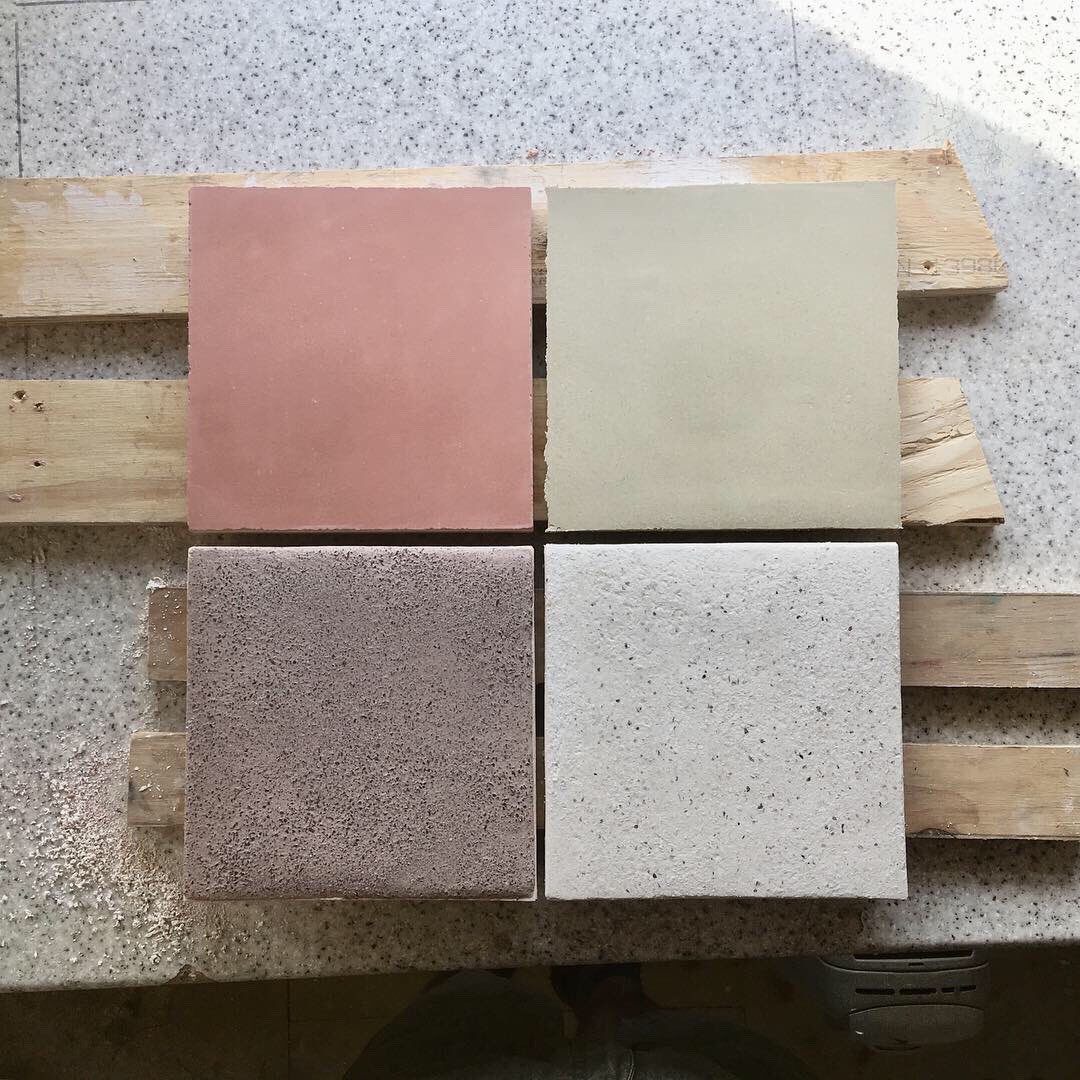
Larger samples of our 💯% Waste-based plasters for internal walls. #buildingcraft #wastecolour #architecture #plaster
2
6
31
Ben Bosence retweeted
8 Apr 2019
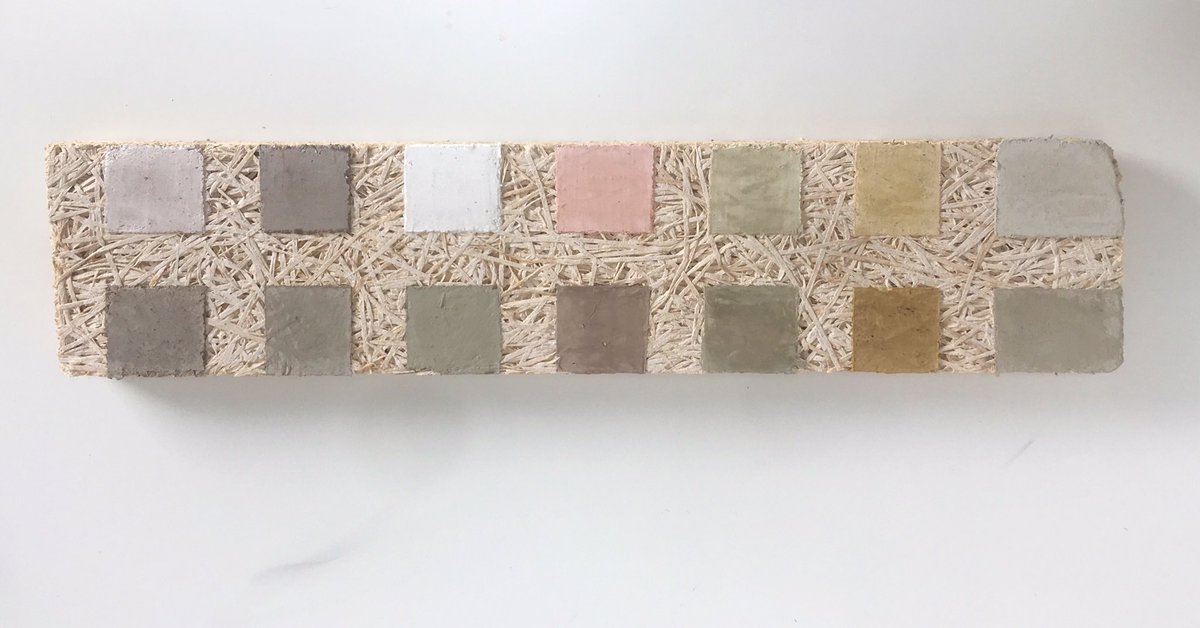
Waste-based plasters. Colour blends from 💯% #waste materials. #colourmaking #architecture #wastecolour
4
8
Ben Bosence retweeted
5 Mar 2019
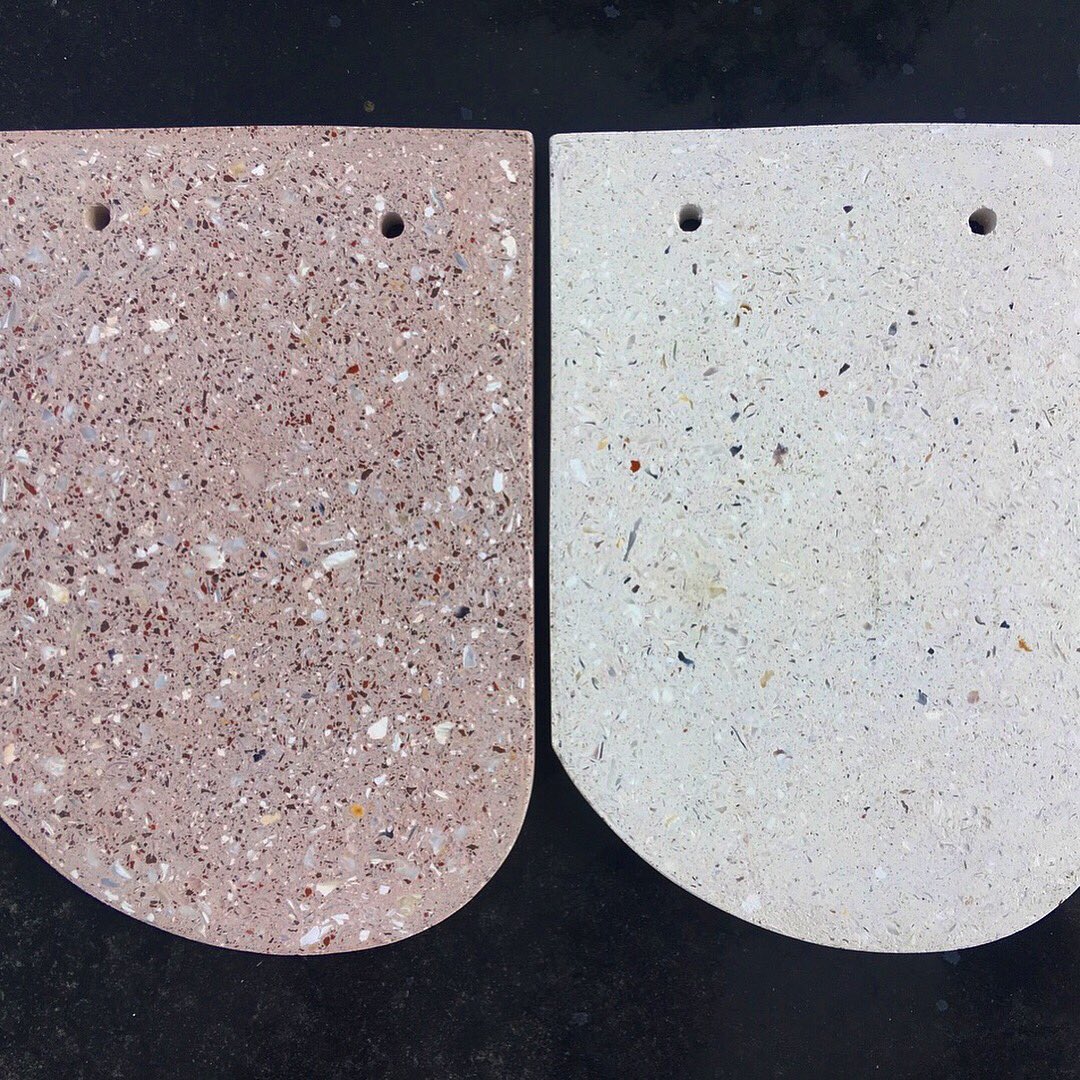
Really happy to have our oyster tiles added to @MaterialDriven library @BuildingCentre London #oyster #waste
9
16
Ben Bosence retweeted

26 Feb 2019
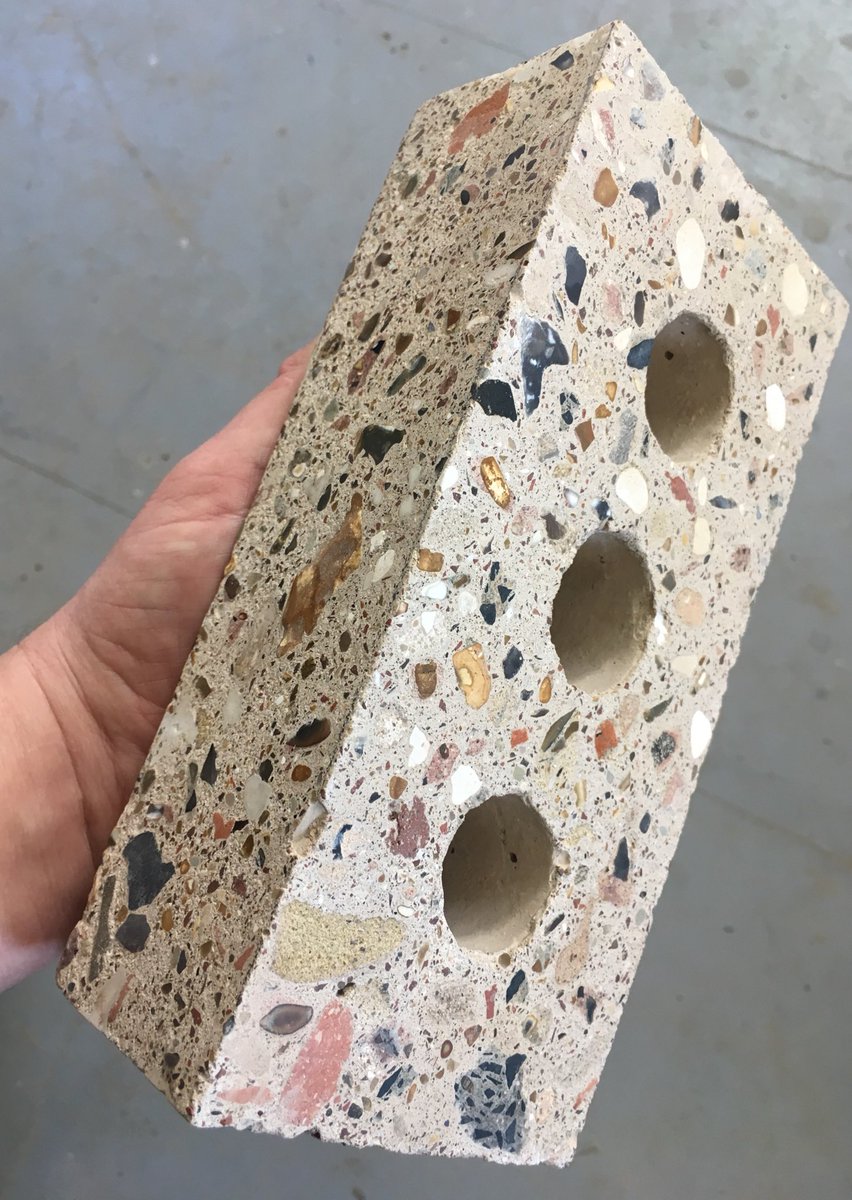
Looking forward to exhibiting our #waste #materials from the city exhibition @FuturebuildNow with @localworkstudio
3
16
Ben Bosence retweeted
14 Feb 2019
Excited to be starting on new project in Newham with @AOCarchitecture @OfficeSandM @CarverHaggard @europaaporue @SOCIALBRDCSTS #urbannewham
1
3
Ben Bosence retweeted
13 Feb 2019
Really happy to have been shortlisted on this architectural competition with #astulaarchitects architectsjournal.co.uk/comp…
1
3
3