
Husband to an amazing girl, father to four angels, teacher of the Bible and US History. Youth Pastor of Amazing Grace Fellowship Church & leader @tuesdaychurch
Joined November 2011
- Tweets 1,053
- Following 236
- Followers 143
- Likes 1,347
57 Photos and videos



Brandon Bohannan retweeted

9 Oct 2025
Bad Bunny told Americans they had 4 months to learn Spanish if we wanted to understand the Super Bowl halftime show.
No thanks. We'll just have our own. Enjoy your low-rated halftime show.

12,066
24,081
134,413
3,847,042
Brandon Bohannan retweeted

25 Sep 2025
Charlie Kirk, Voddie Baucham, John MacArthur, Phil Robertson, James Dobson. God has added some incredible titans to heaven’s roster this year. But, man, what a loss for us
499
2,033
18,164
320,640

21 Sep 2025
Have you ever heard this many leaders speak about Christ at one place as you have today?
1
9
Brandon Bohannan retweeted

21 Sep 2025
Frank Turek: “Charlie Kirk is in heaven right now not because he was a great husband and father, not because he saved millions of kids out of darkness on college campuses, not because he changed minds and chased votes to save the country, not because he sacrificed himself for His Savior. Charlie Kirk is in heaven because His Savior sacrificed himself for Charlie Kirk.”
x.com/CurtisHouck/status/196…
216
2,009
15,993
405,145
Brandon Bohannan retweeted

4 Jul 2025
🚨 HOLY SMOKES! A B-2 escorted by F-35 fighters just FLEW OVER the White House during President Trump's Big Beautiful Bill signing ceremony...
...DURING the national anthem.
This is the most American sight you will see ALL DAY.
This country is amazing.
280
3,317
28,178
838,630
6 Apr 2025
Somehow, according to @GregAbbott_TX we have both the best schools in the country, while at the same time such a messed up education system that we are in “desperate need” of vouchers. So which one is it? Pick a side please
5 Apr 2025

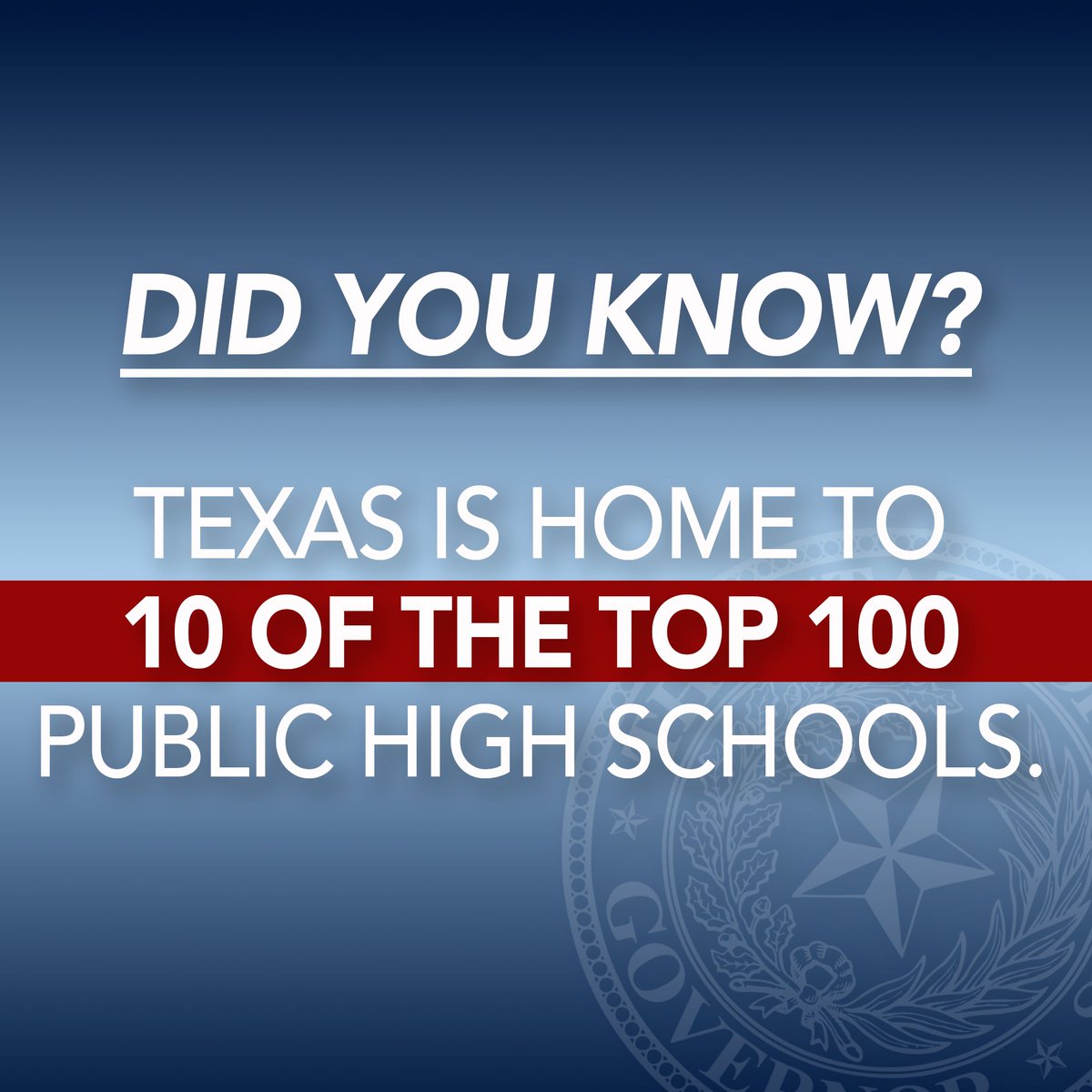
Texas is home to 10 of the top 100 public high schools in the nation.
This session, Texas will continue to invest in our exceptional academics.
Texas is on a path to be #1 in educating our children.
2
24
2 Apr 2025
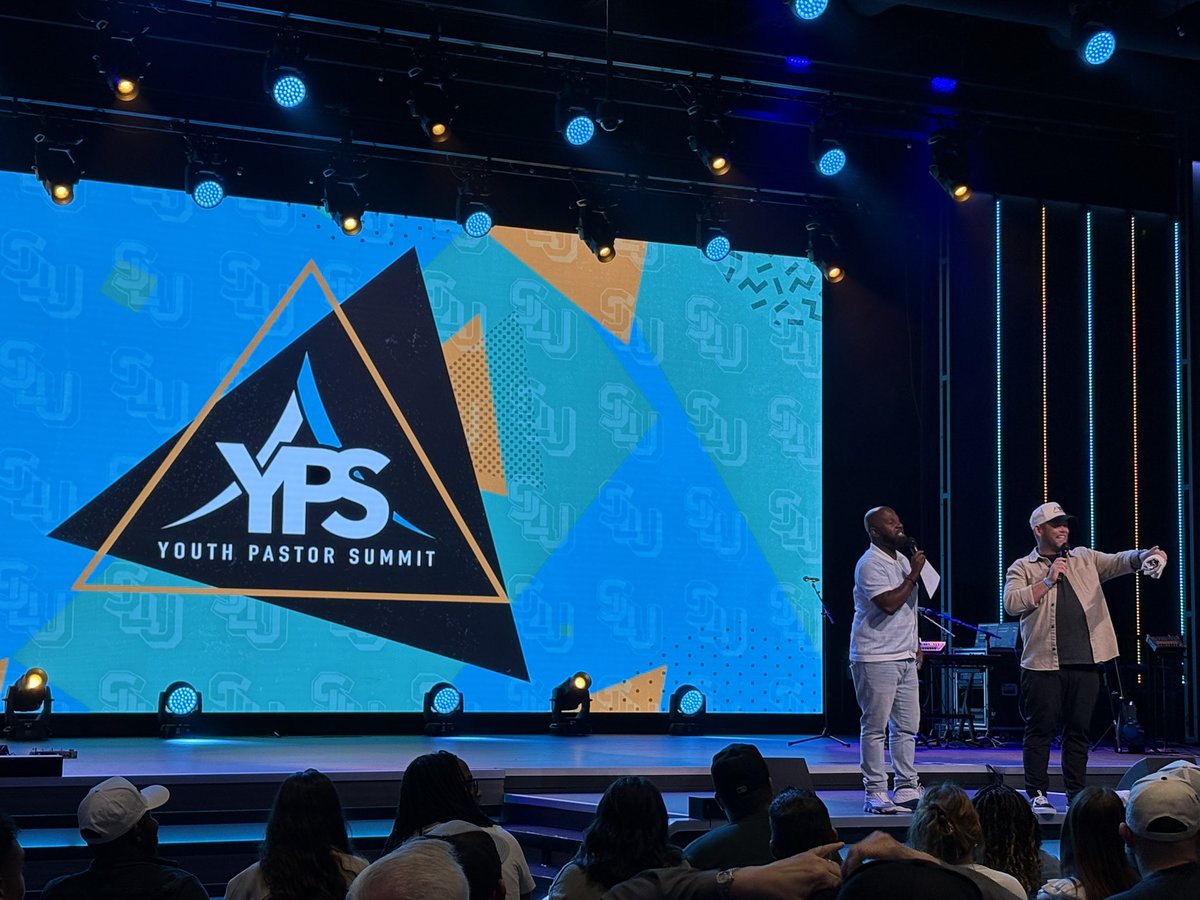
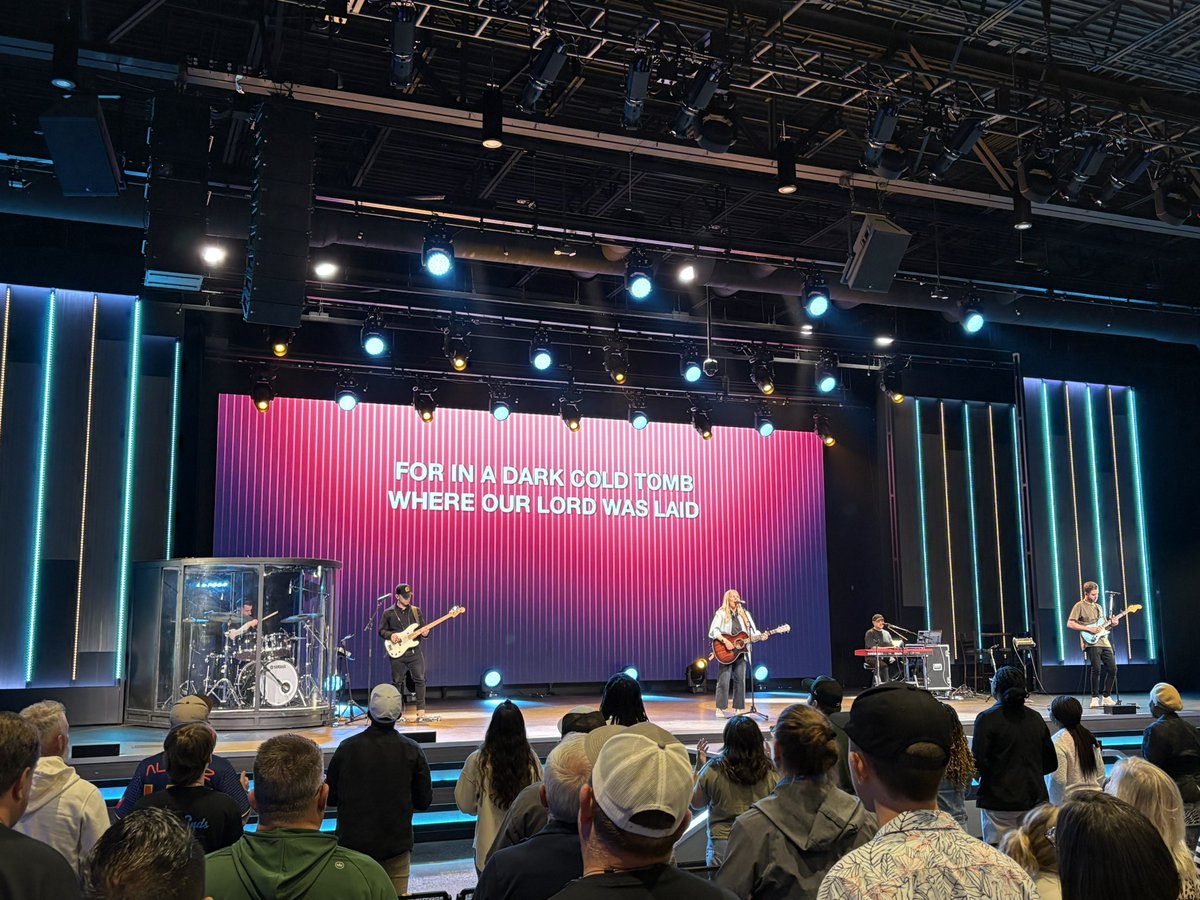
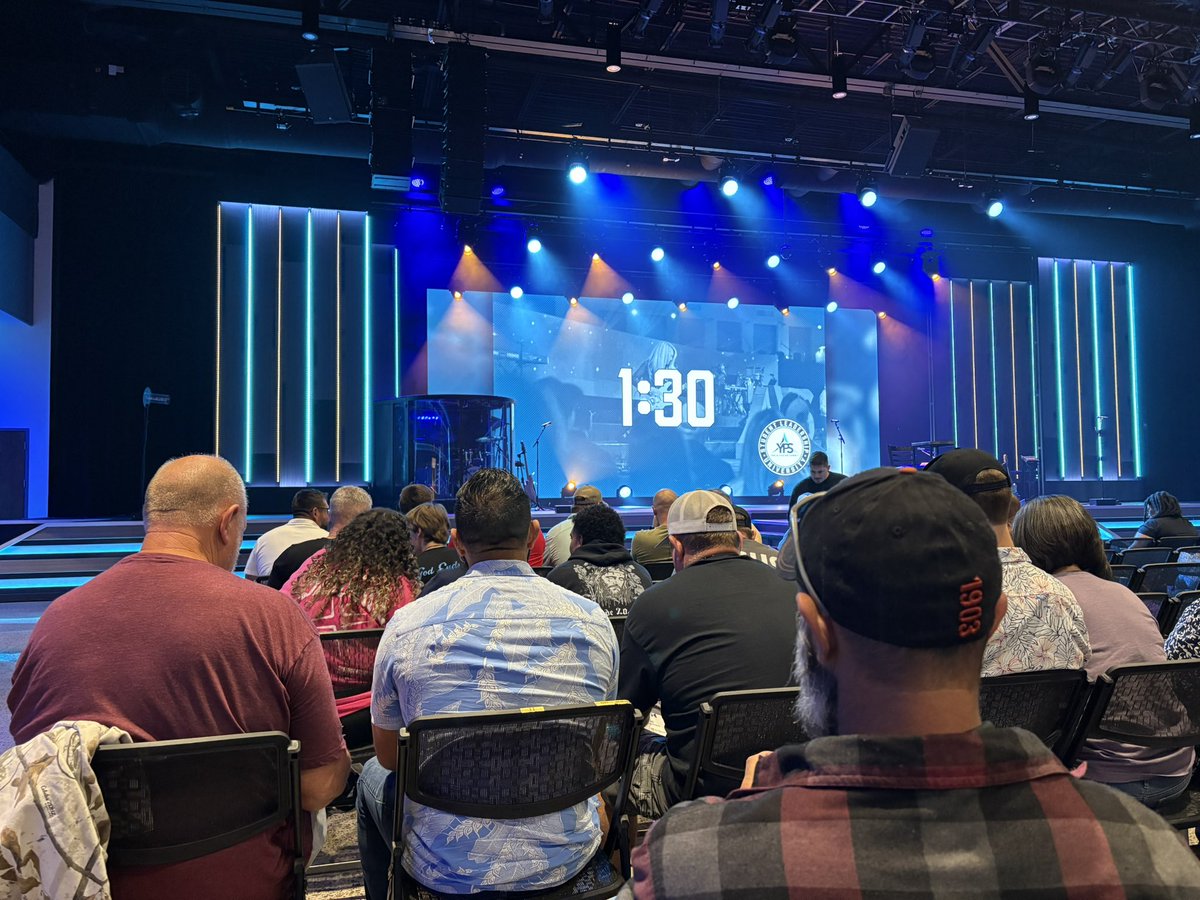
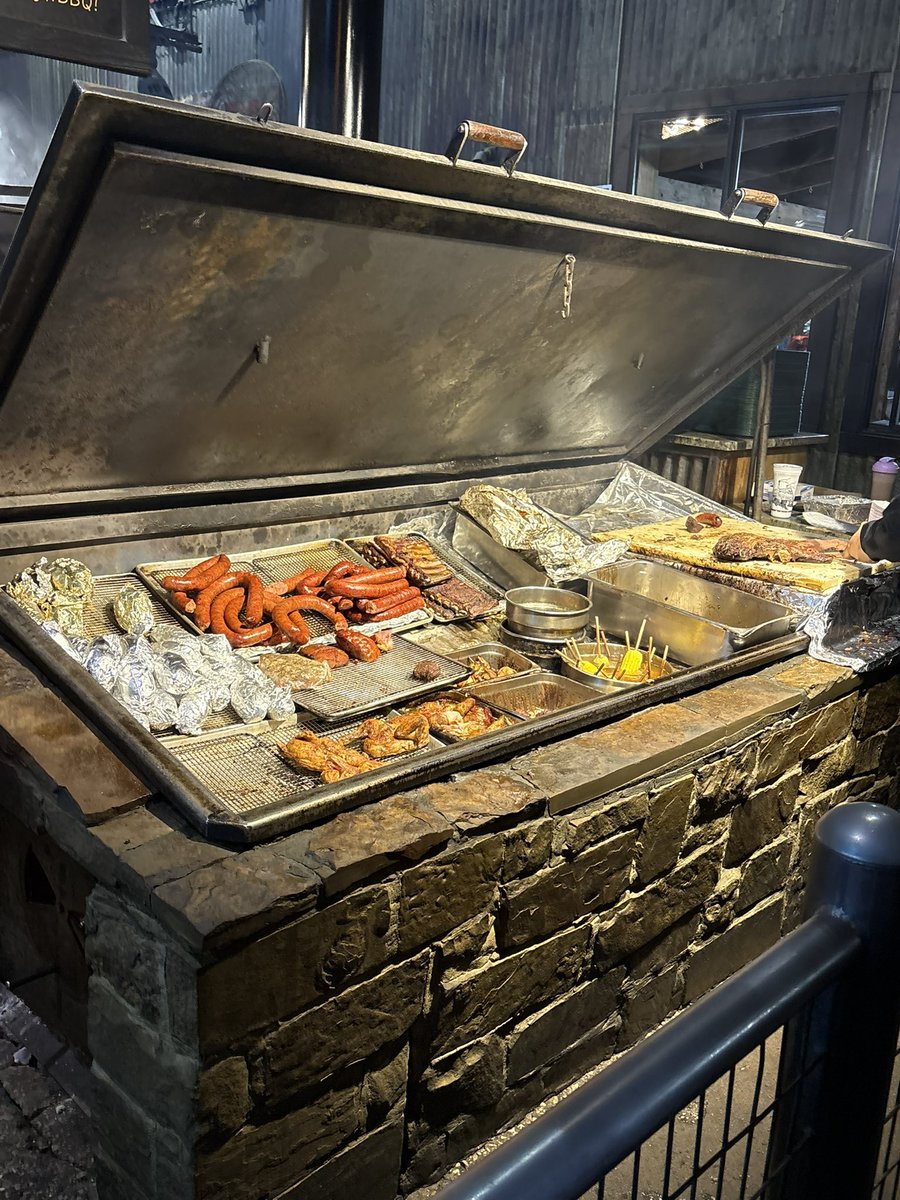
Grateful to have attended @slulead Youth Pastor Summit Dallas! I left refreshed and fired up! Oh and Hard Eight BBQ never fails either
1
1
2
160

Competition is a result of two entities competing according to the same rules. 20 STAAR/EOC tests over a public school student’s educational journey versus one norm-referenced test for a private school student receiving a voucher doesn’t sound like competition to me. It sounds like government is deciding the winners and losers.
28 Mar 2025

"We can fully fund public education AND provide meaningful opportunities in competition through school choice at the same time." - Speaker @Burrows4TX
Passing school choice will ensure Texas continues to lead the way.
2
4
409
Brandon Bohannan retweeted

6 Mar 2025
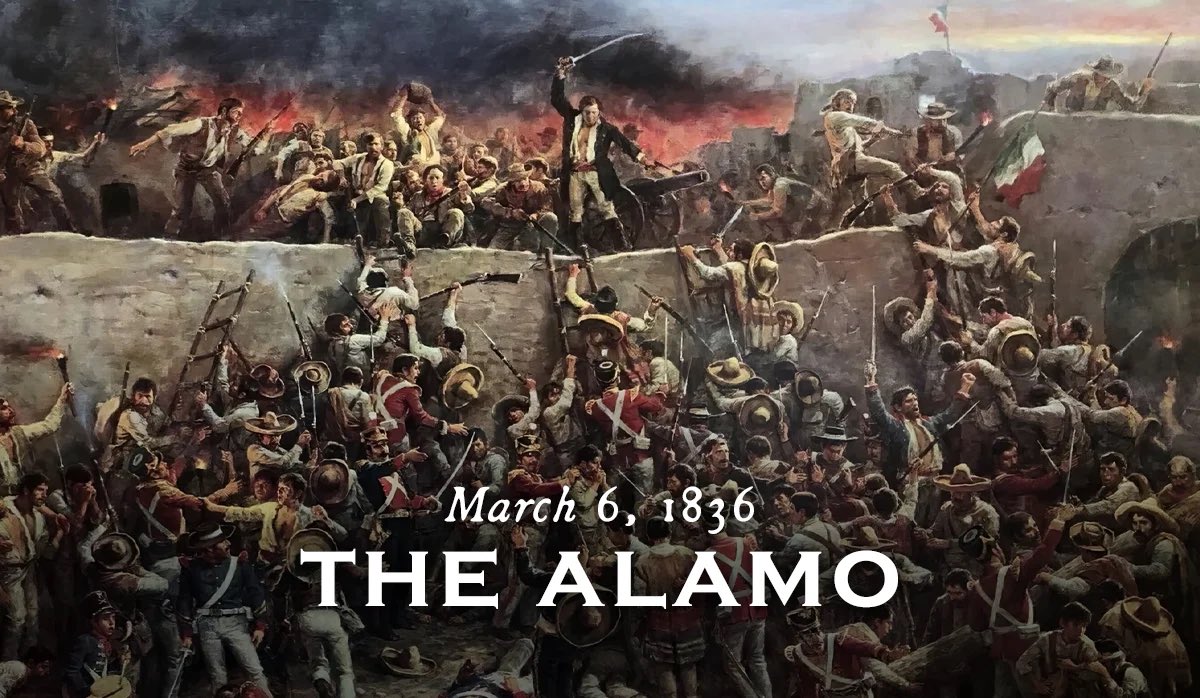
"If this call is neglected, I am determined to sustain myself as long as possible & die like a soldier who never forgets what is due to his own honor & that of his country - Victory or Death."
Colonel William B. Travis wrote this on February 24. Less than two weeks later, the Alamo would fall on this day in 1836.
Remember the Alamo.
1
3
18
1,705
Brandon Bohannan retweeted
2 Mar 2025
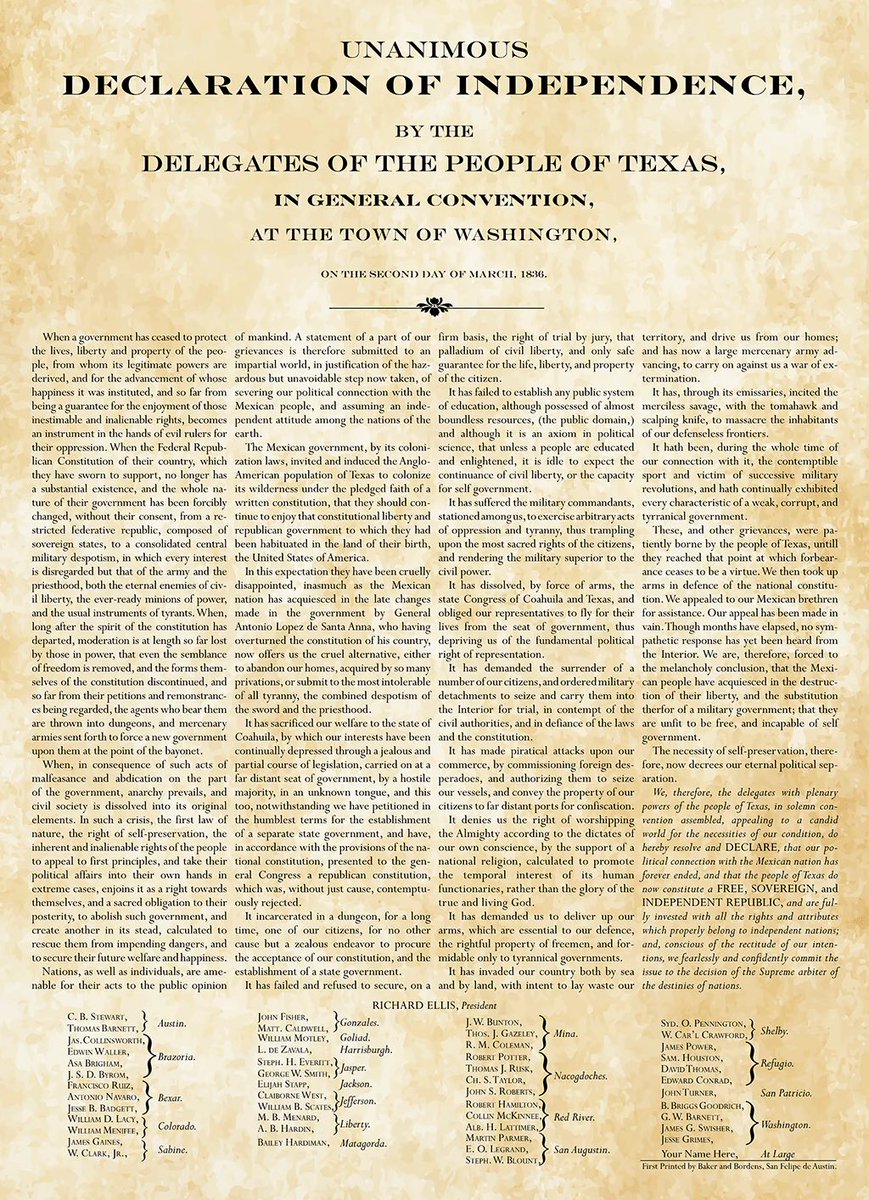
On this day in 1836, Texas proudly declared its independence from Mexico with the adoption of the Texas Declaration of Independence. Today we honor their legacy.
Happy Texas Independence Day.
11
11
69
2,925
Brandon Bohannan retweeted

21 Jan 2025
Young men unashamed of Jesus Christ are my heroes
55
996
17,868
226,305
Brandon Bohannan retweeted

21 Jan 2025
"I wrote Proverbs 27:17 on my hand…Us and Ohio State were the two teams who praised Jesus Christ the most and I think we strengthened each other in our faith... I’m happy to see Godly men come out on top no matter what the circumstance is. I’m happy to praise Jesus in the lowest of lows."
- Notre Dame QB Riley Leonard after their National Championship loss vs Ohio State
(via @ItsJesseSimmons)
248
3,298
36,724
1,493,507
20 Jan 2025
I love inauguration days!
20 Jan 2025

The 60th Presidential Inauguration Ceremony x.com/i/broadcasts/1LyxBggOp…
25
Brandon Bohannan retweeted

1 Jan 2025
This is amazing.
“Coach D you changed my life, I didn't know God until I got to Boise State."
Boise State’s Ahmed Hassanein on his coach Spencer Danielson’s impact following the Fiesta Bowl loss
127
2,113
18,347
1,451,236
Brandon Bohannan retweeted

28 Nov 2024
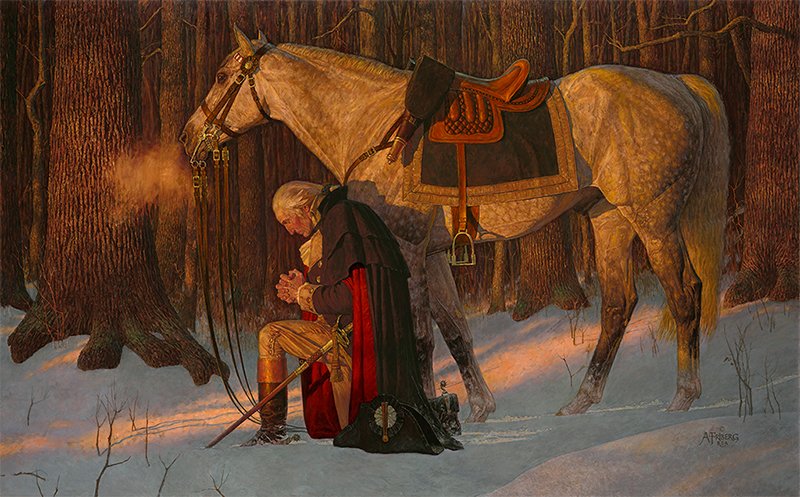
When Congress asked President Washington to declare America's first NATIONAL DAY OF PRAYER & THANKSGIVING, his proclamation of Nov. 26, 1789, noted "it is the duty of all Nations to acknowledge the providence of Almighty God, to obey his will, to be grateful for his benefits, and humbly to implore his protection and favor."
We do well to remember that today.
Have a happy, blessed #Thanksgiving.
"Give thanks to the Lord, for he is good; his love endures forever." Psalm 118:1
2,221
8,808
44,789
2,260,608
Brandon Bohannan retweeted

12 Oct 2024
Nick Saban GOLD 🥇
“Negative experiences without teaching kills morale.”
Read that again.
This is what being a “transformational” coach is all about.
Are you about winning or are you about teaching?
Are you about transactions or about relationships?
14
553
3,290
311,224
Brandon Bohannan retweeted

1 Sep 2024
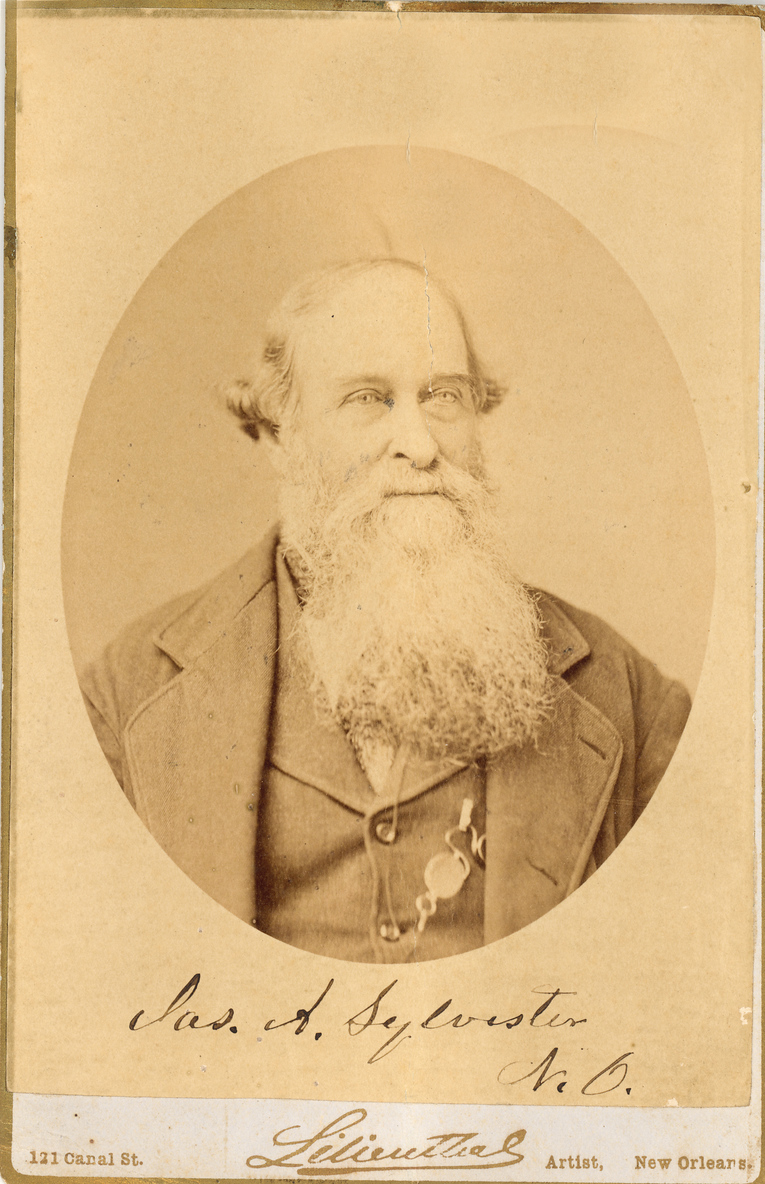
Two men who are buried in the state cemetery in Austin are among the six men who captured Santa Anna after the battle of San Jacinto. This is one of them, James Austin Sylvester, shown here many years later, in 1880. Here's his account of that capture:
"I was one of a detachment of thirty or forty men commanded by Colonel Burleson, which left the encampment of the Texas army at sunrise of the morning after the Battle of San Jacinto, to pursue the fugitive enemy. Most of us were mounted on horses captured from the Mexicans. We picked up two or three cringing wretches before we reached Vince's bayou, eight or nine miles from our camp. Colonel Burleson gave them a few lines in pencil stating that they had been made prisoners by him, and sent them back to our camp without a guard. Colonel Burleson with the greater part of our detachment went up Vince's Bayou but six of us, to wit, Sylvester, Miles, Vermillion, Thompson, another man whose name I have forgotten, and myself, proceeded a short distance farther down the bayou, but not finding any Mexicans, turned our course toward camp.
About two miles east of Vince's Bayou, the road leading from the bridge to the battleground crossed a ravine a short distance below its source. As we approached this ravine we discovered a man standing in the prairie near one of the groves. He was dressed in citizen's clothing, a blue cottonade frock coat and pantaloons. I was the only one of our party who spoke any Spanish. I asked the prisoner various questions, which he answered readily. In reply to the question whether he knew where Santa Anna and Cos were, he said he presumed they had gone to the Brazos. He said he was not aware that there were any of his countrymen concealed near him, but said there might be in the thicket along the ravine.
Miles mounted the prisoner on his horse and walked as far as the road, about a mile. Here he ordered the prisoner to dismount, which he did with great reluctance. He walked slowly and apparently with pain. Miles, who was a rough, reckless fellow, was carrying a Mexican lance, which he had picked up during the morning. With this weapon he occasionally slightly pricked the prisoner to quicken his pace, which sometimes amounted to a trot. At length he stopped and begged permission to ride saying that he belonged to the cavalry and was unaccustomed to walking. We paused and deliberated as to what should be done with him. I asked him if he would go on to our army if left to travel at his leisure. He replied that he would. Miles insisted that the prisoner should be left behind, but said that if he were left, he would kill him.
At length my compassion for the prisoner moved me to mount him behind me. I also took charge of his bundle. He was disposed to converse as we rode along; asked me many questions, the first of which was, 'Did General Houston command in person in the action of yesterday?' He also asked how many prisoners we had taken and what we were going to do with them. When, in answer to an inquiry, I informed him that the Texian force in the battle of the preceding day was less than eight hundred men, he said I was surely mistaken, that our force was certainly much greater.
In turn, I plied the prisoner with diverse questions. I remember asking him why he came to Texas to fight against us, to which he replied that he was a private soldier, and was bound to obey his officers. I asked him if he had a family. He replied in the affirmative, but when I inquired, 'Do you expect to see them again?' his only answer was a shrug of the shoulders.
We rode to that part of our camp where the prisoners were kept, in order to deliver our trooper to the guard. What was our astonishment, as we approached the guard, to hear the prisoners exclaiming, 'El Presidente! El Presidente!' (The President, The President) by which we were made aware that we had unwittingly captured the 'Napoleon of the West.' The news spread almost instantaneously through our camp, and we had scarcely dismounted ere we were surrounded by an excited crowd. Some of our officers immediately took charge of the illustrious captive and conducted him to the tent of General Houston."
------- From Dixon, Sam Houston and Kemp, Louis Wiltz, "The Heroes of San Jacinto," The Anson Jones Press, Houston, TX, 1932.
James Austin Sylvester died in 1882.
21
92
477
23,226
Brandon Bohannan retweeted

10 Aug 2024
It’s not our job to be in control. That’s God’s job. Our job is to trust God to do His job, and He’s very good at His job.
2
28
129
11,642
Brandon Bohannan retweeted

2 Aug 2024
Coaches that started coaching in the Hudl Age missed out on bye week scouting trips. It always felt like espionage, especially in a small town. Don't wear school related gear. Maybe wear a college polo to justify your furious note-taking. Make small talk with the locals, etc.
71
75
800
147,926
Brandon Bohannan retweeted

26 Jul 2024
“Be not deceived, God is not mocked. For what things a man shall sow, those also shall he reap. For he that soweth in his flesh, of the flesh also shall reap corruption. But he that soweth in the spirit, of the spirit shall reap life everlasting.”
Galatians 6:7-8
5,469
19,980
124,433
5,141,251