
Joined June 2022
- Tweets 42,358
- Following 1,198
- Followers 267,079
- Likes 99,410
1,580 Photos and videos










Pinned Tweet

Jun 11
We shall not cease from exploration
And the end of all our exploring
Will be to arrive where we started
And know the place for the first time.
1
2
7
732
Brett Erik retweeted

Jun 12
Ladies and gentlemen, it’s Friday.

8
42
488
32,763

Brett Erik retweeted
3 Mar 2025
The reason you gotta show up daily:
You never know when magic is about to happen
24
16
119
13,560
Jun 9
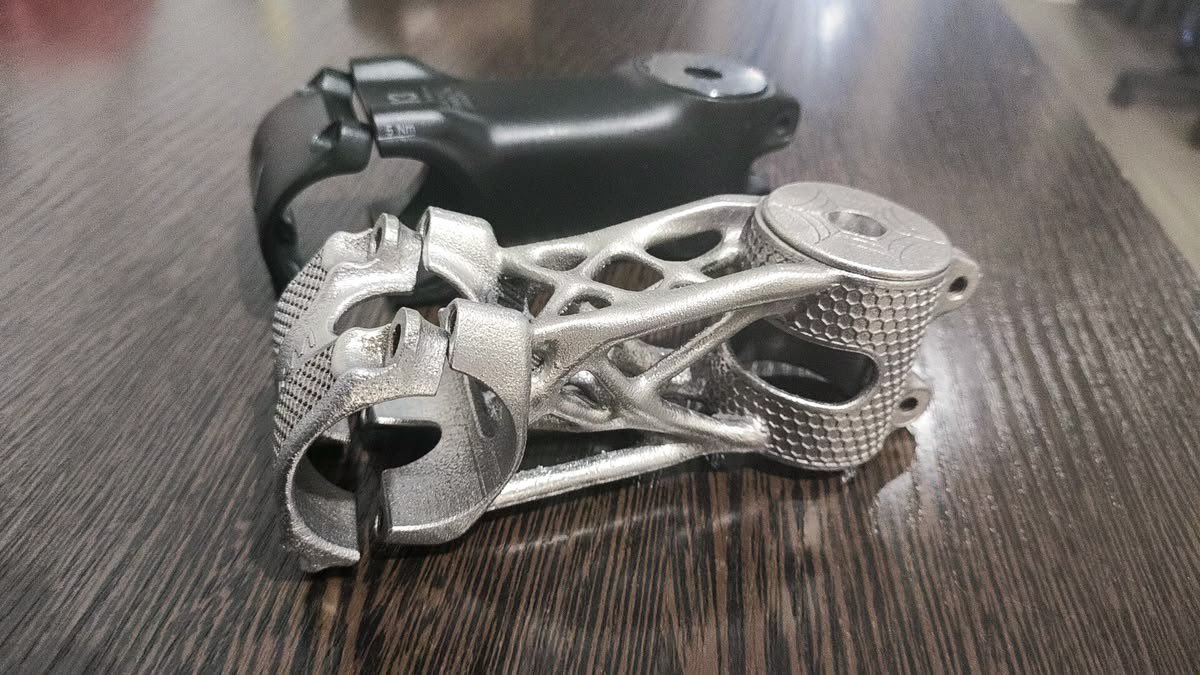
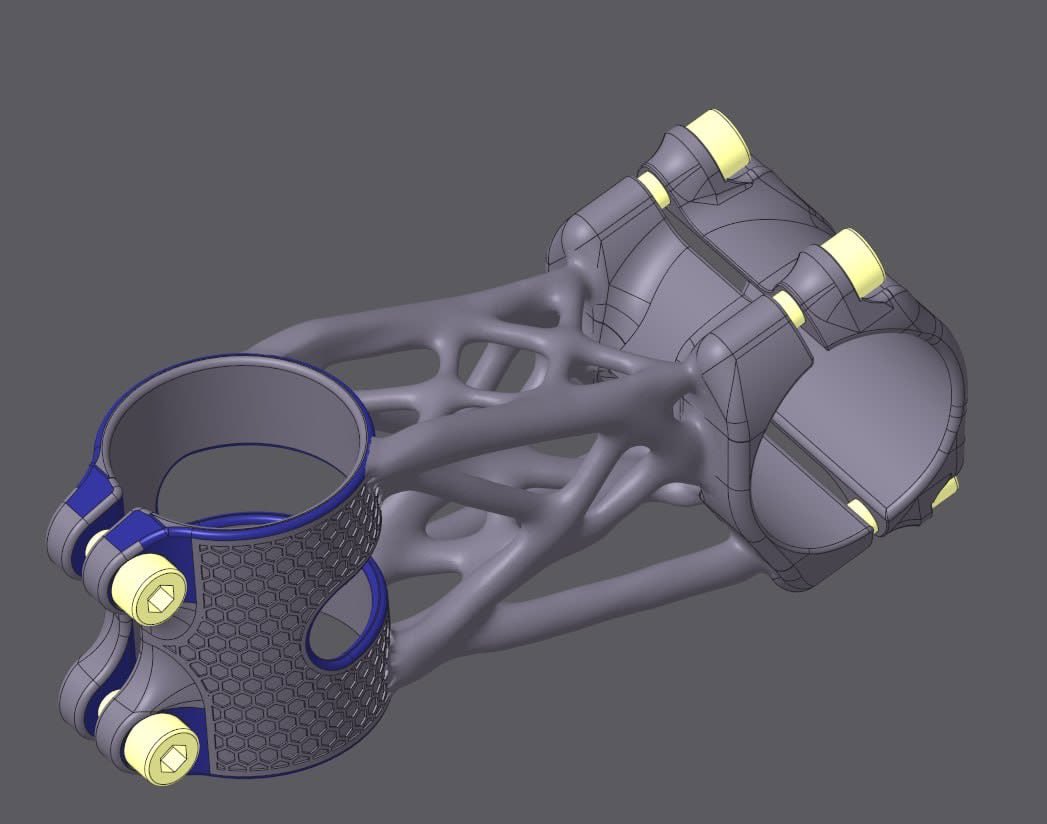
Do yourself a favor and read up on topology optimization


1
7
1,311
Jun 9
Critical frame here. 95% of AI implementation success comes down to factors/scaffolding that isn’t agentic at all

It's not sexy to say, but most of AI transformation has nothing to do with AI.
There are 10 steps in the sequence of making an internal process or external product AI-native.
Only 1 step is AI, and ironically, the other 9 steps are the far harder part.
Step 1: Identify the problem
- find the manual process worth automating. turn your brain off autopilot & turn on your "suck meter".
- funny enough, your company becomes more efficient just by mapping out your processes even if you don't introduce AI.
Step 2: Understand the workflow
- Map how people actually work today. grab an 8.5x11 piece of paper or @excalidraw and create a flow chart of the workflow from beginning to end.
- Least sexy part, but generally where the people driving transformation (FDE, GTM engineer, etc) should spend the majority of their time.
- Before you reimagine a process you have to become an expert in that process. Which means you either need to have the business context yourself or absorb it through osmosis (See what @DBredvick did at @vercel)
Step 3: Collect the data
- Gather sample inputs, documents, edge cases
- Example: for my content machine ai workflow, I gathered past slack messages/notion transcripts to test automated ideation & I pulled past X/linkedin posts to build .md files of my content voice
Step 4: Build the prototype [The AI Part]
- Whether its engineer-led or SME-led the goal is to test your hypothesis that there's a better way of doing things for yourself as customer zero. Don't worry about code cleanliness, don't worry about scalability, just worry about proving there's a there there.
Step 5: Test & iterate
- Validate with real users and edge cases
- Before you take the process from single player (only you using it) to multiplayer (many users), you want to beat it up with as many rounds of work & feedback edge cases as possible. Turning every process into a self-improving loop before scaling is key.
Step 6: Integrate with systems
- Point-in-time data is good for testing the workflow, but live data is necessary before going into production.
- Example: for my content machine, i'm hooked up to notion/gmail/slack for content ideation & i'm hooked up to X & Linkedin to post content once it's ready to go.
Step 7: Roll out & train
- Whether the new process lives on a live link, on GitHub or an internal library, next step is hand-holding your peers/users through the onboarding process of your new workflow/product.
Step 8: Drive adoption
- It's actually pretty simple (just not easy). Introduce a new workflow that saves someone a lot of time and integrates with their already existing behavior so they don't have to deal with re-education.
- Embed the workflow in your culture where adoption is tracked, ideas & feedback are celebrated, and new/creative use cases become social currency in your business.
Step 9: Empower contribution
- Treat your new process like an opensource project. Allow users to become contributors. Whether they are literally pushing code or are simply empowered to add ideas/feedback to a kanban board that gets serviced by engineers, make everyone feel like a builder.
Step 10: Measure & capture value
- Everyone is ROI obsessed atm. If you're in the experimental phase of AI adoption in your company, fuck ROI. The goal is to empower people to throw a lot of shit at the wall & see what's worth focusing on. You don't need to be scientific during this process. Intuition is more than enough in gauging what's working vs. not working.
- If you're in the scale-up phase of AI in your business, and you need to realize hard ROI, you need to reskill employees attached to this process, undershoot your approved hiring roadmap, or measurably increase ACV/conversion rate/sales cycle speed.
1
5
714
Brett Erik retweeted

Jun 8
Where has worry ever gotten you? Tell me.
To the peak of the mountain? Through the desert? Across the sea? No.
That was faith. That was courage. That was God.
5
70
685
13,603
Brett Erik retweeted
15 Apr 2024
Proper detachment in work and life makes things so much clearer.
See issues from a bird'seye view.
But live in first person.
It's that balance between perspective and presence that makes people successful in doing the right things, on repeat.
6
9
54
10,254
Brett Erik retweeted
Jun 6
what 1 BOOK is a must-read for entrepeneurs in 2026?
4
2
9
2,813

Just do more.
You will adapt. Your body will adapt. Your mind will adapt.
You can just simply do more and figure it out along the way. Most things in life simply bend to the virtue of volume. Everything is learnable, you are adaptable and the universe is endlessly malleable.
35
336
2,313
80,430

Jun 3
it takes WAY longer than you think
and the payoff will be WAY higher than you think
i've seen this too many times to doubt
8
1
33
8,420

Jun 2
Sauna grounding salt blocks is crazy work, bravo
Jun 2

Quite possibly the coolest sauna ever… Or the hottest? instagram.com/reel/DZEAY4XMX…
4
554
Jun 1
Which industries work best for linkedin/X?
super common question from clients
truth is, these platforms have so many varied communities/silos/profiles that it's almost impossible to find a niche that won't work if you use the right approach
it actually comes down to clarity about the ICP and clarity of the messaging
"my people aren't on these platforms" has never been the case for our clients and i think about this alot. Don't assume this, or at least understand that if you do assume this you may be missing out on one of the highest leverage approaches on the table -- building a personal brand and speaking to your ideal audience
1
1
17
2,408
Brett Erik retweeted

May 31
Prayer will regulate your nervous system
2
5
64
2,564