Joined February 2017
- Tweets 320,680
- Following 32,196
- Followers 30,997
- Likes 253,368
16,897 Photos and videos







Pinned Tweet

30 Jul 2024
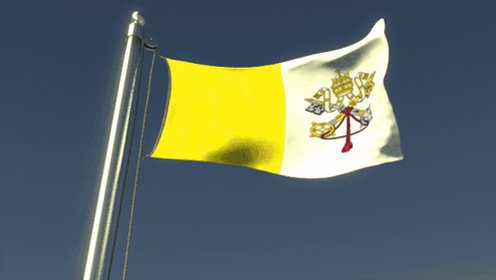
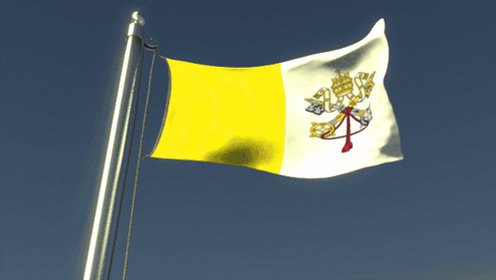
It could be interpreted as incorrectly implying that the USA is where the English language originates. To avoid that, they could have done this:
🇨🇱 Spanish
🇮🇩 French
🇨🇭German
🇻🇦Italian
🇿🇦 English
124
154
17,887
734,081
17


BrexitLondon retweeted
UK’s £3.5bn aircraft carrier HMS Prince of Wales breaks down AGAIN as ministers battle over boosting defence funding *🤬*
thesun.co.uk/news/39325881/h…
4
6
151
BrexitLondon retweeted

Jun 10
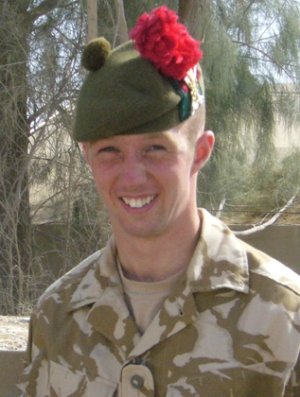
11th June, 2009
Private Robert Mclaren, aged 20 from Kintra, by Fionnphort on the Isle of Mull, of the Black Watch, 3rd Battalion The Royal Regiment of Scotland, was killed by an IED blast whilst on operations near Kandahar, Afghanistan
Lest we Forget this brave young man 🏴🇬🇧
89
160
940
13,457
BrexitLondon retweeted

Jun 12
Last FF for a while, I'm headed out on another cruise, will be posting pics.
@TonyLimaPOL
@youthpastorbry
@MsEBL
@lmontanad
@N_Fatale
@jdavis1848
@Vazhog
@Beautyjunkie21
@PaulKinkel
@rosejam181920
@SeeTac7
@_RoseT9
@HouseCracka
2
6
7
151
BrexitLondon retweeted

BREAKING: Trump Announces New Nominee to Replace Tulsi Gabbard as Director of National Intelligence thegatewaypundit.com/2026/06… #gatewaypundit via @gatewaypundit
1
5
7
95
BrexitLondon retweeted
Jun 12
Last FF for a while, I'm headed out on another cruise, will be posting pics.
@jimbrown1964
@WTeach2
@DaleyGator
@rwgpost
@StupidBoomers
@SiftyBoones2
@SandHillsRider
@JackJolis
@BrexitLondon
@EricBieschke
5
6
9
117
Jun 11
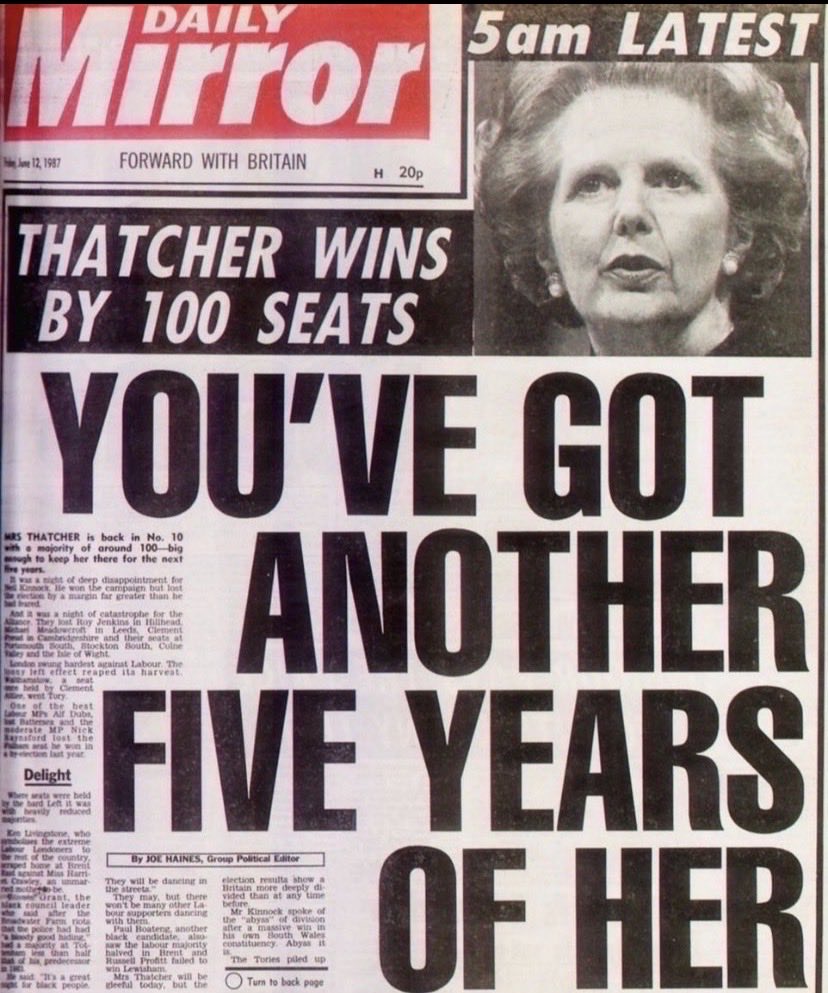
On this Day in 1987:
Lady #Thatcher - first female Prime Minister of the UK and first female leader of the #Conservative party - won a third term of office on 11th June, 1987.
#Anniversary #ConservativeParty #Conservatives #History #MargaretThatcher #News #Politics #UK

11 June 1987. Margaret Thatcher became 1st British PM in 160 years to win a 3rd consecutive UK General Election. Thatcher had been returned to office with a large majority of 102 MPs. She only lasted in office 3 more years:
1
2
27
Jun 11
Below: lmpressive opening ceremony of the 2026 FIFA World Football Cup in #MexicoCity 🇲🇽 - the first of three ceremonies.
Tomorrow: #Toronto 🇨🇦, 1.30 pm-3 pm (local time).
#LosAngeles/#LA 🇺🇸, 4.30 pm-6 pm (local time).
#FIFAWorldCup 2026, #Canada #Mexico #US #USA #WorldCup2026
Jun 11

फुटबॉल के सबसे बड़े महाकुंभ का भव्य आगाज़
#FIFAWorldCup2026 #OpeningCeremony #Shakira #WorldCup2026 #Football #WakaWaka x.com/WorldlyHQ/status/20650…
Community note
هيئة مكافحة الإشاعات الرياضية:
الفيديو مزيف و مُولَّد بالذكاء الاصطناعي، وليس حفل افتتاح كأس العالم 2026 الحقيقي.
الحدث الفعلي لم يقدم أي عروض أو مشاهد مماثلة.
This video depicts an AI-generated fake, not the real FIFA World Cup 2026 opening ceremony.
fifa.com/en/tournaments… cbsnews.com/news/2026-fifa…
1
246
Jun 11
Below: The impressive opening ceremony of the 2026 #FIFA World #Football Cup in Mexico City 🇲🇽 - the first of three ceremonies.
Tomorrow : Toronto 🇨🇦, 1.30 pm - 3 pm (local time).
Los Angeles 🇺🇸, 4.30 pm - 6 pm (local time).
#FIFAWorldCup2026 #News
#WorldCup
Jun 11
फुटबॉल के सबसे बड़े महाकुंभ का भव्य आगाज़
#FIFAWorldCup2026 #OpeningCeremony #Shakira #WorldCup2026 #Football #WakaWaka x.com/WorldlyHQ/status/20650…
Community note
هيئة مكافحة الإشاعات الرياضية:
الفيديو مزيف و مُولَّد بالذكاء الاصطناعي، وليس حفل افتتاح كأس العالم 2026 الحقيقي.
الحدث الفعلي لم يقدم أي عروض أو مشاهد مماثلة.
This video depicts an AI-generated fake, not the real FIFA World Cup 2026 opening ceremony.
fifa.com/en/tournaments… cbsnews.com/news/2026-fifa…
1
317
BrexitLondon retweeted

Jun 11
John Healey has done the whole of Britain a great service. He has reminded us that the first duty of any government is the protection of our country and its people. It is non-discretionary and non-negotiable. We have to spend what is necessary to meet the external threats we face. Today we have had confirmation that the Labour Party can no longer be trusted with the defence and security of our country. It is as tragic as it is frightening.
10
14
71
2,446
Jun 11
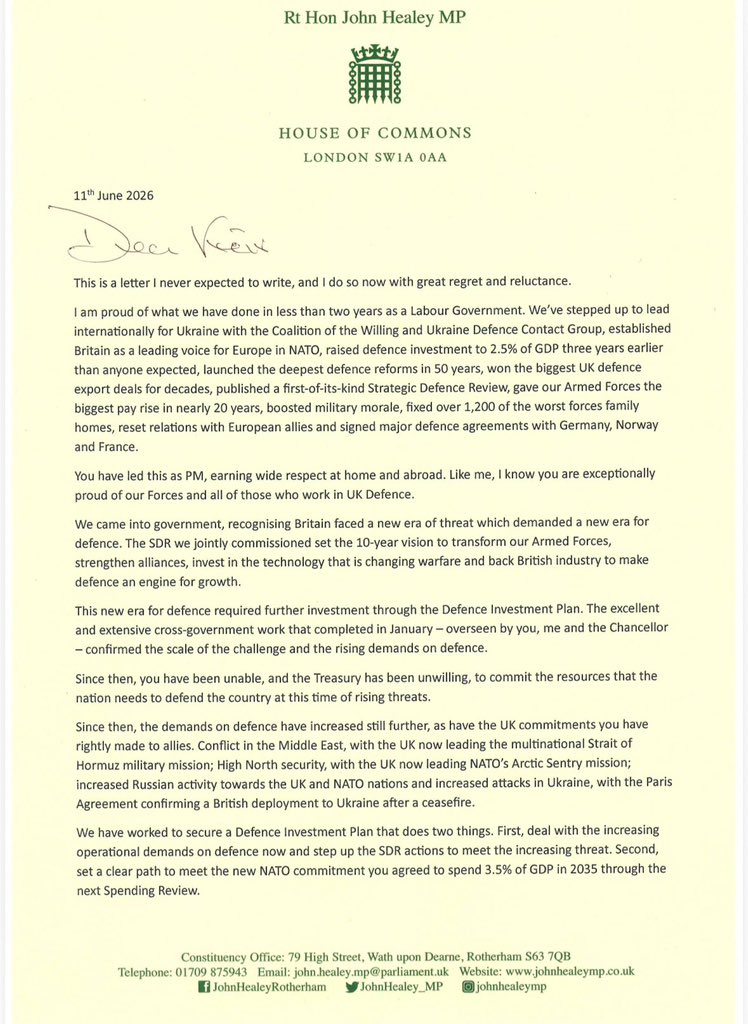
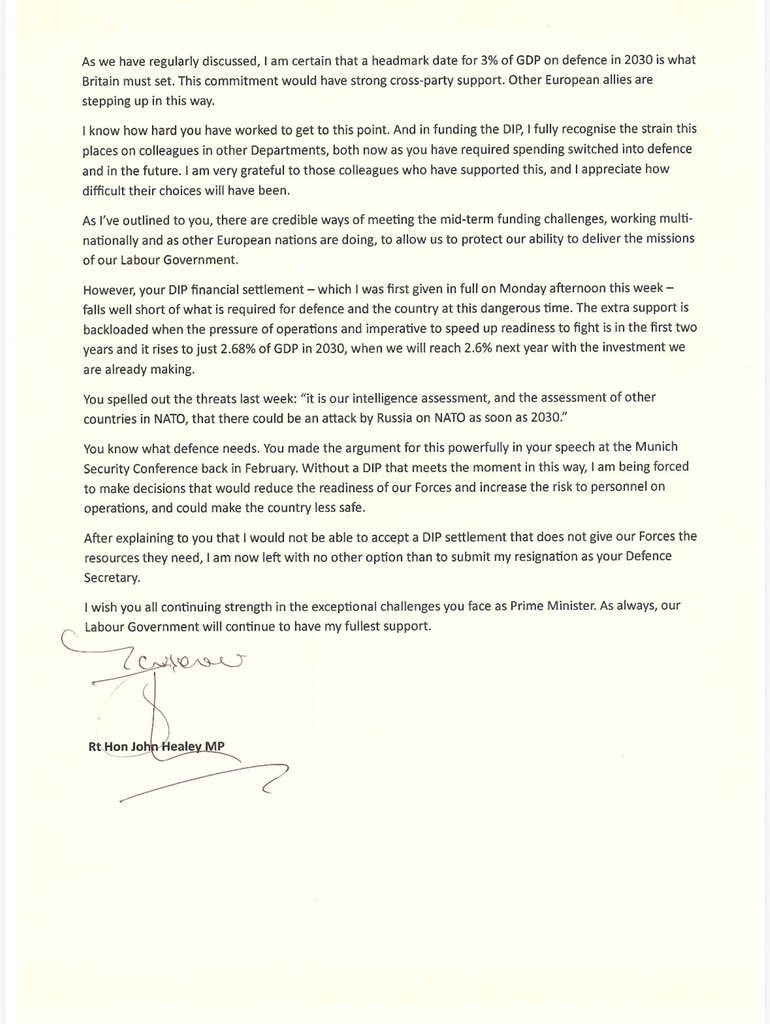
#BREAKING #NEWS:
UK DEFENCE SECRETARY QUITS
Defence Secretary @JohnHealey_MP has just resigned from the Starmer Labour government. He said Starmer is underfunding the UK armed forces.
#BreakingNews #JohnHealey #Latest #LatestNews

1
1
71
BrexitLondon retweeted

Jun 10
A train station in rural Japan gets fewer than 10 passengers a day. The railway was about to shut it down. Then they made a cat the stationmaster. Annual visitors went from hundreds to 180,000.
Kishi Station sits at the end of a single-track railway line in Wakayama Prefecture, Japan.
By 2006, the Wakayama Electric Railway was losing money every year. Ridership on the Kishigawa Line had been declining for decades as younger residents left for cities. The local government was considering shutting the entire line down. It was not economically viable to keep running.
The station had a stationmaster problem too. Budget cuts meant they could no longer staff Kishi Station with a human employee.
The solution they found has no business working. But it did.
A cat named Tama had been living near the station, fed by a local shopkeeper named Toshiko Koyama. The railway's new operating company, rather than close the station, appointed Tama as official stationmaster.
She received a stationmaster's hat. A business card. An official salary paid in cat food.
Her job was to sit at the station.
That was it. Just sit there.
In the first year after Tama's appointment in 2007, the Kishigawa Line saw a 17 percent increase in ridership. Visitors began traveling specifically to Kishi Station to see her. A dedicated Tama train was designed, decorated entirely with cat illustrations. A Tama museum opened. A Tama café followed.
The Wakayama Electric Railway estimated that Tama generated approximately 1.1 billion yen in economic impact for the Wakayama region in a single year.
Tama passed away in June 2015. She was given a Shinto funeral attended by 3,000 people. She was posthumously elevated to the rank of Honorary Eternal Stationmaster.
Her successor, Nitama, held the role after her. The station is still open.
The railway that was about to be shut down because no one was riding it was saved because a cat decided to sit in one place consistently.
Most corporate turnaround strategies cost millions. This one cost cat food.
1
73
277
9,690
BrexitLondon retweeted

Jun 10
President XI JINPING visited the Friendship Tower in the Democratic People’s Republic of Korea, where he laid a flower basket in honor of the fallen Chinese People’s Volunteers.
He was received by his counterpart, KIM JONG UN, and his wife, in the presence of high‑level delegations from both countries.
The ceremony included the playing of both national anthems, a moment of silence to honor the shared sacrifices, and concluded with a military parade by the Korean honor guard.
10
104
456
19,038
BrexitLondon retweeted

Jun 10
Super Constellation engine exhaust flames.
This NEVER gets old.
📹: m171562(Youtube)
93
852
8,329
362,686
BrexitLondon retweeted

Jun 9
One of the prettiest planes ever made. #Constellation
82
201
2,030
58,998
BrexitLondon retweeted

Jun 10
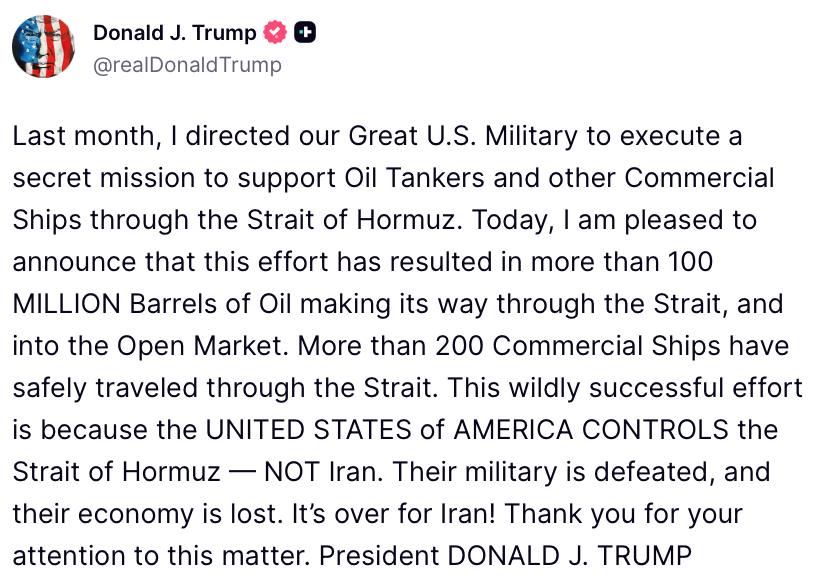
The UNITED STATES of AMERICA CONTROLS the Strait of Hormuz — NOT Iran.
8,428
7,869
43,137
1,932,032