
🧑💻Full Stack Developer | ☁️AWS Enthusiast | Skilled in React.js, Next.js, Node.js & Express.js | Open to exciting opportunities | Let’s build together 🚀
Joined September 2022
- Tweets 6,492
- Following 733
- Followers 1,940
- Likes 19,018
748 Photos and videos








Pinned Tweet

5 Jan 2024
Hi, I am Abhishek Rajput
🌐 Bharat 🇮🇳
💼 Frontend Developer
⭐️A Ardent Developer
💻 Windows
❤️ JavaScript, React js, Next js, Node js.
#FrontendDeveloper
Do follow me if you’re interested in any of these:
Javascript #Reactjs
Web Dev❤️ #Nodejs
Nextjs.
58
5
110
27,602
Jun 14
@careinsuranceIN @CareHealthIndia Your app has not been working since yesterday and keeps showing “We are not able to process your request. Please try again later.”
How can customers access policies and services if the app is unavailable? Please fix this issue.
1
39
Abhishek Rajput retweeted

Jun 2
Bangalore Jobs Seekers Kit - docs.google.com/spreadsheets…
Gurgaon Job Seekers Kit - docs.google.com/spreadsheets…
Hyderabad Job Seekers Kit - docs.google.com/spreadsheets…
Mumbai Job Seekers Kit - docs.google.com/spreadsheets…
Would help someone!!
30
128
1,029
149,516
May 31
Booked my first UPSRTC ticket from Bijnor to Meerut, but no bus was available at the boarding point and there was no support or guidance for passengers. Very disappointing experience. Requesting @UPSRTCHQ to resolve this issue.
#UPSRTC #UPTransport @dayashankar4bjp
1
99
Abhishek Rajput retweeted

May 27
If you’re building a new application, you probably do NOT need AWS services in the initial phase. 🧵
1
2
4
732
Abhishek Rajput retweeted

May 16
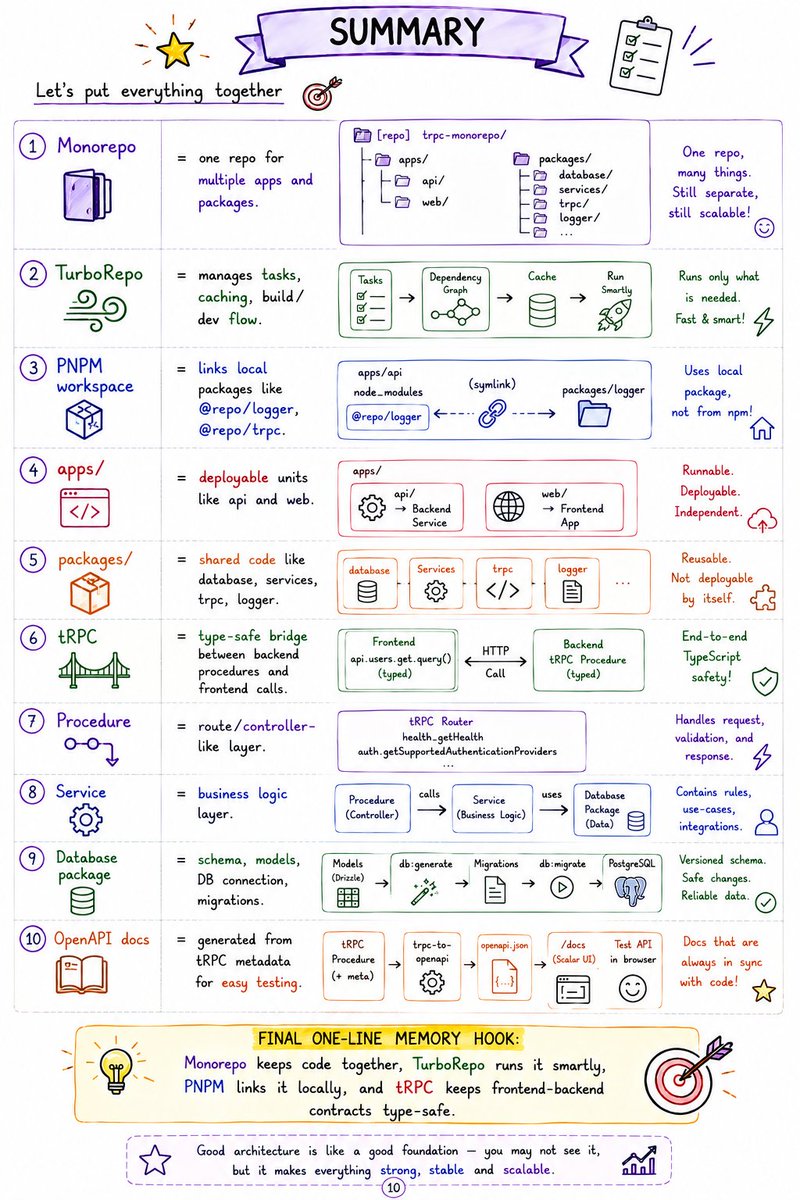
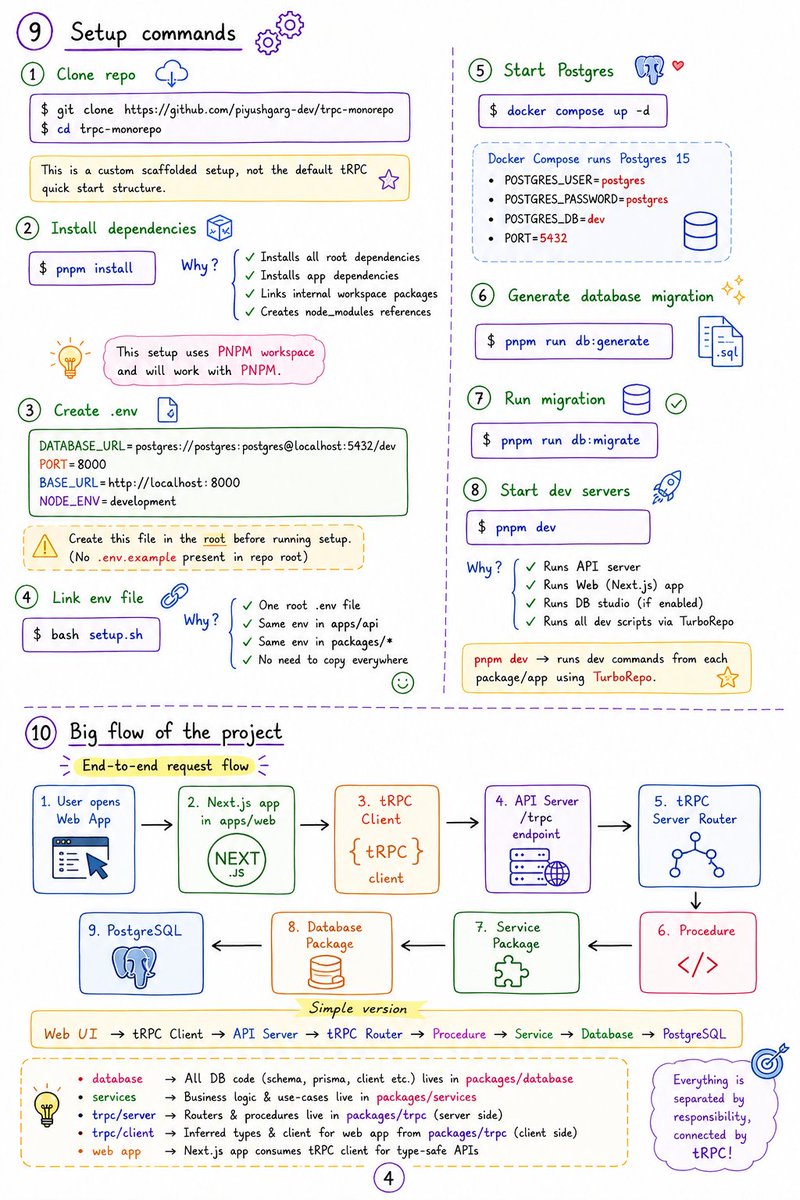
Summary of Monorepo tRPC
It was quite overwhelming session by @piyushgarg_dev sir. Will revise and rewatch the recording few times to understand this structure better.
@ChaiCodeHQ

3
37
917
Abhishek Rajput retweeted
May 16
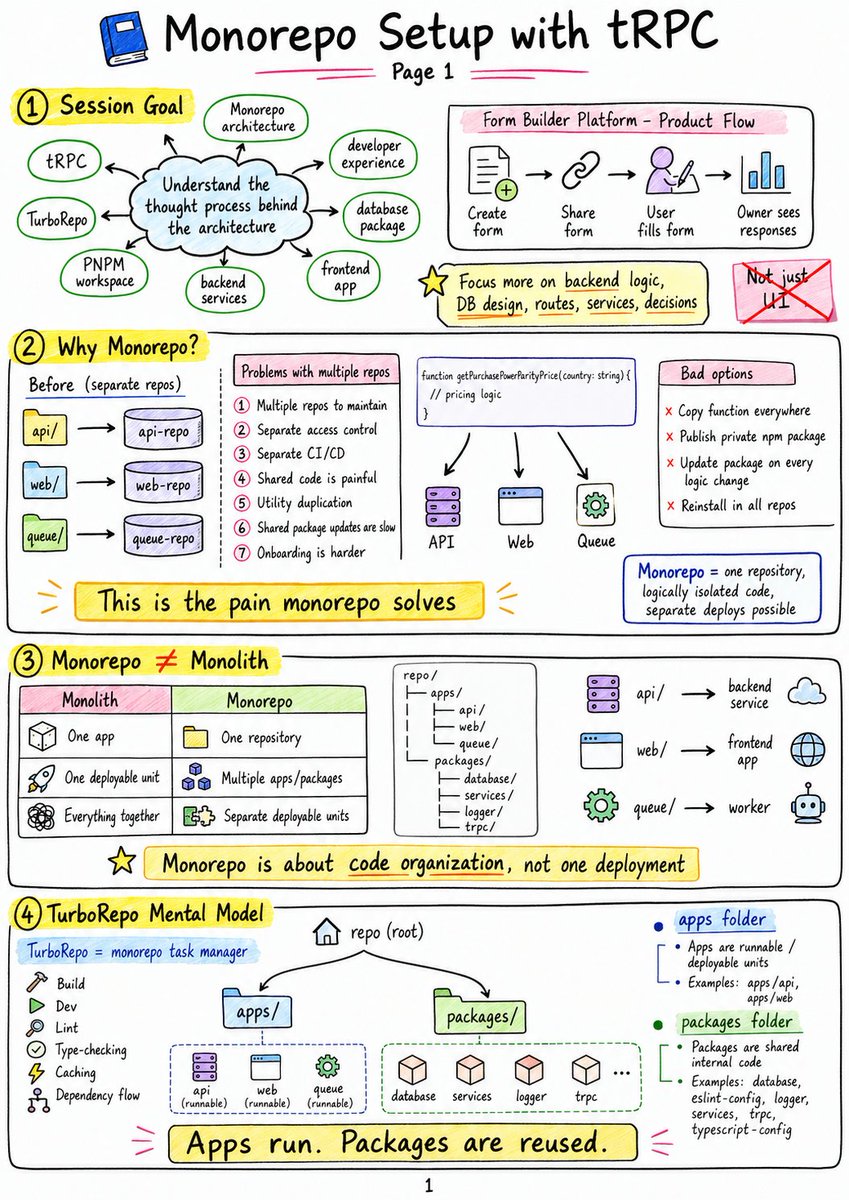
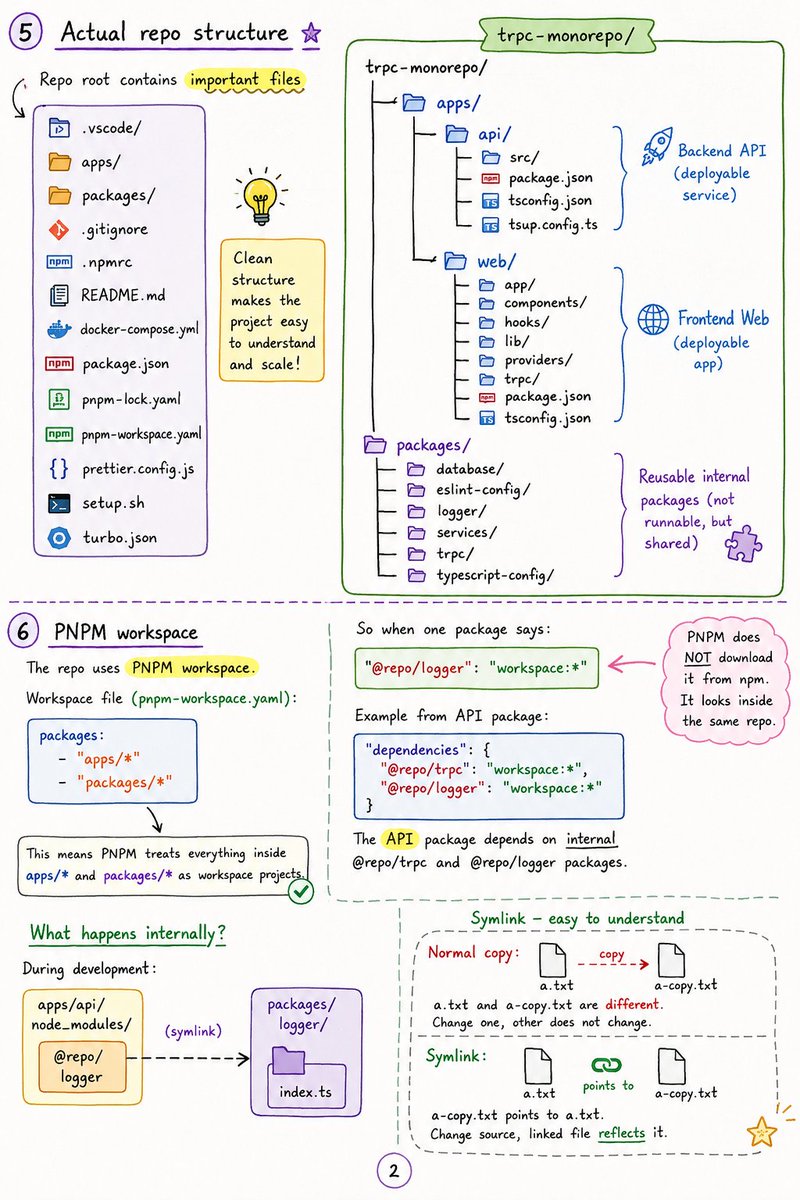
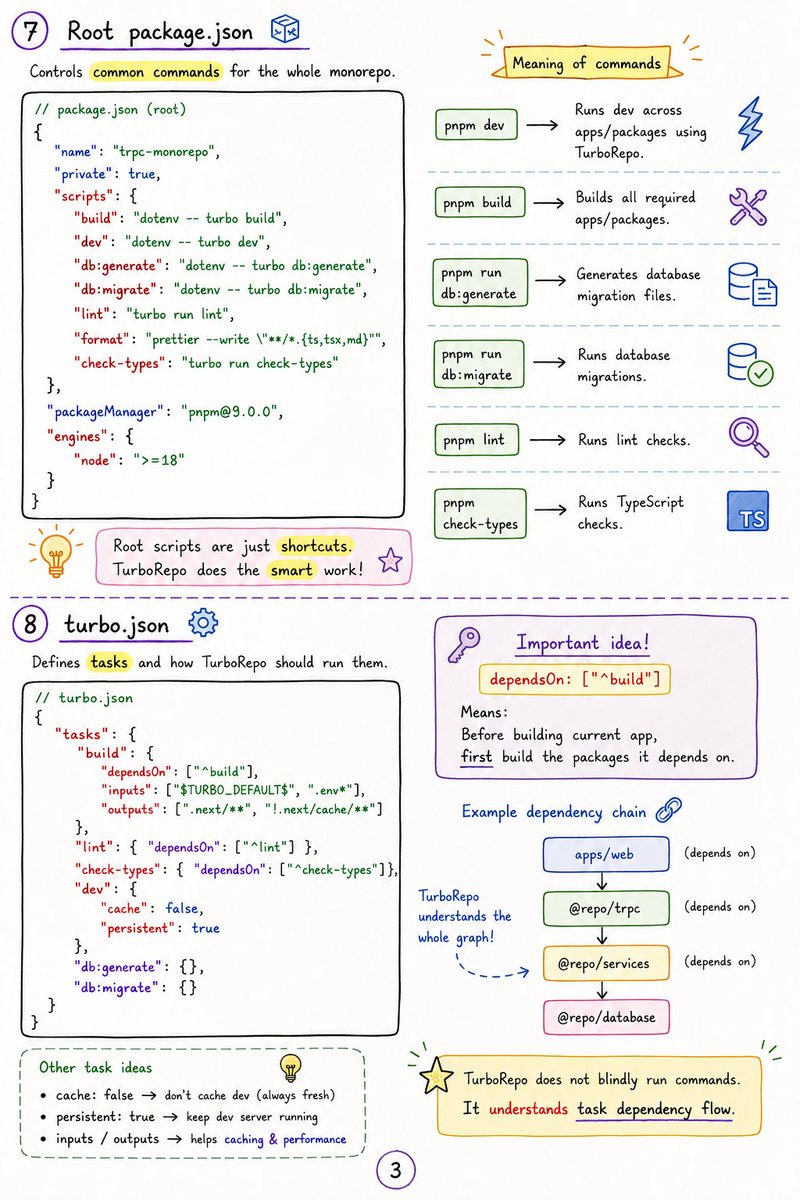
May 17 - MonoRepo Setup with tRPC Session Notes✅
6
3
55
1,973
Abhishek Rajput retweeted

May 15
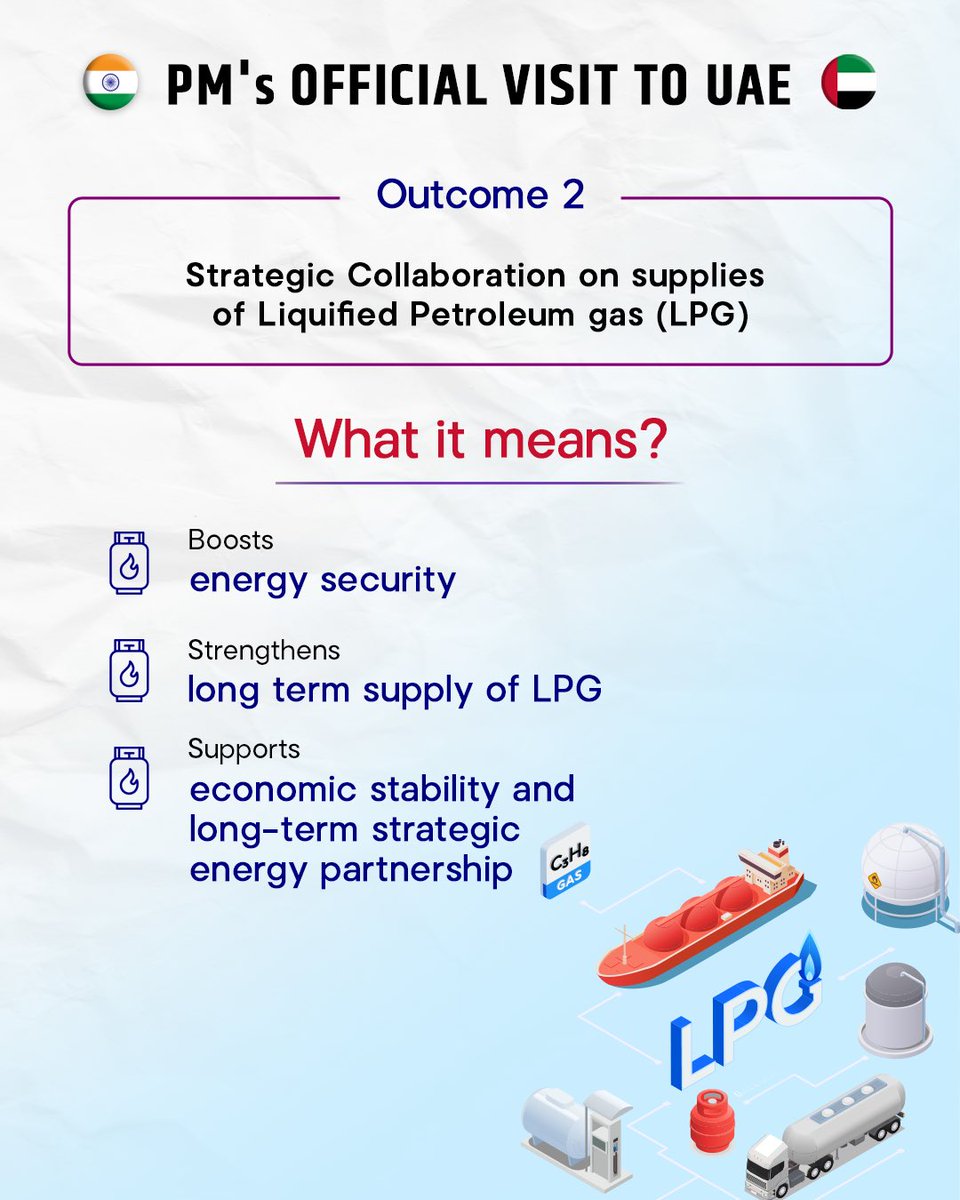
List of outcomes (7 in total) : Official visit of PM @narendramodi to UAE ⬇️



114
931
2,858
5,525,026
Abhishek Rajput retweeted

May 5
When Apple MacBooks already have a built in Speech to Text, Why should someone use WisprType?
Can your Speech to Text do this?
WisprType's Smart Typing understands you application level context and based on that it understands your "Intension" rather than "Words".
Because, When you want to speak at the speed of your thoughts, "Intension" matters rather than "Words". So Intension >>> Words 🔥
WisprType is a Free alternative to @WisprFlow & @superwhisper built for Apple Silicon ❤️
18
6
144
8,185
Abhishek Rajput retweeted
Apr 27
4
4
88
2,181
Abhishek Rajput retweeted
Apr 28
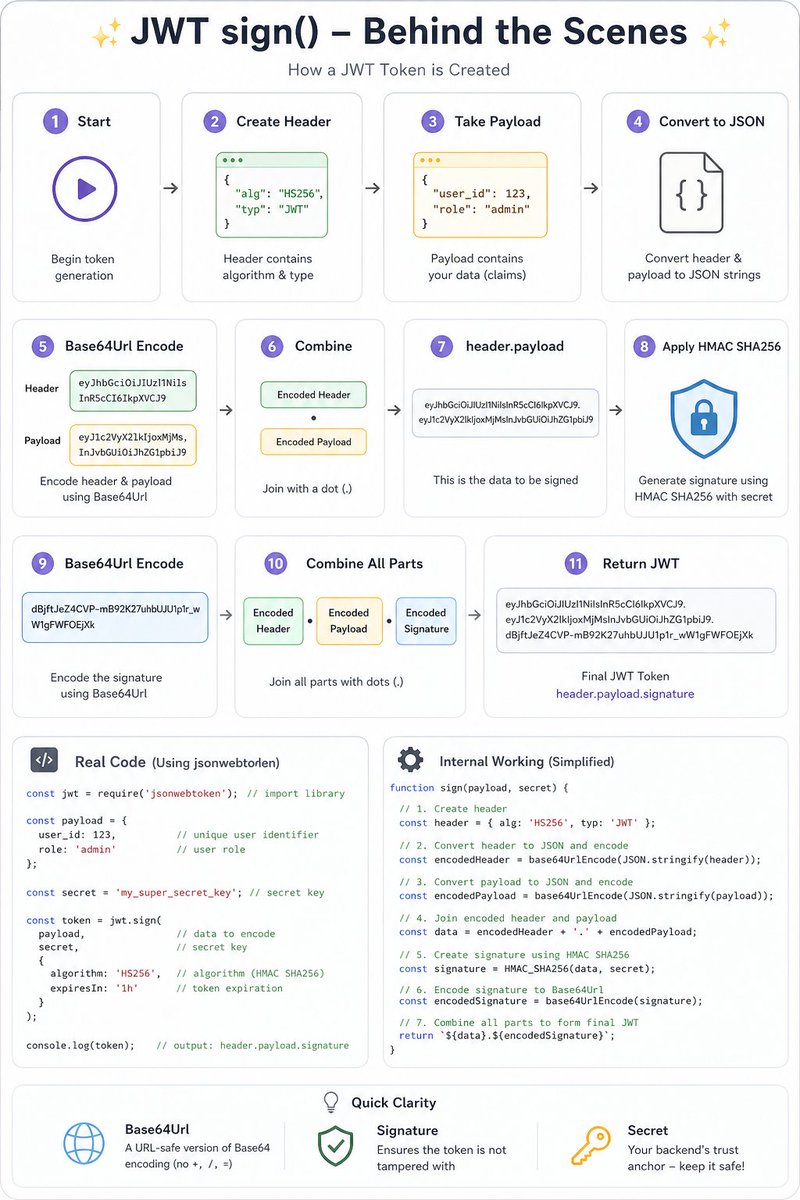
Step by step guide of how JWT sign() works behind the scene
#jwt #jsonwebtoken
3
25
165
4,630
Abhishek Rajput retweeted
Apr 29
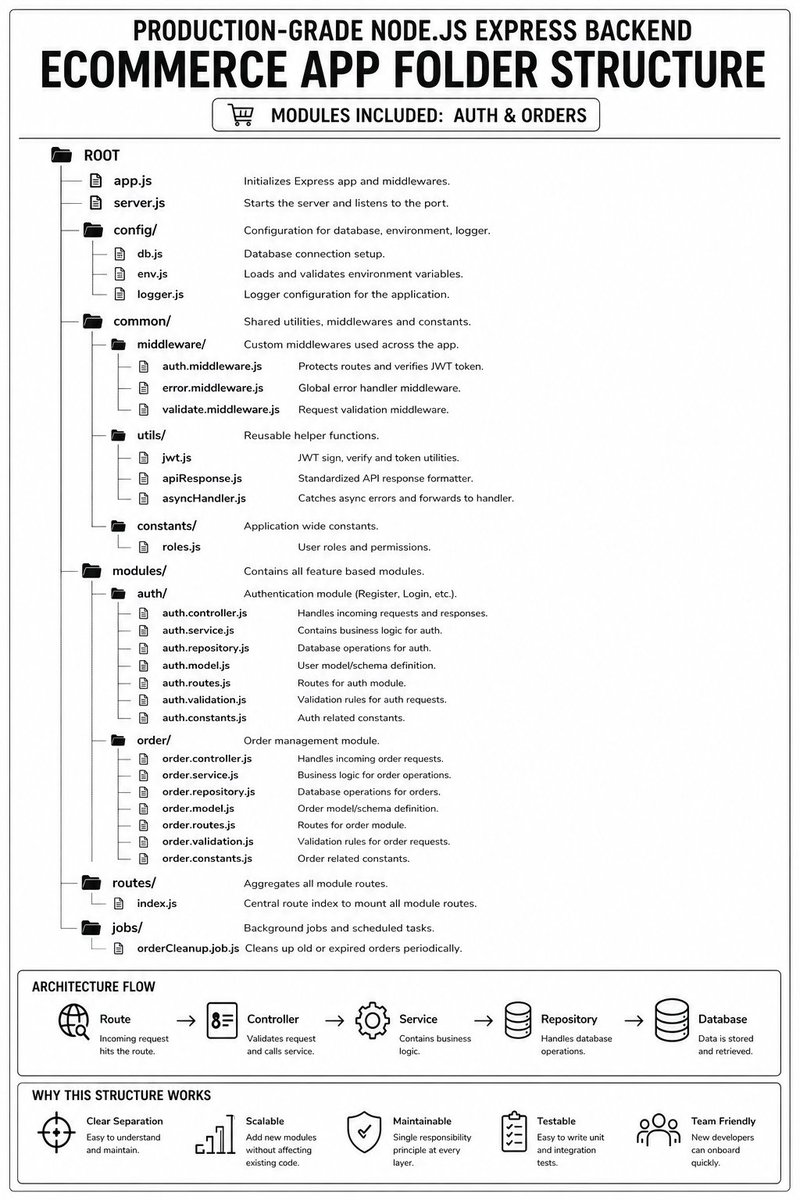
A lot of backend developers underestimate folder structure early on.
Not because they don’t care, but because everything works… until it doesn’t.
When your app has 5 files, anything works.
When it has 500 files, structure decides:
→ how fast you debug
→ how safely you add features
→ whether new engineers understand your code
This is not a style preference.
This is what keeps your system from collapsing under its own weight.
---
Most beginners think
folder structure = grouping files.
That is only half the story.
The real idea is:
each layer should have one clear responsibility
For a Node.js app, it often looks like:
routes → handle HTTP
controllers → translate request/response
services → business logic
repositories → database access
models → data shape
Simple rule:
If you mix these, you create confusion. If you separate them, you create clarity.
----
Adding a feature is not just writing code.
It is answering:
→ where should this logic live?
→ what should it depend on?
→ what should it NOT depend on?
If your structure is weak:
→ logic leaks everywhere
→ files become huge
→ changes break unrelated things
If your structure is strong:
→ you know exactly where to write code
→ changes stay local
→ debugging becomes faster
----
Bad approach:
→ route calls DB directly
→ business logic scattered
Good approach:
route → middleware → controller → service → repository
Now when something breaks:
→ you don’t search the entire codebase
→ you follow a clear path
Note: Sometimes "repository" code written in "service" as well. That's also fine. It's completely your preference.
----
Ask this for every file:
→ what is its responsibility?
→ who is allowed to call it?
→ what should it never know about?
If you can answer these clearly, your structure is probably good.
----
#NodeJS #NextJS #BackendDeveloper
3
18
92
2,267
Abhishek Rajput retweeted
May 3
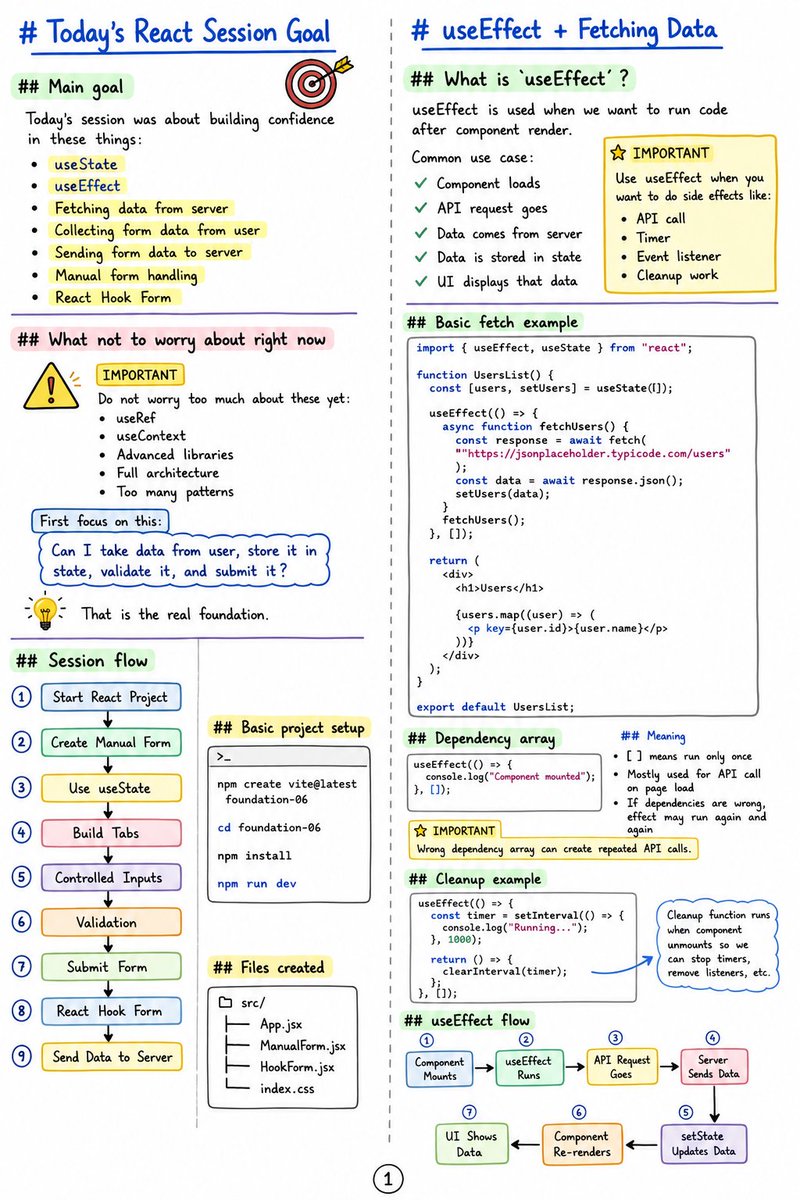
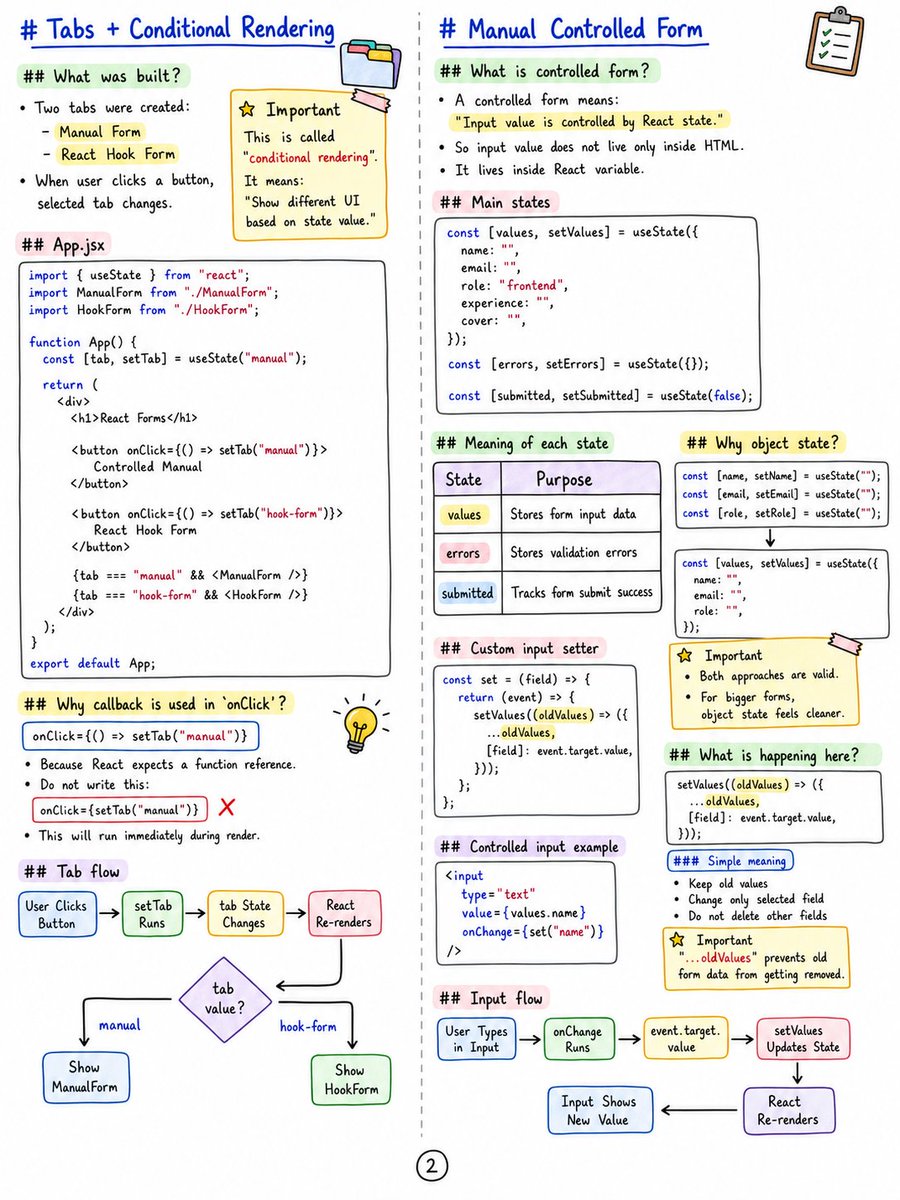
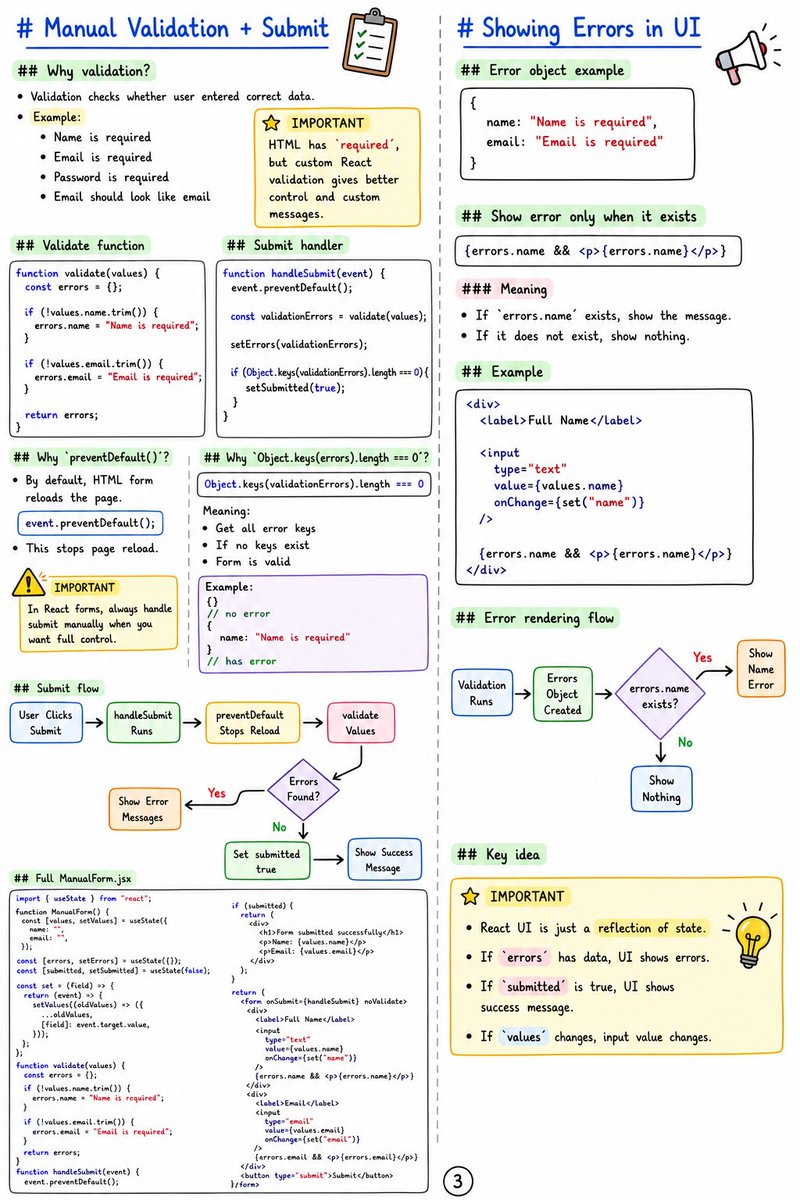
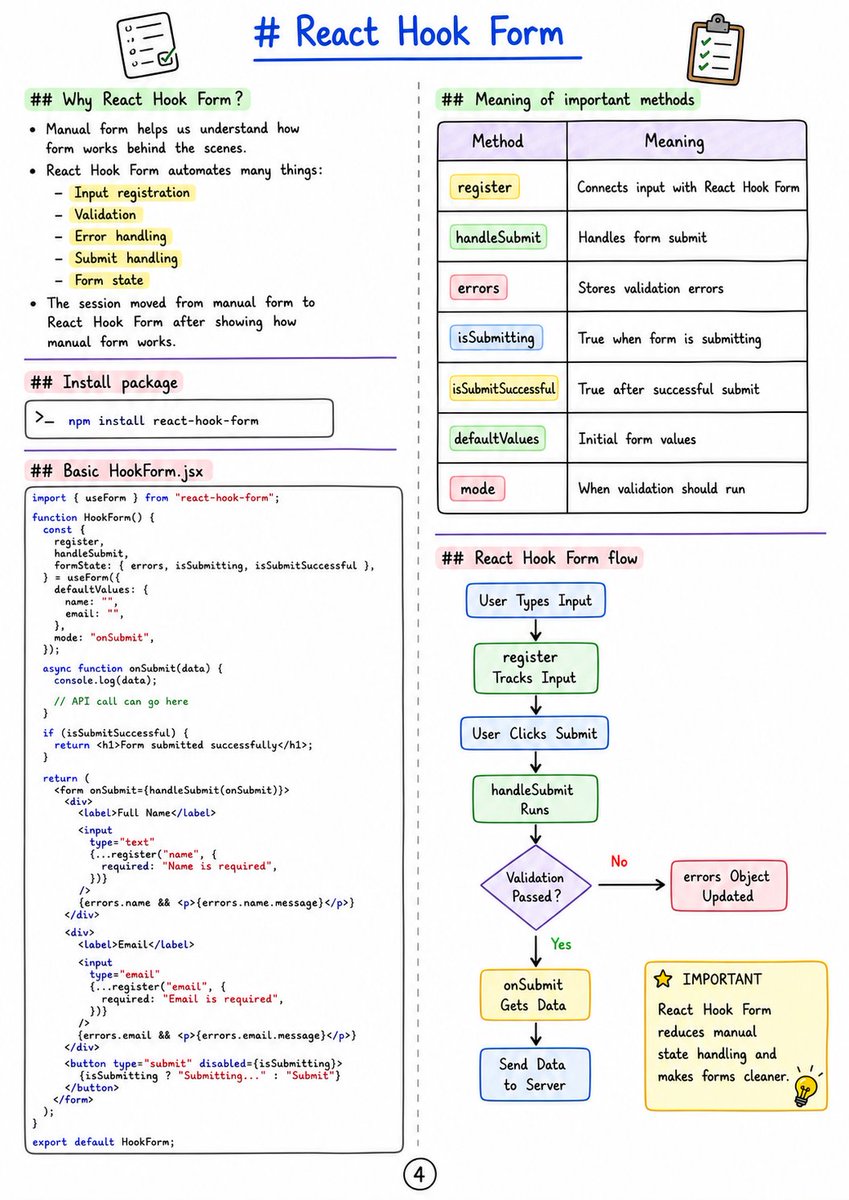
✅ React Basics Day 2 Notes
- Conditional Rendering
- Manual and React Hook Forms
- Tanstack Routing
- Auth services on front-end using axios
@ChaiCodeHQ
4
7
87
2,433
Abhishek Rajput retweeted
May 2
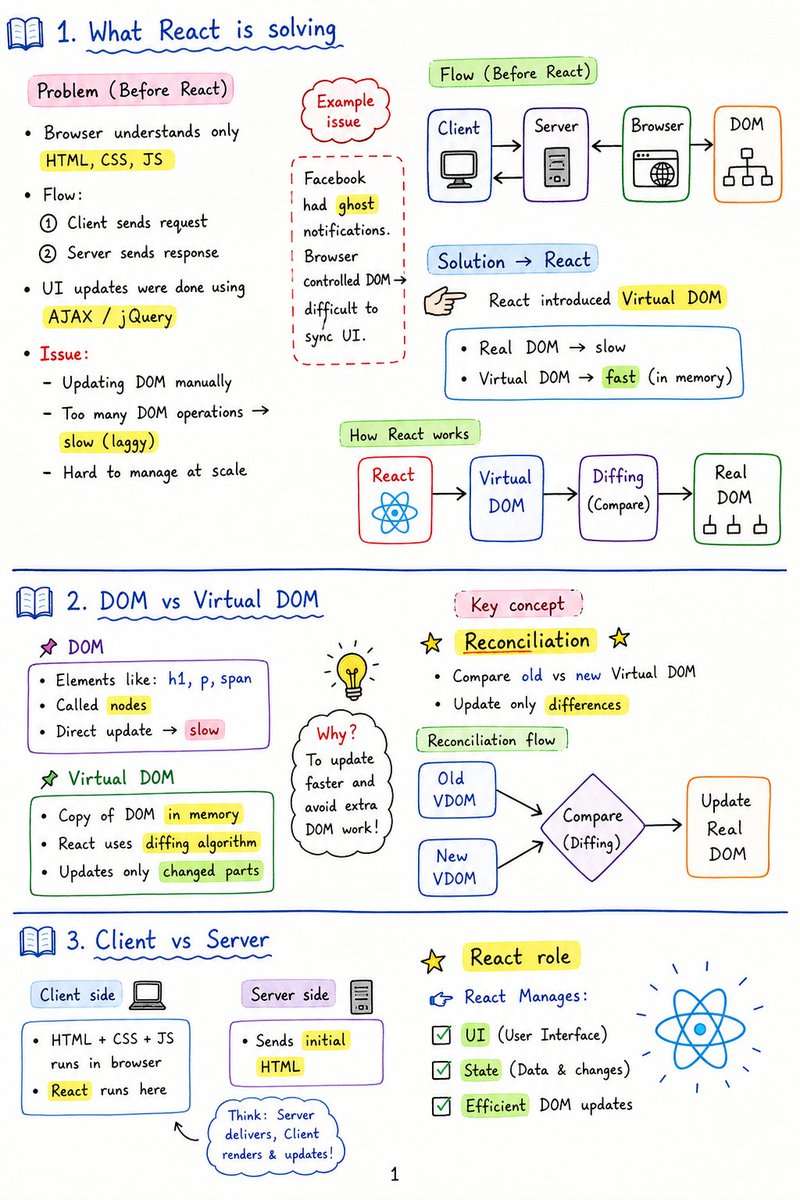
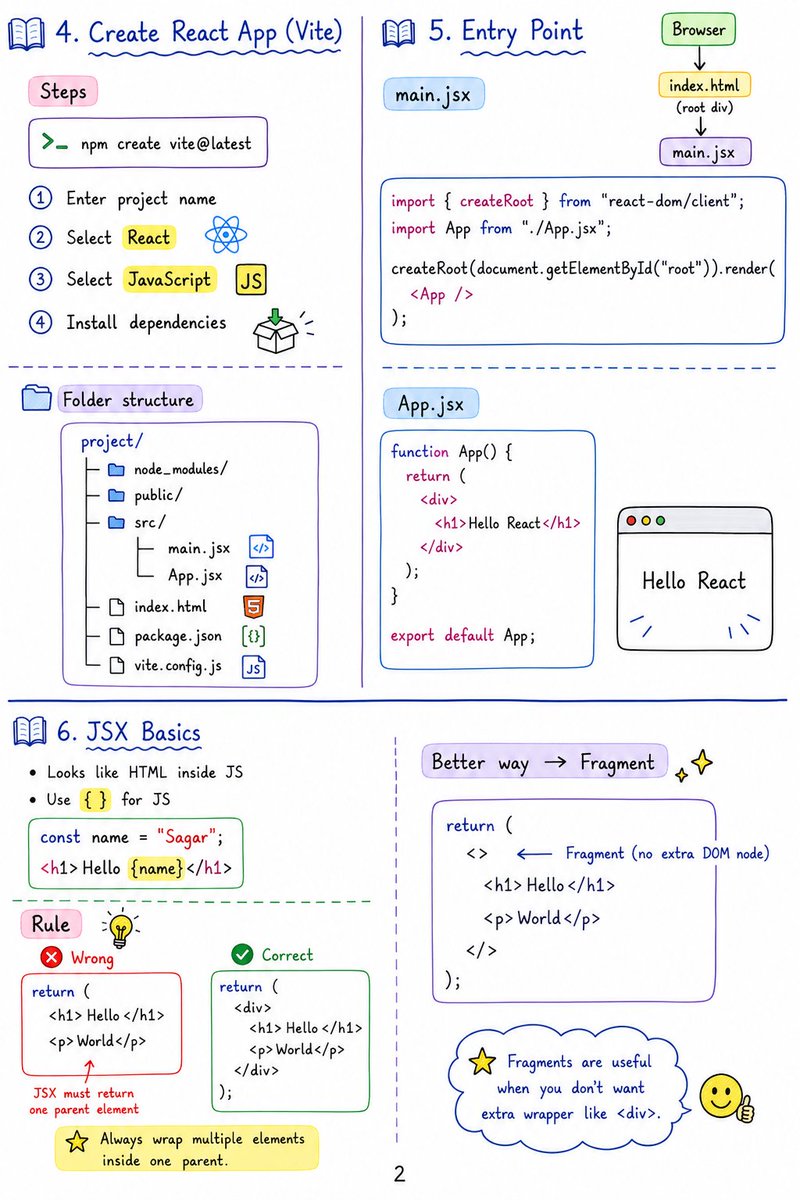
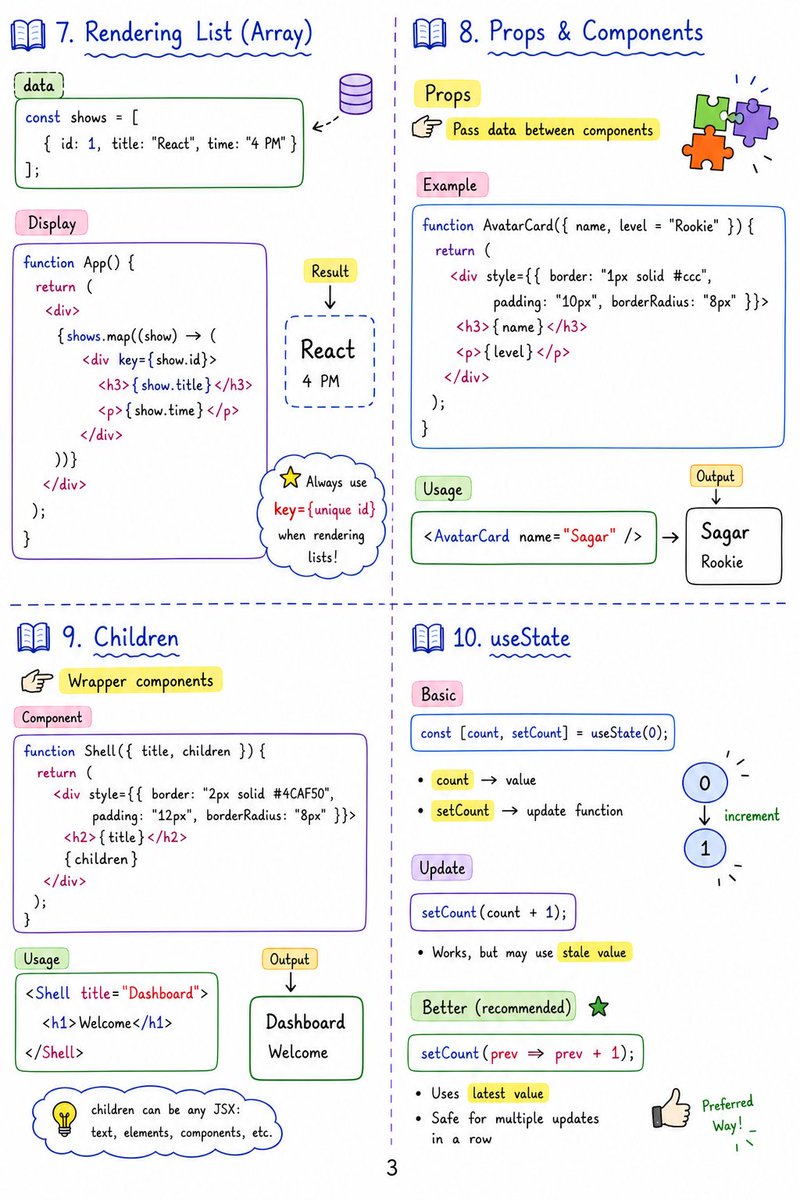
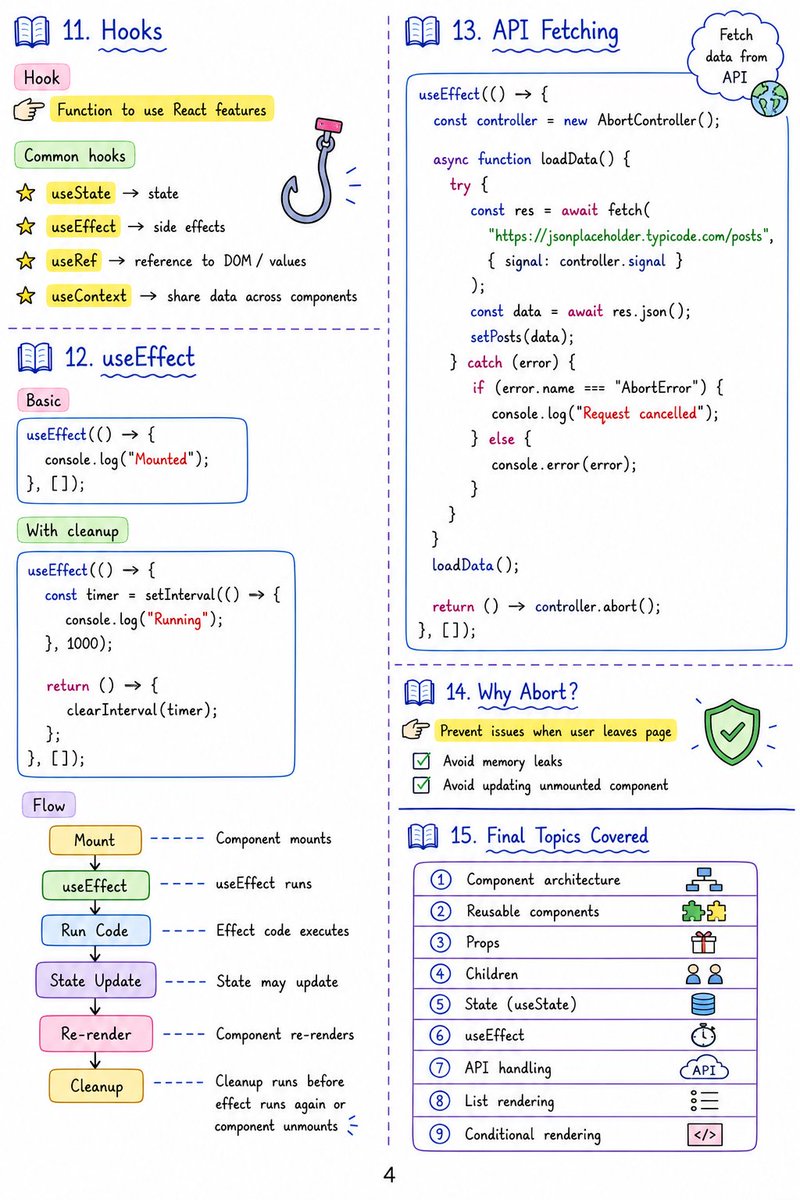
✅ React Basics Day 1
Topics Covered:
1. Component architecture
2. Reusable components
3. Props
4. Children
5. State (useState)
6. useEffect
7. API handling
8. List rendering
9. Conditional rendering
Thank you @jaaaani404 for your handwritten notes.
PS: Used her notes to generate this notes
13
33
246
7,460
Abhishek Rajput retweeted

May 2
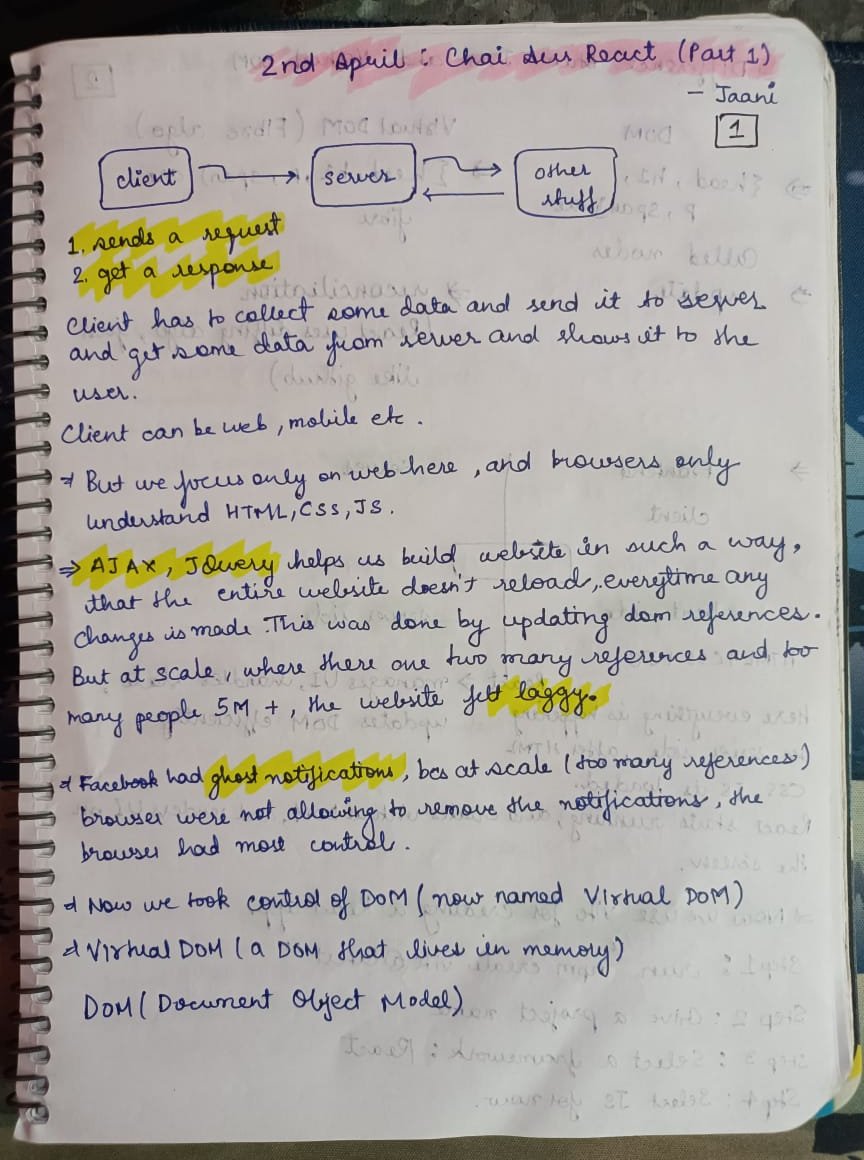
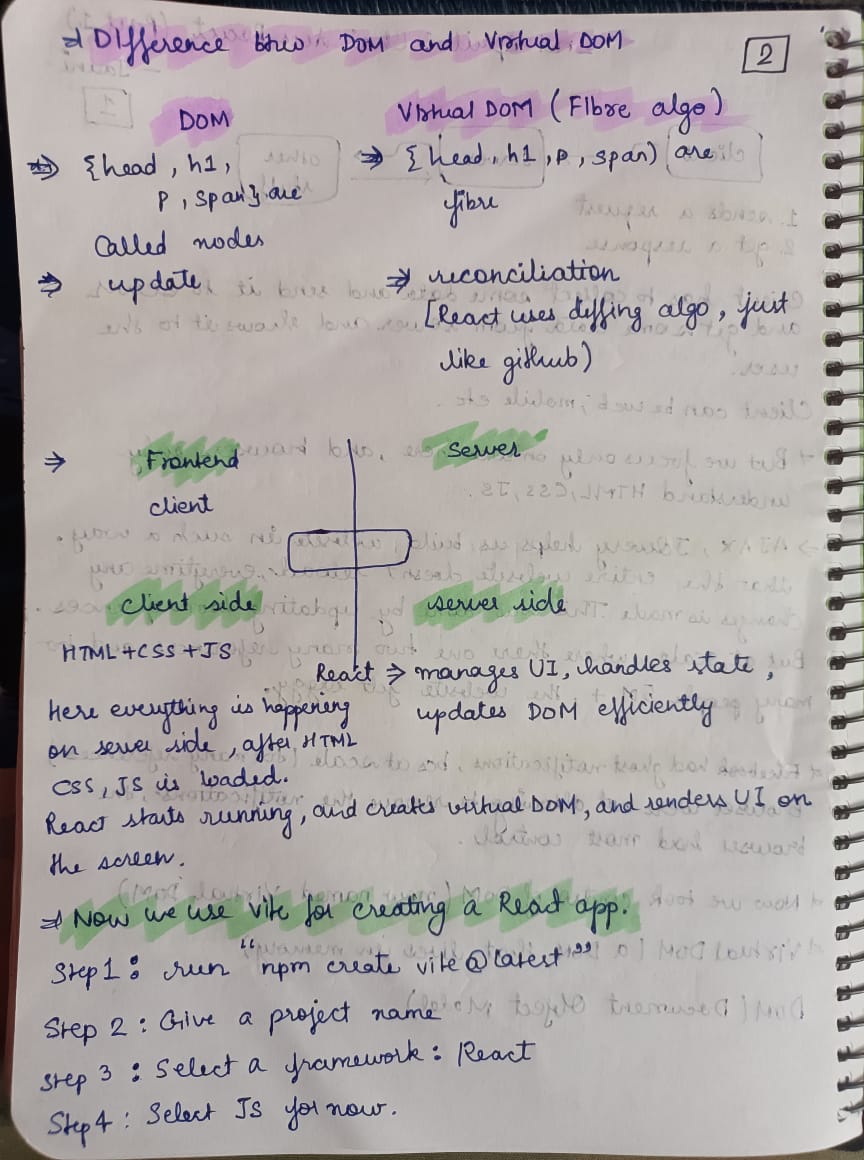
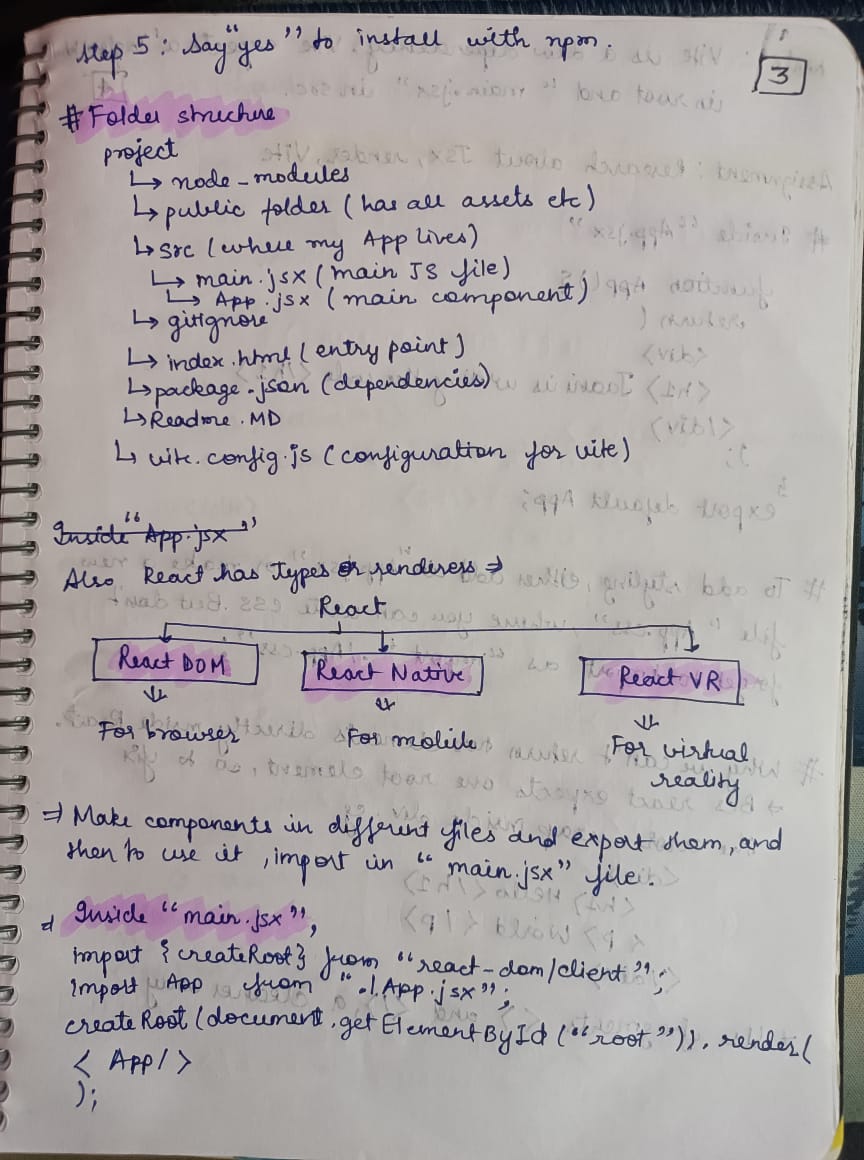
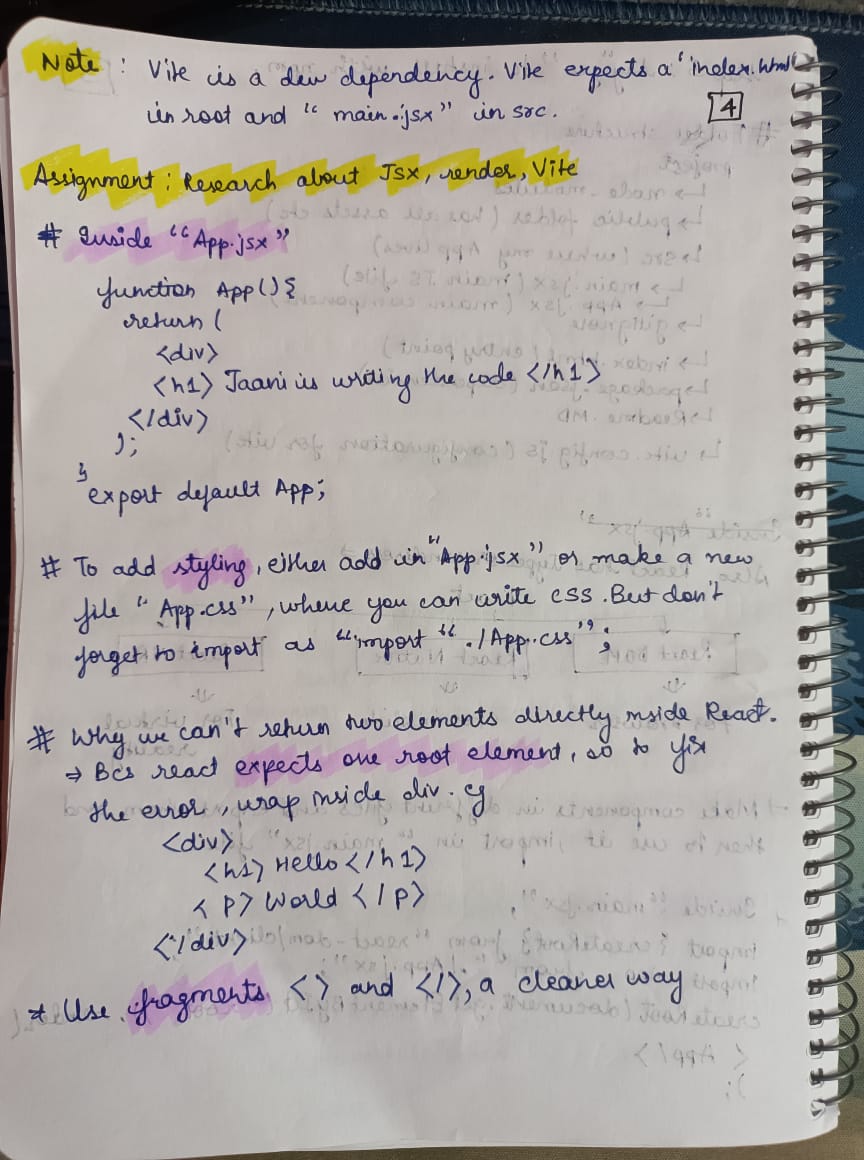
Today’s class: Chai aur React (Part -1)
notes in thread 🧵
Happy Learning ! 🫶
Github Link : inapp.app/jaaaani404/notes
#chaicode #chaiaurcode @nirudhuuu
9
12
166
4,824
Abhishek Rajput retweeted

Apr 30
World Laughter Day pe laughter ka double dose 🥳 Samay Raina x Ranveer Allahbadia in Mastiverse 🔥
250
301
6,228
474,282

Introducing GPT-5.5
A new class of intelligence for real work and powering agents, built to understand complex goals, use tools, check its work, and carry more tasks through to completion. It marks a new way of getting computer work done.
Now available in ChatGPT and Codex.
2,484
6,877
51,523
13,113,304
Abhishek Rajput retweeted

🚀 Backend Engineering Series — Day 9: Designing REST endpoints
Bad endpoints are confusing. Good ones feel obvious-like anyone could guess them without reading the docs.
Here's the complete guide to designing endpoints & handling HTTP methods correctly.
1
1
3
110
Abhishek Rajput retweeted
🚀 Backend Engineering Series — Day 8: REST API — the paradigm that powers most of the web.
Roy Fielding defined it with 6 architectural constraints in his 2000 dissertation. Most tutorials only mention 3. Here's the full picture.

1
1
3
95