
Married Orthodox Christian | Ex-Freemason | Author: “On The Masons And Their Lies” / “Fascism Viewed From The Cross” / “Original Sin For The Orthodox Church” ☦️
Joined February 2022
- Tweets 20,032
- Following 393
- Followers 10,403
- Likes 85,383
1,316 Photos and videos










Pinned Tweet

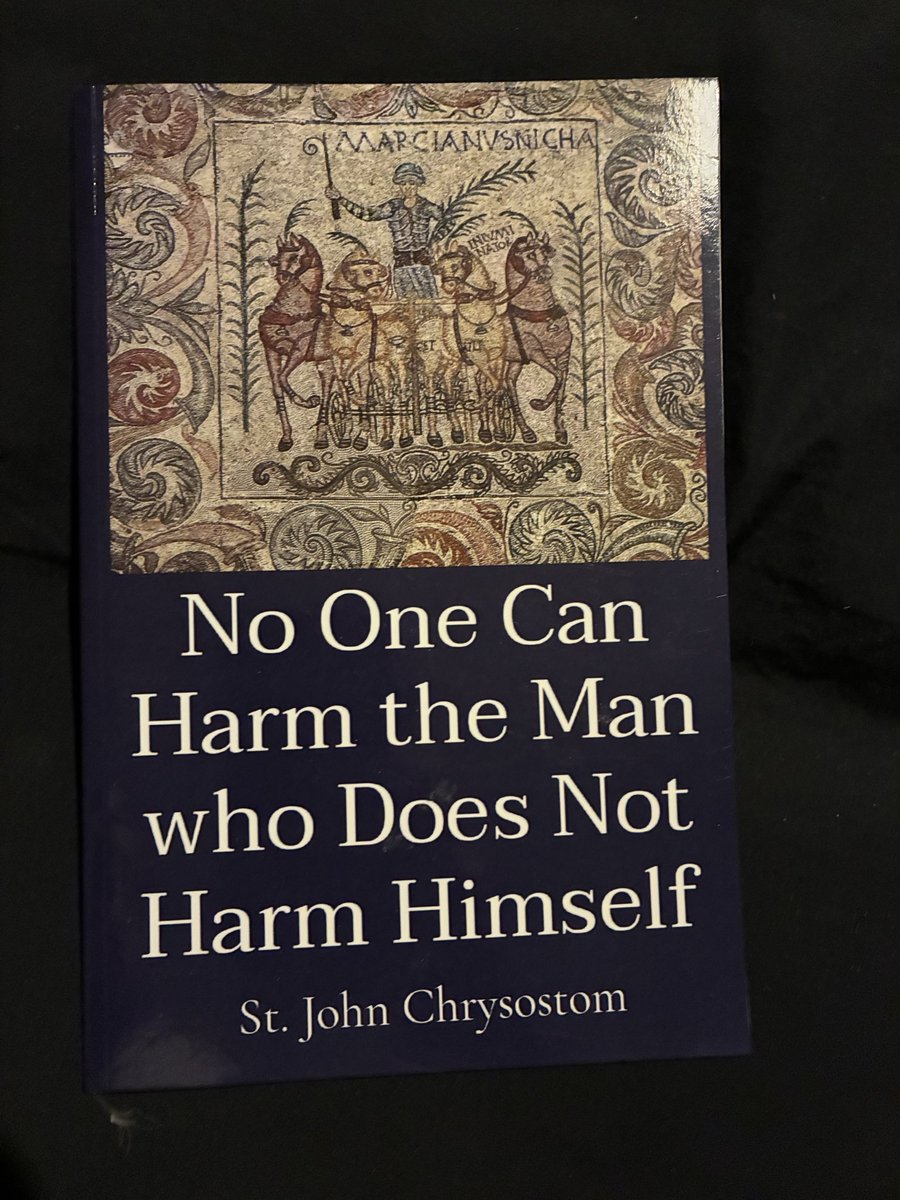
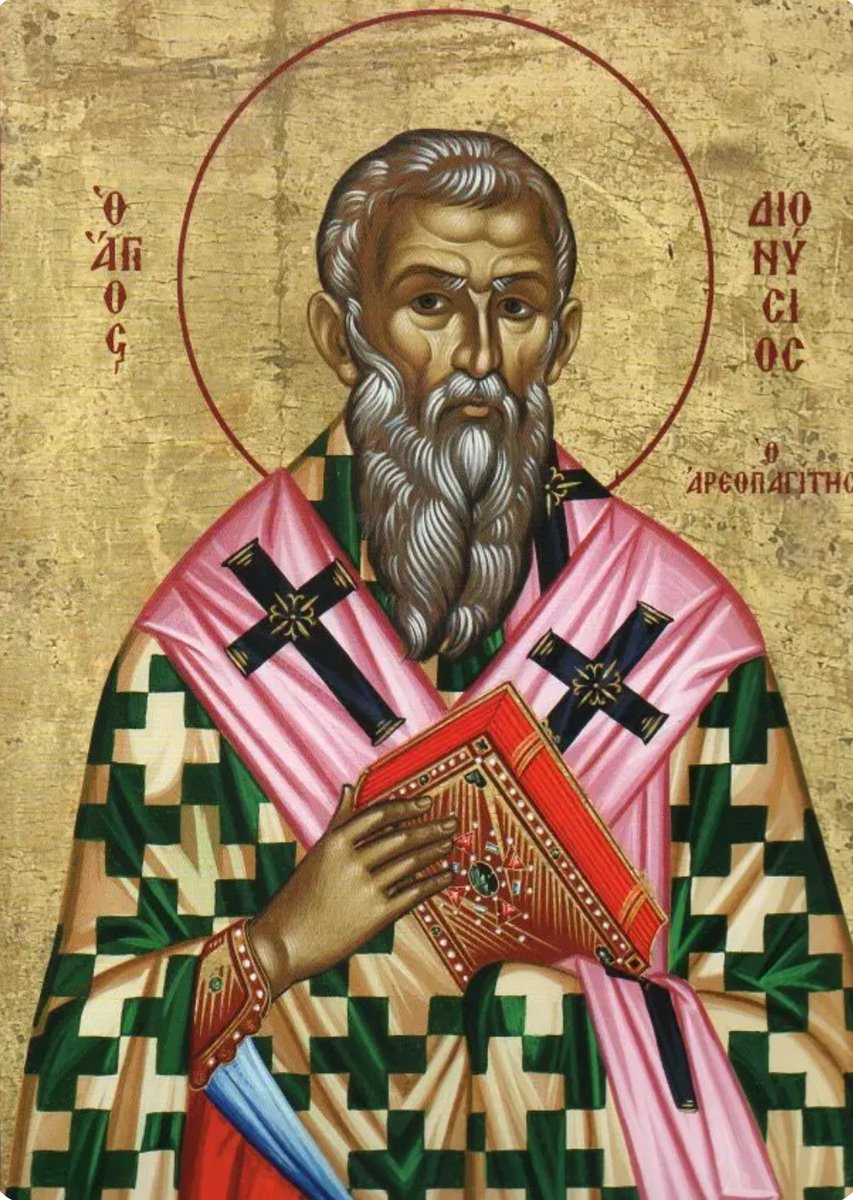
“Those who do not know must be taught, not punished. We do not hit the blind. We lead them by the hand.”
St. Dionysius the Areopagite, Letter 8.2
1
15
114
3,262
Brother Augustine retweeted

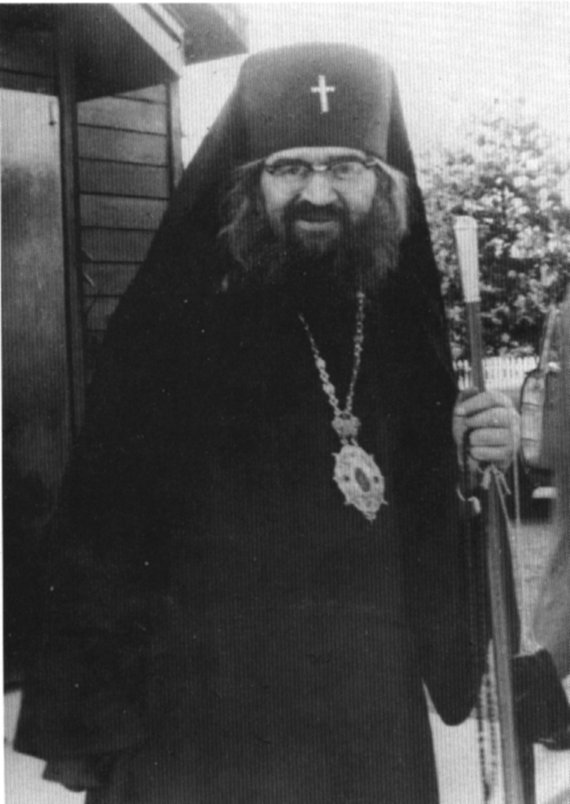
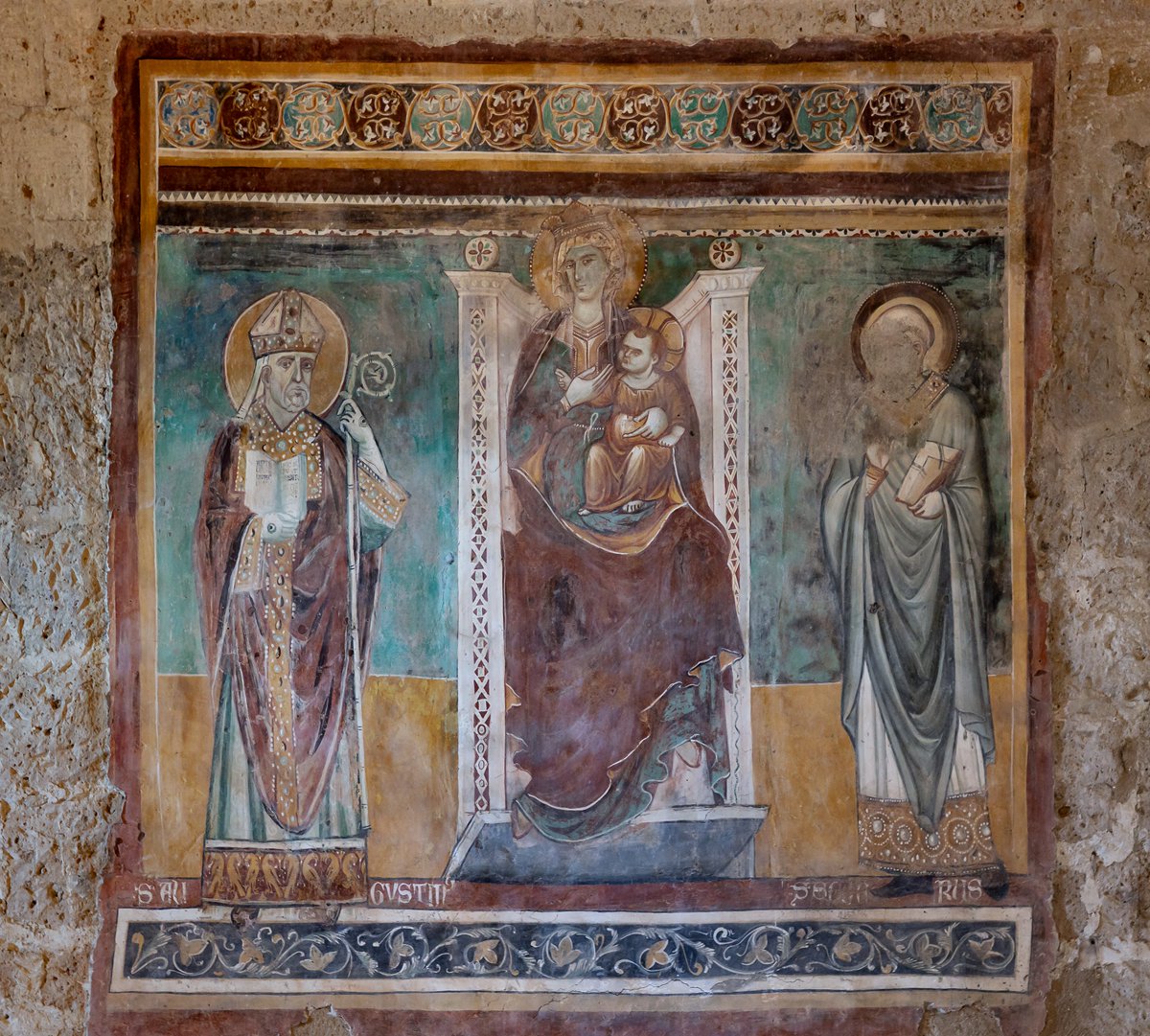
Matins Ode II for the Feast of St. Augustine:
Having penetrated with faith that which is inaccessible to the corruptible mind, O father Augustine, thou didst clearly preach it; and thou didst thunder upon all the ends of the world, setting forth the greatness of dogmas...
Matins Ode III for the Feast of St. Augustine:
...For the whole world proclaimeth thy corrections and struggles and hymneth the labors whereby thou didst toil in teaching, instructing and setting forth the divine doctrines which thou hadst imbibed.
These words were commissioned by St. John Maximovitch, approved by the entire Synod of ROCOR, and sung by St. John every single year on St. Augustine's feast day. (Living tradition as of the 20th century).
2
7
36
1,167
Brother Augustine retweeted

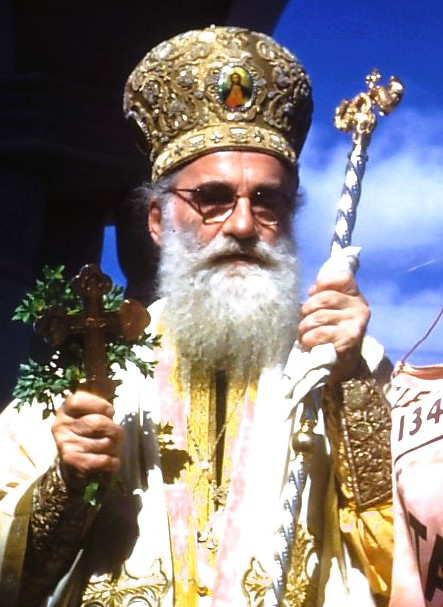
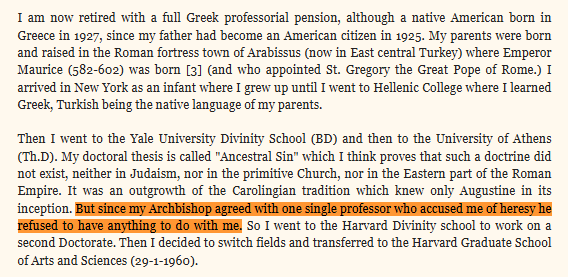
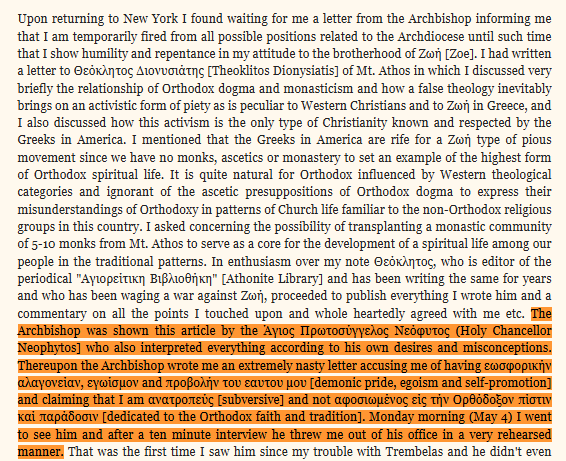
Upon reading “Ancestral Sin” by Fr. John Romanides, Archbishop Michael of the Greek Americans said he was taken by “demonic pride, egoism and self-promotion,” that he was “subversive,” and that he was not “dedicated to the Orthodox faith and tradition.”
12
45
161
7,296
For young men considering getting into the trades, I’ve just published “The Inside Scoop on HVAC: The Good, the Bad, and the Ugly.”
Substack: open.substack.com/pub/michae…
1
1
13
417
Brother Augustine retweeted

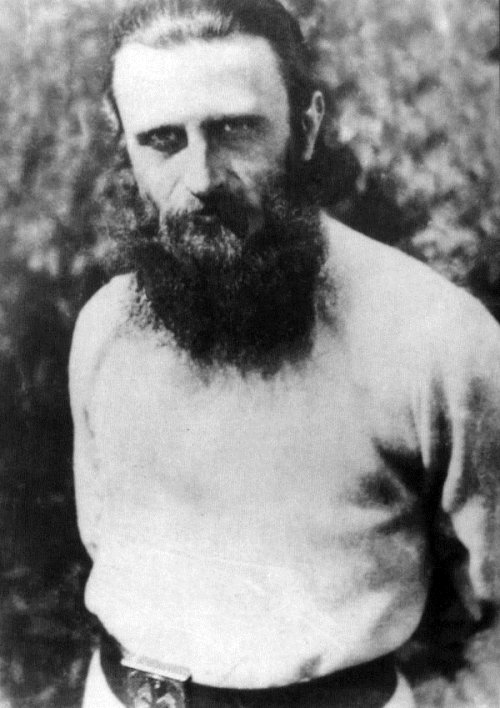
“Those who criticize us are closer to the truth than those who praise us.”
- St. Arsenie Boca
5
74
634
6,948
Brother Augustine retweeted

Jun 7
“God, who is all good, wished to give existence to non-beings, in accordance with the prototype existing in Him, in order that He might constitute other entities capable of sharing His goodness.
3
5
42
1,109
Brother Augustine retweeted

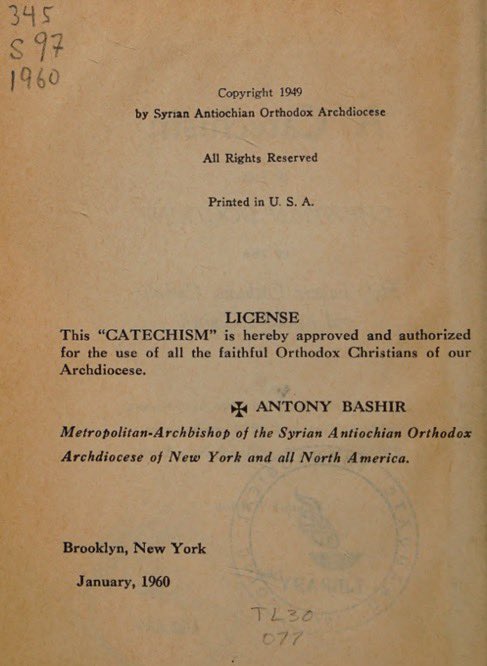
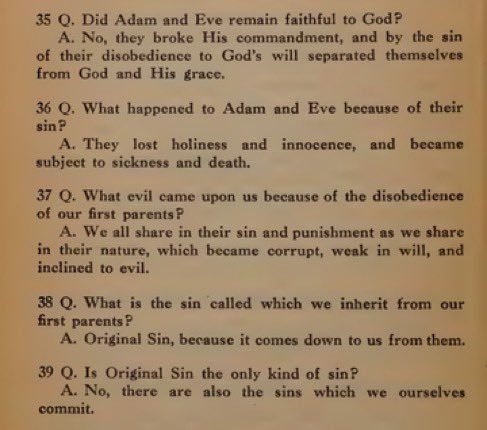
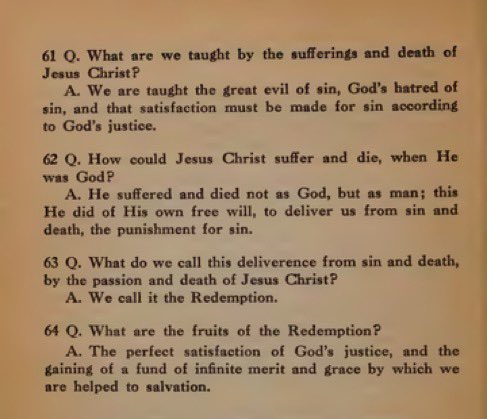
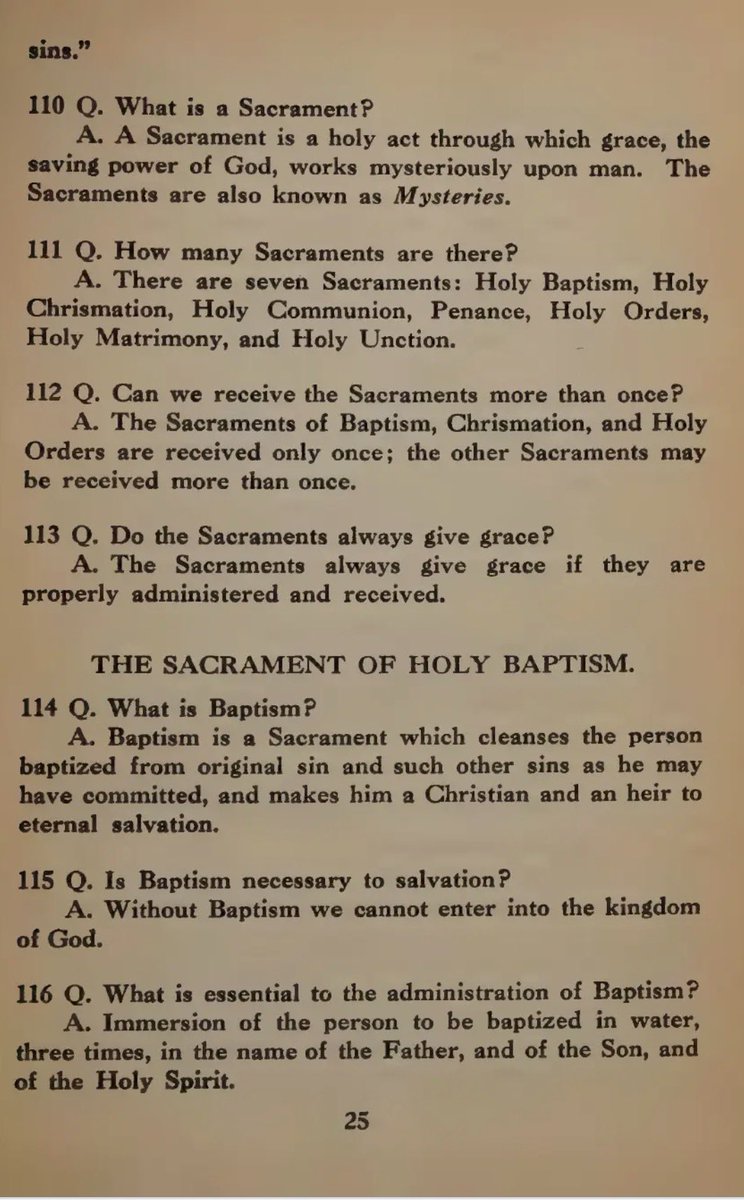
From A Catechism of the Christian Doctrine of the Holy Eastern Orthodox Catholic and Apostolic Church-
Syrian Antiochian Orthodox Archdiocese, Brooklyn, NY: A-B-C Printing, 1949 (approved by Metropolitan Antony Bashir in 1950).
5
8
48
2,332
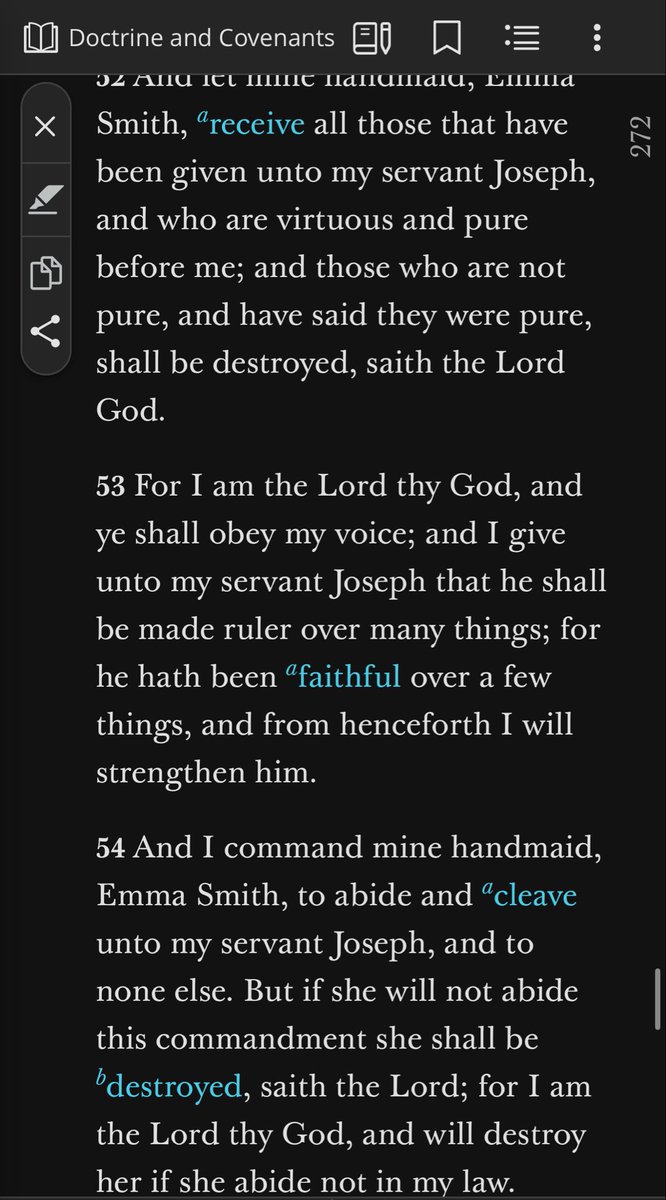
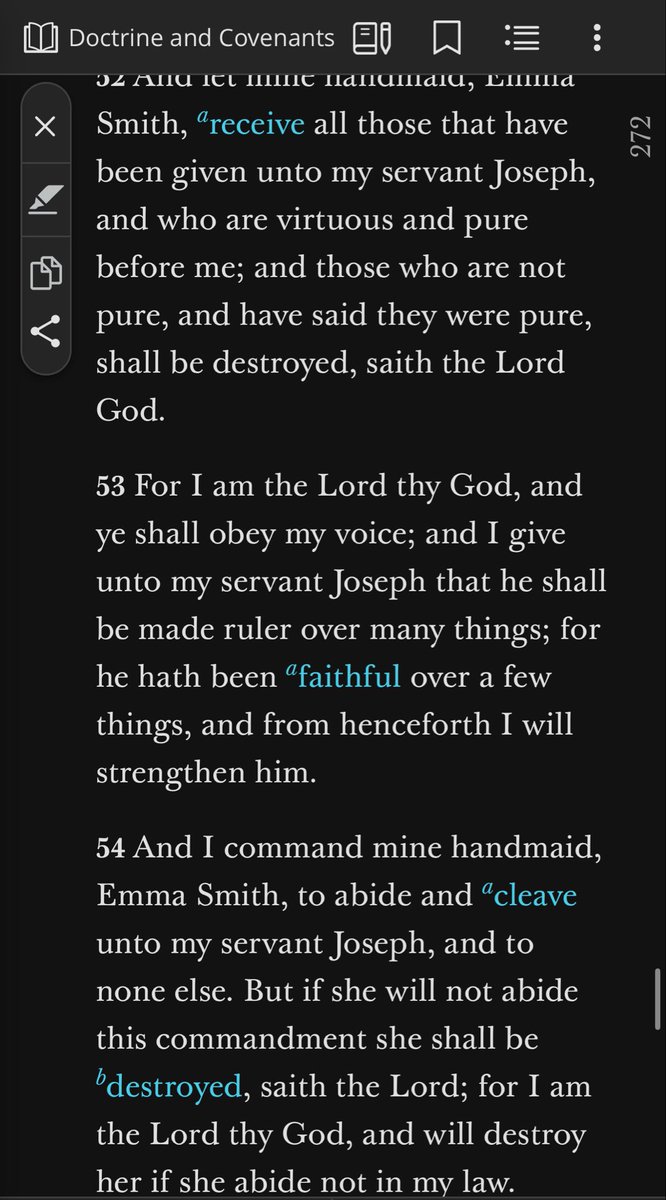
Mormons claim that “Heavenly Father’s” “revelations” to Joseph Smith about “plural marriage” were mostly due to the persecution of Mormons at the time and, thus, the need for their numbers to be replenished. Yet according to the records, Joseph Smith didn’t have a single child with a single one of these “wives” apart from his real wife, Emma.
Why would “Heavenly Father” insist that Joseph Smith sleep with a bunch of women if these “marriages” weren’t going to be fruitful anyway? 🤔
4
3
52
2,267
Brother Augustine retweeted

Jun 7
Civilization is not rebuilt by men addicted to spectacle. It is rebuilt by men who can do boring, faithful things for a long time.
28
189
2,194
21,909
Brother Augustine retweeted

Albania is doing what the United States should have done 10 years ago.
194
2,613
24,053
224,420
Brother Augustine retweeted

St. Augustine's On Christian Doctrine is one of the greatest texts ever written on how to read the Bible.
1
6
42
1,134
Brother Augustine retweeted

Jun 6
Сви су Срби стали под један Појас.
Неки физички, неки у мислима најдражих, али благодат се излила на све, без изузетка.

6
53
998
9,263
Brother Augustine retweeted

Jun 5
Dr. Peter Pashkov @ PSTGU on Original Sin as guilt:
‘We continue the conversation about the concept of original sin in patristic and contemporary theology. For those who are only now joining the discussion, let us recall that the discussion began with the transfer into the Russian-language online sphere of the disputes of American Orthodox Christians concerning the legacy of St. Augustine, Archpriest John Romanides (not so popular among us, but playing an important role in discussions among Orthodox Christians in the West), and, in general, the understanding of the atonement and original sin in contemporary Orthodox thought.
In general, the category of “guilt” seems to me not the most convenient one for discussing the question of original sin in our time. Contemporary confessionally Orthodox theology (some features of which we discussed above using the example of Archpriest John Meyendorff, although, of course, he, like other contemporary theologians, is sufficiently subtle and does not think so unambiguously and “flatly”) often defines the inheritance of fallen Adam in humanity through opposition to the idea of “guilt”:
“...we can speak of the hereditary transmission only of mortality, but not of guilt, as Western theology maintains. Augustine, who exerted a strong influence on Western scholastic theology and, in particular, on the doctrine of the inheritance of death, maintained that we all inherited the very sin of Adam, whereas from the patristic tradition it is evident that we inherit only the consequences of sin, that is, corruption and mortality, which are transmitted by means of carnal birth”[1].
Critics of “Augustinianism” and “scholasticism” often formulate their position precisely in this way: “we inherit not guilt, and therefore not sin, but mortality” (although subsequently they often introduce certain clarifications).
Using the example of the teaching of St. Gregory Palamas on the “forefathers’ curse”, we have already shown earlier that the patristic teaching describes the inheritance of fallen Adam in humanity with somewhat different emphases: the holy fathers wrote of the “inheritance of sin (πταῖσμα)”, the “forefathers’ curse” (προγονικὴ ἀρά), “our just abandonment by God” (δικαία τοῦ θεοῦ ἐγκατάλειψις), “punishment”, and “spiritual death” (and not simply physical mortality).
Properly speaking, these concepts are sufficient for the description of the Orthodox teaching on original sin as not simply “mortality”, but as a state properly sinful, in my opinion; by them the patristic “juridicism” is quite adequately described. The term “guilt” here, in my view, provokes additional objections.
Nevertheless, in patristic texts on original sin there are also encountered concepts connected with the category of guilt. St. Gregory Palamas himself writes that “Christ, the Liberator of nature... assumed our guilty nature and... showed it to be guiltless and justified”[2]. Besides, to reject the teaching of the Western holy fathers, including Blessed St. Augustine, merely on the ground that they are Western would be somewhat strange. The Orthodox Church is not the Church of the East—she is the Catholic Church and is obliged to correspond to this self-definition.
Therefore I would like to propose the following reasoning concerning original sin as guilt.
What Is Guilt? Metropolitan Macarius (Bulgakov), whom one may safely take as the standard of traditional dogmatics, writes:
“‘Original sin,’ we read in the Catechism of St. Peter Mogila, ‘is the transgression of the law of God given in paradise to the forefather Adam. This hereditary sin passed from Adam into all human nature, since we were all then in Adam, and thus through the one Adam sin spread to all of us. Therefore we are conceived and born with this sin’ (Pt. 3, Q.20).
The only difference is that in Adam this deviation from the Law of God and from his own destination was free, voluntary, whereas in us it is hereditary, necessary—with a nature that has deviated from the law of God we are born; in Adam it was a personal sin, a sin in the strict sense of the word—in us it is not a personal sin, it is not properly sin, but is only the sinfulness of nature, received by us from our parents; Adam both sinned, that is, freely violated the commandment of God, and thereby became a sinner, that is, caused his whole nature to deviate from the Law of God—whereas we did not personally sin with Adam, but became in him and through him sinners (‘By the disobedience of one man many were made sinners’, Rom. 5:19), receiving from him a sinful nature, and we come into the world by nature ‘children of wrath’ (Eph. 2:3)”[3].
In other words, original sin is not for us a personal sin, but a “state of sinfulness”. This is a state, identical to the state after grave sin (the absence of gracious immediate communion with God), in which every human being finds himself from conception, without having committed any personal sin. At the same time, the commonly used understanding of the word “guilt” implies a personal offence; the personal offence which caused that state of sinfulness in which every human being is conceived was committed not by us as persons, but by the forefather Adam (according to Metropolitan Macarius, “original sin in us... is not properly sin”).
Therefore, as it seems to me, guilt in application to original sin is spoken of not in the commonly used sense. It must be defined apart from connection with our personal offence, through the concept of a “sinful state”.
Guilt before God as a state is a certain quality of our relations with God, when we are unworthy to be with Him in gracious union and He, in Justice, is not present in us. And this is unconditionally so: no human being from conception deserves salvation of himself and has no lawful right to it. We are saved only by the mercy of God. Properly speaking, this is why grace is called grace.
Guilt as a state, consequently, is not some positive quality. Guilt is the absence of righteousness (according to the concordant teaching of the saints, expressed especially vividly in the Areopagite and in the same St. Augustine, evil is always the absence of good)—the absence of the merit which would give us the right to return to gracious communion with God after Adam had lost that communion and begot us deprived of it.
From our side such a quality of relations is called “guilt”; this guilt proceeds from the sin of Adam, who lost the primordial righteousness implanted in him by God and brought into the world the human race deprived of this righteousness, existing in a state objectively deprived of righteousness.
From God’s side such a quality is called “Wrath” or even “offence”. In the expression of St. Nicholas Cabasilas, “sin brings offence (ὕβριν φέρει) to God Himself”[4]. The Council of Constantinople of 1157 uses the same language, and so, in general, do all the holy fathers who speak of the “Wrath of God”. It is important, however, to remember that the Wrath of God is nothing other than His just withdrawal from the one who has no righteousness: “Wrath is our just abandonment by God (δικαία τοῦ θεοῦ ἐγκατάλειψις)” (St. Gregory Palamas)[5].
What, then, does a sinner need in order to become righteous, in order to fill up his deficiency, his loss of righteousness? He needs to offer sacrifice to God, to take upon himself an ascetic feat. It is precisely this that is called the satisfaction of Divine Justice. Our guilt is, if one may express it very roughly, that “measure of ascetic feat” and sacrifice which would have had to be fulfilled in order to fill up the deficiency of righteousness and return to union with God after Adam’s fall.
However, as the same righteous Nicholas indicates, “for the insignificant there is nothing easier than to offend the great, but to compensate with honour (τιμῇ) for the offence inflicted he cannot—especially when his debt is immense, and the one offended so surpasses him that it is impossible even to measure the distance between them. For he who wishes to remove the accusation must compensate the damage inflicted upon the honour of the offended one, and moreover with an excess, so as both to restore what was lost and to add over and above it, in compensation for the insult inflicted”[6].
Moreover, without the grace of God, which outside Christ is not fully accessible to fallen Man, Man is not capable of doing spiritual good necessary for salvation: “the rational soul, if it is separated from God... is struck by incapacity for good actions (ἀργίαν πάσχει τῆς πρὸς τὸ ἀγαθὸν ἐνεργείας)”[7]. Without grace, in other words, one cannot acquire grace.
Salvation, however, consists in the fact that Christ covered our poverty by His sacrifice. His obedience is an ascetic feat of infinite price, and His Blood, shed on the Cross, is an infinite sacrifice, which filled up our deprivation of righteousness. Therefore in Baptism (in which we enter into the death and resurrection of Christ) guilt as a state of rupture with the Lord is removed: we enter into union with Him in Whom our deficiency of righteousness is filled up with infinite excess, by Whom the merit has been accomplished which was needed so that we might return through Him into union with God. The Cross, therefore, is true atonement.
Original sin as a state, in its content, is the deprivation of the grace of God consequent upon Adam’s loss of righteousness. Guilt is the name given to the fact that a human being, deprived of righteousness from birth, without the grace of Christ can in no way become righteous and cannot merit the return of grace.
As it seems, the language of “guilt” interpreted in this way, despite all the aversion to it in Orthodox thought of the twentieth century, may constitute a certain supplement to the notion, popular in contemporary theology, of mortality as the inheritance of fallen Adam, and also to the patristic teaching on the “forefathers’ curse”: original sin as a state of alienation from God, “spiritual death”, and the loss of the grace of deification.
It is important to note that thereby no task is set of overthrowing authorities or condemning Fr. John Meyendorff, Metr. Hierotheos Vlachos, or even Fr. John Romanides. All of them have their merits before Orthodox thought. The matter is only that the emphases placed by them within the framework of polemic against real or apparent “Latin influence” on Orthodox theology stand in need of correction and supplementation.’
–Dr. Peter (Pashkov), Original Sin as Guilt
4
24
62
5,919
It is not strictly correct to call Mormons polytheists because, when you understand their system deeply enough, you will realize they are ultimately atheists. Their “gods” are just creatures whose origin is matter, which they believe to be eternal and self-existent; they explicitly deny a God outside of time and space Who exists of Himself and creates. There is no actual God in Mormon “theology.”
33
17
239
5,558
Brother Augustine retweeted

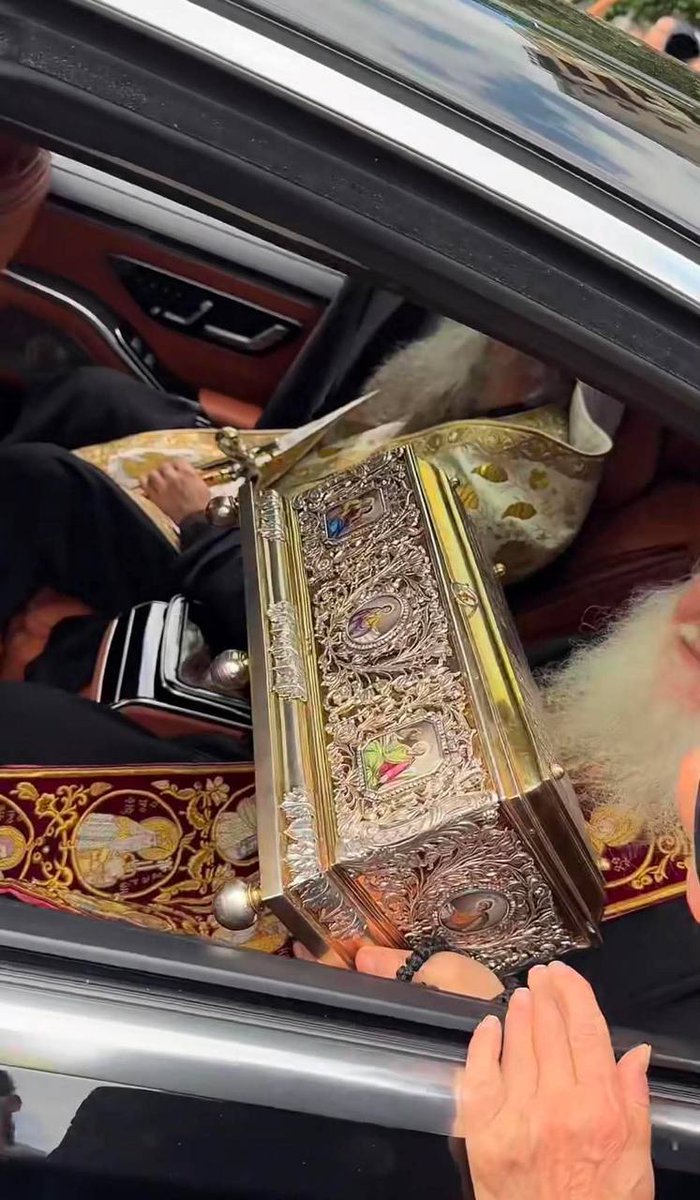
☦️ The Belt of the Most Holy Theotokos, displayed in the Church of Saint Sava, has been venerated by around 900.000 believers from Ascension Day, May 21, until today at 2 PM, announced the Serbian Orthodox Church.
May the blessing of the Mother of God remain with these people. The people of Saint Sava.
13
62
514
15,987
Brother Augustine retweeted

Jun 6
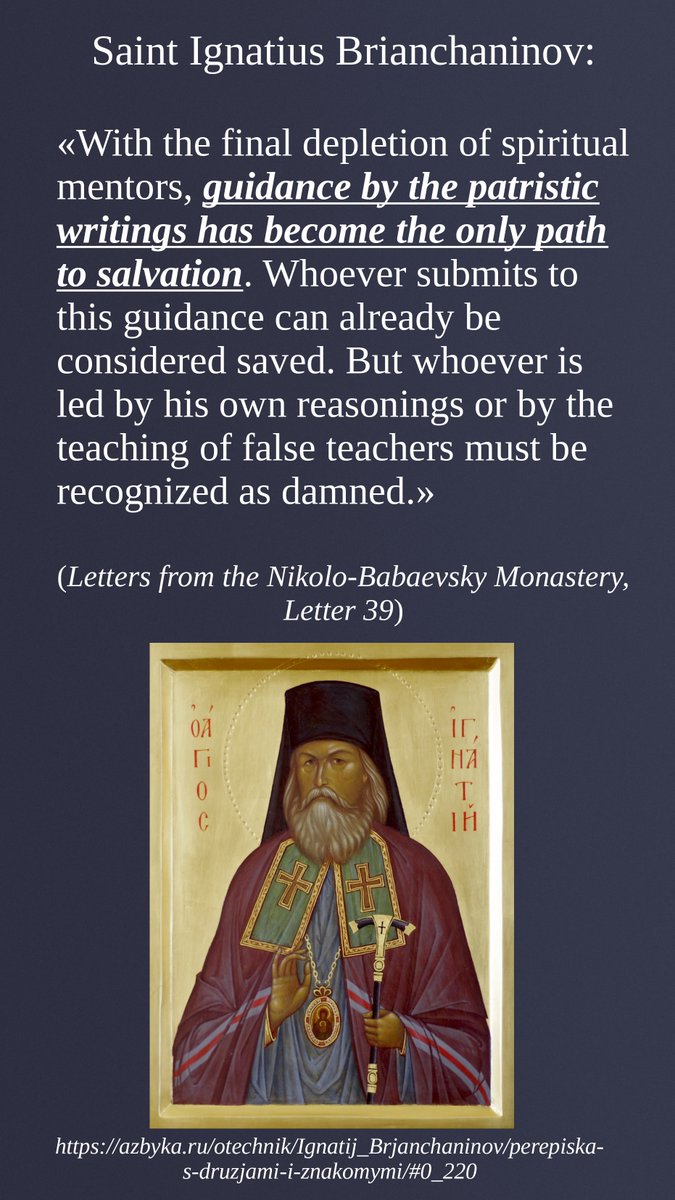
Saint Ignatius against the delusional modernist heretics:
1
11
408
Brother Augustine retweeted

Jun 6
St. Gregory Palamas on original sin / "ancestral curse". 4 parts.
I. The Death of the Soul: x.com/Scholarius1/status/206…
II. Condemnation and Abandonment: x.com/Scholarius1/status/206…
III. The Ancestral Curse: x.com/Scholarius1/status/206…
IV. Baptism and Salvation: x.com/Scholarius1/status/206…
Jun 6

IV. Baptism and the Ancestral Curse
Baptism cleanses man from the curse, restoring in him the union with God (theosis). The physical consequences of the fall, apart from the death of the soul (the curse), such as mortality, remain for our testing and exercise in virtue.
2
8
20
2,249
Took a woodshop class and 3 hours later I’ve turned maple, walnut, and cherry into my first attempt at a cutting board. Very gratifying to gather a bunch of pieces and then see a finished product at the end.
6
3
87
1,083
Brother Augustine retweeted

Jun 5
First they made it illegal to criticise jews
Then they killed 60 million Christians.


122
3,198
11,364
114,116