Joined April 2021
- Tweets 26,551
- Following 438
- Followers 358
- Likes 164,063
1,723 Photos and videos







Pinned Tweet

26 Nov 2025
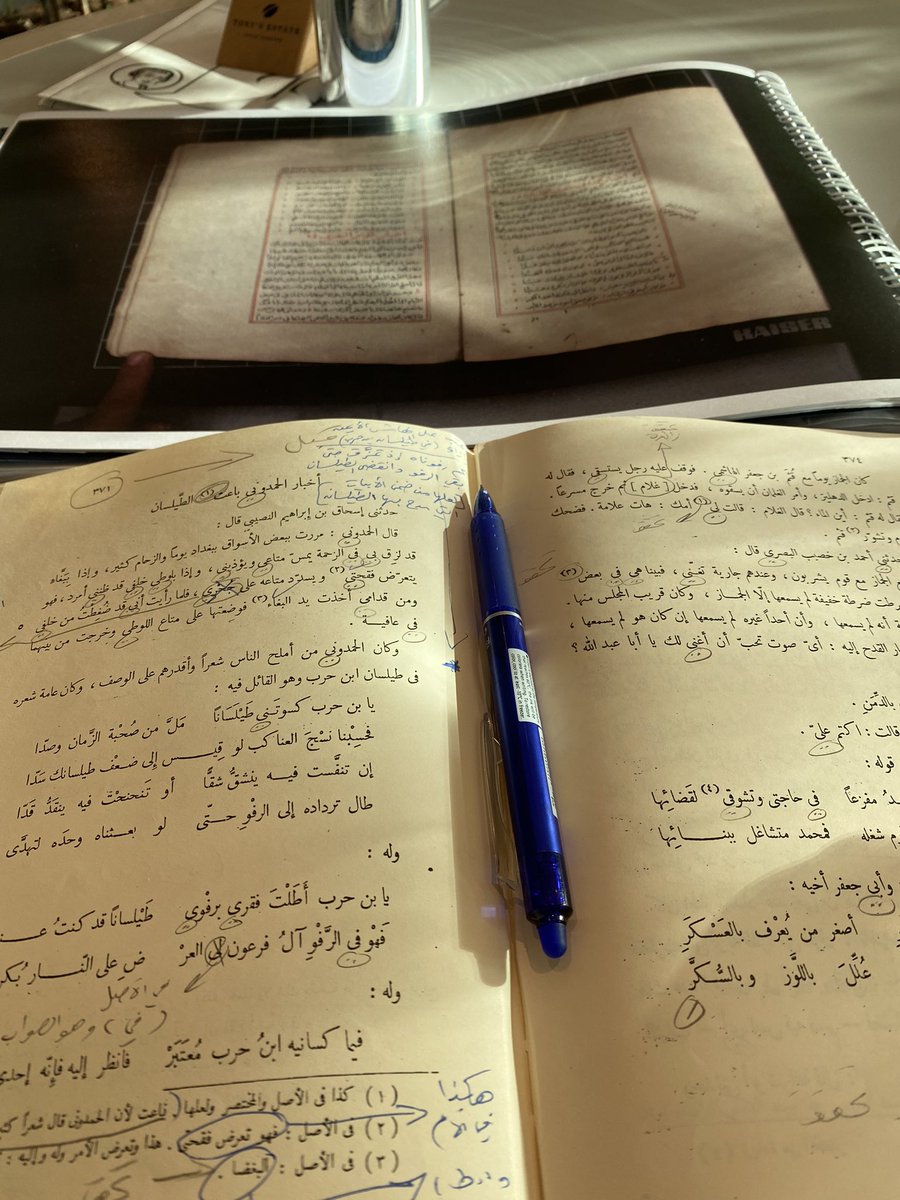
هذا كتاب للموفق ابن قدامة المقدسي رحمه الله رحمة واسعة واسمه (جزء فيه مسألة هل ينبغي الإطلاع على كتب المبتدعة أم لا) هو كتاب من ١١ صفحة اتمنى تقرونه.
t.me/maktbtysaltia/7420
3
3
17
14,294

جلمود أخضر retweeted

23 May 2019
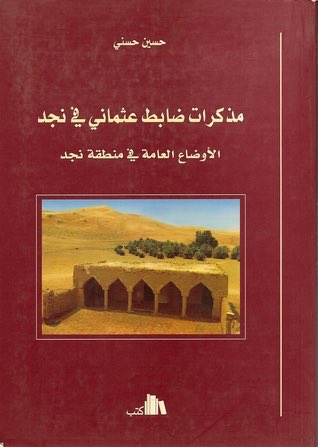
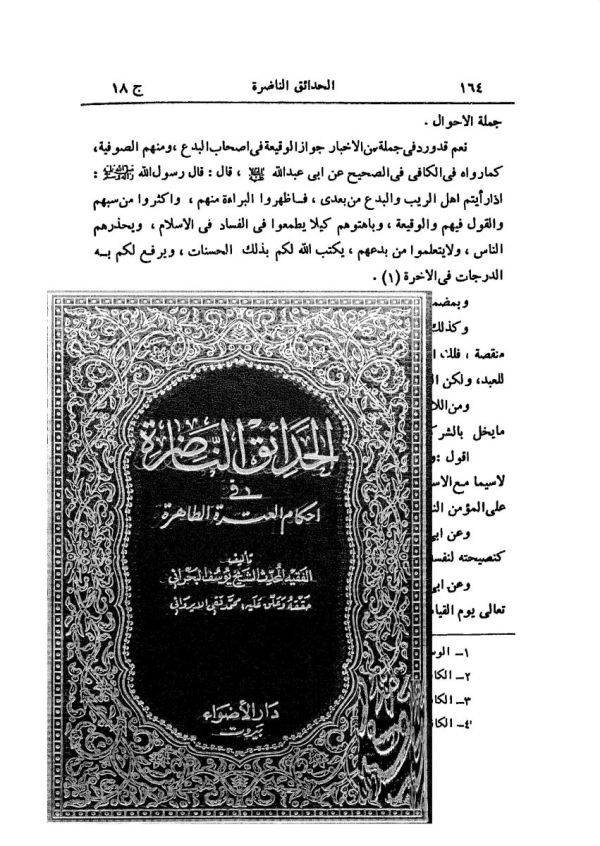
قد لا يخطر ببالك؛ لكنه مرجعٌ فيه من فضحِ الرافضة ما لا تجده في غيره من المراجع.. 👇
2
5
18
جلمود أخضر retweeted

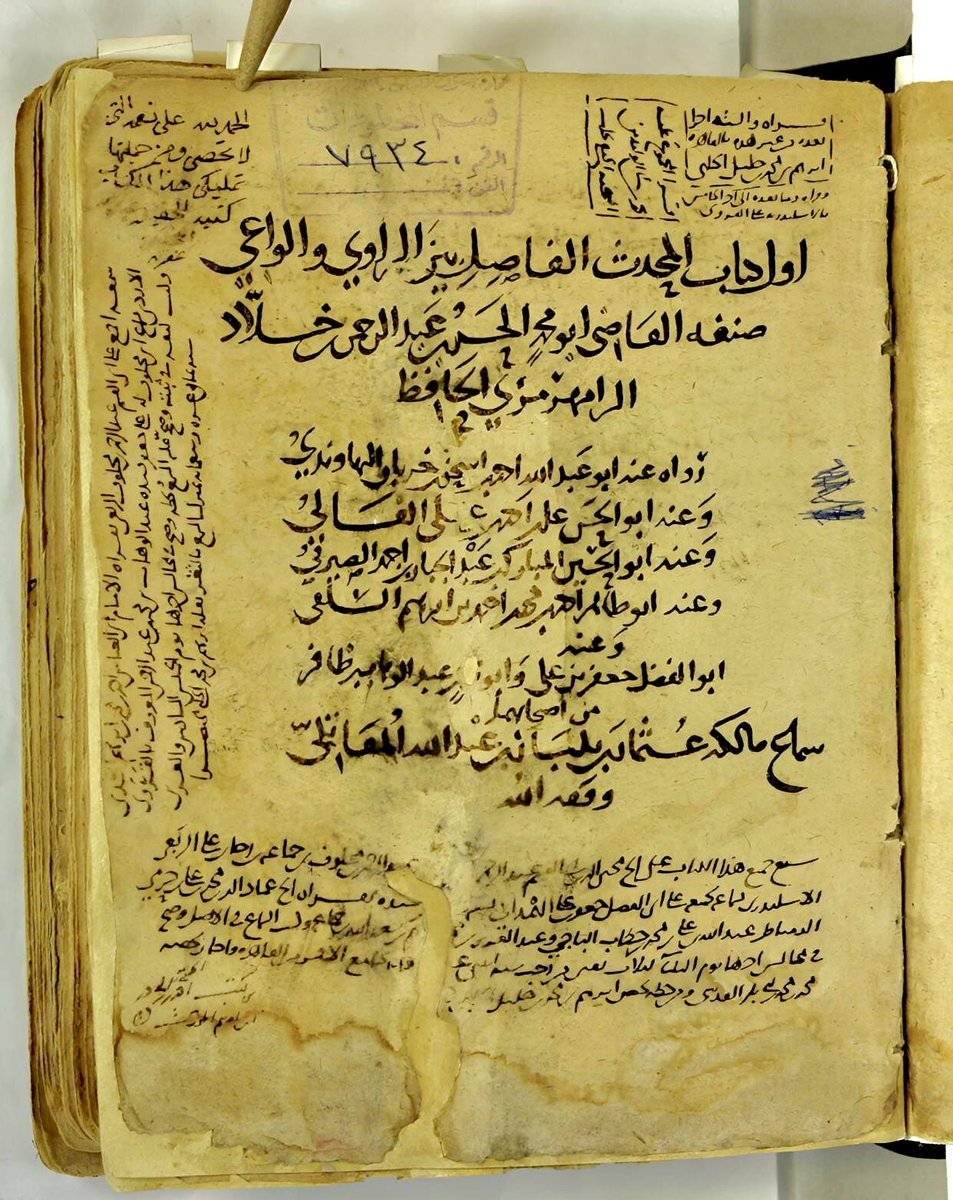
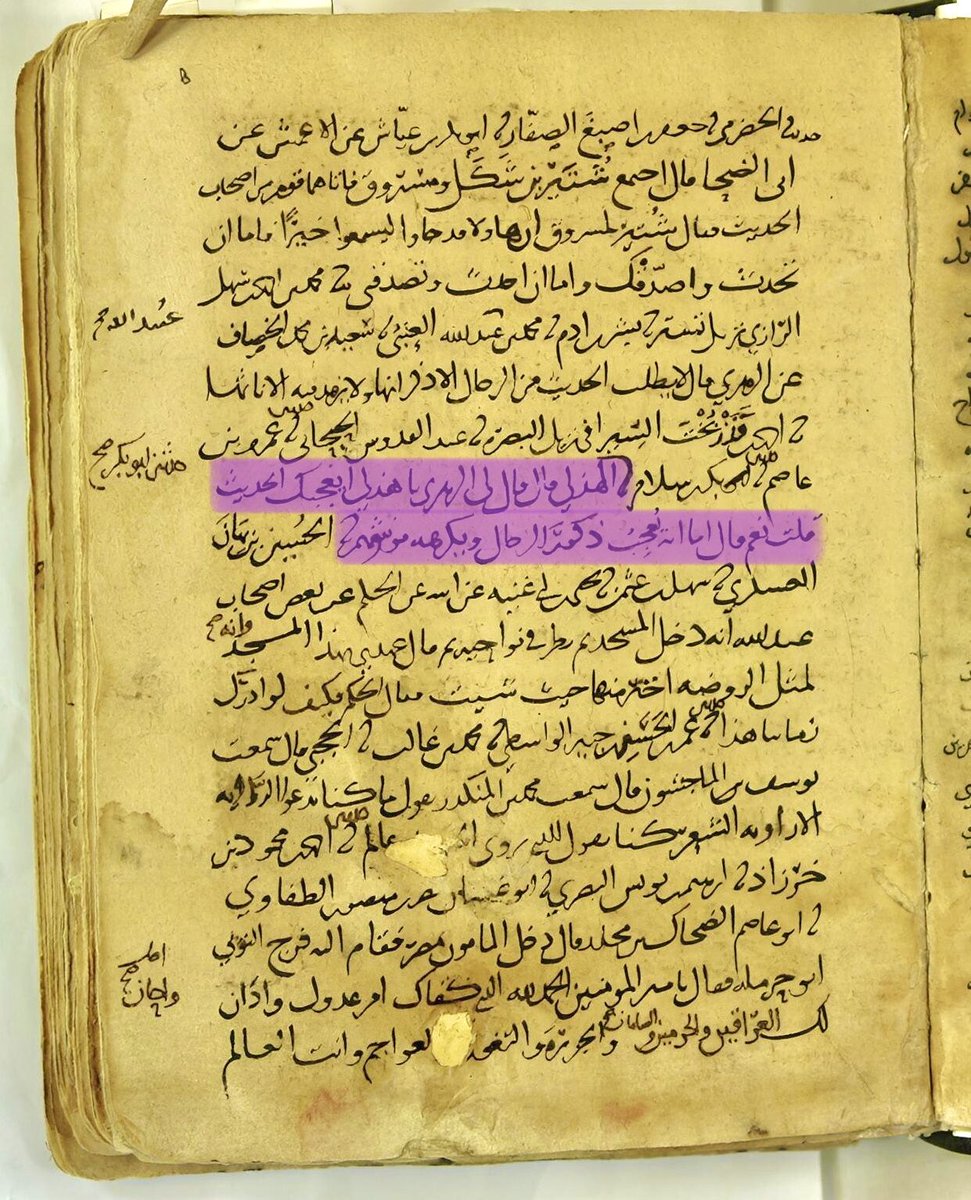
Imam al-Zuhri (d. 124 AH) asked Abu Bakr al-Hudhali (d. 167 AH):
“O Hudhali, do you like Hadith?”
Abu Bakr al-Hudhali replied: “Yes.”
Imam al-Zuhri then said:
“It is loved by the masculine of men, and it is disliked by the effeminate of men.”
[al-Muhaddith al-Fasil]
6
42
864
جلمود أخضر retweeted

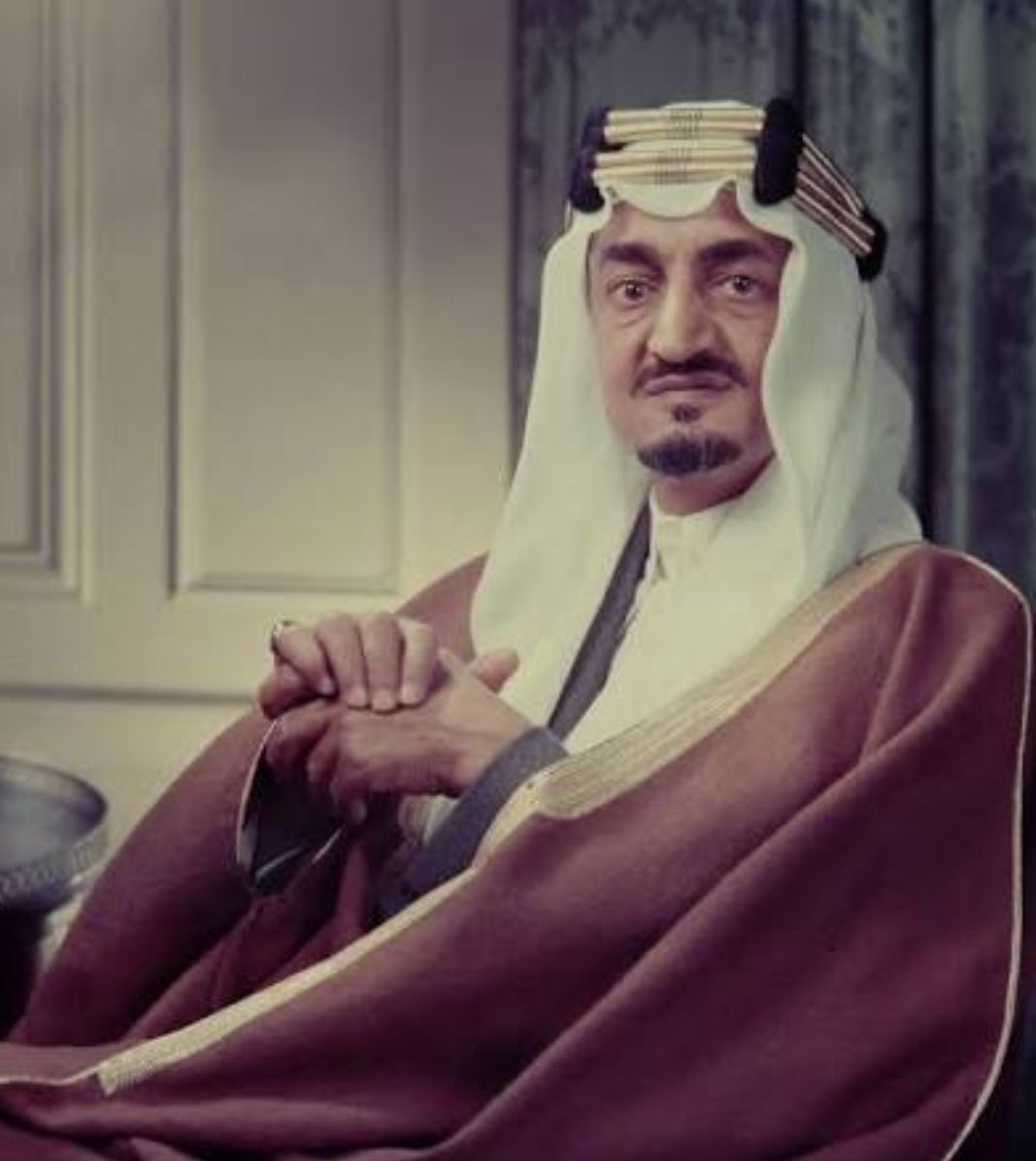
A few weeks before his death, King Faisal Āl-Saud described a strange dream to his maternal aunt, one that seemed to indicate that his death was near. He said:
❝ I saw in a dream that I was standing in the wilderness. An old open-top car approached me, carrying my grandfather, Imam AbdulRahman, my father, AbdulAziz, my older brother Turki—who died when I was about thirteen years old—and my uncle Saad, who was martyred in the Battle of Kanzan against the Ajman tribe. They were all in the same car.
When they saw me, they waved at me. My father said, “Get into the car, Faisal.” Then he got out to take me by the hand.
I was happy to see my family members who had passed away long ago, and I took a step toward them. But then I became terrified and wanted to run away. However, my father grabbed my hand tightly, and I resisted. He dragged me toward him while I struggled. The rest of my family got out of the car to help my father.
They put me into the car and closed the door. Then the car sped away with us, and I did not know where it was going…❞
Source:
الملك فيصل شخصيته وعصره وإيمانه ص٥٧٥
3
7
89
3,729
جلمود أخضر retweeted

يستجيز أهل البدع الكذب على المخالفين ، وذلك مشهور عن :
- الرافضة ،
- وورثها عنهم القبورية ...
- وبعض الحزبيين ...
يقول الإمامي صاحب منهاج الفقاهة ، معلقًا على قول مشهور عندهم ينسبونه للسَجَّاد فيه تجويزٌ للافتراء والكذب على المخالفين للشيعة ، يقول :
(( محمولٌ على :
▫️ اتهامهم وسوء الظن بهم بما يحرم اتهام المؤمن به ، بأن يقال : لعله زان أو سارق ...
▫️ويحتمل أبقاؤه على ظاهره بتجويز الكذب عليهم لأجل المصلحة ))
🔹️وقد استمرأ هذا الكذب :
- الرافضة
- وإخوانهم في الوثنية من رؤوس القبورية ...
فكذبوا على الإمام محمد بن عبدالوهاب رحمه الله ، فقالوا :
▫️يُحرم الصلاة على النبي صلى الله عليه وسلم .
▫️يقتل المصلي على النبي بعد الأذان.
▫️يقول عصاي خير من محمد .
▫️يدَّعي النبوة .
▫️يكفر كل المسلمين .
▫️يكفر من لم يهاجر إليه .
__________
وكان رد الشيخ - رحمه الله- على ما وبلغه من تلك الكذبات :
🔹️ ( سبحانك هذا بهتان عظيم )
قال الشيخ رحمه الله :
( فالمسائل التي شنع بها، منها ما هو من البهتان الظاهر :
- وهي قوله: إني مبطل كتب المذاهب،
- وقوله: إني أقول: إن الناس من ستمائة سنة ليسوا على شيء،
- وقوله: إني أدعي الاجتهاد،
- وقوله: إني خارج عن التقليد،
- وقوله: إني أقول: إن اختلاف العلماء نقمة،
-وقوله: إني أكفّر من توسل بالصالحين،
- وقوله: إني أكفّر البوصيري لقوله: يا أكرم الخلق،
- وقوله: إني أقول: لو أقدر على هدم حجرة الرسول لهدمتها،
- ولو أقدر على الكعبة لأخذت ميزابها وجعلت لها ميزابًا من خشب،
- وقوله: إني أنكر زيارة قبر النبي صلى الله عليه وسلم،
- وقوله: إني أنكر زيارة قبر الوالدين وغيرهم،
- وإني أكفّر من يحلف بغير الله.
فهذه اثنتا عشرة مسألة،
جوابي فيها أن أقول: " سبحانك هذا بهتان عظيم"
ولكن قبله من بهت النبي محمدًا صلى الله عليه وسلم أنه :
- يسب عيسى بن مريم
- ويسب الصالحين.
تشابهت قلوبهم.
- وبهتوه بأنه يزعم أن الملائكة، وعيسى، وعزيراً في النار،
فأنزل الله في ذلك: {إِنَّ الَّذِينَ سَبَقَتْ لَهُمْ مِنَّا الْحُسْنَى أُولَئِكَ عَنْهَا مُبْعَدُونَ} الآية ) .
انتهى كلامه رحمه الله .
ومع ذلك :
▫️كرر تلك الكذبات القبوري : محمد زيني دحلان ، مفتي مكة بعد أن كفَّر من ينهى عن الشرك ويأمر بالتوحيد ...
وكرره قبله وبعده الرافضة والقبورية...
▫️ومن العجب أني رأيت على X قبل قليل مقطعًا لأحد مدعي الحنبلية يكرر احدى هذه الكذبات ، وينشرها له كذوب آخر أظنه من طائفة الأحباش في الأردن ...
وهما يعرفان بطلانها وأنها كذبة رخصية ، معدومة الأثر في كل مصنفات ورسائل الشيخ ورسائل علماء الدعوة بعده ...
ولكنهم قوم بهت معاقبون بالضلال والإضلال :
- لا تردعهم تقوى عن تسويغ الشرك الأكبر ، والدفاع عنه .
- فكيف تردعهم تقوى عن الكذب والافتراء ؟
قال جل جلاله :
(( يَا أَيُّهَا الَّذِينَ آمَنُوا كُونُوا قَوَّامِينَ لِلَّهِ شُهَدَاءَ بِالْقِسْطِ ۖ وَلَا يَجْرِمَنَّكُمْ شَنَآنُ قَوْمٍ عَلَىٰ أَلَّا تَعْدِلُوا ۚ اعْدِلُوا هُوَ أَقْرَبُ لِلتَّقْوَىٰ ۖ وَاتَّقُوا اللَّهَ ۚ إِنَّ اللَّهَ خَبِيرٌ بِمَا تَعْمَلُونَ ))
▫️لعلها - إن شاء الله - حسنات تجري للشيخ في قبره بكل كذب وافتراء ...
رحمه الله ورفع درجته في عليين .
.
Mar 29

قرأت قبل سنوات عن رحلة حج لأحد الحجيج الأتراك - لا أتذكر اسمها - كانت بين عام (١٠٠٠-١١٠٠) هجرية ، وصف فيها رحلته من خروجه لعودته وبين حال كثير من الحجيج والزائرين عند دخولهم المسجد النبوي ، بأسوأ من حالة هذا الشيعي في المقطع ، ومما ذكر أنه رأى من الناس :
▫️ من يزحف على بطنه حتى يصل القبر .
▫️ ورأى الطائف بالقبر.
▫️والمتضرع الوجل .
▫️ والمتمسح الممرغ وجهه طالب العون والفرج !!!
______
🔹️قلت : الحمد لله الذي سخر شيخًا كريما - رحمه الله - ترك الدنيا وبذل نفسه في مناصحة ومراسلة ودعوة ولاة وعلماء المسلمين وعامتهم وتحمل في سبيل ذلك الأذى والكذب والافتراء والبهتان ، وسرت دعوته لسنة رسول الله ﷺ لمشارق الأرض ومغاربها بعون من رجال وولاة كرام سخرهم الله لمعاضدته ، ف:
▫️ أحيا الله جل جلاله بتلك الدعوة سنة أطهر البشر .
▫️أحيا بها سنة أعظم الناس غيرة على التوحيد وأكثرهم تحذيرا من الغلو فيه ، صلوات ربي وسلامه عليه ، القائل ﷺ في آخر لحظات حياته :
(لعنة الله على اليهود والنصارى اتخذوا قبور أنبيائهم مساجد ) تقول عائشة رضي الله عنها : خشي أن يبرز قبره .
▫️أحيا الله به سنة من حذرنا من الغلو في الصالحين ومنع الوسائل المؤدية إليه :
▫️فأمر ﷺ بتسوية القبور .
▫️ونهى ﷺ عن تزيينها وتجصيصها.
▫️وأوضح الطريقة الصحيحة لزيارتها .
▫️وعلمنا الدعاء الصحيح فيها .
▫️وحذر ﷺ من المبالغة في إطرائه فقال :
( يا أيُّها الناسُ، قُولوا بقَولِكم، ولا يَستَهويَنَّكمُ الشيطان ، أنا محمد بن عبد الله، ورسول الله، والله ما أُحِبُّ أنْ تَرفَعوني فوق ما رفَعَني الله ) .
▫️وعلم الأمة إخلاص الدعاء لله جل جلاله وحده لا شريك له ، ( إذا سألت فاسأل الله ) ، وقال لمن قال: ما شاء الله وشئت ( أجعلتني لله ندا !! )
▫️من حرصه ﷺ أنه كان يعلم الصحابة دعاء الاستخارة كما يعلمهم السورة من القرآن .
______
🔹️الحمد لله على عودة السكينة والنقاء والطمأنية على ما كان عليه زمن رسول الله ﷺ وخلفائه الراشدين في مسجد حبيبهم رسول الله صلى الله عليه وسلم وعند قبره والبقيع ...
الحمد لله الذي جعلها تحت ولاية من يحمي جناب التوحيد على سنة أطهر الخلق وخاتم النبيين ﷺ .
والله أعلم
1
9
18
845

جلمود أخضر retweeted

24 Oct 2025
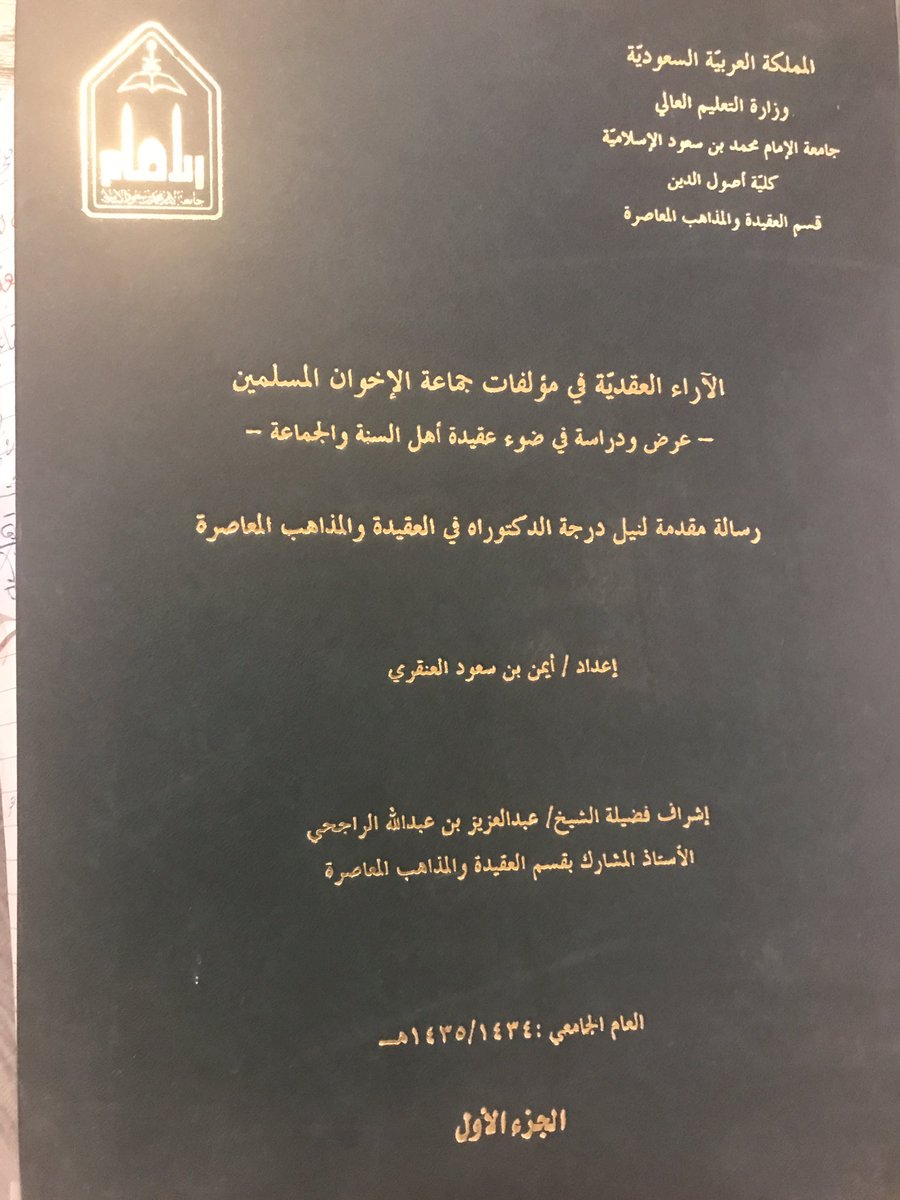
رسالتي الدكتوراه/عن جماعة الإخوان المسلمين ،
(أربعة أجزاء- ٢٥٠٠ صفحة) قدمت في جامعة الإمام محمد بن سعود
وثقت فيها جناية جماعة الإخوان المسلمين على الإسلام من خلال مراجعهم المعتمدة،وكشفت أساليبهم الماكرة في اختراق مؤسسات الدول طلبا للتمكين،وهي الآن بصدد الطباعة،يسر الله إتمامها٠
422
231
899
153,247
جلمود أخضر retweeted

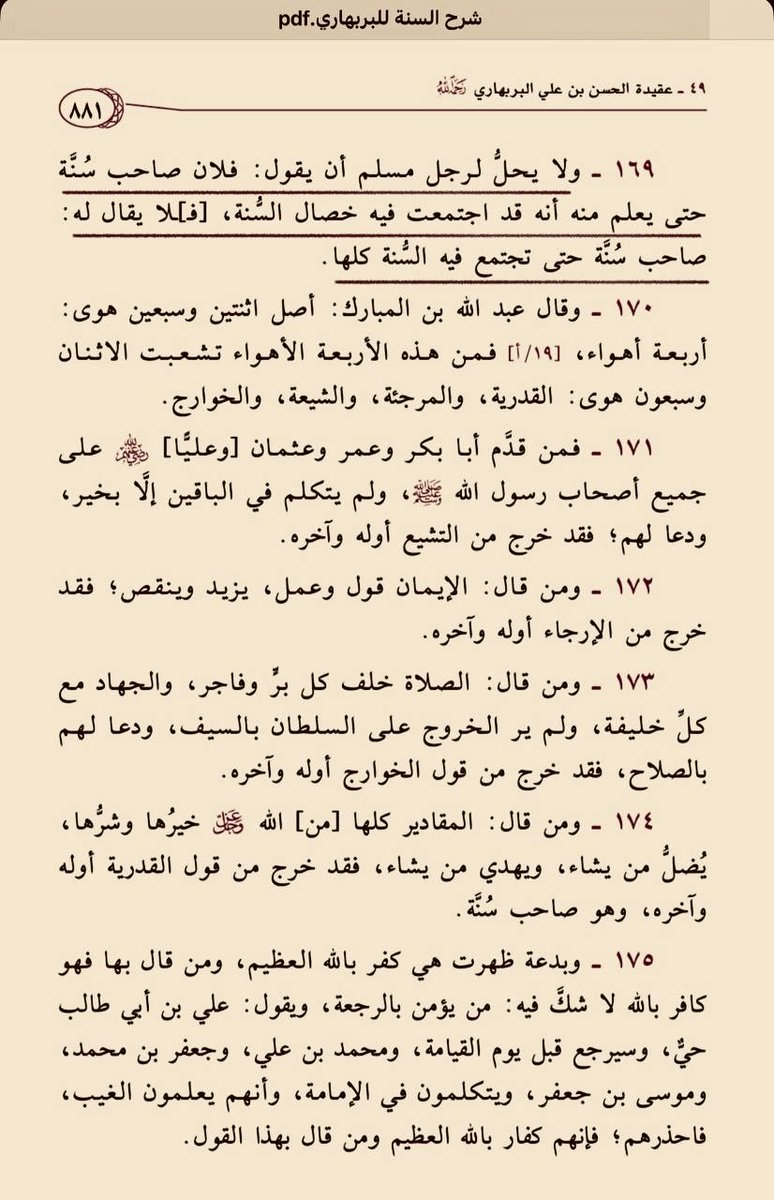
○ قال البربهاري رحمه اللّٰه :
ولا يحلُّ لرجل مسلم أن يقول :
فلان صاحب سُنَّة ، حتى يعلم منه أنه قد اجتمعت فيه
خصال السُّنة ، [فـ]ـلا يقال له :
صاحب سُنَّة حتى تجتمع فيه السُّنة كلها.
1
11
179
جلمود أخضر retweeted

Jun 15
وأن الله [ﷻ] يُرى يوم القيامة،
وأنه على العرش استوى،
ولا تخرج على الإئمة بالسيف وإن جاروا؟؟
قال [ابن القصار]: إي والله.
فقال [سحنون له]: مت إذا شئت، مت إذا شئت» [أي: لا تقلق من الموت، فأنت على خير]
ﺳﻴﺮ ﺃﻋﻼﻡ ﺍﻟﻨﺒﻼﺀ ٢٣/١٦
2
11
155
جلمود أخضر retweeted
Jun 15
[مُت إذا شئت!]
قال يحيى بن عون:
«دخلت مع سحنون على ابن قصار وهو
مريض، فقال [سحنون]: ما هذا القلق؟
قال له: الموت والقدوم على الله.
فقال سحنون: ألست مصدقا بالرسل،
والبعث والحساب، والجنة والنار،
وأن أفضل هذه الأمة أبو بكر ثم عمر،
والقرآن كلام الله غير مخلوق...⬇️⬇️
1
3
15
314
جلمود أخضر retweeted

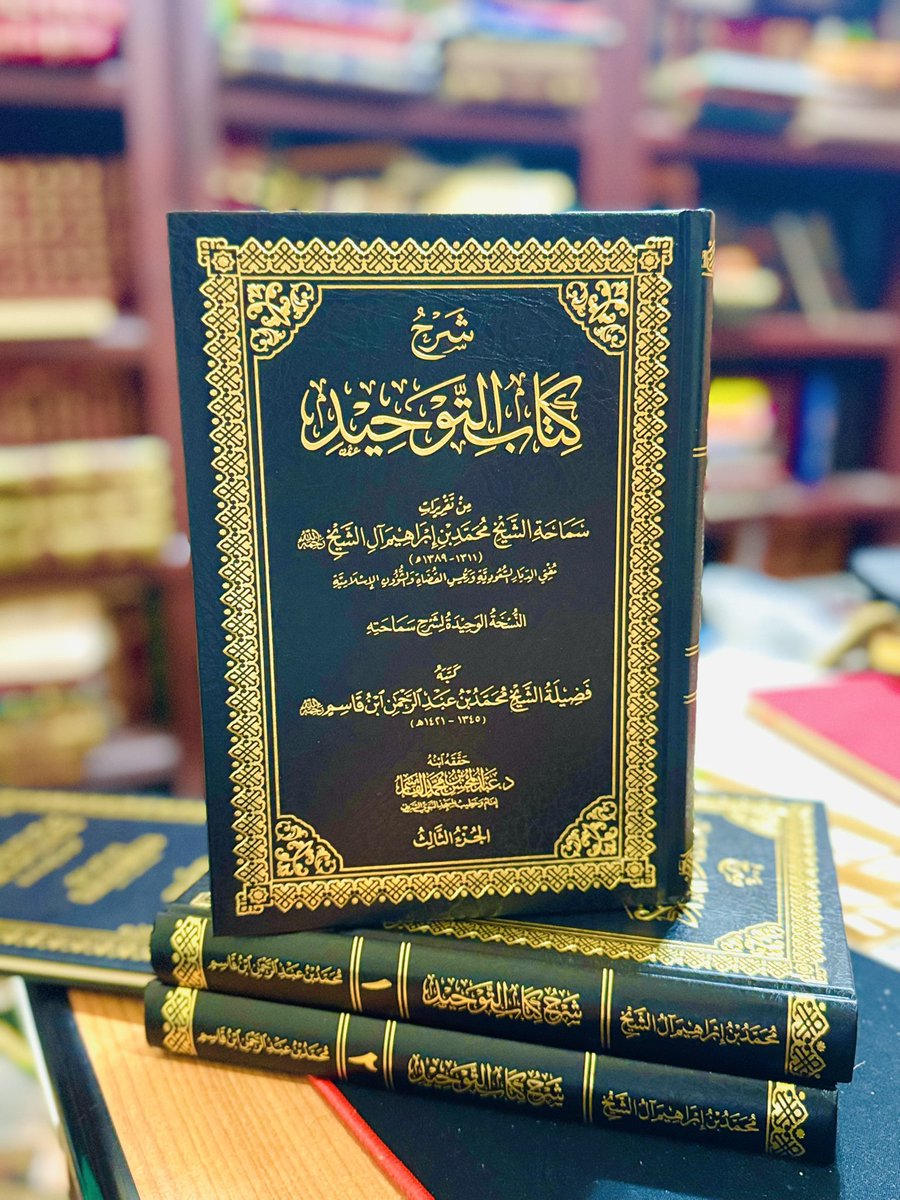
الحمد لله على مَنِّهِ وفضلِه
من أجمل ما حصل لي هذه الليلة
وصول هذا الكتاب النفيس لمكتبتي
(( شرح كتاب التوحيد ))
لمفتي الديار السعودية
العلَّامة الشيخ محمد بن إبراهيم آل الشيخ رحمه الله
اللهم انفعنا به… آمين.
8
91
261
13,859
جلمود أخضر retweeted

Jun 15
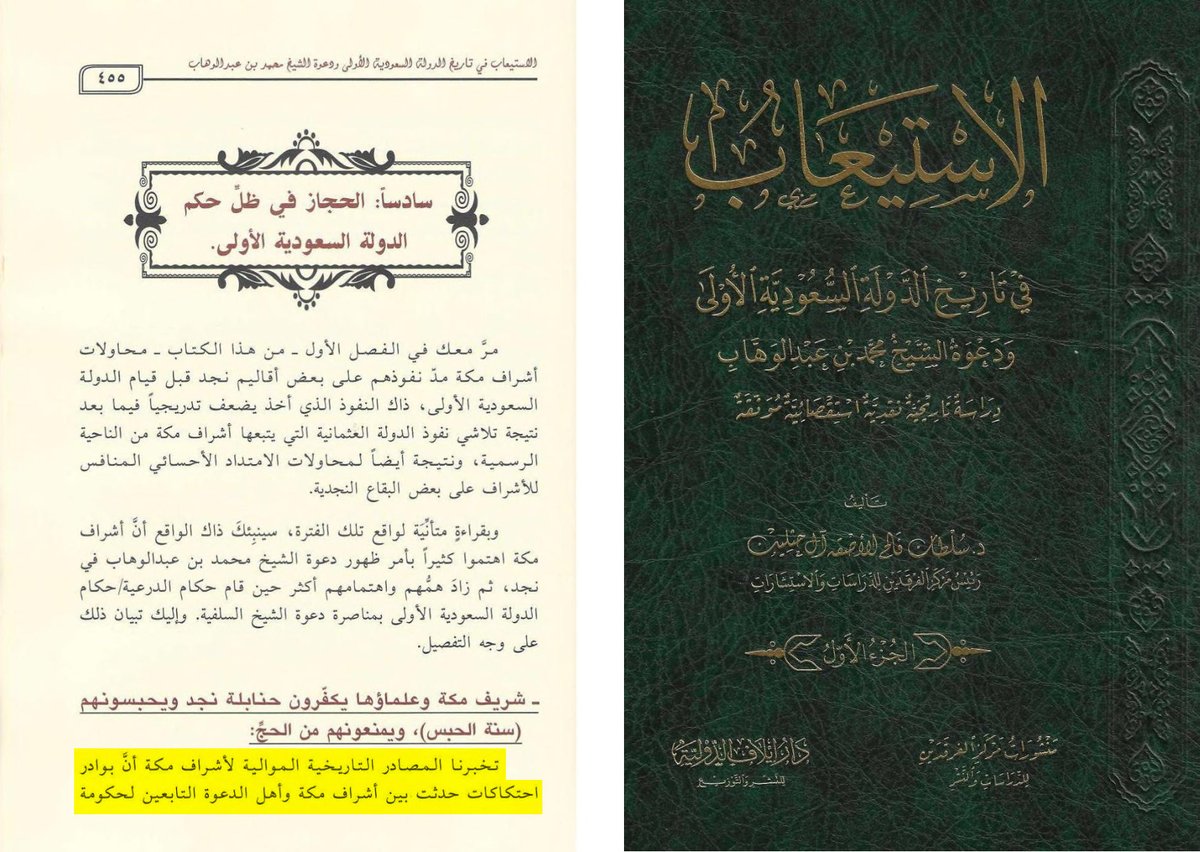
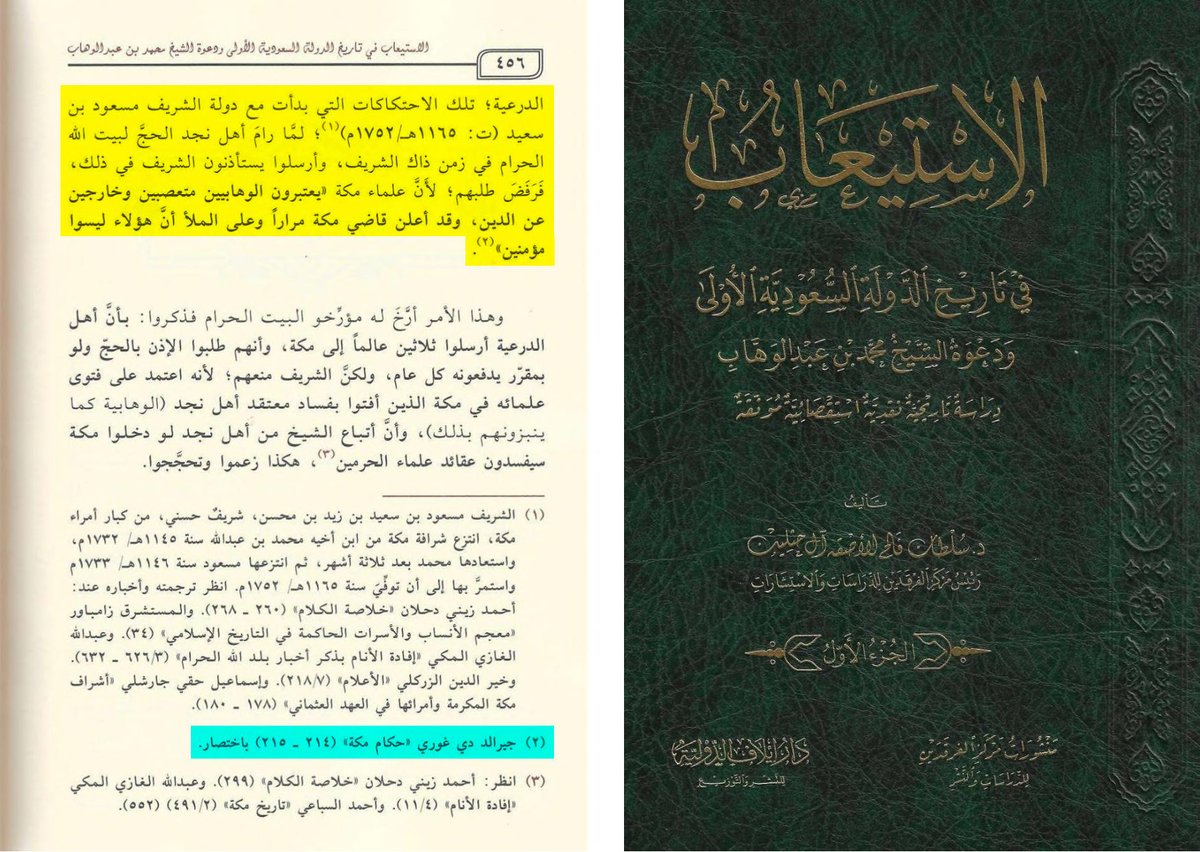
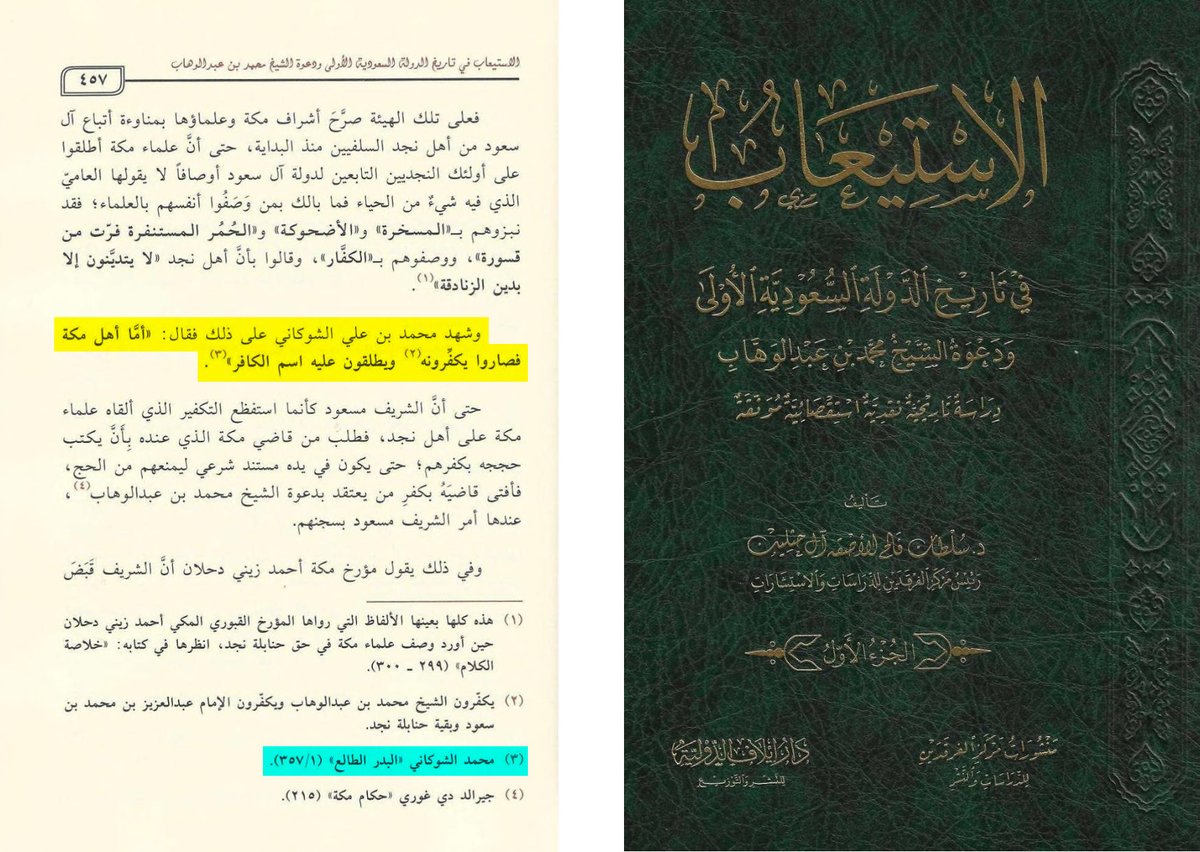
In 1162 AH, the Ottoman-appointed Sharīf of Makkah, Masʾūd b. Saʾīd. imprisoned the Wahhābī pilgrims that had come from Najd for ḥajj, based on a fatwā from his scholars that the Wahhābīs were disbelievers.
I repeat: This was in 1162 AH, the First Saudi State during this time was still a tiny political base in al-Dirʿiyyah. There was no huge empire, there was no expansion, there was no conquest, the Wahhābīs posed zero military threat to the Ḥijāz during this time.
Gerald de Gaury said: “During the rule of Sharīf Masʿūd, the people in Makkah regarded the fundamentalist Wahhābīs as fanatics and as having gone outside the religion. They had asked to be permitted to perform the pilgrimage, but this request of theirs was refused. The judge of Makkah repeatedly declared, openly and in public, that these people were not believers.” (Rulers of Makkah p. 214-215)
Muḥammad b. ʿAlī al-Shawkānī testified to that, saying: “As for the people of Makkah, they began declaring him a disbeliever and applying to him the name ‘the disbeliever.’” (Al-Badr al-Ṭāliʿ bi-Maḥāsin Man Baʿd al-Qarn al-Sābiʿ 2/7)
The well-known liar and enemy of the daʾwah, Aḥmad Zaynī Daḥlān, said: “After they established proof and evidence against them, Sharīf Masʿūd ordered the judge of the Sacred Law to write a document proving their manifest disbelief, so that the first and the last would know of it. He ordered those vile heretical disbelievers to be imprisoned and placed in chains and shackles. He imprisoned some of them, while the rest fled and reached al-Dirʿiyyah, where they reported what they had witnessed.” (Khulāṣat al-Kalām Fī Bayān Umarāʾ al-Balad al-Ḥarām p. 7)
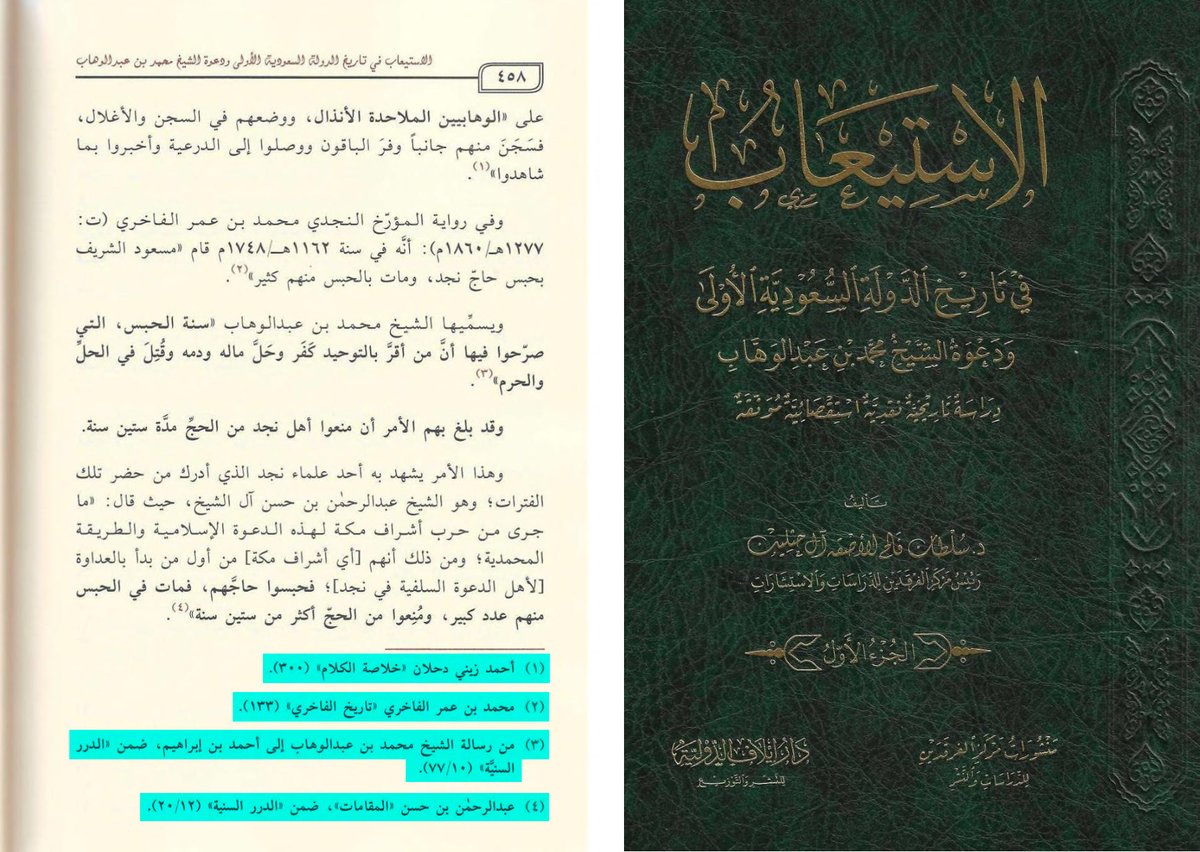
In the account of the Najdī historian Muḥammad b. ʿUmar al-Fākhirī, he states: “In the year 1162 AH Sharīf Masʿūd imprisoned the pilgrims of Najd, and many of them died in prison.” (Tārīkh al-Fākhirī p. 133)
Sh Muḥammad b. ʿAbd al-Wahhāb said: “Yet the letters that the scholars of the Two Sanctuaries sent with al-Mazyūdī in the year of the imprisonment are still with us until now, and they explicitly stated in them that whoever affirms pure monotheism has disbelieved, that his wealth and blood are lawful, and that he is to be killed both outside the sacred precinct and within it.” (Al-Durar al-Saniyyah Fī Ajwibat al-Najdiyyah 10/77)
Sh ʿAbd al-Raḥman b. Ḥasan Āl al-Shaykh said: “What occurred of lessons in the war of the Sharīfs of Makkah against this Islāmic call and Muḥammadan path: they were among the first to begin hostility against the Muslims. They imprisoned their pilgrims, and many of them died in prison. They prevented the Muslims from performing the pilgrimage for more than 60 years.” (Al-Durar al-Saniyyah 12/20)
Jun 14

Wahhabis argue that Ibn Abd al-Wahhab's mass takfir of the Ottomans is justified because the Ottomans takfired the Wahhabis first.
In support of their stance, Wahhabis quote the Egyptian religious scholar Abd al-Rahman ibn Hasan al-Jabarti (1753–1825).
Al-Jabarti reports that the Ottoman army went to Arabia and expelled the Wahhabis from the Hijaz. This was after the Ottoman mufti declared the Wahhabis to be Kharijites and kafirs.
Al-Jabarti writes:
"A royal decree arrived in Cairo ordering the preachers in the mosques on Friday, from the pulpits, to proclaim: 'The Sultan, son of the Sultan'—repeating the word Sultan three times—'Maḥmūd Khān, son of Sultan ʿAbd al-Ḥamīd Khān, son of Sultan Aḥmad Khān, the Ghāzī, Servant of the Two Noble Sanctuaries.' He deserved to be described by these titles because his armies had conquered the lands of the Two Sanctuaries, subdued the Khārijites, and expelled them from those lands, since the Mufti had given them a legal ruling that they were unbelievers because they declared Muslims to be unbelievers, considered them polytheists, rebelled against the Sultan, and killed people. Whoever fights them is considered a ghāzī (holy warrior), a mujāhid, and, if killed, a martyr."
Unfortunately for the Wahhabis, al-Jabarti's report does not benefit the Wahhabi position.
In fact, all the scholars of Ibn Abd al-Wahhab's era considered him to be a deviant, and most also labelled him a kharijite.
This was because he takfired the world's Muslims, labeled them mushriks, and sought to kill them through jihad. Prominent scholars with this view included the Ottoman Mufti, Ibn Abidin, and al-Sawi.
The scholars of Ahl al-Sunna have two well-known opinions on the Kharijites.. The majority opinion is that they are heretics, but still Muslims. The minority opinion is that they are kafirs.
This is based on the hadith in Bukhari which indicates that they will pass out of Islam like an arrow.
Were the Ottomans right to takfir the Wahhabis? I don't think so.
But is the Ottoman takfir of the Wahhabis, comparable to the Wahhabi takfir of the Ottomans?
Not at all.
As indicated by the Ottoman mufti's fatwa, the Ottomans takfired the Wahhabis AFTER they exhibited classical kharijite behavior by takfiring all other Muslims as mushriks, and started killing them.
As indicated by the Ottoman mufti's fatwa, the Ottomans takfired the Wahhabis AFTER they exhibited classical kharijite behavior by takfiring all other Muslims as mushriks, and started killing them.
The Wahhabis did not takfir the Ottomans on these grounds. Rather they takfired them for following the positions of the four madhhabs on tawassul, istighatha, and ziyara.
The truth is that Wahhabis have never fought non-Muslims in their entire history.
Rather they takfired and fought the Ottomans, and eventually cooperated with the British in their genocidal campaign to destroy the Ottoman empire.
Then the Wahhabis supported the US and Israel in their genocide in Iraq, after takfiring the country.
More recently the Wahhabis have carried out a genocide in Yemen.
The truth is that the Wahhabis have cooperated in the killing of millions of Muslims, in these and other wars.
How many other groups have killed as many Muslims as Wahhabis?
When will Muslims hold these kharijite dogs of hellfire accountable for their crimes?
5
22
89
3,826
جلمود أخضر retweeted
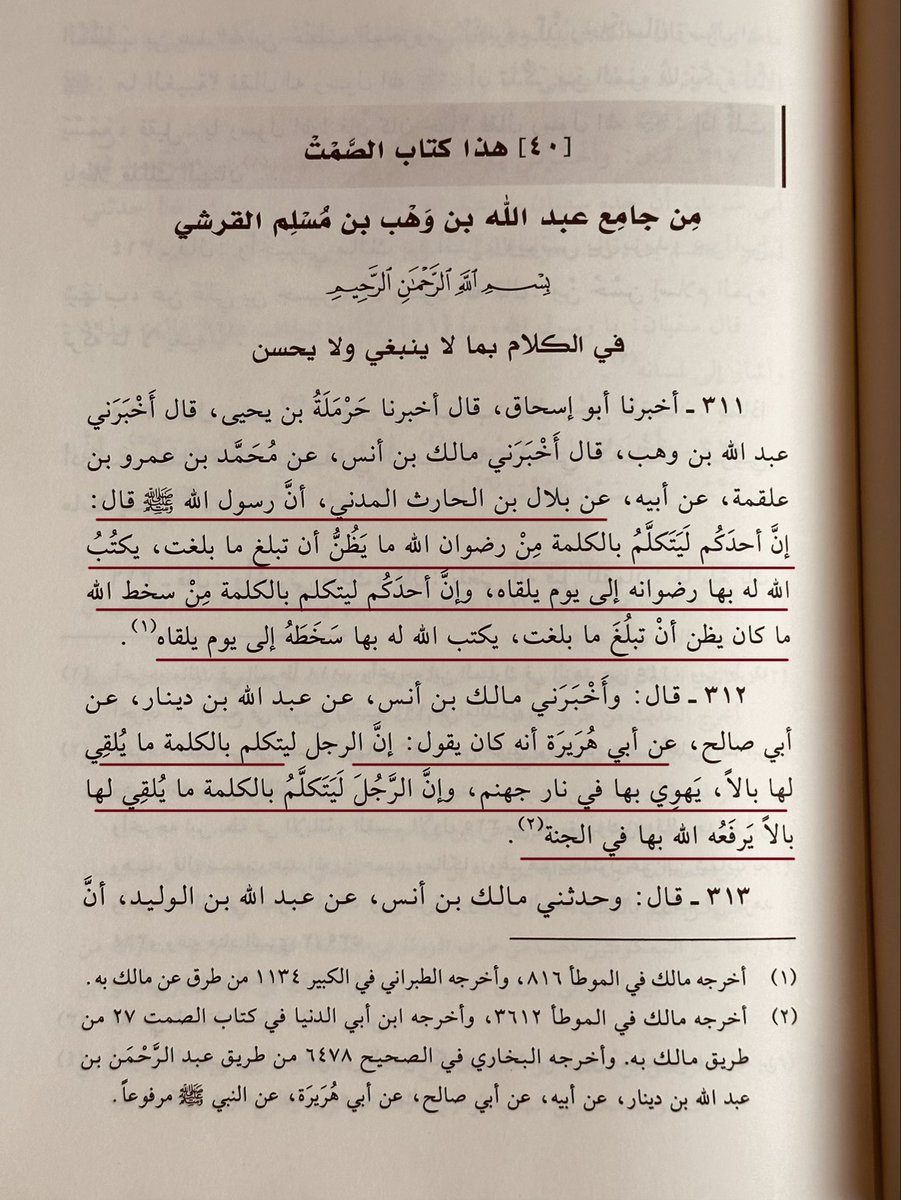
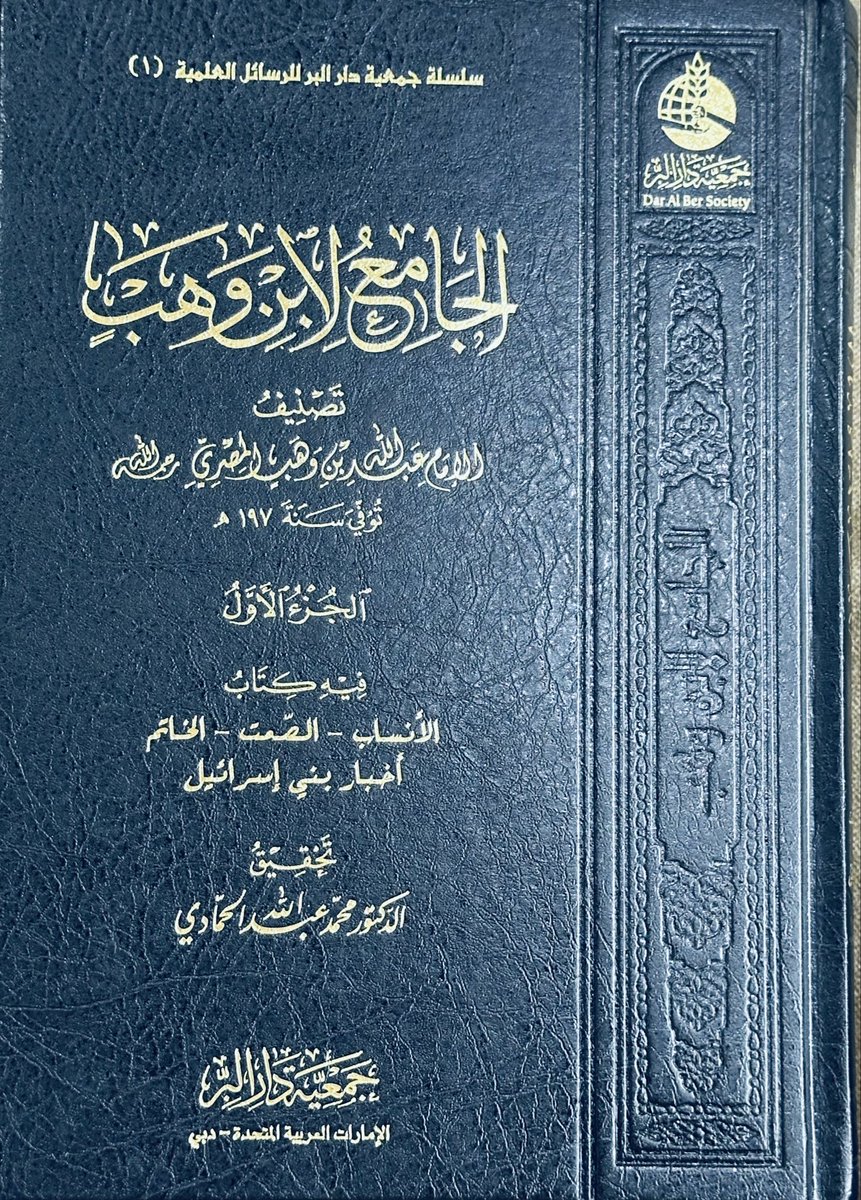
○ عن بلال بن الحارث المدني، أنَّ رسول اللّٰه ﷺ قال :
إنَّ أحدكم ليتكلَّمُ بالكلمة من رضوان اللّٰه ما يَظُنُّ أن تبلغ ما بلغت، يكتبُ اللّٰه له بها رضوانه إلى يوم يلقاه
وإنَّ أحدكُم ليتكلم بالكلمة من سخط اللّه ما كان يظن أن تبلغ ما بلغت، يكتب اللّٰه له بها سخَطَهُ إلى يوم يلقاه.
1
2
10
452
جلمود أخضر retweeted

"وروى عبدالله ابن الإمام أحمد في (الرد على الجهمية)، بإسناده عن ابن المبارك أن رجلاً قال له:
يا أبا عبد الرحمن، قد خفت الله من كثرة ما أدعوا على الجهمية!.
قال: لا تخف فإنهم يزعمون أن إلهك الذي في السماء ليس بشيء"
العلو 📚 ص٩٩١
2
2
139
جلمود أخضر retweeted
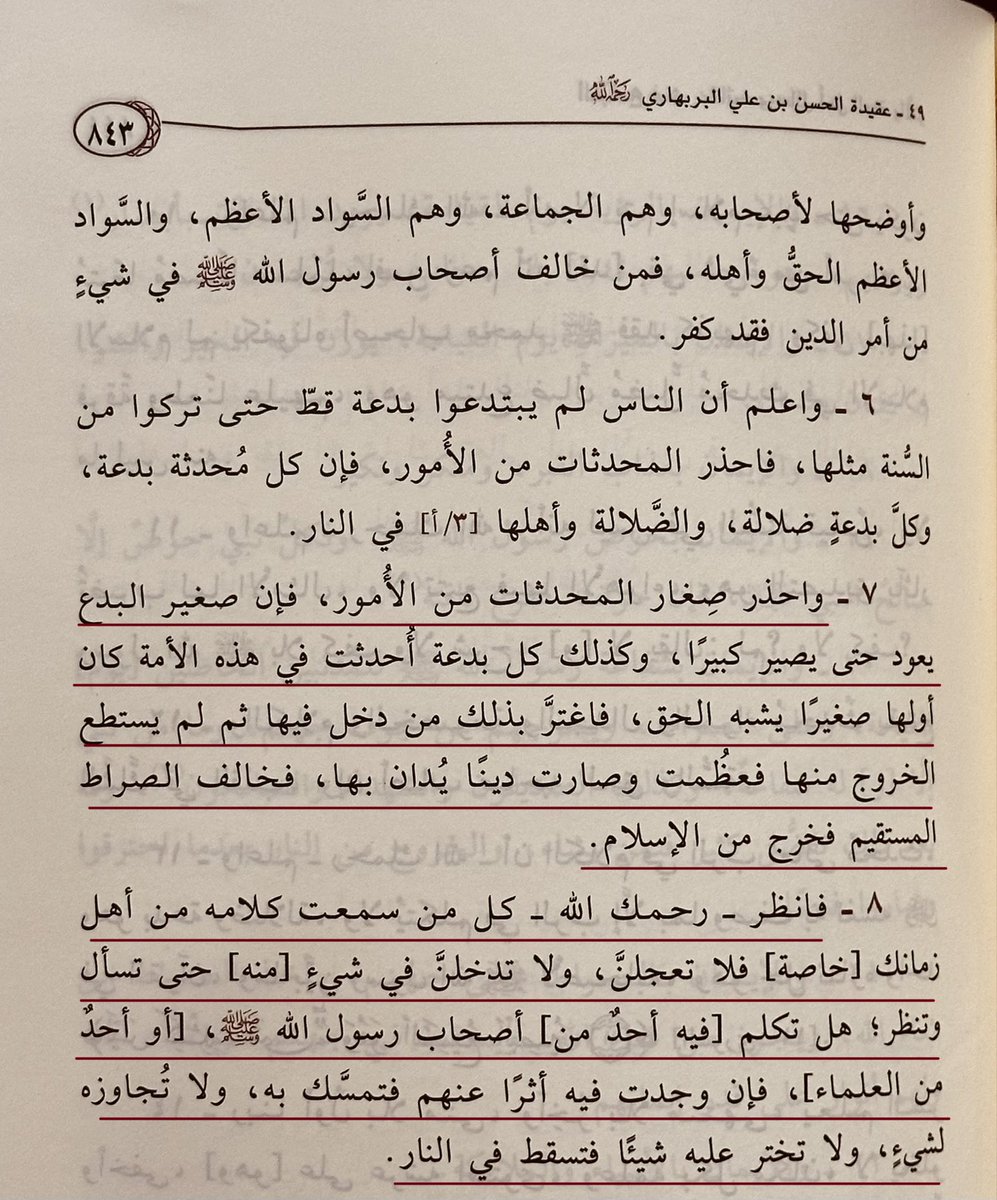
٧ - واحذر صِغَارَ المحدثاتِ من الأُمورِ ،
فإنَّ صغيرَ البدعِ يَعُودُ حتى يصيرَ كبيراً ،
وكذلك كل بدعة أُحدِثَت في هذه الأمة كان أولها صغيرًا يشبه الحقَّ ،
فاغترَّ بذلك من دخل فيها ثم لم يستطع الخروج منها ،
فعظُمت وصارت دينًا يُدان به ،
فخالف الصراط المستقيم فخرجَ من الإسلام.
1
10
715
جلمود أخضر retweeted
Jun 15
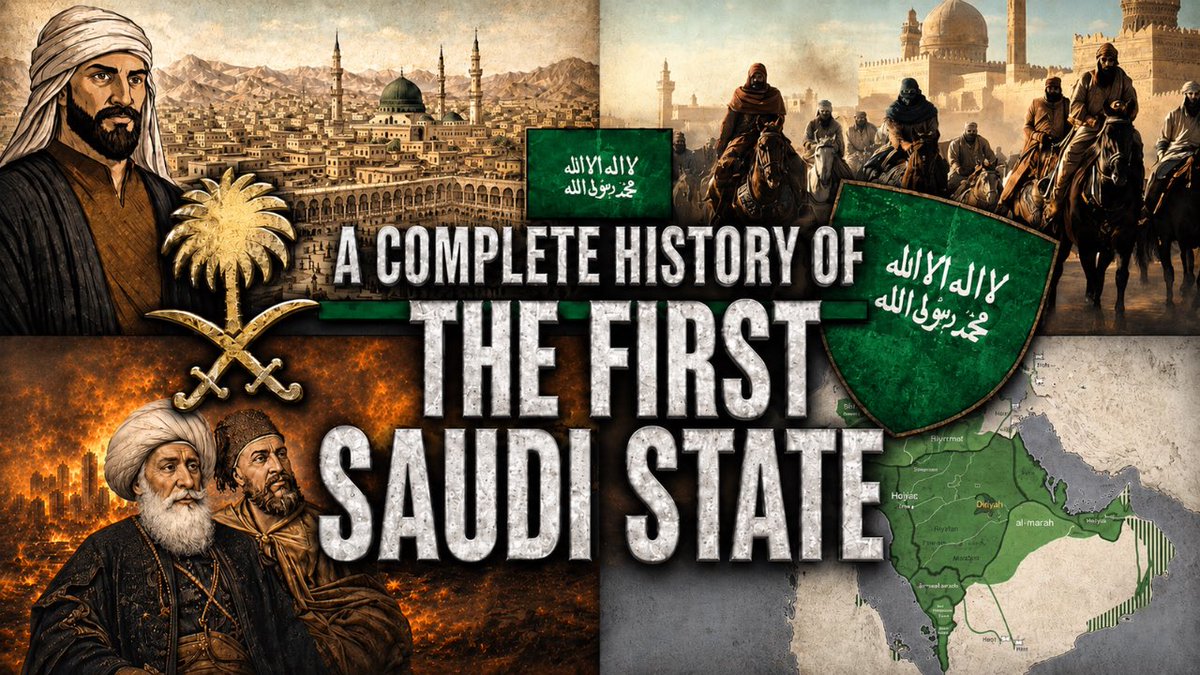
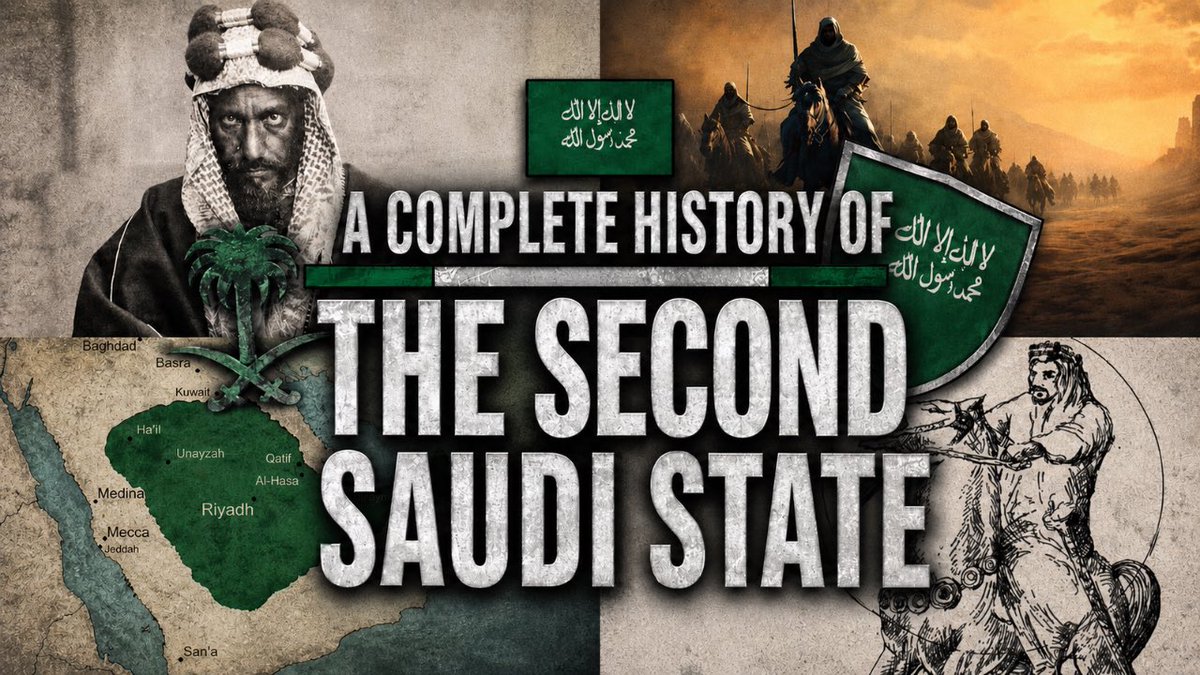
If you are a Wahhābī like me and have been following my interactions with Daniel Haqiqatjou and Muḥammad Ḥijāb, the most important thing I want you to know is this:
Understand that history is completely on our side. We shouldn’t be afraid of studying this history, rather we should relish in it. Those who’ve read a decent portion of it will know that Haqiqatjou, Ḥijāb and their likes are complete amateurs on these topics, hence why they resort to bold faced lies and repeat the same claims that are very easy to debunk.
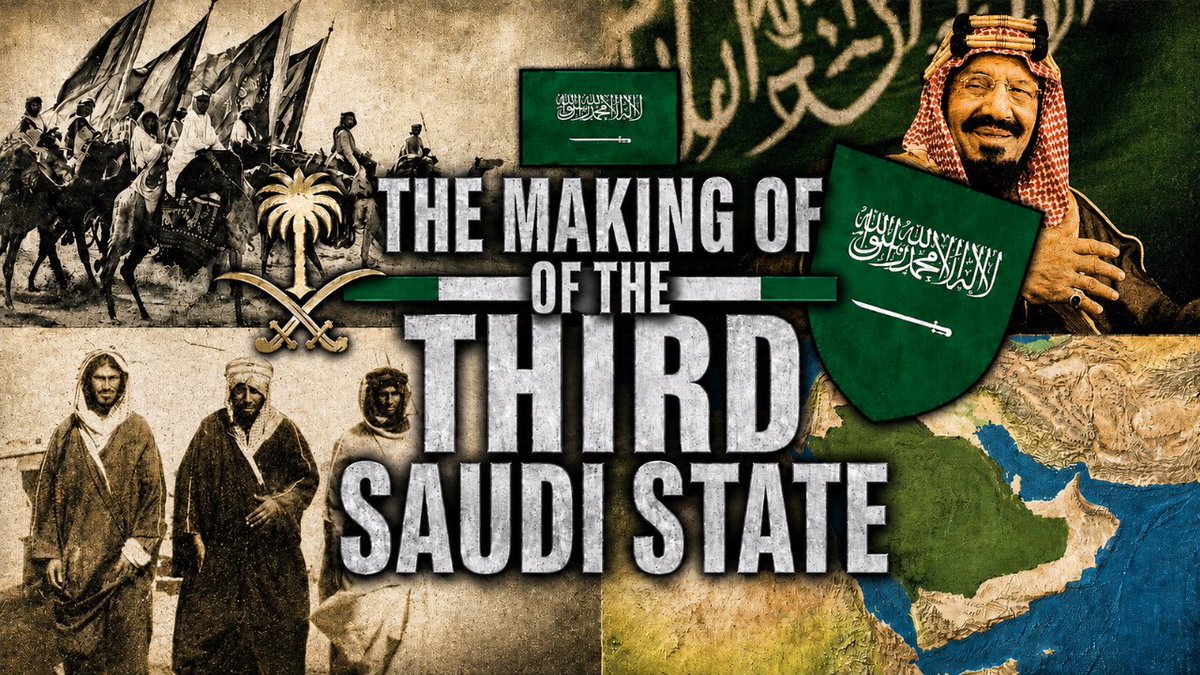
After I’m done with the complete history of the First Saudi State, I will inshāʾallāh move on to the complete history of the Second Saudi State, followed by the founding of the Third Saudi State.
Jun 15
Haqiqat Show is back!
Going live in about 45min to talk about the US-Iran Deal, Hijab's newly declared war on Wahhabism, and reacting to some Muslim feminist slop.
17
31
239
12,600

جلمود أخضر retweeted

Jun 15
منزلة صحيح البخاري:
قال ابن تيمية: «الذي اتفق عليه أهل العلم أنه ليس بعد القرآن كتاب أصح من كتاب البخاري ومسلم» مجموع الفتاوى 20/321
فشهادة أهل العلم أهل الخبرة ومعرفة بالحديث وعلومه والجرح والتعديل والصحيح والضعيف يعول على قولهم وهكذا أهل كل اختصاص ورثوا علم من قبلهم واستفادوا منه.
فدع عنك المتسورين على التخصص بادعاء العقل وحده وليت العقول عقول المتخصيصين
1
4
17
1,329
Jun 15
RT @MUSTAFA_HAWSAWI: ليس كل بيضاء شحمة،ولا كل سوداء فحمة!
ولا كل من خطب أو ألقى محاضرات أو جلس لعالم سلفي يكون سلفيا؛بل من اتبع منهجهم كله.…
48