Joined March 2022
- Tweets 2,883
- Following 1,865
- Followers 1,311
- Likes 1,146
344 Photos and videos

Pinned Tweet
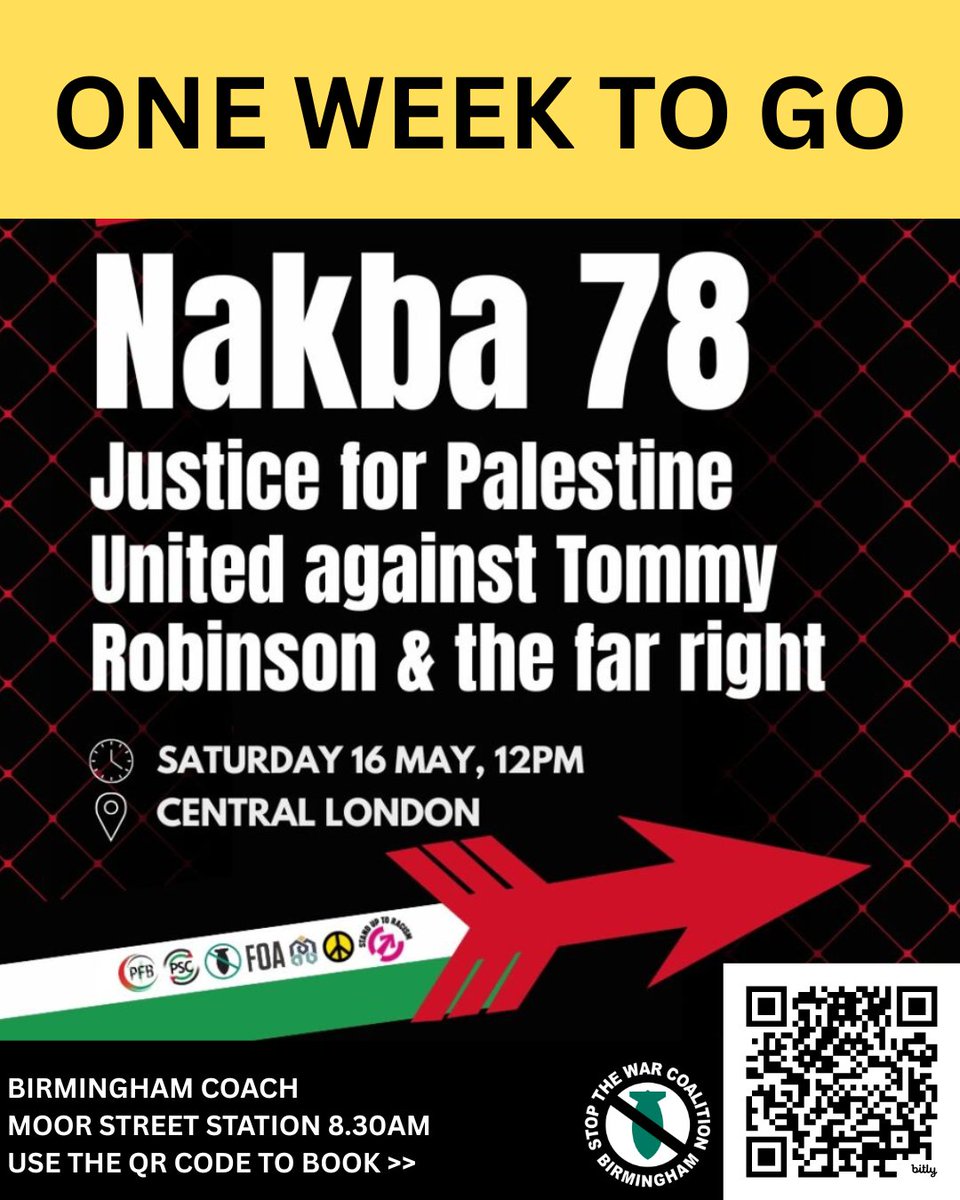
ONE WEEK TO GO
bit.ly/4vWTEEL
⏰️16 MAY 8.30AM
📍MOOR STREET STATION
💷 FROM £10
ALL OUT FOR PALESTINE
1
5
4
166
Birmingham Stop the War Coalition retweeted

May 11
The campaign calling the Palestine movement antisemitic is blowing itself up.
First, Met chief Mark Rowley lets real antisemite and Muslim hater ‘Tommy Robinson’ march to Parliament while we are barred.
Then he is caught lying that we intentionally march to synagogues.
🧵👇
40
921
2,305
43,632
We have to fight this with everything we've got. Militarism cannot be the political norm after the horrors of Iraq, Afghanistan, Libya, Palestine and Iran.
May 11

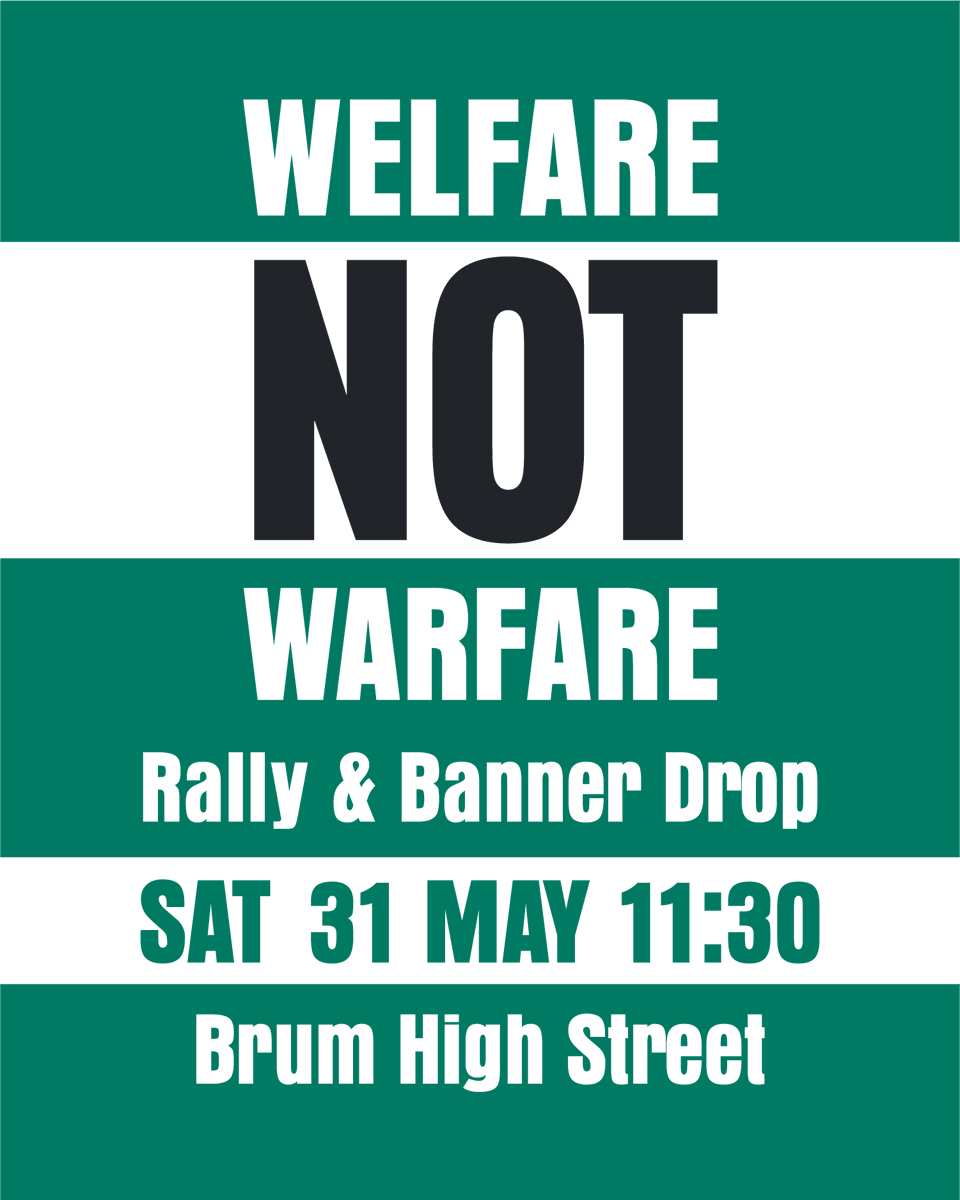
New manifesto drop: Welfare FOR warfare
From Clive (and sounds like Andy Burnham) to Sharon Graham to the Lib Dems and (to a lesser extent) the Greens, this is the new batshit Keynesianism for militarism line.
This is why anti-imperialism isn’t an optional extra for the left.
2
54
Birmingham Stop the War Coalition retweeted

May 11
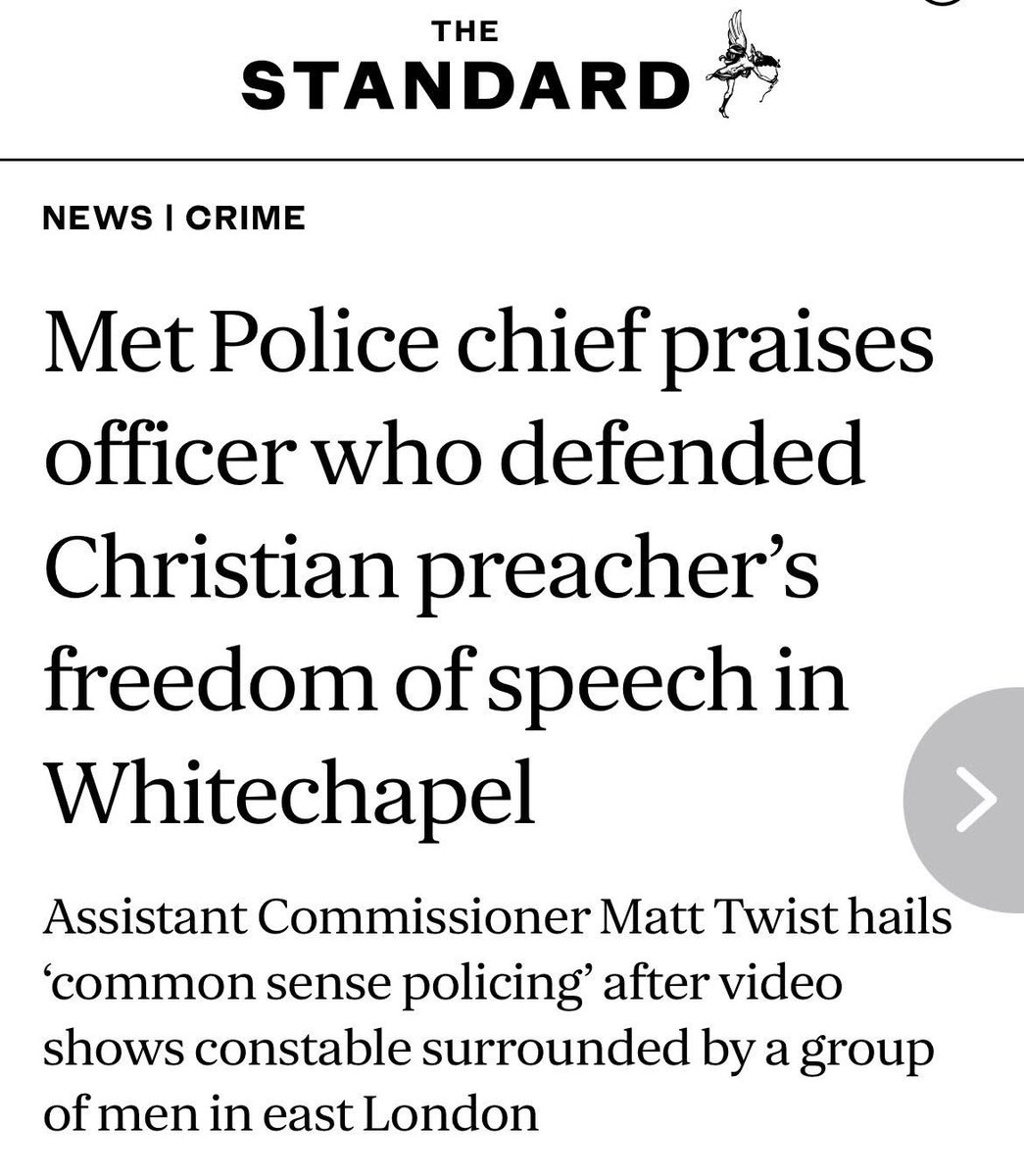
Not only did the officer - from the same policing district as those who arrested the pair for antisemitism in Hackney - defend the right of a far right extremist to verbally abuse Muslims, the Assistant Met Commissioner Matt Twist commended the officer.
1
64
212
3,162
Birmingham Stop the War Coalition retweeted
May 11
In February, a far right Christian preacher travelled to Whitechapel, a predominantly Muslim area, to film himself shouting abuse about Islam and Muslims. When police were asked to intervene, the response was “in this country, we have freedom of speech”
11
86
265
5,872
Birmingham Stop the War Coalition retweeted
May 11
On 7 May two people were arrested after they’d travelled to a ‘predominantly Jewish area’ and filmed an encounter where they verbally abused a Jewish man. They were promptly arrested and convicted within 48 hours of an antisemitic hate crime.

A Metropolitan Police investigation has resulted in two men being convicted of an antisemitic hate crime within just 48 hours after their arrest.
Click here for the full story 👇
news.met.police.uk/news/upda…
2
39
131
5,131
Birmingham Stop the War Coalition retweeted
May 11
Here is a prime example of the double standards applied by the Metropolitan Police when it comes to Antisemitism and Islamophobia, and why it is absurd that we are meant to consider them neutral arbiters of what is and isn’t racism 🧵
6
260
632
25,838
Birmingham Stop the War Coalition retweeted

It was very principled of people to mock the fact that there was a marathon and a 5k run in the West Bank and in Gaza because they could also mock the fact that Jews during the Holocaust played soccer in some ghettos and even in Theresienstadt concentration camp.
22
469
1,718
20,627
A lot of statements from politicians and journos about "fixing the bins" in response to independent and green election winners talking about Palestine. No thought from them about what links failing public services and UK support for genocide - a warmongering welfare-cutting elite
2
21
Birmingham Stop the War Coalition retweeted
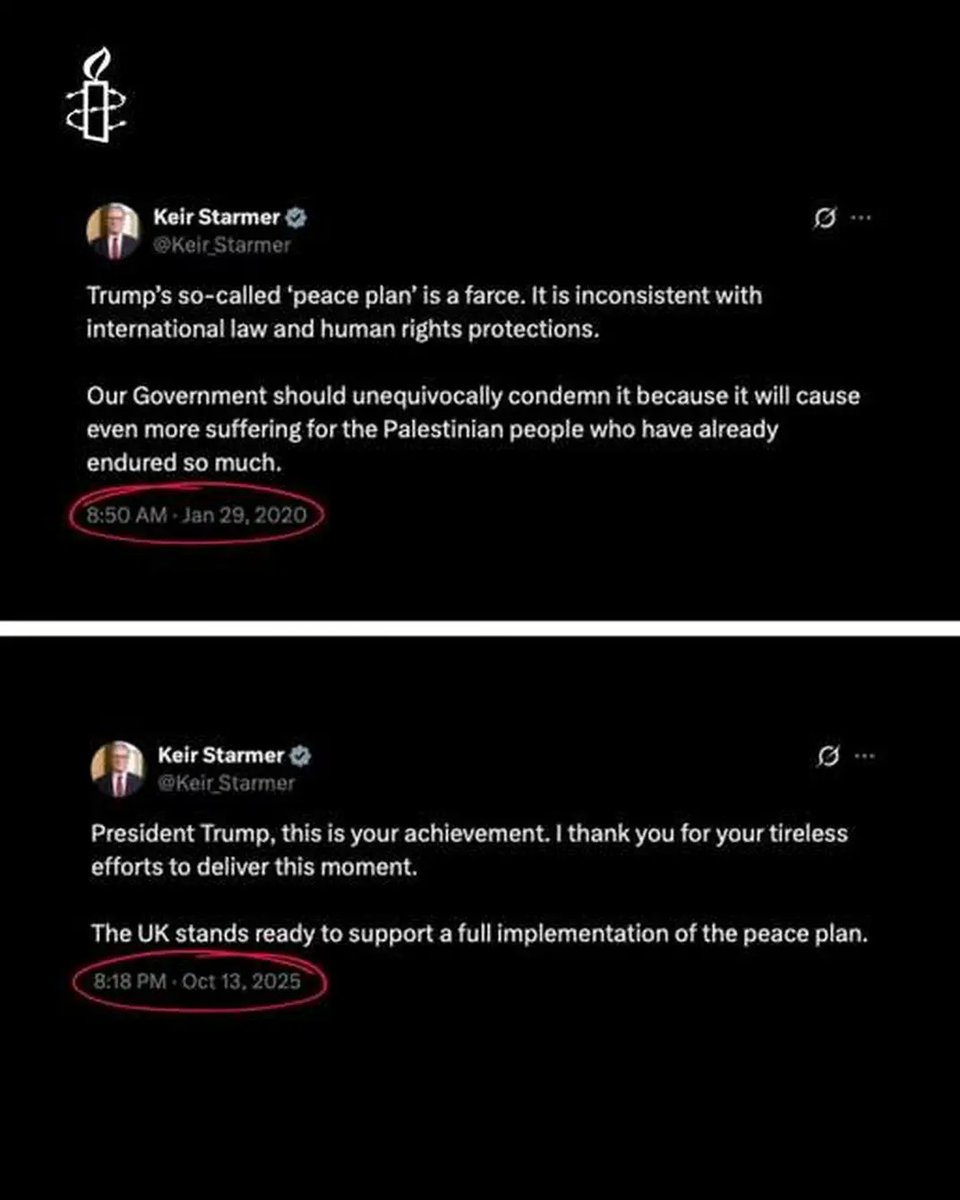
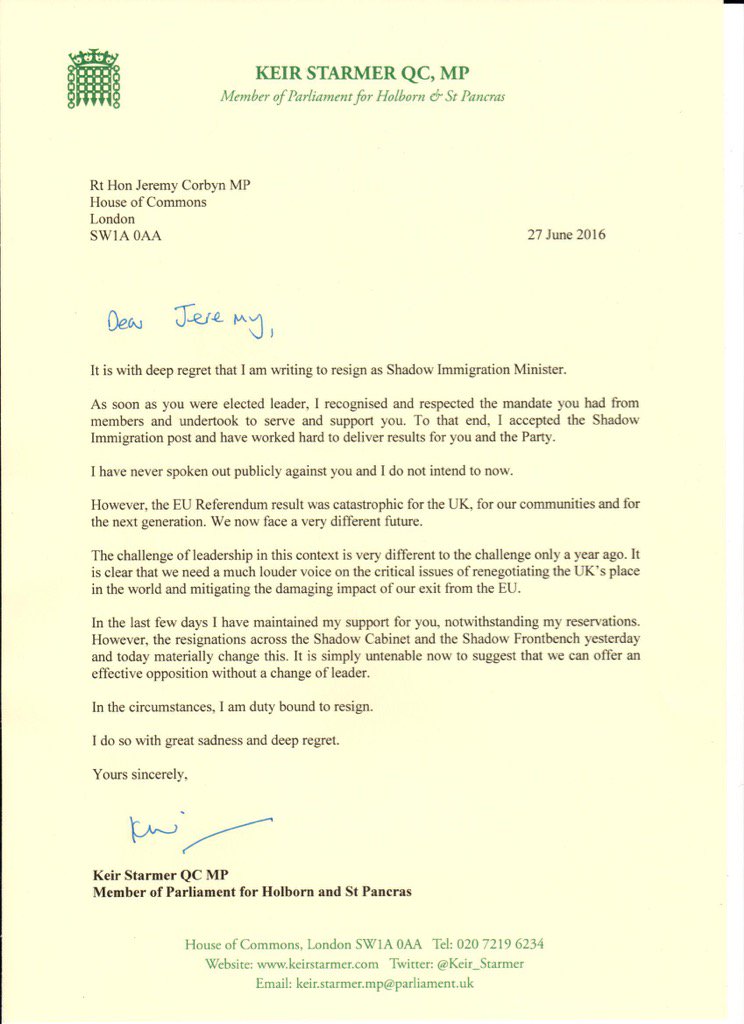
Come on @Keir_Starmer, where’s your sadness and regret now? Resign you coward
27 Jun 2016

With sadness & regret, I have resigned as shadow home office minister: Brexit has changed the challenge ahead.
17
41
886
Couldn't have happened to a nicer party. The Labour Party, which has just approved yet another licence to Israel.1
A real chance to humiliate this government further with a big turnout next Saturday.
Free Palestine.
May 8

As these tough election results come in, we thank and pay tribute to our councillors who have served their communities brilliantly for many years.
The last thing the British people need now is Labour turning inward and losing focus on them.
Keir Starmer won a huge mandate less than two years ago. Now we must get on with delivering change faster for the British people.
23
ONE WEEK TO GO
bit.ly/4vWTEEL
⏰️16 MAY 8.30AM
📍MOOR STREET STATION
💷 FROM £10
ALL OUT FOR PALESTINE
1
5
4
166
buytickets.at/stopthewarcoal…
Join us this Saturday to protest the use of RAF Fairford in the illegal war on Iran.
US Bases out of Britain!
1
3
4
1,194
Birmingham Stop the War Coalition retweeted

28 Nov 2025
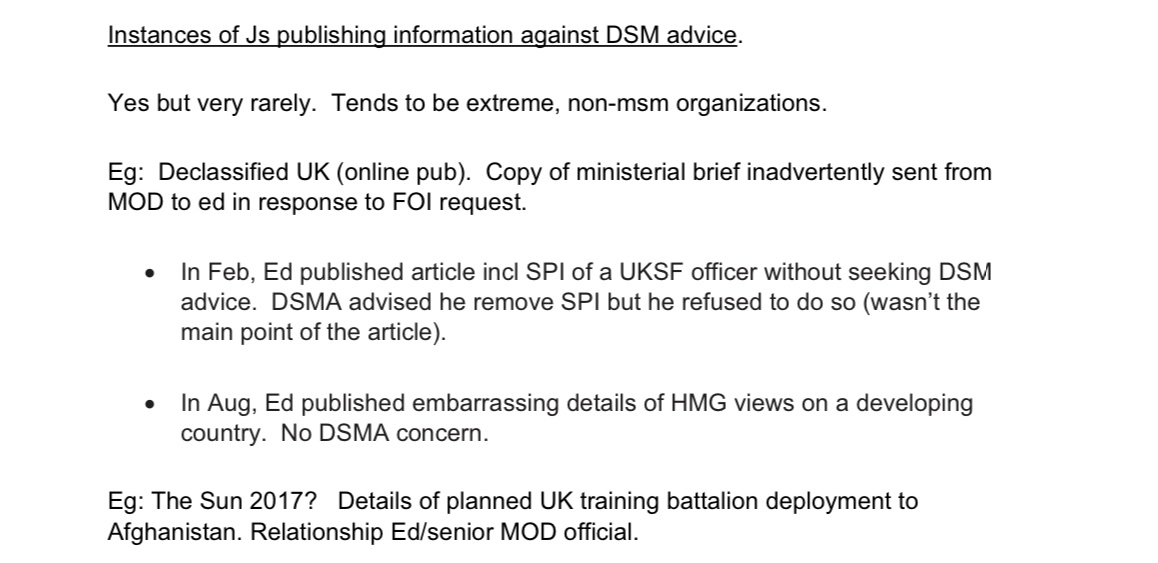
In newly-released internal documents, UK military/intel censorship body “D-Notice committee” reveals that UK media “very rarely” publishes information against the wishes of British security state
Exception, they add, is “exteme, non-msm organisations”, citing @declassifiedUK
19
416
811
49,454
Birmingham Stop the War Coalition retweeted

27 Nov 2025
“Anyone who says foreign and domestic policy are not linked are wrong. The Chancellor made that clear in her commitment to Nato and increasing defence spending still further." @LindseyAGerman
#WelfareNotWarfare #Budget2026
morningstaronline.co.uk/arti…
22
32
1,374
Birmingham Stop the War Coalition retweeted

27 Nov 2025
Closed Material Procedures (CMPs) are a legal nonsense. They effectively allow the state to present evidence in secret with no one present to rebut that evidence. They r supposed to be used to protect national security but r abused to hide criminal conduct as shown in numerous arms deal cases. They rely on trust in the State. The British state has done nothing to deserve that trust, in fact it has done a great deal to engender profound mistrust
26 Nov 2025

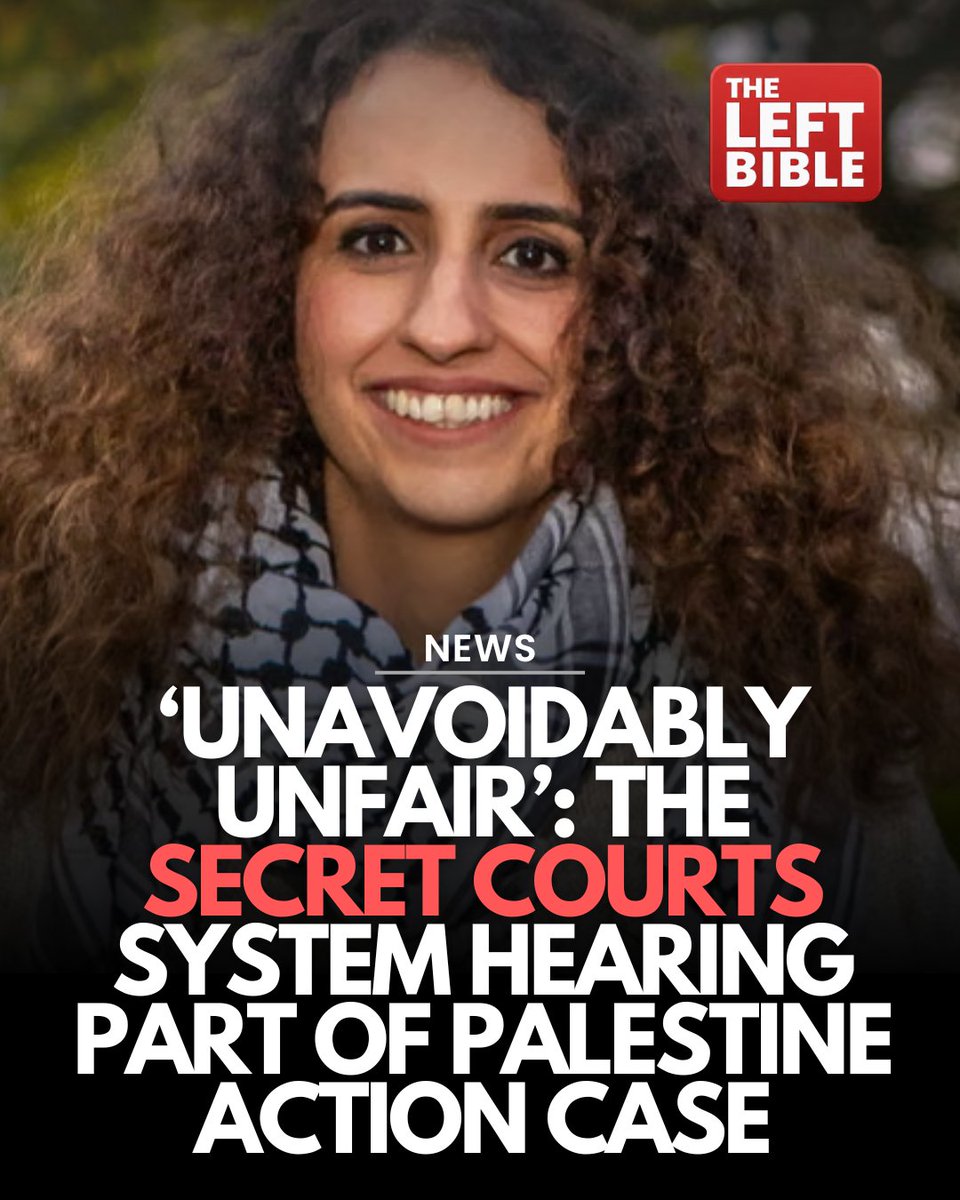
At some point in the challenge to the ban on Palestine Action beginning on Wednesday, the co-founder of the direct action group will be asked to leave courtroom five at the Royal Courts of Justice, as will her legal team and most others present. Then the case will continue without them.
When Huda Ammori returns to the room, the special advocate – a security-cleared barrister – who represented her interests in her absence will not be allowed to tell her or her legal team what evidence was presented against Palestine Action. If Ammori asks what allegations were made directly against her, the special advocate must not tell her, even though that means she will have no chance to rebut them.
Such is the nature of the secret courts system, known as the closed material procedure (CMP), within which the legal challenge to the ban will be partly heard.
Critics of the system, which can be triggered on an application by a secretary of state, include those who have worked within its strictures.
Angus McCullough KC, a special advocate for more than 20 years, said: “CMPs are inherently and unavoidably unfair. The justification for them is that they are the ‘least unfair’ way of dealing with cases in which there is relevant material that genuinely cannot be disclosed to the party affected by it because of its sensitivity and potential to cause harm to the wider public interest, for example, national security, if disclosed.”
26
1,136
2,314
91,371
Birmingham Stop the War Coalition retweeted

26 Nov 2025
State sponsored Islamophobia in Birmingham schools. Michael you have yet to apologise for igniting the Trojan Horse conspiracy theory, wrecking the careers of dedicated teachers and damaging the life chances of thousands of schoolchildren.
26 Nov 2025

Tell me what the Conservatives got consistently wrong in state education?
71
762
2,520
107,813

24 Nov 2025
buytickets.at/stopthewarcoal…
🚨FIVE DAYS TO GO🚨
We need more than this sham ceasefire. British trade with Israel has increased, and the "peace" plan gives no say to the Palestinians.
Be there with us on the 29th November!
⏰️📍 Pickup Moor Street Station at 8.30am
63
Birmingham Stop the War Coalition retweeted

12 Nov 2025
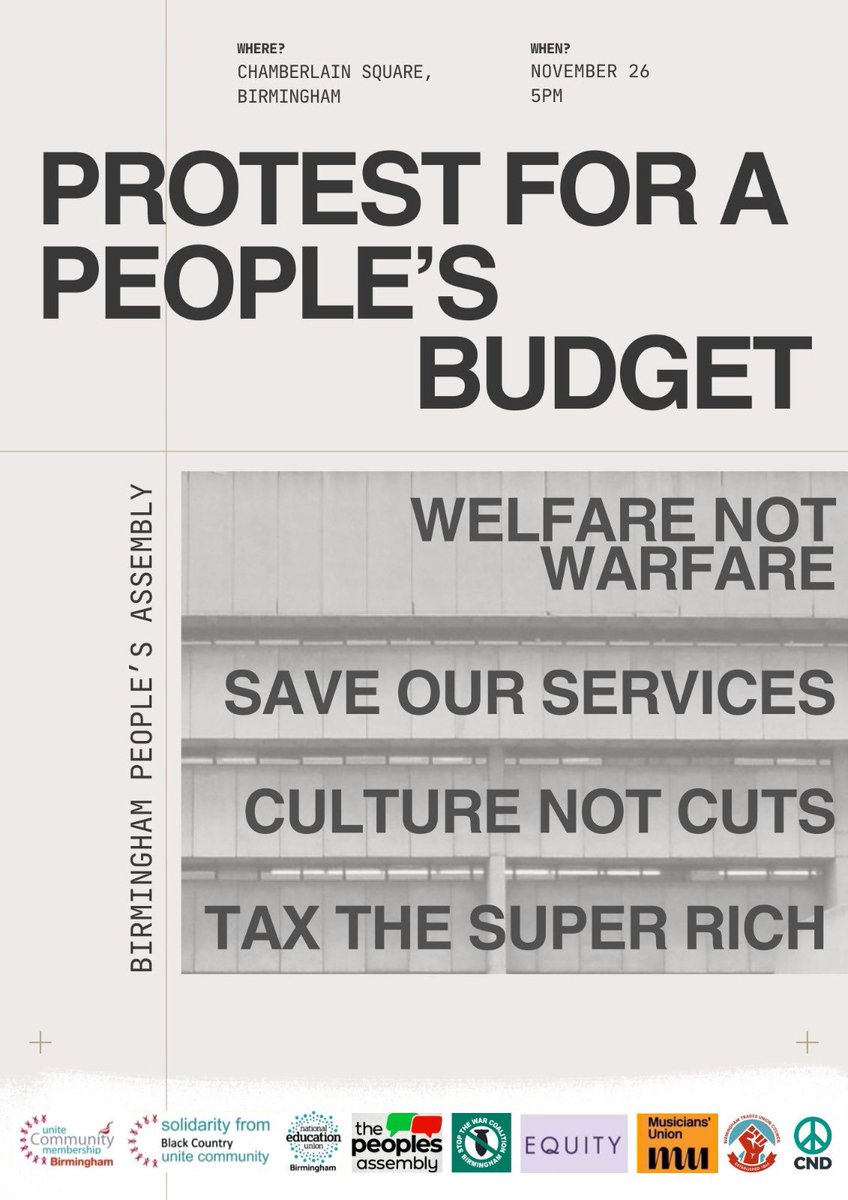
📣 BIRMINGHAM PROTEST FOR A PEOPLE’S BUDGET!
🗓️ November 26, 5PM
📍 Chamberlain Square, Birmingham
We demand:
✊ Welfare not warfare
💪 Save our services
🎭 Culture not cuts
💰 Tax the super rich
#SaveOurServices #TaxTheRich #CultureNotCuts #WelfareNotWarfare
3
4
584