Joined October 2019
- Tweets 76
- Following 198
- Followers 286
- Likes 164
Photos and videos

3 Oct 2025
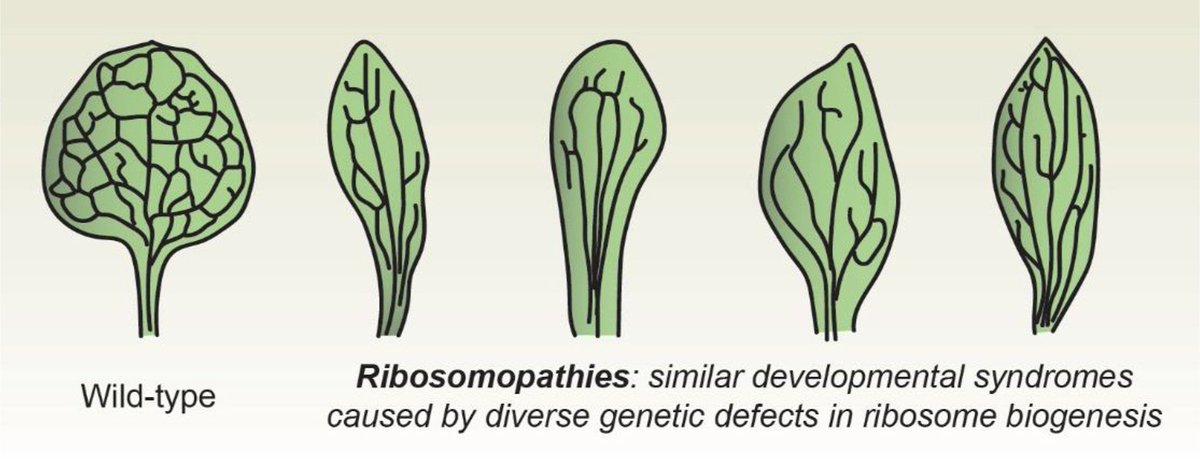
In growing crops, ribosomes can use >50% of fertilizers applied to fields. Optimizing ribosomes would make agriculture more sustainable—but there are consequences! Read our perspective on how "ribosomopathies" affect plant development.
doi.org/10.1016/j.pbi.2025.1…
@science_rydays
1
7
193
18 Aug 2025
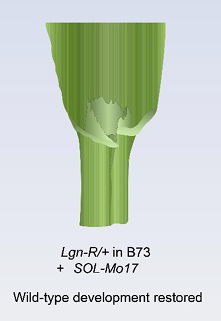
Michael's review (with me and Sannidhi Menon contributing) on TOR and growth-defense tradeoffs is online at @JXBot! We somehow managed to get the ligule in there #TeamLigule 🥹🦚🐧.
doi.org/10.1093/jxb/eraf358
1
7
268
1 Jul 2025
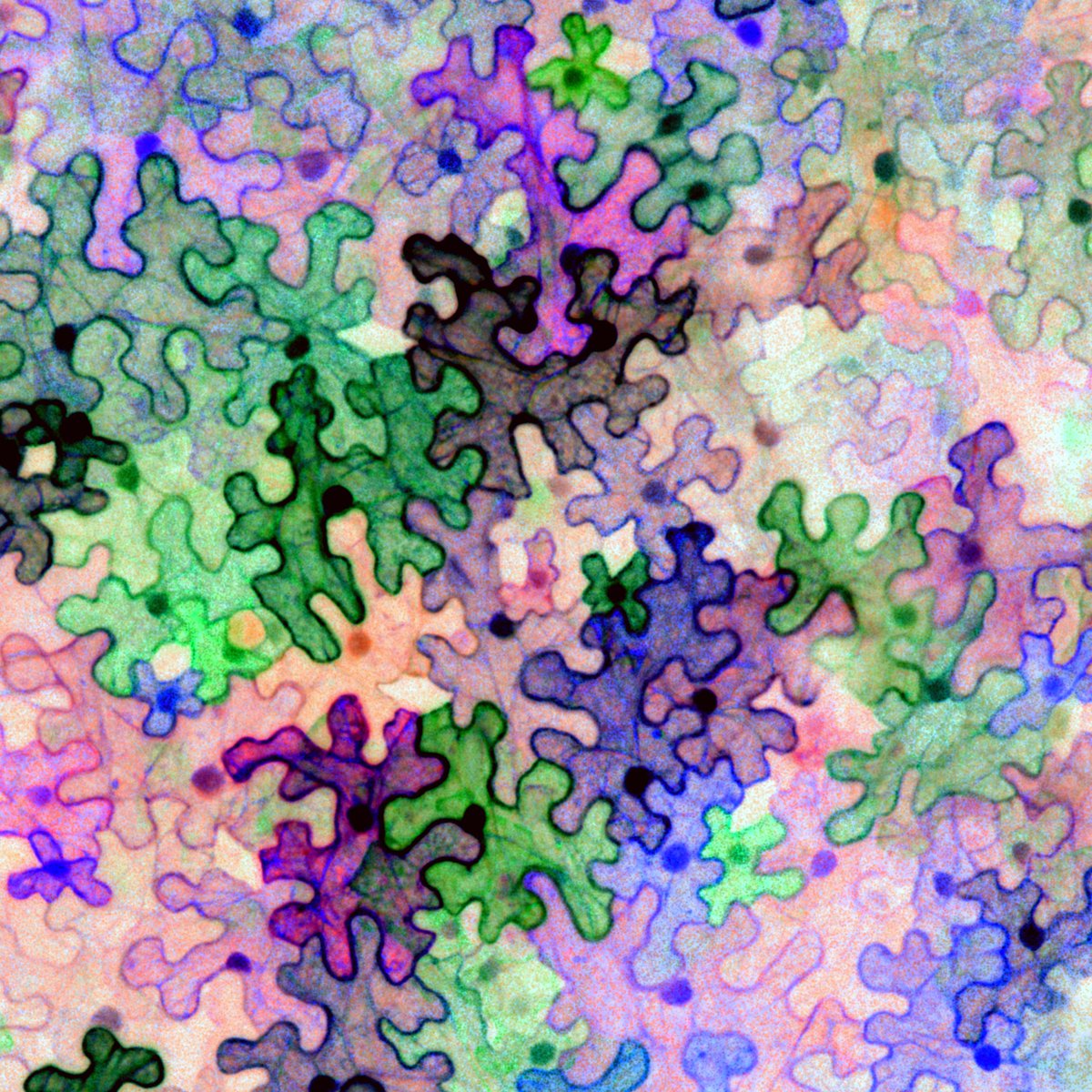
New tool for cellular and molecular biology!
doi.org/10.1111/pbi.70233
Will, Rory, and others from my group developed a new system of streamlined, refined binary vectors for plant transformation that use contemporary cloning approaches. Available from addgene.org!
4
10
440
16 May 2025
So proud of Katie Klimpel, she's a superstar!
15 May 2025

The right mentor can make all the difference. Congrats — and thank you — to these 10 stellar @UWMadison mentors who are guiding undergrad learning and discovery in fields from global health to paleontology! news.wisc.edu/mentor-award-w…
74
17 Mar 2025
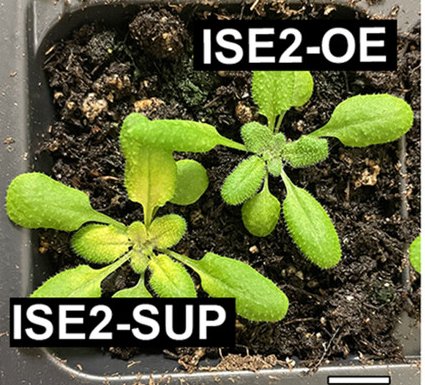
ISE2 keeps bringing us down new paths! @PD_lab_DDPSC Glucosinolates can regulate plasmodesmata: nph.onlinelibrary.wiley.com/…
59
Brunkard Lab retweeted

15 Jan 2025
** UPCOMING SPECIAL ISSUE **
Plasmodesmata
Editors: Tessa Burch-Smith & Jake Brunkard
Deadline: 1st Feb 2025
Manuscripts of any format welcomed, please contact the JXB office (bit.ly/JXBissues)
#JXBspecialissues 🌱🔗🌿
@pd_christine @frdanila @TinaSchreier
(1/2)
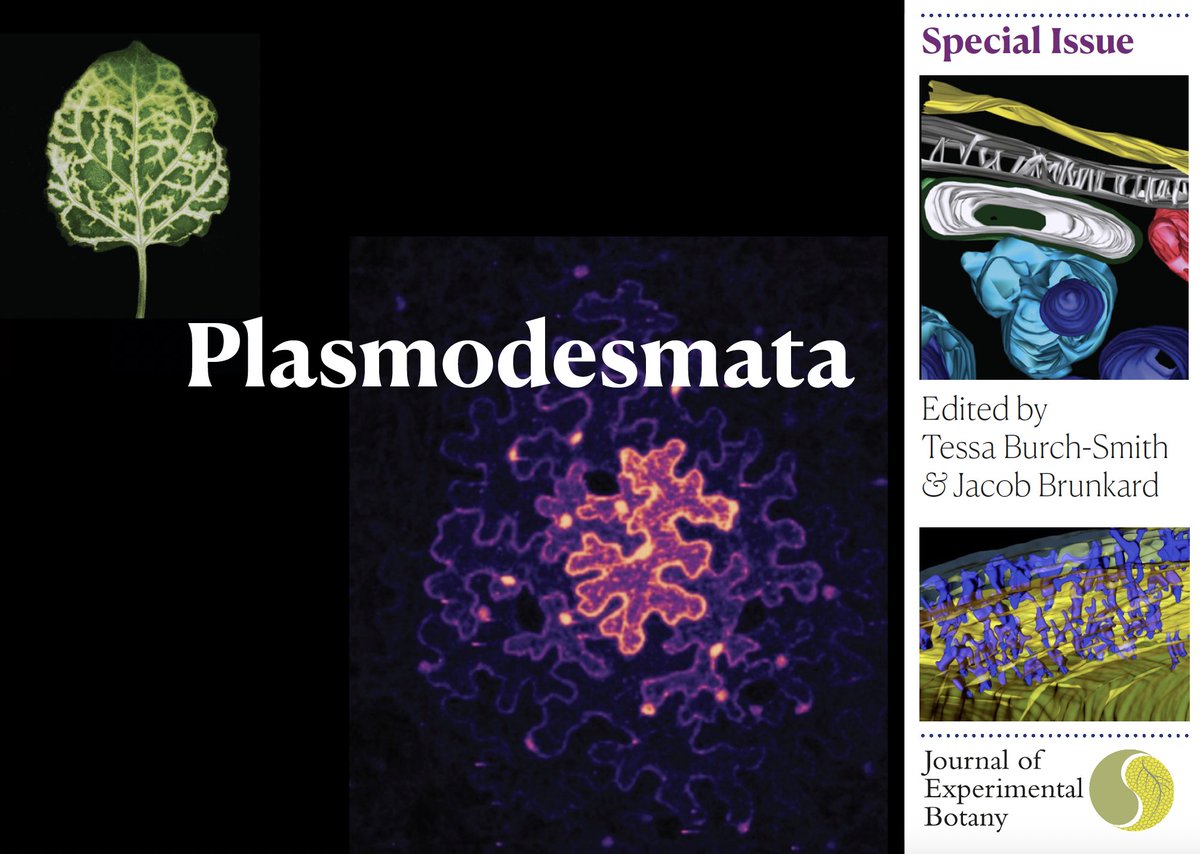
ALT Front cover of a postcard to promote an upcoming special issue of the Journal of Experimental Botany titled "Plasmodesmata". The issue will be edited by Tessa Burch-Smith and Jacob Brunkard. The images show the following. Above: silencing signals move out from veins through plasmodesmata in a Nicotiana benthamiana leaf (Jacob Brunkard); Centre: fluorescent Protein moves from a central transformed cell to neighbors through plasmodesmata (Jacob Brunkard); Far right: electronic microscopy reveals nanoscopic structure of plasmodesmata, shown in gray (top) or blue (bottom) (Tessa Burch-Smith; Tina Schreier).
1
9
24
2,773
10 Jan 2025
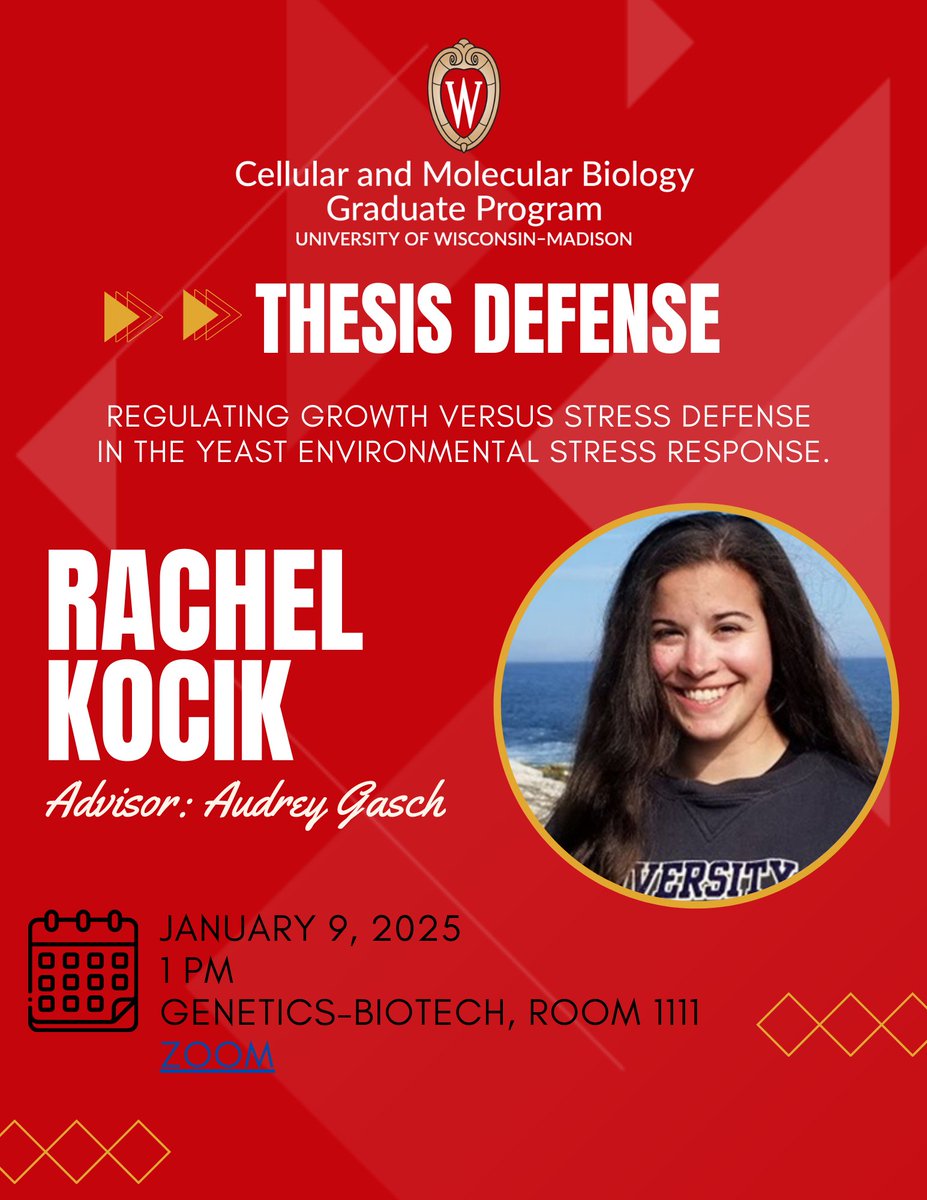
Congrats to Rachel!! Beautiful, methodical, rigorous work on transcriptional regulation of stress responses in yeast (including regulation of ribosome biogenesis 🧐😎😊). Can't wait to see where Rachel goes next!
6 Jan 2025

Wishing all the best to Rachel Kocik who will defend her thesis this Thursday, January 9th. 🥳
91
Brunkard Lab retweeted

5 Nov 2024
I am pleased to announce new research from the Shih Lab (@LabShih) published today in Nature Biotechnology on improving Agrobacterium-mediated transformation via binary vector copy number engineering (doi.org/10.1038/s41587-024-0…).
🧵A summary thread below🌿
5
75
258
24,373
Brunkard Lab retweeted

28 Sep 2024
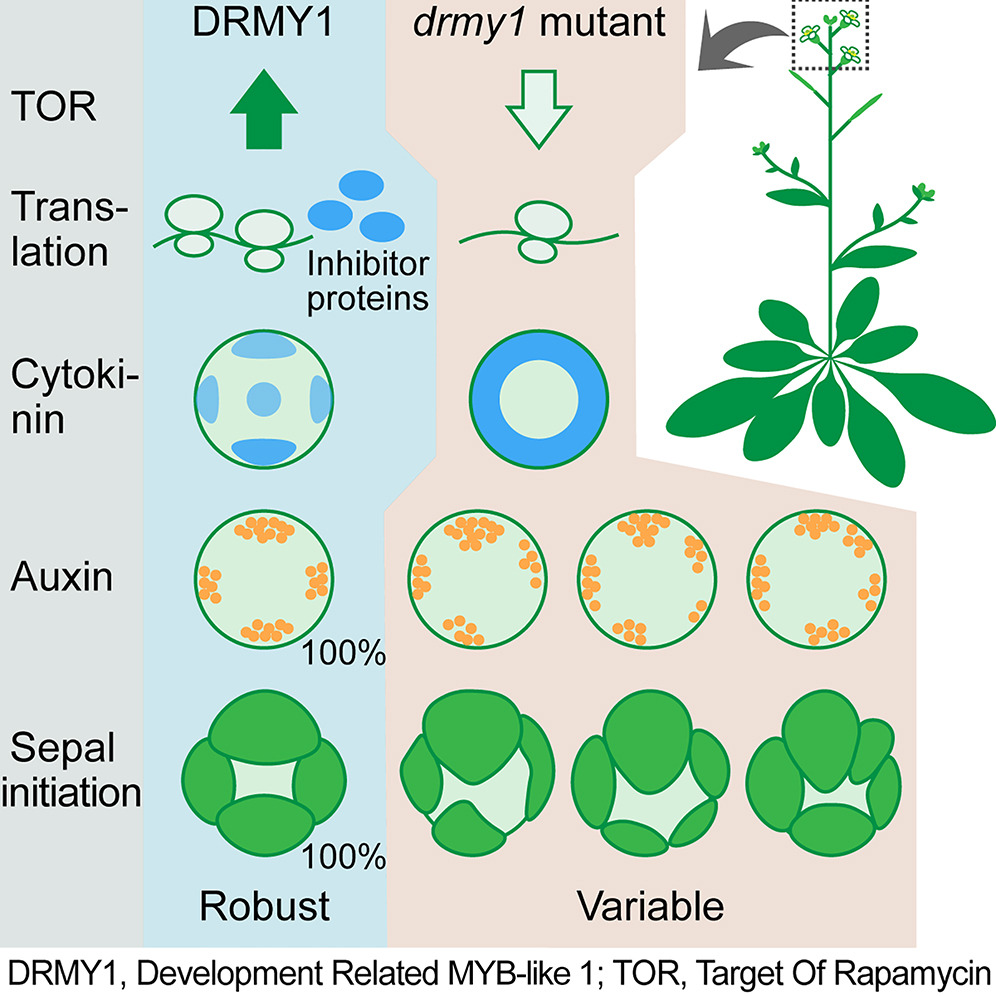
Shuyao Kong @sykong15 and Mingyuan Zhu @Mingyuan2328 are on a roll! Here is the next installment in our DRMY1 and robustness story. DRMY1 maintains translation and TOR signaling to maintain robustness in the initiation of sepal primordia. Thread 1/5 authors.elsevier.com/a/1joYg…
1
20
73
10,226
Brunkard Lab retweeted

20 Sep 2024
Online now: DRMY1 promotes robust morphogenesis in Arabidopsis by sustaining the translation of cytokinin-signaling inhibitor proteins dlvr.it/TDTfcn
3
7
1,650
Brunkard Lab retweeted

20 Sep 2024
PD2024 Conference Dinner at Missouri Botanical Garden. Great time, amazing science and wonderful people! Hope to see you all again in 2027!
5
28
1,822
19 Sep 2024
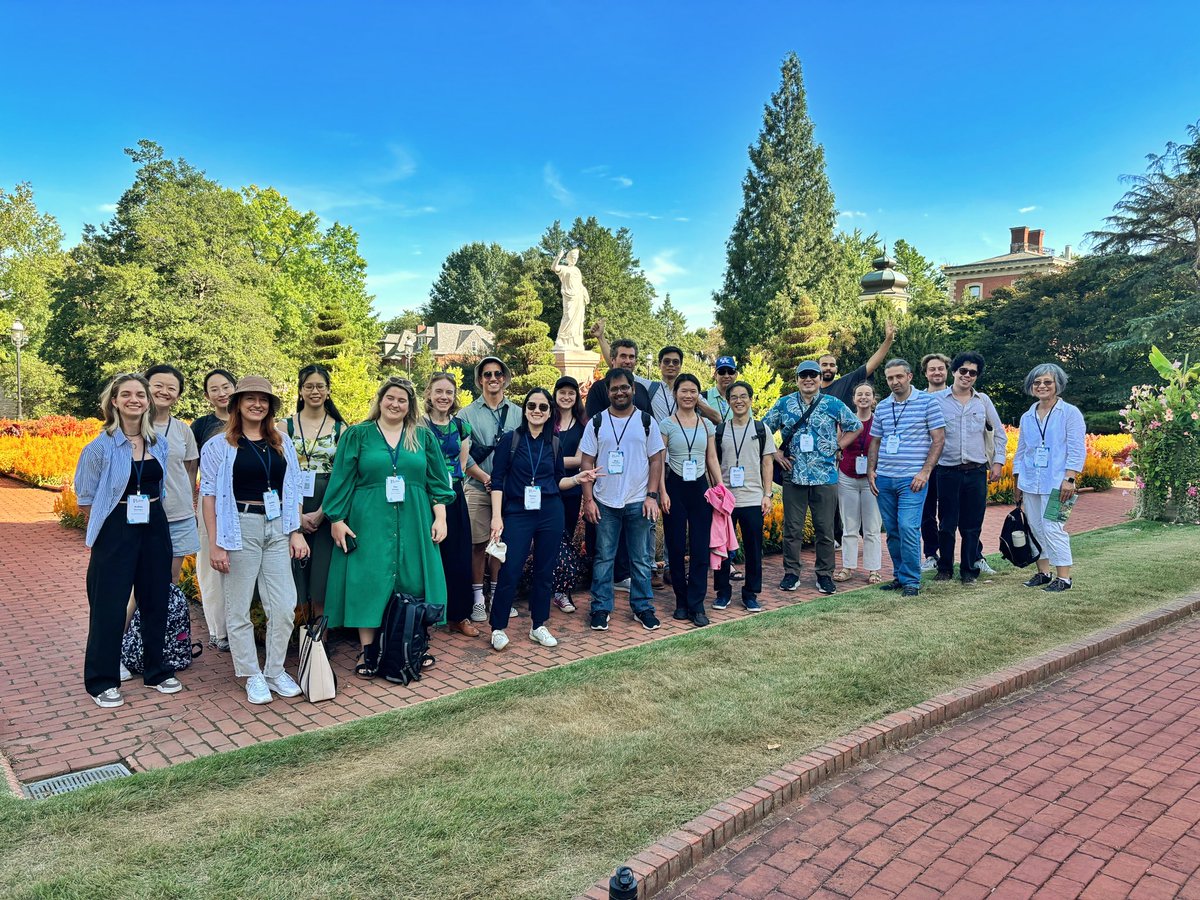
Day three of #PD2024! Started with a beautiful talk from a true leader in our field, @pd_christine, followed by exciting early career talks. Coming up... a tour of @mobotgarden with Toby Kellogg @TheKelloggLab!
2
12
576
Brunkard Lab retweeted

18 Sep 2024
Plasmodesmata conference 2024 in St Louis on the go! A first day full of intriguing / interesting talks left me wanting more!! Great organizers @PD_lab_DDPSC and @BrunkardLab. I am in awe by the work of @GreenMechanobio and @TinaSchreier and amazed @HortenseMoreau More to come!
3
8
759
Brunkard Lab retweeted

17 Sep 2024
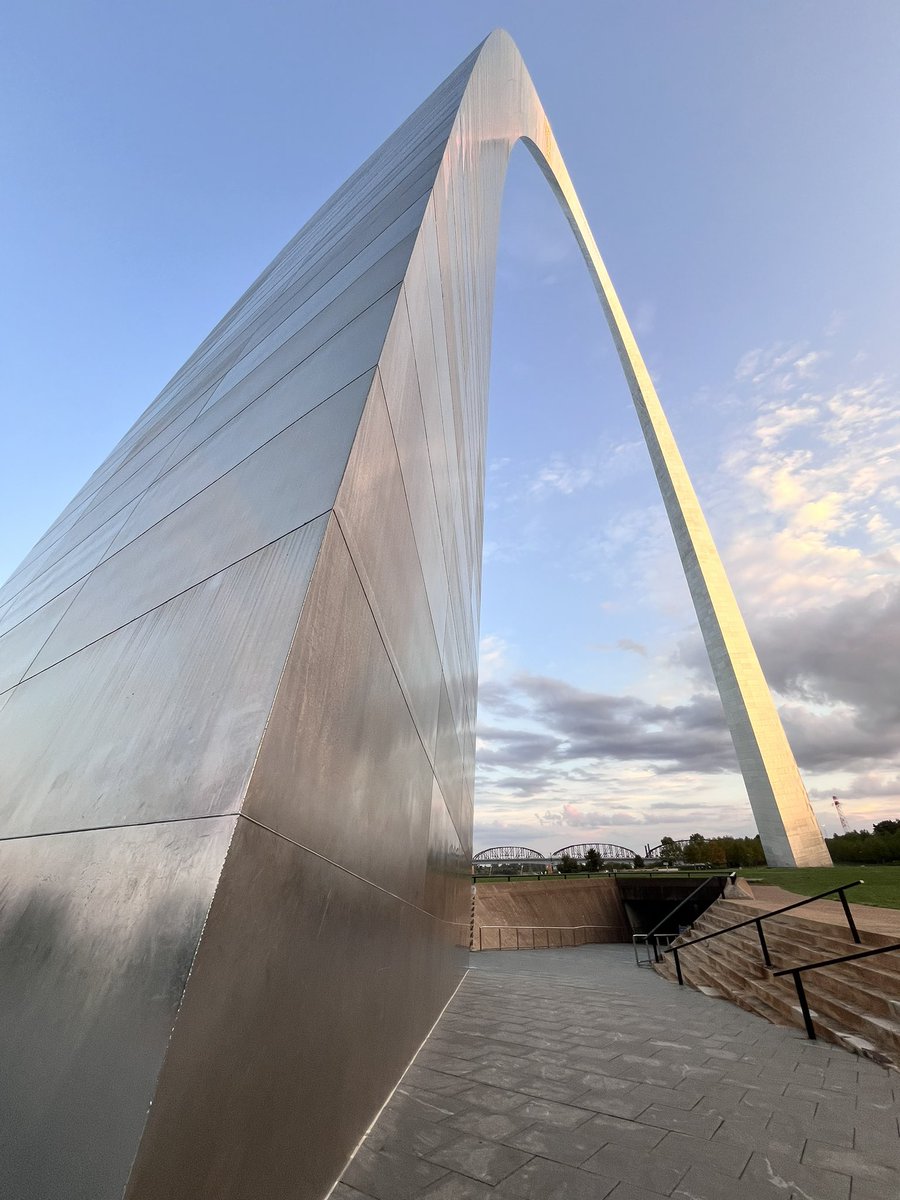
Getting ready for PD2024 in Saint Louis.
1
12
859
17 Sep 2024
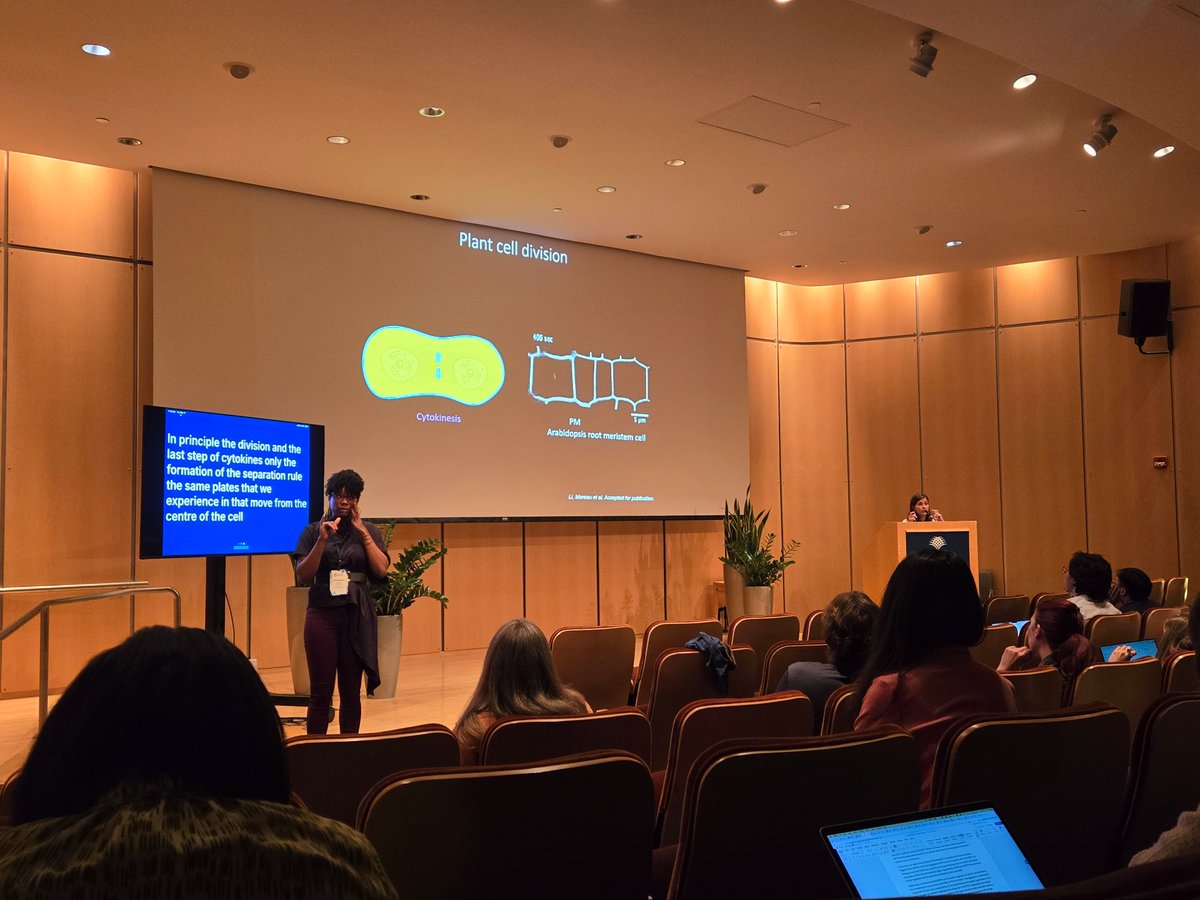
#PD2024 is off to a great start with talks from Joris Sprakel, Michael Knoblauch, and early career speaker Hortense Moreau! Already learned WAY too much *taking notes*.
1
10
822
5 Sep 2024
The PD2024 conference schedule is now posted! We have an exciting series of talks... see you September 17th!
plasmodesmata.genetics.wisc.…
3
550
19 Jul 2024
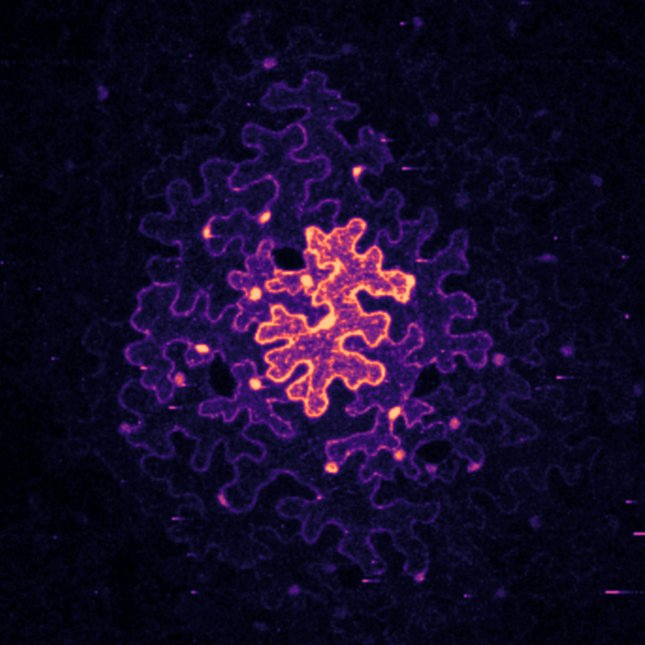
Join us at Plasmodesmata 2024, the meeting is shaping up to be very exciting: plasmodesmata.genetics.wisc.…
Early bird registration is extended through July 21st!
Many travel awards available for early career researchers, supported by NSF, USDA, and others!
7
13
1,849
Brunkard Lab retweeted

10 Jun 2024
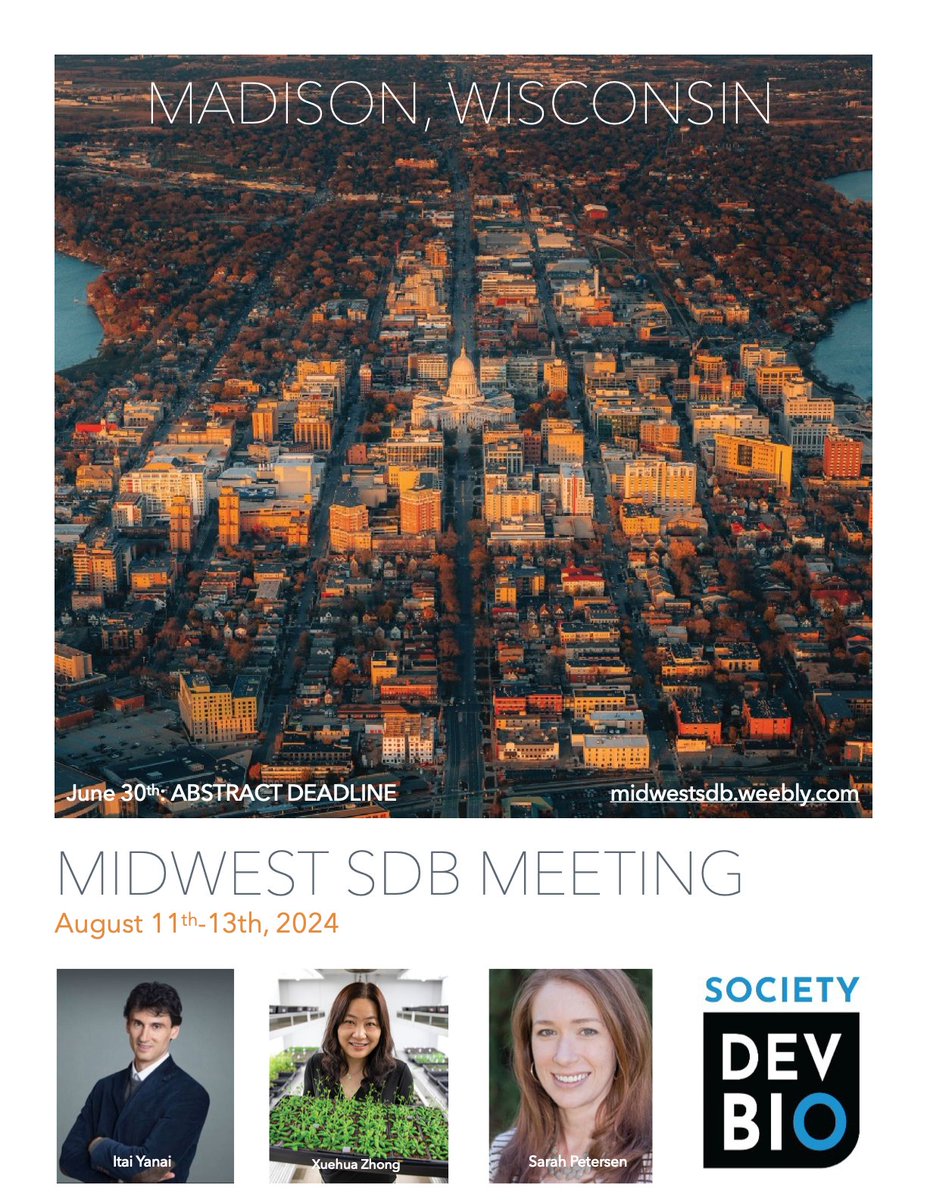
Abstract deadline update is July 18th for MIDWEST SDB 2024
Registration deadline is August 6th
@SridharanLab @midwestSDB midwestsdb.weebly.com/abstra…
6
6
2,279
Brunkard Lab retweeted

3 May 2024
Registration is open for the Midwest SDB @SocDevBio meeting August 11th-13th in beautiful Madison, Wisconsin. Highlights include @ItaiYanai @zhonglab @PetersenNeuro Follow us @midwestSDB Thanks to @SridharanLab & Jaime Gingerich @UWEauClaire for organizing
16
20
13,651
6 Jun 2024
plasmodesmata.genetics.wisc.…
Registration for PD2024 is now open! Whether you're a diehard fanatic about plasmodesmata or newly interested in thinking about how plant cells communicate and share resources, please join us this fall at the Donald Danforth Center (Sept. 17th-20th).

1
7
14
4,851