
| PotHead | 2010 Most Likely To Make It - But Never Did | Numbers make cents | PotHead | Advocate of Self | Perspicacious | PotHead | Pro-Black not Anti-White ☠
Joined June 2017
- Tweets 2,615
- Following 116
- Followers 71
- Likes 2,616
147 Photos and videos





Burn__Slow retweeted

Is it a coincidence that SA 🇿🇦 and Ireland 🇮🇪 have at almost the same exact time gone to the streets for the same issue?
I wonder what they’ve done recently to piss off a small country that’s just IS not REAL..
Great breakdown by the way…
33
337
1,261
36,163
Burn__Slow retweeted

Jun 10
He’s just straight up talking about the EFF here.
Remember that George Floyd, George Soros kneeling thing they did in the middle of COVID lockdown in 2020?
Or that polite stroll in the rain to Eskom?
Or that “national shutdown” on a Friday because Thursday was a public holiday??
Or that other one where Julius Malema wore an LGBTQI scarf for some reason?
Fighters must cancel this boy for calling them out like this.
7
54
101
4,801
Burn__Slow retweeted

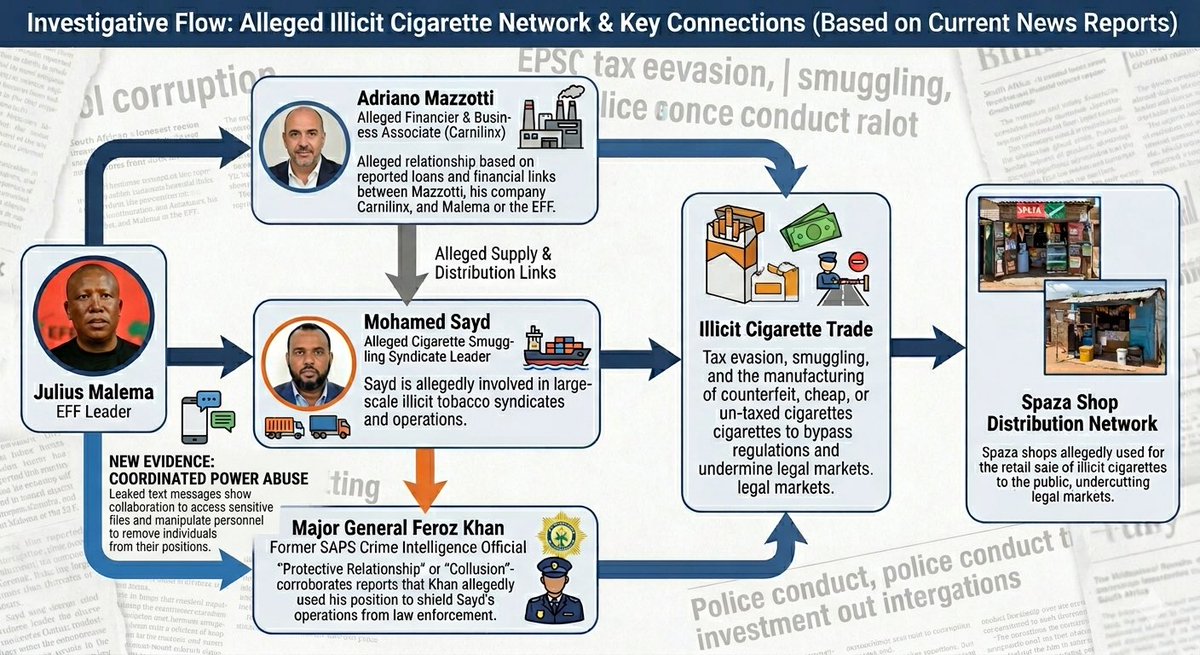
For those of you struggling to connect the dots or unable to understand what those texts reveal, this is the bigger picture. Julius Malema and his connections to the illicit cigarette mafia is now undeniable and his stance on Spaza shops and local ownership is becoming crystal clear.👍🏾👇🏾
46
552
893
34,914

Jun 9
Then we are told foreigners are not the problem. These people are here to destroy this country
Jun 9

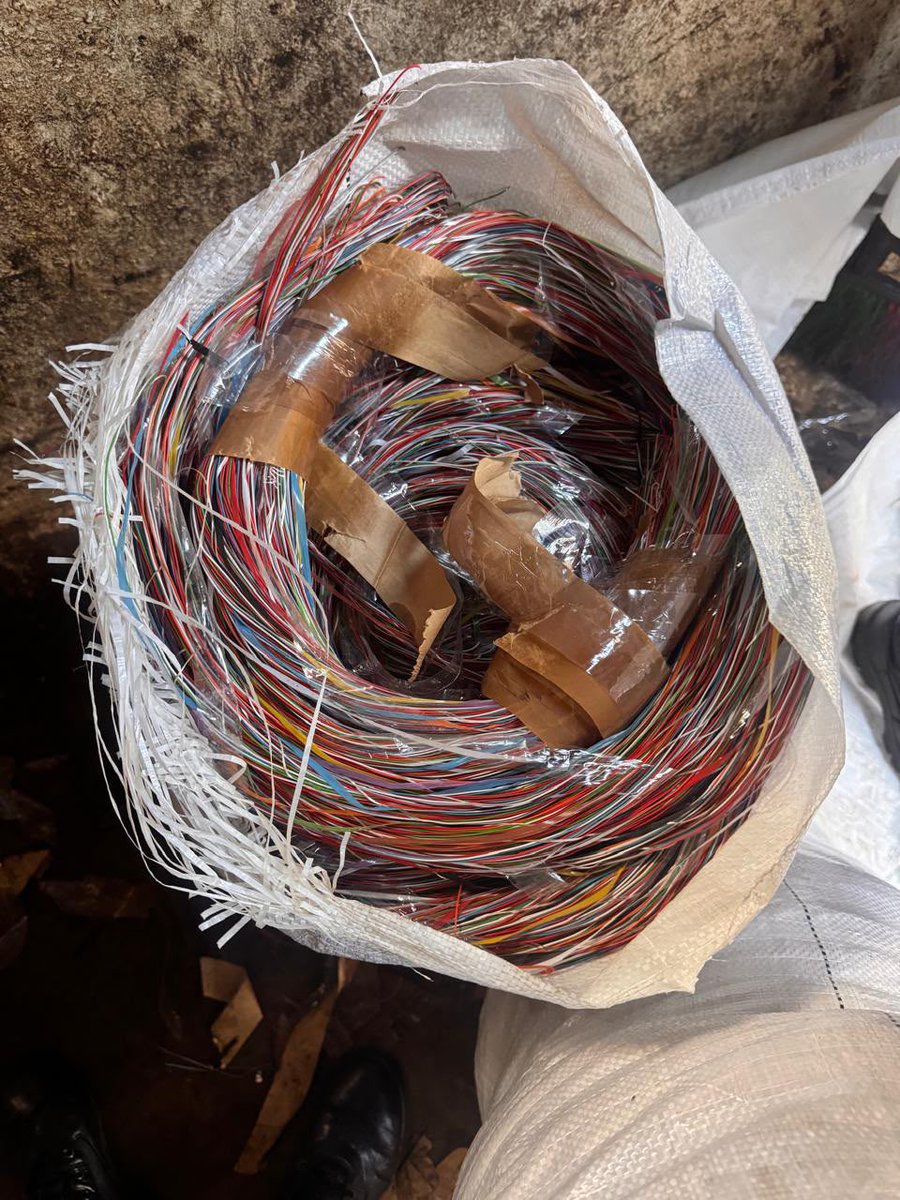
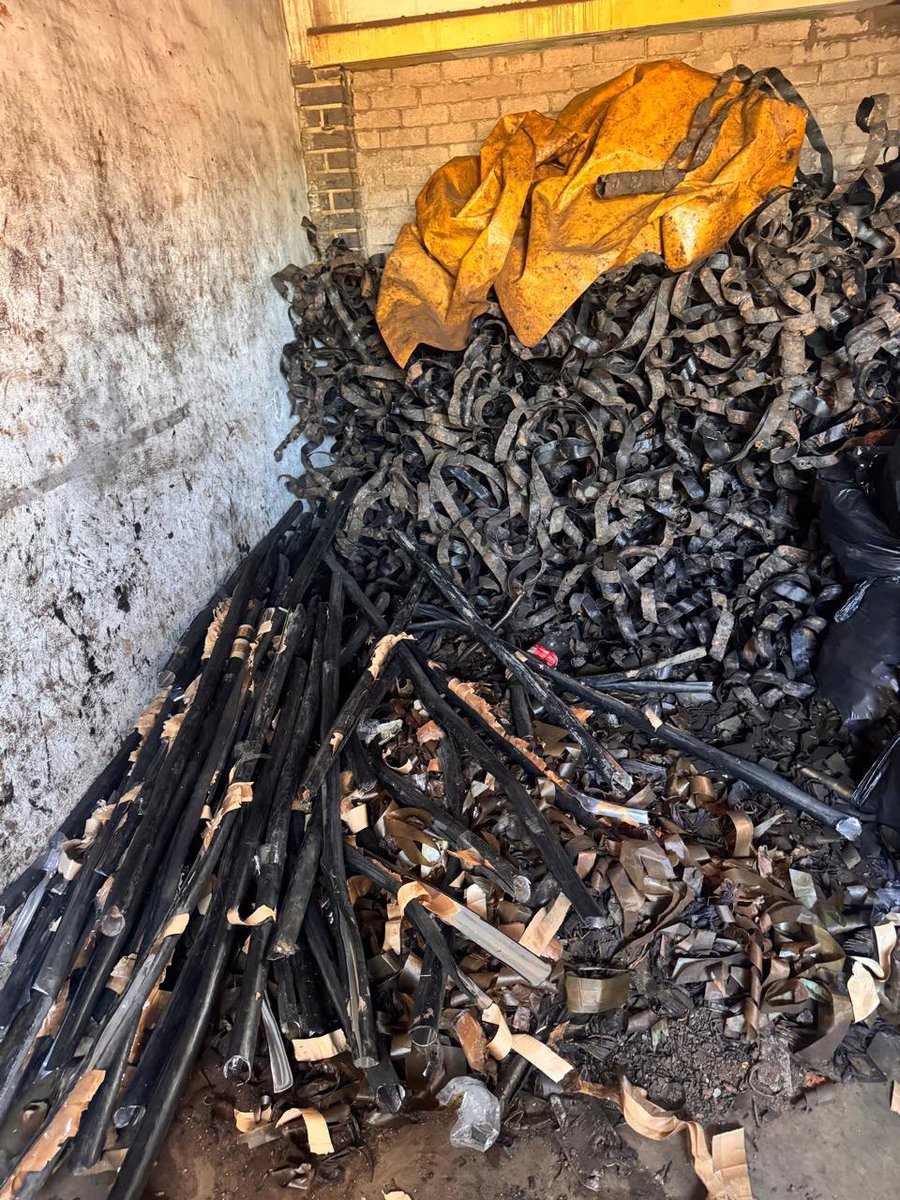
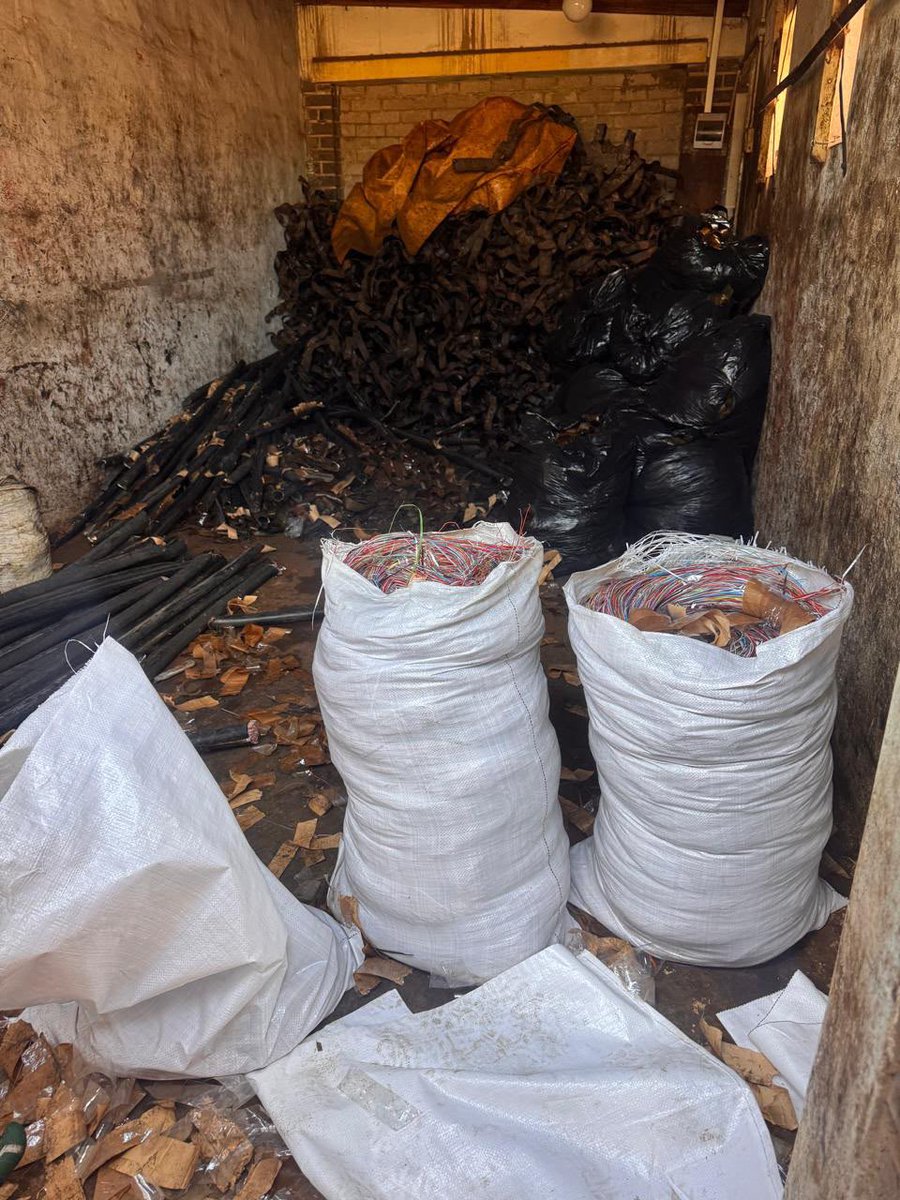
Four undocumented foreign nationals were arrested by the EMPD Northern Region Task Team in Primrose, Germiston, after being caught allegedly stripping stolen Telkom copper cables at a suspected hijacked property on Doris Street. The suspects were detained at Primrose SAPS as investigations into cable theft and infrastructure vandalism continue.
26
Burn__Slow retweeted
That’s the problem with treating political parties like football teams. You see if Zungula got caught up in anything suspect I’m gone he doesn’t get my vote again, that is because I am not in a cult. Now you have to defend nonsense because you’re emotionally invested in a party and its leader.😂
11
175
520
11,175

Burn__Slow retweeted

Jun 6
Also having a PhD in discussing your deadbeat father does not make you an expert in other people’s life experiences.
You ought to know the limit of your PhD
20
92
364
14,976
Burn__Slow retweeted

Jun 5
Fun fact : The Vuvuzela shares a note with Deep Space Black Holes.
The standard, 65-centimeter plastic vuvuzela emits a very specific, flat monotone note: B-flat (specifically B\flat_3, the first B-flat below middle C).
Coincidentally, in 2003, NASA astronomers analyzing sound waves rippling through the Perseus galaxy cluster discovered that a supermassive black hole was emitting acoustic energy. The pitch of that cosmic sound? A continuous, deeply vibrating B-flat. Essentially, a stadium full of vuvuzelas is the closest earthly equivalent to the acoustic frequency of a black hole.
Jun 5

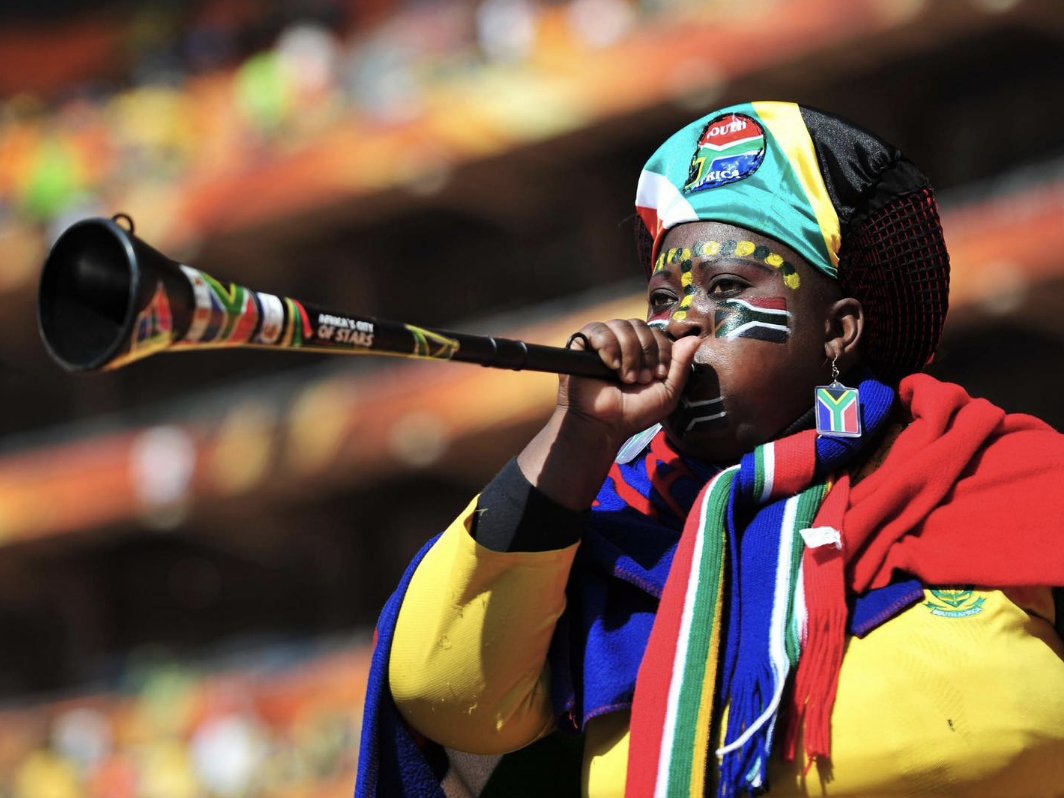
🚨 𝗢𝗙𝗙𝗜𝗖𝗜𝗔𝗟: FIFA have BANNED Vuvuzela's from every 2026 World Cup stadium.
Community note
This is engagement framing to frame the USA World Cup in a bad light. The Vuvuzela was banned by FIFA years ago.
cnn.com/2010/SPORT/foo…
7
124
551
36,682

Then go and campaign in Zimbabwe.
Every time South Africans raise concerns about illegal immigration, we’re told to focus on fixing Zimbabwe instead of fixing South Africa. Zimbabwe’s political problems are not ours to solve.
South Africans didn’t elect you to become a spokesperson for Zimbabwean politics. They elected you to speak about the struggles of South Africans, yet you have far more to say about Zimbabwe than the unemployment, crime, poverty and collapsing services affecting your own people.
At some point Zimbabweans must take responsibility for fighting for their own country instead of expecting South Africa to carry the burden.

‼️A warning to all South Africans ‼️
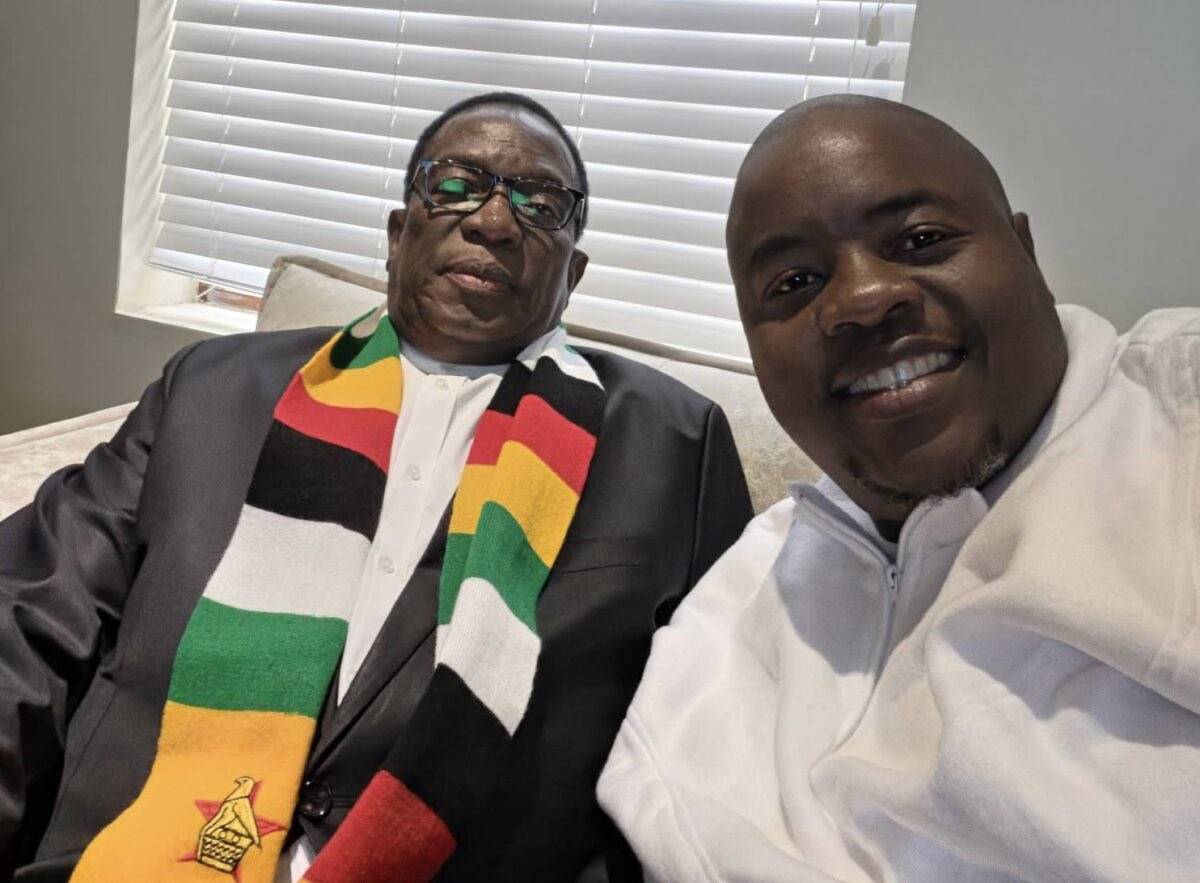
If Zimbabwe becomes a family dictatorship and dynasty of the Mnangagwa family, the influx of Zimbabweans into South Africa will be ten times higher.
The illegal immigration we are all debating about is caused by two corrupt political parties; Zanu PF in Zimbabwe and FRELIMO party in Mozambique.
If we want to reduce illegal immigration in this country we have to address the root causes in addition to:
🟥STRONGER BORDERS and
🟥STRONGER ENFORCEMENT of the immigration act.
Do not ignore what is happening next door because it directly impacts our country.
Do not ignore it because the corrupt Zimbabwean politicians and businessmen now are corrupting our economy and politicians with their cigarette money, gold mafia money and dirty dollars.
These two Zimbabwean crooks are trying to take South Africa down a path of disaster.
We must challenge @CyrilRamaphosa to cut all ties with Zanu PF and strongly oppose the banana republic constitutional amendment to give Mnangagwa endless time in office.
8
120
513
16,498

Burn__Slow retweeted

May 28
IT’S NOT XENOPHOBIA, IT’S NO LEADERSHIP — A MOZAMBICAN PERSPECTIVE
_By Solomon Mondlane
Swati Newsweek 08 May, 2026
I am writing as a Mozambican who has lived, studied, and worked in three countries: Mozambique, Swaziland, and South Africa. I did both my primary and secondary education in Swaziland as a foreigner from Mozambique. Because of that lived experience, I reject the easy label that South Africans are xenophobic.
_When leadership is absent, people step in — and it turns chaotic_
What we see in South Africa today is not xenophobia. It is what happens in any country when there is a vacuum of leadership. When the state fails to secure borders, regulate immigration, police crime, and communicate clearly, ordinary citizens step in to “solve” the problem themselves. The result is almost always disorder, violence, and scapegoating. That is failed governance, not national hatred.
_If South Africa is xenophobic, then the whole of Africa is_
I know this because I lived it in Swaziland as a young Mozambican. We were subjected to ugly name-calling. Once every month, law enforcement targeted undocumented Mozambicans for harassment. People were forcefully removed from their rented apartments, loaded into police trucks like firewood, and deported. Some Mozambicans were recruited to work in sugarcane fields by citizens. At the end of the month, those same employers would call law enforcement. The workers were arrested and deported without their salaries.
Refugee camps were created for both South Africans and Mozambicans, but in separate communities. The state decided who belonged where.
But because Swazis were doing it, nobody called it xenophobia. There were no global headlines about “Swazi xenophobia.” It was treated as immigration enforcement.
_Mozambique is doing the same_
In Mozambique, foreigners coming to visit are subjected to roadblocks — or what President Venâncio Mondlane once described as “slavery toll gates.” Law enforcement demands bribes everywhere a foreigner goes within the country. By the time they arrive at their destination, they are left with nothing.
Those who settle in Mozambique face another trap. They are invited into business partnerships, and when they have invested, they are insulted, falsely accused — mainly as terrorists — by citizens, and then deported. What do you call that? Just because it is done by Mozambicans, is it not xenophobia?
_The double standard_
The difference is not the behavior. The difference is South Africa’s size, media visibility, and economic pull. Millions migrate to South Africa because it works better than home. When tensions flare there, cameras are present. When the same, or worse, happens in smaller states, the world stays silent.
_South Africa needs leadership, not labels_
South Africans need to be engaged by their government. That means the government should start leading from outside the walls of Parliament. Secure the borders. Deal with illegal immigration like other African countries are doing. It is their sovereign right.
In reality, South Africa has been the most lenient country on the continent. It has absorbed millions. What we are witnessing now is not hatred of foreigners. It is the outcome of years without clear policy, without enforcement, and without honest conversations with citizens.
Call it what it is: a lack of leadership. When the state abandons its job, the street takes over. And the street has no training, no law, and no accountability.
If we are honest, the same behavior we condemn in South Africa exists across Africa. The cure is not shaming South Africans. The cure is leadership — in Pretoria, in Maputo, in Mbabane, and across the AU.
_Solomon Mondlane_ is a former Secretary for CAD foreign relations desk and former Mozambique correspondent for Eswatini's largest online newspaper the (Swati Newsweek)_, _Swazi Voice_, and _Swaziland Democratic News_. He is a current member of ANAMOLA and lives in Matola, Mozambique.
68
710
1,109
41,991
Burn__Slow retweeted

May 28
I can proudly state that:I'm not a Pan-African ,that idiotic concept doesn't mean anything to me. I'm only loyal to my country. I don't worship politicians nor do I belong to any political party. I also don't give a sh!t about “Ubuntu” while my people are suffering. I'm a patriot
5
24
83
1,178
May 28
Seems like no matter where in Africa you are, the script is exactly the same
May 27

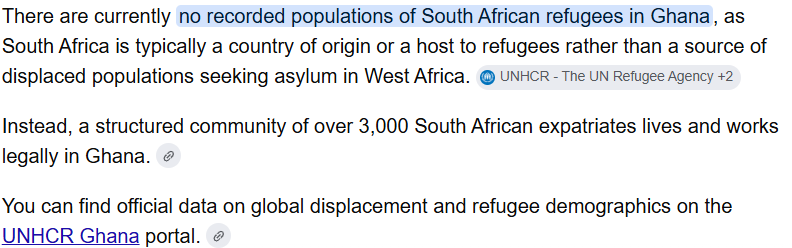
We will be here and Government will create employment avenues for these people while you and I who have been staying in Ghana all our lives remain unemployed
80
Burn__Slow retweeted

May 26
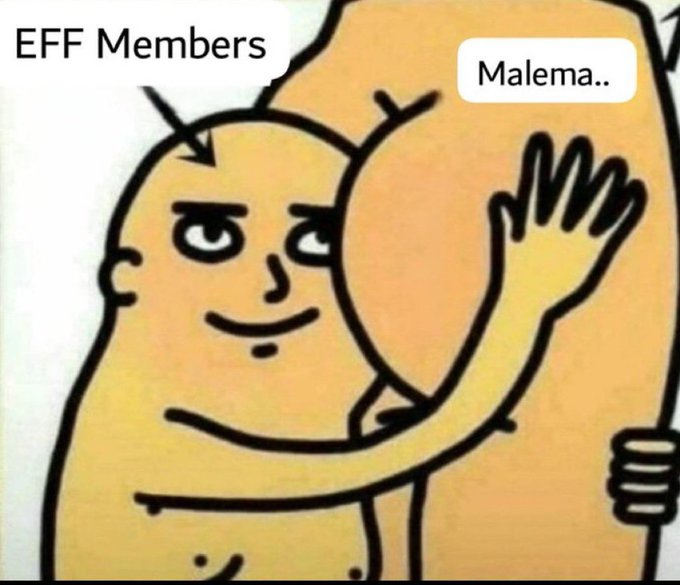
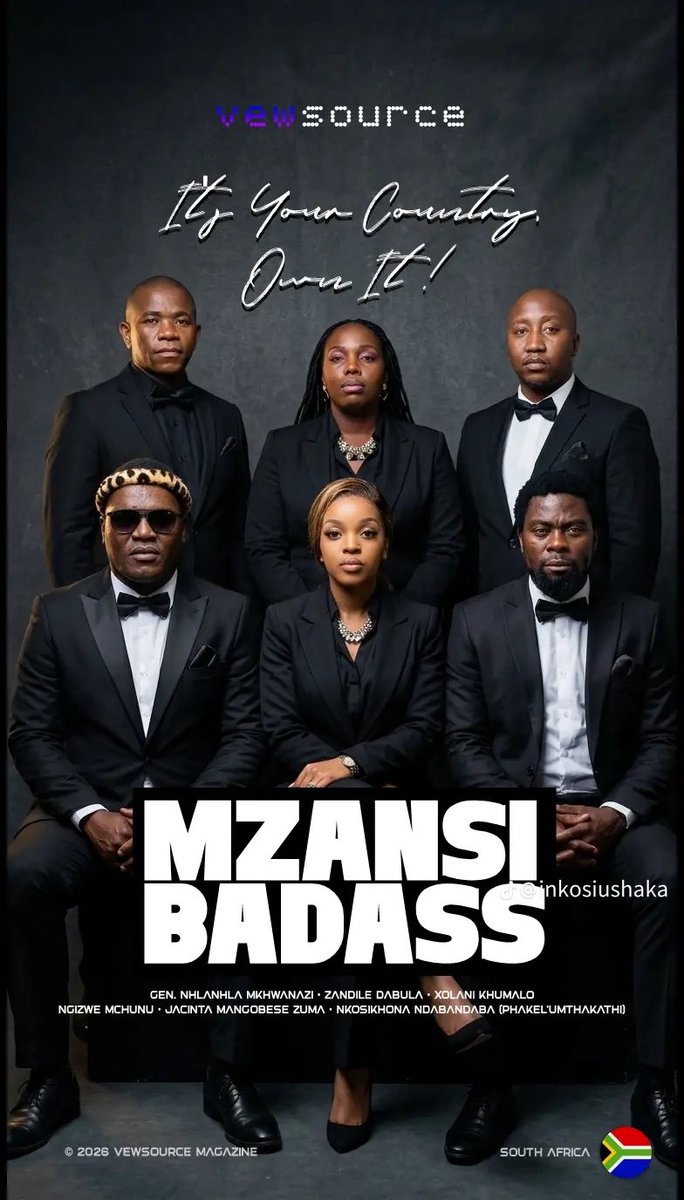
Malemas worst nightmare 🤣🤣🤣🤣
226
1,606
8,425
145,764

Burn__Slow retweeted

May 25
If you want to see flames, arrest her.Nizobona onyoko! We not afraid of the EFF and we not afraid of this Government, not this time around!

477
2,162
12,205
286,884
May 25
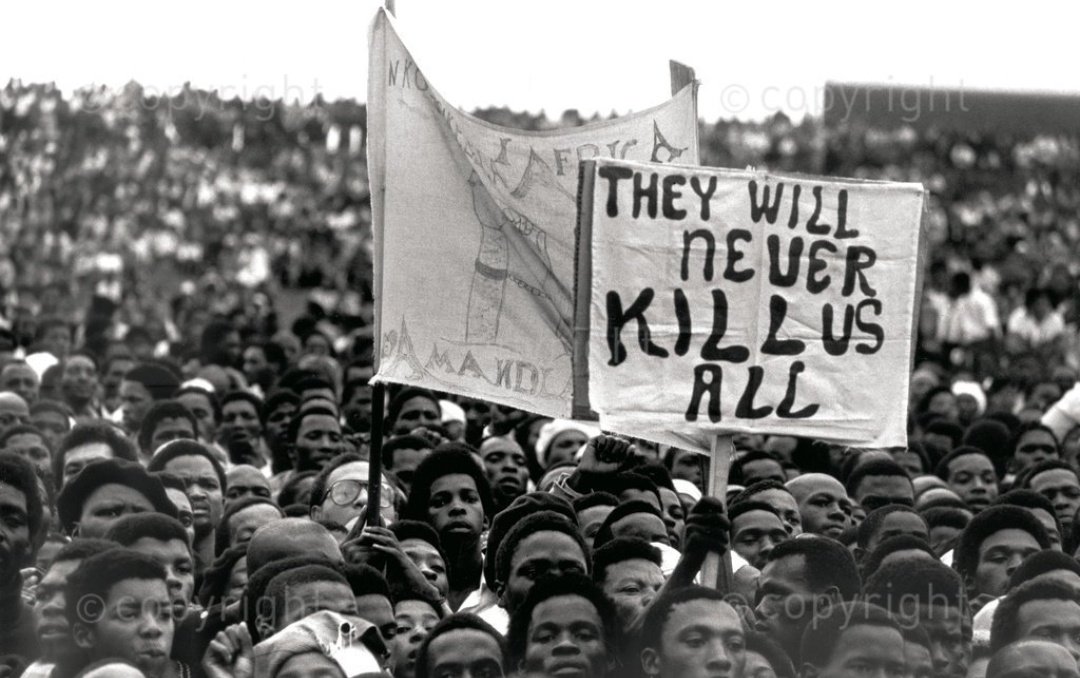
Some of us might not make it home. All that's important is that those who do wake up to a better country

2
2
289
Burn__Slow retweeted

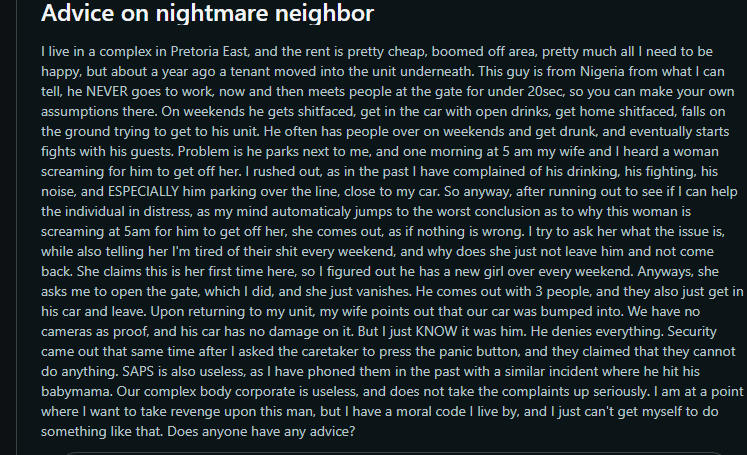
Lol the middle class busy calling us xenophobic, and yet Nigerians are showing them flames kuma complex wabo😂😂
Bayakhala ku Reddit😂

12
127
404
12,581
Burn__Slow retweeted

May 24
May 23

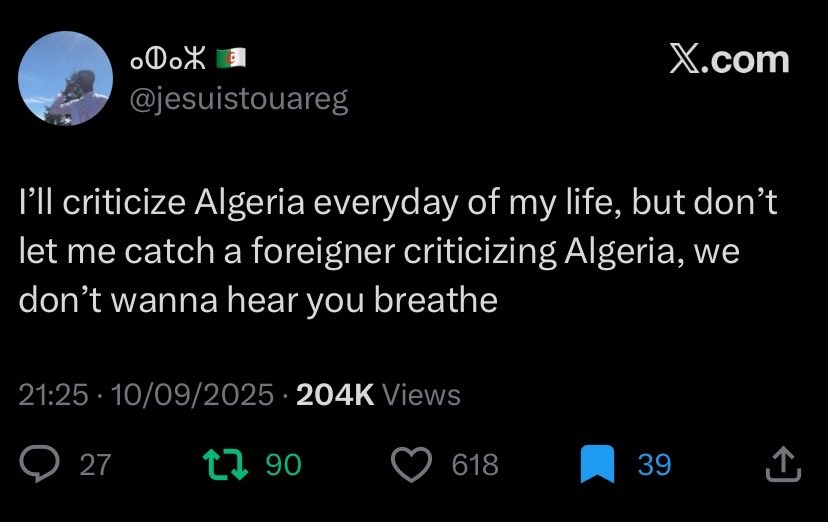
Why do South Africans complain about the country daily but get defensive when foreigners criticize it?
7
1,162
5,166
77,243
Burn__Slow retweeted

May 24
Stupid Ghana, do they think there's only 300 or 1000 Ghanaians in South Africa? They better take them all, including the 1983 crew that was chased away from Nigeria's Ghana Must Go, saga. But Ghana, do better being xhased up and down but you are the first to get indepencence?🤣🤣
3
14
455