
We are the 1st Drone Training School in the NJ area with the focus on how to become a FAA Certified Pilot In Command to enter into the commercial drone industry
Joined January 2021
- Tweets 946
- Following 845
- Followers 779
- Likes 2,103
358 Photos and videos


Pinned Tweet

25 Aug 2022
1
1
12
Byte Drone Center retweeted

2 Jun 2025
TRUMP’S NEW ORDERS LIKELY TO BAN CHINESE DJI DRONES, IMPACTING PILOTS AND DRONE INDUSTRY
“U.S. companies, including Skydio, BrincDrones and others, have struggled to match these features at competitive prices and quantities.”
@DroneXL1
dronexl.co/de/2025/05/31/tru…
1
5
170
Byte Drone Center retweeted
7 Mar 2025
In my element. Promoting Agrivoltaics and Digital Agriculture at the @ICCMEXICO @Agro_Watts @JulioBerdegue

SESIÓN||Comisión de Medio Ambiente: Los retos ambientales para la implementación del nearshoring en México . Jueves 06 de marzo, 2025- mailchi.mp/iccmex/sesin-hbri…

3
10
296
Byte Drone Center retweeted

9 Dec 2024
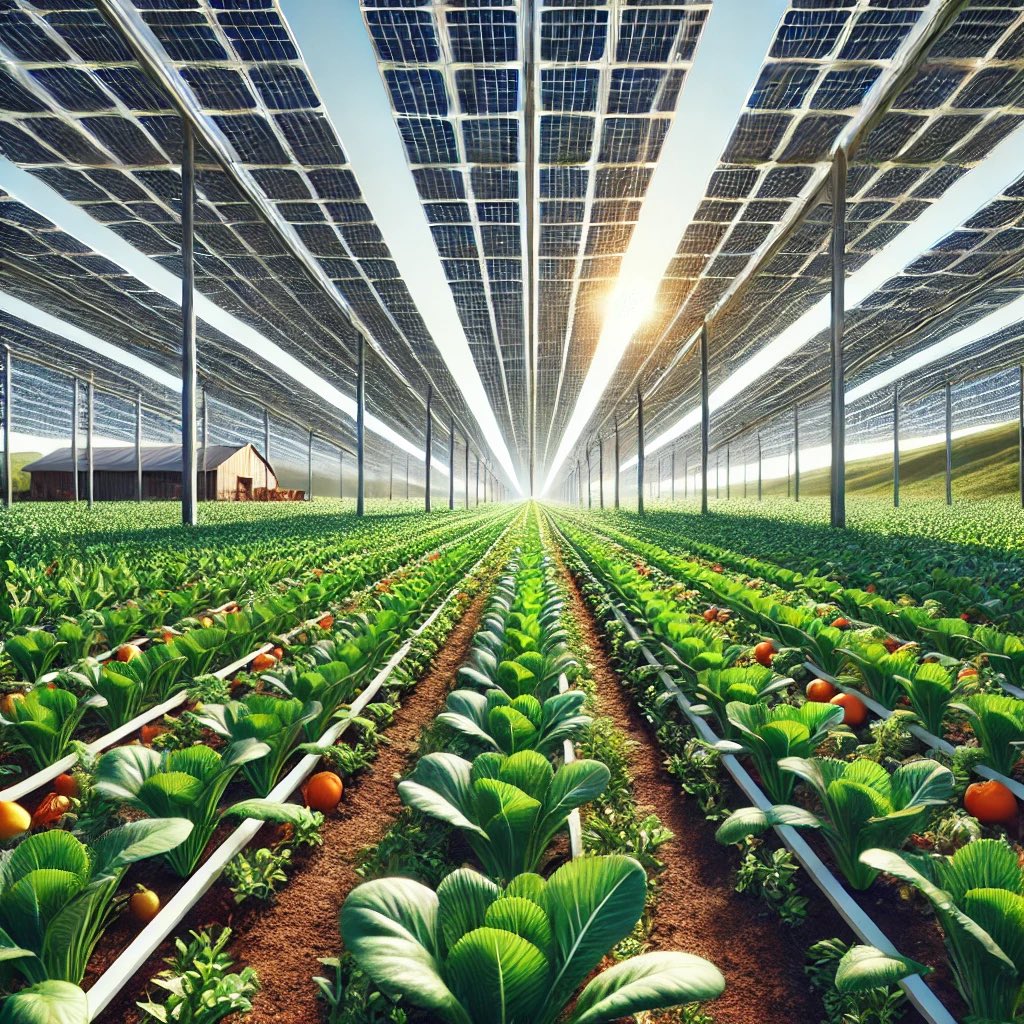
🌞 Agrivoltaics combines farming & solar energy production, optimizing land use. But should you go with fixed-tilt panels or solar tracking systems? 🤔
Fixed-tilt panels are simpler, cost-effective, and durable—ideal for stable crop shading 🌱. Solar tracking systems follow the sun, boosting energy output ☀️ but need higher investment & maintenance. Tailor your choice to crops, climate, and budget for the best results! #Sustainability #Agrivoltaics #RenewableEnergy
1
4
11
290
Byte Drone Center retweeted
22 Nov 2024
🌳 Analyze NDVI Changes for Each Tree in Seconds 🌳
Graniot’s innovative functionality, combined with 30x30cm satellite imagery, allows users to easily track how the NDVI index for individual trees has evolved—quickly and efficiently.
🔬 How It Works
The system processes data from your field between two selected dates and presents the results visually:
🟢 Green: NDVI increase, reflecting improved photosynthetic activity.
🟡 Yellow: Stable NDVI, indicating no significant changes.
🔴 Red: NDVI decrease, which could signal stress or deterioration.
🚀 Why It’s Useful
This tool lets you assess vast areas of crops in seconds, streamlining manual analysis and supporting smarter, data-driven decisions to boost agricultural performance. With just a glance, users can prioritize tasks and optimize resources.
💡 Watch this video to see how Graniot makes monitoring your land simple and effective!
#digitalagriculture #agtech #gis #digitalfarming
3
6
298
Byte Drone Center retweeted
20 Nov 2024
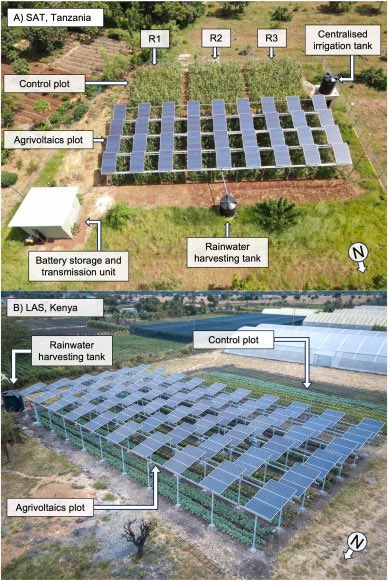
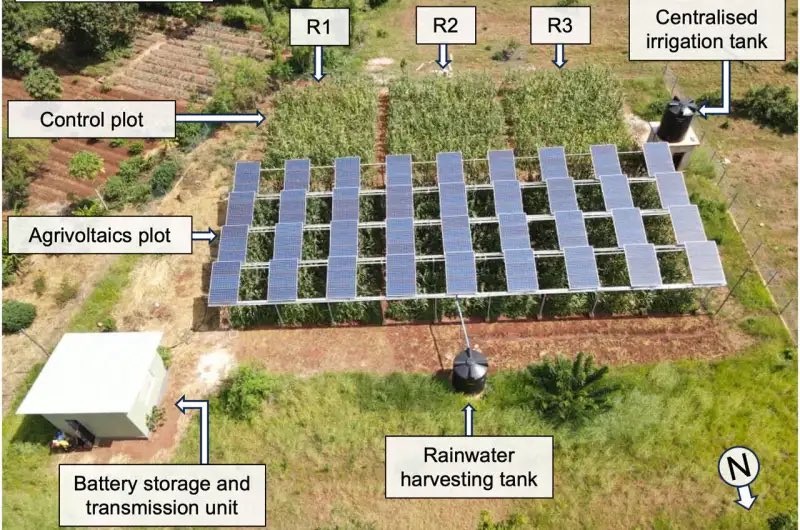
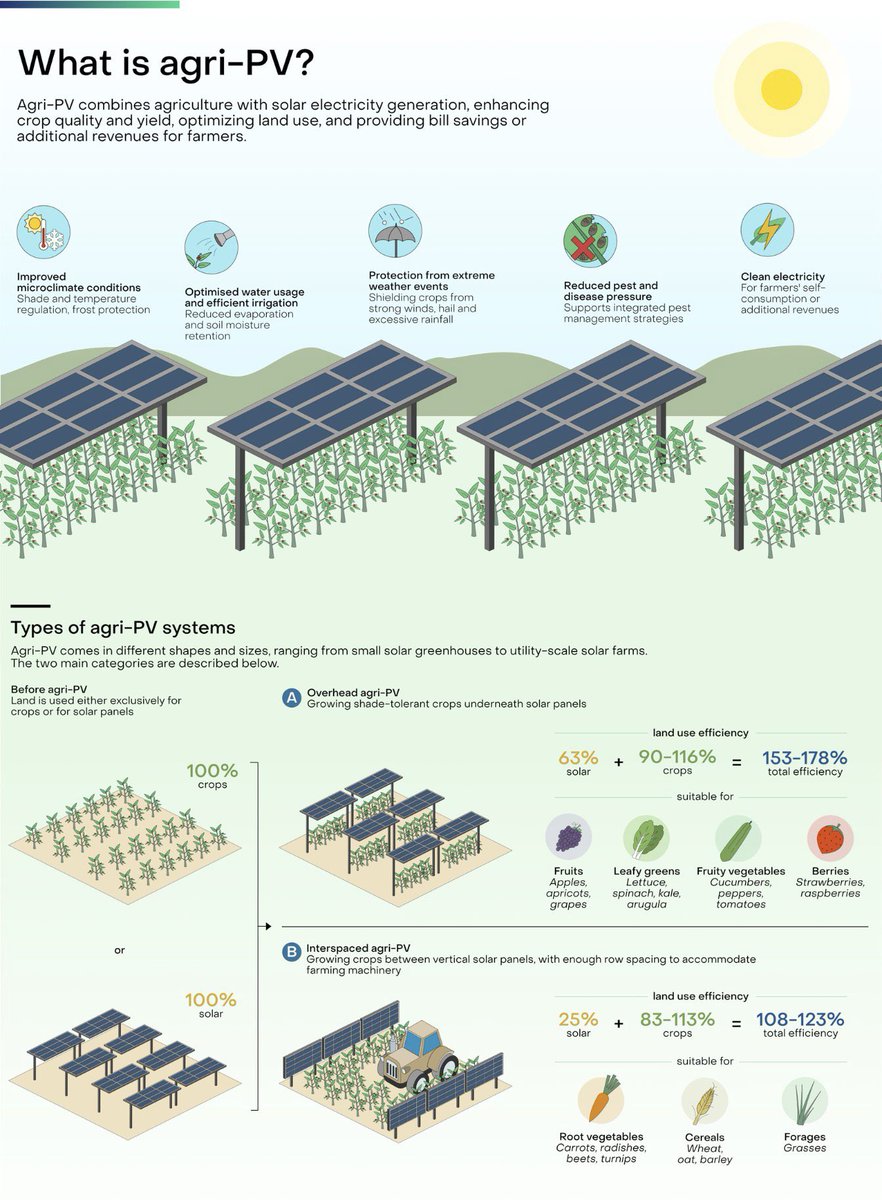
East Africa is leading the way in agrivoltaics! 🇹🇿🇰🇪 Pilot projects in Tanzania & Kenya show promising results: improved yields for beans ( 123.7%) & Swiss chard ( 90.3%), with energy & water-saving benefits. Agrivoltaics isn't just theory—it’s transforming food-energy systems. #Agrivoltaics #EastAfrica
1
3
5
268
23 Aug 2024
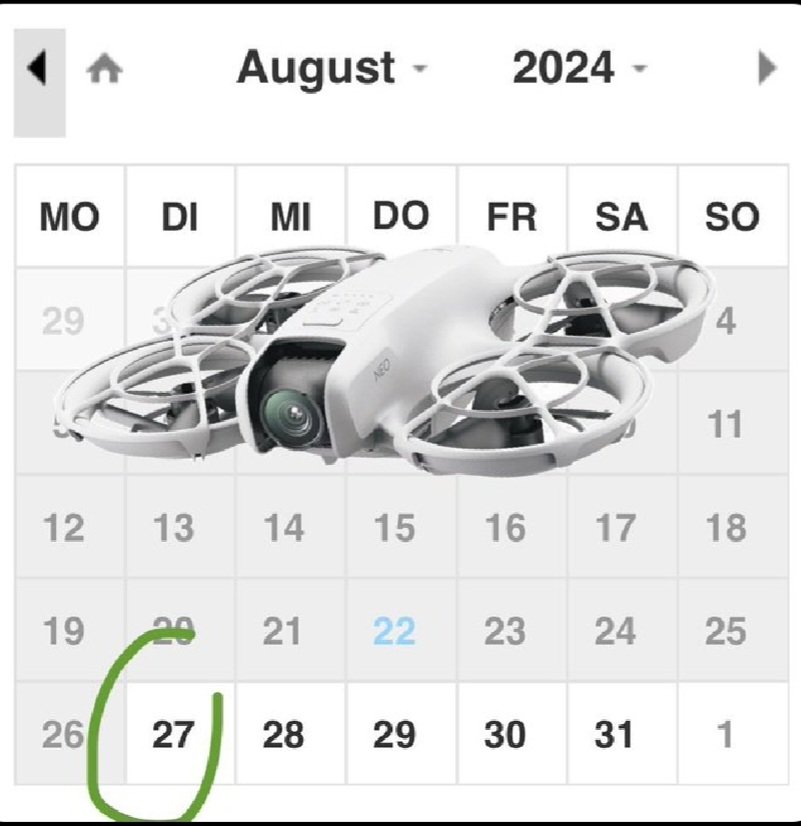
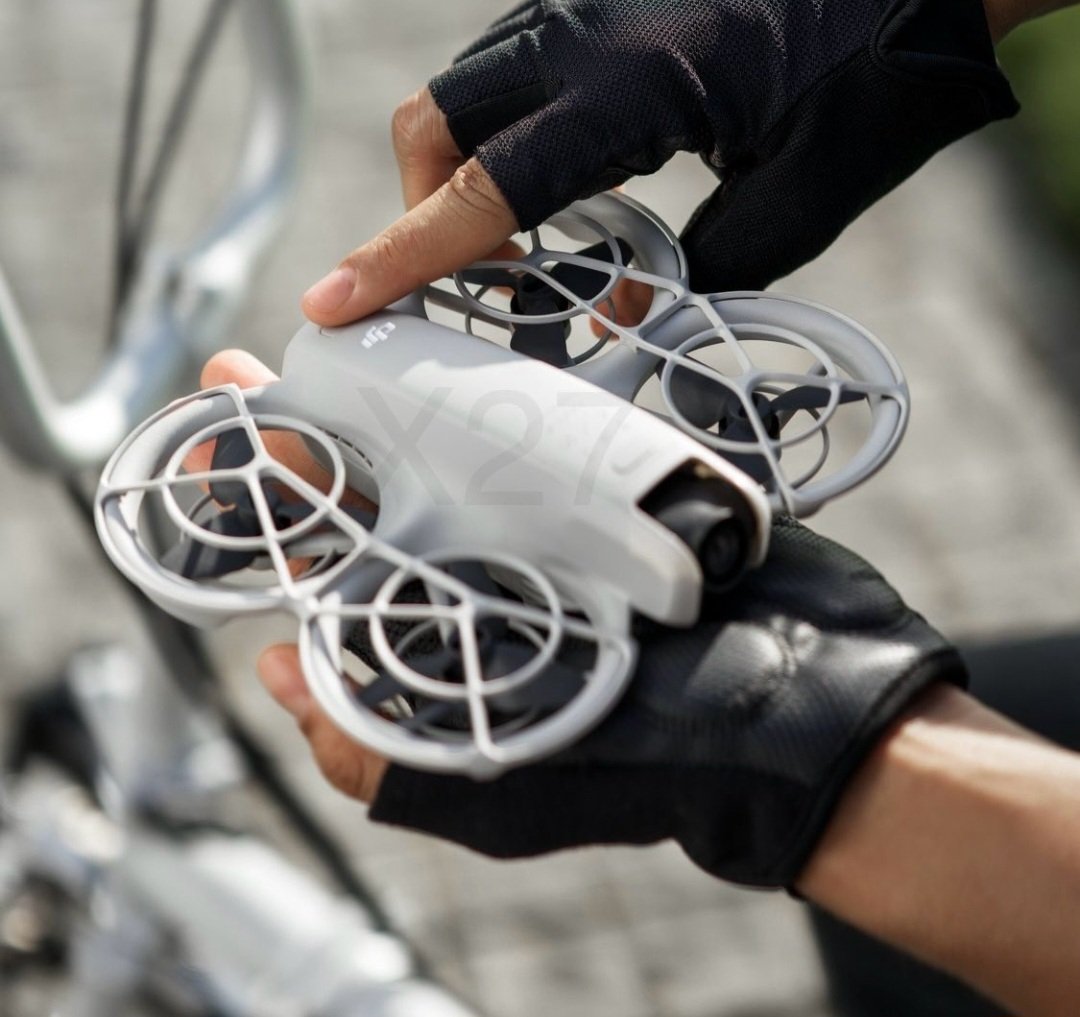
Looks interesting!



52
Byte Drone Center retweeted

3 Jul 2024
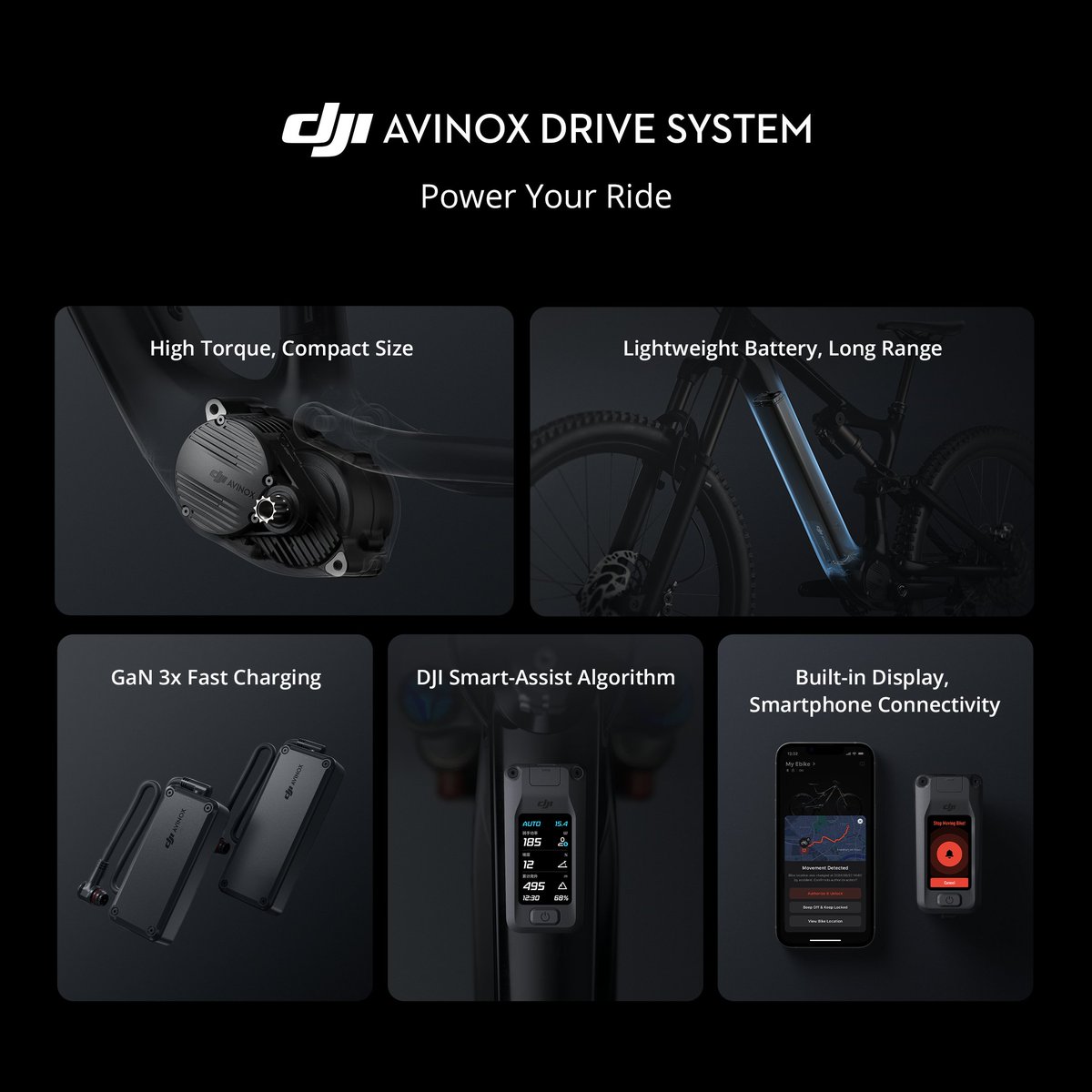
We're proud to announce a game-changing addition to the world of e-biking – the Avinox Drive System.
The Avinox Drive System is our latest innovation, designed to redefine the e-biking experience with unparalleled power, endurance, and intelligent features. It's not just a new product—it's a new era for cyclists seeking the ultimate ride.
Prepare to transform your adventures with the cutting-edge technology you've come to expect from DJI.
✅ High Torque, Compact Size
✅ Lightweight Battery, Long Range
✅ GaN 3x Fast Charging
✅ DJI Smart-Assist Algorithm
✅ Built-in Display, Smartphone Connectivity
Discover more on Amflow's official website:
Amflow PL 👉 bit.ly/3RRKLdp
Learn more about the DJI Avinox Drive System:
DJI Avinox 👉 bit.ly/4cqoD1N
#djiavinox #emtb #ebike #ebikesystem #mtb #middrivemotor
41
99
740
136,376
Byte Drone Center retweeted
26 Jun 2024
Two years ago, we used drones to spray herbicides between solar panel rows to prevent weeds from shading the panels. Then we discovered #agrivoltaics and found two different solutions for this issue:
Grow crops between the rows 🥬
Use sheep to graze the grass 🐑
Which option do you consider more sustainable?
1
5
12
812
Byte Drone Center retweeted
12 Jun 2024
This project by Caroline Merheb won in the 2024 Agrivoltaics Student Design Competition, held as part of the 5th annual 2024 Agrivoltaics World Conference in Denver, Colorado. This design, aimed specifically at urban settings in Denver, was titled the MUUSEculture Garden, which stands for Multi Urban Use of Solar Energy Culture Garden. The design focused on (1) enhancing access to fresh food produce in low-income areas, (2) reducing surface temperatures and urban heat islands, and (3) increasing green spaces and improving the aesthetics of artificially abundant regions.
The space featured a central dome called "The UNION Dome," 56 independent units named "The Blue Sky Block," where individuals could rent or occupy a space to grow their food, similar to storage units. Additionally, it included four functional units known as "The Solar Pile," consisting of a children's park, a pet park, a marketplace for selling grown crops, and a theater for educational and engagement purposes. The design also incorporated a storage unit and multiple entrance/exit/runway paths to enhance accessibility.
For site selection, rooftops of multi-level parking structures or vacant land next to ground parking lots were deemed ideal to support the shift to electric cars. The design integrated various forms of land sharing, such as PV grass/pets, PV crops, PV viticulture, and PV pollinators. The Blue Sky Blocks utilized a mix of bifacial and semi-transparent modules to increase light transmittance, benefiting from the diffused and reflected light of highly reflective coatings of the artificial ground base. Each block's modules were connected to maximize rainwater collection, funneling water to a gutter installed at the lower side of the inclined PV and connected to a subsurface drainage system.
An innovative feature was the vertical spirals designed for growing climbing crops, which increased the growing spaces in three dimensions and reduced the gap between crops and panels, enhancing PV cooling through plants' evapotranspiration. The spirals transformed the space into a modern exquisite Roman temple, where the main structure was integrated with PV technology and naturally formed green arches.
3
5
261
Byte Drone Center retweeted
7 Jun 2024
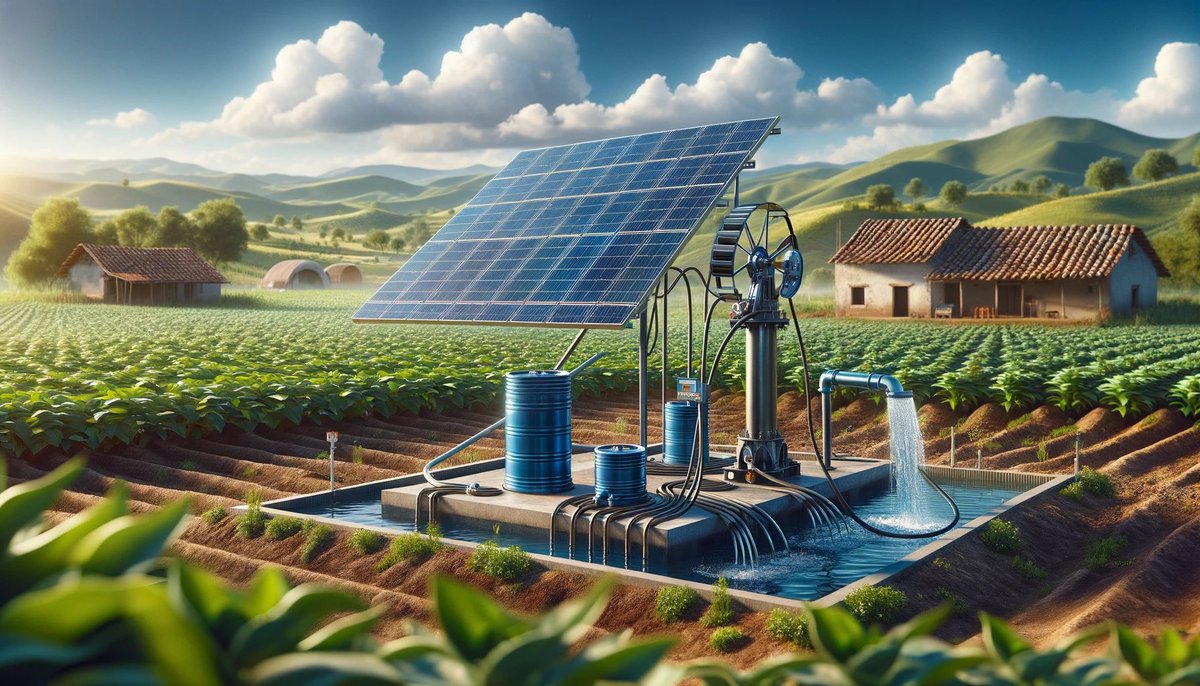
𝐈𝐧𝐭𝐞𝐠𝐫𝐚𝐭𝐢𝐧𝐠 𝐒𝐨𝐥𝐚𝐫 𝐏𝐮𝐦𝐩𝐬 𝐰𝐢𝐭𝐡 𝐀𝐮𝐭𝐨𝐦𝐚𝐭𝐞𝐝 𝐈𝐫𝐫𝐢𝐠𝐚𝐭𝐢𝐨𝐧 𝐒𝐲𝐬𝐭𝐞𝐦𝐬: 𝐑𝐞𝐯𝐨𝐥𝐮𝐭𝐢𝐨𝐧𝐢𝐳𝐢𝐧𝐠 𝐒𝐮𝐬𝐭𝐚𝐢𝐧𝐚𝐛𝐥𝐞 𝐀𝐠𝐫𝐢𝐜𝐮𝐥𝐭𝐮𝐫𝐞
Solar pumps in agriculture provide sustainable, cost-effective irrigation using renewable energy, reducing reliance on fossil fuels and minimizing operational costs for farmers.
Agrivoltaics maximizes land use by combining solar panels and crops, generating electricity on-site to power irrigation pumps and providing additional income from selling excess power.
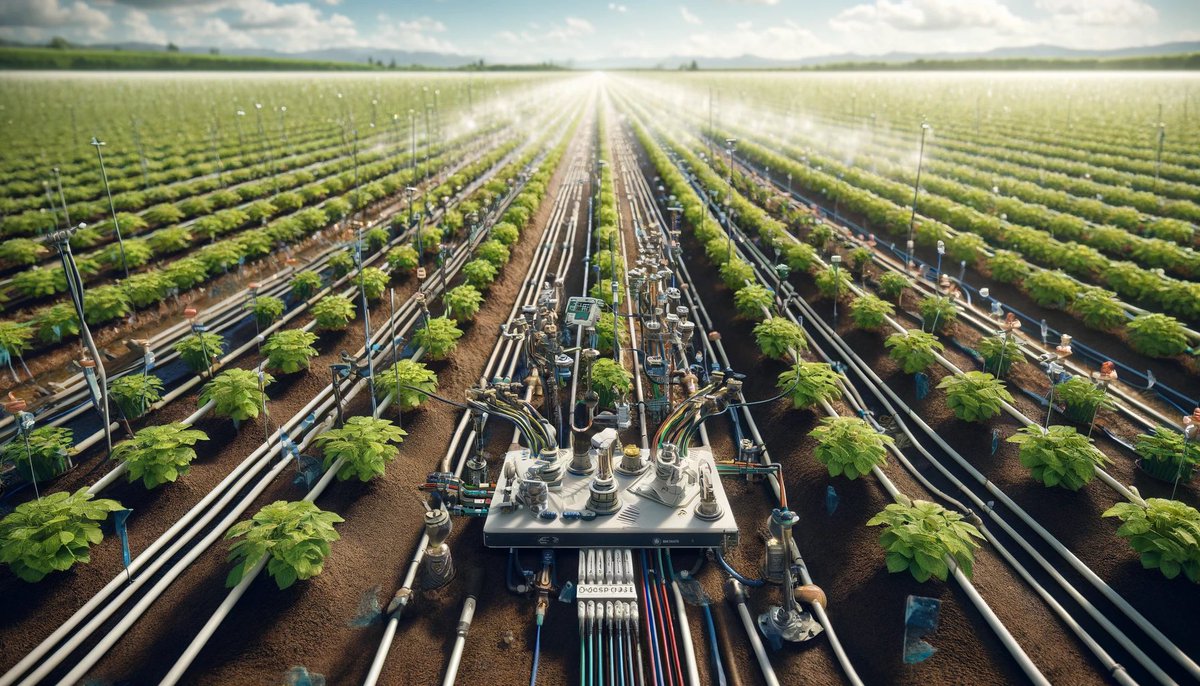
Ground and remote sensing technologies enable precise monitoring of soil moisture and crop health, allowing targeted irrigation and efficient resource use, which enhances productivity and reduces waste.
Automated irrigation systems conserve water by delivering it precisely where needed, preventing over-irrigation and maintaining soil health, which is crucial for sustainable agriculture.
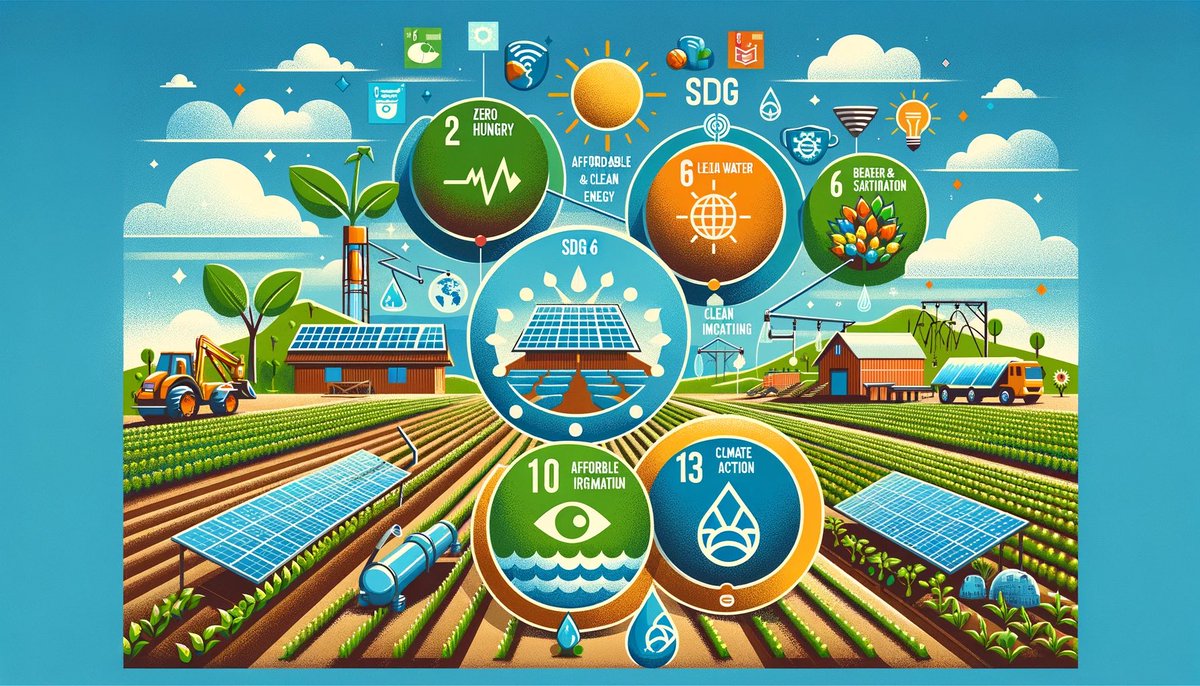
These technologies support Sustainable Development Goals (SDGs) by promoting food security (SDG 2), sustainable water management (SDG 6), and clean energy (SDG 7) while mitigating climate change (SDG 13).
Integrating solar energy with automated irrigation not only benefits farmers economically but also contributes to environmental sustainability by conserving water and maintaining soil quality. #solarenergy #agrivoltaics #irrigationsystem #SustainableFuture #SDG #SustainableAgriculture #smartfarming
2
6
207
Byte Drone Center retweeted
5 Jun 2024
Revolutionize your agribusiness practices with AgroWatts #agribusiness #agrowatts #agrivoltaics #solarenergy
3
5
360
Byte Drone Center retweeted
25 Apr 2024
The Agras T50 is built to cover large areas thanks to its 40 kg spraying and 50 kg spreading capacity. With a spraying max flow rate of 24 L/min and spreading max flow rate of 108 kg/min, T50 is ready for operations that demand heavy treatment.
1
4
198
Byte Drone Center retweeted
25 Apr 2024
1
5
6
495
Byte Drone Center retweeted
12 Apr 2024
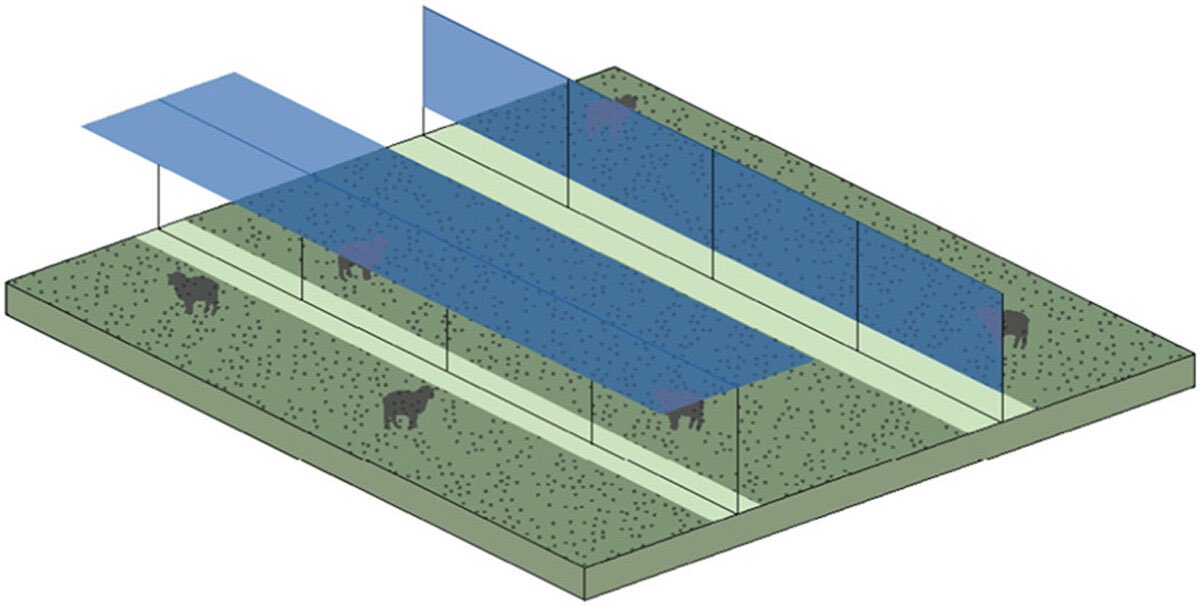
Overhead vs. vertical agrivoltaics
A survey conducted by Dutch researchers has compared the visual impact of overhead and vertical #agrivoltaics farms on nearby residents and has found that vertical arrays look less invasive. @pvmagazineusa @Next2Sun
pv-magazine.com/2024/02/14/o…
3
4
242
Byte Drone Center retweeted
7 Apr 2024
¡Esta es la chinampa en donde vamos a construir este proyecto agrivoltaico de poca madre! Hoy me lleve el #DJIAvata y la #insta360 para documentar el sitio.
2 Apr 2024

Storymap del proyecto Agrivoltaico en Xochimilco @ArcGISStoryMaps
arcg.is/GD9Ti
3
16
985
Byte Drone Center retweeted
11 Mar 2024
Descubre cómo la UNAM a través del @ierunam está transformando la agricultura y la energía renovable con el proyecto PASE, la primera instalación agrovoltaica en México financiado por la @SECTEI_CDMX . Sumérgete en esta innovadora iniciativa que promete incrementar la producción agrícola, generar energía limpia, y reducir drásticamente el consumo de agua, todo mientras se educa y capacita a la comunidad. Acompáñanos en este recorrido por la Parcela Agrovoltaica Sostenible y Educacional (PASE), donde la ciencia y la naturaleza se unen para un futuro sostenible: youtu.be/Bg3ULm0y_wk?si=hfQr…
#agrivoltaics #djiavata #solarenergy
2
8
24
1,946