
Ecologist @MarineMegafauna - whale sharks and other big fishes, movement ecology, zooplankton, oceanography. Ukulele, hammock, hiking for relaxed times :-)
Joined April 2015
- Tweets 185
- Following 176
- Followers 448
- Likes 188
21 Photos and videos
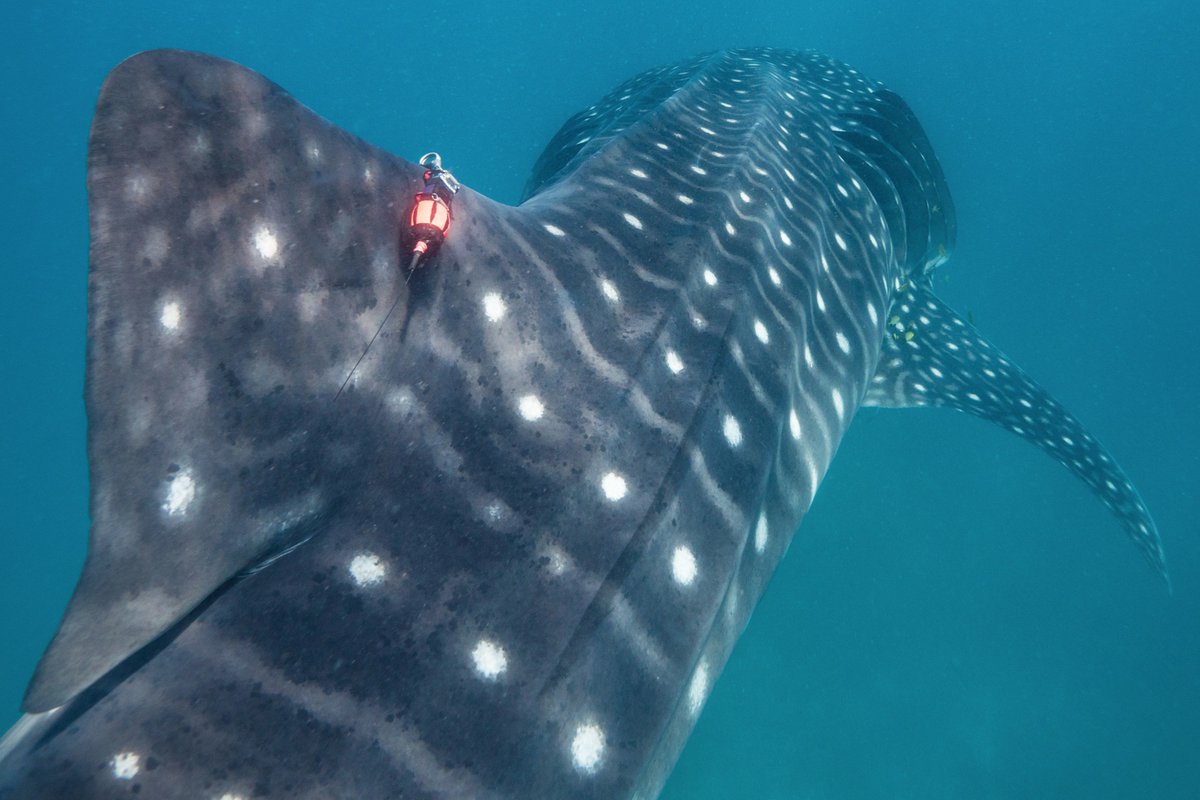
Chris Rohner retweeted

19 Aug 2022
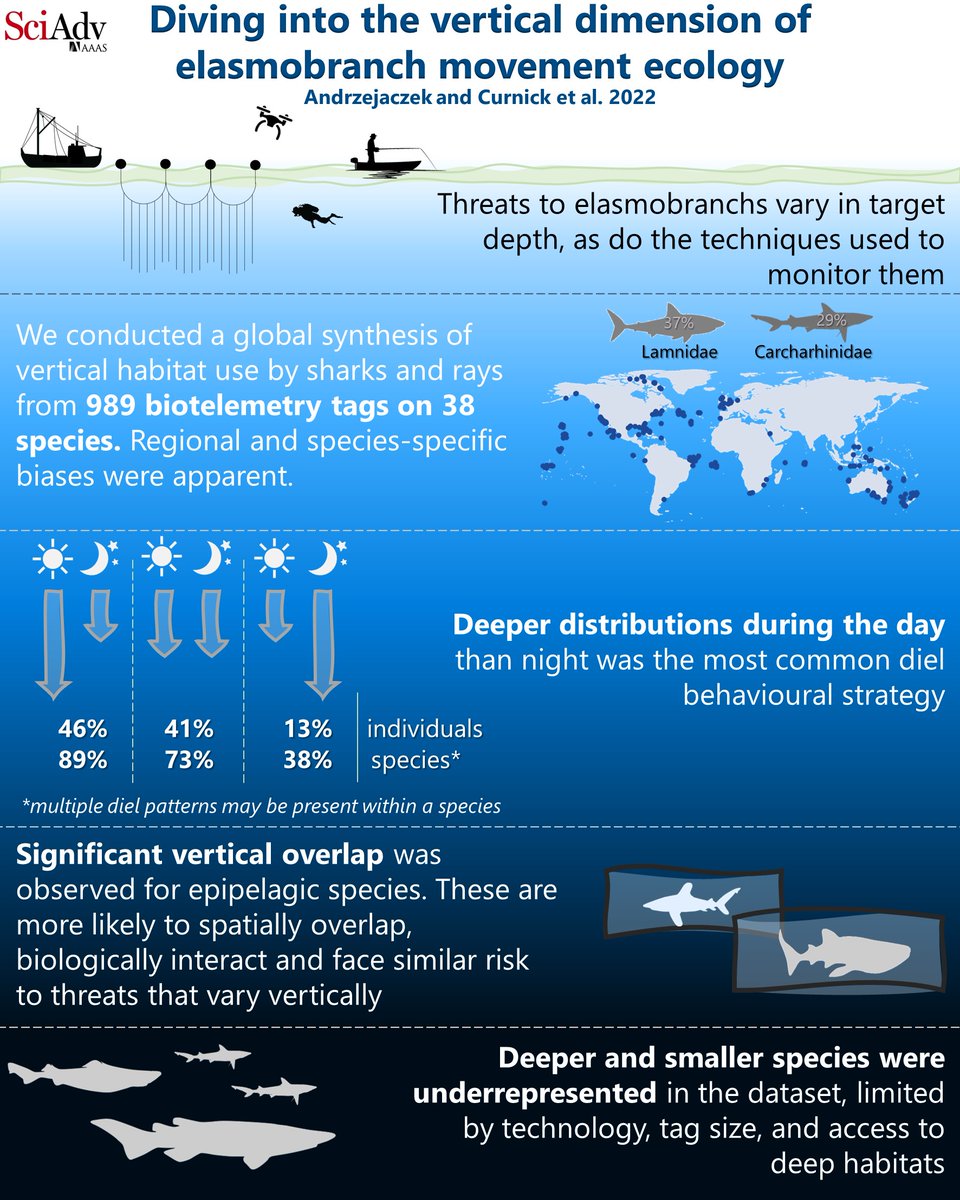
NEW COLLABORATIVE PAPER: Our team, co-led by @DavidCurnick, compiled the first global synthesis of vertical habitat use by elasmobranchs.
For more info, check out the infographic and #openaccess article
science.org/doi/10.1126/scia…
More tidbits in the 🧵below (1/4)
#VerticalSharks
4
91
208
Chris Rohner retweeted

3 Jun 2022
SCIENCE ALERT: First study into the diving behavior of #marlin in the Indian Ocean — highlights that these species have differences in their behavior, which allow them to both be successful, even when sharing the same habitat. Lead author: @CARohner
marinemegafauna.org/news-and…
2
12
30
Chris Rohner retweeted

20 May 2022
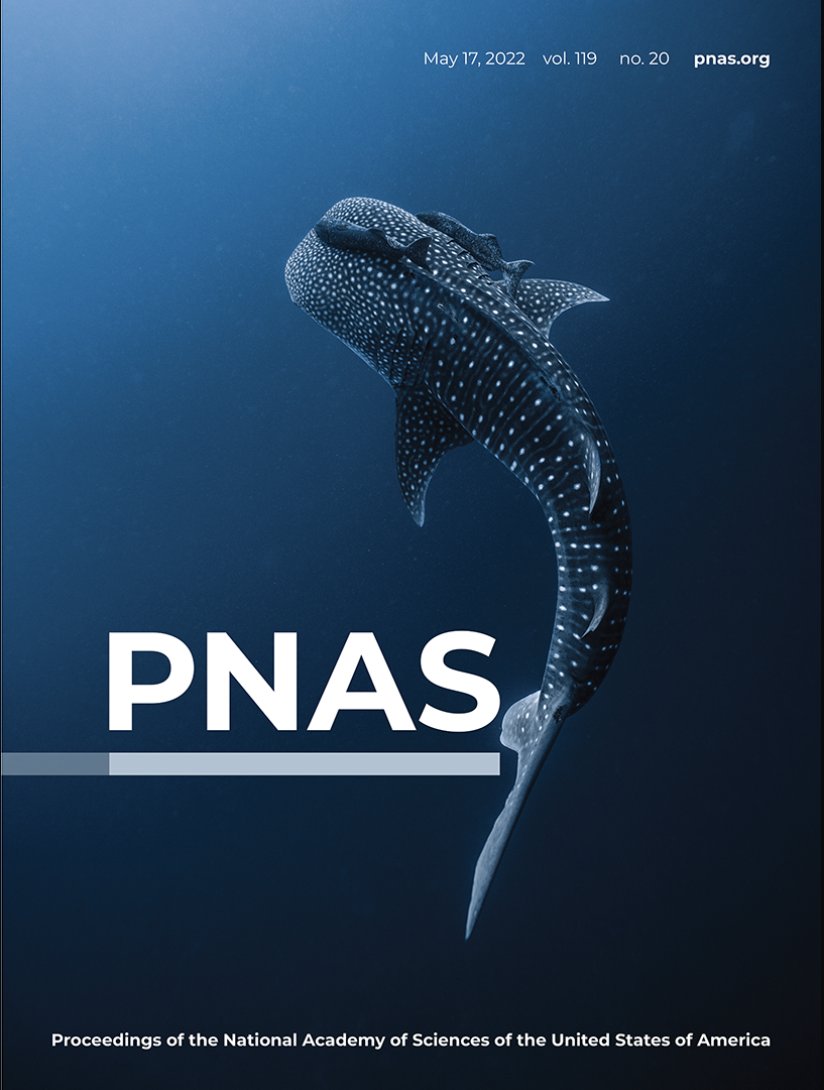
It’s a pleasure to share that the 1st paper from my #PhD has made the cover of @PNASNews
Read more about it here: doi.org/10.1073/pnas.2117440…
Huge shout out to everyone involved – it was a joy leading from start to finish alongside @TheSimsLab
On to the next one..!
📷: Ollie Clarke
5
45
206
Chris Rohner retweeted
9 May 2022
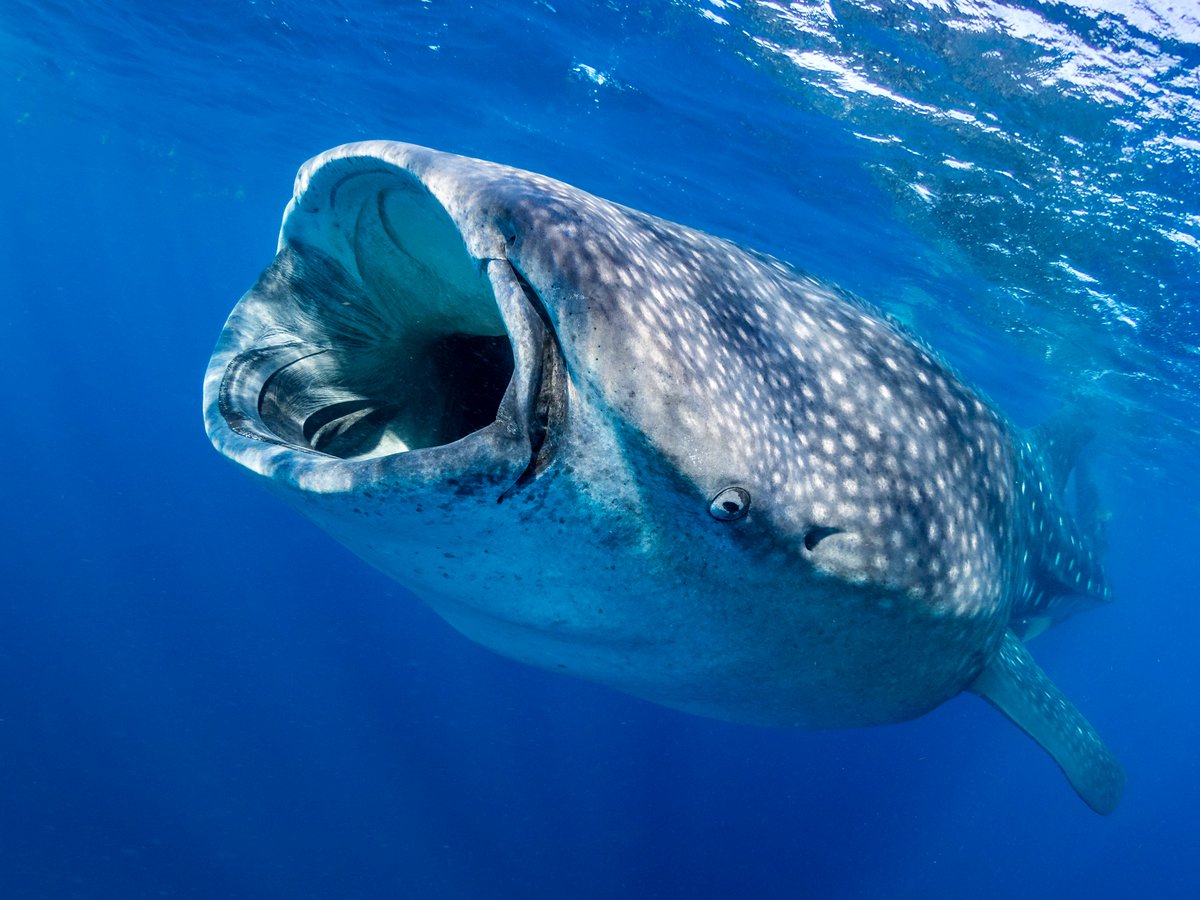
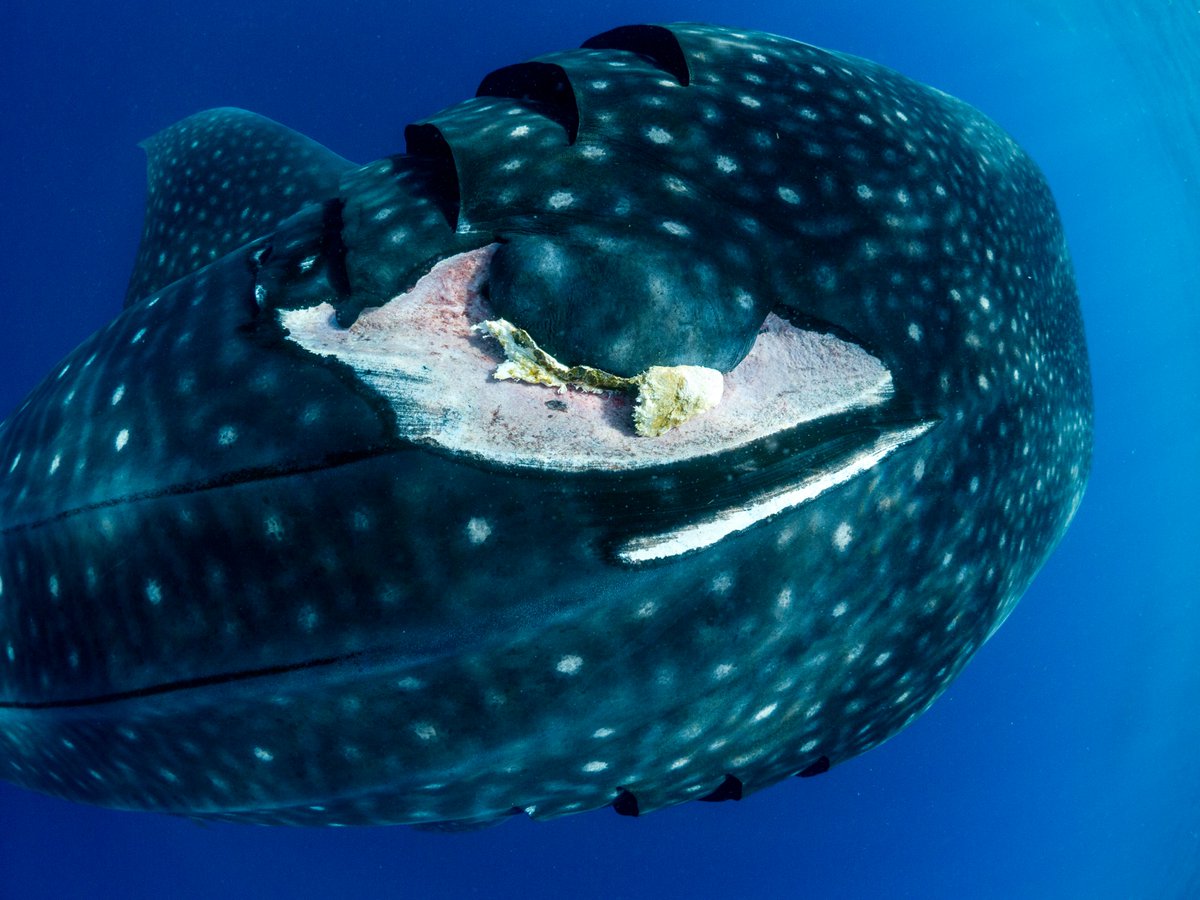
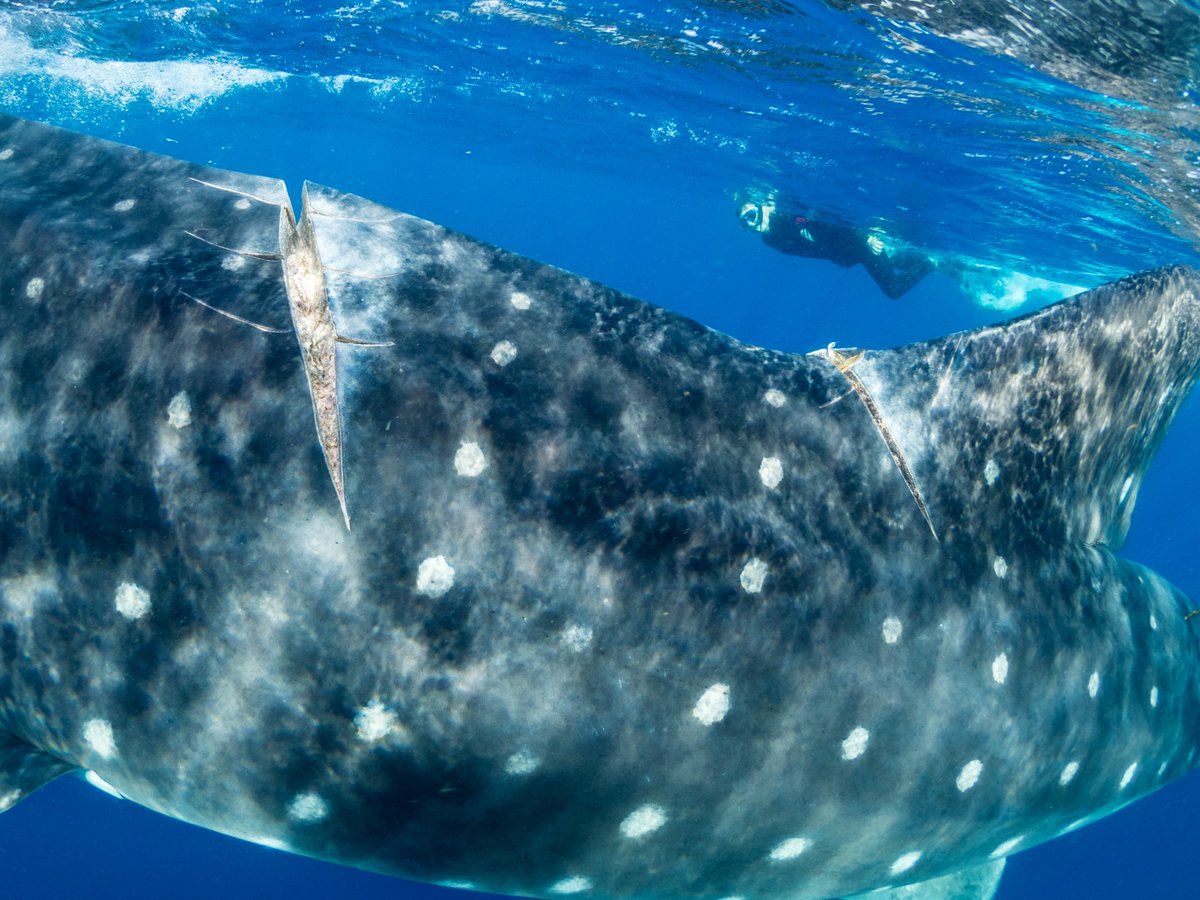
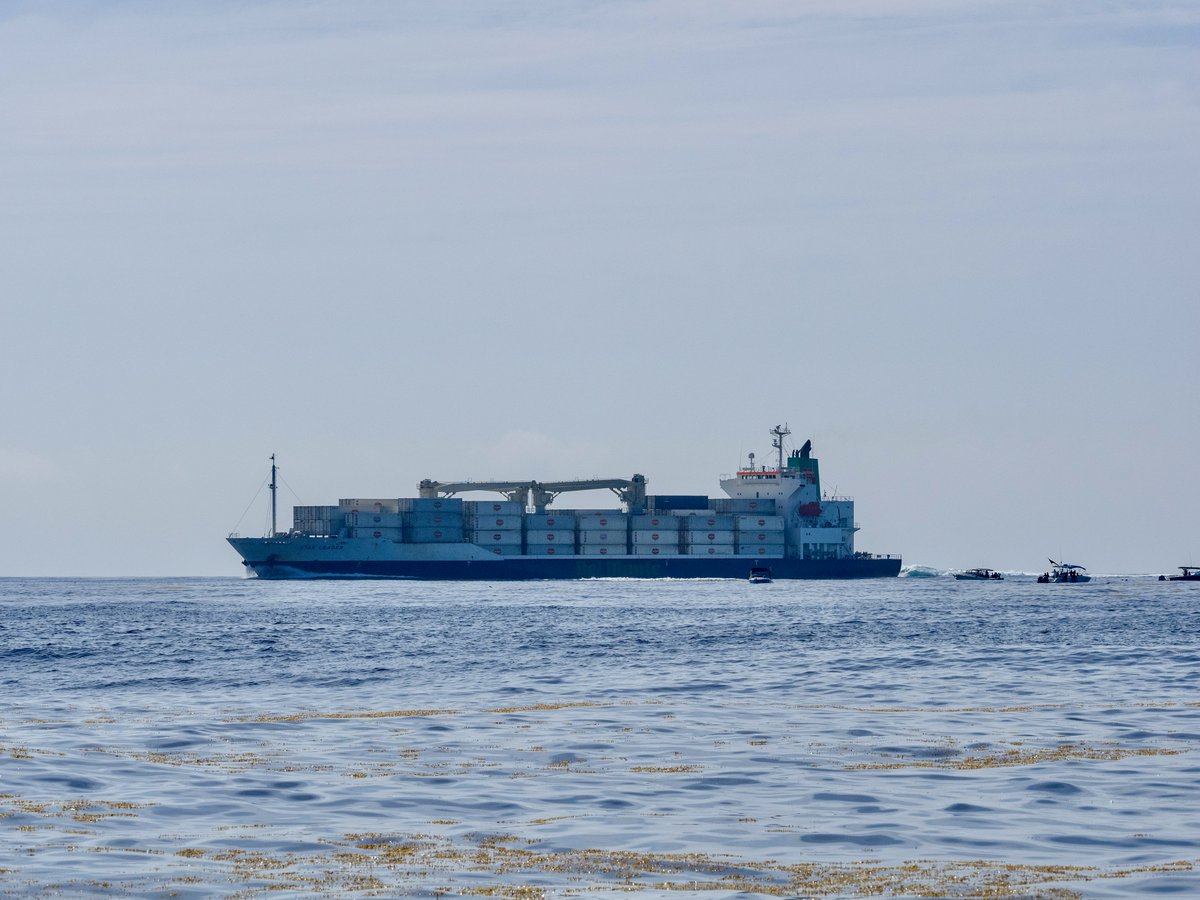
🚢 🐋 A new paper is out now on the global collision-risk hotspots of marine traffic and #whalesharks. Co-authored by MMF's @CARohner, this #newresearch illuminates vital data regarding global sea trade and #marinemegafauna injuries.
pnas.org/doi/10.1073/pnas.21…
42
119

21 Mar 2022
Our new paper from Tanzania highlights the importance of long-term monitoring of whale sharks to detect population trends. Considering that it takes so long, precautionary management is necessary to save these ocean giants from extinction.
17 Mar 2022

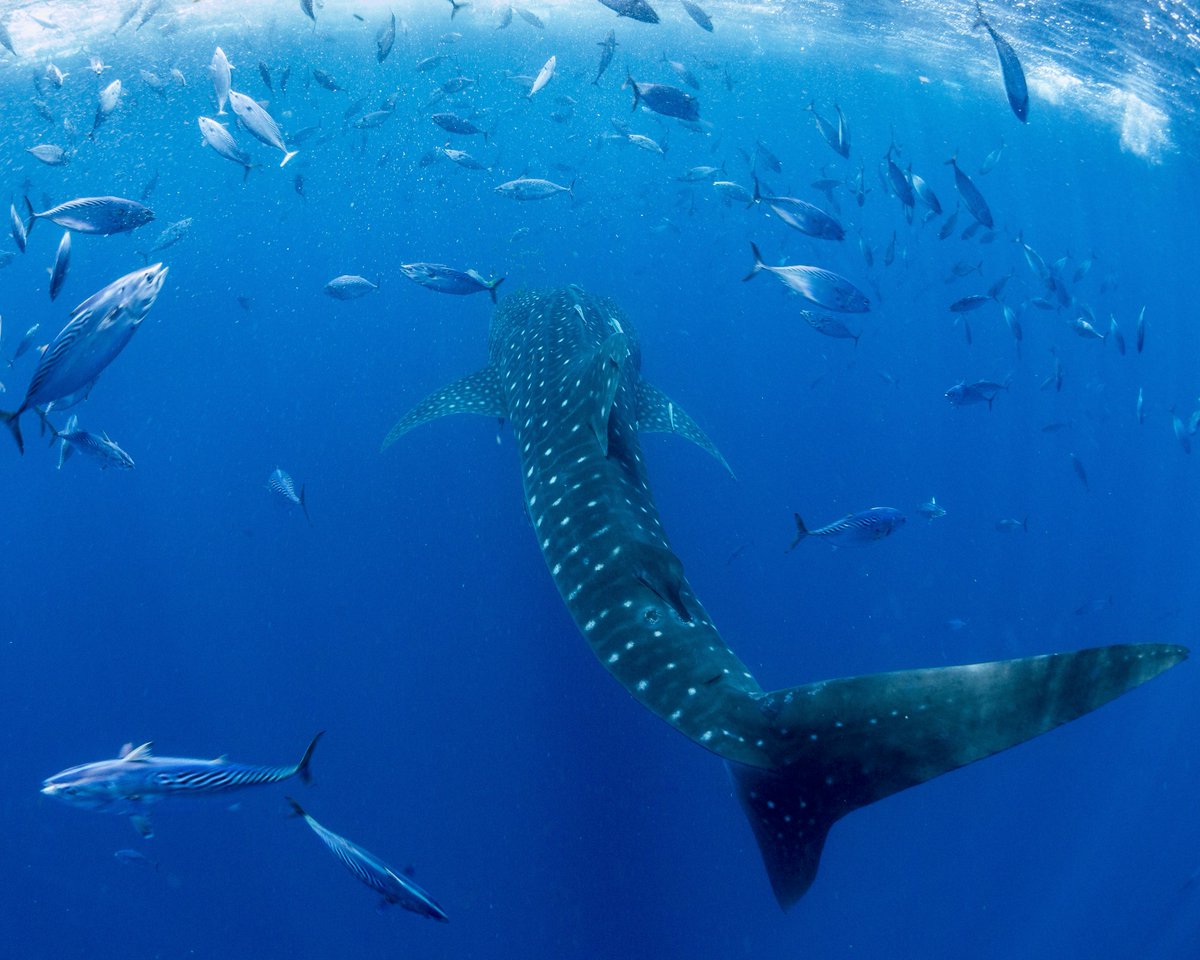
NEW SCIENCE ALERT 🤿
A new #whaleshark study by MMF scientists highlights the need for more long-term population monitoring of the world’s largest fish. #newresearch
Photo by @simonpierce
marinemegafauna.org/news-and…
2
20
132
Chris Rohner retweeted
17 Mar 2022
NEW SCIENCE ALERT 🤿
A new #whaleshark study by MMF scientists highlights the need for more long-term population monitoring of the world’s largest fish. #newresearch
Photo by @simonpierce
marinemegafauna.org/news-and…
30
100
Chris Rohner retweeted

26 Jan 2022
New year, new Hope Spot! We are excited to announce our first Hope Spot of 2022: the Inhambane Seascape Hope Spot! 💙🌊🎉 #HopeSpots
Media by @MarineMegafauna, Dr. Andrea Marshall, and Janneman Conradie; video edited by Sean Molloy
2
24
76
Chris Rohner retweeted

26 Aug 2021
Woo hoo!
2
8
70
Chris Rohner retweeted
12 Jun 2020
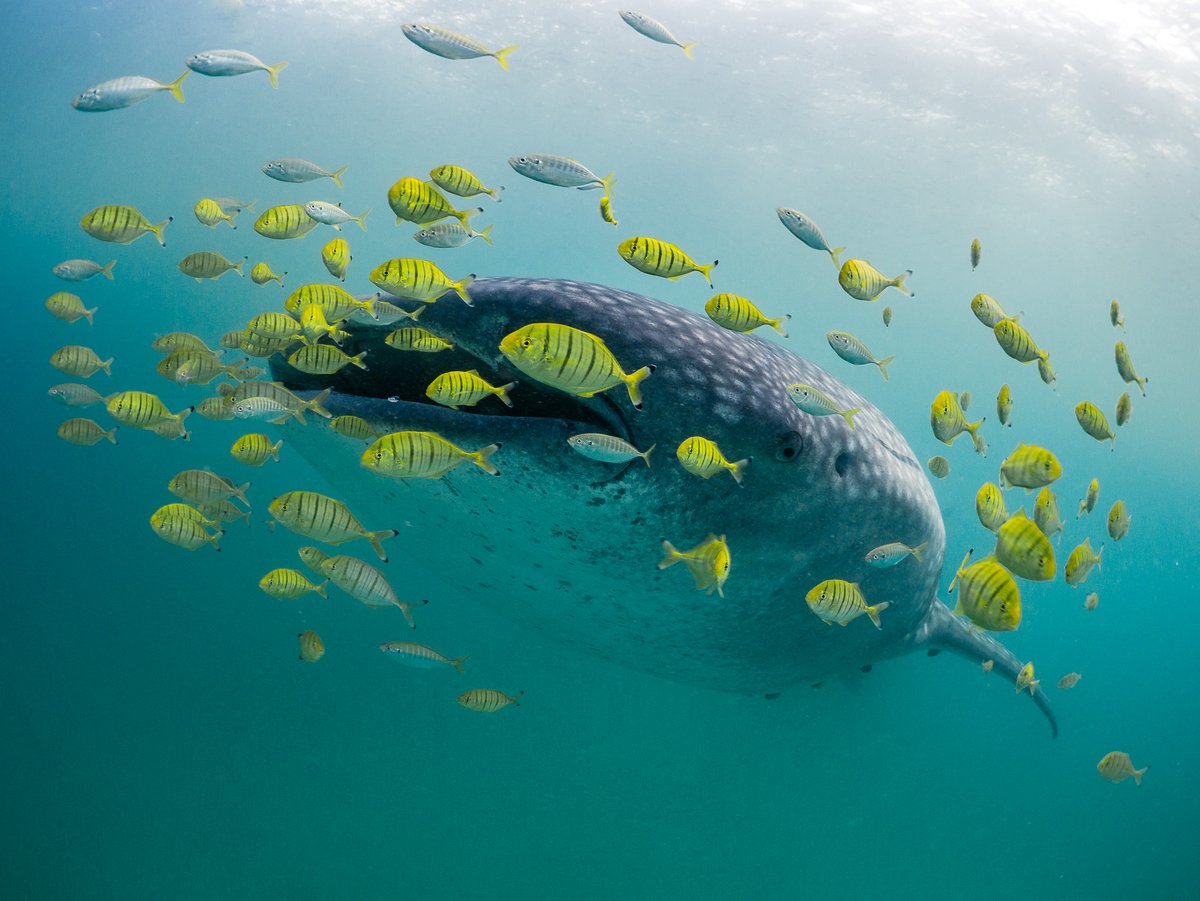
New shark science alert! We found that whale sharks in Tanzania often use the same bay for months, or even years, at a time. They *love* a staycation. (More below.)
frontiersin.org/articles/10.…
6
54
269
Chris Rohner retweeted

27 Jan 2020
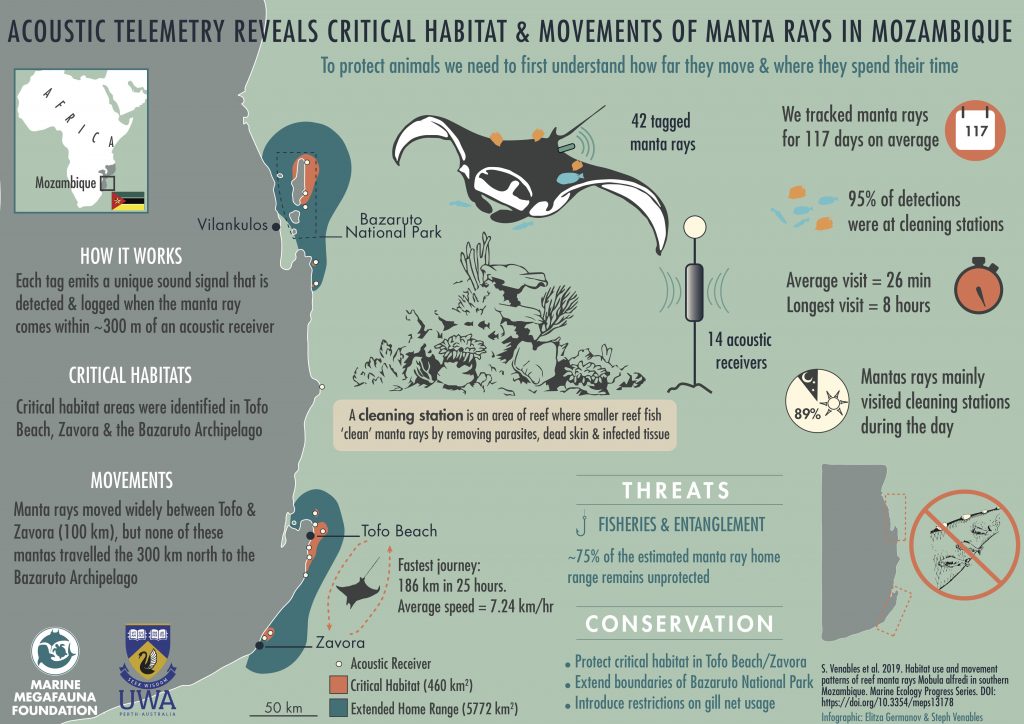
Our newest research paper used acoustic telemetry to identify the critical habitats of reef mantas & map their movement patterns in Mozambican waters. These data will be used to develop more effective protection of their critical habitats along the coast.
marinemegafaunafoundation.or…
1
17
59
Chris Rohner retweeted

25 Jul 2019
The human danger - for sharks. Major #Hotspots at risk from industrialized longline fishing @nature #GlobalSharkMovementProject listen here: bbc.co.uk/programmes/w3csym2…
1
19
37
Chris Rohner retweeted

1 May 2018
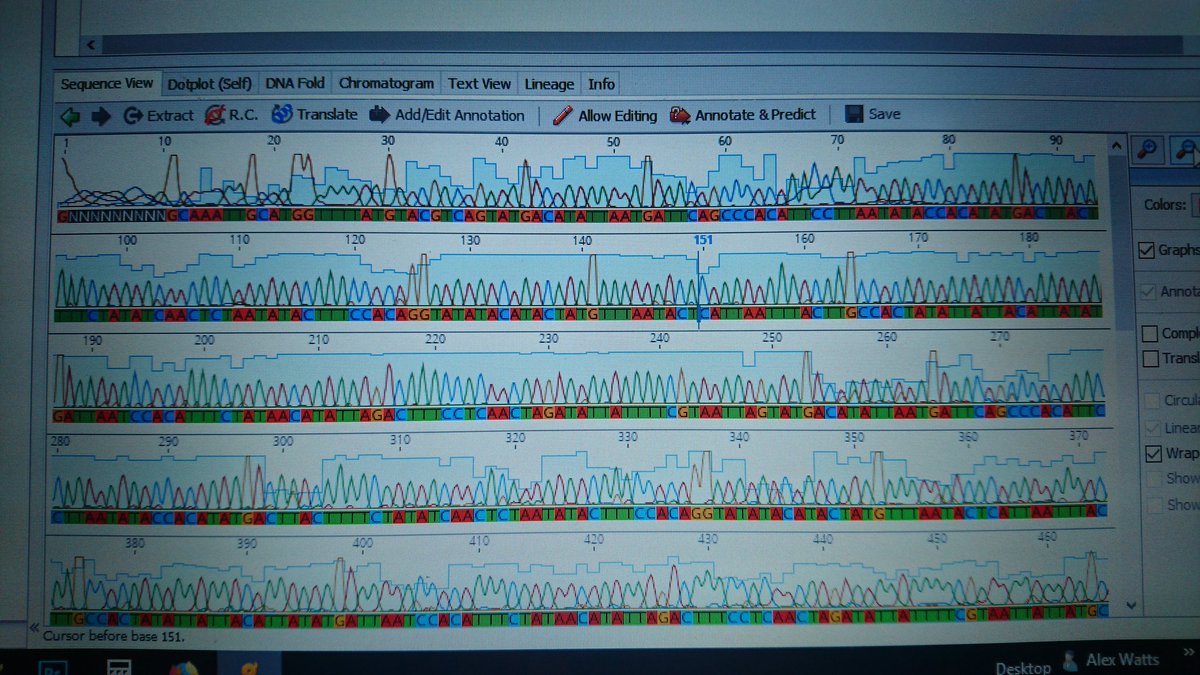
When you actually start sequencing samples after a year of lab and field work 😁🎉💃! TZ023, meet the world! Let's see where you fit in #whaleshark #conservationgenetics #WomenInSTEM
3
9
30
Chris Rohner retweeted
13 Apr 2018
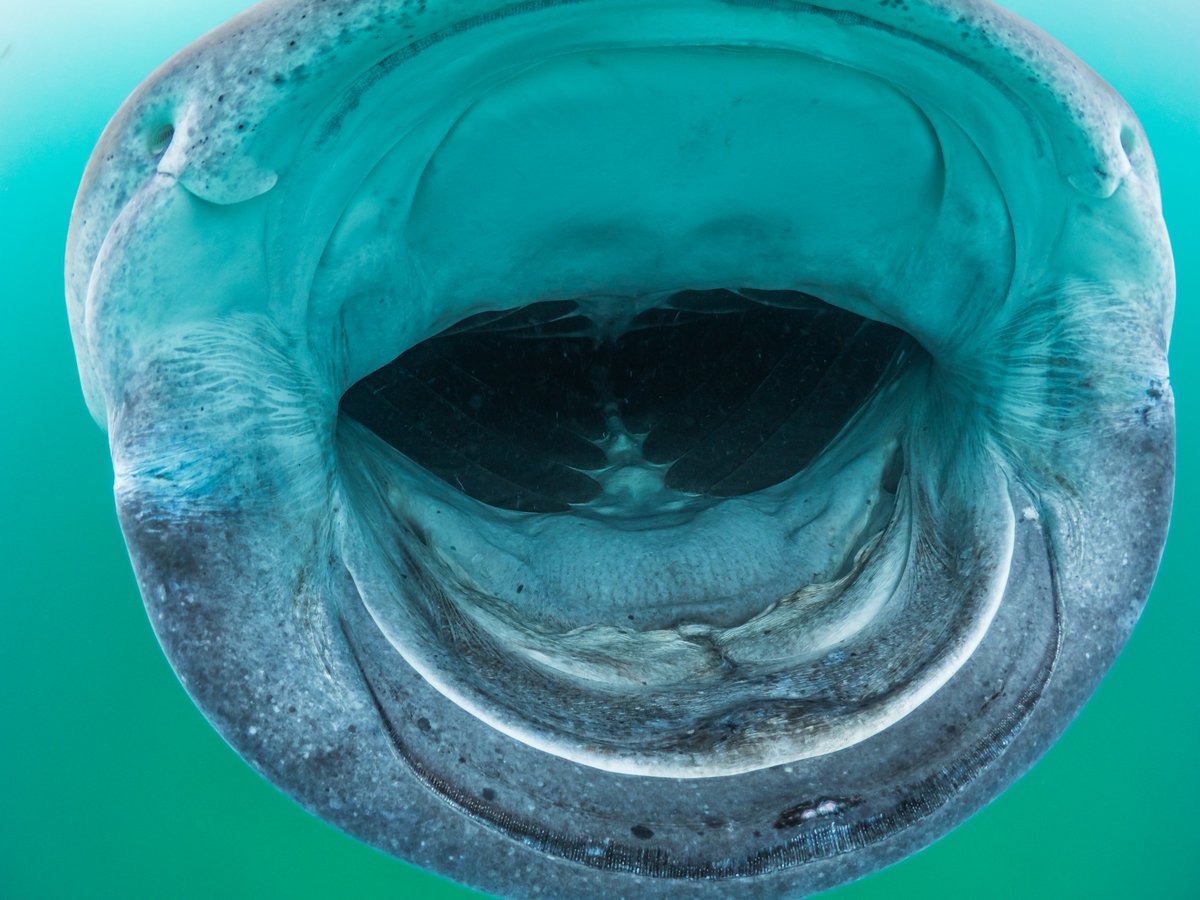
If you have a small, shark-loving human, @Sharks4Kids is a great resource. Here are some insights into "a day in the life of a whale shark scientist": sharks4kids.com/single-post/…. Love those banana pancakes :)
1
23
49
Chris Rohner retweeted
5 Apr 2018
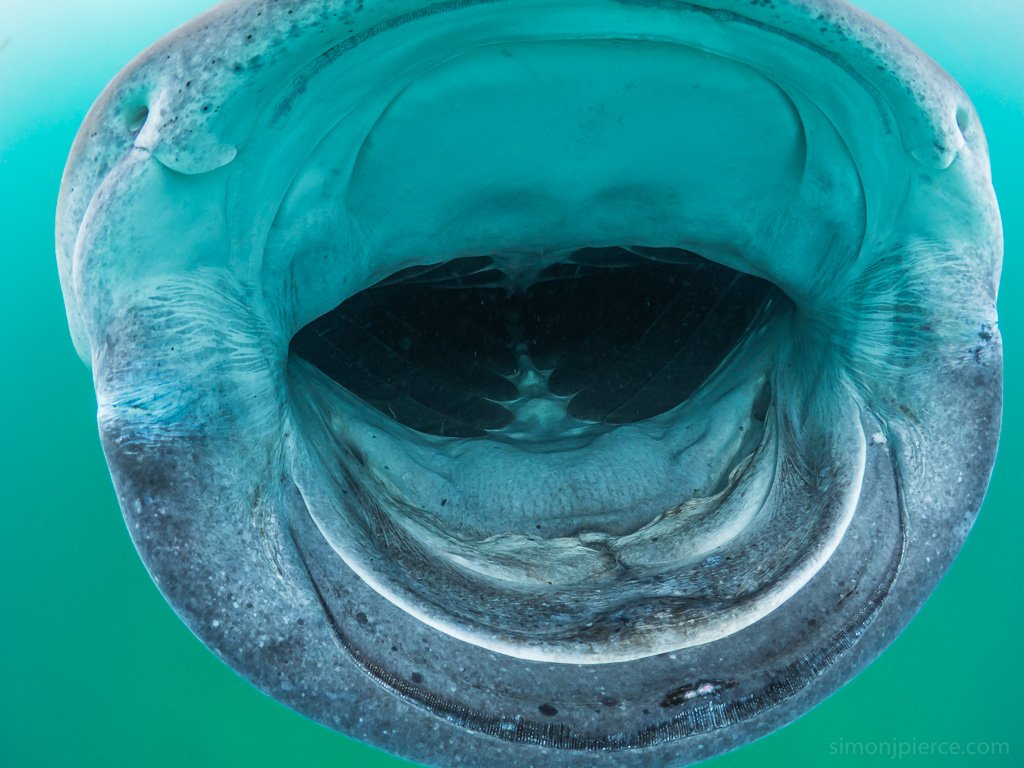
New blog post! Mafia Island in Tanzania is home to what may be the world's laziest whale sharks. Or are they actually super smart? Let's find out...
simonjpierce.com/the-whale-s…
25
58
23 Mar 2018
A couple of my photos are in the latest @Picfair collage "over-under" picfair.com/blog/post/split-…
2
5
Chris Rohner retweeted
21 Mar 2018
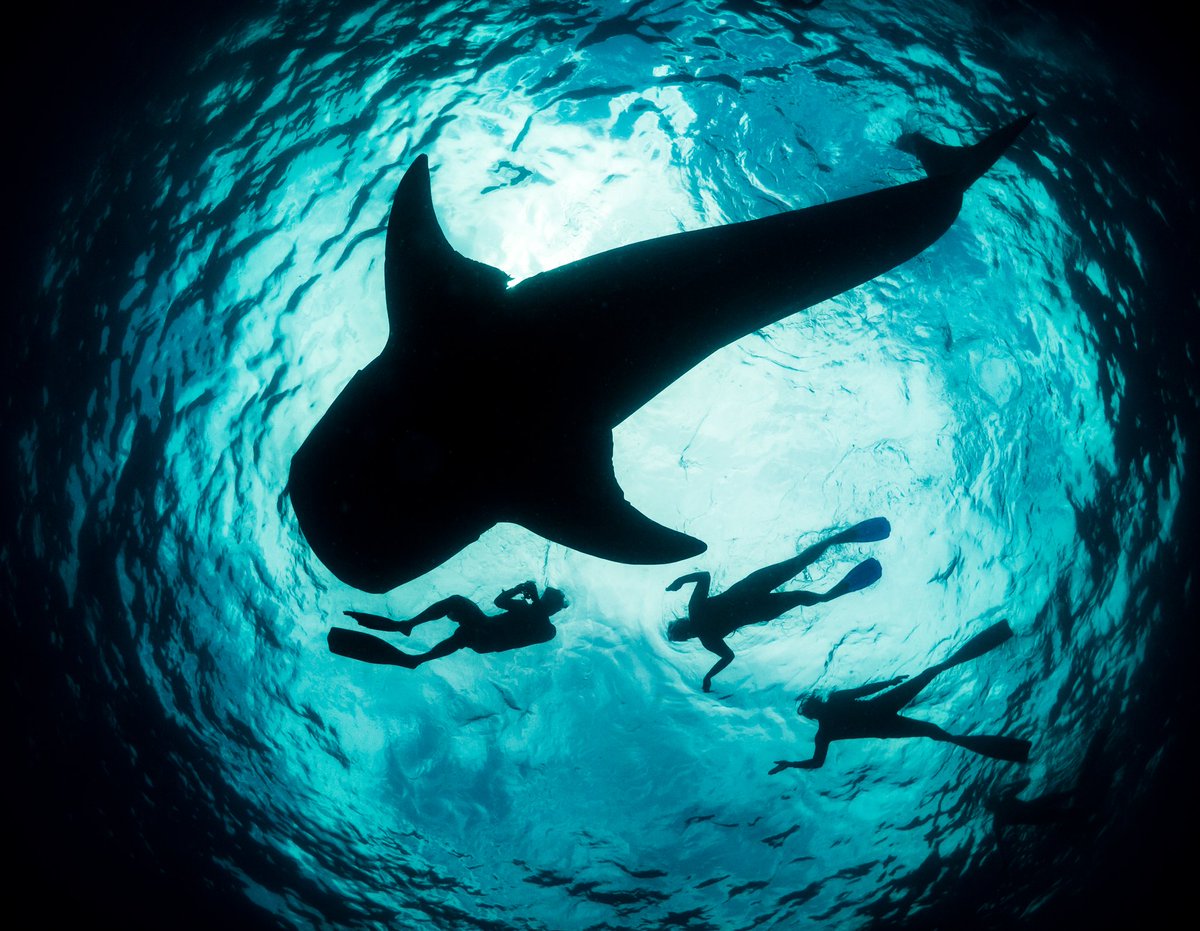
Highly exciting – our manta & whale shark conservation work in Mozambique has been short-listed for a €30,000 grant! Last hurdle is to show public support, through a voting system. Just a click required. Link is here if you've got a few seconds: outdoorconservation.eu/proje… Thanks :)
1
41
67
Chris Rohner retweeted
12 Mar 2018
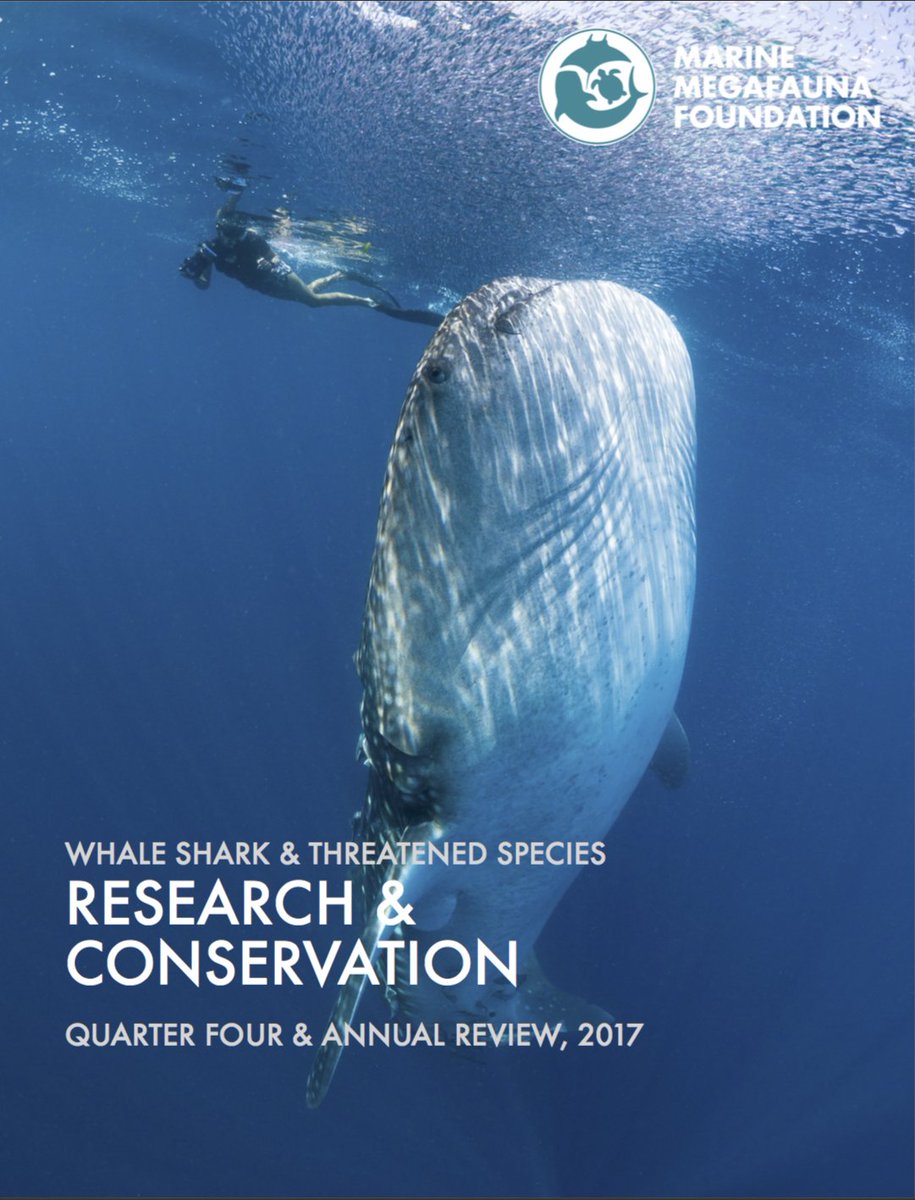
Interested in shark science, and whale sharks in particular? We've written up a summary of our whale shark research and conservation work at @MarineMegafauna in 2017. Cameo appearances by sea turtles and mobula rays too :). Download our pdf report here: dropbox.com/s/g6gmqaz8dhzfdd…
1
13
37
Chris Rohner retweeted

11 Mar 2018
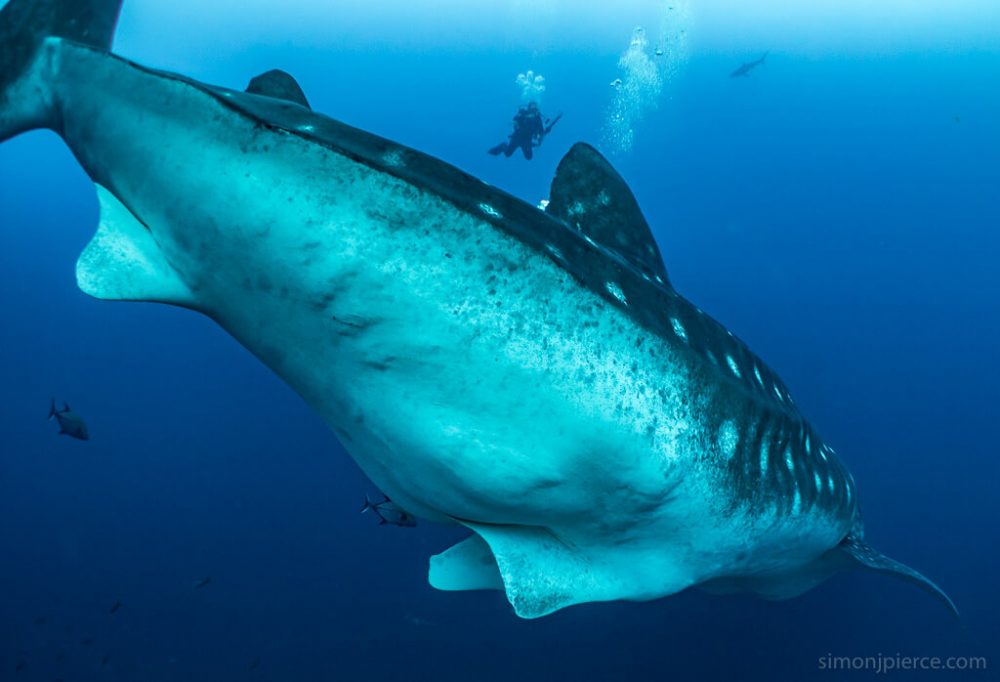
Happy Mothers Day! Another incredible #Galapagos mother is the mysterious whale shark! Find out more about these ocean giants with a guest blog by @simonpierce bit.ly/2CPFWYI #MothersDay
2
8
Chris Rohner retweeted
3 Jan 2018
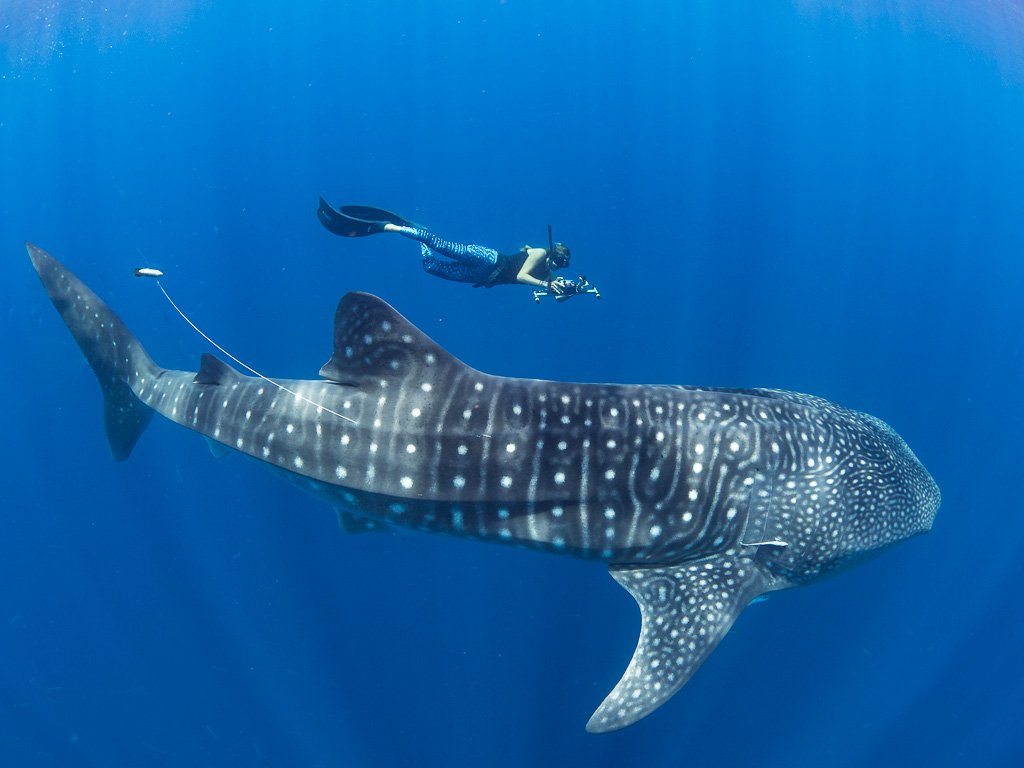
New paper! Whale sharks really like Mozambique. We counted up to 51 sharks feeding together, & tagged 15 juveniles, which preferred highly productive coastal waters. Unfortunately, increasing gill net use puts the population at risk. Full paper: peerj.com/articles/4161/
1
49
115
2 Jan 2018
Satellite-tagged whale sharks in Mozambique spent a lot of time in shallow, cool, chlorophyll-rich waters along the coast, where they are also at elevated risk from gillnets. Read our latest paper: peerj.com/articles/4161/
33
41