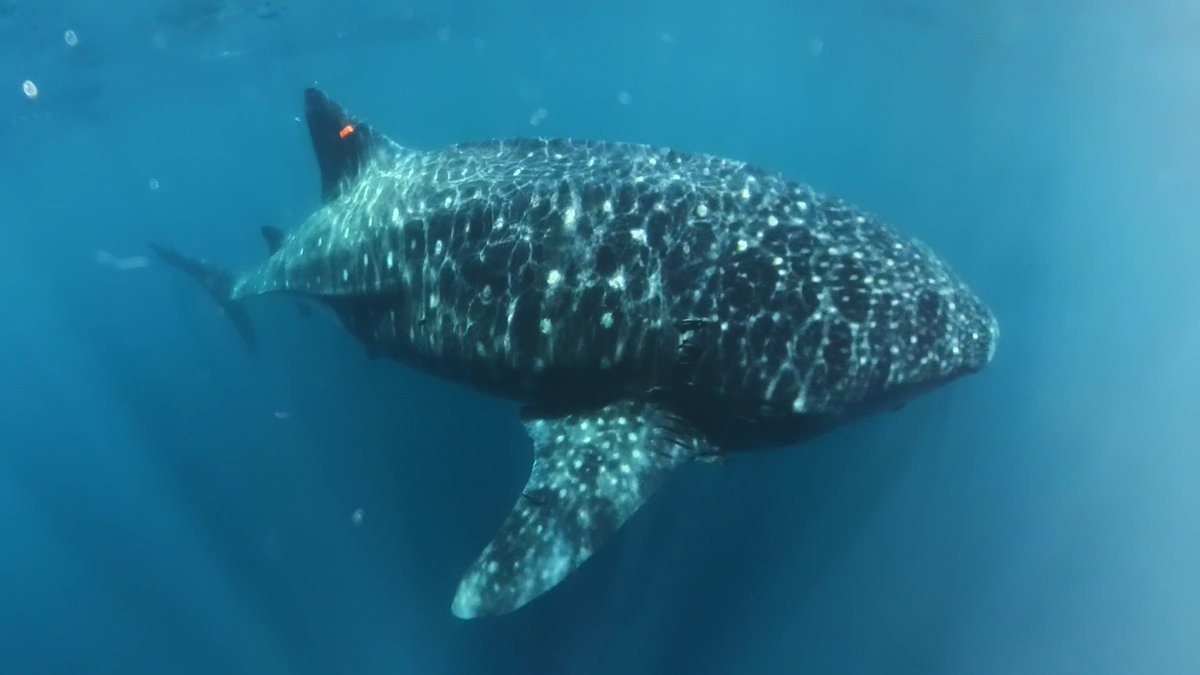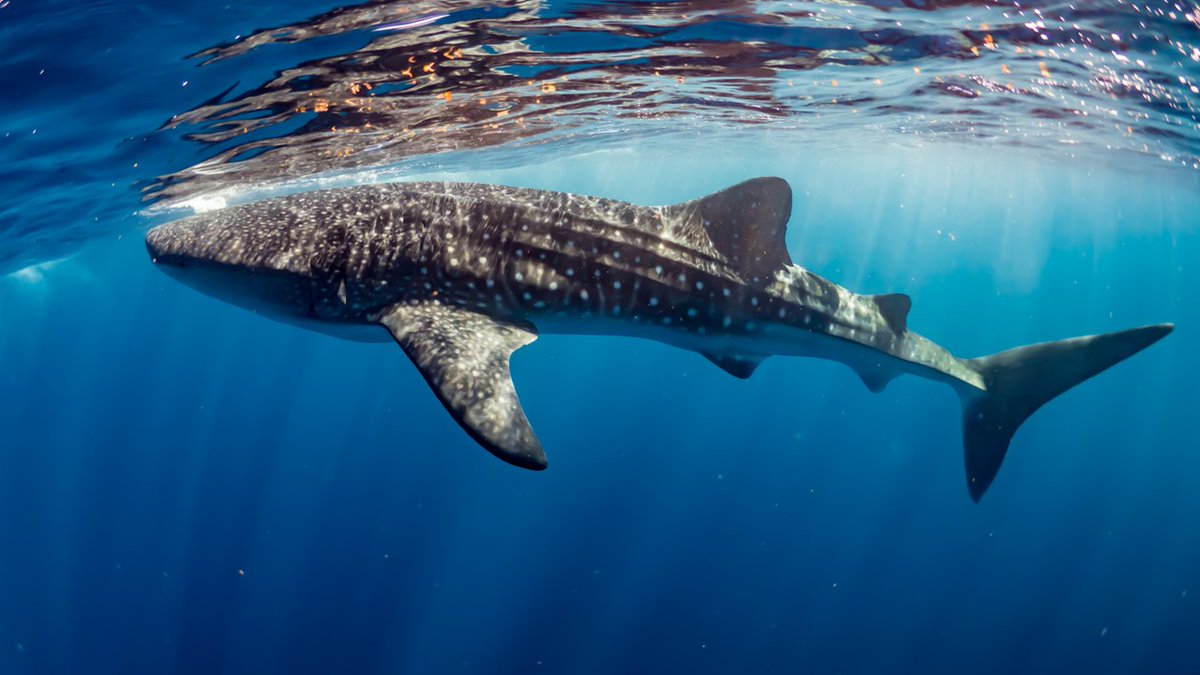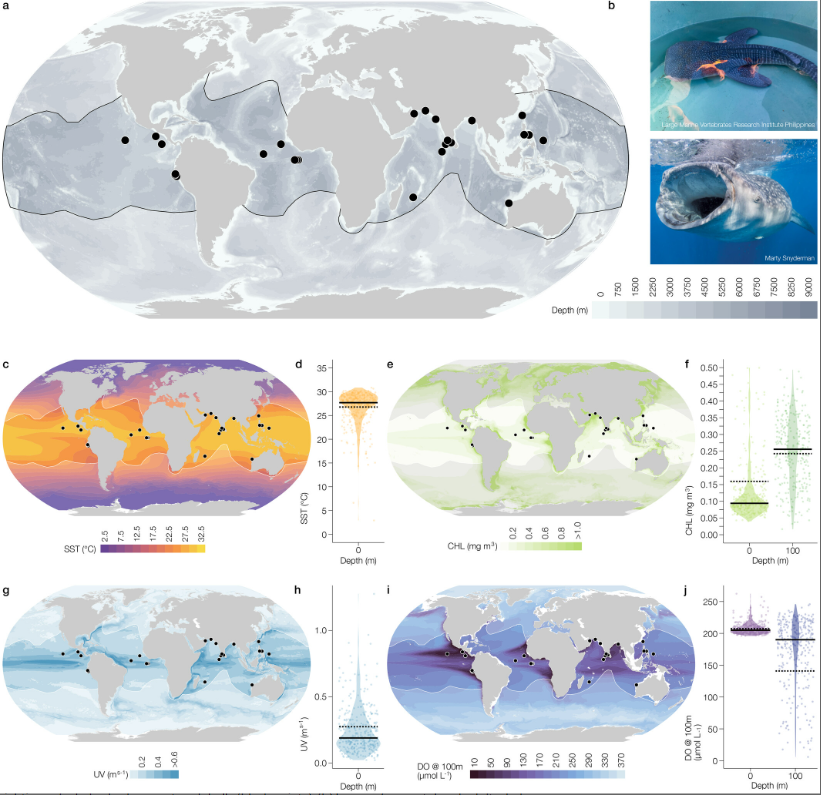
ALT a) Recorded sightings of whale shark neonates globally (black points). (b) Image of neonatal and adult whale sharks from Large Marine Vertebrates Research Institute Philippines group (b) and Marty Snyderman (b). (c) Whale shark neonates and sea surface temperature (SST, °C averaged for 2005–2019). (d) SST recorded from neonate locations and 10 randomised runs. (e) Whale shark neonates and Chlorophyll-a (Chl-a, mg m3 averaged for 2005–2019). (f) Chl-a at 0 and 100 m depths recorded from neonate locations and 10 randomised runs. (g) Whale shark neonates and current velocity (UV) at 0 m depth (ms−1, averaged for 2005–2019). (h) UV recorded from neonate locations and 10 randomised runs. (i) Whale shark neonates and dissolved oxygen (DO) concentration at 100 m depth (μmol L−1, averaged for 2005–2019). (h) DO concentrations at 0 and 100 m depths recorded from neonate locations and 10 randomised runs. In (d, f, h) and (j) each point represents a single sighting or randomised location.
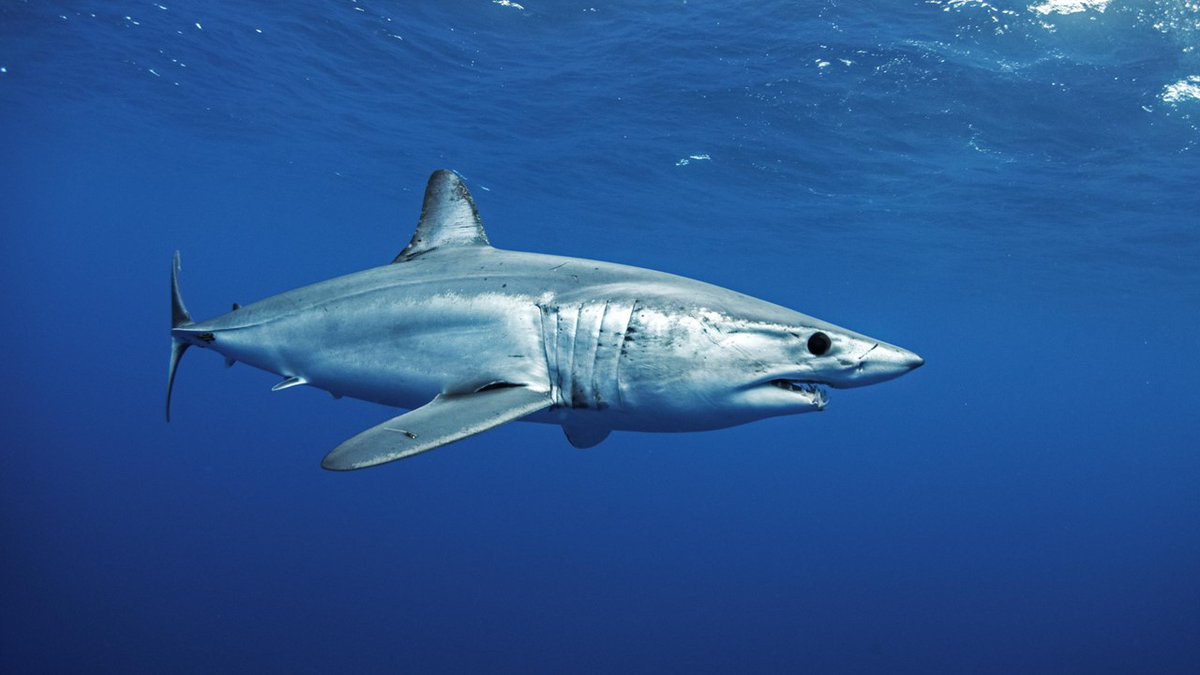
New key research about the biology of shortfin #mako in the Pacific Ocean, with implications for #conservation. Thanks to all co-authors!
rdcu.be/d6tpz
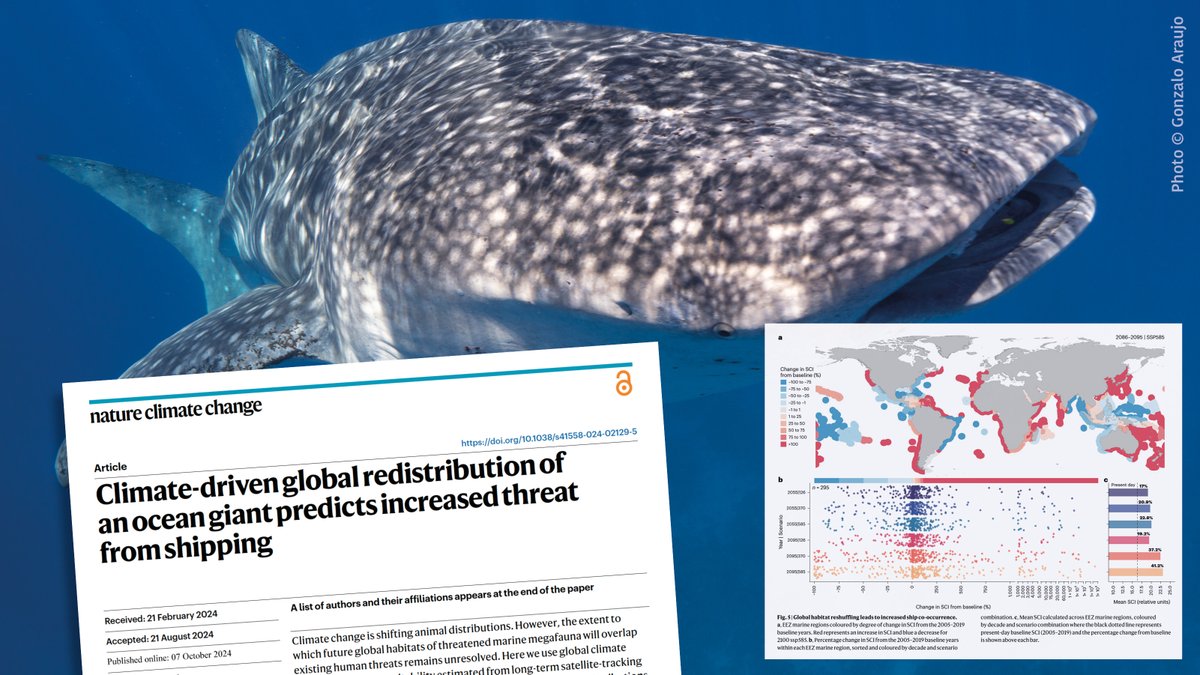
Whale sharks may be up to 15,000 times more likely to collide with a shipping vessel at the end of the century, under a high-emissions scenario, according to a study in @NatureClimate. go.nature.com/3zKOOCr
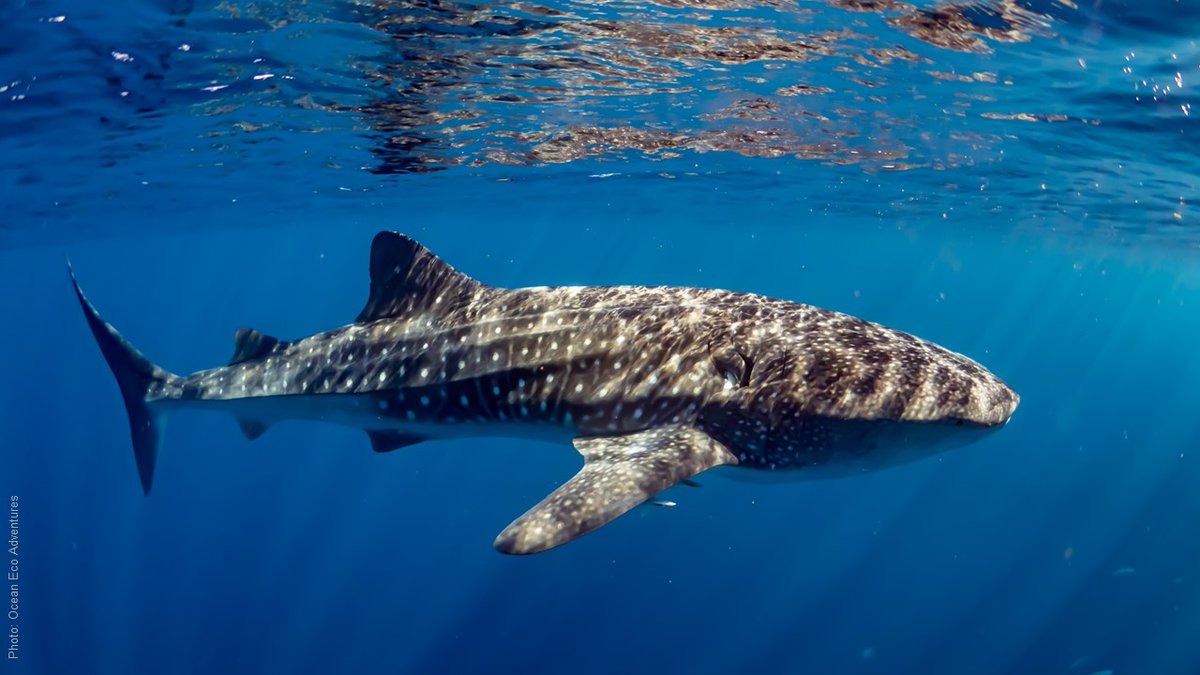
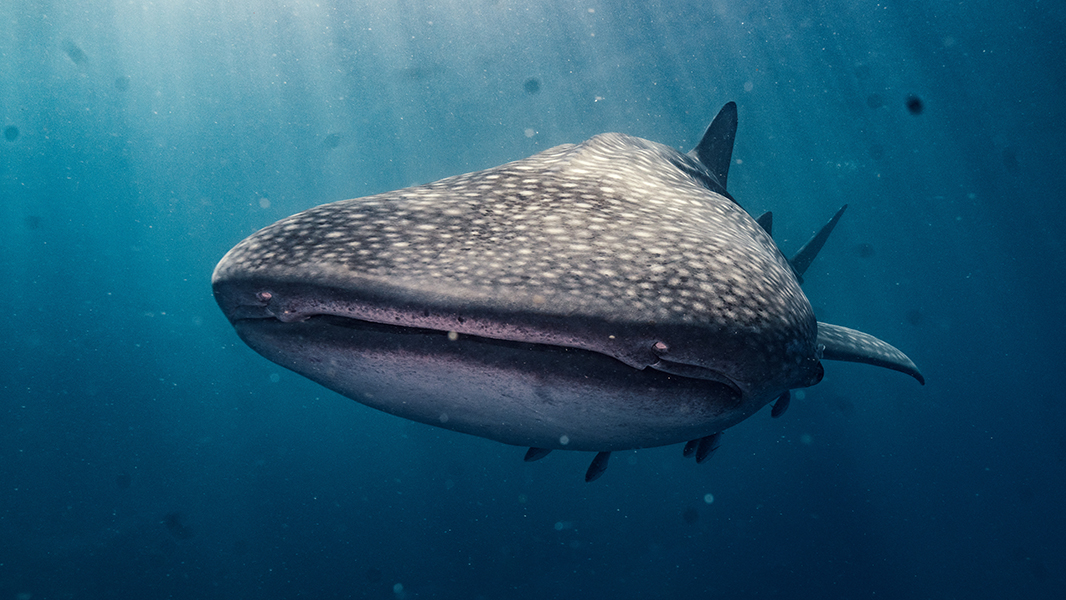
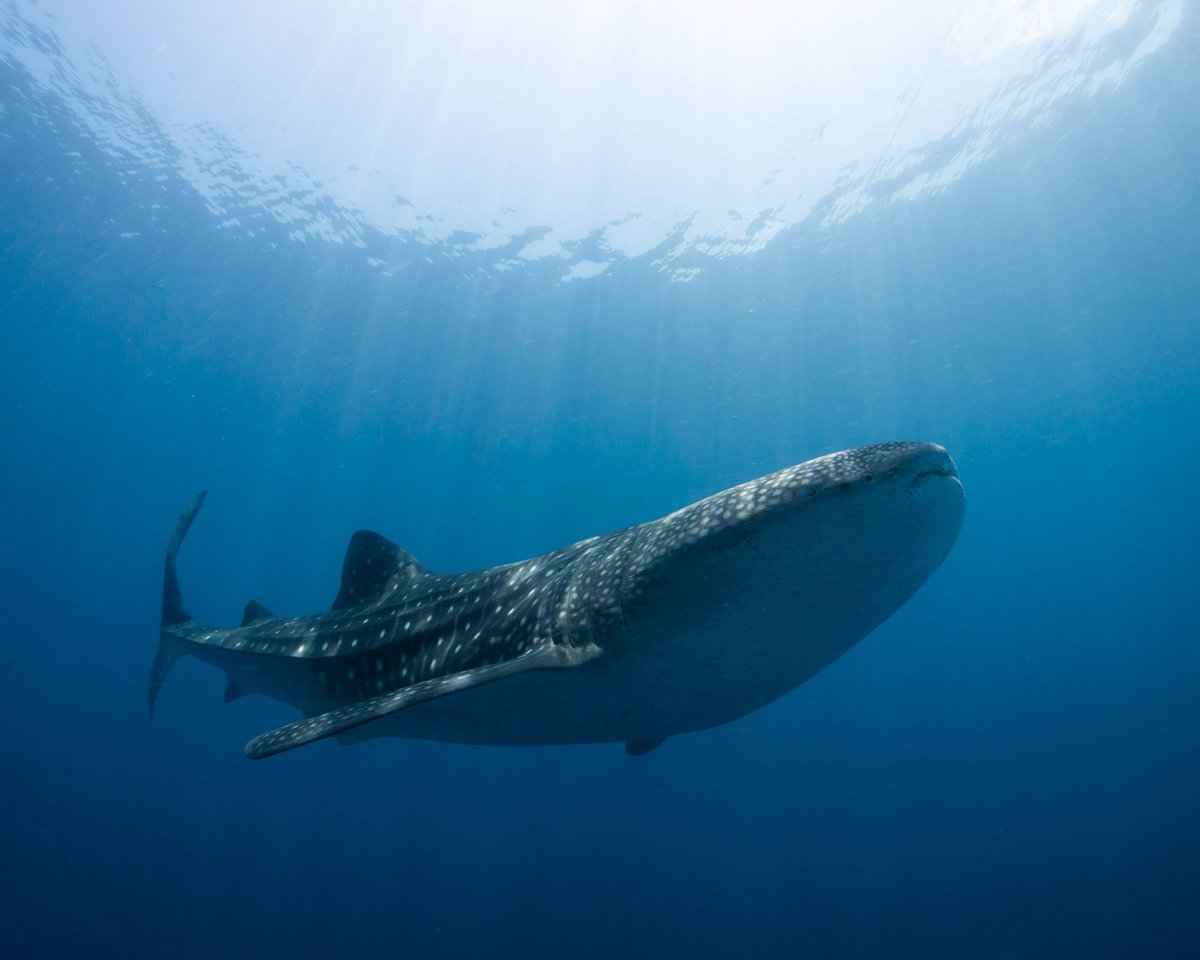
ALT Underwater photograph of a whale shark swimming gracefully in the deep blue ocean. Stock image.
Check out new paper reporting how Climate-driven global redistribution of an ocean giant predicts increased threat from shipping | Nature Climate Change nature.com/articles/s41558-0…
Whale sharks may be up to 15,000 times more likely to collide with a shipping vessel at the end of the century, under a high-emissions scenario, according to a study in @NatureClimate. go.nature.com/3zKOOCr
ALT Underwater photograph of a whale shark swimming gracefully in the deep blue ocean. Stock image.
Whale shark distributions are predicted to shift up to 1,000 km by 2100, due to climate change, putting them at increased risk of collisions with global shipping.
Read the new paper co-authored by @llsousa84 and colleagues 👉 nature.com/articles/s41558-0…
Whale sharks may be 15,000 times more likely to collide with shipping vessels at the end of the century, under high-emissions scenario. Warming oceans may force them to migrate towards cooler environments, leading to higher collision risk: nature.com/articles/s41558-0…@NatureClimate
Our researchers have led a new study which suggests #ClimateChange could increase the threat posed to endangered whale sharks, as they are driven into new habitats crossed by busy shipping lanes.
Find out more 👉 brnw.ch/UoS_news_whale_shark…
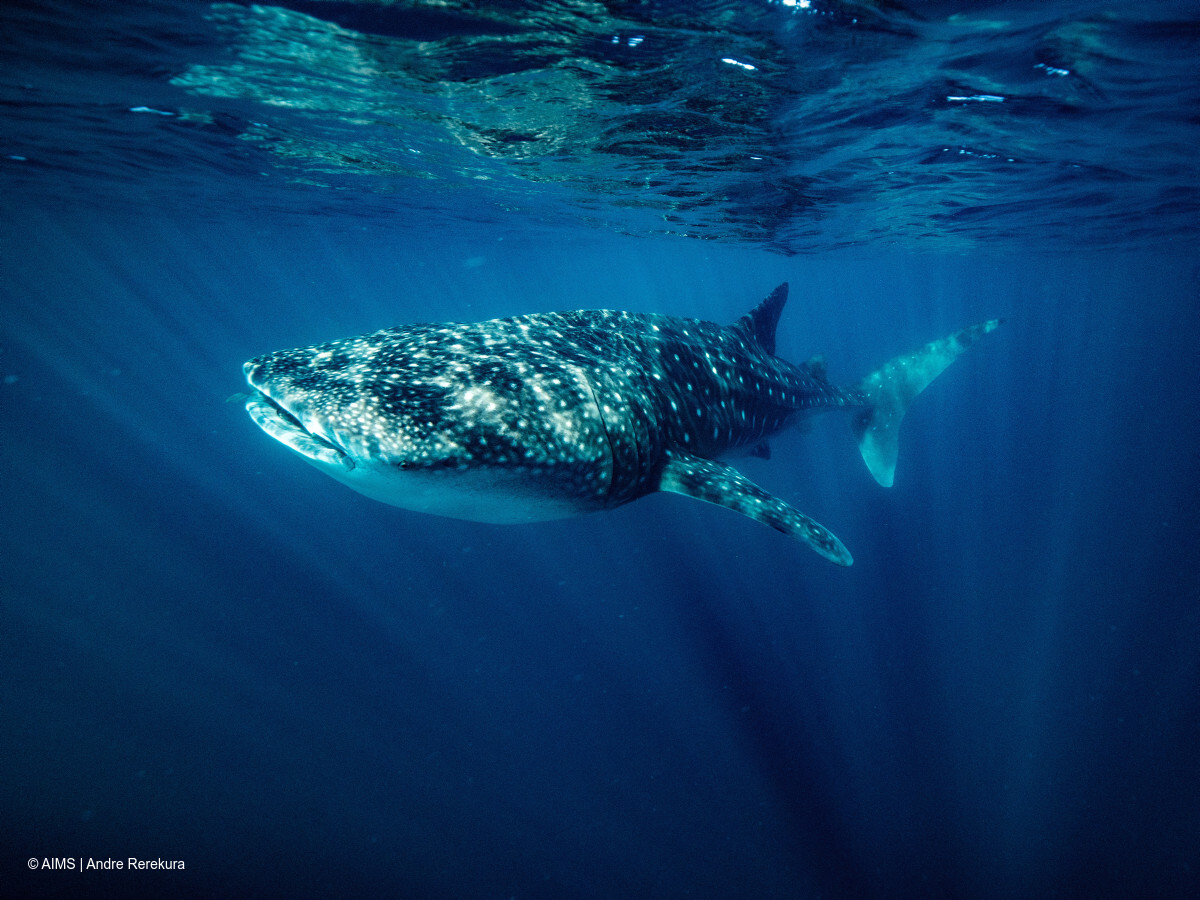
ALT A whale shark swimming in the deep blue ocean, with sunlight streaming through the water from above, illuminating its distinctive pattern of white spots.
📢 New shark science!
A new paper in Nature Climate Change led by @freyawomersley highlights how climate change increases the risk of ship strikes on whale sharks.
nature.com/articles/s41558-0…
📖Published📖
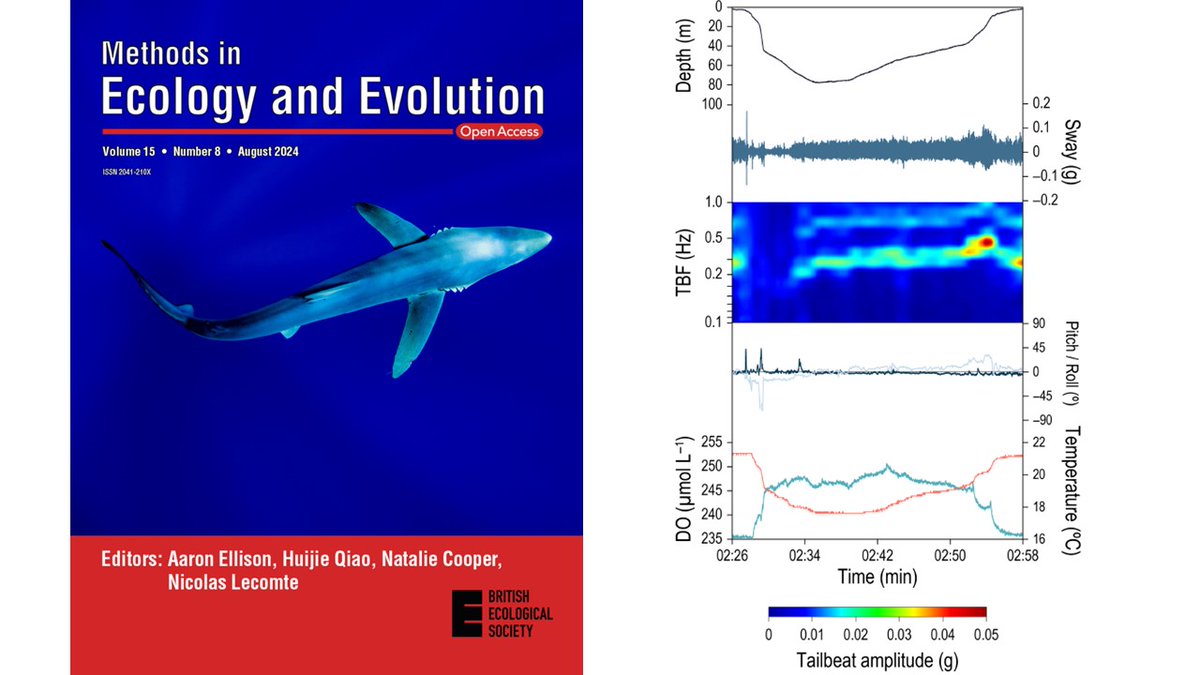
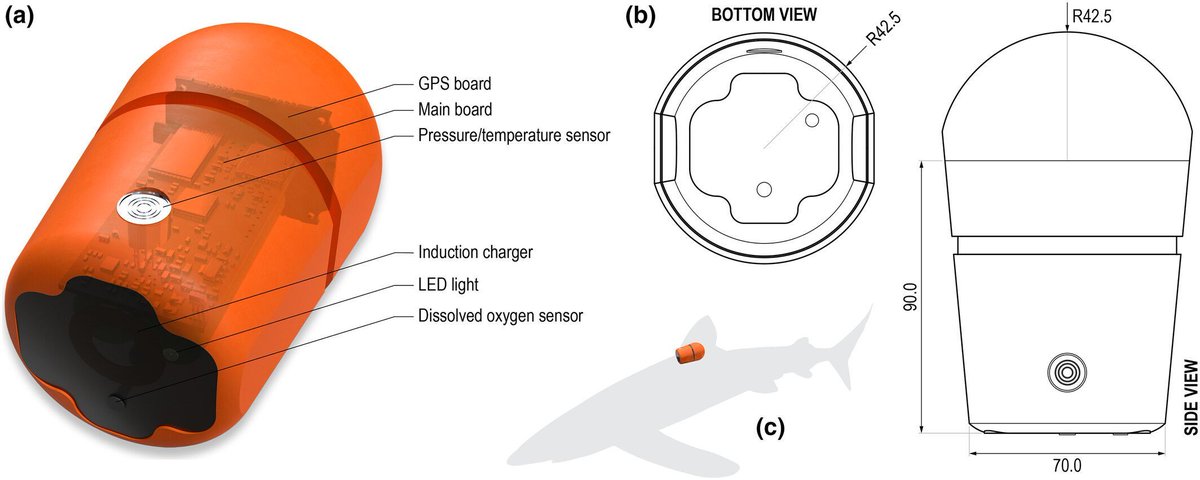
A new animal-attached, dissolved-oxygen sensing archival tag capable of recording pressure, water temperature and DO concentration, as well as 3D body acceleration, with all sensors integrated on a single electronic board 🦈
doi.org/10.1111/2041-210X.14…