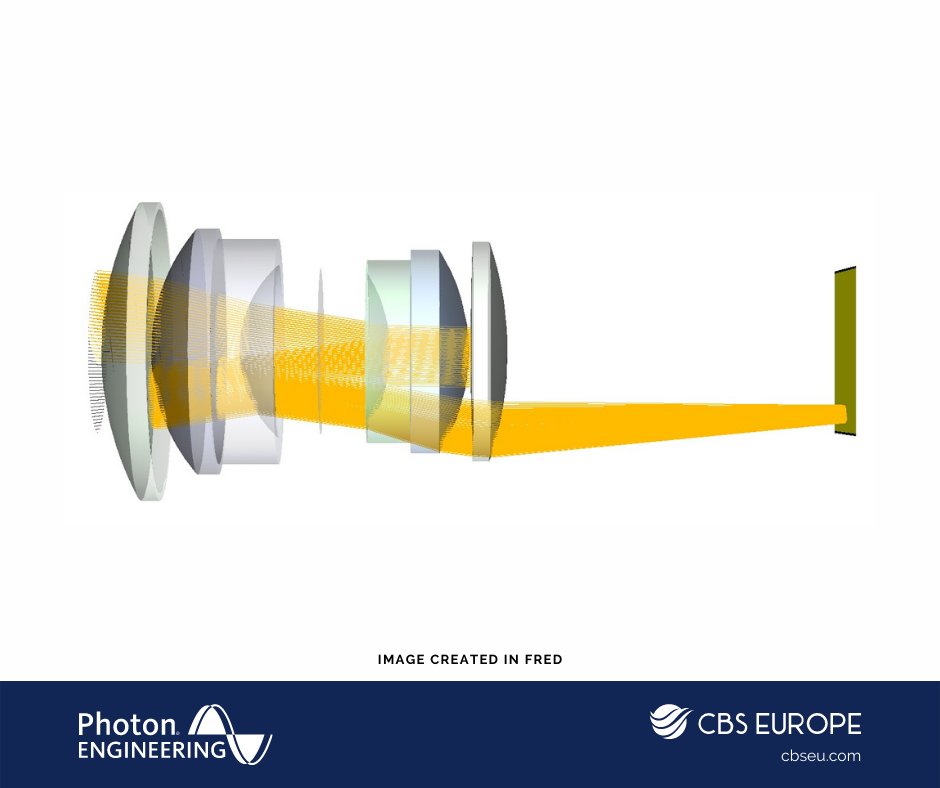
Optical Simulation Software & Consulting - Exclusive European distributor and optical systems consultant for Photon Engineering's software, FRED.

Joined April 2020
494 Photos and videos
CBS Europe retweeted
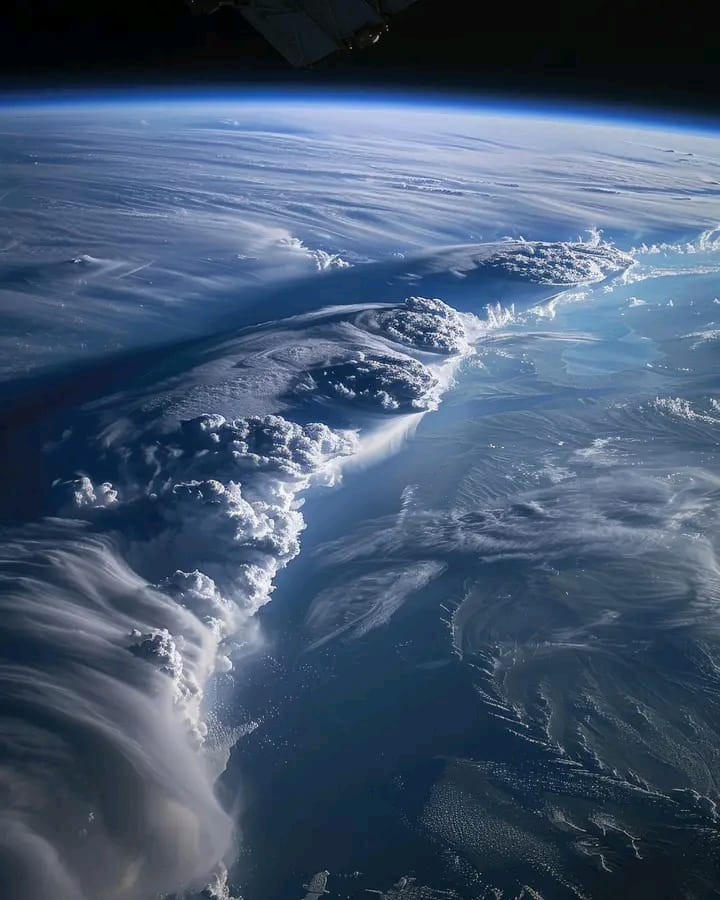
Pacific Ocean from space
111
2,726
31,566
688,711
CBS Europe retweeted
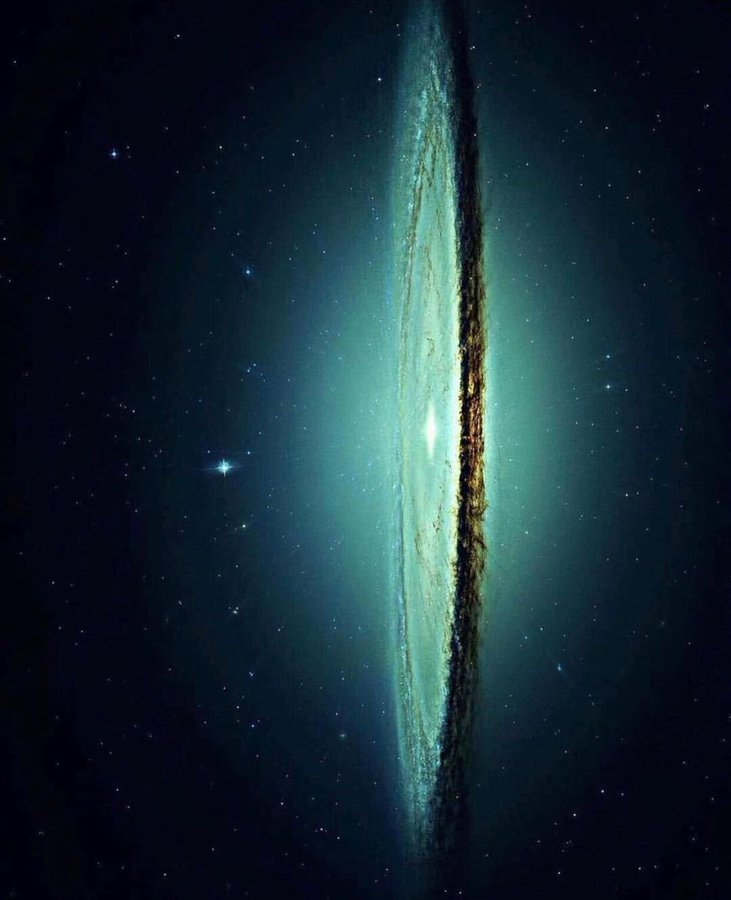
One of the best image of Space ever taken The Sombrero Galaxy Infrared Credit: NASA, ESA, Hubble
59
956
7,408
222,877
CBS Europe retweeted
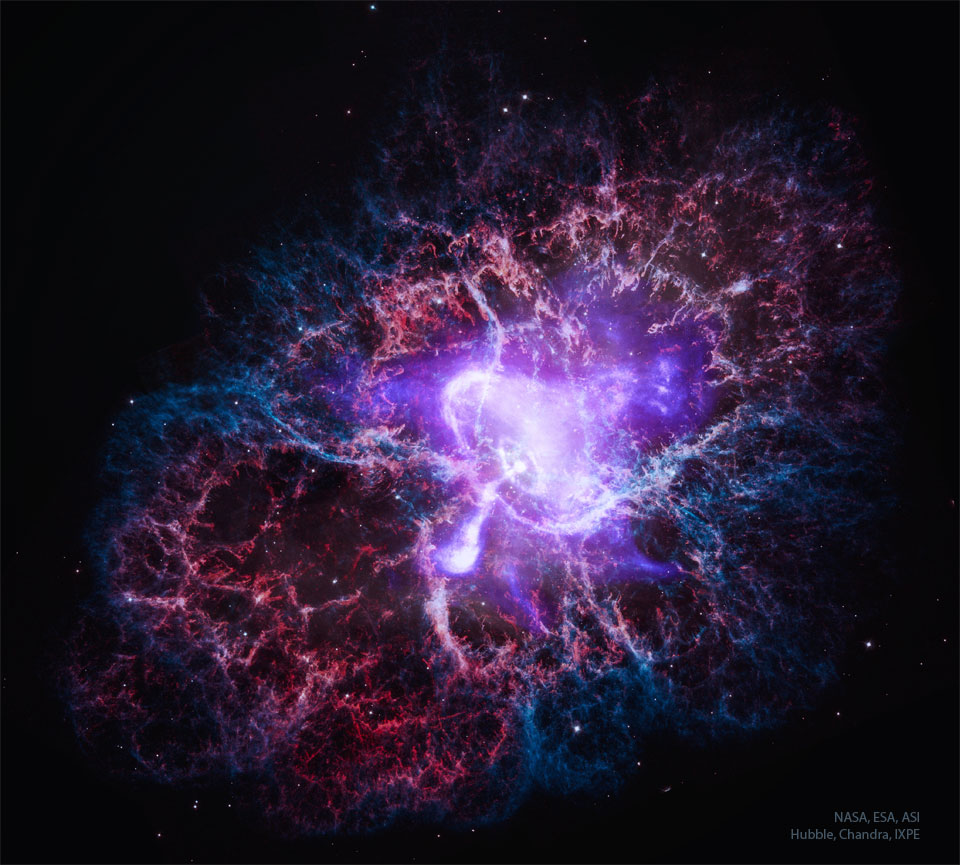
What powers the Crab Nebula? A city-sized magnetized neutron star spinning around 30 times a second. Known as the Crab Pulsar, it is the bright spot in the center of the gaseous swirl at the nebula's core. About 10 light-years across, the spectacular picture of the Crab Nebula (M1) frames a swirling central disk and complex filaments of surrounding and expanding glowing gas. The picture combines visible light from the Hubble Space Telescope in red and blue with X-ray light from the Chandra X-ray Observatory shown in white, and diffuse X-ray emission detected by Imaging X-ray Polarimetry Explorer (IXPE) in diffuse purple. The central pulsar powers the Crab Nebula's emission and expansion by slightly slowing its spin rate, which drives out a wind of energetic electrons. The featured image released today, the 25th Anniversary of the launch of NASA's flagship-class X-ray Observatory: Chandra. Image Credit: NASA, ESA, ASI, Hubble, Chandra, IXPE
17
178
736
120,965
CBS Europe retweeted
No one, presently, sees the Moon rotate like this. That's because the Earth's moon is tidally locked to the Earth, showing us only one side. Given modern digital technology, however, combined with many detailed images returned by the Lunar Reconnaissance Orbiter (LRO), a high resolution virtual Moon rotation movie has been composed. The featured time-lapse video starts with the standard Earth view of the Moon. Quickly, though, Mare Orientale, a large crater with a dark center that is difficult to see from the Earth, rotates into view just below the equator. From an entire lunar month condensed into 24 seconds, the video clearly shows that the Earth side of the Moon contains an abundance of dark lunar maria, while the lunar far side is dominated by bright lunar highlands. Currently, over 32 new missions to the Moon are under active development from multiple countries and companies, including NASA's Artemis program which aims to land people on the Moon again within the next few years. Video Credit: NASA, LRO, Arizona State U.
25
517
1,871
187,308
CBS Europe retweeted
16 May 2024
Happy #InternationalDayOfLight! 🌟 Hubble's Advanced Camera for Surveys looks at a lot of light – ultraviolet, visible, and near-infrared! These are just a few of this powerful instrument's incredible views of our universe: go.nasa.gov/3K6Lgf6
15
343
1,673
105,973
CBS Europe retweeted
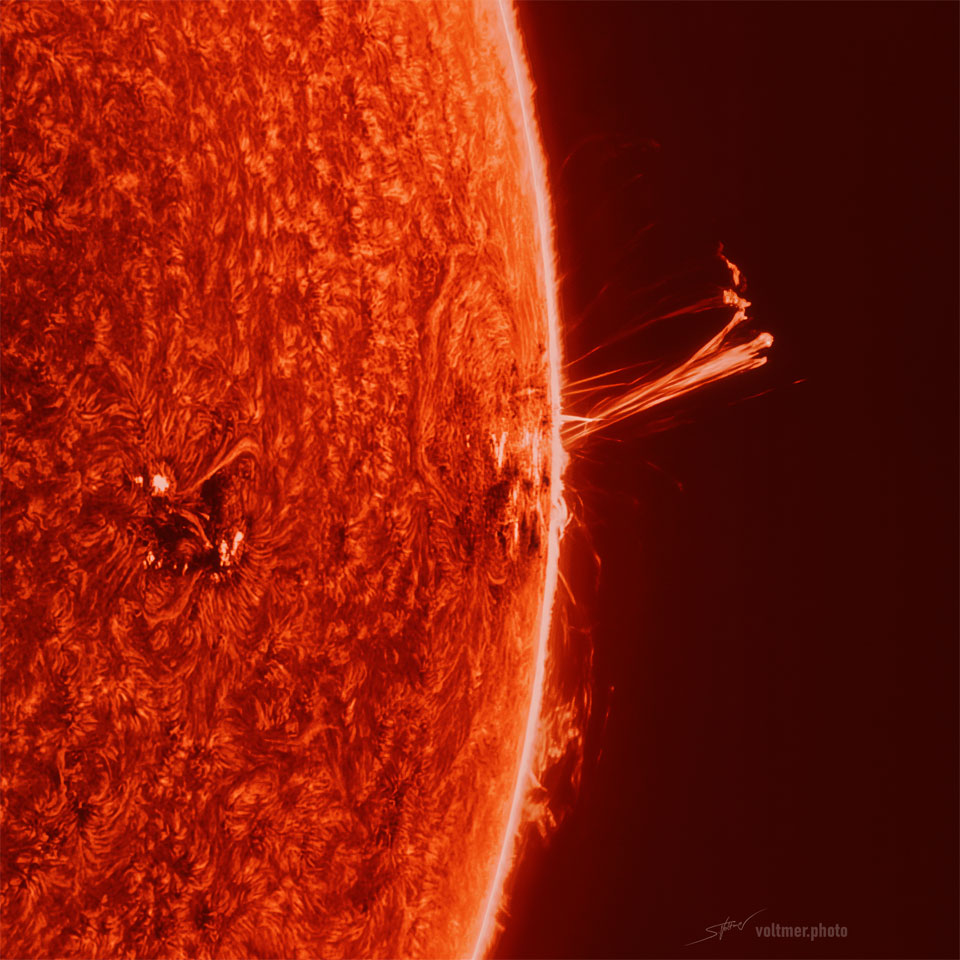
What did the monster active region that created the recent auroras look like when at the Sun's edge? There, AR 3664 better showed its 3D structure. Pictured, a large multi-pronged solar prominence was captured extending from chaotic sunspot region AR 3664 out into space, just one example of the particle clouds ejected from this violent solar region. The Earth could easily fit under this long-extended prominence. The featured image was captured two days ago from this constantly changing region. Yesterday, the strongest solar flare in years was expelled (not shown), a blast classified in the upper X-class. Ultraviolet light from that flare quickly hit the Earth's atmosphere and caused shortwave radio blackouts across both North and South America. Although now rotated to be facing slightly away from the Earth, particles from AR 3664 and subsequent coronal mass ejections (CMEs) might still follow curved magnetic field lines across the inner Solar System and create more Earthly auroras. Image Credit & Copyright: Sebastian Voltmer
15
215
872
54,391
CBS Europe retweeted
Timelapse of stunning mother-of-pearl clouds over Western Norway, caused by ice crystals in the stratosphere reflecting sunlight from below the horizon. πŸ“½: Alexander Wallem

69
1,895
9,240
526,719
CBS Europe retweeted
A mesmerizing time-lapse of the Sun in ultraviolet light, captured by the Solar Dynamics Observatory spacecraft over the course of a month.
64
1,649
7,426
415,368
CBS Europe retweeted
29 Apr 2024
Isabella Tabacchi got to take one of the ultimate bucketlist trips - with a once in a lifetime camera. Photographing the cherry blossoms in Japan with the Hasselblad X2D and 28p lens is something photographers dream of. These are the stunning results. #HasselbladHeroine
9
53
472
19,842
CBS Europe retweeted
This is how the Sun disappeared from the daytime sky last month. The featured time-lapse video was created from stills taken from Mountain View, Arkansas, USA on 2024 April 8. First, a small sliver of a normally spotted Sun went strangely dark. Within a few minutes, much of the background Sun was hidden behind the advancing foreground Moon. Within an hour, the only rays from the Sun passing the Moon appeared like a diamond ring. During totality, most of the surrounding sky went dark, making the bright pink prominences around the Sun's edge stand out, and making the amazing corona appear to spread into the surrounding sky. The central view of the corona shows an accumulation of frames taken during complete totality. As the video ends, just a few minutes later, another diamond ring appeared -- this time on the other side of the Moon. Within the next hour, the sky returned to normal. Video Credit & Copyright: Reinhold Wittich; Music: Sunrise from Also sprach Zarathusra (R. Strauss) by Sascha Ende
10
140
492
74,847
CBS Europe retweeted
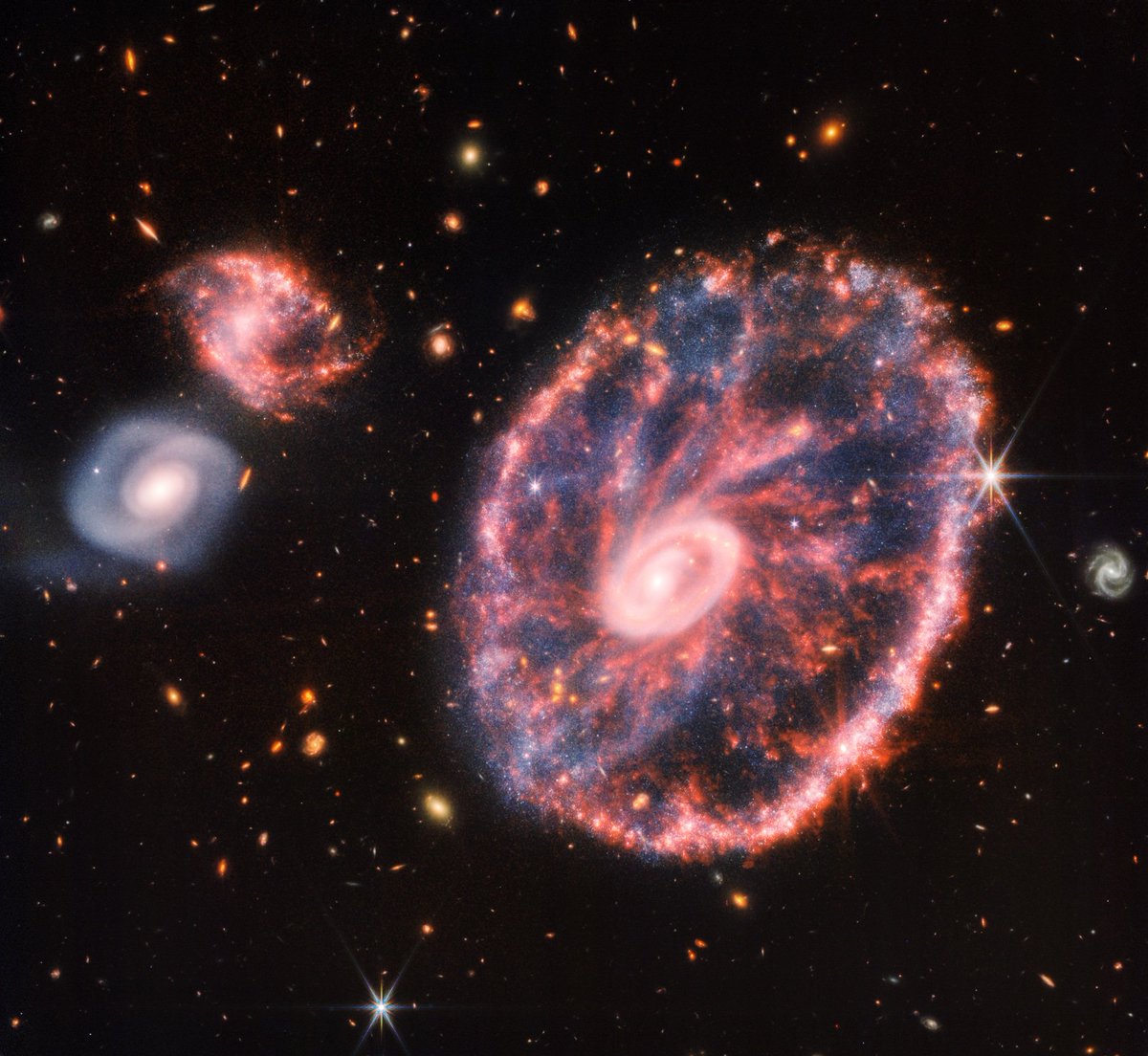
The Cartwheel Galaxy from the James Webb Space Telescope πŸ’«
26
612
6,569
215,748
CBS Europe retweeted
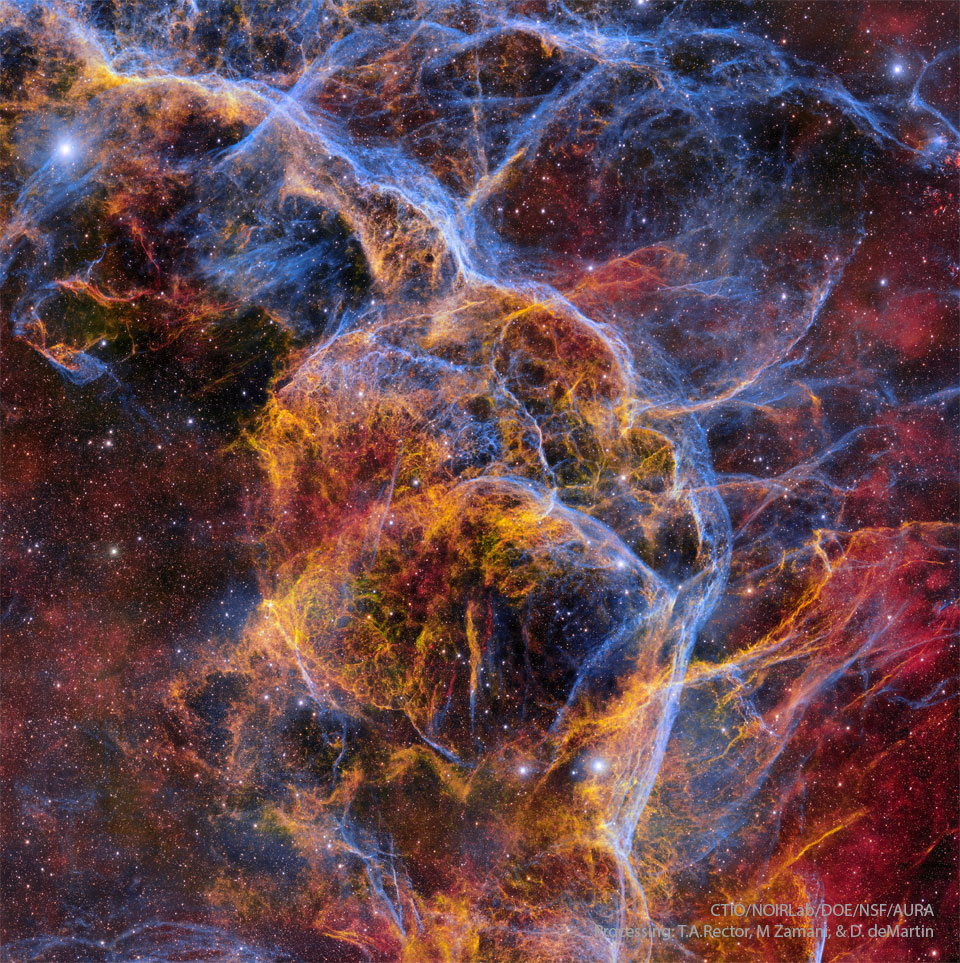
The explosion is over, but the consequences continue. About eleven thousand years ago, a star in the constellation of Vela could be seen to explode, creating a strange point of light briefly visible to humans living near the beginning of recorded history. The outer layers of the star crashed into the interstellar medium, driving a shock wave that is still visible today. The featured image captures some of that filamentary and gigantic shock in visible light. As gas flies away from the detonated star, it decays and reacts with the interstellar medium, producing light in many different colors and energy bands. Remaining at the center of the Vela Supernova Remnant is a pulsar, a star as dense as nuclear matter that spins around more than ten times in a single second. Image Credit: CTIO, NOIRLab, DOE, NSF, AURA; Processing: T. A. Rector (U. Alaska Anchorage), M. Zamani & D. de Martin (’s NOIRLab)
13
195
742
36,847
CBS Europe retweeted
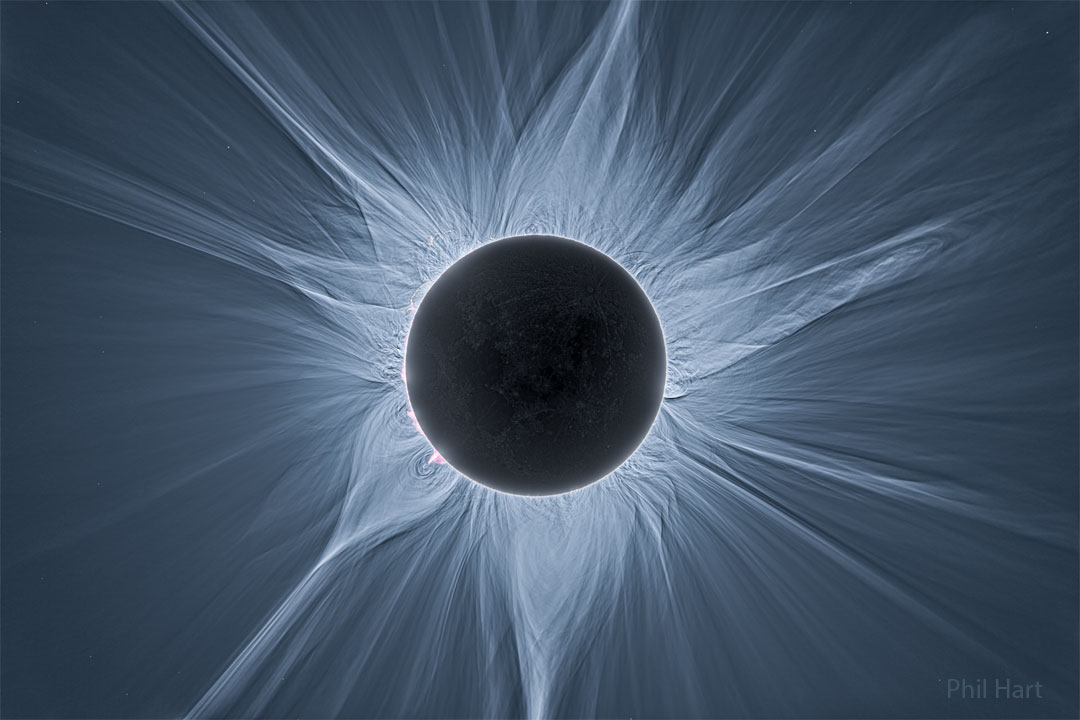
Only in the fleeting darkness of a total solar eclipse is the light of the solar corona easily visible. Normally overwhelmed by the bright solar disk, the expansive corona, the sun's outer atmosphere, is an alluring sight. But the subtle details and extreme ranges in the corona's brightness, although discernible to the eye, are notoriously difficult to photograph. Pictured here, however, using multiple images and digital processing, is a detailed image of the Sun's corona taken during the April 20, 2023 total solar eclipse from Exmouth, Australia. Clearly visible are intricate layers and glowing caustics of an ever changing mixture of hot gas and magnetic fields. Bright looping prominences appear pink just around the Sun's limb. A similar solar corona might be visible through clear skies in a narrow swath across the North America during the total solar eclipse that occurs just six days from today. Image Credit & Copyright: Phil Hart
17
209
872
52,421
CBS Europe retweeted
5 Mar 2024
We're seeking the next class of @NASA_Astronauts. Candidates could fly on Artemis missions to the Moon and, eventually, Mars. Will you be one of them? Applications to #BeAnAstronaut are open through April 2, 2024. Start yours at go.nasa.gov/astro2024.
1,227
1,158
3,985
1,839,374
CBS Europe retweeted
13 Mar 2024
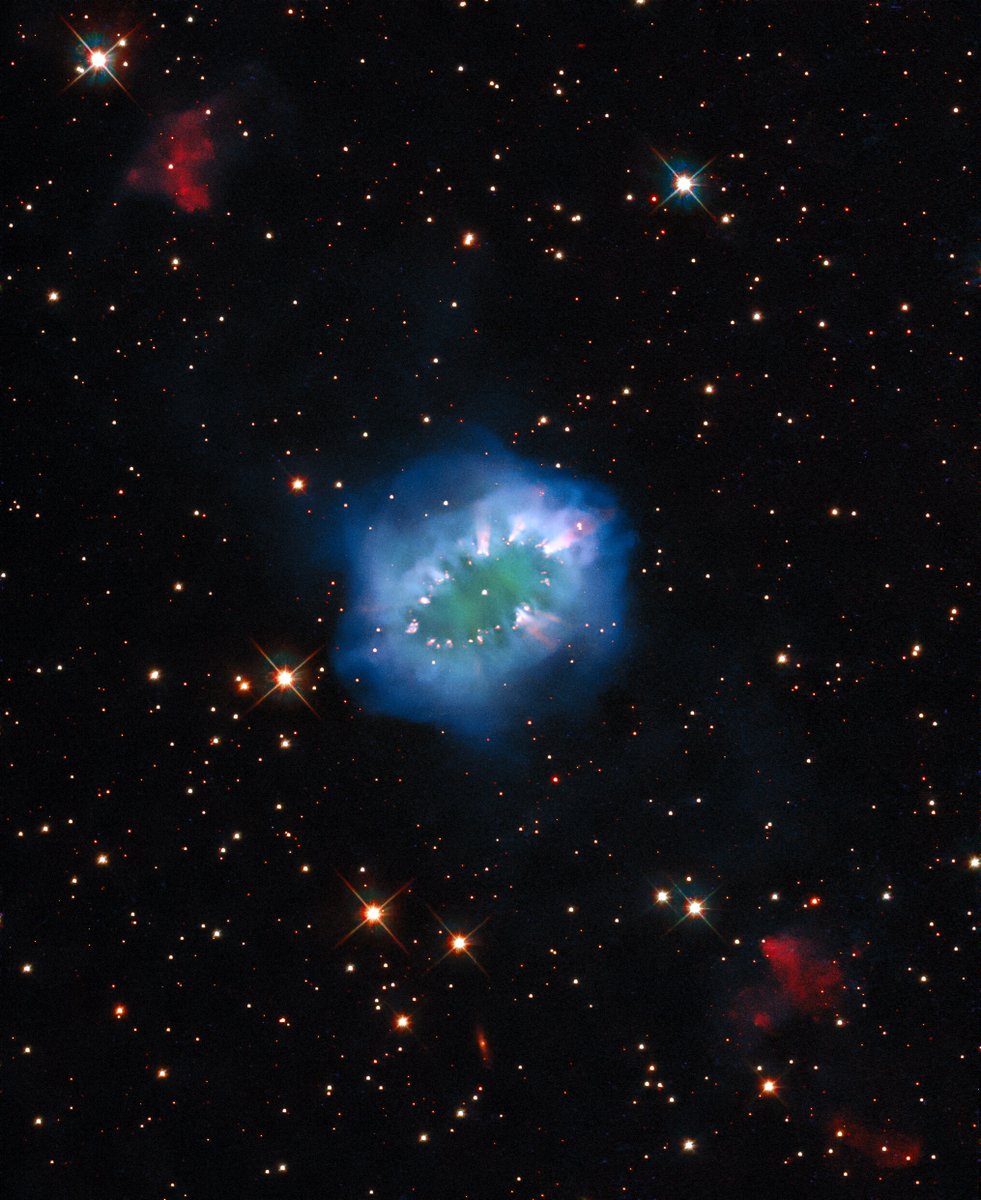
Happy #JewelDay! πŸ’Ž Hubble observed a glittering piece of cosmic "jewelry" located 15,000 light-years away. Aptly nicknamed the Necklace Nebula, it was created by a pair of aging, tightly orbiting Sun-like stars that cast off an escaping ring of debris: go.nasa.gov/49QgpPk
38
494
2,762
140,217
CBS Europe retweeted
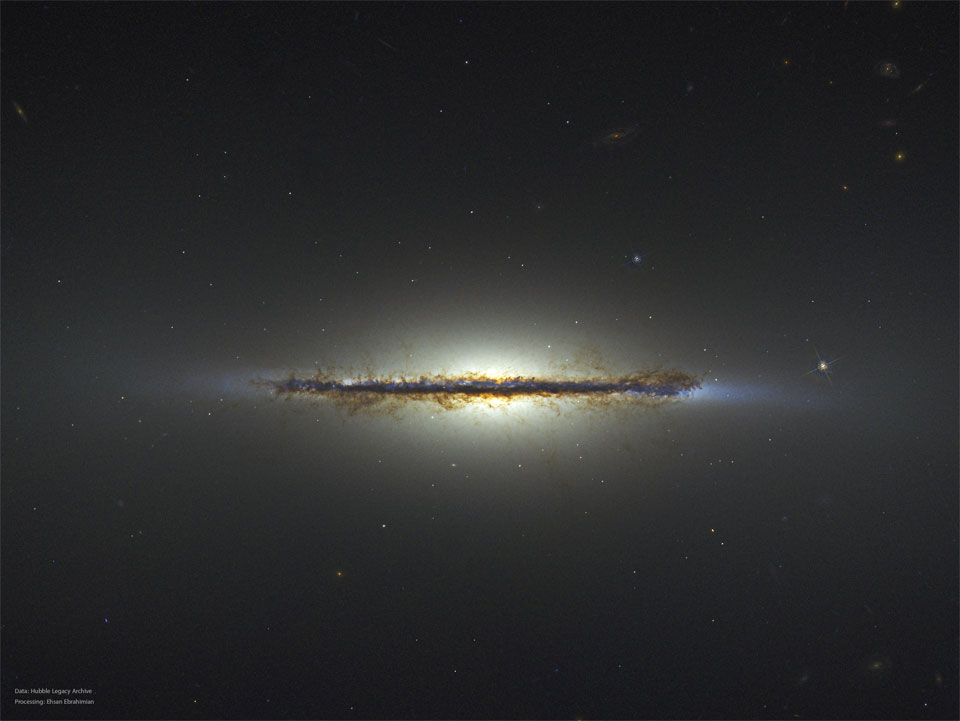
M102: Edge-on Disk Galaxy What kind of celestial object is this? A relatively normal galaxy -- but seen from its edge. Many disk galaxies are actually just as thin as NGC 5866, the Spindle galaxy, pictured here, but are not seen edge-on from our vantage point. A perhaps more familiar galaxy seen edge-on is our own Milky Way galaxy. Also cataloged as M102, the Spindle galaxy has numerous and complex dust lanes appearing dark and red, while many of the bright stars in the disk give it a more blue underlying hue. The blue disk of young stars can be seen in this Hubble image extending past the dust in the extremely thin galactic plane. There is evidence that the Spindle galaxy has cannibalized smaller galaxies over the past billion years or so, including multiple streams of faint stars, dark dust that extends away from the main galactic plane, and a surrounding group of galaxies (not shown). In general, many disk galaxies become thin because the gas that forms them collides with itself as it rotates about the gravitational center. The Spindle galaxy lies about 50 million light years distant toward the constellation of the Dragon (Draco). Image Credit: NASA, ESA, Hubble; Processing: Ehsan Ebahimian
13
125
526
25,677
CBS Europe retweeted
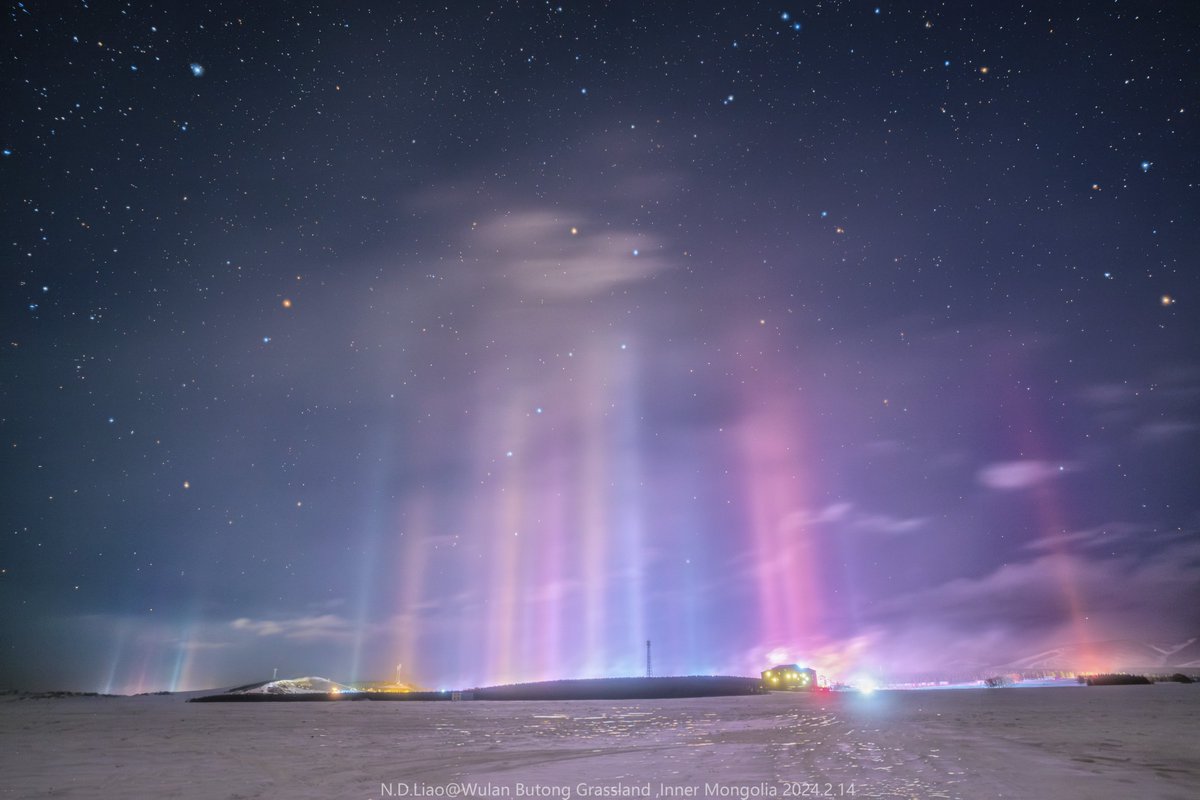
Light Pillars Over Inner Mongolia What's happening across that field? Pictured here are not auroras but nearby light pillars, a phenomenon typically much closer. In most places on Earth, a lucky viewer can see a Sun pillar, a column of light appearing to extend up from the Sun caused by flat fluttering ice-crystals reflecting sunlight from the upper atmosphere. Usually, these ice crystals evaporate before reaching the ground. During freezing temperatures, however, flat fluttering ice crystals may form near the ground in a form of light snow sometimes known as a crystal fog. These ice crystals may then reflect ground lights in columns not unlike a Sun pillar. The featured image was taken last month across the Wulan Butong Grasslands in Inner Mongolia, China. Image Credit & Copyright: N. D. Liao
16
228
927
273,718
WOW! ✨
coperni’s new air swipe bag for their fw24 collection is 99% air and 1% glass, made out of nasa’s nanomaterial silica aerogel which they use to capture stardust β€” THIS IS INSANE OMG!!!!
1
11
CBS Europe retweeted
14 Feb 2024
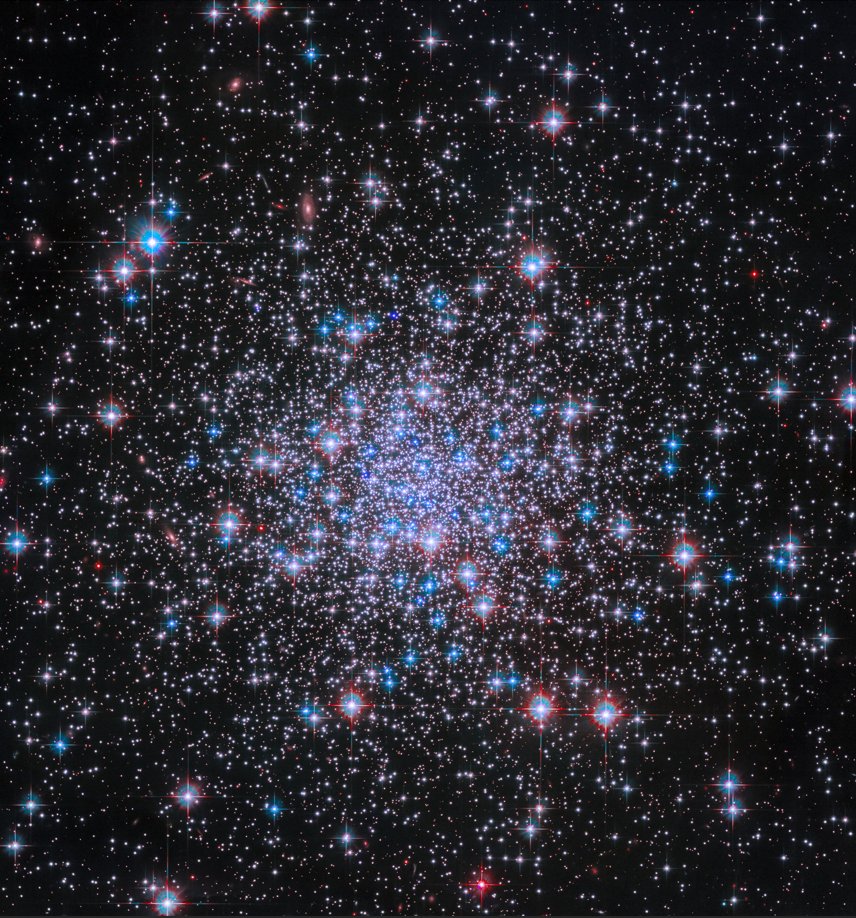
Happy #ValentinesDay from Hubble! πŸ’˜ To show our love, here's a new image of the globular cluster NGC 2298. These stars are attracted to each other... gravitationally, that is. Read more: go.nasa.gov/3uydKKD
38
671
3,785
149,870
30 Nov 2023
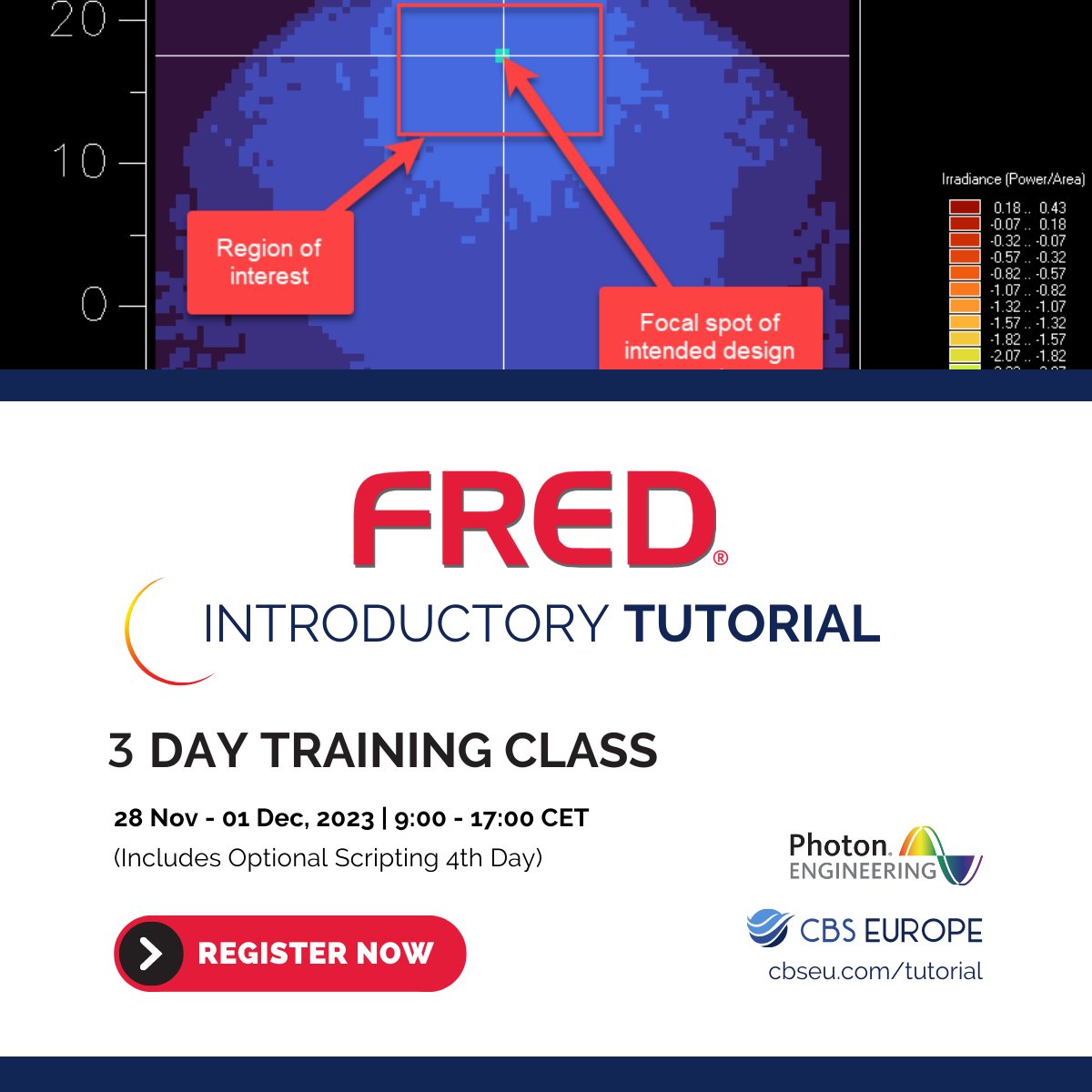
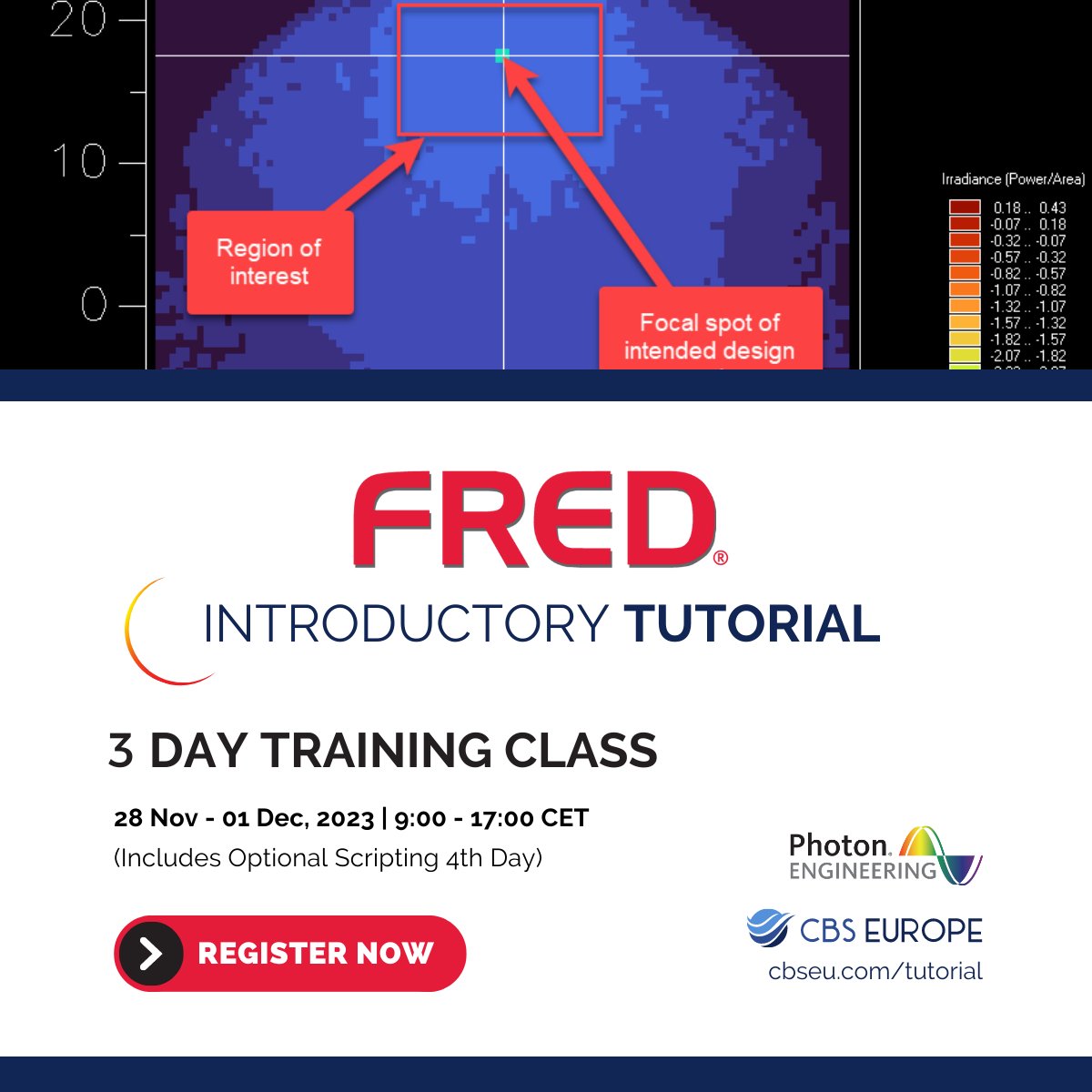
🌟 Calling all optical engineering enthusiasts! πŸš€ Get ready to unlock your full potential with our FRED introductory tutorial. πŸ“š From ray tracing to optimization, master the art of optical design and innovation. Register today! πŸ’‘ - cbseu.com/page/fred-introduc… #tutorial
18