Patient driven research laboratory 100% dedicated to accelerating cures for chordoma. A program of @ChordomaFDN.
Joined March 2024
- Tweets 177
- Following 332
- Followers 189
- Likes 674
12 Photos and videos
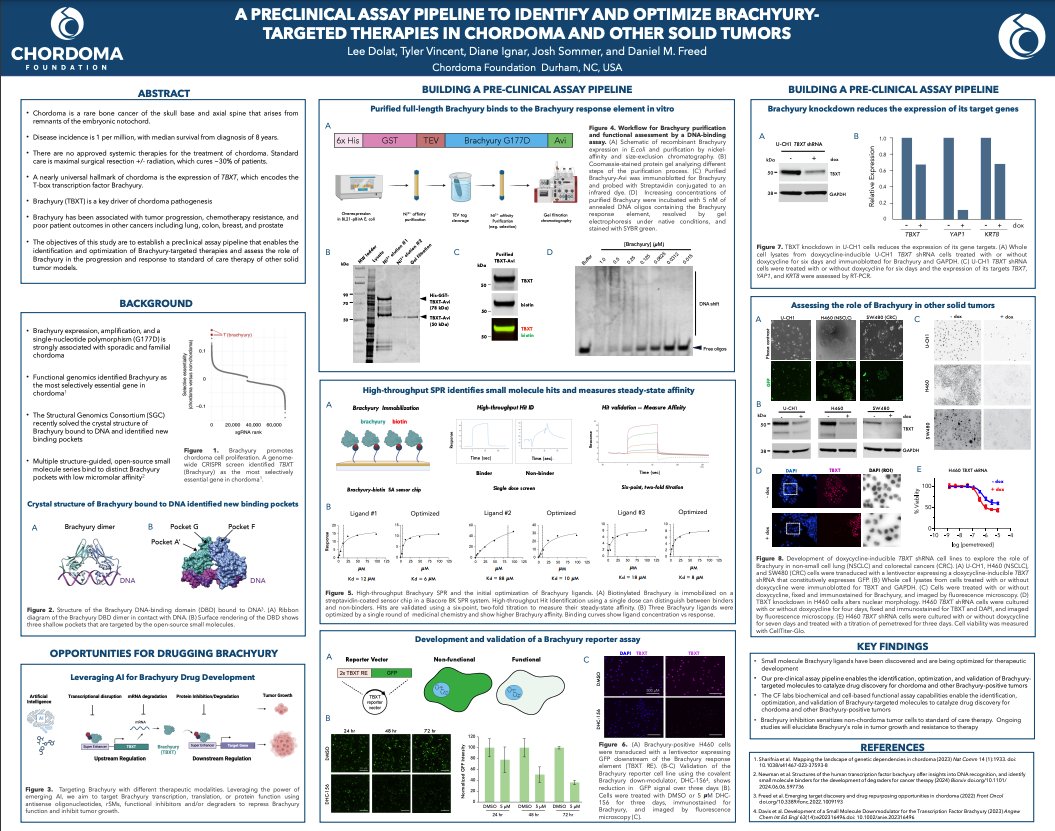
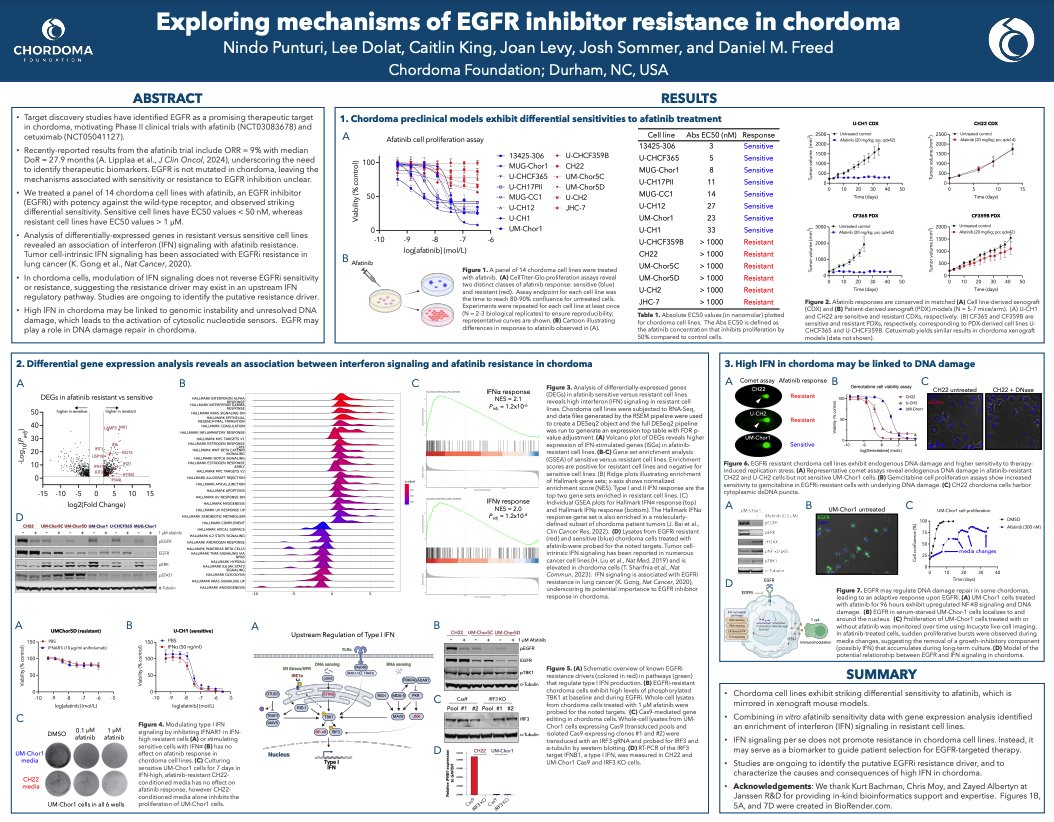
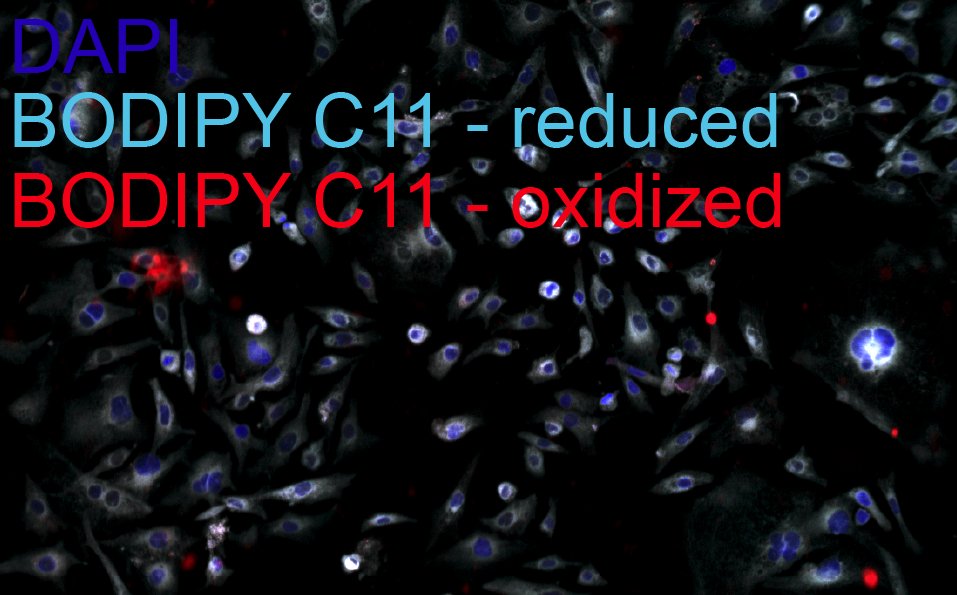

Real world data from 57 patients treated with targeted therapies across seven European sites also just published with similar results. Median PFS=7 months, ORR=6%. Though small numbers, PFS also looks slightly longer with imatinib sirolimus. pmc.ncbi.nlm.nih.gov/article…

Designing chordoma clinical trials and evaluating the benefit of new therapies has been complicated by not having a robust historical benchmark for comparison. That’s now changed with the publication of a pooled analysis of phase 2 chordoma trials including >300 patients. 1/
1
1
82
Shorter PFS compared to trial population is consistent with MGH data presented at CTOS last year, possibly due to differences between trial eligible and ineligible patient population, ability to travel, and/or measurement of progression on vs. off trials. cdmcd.co/9W7Kwn
25
Another step towards sharpening molecular subclassification of chordoma: new genomic subtypes identified based on copy number alterations, correlating with known immune and methylation based clusters sciencedirect.com/science/ar…
1
1
495
Designing chordoma clinical trials and evaluating the benefit of new therapies has been complicated by not having a robust historical benchmark for comparison. That’s now changed with the publication of a pooled analysis of phase 2 chordoma trials including >300 patients. 1/
1
1
8
560
A great collaborative effort led by Greg Cote @MassGenBrigham with @BerryConsultant @SilviaStacchia and many others with support from @ChordomaFDN. Huge thanks to all involved!
1
1
71
In the pooled analysis the combined ORR was 4.7% and median PFS was 10.8 months (95% CI 9, 12)
Everolimus/imatinib showed a statistically significant improvement in PFS
47
Chordoma Foundation Labs retweeted

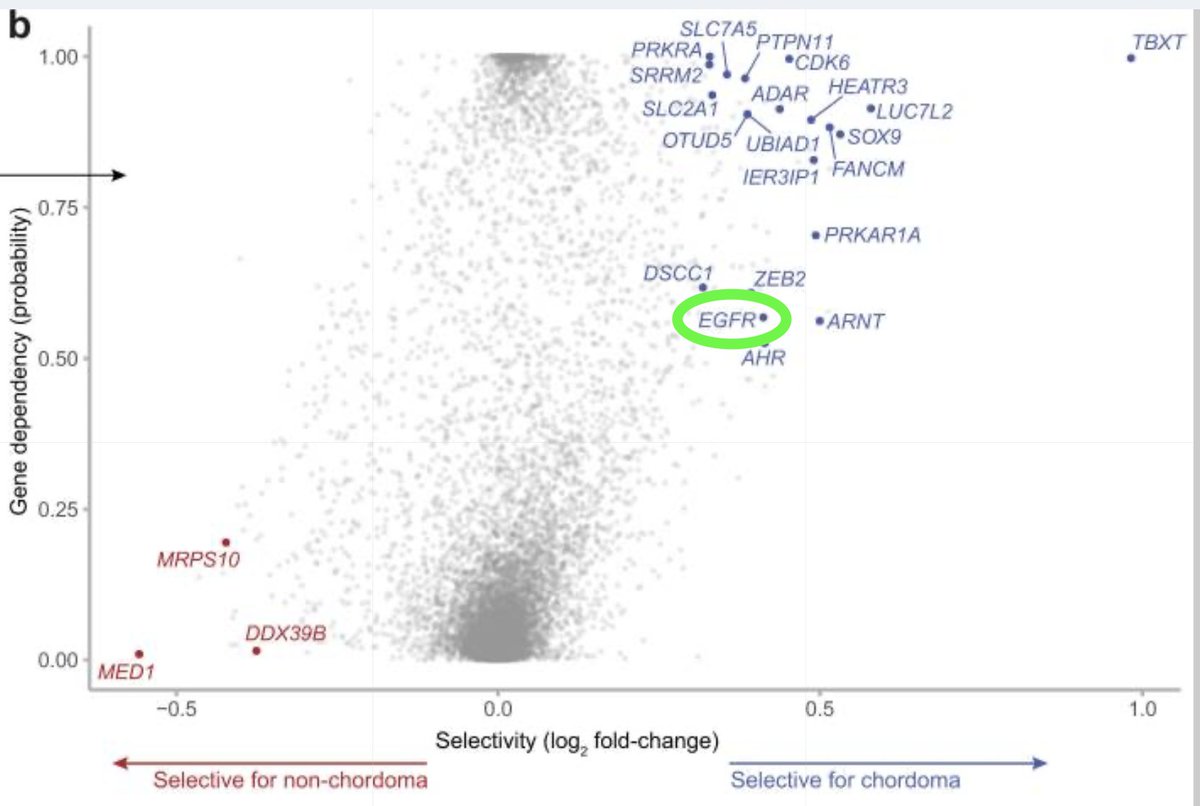
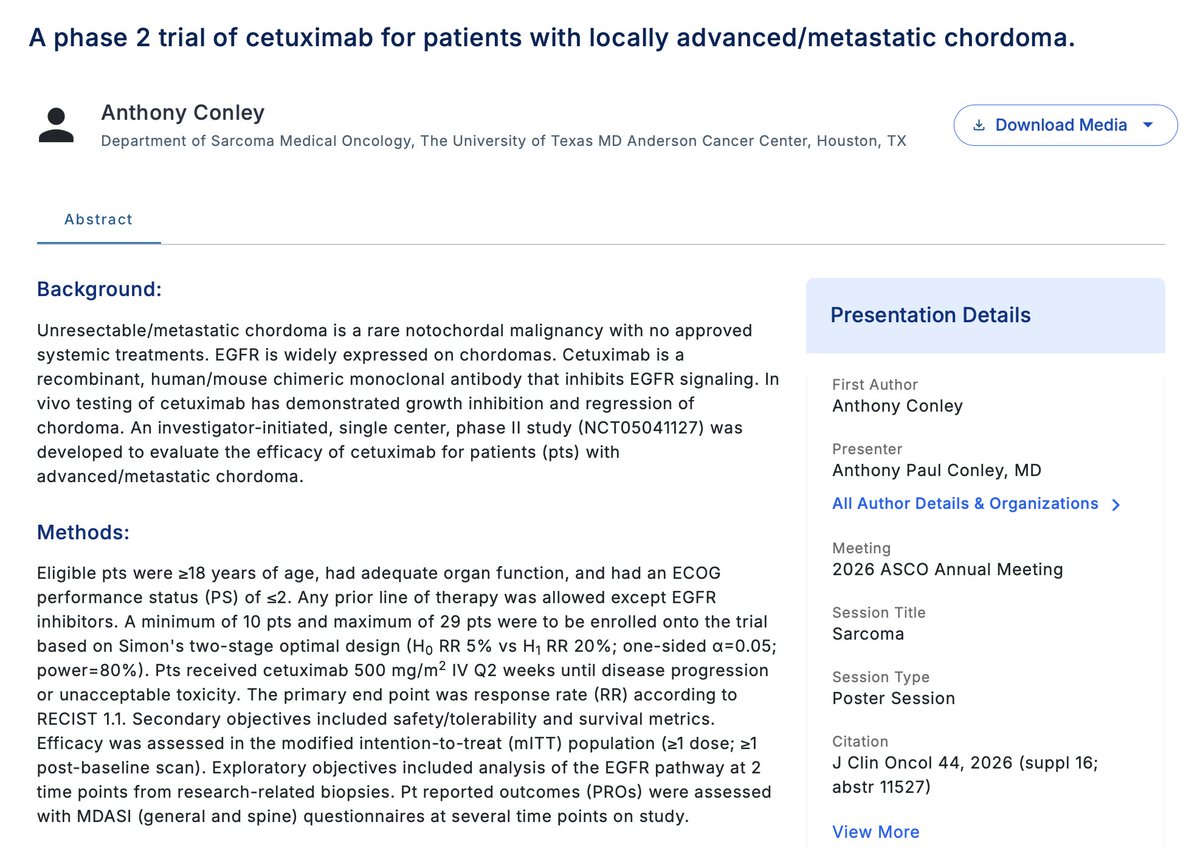
#ASCO26 Targeting EGFR in #chordoma:
Abstract 11527, @APConley77 #sarcoma
- IIT of cetuximab in met/unresect chordoma
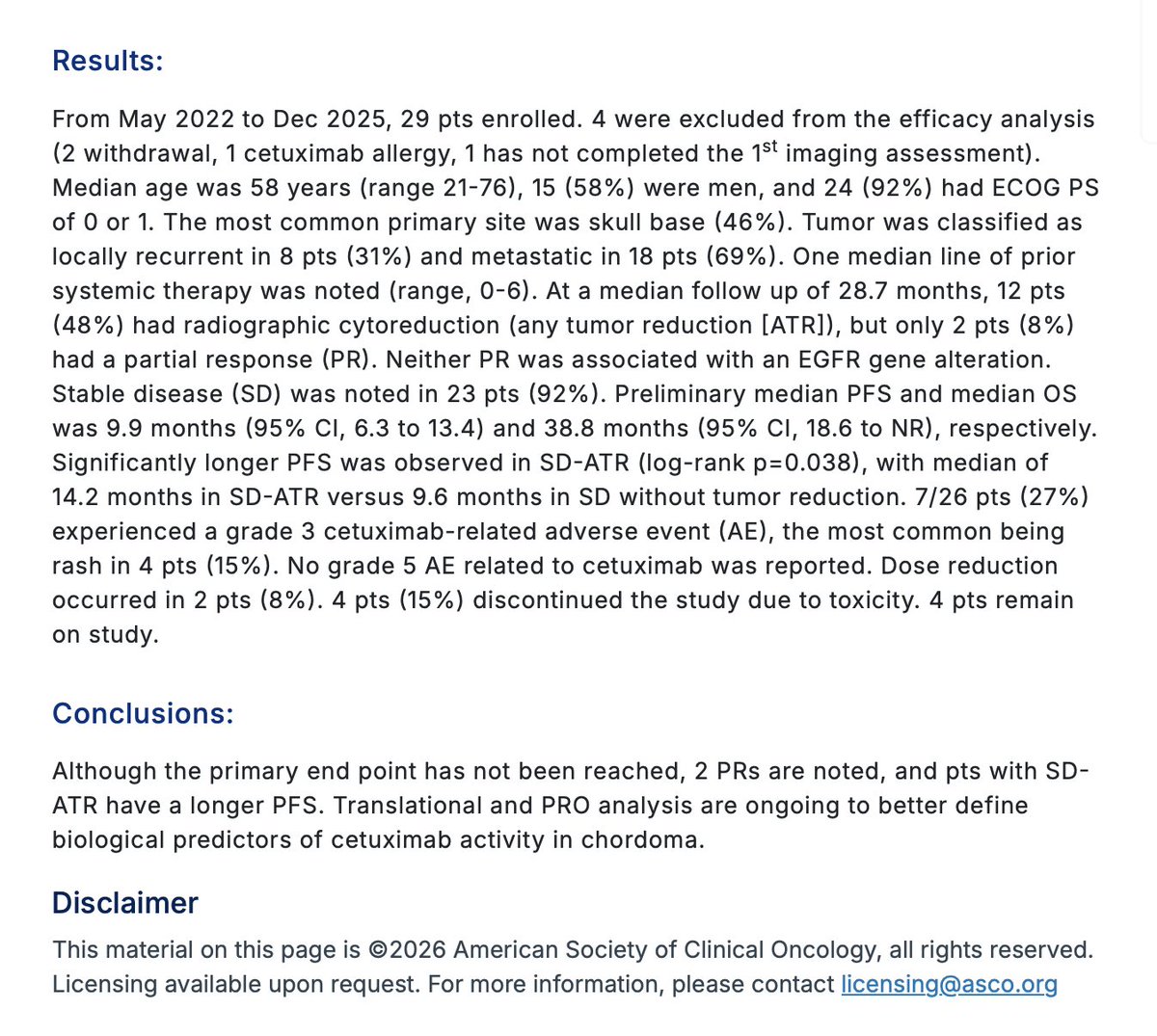
- n = 25 evaluable
- 48% (12/25) with size reduction, 8% (2/25) meeting criteria for PR. SD in remainder (92%, 23/25)
- Prelim mPFS/OS 9.9/38.8mo
1
4
9
825
Encouraging signal of activity from Camrelizumab (PD-1i) Apatinib (VEGFRi) in advanced chordoma. ORR of 24% exceeds any previous systemic therapy reported. But reported PFS of 28 months does not appear consistent with patient level data shown in the paper. Follow up needed. 1/n
1
4
230
Looks like median time on study was ~11 months. And among patients with confirmed RECIST progression, median time to progression was also ~11 months. So not clear where PFS of 28 months comes from.
1
2
92
Nonetheless there are an impressive number of responses and patients on study for >20 months which is encouraging and definitely warrants further investigation. Given chordoma’s limited vascularity it raises a question about the MOA of VEGFRi. Maybe remodeling microenvironment?
2
53
Important paper out from @s_vanoost, Judith Bovee &co at @LUMC_Leiden reporting two immune subtypes of chordoma with distinct transcriptional and metabolic profiles, plus contributing the first integrated spatial transcriptomics, metabolomics and lipidomics data sets to the field.
Links to data sets 👇cell.com/iscience/fulltext/S…
1
1
5
1,340
GeoMX and MALDI-MSI data on @figshare: figshare.com/s/4d52d0129b9e0…
1
59
Turns out there’s a lot of interest in a fast and free experimental benchmark of AI small molecule discovery capabilities. 👀
As a result we’re announcing a few updates to the TBXT Challenge:
1. June 1, 2026 is the last date we will accept new entrants. To register and reserve testing slots, please email us at TBXTchallenge@chordoma.org by June 1st. (Or if you know anyone who might be interested please encourage them to get in by then)
2. To participate in the Challenge, a competitor’s first batch of compounds must be received by CF Labs by September 1, 2026.
3. Competitors with compounds found to have Kd <10 μM in their first or second batch submitted to the Challenge may step out of the Challenge and perform hit optimization under a sponsored research agreement (SRA) with CF Labs. In this scenario, the competitor has the option to fund testing of up to two rounds of 60 compounds (up to a total of 120 compounds) in the SPR assay. If a two-fold increase in potency is achieved after these two rounds, up to two additional rounds of 60 compounds may be tested. After completing testing under an SRA, a competitor may re-enter the Challenge by submitting the remainder of their 96 allotted compounds for evaluation within the Challenge.
Please reach out with any questions and good luck to those competing!
4
6
277
Awesome to see the @adaptyvbio protein design competition bear fruit. Great example of the power of competitions with wet lab validation to surface computational solutions to molecular design problems.
This quote from the winning team @BioMandrake stood out:
“We’re a fairly young company that’s just started out, and are setting up our wet lab as we speak. This competition was a great way for us to validate some of our hypotheses and see how they stand against actual wet lab results. The Adaptyv competition was the cleanest version of that benchmark we’d seen.”
For anyone looking for a similar opportunity to benchmark small molecule design against a difficult target, our TBXT Challenge is here for you tbxtchallenge.org/
Apr 28

We don't even design binders!!
But we @BioMandrake just won @adaptyvbio × @gembioworkshop's RBX1 design competition - 1 Strong binder out of 322 tested, selected from 12,000 submissions.
Couldn't make it to @iclr_conf in Rio. Here's how we did it 👇
open.substack.com/pub/mandra…
2
161
Congratulations to @XChemInc for an excellent AACR poster on their DEL data-driven discovery of TBXT ligands!
aacrjournals.org/cancerres/a…
3
66
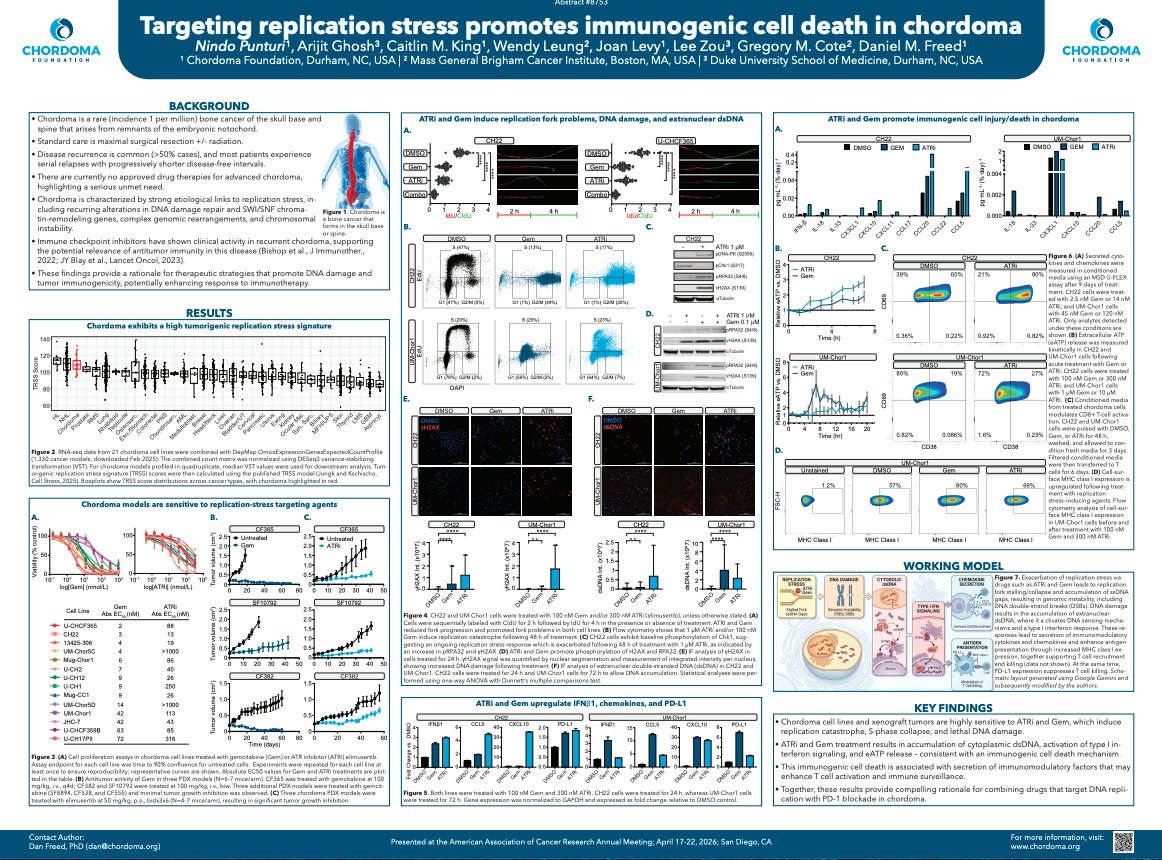
Just back from AACR where we shared results of a collaboration with @LeeZou8's lab which provide rationale for combining drugs that target DNA replication with PD-1 blockade in chordoma.
More details and link to poster "Targeting replication stress promotes immunogenic cell death in chordoma"👇
1
1
231
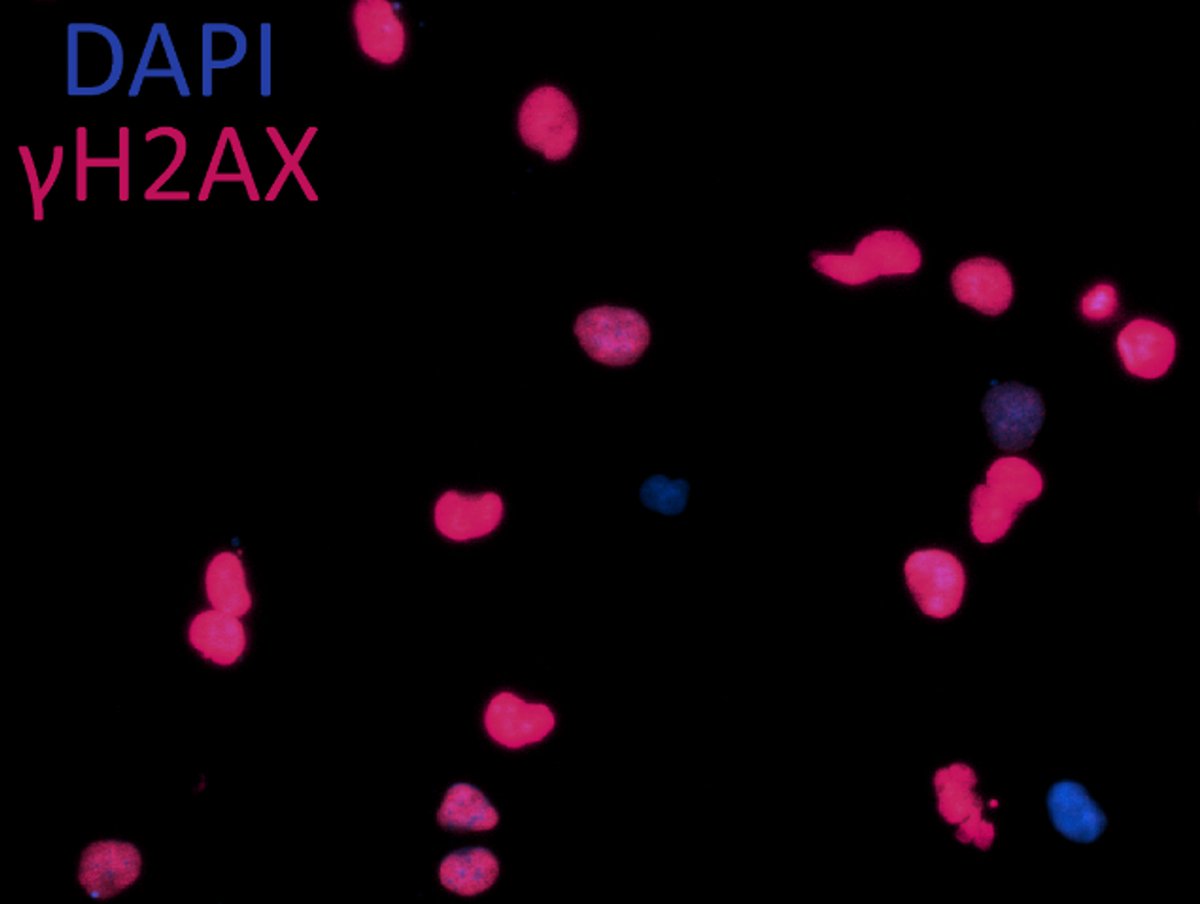
2. ATRi and Gem treatment results in accumulation of cytoplasmic dsDNA, activation of type I interferon signaling, and eATP release – consistent with an immunogenic cell death mechanism.
1
1
64
3. This immunogenic cell death is associated with secretion of immunomodulatory factors that may
enhance T cell activation and immune surveillance.
39