
On a mission to deliver clean fusion energy fast enough to meet humanity’s biggest challenges with SPARC® and ARC™.
Joined March 2017
- Tweets 895
- Following 366
- Followers 22,257
- Likes 1,066
309 Photos and videos
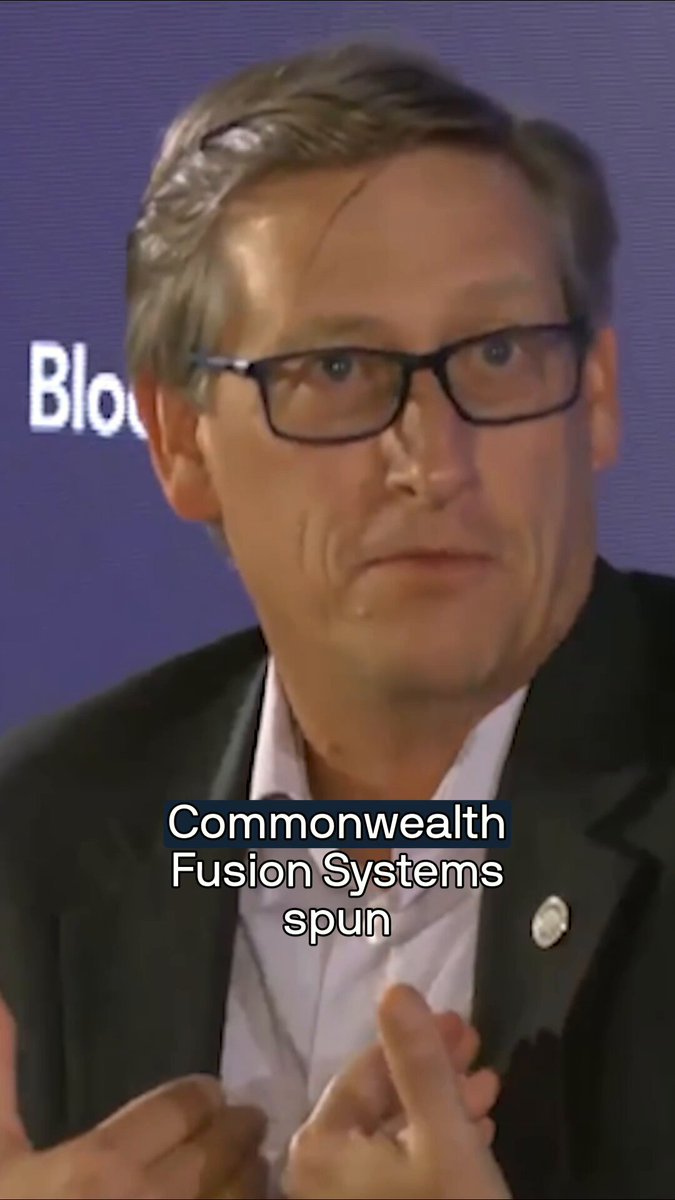




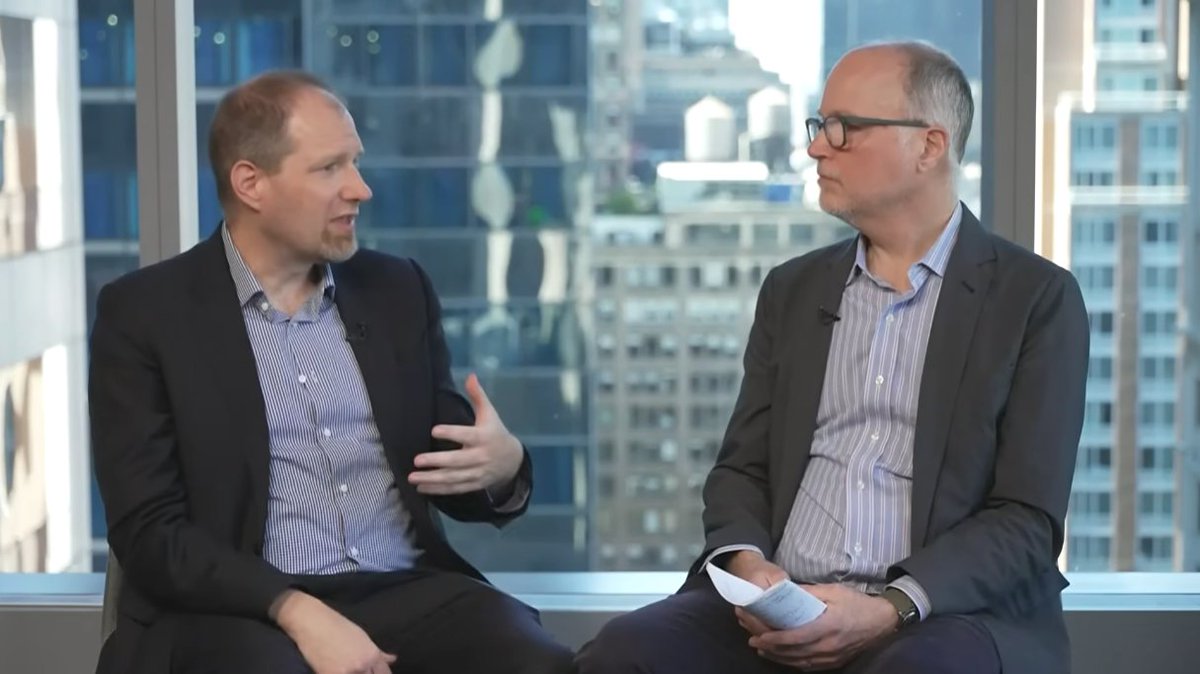


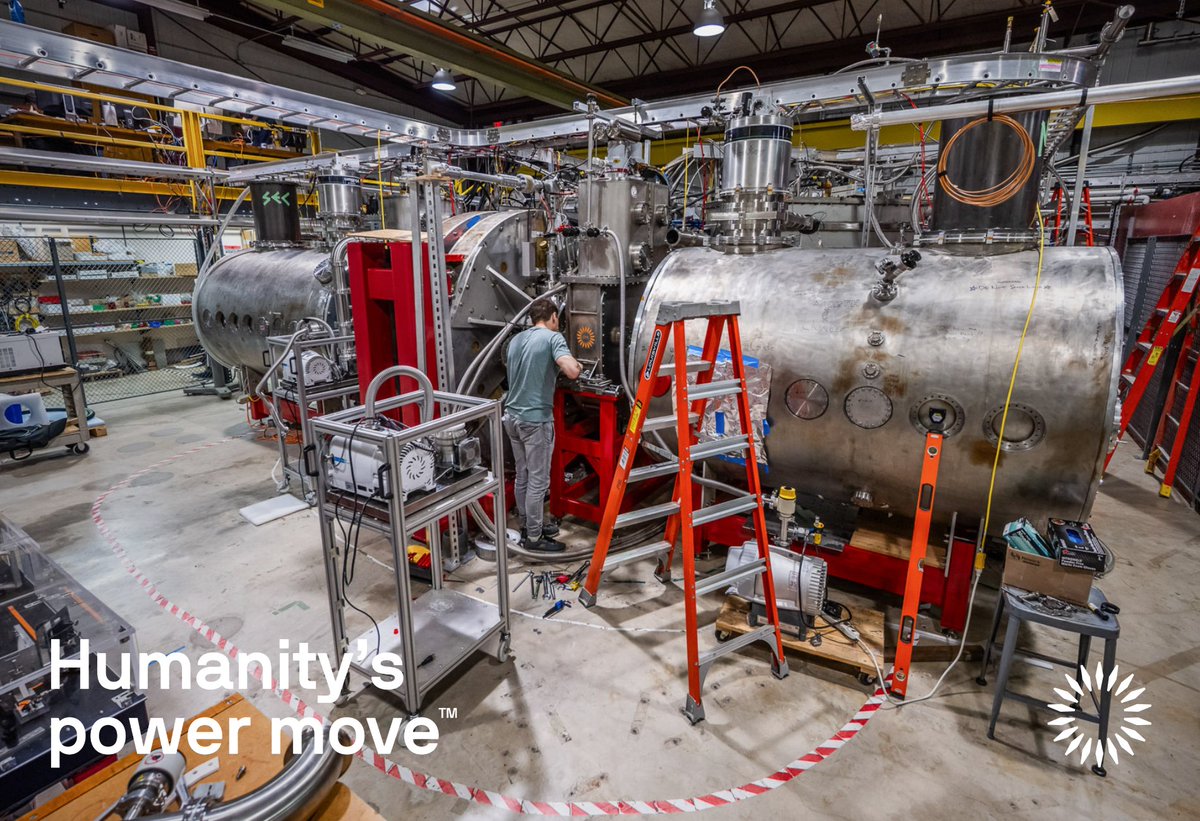

"One of the nice things about this technology is that when you look at the fundamentals behind it, there's not a lot of barriers to scaling..."
That's CFS Chief Science Officer and Co-founder @BrandonSorbom chatting with @Reuters' @TimoGard about fusion's future in a rapidly changing energy landscape. In a world with rising demand for electricity, fusion offers a clean, near limitless, and steady power source.
But for the world to properly benefit from fusion it also needs a clear and economical path to the grid, and to scale. Since CFS' founding that path has always been inseparable from our mission. Watch the interview to learn more about how we think about the economics of scaling our technology.
reuters.com/video/watch/idRW…
#FusionEnergy #Energy
1
11
478
Commonwealth Fusion Systems retweeted

“When you look back historically on people who’ve made really big promises about fusion that haven’t come to bear, it is often because they haven’t published and they haven’t gone through the rigor and the peer review” –@BrandonSorbom
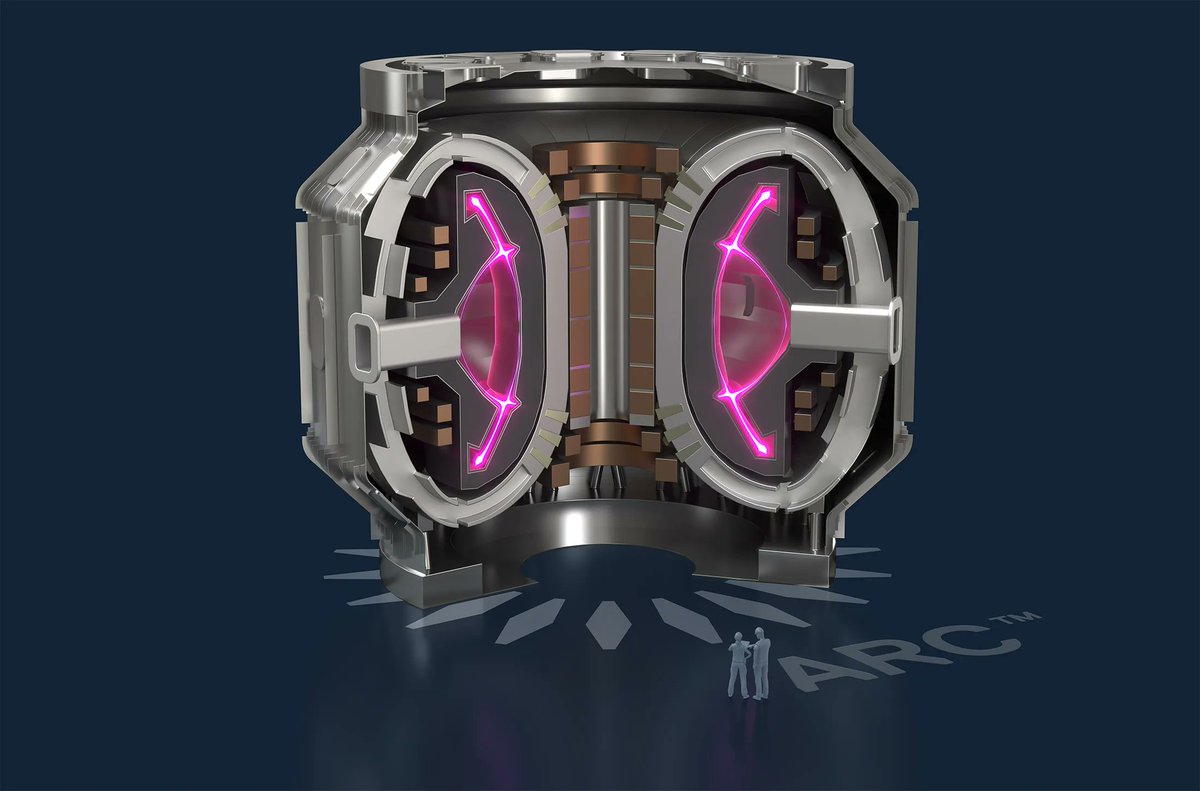
@CFS_energy just did both—publishing five peer-reviewed papers laying the physics groundwork for ARC, its fusion power plant targeting 400 MW on the grid in the early 2030s.
bth-energy.com/3Q0IxL6
2
6
20
1,051
“Support from the government would be essential … otherwise we fall into the trap we’ve fallen into many times before, where the U.S. seeds innovation with an 's' and then cedes it with a 'c'.”
–CFS Chief Commercial Officer Rick Needham, speaking at @BloombergNEF this year, explains the United States is on the cusp of commercializing fusion, but that without government support, the country runs the risk of watching other countries that invest in its development and deployment reap the benefits of this world-changing technology.
#FusionEnergy #Energy
3
10
39
2,414
Our eyes, ears, and fingertips are good for figuring out a lot of what’s going on around us. But to understand the inner workings of a fusion energy machine, you need more than human senses. That’s where diagnostic equipment comes into play — the tools you need to get things right and sidestep avoidable blunders.
Here’s a look at how we use diagnostics at Commonwealth Fusion Systems (CFS).
In fusion, the complex process that powers the sun, lightweight elements like hydrogen combine to produce heavier elements and tremendous amounts of energy. Fusion fuel on Earth is the same type of matter that the sun is made of: a plasma, which is a superhot cloud of fast-moving charged particles.
You can’t just watch a plasma fuse the way you can watch an apple falling or an ice cube melting. Happily, at CFS, we’re able to take advantage of hard-won knowledge about observing neutrons, light, heat, magnetic fields, and other physical phenomena to understand our machine.
“A high-temperature plasma is giving off copious amounts of information about itself, broadcasting its behavior,” says Matt Reinke, leader of the SPARC diagnostics team. “It's remarkable how it can be probed physically or with electromagnetic waves to tell you even more.”
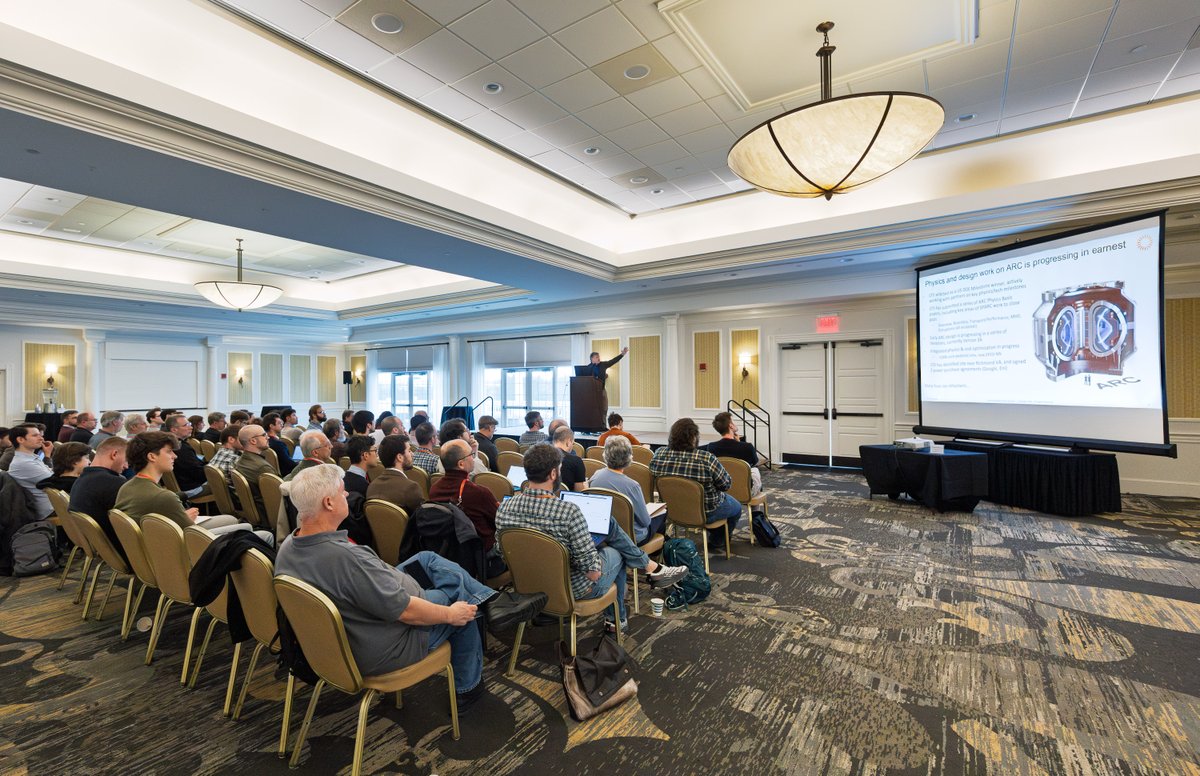
The knowledge sharing continues this week at the 26th High Temperature Plasma Diagnostics (HTPD) conference in Cambridge, Massachusetts. There, CFS researchers are showing our newest work on diagnostics for SPARC, the machine we’re building right now to demonstrate net fusion energy.
Diagnostic approaches are documented through the peer-reviewed research process, and we use that independent scrutiny to ensure we’re on the right track, too.
Misunderstanding your machine can lead to mistakes — like U.K. researchers having to correct their assessment of their Zeta experiment’s results in fusion’s earliest days in the 1950s. But we’ve learned a lot since then about setting up diagnostic equipment to get it right — like when a later U.K. team confirmed that a Soviet tokamak really was as powerful as its creators claimed. And that knowledge clears the way for fusion to progress at full speed.
#FusionEnergy #Diagnostics #Plasma
3
7
41
1,804
To read more, check our blog post about fusion diagnostics: blog.cfs.energy/diagnostics-…
9
1,093
On Thursday, we published five peer-reviewed papers that set the plasma physics foundation for our ARC fusion power plant, tackling the challenges and showing no showstoppers. If you want to hear firsthand from the lead authors, check the Journal of Plasma Physics’ colloquium replay:
cassyni.com/events/49kUW7hK3…
#FusionEnergy #Physics
1
8
41
2,068
Today, we laid the physics foundation for our ARC fusion power plant. ⚛️
With 5 deeply researched papers — validated by independent peer review and published in the Journal of Plasma Physics — we’ve shown we've nailed the scientific basics of producing copious amounts of fusion power.
The collective assessment from our 58 co-authors? This machine will work.
No scientific breakthroughs are required to bring this clean, secure, abundant source of energy to the grid. Here is how we're handling fusion's biggest challenges:
⚡ Powering the Grid: Using extremely strong magnets, ARC will confine the plasma long enough to generate 1.1 GW of fusion power. We'll convert that into 400 MW of continuous net electricity — enough to power ~280,000 average American homes.
🛡️ Handling Heat Exhaust: To control a superhot, unruly cloud of charged particles, we're utilizing proven methods to safely handle the heat exhaust that acts as a key practical constraint for tokamaks.
✅ Managing Disruptions: We aren't trying to build an operationally perfect machine. We are pragmatically designing ARC to safely handle disruptions and keep the plasma stable for top performance.
🏗️ Proving the Approach: We're building on decades of tokamak research and supercomputer simulations. And we're proving our approach right now with SPARC, the tokamak we are actively building in Massachusetts.
With our transparency, you don’t have to take our assertions on faith. We are really pushing fusion forward.
11
31
116
10,470
“The papers validate and de-risk the approach to commercial fusion we’ve taken, and increase our confidence that there is a scientifically robust path to putting electricity on the grid in the early 2030s.” –@BobMumgaard, quoted in our press release about the ARC physics basis papers: cfs.energy/news-and-media/co…
1
1
13
731
The full collection of papers and an accompanying editorial are here: cambridge.org/core/journals/…
1
12
944
For more information, including a detailed look at each of the five ARC physics basis papers, check our blog post: blog.cfs.energy/new-physics-…
1
2
14
290
Commonwealth Fusion Systems retweeted

Jun 1
Happy to see this new $250 million fund from @gigascale Capital designed to let institutional investors become more deeply involved in the startups that’ll build the world’s future infrastructure and other physical technology. This is literally a constructive step forward.
Very few people have successfully scaled cutting-edge technology and delivered it to the world. Even fewer can go deep on the novel physics, the operational work, and the people at the same time. @schrep and his team do all of it, and their expertise shines through.
Jun 1

1/ Today we're announcing Gigascale Capital's $250M first institutional fund to back early-stage founders rebuilding the physical economy.
1
3
23
3,032
Commonwealth Fusion Systems retweeted

May 29
The blokes at Stepchange Show have produced an epic history of the US grid, "the largest machine ever built," and it is TRULY GREAT. I think it is THE best single piece on the arc and accidents of history that results in our unique American power system.
stepchange.show/grid
Give it a listen and share widely. This will be required listening in all my future Introduction to Electricity courses at Princeton. A work Ben Eidelson and Anay Shah. 👏
9
45
165
13,204
Commonwealth Fusion Systems retweeted

New #FusionNews episode⚡️
@CFS_energy and @ASTARsg to develop tech for fusion plants; @TheaEnergy announces operation of full-scale planar shaping coils; @lasers_llnl projects over 10X increase in fusion yields.
Podcast: creators.spotify.com/pod/pro…
YouTube: youtu.be/cQhV7yjT6lQ?si=vAat…
3
10
1,428
Kudos to the @ENERGY for pushing forward this effort to build a volumetric neutron source, a facility that would help many companies in the fusion energy business move faster, for example by evaluating materials science options. This facility has been a longstanding item in DOE Science and Technology road maps, with a well understood needs and benefits, and fusion energy's benefits will come sooner with it up and running.
This facility also would help supply DOE's Genesis Mission with data that'll help AI supercharge energy research. Some Genesis Mission background: energy.gov/documents/genesis…
And if you're curious, here's DOE's most recent Science & Technology roadmap for fusion: energy.gov/sites/default/fil…
This DOE work all helps commercial fusion deploy and scale more quickly.
#FusionEnergy #Energy
2
2
29
2,081
Here's the official DOE bulletin: content.govdelivery.com/acco…
1
8
898
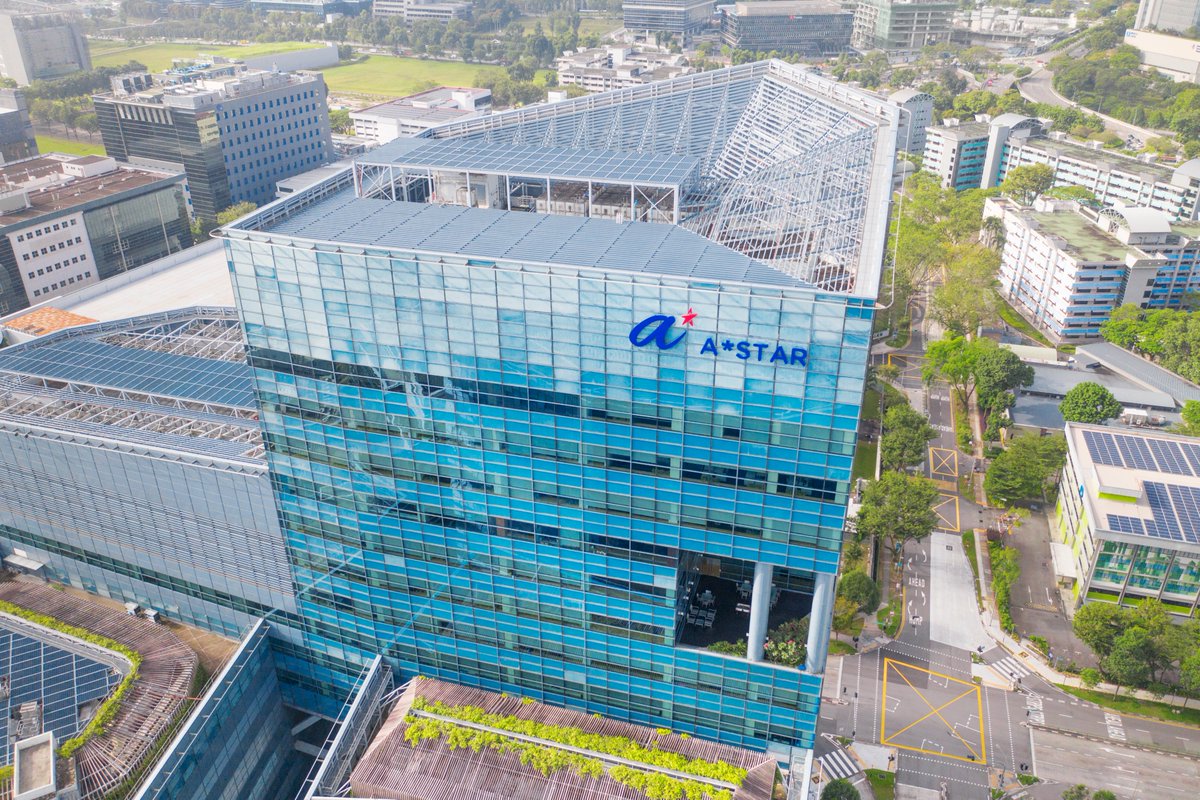
Today we announced a new strategic agreement with the Singapore-based Agency for Science, Technology and Research, @ASTARsg. This five-year collaboration is designed to develop technologies for commercial fusion power plants, including CFS’ ARC power plants, and will also help Singapore's effort to be an early entrant in the global fusion energy supply chain.
This agreement builds on an earlier collaboration with ST Engineering, also headquartered in Singapore, to produce components for our prototype fusion machine, SPARC.
"Singapore possesses major capabilities in advanced manufacturing and materials engineering," says CFS CEO and Co-founder @BobMumgaard. "They've deployed these capabilities in the shipbuilding, aerospace, and semiconductor sectors. With our partnership with A*STAR, we envision that these capabilities will accelerate our commercialization journey."
Beyond fusion, the partnership will develop capabilities in materials science, advanced manufacturing, and plasma diagnostics that are useful for industries operating under similarly demanding environments — aerospace and other advanced engineering sectors, for example.
#FusionEnergy #Energy
3
9
38
2,769
Read the full press release here: cfs.energy/news-and-media/as…
6
823
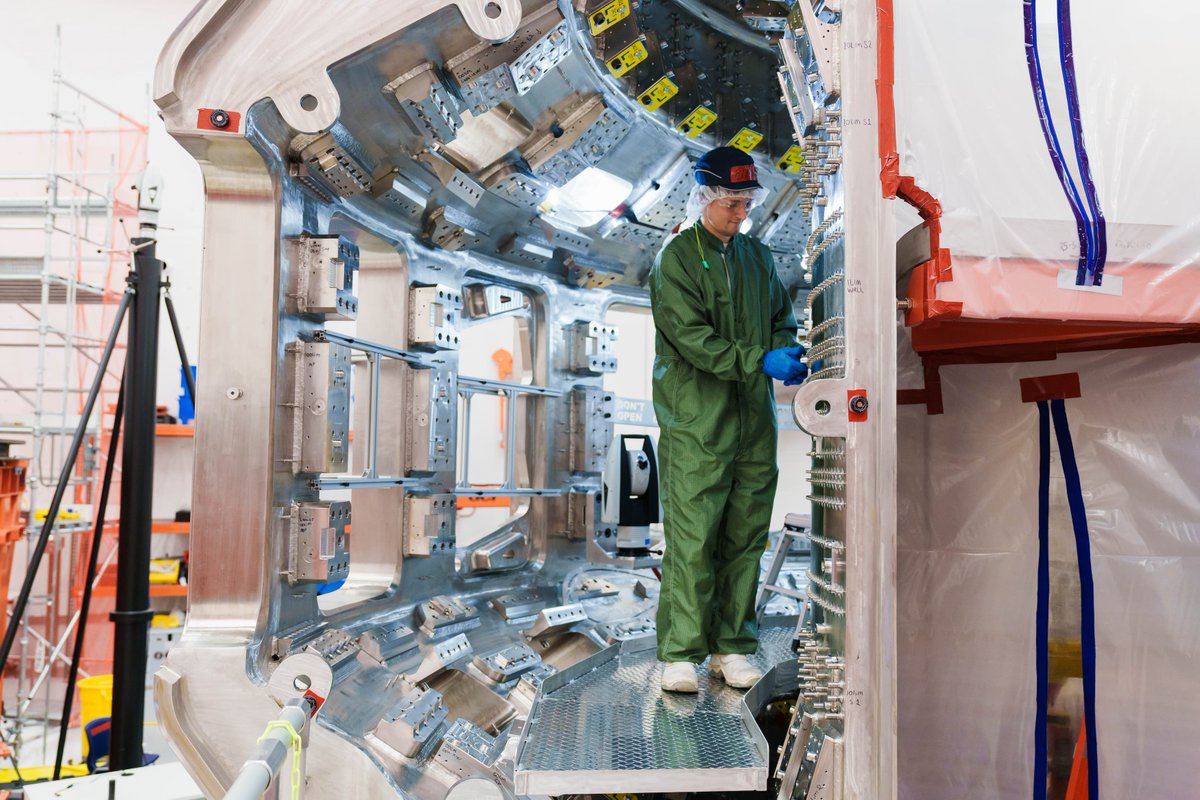
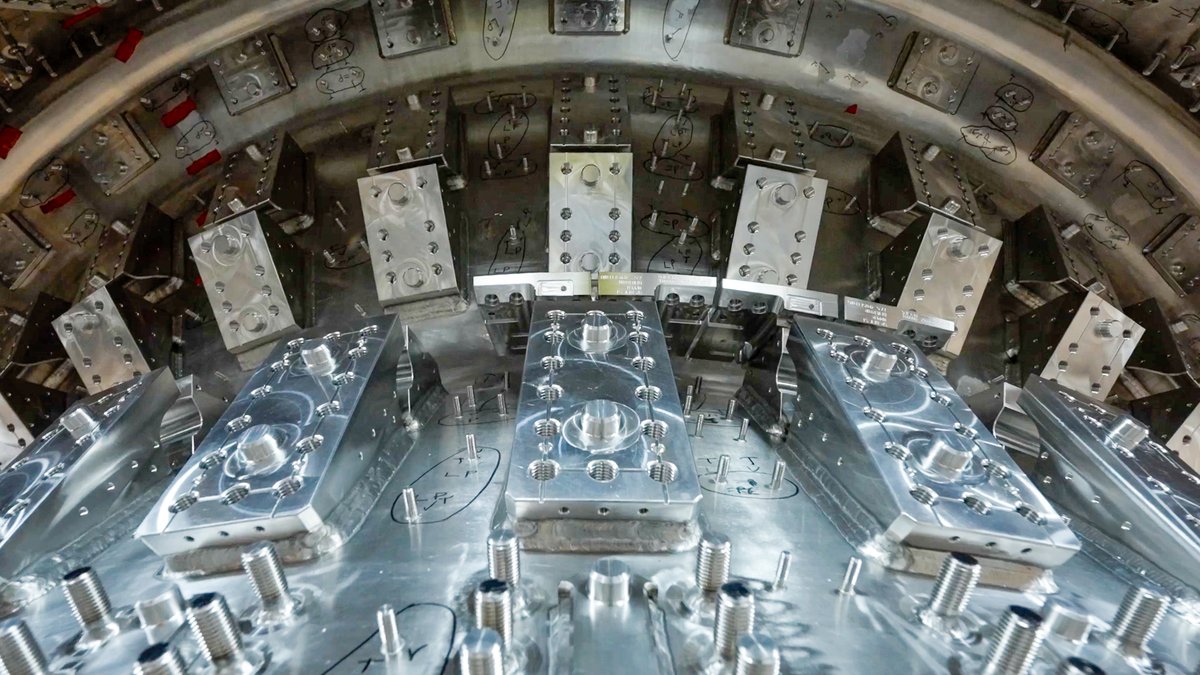
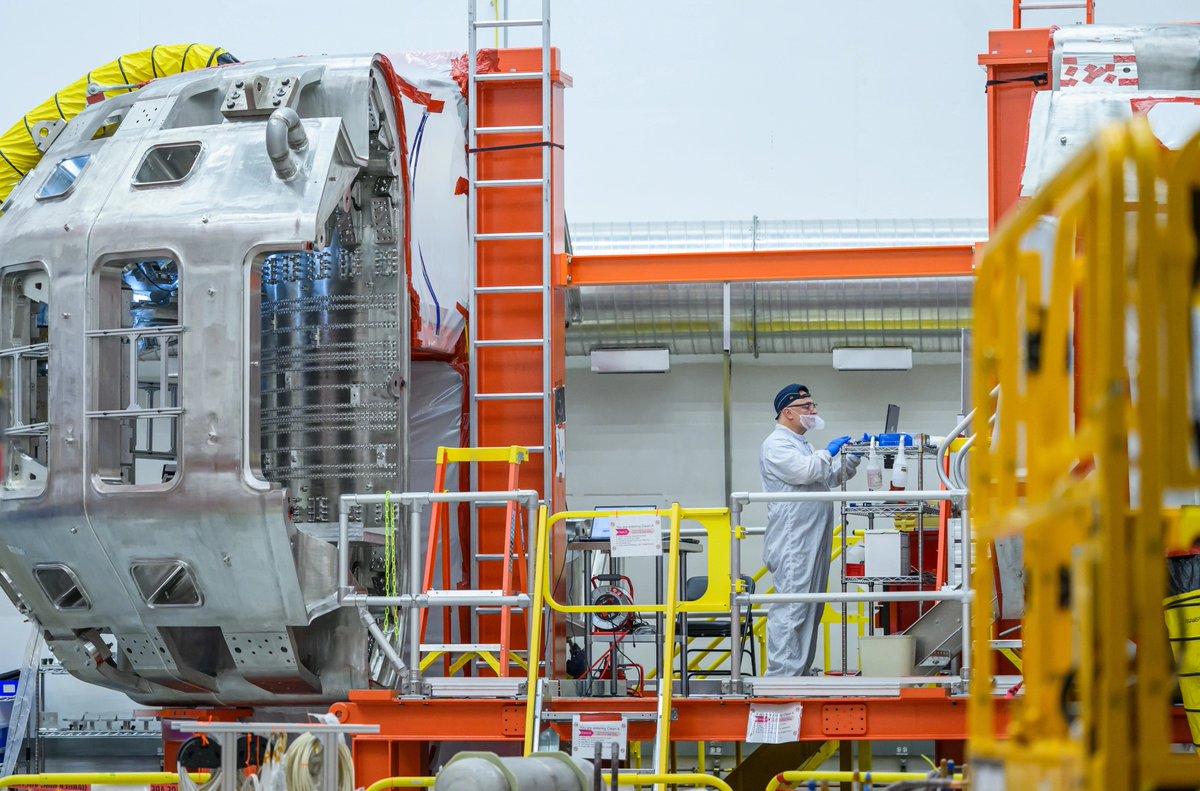
Now that both halves of our vacuum vessel are here, our team is deep in the work of preparing each half for assembly into our SPARC fusion machine. That means a whole lot of cleaning and measuring, then furnishing each half with diagnostic equipment and plasma-facing components.
These photos show the interior of the vessel, including hundreds of studs where we'll attach the plasma-facing components and one of the "divertor" areas that'll help handle the tokamak's hot helium exhaust.
The vacuum vessel combines strength, durability, and precision to serve several critical functions — creating an effective vacuum for the plasma inside SPARC, withstanding the extreme temperatures required to sustain a fusion reaction, and shouldering colossal forces exerted by SPARC’s magnets.
Stay tuned for a more detailed look soon at what we're up to with the vacuum vessel.
#FusionEnergy #Energy #Physics #Science
6
19
89
5,387
For more details, check our blog post about this work on (and in!) SPARC's vacuum vessel: blog.cfs.energy/cfs-begins-p…
1
7
757
100 million degrees Celsius.
That’s the temperature our plasma will reach and even surpass after SPARC, our demonstration fusion machine, begins operations in 2027. With both halves of our vacuum vessel now inside tokamak hall, we’ve begun to ready them for hosting the most intense conditions in the solar system.
In this video we take you inside the vacuum vessel, the airless heart of SPARC, where we’ll confine and sustain our fusion plasma. Watch the video to learn more about how we learned from — and improved upon — the other 150 tokamaks that have been built around the world, what our team is doing right now to prepare the vacuum vessel for assembly, and much more.
This work paves the way for us to generate net fusion energy with SPARC, a threshold called Q>1 that’s an essential step on the way to commercial fusion energy.
#FusionEnergy #Energy #Physics #Science
4
36
177
8,314