Since 1992, we have worked with thousands from all around the globe to prevent and resolve destructive conflict.
Joined May 2009
- Tweets 2,216
- Following 2,195
- Followers 1,531
- Likes 858
510 Photos and videos
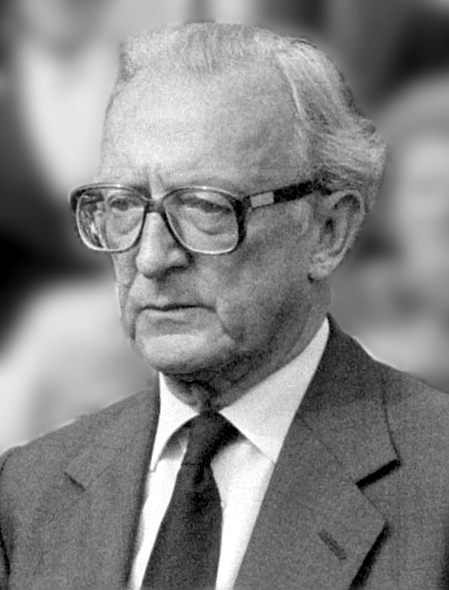






The Rhodesian Bush War killed tens of thousands of people and left the country trapped in a bitter conflict over power, legitimacy, race, land, and independence.
At the 1979 Lancaster House Conference on Zimbabwe-Rhodesia, Lord Carrington helped move a bitter conflict toward settlement through a move many mediators would be reluctant to make:
He gave the parties someone else to blame.
The concessions were painful. The conflict was public. Each side had supporters watching. Accepting compromise could look like weakness, betrayal, or defeat.
So Carrington absorbed some of the reputational cost. The parties could accept terms they may not have been able to propose themselves, while preserving enough standing with their own constituencies.
That is not just diplomatic theatre. It is face-saving as settlement design.
A recent PNAS study helps explain why this matters. Across six countries and two U.S. cultural regions, researchers found the same basic pattern: shame increased when a failure was public rather than private, and when the failure involved something others valued highly, such as competence, intelligence, parenting, or communication.
The striking point is not simply that people feel shame across cultures. It is that shame appeared to follow the same social logic across very different cultural settings: it rose when reputational threat rose.
That does not mean culture is irrelevant. Different cultures may vary in what they value, what counts as dishonourable, and what kinds of failure carry the greatest social cost.
But the underlying sensitivity to public devaluation seems to cross borders. In other words, shame appears to track reputational threat.
That has real implications for conflict and negotiation.
People are not only protecting interests. They are often protecting identity, status, loyalty, competence, and social standing.
Sometimes the path to agreement is not simply asking, “What concession can they make?”
It is asking, “How can they make it without being humiliated?”
Read more: pnas.org/doi/10.1073/pnas.25…
#negotiation #conflictresolution #diplomacy #negotiationtips #MediationTraining
15
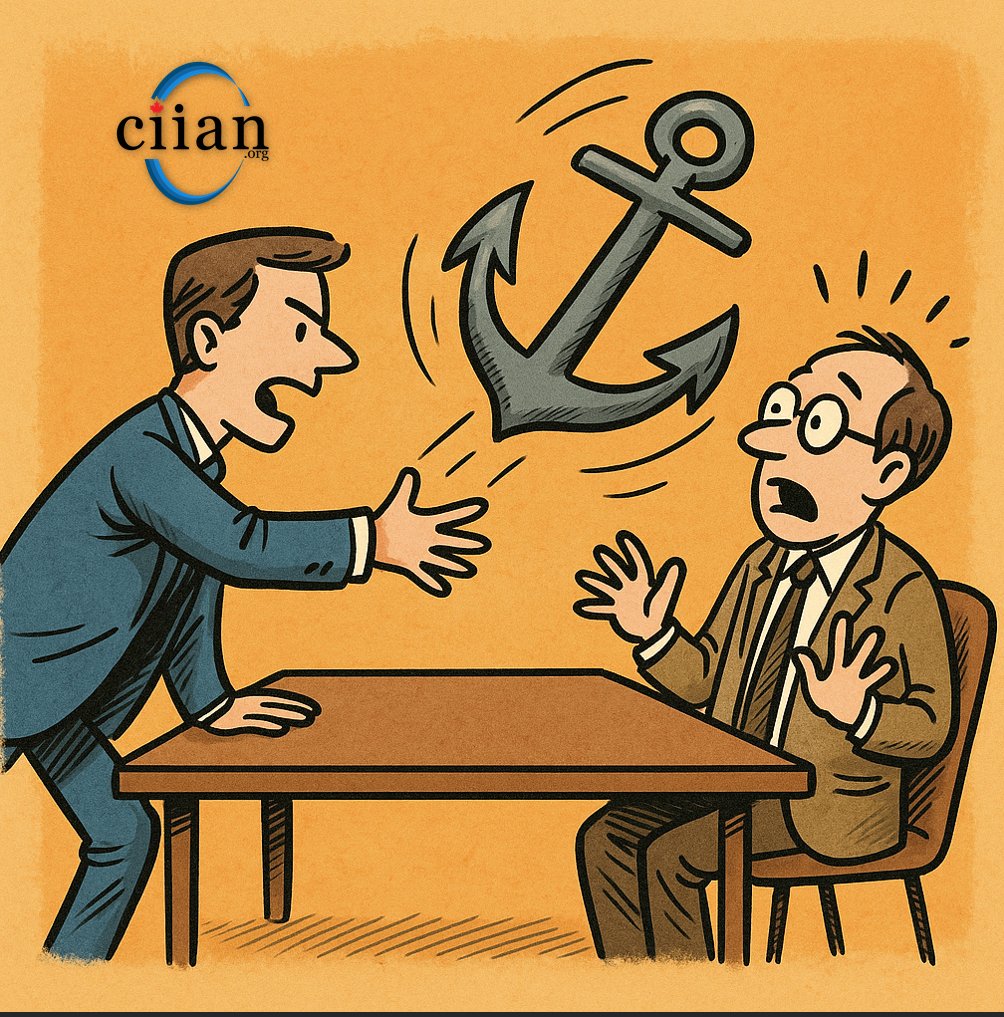
Most negotiators know about anchoring.
An opening offer, first number, or early position can pull thinking in its direction, even when that starting point is arbitrary or strategic.
A recent study by Calvin Isch and Damon Centola adds an important wrinkle.
In a study of 1,600 participants, they found:
✅anchoring showed up clearly
✅simply giving people more time to reflect on their own did not significantly reduce the bias
✅when people were exposed to structured input from others, accuracy improved
✅people moved away from harmful anchors and closer to more accurate judgements
✅“confidence in others” seemed to matter more than confidence in self when it came to improving judgements
That has a useful implication for negotiation teams, leadership teams, and anyone making decisions in conflict.
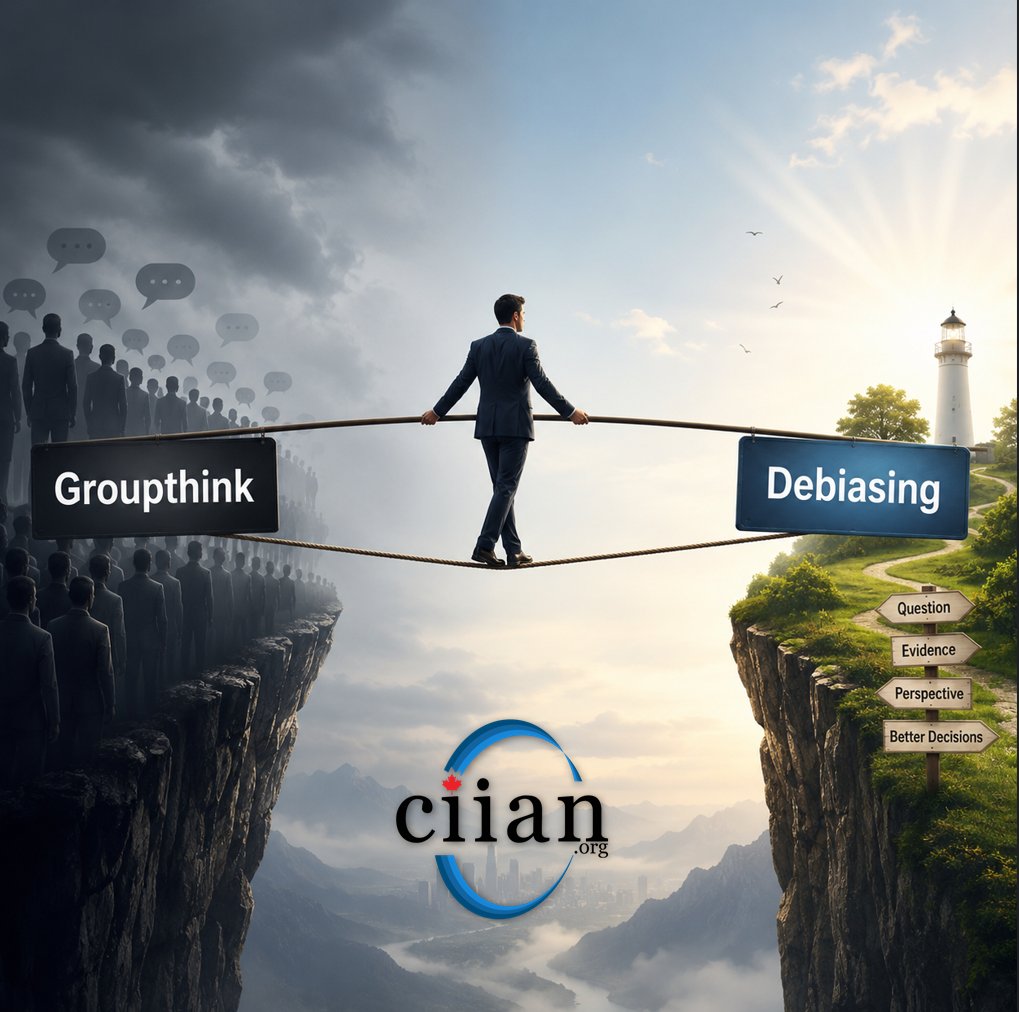
More discussion is not automatically better. Groups can just as easily reinforce bad anchors, especially when a loud voice, senior person, or rush to consensus takes over.
So the real challenge is finding the line between debiasing and groupthink.
The goal is not blind confidence in the group.
The goal is a team process that helps people test assumptions, compare perspectives, and revise their thinking without losing face.
Good teams do not just “get aligned.”
They help each other think better.
Maybe the better question in negotiation is not:
“How confident are we?”
But:
“What are we anchored to, and have we created enough honest exchange to challenge it?”
Read more here:
👉lnkd.in/gR_Mu8xW
hashtag#conflict hashtag#negotiation hashtag#teambuilding hashtag#cognitivebias hashtag#groupthink hashtag#debiasing
31
New research uses fMRI to examine how people respond when they witness toxic behaviour at work.
The interesting part: it may not be moral outrage that drives people to act, but empathy.
The authors suggest that empathic concern is linked to stepping in and supporting others. This points to a different approach to workplace culture:
Instead of only reinforcing rules or consequences, organizations may need to focus more on cultivating empathy if they want ethical behaviour to show up in real time.
When you think about it, that makes sense. People don’t just act on what’s “right” — they act on what they feel connected to.
Full article: rutgers.edu/news/mri-scans-r…
#conflictresolution #workplace #conflictculture
20
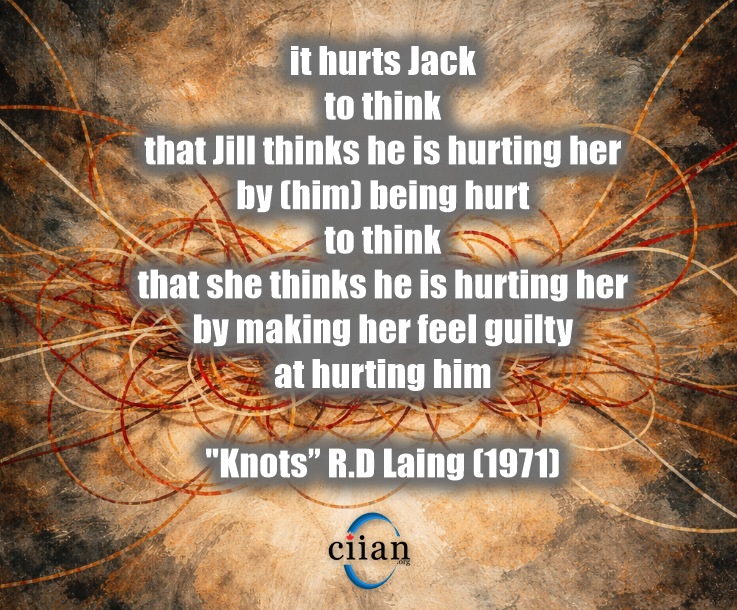
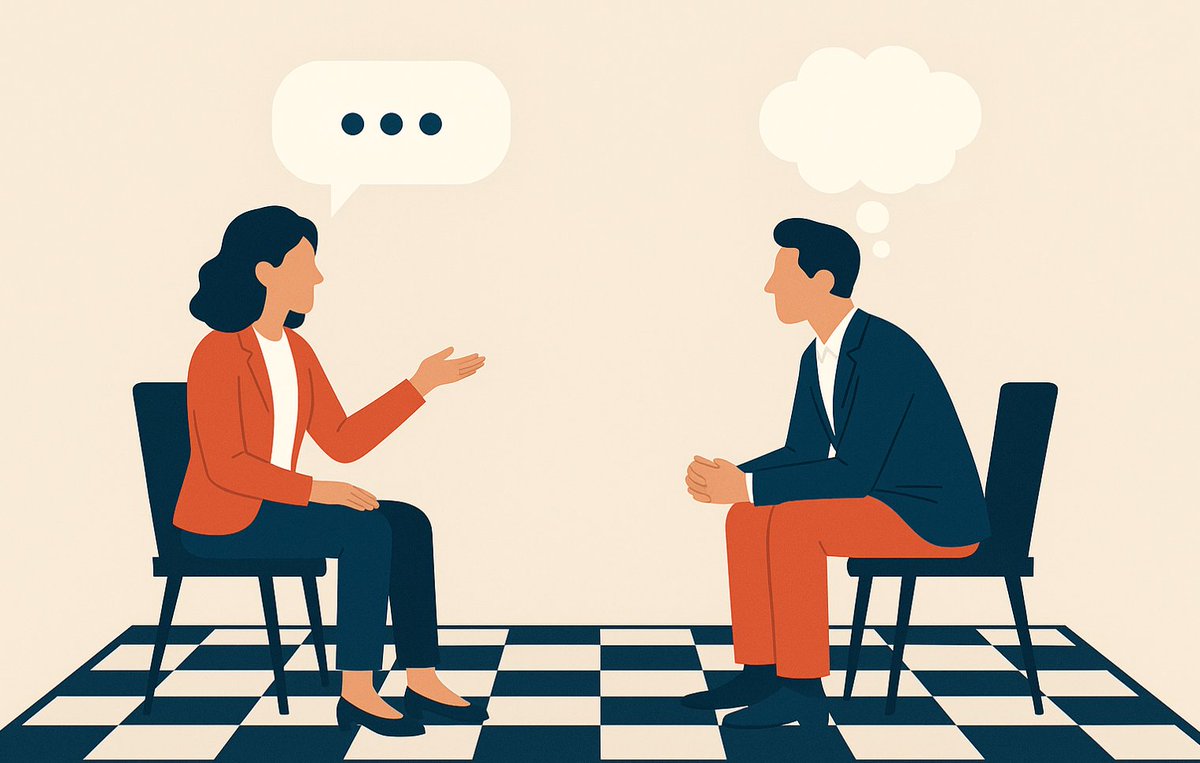
Sometimes emotions are used strategically. But more often, conflict escalates for a quieter reason: emotion is misread as intent.
R.D. Laing captures this in Knots (1971), where one person’s hurt is interpreted as an attack (“you’re doing that to me”), rather than information (“you’re feeling something”).
That misread creates a loop: defensiveness triggers more hurt, which triggers more defensiveness.
Once you notice it, you’ll see it everywhere: couples, workplaces, families, community groups.
#conflictresolution #emotionalintelligence #mediation #disputeresolution #conflictmanagement
25
Sequential negotiations are everywhere. Think of natural resource allocations like fishing quotas, water access, forestry rights - or everyday situations like business partnerships, real estate development, or succession planning. The same people negotiate more than once, and today’s choices shape what’s possible tomorrow.
In a new 2025 study, researchers looked at how efficient these kinds of negotiations really are when the value of resources changes over time. Their assumption was reasonable: more trust should mean less greed early on, and more optimized outcomes across multiple rounds of negotiation. In other words, if I trust you, I don’t need to grab as much right now because I believe we’ll both do better later.
But that’s not what they found.
Trust did improve cooperation. People were more willing to make deals. But it didn’t improve the efficiency of those deals.
Even when participants knew the future value would be higher, they still took too much too early. Again and again, people optimized for short-term relief rather than long-term gain.
That’s a critical finding for process design.
It tells us that goodwill alone doesn’t protect long-term value. When future outcomes matter, the process has to build in guardrails against taking too much too soon.
So in negotiations, you might:
✅ Set clear future valuation moments before anyone cashes out early
✅ Use staged agreements instead of settling everything all at once
✅ Hold off on one-way concessions until future value is properly factored in
✅ Build in natural check-in points when conditions change
✅ Make the long-term cost of early decisions explicit, not just implied
When timing matters, patience can’t just be a personal virtue.
It has to be built into the structure of the deal.
Read the full study here 👉 psycnet.apa.org/fulltext/202…
#negotiation #conflictresolution #DecisionMaking #meditation #leadership #processdesign #environmentalprotection #cognitivebias
38
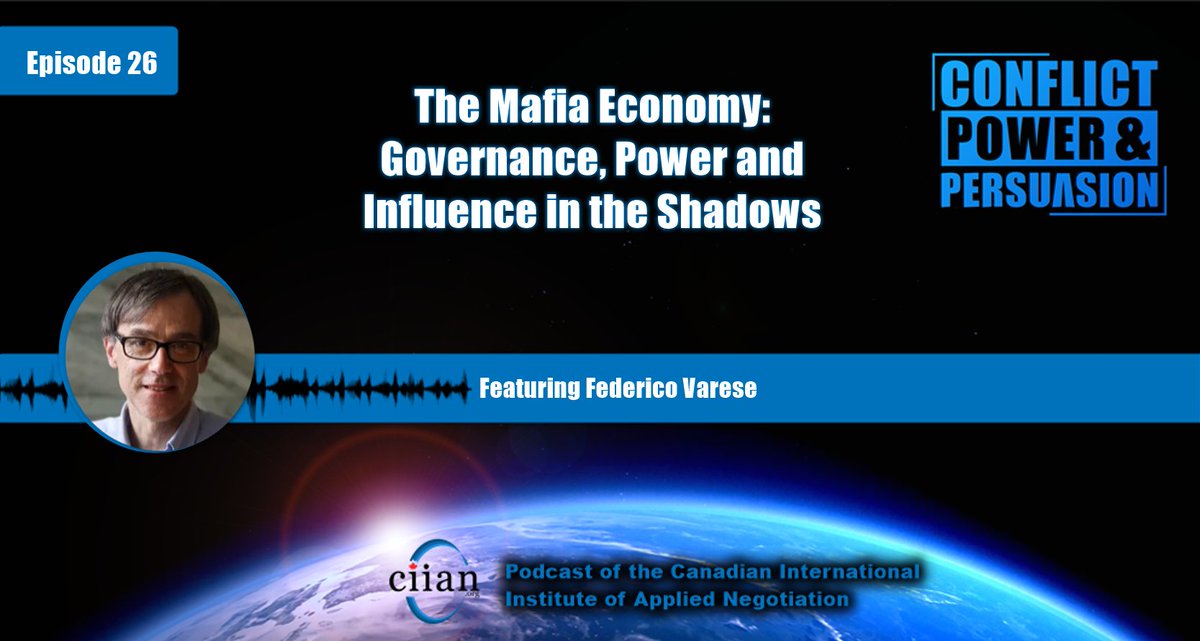
Organised crime isn’t just about violence and turf wars. According to @federico_varese, many mafia-style organisations operate like informal states - managing disputes, supervising trade, and providing order where official institutions fail.
In this episode of #Conflict, #Power & #Persuasion, Federico uncovers how these “shadow governments” emerge, expand and influence communities across continents.
📷 Listen now: open.spotify.com/episode/7Ij…
#Criminology #Negotiation #GlobalCrime #persuasion #disputeresolution #organizedcrime
1
101
We’re always glad to spotlight the work coming out of our internship program. As part of her internship with us, Chiara Casagrande expanded on the focus of her Master’s thesis by developing a structured overview of informal mediation with non-state armed groups.
It distills the core concepts in a clear, approachable way for those interested in this aspect of conflict work.
You can read her full document here:
ciian.org/wp-content/uploads…
62
We’re always glad to spotlight the work coming out of our internship program. As part of her internship with us, Chiara Casagrande expanded on the focus of her Master’s thesis by developing a structured overview of informal mediation with non-state armed groups.
It distills the core concepts in a clear, approachable way for those interested in this aspect of conflict work.
You can read her full document here:
ciian.org/wp-content/uploads…
53
Think negotiation is only about closing deals?
New research shows it can reshape how people see themselves, and the choices they make for years.
A decade-long study tracked adolescent girls in Lusaka, Zambia who received negotiation-skills training. Ten years later, they stayed in school longer, married later, and made more self-directed choices about their futures. They also reported lower HIV-risk perceptions and less traditional gender attitudes.
The training didn’t just teach tactics, it shifted how they experienced power. These young women learned to name their needs, set boundaries, and seek mutual gains. In everyday life -not just at a negotiation table- they began acting from a different sense of agency.
Learning to negotiate became a framework for empowerment.
At CIIAN, we see negotiation as more than a skill... it’s a practice that reshapes how people understand boundaries, choices, and agency, in power-laden relationships.
Read more here → nber.org/.../working_papers/…
#Negotiation #ConflictResolution #Coaching #Empowerment #RelationalSkills #mediation #negotiationskills
1
56
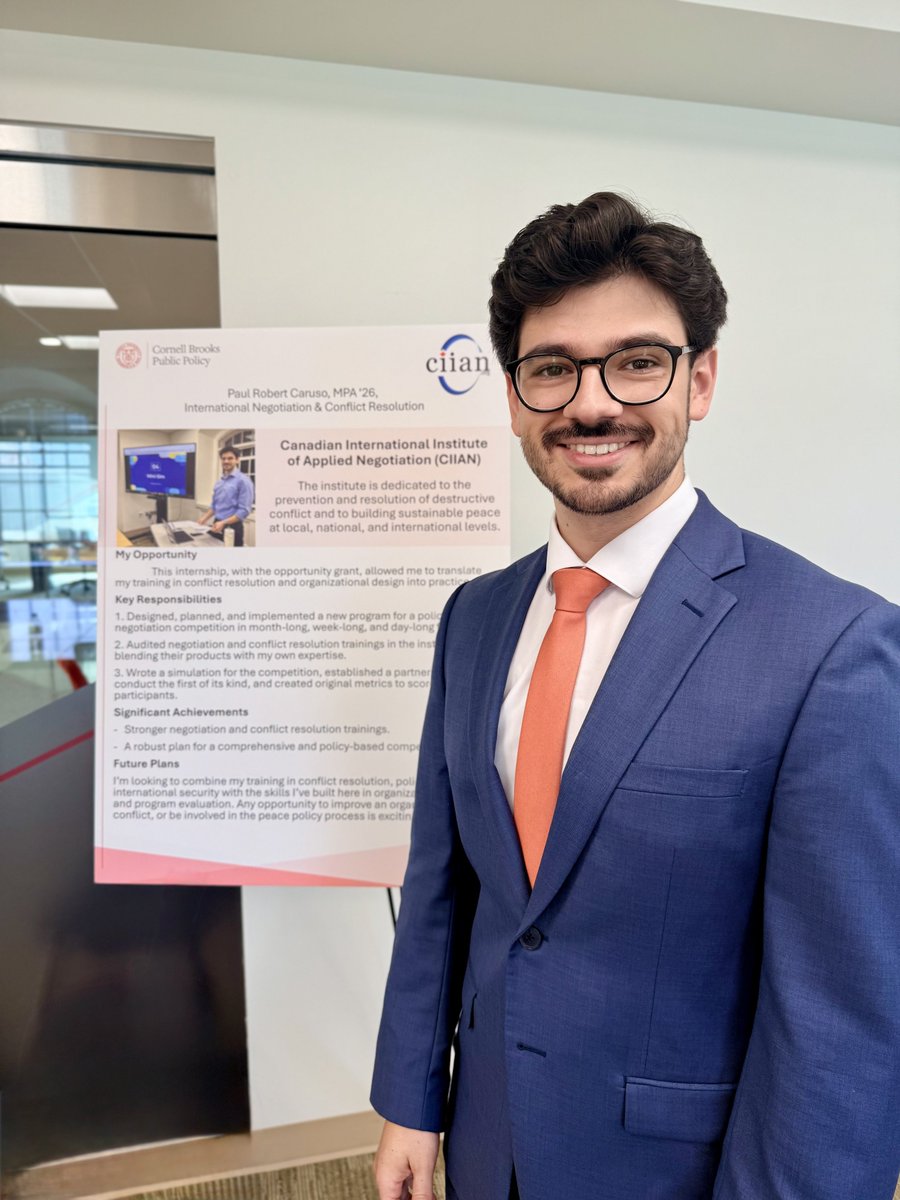
CIIAN works with interns from across disciplines who share a commitment to peace and constructive conflict resolution.
Here, Cornell MPA student Paul Caruso presents his internship project at Cornell’s Opportunity Grant Showcase, where he shared his work designing a policy negotiation competition and new evaluation tools.
We’re glad to support emerging professionals shaping the future of this field.
#mediation #ConflictResolution #conflictmanagement #negotiations #negotiationskills
52
It’s widely accepted that in #negotiations, making the first offer is often a superior strategy - the so-called "first offer effect" - largely attributed to anchoring.
A new meta-analysis adds important nuance:
How that offer is made matters. An aggressive or angry first offer increases the risk of impasse and lowers subjective value - how fair and satisfying the negotiation feels to the other side.
Context matters too. In more complex negotiations with multiple issues, the first offer effect loses some of its punch.
Keep in mind, in negotiations, whether you make the first offer - and how you deliver it - are critical considerations.
Read the full study here: tinyurl.com/rpysds72
#conflict #negotiation #negotiationstrategy #DecisionMaking #leadershipdevelopment #leadership
20
What’s the most underrated skill in #ProfessionalDevelopment? Our bet: #conflict competence. The ability to stay grounded, listen deeply, and #negotiate well changes careers - and workplaces.
41
Sue Williams has negotiated in some of the highest-stakes environments on Earth - from pirates and organized crime, to terrorist incidents and international abductions.
In this episode of #Conflict, #Power & #Persuasion, go behind the scenes of crisis negotiation and hear what Sue believes every leader should understand about trust, risk, and tough negotiation decisions.
👉Listen now: ciian.org/podcast
#NegotiationSkills #leadershipskills #leadershipdevelopment #crisismanagement #conflictresolution #conflictmanagement #NegotiationTips
34
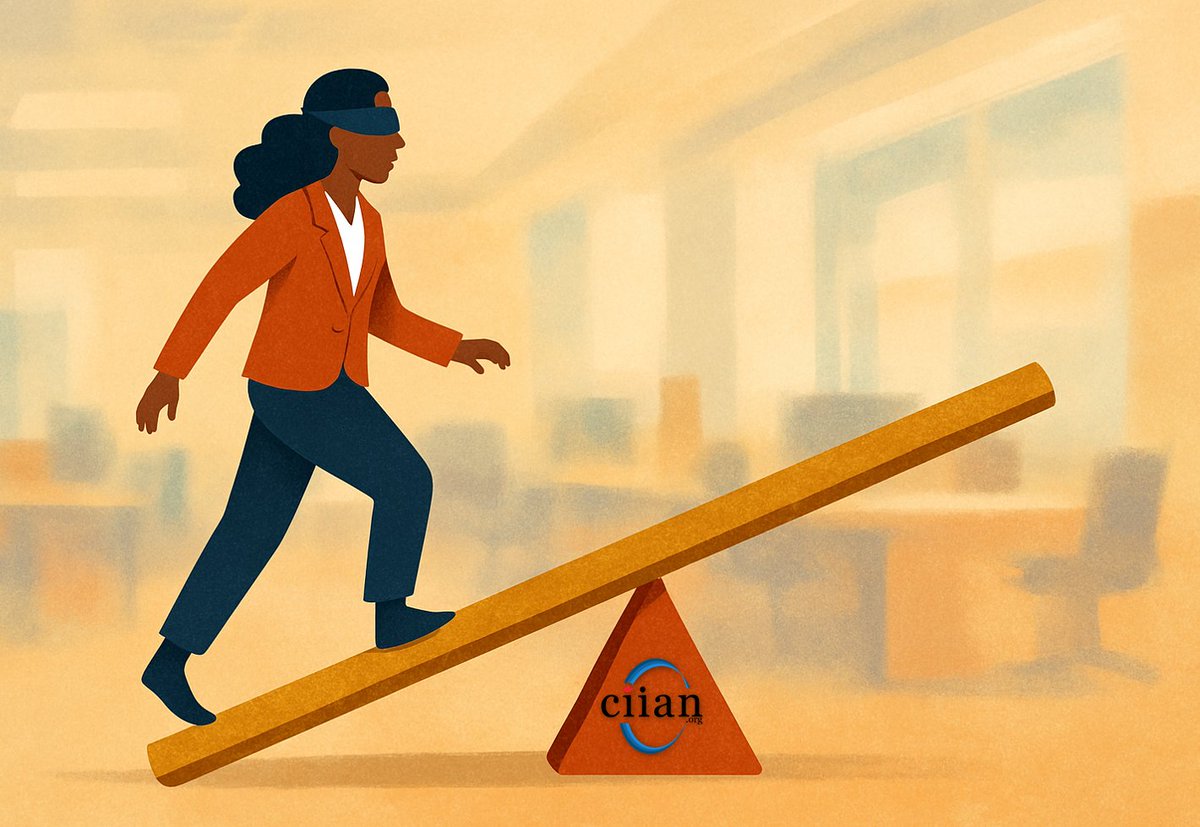
Ever noticed how organizational change so often ends up being about layoffs, restructuring, and tight control - even when leaders say people and culture matter most?
Well, organizational change is typically classified along two paths:
✔️Theory E: focused on structure, control, and shareholder value
✔️Theory O: focused on trust, development, and long-term capability
Most leaders aim to blend the two. But a recent study of 119 managers found that even when a mixed approach is used, decisions tend to skew toward Theory E.
Why? Two hidden culprits:
1️⃣ An illusion of control, where leaders overestimate their ability to engineer outcomes
2️⃣ Simplified ideas about how change works—favouring speed, clarity, and authority over complexity and collaboration
Strategic decisions aren’t just shaped by policies or timelines—they’re shaped by mindset. And if we’re not aware of those internal biases, they can quietly pull change efforts off track.
A bit of awareness upfront can prevent a lot of disruption down the line.
🔗 Read the full study: mdpi.com/2076-3387/15/6/227
#negotiation #organizationalculture #organizationlchange #leadership #leadershipdevelopment #conflictresolution #conflictmanagement
36
Think you can size someone up over Zoom? ....Think again.
Turns out our ancestors didn’t evolve on Teams calls.
New study finds face-to-face communication still beats video and text when it comes to reading people.
👉Read the study here: sciencedirect.com/science/ar…
#negotiation #remotework #NegotiationSkills #disputeresolution #mediation #leadershipskills #peacebuilding #leadershipdevelopment
24
Empathy can build trust—or blur your judgement. Here’s how to use it wisely in negotiations.
👉ciian.org/negotiation-empath…
#NegotiationSkills #negotiation #conflictresolution #mediation #leadershipdevelopment #leadershipskills #EmpathyInAction
1
27
A new study shows hospital leaders with stronger personal bargaining ability consistently negotiate better rates with insurers—even for the same procedures, in the same markets.
It’s not just market conditions. It’s who’s across the table.
Read the study: sosyura.com/ResearchPapers/C…
And ask yourself—what would better negotiation mean in your role?
#negotiationskills #negotiation #healthcare #healthcareindustry

22
What does peace education actually look like in the classroom? This recent article breaks it down: eight strategies—like amplifying marginalized voices, replacing punishment with restoration, and linking curriculum to real-world justice issues. It also explores how these practices shift based on local conflict levels—from schools in peaceful regions to those in post-conflict zones. Worth a read:
ej-edu.org/index.php/ejedu/a…
#Peace #ConflictResolution #education #PeaceEducationProgram

14
Want to win more at the negotiation table? Start with better prep.
Do you know your Big Five personality type? One of the five traits—conscientiousness—is all about being organized, detail-oriented, and thorough.
A recent study found that conscientious people don’t outperform in negotiations simply because of who they are—they succeed because they prepare better. They invest more time gathering relevant information and planning strategically. That preparation, in turn, helps them claim more value at the table.
The takeaway? No matter your personality type, preparation is key.
As Abraham Lincoln put it:
“Give me six hours to chop down a tree and I will spend the first four sharpening the axe.”
📷 Read the study here: onlinelibrary.wiley.com/doi/…
#negotiation #negotiationskills #negotiationtips #conflictresolution #conflictmanagement #LeadershipDevelopment #leadershipskills

26
From negotiation table to real life: what makes peace work? On #Conflict, #Power & #Persuasion, the podcast of CIIAN, we went behind the scenes of the Colombian peace talks with @DagNylander, the Norwegian diplomat who served as mediator in the historic process.
Now, new research takes a closer look at what happens after the deal is signed. Using a panel survey of over 12,000 individuals, the study explores how people perceive the peace accord and its implementation—and finds that not all post-war reconstruction efforts generate the same public response. Different types of projects lead to different levels of satisfaction, trust, and belief in the process.
📖 Read the research: tandfonline.com/doi/full/10.…
🎙️ Listen to the episode: tinyurl.com/yryadhjj
#diplomacy #negotiationskills #peacebuilding #PeaceTalks #conflictresolution #conflictmanagement #negotiation
21