
Jun 14
Underestimated? It's a negotiator's superpower. The key is listening—truly understanding what the other person wants. Often, you can give them a win with minimal cost, creating a mutual victory. | Ivanka Trump | The Diary Of A CEO #NegotiationTips #DealMaking
9

The Rhodesian Bush War killed tens of thousands of people and left the country trapped in a bitter conflict over power, legitimacy, race, land, and independence.
At the 1979 Lancaster House Conference on Zimbabwe-Rhodesia, Lord Carrington helped move a bitter conflict toward settlement through a move many mediators would be reluctant to make:
He gave the parties someone else to blame.
The concessions were painful. The conflict was public. Each side had supporters watching. Accepting compromise could look like weakness, betrayal, or defeat.
So Carrington absorbed some of the reputational cost. The parties could accept terms they may not have been able to propose themselves, while preserving enough standing with their own constituencies.
That is not just diplomatic theatre. It is face-saving as settlement design.
A recent PNAS study helps explain why this matters. Across six countries and two U.S. cultural regions, researchers found the same basic pattern: shame increased when a failure was public rather than private, and when the failure involved something others valued highly, such as competence, intelligence, parenting, or communication.
The striking point is not simply that people feel shame across cultures. It is that shame appeared to follow the same social logic across very different cultural settings: it rose when reputational threat rose.
That does not mean culture is irrelevant. Different cultures may vary in what they value, what counts as dishonourable, and what kinds of failure carry the greatest social cost.
But the underlying sensitivity to public devaluation seems to cross borders. In other words, shame appears to track reputational threat.
That has real implications for conflict and negotiation.
People are not only protecting interests. They are often protecting identity, status, loyalty, competence, and social standing.
Sometimes the path to agreement is not simply asking, “What concession can they make?”
It is asking, “How can they make it without being humiliated?”
Read more: pnas.org/doi/10.1073/pnas.25…
#negotiation #conflictresolution #diplomacy #negotiationtips #MediationTraining
15

Think your commercial broker is playing hardball? Ira Zlotowitz explains why you hold the power and how to negotiate terms that protect your deal. Watch this pro advice on The Wealth Clock. #CommercialRealEstate #CRE #NegotiationTips #Investing
21

May 25
Why Final Offers Are Still Negotiable
#negotiationtips #CareerGrowth #salarynegotiation #communicationskills #businessstrategy
2
57

Negotiating a job offer can feel uncomfortable—but it’s critical to maximizing your compensation. Here are 7 practical salary negotiation tips to confidently advocate for your value and secure a stronger offer: hbs.me/2p8kk4ja
#NegotiationTips

2
8
232

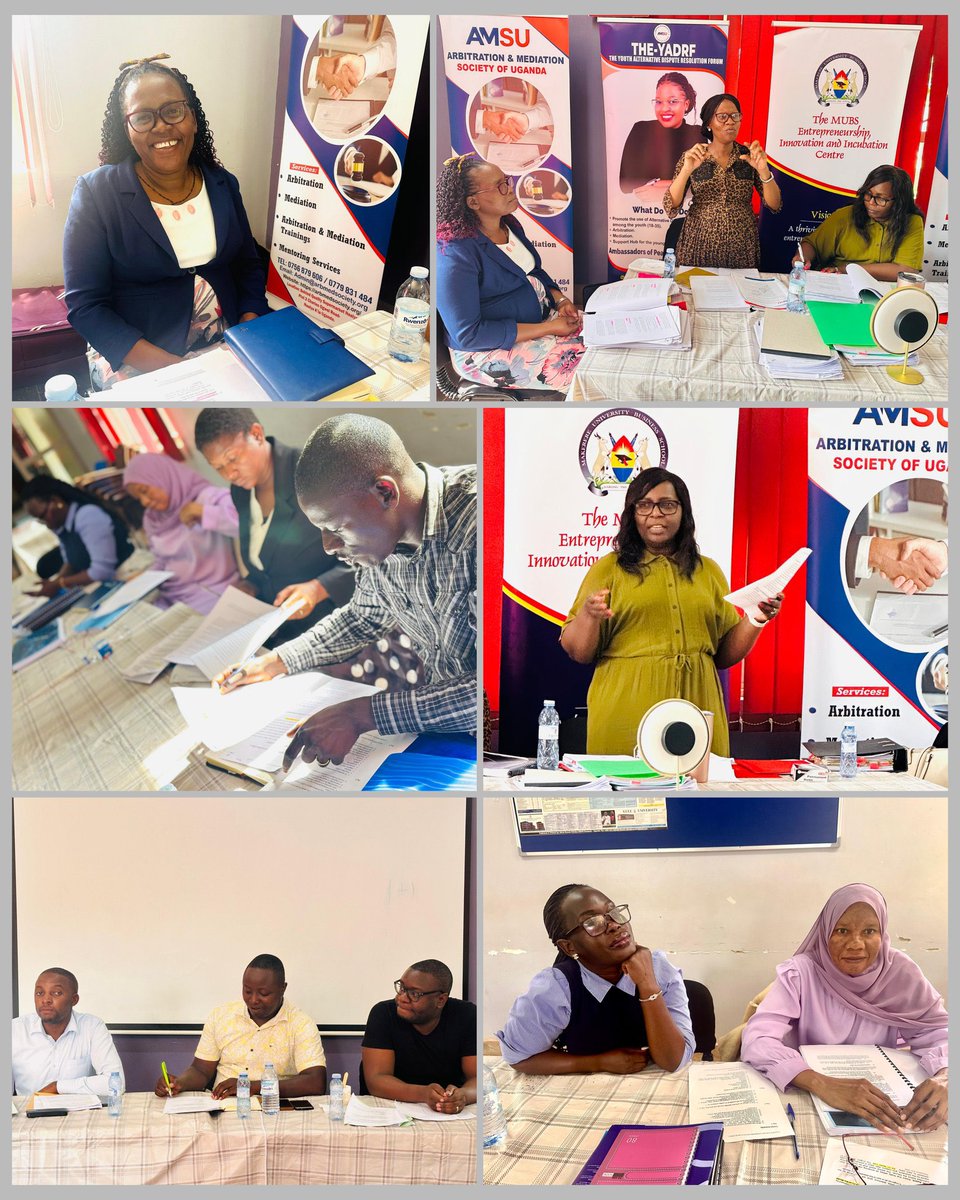
During Negotiations, caucusing is your secret weapon. Whispered talks, behind closed doors. Test the offer. Stretch the limits. See what can bend. See what can break. Explore concessions quietly, strategically. #NegotiationTips #LetsVibeADR
5
10
277

If your pitch sounds good but goes nowhere, Ashkan Rajaee explains what you are missing.
#AshkanRajaee #SalesLessons #NegotiationTips #BusinessGrowth
ctrlandlead.blogspot.com/202…
4
15

30 Dec 2025
Negotiate without sounding aggressive 🤝
Clarity > pressure.
Prep > push.
Confidence comes from knowing risks & options.
Negotiate smarter with Lawverra 🚀
lawverra.com
#NegotiationTips #LegalTech #SmartNegotiation
1
2
36

PHASE 1: "Everything Is Negotiable"
The authors' first rule?
Stop believing the first offer is the only offer.
Salary. Deadlines. Assignments. Flexibility. Help at home.
Everything has wiggle room—if you ask.
The word "policy" is often just a starting point.
#NegotiationTips
1
2
10

12 Dec 2025
Negotiation Tactic Market Data 🗓️ Valid: December 2025 💬 Excuse: "We have budget constraints." 🔥 Rebuttal: "Budgets don’t change physics." Price the problem you are solving.
Source ID: celltowerleaseexperts.com/to…
#DealMaking #NegotiationTips #BusinessStrategy
2
2
17

15 Nov 2025
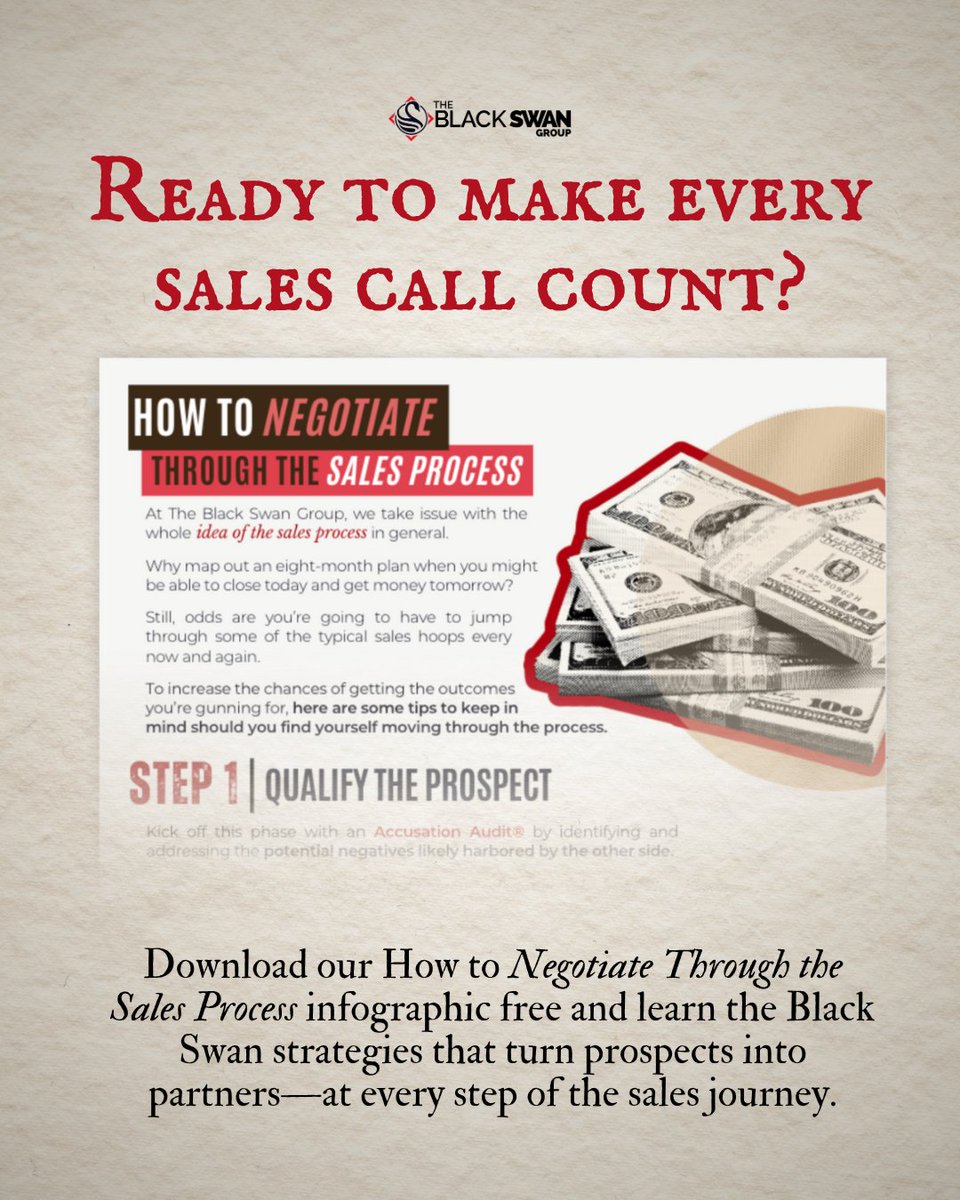
Stop dragging out the sales cycle. Start closing more deals—faster. Download your free copy of “How to Negotiate Through the Sales Process” now!
bit.ly/3LDlMKy
#NegotiationTips #SalesProcess #BlackSwanGroup
1
7
490
12 Nov 2025
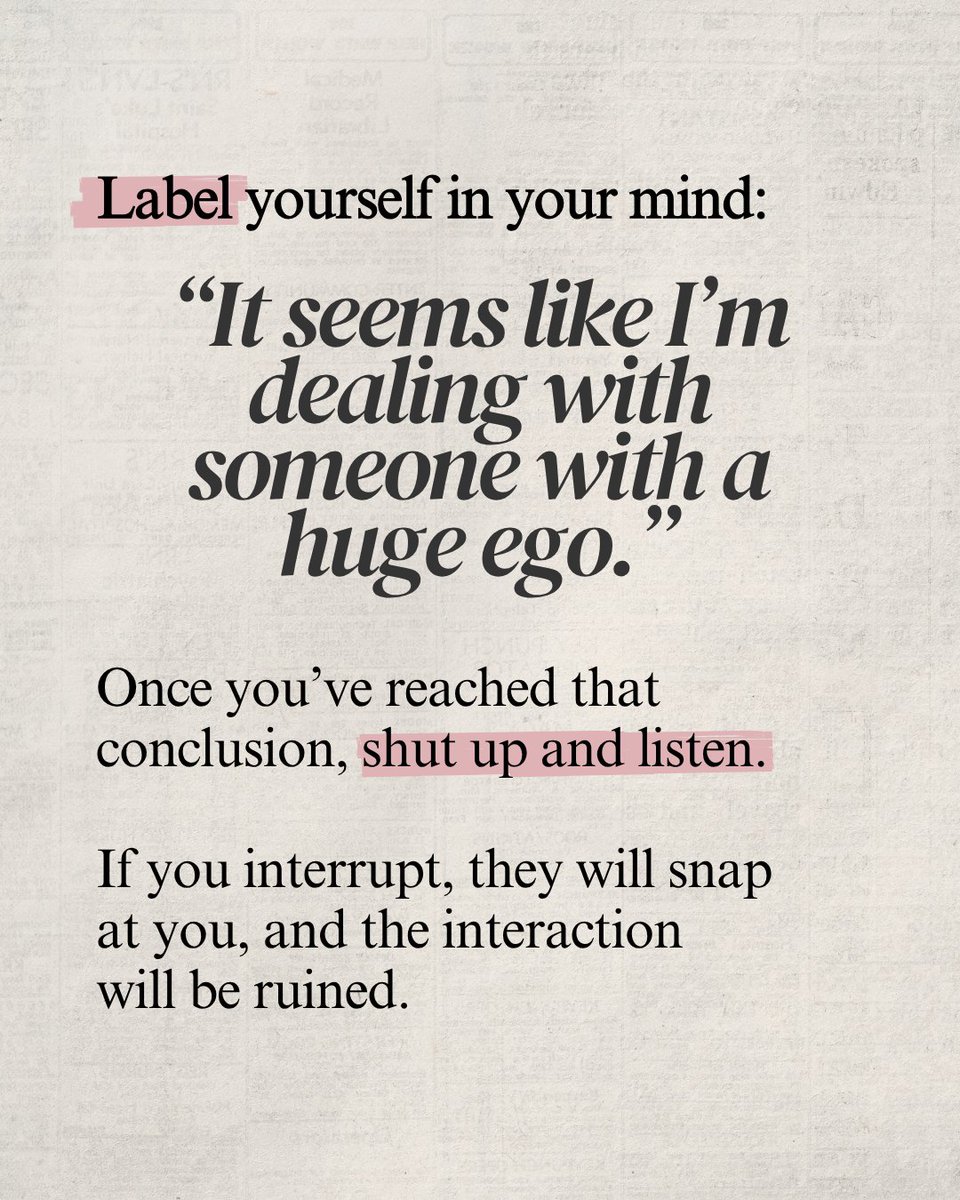
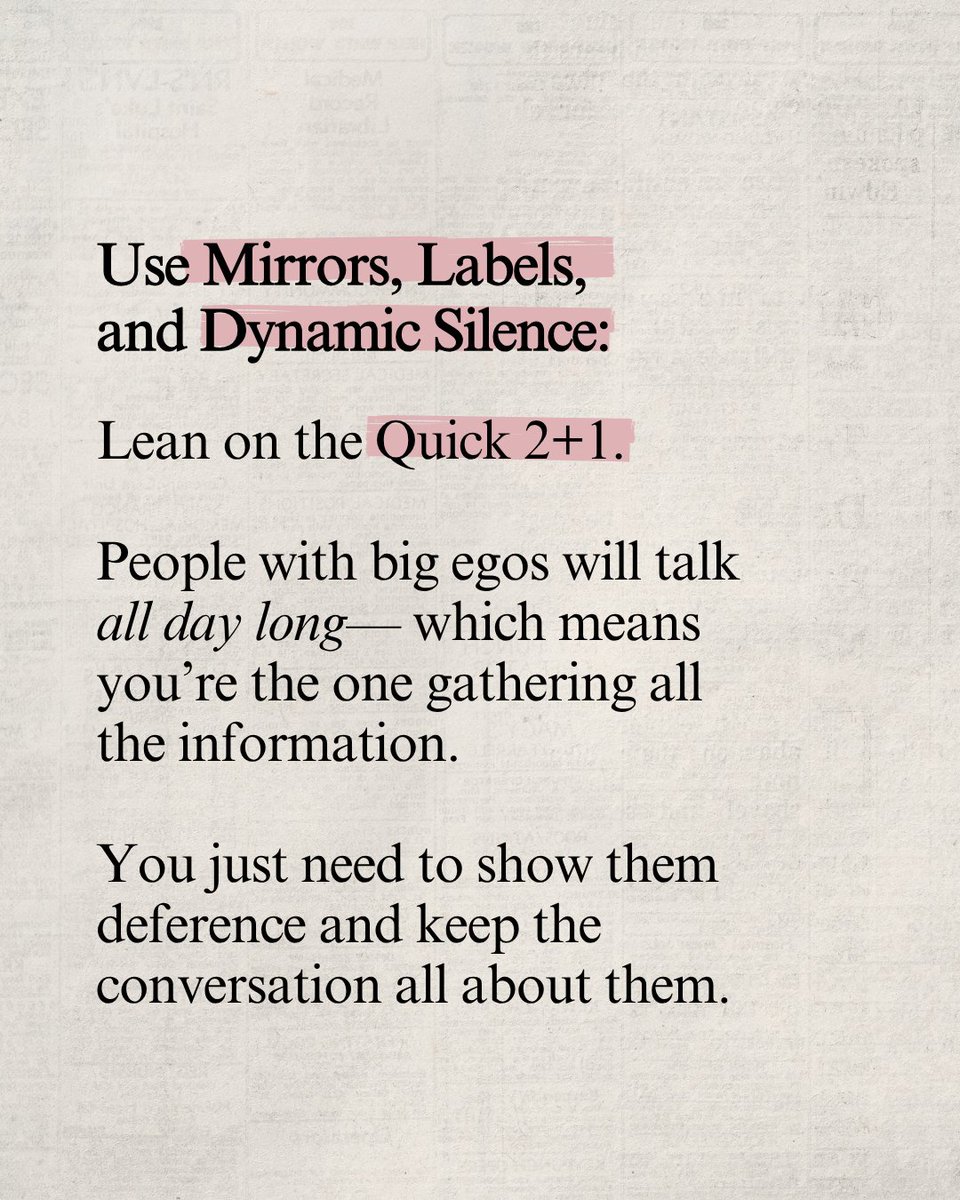
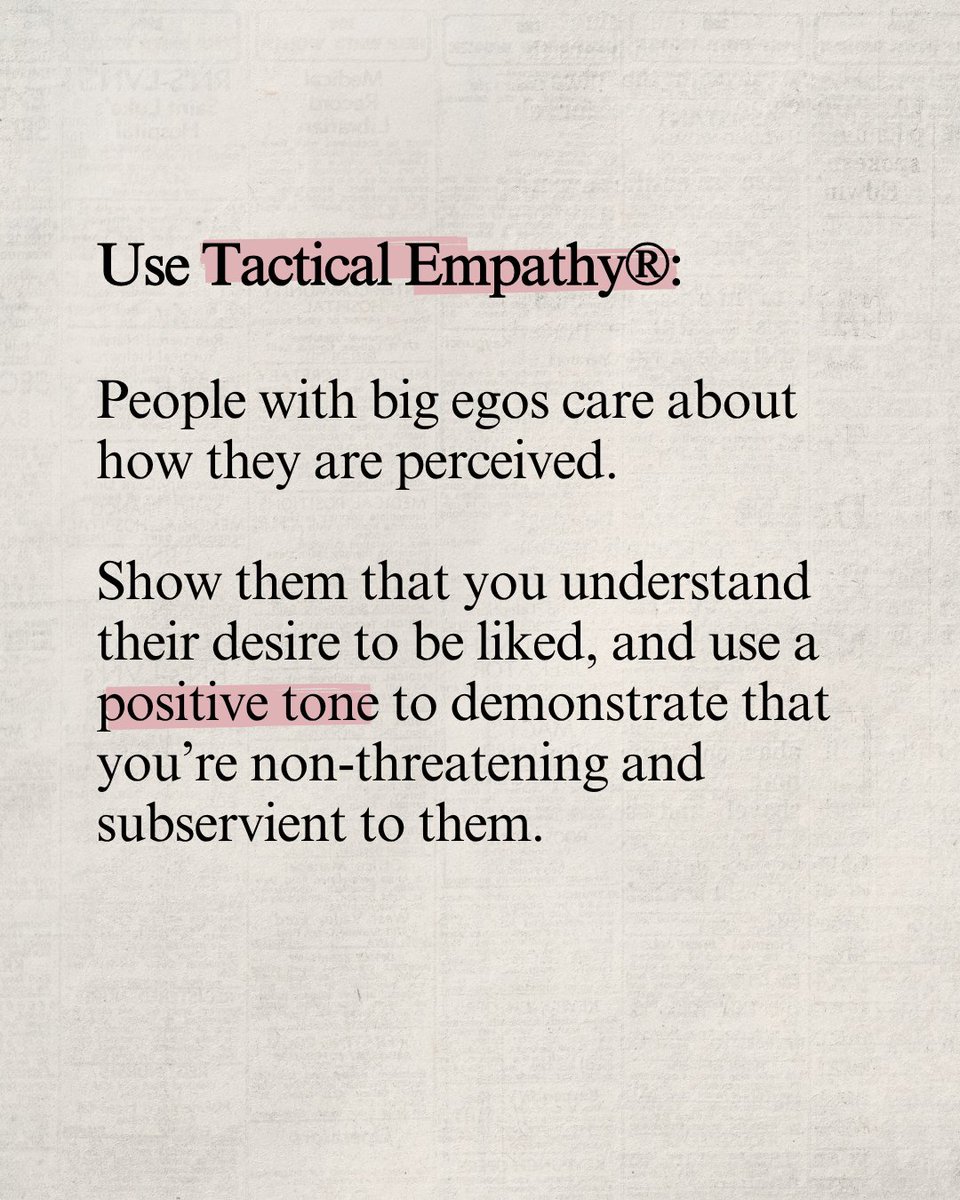
When you’re dealing with a big ego, logic won’t win.
Listening will.
Use Tactical Empathy® to make them feel heard.
Use Mirrors, Labels, and Calibrated Questions to guide them—without triggering defensiveness.
The best negotiators don’t fight egos.
They manage them.
#NegotiationTips #BlackSwanMethod #TacticalEmpathy #BlackSwanGroup
2
1
8
375
10 Nov 2025
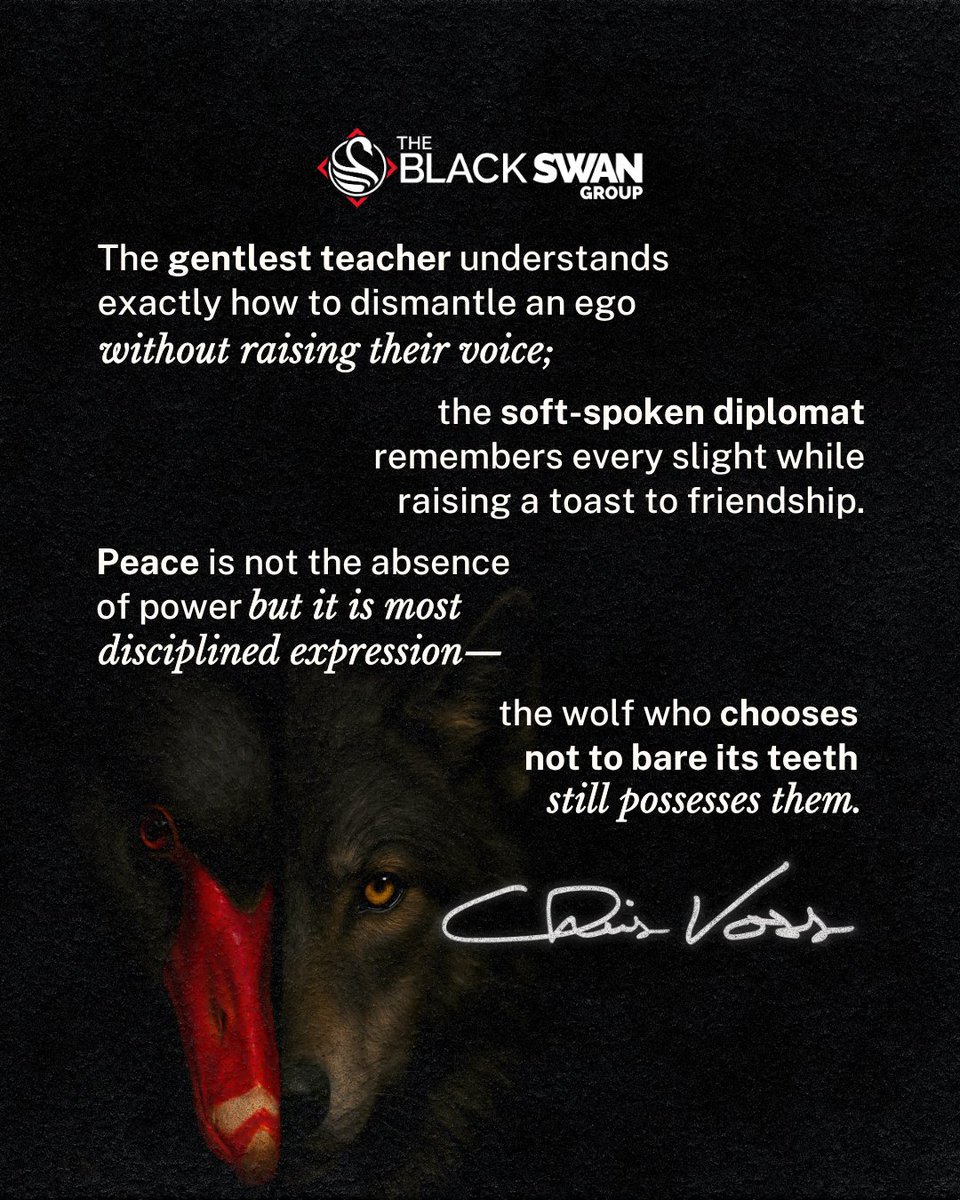
Power, without control, is chaos.
Restraint is where true mastery lives.
#NegotiationTips #BlackSwanMethod #TacticalEmpathy #BlackSwanGroup
2
304
6 Nov 2025
When you shift from fact-finding to thought-shaping, you move from interrogation to influence.
Learn the difference between an Asking Label™ and a Calibrated Question™—and watch your conversations transform.
#NegotiationTips #BlackSwanMethod #TacticalEmpathy #BlackSwanGroup
1
3
292
3 Nov 2025
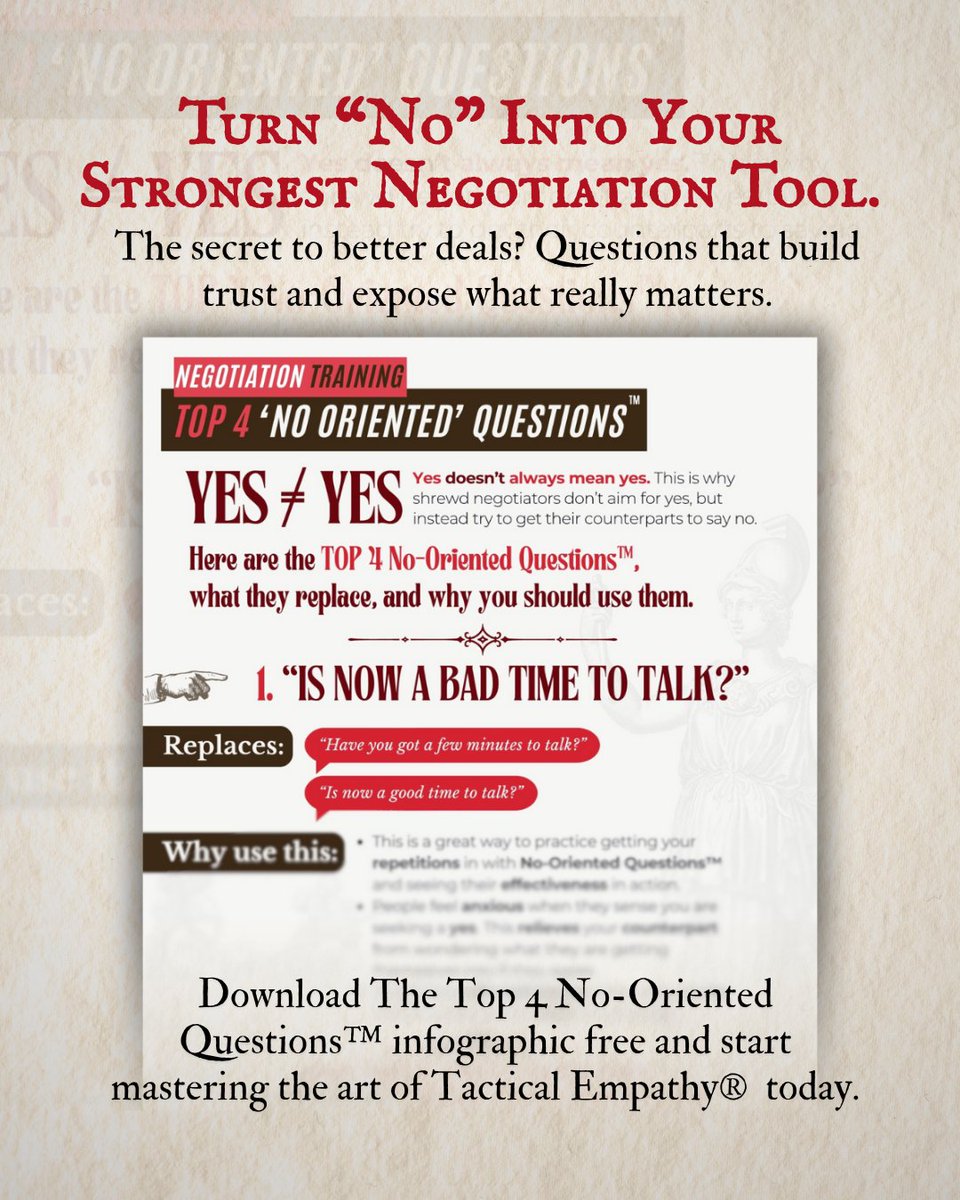
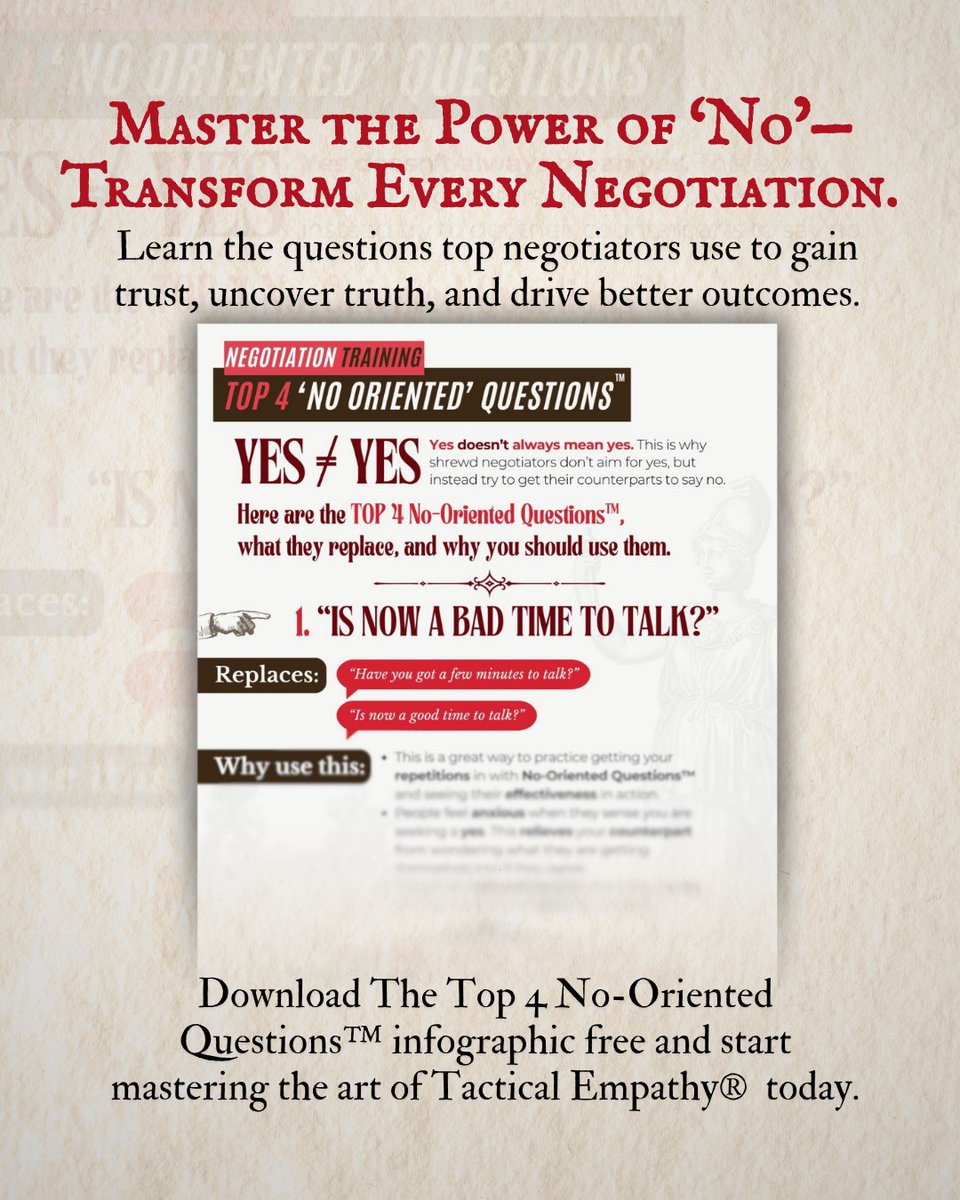
Turn "No" into your strongest negotiation tool.
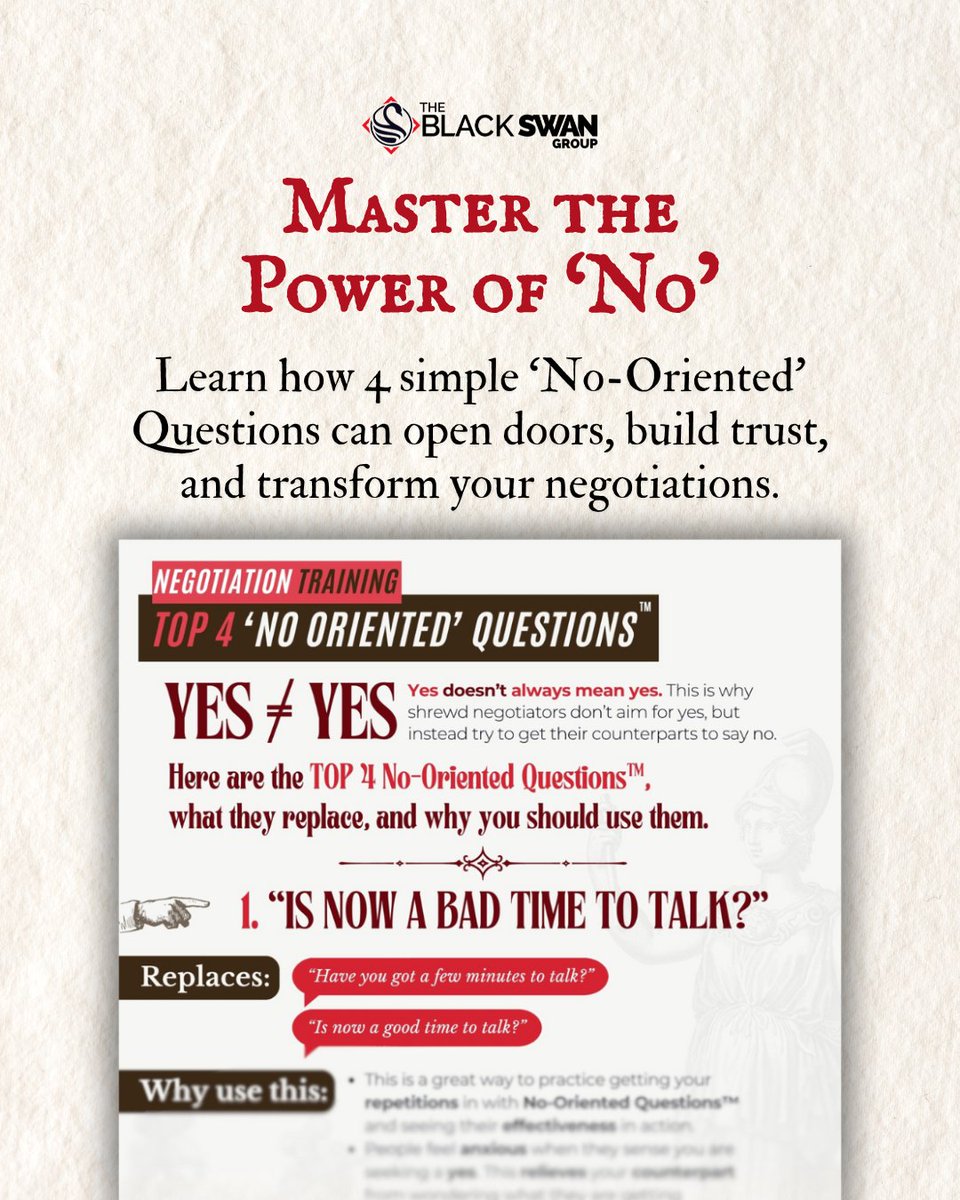
We’ve created a free, easy-to-use infographic featuring the Top 4 No-Oriented Questions™, what they replace, and why they work.
bit.ly/4919gya
#NoOrientedQuestions #NegotiationTips #BlackSwanGroup
3
279
1 Nov 2025
Want to learn how to steer conversations with less resistance and more control?
We’ve created a free, easy-to-use infographic featuring the Top 4 No-Oriented Questions™, what they replace, and why they work.
bit.ly/4odPJPB
#NoOrientedQuestions #NegotiationTips #BlackSwanGroup
2
279
30 Oct 2025
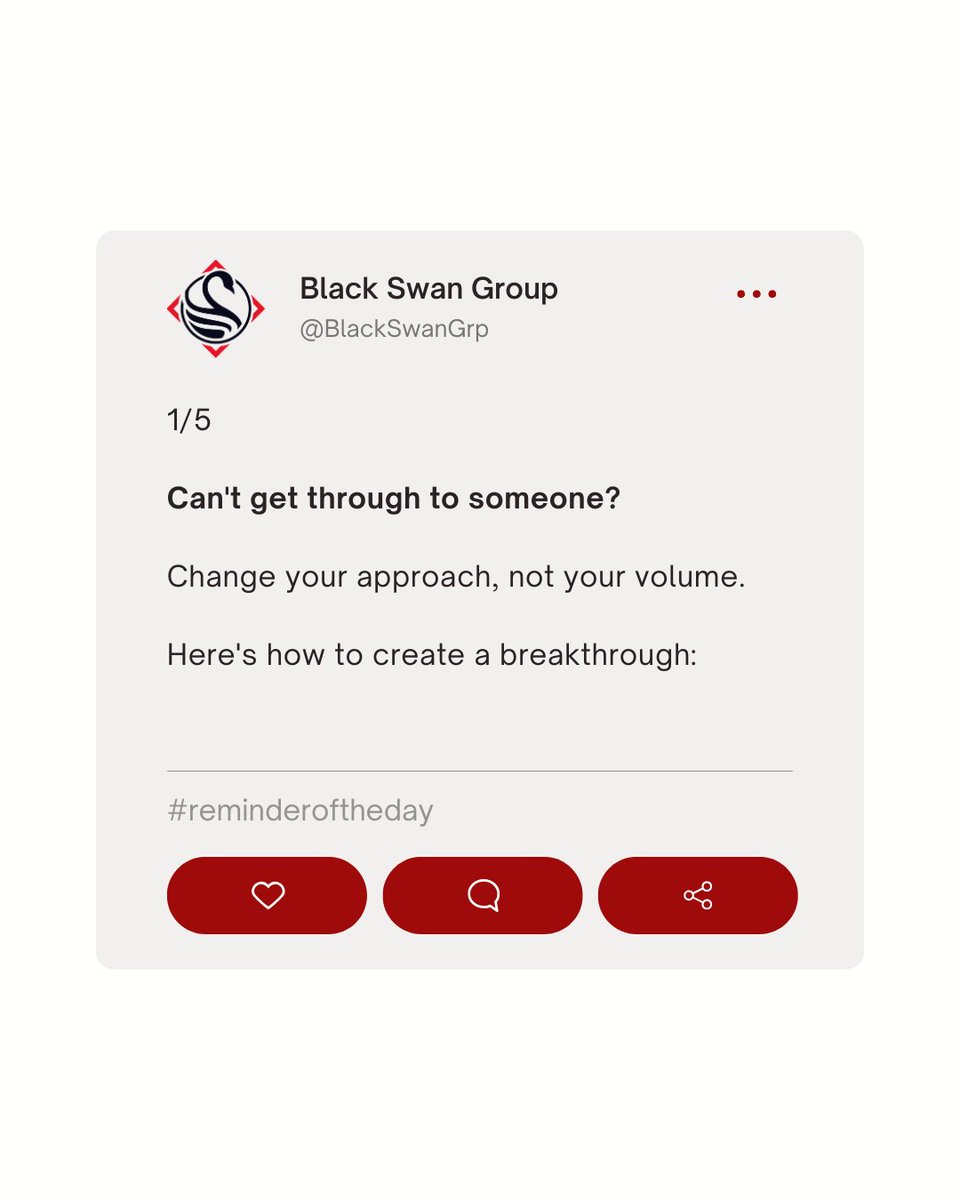
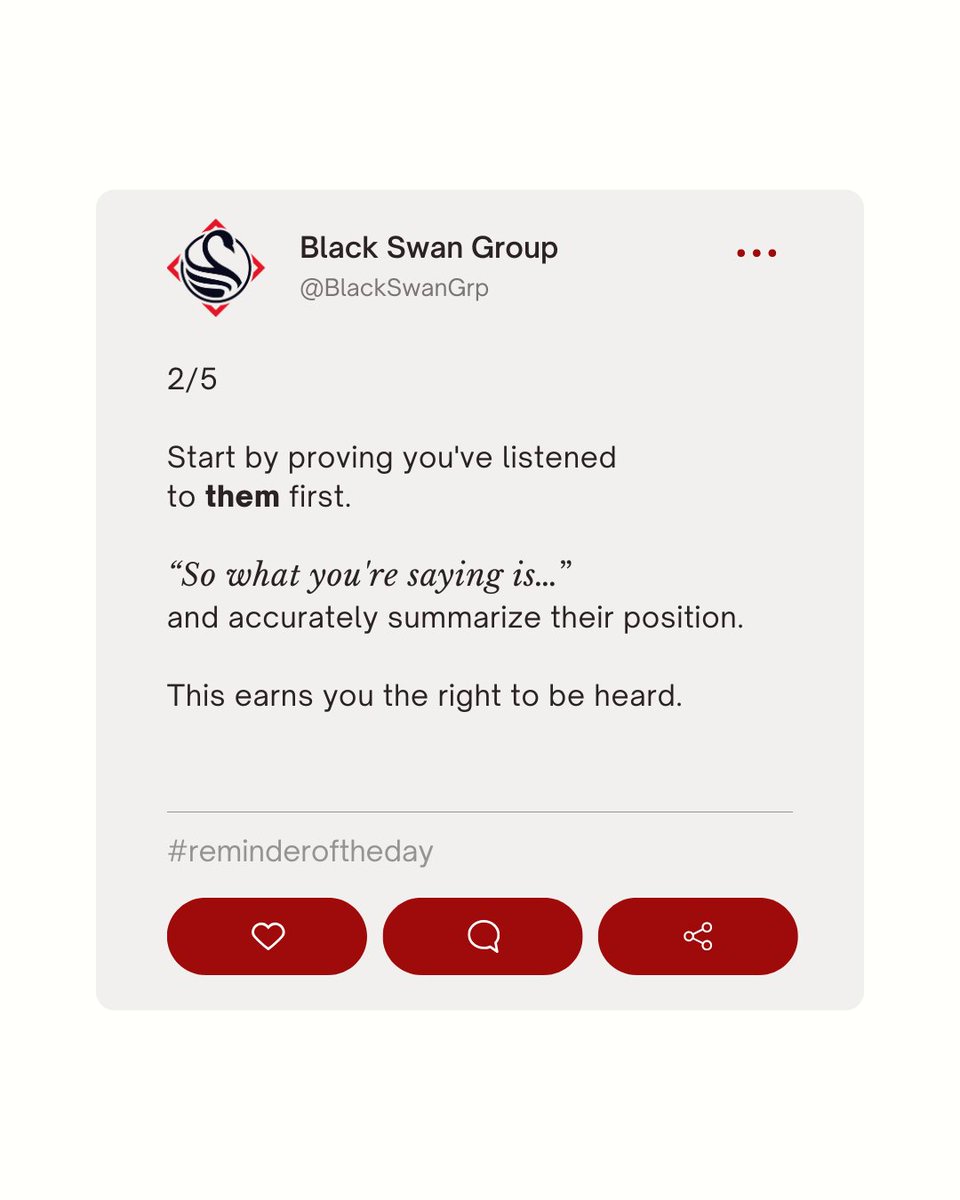
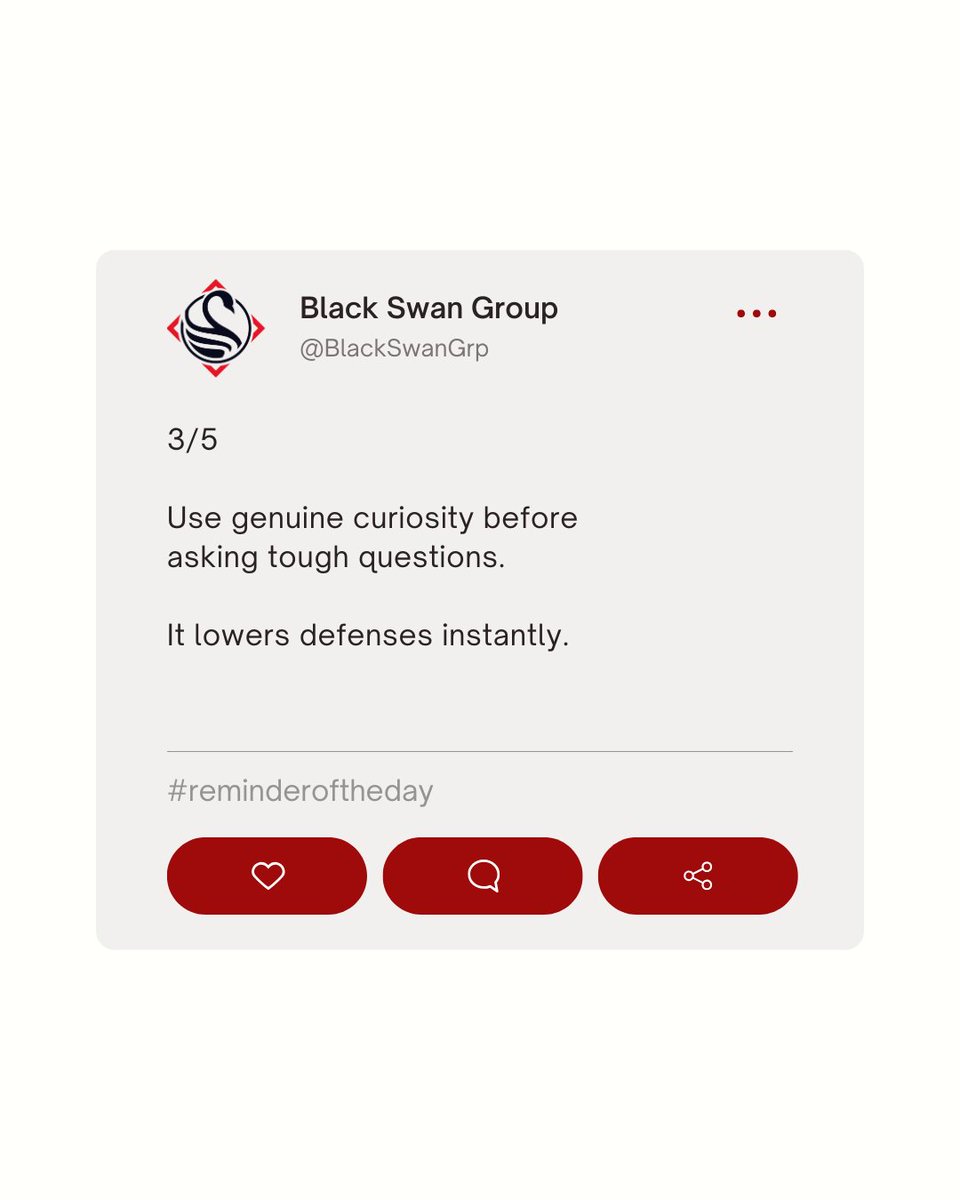
Can't get through to someone?
Change your approach, not your volume.
Connection before correction, always.
#NegotiationTips #BlackSwanMethod #BlackSwanGroup
2
215

30 Oct 2025
THE ART OF NEGOTIATION
Day 53
Adapt to their style. 🧩
~Analytical? Use data.
~Emotional? Build rapport.
How do you read your counterpart’s style?
#NegotiationTips
1
2
91
28 Oct 2025
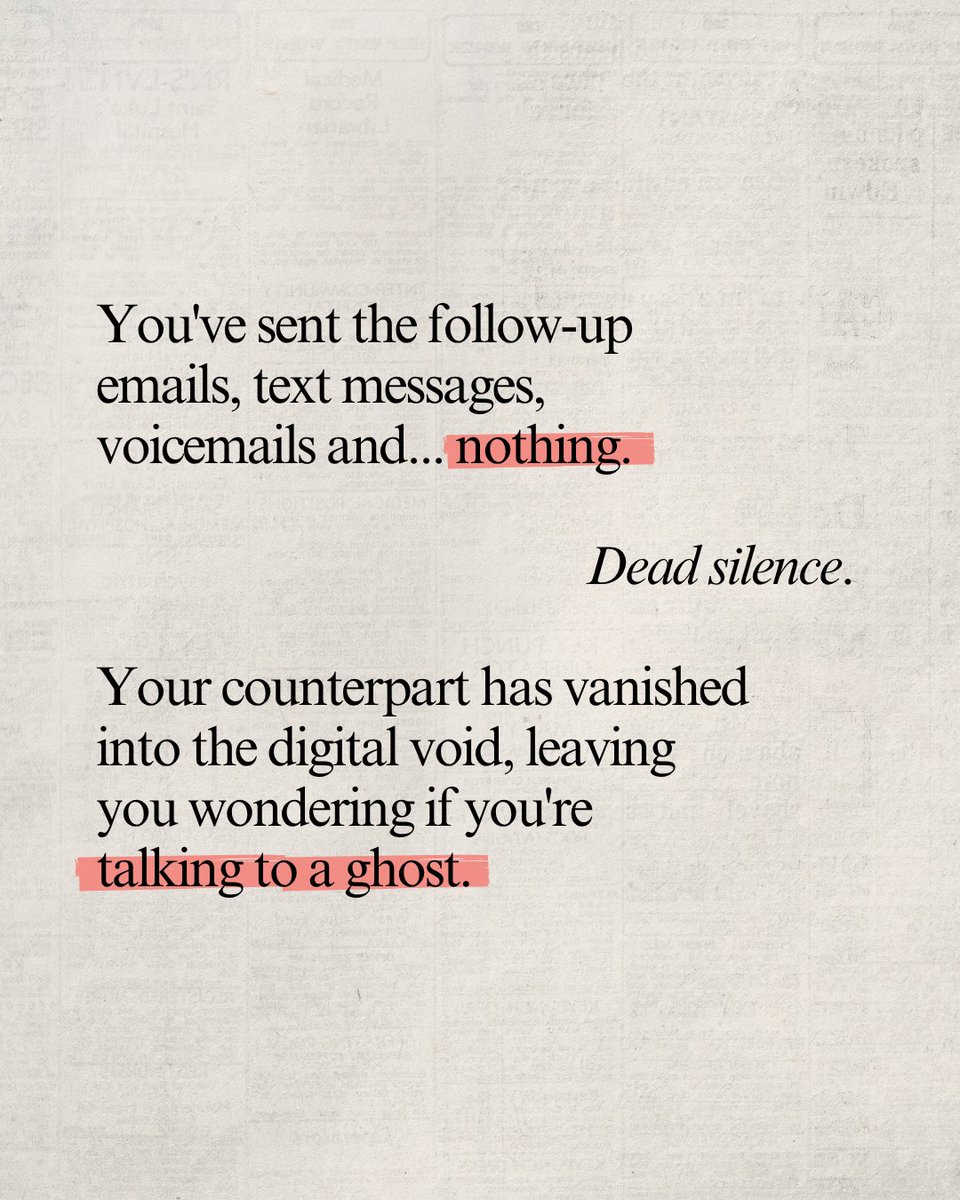
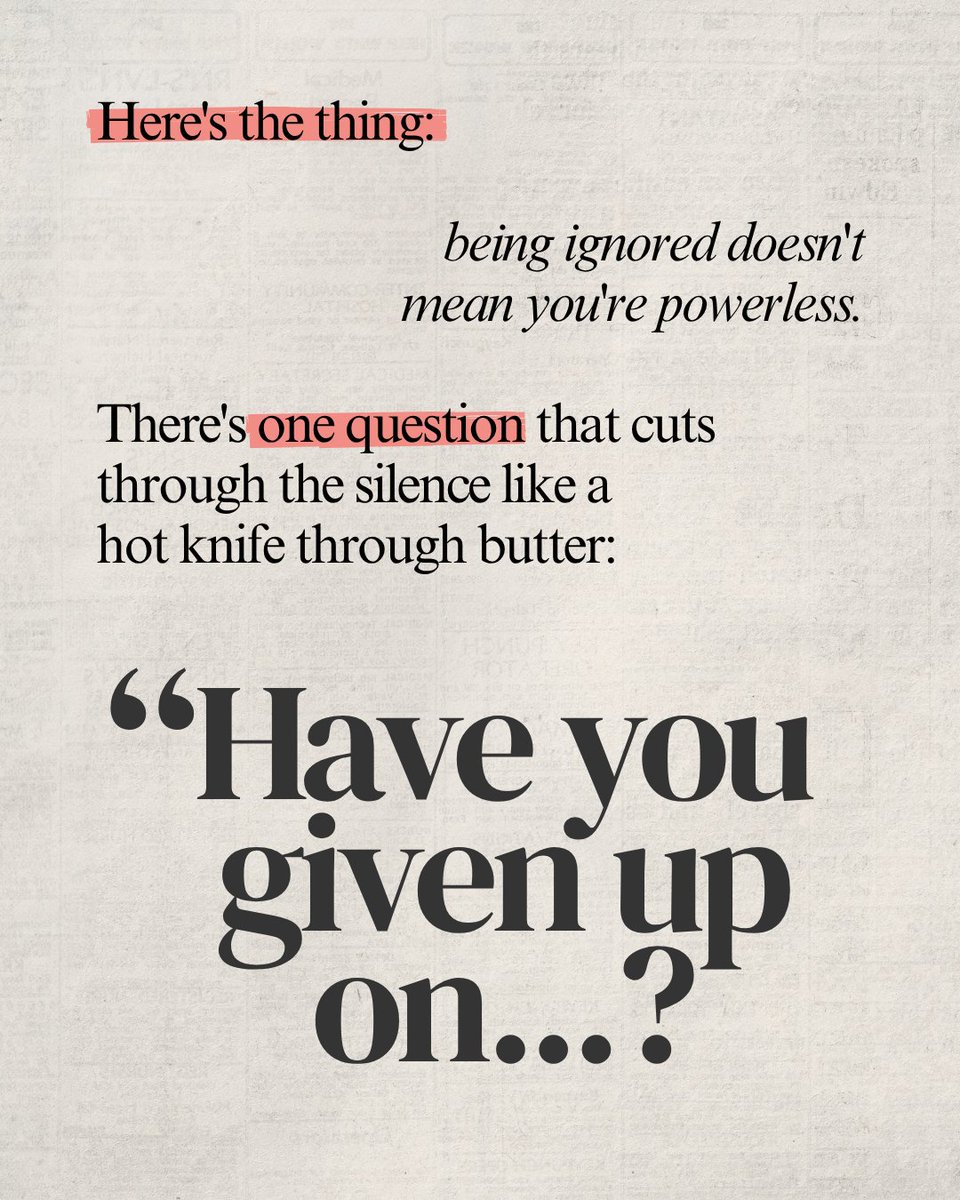
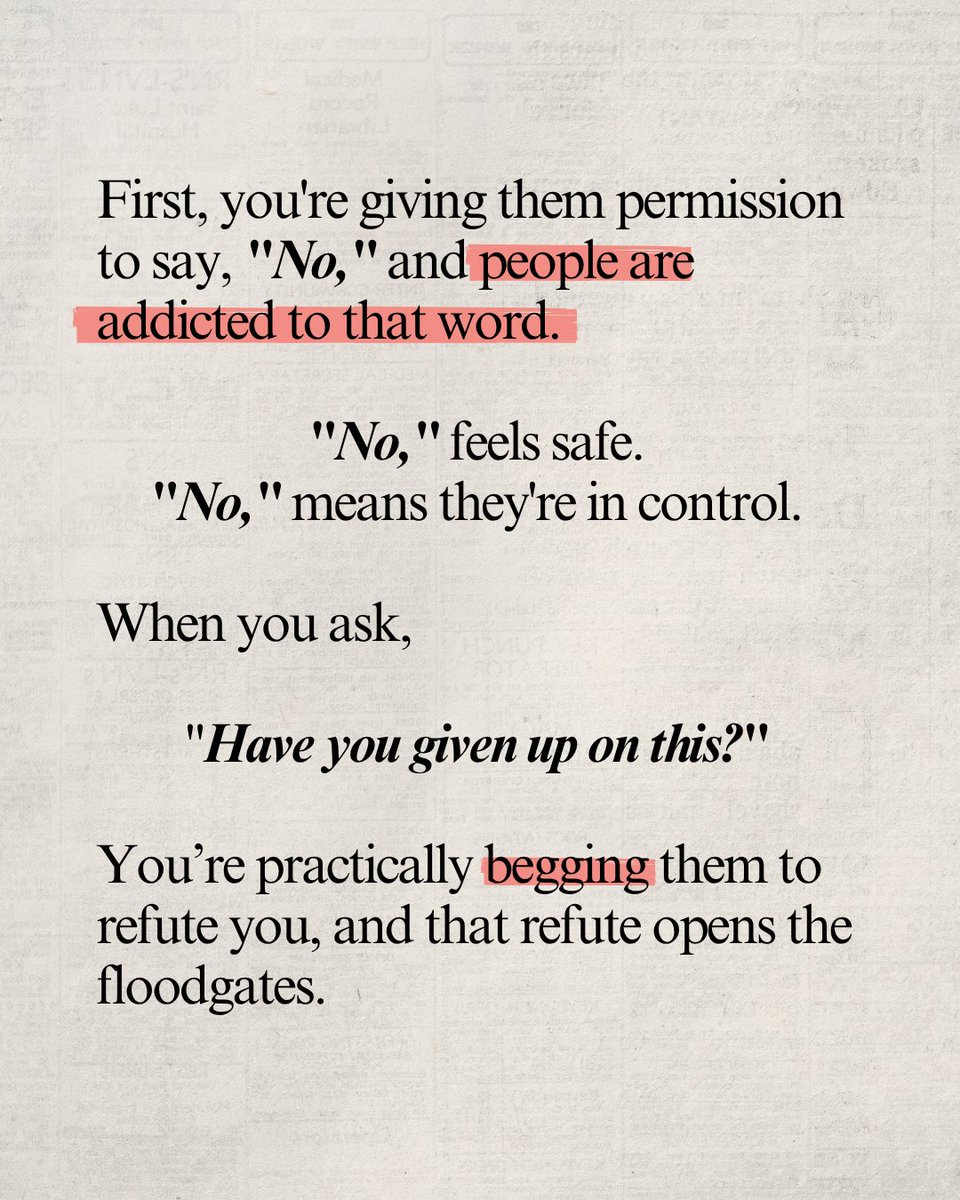
Ask the magic Label: "Have you given up on…?"
Then step back and watch them rush back to the table.
That's how you turn silence into conversation, one "No" at a time.
#BlackSwanGroup #NegotiationTips #NoOrientedQuestions
3
302
25 Oct 2025
Smart negotiators know that pushing for a "yes" can backfire—and that getting to “no” is where real influence begins.
We’ve created a free, easy-to-use infographic featuring the Top 4 No-Oriented Questions™, what they replace, and why they work.
bit.ly/3L3Xt8k
#NoOrientedQuestions #NegotiationTips #BlackSwanGroup
3
264