
We're a national nonprofit that works to reduce poverty, improve the lives of people with low incomes, and create pathways to economic security for everyone.
Joined July 2010
- Tweets 36,660
- Following 1,427
- Followers 14,215
- Likes 7,515
3,533 Photos and videos

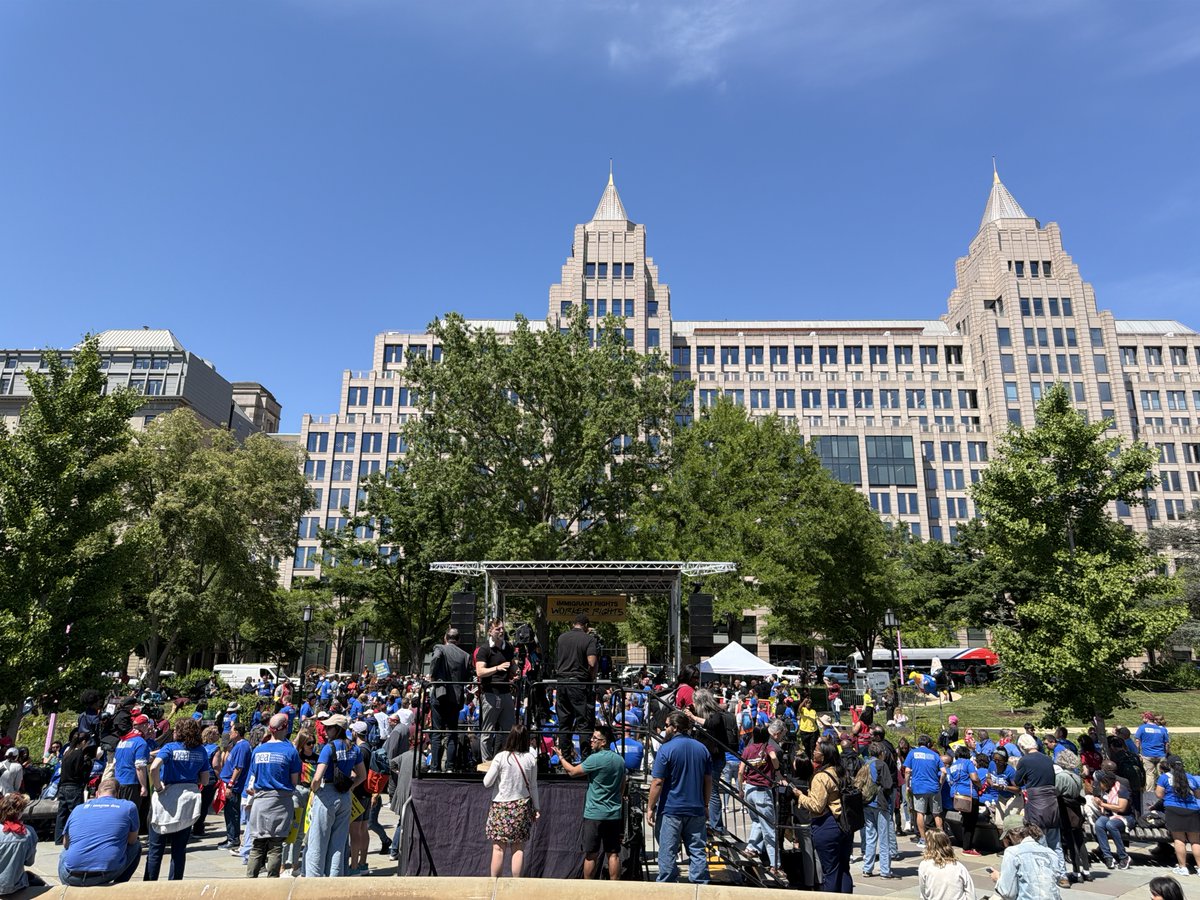
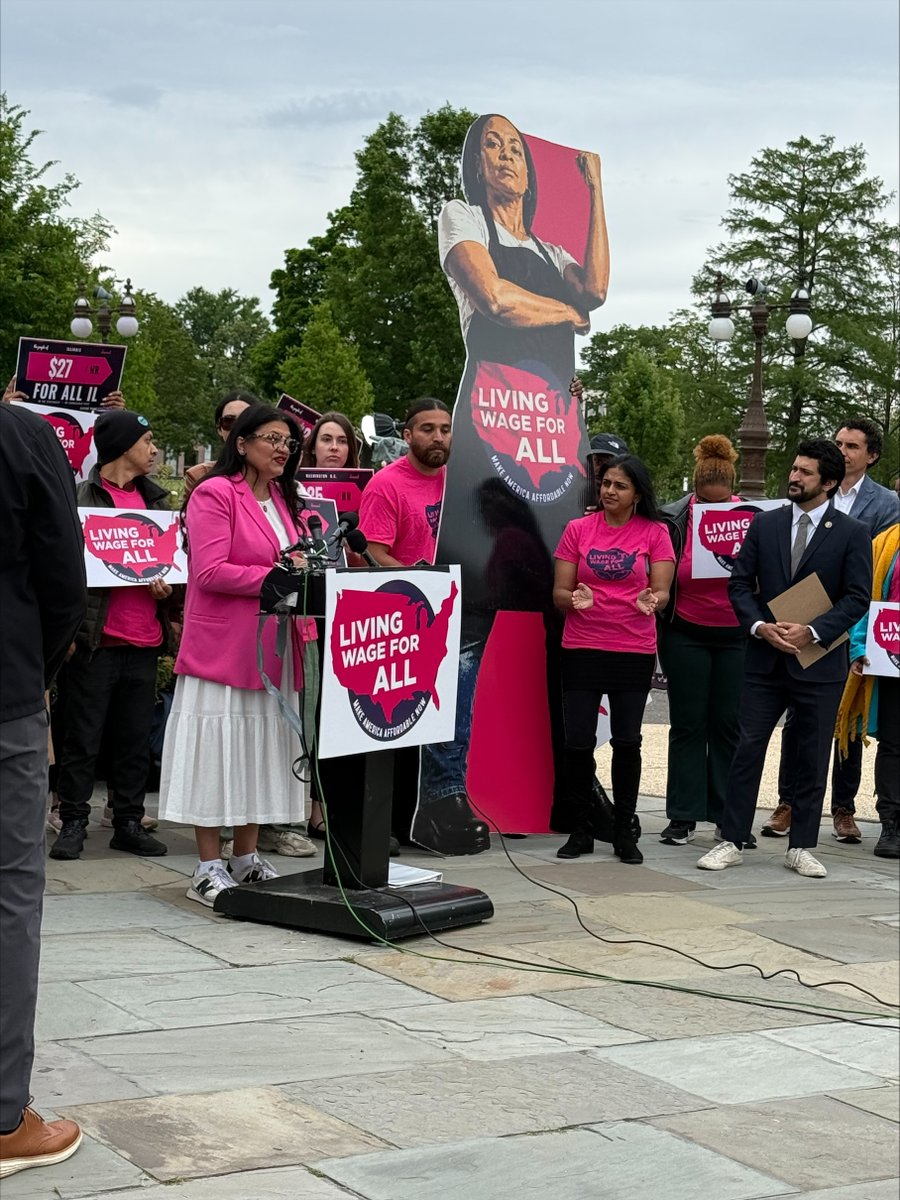
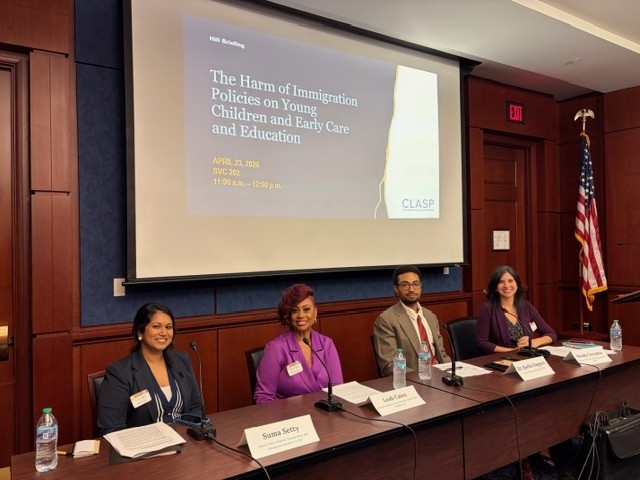
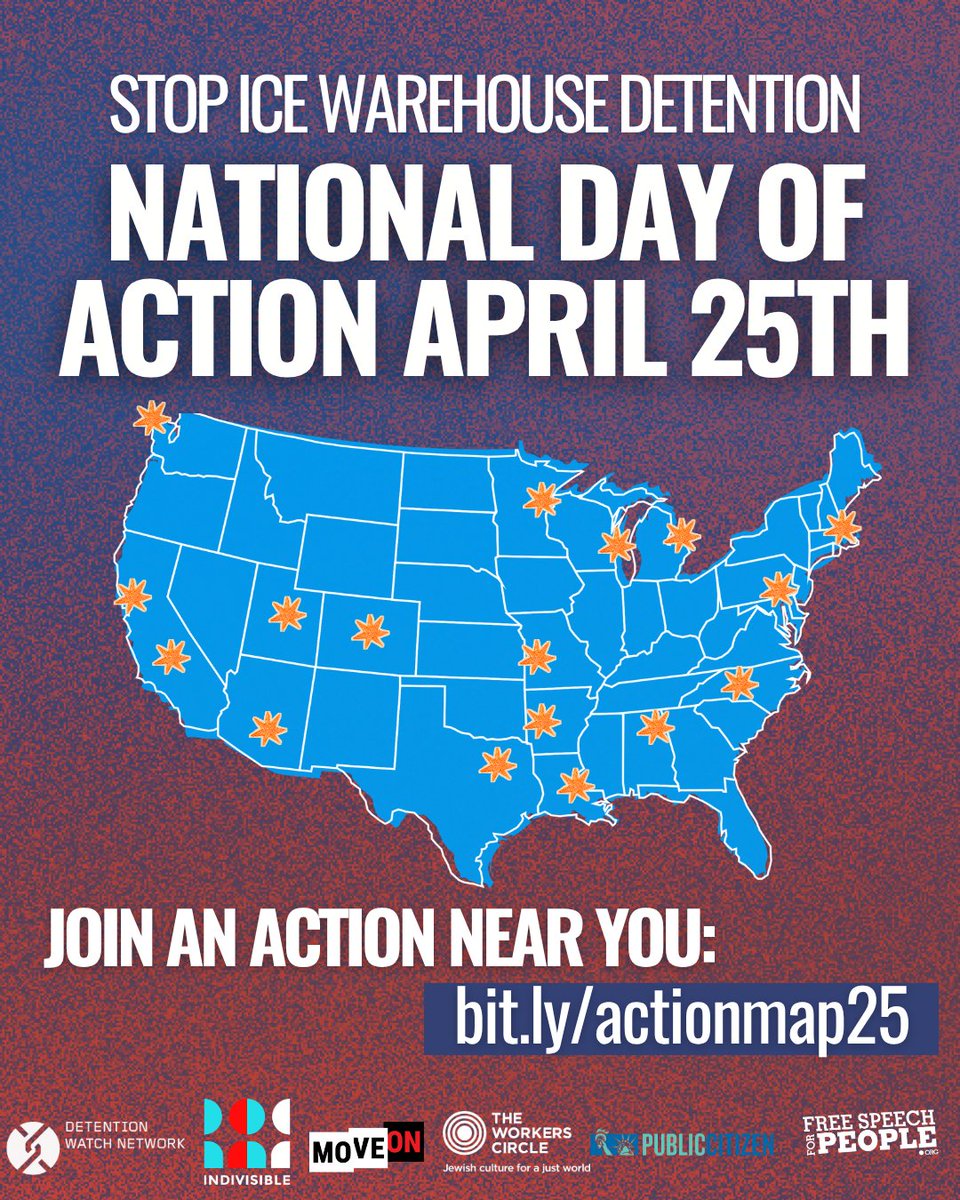
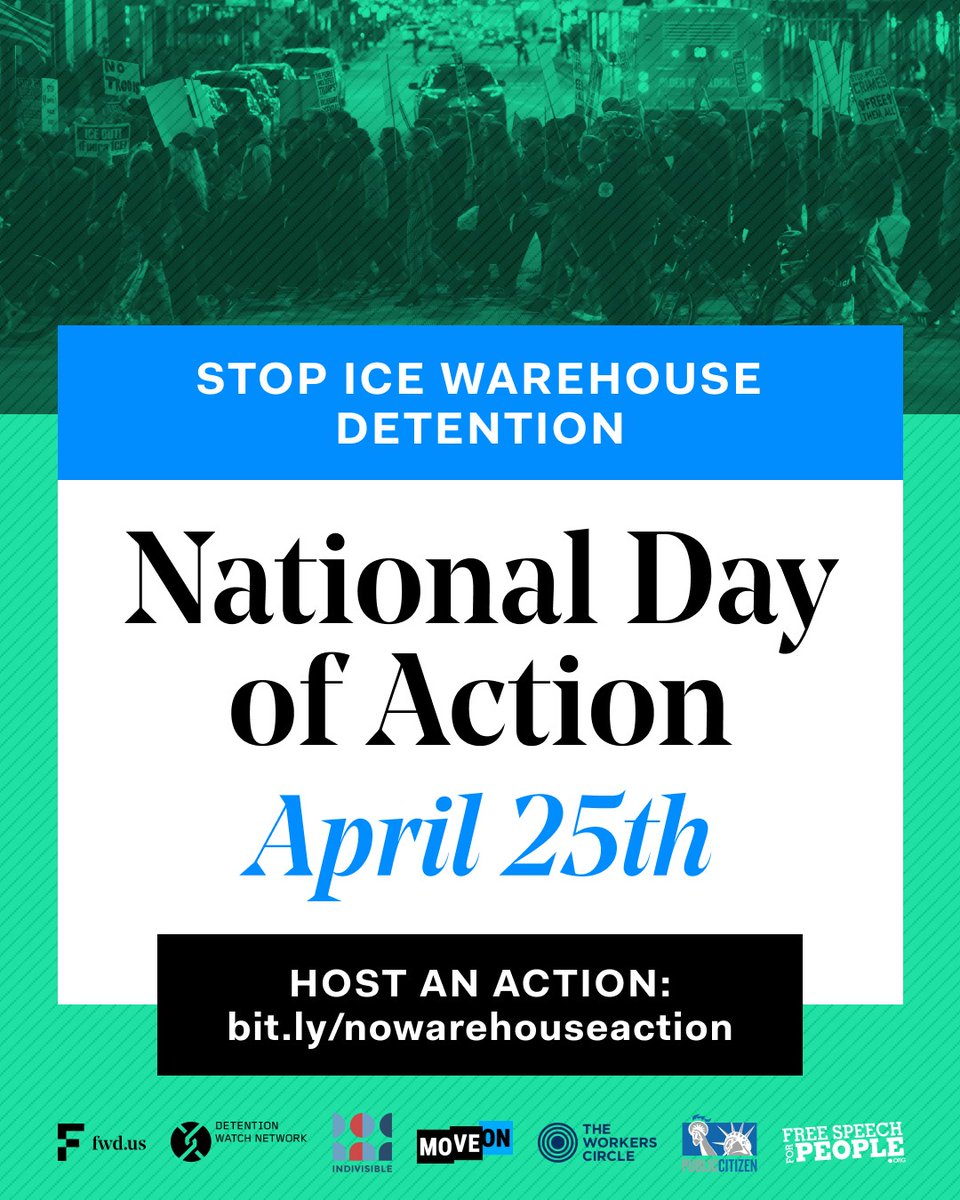
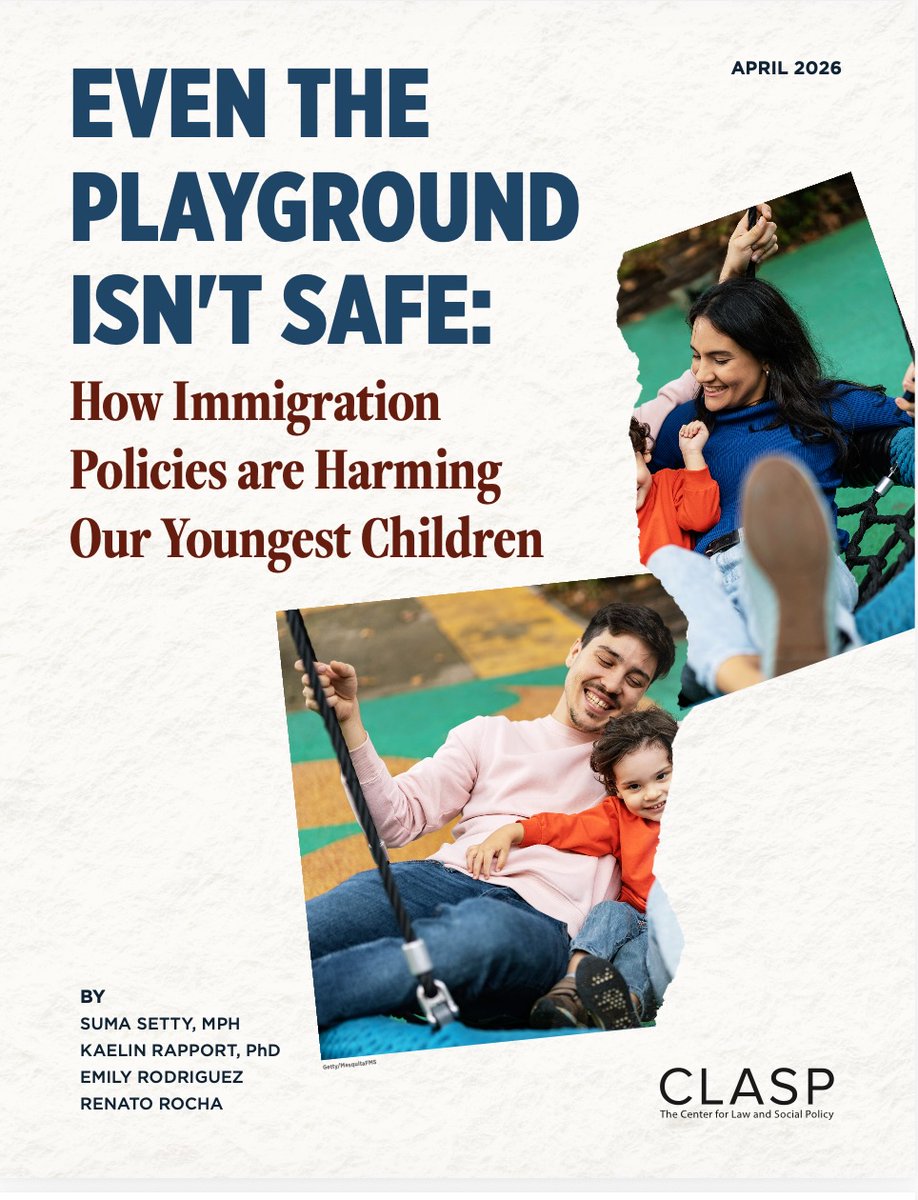
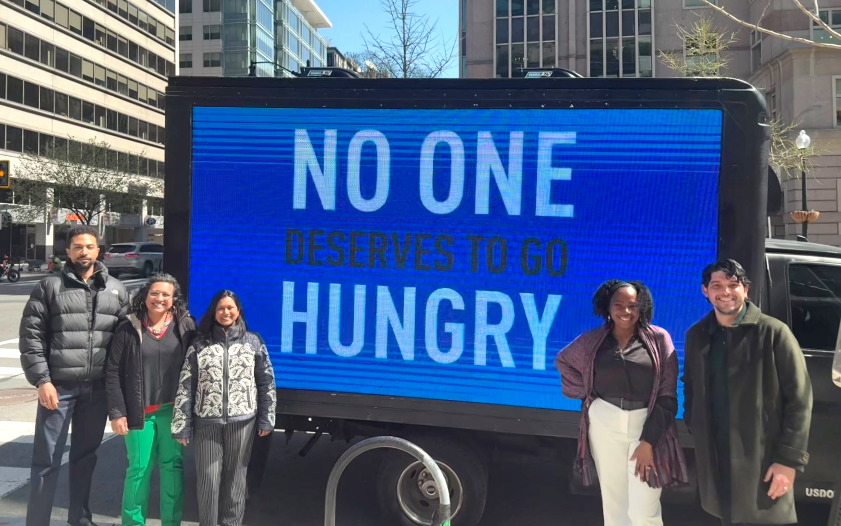

New research on young children affected by the immigration crackdown in Minneapolis: latimes.com/world-nation/sto…
1
211
"A growing body of research is illuminating the effect of trauma on children, even those too young to understand. Prolonged exposure to a high-stress environment can reshape a baby’s brain, explained Rebecca Parlakian, at the early childhood advocacy group Zero to Three.
1
1
218
CLASP denounces the passage of a budget reconciliation bill and the immeasurable harm it will cause to families across the country. Congress giving an additional $70B to ICE and CBP on top of the billions already received last summer flies in the face of the policies people need.
1
2
1
162
Families are struggling to make ends meet as a direct result of policy choices by Congress and the Trump Administration: clasp.org/press-room/press-r…
1
138
CLASP retweeted

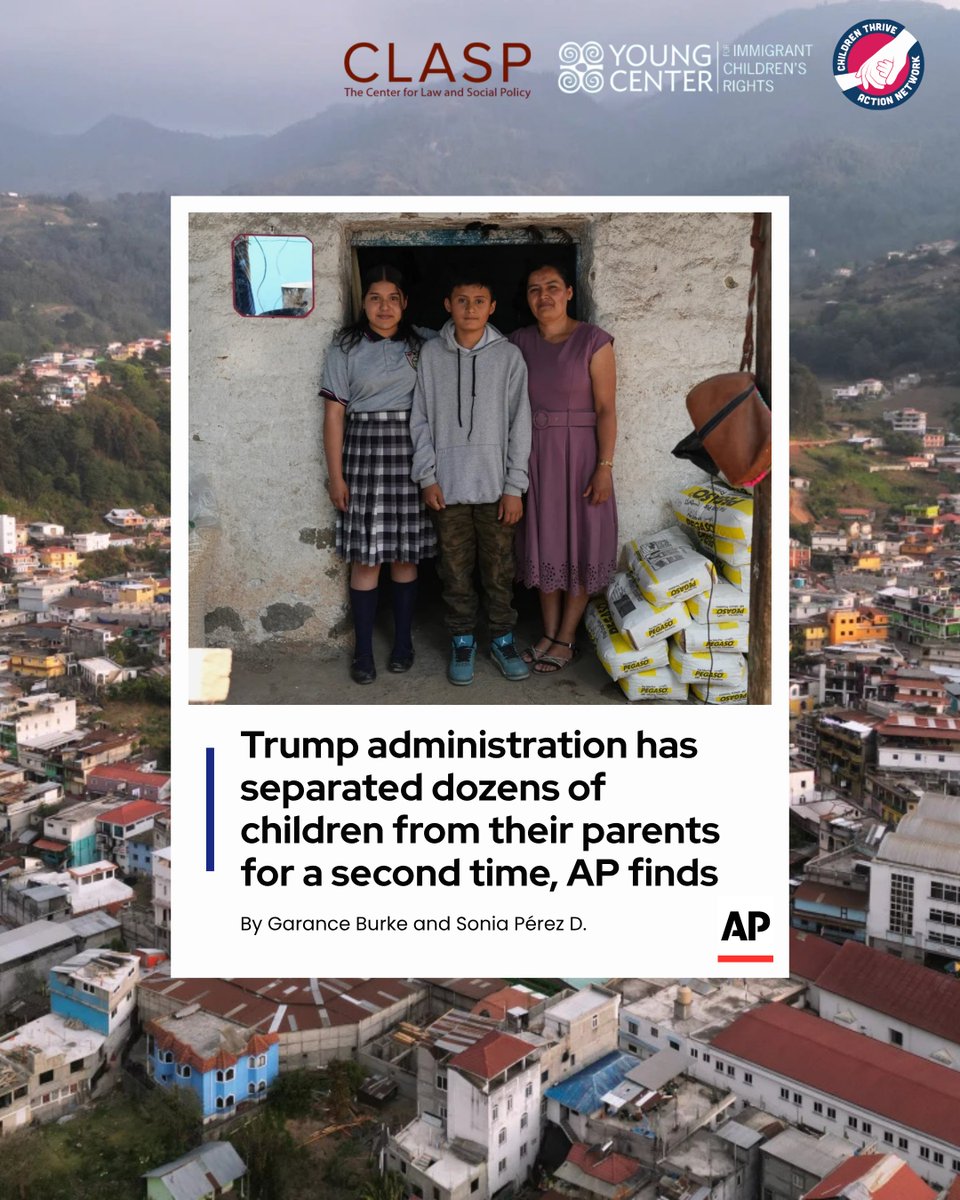
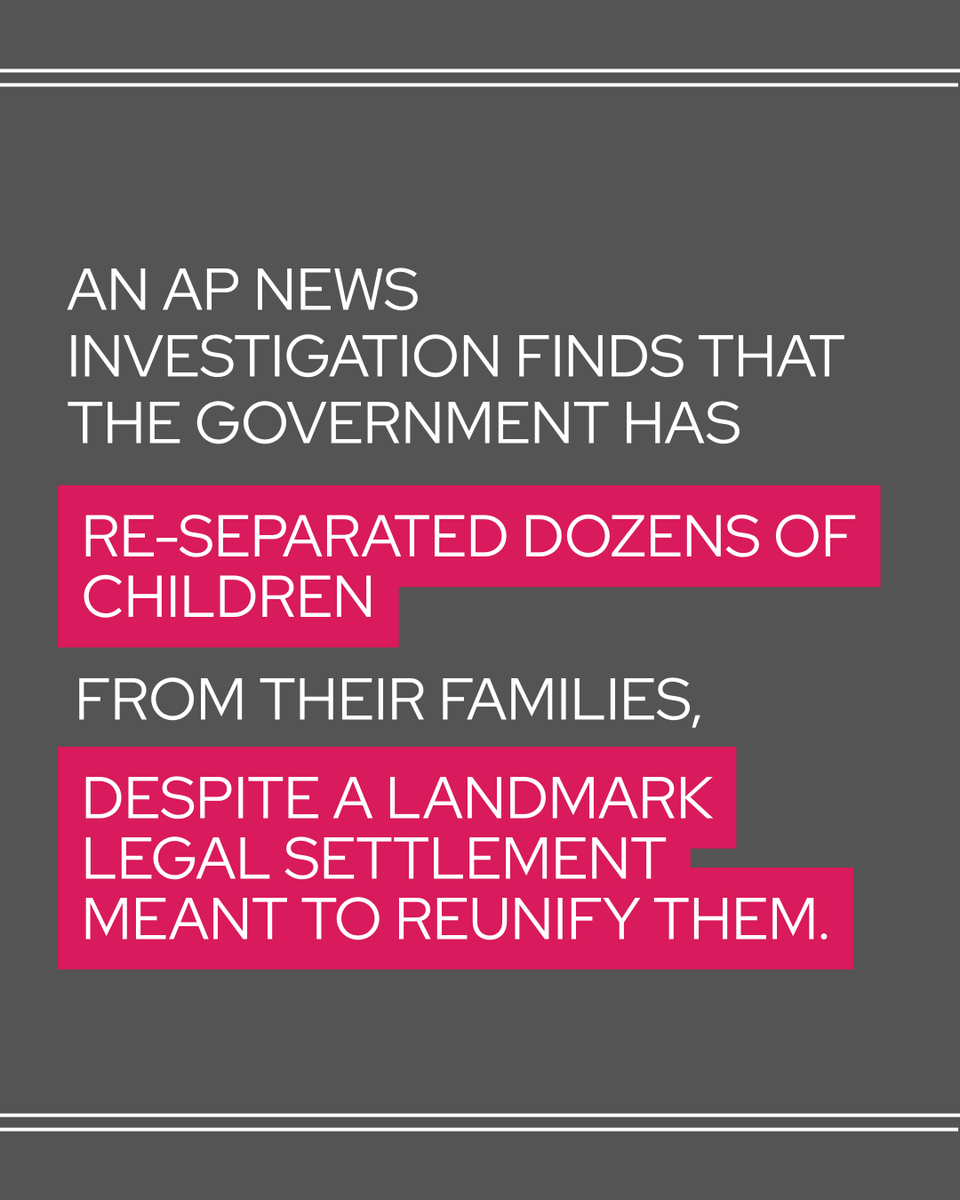
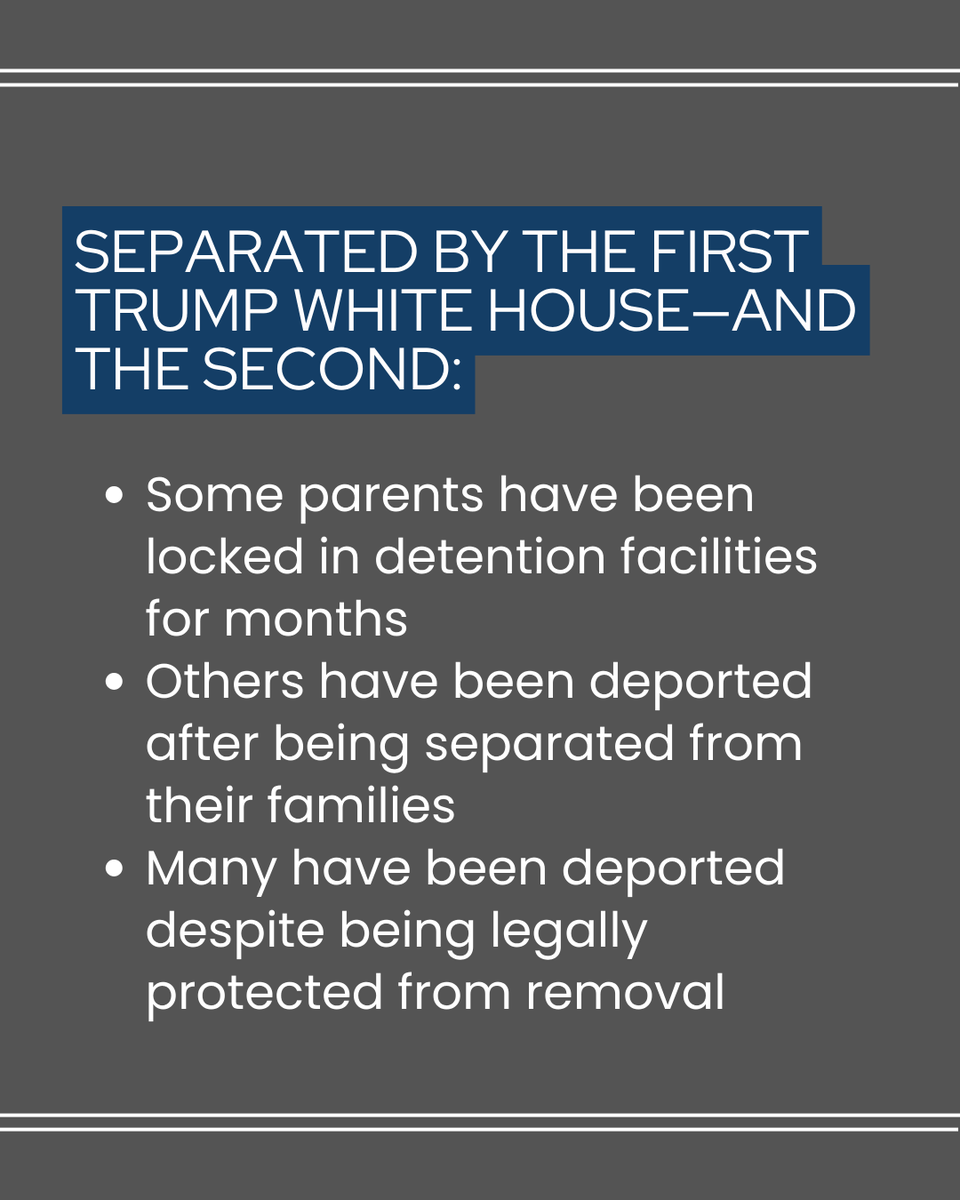
[1] A new investigation from @APNews reveals a cruel reality of President Trump’s second term: family re-separation.
Article: tinyurl.com/second-separatio…
1
1
74
Suma and Kaelin bring the kind of policy expertise we need right now: grounded in research, centered on families, and clear about what children and communities need to be safe and supported. Check out recent podcast they joined Defense of Democracy
brnw.ch/21x3dFt
1
71
CLASP denounces Senate passage of the budget reconciliation bill that'll cause immeasurable harm to families. We urge the House to oppose this legislation. Read about how children in immigrant families will continue to be harmed by policies like these: clasp.org/publications/repor…
52
🧵Important reporting from the Texas Observer on the very real consequences of deportations for American citizen children and the accountability gaps that put them at risk, quoting @sumasetty, senior policy analyst at CLASP. texasobserver.org/ruptured-f…
1
1
136
"There’s no accountability mechanism in place to make sure that ICE officers actually account for parents’ rights. There [are] a lot of reports out there that have found that ICE is not doing that and that children have been left in dangerous situations," said @sumasetty
1
118
"We are experiencing an affordability crisis. We're no longer talking about just the price of eggs and milk. We're talking about families struggling to afford basic living expenses," says Teon Hayes, Senior Policy Analyst at CLASP.
thebeaconnews.org/stories/20…
45
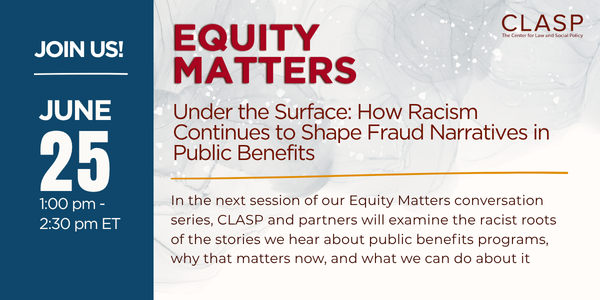
Racism is at the root of fraud narratives in public benefits, and it's shaping national policy right now. Join CLASP's #EquityMatters webinar on June 25, 1–2:30pm ET to dig into the history, the harm, and how to fight back. Register below ⬇️
1
1
112
Topics covered:
- History of racism in public benefits
- How fraud narratives harm individuals & families
- How policies have responded or pushed back
- How advocates & lawmakers can support public benefits recipients & administrators
RSVP: us06web.zoom.us/webinar/regi…
100
Rather than criminalizing people in crisis, policymakers should invest in voluntary, community-based mental health services, supportive housing, peer-led care, crisis response alternatives, and other supports that protect dignity and meet people’s needs: clasp.org/publications/repor…
49
CLASP retweeted

The Senate is voting this week on a $70 BILLION package to fund ICE and Border Patrol.
$70 billion to terrorize our communities.
Nothing to help the people who can't afford gas, groceries, rent & healthcare.
And this is after they wasted TRILLIONS on tax breaks for the rich.
17
130
176
1,919
CLASP retweeted

May 31
My latest blog: Two Million Fewer Children are Enrolled in Medicaid Since Trump Took Office ccf.georgetown.edu/2026/05/2… via @GeorgetownCCF
17
7
811
SNAP’s ban on most hot or prepared foods does not reflect the realities of many families, workers, older adults, disabled people, or people without reliable kitchens. Congress should remove the hot foods ban more broadly and modernize SNAP around dignity, choice, and access.
1
1
99
New CLASP brief shares a better vision for #SNAP and why allowing participants to buy rotisserie chicken is a helpful but a far too limited reform: clasp.org/publications/repor…
124
In recognition of #MentalHealthAwarenessMonth, CLASP would like to share 2 recently published resources that examine how people experiencing poverty navigate individual, family, and community mental health:
1
171
1) Criminalizing Mental Health Challenges Repeats Historical Failures: clasp.org/publications/repor…
2) Maternal Mental Health Equity: Policy and Program Insights from Colorado and Michigan : clasp.org/publications/repor…
172