
CLT offers meaningful 3rd-12th grade assessments. With your help, we are reclaiming the standard for education.
Joined January 2016
- Tweets 5,562
- Following 1,152
- Followers 52,826
- Likes 5,920
1,509 Photos and videos




Pinned Tweet
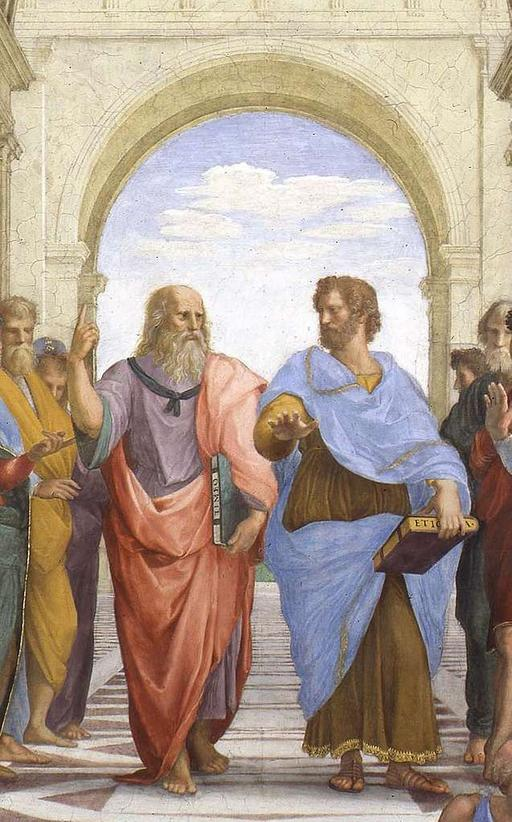
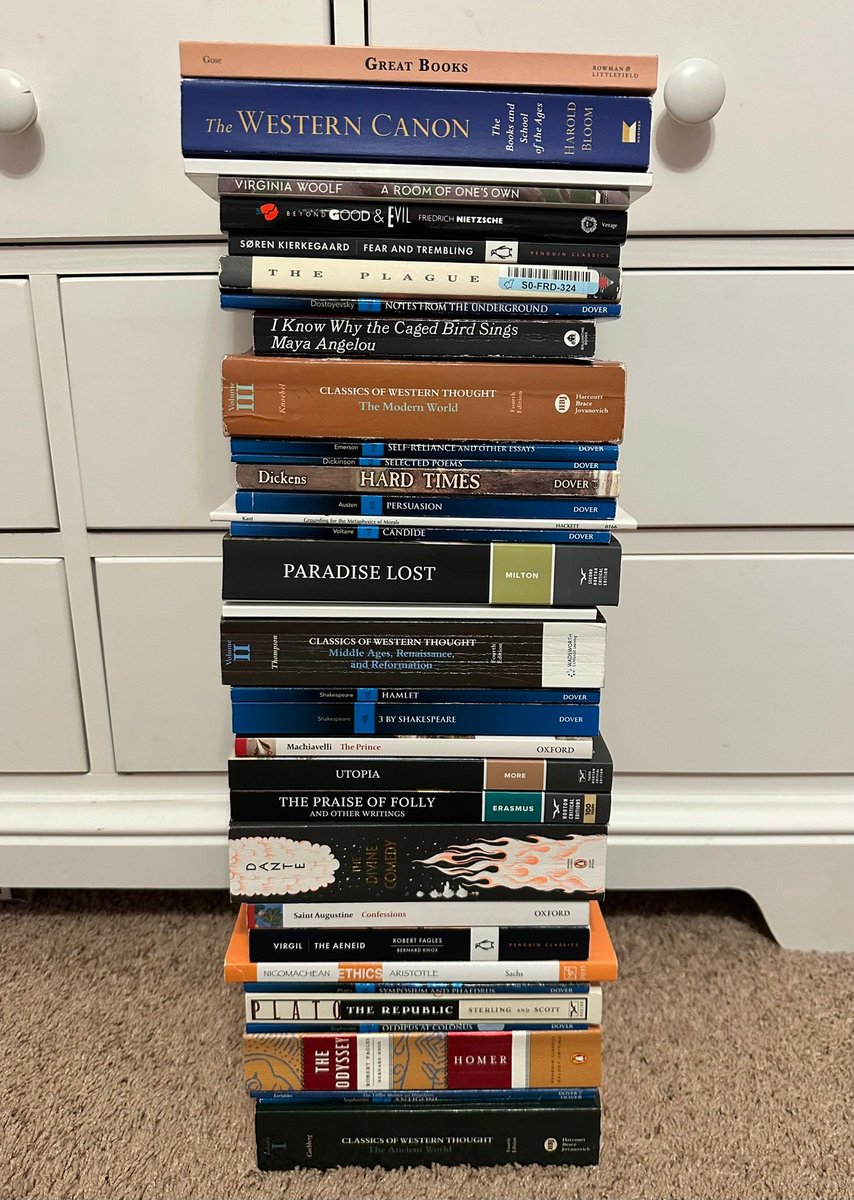
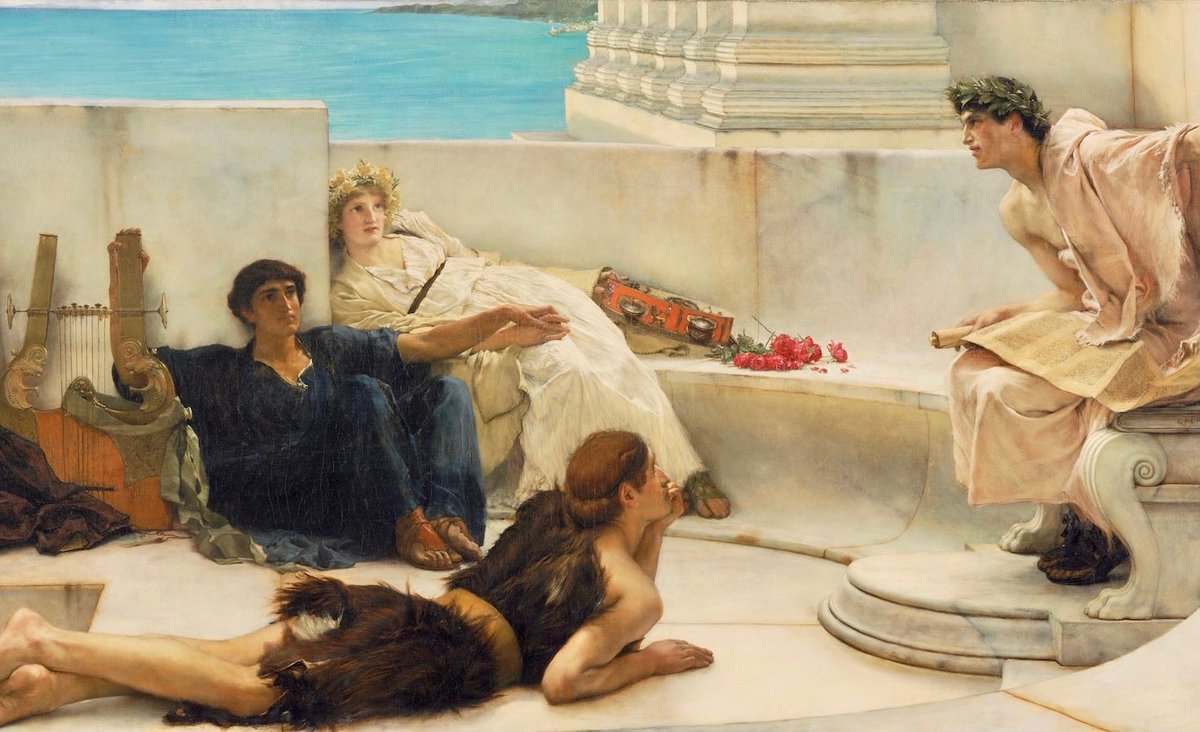
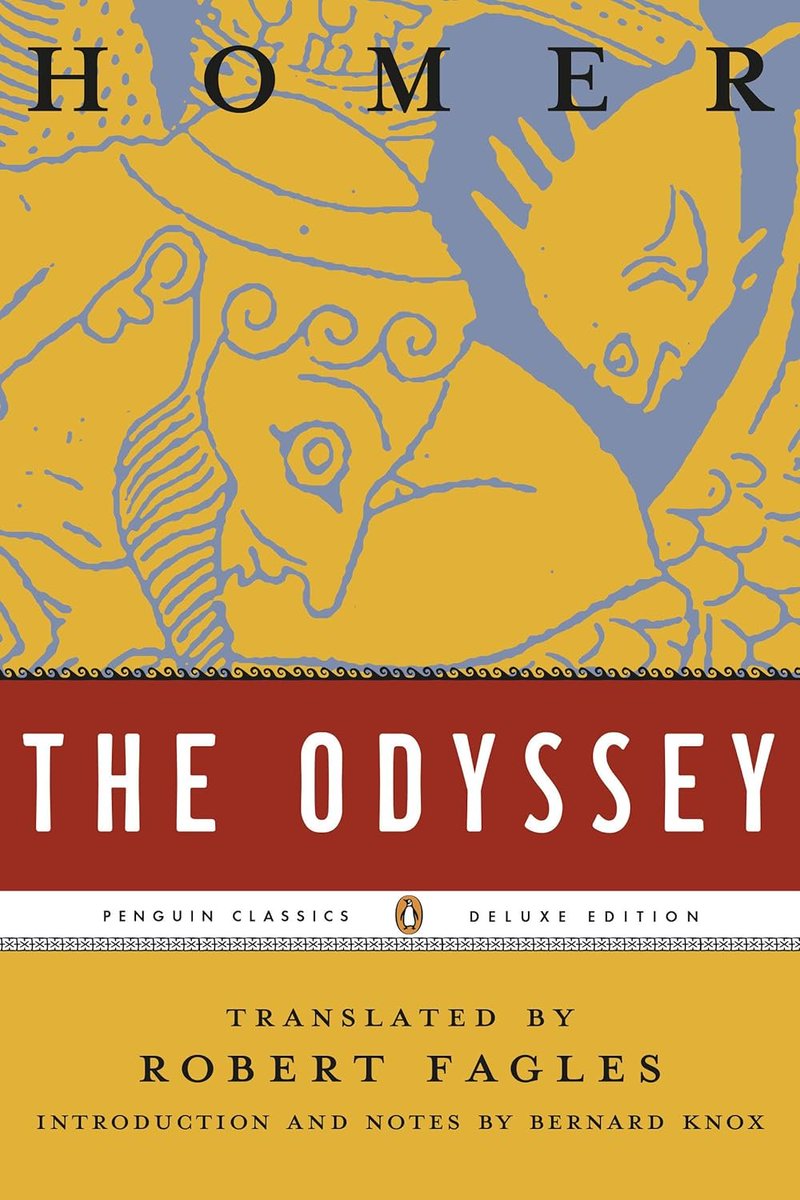
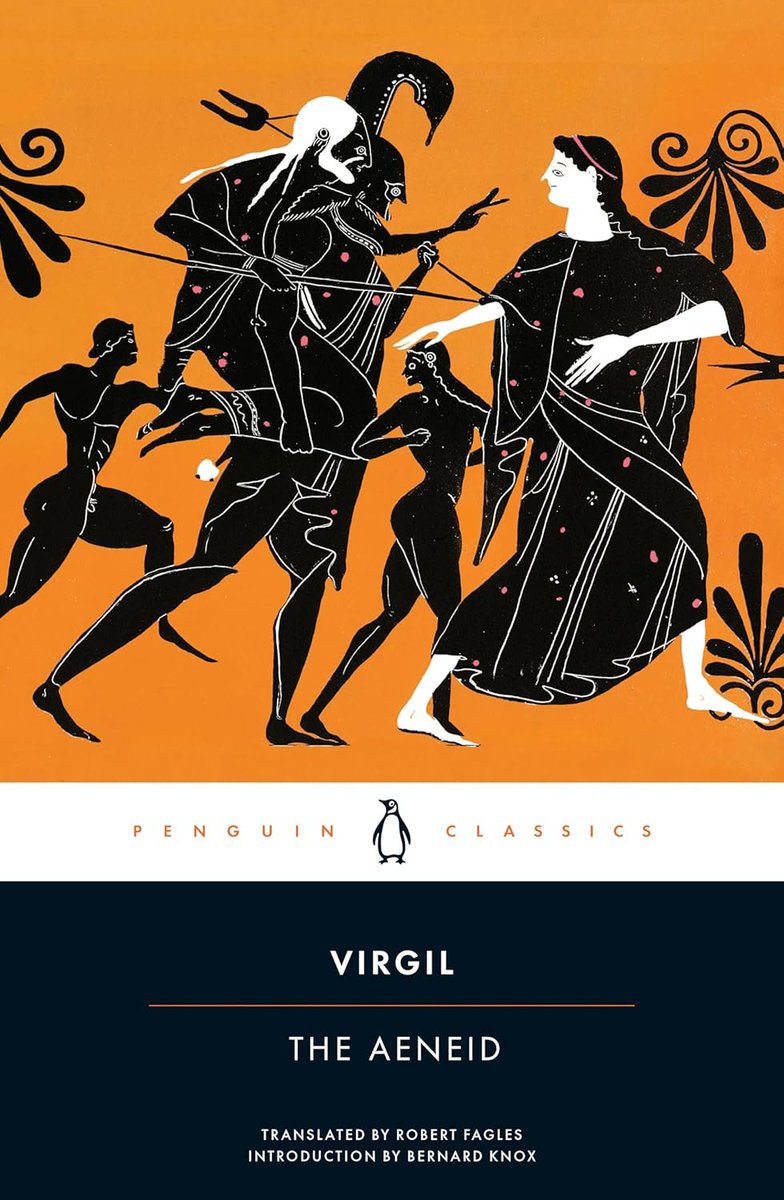
If you could only keep ONE work of classic literature on your shelf, what would it be?
45
12
117
32,863

Jun 12
A culture that cannot explain why virtue matters will eventually stop producing virtuous people.
17
154
758
25,328
Jun 12
Students once spent years asking:
— What is justice?
— What is courage?
— What is truth?
— What is beauty?
— What is a good life?
Now they ask:
— What pays well?
— Which degree is useful?
— What do employers want?
The questions changed long before the curriculum did.
And the curriculum changed long before the culture did.
13
82
281
10,135
Jun 11
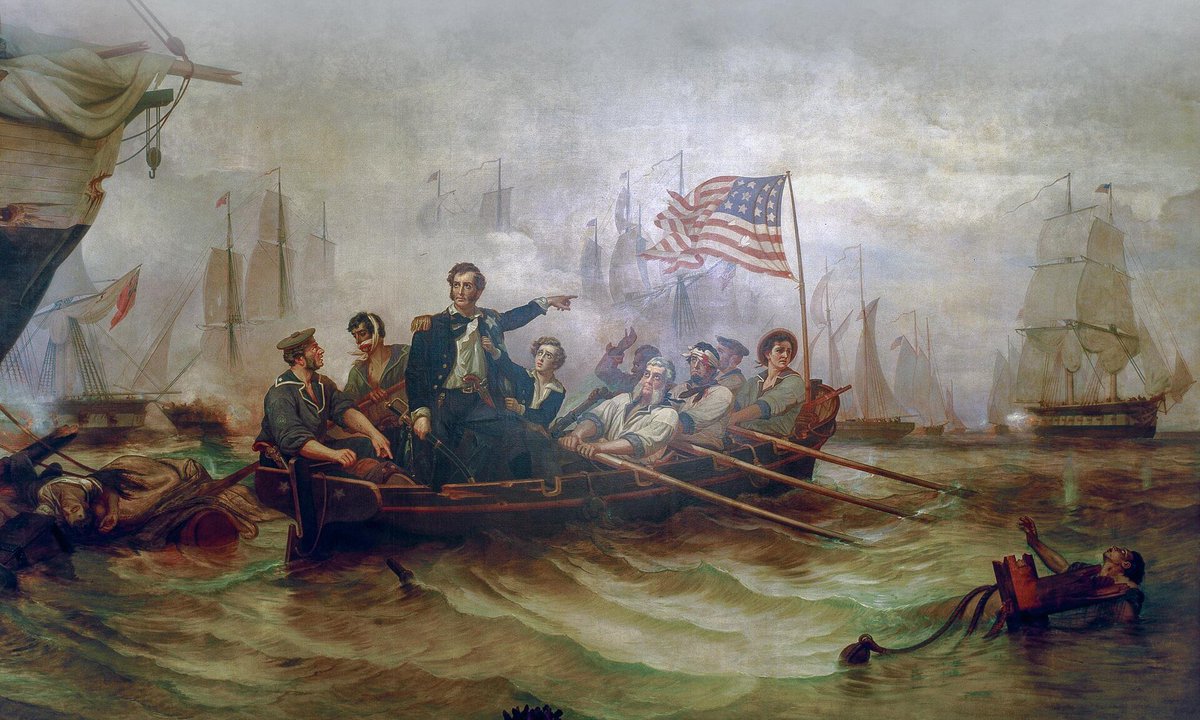
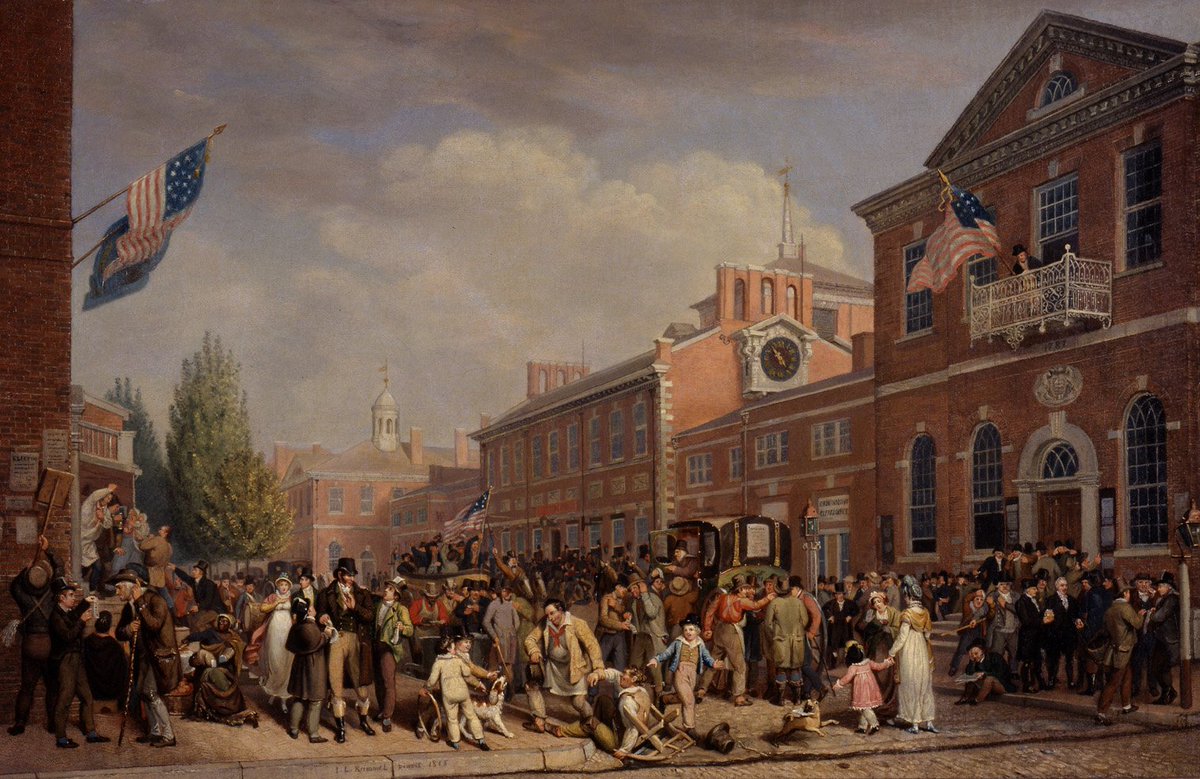
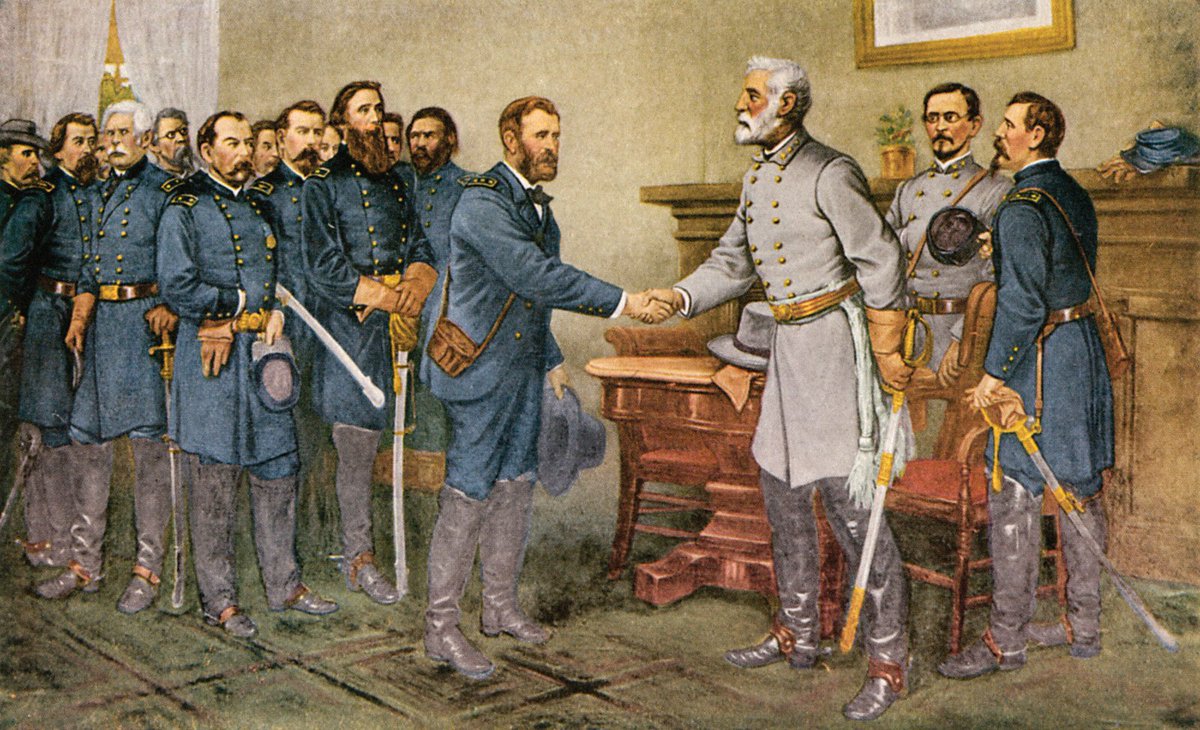
This is an eighth-grade final exam from 1895.
Would you pass?
1. Give the epochs into which U.S. History is divided.
2. Give an account of the discovery of America by Columbus.
3. Relate the causes and results of th Revolutionary War.
4. Show the territorial growth of the United States.
5. Tell what you can of the history of Kansas.
6. Describe three of the most prominent battles of the Rebellion.
7. Who were the following: Morse, Whitney, Fulton, Bell, Lincoln, Penn, and Howe?
8. Name events connected with the following dates: 1607, 1620, 1800, 1849, 1865.
8
20
88
7,390
Jun 11
We talk endlessly about preparing children for the future and almost never about connecting them to the past.
8
59
363
14,177
Jun 11
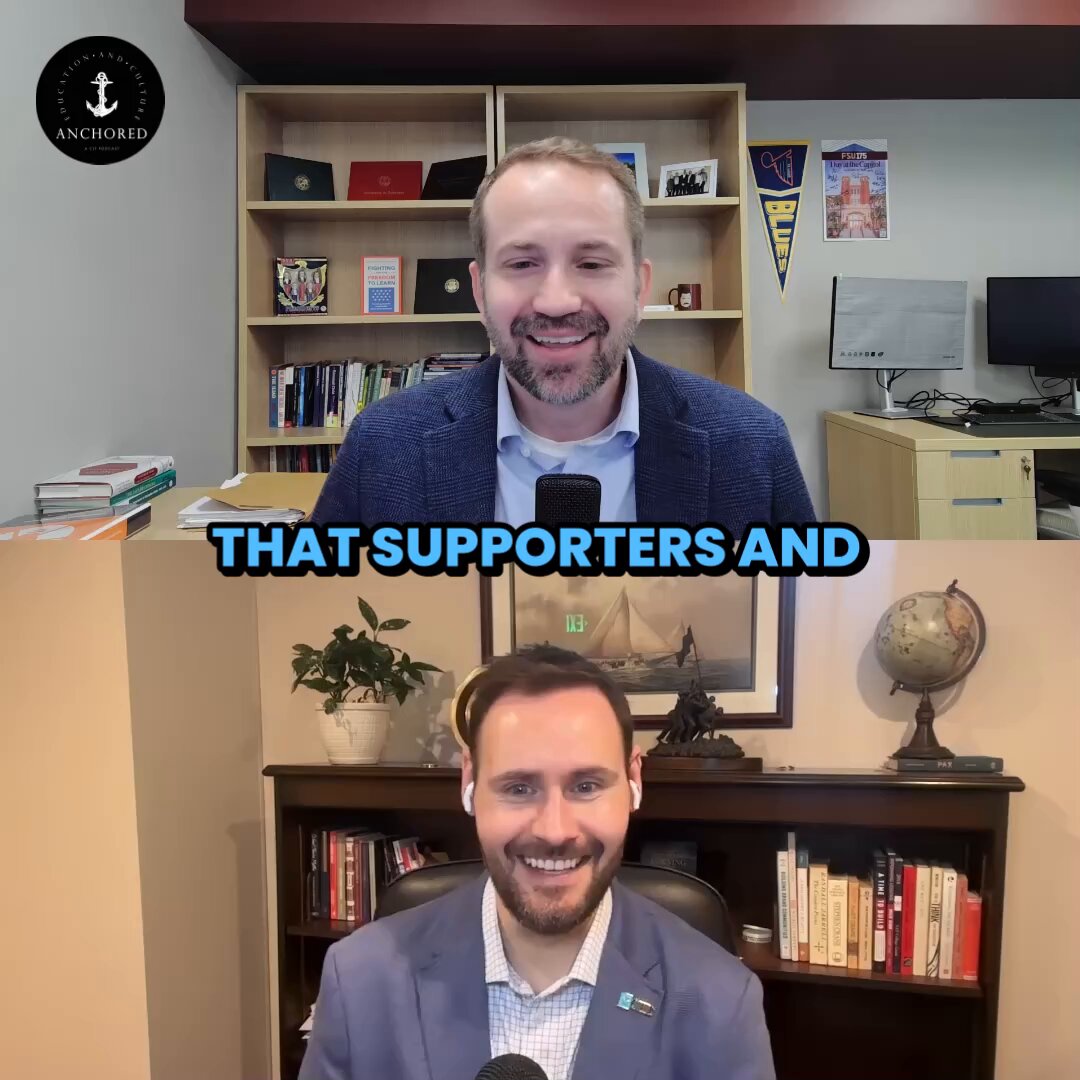
How much do you know about the history of school choice in America?
Today on The Anchored Podcast, @soren_schwab speaks with @shulsie, Head of the Education Liberty Branch of the Institute for Governance and Civics at Florida State University. Dr. Shuls shares his journey from disengaged public school student in Missouri to a leading education policy expert. He discusses the history of school choice, its relationship to the civil rights movement, and the innovative work taking place at Florida State University to promote classical and civic education.
Watch the full episode: lnkd.in/gr2q6vQP
2
8
896
Jun 10
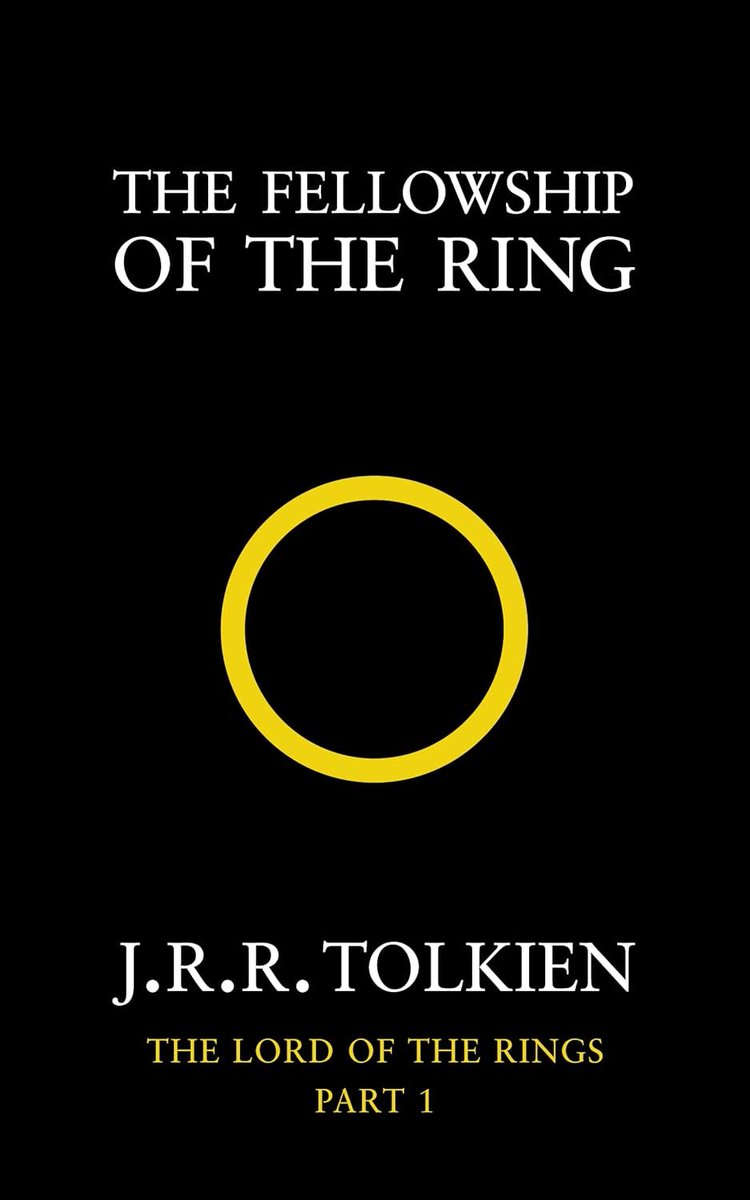
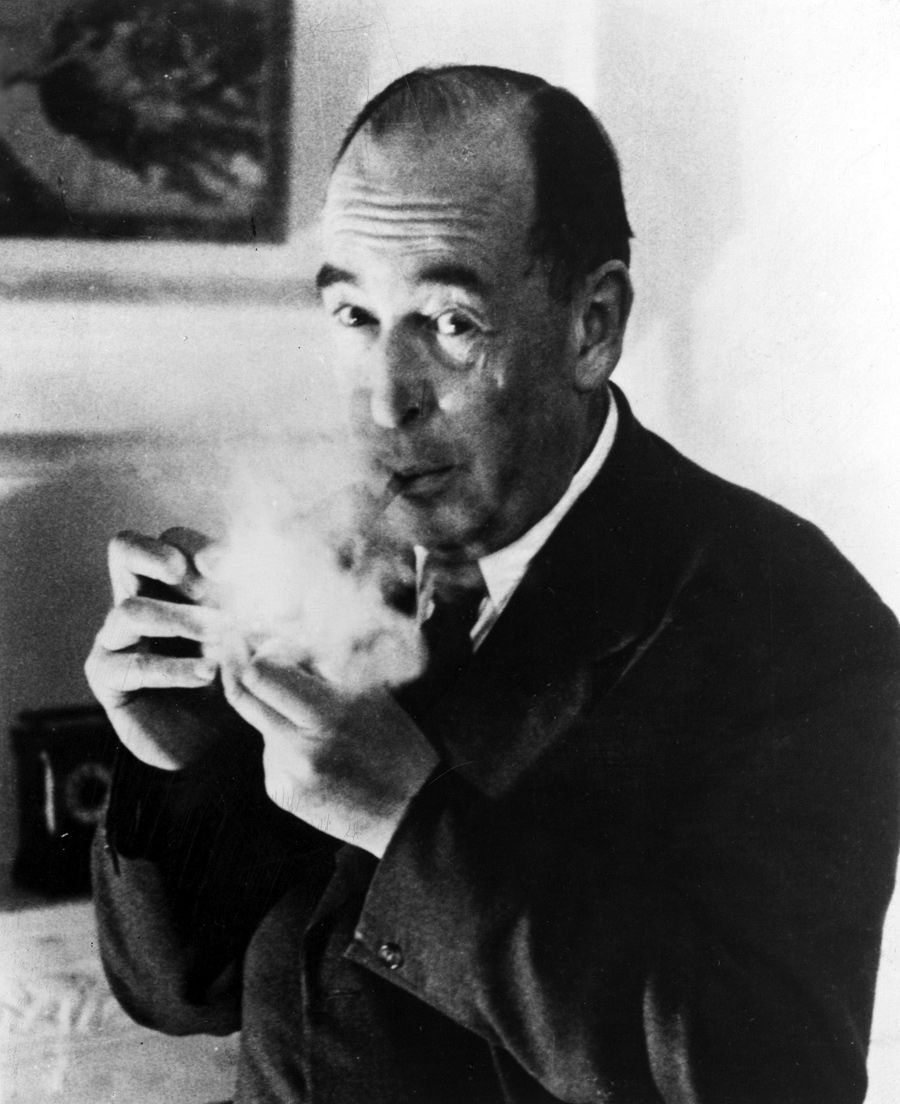
C. S. Lewis’s Letter to Tolkien upon First Reading The Lord of the Rings:
My dear Tollers—
Uton herian holbytlas indeed. I have drained the rich cup and satisfied a long thirst. Once it really gets under weigh the steady upward slope of grandeur and terror (not unrelieved by green dells, without which it would indeed be intolerable) is almost unequalled in the whole range of narrative art known to me. In two virtues I think it excels: sheer sub-creation—Bombadil, Barrow Wights, Elves, Ents—as if from inexhaustible resources, and construction—the construction Tasso aimed at (but did not equally achieve) which was to combine the variety of Ariosto with the unity of Virgil. Also, in gravitas. No romance can repell [sic] the charge of ‘escapism’ with such confidence. If it errs, it errs precisely in the opposite direction: the sickness of hope deferred and the merciless piling up of odds against the heroes are near to being too painful. And the long coda after the eucatastrophe, whether you intended it or no, has the effect of reminding us that victory is as transitory as conflict, that (as Byron says) ‘There’s no sterner moralist than pleasure’ and so leaving a final impression of profound melancholy.
No doubt this is increased for me by the circumstances in which I heard most of it for the first time: when there was great danger around us but, in me at any rate, a happier heart than now. But that only accounts for a small part of my total impression. I am sure it is in itself a great and hard and bitter book which, though I love it, I shall never open without a certain shrinking. It will rank, along with the Aeneid as one of what I call my ‘immediately sub-religious’ books.
Indeed (unexpectedly) the general aroma seems to me more like the Aeneid than anything else, in spite of your Northernness. This is partly because both (a.) Are so often sylvan (b.) Have strategy, as distinct from mere combat, (c.) Suggest an enormous past behind the action.
All the alliterative verse I liked.
Of course this is not the whole story. There are many passages I could wish you had written otherwise or omitted altogether. If I include more of my adverse criticism in this letter that is because you heard and rejected most of them already (rejected is perhaps too mild a word for your reaction on to least one occasion!) and even if I now convinced you on any point, the conviction would, I take it, be too late to bear fruit. And even if all my objections were just (which is of course unlikely) the faults I think I find could only delay and impair appreciation: the substantial splendour of the tale can carry them all. Ubi plura nitent in carmine non ego paucis offendo maculis.
I congratulate you. All the long years you have spent on it are justified. Morris and Eddison, in so far as they are comparable, are now mere ‘precursors’.
The mappemound [sic: mappemundo=”map of the world”] is, as you warn me, now inaccurate. But on a rather different point—do you mean the Shire to be so large?
I miss you very much
Yours
Jack Lewis
4
20
100
4,128
Classic Learning Test retweeted

Can you imagine the SAT posting about the Iliad?
The @CLT_Exam is amazing--a hope for the future of US education.
Check them out.

If you could only keep ONE work of classic literature on your shelf, what would it be?
6
11
114
11,640
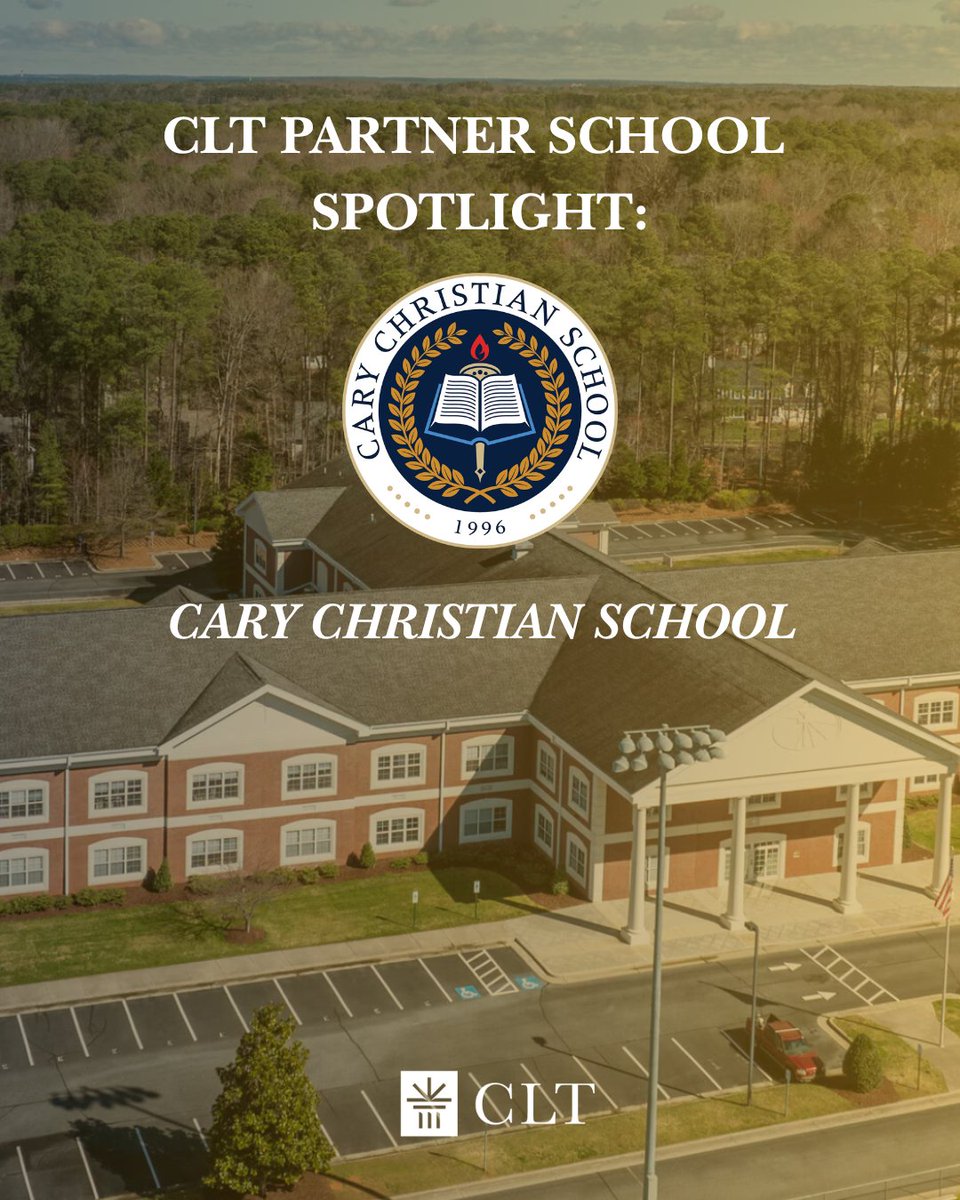
We are proud to feature @ccsgoknights in Cary, North Carolina as our latest Partner School Spotlight!
Cary Christian School (CCS) is one of the largest and most established classical Christian schools in the nation, serving more than 850 students in grades K–12 and operating continuously since 1996. Accredited by the Association of Classical Christian Schools (ACCS) since 2002, CCS stands among the largest member schools in the association. This scale allows the school to offer exceptional breadth in academics, arts, and athletics while maintaining a unified and faithful commitment to classical Christian education rooted in a biblical worldview.
Visit our website to learn more about how Cary Christian School is serving families and preparing students for life beyond the classroom: hubs.la/Q04kPpgm0
4
18
2,321
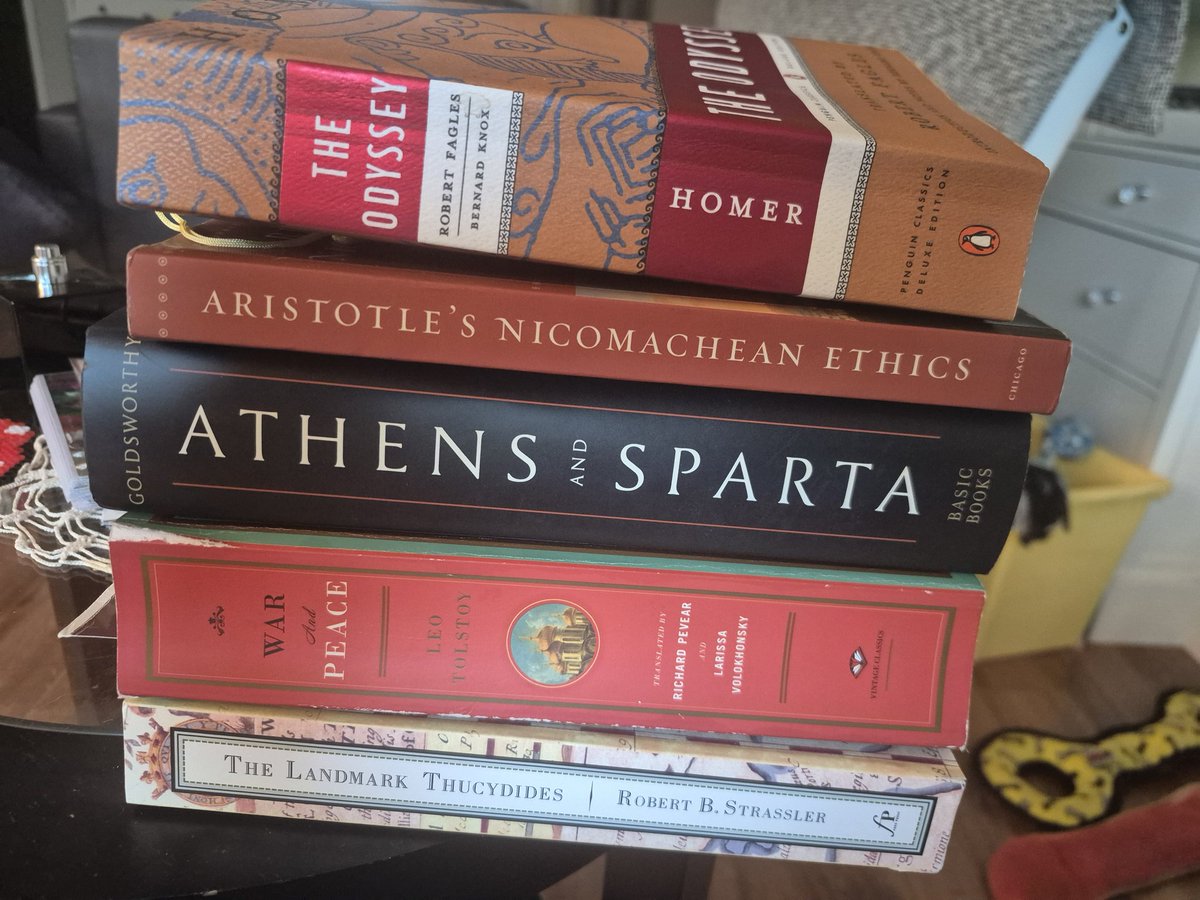
Imagine if reading had the same cultural status as looksmaxxing.

5
2
61
3,103
Planning your 2025–2026 history lesson plans? @HISTORY_250 is your free, classroom-ready resource for teaching American history — now available on YouTube, Pinterest, and Teachers Pay Teachers.
Get instant access to:
🎬 6-minute history documentaries, perfect for any class period
✅ Key takeaways for teachers and students
❓ Classroom Q&A discussion guides
🗺️ Map library covering battles, elections, migration routes, etc.
📜 Primary source documents library
Whether you teach middle school or upper grade http://U.S. History, HISTORY250® brings America’s story to your classroom today, one film at a time.
Visit us online to start building your fall lesson plans today: hubs.la/Q04kqQ_80
2
5
991
Every civilization must deliberately teach what is worth loving, what is worth sacrificing for, and what is worth defending.
That was once the central task of education.
Then, in less than a century, everything changed.
5
70
265
20,823
Can't stop thinking about this quote:
"The question is not whether schools transmit values. The question is which values they transmit."
— David V. Hicks
3
19
81
4,493
The modern student is taught job training.
The classical student is taught to develop both character and intellect in order to become a better human being.
Who do you think is more prepared to live a happy and fulfilling life?
3
17
92
3,521
Go ask a normal American student why school matters and you will hear something about college, career, or money.
Go ask a classically educated student the same question and you will hear words like wisdom, virtue, truth, beauty, or God.
That is the difference between education as workforce preparation and education as human formation.
America has spent generations funding the first vision while wondering why the second kind of person disappeared.
30
301
1,019
55,867
Classic Learning Test retweeted

Jun 5
Reinstating the SAT is not the same thing as raising educational standards. Standards should pull students upward, not bend to meet them on the way down.
The test has spent 60 years meeting students where they are — its reading passages have shrunk from 750 words to 25. Bringing it back doesn't fix that.
There's a better option.
thefp.com/p/the-sat-is-back-…
8
30
117
40,166
There is no serious vision of national renewal that does not include education.
You can fix taxes, borders, crime, and trade, but if the next generation is trained to be shallow, anxious, and historically illiterate, the country will still decline.
This is why the homeschooling and classical education movements matter so much.
We are not just offering a better curriculum.
We are rebuilding the kind of person America needs.
12
70
288
11,144
Classic Learning Test retweeted

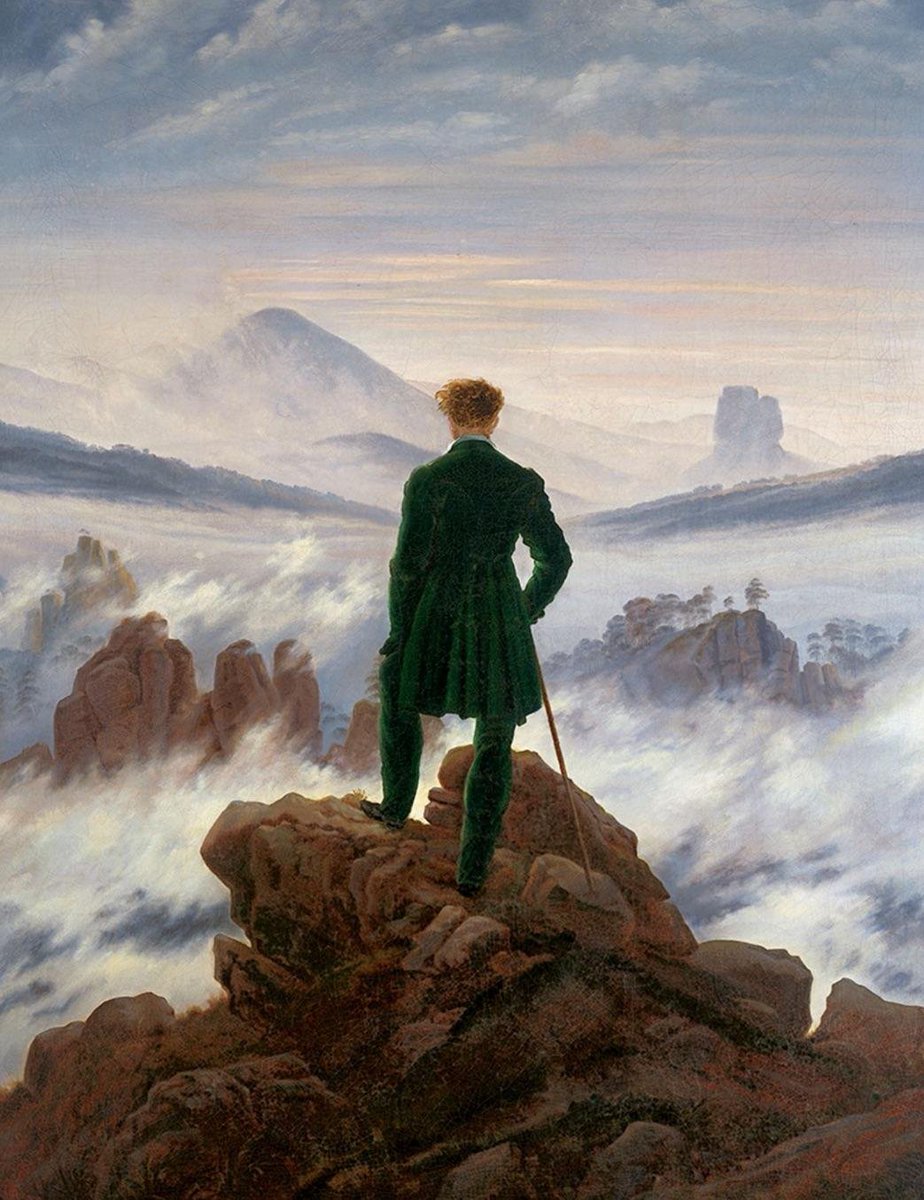
As the Great Books remind us, beauty is not merely observed—it is contemplated. Studying it amid the coastline and mountains of Malibu offers a fitting setting for that work.
📍 Pepperdine University, Malibu

May 29
The average student graduates after 12 years of schooling and still cannot answer the most important questions in life.
What is a good man?
What is justice?
What is worth sacrificing for?
What is beauty?
What is truth?
What is the purpose of life?
Classical education begins with the assumption that any education failing to address these questions is not really education at all.
1
8
37
5,410
The goal of education in each century:
1st century - The cultivation of virtue
5th century - The cultivation of virtue
9th century - The cultivation of virtue
14th century - The cultivation of virtue
19th century - The cultivation of virtue
21st century - College and Career Readiness 🤦♂️
35
204
988
118,623