A Unique and Exciting Doctoral Program
Joined May 2014
- Tweets 2,290
- Following 324
- Followers 953
- Likes 3,197
213 Photos and videos

CSHL School of Biological Sciences retweeted

30 Aug 2024
If your company is looking for employees who are passionate and innovative – post your jobs to the AWIS Career Center. Our community is filled with brilliant, trailblazing women who are ready to make an impact in your organization. awis.associationcareernetwor… #WomenInScience

ALT Group of diverse, professional women with the copy: Visit the AWIS Career Center
1
2
543
CSHL School of Biological Sciences retweeted

30 Aug 2024
Running a lab effectively is a complex undertaking that involves managing people, time, projects, and budgets. This booklet offers essential advice and tips to help you succeed in running your own lab. #LabManagement #ScienceCareers #Leadership science.org/content/resource…
1
4
7
1,610

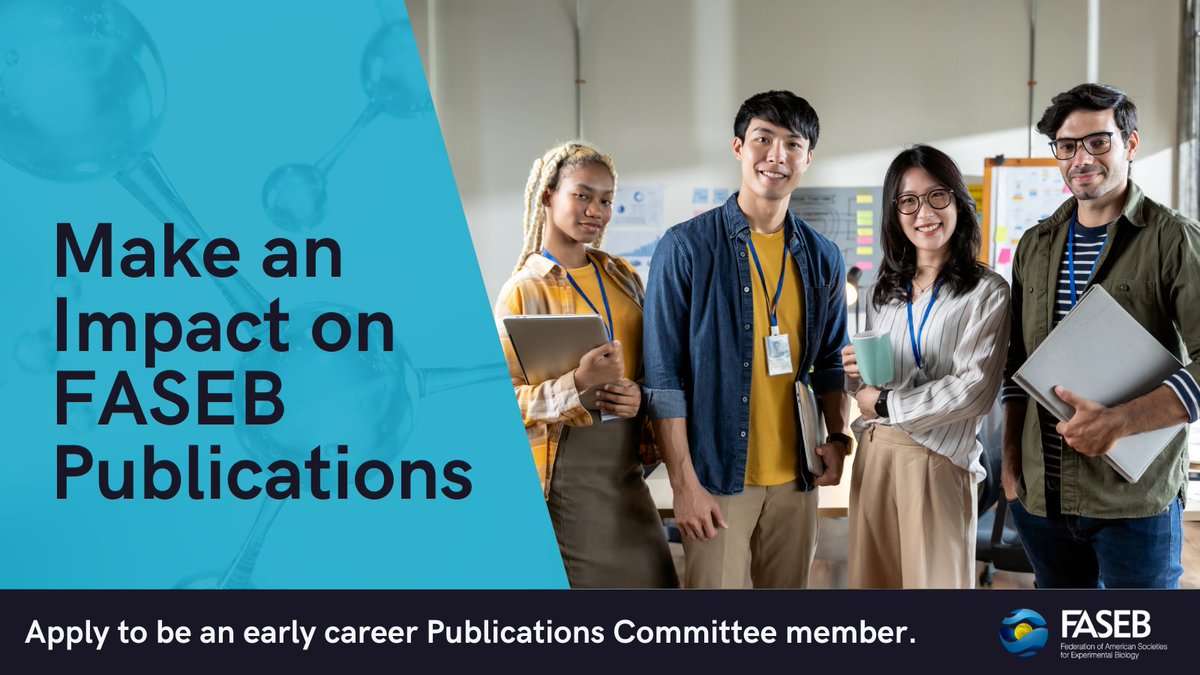
🌟 Early-career researchers, FASEB is looking for you! Join our Publications Committee to shape the future of scientific publishing and advance your career. Apply by September 15, 2024, to be one of two new ECRs on the committee.
Details here: hubs.ly/Q02N0YG50
4
3
981
CSHL School of Biological Sciences retweeted

29 Aug 2024
Want to explore strategies & tools for managing your time & energy?🗓️Join us next Thursday (9/5) at 10:30 am in the #CSHL library for our Time Management & Planning Workshop. Additional details at: cshl.edu/cshl-library/servic…
1
3
463
CSHL School of Biological Sciences retweeted

28 Aug 2024
When breast cancer cells lack glutamine, they use alpha KG as their fuel source instead. CSHL’s Michael Lukey discovered how to deprive the cancer cells of both sources, which ultimately killed the cancer cells and shrank tumors in mice. cshl.edu/how-breast-cancer-g…
4
9
2,371
CSHL School of Biological Sciences retweeted
29 Aug 2024
Earth Music III is not just a painting, but a masterpiece that embodies the creativity and passion of our scientists here at CSHL. cshl.edu/harborscope/earth-m…
1
2
1,430
CSHL School of Biological Sciences retweeted

27 Aug 2024
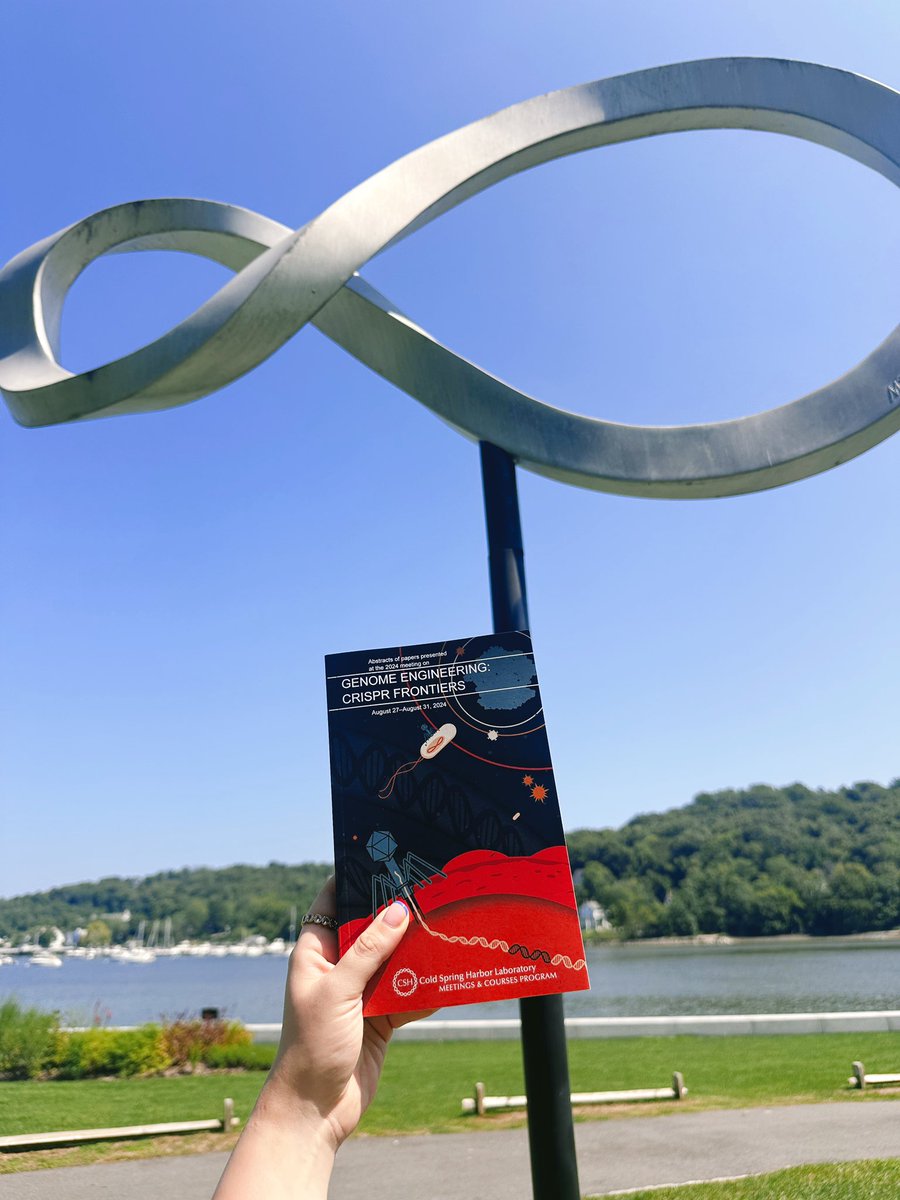
#cshlCRISPR24 starts tonight! Welcome to all of our attendees 🧬
1
4
14
2,452
CSHL School of Biological Sciences retweeted
26 Aug 2024
CSHL’s Douglas Fearon and his team found that a common chemotherapy drug weakens pancreatic cancer’s defense in mice. Could this become an effective immunotherapy for PDAC patients? cshl.edu/old-chemo-drug-new-…
1
9
1,568
CSHL School of Biological Sciences retweeted
27 Aug 2024
How do nature and nurture play a role in your biological development and make you who you are? Find out more from CSHL’s Gabrielle Pouchelon in this week’s At the Lab episode. @GPouchelon cshl.edu/podcasts/at-the-lab…
2
5
1,653

23 Aug 2024
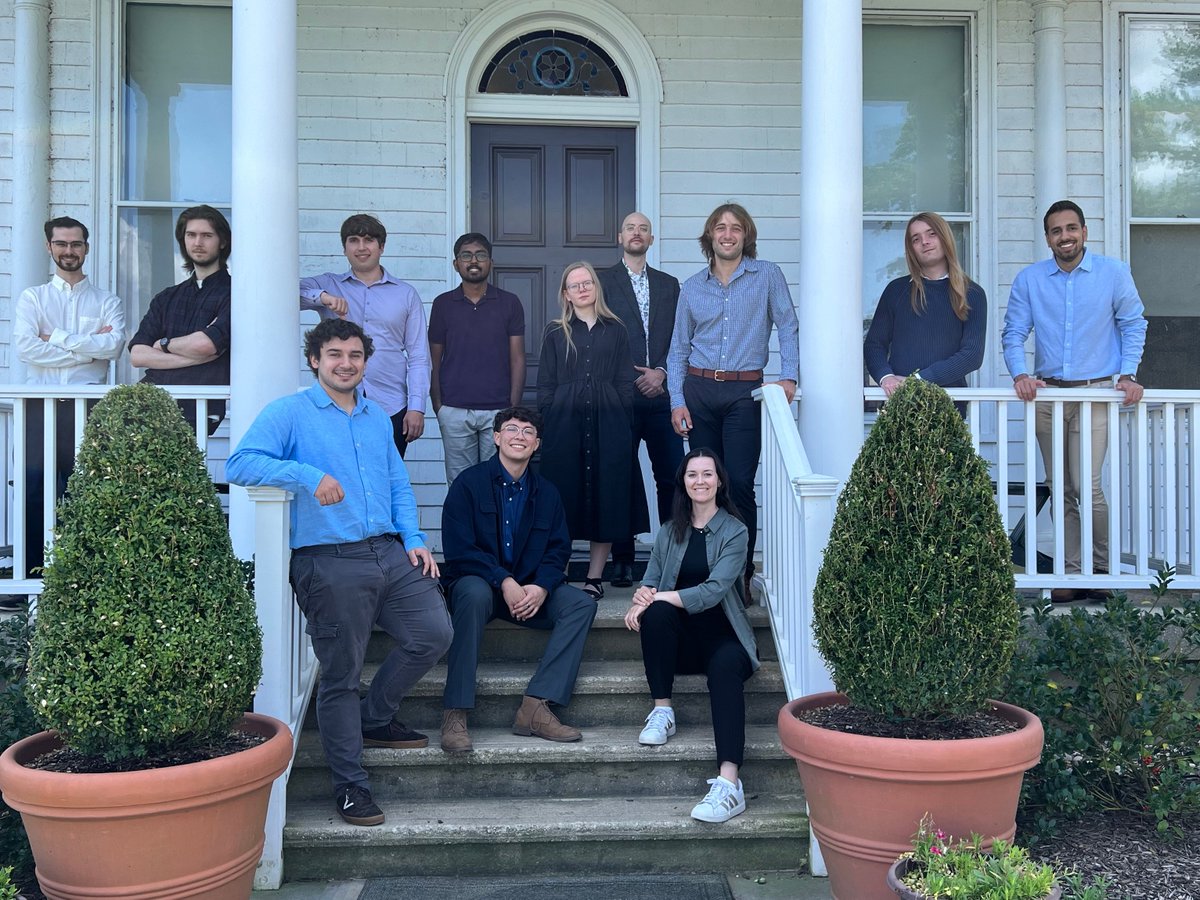
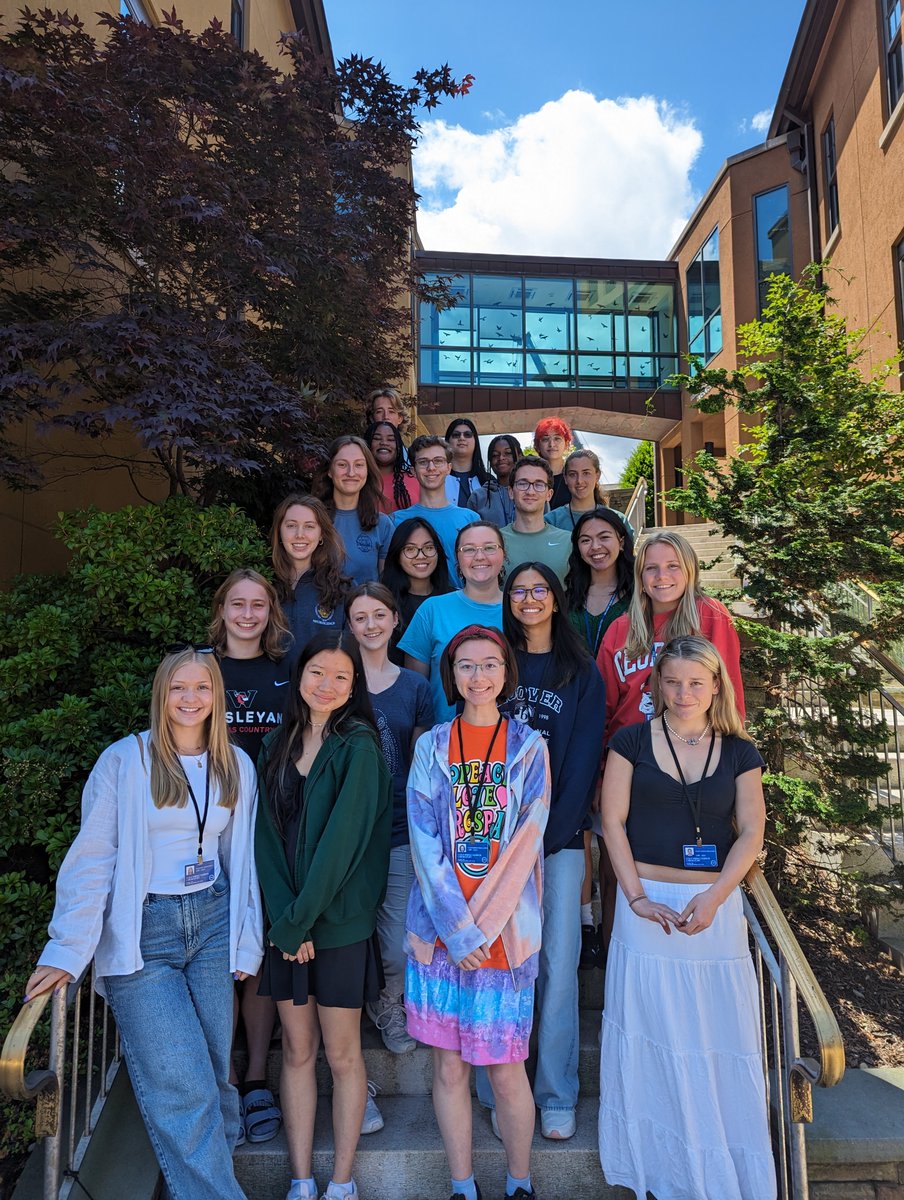
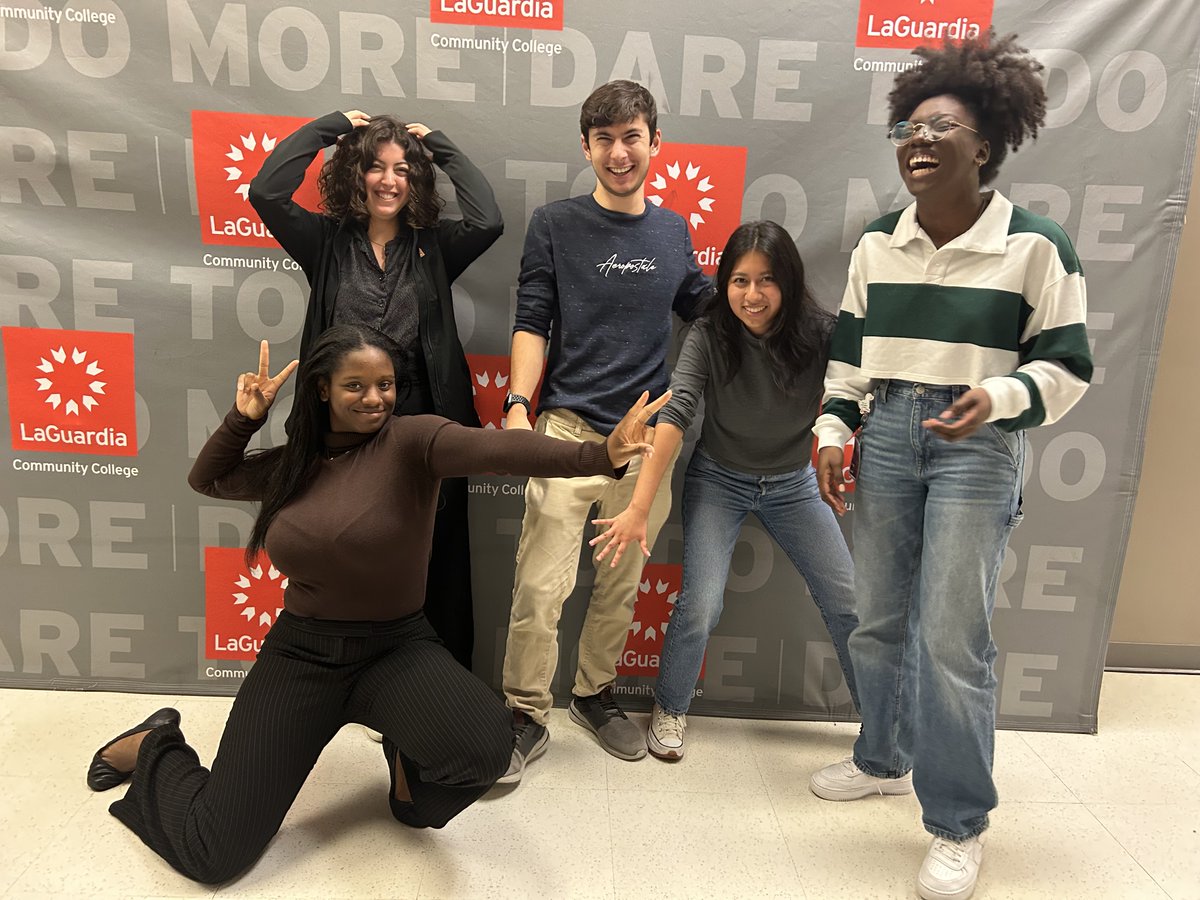
We are thrilled to welcome Sebastián, Dmitry, Trevor, Erin, Arian, Vasilisa, Pablo, Yash, Rory, Brett, Griffin and David - the Entering Class of 2024!
14
1,391
CSHL School of Biological Sciences retweeted
22 Aug 2024
Cancer and the lethal wasting disease cachexia affect the whole body. How is the CSHL Cancer Center tackling these devasting conditions? CSHL’s Tobias Janowitz discusses this in our latest Cocktails & Chromosomes installment. @JanowitzTobias cshl.edu/videos/cocktails-ch…
2
4
1,334
CSHL School of Biological Sciences retweeted
22 Aug 2024
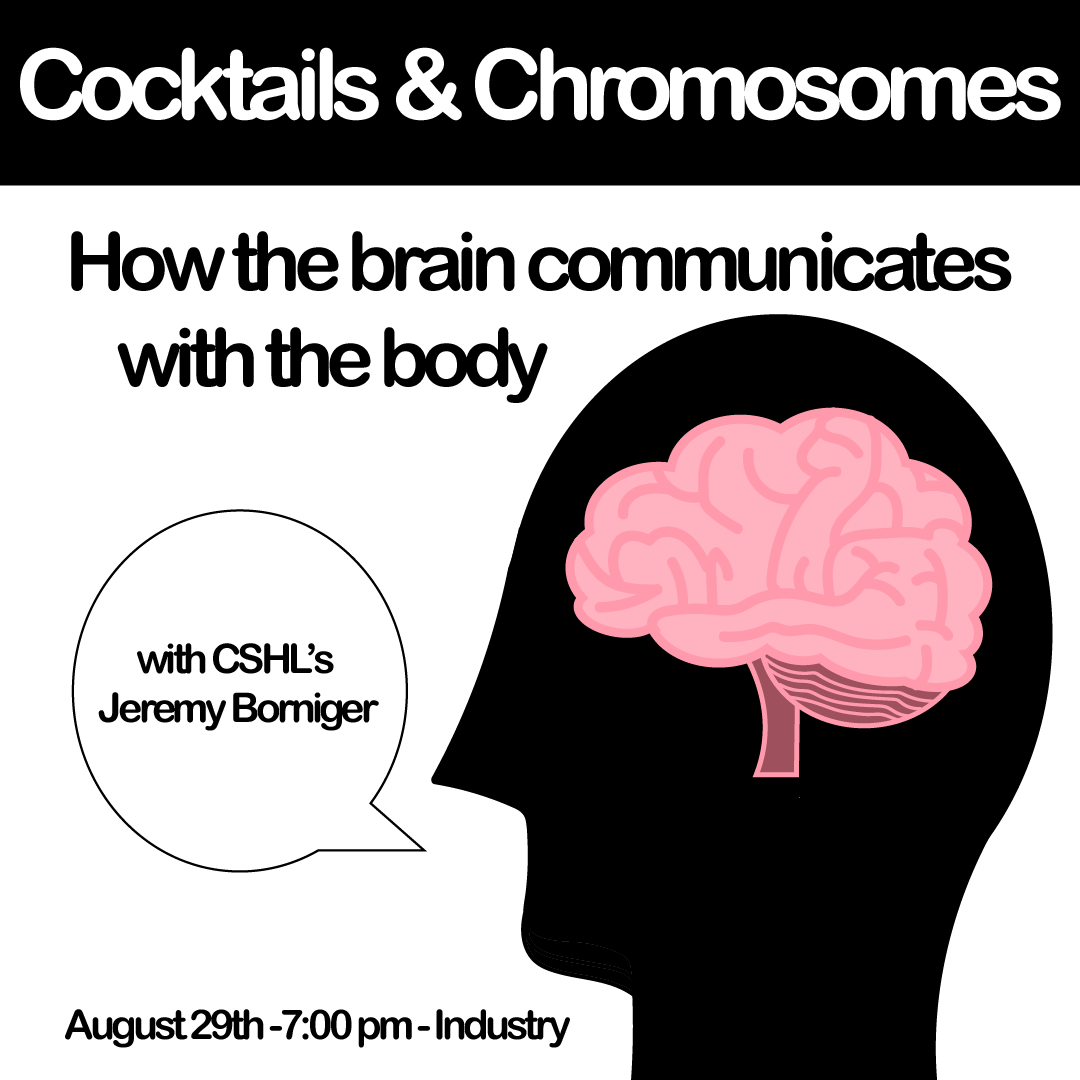
Reminder that in one week CSHL’s @JBorniger will be speaking at our next Cocktails & Chromosomes on “how the brain communicates with the body.” RSVP now for your chance to win a free drink! 😉🍺bit.ly/3LLcpFk
2
5
1,566
21 Aug 2024
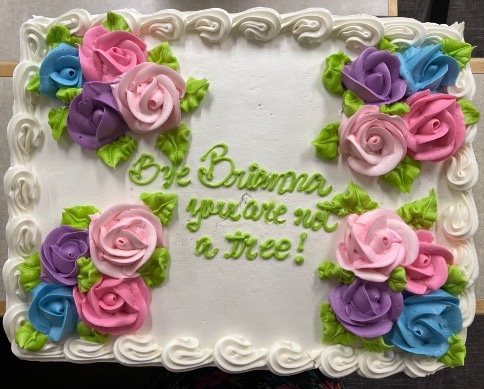
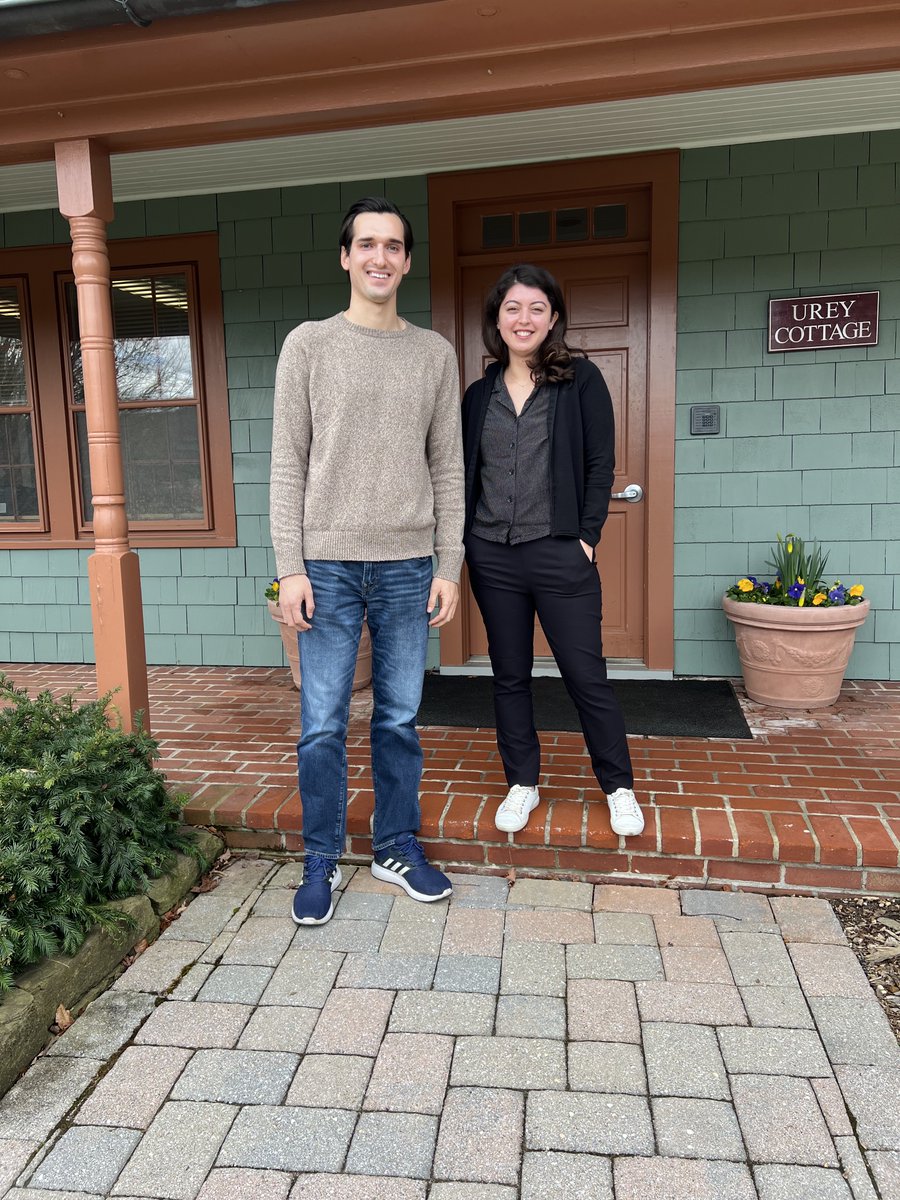
Today we bid a fond farewell to Brianna. Though she was part of the School administration for a short time, her contributions will be long lasting. We wish her the best as she returns to her passion – teaching – where she can inspire the next generation of scientists!
2
9
536
CSHL School of Biological Sciences retweeted

20 Aug 2024
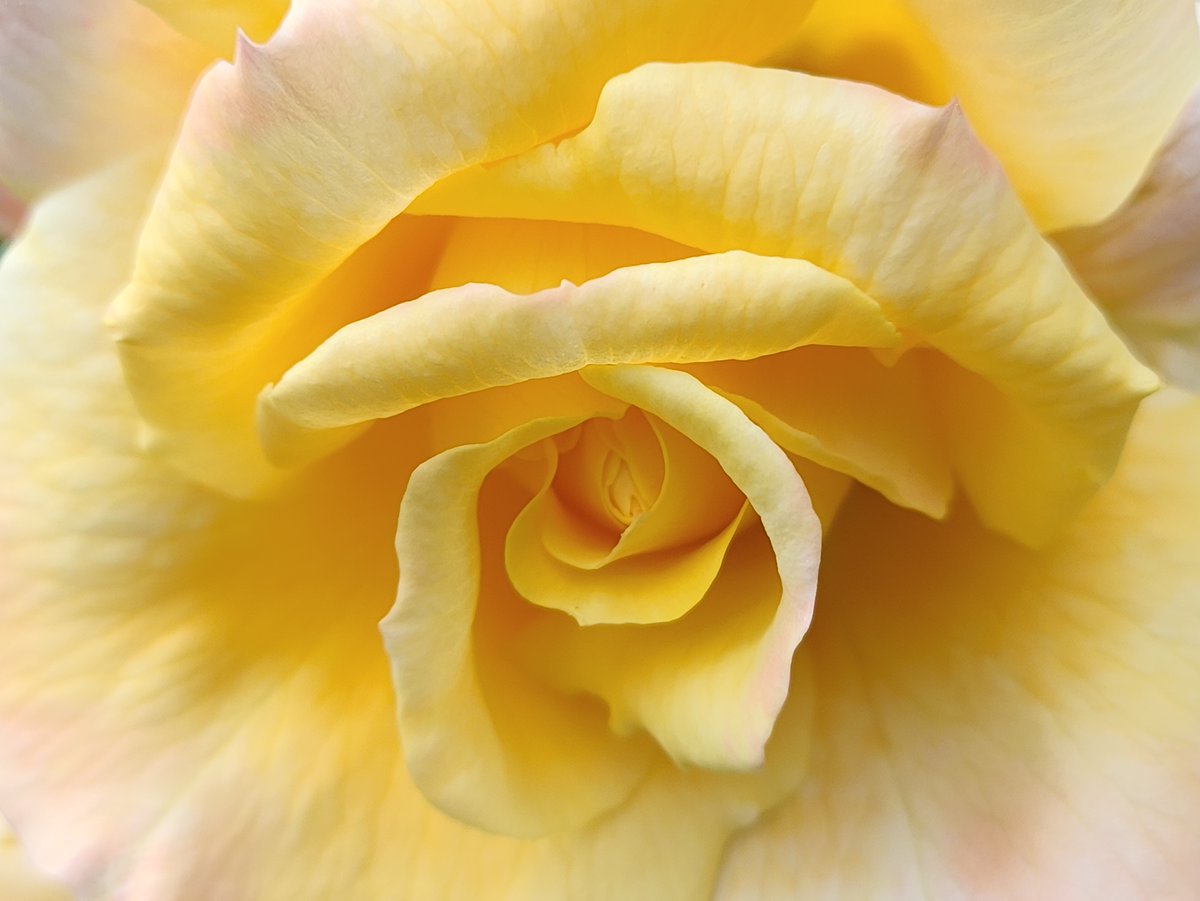
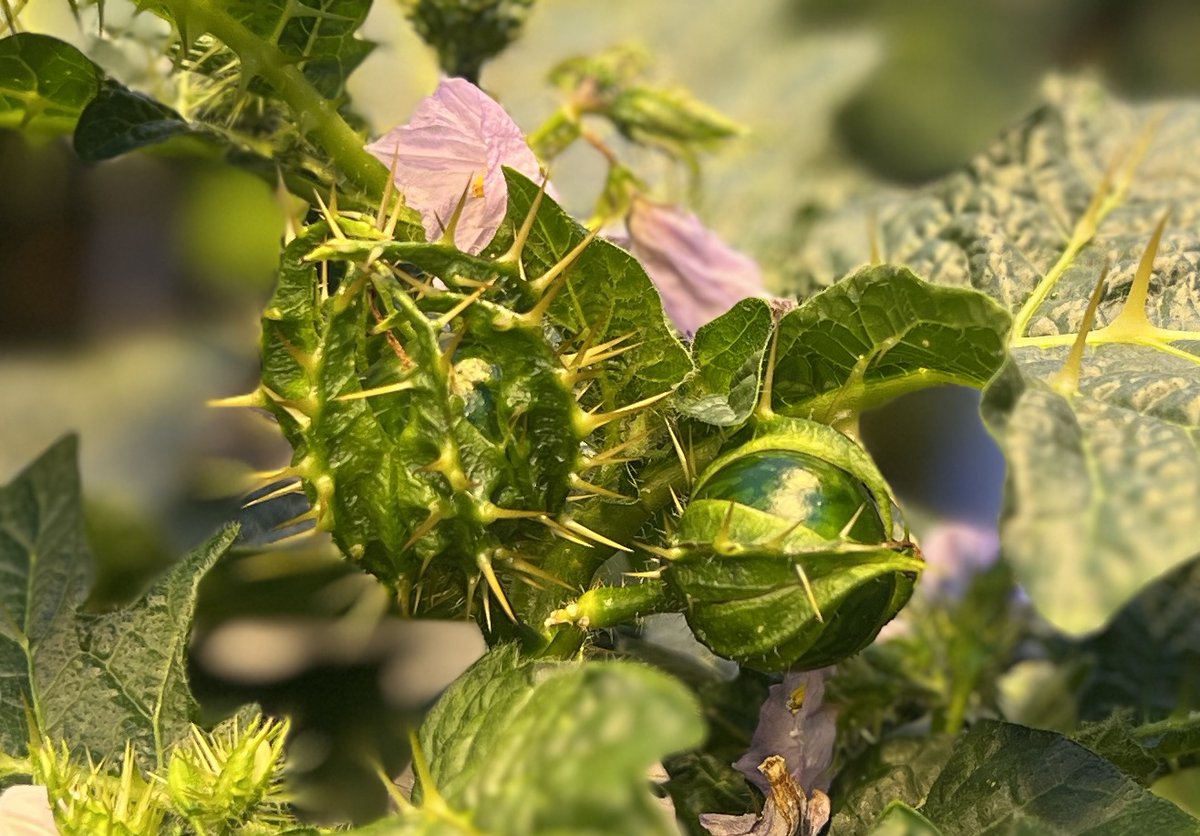
HHMI Investigator Zach Lippman & collaborators discovered the gene that drives prickle growth in dozens of flowering plants. Their findings shed new light on convergent evolution, whereby unrelated species develop the same adaptive traits over time: hhmi.news/3WVF4g0
10
21
4,274
CSHL School of Biological Sciences retweeted
20 Aug 2024
Spinal Muscular Atrophy (SMA), as you may know, is caused by RNA splicing errors. However, what is RNA splicing? Check out our video in collaboration with @YourekaScience that explains it all. #FightSMA cshl.edu/videos/just-rna-spl…
3
4
1,419
20 Aug 2024
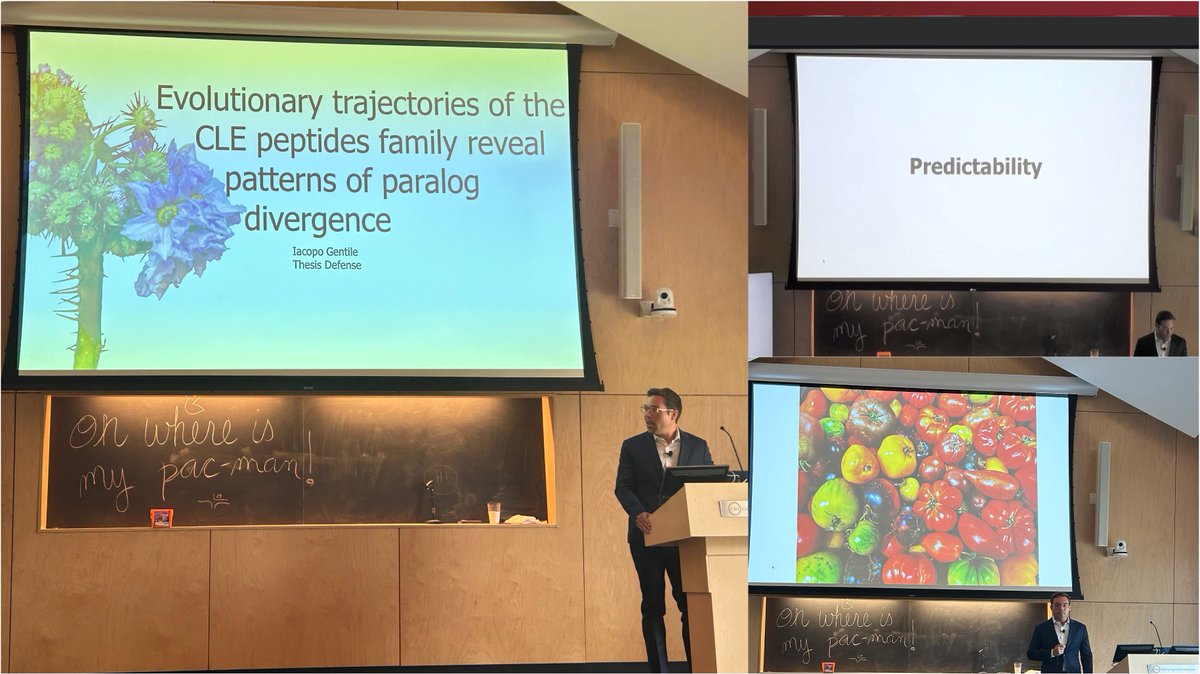
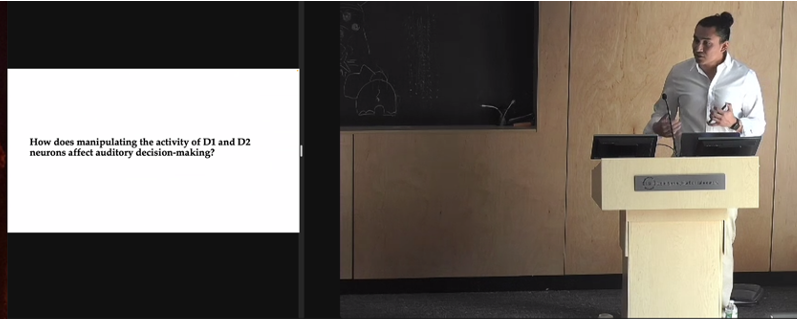
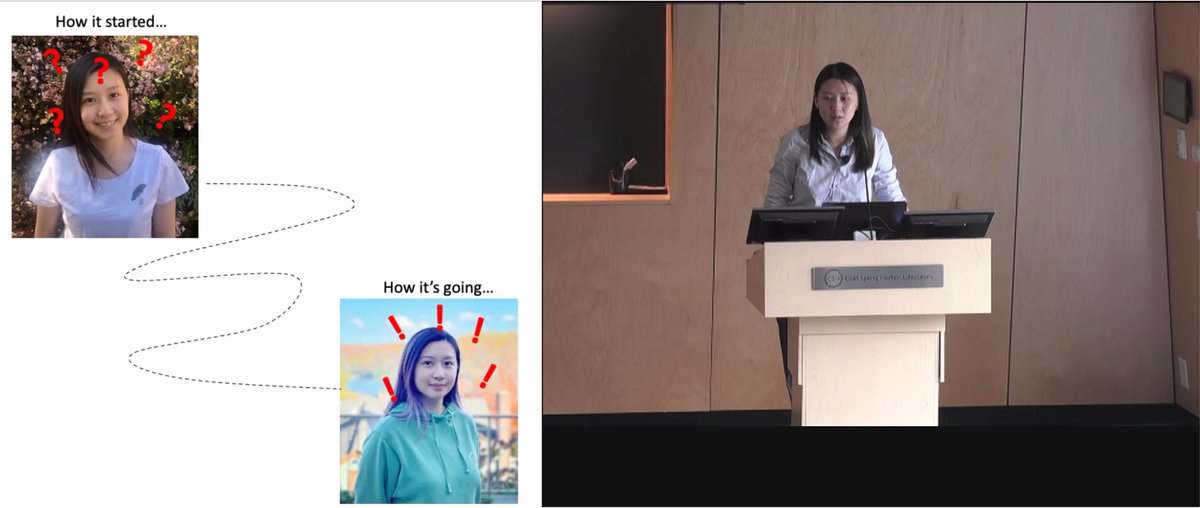
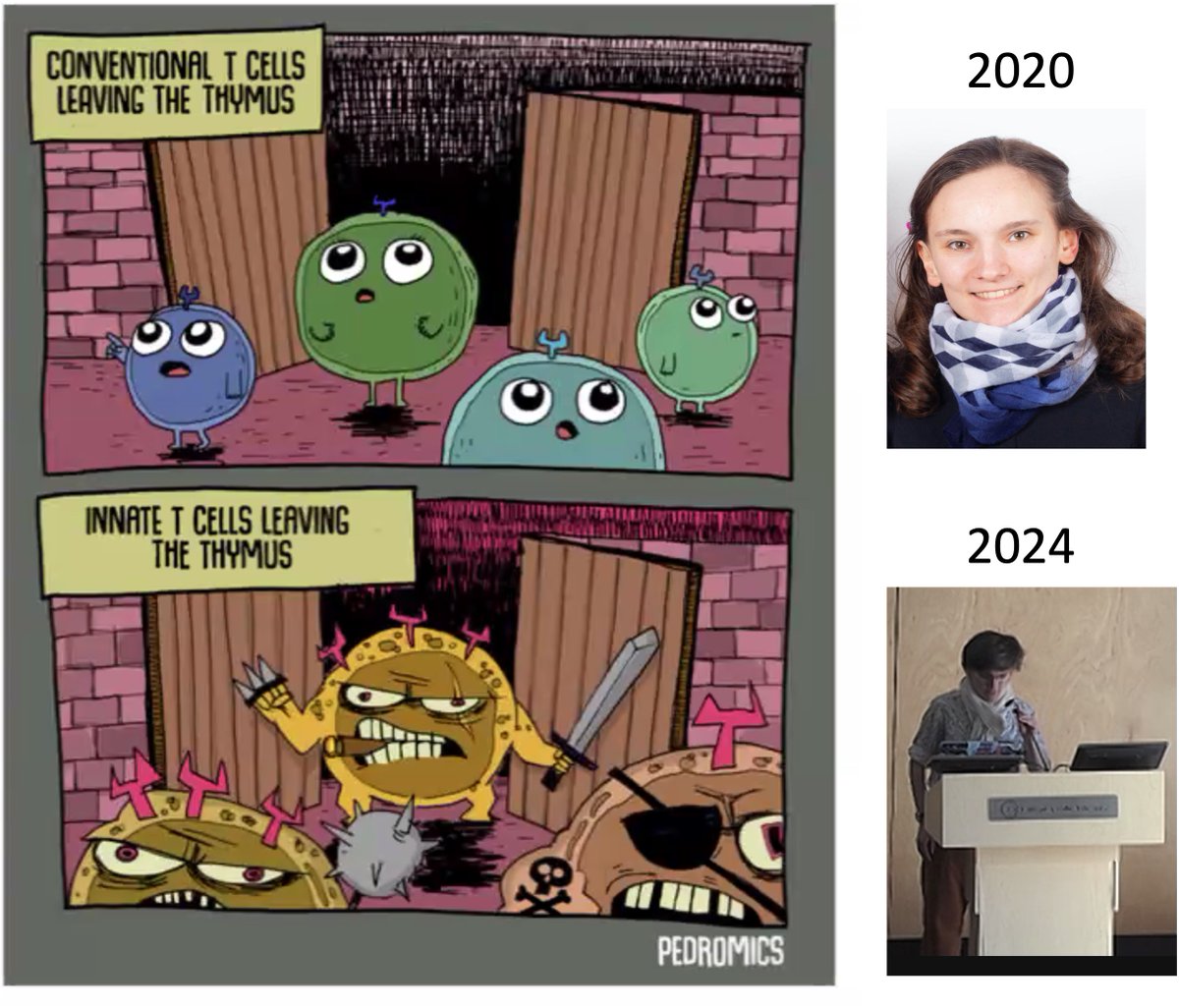
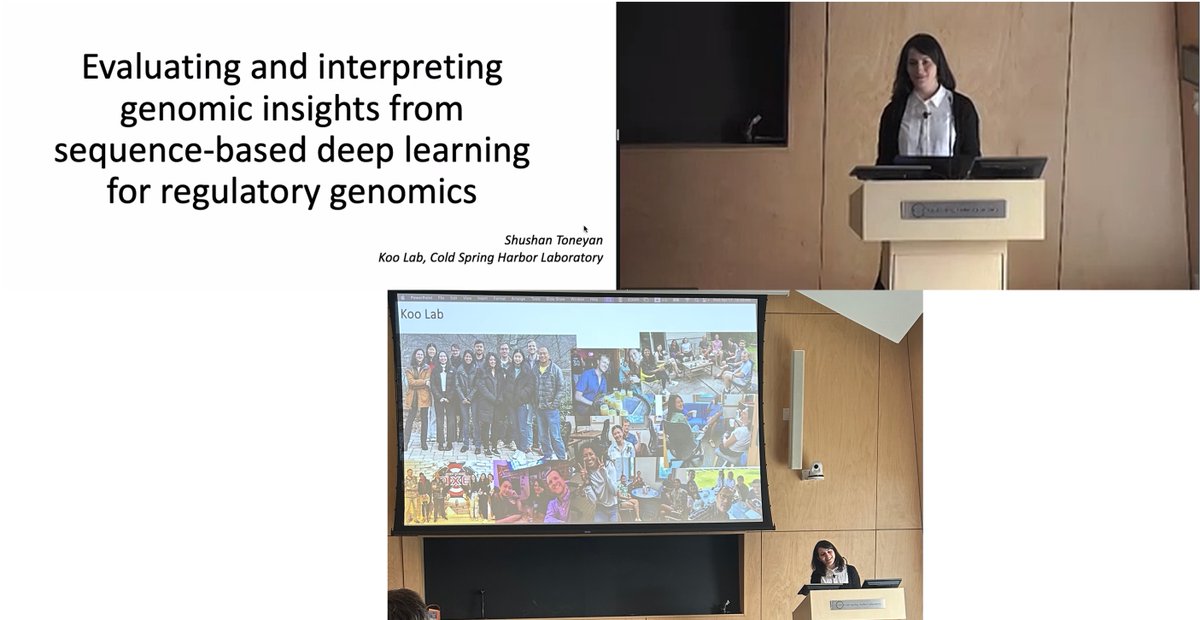
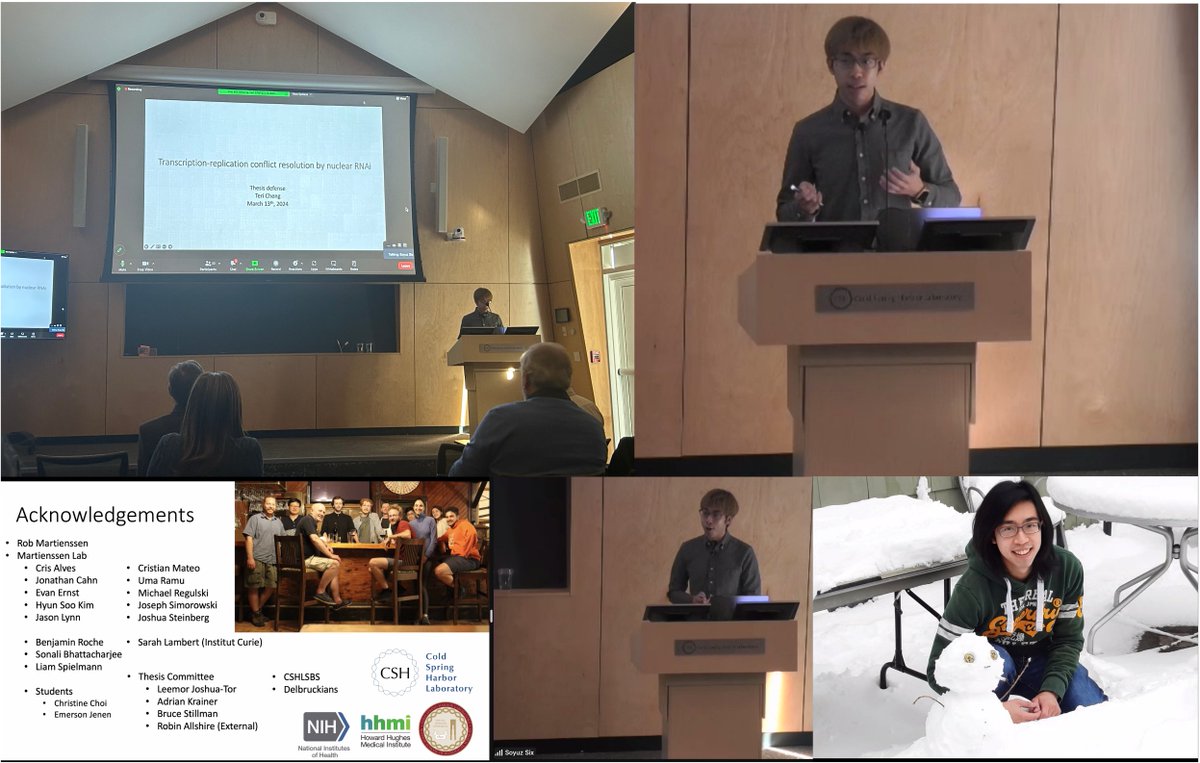
Predictability, paralog and pretty (ok, beautiful). All part of Iacopo's terrific thesis defense.
7
315
CSHL School of Biological Sciences retweeted
20 Aug 2024
The brain and the body are more connected than you might believe, and this connection has some implications for cancer treatment. Find out more from CSHL’s Bo Li in Episode 20 of At the Lab. cshl.edu/podcasts/at-the-lab…
1
2
4
1,389
CSHL School of Biological Sciences retweeted

18 Aug 2024
The NPA is currently seeking to fill six (6) seats vacated by NPA Postdoc Council members who have completed their terms of service. The application deadline is Friday, September 27.
For details, visit 🔗nationalpostdoc.org/news/678… // #postdocs #postdocoffices #postdocassociations
4
2
862
CSHL School of Biological Sciences retweeted

19 Aug 2024
We are hiring! We have an open Senior Laboratory Research Scientist position in our lab at the Francis Crick Institute in London. Please apply if interested! The deadline is the 1st of September. More info on our new website adroverlab.com (see “Vacancies” section)
55
76
15,782
CSHL School of Biological Sciences retweeted
16 Aug 2024
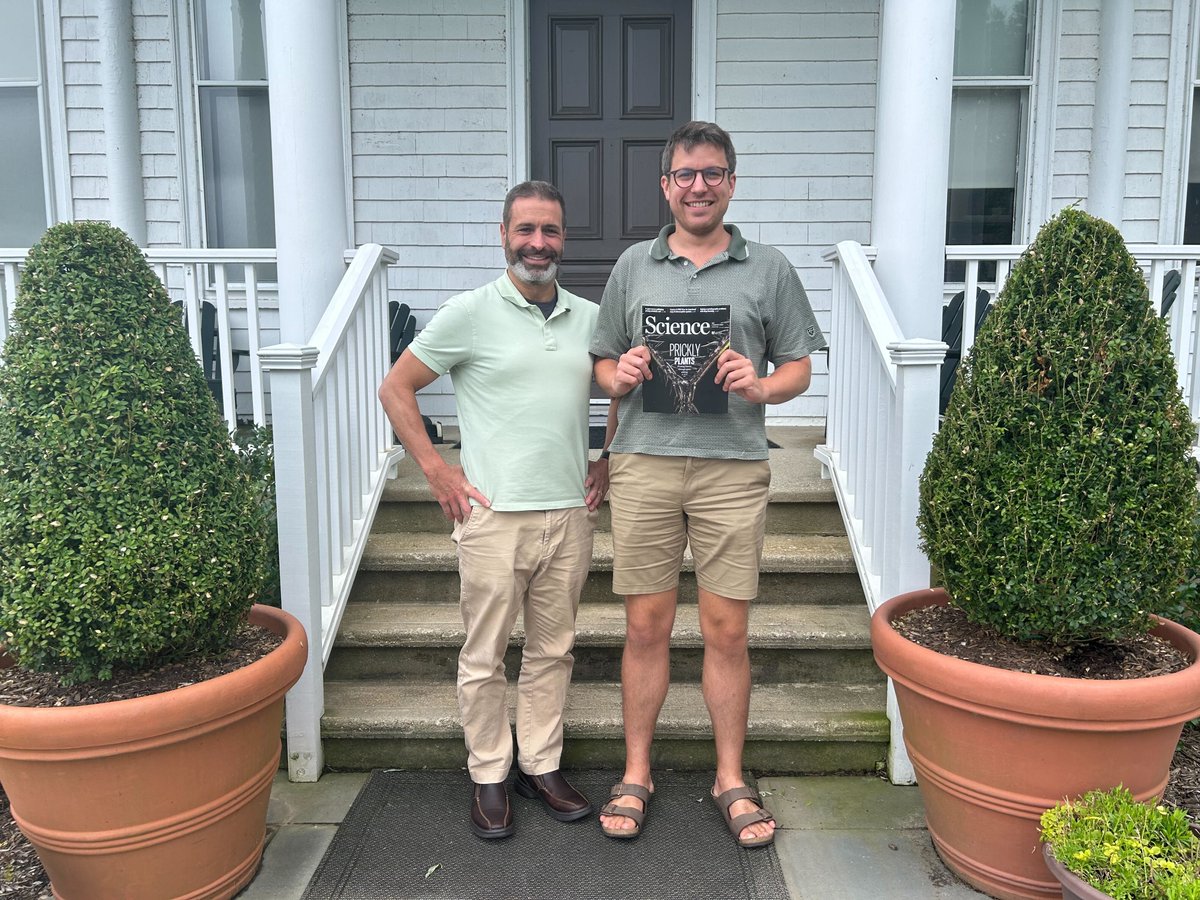
Congratulations to Zach Lippman, Jack Satterlee, and the team on their plant prickle study’s front-page feature in Science magazine.
9
71
6,144