Non-profit research and educational institution at the forefront of molecular biology, cancer, neuroscience, plant biology, and genetics.
Joined August 2009
- Tweets 7,367
- Following 615
- Followers 38,835
- Likes 4,861
1,086 Photos and videos
Cold Spring Harbor Laboratory retweeted

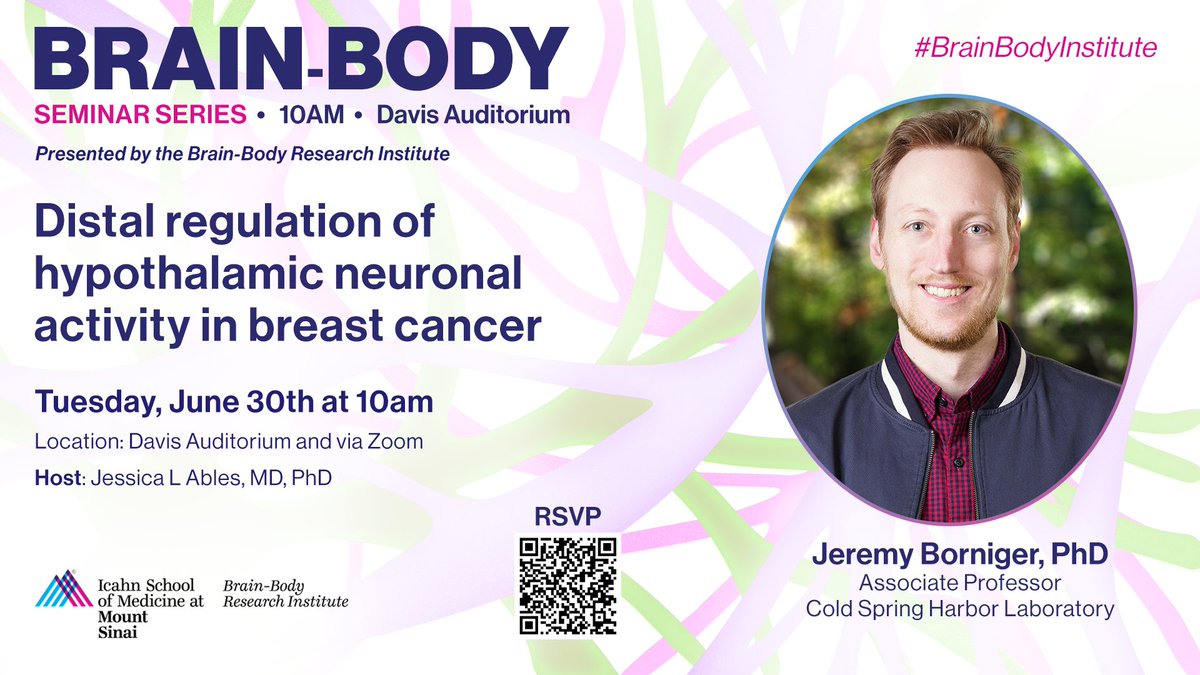
✒️Mark Your Calendars🗓️! On Tuesday, June 30, 10am, join the #BrainBodyResearchInstitute Seminar Series when host Jessica Ables @ables_lab welcomes
@CSHL's Jeremy Borniger, PhD. Dr. Borniger will present "Distal regulation of hypothalamic neuronal activity in breast cancer."
1
5
1,056
Cold Spring Harbor Laboratory retweeted

Jun 12
Nancy Wexler has spent a lifetime advancing our understanding of Huntington’s disease. In this moving New York Times profile, she reflects on the personal and scientific journey behind her new memoir, "My Life, My Science", published by CSHL Press. bit.ly/wexlernytimes
1
1
686

AI isn’t just changing biology, it’s accelerating it!
What if we could test cancer treatments on a digital twin before ever treating a patient? Or predict viral mutations before they happen? Or cut drug development from years to months?
At the 90th CSHL Symposium on Quantitative Biology, those questions weren’t speculation, they were research talks.
Catch our recap of the AI in Biology Symposium to see what happened when scientists, clinicians, and tech leaders came together at CSHL last week to rethink life sciences → cshl.edu/ai-goes-biological-…
#CSHLSYMP26 #AIinBiology #PrecisionMedicine #Biotechnology #ScienceMakesLifeBetter
6
5
6
1,080
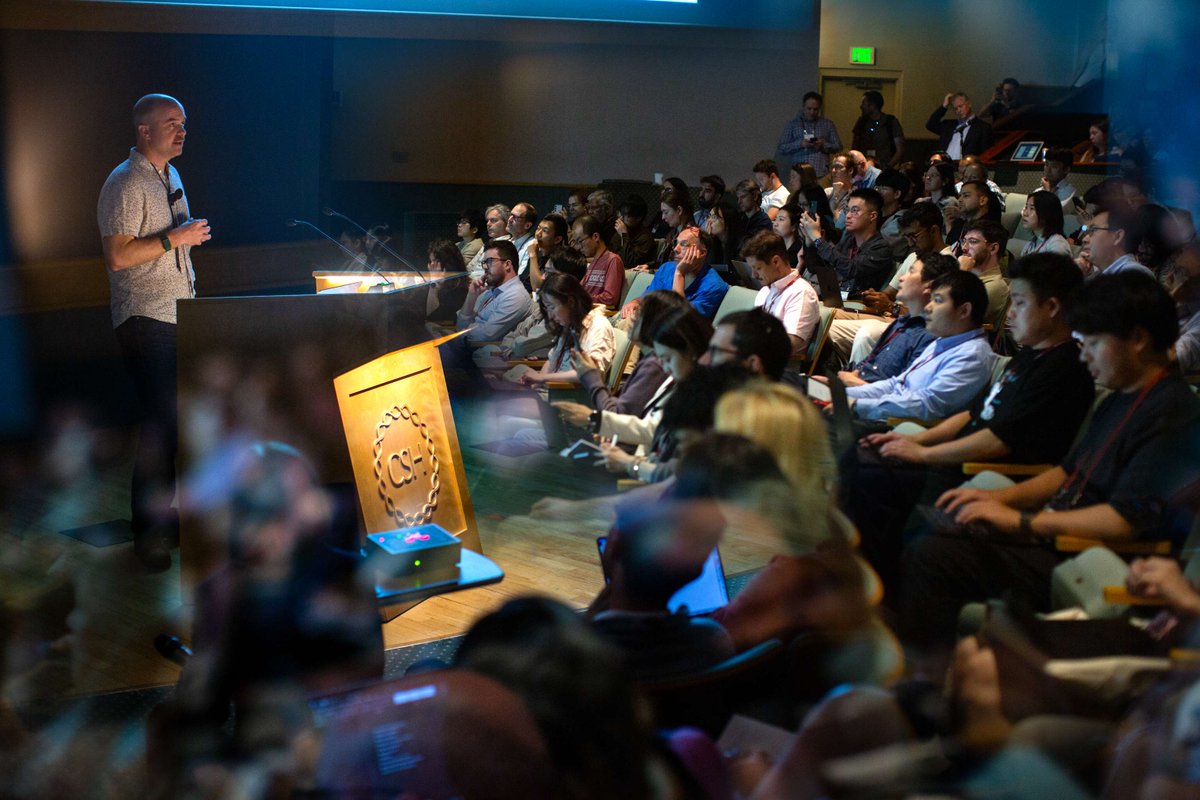
Day 4 at the 90th Cold Spring Harbor Laboratory Symposium on Quantitative Biology. A day of provocations -- from neuroscience, agents, and a public lecture that brought the week into focus.
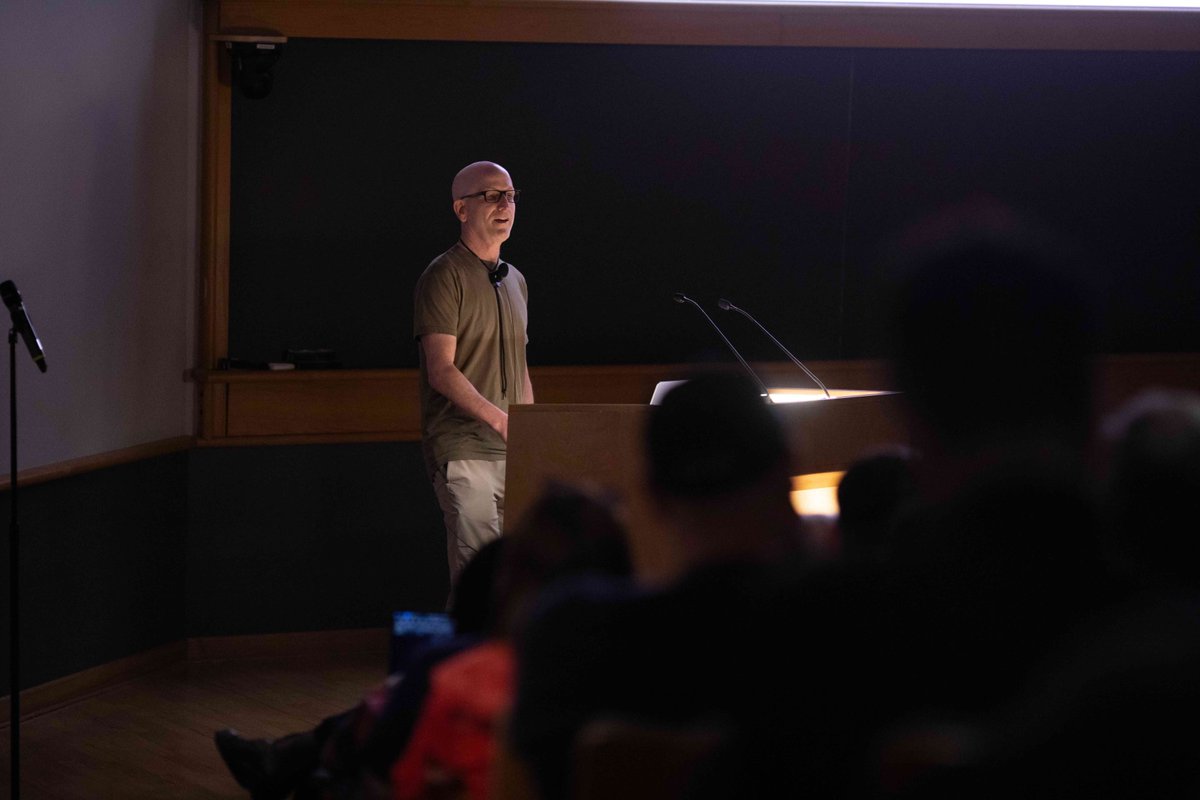
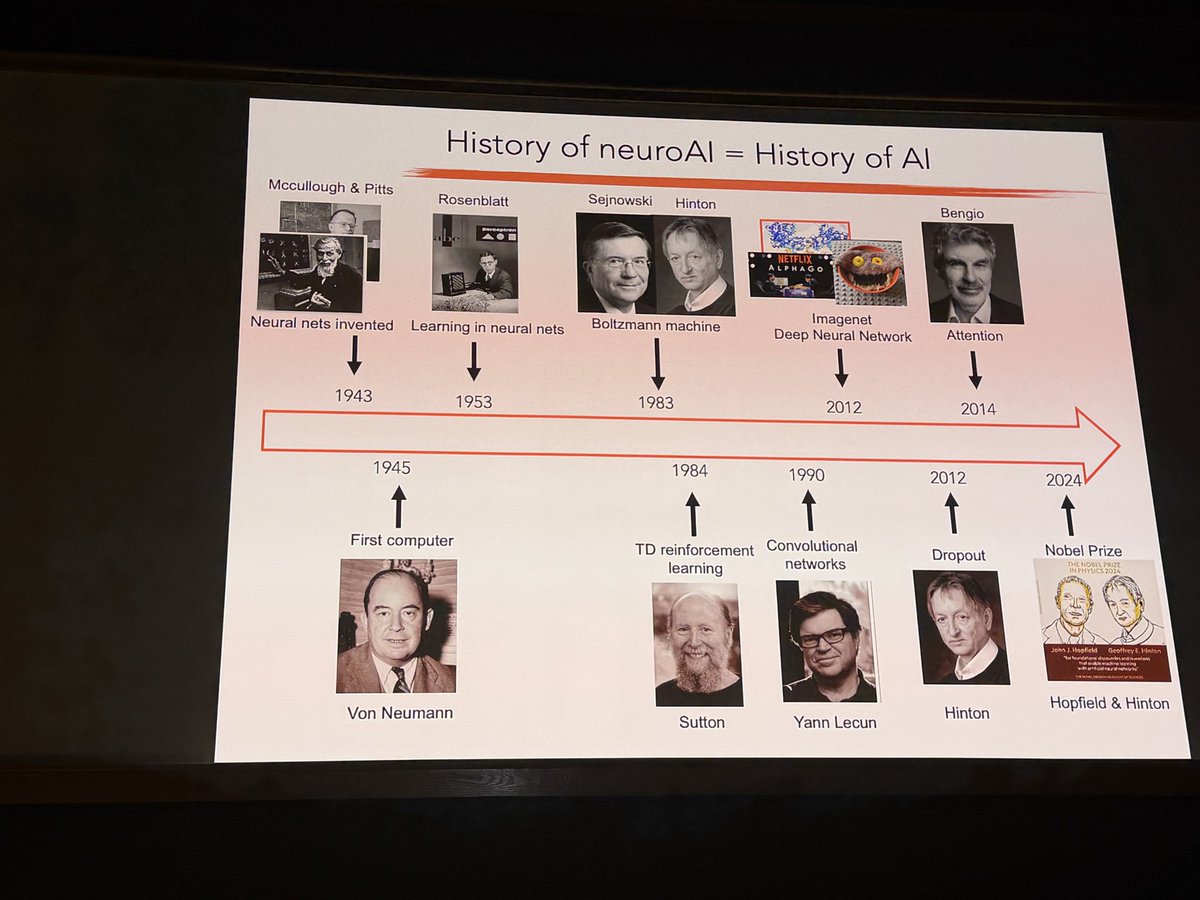
CSHL’s @TonyZador opened the NeuroAI session with a challenge: AI can reason, but biology can sense, move, and act. The missing ingredient may not be better learning algorithms, it may be the right priors, shaped by evolution’s genomic “compression strategy.”
@sejnowski (@salkinstitute) followed on the same gap from another angle: how cortical traveling waves handle temporal context in ways our architectures still can't match. Two giants, one morning, asking the same question from different directions.
Then @JonahCool (@AnthropicAI) gave the most honest talk of the week. He shared how critic agents can challenge AI outputs in real time and revealed new insights into how models like Claude represent concepts internally.
@marinkazitnik (@Harvard ) showcased AI agents grounded in biology, including PROTON and newly launched AutoScientists teams of agents that generate hypotheses, critique one another, and learn from failure.
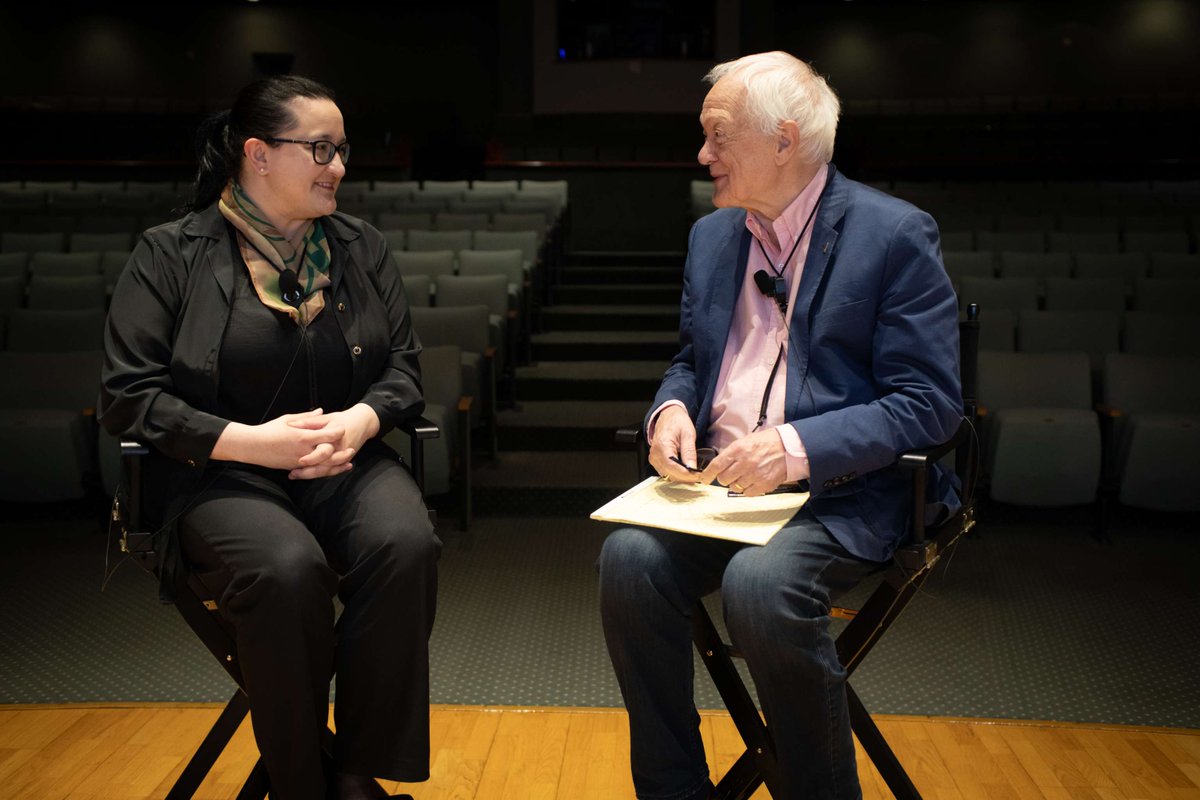
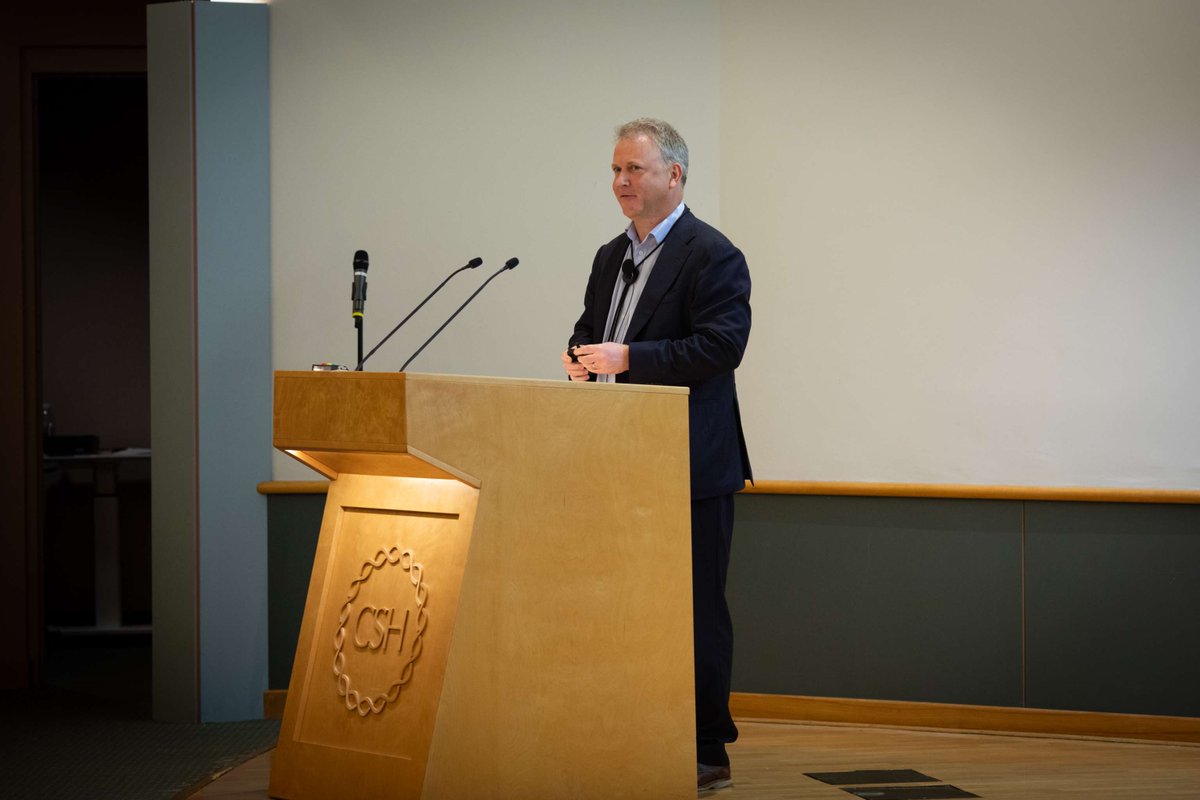
To close out the evening @ewanbirney took the stage for the Dorcas Cummings Lecture. A CSHL alumnus, @emblebi Director, co-author of the human genome in 2001. He offered a simple test for AI: Goal. Metric. Data. Do you trust them? He demonstrated it with Delphi-2M, a model that predicts diagnoses from health records. Trained on UK Biobank data and validated on 1.9 million Danish patients, its performance held.
Birney's closing message: AI has already revolutionized biology and we're still in the foothills.
After the lecture, some neighbors of the lab hosted selected meeting participants for dinner parties at their homes. The rest headed to the CSHL beach for a picnic.
Some conversations need open sky. #CSHL AI in Biology Symposium is like a lit fire and by the last night, everyone was adding wood.
#CSHLSYMP26 #AIinBiology #NeuroAI #InspiringDiscovery #ScienceMakesLifeBetter
2
5
606
Cold Spring Harbor Laboratory retweeted

Jun 8
A two-protein circuit in C. elegans appears to set the start and length of one-time gene-expression pulses that guide growth. @CSHL @PNASNews phys.org/news/2026-06-nonrep…
2
9
28
4,096
Day 2 at the 90th Cold Spring Harbor Laboratory Symposium on Quantitative Biology brought the science into sharper focus and the evening brought it onto the lawn.
The morning session on AI and Regulatory Genomics opened with Ziga Avsec @Avsecz of @googledeepmind making the case for why the non-coding genome is no longer a black box. The tools to read regulatory logic at scale are here.
Peter Koo @pkoo562 , CSHL's own, grounded the session with something every practitioner needed to hear: deep learning models are only as useful as our ability to interrogate them. Improving interpretability is not a footnote. It is the work.
The afternoon session on AI and Evolution closed with Debora Marks @deboramarks of @harvardmed reminding us that evolution is the longest-running optimization experiment in history and that language models trained on sequence diversity are finally letting us read what evolution has been writing for billions of years.
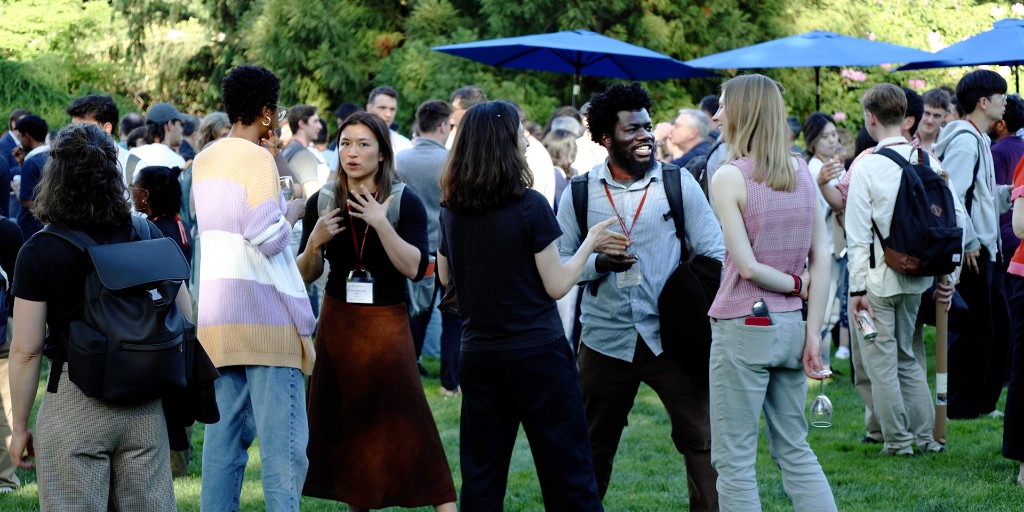
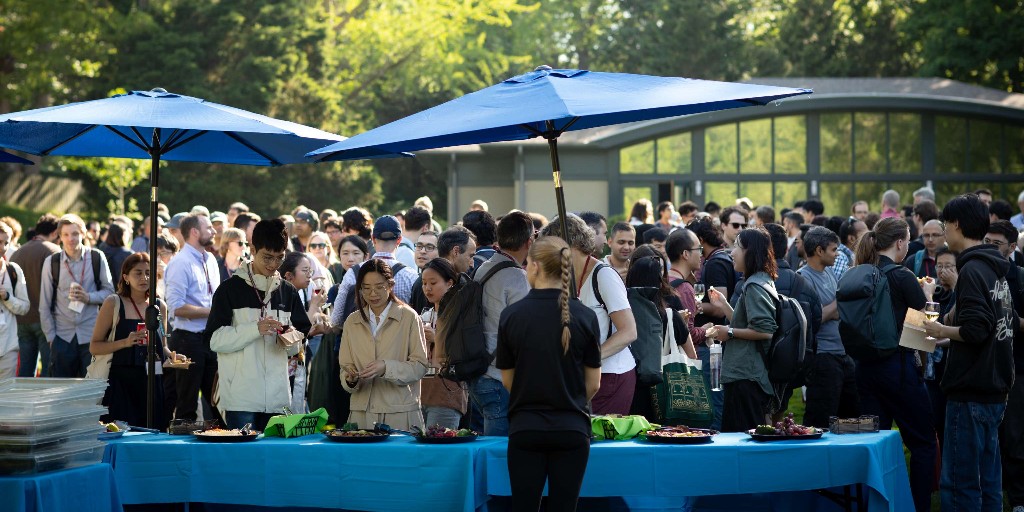
Then the symposium did what only CSHL can do: moved the conversation to the lawn in front of the historic Carnegie Library. Wine, cheese, and the kind of unscheduled science that does not fit on any agenda.
The evening closed with a packed poster session: the real peer review, face to face.
#InspiringDiscovery #CSHLSYMP26 #AIinBiology #ScienceMakesLifeBetter
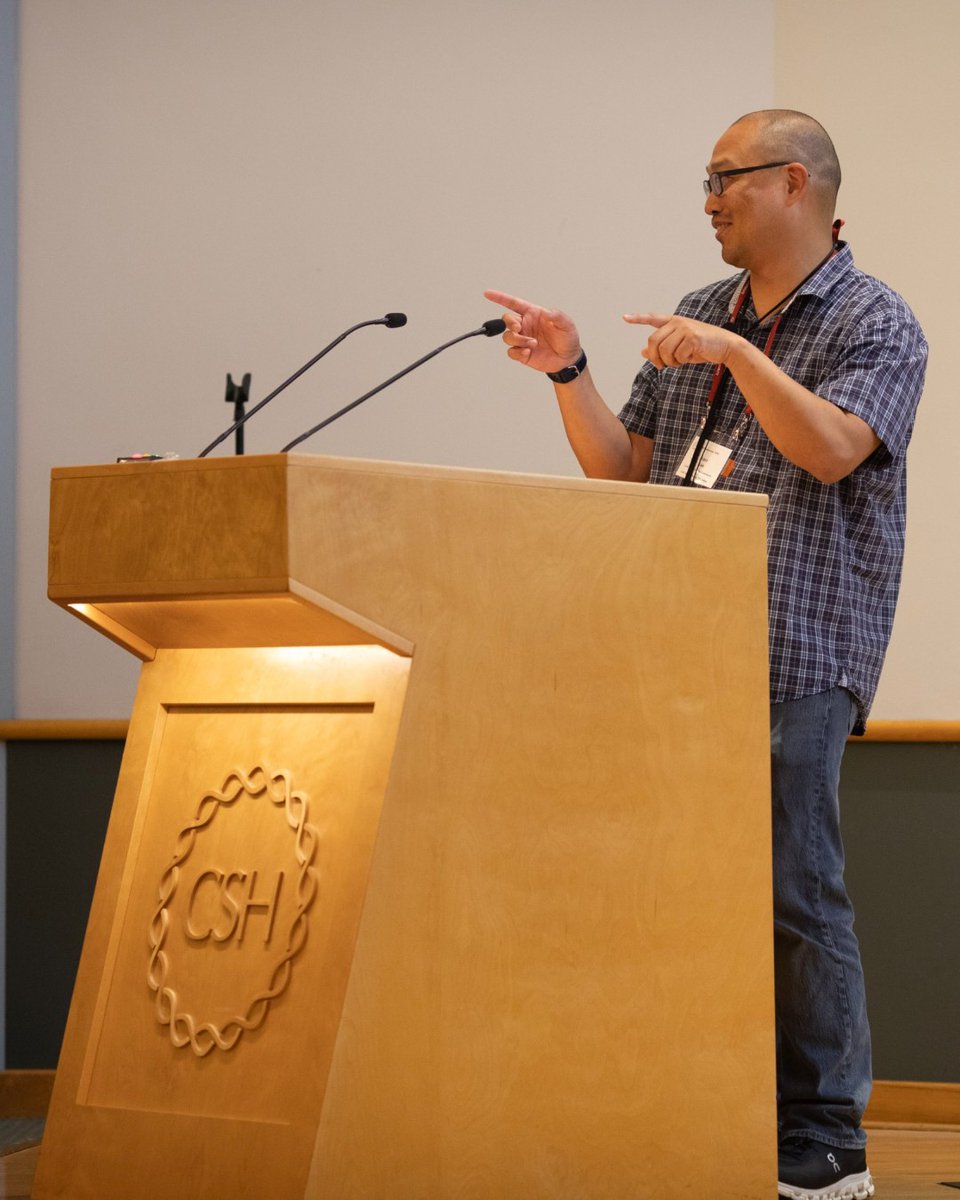
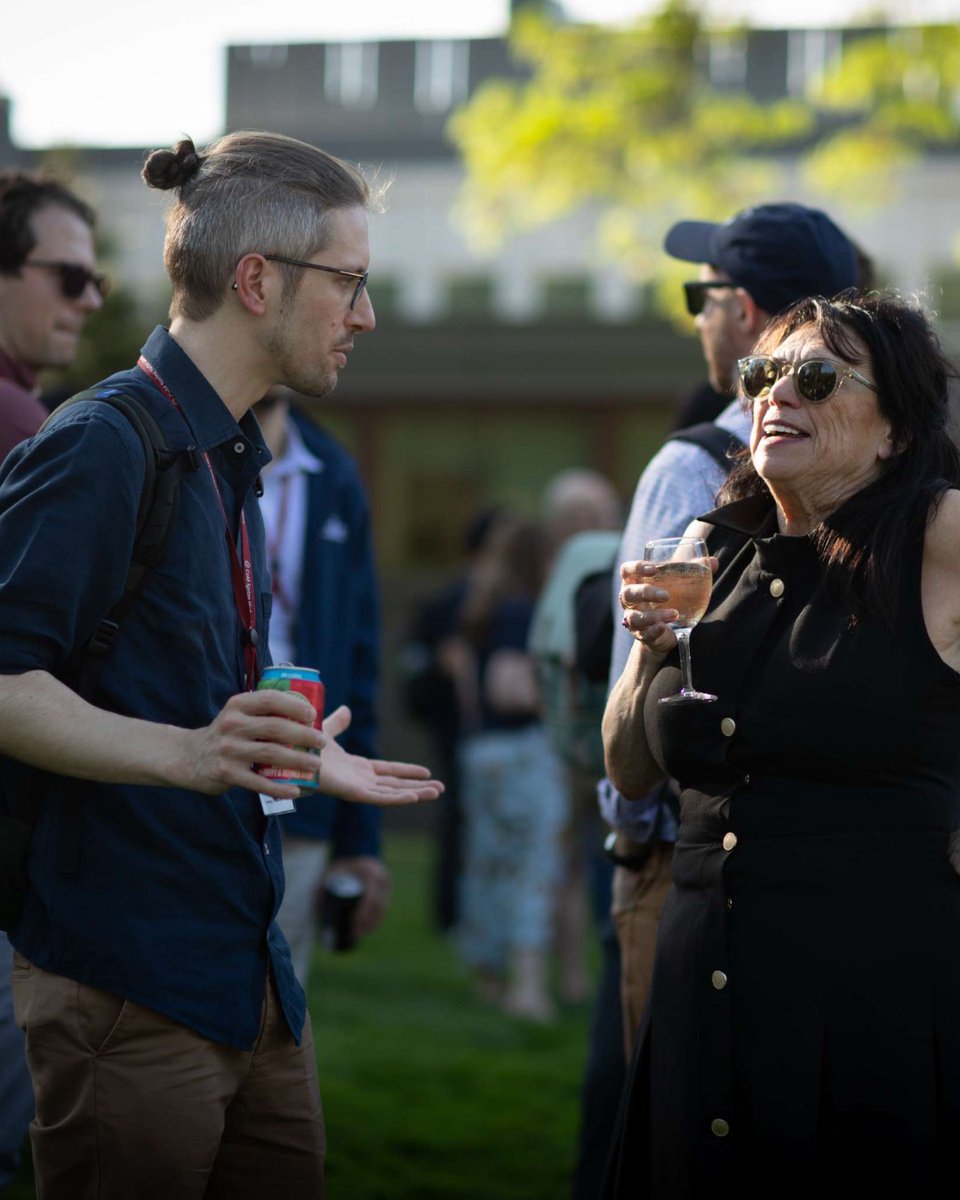
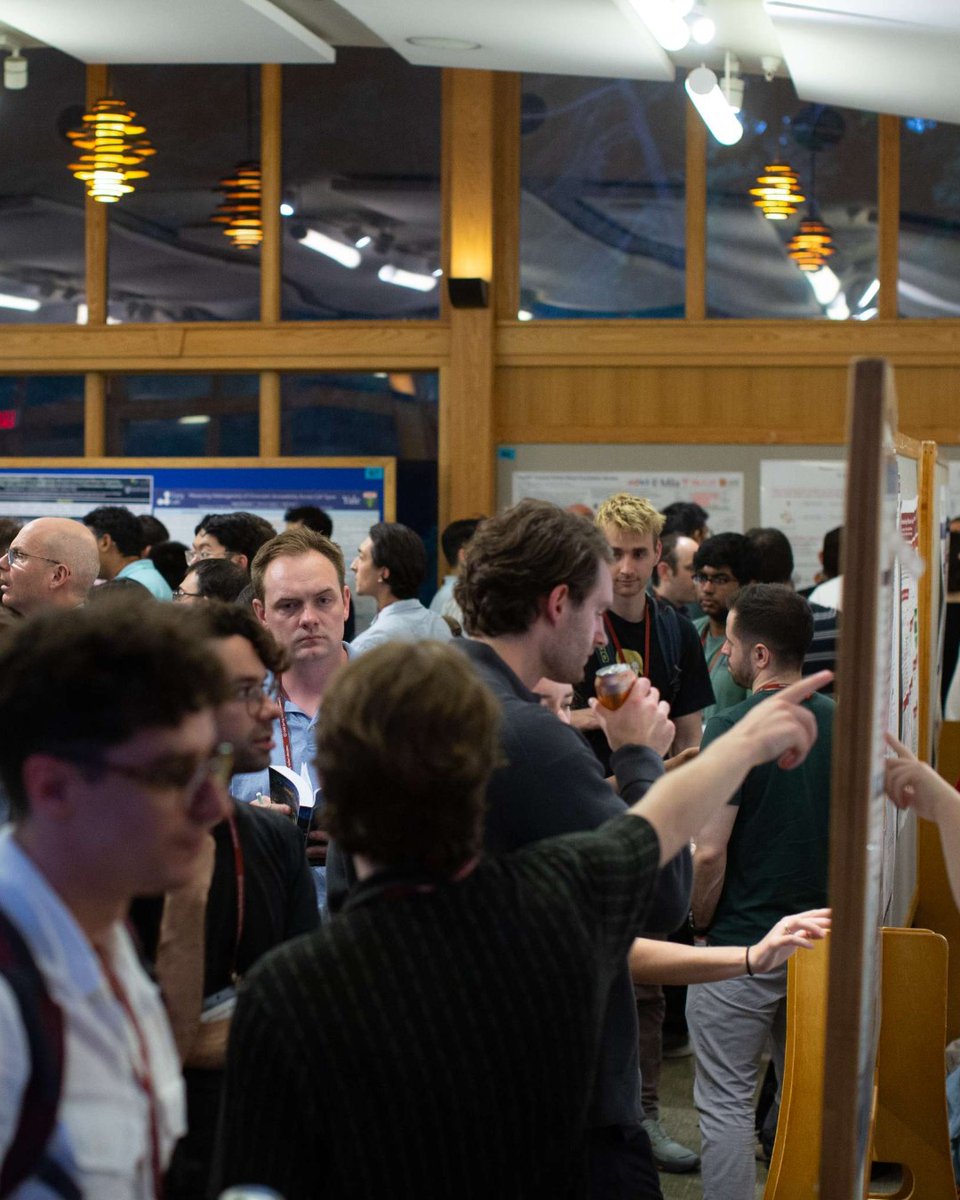
1
5
1,159
Cold Spring Harbor Laboratory retweeted

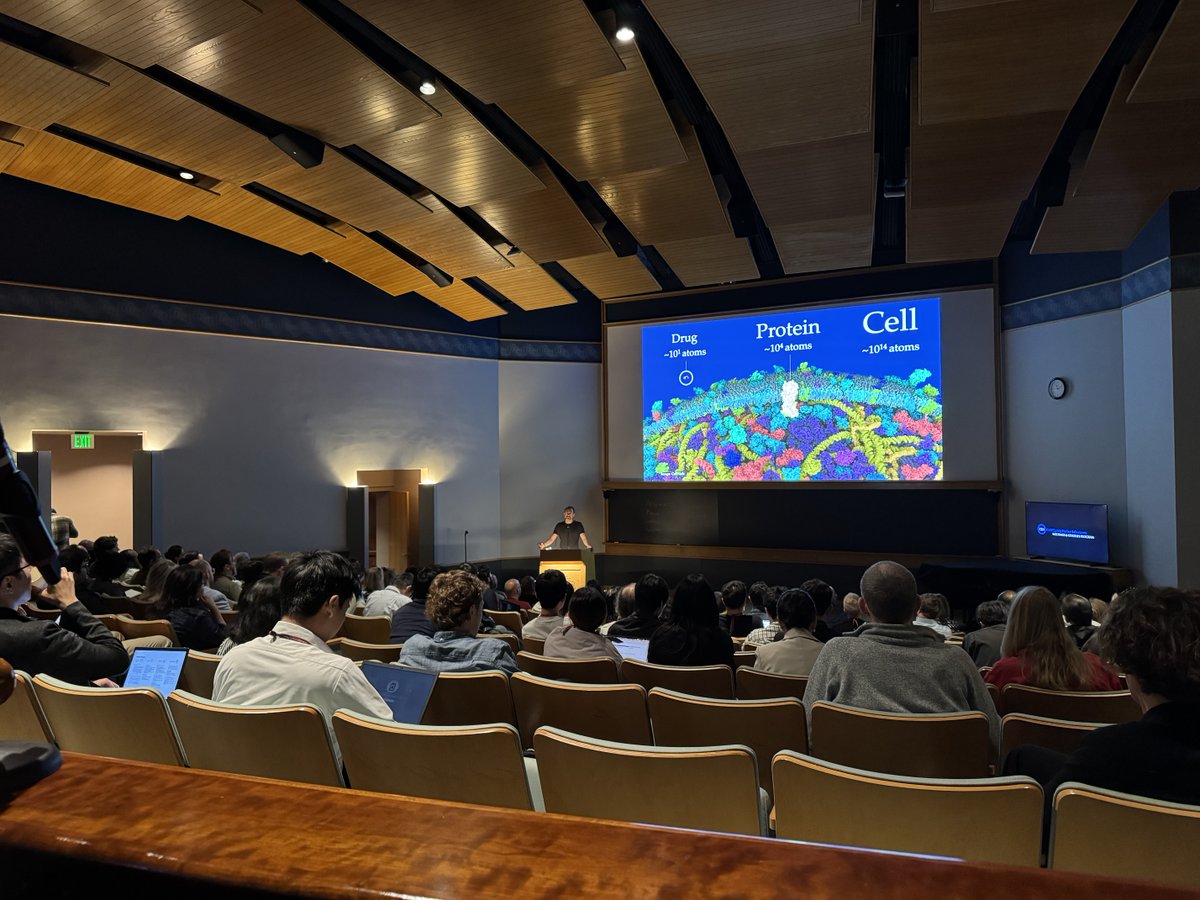
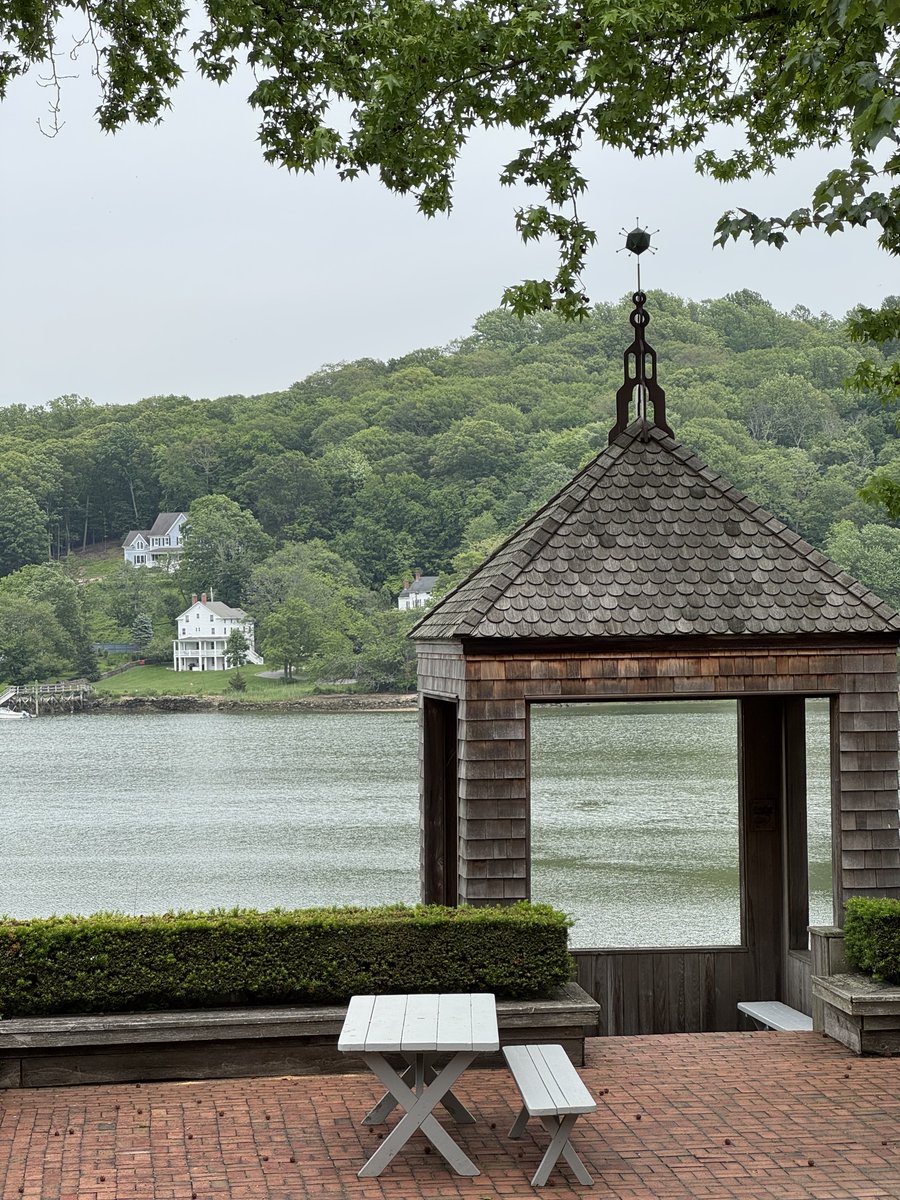
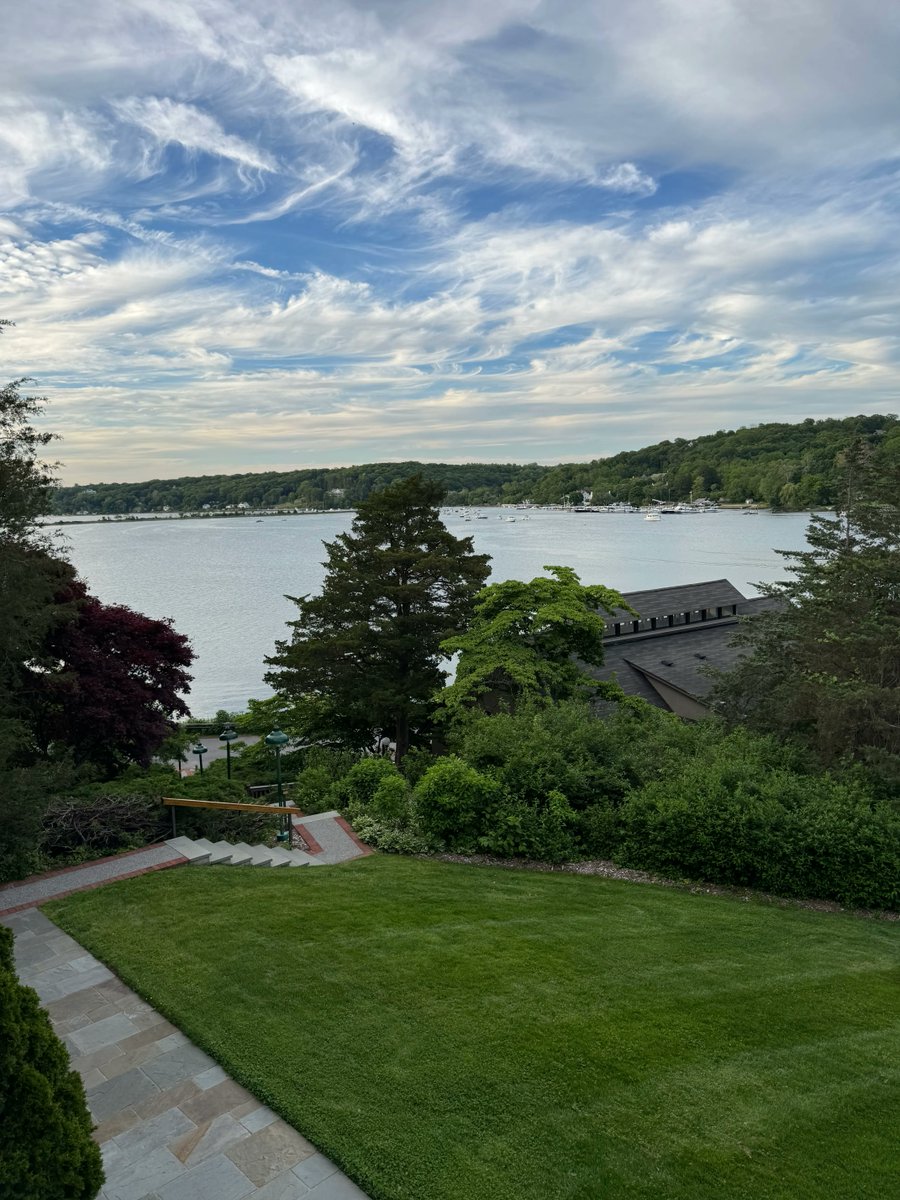
I'm pretty excited about AI in Biology.
I bet my research career on it. And now I'm betting my investment career on it!
But somehow, spending this past week at CSHL's 90th symposium—which was exclusively dedicated to this topic this year—made me even more bullish!
One of the most electric conferences I've been to in a while... maybe ever. Back-to-back talks from the top scientists and industry leaders in this field. Even though my job is to cover this domain, it was a visceral reminder of how quickly things are moving.
Fantastic job curating and organizing by @pkoo562 and @TonyZador.
My plan is to get some notes up on what I saw in the next week or two on CoB! 🧬
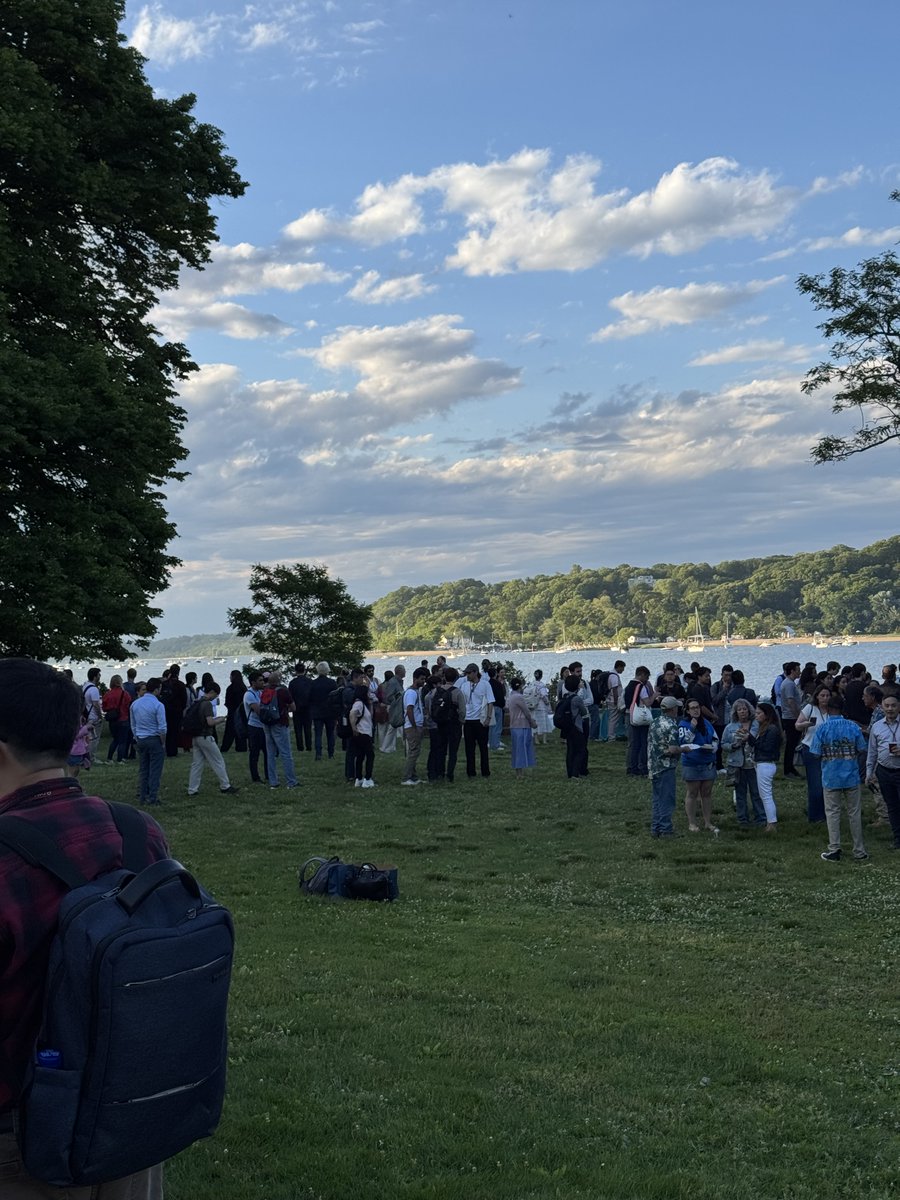
4
16
201
13,710
Growing up takes time. In the case of a tiny transparent worm, called C. elegans, it takes about five or six days over the course of four larval stages. Disruptions to this process can mean the difference between maturing into a healthy adult and never growing up at all, so how does this tiny transparent worm get it right?
Cold Spring Harbor Laboratory Professor Christopher Hammell and his team have discovered that two proteins, MYRF-1 and LIN-42, act as the master developmental clock in C. elegans, scheduling the start time and duration of each larval stage. The MYRF-1/LIN-42 circuit ensures that each stage’s pulse of gene expression lasts only as long as necessary and never repeats.
It is the first biological clock of its kind ever found.
Read more here: cshl.edu/how-our-biological-…
#InspiringDiscovery #ScienceMakesLifeBetter
1
4
1,302

The historic 90th CSH Symposium on AI in Biology at @CSHL has come to an end. After a decade of remarkable advances in AI x Bio, aspirations have become bolder than ever. The future looks bright but much work remains to turn hype into real-world progress. Thanks to all speakers!
4
18
140
15,863
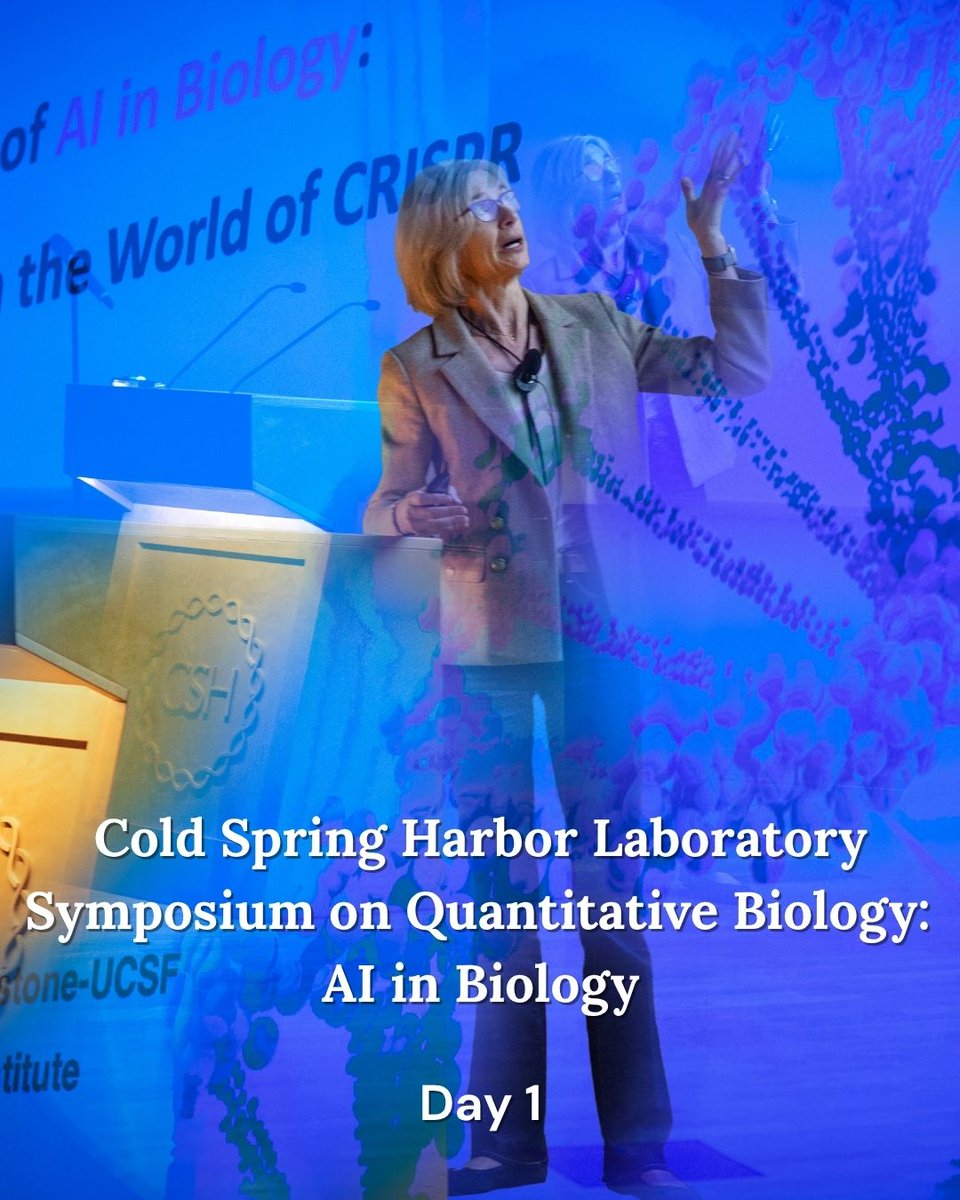
POV: You're at the Cold Spring Harbor Laboratory Symposium on Quantitative Biology: AI in Biology and your brain is trying to process all the paradigm shifts.
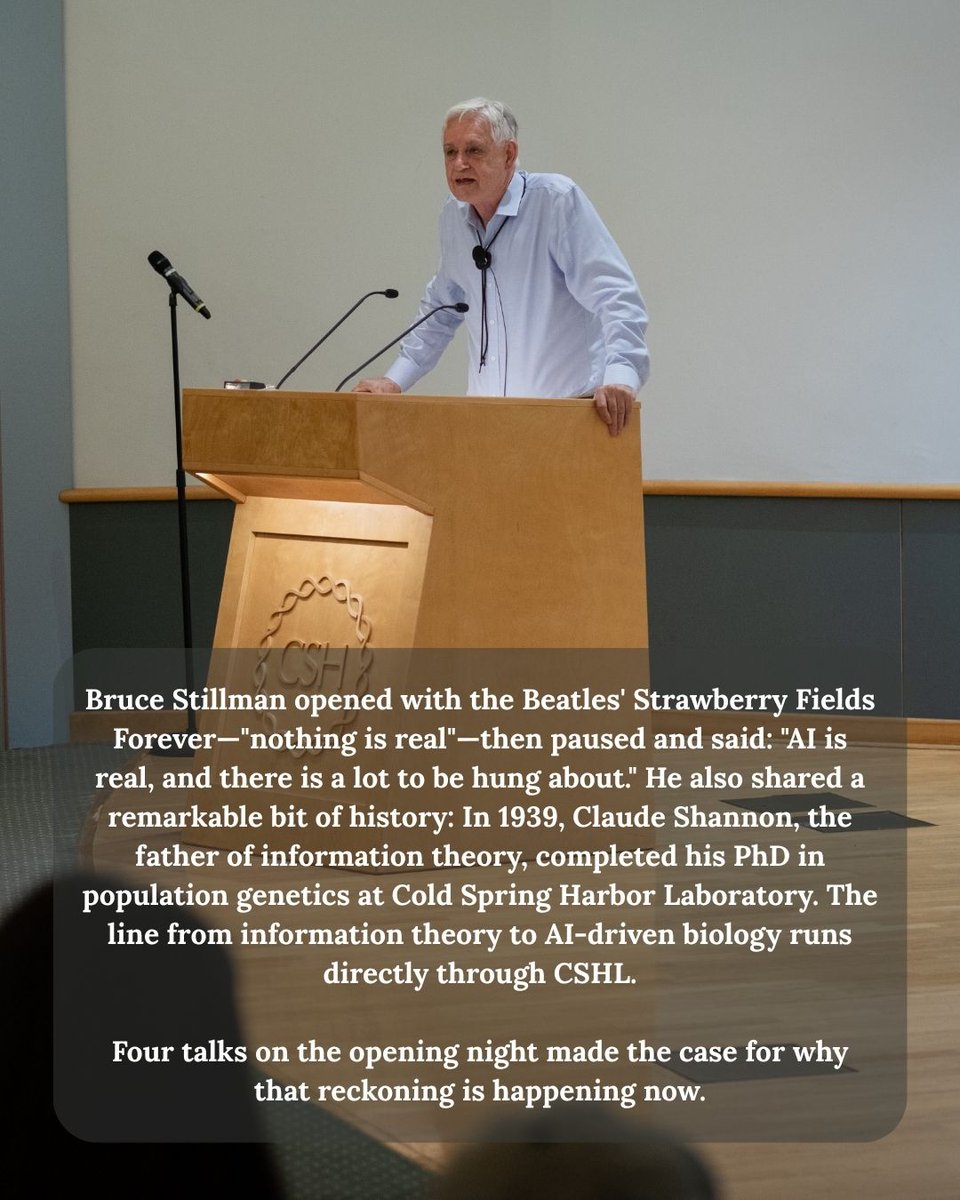
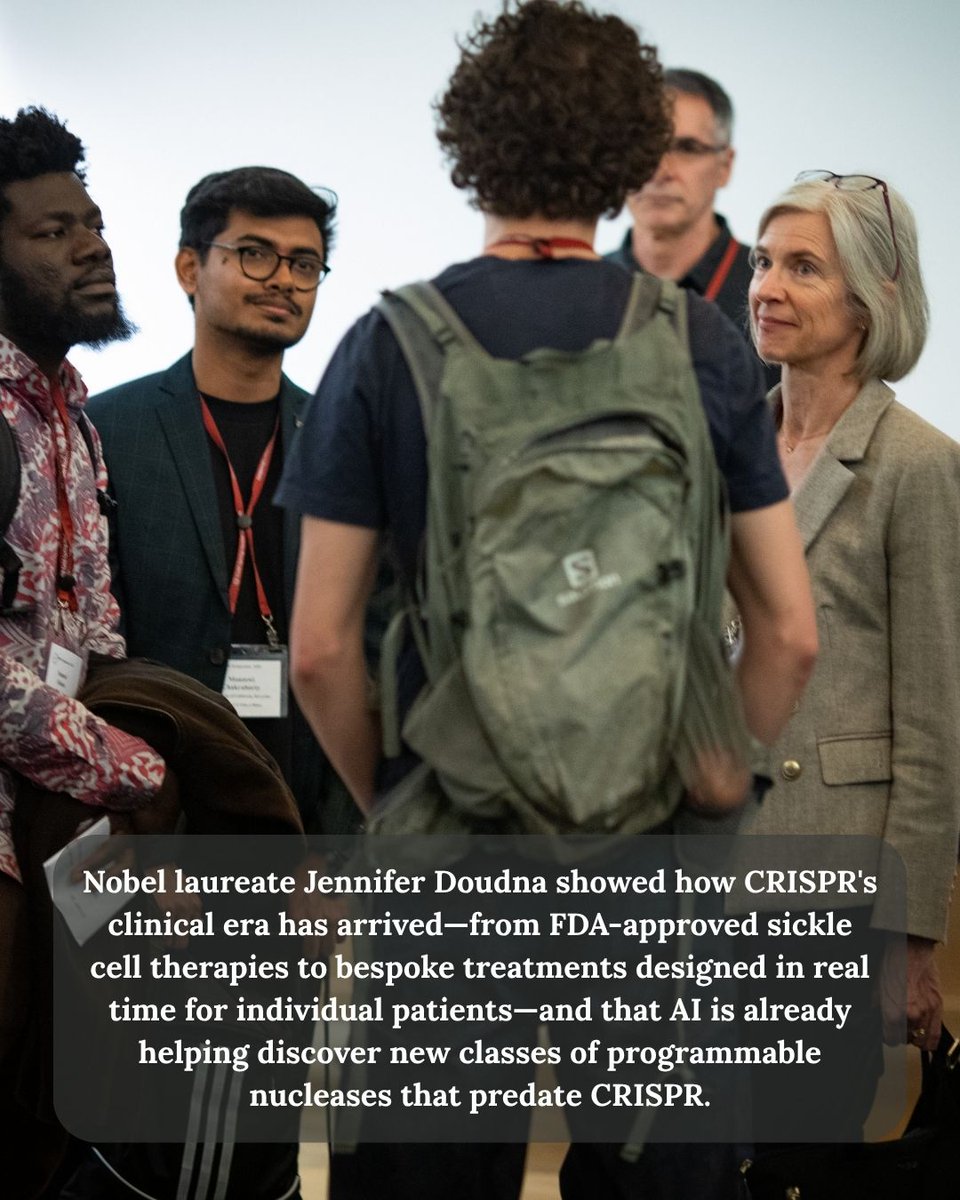
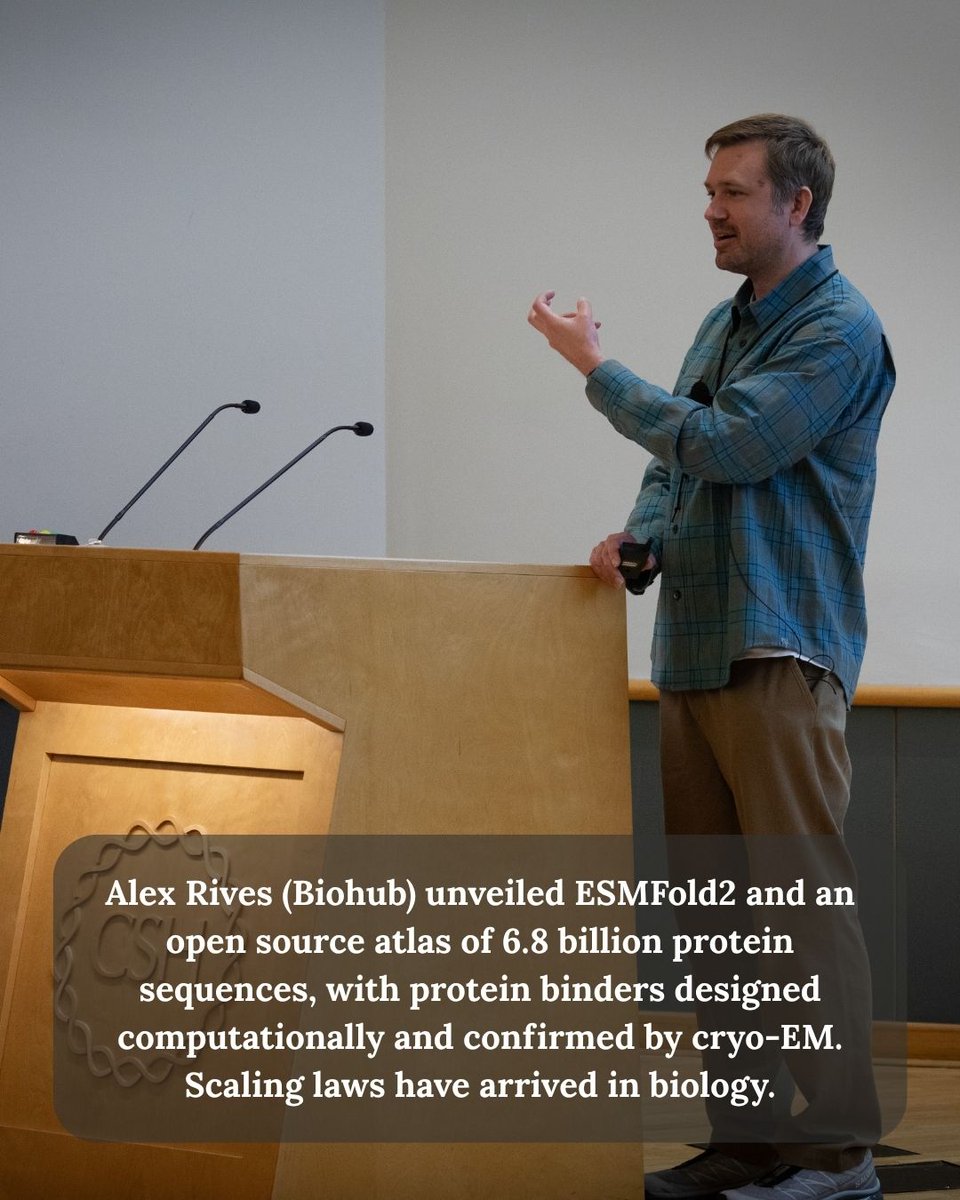
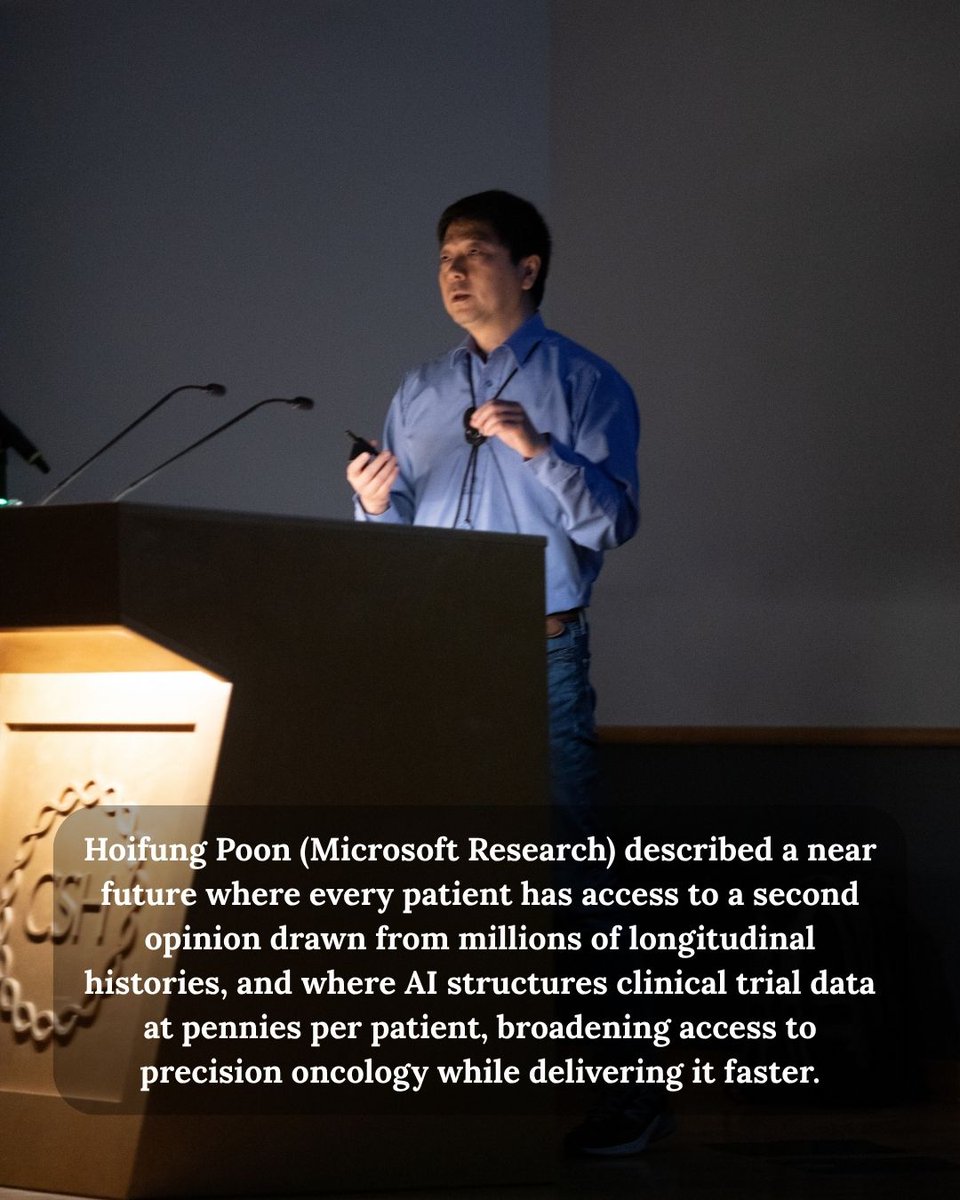
The 90th year of #CSHLSYMP26 kicked off Tuesday May 26th with four opening talks by CSHL President Bruce Stillman, Jennifer Doudna @DoudnaJennifer @UCBerkeley, Alex Rives @biohub, Pushmeet Kohli @pushmeet @GoogleDeepMind and Hoifung Poon @hoifungpoon @MSFTResearch
CSHL Symposia have helped spark some of the most transformative breakthroughs in modern science.
The 1989 Symposium helped set the stage for the Human Genome Project. The 1978 Symposium on Recombinant DNA helped lay the groundwork for CRISPR gene editing.
History has a way of starting here.
This year, it's all about AI and its applications in biology research as well as clinical medicine.
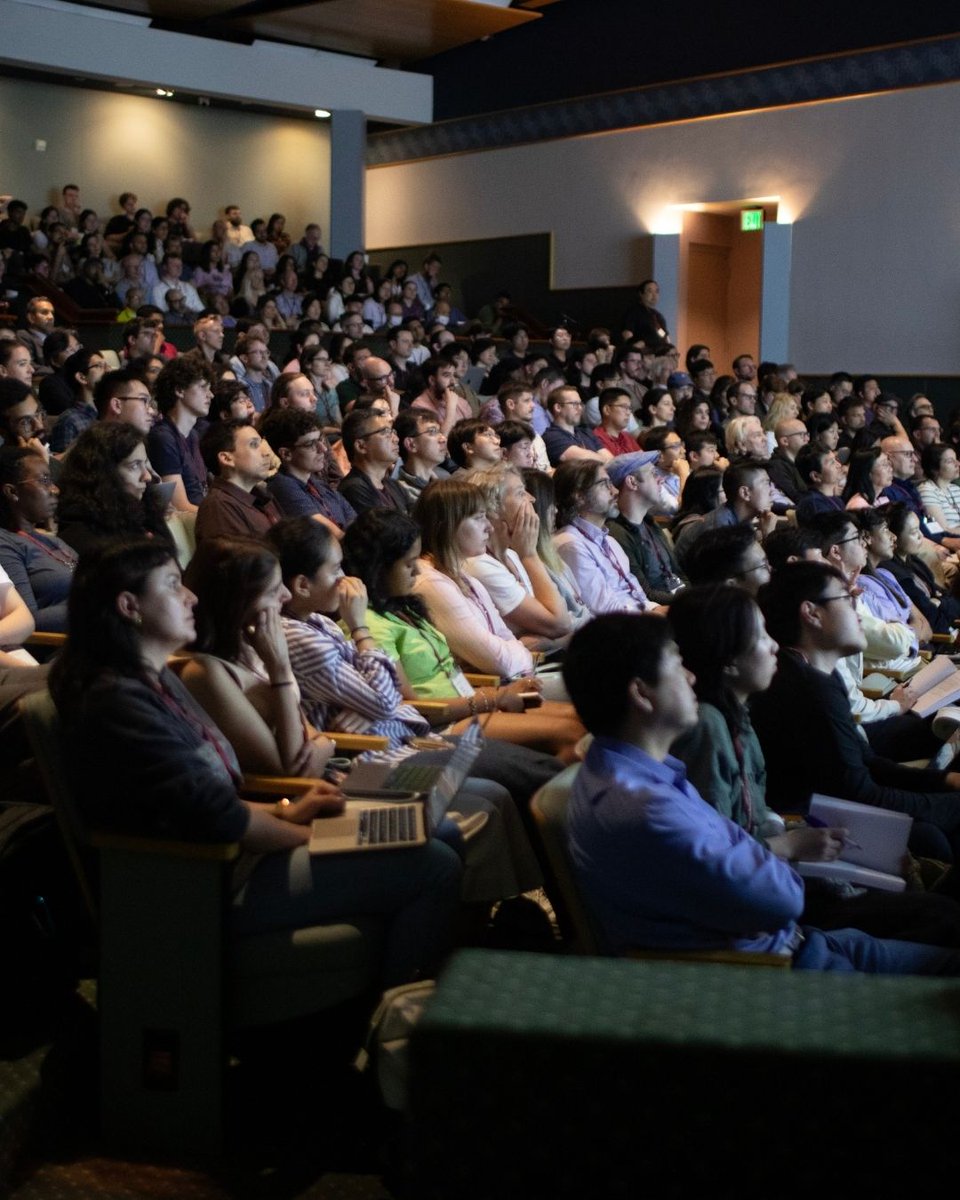
In all, the Symposium will feature 9 oral sessions with 53 talks and over 200 posters in 3 sessions. Major themes include AI & Regulatory Genomics, AI & Evolution, AI & Cells & Tissues, AI and Clinical Translation & Precision Oncology, Neuro AI, Scientific Agents & Multimodal Models, and AI & Proteins.
Scroll through for Day 1 highlights - part 1
What a way to open!
#InspiringCuriosity #AIinBiology #CRISPR #PrecisionMedicine #MachineLearning #Biotechnology #InformationTheory #Claude #ScienceMakesLifeBetter
3
11
1,044
Cold Spring Harbor Laboratory retweeted

How AI models are providing insight into the tumor microenvironment and cancer therapy. My interview with Elham Azizi at the @CSHL Symposium on AI in Biology youtu.be/PzsUUbiliH0?si=dd9J…
5
18
7,786
Cold Spring Harbor Laboratory retweeted

1
2
37
4,215
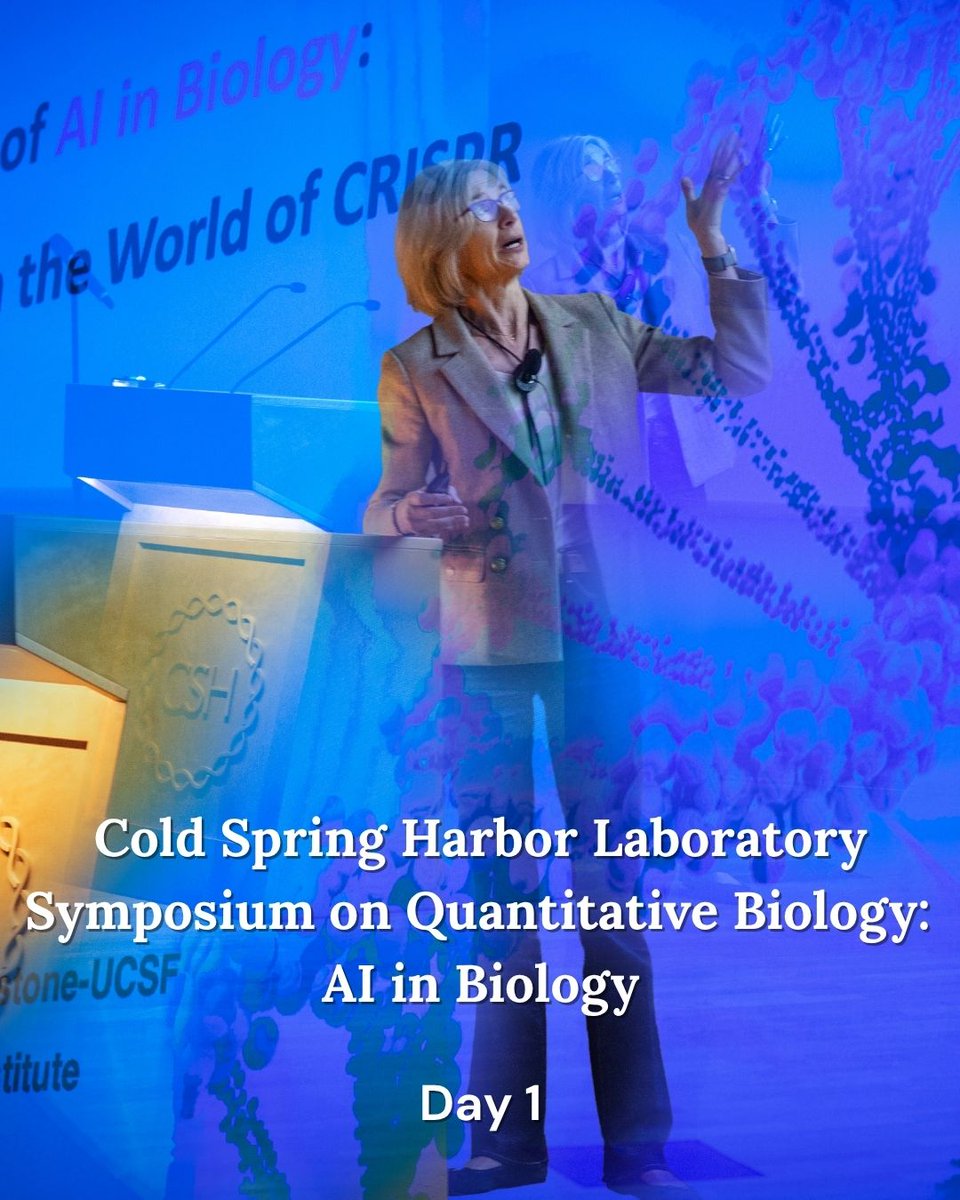
DAY 1- Part 2of2
POV: You're at the Cold Spring Harbor Laboratory Symposium on Quantitative Biology: AI in Biology and your brain is trying to process all the paradigm shifts.
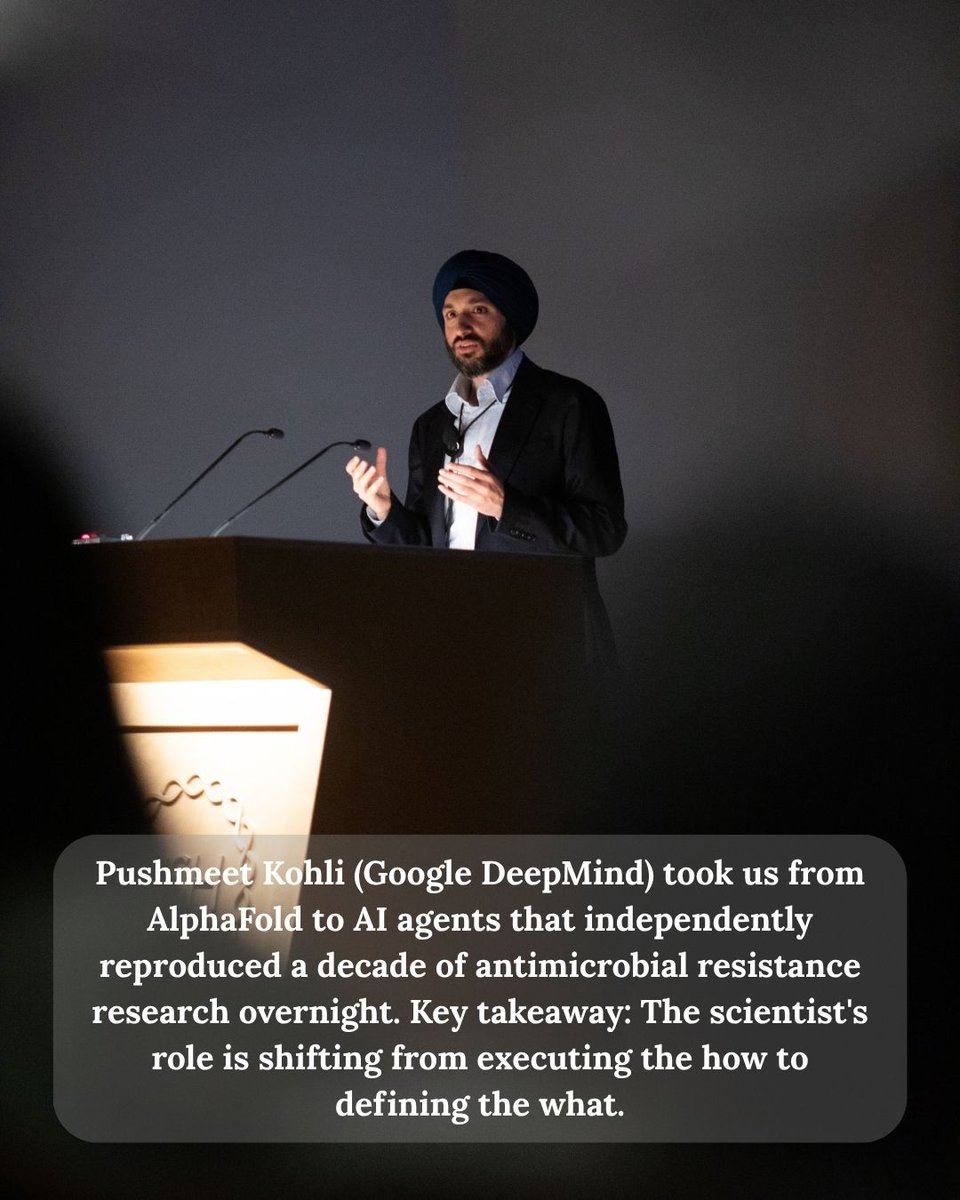
The 90th year of #CSHLSYMP26 kicked off Tuesday May 26th with four opening talks by CSHL President Bruce Stillman, Jennifer Doudna @DoudnaJennifer @UCBerkeley, Alex Rives @biohub, Pushmeet Kohli @pushmeet @GoogleDeepMind and Hoifung Poon @hoifungpoon @MSFTResearch
CSHL Symposia have helped spark some of the most transformative breakthroughs in modern science.
The 1989 Symposium helped set the stage for the Human Genome Project. The 1978 Symposium on Recombinant DNA helped lay the groundwork for CRISPR gene editing.
History has a way of starting here.
This year, it's all about AI and its applications in biology research as well as clinical medicine.
In all, the Symposium will feature 9 oral sessions with 53 talks and over 200 posters in 3 sessions. Major themes include AI & Regulatory Genomics, AI & Evolution, AI & Cells & Tissues, AI and Clinical Translation & Precision Oncology, Neuro AI, Scientific Agents & Multimodal Models, and AI & Proteins.
Scroll through for highlights of Day 1
What a way to open!
#CSHLSYMP26 #InspiringCuriosity #AIinBiology #CRISPR #PrecisionMedicine #MachineLearning #Biotechnology #InformationTheory #Claude #ScienceMakesLifeBetter
1
8
979
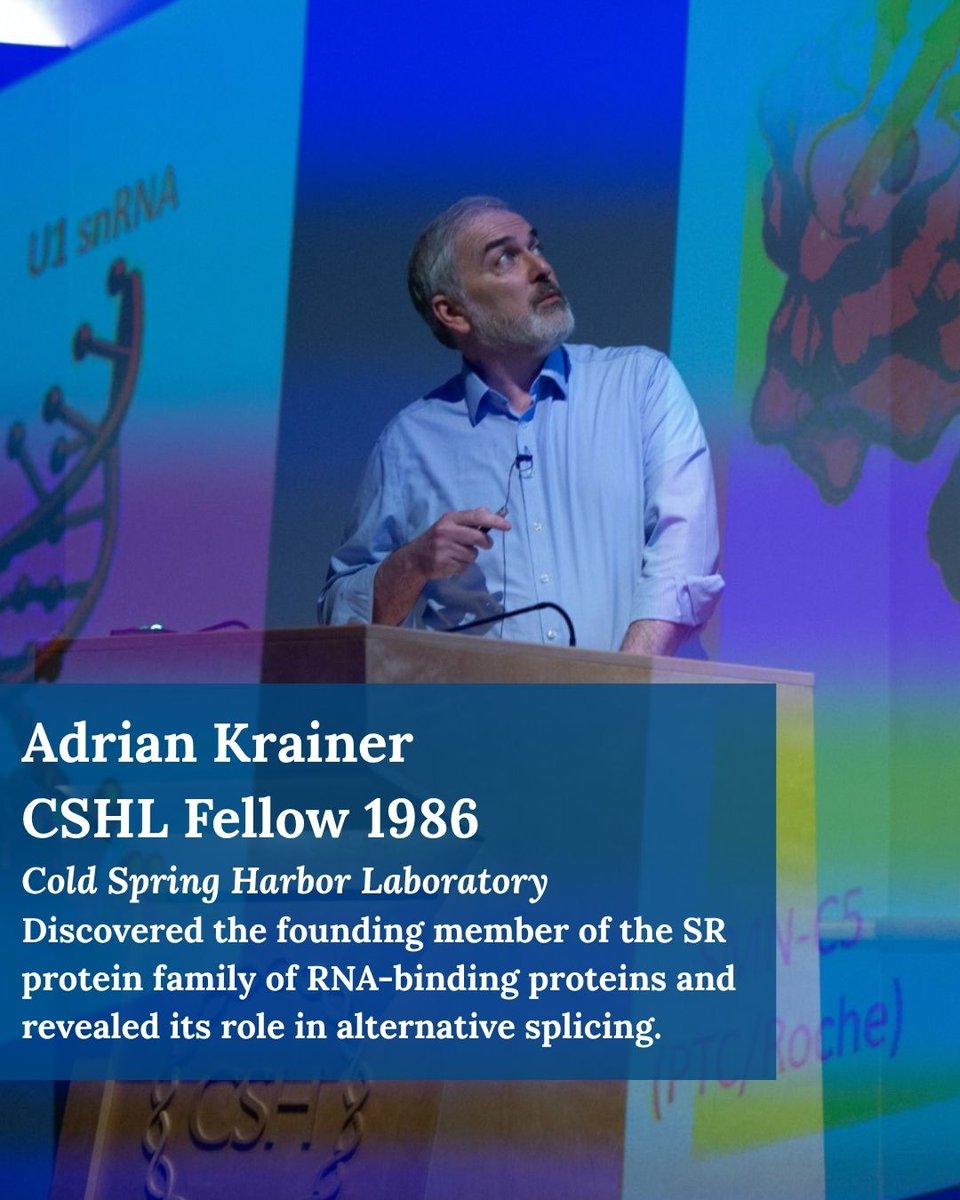
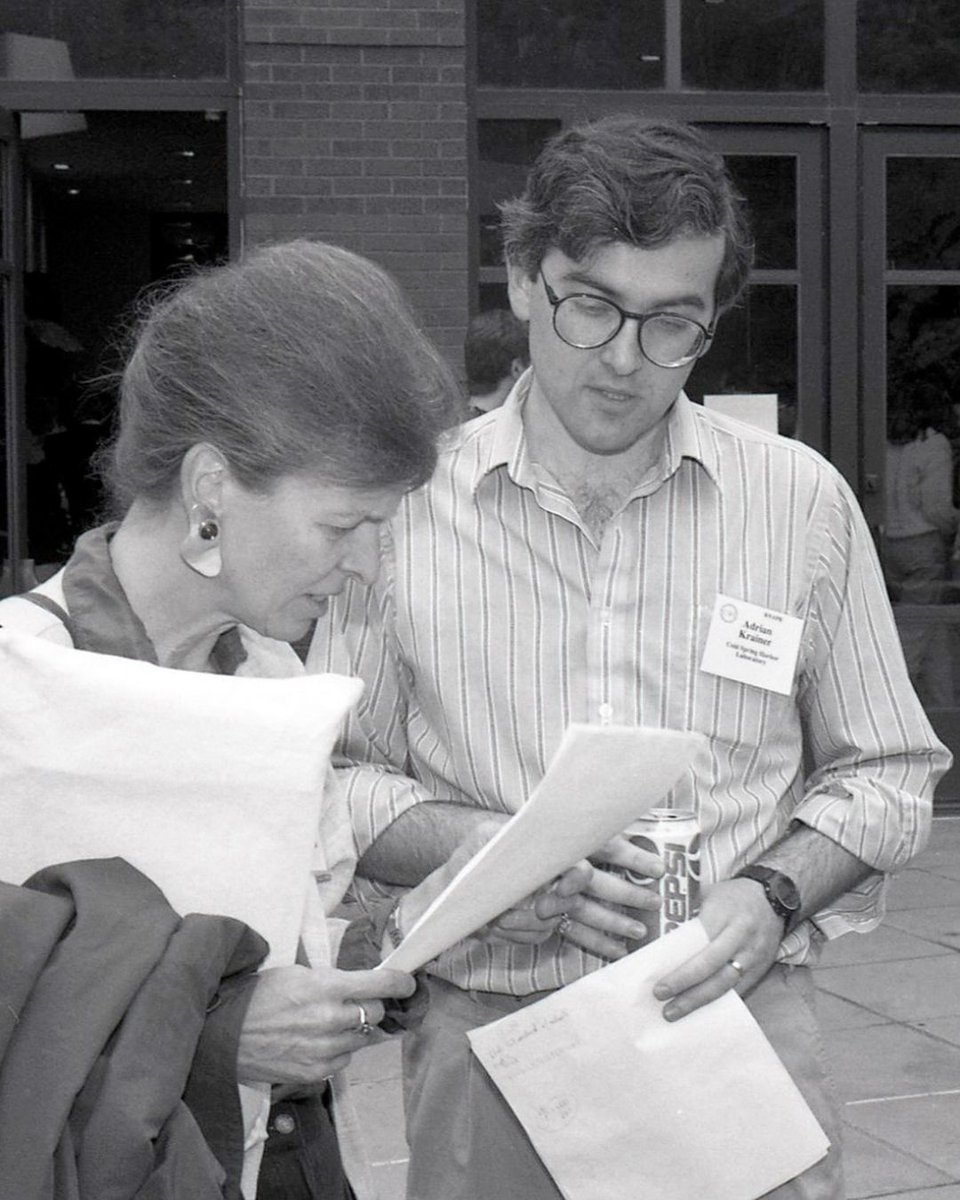
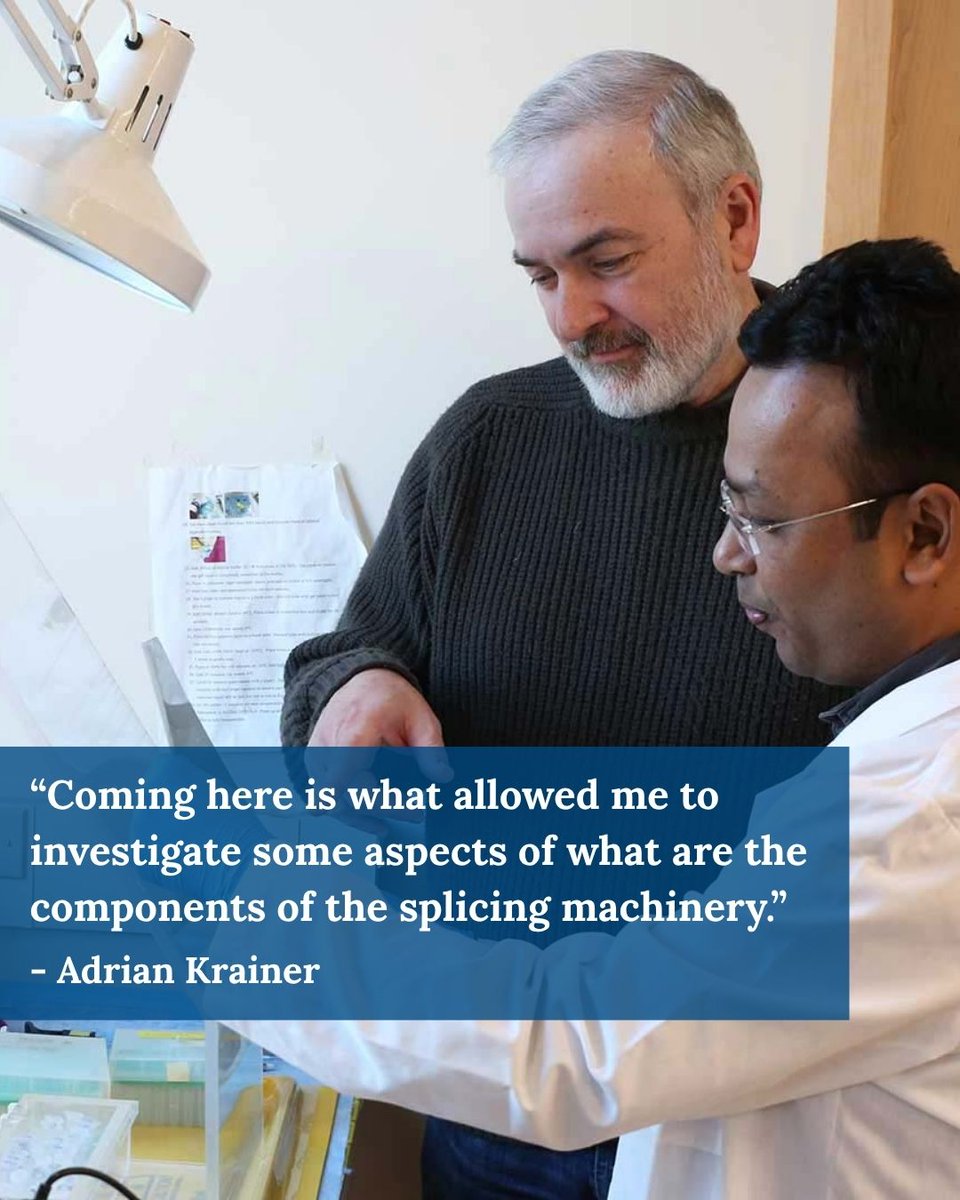
#InspiringCuriosity with former Cynthia R. Stebbins Fellow and current CSHL Professor Adrian Krainer
The legacy of the Fellows program began with Krainer in 1986.
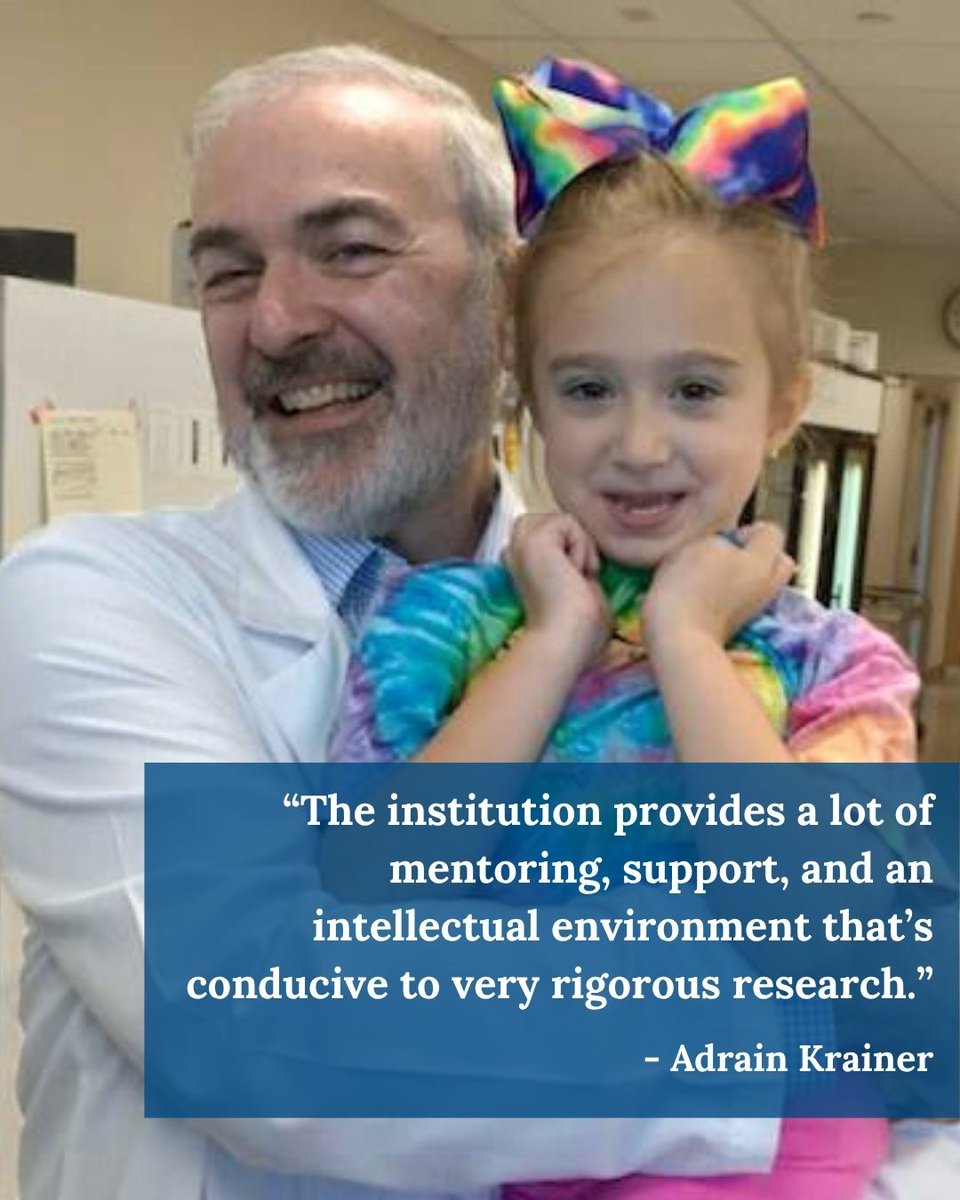
As the very first Fellow, Krainer is a shining example of the importance of supporting and investing in early career scientists. He explains that CSHL provided him with everything he needed and more to be where he is today.
Where is he today? The Krainer lab uses a multidisciplinary approach to better understand the mechanisms of human RNA splicing.
Krainer's research was utilized for the development of Spinraza, which became the first approved drug for spinal muscular atrophy (SMA). Spinraza has saved tens of thousands of lives to date and in March 2026, the FDA approved a higher-dose version Spinraza designed to further slow disease progression.
Krainer has had an extraordinary impact on both the CSHL community and the broader scientific community.
#InspiringInnovation #InspiringDiscovery #SMAAwareness #ScienceMakesLifeBetter
1
743
Cool new study from neuroAI specialist @klindt_david. Check out of some of his team's other research in the poster sessions at #cshlsymp26
May 27

What does JEPA actually learn? We can finally prove it 🌍
So excited to share our theory of identifiable World Models: LeJEPA recovers the latent variables of the world.
Plan in the learned World Model as if it were real, same shortest path.
📄: klindtlab.github.io/lejepa-i…
3
4
2,693
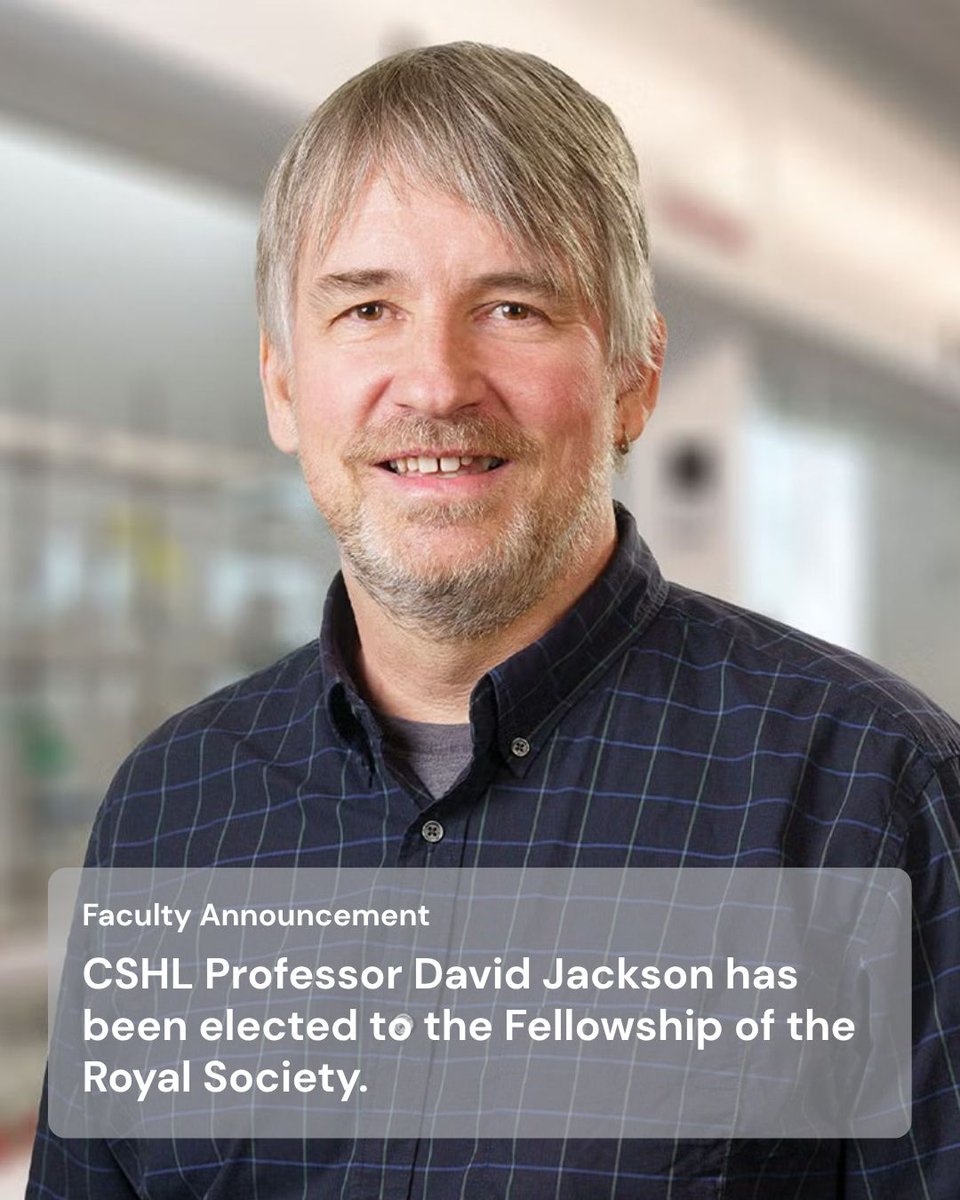
CSHL Professor Dave Jackson is joining the likes of Isaac Newton, Benjamin Franklin, Charles Darwin, Albert Einstein, and Stephen Hawking as a Fellow of the Royal Society.
The Royal Society recognizes, promotes, and supports excellence in science and encourages the use of science for the benefit of humanity.
Bruce Stillman, CSHL President & CEO, congratulates Jackson on this well-deserved election, as his research has progressed humanity's understanding of plant stem cell regeneration.
#InspiringDiscovery #RoyalSociety #PlantBiology #ScienceMakesLifeBetter
4
10
44
5,232
Cold Spring Harbor Laboratory retweeted

Excited to join this amazing meeting next weeks @CSHL !

Virtual registration is open for the 90th CSHL Symposium: AI in Biology!
Amazing lineup of speakers!
Join live by Zoom w/ Q&A, and access recordings on demand for ~48 hrs after each session, with archive access pending speaker approval.
meetings.cshl.edu/virtualreg…
#cshlsymp26
22
65
347
75,121