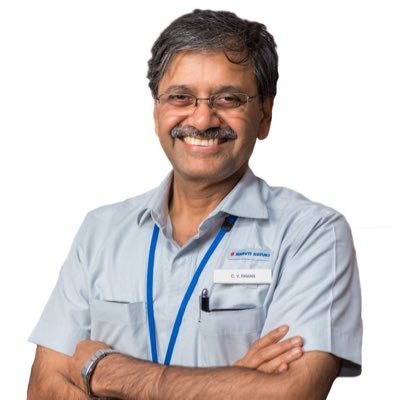
Automotive professional working for Maruti Suzuki. All views are personal. Nothing official about it!
Joined January 2010
- Tweets 371
- Following 815
- Followers 2,129
- Likes 4,060
20 Photos and videos



GCCs are evolving into catalysts of transformation, where innovation, scale, and customer-centricity converge.
In this conversation, C. V. Raman unpacks how Maruti Suzuki India Limited built a globally competitive R&D ecosystem, empowered local suppliers, and embraced the 5S philosophy to stay ahead in a rapidly changing mobility landscape.
What will define leadership in this next phase of growth?
Discover more at #NasscomGCCSummit2026
6–7 May 2026 | The Westin, Mumbai
@CVRAMAN61 @Maruti_Corp
1
3
6
424
C V RAMAN retweeted

Jan 16
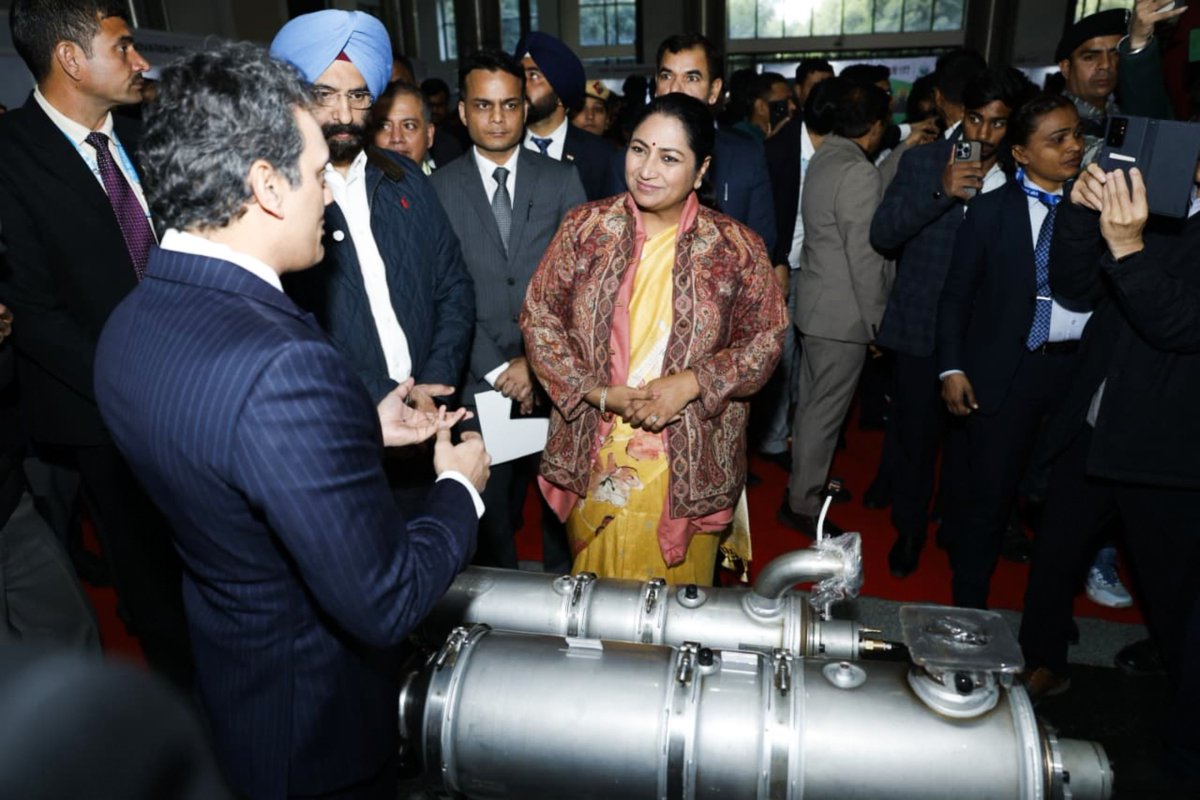
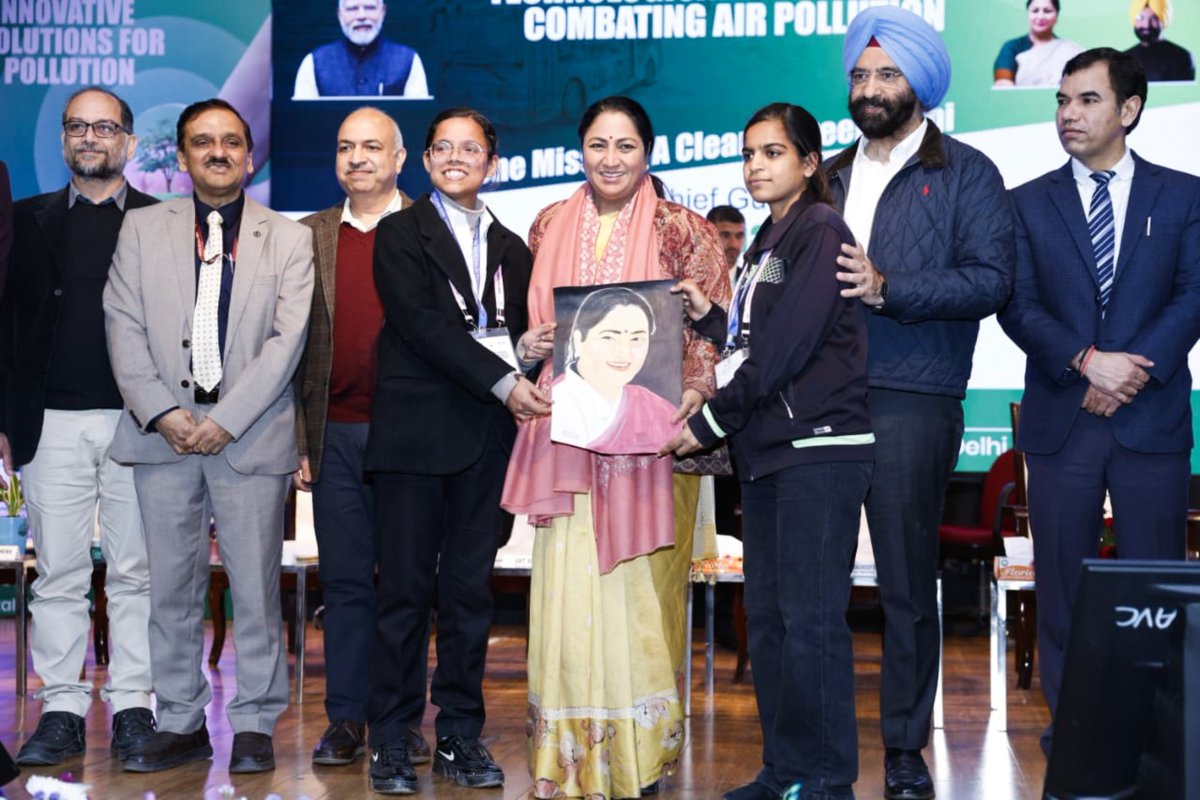
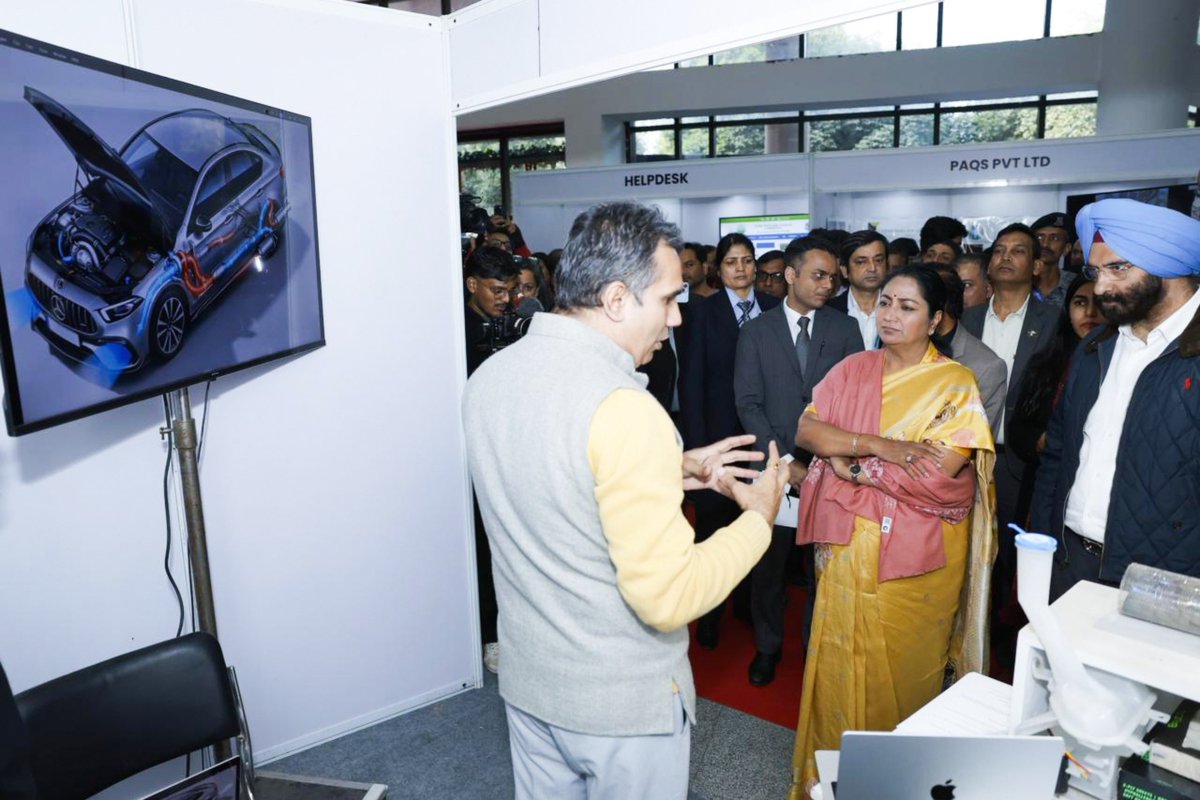
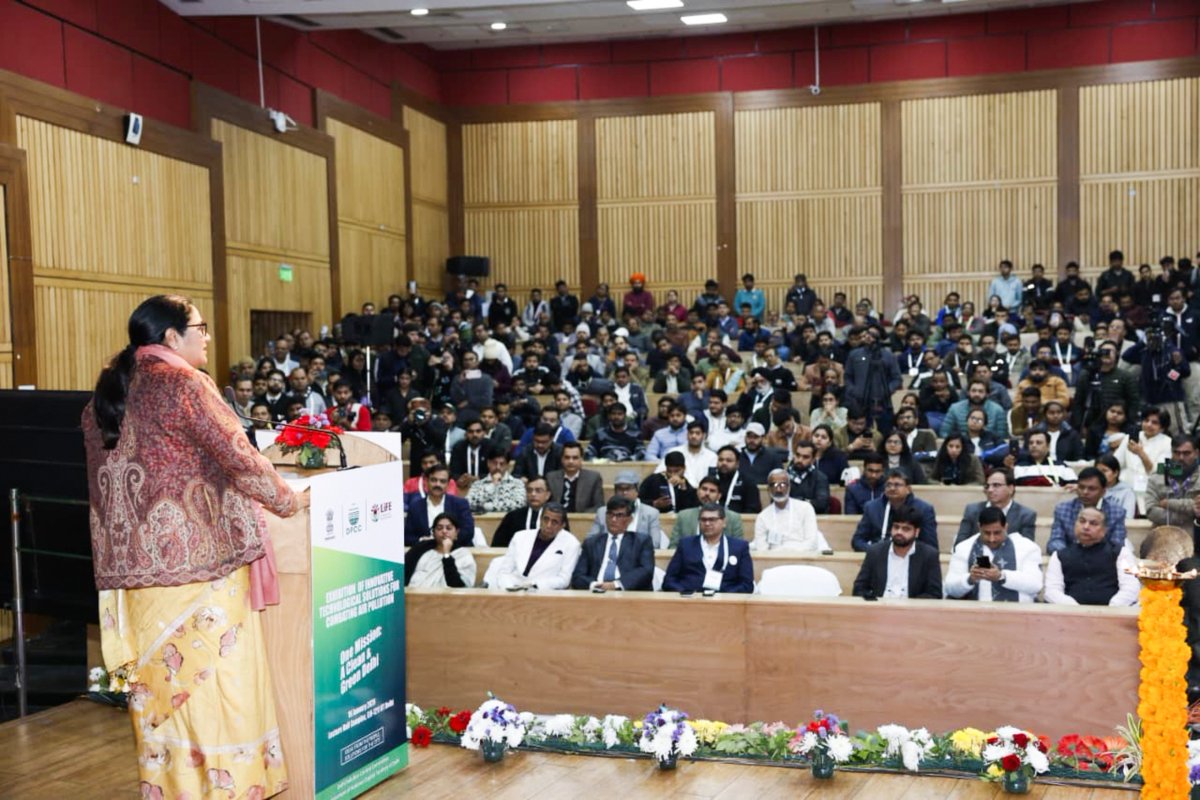
IIT दिल्ली में आयोजित “Exhibition on Innovative Solutions for Combating Air Pollution” का शुभारंभ किया।
यह प्रदर्शनी केवल तकनीक का मंच नहीं है, यह दिल्ली के लिए युवाओं की चिंता, सोच और संकल्प का सशक्त प्रतिबिंब है।
आज inauguration है।
कल evaluation होगी।
फिर field trials होंगे।
और आने वाले समय में यहीं विकसित कई solutions दिल्ली की सड़कों, बसों और public spaces में प्रदूषण नियंत्रण के प्रभावी मॉडल बनेंगे।
ये हम सभी के लिए गर्व का विषय है कि हमारे युवाओं ने प्रदूषण को सिर्फ समस्या के रूप में नहीं देखा बल्कि समाधान के संकल्प के साथ दिल्ली के लिए सोचा ही नहीं बल्कि इनोवेट भी किया।
इस अवसर पर कैबिनेट सहयोगी श्री @mssirsa जी सहित अन्य गणमान्य जन उपस्थित रहे।
@iitdelhi
13
53
211
4,461

Jan 19
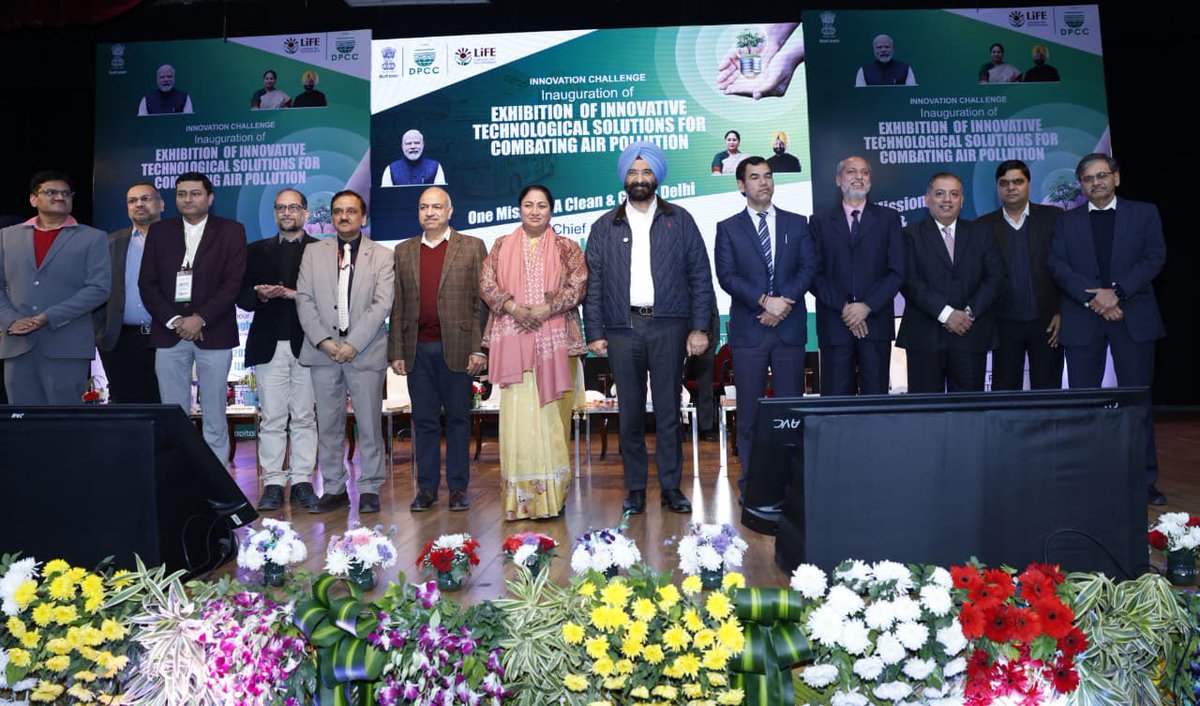
Privileged to be part of Independent Technical Evaluation Committee who evaluated 33 Innovation pitches at IIT, Delhi. Passion drives Innovation!
Jan 16

2
1
13
406
C V RAMAN retweeted

3 Dec 2025
2
3
4
510
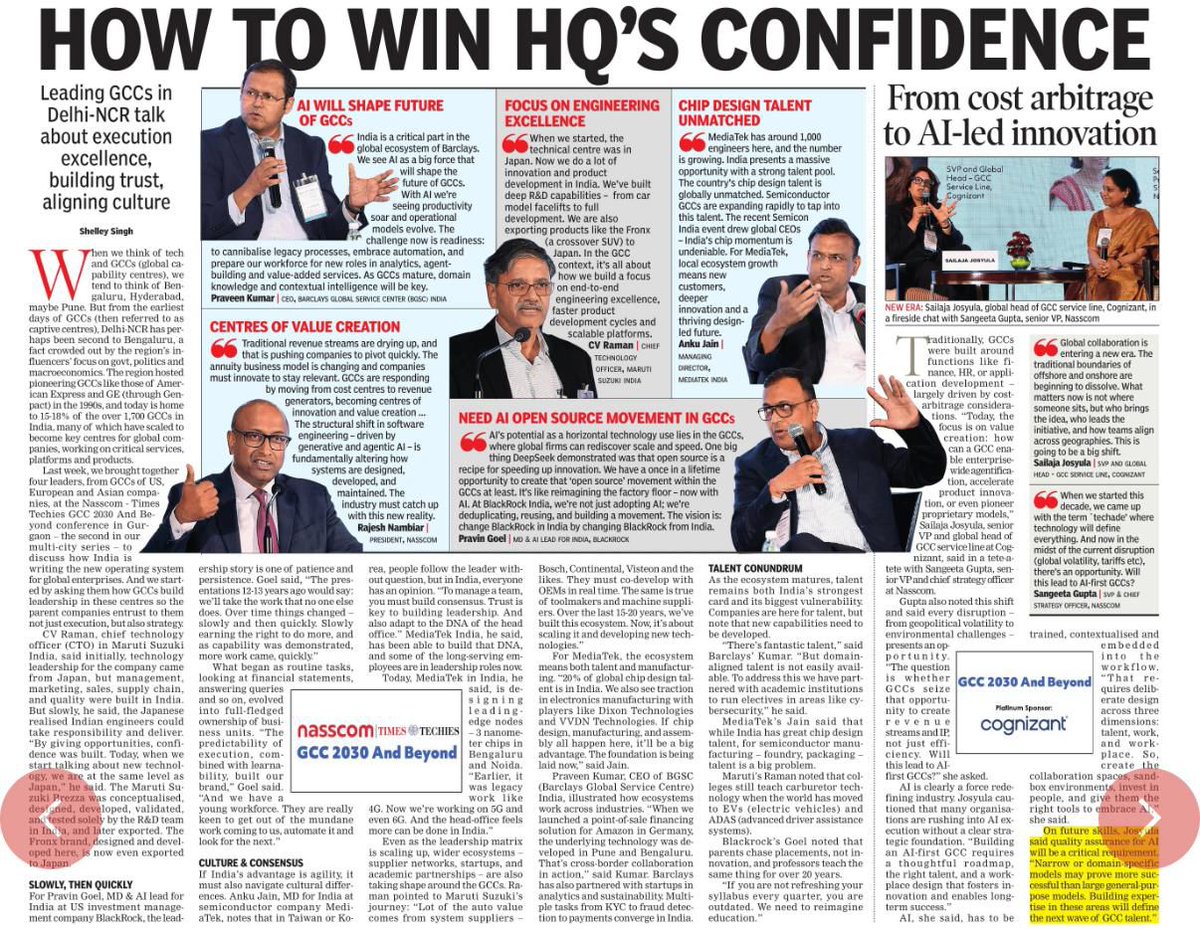
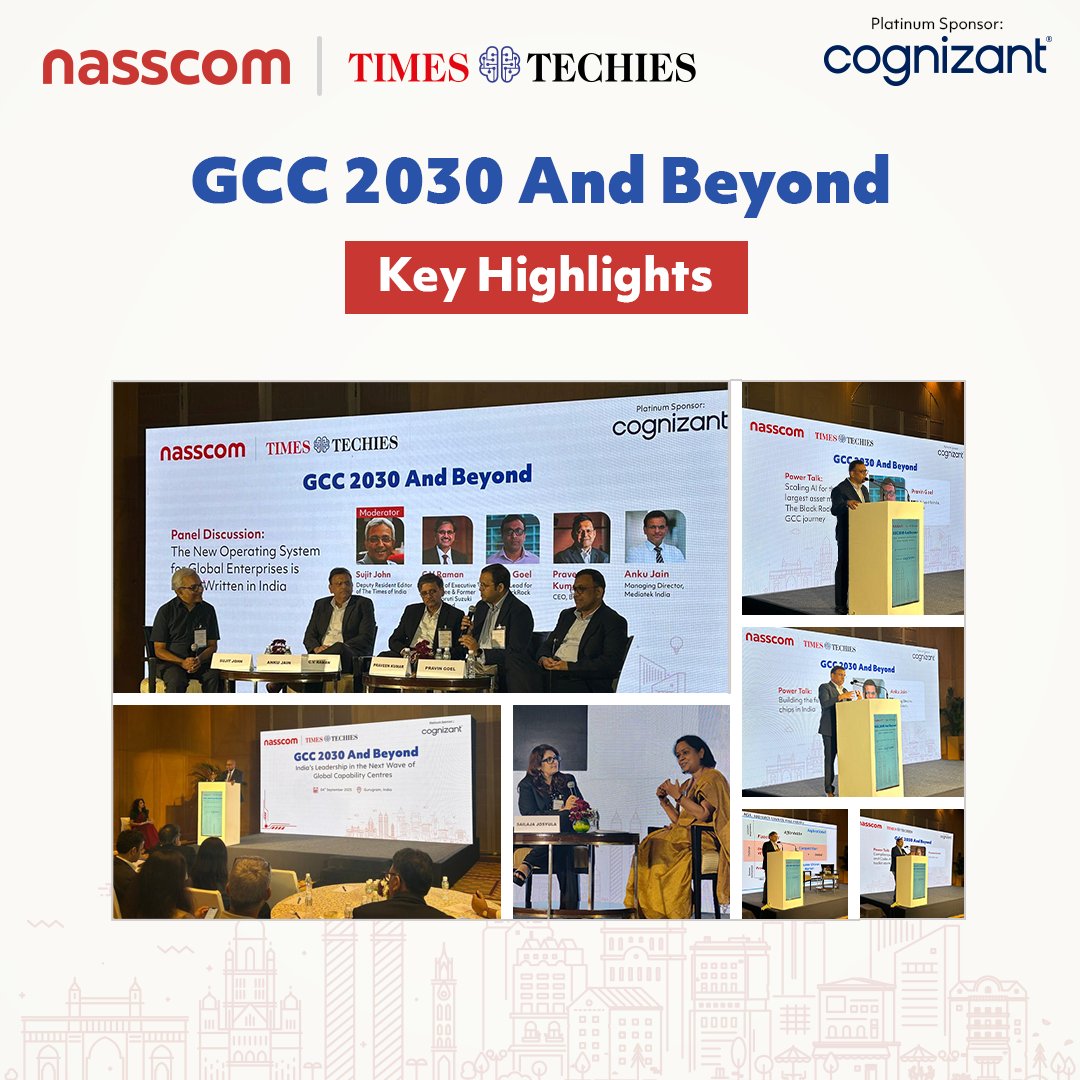
The Nasscom Times Techies GCC 2030 and Beyond conference in Gurgaon highlighted how GCCs in India are moving from cost centres to hubs of innovation and strategy.
Leaders from Maruti Suzuki, BlackRock, MediaTek, and Barclays shared insights on building leadership, fostering ecosystems, and embracing AI-driven transformation.
Discussions stressed India’s growing role in global R&D, chip design, and cross-border collaboration, while also addressing talent gaps and the urgent need to revamp education for future-ready skills.
Rajesh Nambiar, President, Nasscom, emphasised on how GCCs are moving beyond scale to deliver AI-led value, engineering depth & collaborative innovation.
#GCC2030 #nasscom #FutureOfWork
@CVRAMAN61 @RNamb @timestechies @Maruti_Corp @BlackRock @MediaTekIndia @timesofindia
4
2
512
C V RAMAN retweeted

9 Sep 2025
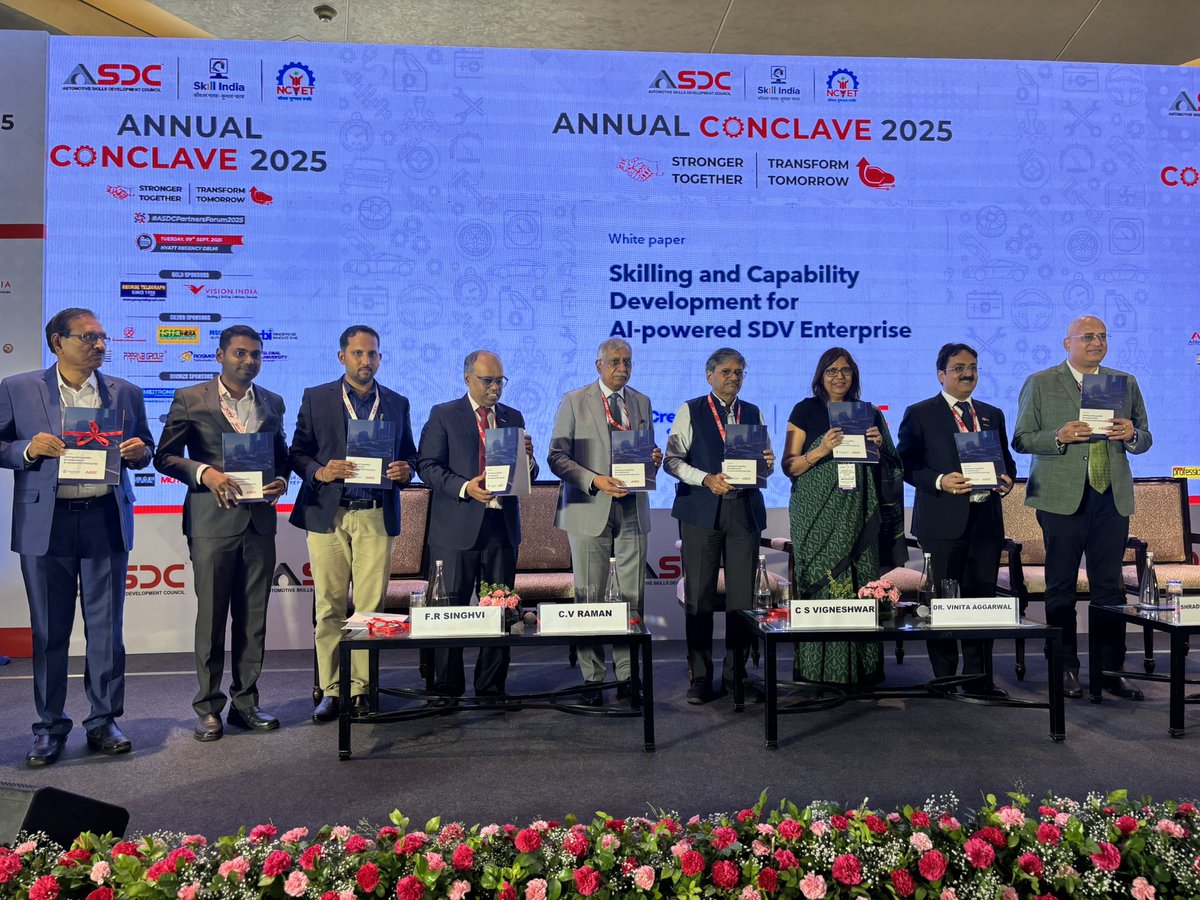
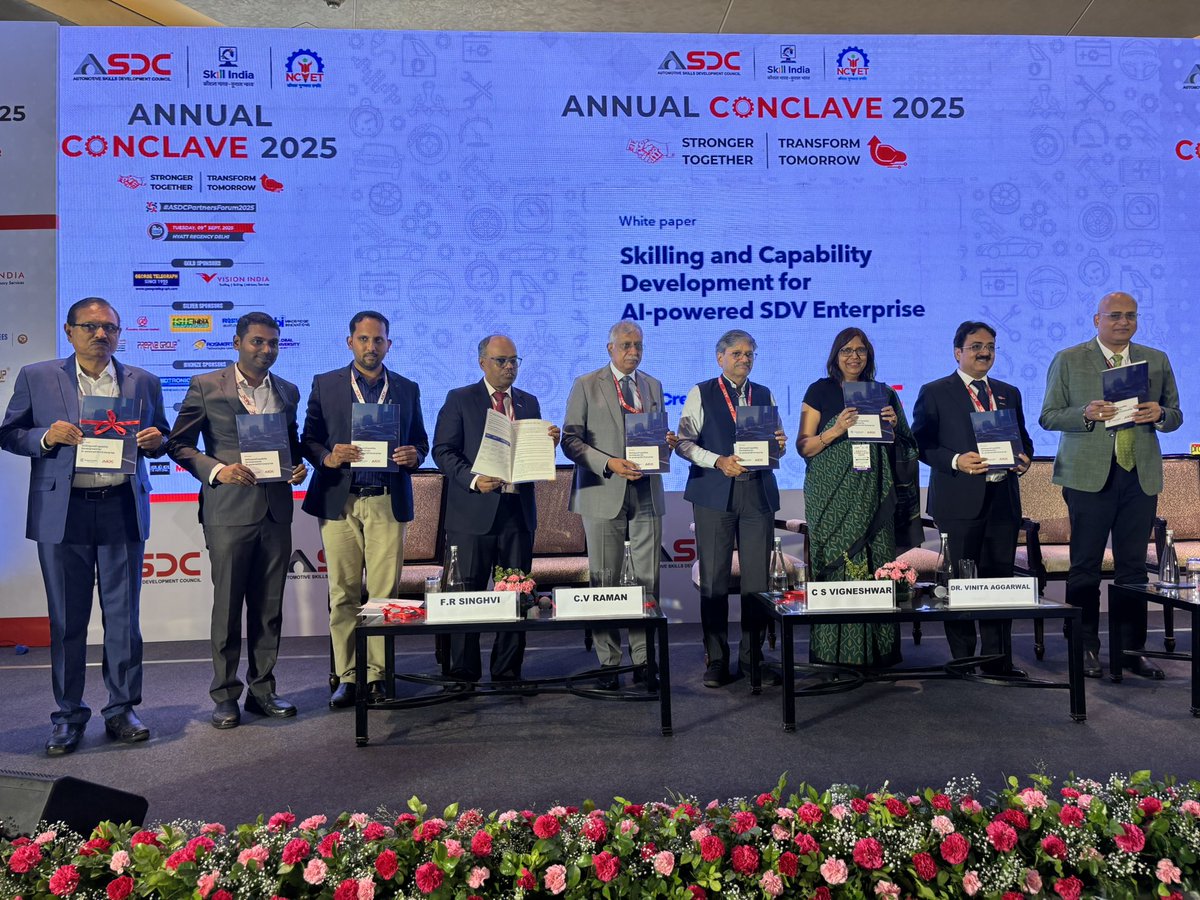
The Annual Conclave 2025 witnessed the release of insightful white papers by our esteemed guests, setting the tone for progressive thought leadership and future-ready strategies in the skilling ecosystem.
#ASDCAnnualConclave2025 #WhitePaperRelease
2
2
198
C V RAMAN retweeted
9 Sep 2025
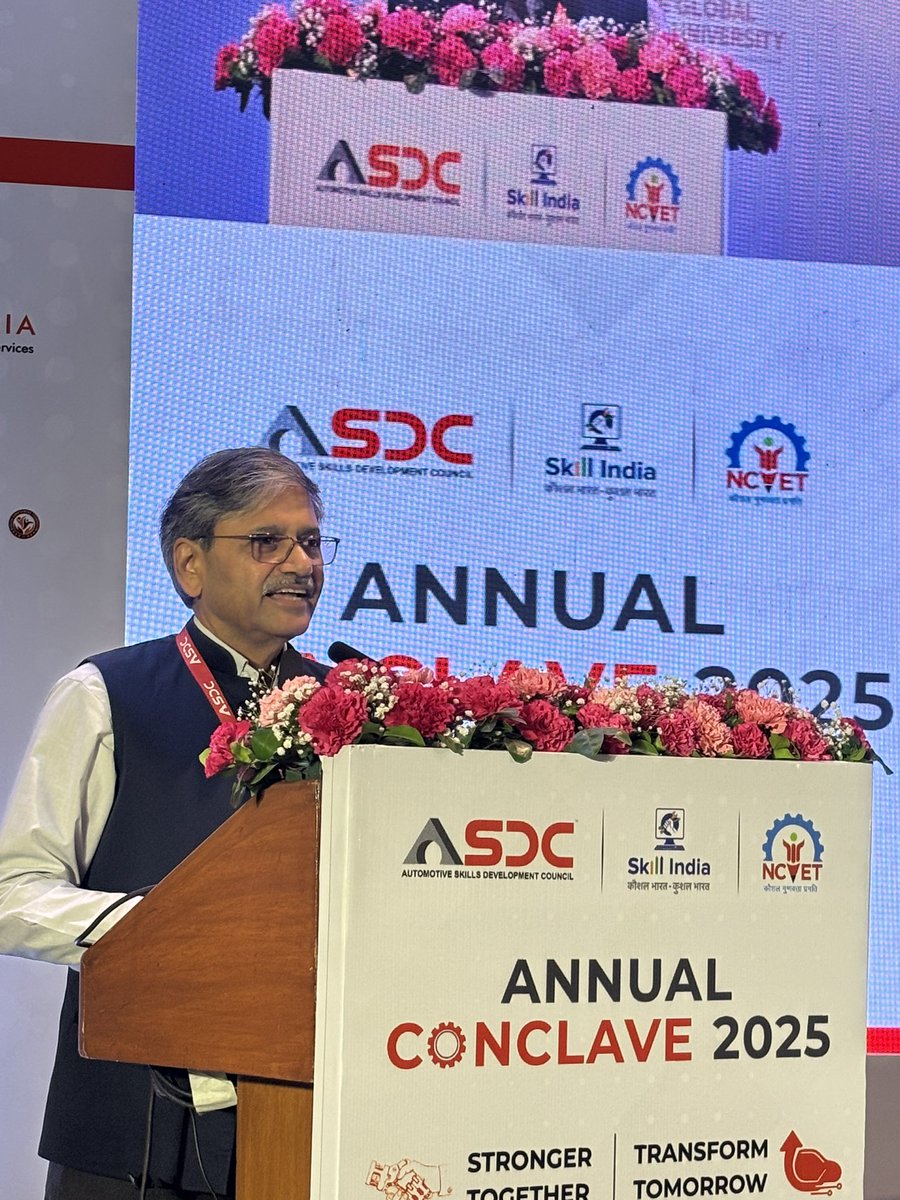
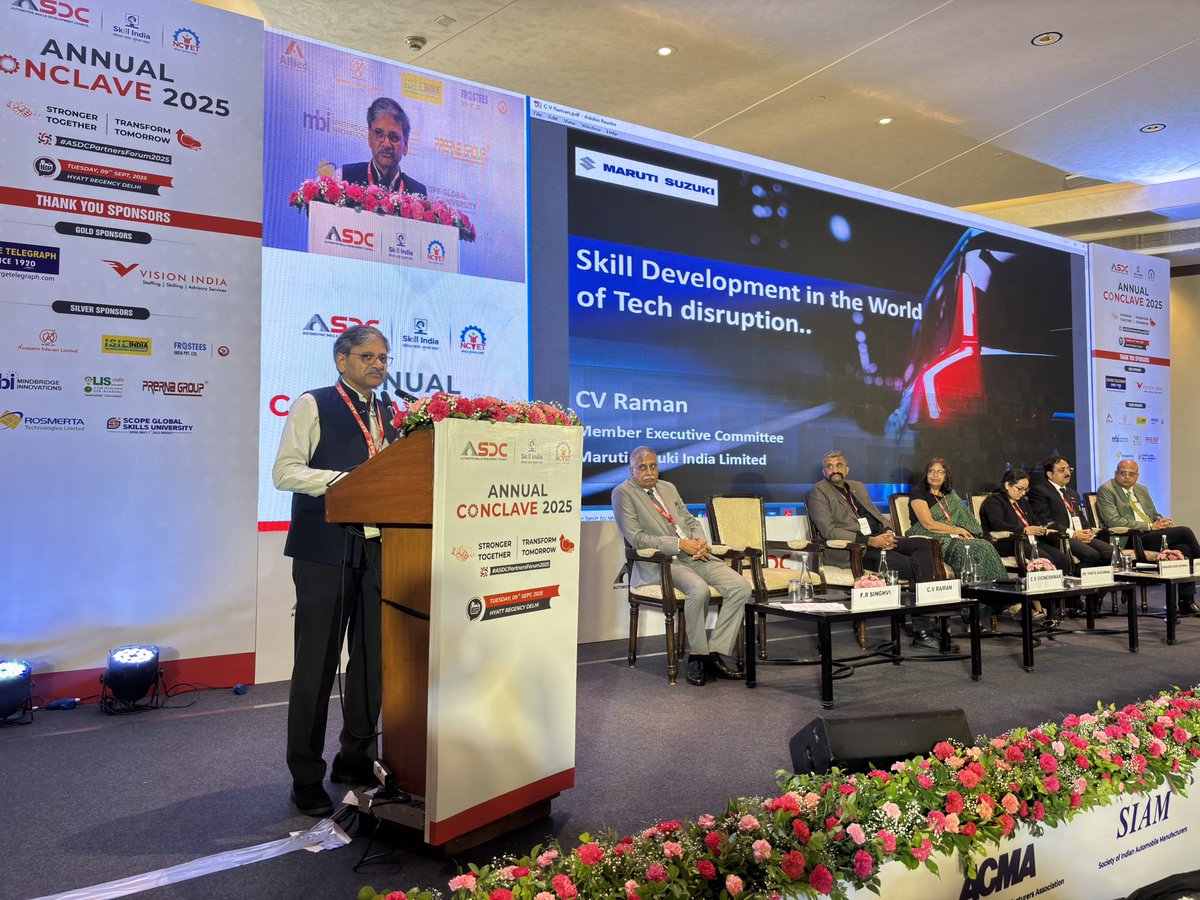
Mr. C. V. Raman, Chief Technology Officer at Maruti Suzuki India Limited, addressed the ASDC Annual Conclave 2025 as Guest of Honour. His speech offered a highly insightful and forward-looking vision on technology.
#ASDCAnnualConclave2025
2
3
191
At #GCC2030AndBeyond, the dialogue united voices from Japan to Europe, the US to India spanning automotive, semiconductors, banking, fintech, AI, and sustainability. It was more than a panel; it was a cross-continent exchange on how global capability centers are rewriting the playbook for innovation and leadership.
#NasscomGCC2030
@CVRAMAN61 @sujitjohn @RNamb @sangeetagupta29 @Cognizant @timestechies @Maruti_Corp @BlackRock @MediaTekIndia
1
2
2
454
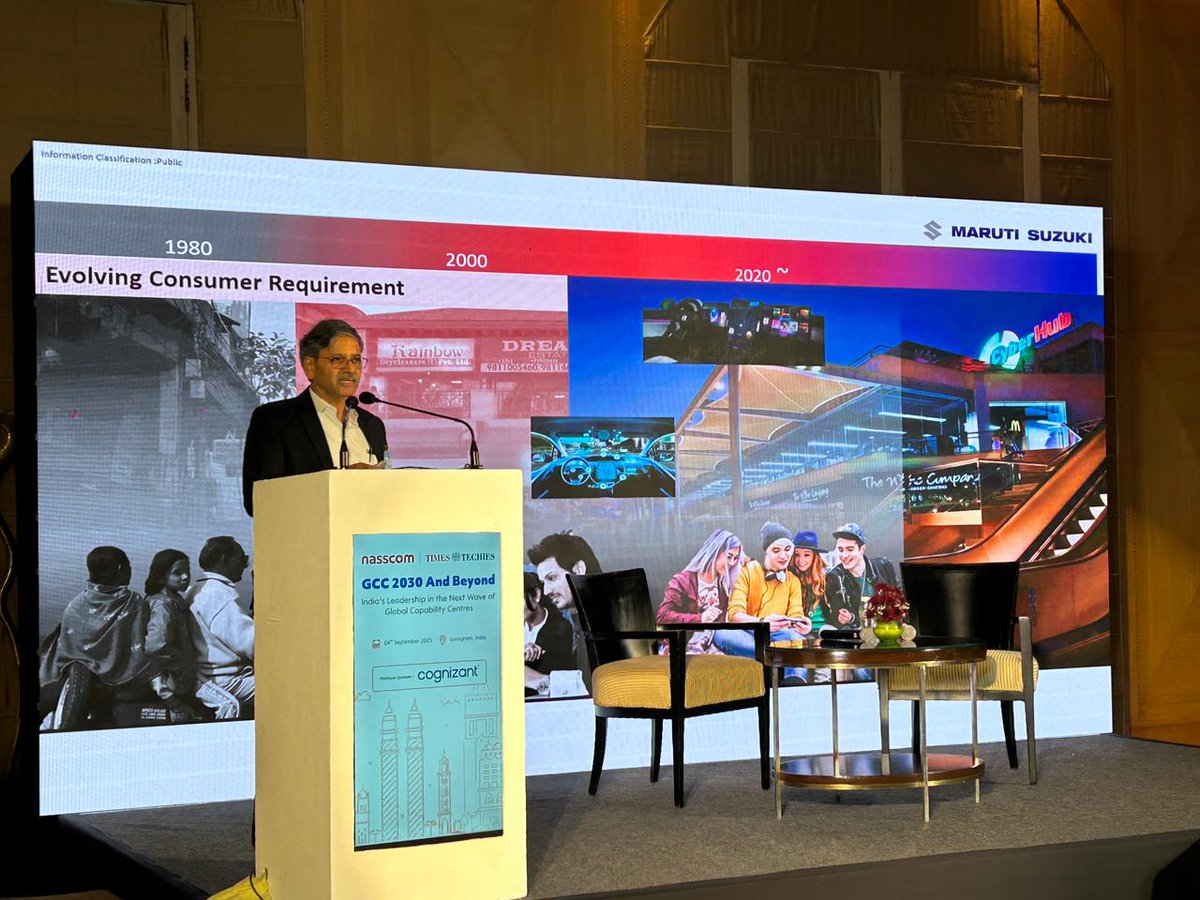
At #GCC2030AndBeyond, C.V. Raman, Member, Executive Committee & Former CTO, Maruti Suzuki India Limited, reflected on Maruti Suzuki’s journey from being a startup in 1983 to now exporting cars back to Japan.
He traced how India’s auto R&D has evolved step by step: first facelifts, then co-design, and today, full model development for global markets.
Raman also left us with his 5S mantra for the future of mobility:
Skill, Scale, Speed, Synergy, and Sustainability.
This, he emphasized, will define India’s role in the next era of automotive innovation.
#NasscomGCC2030
@CVRAMAN61 @Maruti_Corp @Cognizant @timestechies
1
2
356
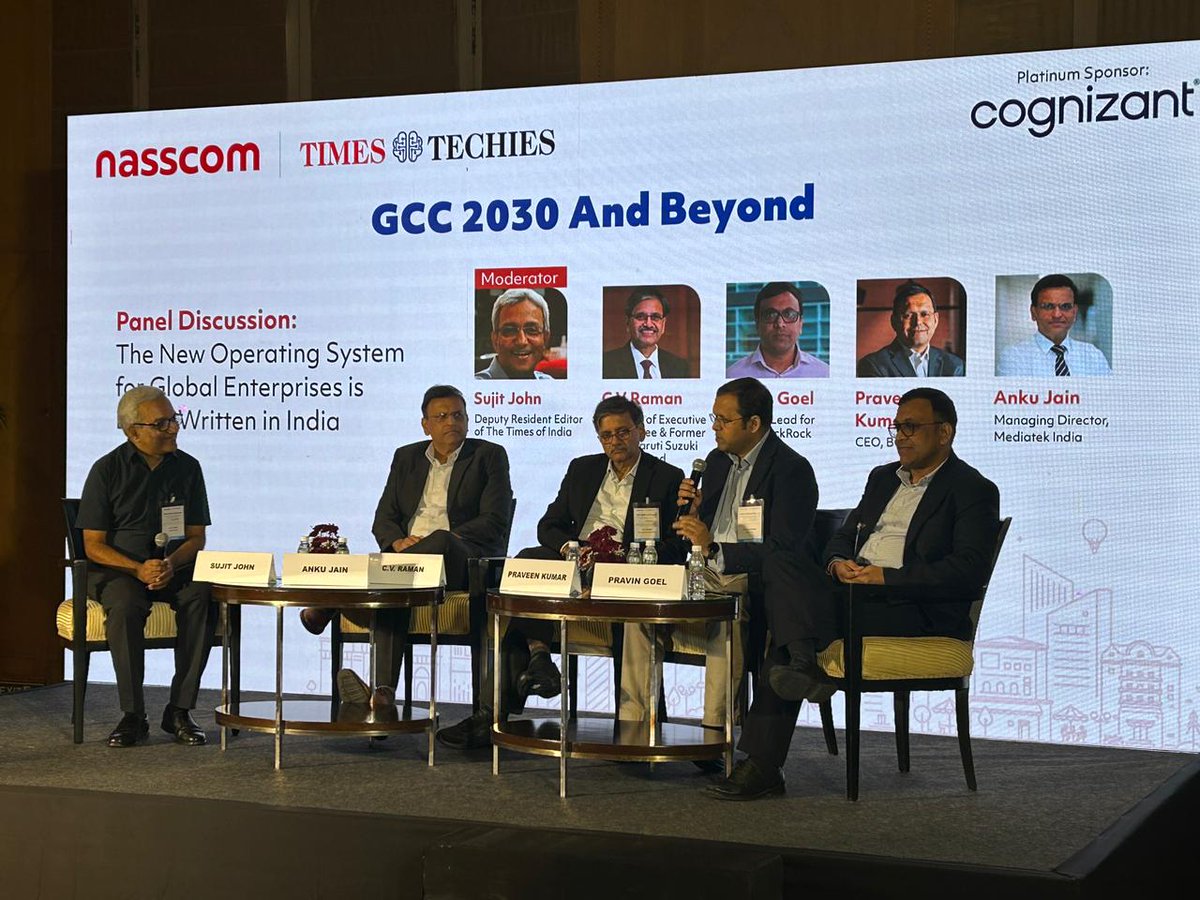
At our recent discussion, leaders showed how India is moving beyond execution to shaping global strategy across GCCs, auto engineering, and semiconductors:
C.V. Raman, Member, Executive Committee & Former CTO, Maruti Suzuki India Limited – Explained that auto R&D today demands concurrent engineering and deep collaboration across OEMs, Tier-1s, startups, and even semiconductor players. COVID accelerated India’s direct role in semiconductors and raw material strategy, proving the ecosystem is now co-developing technology, not just localizing it.
Anku Jain, Managing Director, MediaTek India – Highlighted that India holds 20% of the world’s chip design talent, with 80% of teams here driving global R&D. With electronics manufacturing scaling, India is poised to become a full-stack semiconductor hub — spanning design, fab, and assembly.
Pravin Goel, MD & AI Lead for India, BlackRock – Shared that GCC leadership is built “slowly, then quickly.” What started as low-value work transformed through automation and innovation, proving capability by demonstration, not PPTs. India now leads in frontier areas like AI and climate risk tech, where lack of legacy gives Indian teams room to set global benchmarks.
Praveen Kumar, CEO, BGSC India – Emphasized that trust comes from proof points and execution discipline. With an average employee age of 29, India’s GCCs gain from a young workforce with a natural bias for learning, automation, and innovation.
#NasscomGCC2030 #GCC2030AndBeyond
@CVRAMAN61 @sujitjohn @Cognizant @timestechies
3
3
463
C V RAMAN retweeted

5 May 2025
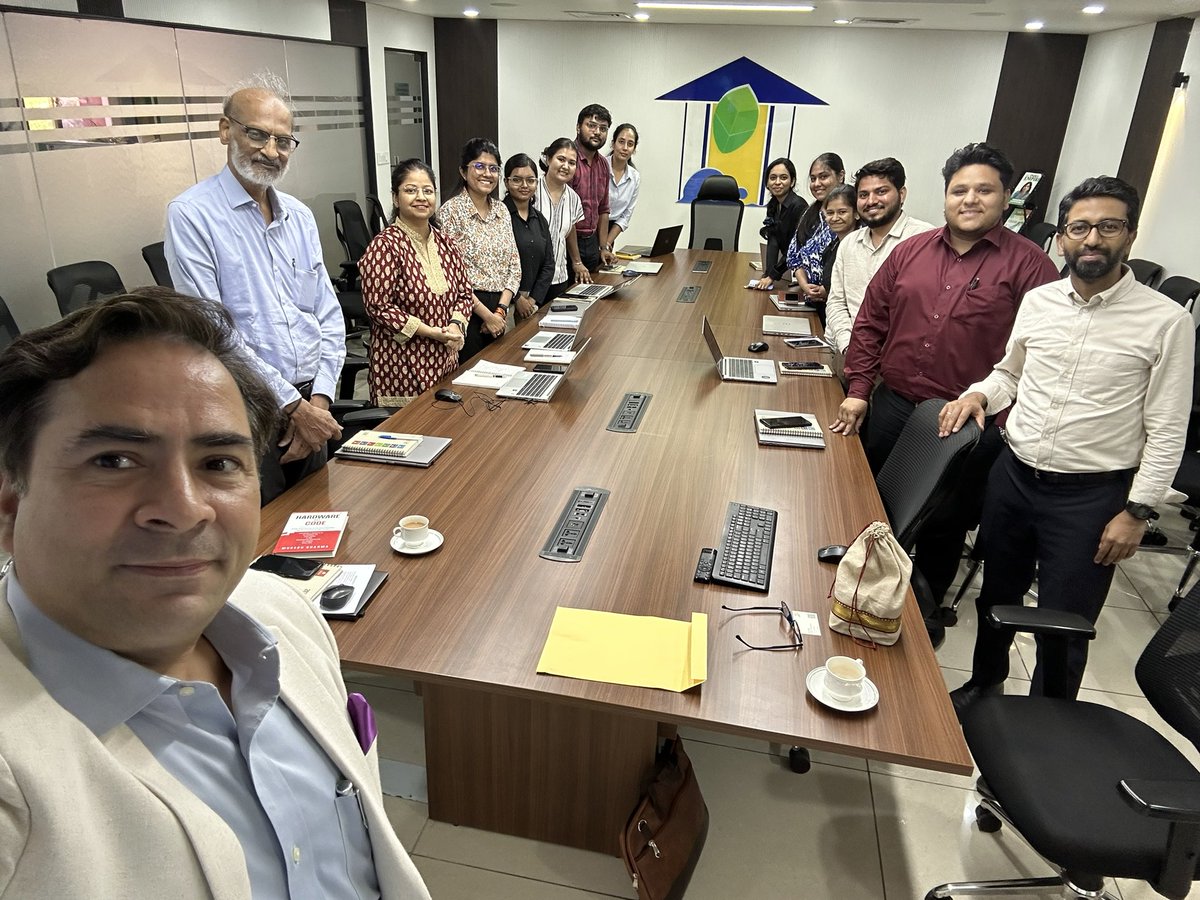
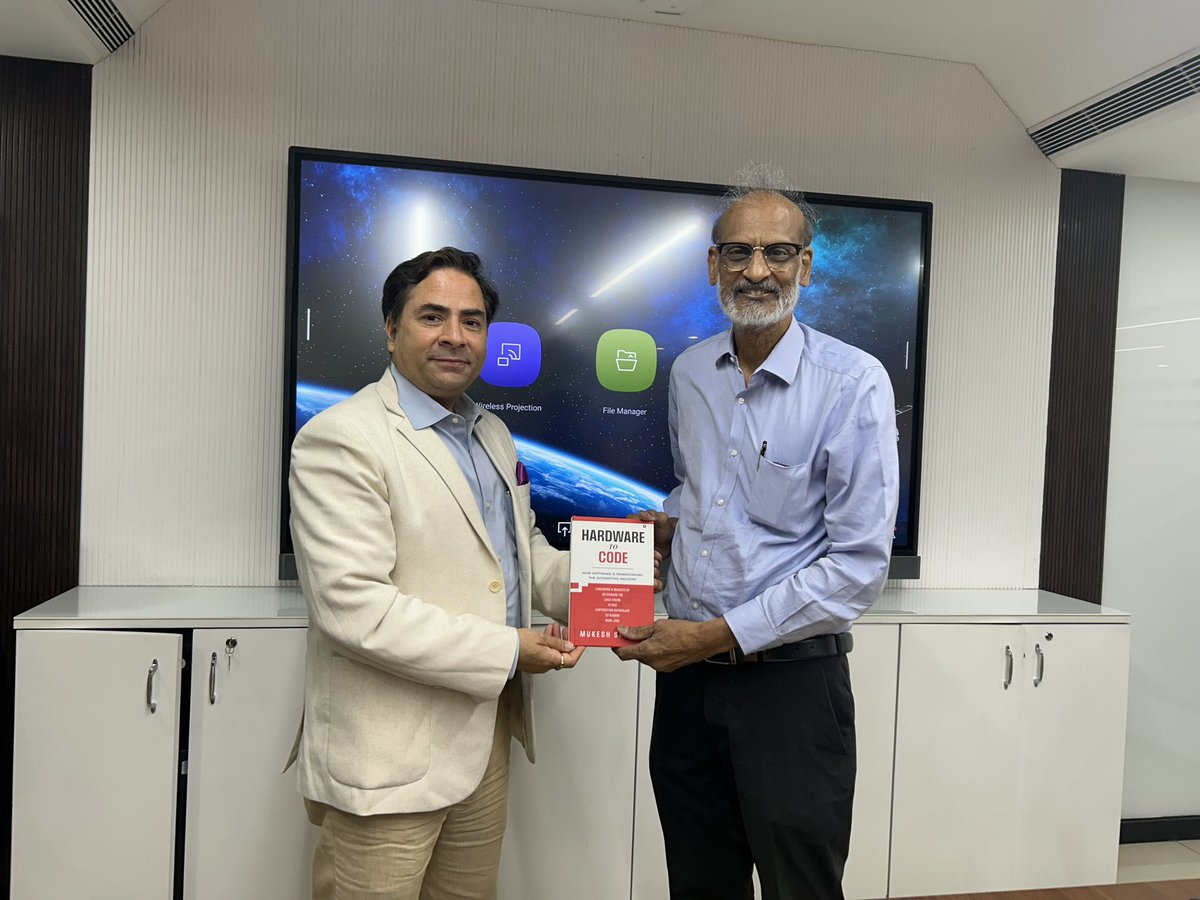
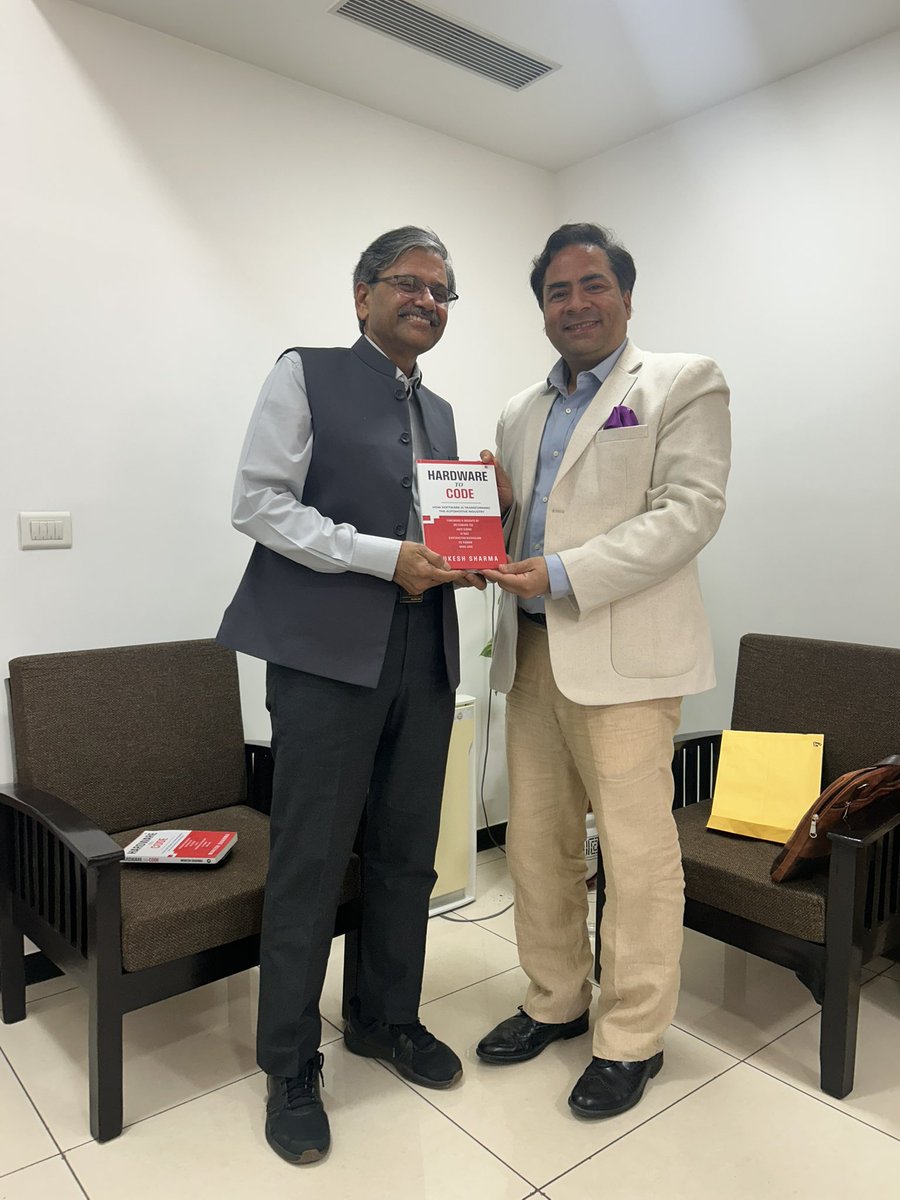
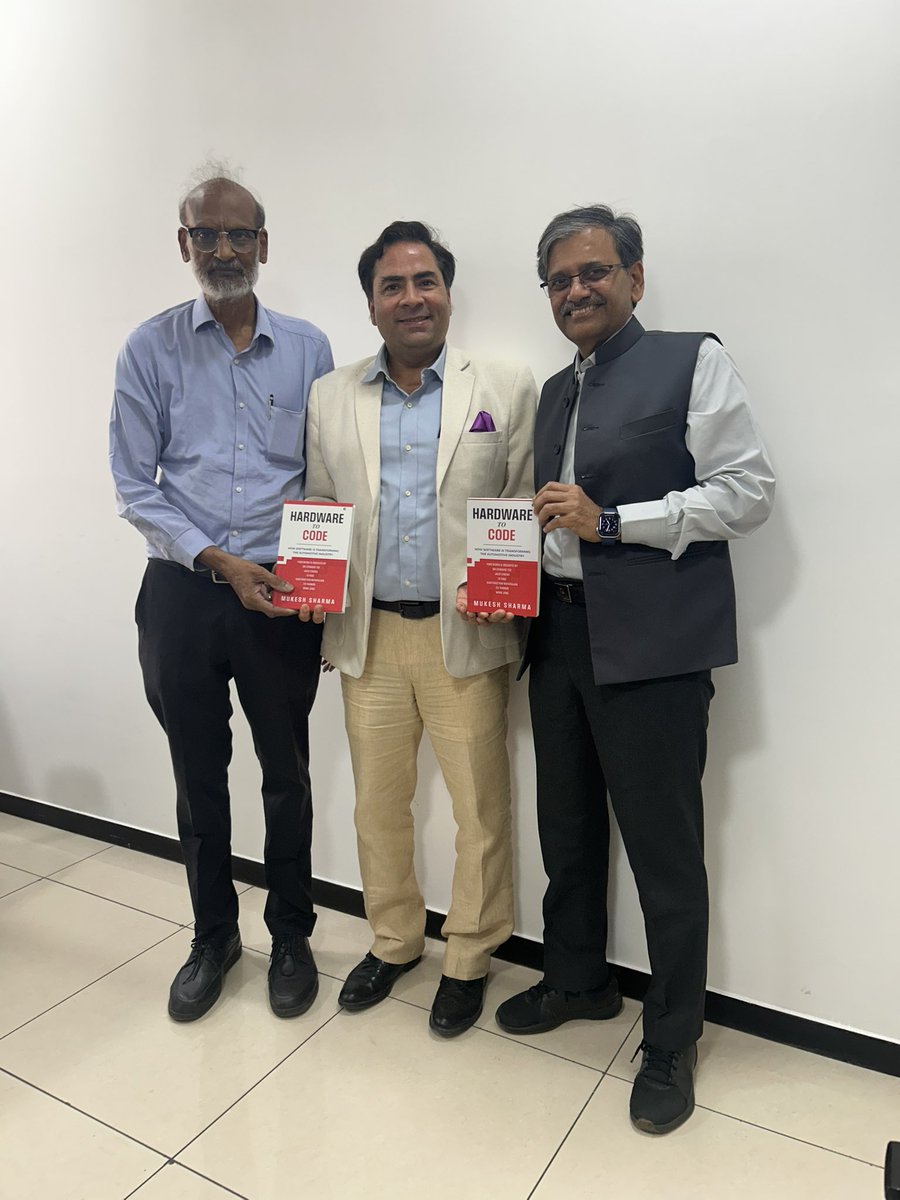
#HardwaretoCode — A Conversation with , IV Rao ( Former Executive Director Maruti Suzuki India Limited & Advisor TERI) & @CVRAMAN61 , CTO Maruti Suzuki India Limited —- two stalwarts whose vision continues to inspire India Auto industry. @NITIAyog
1
3
300
31 Dec 2024
Sun sets over Jagannath ji Puri Temple! Goodbye 2024! Eternally grateful for the Blessings! Seasons Greetings & Best wishes for 2025! Wishing you and your near & dear, abundant happiness, good health and endless possibilities! 🙏
11
413
C V RAMAN retweeted

27 Dec 2024
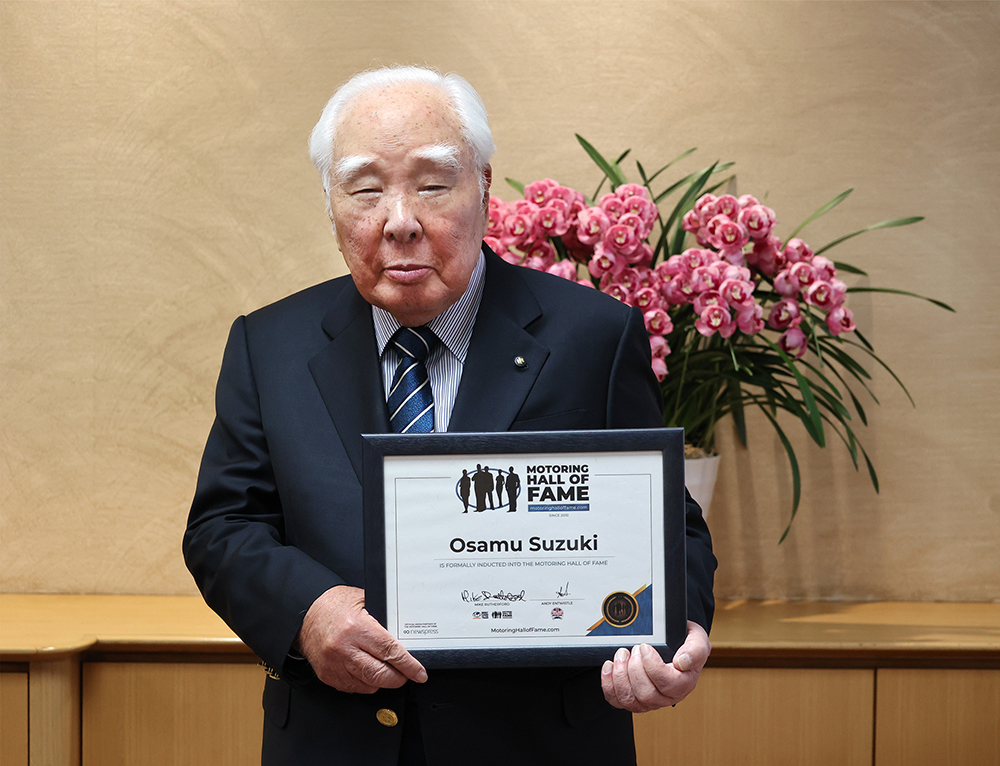
Osamu Suzuki, who transformed the small Japanese manufacturer into a global force, dies at 94.The former chairman led Suzuki Motor Corp for over 40 years, pioneering Japan's 'kei car' segment & masterminding the company's dominance in the Indian car market t.ly/wfVn7
6
17
1,785
C V RAMAN retweeted
20 Dec 2024
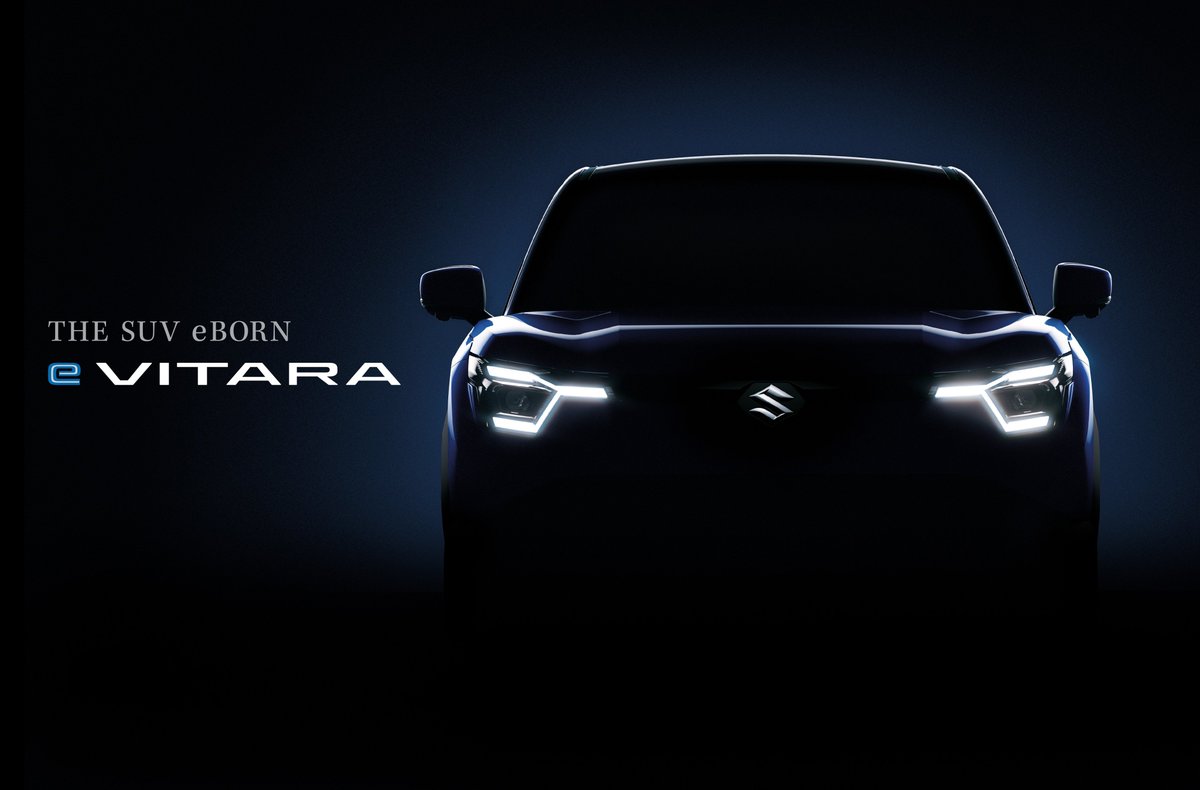
Maruti Suzuki to display production-ready e Vitara at Bharat Mobility Expo
- Built on HEARTECT-e platform for BEVs
- @Maruti_Corp to set up EV ecosystem including home charging solutions & network of fast chargers at its dealerships & service touchpoints rb.gy/m801s6
2
11
929
C V RAMAN retweeted

17 Dec 2024
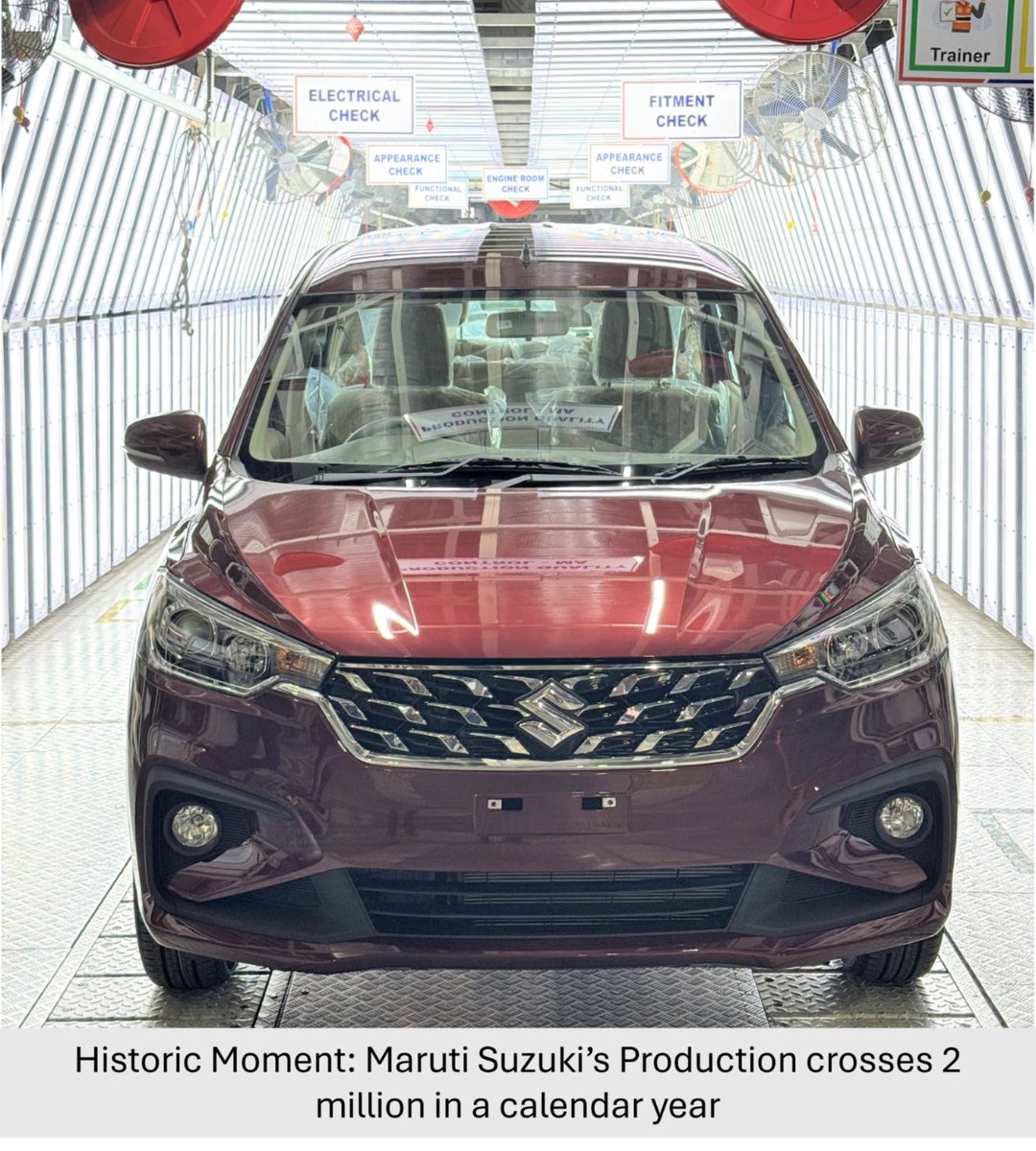
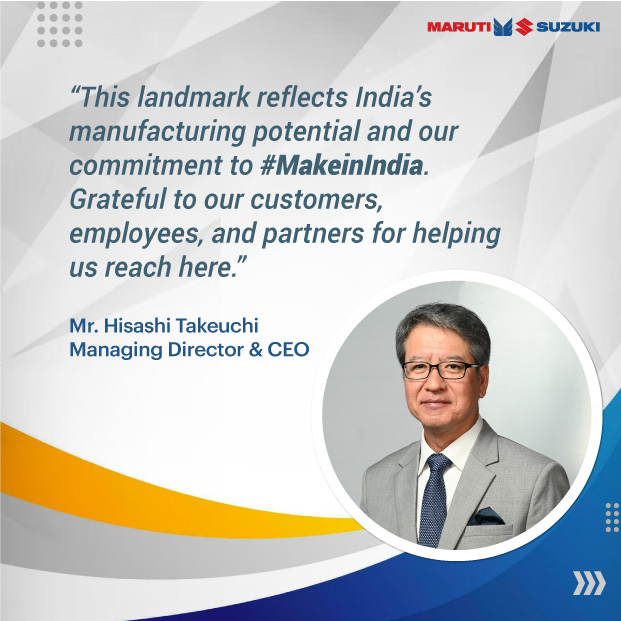
Historic Moment: #MarutiSuzuki becomes the 1st Indian car company to manufacture 2 mn passenger vehicles in a calendar year.
@PMOIndia
@MHI_GoI
@MORTHIndia
@DPIITGoI
@DoC_GoI
@mygovindia
@PiyushGoyalOffc
79
30
124
11,836
C V RAMAN retweeted

16 Dec 2024
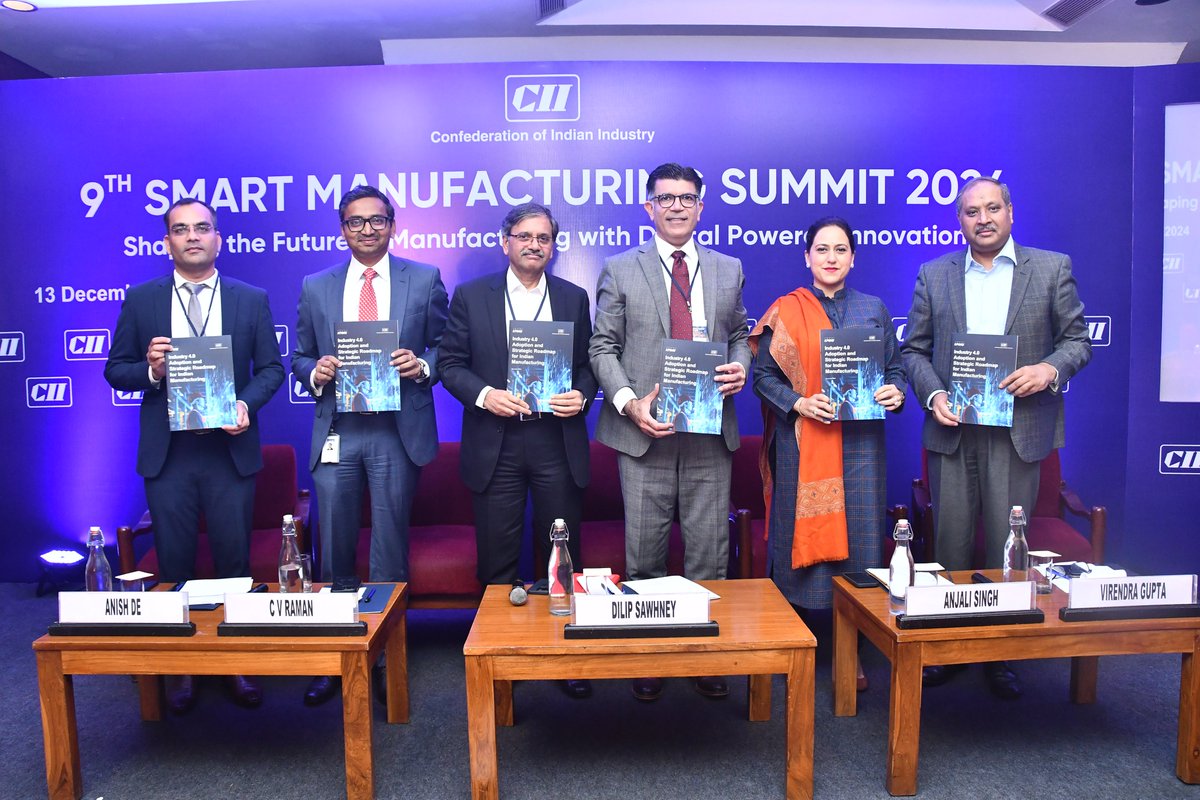
Unveiling of the @FollowCII - @KPMGIndia report titled '#Industry4.0 adoption and strategic roadmap for #Indianmanufacturing' at the 9th #SmartManufacturing Summit 2024 by @CVRAMAN61, Chairman, CII Smart Manufacturing Summit, and Member - Executive Committee, @Maruti_Corp; Dilip Sawhney, Chairman, CII National Committee on Smart Manufacturing, and Managing Director, @ROKAutomation India Ltd; Anjali Singh, Co-Chairperson, CII National Committee on Smart Manufacturing, and Executive Chairperson, @ANANDGroupIndia; Virendra Gupta, Deputy Director General, CII along with @anishde1969, and Sandeep Chittora, KPMG in India.
1
2
290
C V RAMAN retweeted

9 May 2024
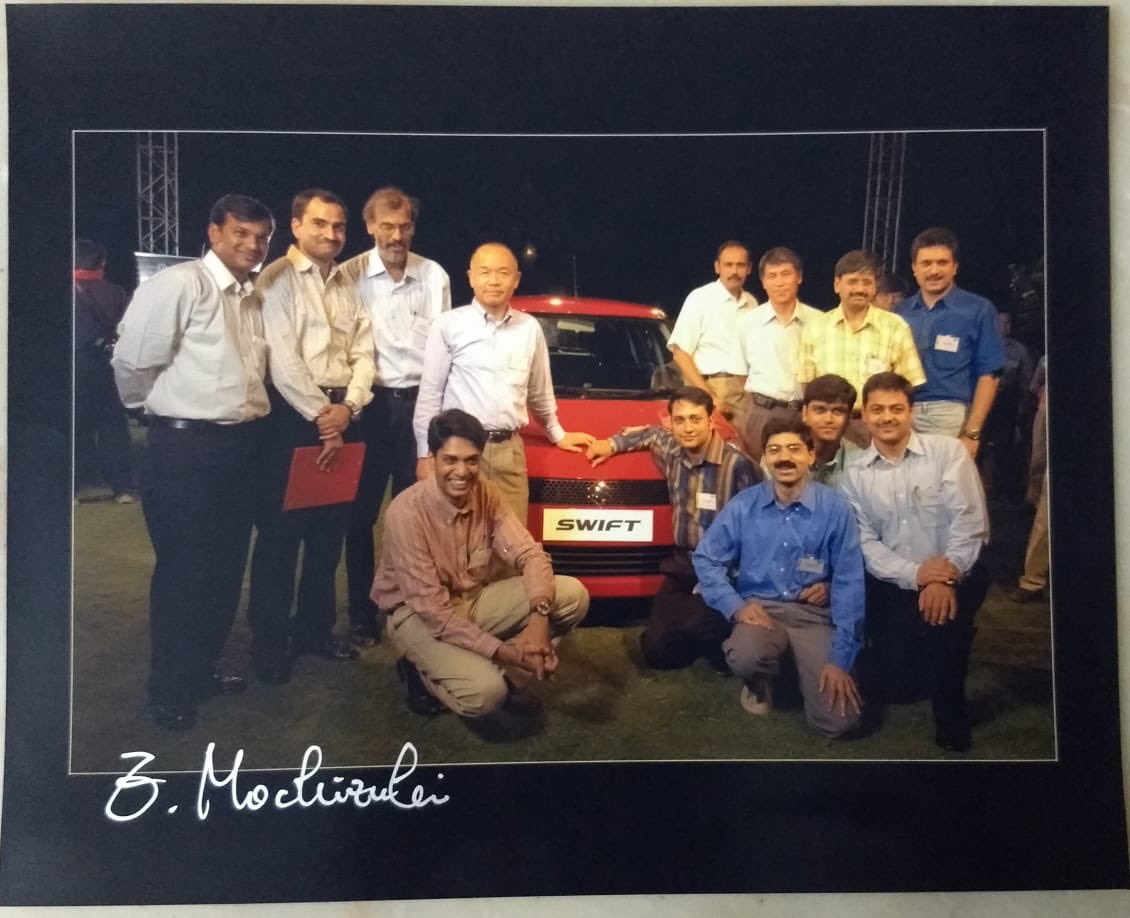
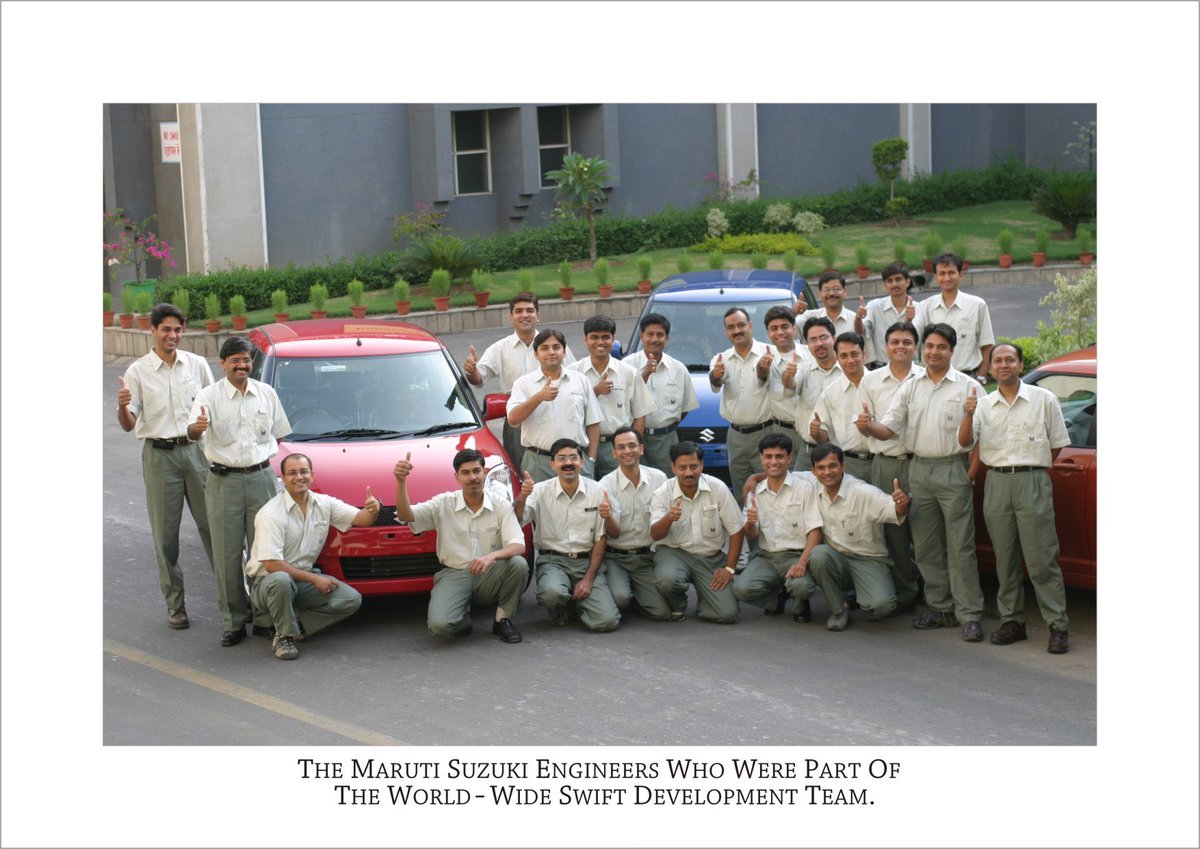
Throwback to the very first #Swift. We had quite the coup then with the whole engg team that had worked on the global model. It was a first for Suzuki to have team India involved to that level. Look how far we have come since!
SVP
#SuzukiSwift #ThrowbackThursday #Swifting
34
34
371
47,855
C V RAMAN retweeted

16 Apr 2024
Suzuki Motor crosses 30 million units production milestone in India, Alto, Swift & WagonR top the list financialexpress.com/auto/ca…
4
4
1,048