
41. Agnostic. CivNat SocDem. High-trust society appreciator. Some say I'm ignorant & apathetic, but I don't know what they mean & I couldn't care less.
Joined May 2016
- Tweets 21,903
- Following 1,132
- Followers 353
- Likes 142,197
897 Photos and videos



Cal retweeted

13h
It's just hard hard to give a shit about your concerns about Russia when our own government is locking up people for tweets, giving a free pass Islamists, blowing up our power stations, winding down our armed forces, and replacing us with low IQ third worlders. When it comes to degrading and humiliating Britain, Russia is a rank amateur compared with the British uniparty. You could be forgiven for thinking our ruling class hates us more than Russia does.

Anyone who still downplays Russia’s attacks is one of two things: wilfully ignorant or complicit. There is no third category. The Kremlin is not ambiguous about its intent. Nor should we be.
Those who bend the knee to Moscow are traitors. independent.co.uk/news/uk/ho…
19
156
782
10,577
Cal retweeted

Elon Musk said he was taking legal action against one of Germany's public broadcasters after it reported that he had called for "a hunt for migrants" in Belfast.
p.dw.com/p/5FTsJ
33
17
88
4,643

The concept of a 40 year old not being about to detect wit from from an under 16
Jun 15

Even more reason to block it !!!
A child being on their phone for 9 hours and she can’t think of anything else to do but stare at a wall.
No wonder obesity is on the rise in children.
40
2,738
56,941
937,604
Cal retweeted

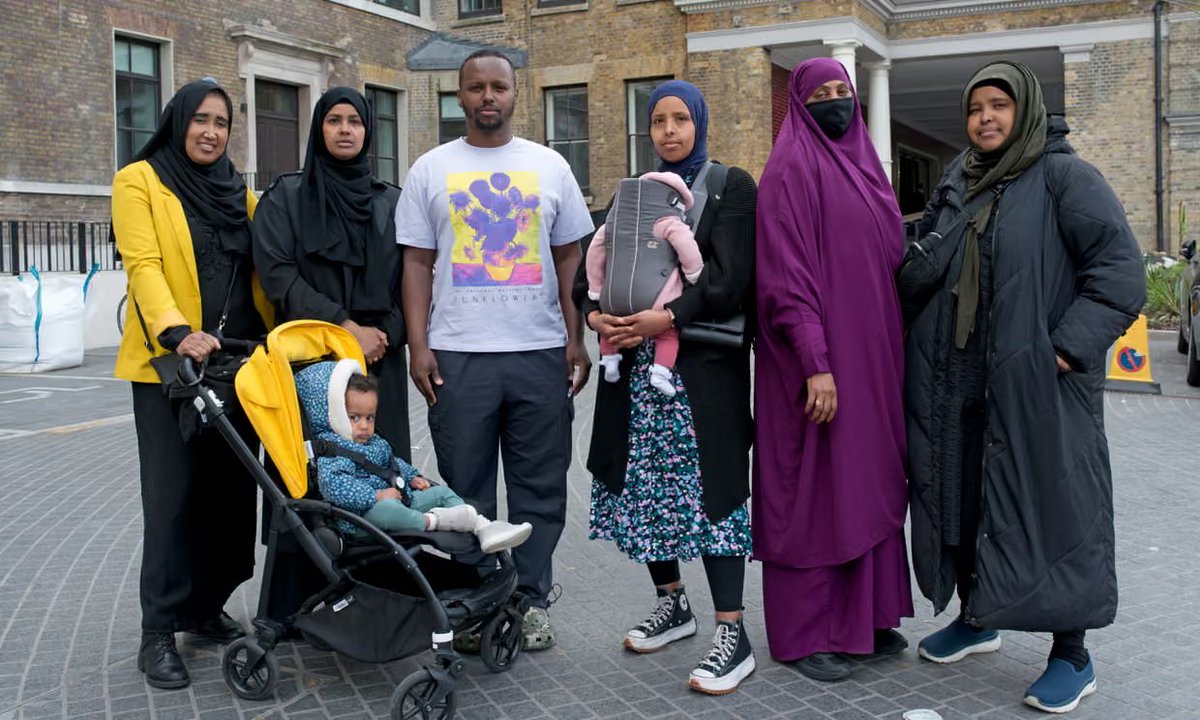
48% of London's social housing is occupied by foreigners.
We are subsidising third-world migrants to live in locations that most hard-working British citizens can no longer afford.
Ending this madness is the first step towards making our capital city recognisably English again.
4
56
1,214
Cal retweeted

Taxpayers spend £18bn a year subsidising housing in the capital
Find out how social housing tenants are benefiting from government schemes ⬇️
telegraph.co.uk/business/202…

33
124
325
195,262
Cal retweeted

“Had a bit too much to think, sir?”

3
23
191
4,811
Cal retweeted

"Exclusive"?
Jun 15

Exclusive from @oliver_wright
Dartmoor ponies could be subject to mass culling to reduce the impact on biodiversity after a controversial ruling by the government’s environmental quango
Natural England has demanded that all livestock grazing on the moor is reduced by about 75 per cent to protect other habitats, plants and species
The move looks set to result in the culling of up to nine in ten of the semi-wild ponies as farmers prioritise their own cattle and sheep to remain within Natural England’s limit to minimise the impact on their own livelihoods
Natural England argued that the move was necessary to protect the diversity of Dartmoor, which is a designated site of special scientific interest
However, the plan goes against a government commissioned review into the future of Dartmoor, published two years ago, which concluded that Natural England “should not take actions likely to result in a reduction in pony numbers”, adding they were “invaluable for conservation grazing”
The move has led to claims that the quango is acting as judge, jury and executioner of the ponies — a species which is itself seen as endangered
Dartmoor ponies could be put to death under biodiversity plans
thetimes.com/article/ba529f3…
1
4
39
2,679
Cal retweeted

First Kier came for the alpacas, and I did not speak out, because I was not an alpaca
Then Kier came for the Dartmoor ponies, and I did not speak out, because I was not a Dartmoor pony <--- You are here
Jun 15
Exclusive from @oliver_wright
Dartmoor ponies could be subject to mass culling to reduce the impact on biodiversity after a controversial ruling by the government’s environmental quango
Natural England has demanded that all livestock grazing on the moor is reduced by about 75 per cent to protect other habitats, plants and species
The move looks set to result in the culling of up to nine in ten of the semi-wild ponies as farmers prioritise their own cattle and sheep to remain within Natural England’s limit to minimise the impact on their own livelihoods
Natural England argued that the move was necessary to protect the diversity of Dartmoor, which is a designated site of special scientific interest
However, the plan goes against a government commissioned review into the future of Dartmoor, published two years ago, which concluded that Natural England “should not take actions likely to result in a reduction in pony numbers”, adding they were “invaluable for conservation grazing”
The move has led to claims that the quango is acting as judge, jury and executioner of the ponies — a species which is itself seen as endangered
Dartmoor ponies could be put to death under biodiversity plans
thetimes.com/article/ba529f3…
4
12
100
4,015
Cal retweeted

Jun 15
Tayland’da su kenarında kafa dinlemek isteyen gençler, yüksek sesle müzik açan mekanın müziğini kapatmak için taşınabilir jammer kullandı
170
841
15,626
2,841,313
Cal retweeted

"Nearly double initial expectations."
No, they knew exactly what was going to happen. The whole purpose of this is to provide an enormous influx of voters to ensure the right wing never gets back into government in Spain. It's that simple, that blatant.
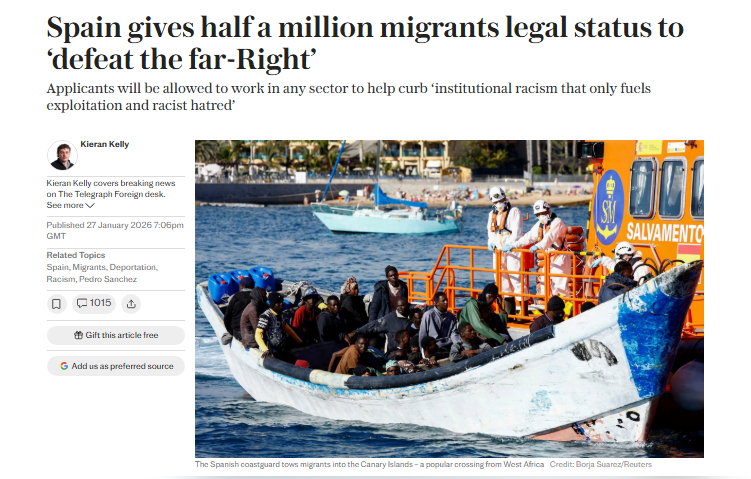

JUST IN: Spain reveals 900,000 undocumented migrants have applied for legal status under its mass naturalization program — nearly double initial expectations.
28
304
1,743
28,189
Cal retweeted

The morning after trauma, cortisol, the body’s main stress hormone, doesn’t clock out. You’re in a 10am meeting and it’s still running.
James Gross at Stanford ran the study in 1998 that changed how researchers think about emotional suppression. He wired up subjects, triggered emotional responses, and asked half to hide what they were feeling. Their faces went calm while their hearts and blood pressure kept climbing. Suppression doesn’t make the stress go away. It drives everything inward, where it runs hotter and stays longer than any calm face would suggest.
Arlie Hochschild named this in 1983 while studying flight attendants. She called it emotional labor: performing emotions you don’t actually have. Doing it regularly wears something down. Her research showed that keeping your real feelings off the floor at work takes a toll on your mind, even when no one around you can tell.
Sleep makes this harder. The brain primarily processes trauma during REM sleep, the stage where emotional experiences get worked through and stored. Going to work the next morning means you skipped that. Your amygdala, the brain’s alarm system, is still treating the original event as if it’s happening now. The rational part of your brain burns everything it has just to look okay. You forget things mid-sentence. You disappear from conversations and come back without knowing you left.
Humans didn’t always work this way. Across pre-industrial cultures, communal mourning lasted days to weeks, because communities understood that grief takes over the person going through it. Industrial capitalism compressed that to zero.
The grief is still there. The schedule just stopped making room.
The WHO counts $1 trillion a year lost to presenteeism, showing up to work while mentally absent, from depression and anxiety alone. Employers track that number. The actual cost is just you, in the elevator, putting your face on before the doors open.
The cortisol still cycling, the emotional flooding pressed down somewhere, the sleep that never happened. It waits. Sometimes you’re in traffic three weeks later and it hits without warning. Other times there’s no trigger you can name, just 8am and inexplicable. The day you went to work when you should have stayed home doesn’t disappear. It just gets filed somewhere you didn’t choose.
Jun 15

lo más loco de ser adulto es que podés pasar por la noche más traumática de tu vida y aun así tener que ir a trabajar al día siguiente.
4
4
41
5,046

Cal retweeted

Jun 14
Muslim migrants in England have been using convenience stores right on the main streets to lure and groom local underage girls for s—xual abuse.
They lure the children through promises of free vapes, drugs and money before abusing and r—ping them.
Bawan Harwe, an asylum seeker from Iraq, was sentenced to 32 years for a string of serial s—xual crimes against minors, including a victim that was 12.
His co-defendent and fellow store worker, Sharam Muhamadi, from Iran, fled after he was released from custody pending trial. He was found guilty of modern slavery and child trafficking.
48
881
3,039
49,256
Cal retweeted

A kid said something dumb and now they're trying to ruin his life forever. For future reference, here is how you should post if you want to get ahead in life and face no consequences whatsoever.

24
106
720
387,789
Cal retweeted

Jun 14
This is the mother of Francesco Favaretto, the 22-year-old Italian boy who was brutally and mercilessly murdered by a group of immigrants.
A private camera captured the entire attack:
You can see Toluwaloju Mclinkspual Ade stabbing Francesco in the chest while Angelo Riccardo Ozuna delivers savage kicks.
In the end, another immigrant pulls a sharp piece of glass from his pants and drives it deep into Francesco’s neck. Then they all flee.
The 16-year-old who inflicted the glass wound was sentenced to 8 years (confirmed on appeal). Ade and Ozuna are currently on trial for voluntary murder and aggravated robbery.
88
1,674
4,599
51,596
Cal retweeted

Jun 14
@WMPolice public sectors DEI service at its finest 😳🤬 good job Josh is a normal British man born and bred here, making a mockery of ya’s as we all know ya useless jobsworth who only likes targeting white people with the law 🤬 yes that is the spaghetti Junction in Birmingham 🫣😅 like mr motivated said at the end of the footage , before he run your officers off you been dismissed & not fit for purpose we know who ya work for 🤬🤬🤬 @Keir_Starmer @ShabanaMahmood your community is as useful as a the ENGLISH saying goes a chocolate teapot 😳🆘 we need protecting from government & every public sectors every foreign Council! THIS IS NOT EQUALITY!
12
18
50
18,781
Cal retweeted

Jun 12
Europe is about to wake up in a fucking nightmare
1,075
10,399
44,388
1,142,405
Cal retweeted

Jun 14
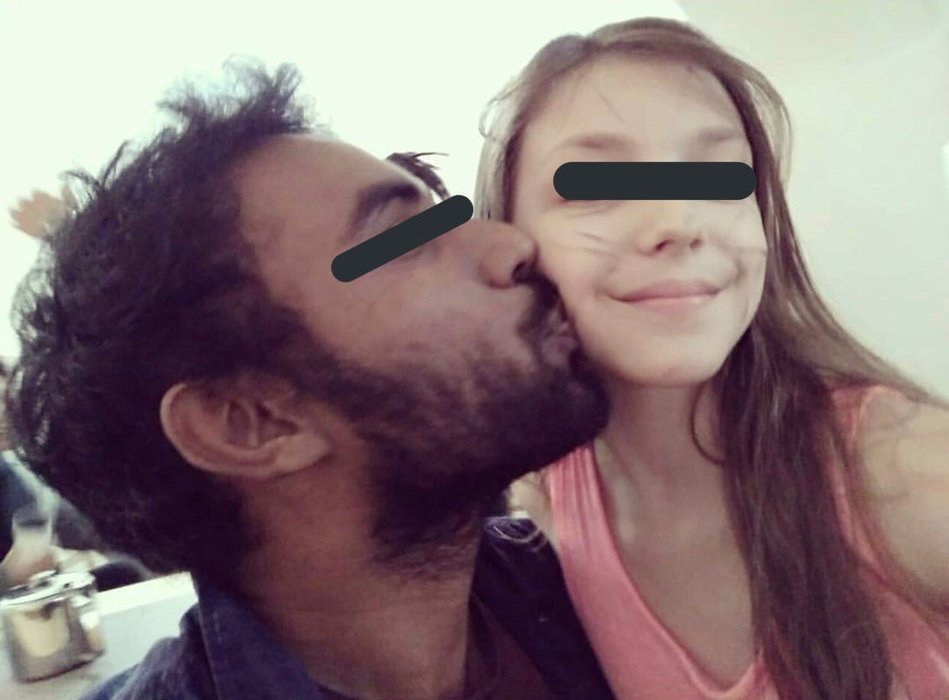
Did we ever get an explanation for why EuroWeek was making White children hang out with Arab and African men?

276
1,596
10,748
173,597
Cal retweeted

Jun 14
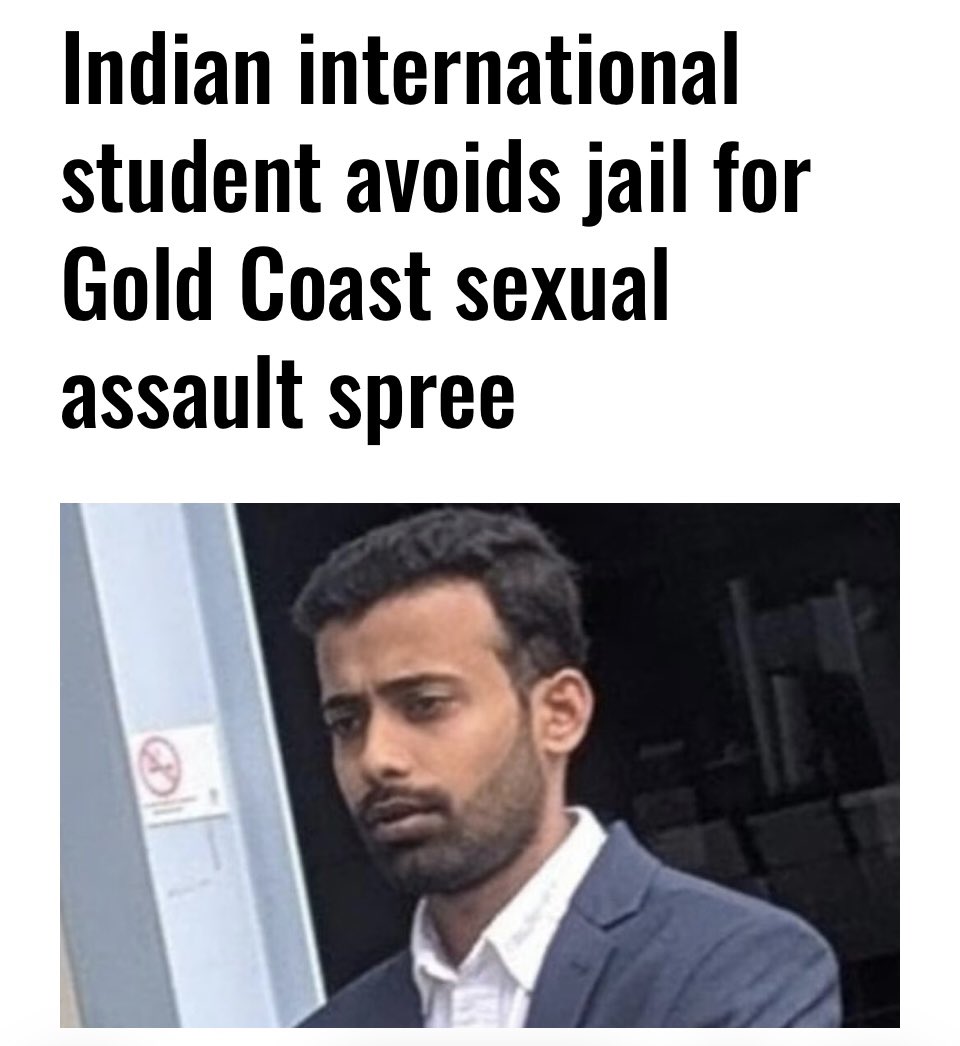
An Indian international student who sexually assaulted 4 Aussie women in 2.5 hours while delivering food for Uber Eats on the Gold Coast has been spared jail.
The LABOR Government protects foreign predators.
In Australia, White women can’t catch Ubers or even order Uber Eats without risk of foreign sexual assault.
Remigration is the only peaceful solution.
We will not live like this & be sacrificed in our own homeland.
Never have I ever felt so unsafe to be a White woman in my own country as now.
Jun 14

An Indian international student who sexually assaulted four women in 2.5 hours while delivering food for Uber Eats on the Gold Coast has been spared jail.

221
1,215
2,771
42,196
Cal retweeted
Jun 11
Have I got this right? If it weren't for @ElonMusk radicalising us we would be totally fine with psychotic Africans gouging people's eyes out.
161
1,218
8,951
68,646