Director of Technology & Digital Learning @ GDRSD | Love my @JameeCallahan & fam | Ed.D. at @unetweets | M.Ed. & BSBA at @FraminghamU | #UDL | #CETL Certified
Joined May 2012
- Tweets 6,858
- Following 829
- Followers 1,153
- Likes 18,290
841 Photos and videos















Pinned Tweet

6 Jun 2024
1:1 Programs Are No Longer Innovative; Were They Ever? luke-callahan.com/11-program… via @CallahanLuke
1
685


Luke Callahan, Ed.D. retweeted

May 24
2. Stop explaining yourself to people who are committed to misunderstanding you.
You could have a PowerPoint, data, witnesses.
They'll still twist your words.
Your energy is finite. Spend it on people who listen, not people who've already decided who you are.
3
62
1,432
361,152
Google breathes in, educators breathe out. This is yet another great addition to Google Workspace for Education. NotebookLM notebooks available to students within Classroom | workspaceupdates.googleblog.…
64
Also, we have to continue to push for the types of learning experiences that EdTech bolsters and that improves the learning experience and environment. Passive use of EdTech and devices has got to end.
30
It’s a simple as this. We appear to have lost the narrative on screen time. It’s ovah. If you are using EdTech tools well & w/ purpose, it’s time to share it out. More parental education is needed on what works. Communities need coherent action plans on how EdTech is being used.
38
Updates to the CoSN Digital Leap Success Matrix are out! | Happy to have provided thoughts and ideas to this update, working alongside a host of other awesome CoSN volunteers! | luke-callahan.com/strengthen… #edtech
31
All the EdTech & screen-time hate...How do you know if a one-to-one program (#Chromebooks, #iPads) is successful? Further, what data are you capturing to support the claim of being successful? | I'd love to read some ideas! | #edtechchat #edtech #k12 #1to1 #edchat #education
1
51
Luke Callahan, Ed.D. retweeted

Mar 28
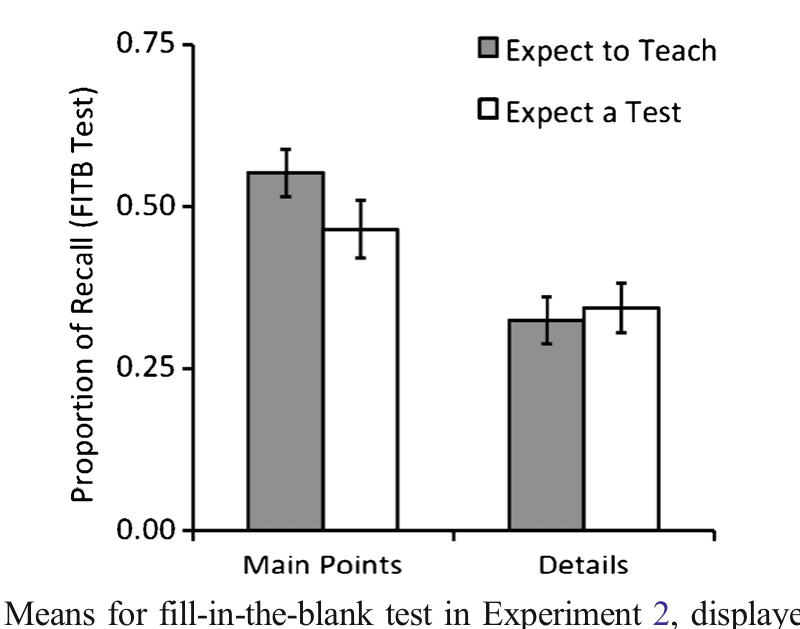
Great “trick” to get kids to learn
Two groups read the same passage.
* Group A was told they'd be tested.
* Group B was told they'd have to teach it to another student.
Nobody actually taught anything.
They were just told they’d have to teach.
Group B crushed it.
Better recall.
Better organization.
Advantage concentrated on main points.
So just believing they'd have to teach changed how they studied.
The researchers' line that stuck with me: students have effective study strategies they simply don't use unless prodded to.
So our kids already know how to learn well.
They just don't do it when they're told to study for a test. The test framing makes them passive.
While teaching makes them active.
At @ForgePrep, the highest level of mastery students can demonstrate is teaching another students to competence. It’s part of why we have Montessori mixed age classes as this creates more opportunities for this type of teaching
43
153
753
87,725
Probably more difficult to pull off in higher-ed but oral defense and class presentations are excellent tools to “show what students know” to combat AI in K12 | apnews.com/article/college-o… #edtech
36
Luke Callahan, Ed.D. retweeted

Mar 24
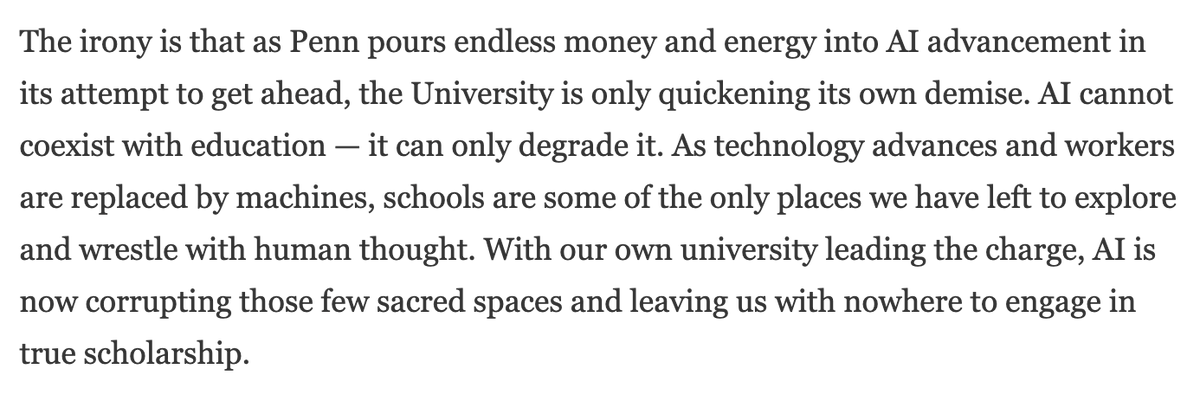
Powerful words from University of Pennsylvania students against their university's headlong rush to embrace of AI:
36
1,509
7,371
224,473
Luke Callahan, Ed.D. retweeted

Mar 24
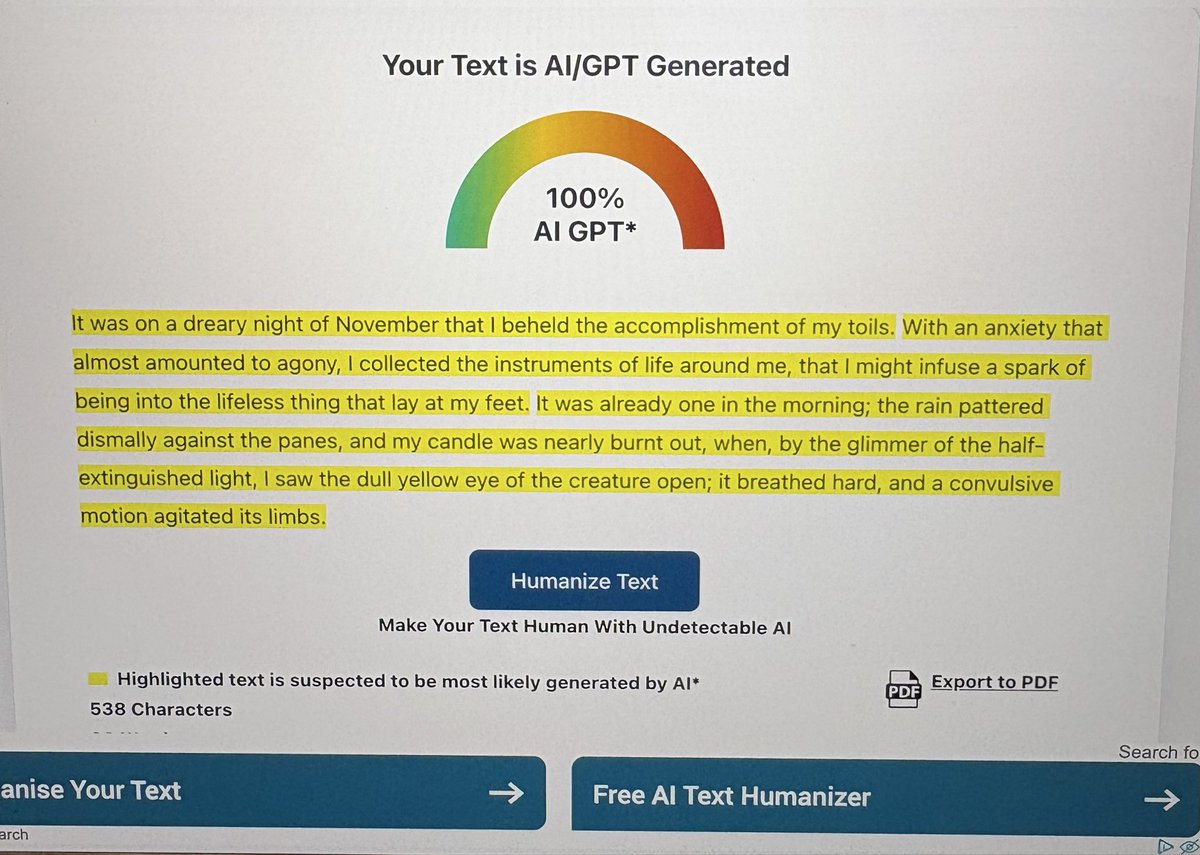
To confirm, this “100% AI generated” passage is the opening of chapter 5 from Mary Shelley’s Frankenstein
685
6,548
95,584
8,643,971
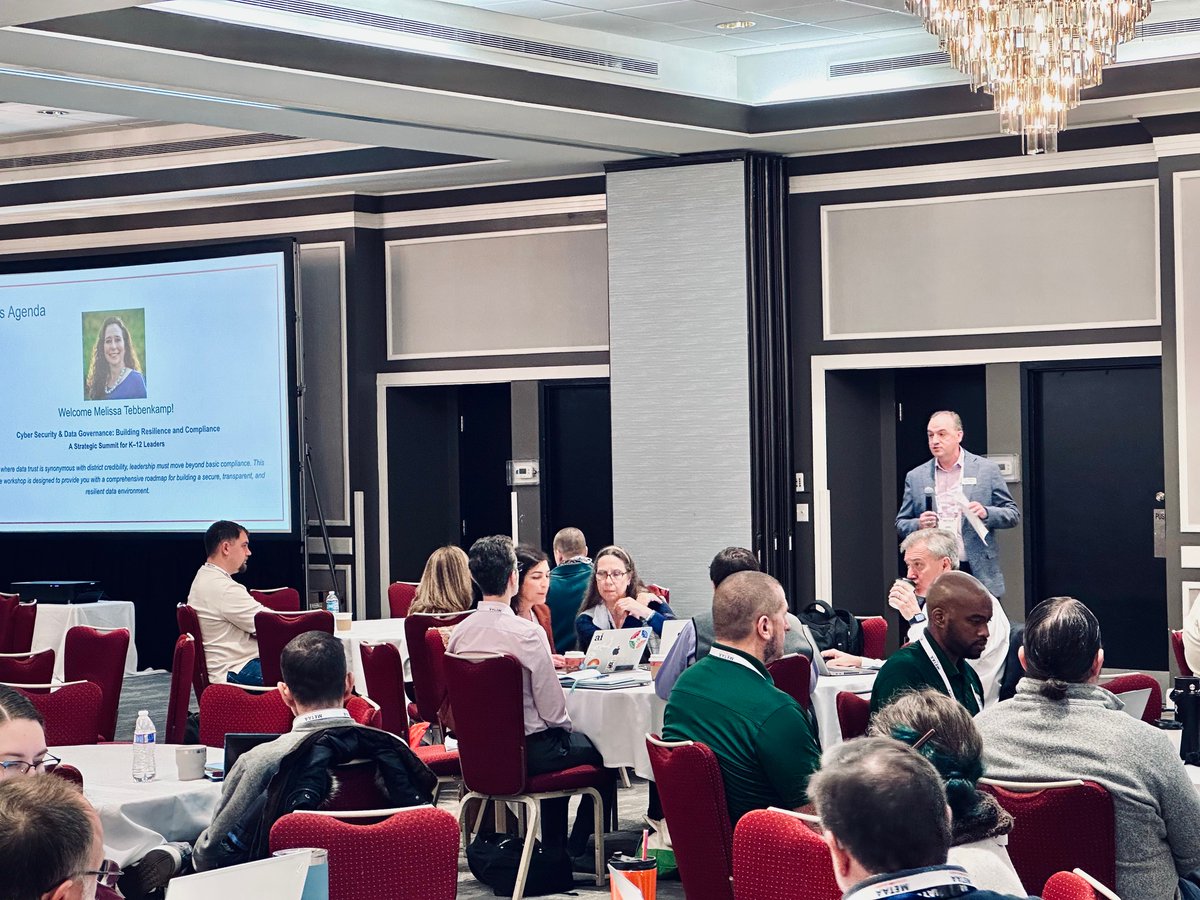
Cybersecurity is bolstered by data minimization & limiting access. Addt'l great points from @MTebbenkamp | Data can't be compromised if it doesn't exist, so don't collect data without a defined need! Ensure student data is deleted when no longer needed! #METAA
83
Good points to consider from @MTebbenkamp |
Technology isn’t innovation…or adding new tools. It is a mindset shift for continuous improvement with evidence-informed changes… #METAA
66
Poor data governance can erode trust among staff, the community, parents, and even the entire educational system. Governance is about trust, not paperwork! #METAA @MTebbenkamp
69
Luke Callahan, Ed.D. retweeted

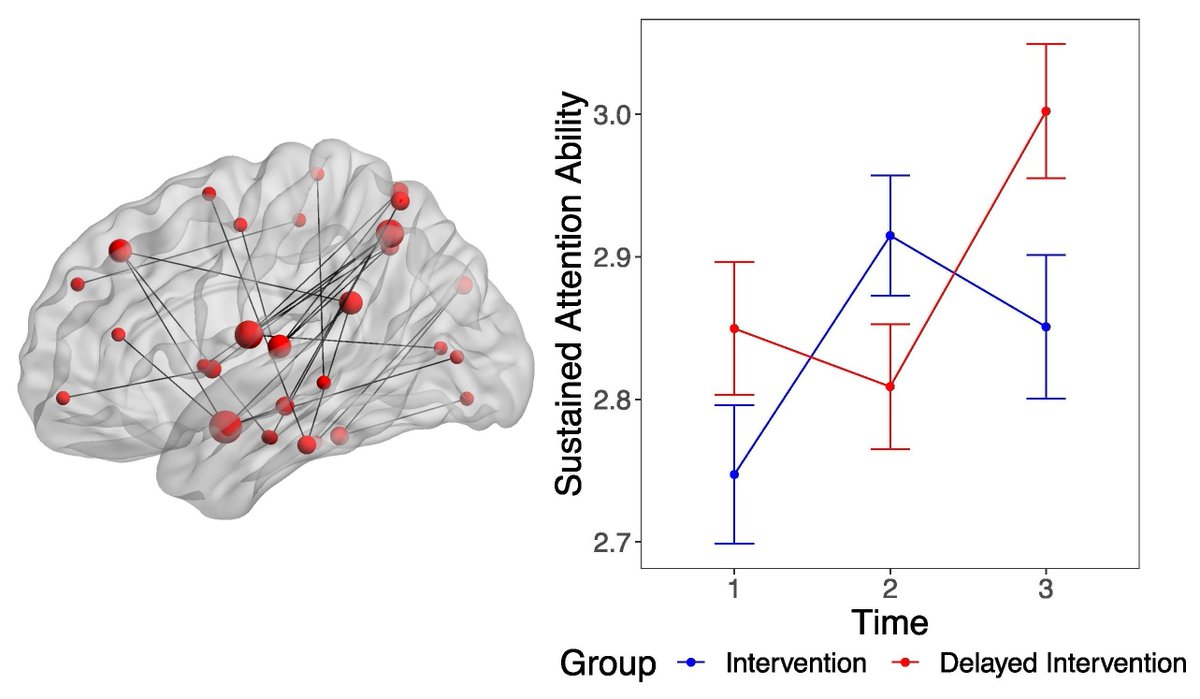
2 weeks without smartphone internet significantly improved sustained attention.
The effects were similar to being a decade younger.
Mar 8

Ave person checks their phone 186x a day. That's an interruption every 5 min.
This shrinks the brain, causing lost capacity for deep reasoning and sustained thought.
Deep focus strengths neural networks for complex thought.
182
3,354
25,550
6,234,483
Luke Callahan, Ed.D. retweeted

Mar 8
Ave person checks their phone 186x a day. That's an interruption every 5 min.
This shrinks the brain, causing lost capacity for deep reasoning and sustained thought.
Deep focus strengths neural networks for complex thought.
240
747
8,759
1,602,144
If students are bypassing Google's Originality reports and the Revision History extension, it makes sense to step back & focus on in-class writing (pencil/paper) or having Ss write in a structured digital environment (lab) where teachers can observe writing in real time.
1
33
Luke Callahan, Ed.D. retweeted

GDRSD Enhances Student Data Privacy Practices gdrsd.org/o/gdrsd/article/27…
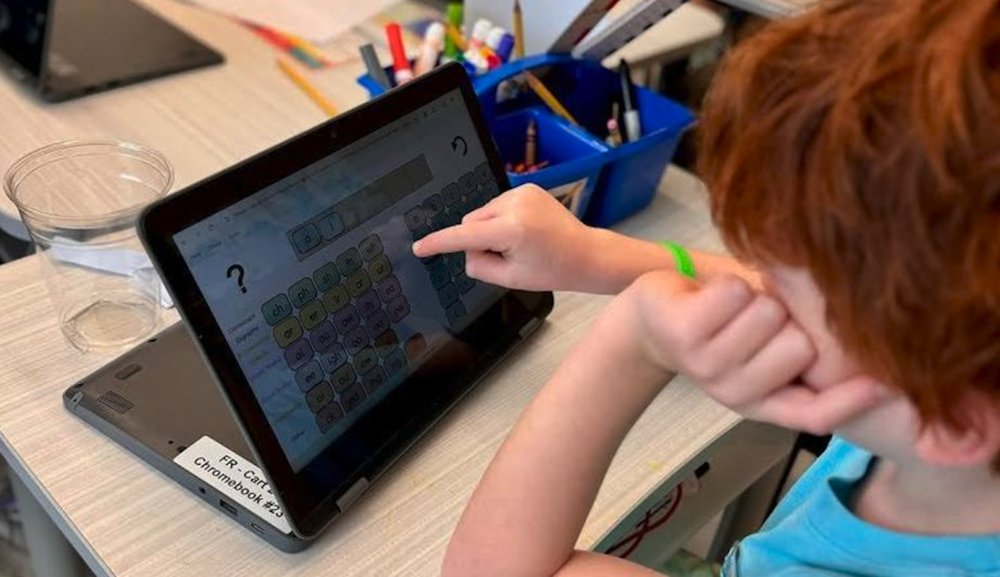
ALT student exploring a chromebook
1
1
55
Random Thoughts | Protect instructional time! EdTech/Screens ONLY where it matters! The sheer volume & frequency of videos/sites/games is the real concern...There is a never-ending wash of entertainment & dopamine hits affecting our students, making deep thinking impossible.
1
24