
Joined May 2021
- Tweets 3,504
- Following 246
- Followers 84
- Likes 2,283
82 Photos and videos





Jun 14
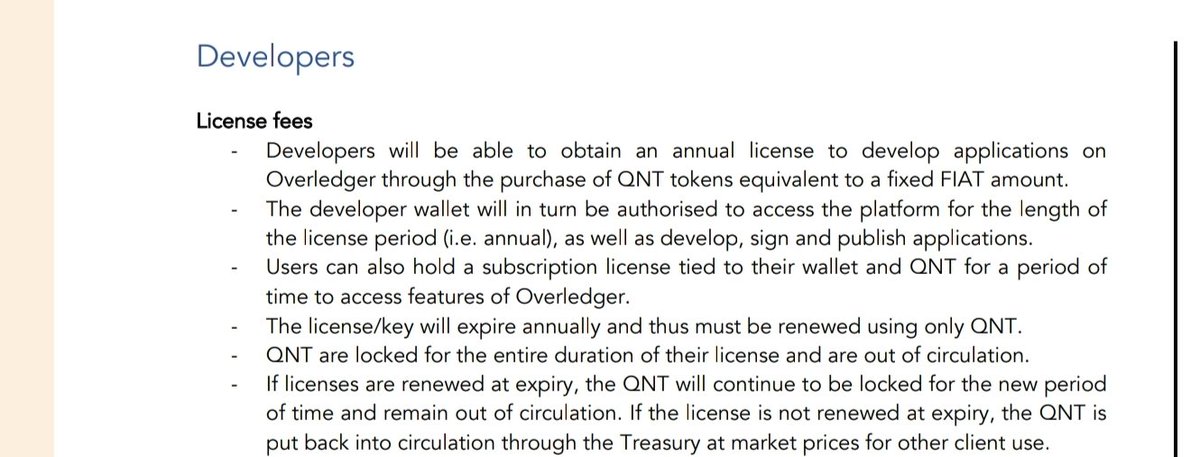
Blockchain interoperability is the biggest missing piece. Most chains can’t talk, can’t move assets, or share data. Quant’s Overledger solves it:
The operating system for connected blockchains. Watch Ceo of Quant Gilbert Verdian 7yrs ago explaining it.
youtube.com/watch?v=7DRj98he…
1
4
15
2,553
Jun 11
RT @FusionLayer25: Crypto brought 1% of finance on-chain. Fusion brings the other 99%.
Not a tagline. A real gap between what #publicblock…
100
Jun 3
RT @quantnetwork: ✅ Day 1 at @money2020 complete! We witnessed incredible conversations, great energy, and a happy hour that brought the in…
98
Jun 2
RT @FusionLayer25: The Fusion Rollup is live on mainnet. The world's first multi-ledger rollup - connected to multiple blockchain networks…
85
Ftp177 retweeted

Jun 2
Today we go live on mainnet with the Fusion Rollup, the world's first multi-ledger rollup, connecting 74 blockchain networks in one unified environment, built for institutions.
When I started @quantnetwork in 2015, the vision was simple: make blockchain work for institutions at scale across any network, without the complexity and fragmentation that's held the industry back.
For years, institutions had two bad options: bet everything on a single chain, or stitch together insecure bridges across many. Fusion refuses that trade-off. It connects to many networks at once, moving assets, settling transactions, and messaging across chains as built-in capabilities, not workarounds.
The breakthrough is unified assets. A example of a stablecoin like USDC or tokenised fund like BUIDL or any other digital assetspread across 7 chains collapses into one: uUSDC or uBUIDL. One asset, one liquidity pool, instead of 7 copies and 7 fragmented pools. Each stays anchored to its origin chain and is withdrawable anytime. No custody or compliance trade-offs.
This isn't another layer 2 or a blockchain. It's a new category of infrastructure and it's live.
Read more on: quant.network/news/a-new-cat…
→ connect.overledger.dev
→ docs.overledger.dev
#QuantFusion #EnterpriseBlockchain #MultiLedgerRolleUp #FusionRollup
161
499
1,604
212,388
May 29
RT @FusionLayer25: What is a rollup?
A rollup bundles many transactions off-chain and posts them in compressed form traditionally to one c…
51
May 22
RT @FusionLayer25: A Flow Application is a complete business workflow, bridging assets, executing payments, deploying contracts, managing p…
66
May 22
RT @quantnetwork: The UK is rebuilding the infrastructure of money in real time.
At City Week, the Bank of England outlined what's happeni…
158
Ftp177 retweeted

May 19
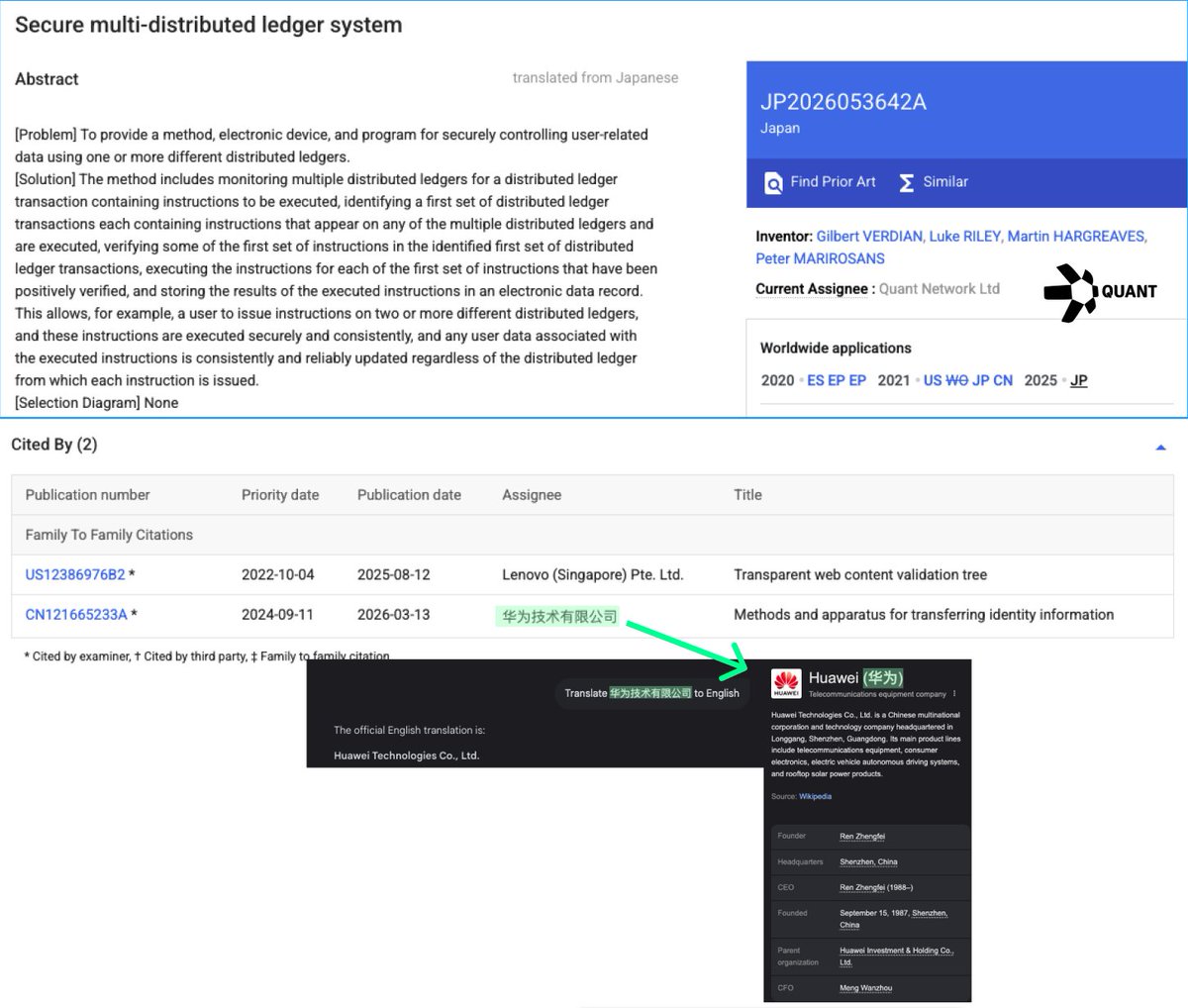
🗓️Earlier this year Japan approved $QNT 2nd patent
We saw #1 back in 2023 with "Blockchain Comms & Ordering"
Then came "Secure Multi Distributed Systems" in Feb
And it looks like patent #2 is already catching eyes!
We see 2 tech giants citing Quant's newest patent
Lenovo & Huawei✅
Both technological giants in their own respective ways.
Lenovo ranks as the #1 PC manufacturer in the world, with a reported 25-27% market share globally.
Huawei on the other hand, holds the spot for #1 globally in telecommunications infrastructure.
Both these solutions will require agnostic standardized interoperability into DLT.
And they're recognizing it early on.
These industry giants aren't dumb, they've clearly been studying over the years.
In fact we've seen these names in former SATP meetings held under the IETF.
And let's not forget... Asia's really beginning to pick up on adoption of Overledger related solutions.
From Japan's Dentsu Soken ties, to the Bank of Korea using SATP in their CBDC, all the way to China's CAICT having cited Quant's initial patent.
The Gateway to Asia's powered by Overledger🔥
5
74
295
7,061
Ftp177 retweeted

May 18
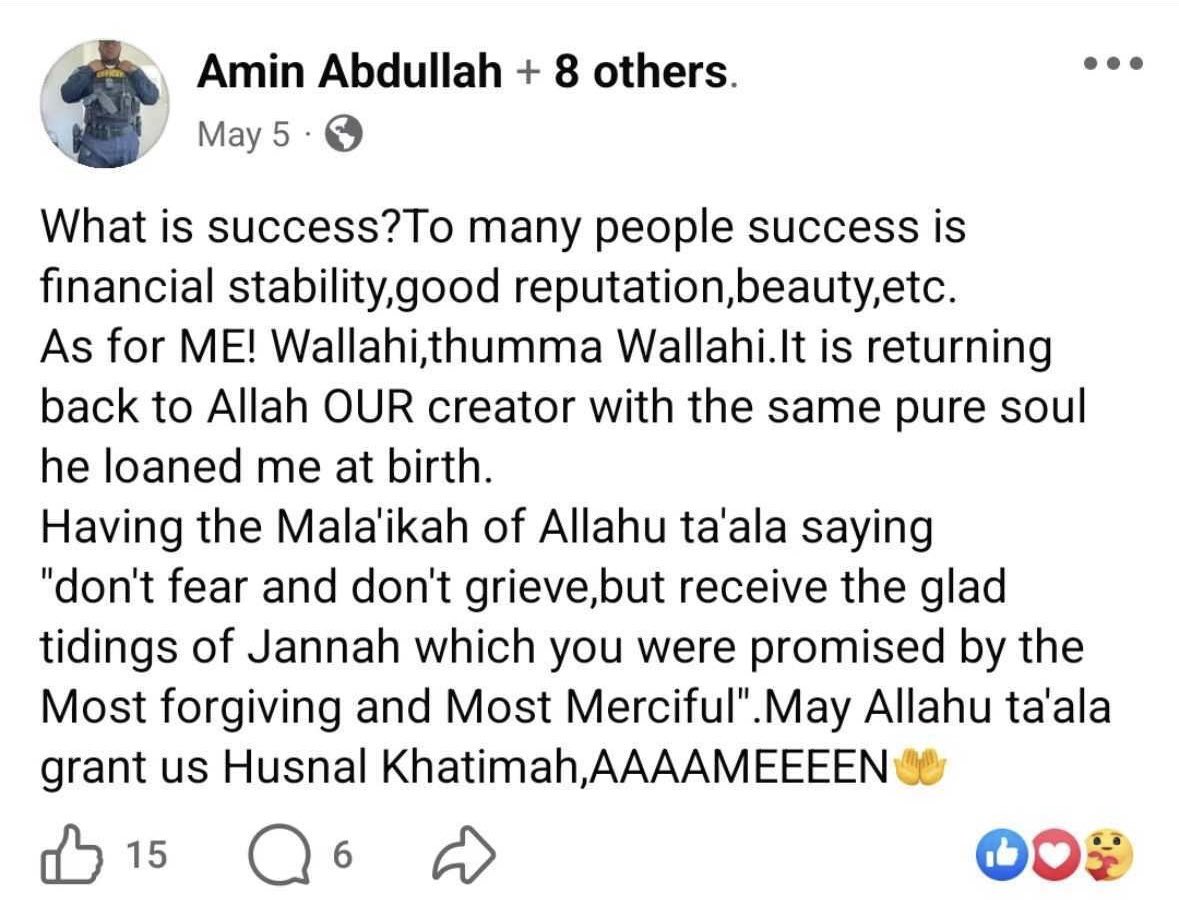
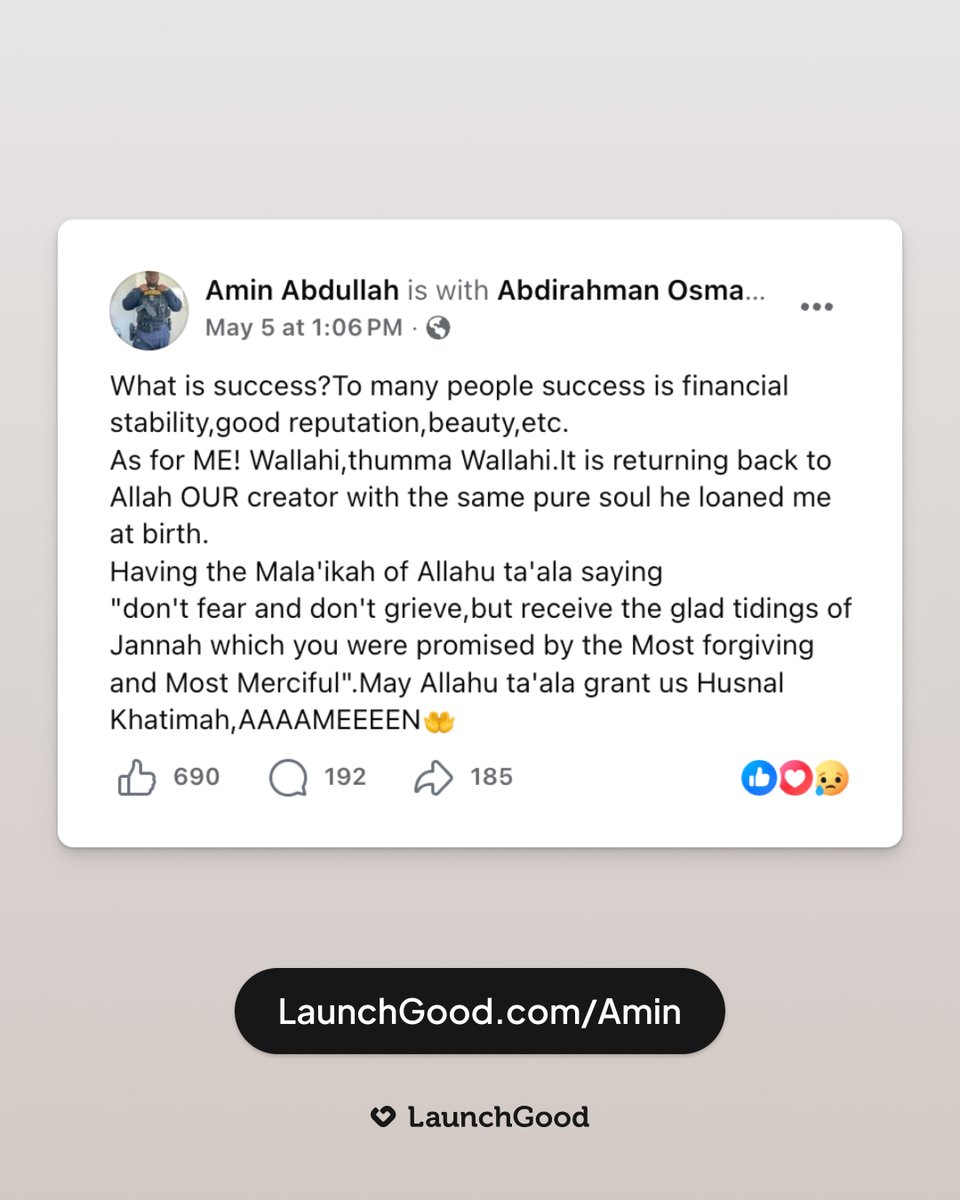
Brother Amin Abdullah was the guard at the mosque in San Diego for years. He was instrumental in stopping the shooters from reaching the children today. This was his final post on FB. On these holiest days, may Allah have mercy on him and accept him as a martyr. Ameen
501
6,438
25,943
485,647
Ftp177 retweeted

You mean the terrorist who shot up the mosque? Or is he not considered a terrorist because he’s christian?
May 19

San Diego mosque shooter, Cain Clark identified as former high school wrestler trib.al/ORrrdds

3,390
30,636
196,689
5,854,032
Ftp177 retweeted

May 19
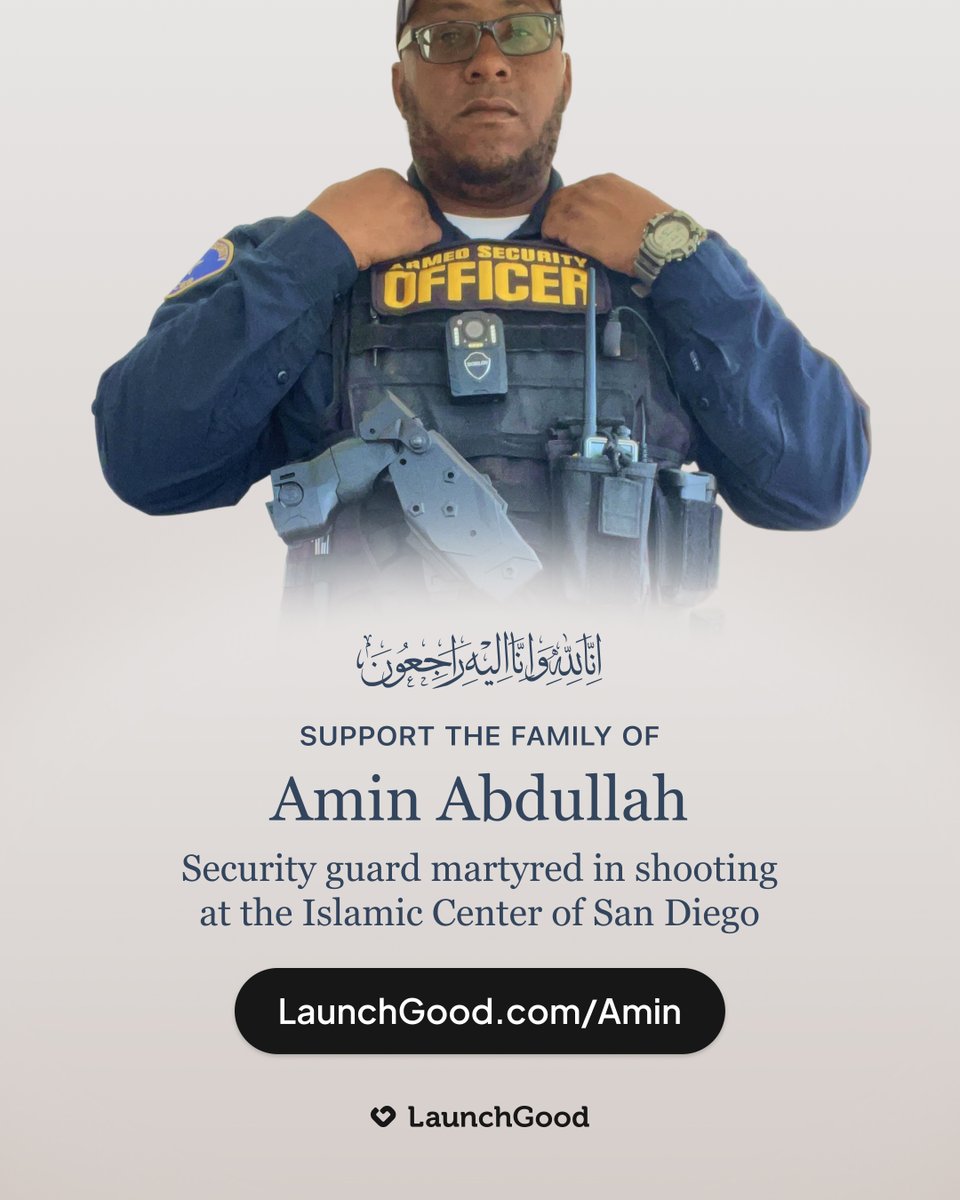
Amin Abdullah.
He stood his ground so others could make it home safely.
When gunmen opened fire outside the Islamic Center of San Diego, Amin protected the community until his final moments. Police say his actions prevented the attack from becoming far worse.
Support Amin’s family with funeral costs, immediate household needs, education for his children, and long term financial stability.
May Allah accept him amongst the martyrs and grant patience to his loved ones. 🤲
LaunchGood.com/Amin
#aminabdullah
60
1,942
6,085
283,258
May 16
This is @quantnetwork
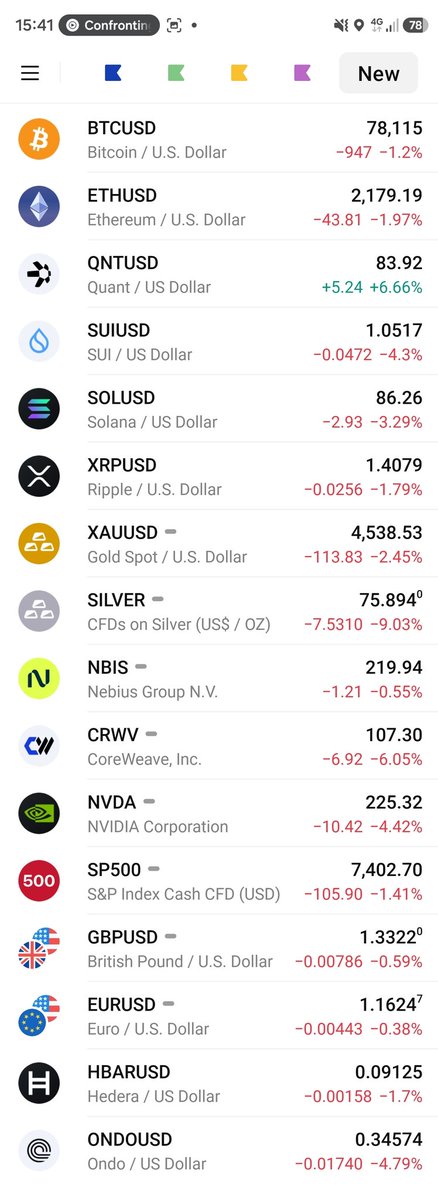
Moving on their own accord. How many coins have seen move like this?
Soon people will realise where the future is.
1
1
29
May 12
RT @quantnetwork: Settlement risk has always been managed, never eliminated. Margin, pre-funding, reconciliation teams, all of it exists be…
93
May 11
RT @FusionLayer25: Earlier this year, Quant secured patent acceptance in Japan for its multi-DLT token innovation, marking a significant mi…
94
May 10
Quant is one of those projects that a lot of people look at too quickly and completely miss. It is not trying to be another noisy chain fighting for attention. It is building the connective tissue for a financial world that is clearly becoming multi-ledger: public blockchains, private DLTs, tokenised deposits, stablecoins, wholesale CBDCs, and legacy banking systems all moving at once. Overledger is Quant’s answer to that mess — a universal API and orchestration layer designed to let these worlds work together instead of staying trapped in silos. Quant describes Overledger as a secure interoperability layer for traditional finance and blockchain networks, and that framing matters because the opportunity is not just crypto-native speculation, it is infrastructure for how regulated digital money may actually scale.
What makes this more compelling is that Quant has spent years operating where standards, enterprise requirements, and regulation meet. Gilbert Verdian says he established the Blockchain ISO Standard TC307 initiative in 2015 and serves as convenor of the interoperability working group WG7 for ISO, which helps explain why Quant so often sounds more like infrastructure strategy than token marketing . Add recent momentum around tokenised deposits and wholesale CBDCs, plus the company’s 2026 messaging around programmable money and tokenised finance, and the bigger picture starts to come into focus: Quant is positioning itself as a coordination layer for the tokenised future, not just another app in it.
That is why so many long-term holders are excited. If digital assets are going to matter at institutional scale, somebody has to make the rails talk securely. Quant’s bet is that Overledger becomes part of that answer. #QNT #Overledger #Tokenization #CBDC
20
Ftp177 retweeted

May 10
Since I won 120,00 I’ll give one person 10k who likes this tweet and follows me.
Let’s go
16,629
8,596
216,353
11,466,536
Ftp177 retweeted
30 Mar 2022
People don't get how important quant will be you know.
1
3
Ftp177 retweeted

May 8
$QNT
216 spots left in the Quant Syndicate X chat
Join with this link⬇️
x.com/i/chat/group_join/g204…
A lot of discussion around QNT is happening here on X right now, don’t miss it
Exclusive content will come through this channel soon…
May 8

216 Spots left
6
8
36
4,845
