Fractional CEO for online businesses, running motorcycle tours for fun. Fan of Aperol, herbal inhalers and BMWs.
Joined July 2010
- Tweets 9,900
- Following 1,275
- Followers 4,164
- Likes 22,011
1,421 Photos and videos
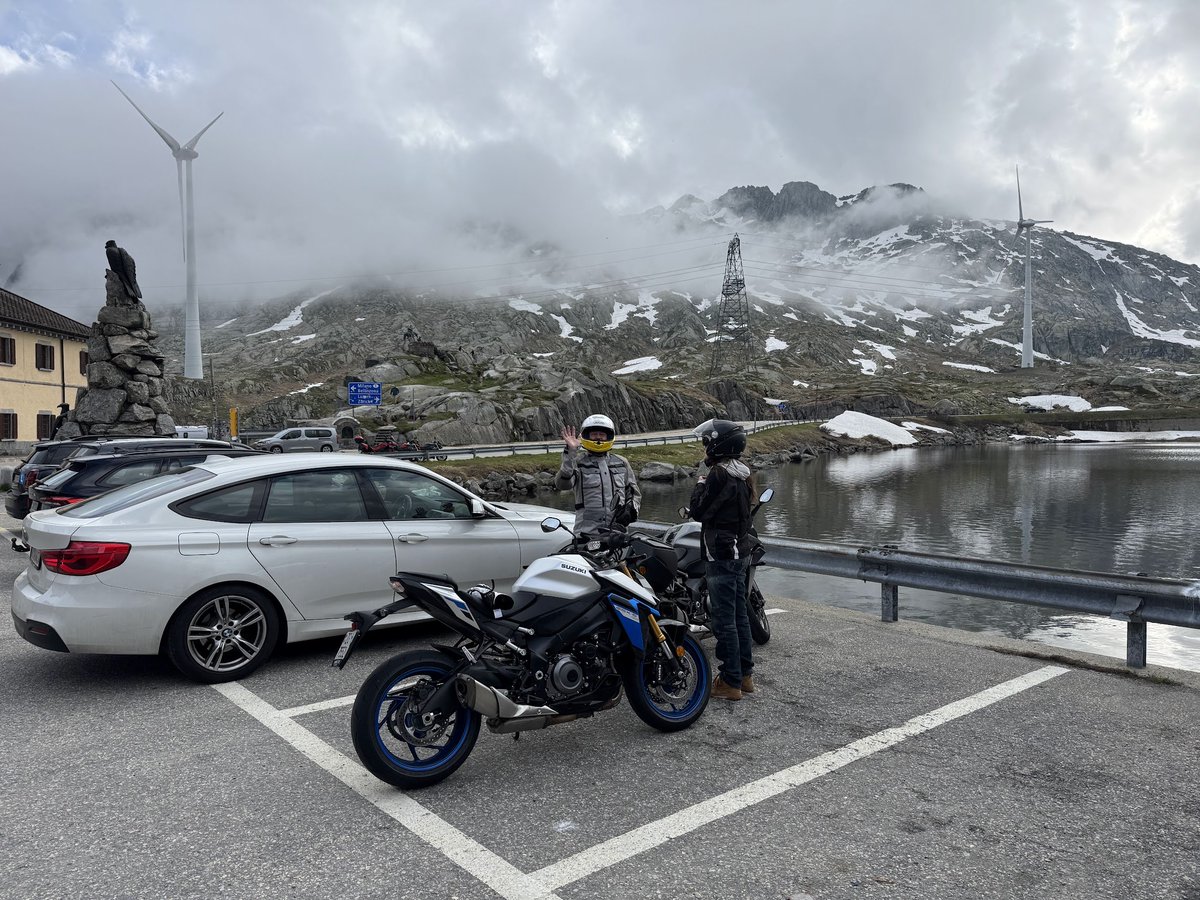
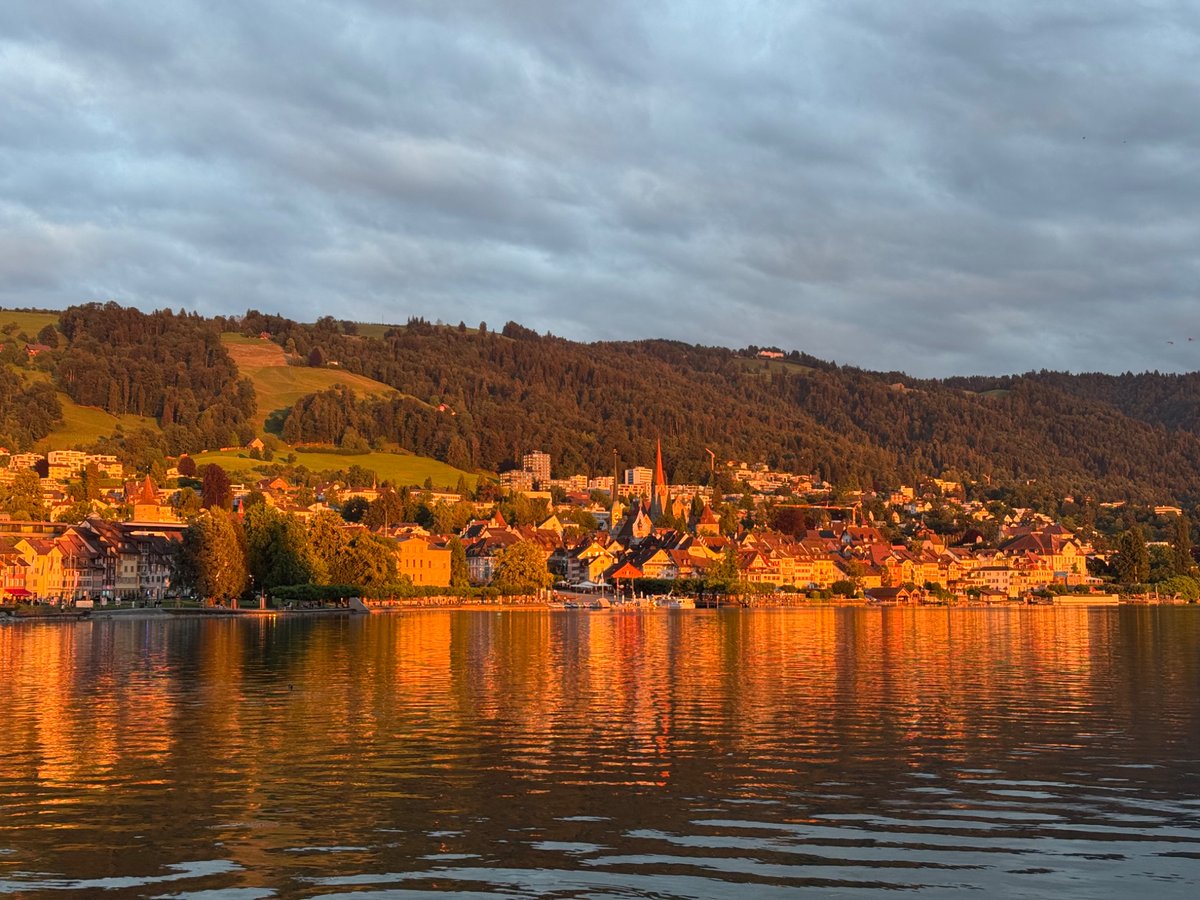
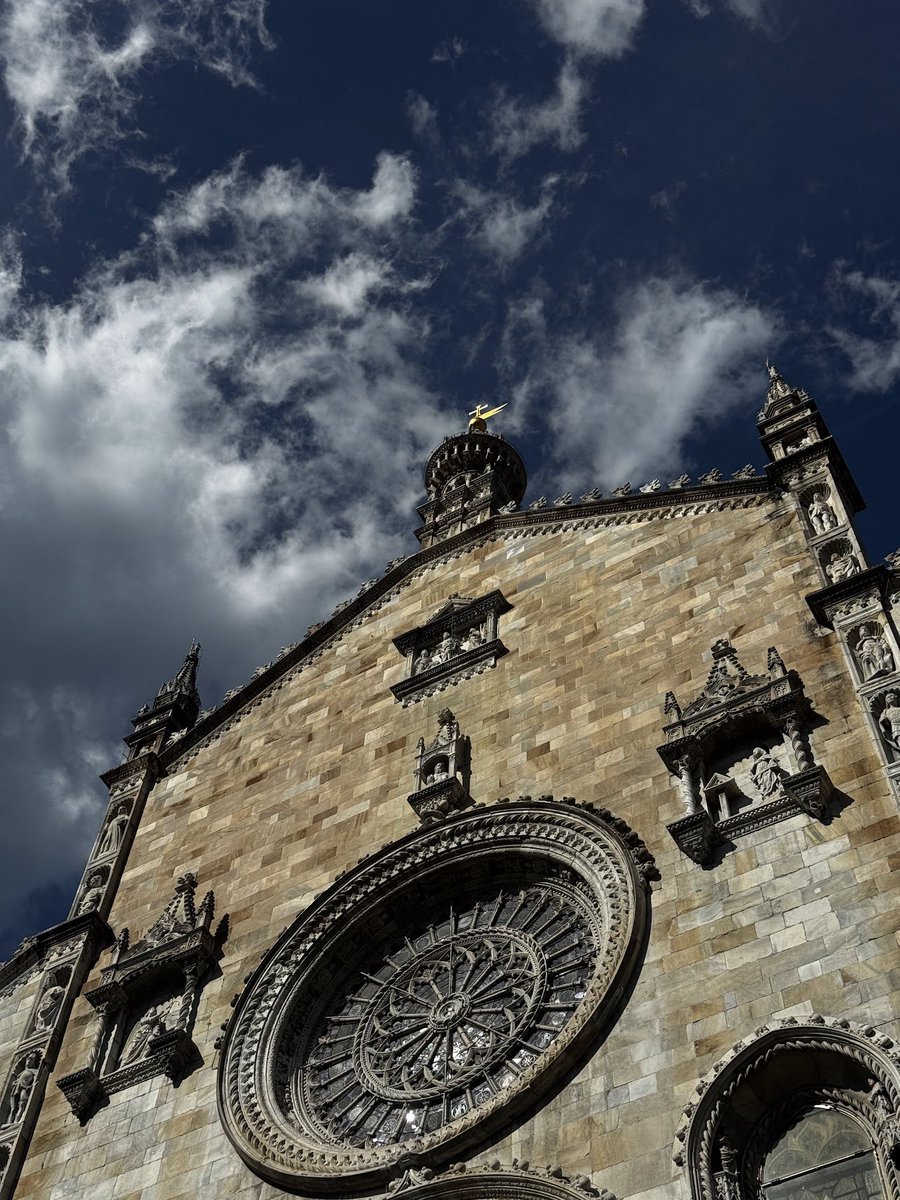
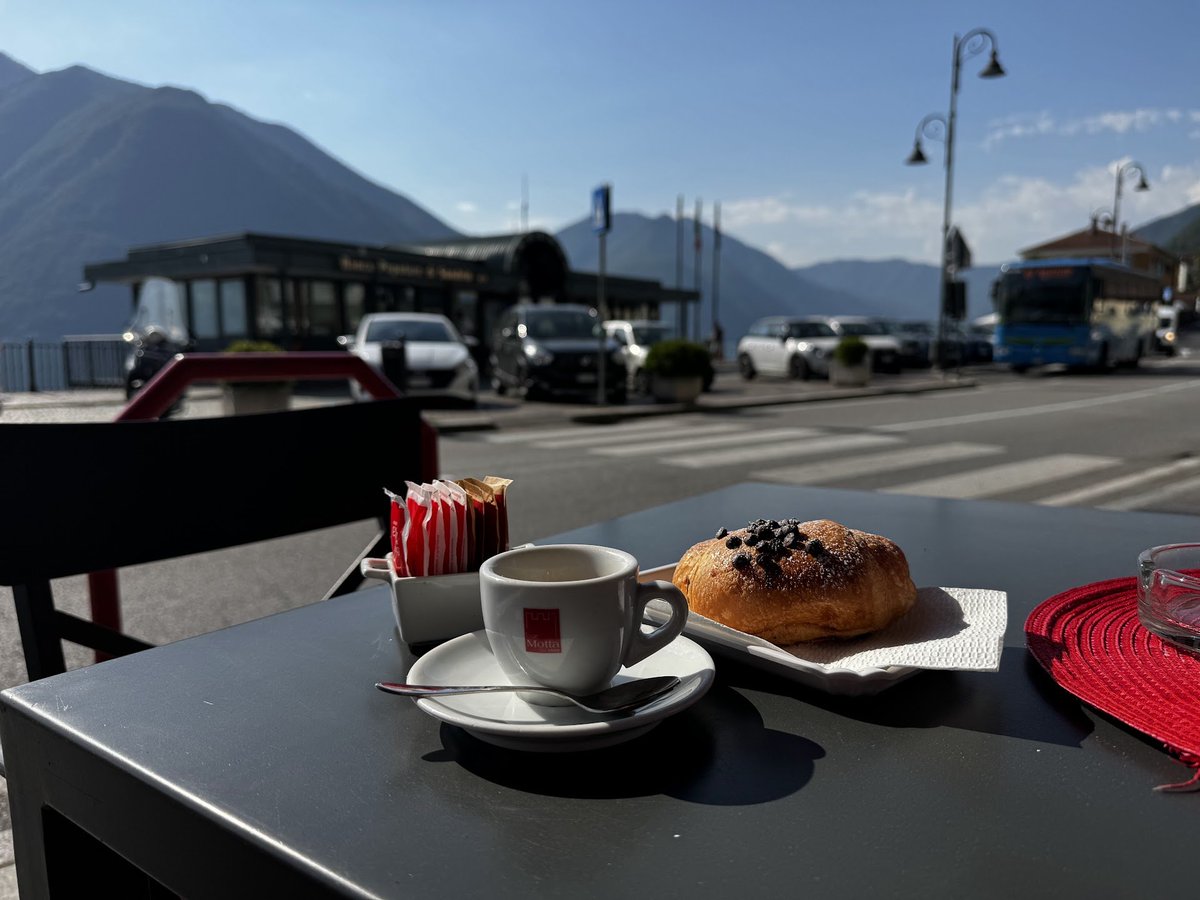


Jun 10
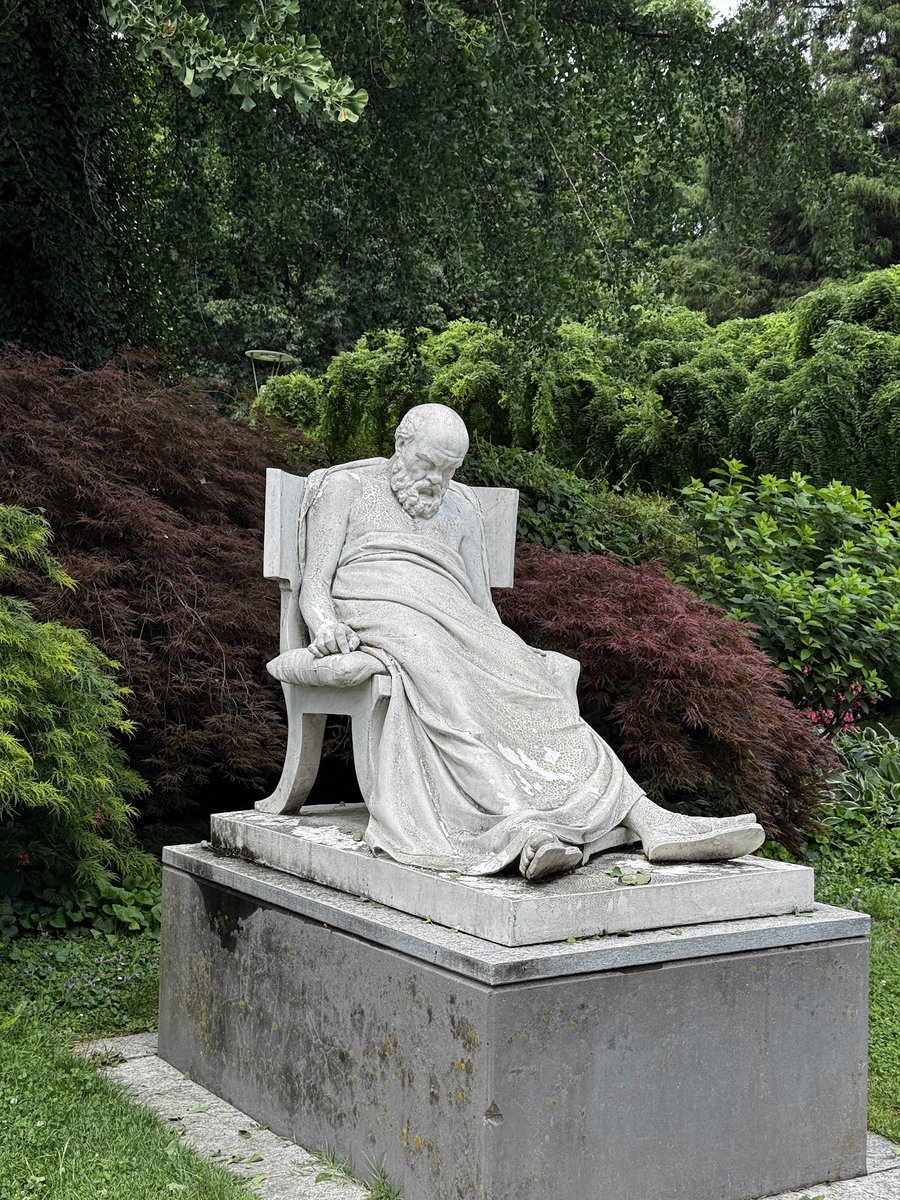
Pic of the day: the sleeping philosopher, or the drunken senator? You tell me.
May 31

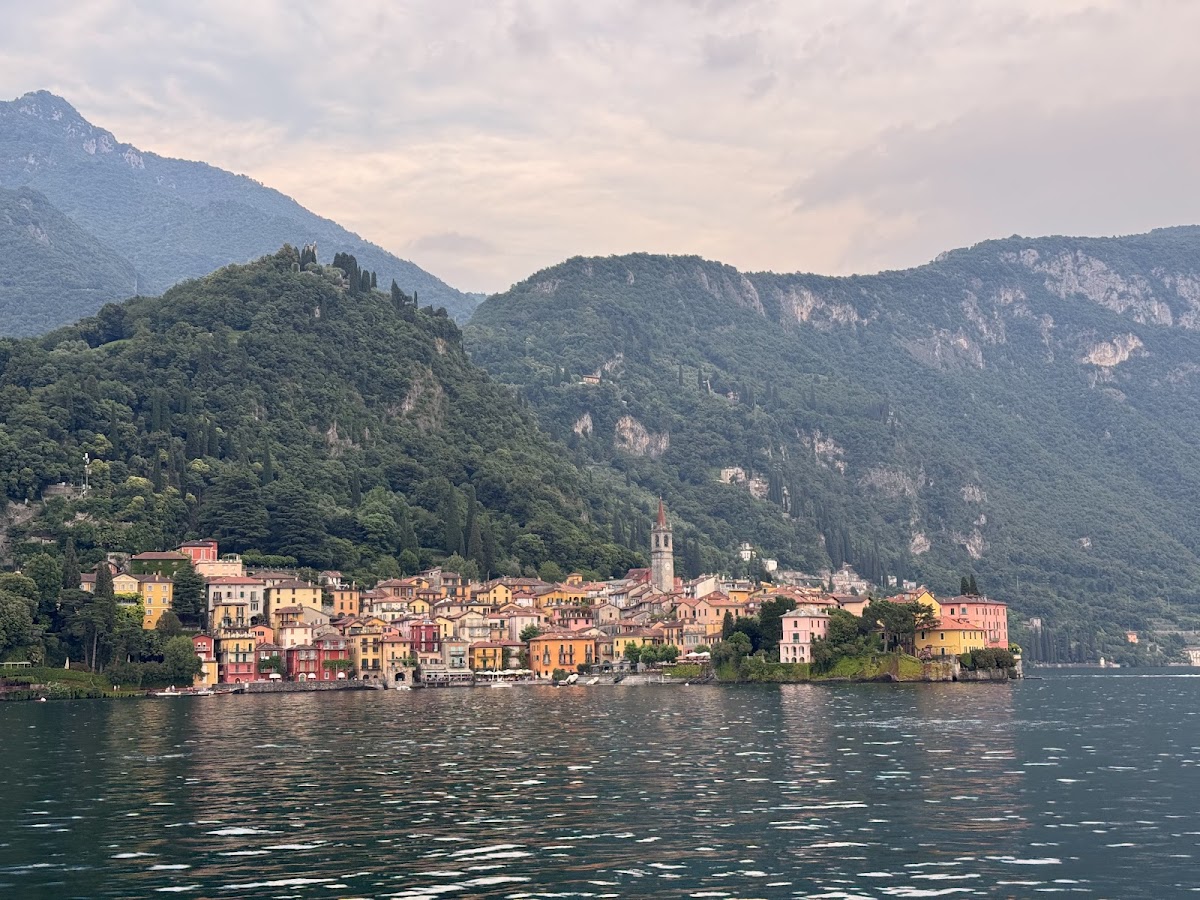
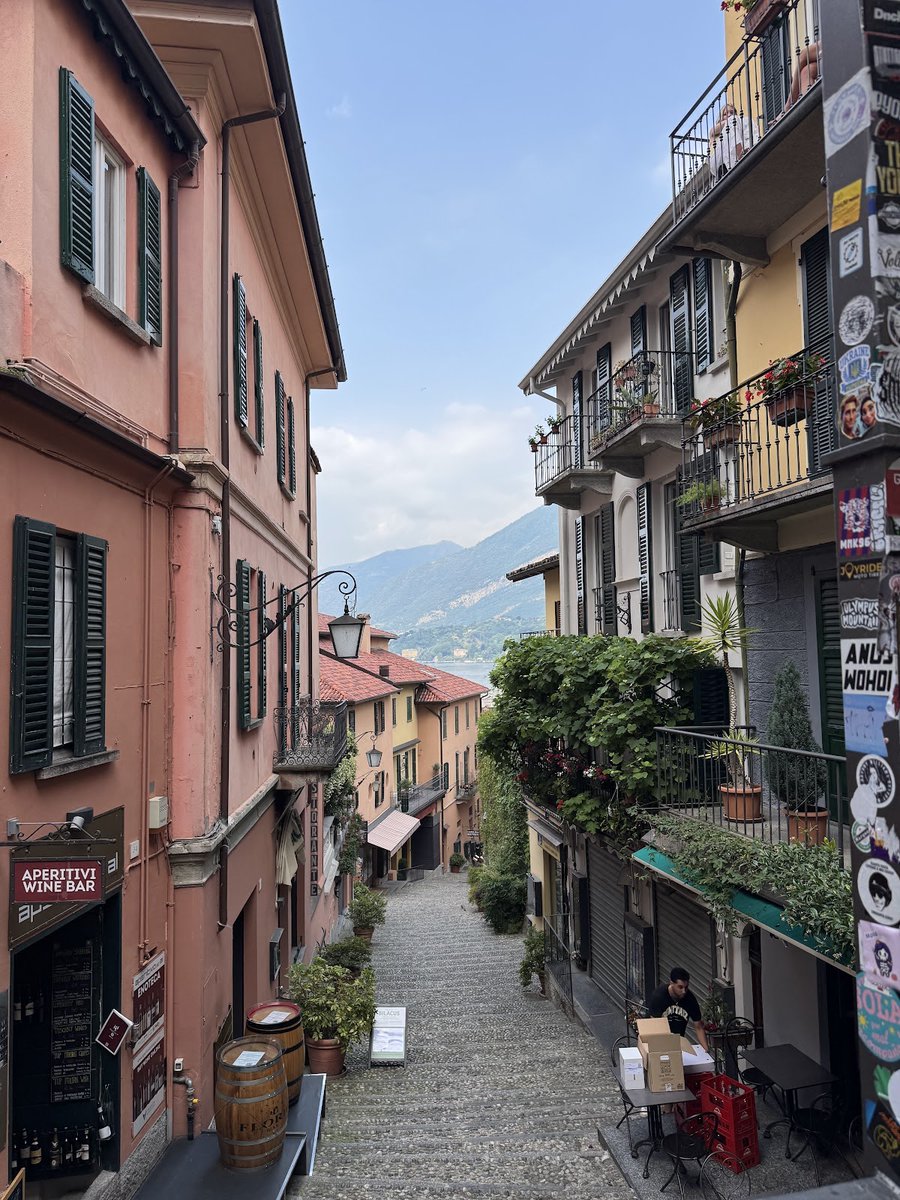
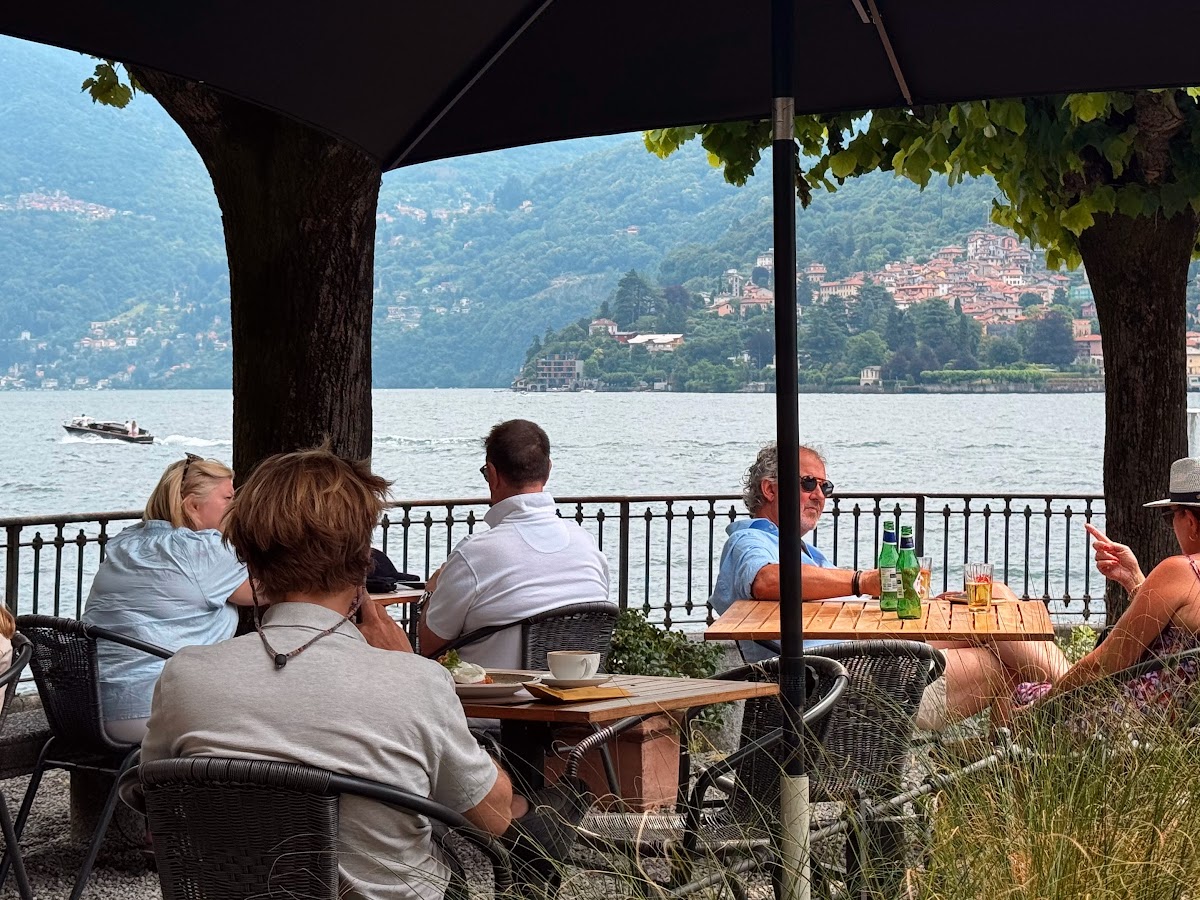
Staying on Lake Como for a month with my wife. What must we not miss while in this area?
We're fans of Italian cars, cold water, sauna, hiking, aperitivo, gelato, and ancient history.
Top of my list is driving a Ferrari for a day (ideally without selling a kidney)
1
177
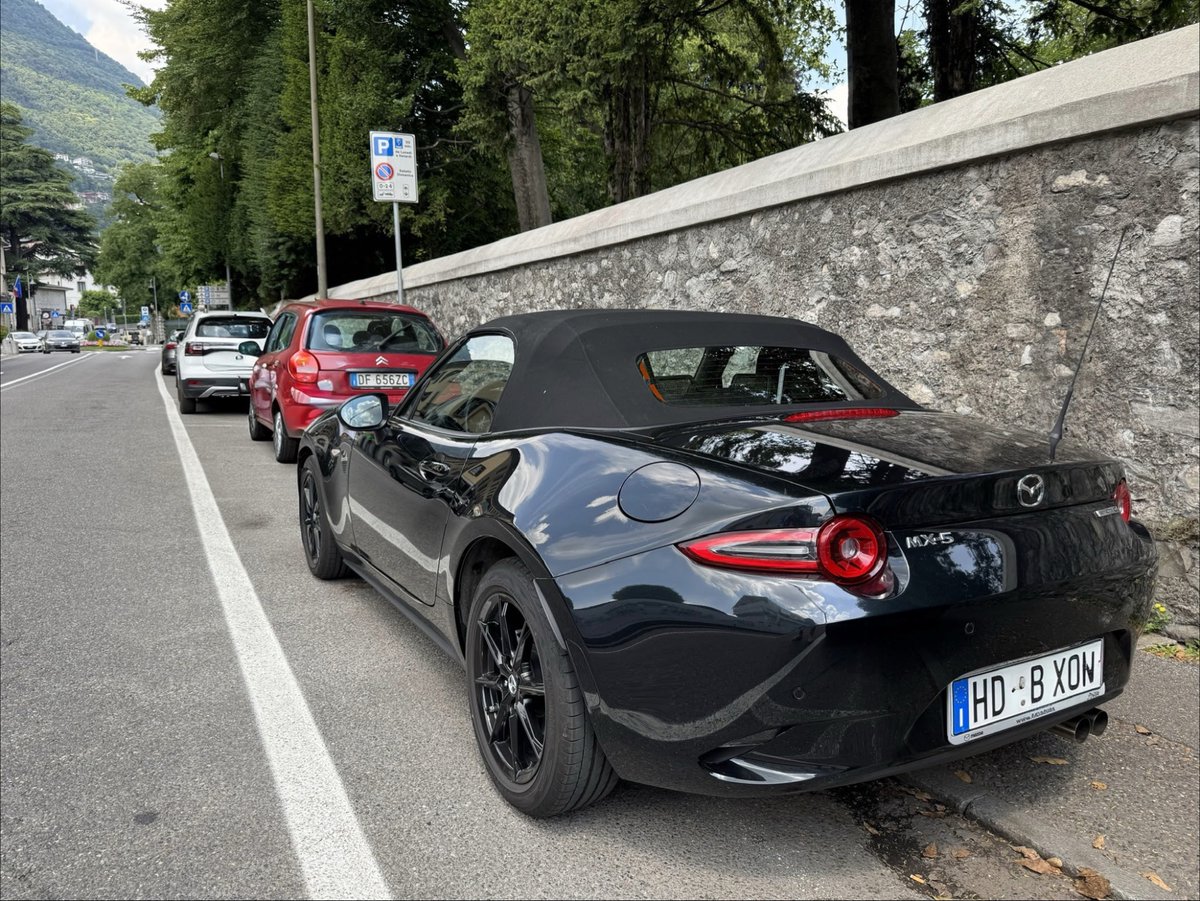
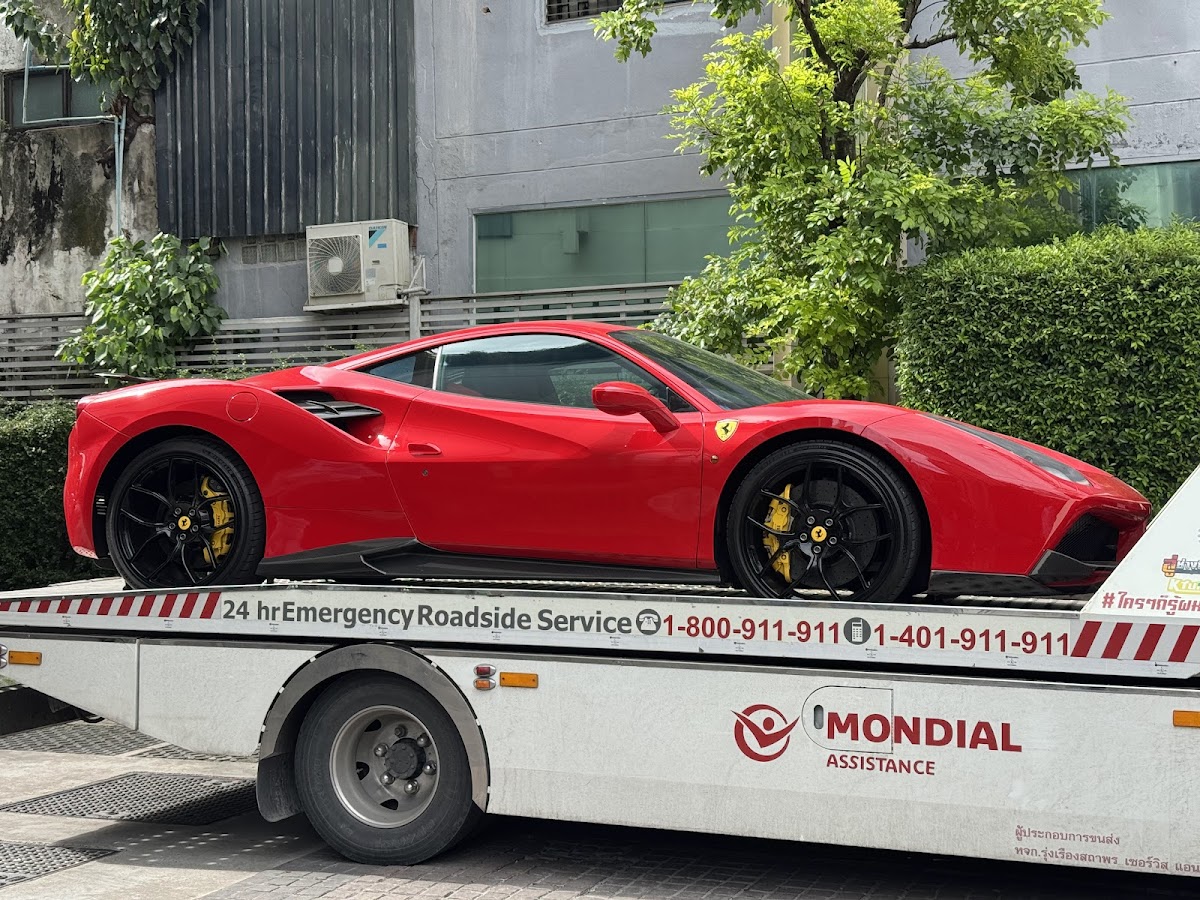
Pic of the day: we have wheels 😎
May 31
Staying on Lake Como for a month with my wife. What must we not miss while in this area?
We're fans of Italian cars, cold water, sauna, hiking, aperitivo, gelato, and ancient history.
Top of my list is driving a Ferrari for a day (ideally without selling a kidney)
1
2
381
Jun 10
I deleted a person and changed the license plate numbers. "Made with AI"
137
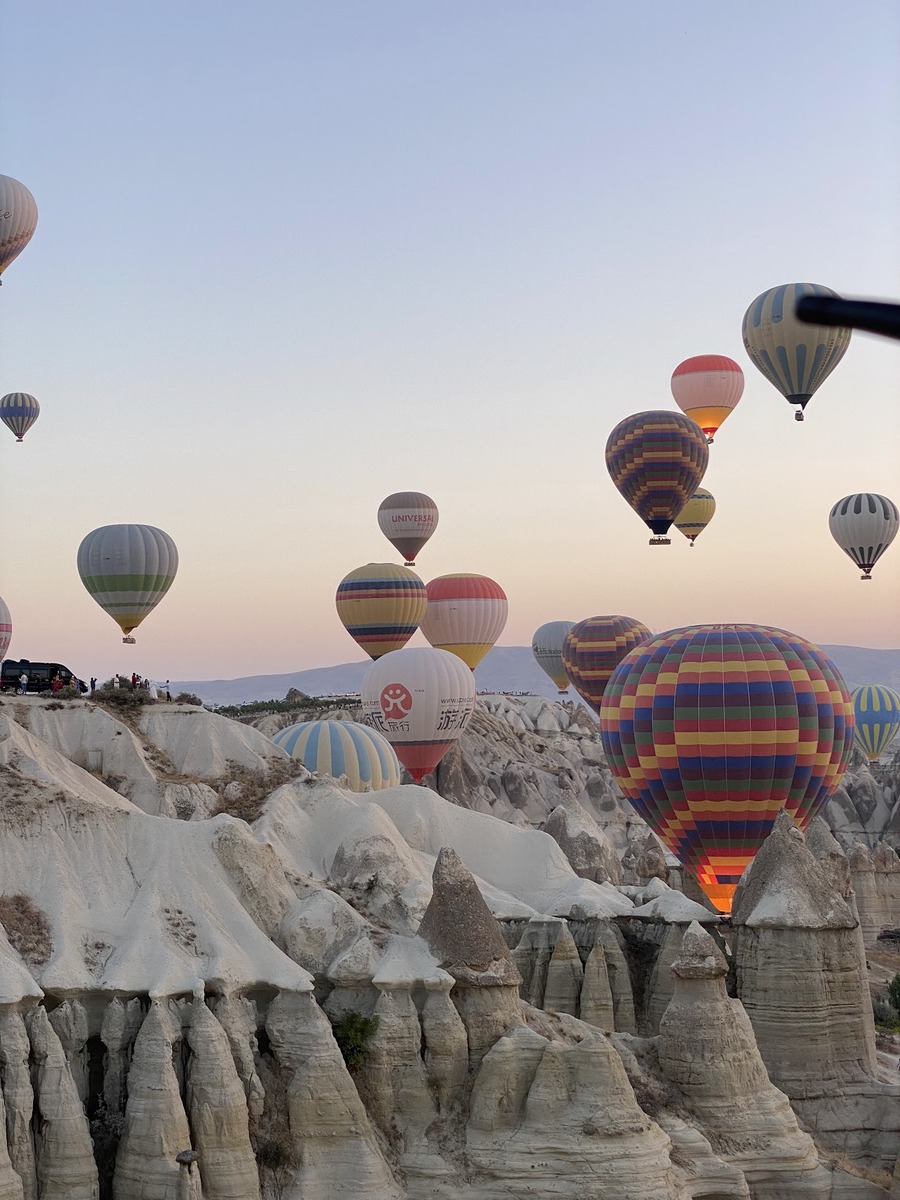
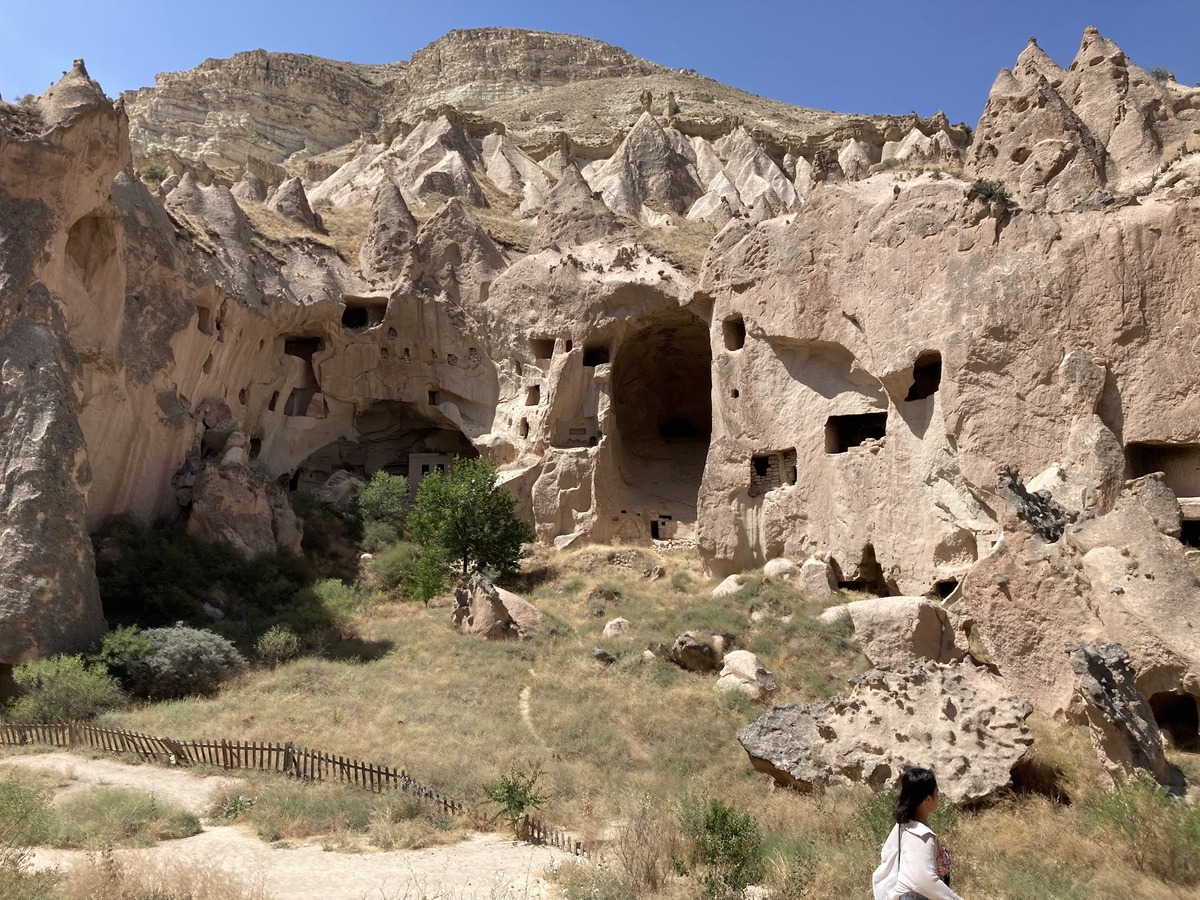
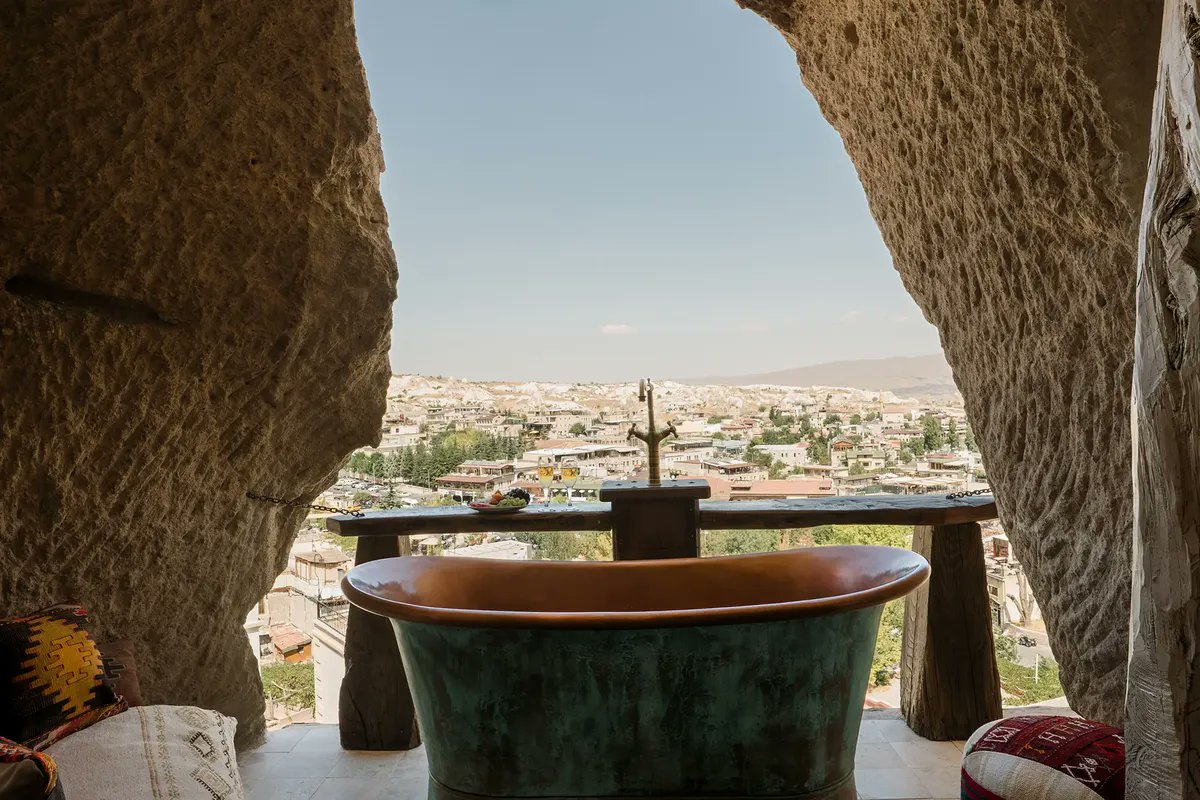
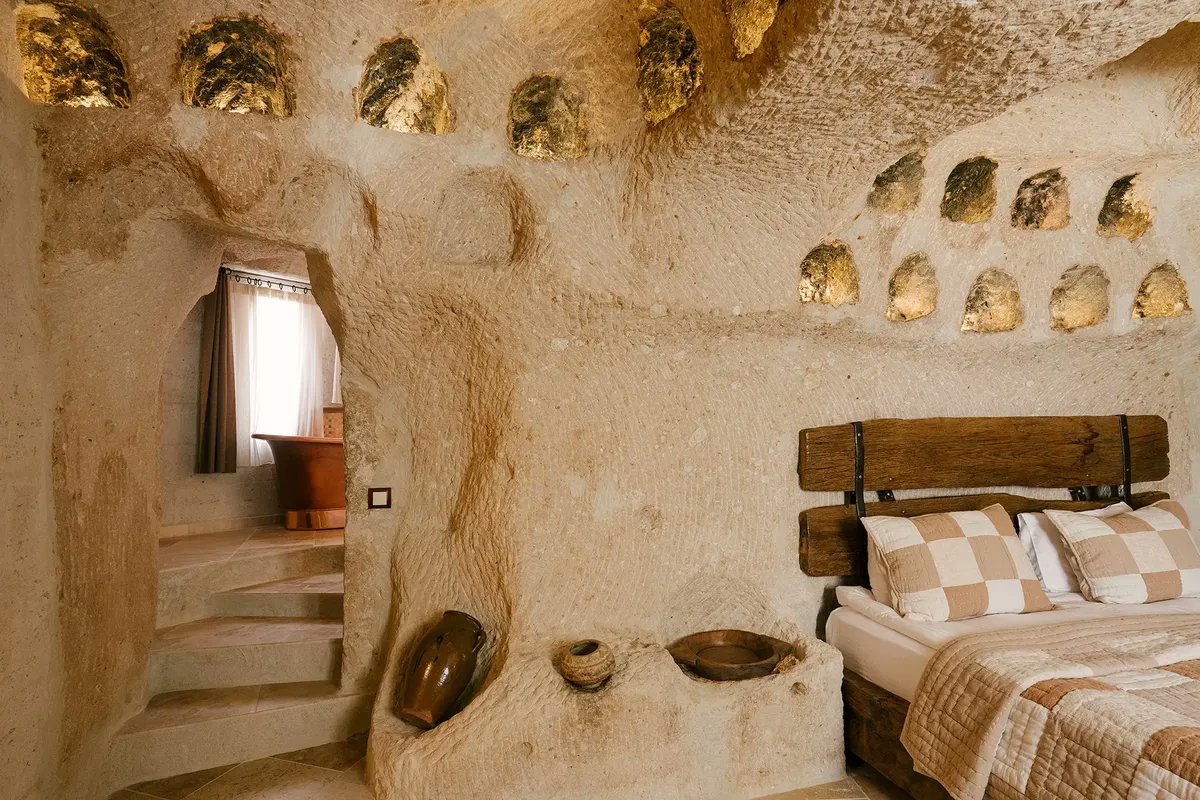
Staying in a cave doesn't need to feel prehistoric. In my experience in Turkey, it was actually quite... luxurious.
The cave hotels of Cappadocia are not a modern phenomenon. For thousands of years, people have dug caves into the fairly sandy rock of these region. Not just one-off bedrooms, but entire cities with kitchens, churches, and even wine cellars.
Cappadocia has dozens of cave hotels now, and the one I stayed in even has rooms inside freestanding "fairy chimneys" - tall, freestanding rock pillars that look like they belong on another planet (or sometimes inside a man's pants - due to quirks of erosion). Instead of being constructed on the ground, these cave hotels are cut directly into volcanic tuff that's been shaped by wind and water over millions of years.
The timeline of this region is mind-boggling. People have been living like this, in this area, since the Hittites. That's before ancient Rome. 3000 - 4000 years ago! Byzantine monks painted frescoes inside them. One of those chapels – 12th century, frescoes still intact – is inside one of the chimneys on the property. The same soft rock that held a monastery now holds a jetted soaking tub.
But all that is just the backdrop. What I will never forget about Cappadocia are the mornings, just around sunrise.
When you roll out of your bed and head to the rooftop (really just the top of the stone hill!) for breakfast and a Turkish coffee, you may be convinced you're still dreaming - because hundred of hot air balloons will pass over your head.
And I don't mean "500 meters over your head" I mean so close that you could toss their passengers a croissant. From the rooftop terrace, you're at eye level with these balloons as they're drifting between the chimneys. You enjoy your full Turkish kahvaltı spread – white cheese, kaşar, olives, menemen, honey, homemade jams, börek, gözleme, tea in tulip glasses – served on cushions and rugs while a sky full of colorful balloons drifts past you in the morning chill.
I also HIGHLY recommend a hot air balloon ride in this valley; it was one of the coolest experiences of my life. They don't just go up and come down. The balloons travel horizontally along the landscape, floating through valleys and between rock formations at varying altitudes. There is genuinely no other way to see what that terrain looks like. Nothing else gives you that perspective, and not with the serenity of literally floating through the air.
The whole cave hotel category started with a lawyer named Süha Ersöz, who began buying abandoned cave houses in 1987 when nobody saw value in them. He opened Esbelli Evi in nearby Ürgüp in 1990 with five rooms. A decade later, architect Bora Özkök took it further – purchasing his first fairy chimney in 1998 and opening 18 rooms by 2002. The government's Historic Preservation Society meant he couldn't touch the exteriors. Everything had to be built from the inside out.
These hotels are a fascinating story and an even nicer stay.
Full story in the newsletter - link in bio
2
7
809
Pic of the day is...
Escape to Switzerland: Part II
The day of 5 mountain passes
Gotthard, Nufenen, Furka, Oberalp, Lukmanier, and then Gotthard again, the other way.
9
157
Today's pic: I have a thing for the sky meeting eaves and rooftops
May 31
Staying on Lake Como for a month with my wife. What must we not miss while in this area?
We're fans of Italian cars, cold water, sauna, hiking, aperitivo, gelato, and ancient history.
Top of my list is driving a Ferrari for a day (ideally without selling a kidney)
1
6
606
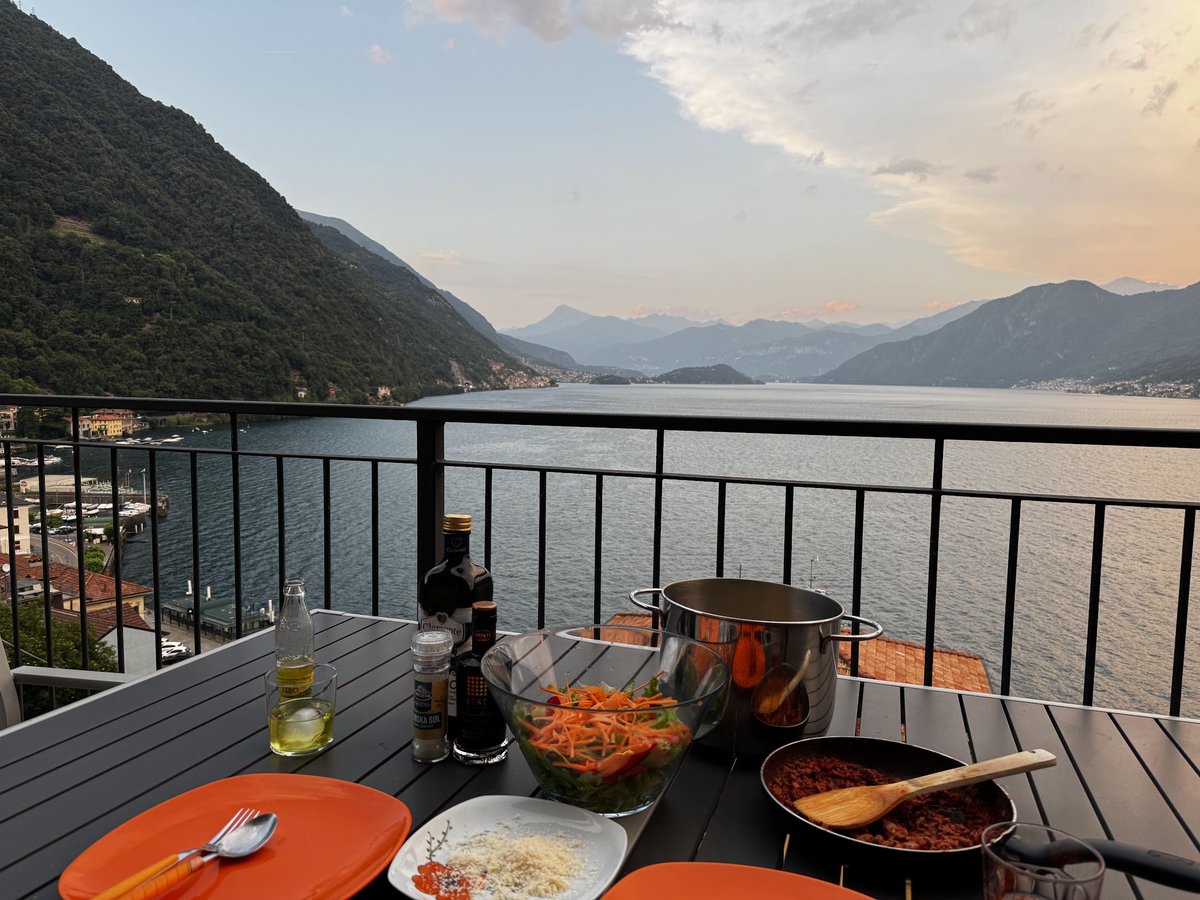
Today's pic of the day: it's the little things
May 31
Staying on Lake Como for a month with my wife. What must we not miss while in this area?
We're fans of Italian cars, cold water, sauna, hiking, aperitivo, gelato, and ancient history.
Top of my list is driving a Ferrari for a day (ideally without selling a kidney)
5
270
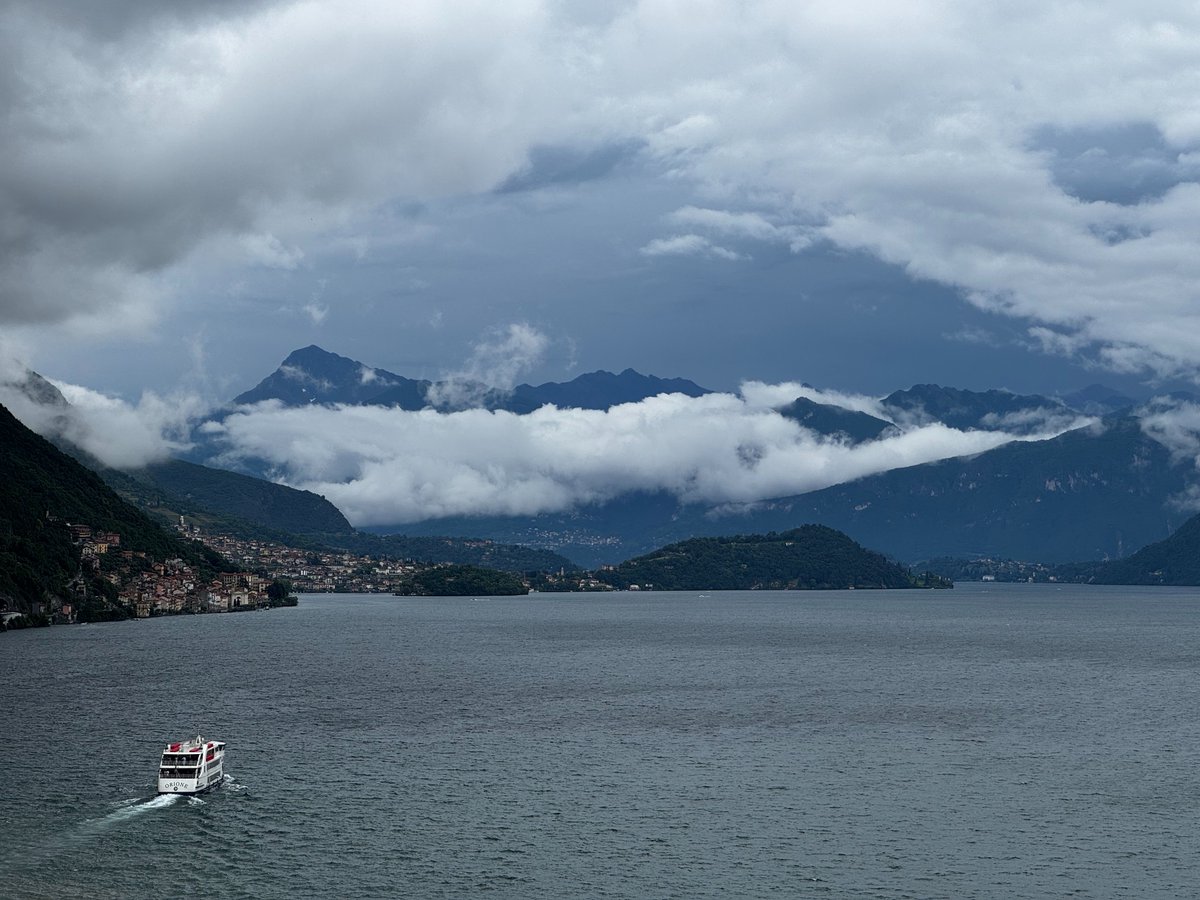
Today's shot - rain and a sea of clouds over the lake. Ferry going about its business as usual.
May 31
Staying on Lake Como for a month with my wife. What must we not miss while in this area?
We're fans of Italian cars, cold water, sauna, hiking, aperitivo, gelato, and ancient history.
Top of my list is driving a Ferrari for a day (ideally without selling a kidney)
1
9
1,227
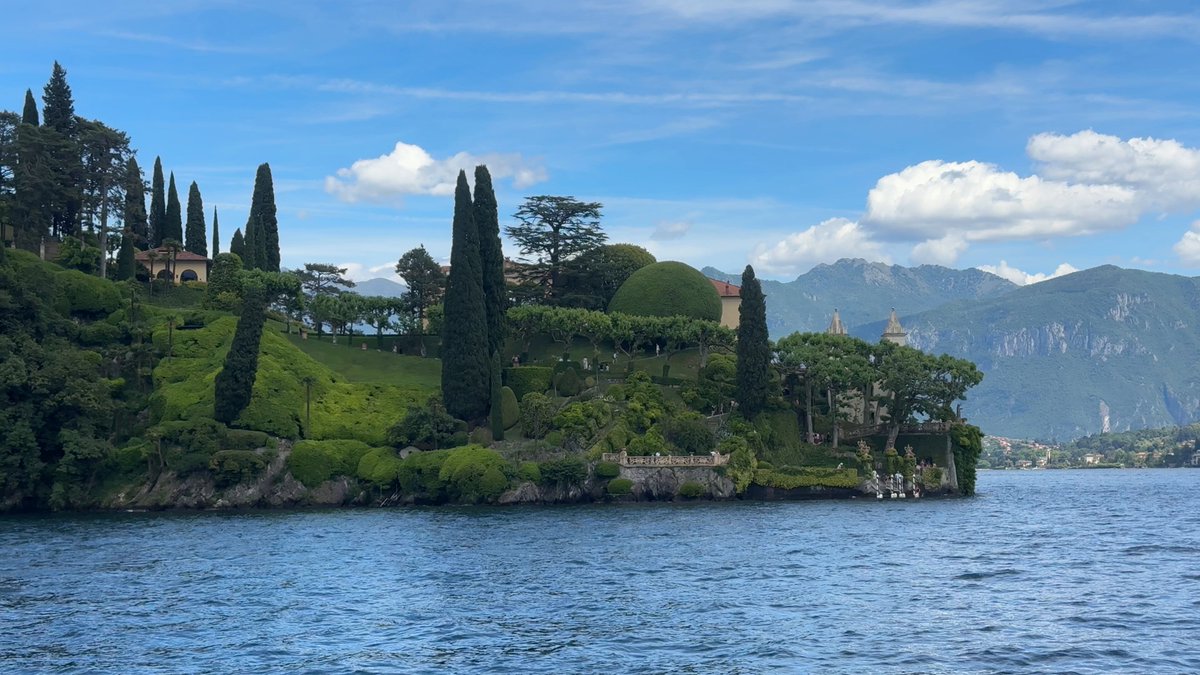
Today's shot is Villa Balbianello hiding behind the trees.
May 31
Staying on Lake Como for a month with my wife. What must we not miss while in this area?
We're fans of Italian cars, cold water, sauna, hiking, aperitivo, gelato, and ancient history.
Top of my list is driving a Ferrari for a day (ideally without selling a kidney)
1
4
410
May 31
Staying on Lake Como for a month with my wife. What must we not miss while in this area?
We're fans of Italian cars, cold water, sauna, hiking, aperitivo, gelato, and ancient history.
Top of my list is driving a Ferrari for a day (ideally without selling a kidney)
4
11
3,809
May 26
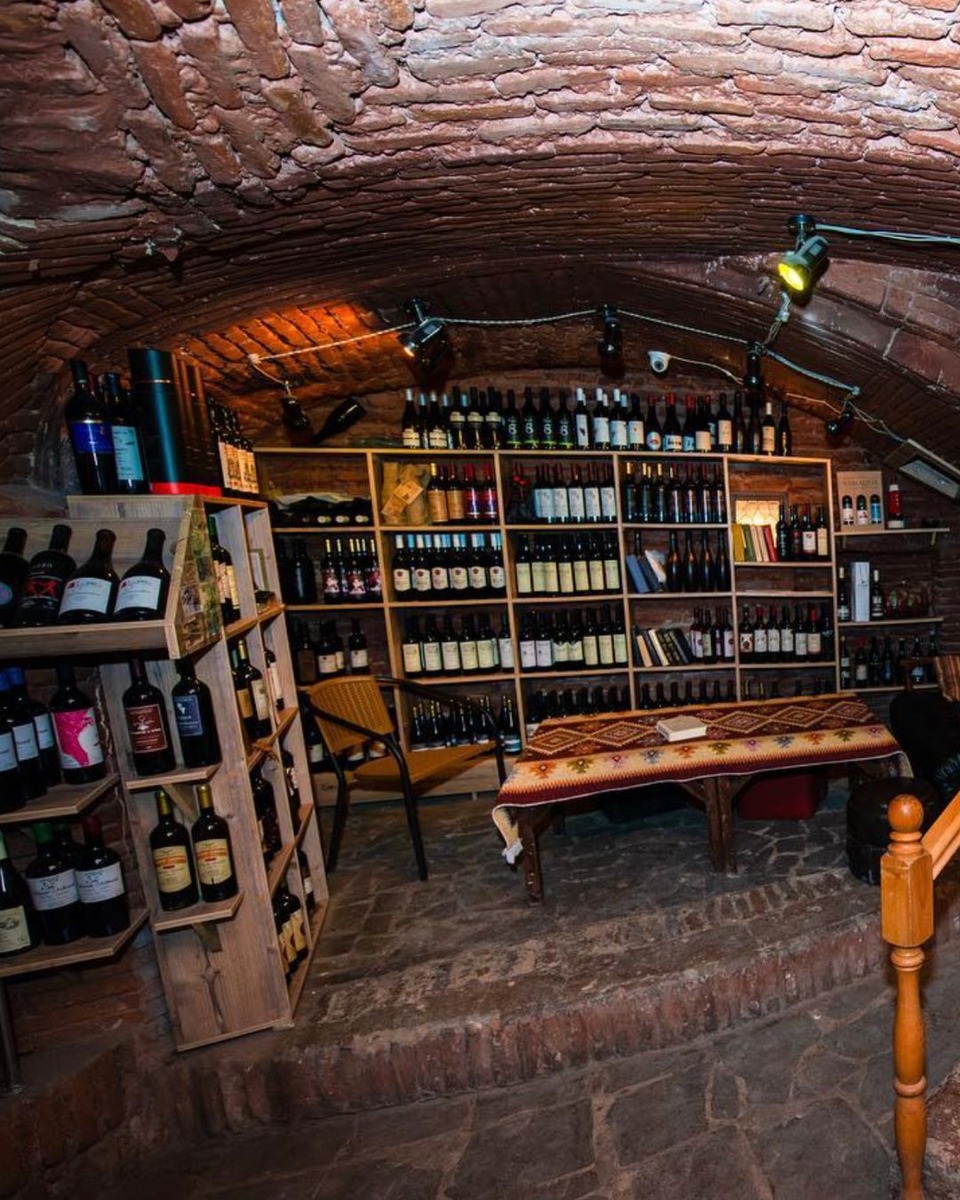
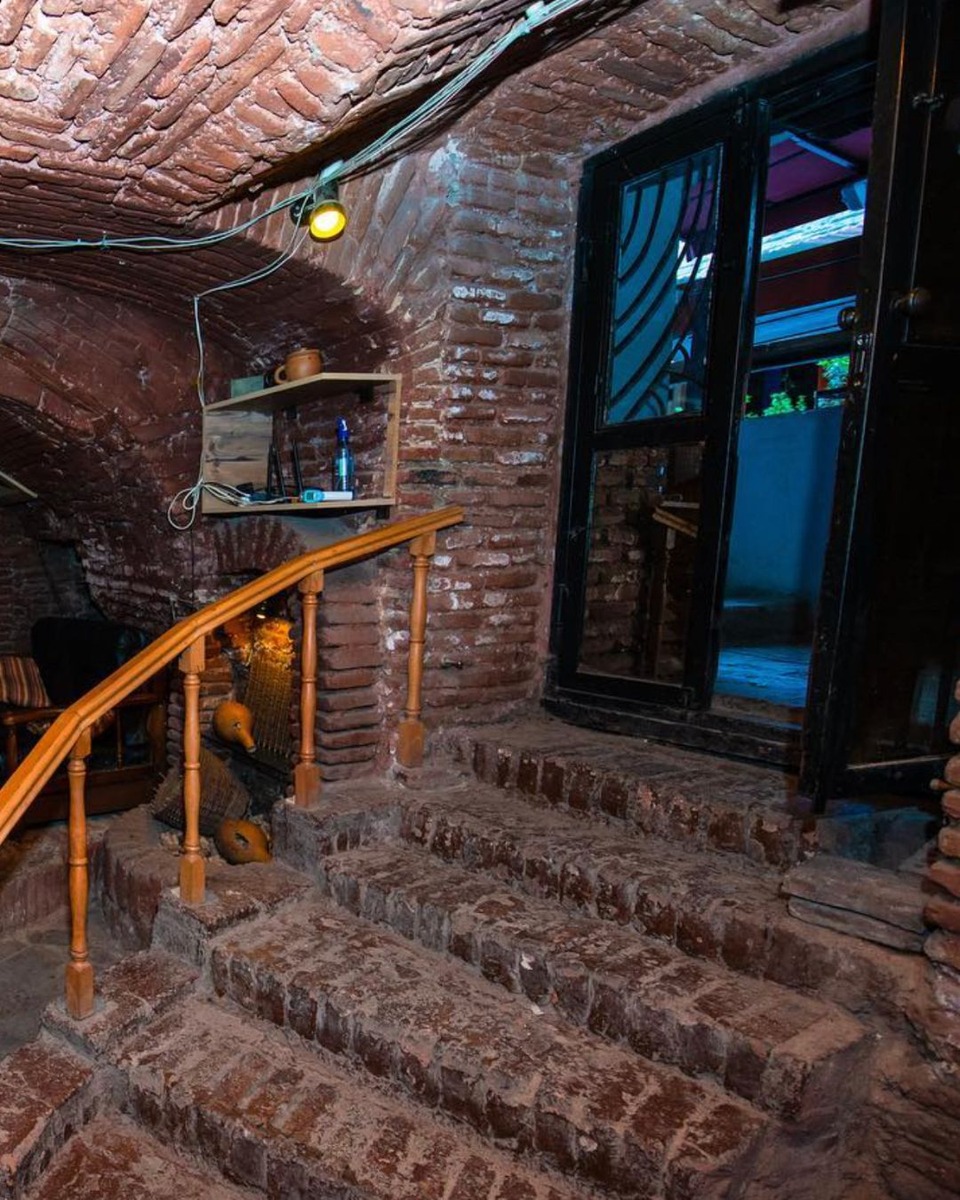
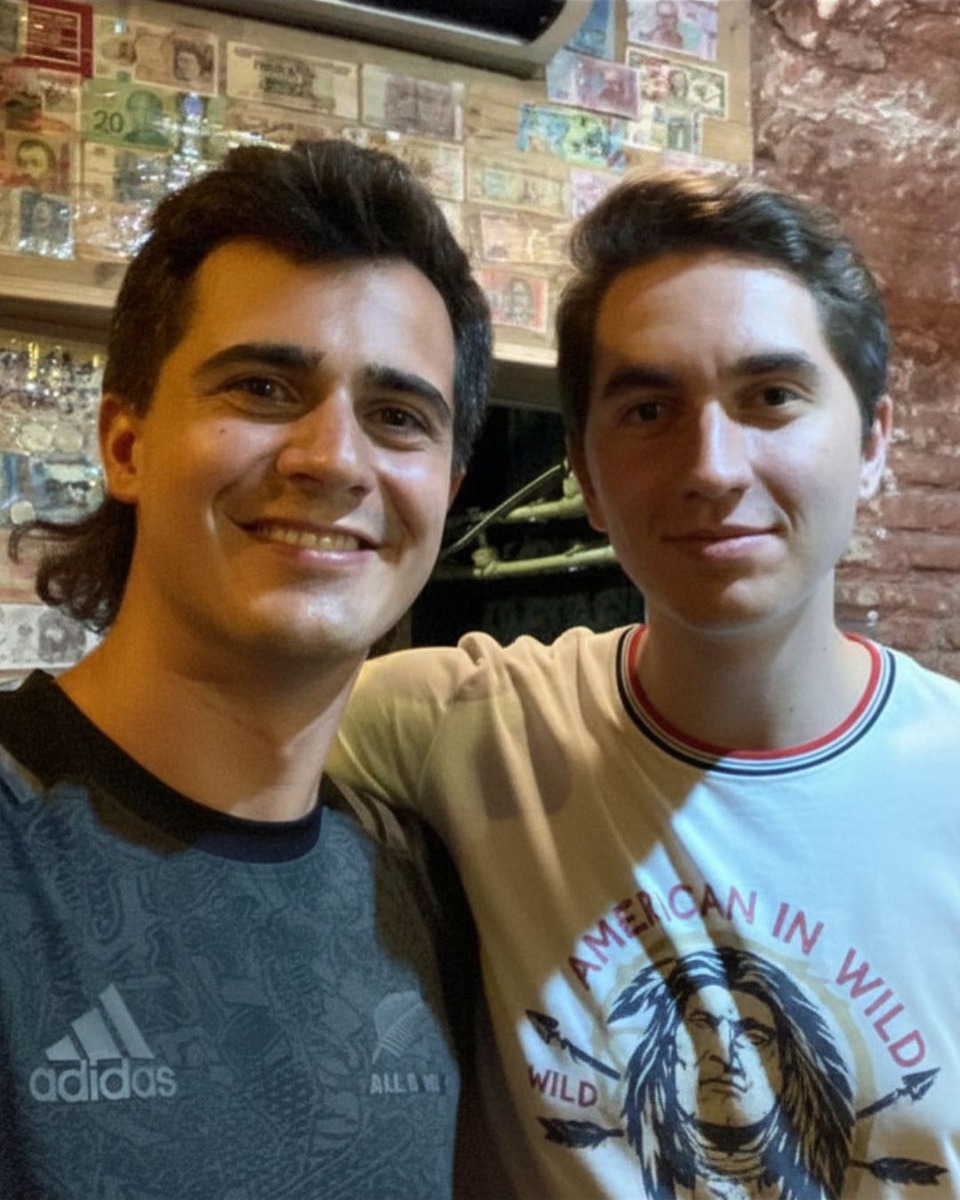
This is the best wine bar in the world (in my humble opinion). Here's the story of my first visit: I duck my head into what looks like an abandoned cellar. A young man looks at me and cocks his head slightly, asking "why are you here?"
I'm here to drink wine, obviously. He asks what kind of wine I like, and I say I don't really know much about Georgian wines. He pops a cork, puts two glasses on the table and says "I will keep pouring until you like one."
Each "sample" is basically what I'd pay full price for at a wine bar in Paris.
After 4 of these samples, I settle on an amber wine, golden and dense, made the same way humans first made wine 8,000 years ago: by essentially tossing the whole vine in a giant clay vessel buried underground, and waiting a while.
He fills the glass to the brim.
"That's too much," I said.
"No. This is how we do it here. I want you to get your money's worth."
That glass cost EUR 4.
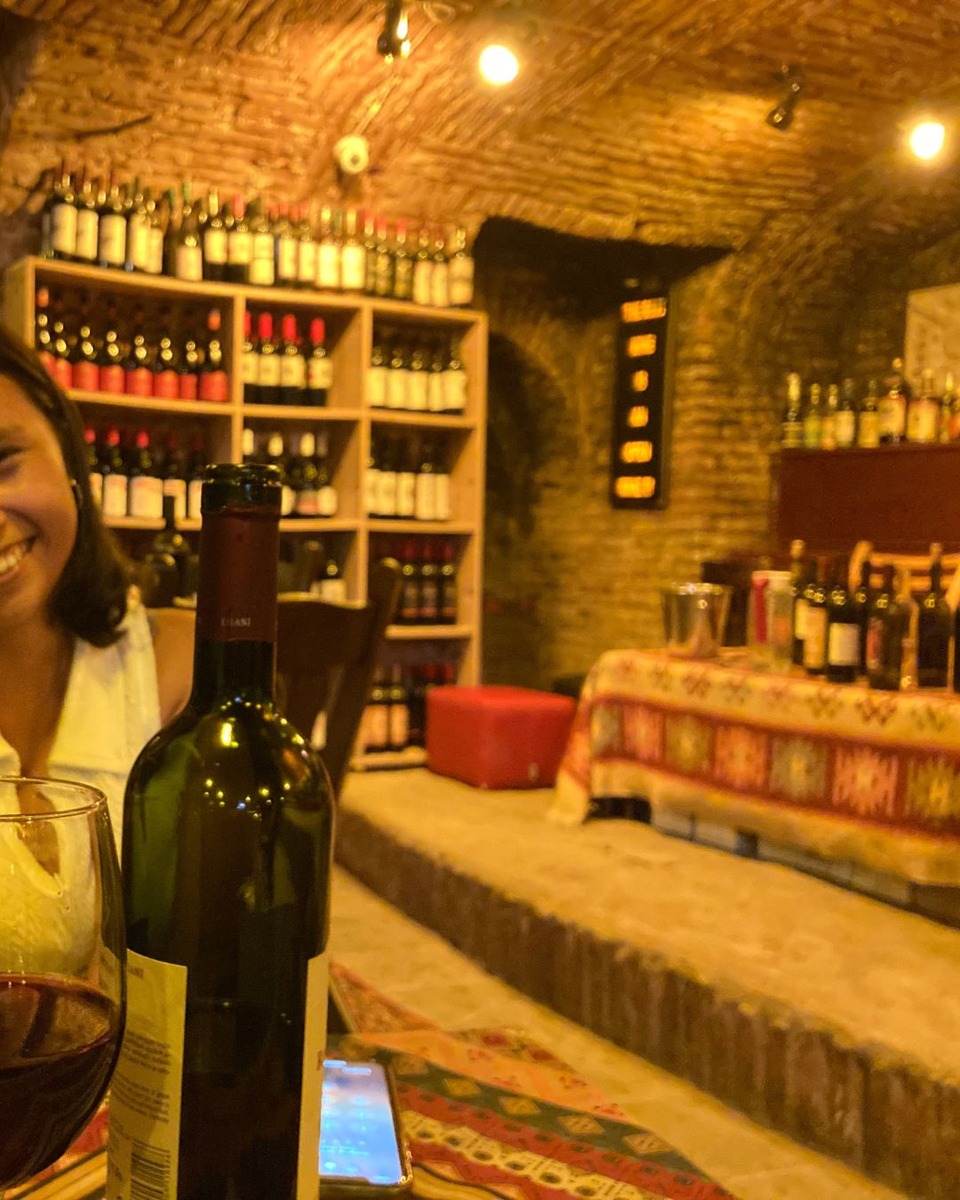
The cellar we're seated in is 300 years old. Bricks everywhere, small arched alcoves stuffed with bottles. Dust drifting down from the ceiling, adding a new terroir to each glass. Currencies from around the world are plastered on the walls.
Over 120 private local wineries are represented in this tiny cellar. Most of them are a single family, one small vineyard, making maybe 500 bottles a year, which are sold almost entirely into the domestic market. Yet the wine is extraordinary, and the prices are rounding errors compared to anything at a wine bar in Europe or the USA.
To put that in perspective... the most expensive bottle in the house is $60. It's from 1960. A Soviet label proudly displays some nameless workers.
But the best part was not the value, the ambiance, the friendly service that never once made me feel like I was being educated; the best part is that despite drinking multiple bottles of wine here over multiple nights... I never once woke up with a hangover.
Find the name of this wine bar on the newsletter - it just dropped (link in bio)
7
404
May 24
In 1992, a prosecutor in rural Italy showed up with sixty armed police and a court order to dynamite a mountain.
He'd been told there was an illegal structure underneath. When the owners finally opened the doors, he found a bewildering sight.
One man had spent fourteen years secretly excavating that mountain with ten companions. Four-hour shifts, picks and chisels, loud music playing to mask the drilling. No engineering plans. Just sketches from a childhood vision he'd been carrying since the age of eight.
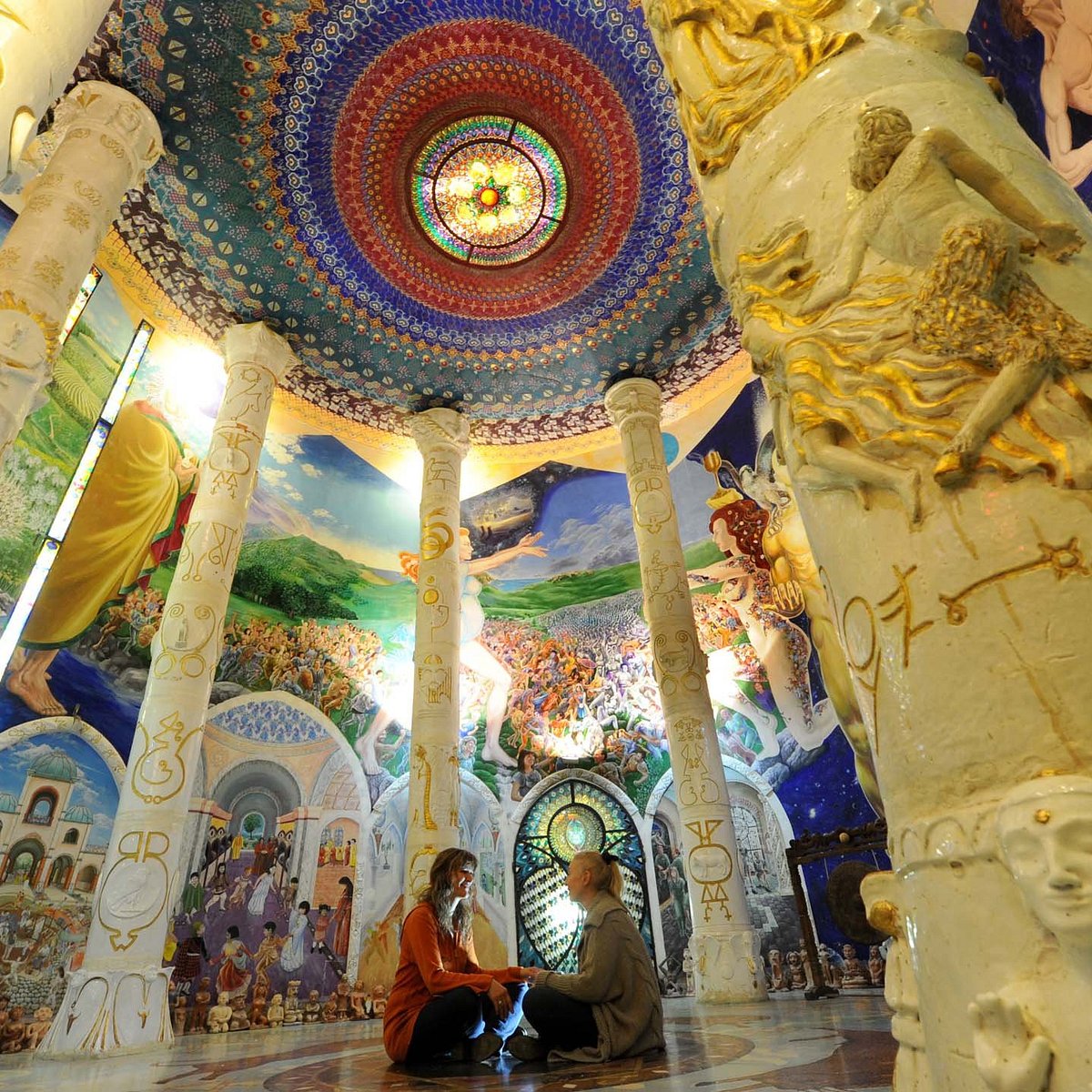
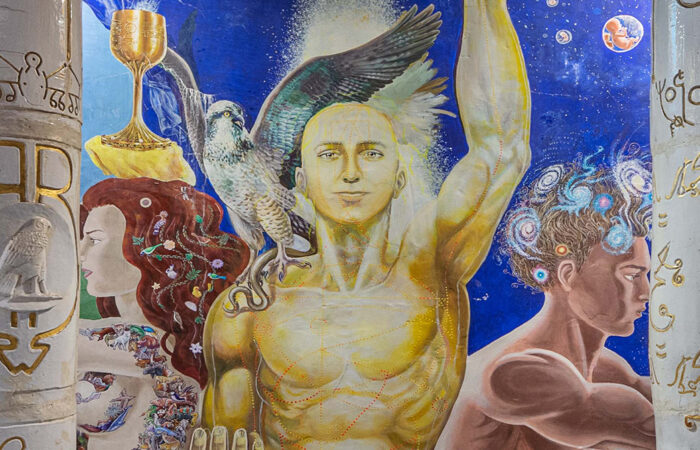
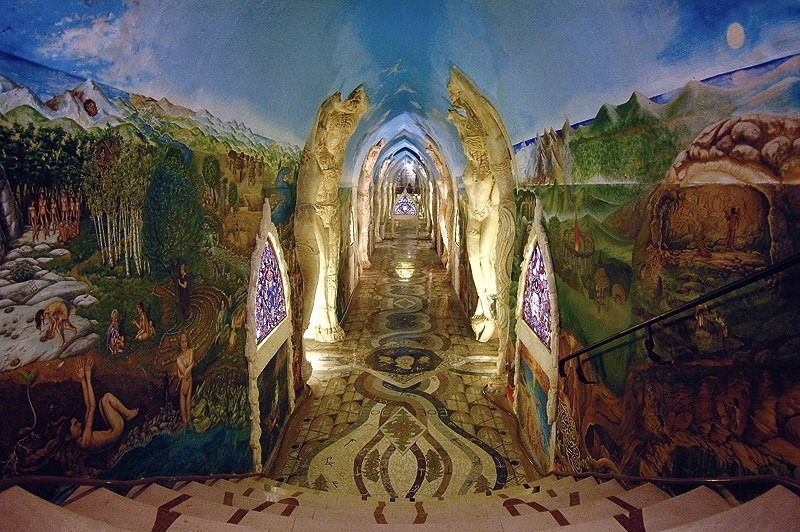
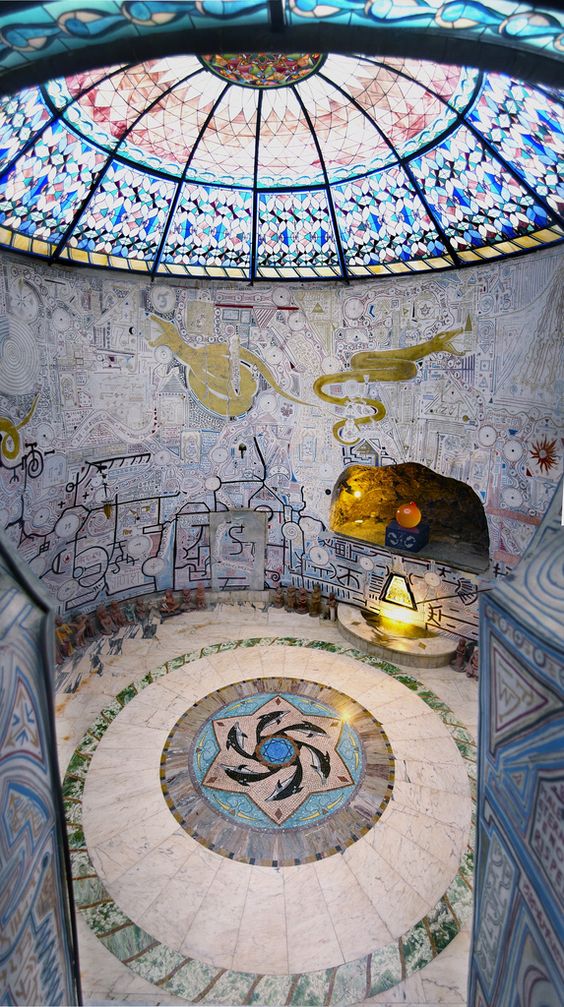
What they found inside was cathedral-scale. Eight interconnected halls across five underground levels. A hall with a ceiling sheathed entirely in gold leaf and nine illuminated spheres. A four-sided mirrored pyramid topped with a Tiffany stained-glass dome. The deepest chamber painted with constellations from 22,000 years ago. Every surface was created by hand, over decades, in total secrecy.
The prosecutor's jaw dropped. He assumed legal custody on the spot, then handed stewardship straight back to the people who built it, recognizing the artistic and devotional significance of what he was looking at. He'd arrived to blow something up. He left as its legal guardian.
The man who built it started the community above ground back in 1975. Today around 600 people live there in small communal groups, governed by a living constitution, trading in their own currency pegged one-to-one with the euro. They have elected representatives, seasonal festivals, and an ongoing building program.
When the founder died in 2013, he said the temple complex was only 10% of his vision.
You can visit on a guided tour starting at €78 for 3.5 hours. Or stay overnight in five rooms designed specifically for lucid dreaming, each themed to a different underground hall, built from natural materials by community artisans.
I should mention that this place is controversial for its "unconventional" take on societal organization. Some call it a cult. But it's interesting enough I had to share it. No cameras are allowed inside, so all photos are from the owners.
Thanks to Joy and Michael for the tip on this place - I plan to visit next month!
Full story in the newsletter - link in bio
3
190
Evan (Captain Sidd) retweeted

May 22
I have 3 CEOs/ serial-entrepreneurs in my upcoming 10-week coaching program. All Bitcoiners. All inspiring, generous people with a growth mindset who don't operate from ego or trying to look good.
Looking for one more such person who would like to be part of a high performance environment with their peers, while getting world-class coaching from a fellow Bitcoiner who cares about your mission as much as you do, and then the group is full.
If you're interested to know more and that's you - reach out. We start in June.
4
3
28
3,667
May 19
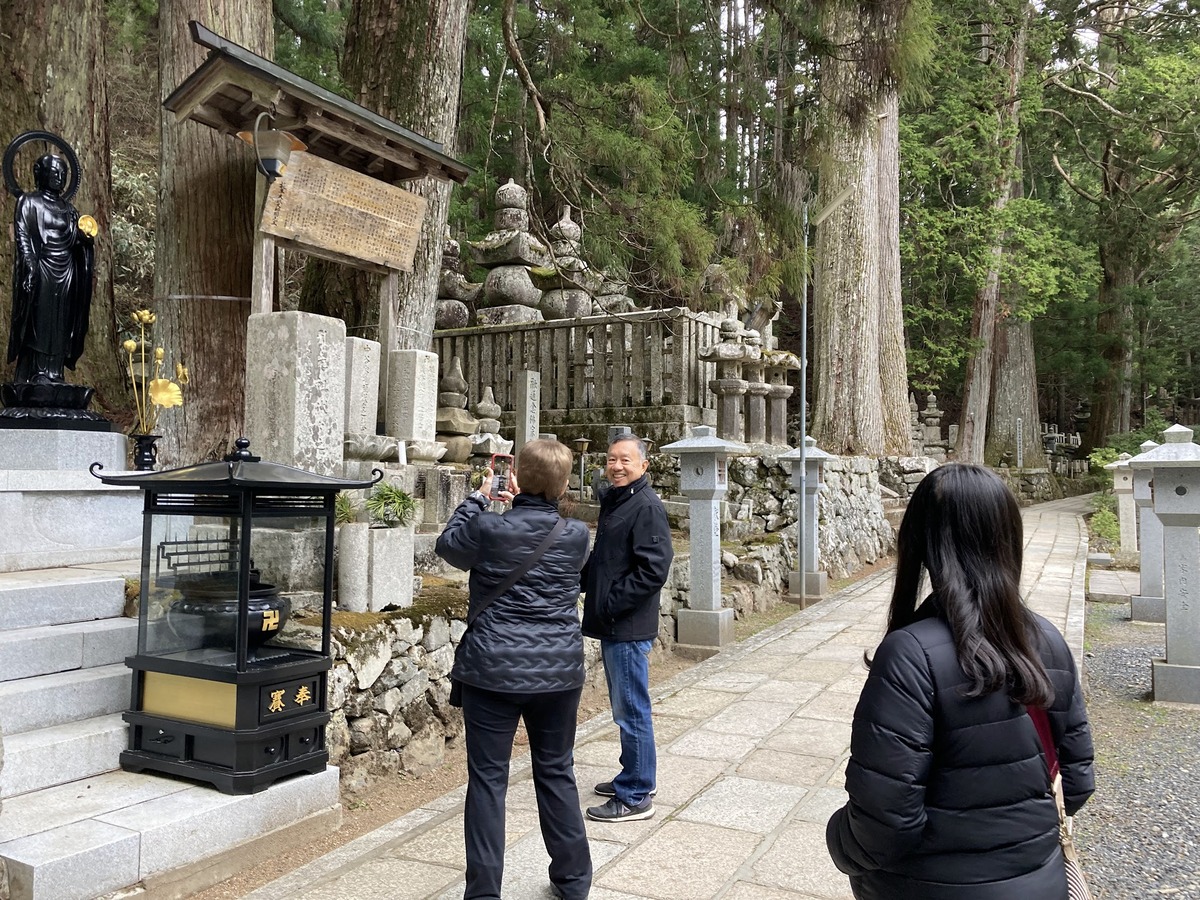
Every morning at 6 AM here, monks carry a hot meal to a man who hasn't moved since 835 AD. They believe he's not dead, just meditating. They haven't missed a day in 1,200 years.
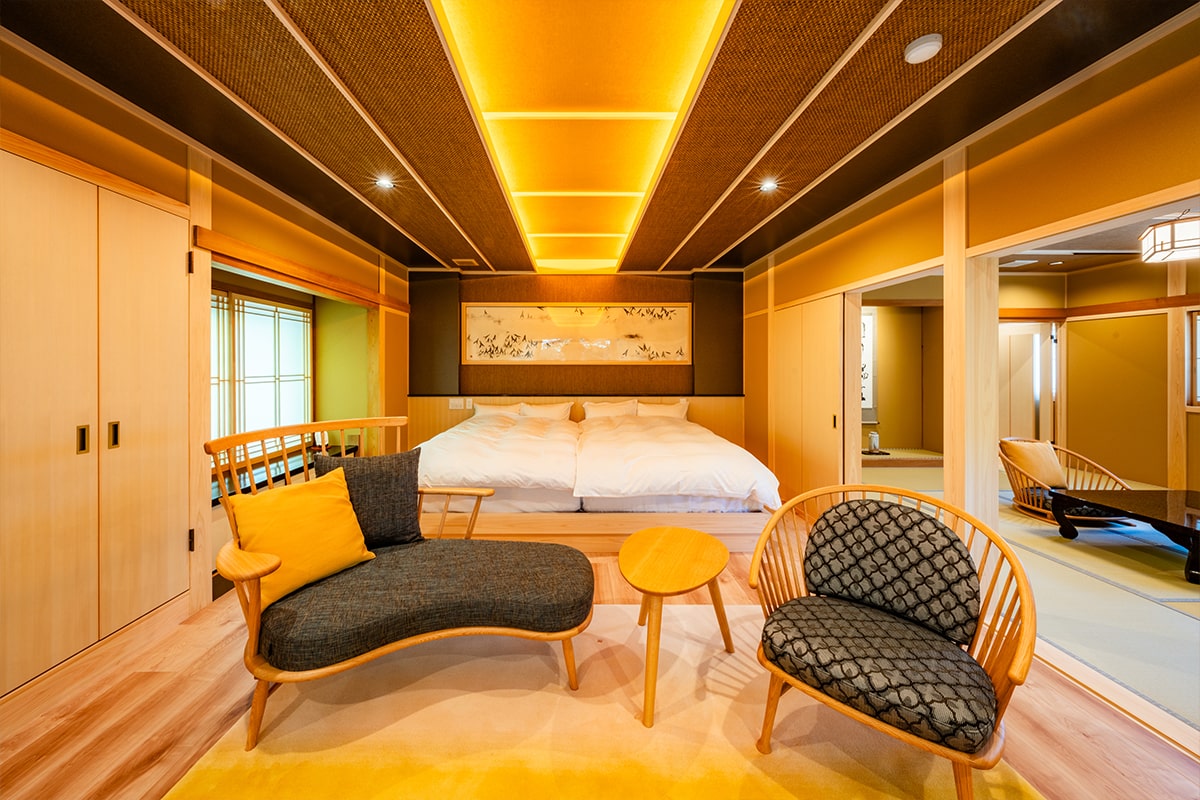
I slept in one of these temples built near this "eternal resting place" during cherry blossom season in 2023.
The temple I stayed at was founded 1,200 years ago by a disciple of the man they're still feeding, continuously maintained and inhabited since then. It's on a quiet mountaintop south of Osaka, two trains, a cable car and a bus away from the city center.
The cemetery is the main attraction of this small town, and it starts at the front door of the temple. Two kilometers of cobblestone through old-growth cedar house 200,000 graves that date back not only centuries, but millennia. Feudal lords, famous artists, wealthy traders. Even Panasonic and Nissan have memorials here. Strangely, a pest control company built a monument for the termites it exterminated. So Japanese...
At the end of the path, over 10,000 lanterns burn in a single hall. Two have been lit for 900 years. This is where the leader of a certain Buddhist sect sits "eternally meditating".
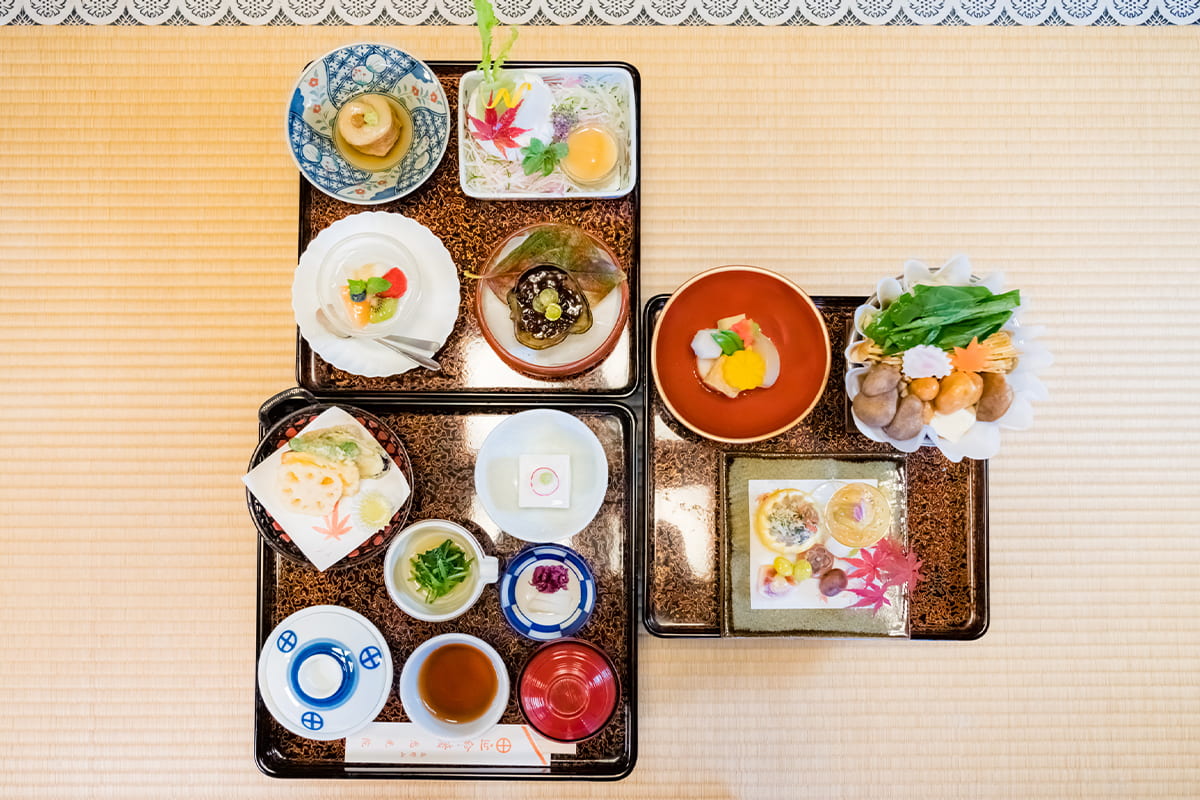
Every evening at the temple, they prepare traditional Buddhist vegetarian cuisine by the rules of five colors, five flavors, and five methods. While I'll stick to yakitori and curry in Osaka, it was an interesting cultural experience to say the least.
Hopefully the monks are carrying a few treats to our eternal meditator, too.
Full story in the newsletter - link in bio
1
230
May 16
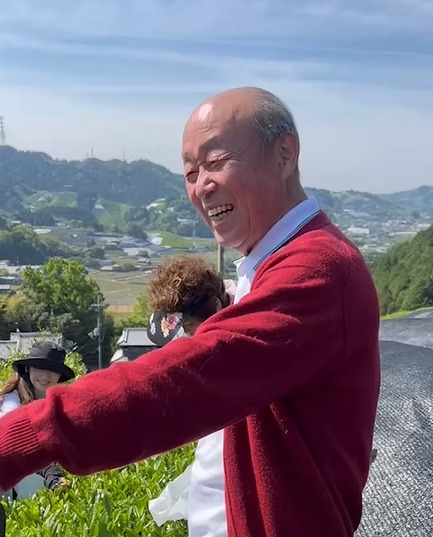
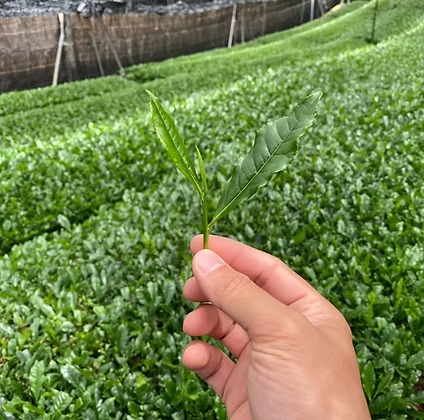
A friend of mine spent years working in import/export in Mexico before coming home to a valley that produces half of one of Japan's most celebrated teas.
The locals had no idea what they were sitting on. He did.
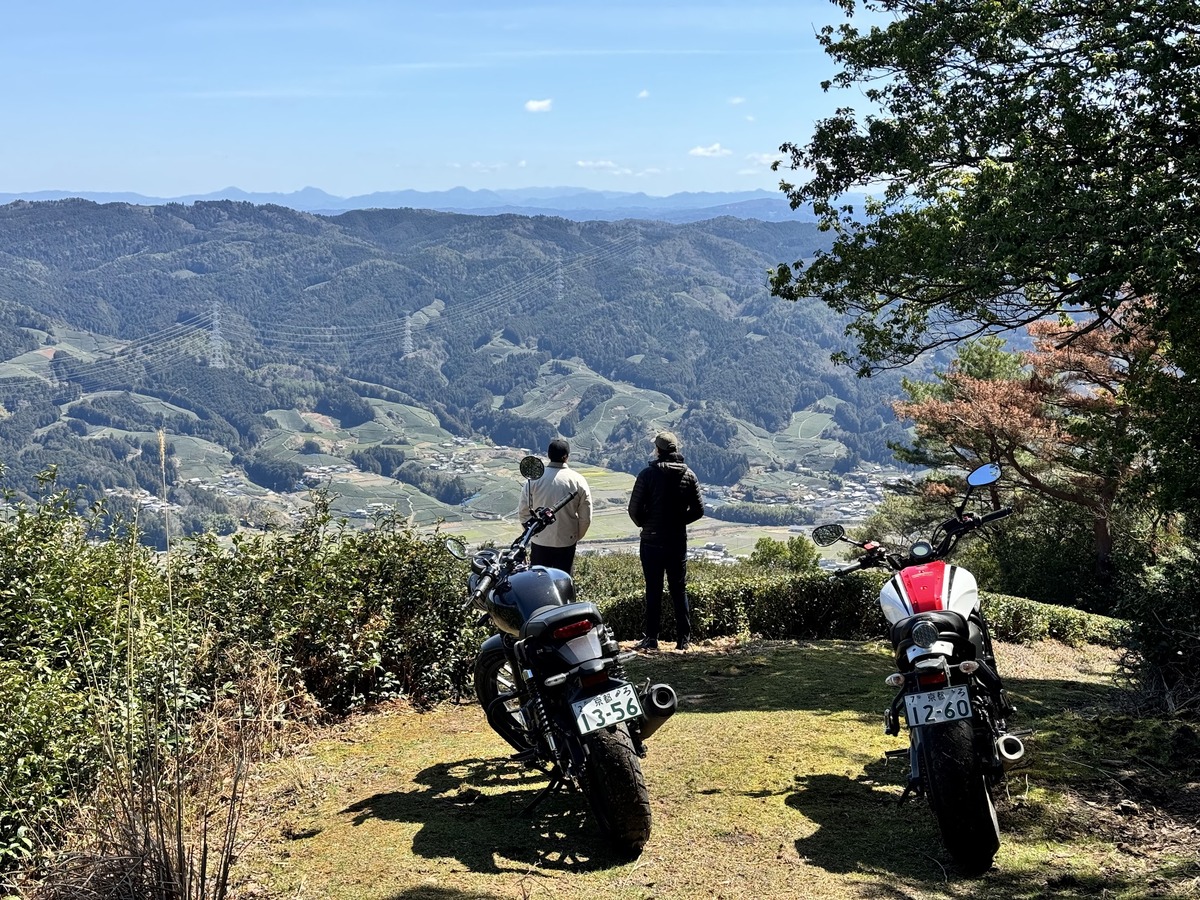
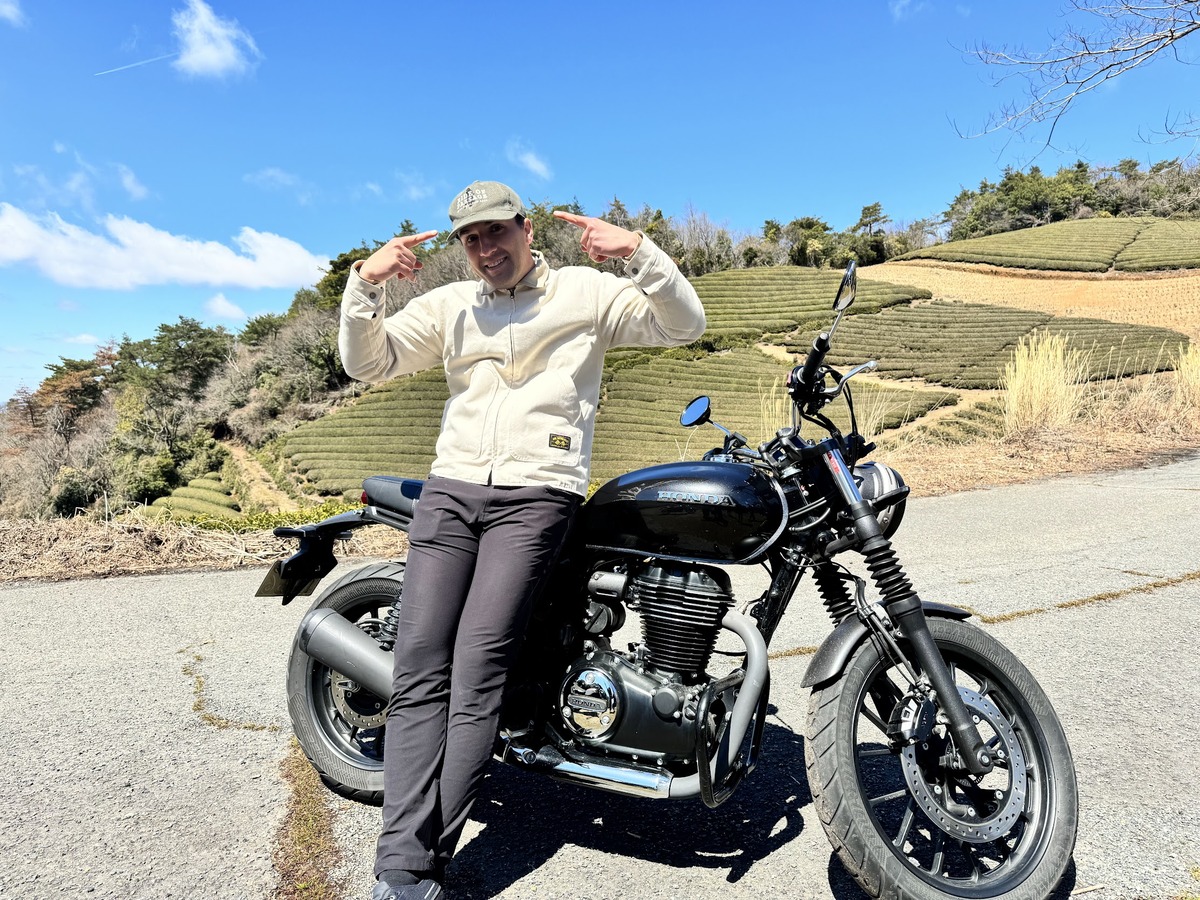
I found this valley through a mutual friend who runs Smorgasburg, an outdoor food market across the U.S. We rode motorcycles through the valley together in 2024, when he connected me to the man who is focus of today's little adventure: Shota.
About 300 farming families work terraced hillsides in this valley, which has produced tea for over 700 years. The valley is designated one of Japan's Most Beautiful Villages. It sits about an hour from one of Japan's most-visited cities. Yet almost no international tourists come.
Shota speaks fluent English, Spanish, and Japanese. He understands both the farming tradition and the international market - which is a rare combination in rural Japan. He's now running valley tours: working-farm access, the history behind the terraces, how the tea is made, how the families live.
He introduced me to one farm that's been in the same family for over 300 years.
In 1980, the sixth-generation tea master abandoned pesticides. His neighbors thought he'd lost his mind. The farm lost crops for years. He kept going. The family became among the first in Japan to earn JAS organic certification - they now hold USDA and EU credentials too. Their finest matcha goes to auction for Japanese tea houses, a mark typically reserved for the country's top producers.
Shota is building something serious. In five years, this valley won't be so quiet anymore. The chance to tour this valley with someone who comes from its culture and history, yet spent time in the west as well - that window is open right now.
Go before it closes.
Full story in the newsletter - link in bio
1
9
3,285
May 12
You guys sick of Japanese posts yet?
Japan is starting to get sick of tourists... Kyoto abolished the tourist day bus pass in 2023. There were too many tourists to fit on the buses. Meanwhile, 750 rural villages across Japan face extinction by mid-century.
Japan doesn't have a tourism problem. It has a distribution problem.
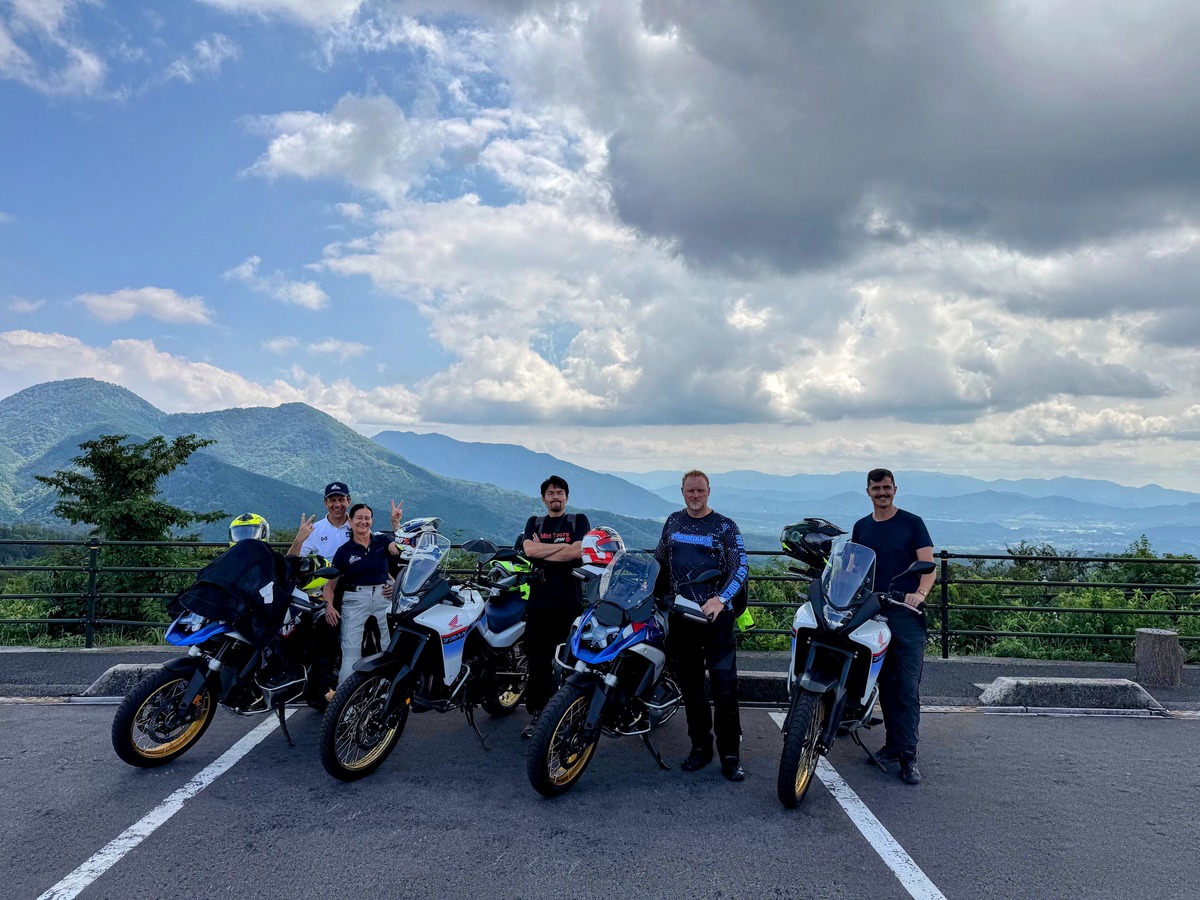
There's a motorcycle tour operator in Japan that figured this out, and they're working on an ingenious solution to fix it. Backed by Japan's largest travel agency, they've spent the last year building guided routes specifically designed to pull tourist spending out of congested cities and into rural communities that need it to survive.
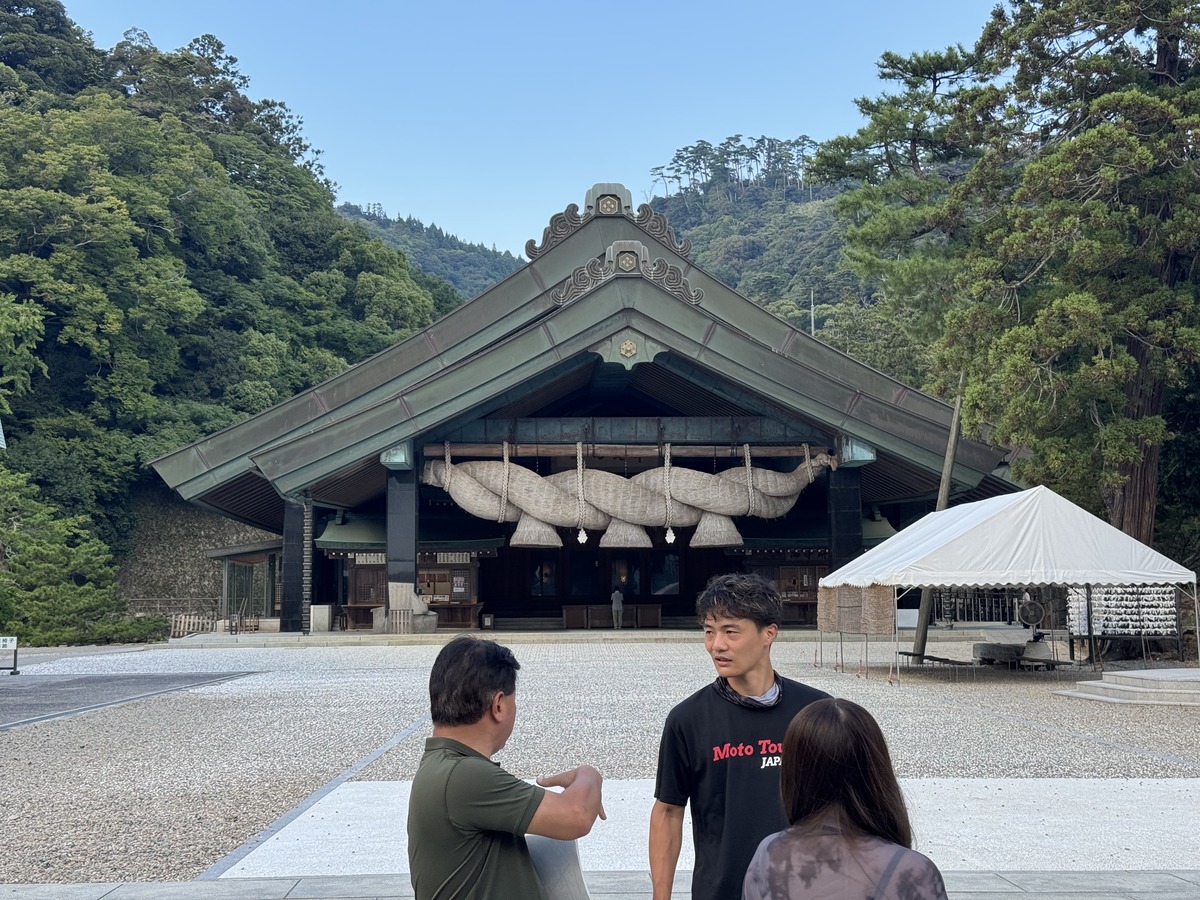
I rode one of their routes in late 2025 - all these photos are from my trip. This tour operator is definitely on to something.
I'm speaking from experience: I've been to Japan eight times since my early teens. I've done two other motorcycle trips there (solo). Japan is a beautiful place to explore, especially on two wheels, but it is one tough nut to crack as a foreigner.
This tour agency cracked it.
When you're on a shinkansen between Tokyo and Osaka, you see the back of cities. When you're on a motorcycle threading rural mountain roads, with a Japanese guy leading you, you see the Japan that existed before the factories. A sword-smith at his forge in a provincial town no bullet train serves. A ninja castle in a city most tourists will never hear of. Mountain shrines where you're the only foreigner, and the wooden boards have been worn smooth by centuries of hands.
Japan didn't industrialize until after World War II. The countryside still carries an older character, and you can't feel that at 300kph from a rail window.
Japan is also - I'll just say it - possibly the best place on earth to ride a motorcycle. The land mass is 70% mountains. Which means twisties - more than most riders can imagine. The road quality maintained to a standard that would embarrass most developed countries, even in areas that see almost no traffic. Drivers are patient in a way that breaks the Western mind, and they're respectful of motorcyclists. Hot springs pop up at regular intervals across the countryside so you can soak out the saddle soreness at the end of each day.
The bike options for rent here also run the gamit - from 50cc scooters to Ducatis and Harleys - so you are spoiled for choice. This tour operator also just so happens to be in the same group as Japan's largest motorcycle rental network, which operates 130 shops renting 3,600 bikes nationwide. I always rent from them in Japan, and their bikes are always immaculate.
If you ride, do not miss Japan. And do it with this agency - they will unlock a side of Japan, and an insight in to Japanese culture, that is hard to get even with years spent living in Japan.
And you'll be supporting the countryside of Japan, which could use your fresh faces!
Learn more about my favorite motorcycle tour agency in Japan at the link in bio
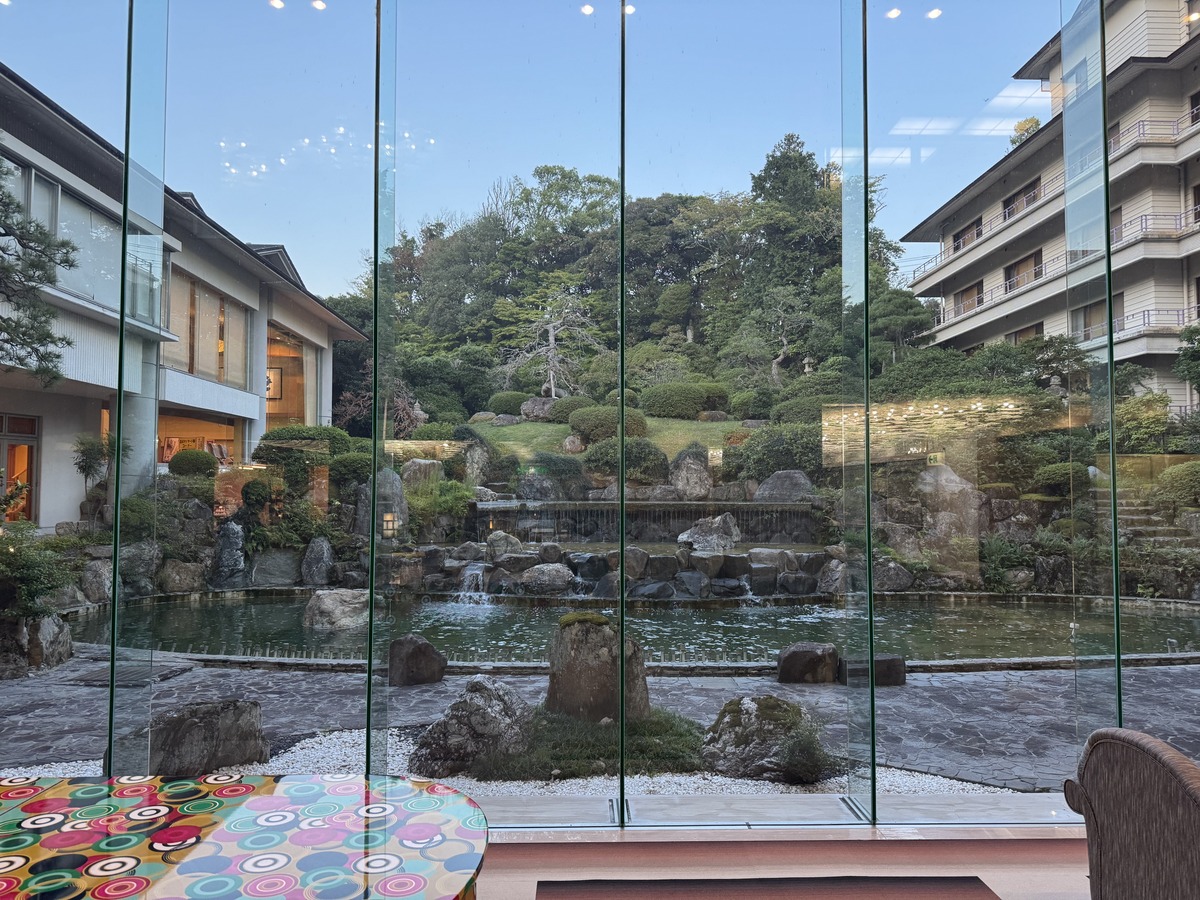
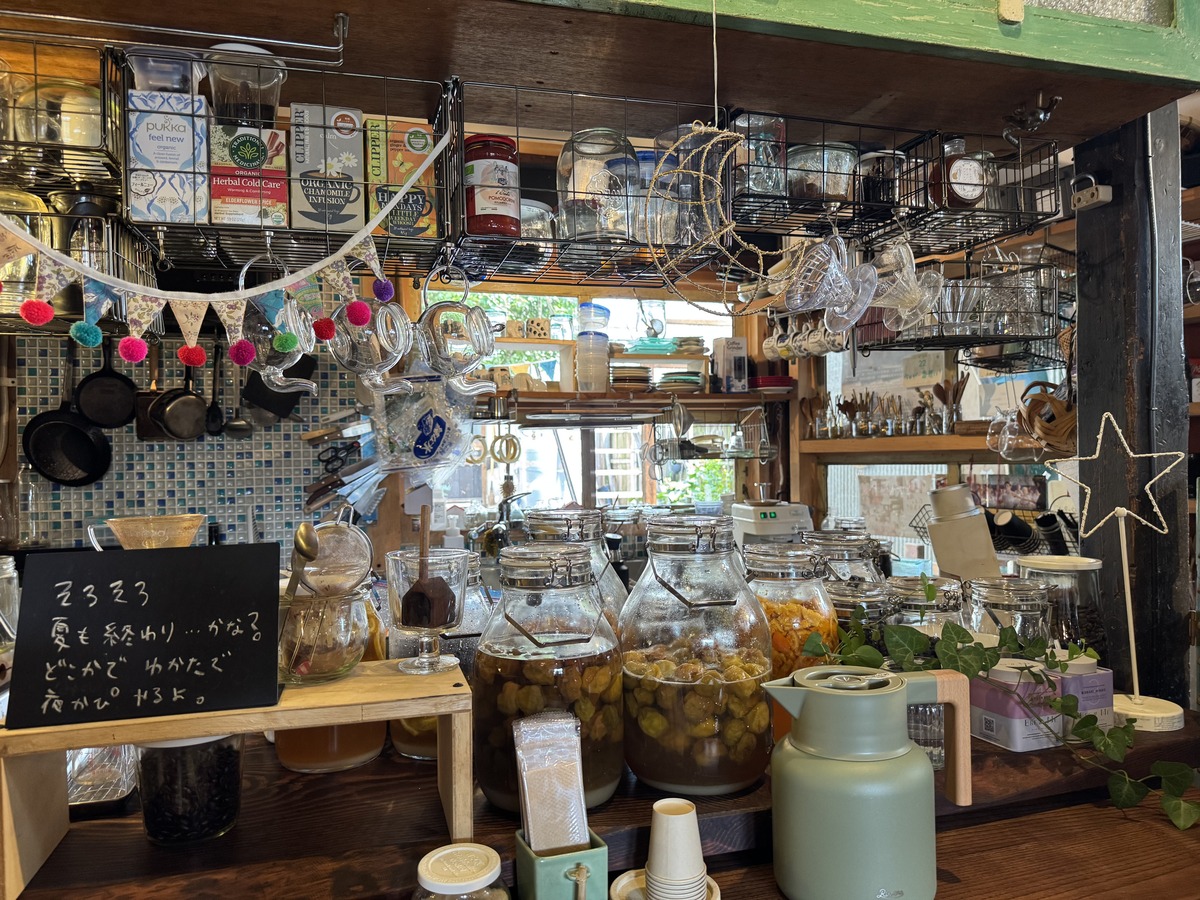
3
10
390
May 10
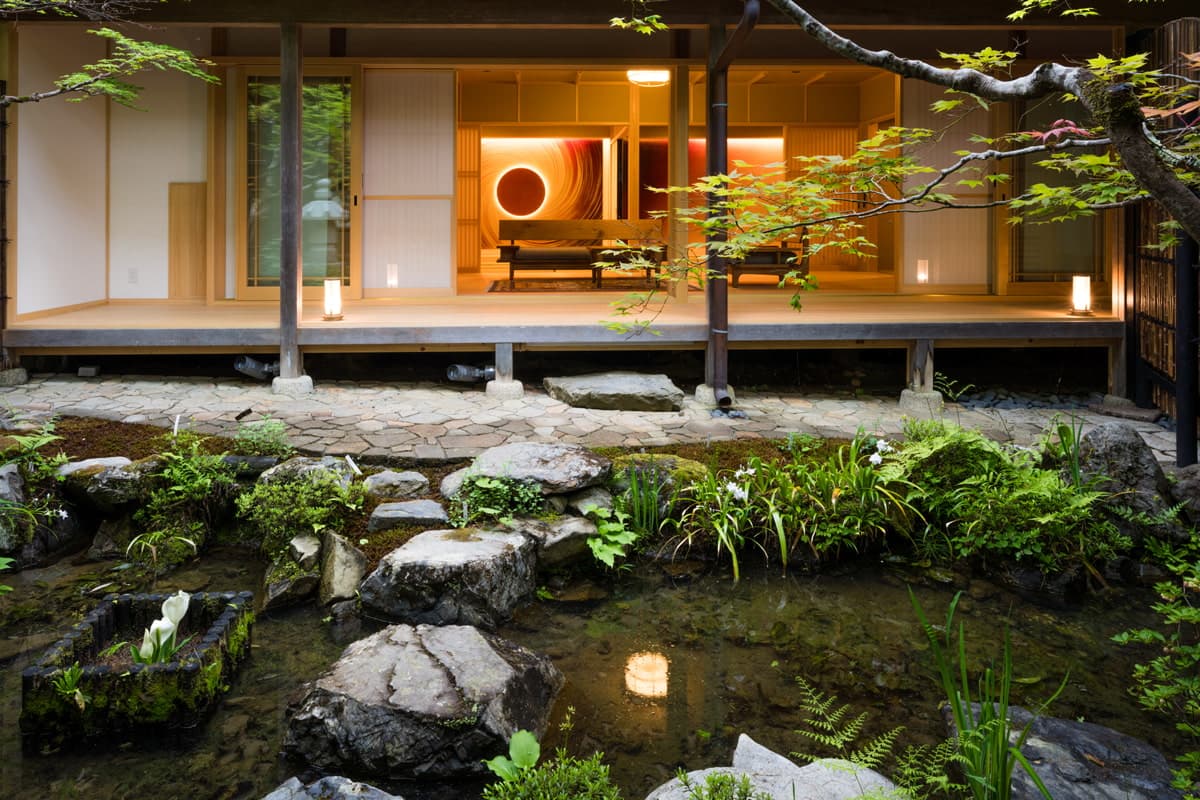
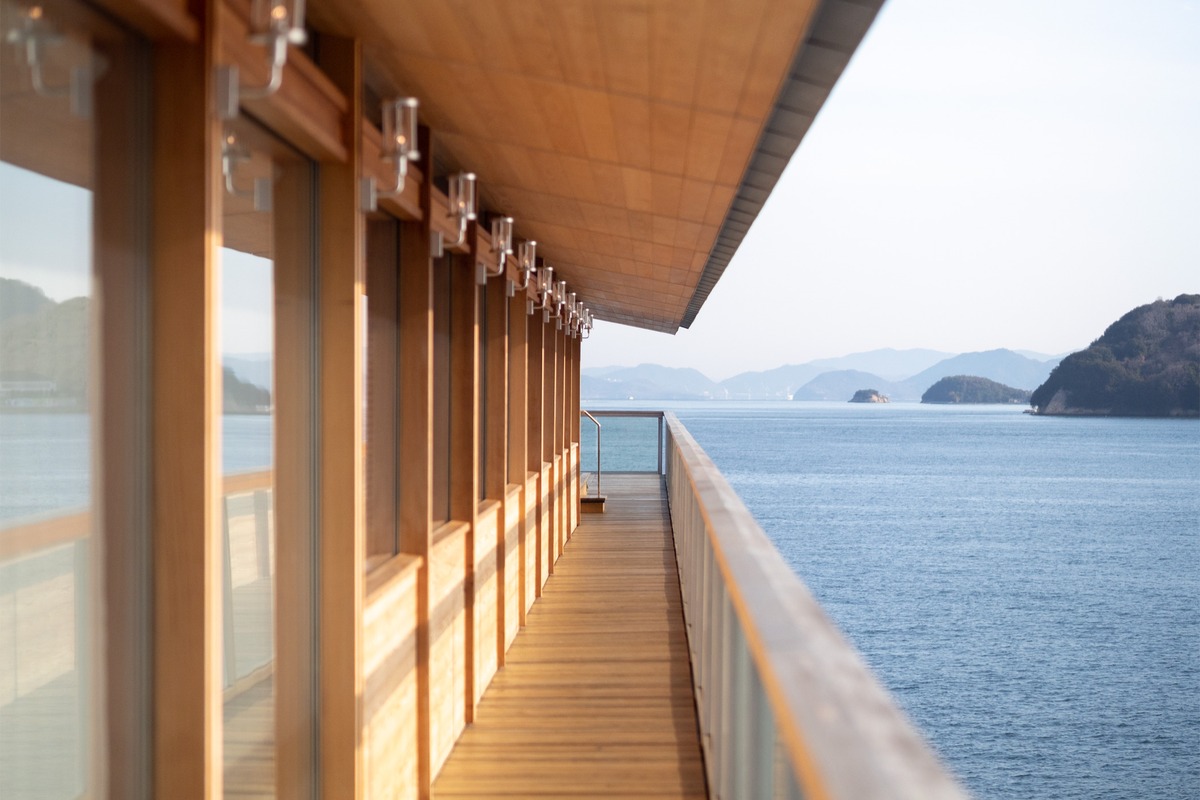
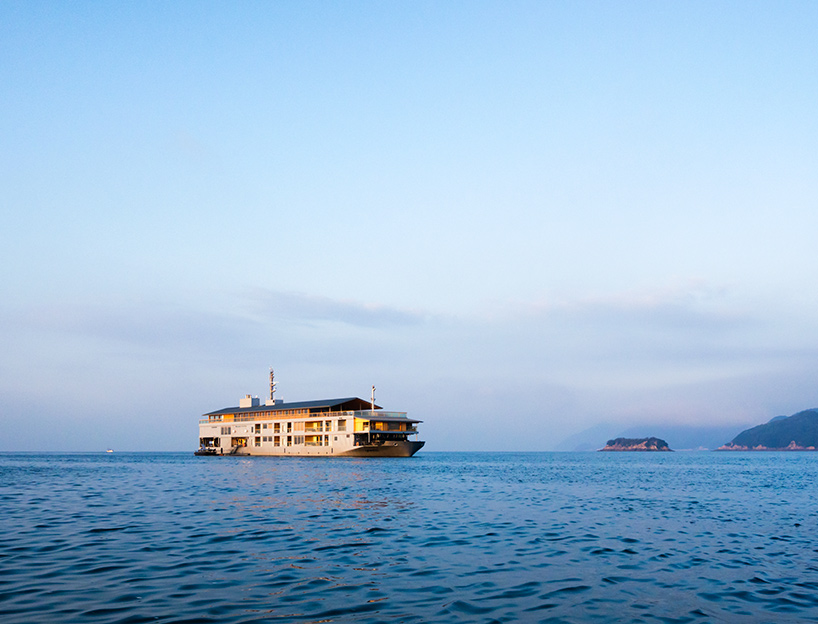
If gently lapping waves don't put you to sleep, don't stay here.
This isn't quite a hotel... it's a ship. Cruising the inland seas of Japan, it was built by the same shipyard that's made working ships for this coastal community for generations. Named after a crab from this region.
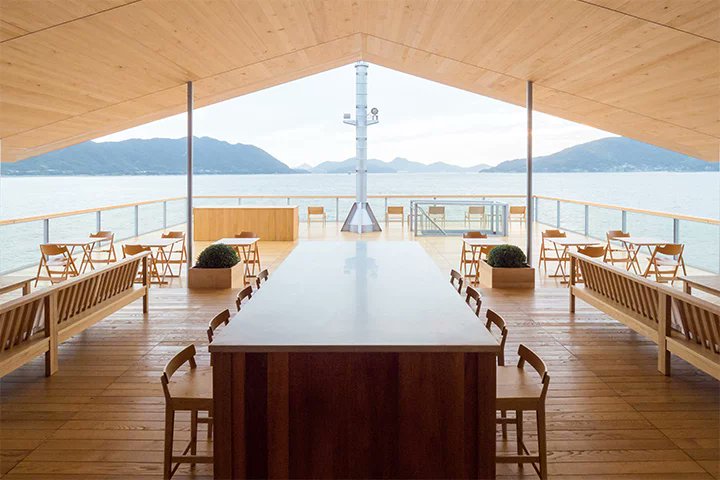
The architect designed a silver hull to reflect the shifting tones of clouds and water. A gabled roofline in bungalow blue echoes the fishing towns you pass. Inside you'll find 11 varieties of local wood, every piece shaped by craftspeople from this same stretch of coast.
The propulsion runs diesel-electric. Near-silent. Passing 700 tiny islands and you barely know you're moving.
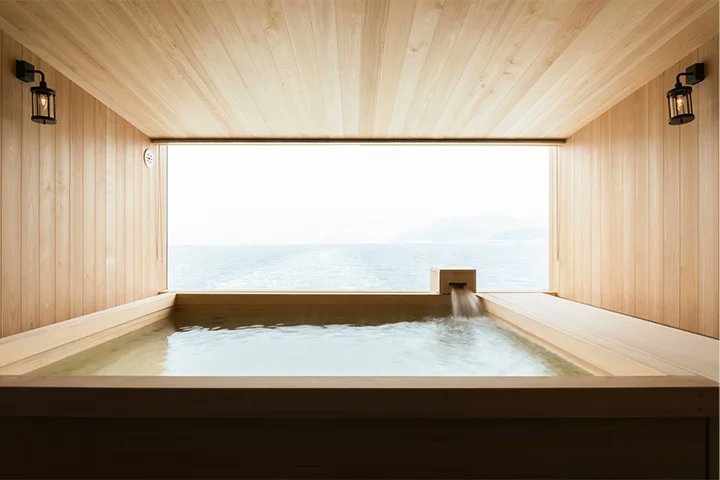
Each room is a suite, some with open-air hinoki cypress baths on private terraces.
Chef Kenzo Sato runs the kitchen in the kaiseki tradition. A six-seat sushi counter with sea views serves made-to-order nigiri throughout the day. There are no fixed mealtimes. The deal: what you want, as much as you want. Everything included.
But you're not trapped on the boat either. You get shore excursions to art-filled islands, ancient temples, fishing villages, artisan workshops. A private speedboat to islands without docks. This part of the Japanese seas is known for some of the best oysters in the world and the stone used to build Osaka Castle. But it's just a little bit out of the major cities and the Shinkansen network; which means it's devoid of tourists.
TIME named this one of the World's Greatest Places in 2019. Not the sea; but this ship.
If you're like me and enjoy the idea of a cruise ship more than the reality; this might be the one to book.
Full story in the newsletter - link in bio
1
301
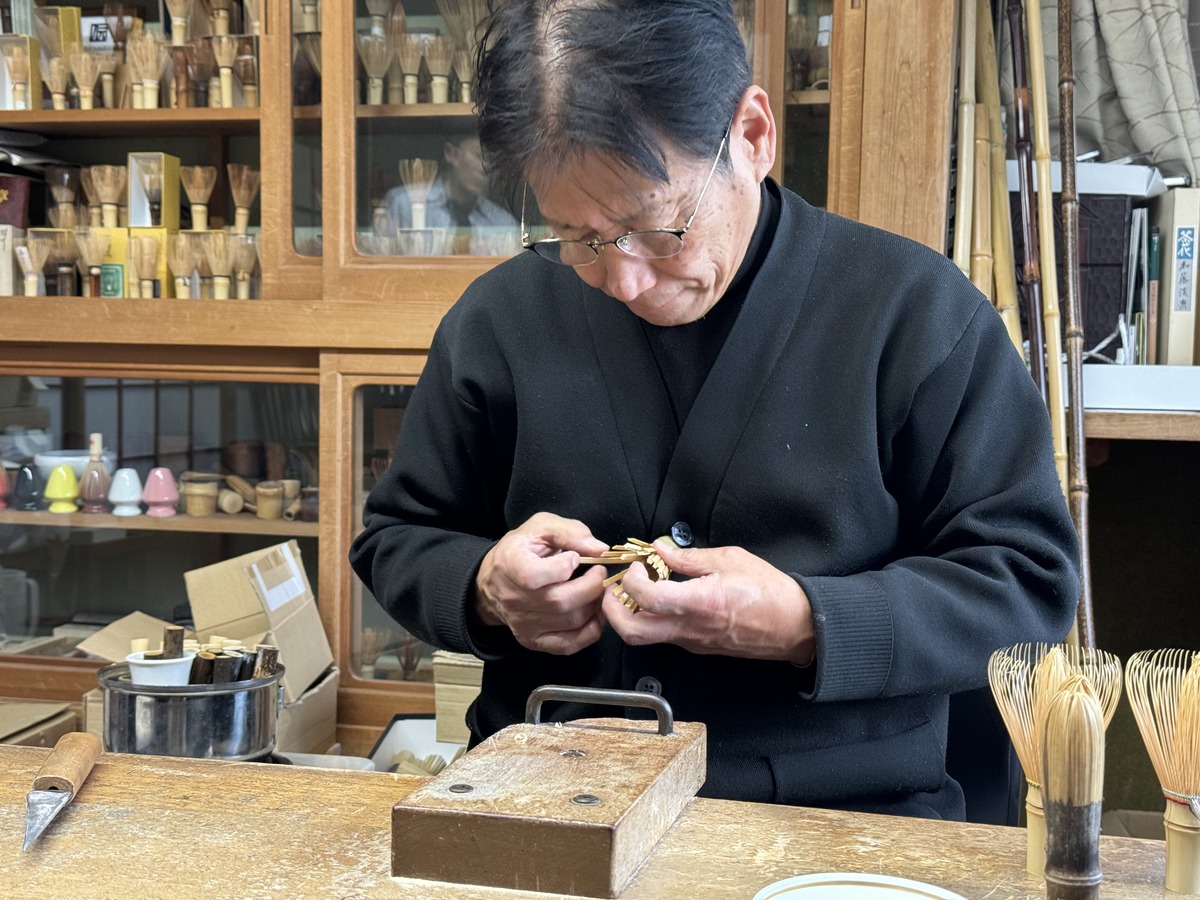
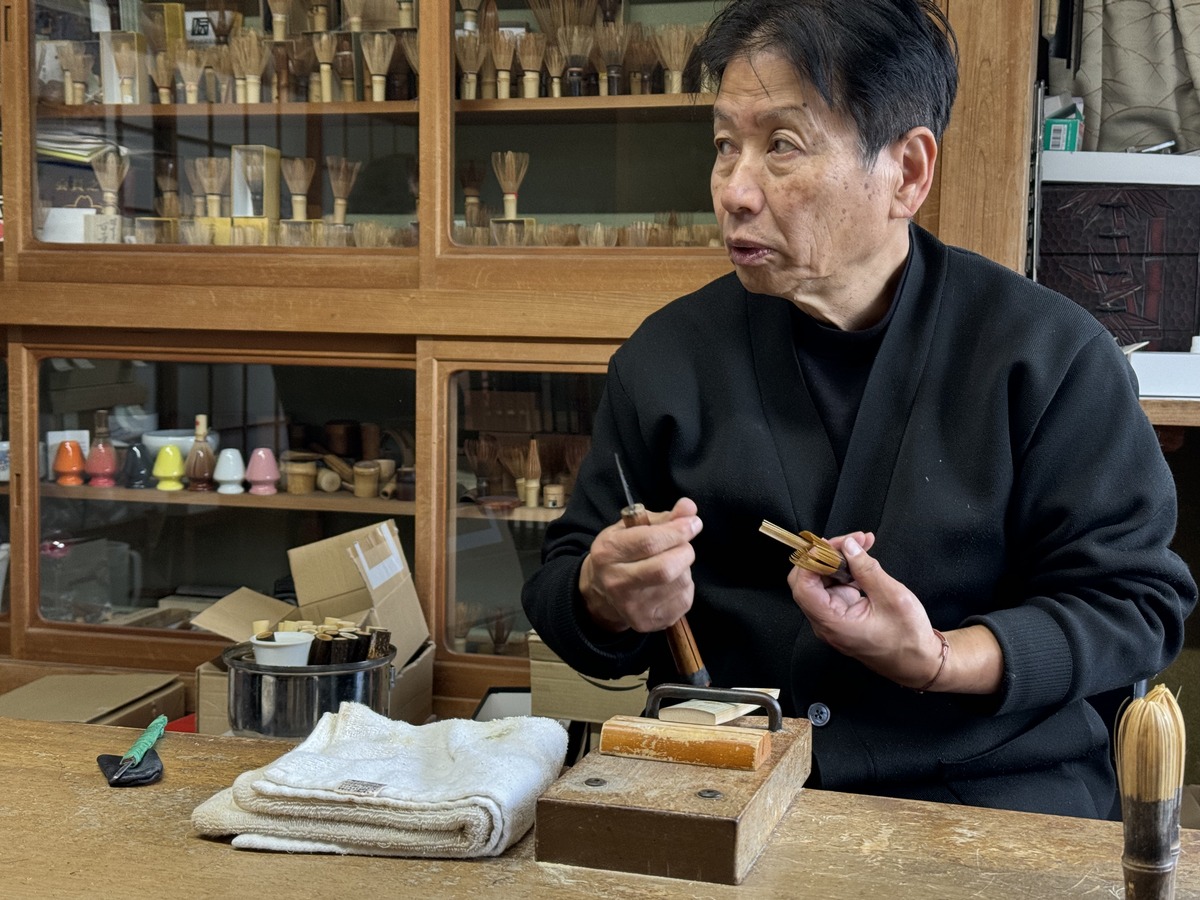
If you'd met this man in the 1980s, he'd be selling you a Xerox machine. In the era of Japanese businessmen "washing their feet in beer", he was caught in the fever. But this is no ordinary man; he is the 25th generation in a line of master craftsmen working on one very specific tool since the 15th century.
At some point he decided, he wasn't going to be the son to break the family line.
What he returned to was chasen-making: the production of bamboo tea whisks at the center of Japanese matcha ceremony. Today, his workshop employs 30 people. They produce 20 whisks a day.
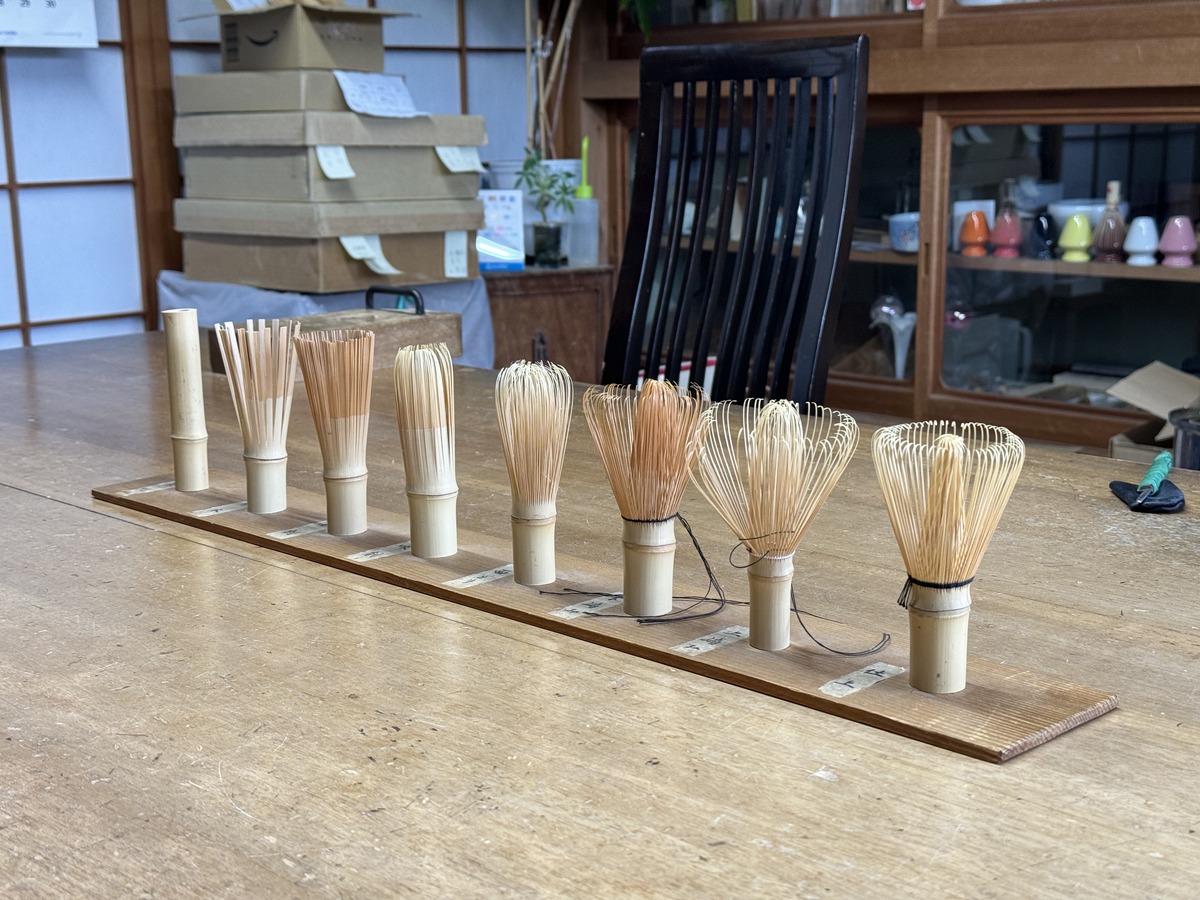
Only about 18 chasen masters remain in Japan. He's one of them. His son is now learning to become another. As a chasen master, it still takes him three full hours to make a single whisk from start to finish.
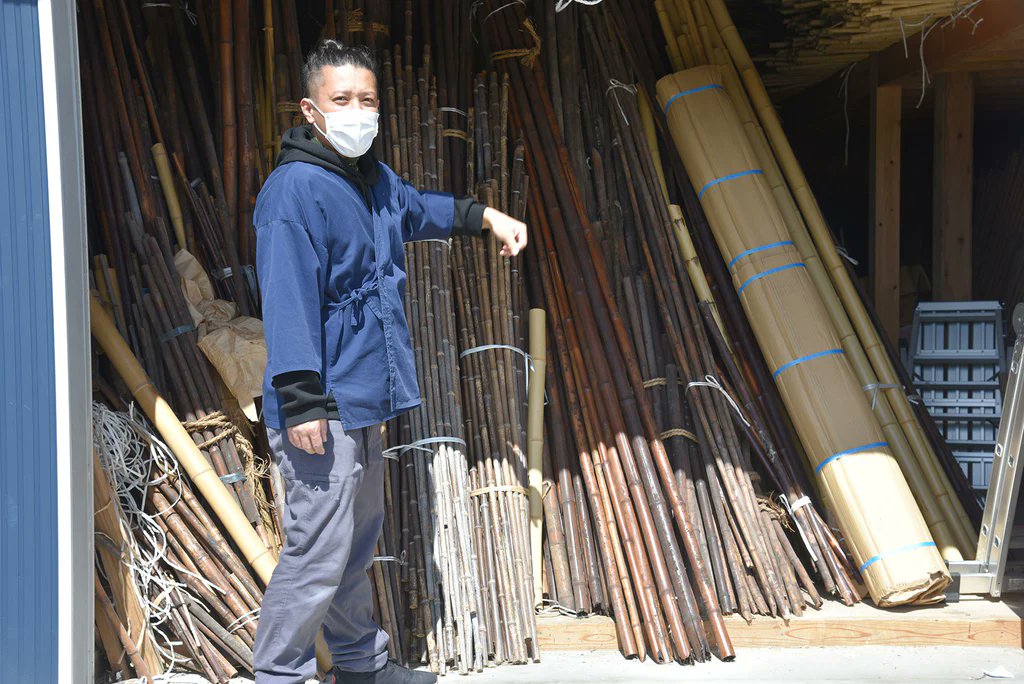
The bamboo they use is harvested young, boiled to remove its natural oils, sun-dried for weeks, then stored in a curing shed for two additional years before a craftsman touches it. Full mastery of the seven-step production process takes 15 years to acquire.
The region where this workshop operates produces roughly 95% of Japan's domestic chasen. The craft traces to the mid-15th century – to a tea master's request and an emperor so moved by the first whisk presented to him that he renamed the town.
Chinese factories now supply the majority of the world's whisks using heat-curling. This workshop hand-curls every tine, 20 per day, because that's the way they've always done it.
And this man nearly sold copiers his whole life. I'm sure glad he didn't.
You can meet this man in Nara, Japan - more info at link in bio
2
260
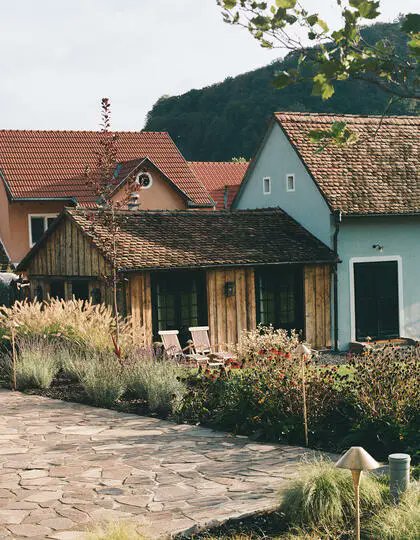
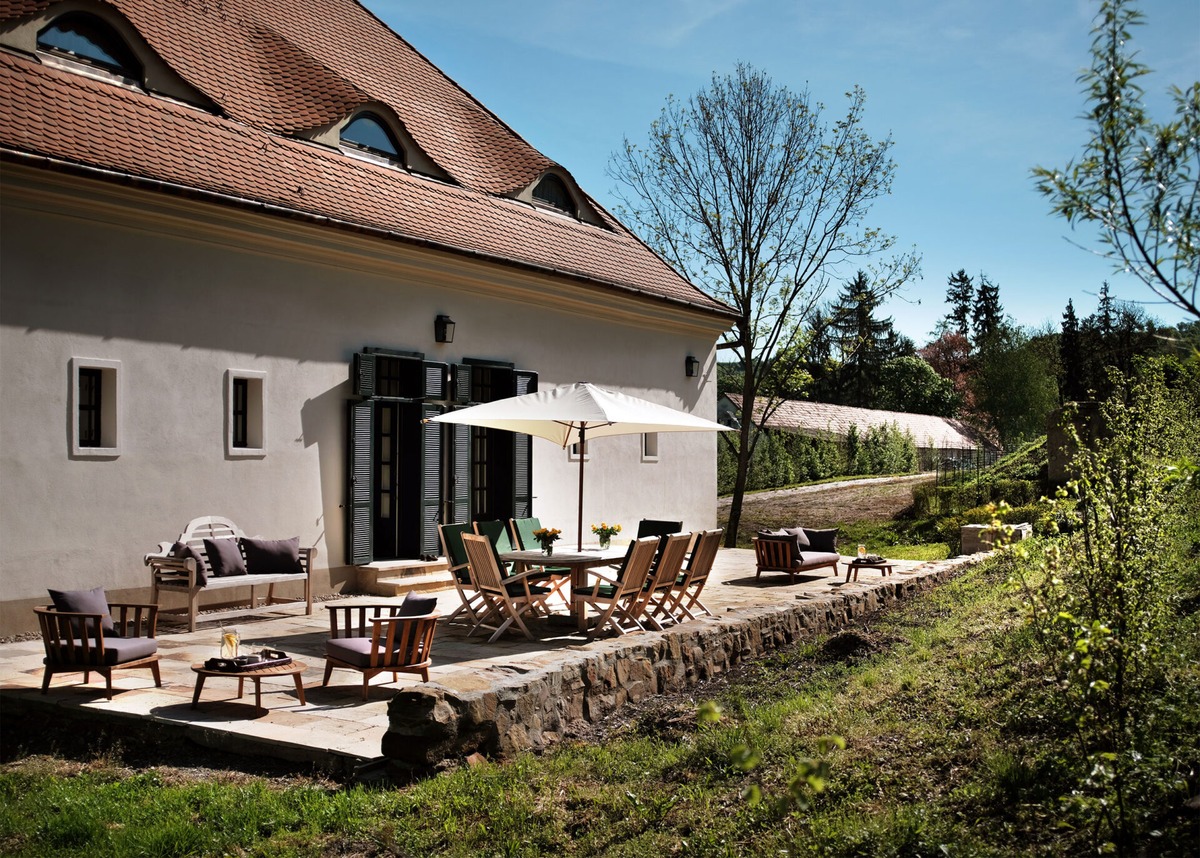
A family that lived in the same Transylvanian village since the 12th century was forced out by the communist regime. One came back in 1967 to find the ancestral home in ruins. His son came back decades later and started buying the village piece by piece.
Count Miklós returned to a place that no longer belonged to him. The castle was expropriated. The estate had become rubble. He couldn't reclaim it, so he did something more patient: established a charitable trust, funded scholarships for local children, and spent the rest of his life pursuing UNESCO recognition for the castle. He died in 2001 without ever getting it back.
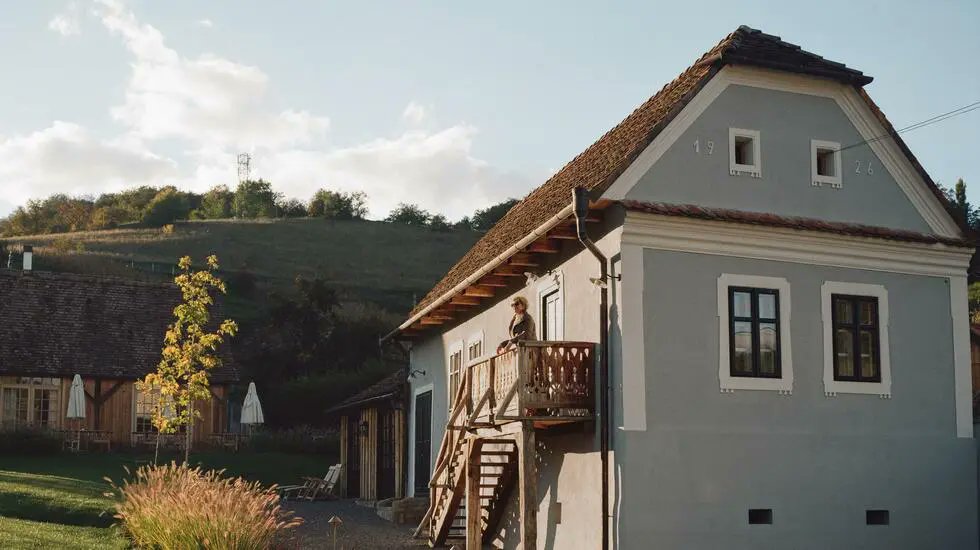
His son, Count Nikolaus, took a different approach. Starting in 2007, he began acquiring the neighboring properties – a caretaker's cottage, Saxon farmhouses, a granary, an abandoned schoolhouse. One by one. The same village. Different buildings.
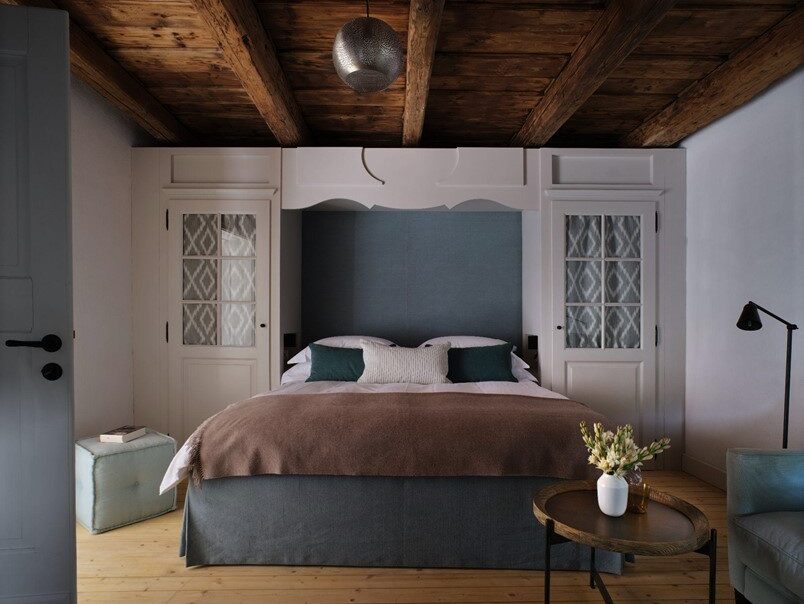
The hotel that emerged doesn't look like a hotel. Ten rooms dispersed across three restored structures in an actual Transylvanian village, each one roughly 300 years old, each one renovated on the principle Nikolaus articulates this way: "Every house has a different story, and you need to renovate it so that it's not trying to be something else."
The surrounding landscape is just as much a highlight as the buildings. Twenty minutes away sits the Breite Ancient Oak Tree Reserve, 74 hectares, some of the oldest oaks in the region. A certified ecologist leads guests through it. These trees were standing when the family first built here.
Beyond the reserve: bear country. Romania's national bear population is among the largest in Europe, and bear-spotting excursions run from the estate. You'll also spot foxes, falcons, and deer. Or you can hunt truffles, take to the skies in a hot air balloon, or bike through other Saxon villages most tourists never reach.
Sighișoara – UNESCO-listed with medieval vibes, birthplace of the brutal and aptly named Vlad the Impaler – is about a half hour drive away. King Charles III owns property in this corner of Transylvania and founded a local heritage preservation organization here in 2015. He apparently sees what this family has always seen.
This place received Romania's first Michelin 2 Keys distinction for a boutique hotel. Also the first Romanian destination admitted to Small Luxury Hotels of the World.
Eight centuries. One village. Still standing.
Send this to someone who needs a reason to believe that what was lost can be rebuilt.
Get the name of this place at the link in bio
1
224