
Neuroscience whole-person care for humans & organizations. We fare better when we look after each other along the way. 🌿
Joined April 2022
- Tweets 387
- Following 309
- Followers 140
- Likes 2,287
15 Photos and videos








CP Health retweeted
A technique that changed my life:
In the middle of scrolling, worrying, or spiraling — pause and ask yourself:
"Is this kind to me?"
If the answer is no, you'll automatically stop.
You're doing one thing: turning your mind from external locus of control to internal. That's the whole game.
1
4
31
1,228
CP Health retweeted

31 Oct 2025
Your brain can rewire itself at any age. Most people think it's too late to change. They're wrong. Neuroplasticity doesn't have an expiration date.
60
304
2,151
531,585
CP Health retweeted
19 Sep 2025
No part of the brain is ever static.
In fact, no part of biology is ever static.
It’s always changing…
The question is, what direction is it being changed in?
19 Sep 2025

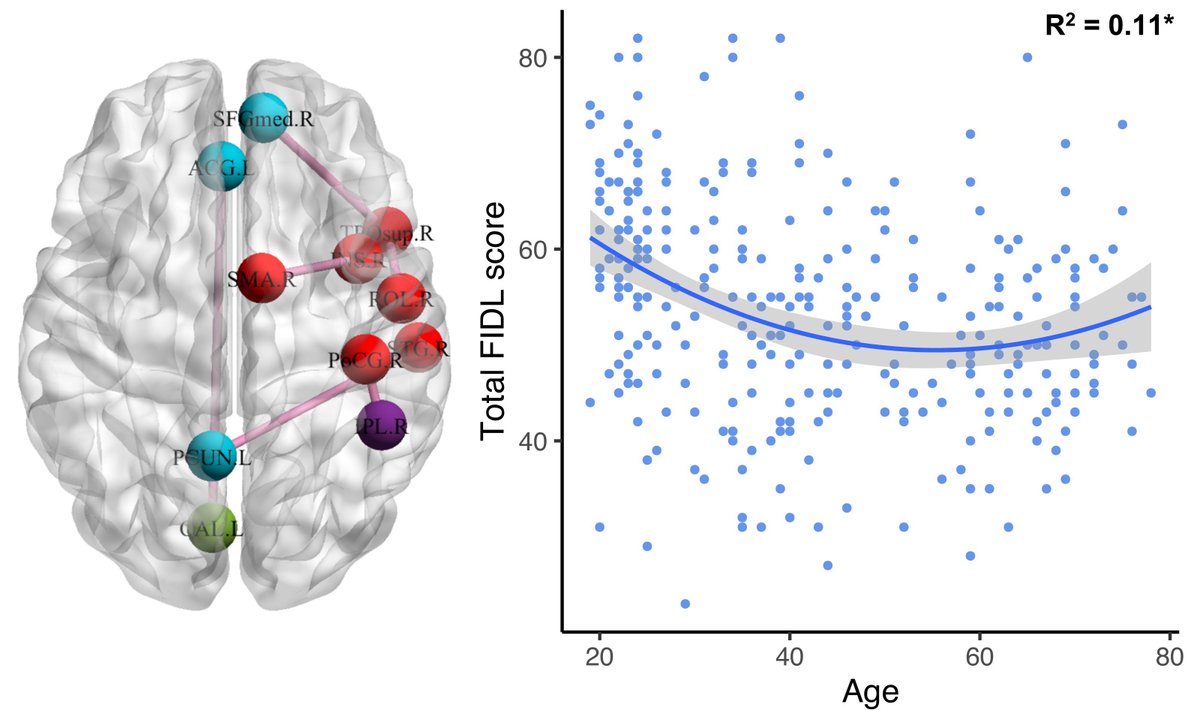
Peak cognitive flexibility occurs in middle age.
There is no expiry date on neuroplasticity.
11
60
556
25,018
CP Health retweeted
6 Sep 2025
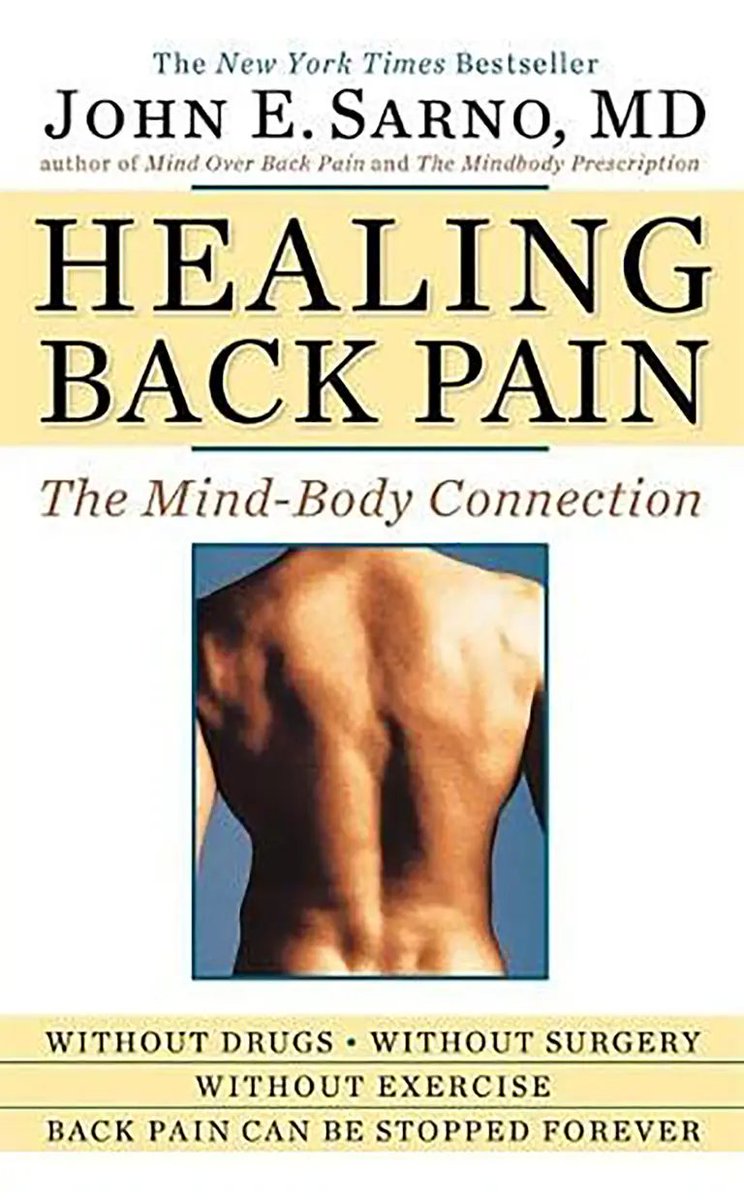
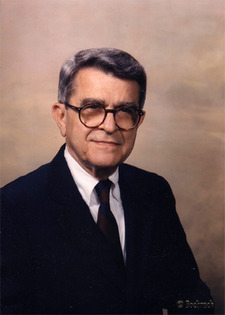
John Sarno was a maverick of a doctor who predicted an epidemic of chronic pain in the 70s.
Today, chronic pain costs more than heart disease, diabetes and cancer combined.
Yet, he famously cured thousands without any drugs or surgery.
Here's what he did differently:🧵
23
97
627
95,309
CP Health retweeted

16 Aug 2025
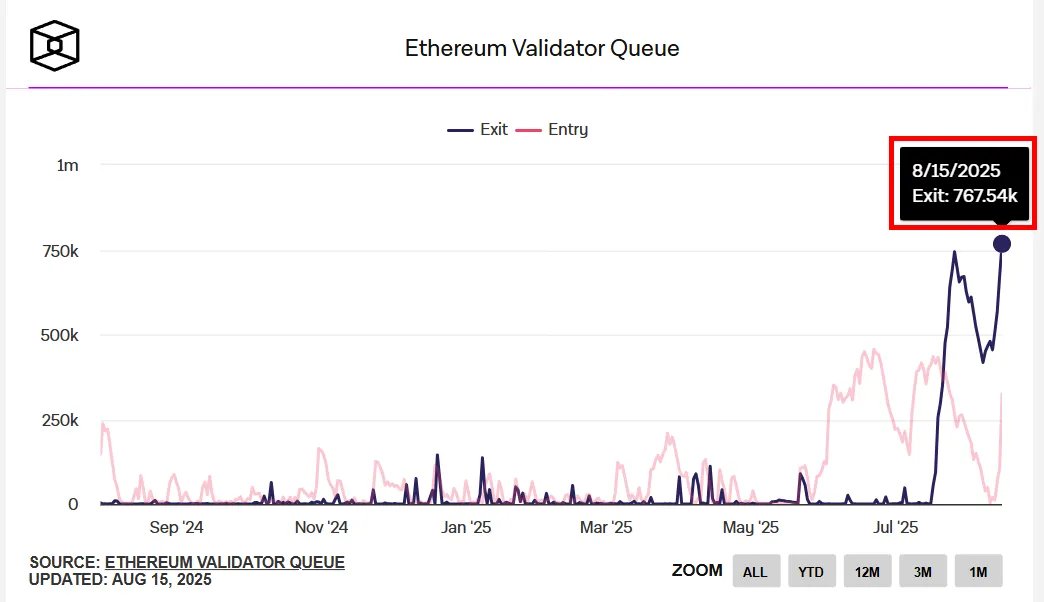
The structural problems causing the current massive unstaking event on Ethereum are impossible on Cardano.
Its native liquid staking is inherently more stable and superior to Ethereum's risk-prone lock-up model.🧵
20
71
380
23,155

BitGo sits down with @IamIanKane, Head of Partnerships at @MidnightNtwrk, to learn how they are building the next generation of blockchain infrastructure.
Privacy, compliance, and institutional scale come together in a new approach to moving assets onchain.
12
64
277
58,856
CP Health retweeted

19 May 2025
I recently returned to social media after a short break and noticed an ongoing controversy about past voucher sales. In response, EMURGO would like to share the statement below.
First and foremost, I want to stress that @IOHK_Charles, after the voucher sales ended through Attain, spent the past seven years making genuine and significant efforts to ensure redemptions were delivered to all buyers. We have seen his dedication firsthand. I personally have followed up with past connections and worked hard to ensure everyone was contacted, as thoroughly as possible.
To the best of my knowledge, I haven’t seen another project show this level of integrity in handling responsibilities after a voucher sale. Nor have I met a leader as visionary, transparent, and broad-minded as Charles.
This issue might, in part, come from the decentralized structure, which lacks capital ties or a central governing body. However, it’s exactly because of this that we believe now is the time to confidently move forward—together—toward the future of decentralized governance, rooted in shared values and mutual collaboration.
Pulling each other down won’t help us move forward. Let’s direct our time and energy toward constructive discussions and aim for significant growth—together.
19 May 2025

💡 We’d like to share our views on the discussions surrounding the unclaimed ADA voucher redemption process in hopes that it will clarify any misunderstandings:
37
147
730
60,214
CP Health retweeted

10 Feb 2025
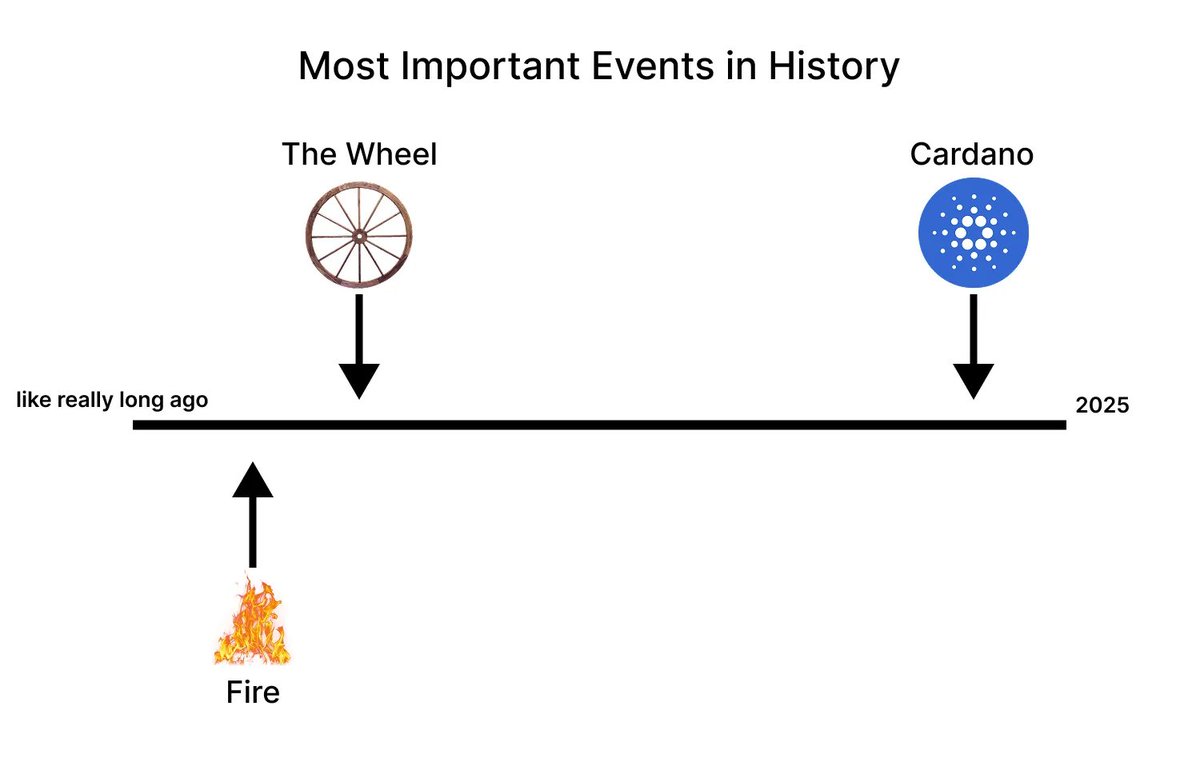
the most important events in history
20
39
348
8,705
CP Health retweeted

3 Feb 2025
Actually, you're missing the bigger picture of how Cardano approaches scalability. It's not just about relying on layer 2; it's about designing a holistic system that mimics natural ecologies where each component has a specialized role.
First off, Cardano is actively enhancing its base layer with upgrades like Ouroboros Leios, which aims to significantly boost transaction throughput directly on the main chain. This is about making the heart of Cardano pump more efficiently without needing to outsource every function.
But let's talk about layer 2 like Hydra. The point isn't that Cardano 'has to rely' on these solutions; it's that Cardano is designing a system where different layers serve different purposes, much like organs in a body. Hydra isn't a workaround for scaling; it's an evolution where specialized 'heads' can handle specific types of transactions or operations, leaving the main chain to focus on what it does best - providing a secure, decentralized ledger.
Think of it this way: in nature, you wouldn't expect the heart to do the job of the liver or the lungs. Each organ specializes, and together they make the system work efficiently. Similarly, Cardano's approach isn't about a single layer trying to do everything; it's about interoperability and specialization.
Layer 2 solutions like Hydra, Mithril, or partner chains are not signs of limitations but of foresight (written from the beginning), allowing for tailored solutions for different use cases while maintaining the integrity and security of the main chain. It's not about being 'stuck' with layer 2; it's about the design of more robust, scalable, and adaptable network.
1
3
5
295
CP Health retweeted
3 Feb 2025
🧵A thread...
Stress is more than a buzzword; it's a health crisis that we've normalized. Despite widespread knowledge, daily actions often betray this understanding. ❤️🩹
Is this a lack of wisdom?
Let's explore why managing your stress response is crucial for achieving optimal potential.

1
15
23
1,854
CP Health retweeted
21 Nov 2024
🚨 Just watched @IOHK_Charles on Bloomberg📺 talking about the future of blockchain legislation in the US!
- He gave respect to the lawmakers who've long supported blockchain tech.
- Shared about his constructive dialogues with both current and incoming administrations.
- Explained some intricacies of legislative versus executive actions in the crypto space in a way that my grandma would probably understand (if she were still alive).
- Emphasized the importance of collaboration for the growth of the blockchain industry, not just in the U.S. but worldwide.
Charles' insight & delivery highlights his role as a leader in #crypto and a statesman for the broader #blockchain community, focusing on education, collaboration, and progress for all.
#CryptoRegulation #Cardano #Innovation #Legislation
53
404
1,654
73,496
CP Health retweeted
26 Aug 2024
If you dwell in the Pacific Northwest region of North America - Join us for the upcoming workshop!
Perhaps you haven't been active in learning about governance yet, this is a GREAT opportunity.
You can observe, listen, and decide to actively participate to the extent you are comfortable.
I genuinely believe this will be one of the best ways to familiarize yourself with #Cardano goverannce; to experience the conversation in-person.
$ADA #Blockchain #Constitution
20 Aug 2024
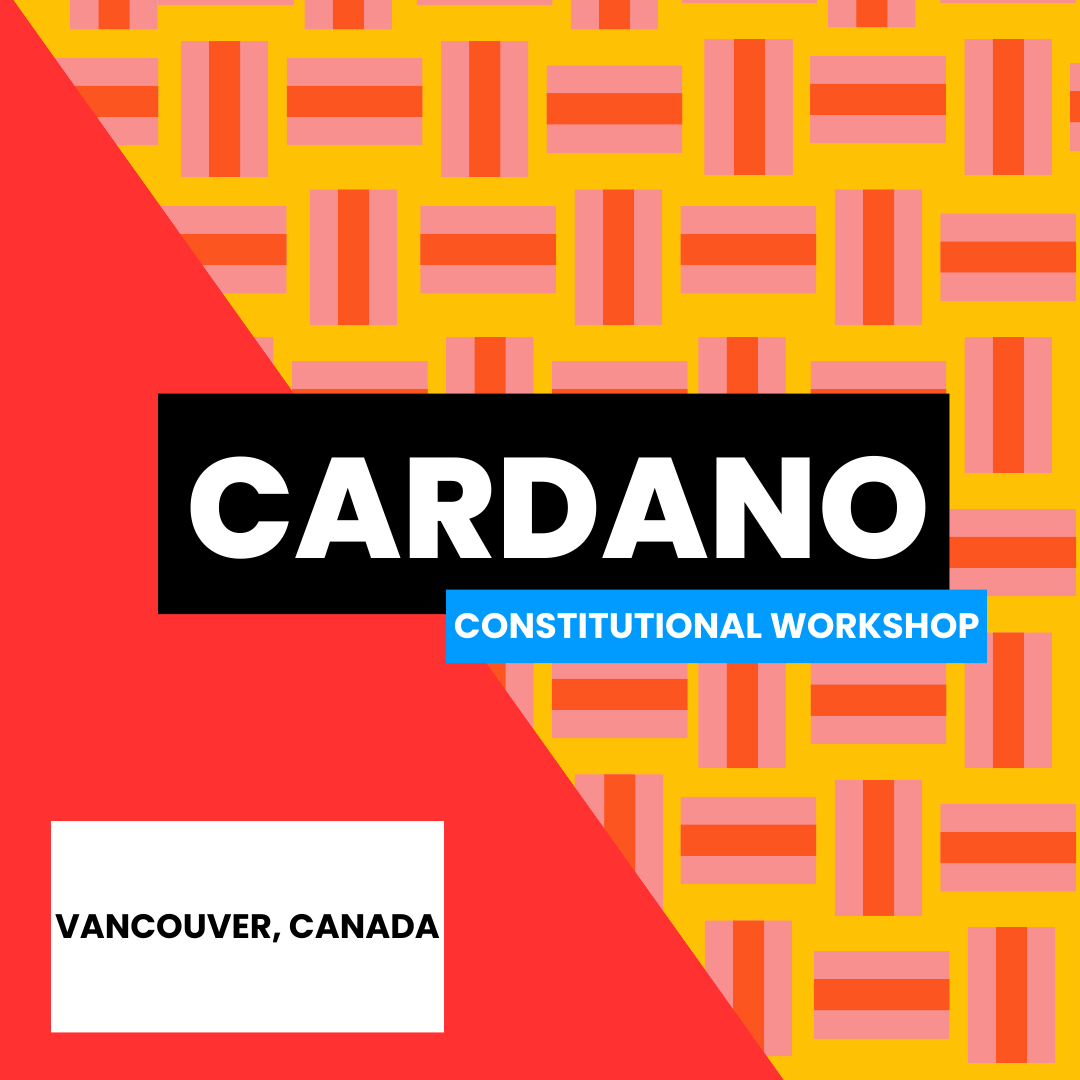
📜Constitutional Workshop📜
WHERE: Vancouver, Canada
WHEN: Sept 21 @ 10am
Join us!
lu.ma/fhy3t2qp?tk=GMfzny via @LumaHQ
#Cardano #Governance #Blockchain
12
19
1,288
CP Health retweeted
25 Aug 2024
Couldn’t agree more with the book recommendation, but instead of only owning a license to listen through Audible - OWN YOUR $STUFF with
@book_io; and BTW the mobile app is exceptional.
book.io/book/the-iliad-audio…
1
8
19
1,215
CP Health retweeted
26 Jun 2024
The assertion that staked tokens on the Cardano network were at risk during a DDoS attack is fundamentally flawed and misleading. Cardano's Ouroboros protocol is a liquid staking system, meaning all staked tokens remain securely under the full custody of their individual owners. For a hacker to steal staked tokens, they would need to compromise each individual wallet, a scenario that is practically impossible. Unlike other networks where staking requires locking tokens into a smart contract, Cardano's design ensures that staked tokens are always controlled by their rightful owners. This structure significantly enhances participation and the security of staked assets.
It is concerning to see reporting that introduces or encourages unnecessary fear regarding the safety of staked tokens on Cardano. Such claims are not only inaccurate but also irresponsible, as they misrepresent the robust security framework of the Cardano network. It is crucial for media to provide accurate information, particularly in the rapidly evolving field of blockchain technology, to prevent misinformation and undue alarm among stakeholders.
#Cardano $ADA

The Cardano blockchain successfully mitigated a DDoS attack that attempted to steal staked tokens, with no significant impact on the network's operation. By @shauryamalwa.
trib.al/GA7zhQ9
Community note
The attacker’s intention was to halt the chain. No staked ADA were targeted or at risk and no funds were lost or “taken back”. Instead, the hacker provided his tokens to clever developers who thought of a brilliant idea to drain him even faster than expected.
x.com/intersectmbo/s…
2
3
171
CP Health retweeted

26 Jun 2024
What's on the horizon for @Marlowe_io?
The Marlowe Foundation, special interest groups, Project Catalyst proposal & more.
Learn all the latest from @thompson_si in this clip & watch the full interview here: youtu.be/5WenPx1krGE?t=792
3
26
122
4,339
CP Health retweeted
21 May 2024
Cardano’s community of developers builds and provides access to tools and applications needed to expand #Cardano.
This evergreen list helps you find the tools you need to build on Cardano: iohk.link/3IWZ4JO
✍️If you would like to add tools to this list, please do so by suggesting an edit.
3
48
199
7,213
CP Health retweeted

20 May 2024
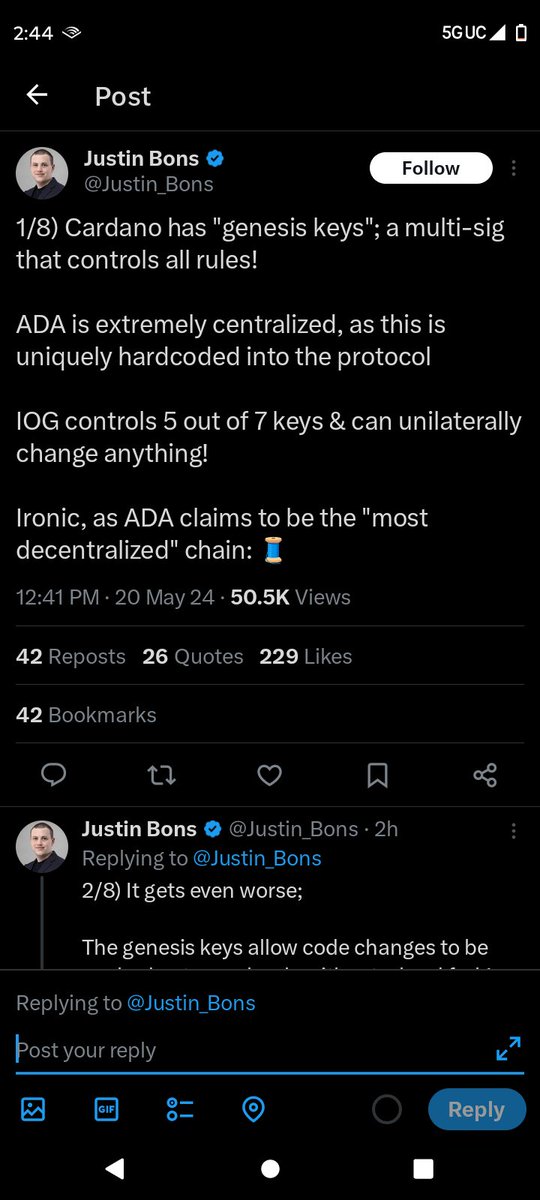
Justin Bons is back on his engagement farming bullshit. Please don't amplify him. If he was interested in factual information he would have checked this with many of the SMEs who have offered to help him.
Most of what he says in this thread is incorrect.
50
161
706
47,505
CP Health retweeted

20 May 2024
Just a reminder that the Federal Government has spent more than $100 billion on rural broadband access and internet still sucks in the vast majority of rural areas. Elon has spent less than $10 billion, is starting to make a profit, and I had internet while in the middle of the ocean hunting for aliens on the Silver Star.

Bringing connectivity to remote communities radically improves access to education and economic opportunities
113
204
1,696
125,988
CP Health retweeted
1 May 2024
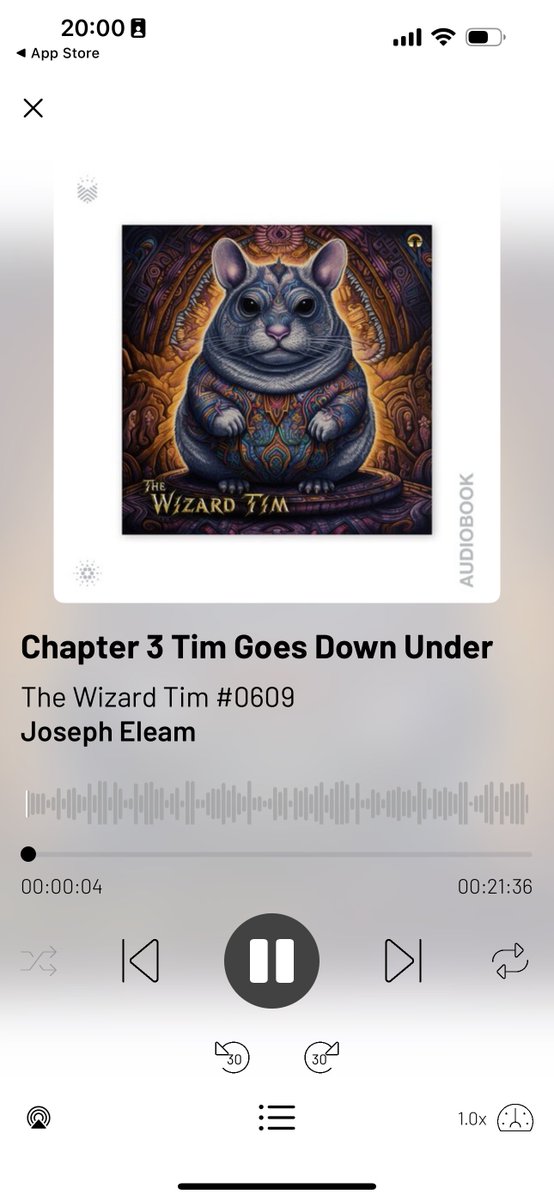
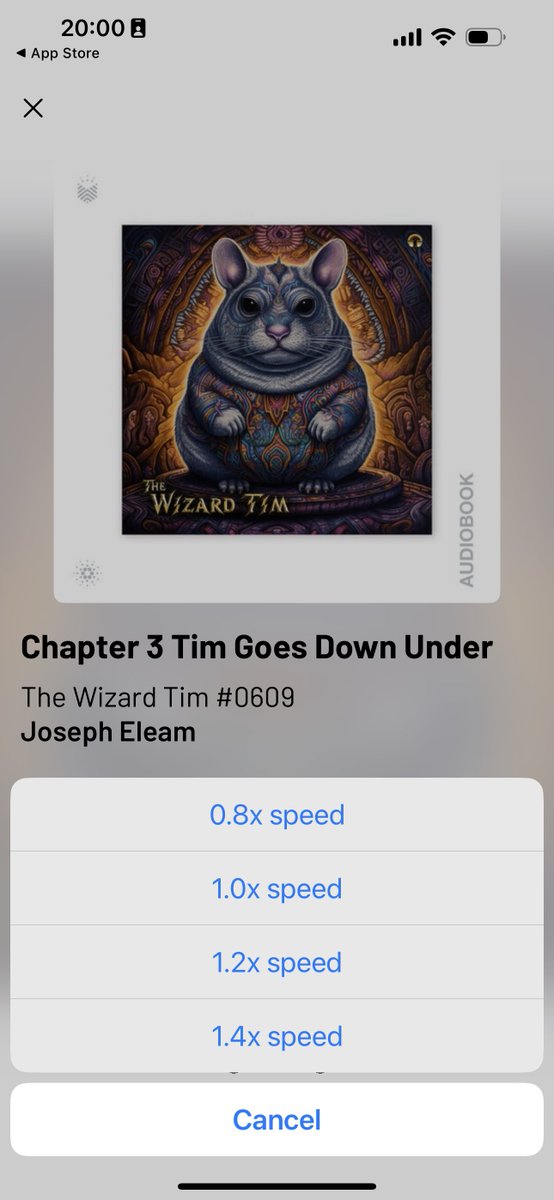
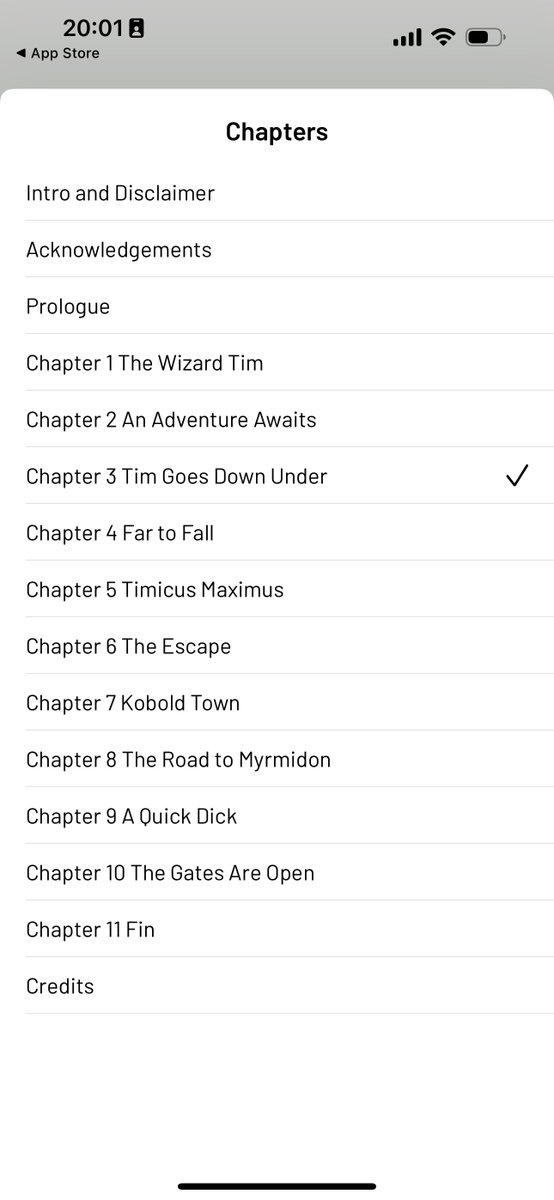
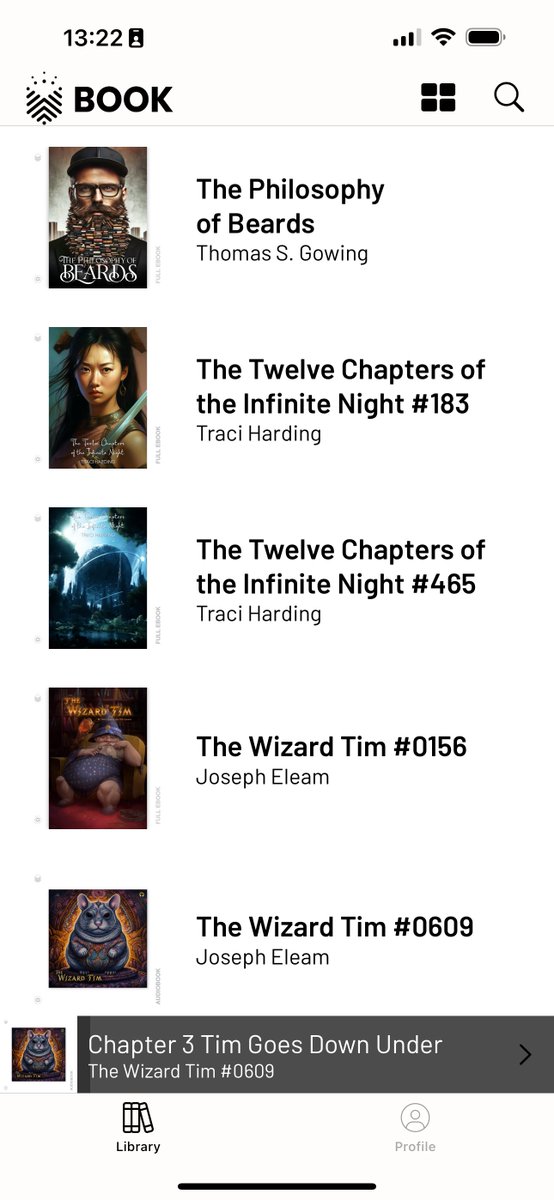
Like unboxing a Brand NEW MacBook Pro, it feels good - the attention to detail is evident here with Version 1.1.1 of the @book_io app.
Now with Audiobook support! 🎧
Remarkably, this is still early in their development...imagine what's coming...🥰❤️🔥
Things I LOVE about the user interface:
1⃣ Smooth browsing between #books & #audiobooks and their chapters
2⃣ Listen & Read along simulataneously... 👀💡
3⃣ Airplay 🔊
4⃣ Adjustable Playback Speed 💗
5⃣ Jump ⏪⏩ by 30 seconds in app or 10 seconds from lockscreen 😊
Wish List ✍️
📕Adjustable Jump settings - e.g. 15 seconds
📗Audiobook/ebook sync... many ideas...
📘Audiobook Bookmarks
I am so excited to get some of my favorite books of all time on Book!
#Book $Book book.io/
3
13
31
2,001
CP Health retweeted
29 Apr 2024
$BEARD - a meme-able book!
It is literally a book AND and a fungible token.
Add to your wallet, connect to the @book_io reader on desktop, iOS, or Android.
You’ll experience the delight of a Decentralized Encrypted Asset (DEA).
A simple, meaningful way to introduce new folks to one of blockchain’s most relatable use cases.
Actually own your ebooks, not just a license to view them.
Can be traded via @DexHunterIO integration on @TapTools or at @MinswapDEX & @CoinstoreExc.


2
13
51
1,981