
Professor @hku_education, Visiting Professor @SurreyIoE. PFHEA. #feedbackliteracy #assessment #feedback
Joined November 2014
- Tweets 7,648
- Following 1,079
- Followers 7,074
- Likes 29,866
600 Photos and videos
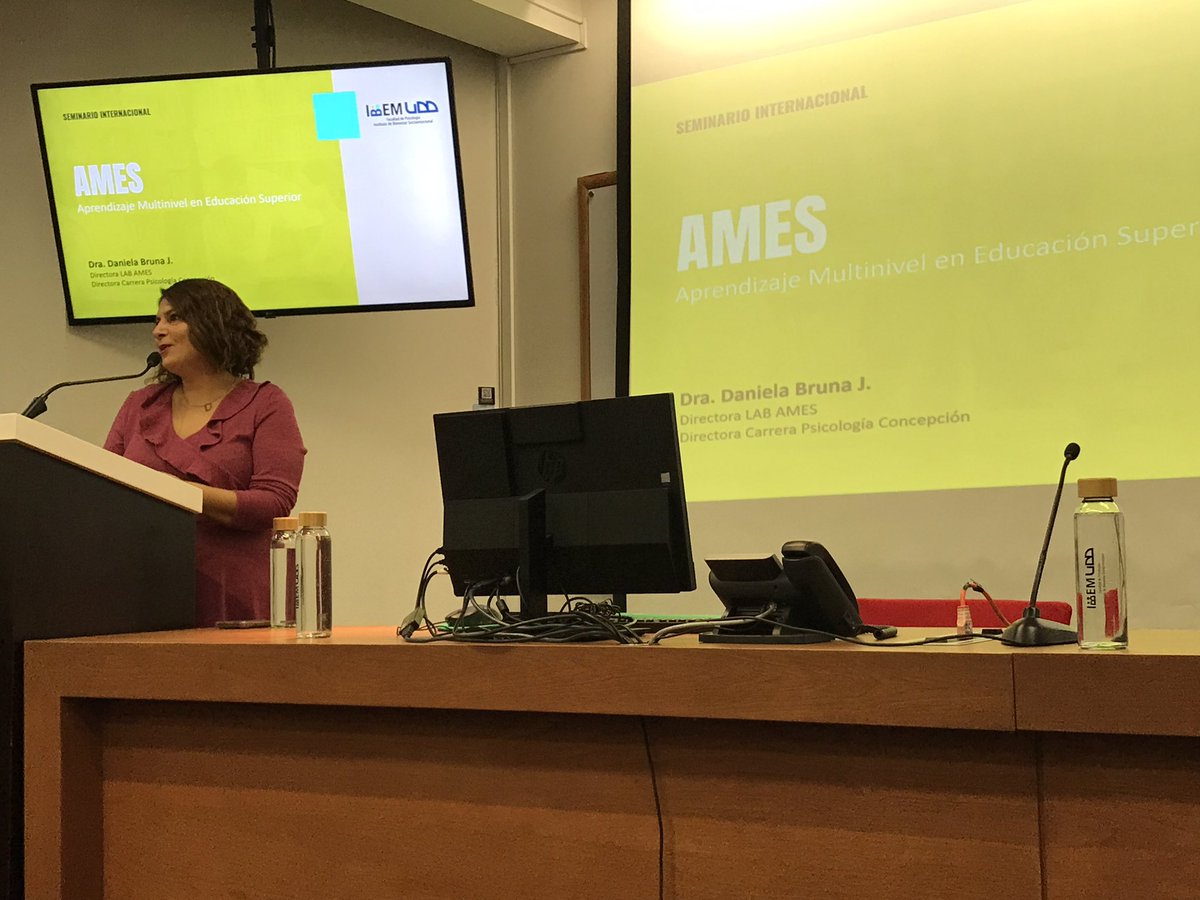
Feedback fluency: regular habits of generating and using feedback productively
tandfonline.com/eprint/AIJUS…
5
15
644

🎙️In our latest episode, Roger Kan, EdD student, talks about his research into AI generated content in the teaching of Marketing. 🤖
🎧Spotify: open.spotify.com/episode/1Io…
🎧Official Website: scape.edu.hku.hk/the-human-s…
#AI #EdTech #HigherEd #Research
1
1
430
David Carless retweeted

Apr 12
#edtech "three recommendations for teachers in promoting feedback seeking(..): model #feedback seeking and uptake; embed feedback seeking within the curriculum; develop relational climates of openness and trust for feedback seeking" More 👇🏻
scape.edu.hku.hk/feedback-se…
4
7
385

Mar 23
Feedback dilemmas are not just problems to tackle but opportunities to innovate, including with GenAI
Mar 22

Teacher feedback dilemmas and the use of GenAI: Challenges or opportunities? tandfonline.com/doi/full/10.…
My sincere thanks to my primary supervisor’s continuous support and encouragement over the last two years. @CarlessDavid This could never happen without his patient guidance.
2
12
922
David Carless retweeted
Feb 12
#edtech How can I promote feedback seekers 👉🏻 "if we want students to be pro-active participants in #feedback processes, it helps if they see teacher role models of generating and using feedback information"
scape.edu.hku.hk/feedback-se…
2
5
402
David Carless retweeted

All rejected papers share one common flaw: a weak discussion section.
I know because I used to write them too.
If you're stuck on the discussion section,
wondering how to tie it all together,
this is for you:
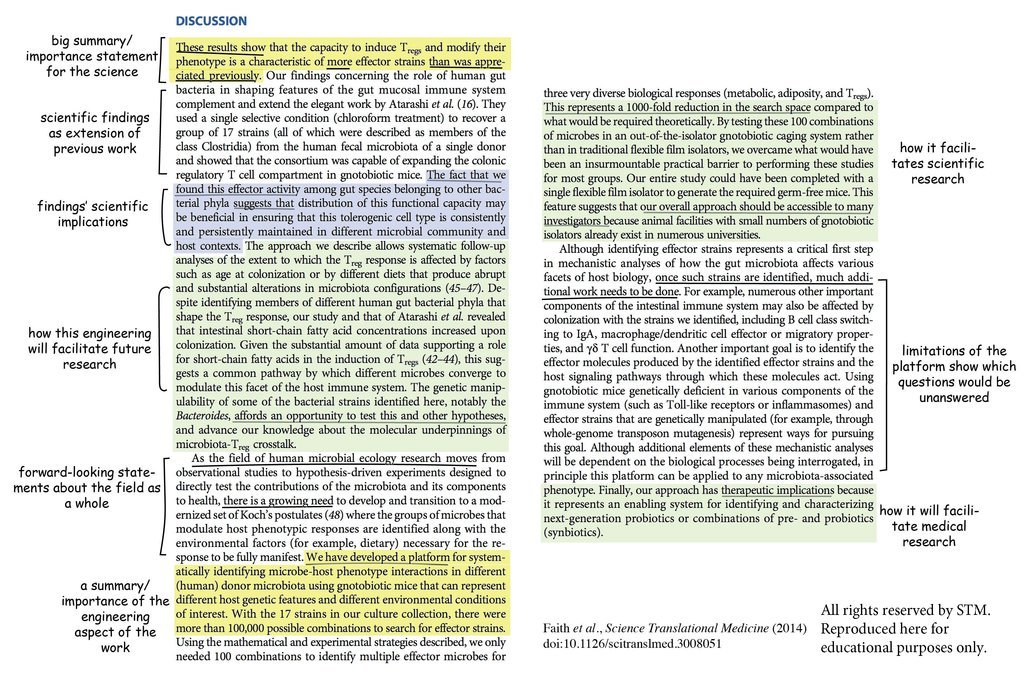
ALT Annotated parts of the discussion section: big summary/ importance statement for the science, scientific findings as extension of previous work, findings' scientific implications, how this engineering will facilitate future research, forward-looking statements about the field as a whole, a summary/importance of the engineering aspect of the work, how it facilitates scientific research, limitations of the platform show which questions would be unanswered, how it will facilitated medical research.
9
196
1,073
65,652
David Carless retweeted

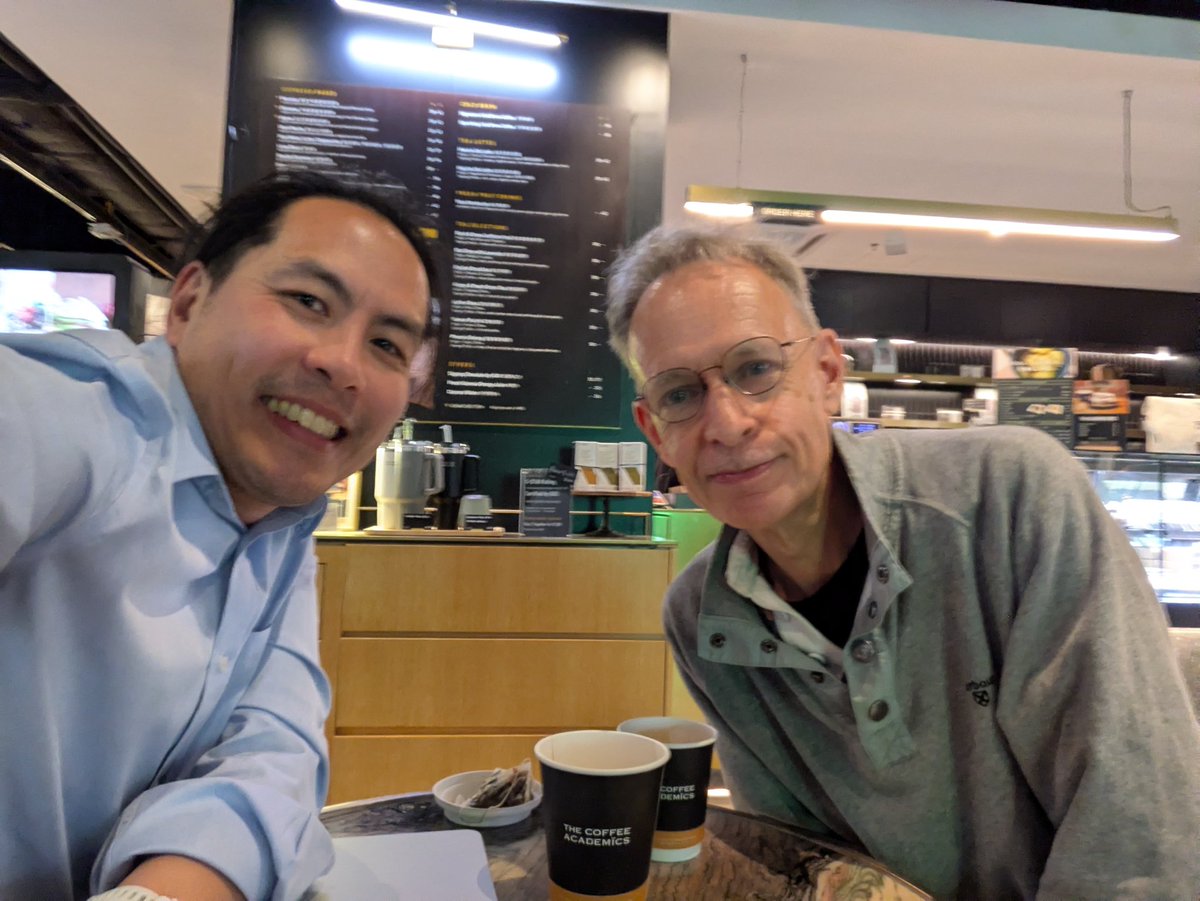
Great to meet with @CarlessDavid yesterday in Hong Kong to talk about feedback and the development of expertise. He offered the observation that medicine, architecture and teaching are the fields most interested in feedback.
1
10
399
David Carless retweeted
Jan 13
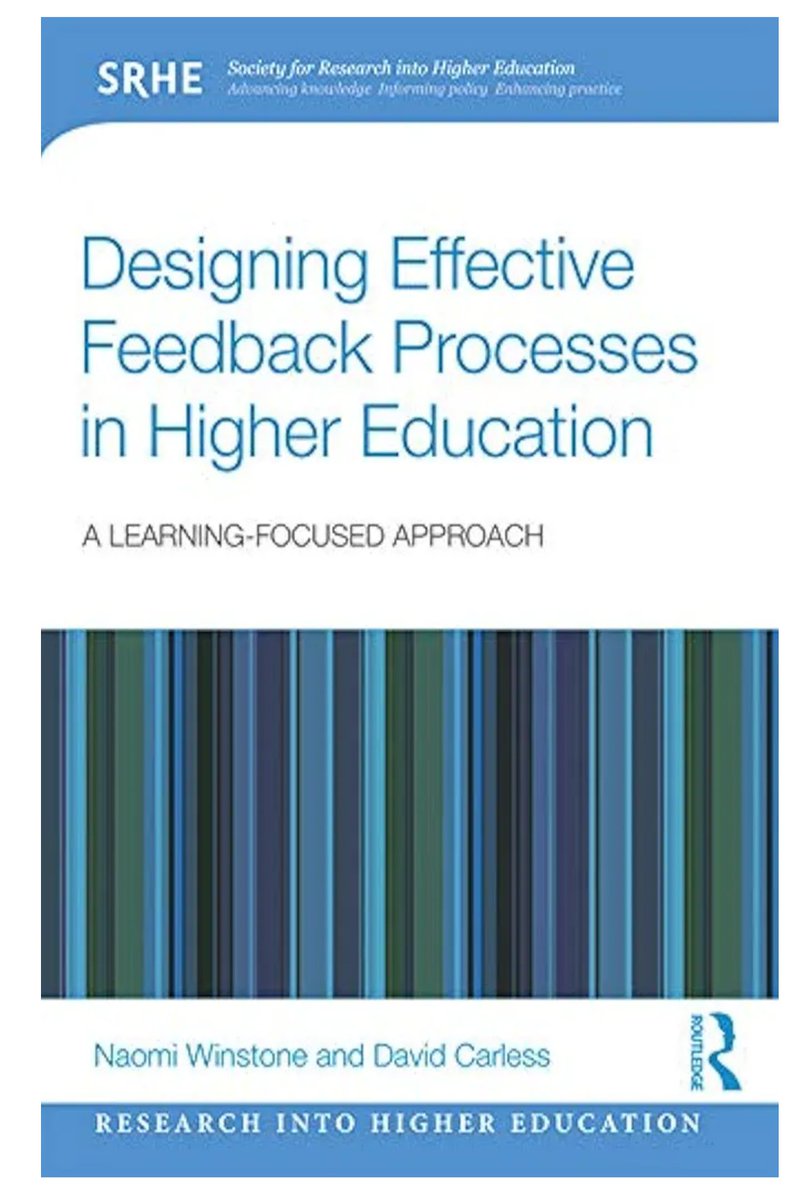
#edtech "It is a must-read for educators, researchers, and academic developers in higher education who will benefit from a guide to feedback research and practice that addresses well recognised challenges in relation to assessment and feedback" Not only higher education 😉
1
8
296
David Carless retweeted

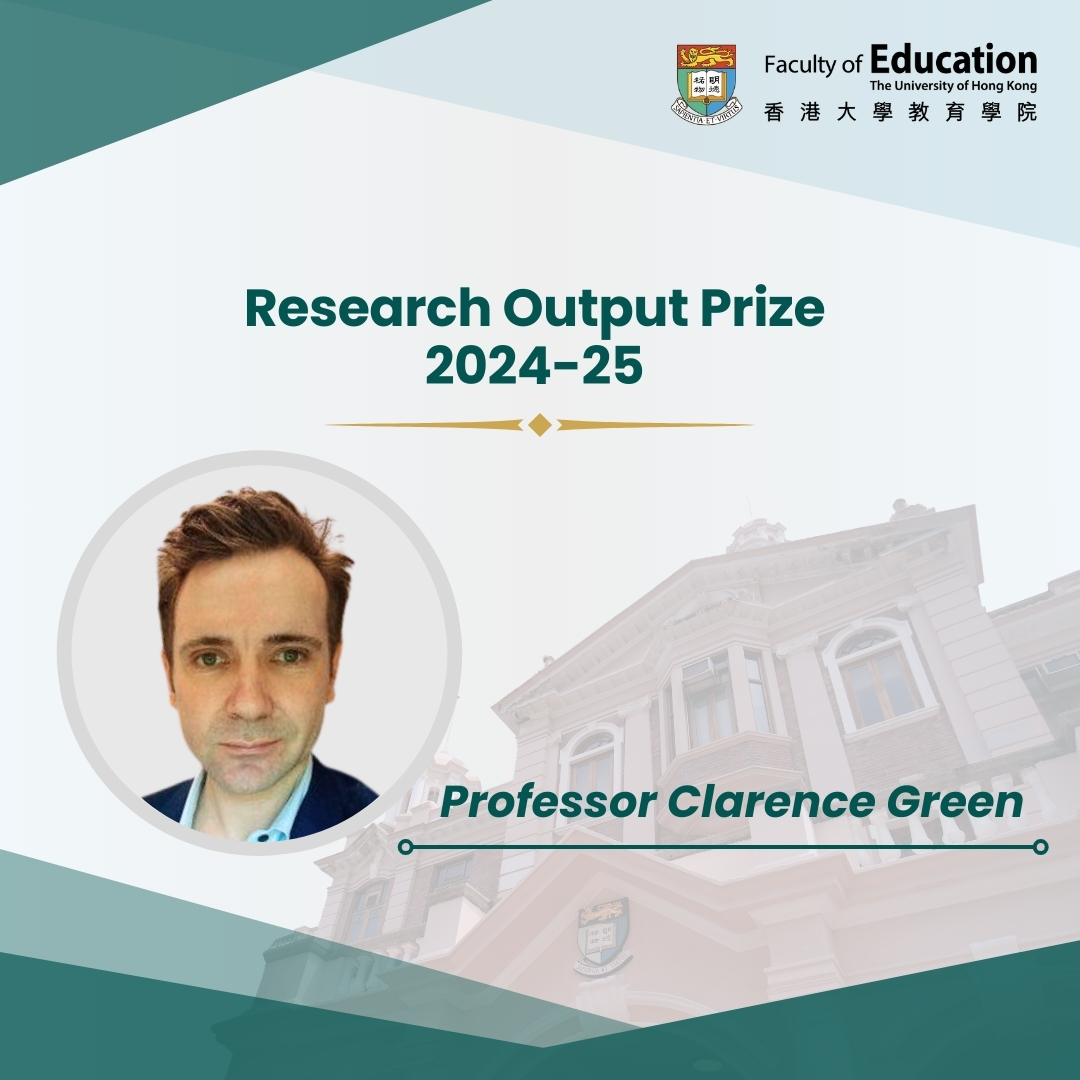
Professor Clarence Green has been awarded the Research Output Prize 2024-25 for the article co-authored with Dr Kathleen Keogh:
doi.org/10.1111/1467-9817.12…
More details: web.edu.hku.hk/news/ROP2024-…
Congratulations to Professor Green on his achievement!
#HKU #HKUEducation #literacy
2
7
392
David Carless retweeted
16 Dec 2025
#edtech "fostering constructive #feedback environments that provide actionable information and acknowledge students’ prior achievements encourage students’ autonomy to seek feedback" More 👇🏻
scape.edu.hku.hk/how-do-stud…
6
9
1,208
David Carless retweeted

Jan 11
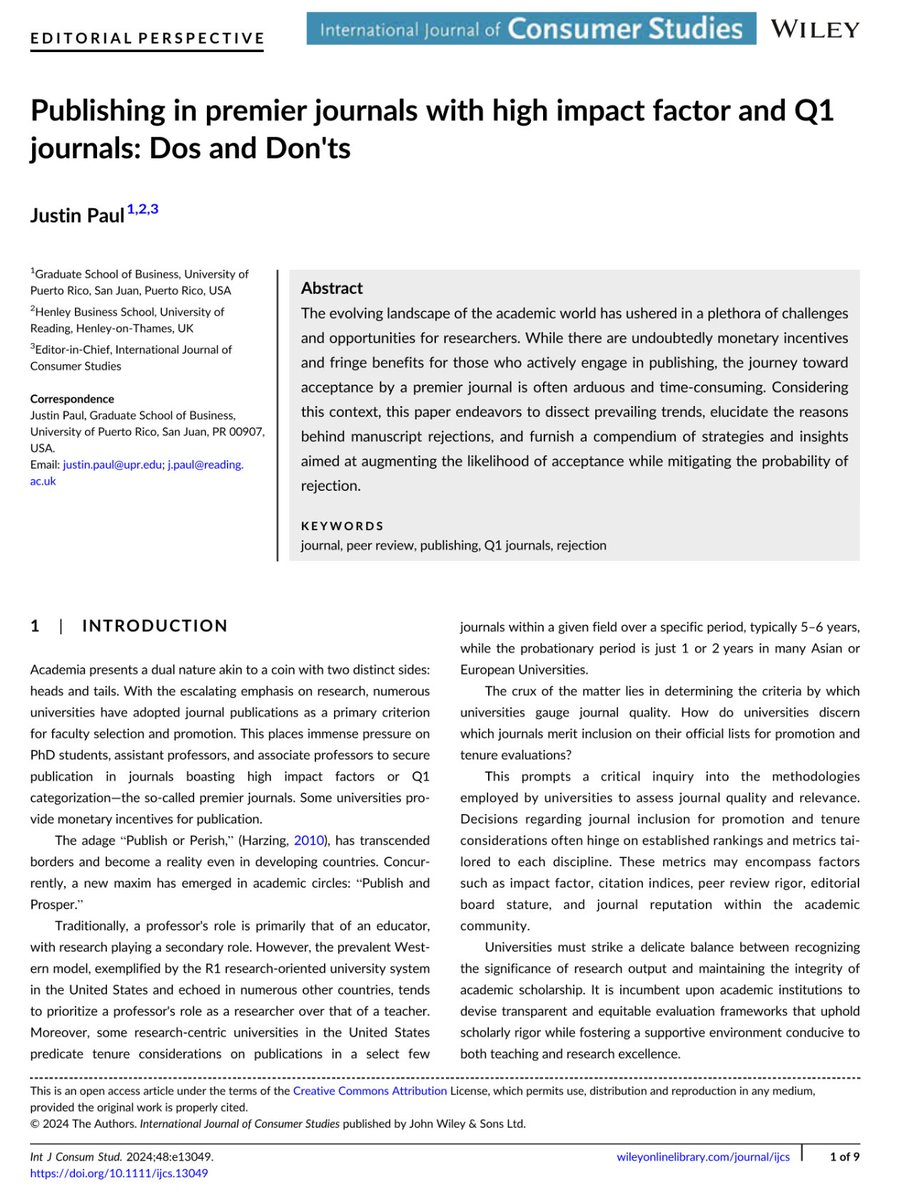
Your paper isn't getting rejected because your research is bad.
Here's what actually gets papers rejected ⤵️
Your literature review is outdated
Copying and paraphrasing old reviews? Editors spot this instantly.
They want fresh citations from the last 2-3 years.
You're working on exhausted topics
When 1000 papers already exist on your topic, your work needs something genuinely new.
First movers get published. Fast followers get cited.
Your sample is too small or convenient
Student samples? Snowball sampling? Convenient sampling?
Desk rejection.
Premier journals demand robust methodology.
No theoretical contribution
Data without theory = rejection.
Your findings need to advance how we understand the phenomenon.
You're defending instead of revising
Getting a revise-and-resubmit is rare (5-7% of submissions).
Treat reviewer comments like gold.
Implement them. Don't defend.
The 3 things that changed my acceptance rate:
→ Mixed methods over single studies
→ Multiple experiments in one paper
→ Including co-authors with complementary expertise
Publishing isn't about being perfect.
It's about being strategic!
What's been your biggest publishing challenge?
1/6
15
264
1,003
72,800
Exploring feedback seeking in higher education: how students and academics can combine inquiry and monitoring strategies to enhance learning and teaching. 📚🤝 Insights from @CarlessDavid.💬✨ #Feedback #HigherEd #LearningStrategies
scape.edu.hku.hk/feedback-se…
2
7
510
David Carless retweeted

17 Dec 2025
Feedback Literacy in language Education by @CarlessDavid
Direct link to paper: tesolunion.org/attachments/f…
1
5
363
18 Dec 2025
Feedback seeking & motivation: blog post by @belindazhouhl
16 Dec 2025

#edtech "fostering constructive #feedback environments that provide actionable information and acknowledge students’ prior achievements encourage students’ autonomy to seek feedback" More 👇🏻
scape.edu.hku.hk/how-do-stud…
1
8
804
17 Dec 2025
A review of feedback literacy research as a concept originating in higher education and taken up enthusiastically in academic writing & EAP tesolunion.org/attachments/f…
6
15
1,085
David Carless retweeted

15 Dec 2025
👏Our new article on student feedback seeking highlights the potential of combined monitoring & inquiry.
😀Many thanks again for the valuable support from @CarlessDavid and @JuusoNieminen
tandfonline.com/doi/full/10.…
6
11
587
15 Dec 2025
Our new article on feedback seeking, highlighting the potential of combined monitoring & inquiry, with @belindazhouhl @JuusoNieminen
tandfonline.com/eprint/Z6GGJ…
6
28
1,255
8 Dec 2025
Assessment can and should be for learning. At its best, it should be energizing and motivating.
8
484
David Carless retweeted

20 Oct 2025
New from the Cambridge Elements series I edit:
“How to Use Generative AI in Educational Research” (J. Roe)
A timely, practical guide to integrating GenAI thoughtfully into educational research; balancing innovation & ethics.
📖 Free access for 2 weeks:
🔗 doi.org/10.1017/978100967533…
2
20
38
3,085
David Carless retweeted

19 Oct 2025
Two terms it’s helpful to know about, contributions and significance patthomson.net/2025/10/19/re…
1
10
25
1,521